Since liberation from communism in 1989, Bulgaria has had 30 bumpy years, due to post communist bureaucratic corruption, which has inhibited development and impeded recovery. Bulgaria has the “award” of being the most corrupt country in the European Union. Although part of the EU, Bulgaria has not been allowed to become part of the Schengen zone, because they have not resolved government misconduct https://thechosenfugue.blogspot.com/2018/10/schengen.html They hope to obtain Schengen status by this fall. (Update: as of January 2026, they are part of Schengen)
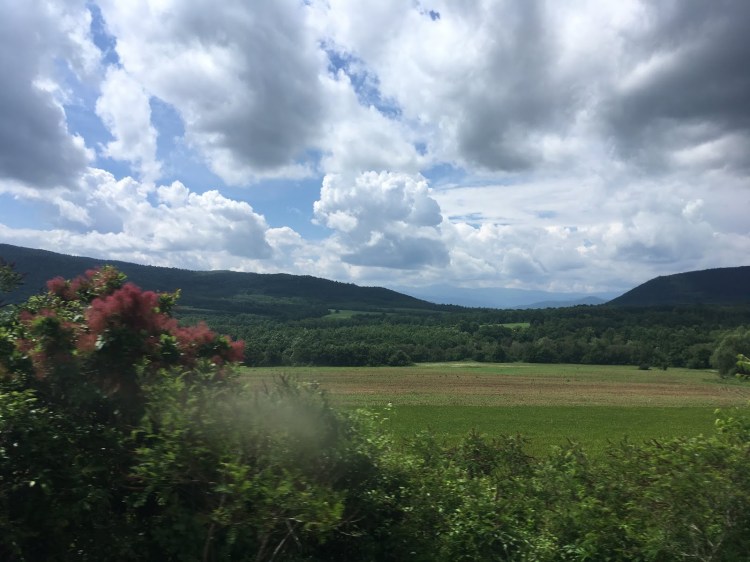
We’ve taken advantage of their malfeasance. Our visit was prompted by our need to gain more non-Schengen time. Bulgaria might also win an award for most potential; amazingly beautiful countryside, unique historical sites and the underrated Black Sea coast (both under and over developed). We started off in Sofia, the capitol of Bulgaria, seeing two other interior cities (Plovdiv and Veliko Tarnova) before venturing to the Black Sea coast.
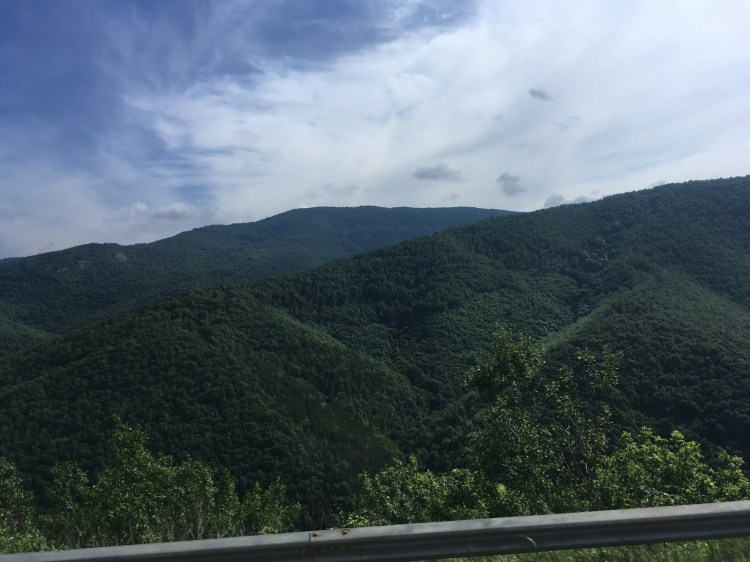
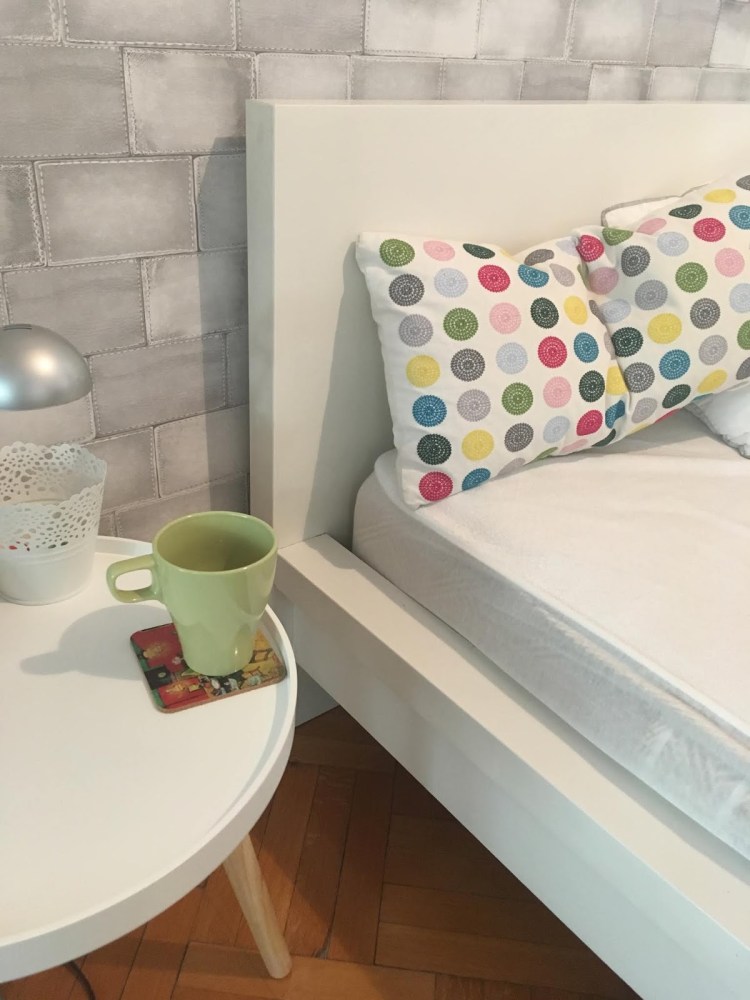
Bulgaria presented some challenges from the start. Pretty much the only thing we had heard was watch out for scamming cab drivers. Since our Ryan Air flight came in just before midnight, after the subway had stopped, we had no choice. Of course we had a super nice cab driver who even waited to make sure we managed to find our way into our apartment (a series of lock-box keys and fobs made it a bit time consuming). We made it in and realized we were not in Kansas anymore. In some respects all of our lodgings have looked the same, all stocked with IKEA dishes and furniture, apparently the Fargik cup and the Malm bed are the Esperanto of home furnishings. Fargik cup comes in turquoise, white, blue and green; have used them all.
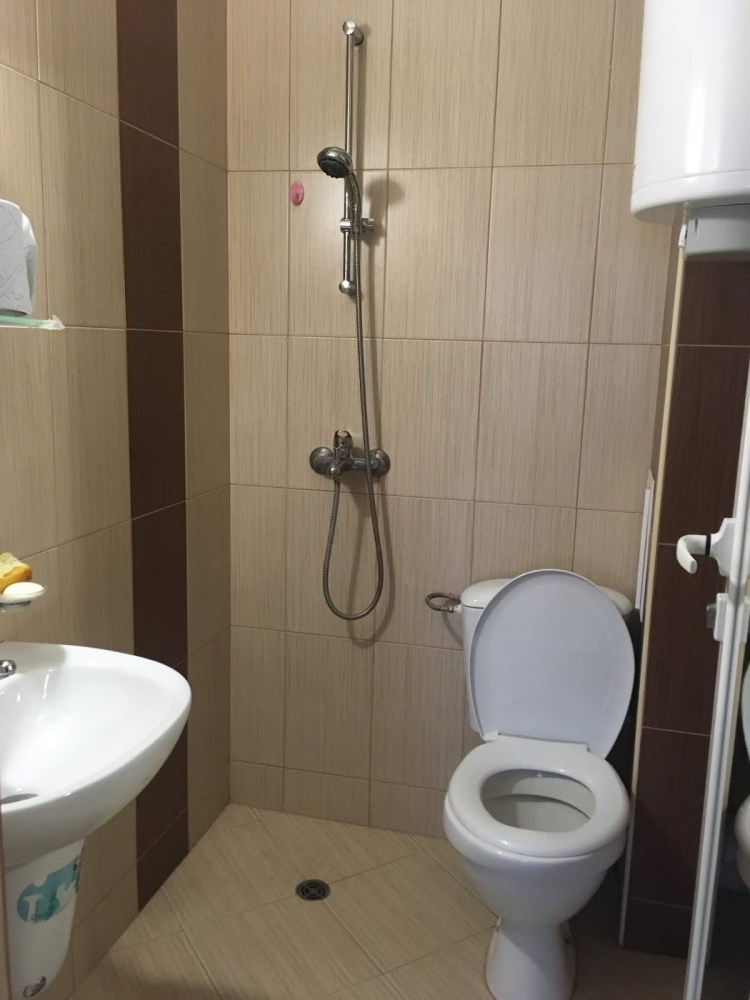
But, Bulgaria was an exception with some new twists. If you like to pee in the shower, Bulgaria is your country.
Our apartment was right above the “Women’s Market”.
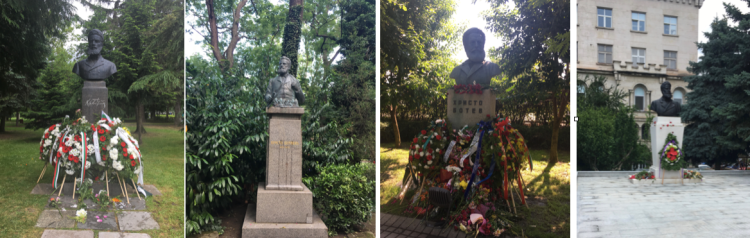
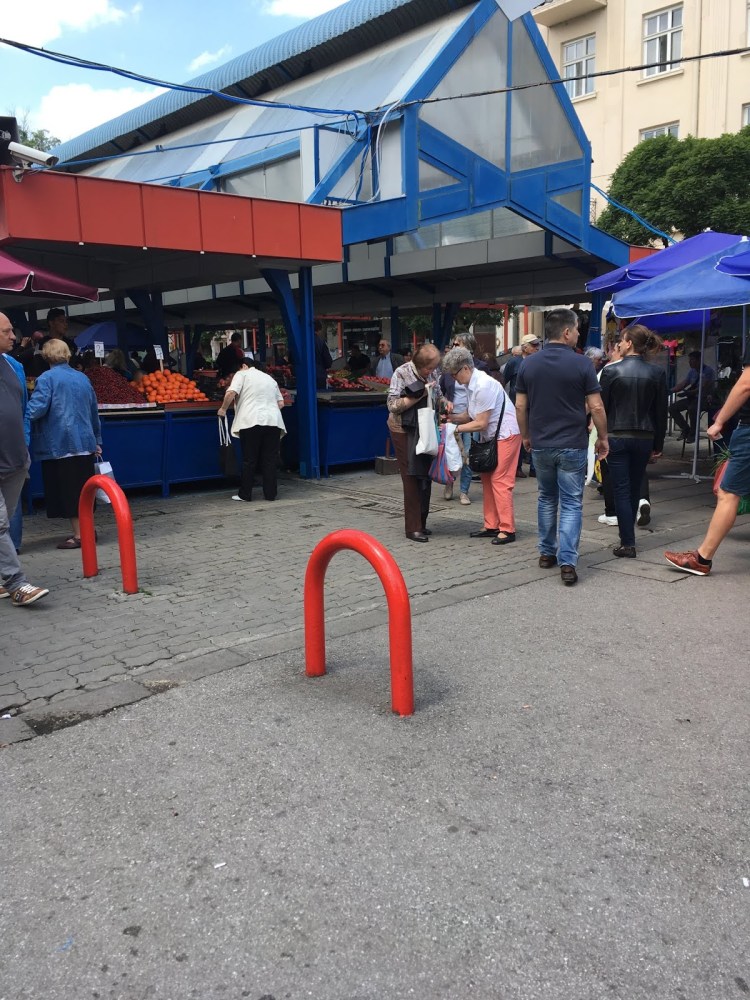 While shopping we experienced an air raid signal followed by 2 minutes of silence as it was June 2, the day that honors Hristo Botev, poet, journalist and revolutionary who was killed in battle on June 2, 1989. His presence was in virtually every city we visited in Bulgaria.
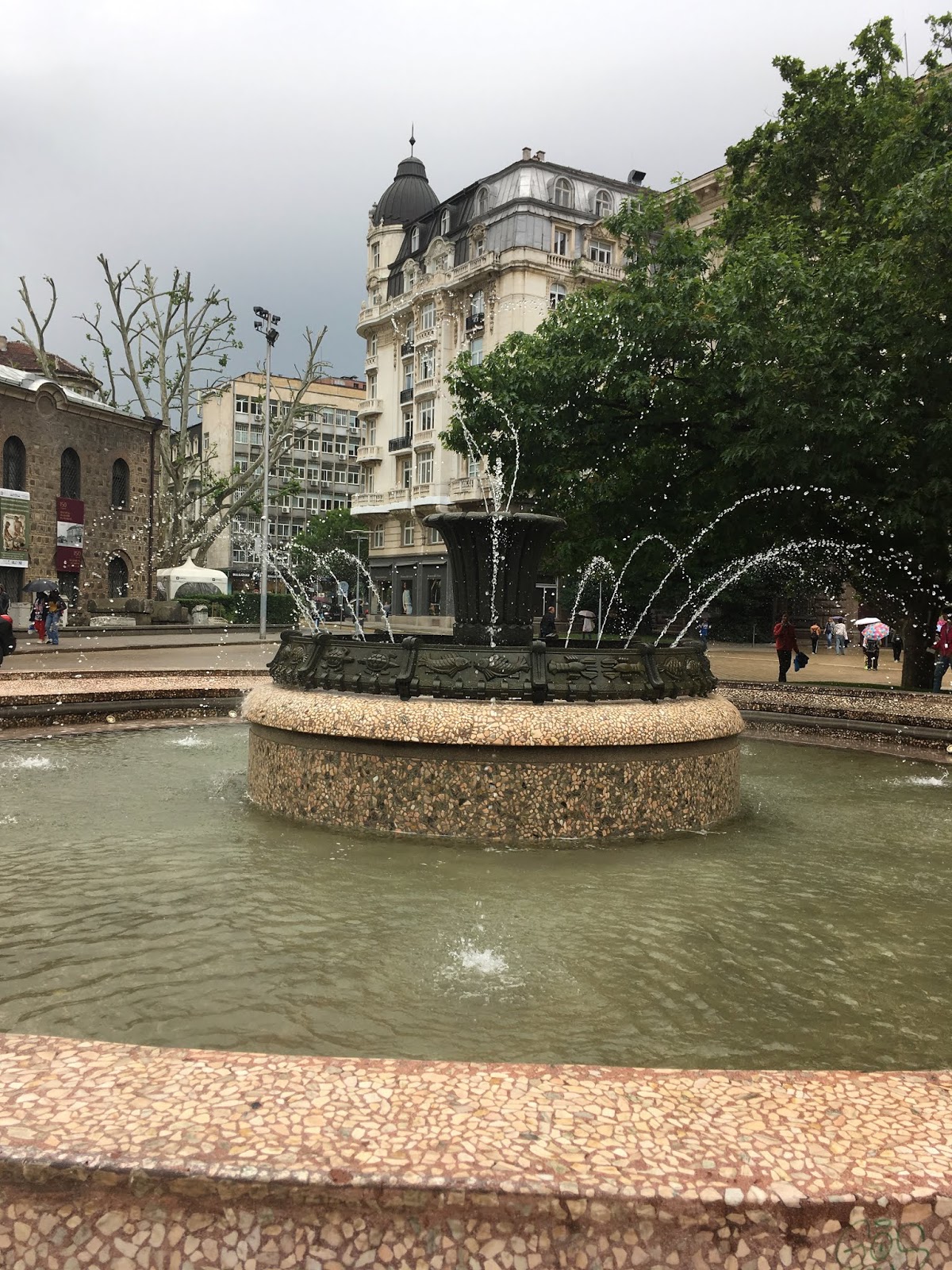
 The cliché is that former Soviet bloc cities are drab and bleak. Sofia is that cliché.
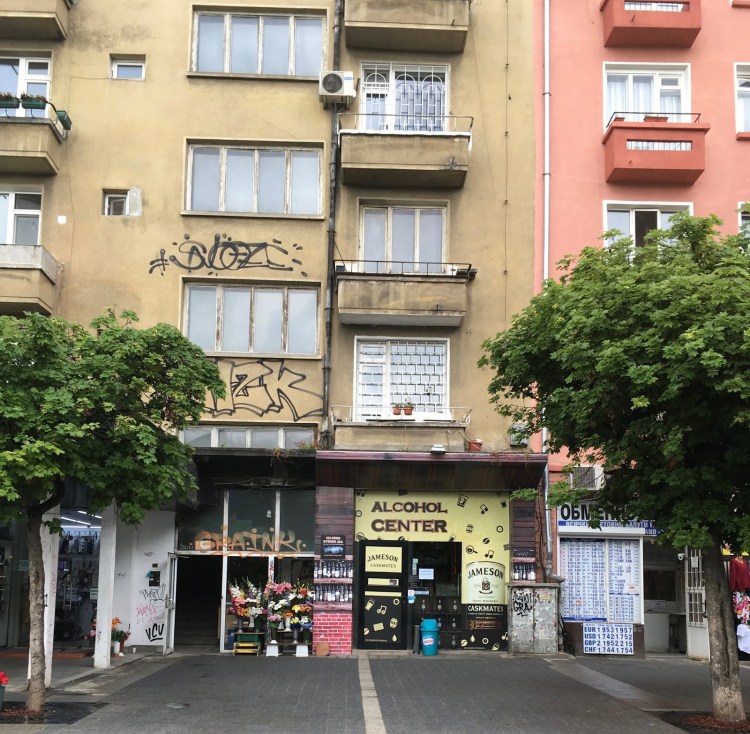
It didn’t help that we walked around it during booming torrential thundershowers which made it difficult to tell where the grey buildings ended and the grey skies began.
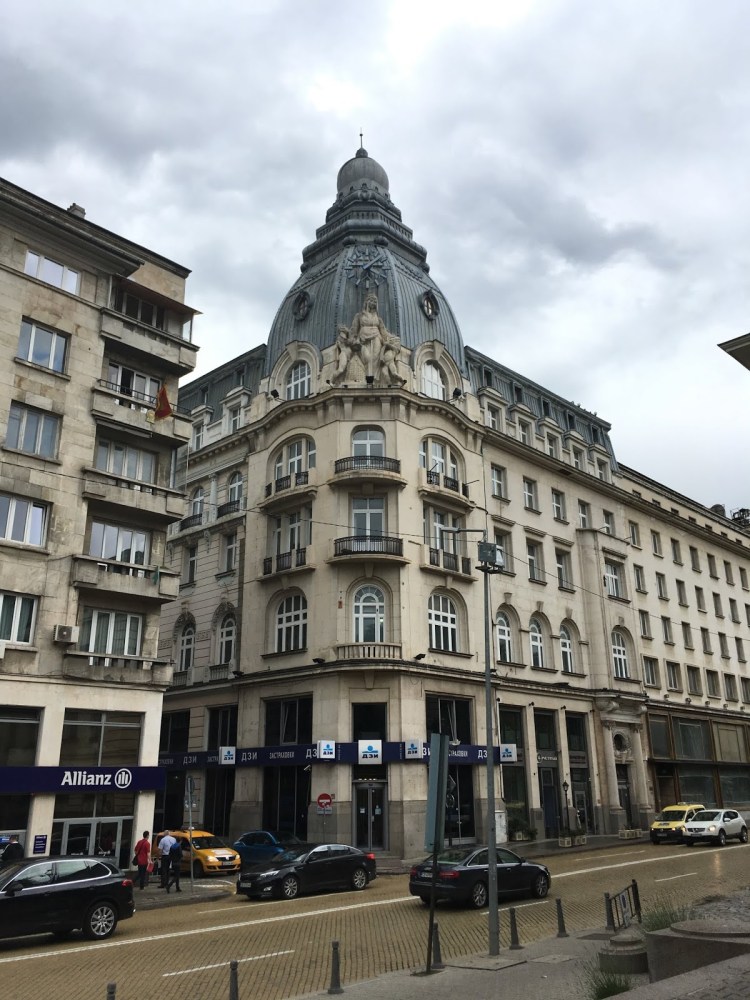
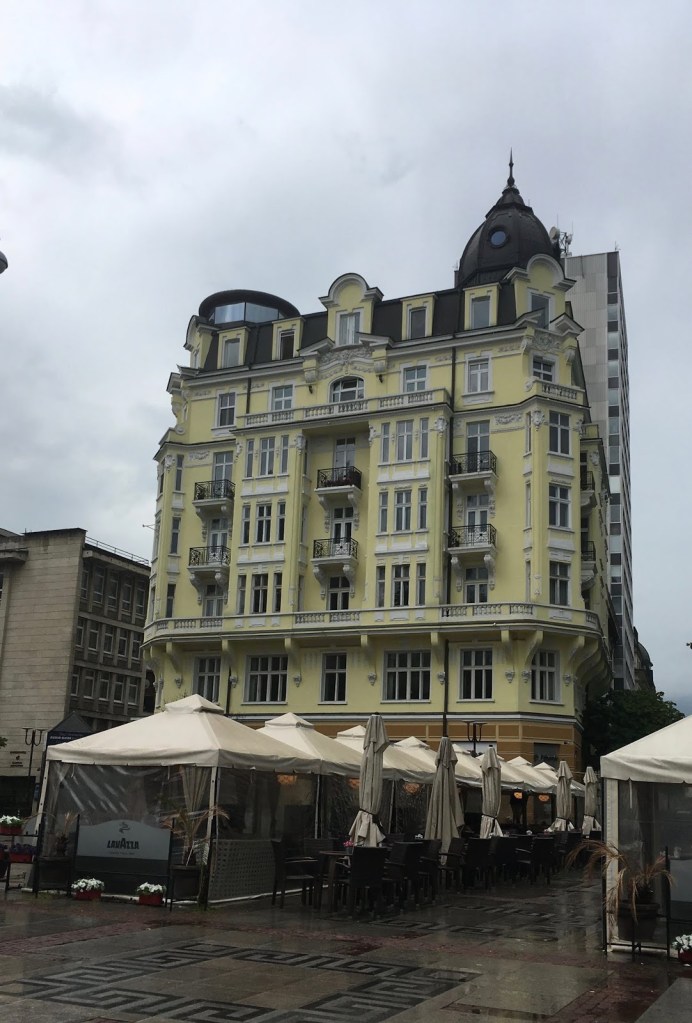
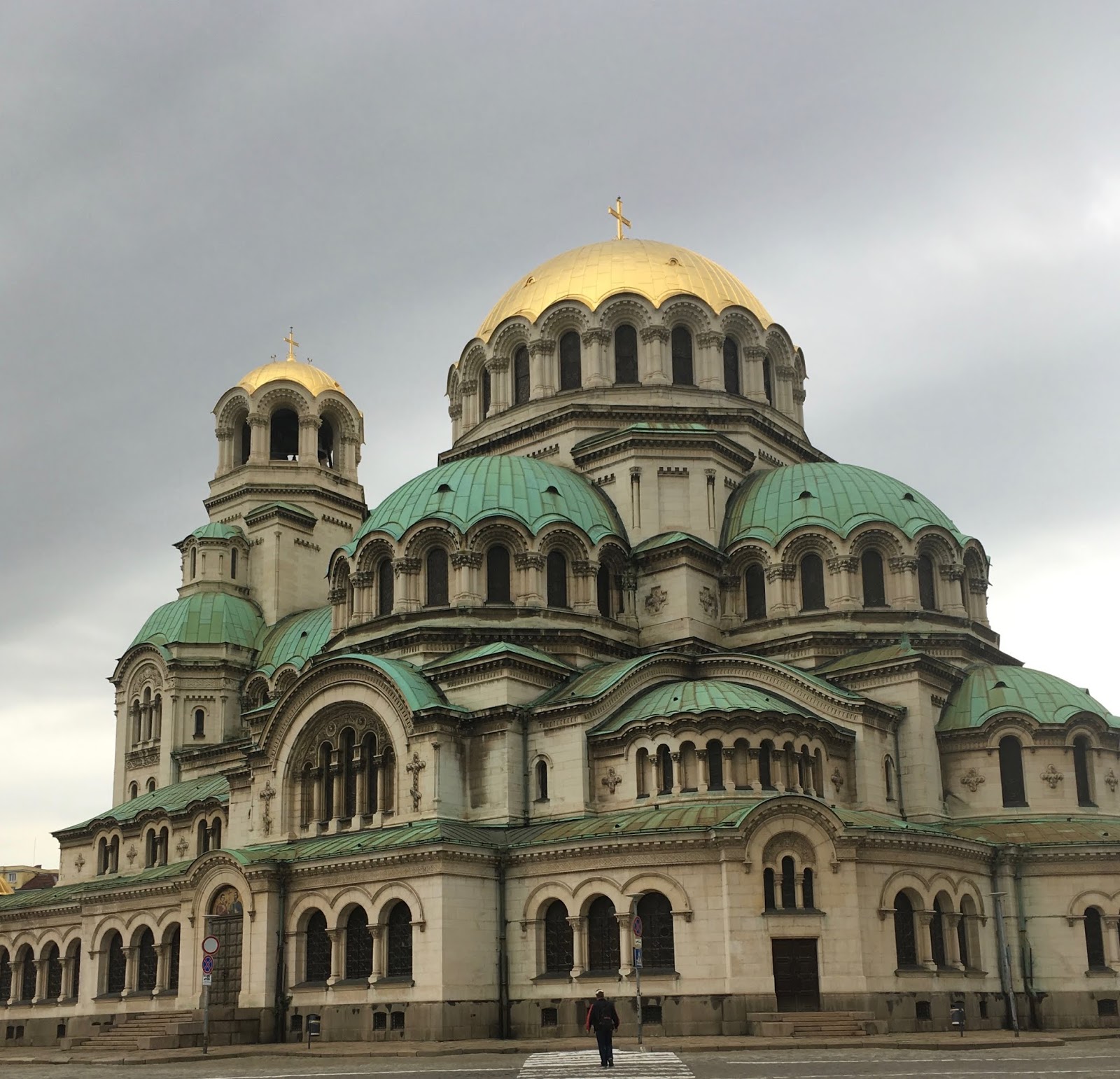
Sofia did have some lovely buildings, parks, statues and squares but we had to walk through kilometers of forgettable blah to reach them. We could not even find a Lidl market (https://www.washingtonpost.com/news/business/wp/2017/06/15/what-is-lidl-5-things-the-german-grocer-is-bringing-to-america/?utm_term=.fd5f39fa51f8 )
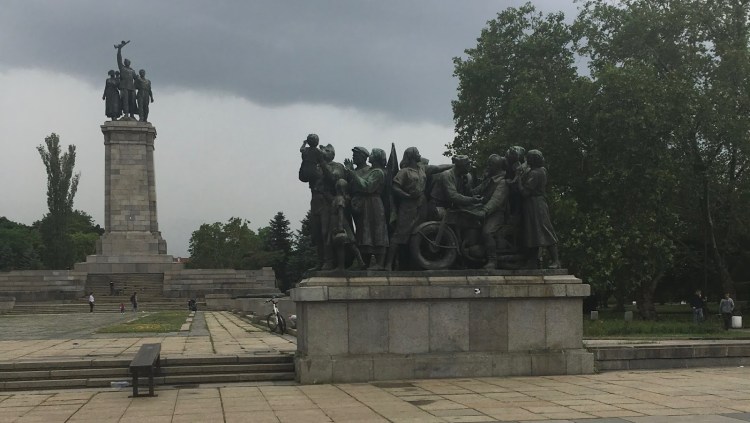
| see variations here https://www.atlasobscura.com/places/monument-to-the-soviet-army |
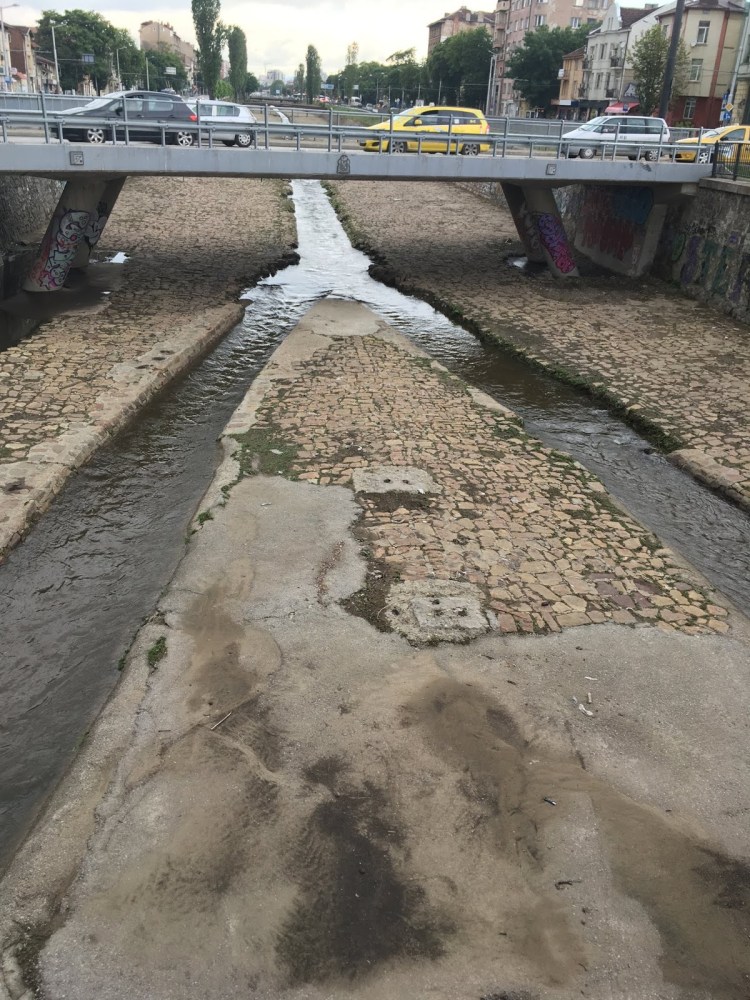
| LA river’s sister river? |
 |
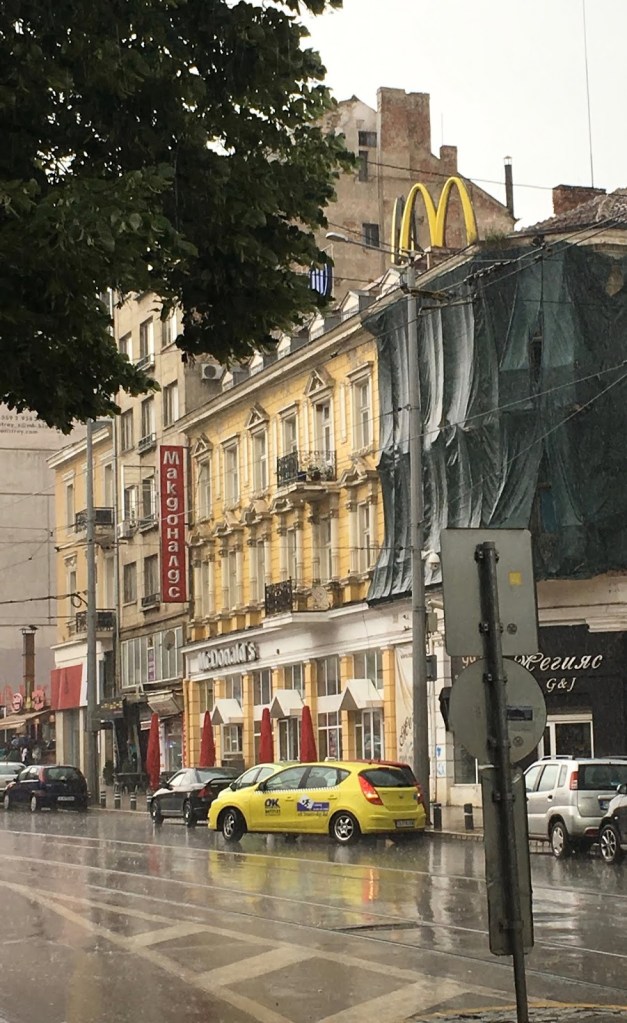
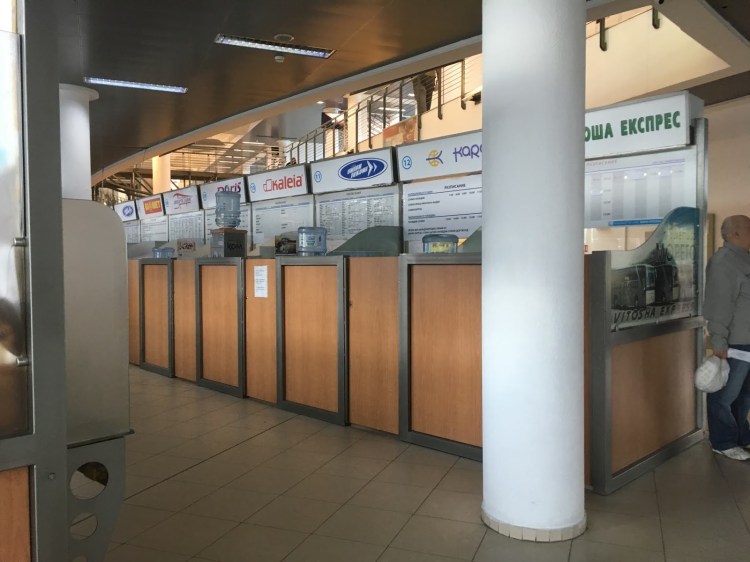
That is how you spell McDonalds in Cyrillic
To confirm we were not in Kansas, Sofia downtown was paved with yellow brick roads.
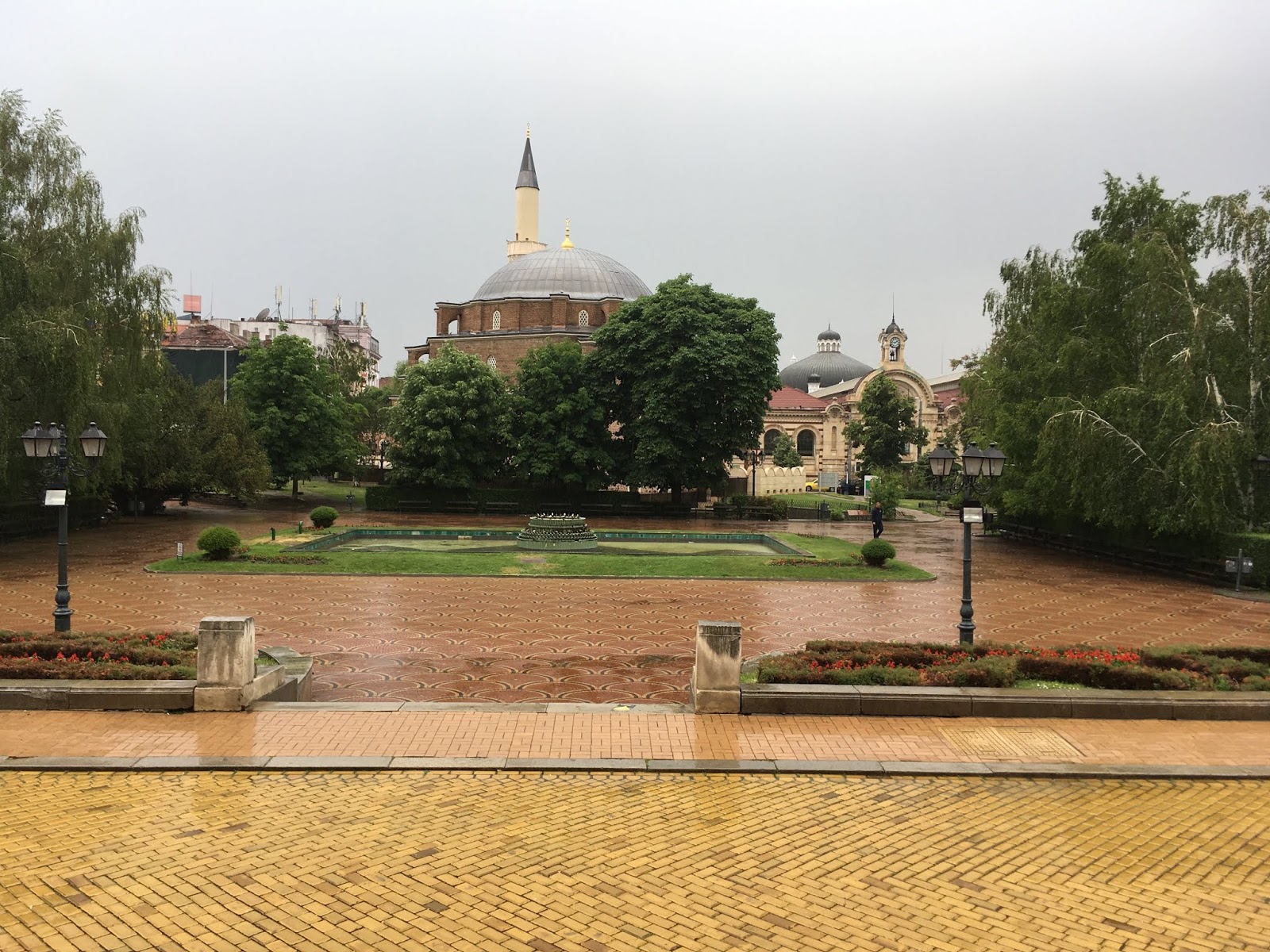
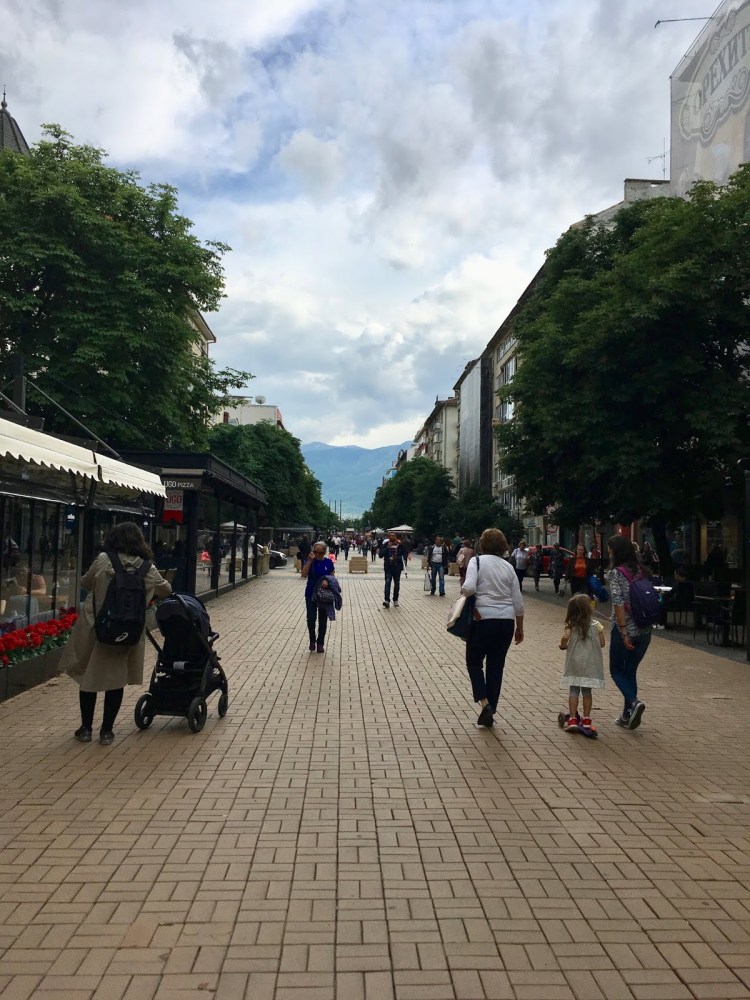
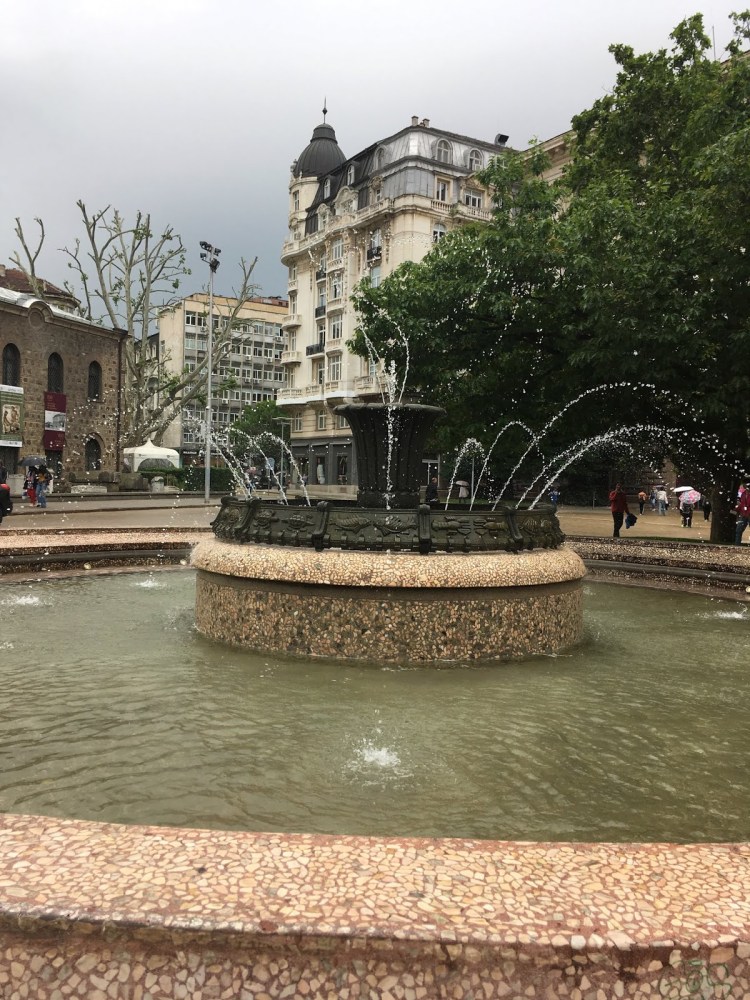
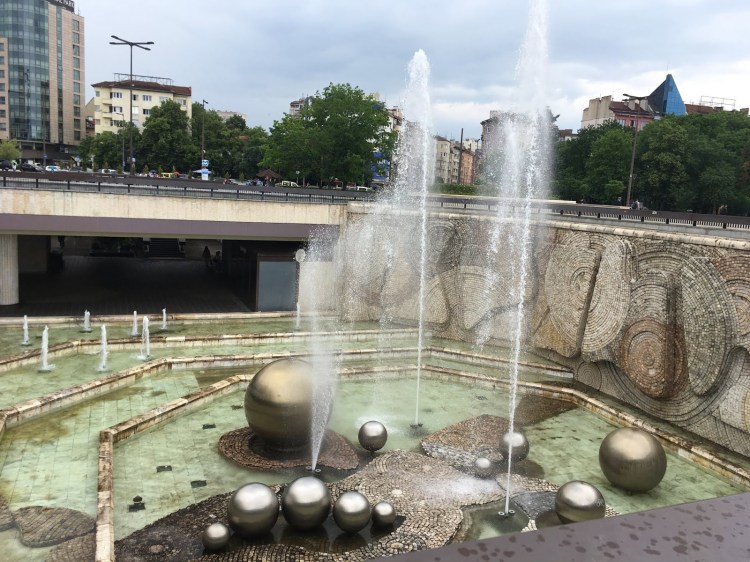
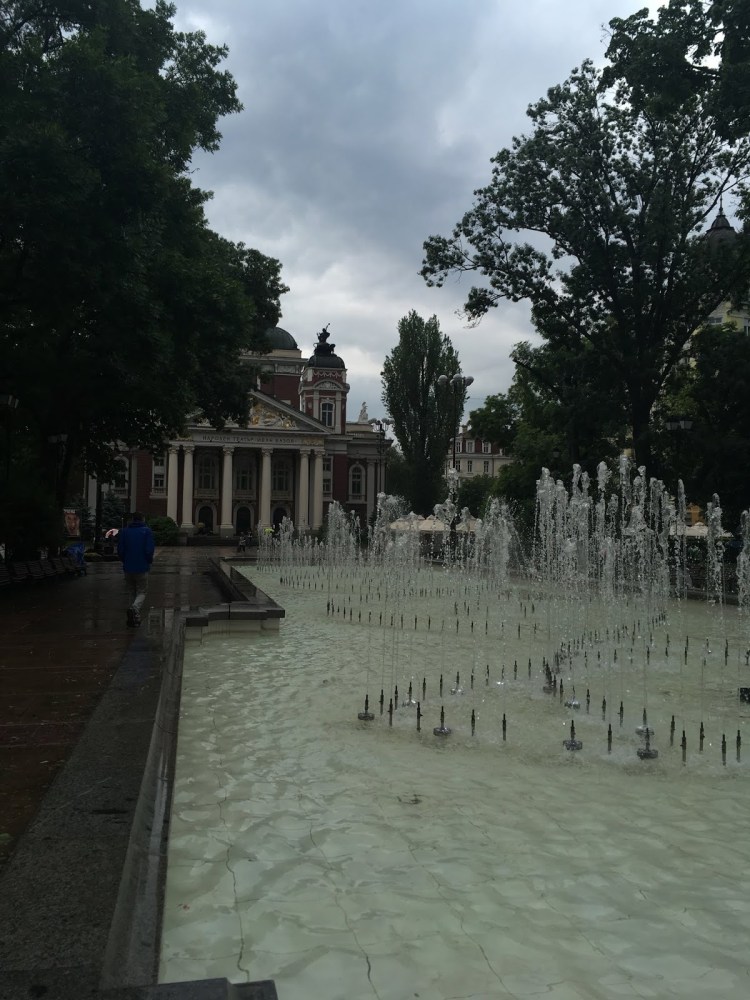
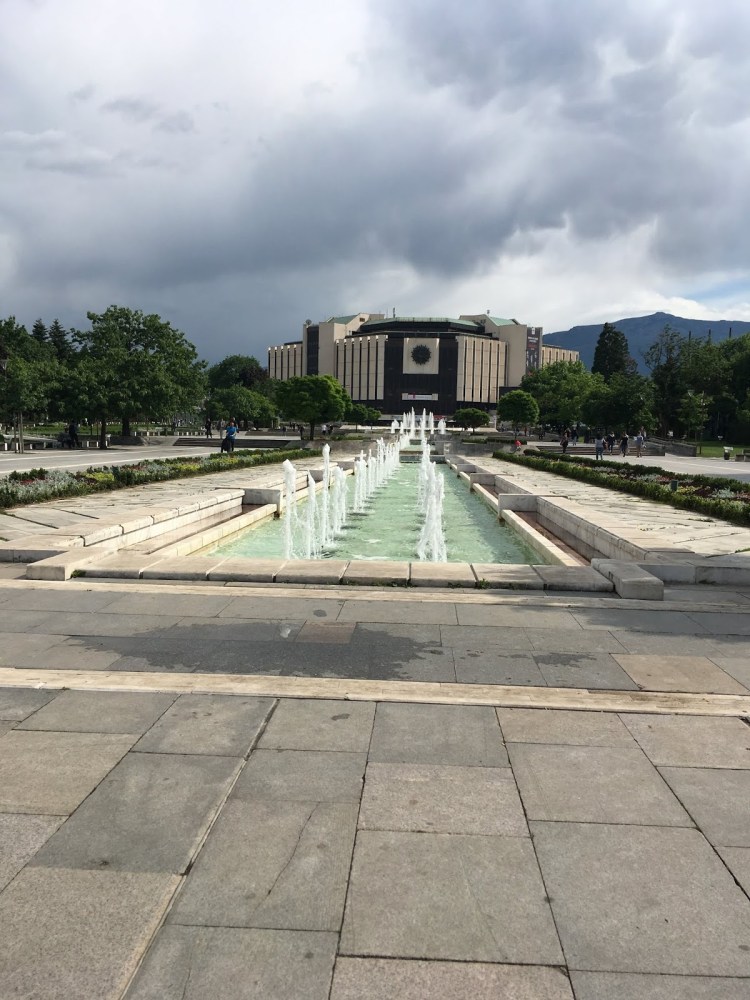
A love of fountains extends to water fountains in the bus station
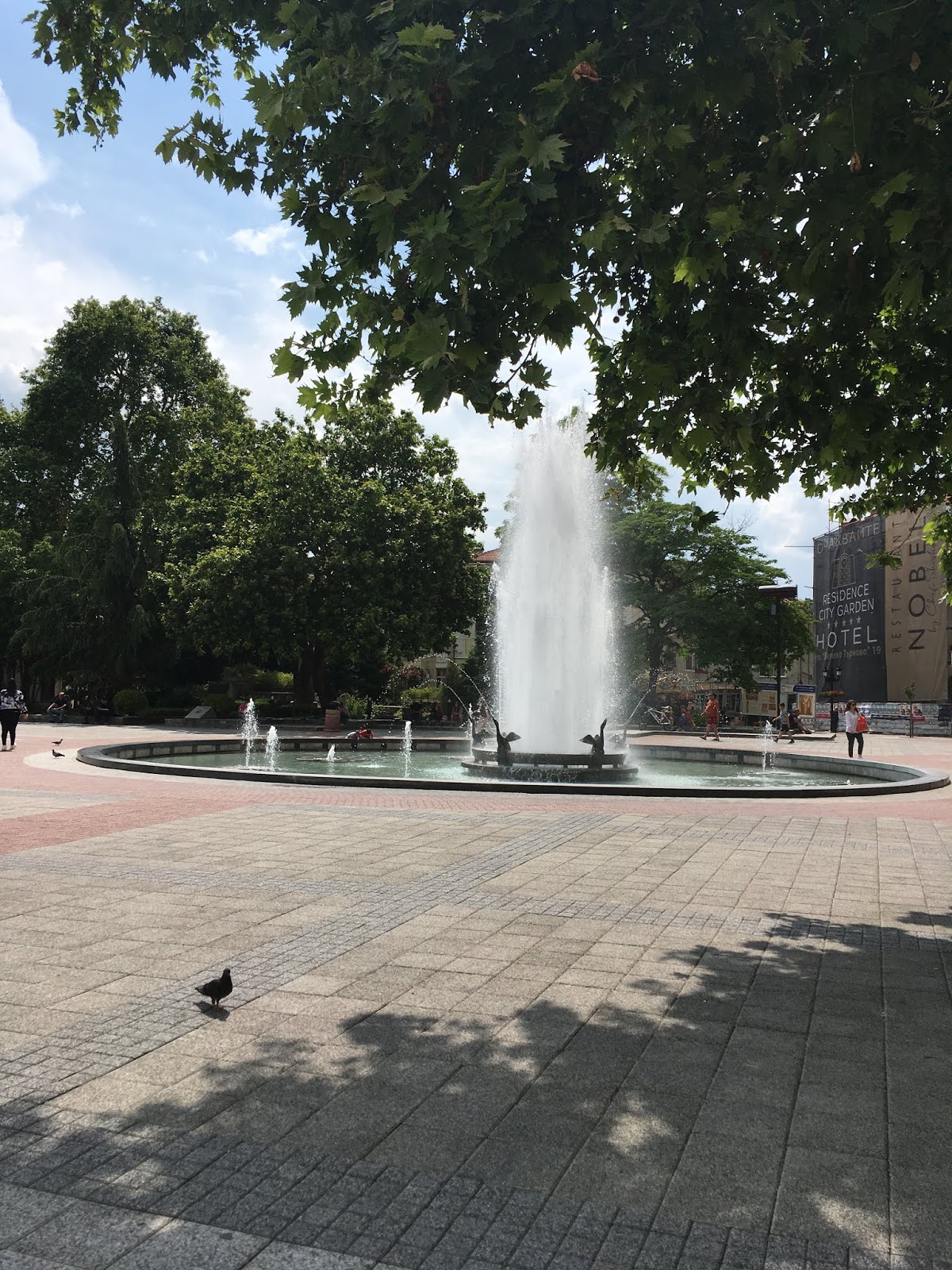
Plovdiv is a very old city, originally called Pillippopolis and founded in 4 BCE It was a tableau of Bulgarian history- Roman and Thracian ruins, Medieval churches, Ottoman mosque, with an ancient amphitheater still in use, plus more fountains-in the square and in the park.
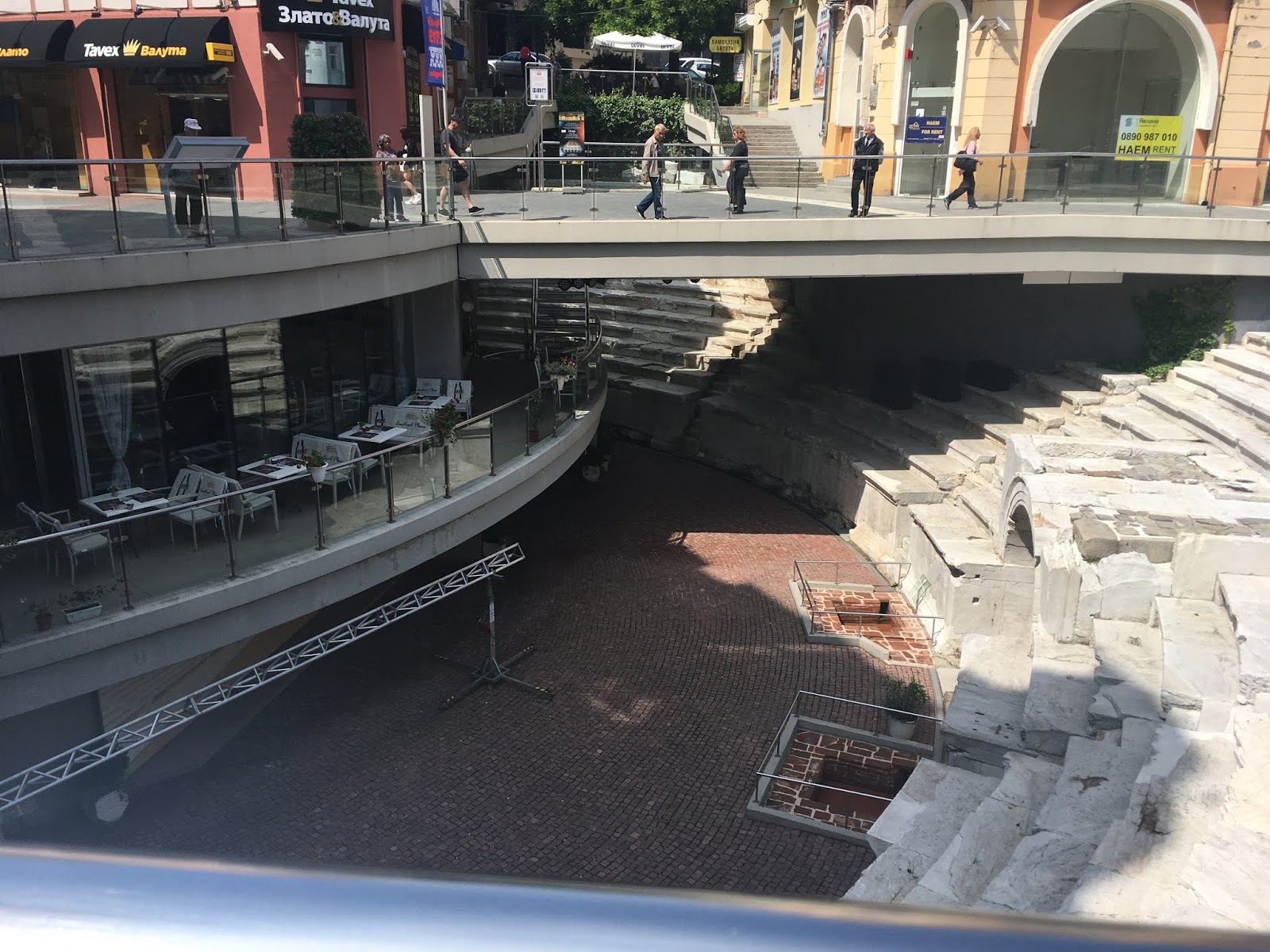 |
| Combine dining, shopping and ancient stadium viewing |
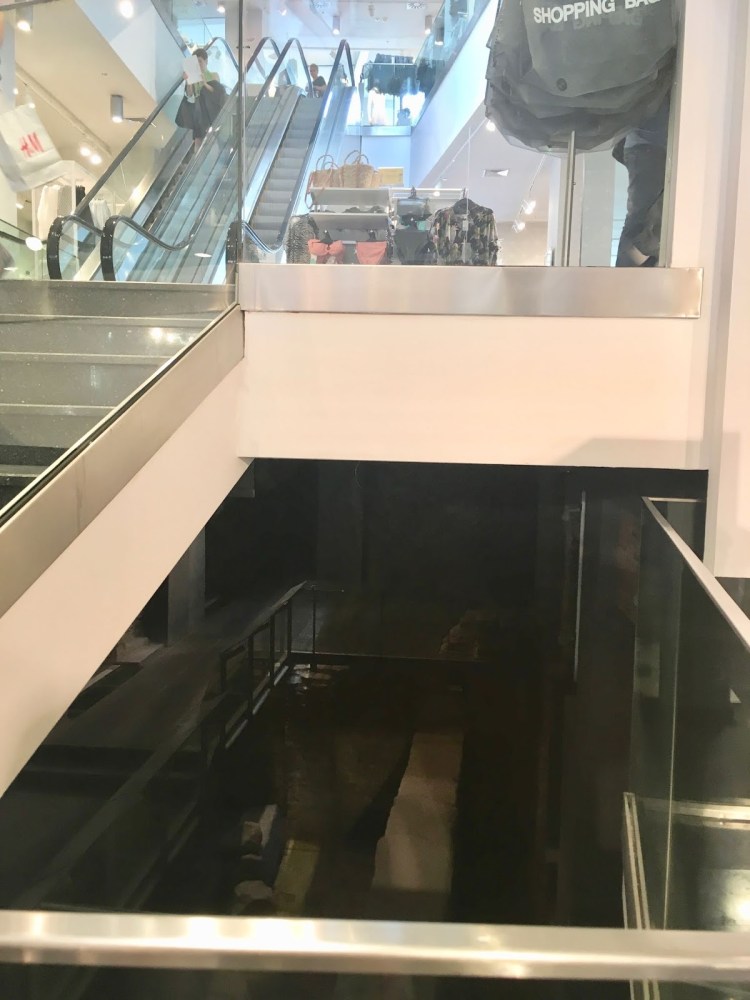
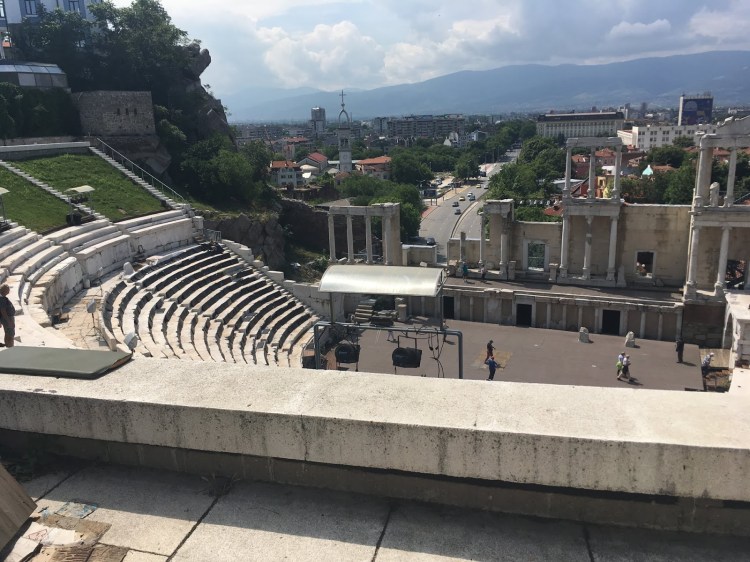
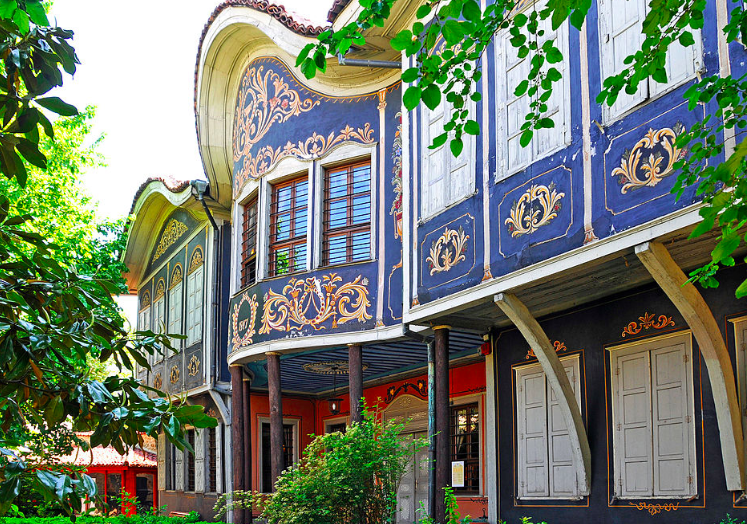
One area was pretty much preserved as it was in the mid 1800’s, full of wealthy merchant houses, uneven streets, ancient Roman ruins and medieval churches. These pictures are from Wiki commons-Patricia was so concentrated on not tripping- pictures were not taken.
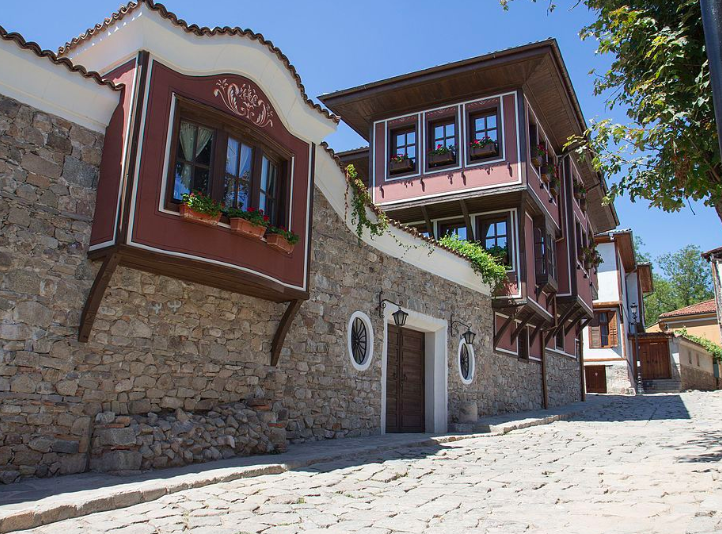
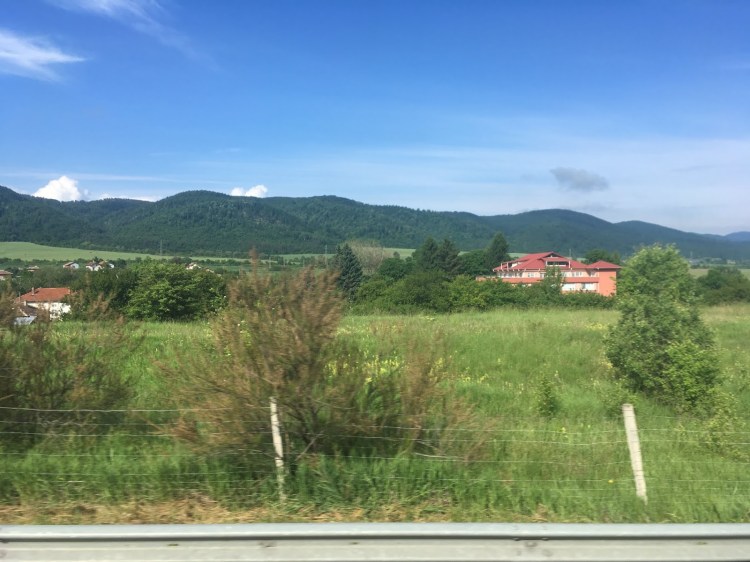
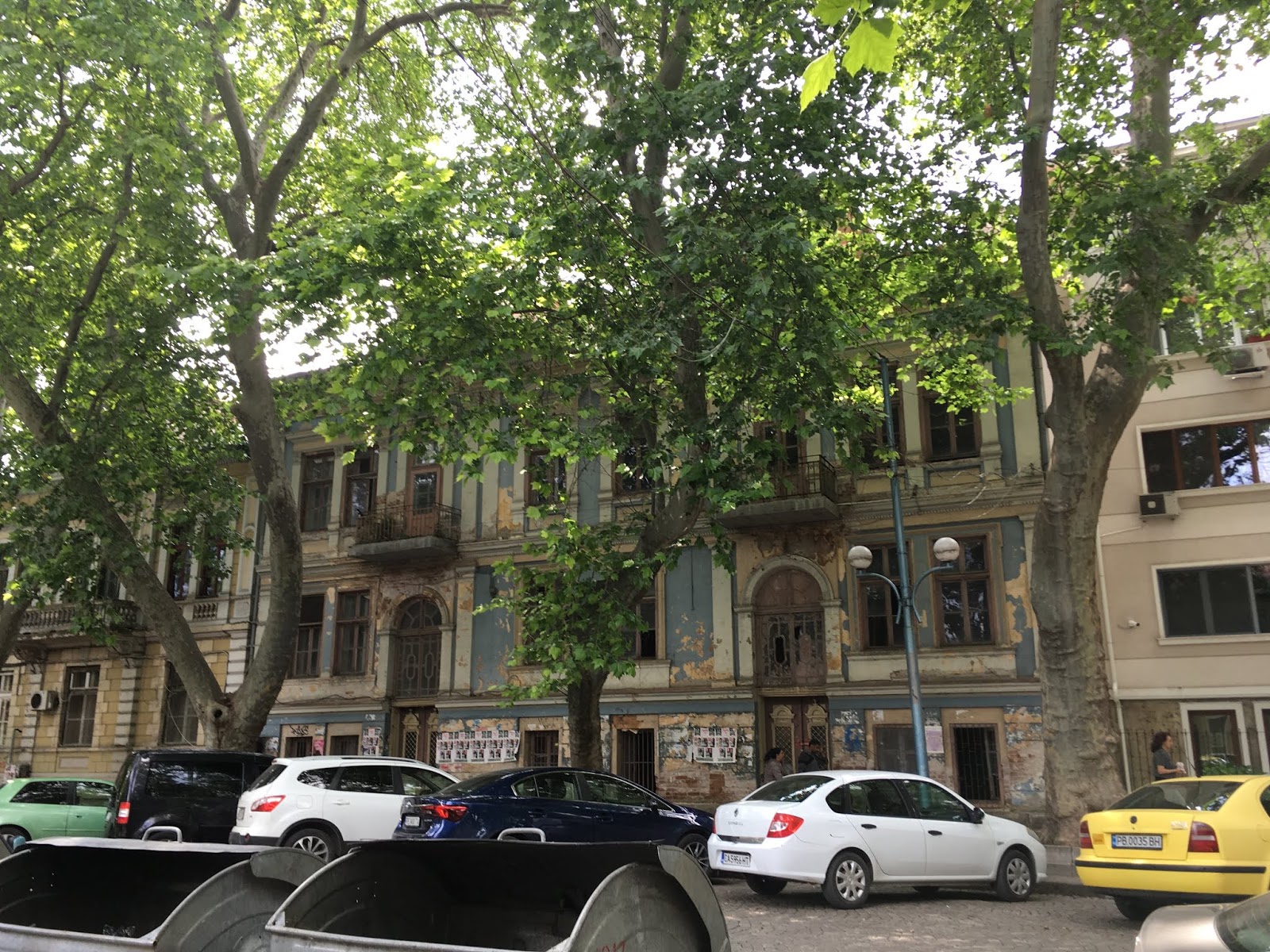
Walking back to the bus station, leaving the very nice tourist and pedestrian areas, the common theme of soviet-style utilitarian buildings next to beautiful buildings – peeling paint- chipping plaster returned, although this time obscured by the trees.
After our few days in Bulgaria, it felt like even the most modern areas were stuck in the eighties, so heavy metal would be the soundtrack of choice. Sure enough, as we headed out of Sofia, our bus driver treated us to three hours of eighties heavy metal. Later on our trip in Varna, another bus driver carried the eighties torch with a perfect mullet.
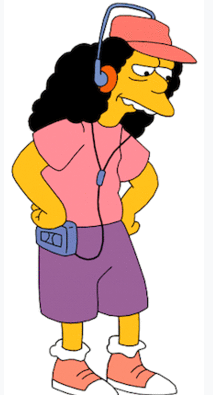

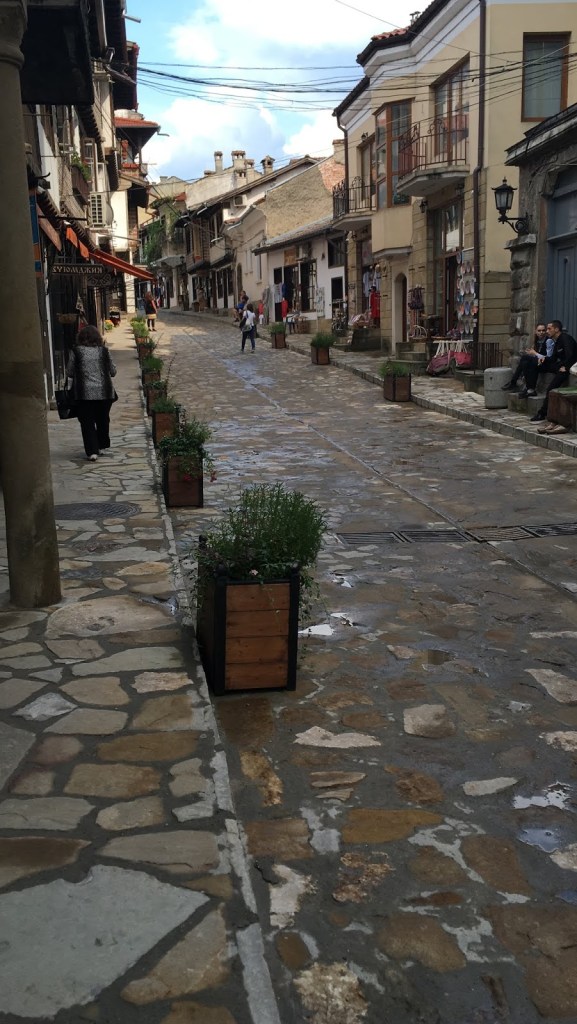
The heavy metal lovin’ bus driver (Simpson’s Otto Mann’s relative?) took us to Veliko Tarnova, the capital of the second Bulgarian Empire (1185-1396) and where the third Bulgarian Empire was formed in 1878 after liberation from the Ottomans (more relatives?) . Veliko Tarnova was immediately very different and wonderful. We walked from the bus station through the lovely town center.
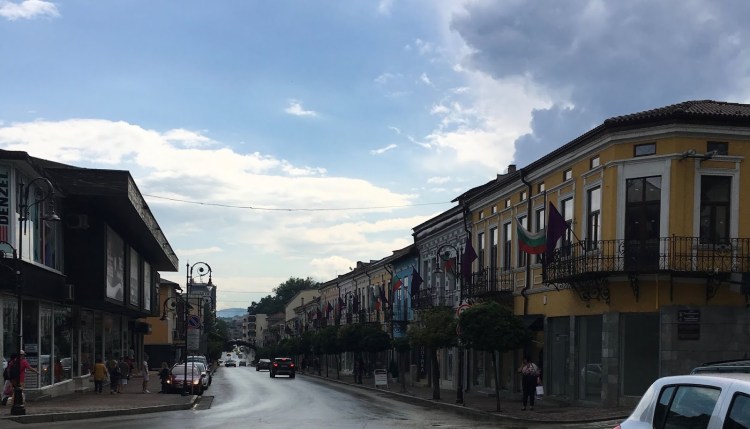
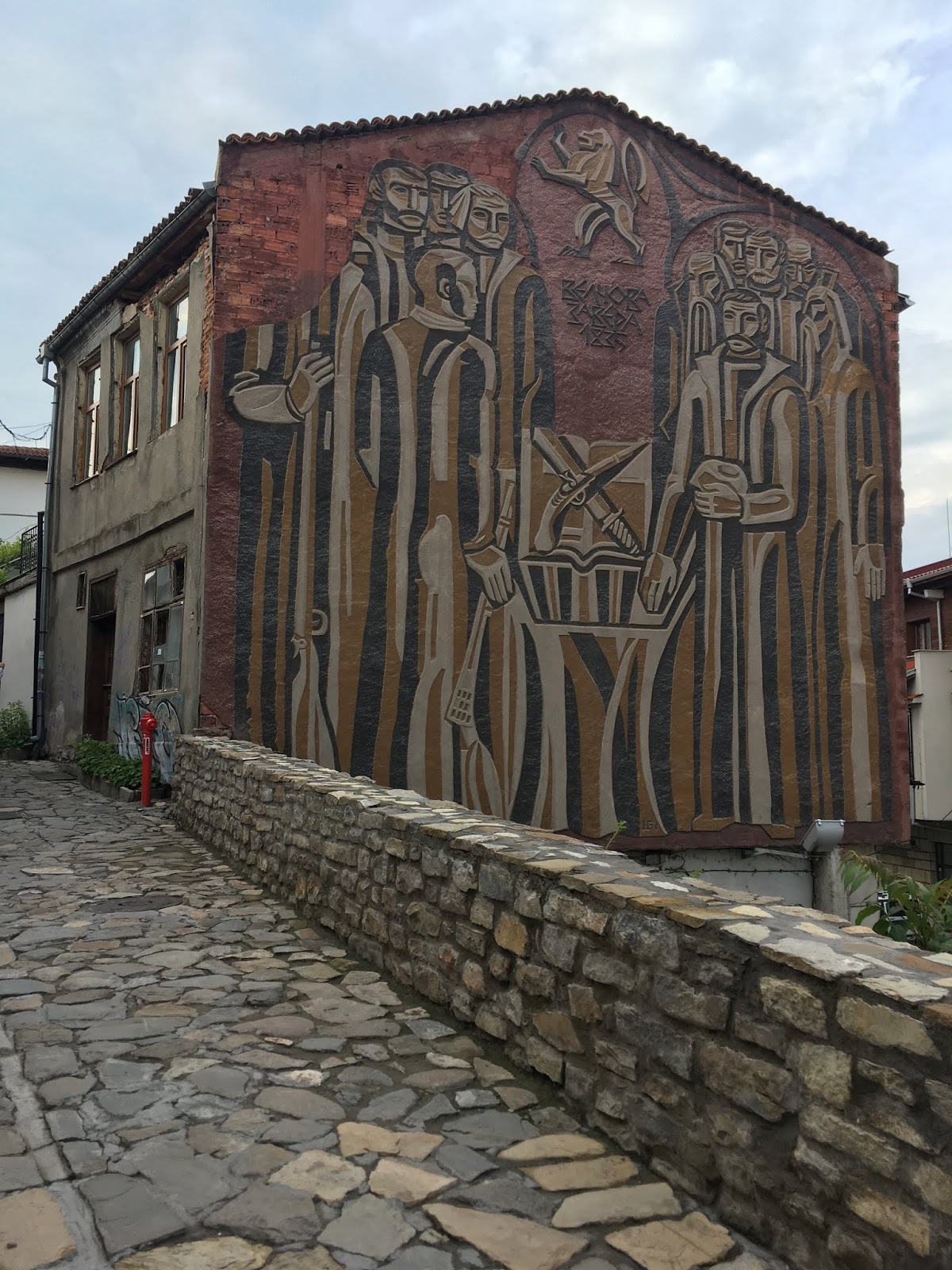
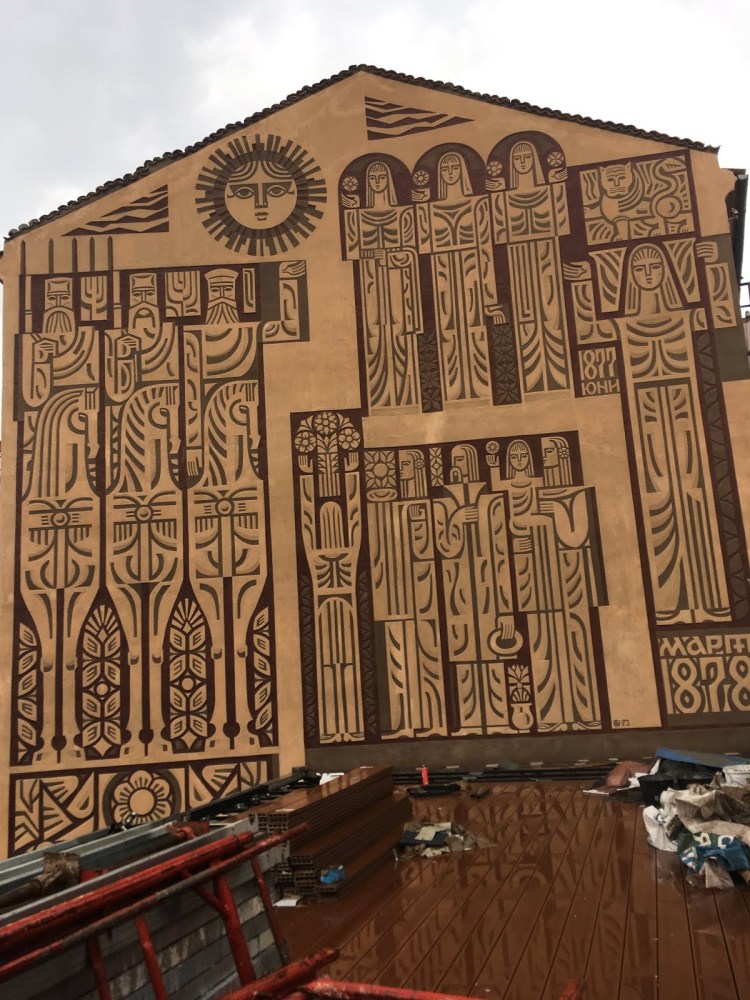
Then past very unique Bulgarian style murals, leading into an older part of town
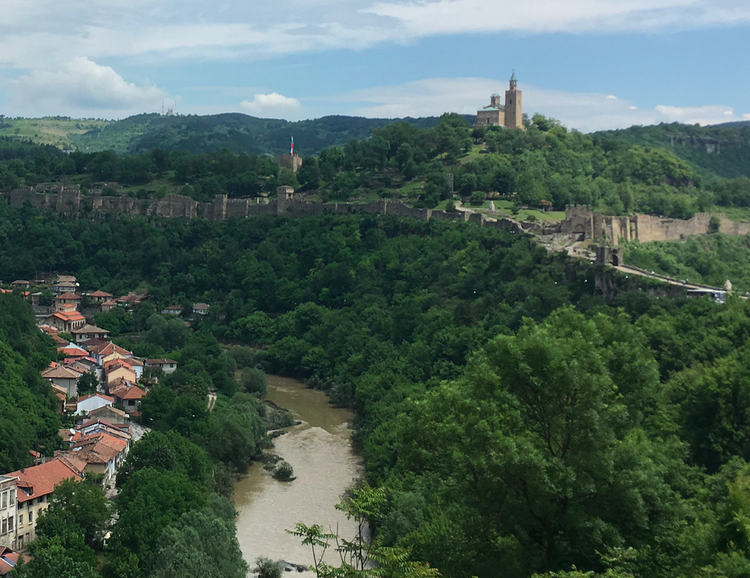
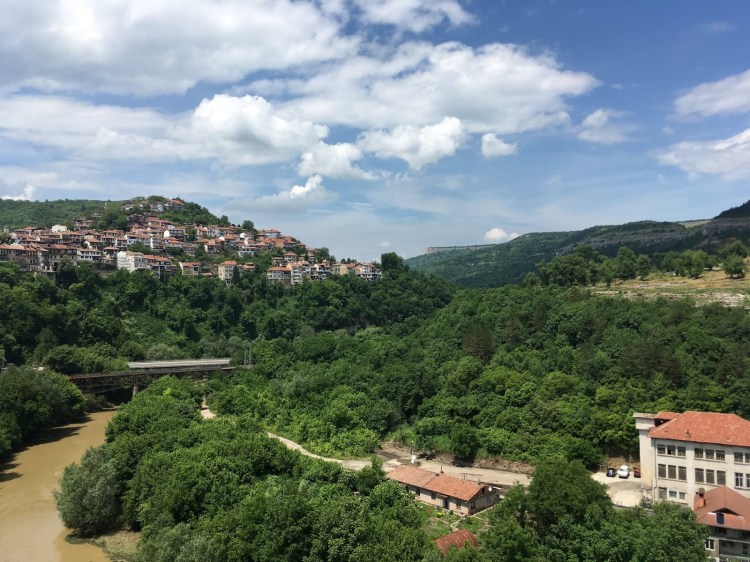
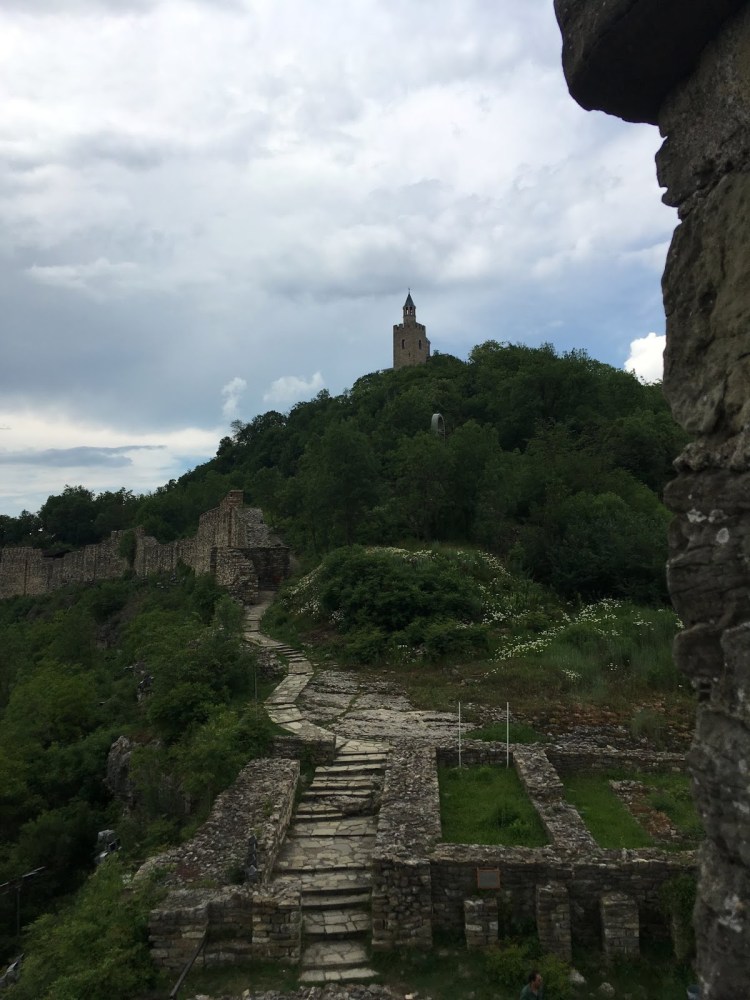
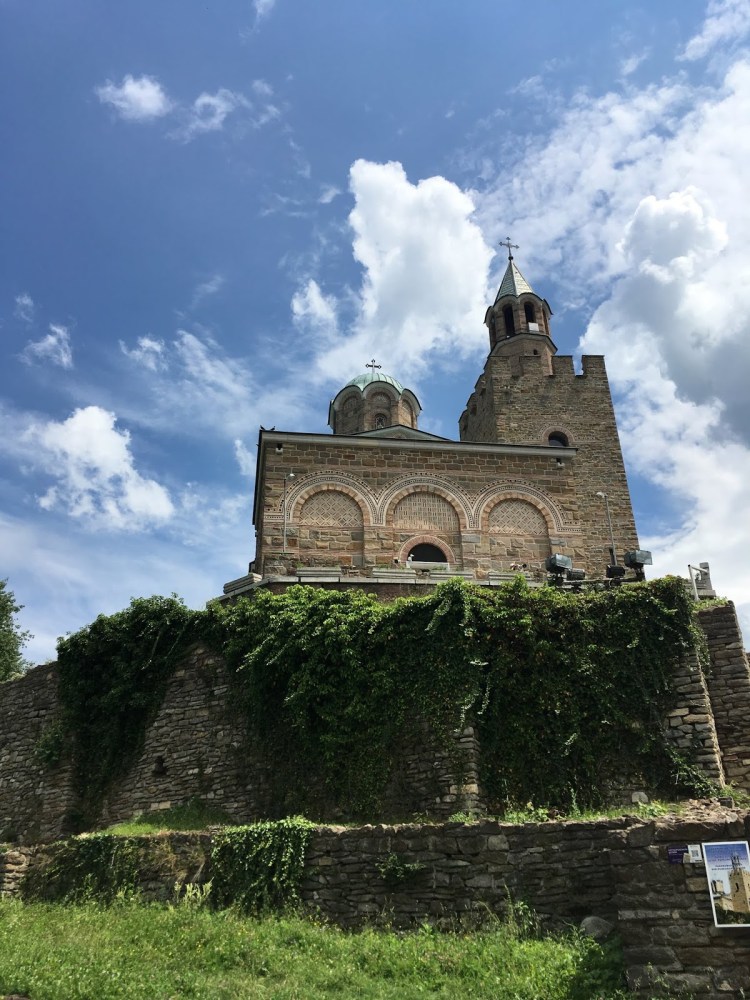

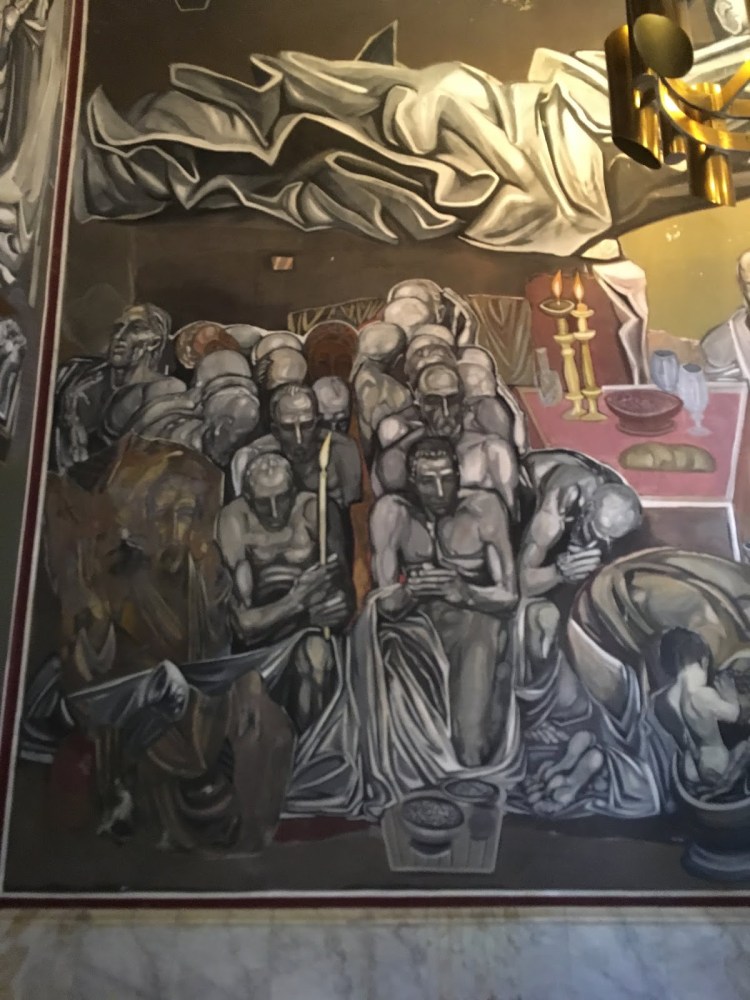 Because we stayed just one night, in a hotel and did not have a kitchen, we actually went to a restaurant to have some classic Bulgarian food. Served with a great view.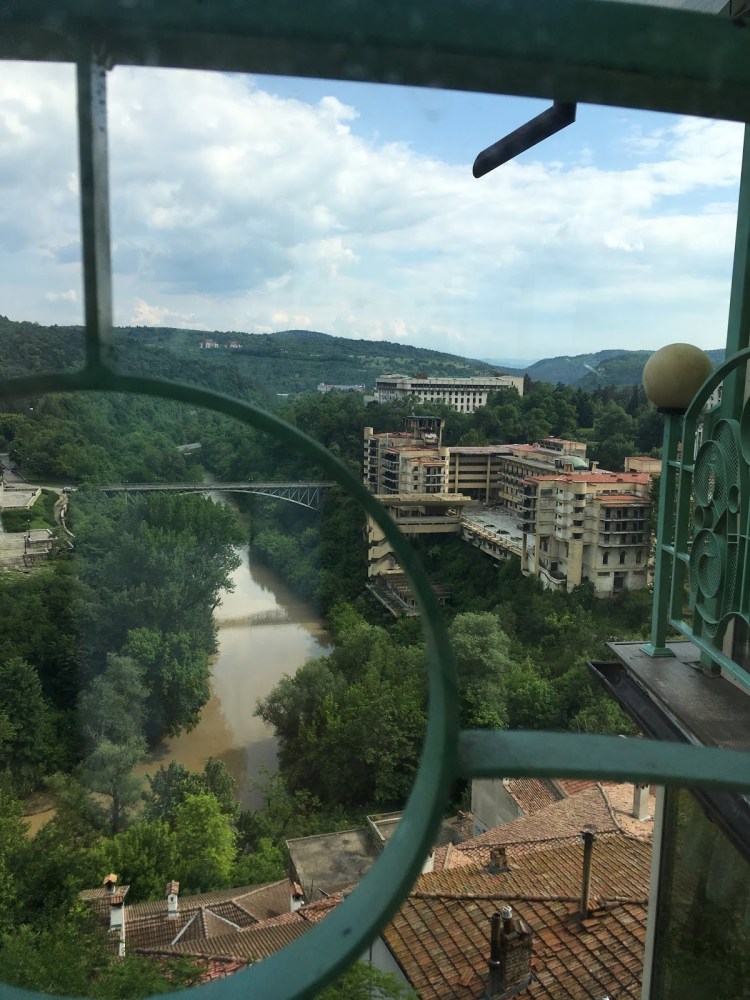
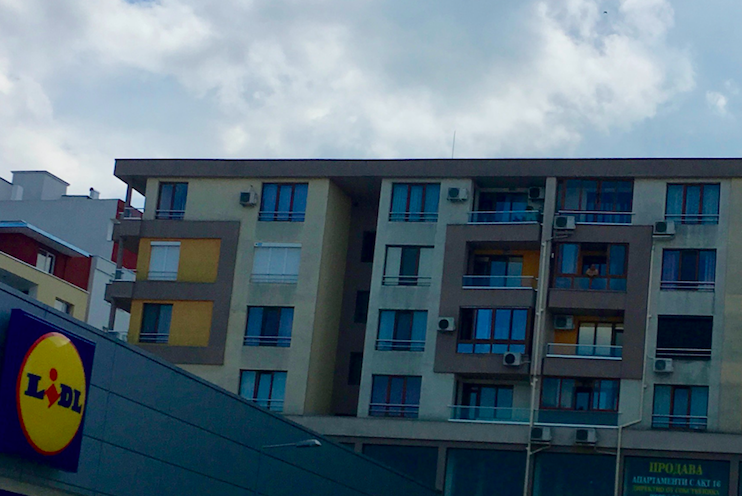
This week’s photo of topless old man looking out window contemplating his life..”I’m the Tsar of my Lidl kingdom.”
 Chosen Fugue