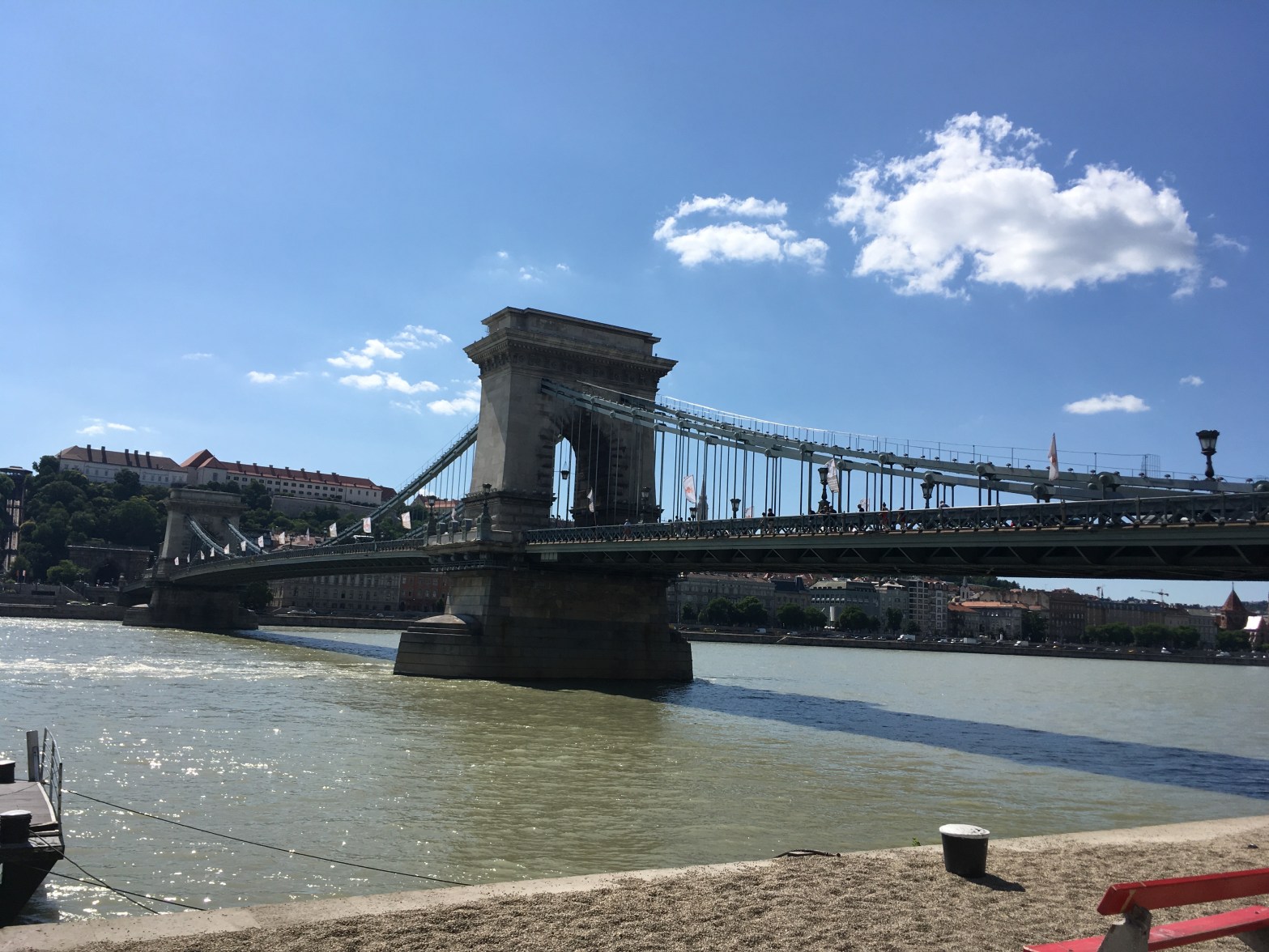
Last minute stop in Budapest as we traveled from Romania back to Germany.
Typically, we are able to speed see all a city’s sites in a day or so as they are often within blocks of the town square where we try to stay. Considering we don’t shop and rarely restaurant, this is not usually a problembut our sprinter mentality failed us here due to the sprawl of Budapest. Our day and a half in Budapest was a long distance affair as we walked a marathon plus (12.5 miles the first day and 14.3 the second).
Most of the famous landmarks are on the Pest side where we stayed, and we saw them all, even Ronald Reagan.
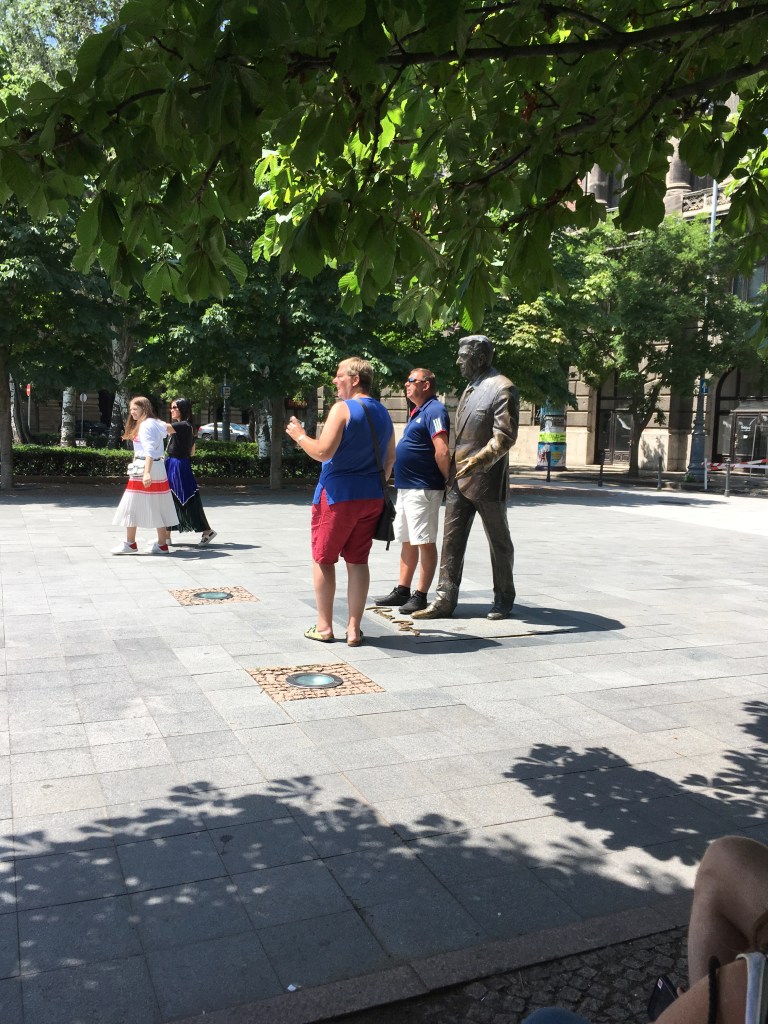
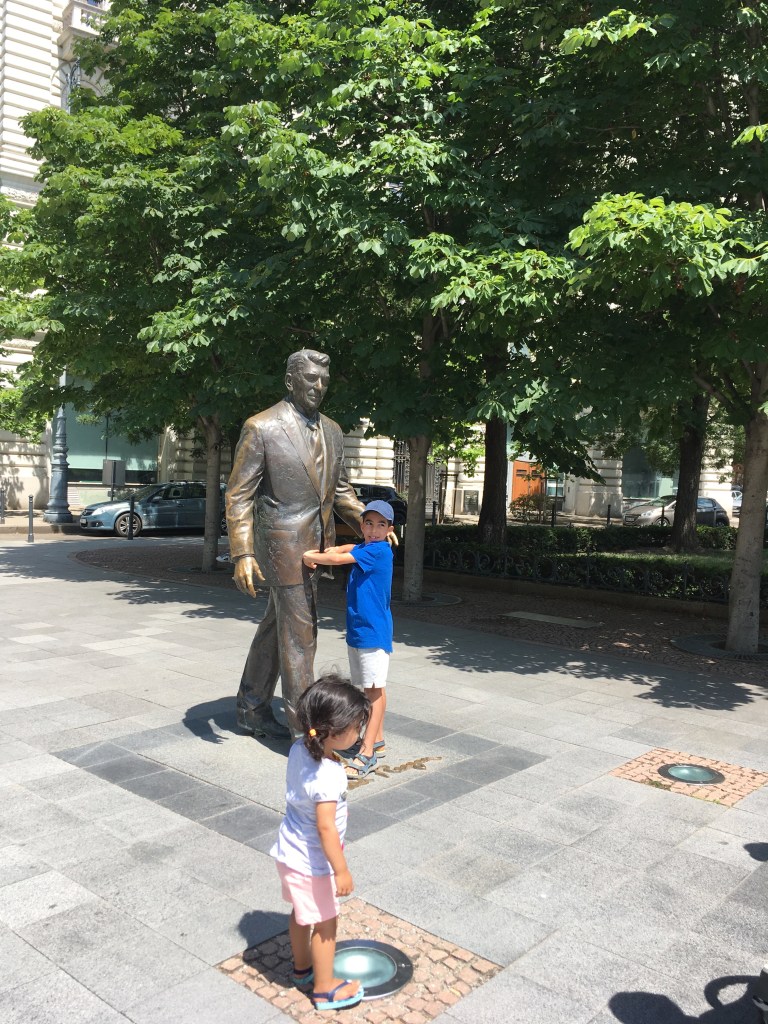
We went for the big ones and along the way saw the small ones. The biggest was the Parliament, so big it needed a bunch of pictures (with Nick included for comparison)

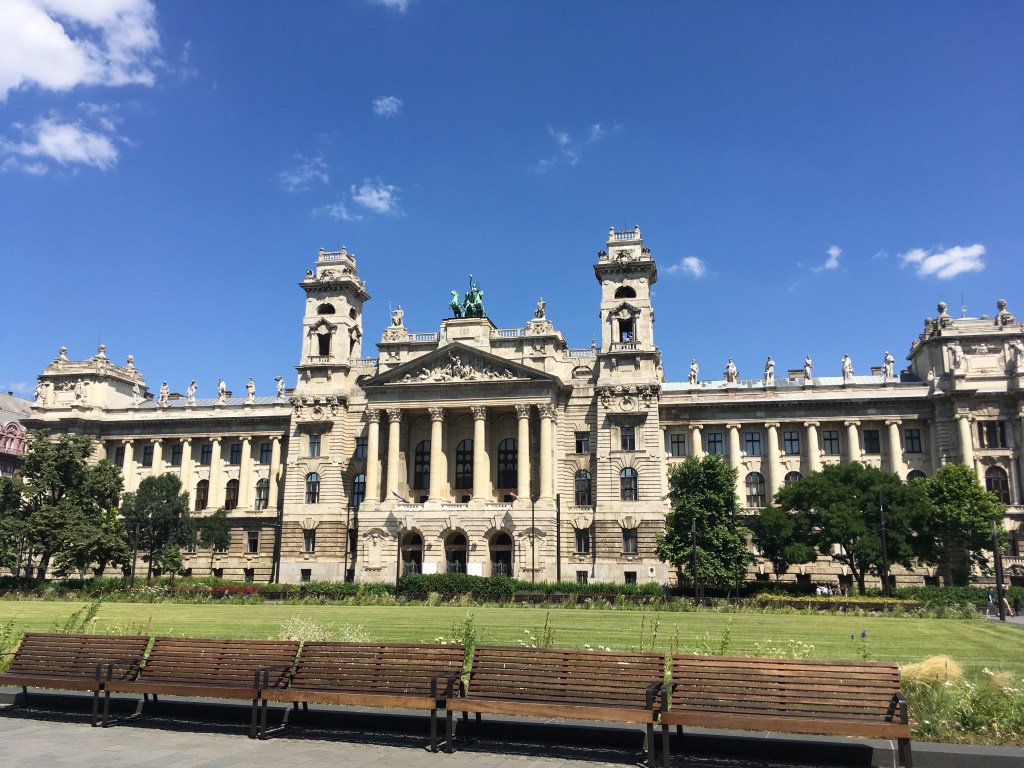
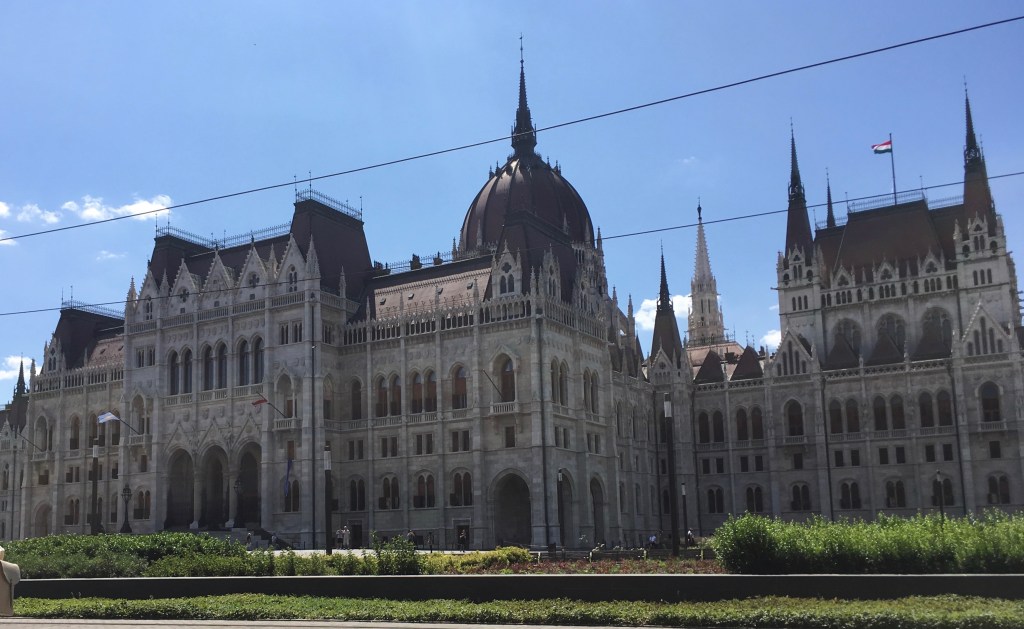
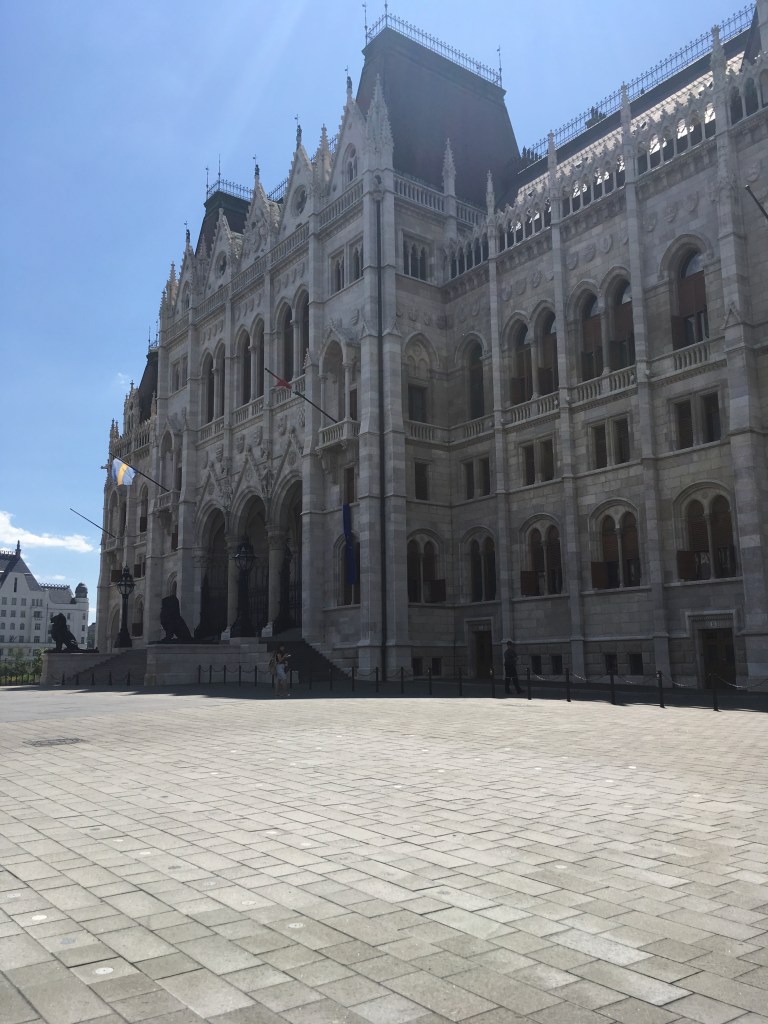
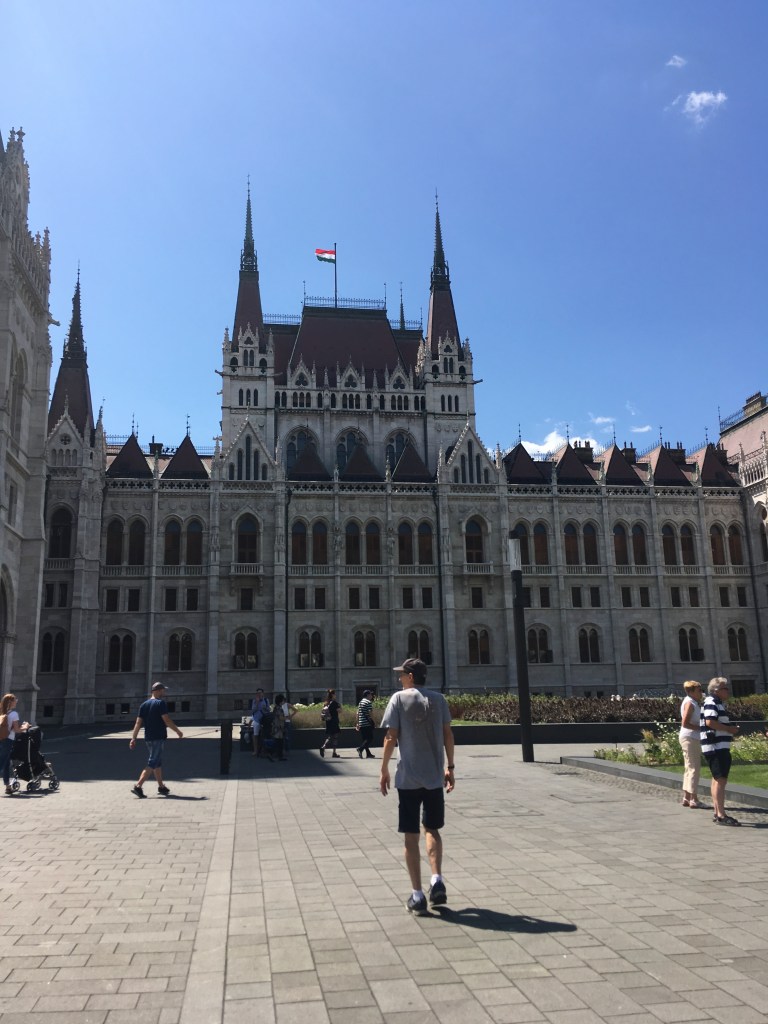
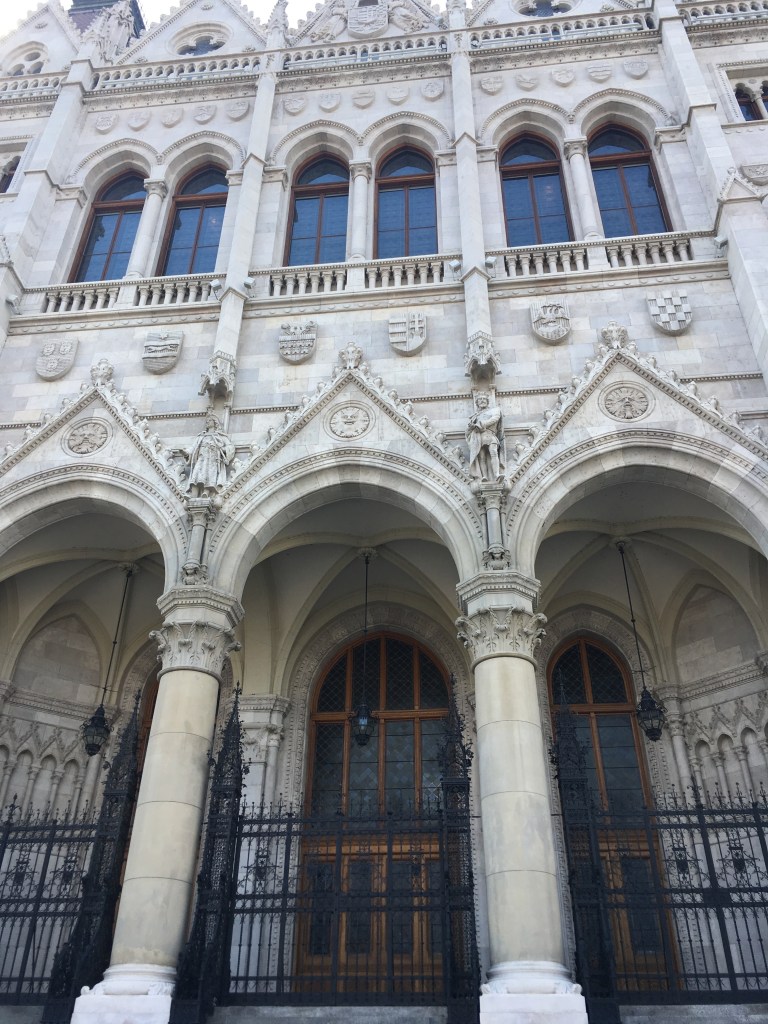
Kossuth square in front of the Parliament was the main site for Hungary’s attempt at revolution in 1956. Equally bloody as Romania’s (2500 died), but ultimately (after 19 days) unsuccessful. https://chosenfugue.wordpress.com/2019/07/12/timisoara-the-revolution-will-not-be-televised/
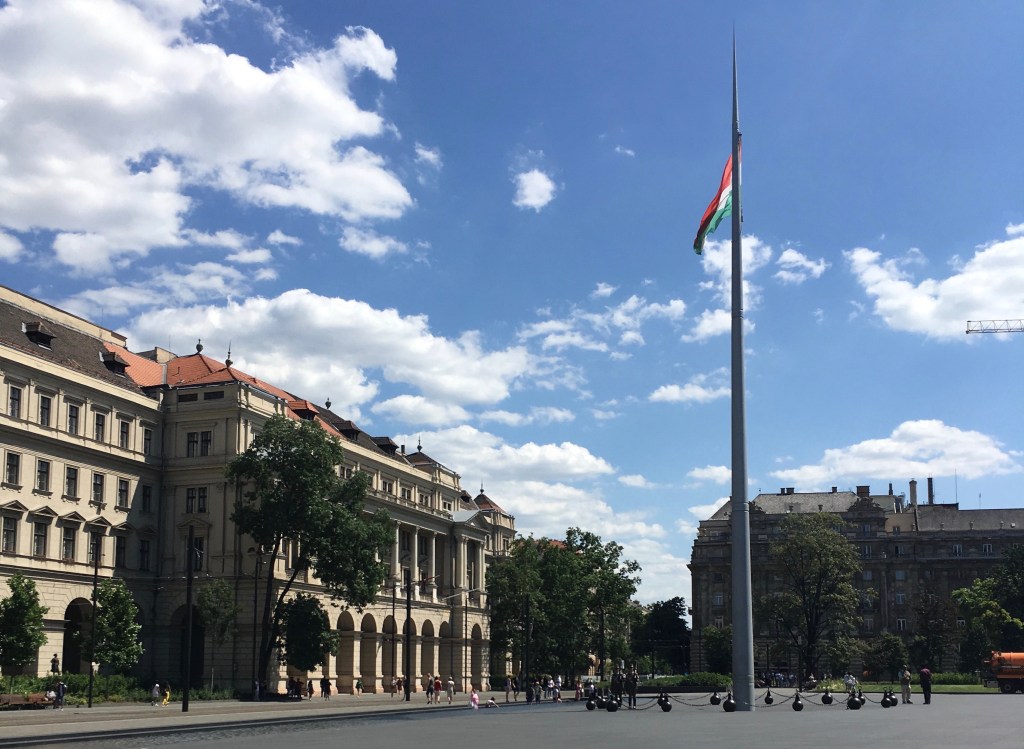
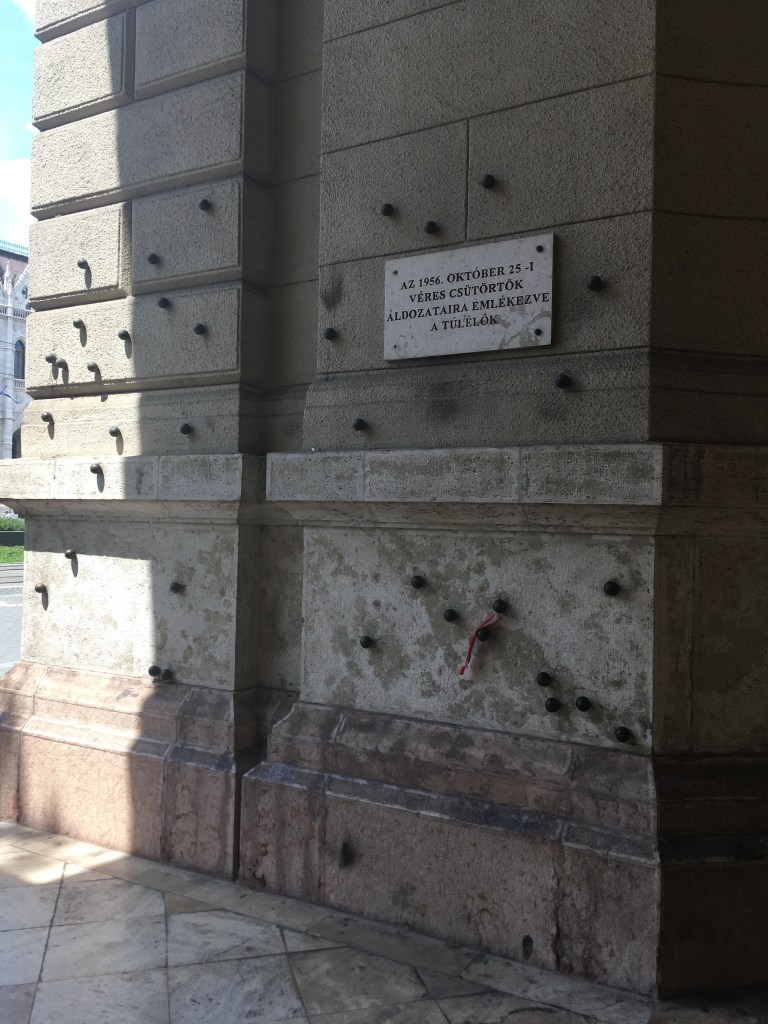
Hungary had to wait another 33 years before the removal of its totalitarian government, although unfortunately it seems to be back again. Their memorial museum was built in tunnels beneath Kossuth square, the square where the worse violence occurred. Here we were again, within our first few miles of walking through Budapest, seeing the bullet holes, visiting the memorial museums, contemplating how governments can attack their own people and feeling the futility.
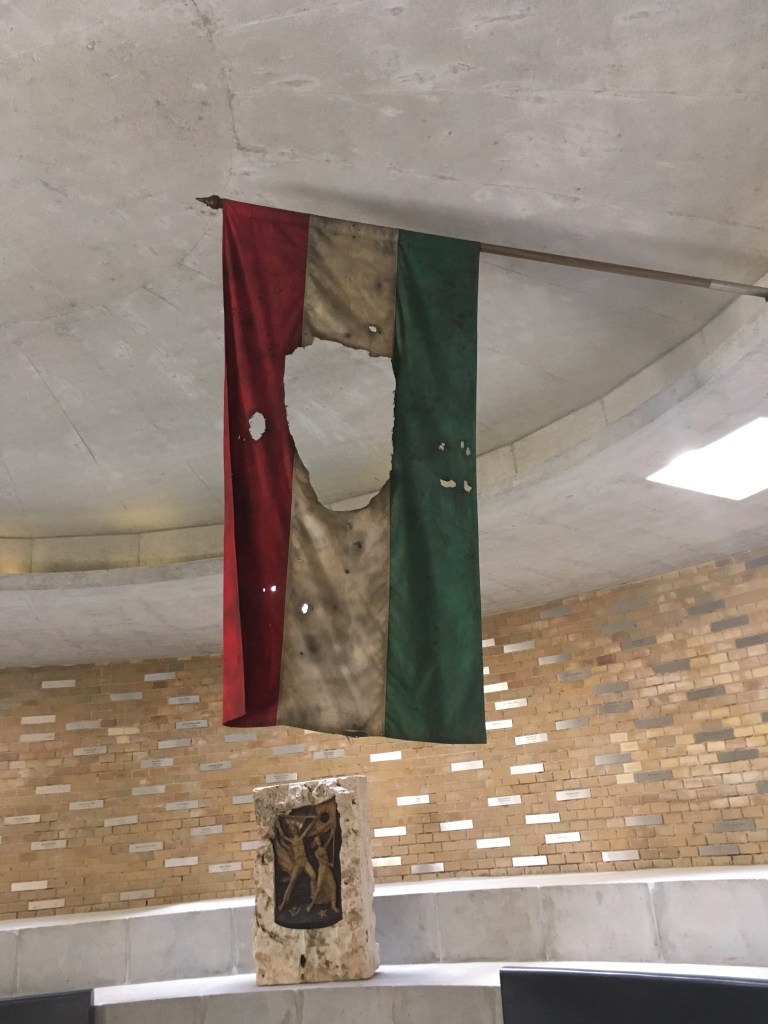
As also seen in Romania, some of the memorials are truly heart felt, many are overwhelming. Shoes on the Danube, another memorial to people murdered by their own military. https://en.wikipedia.org/wiki/Shoes_on_the_Danube_Bank
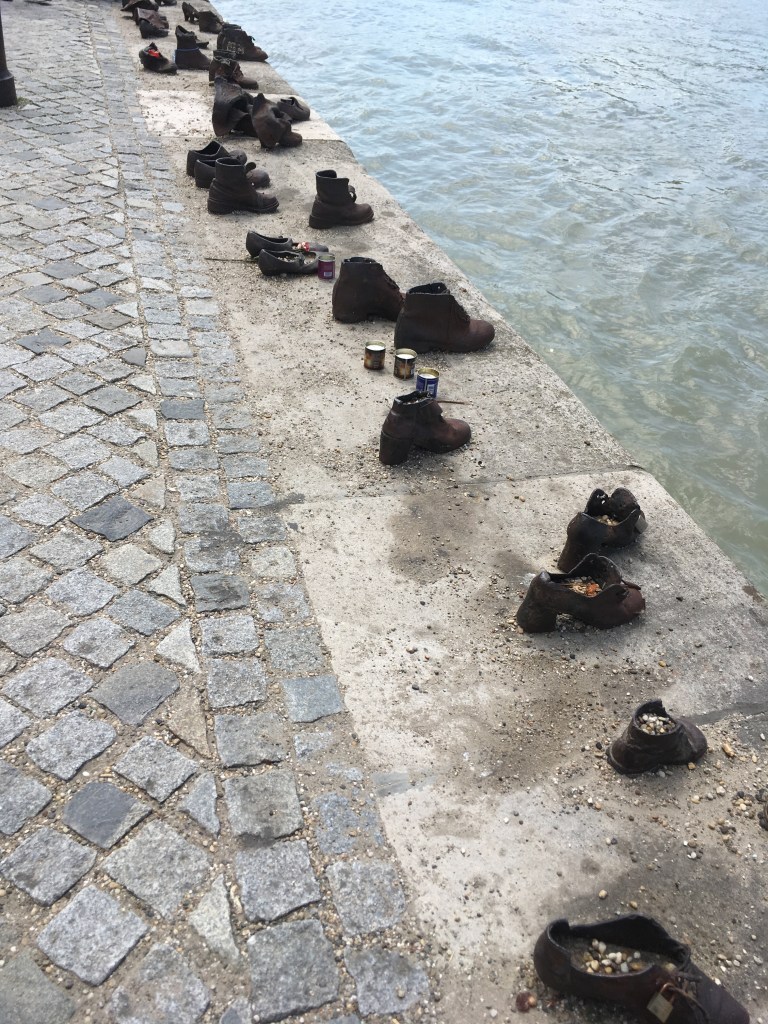
People were shot on the edge of Danube, to fall in and be washed away
To provide a contrast to the Shoes on the Danube memorial to people killed by their own government just solely for existing, in 2014 the new Far Right government tried to add to the Budapest travelers “must see list” with it’s own monument to “victims of the German Occupation”. Unfortunately, the victim in this case (Hungary) was one of the perpetrators of the “occupation” since they invited Germany in and willingly implemented their policies (see the Shoes on the Danube above). Despite rather large and loud protests from their people, the government installed the monument in the middle of the night.
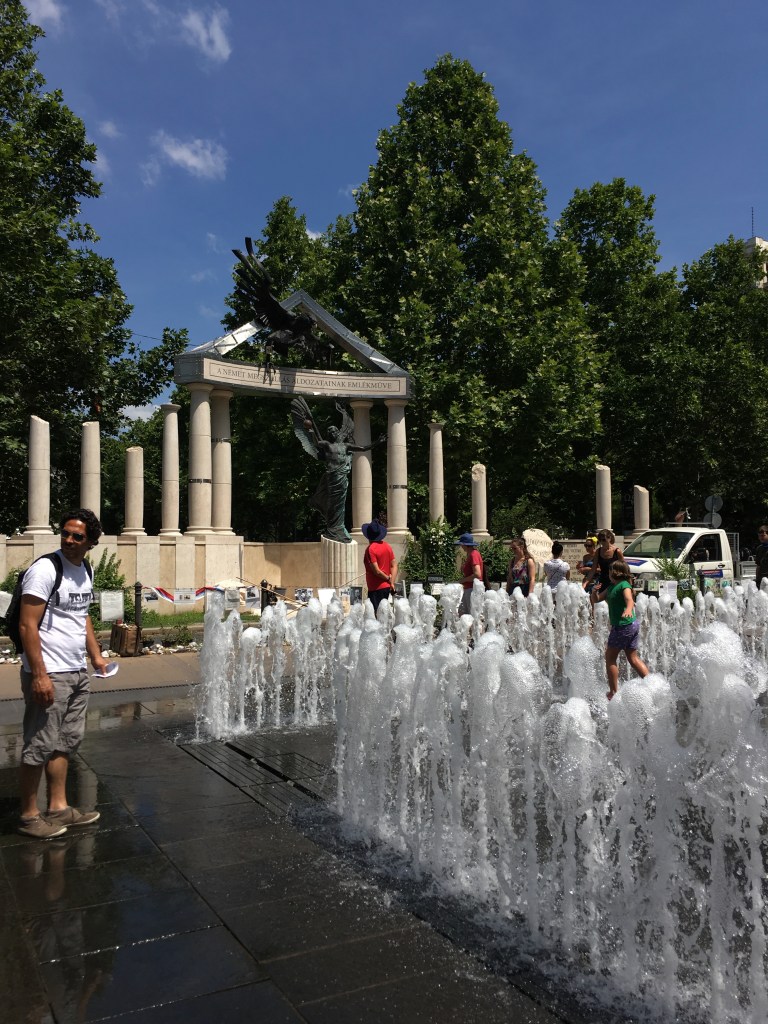
The Hungarians, again, decided to take things into their own hands, and a spontaneous memorial to the actual victims of the German occupation- Jews, Roma, Catholics, gays, disabled and anti-fascists- was created, right in front of the Government’s atrocity. The memorial contained personal stories and possessions placed by survivors and victim’s families and friends; sprinkled with rocks- left by people paying their respects.
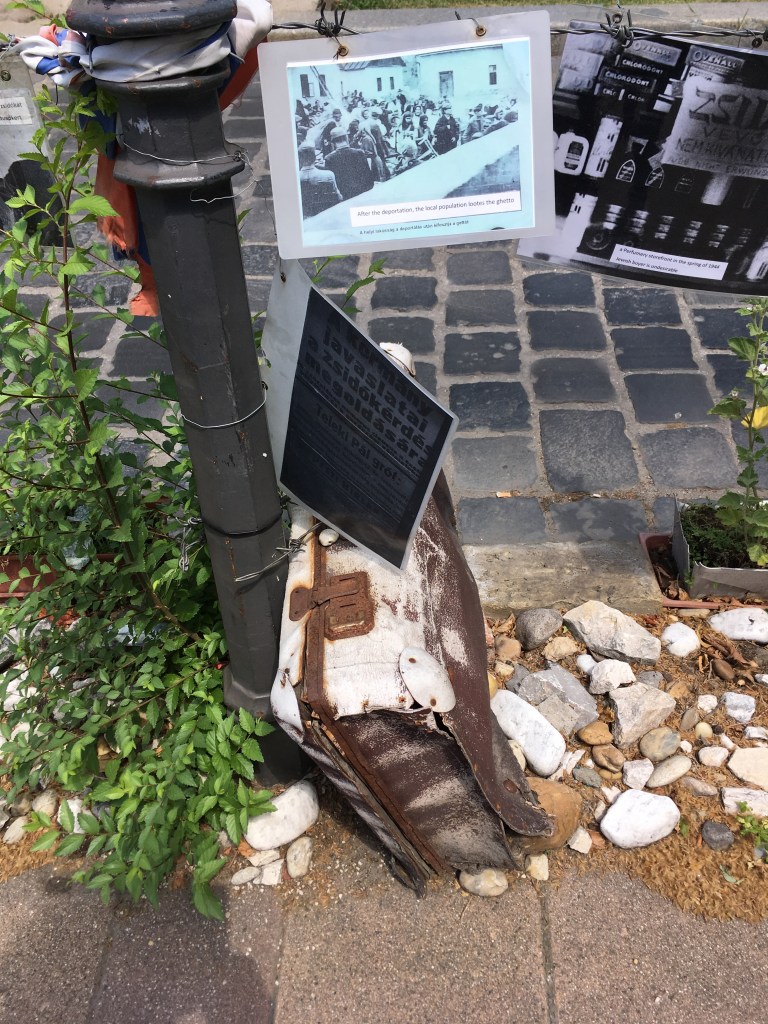
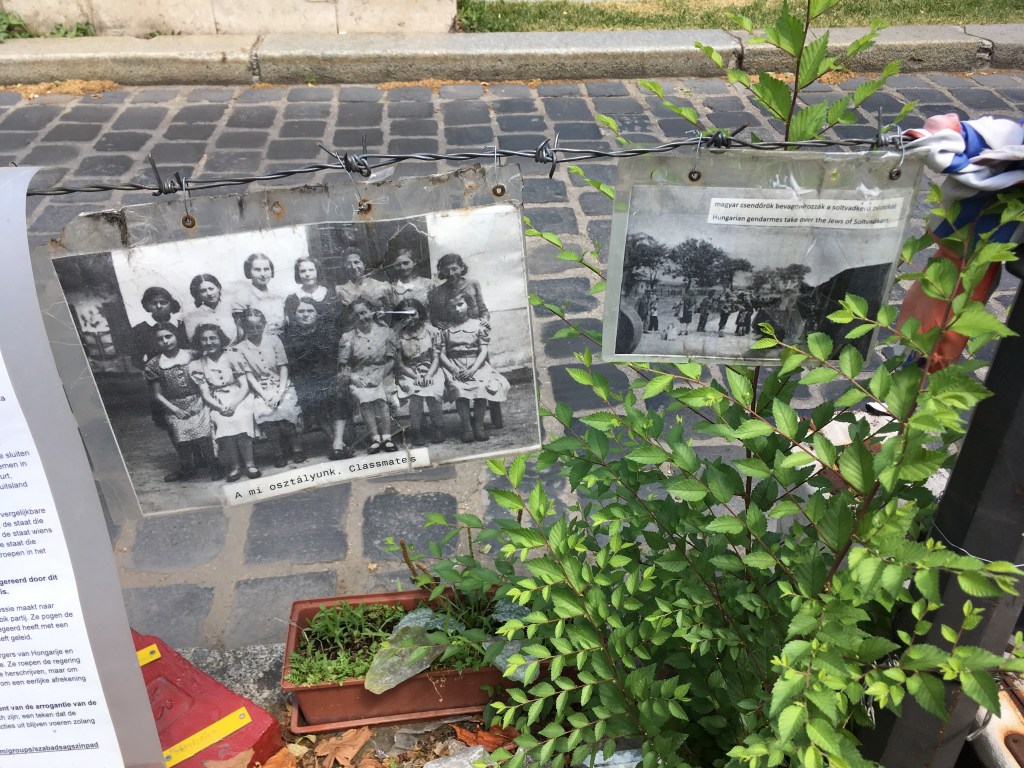
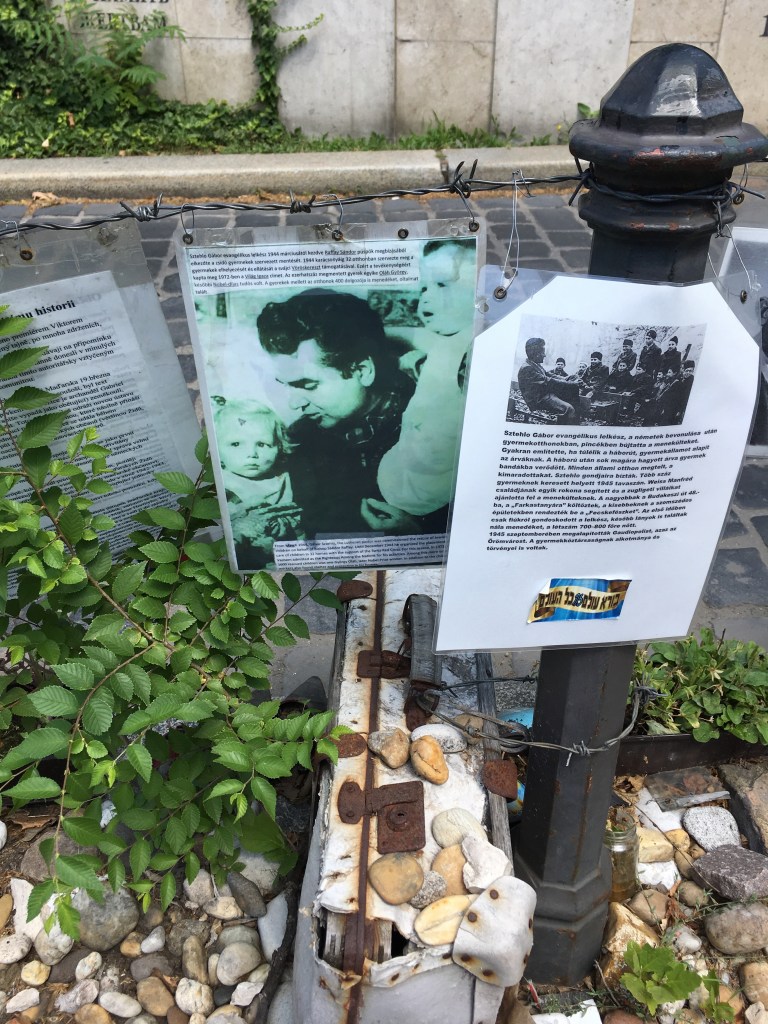
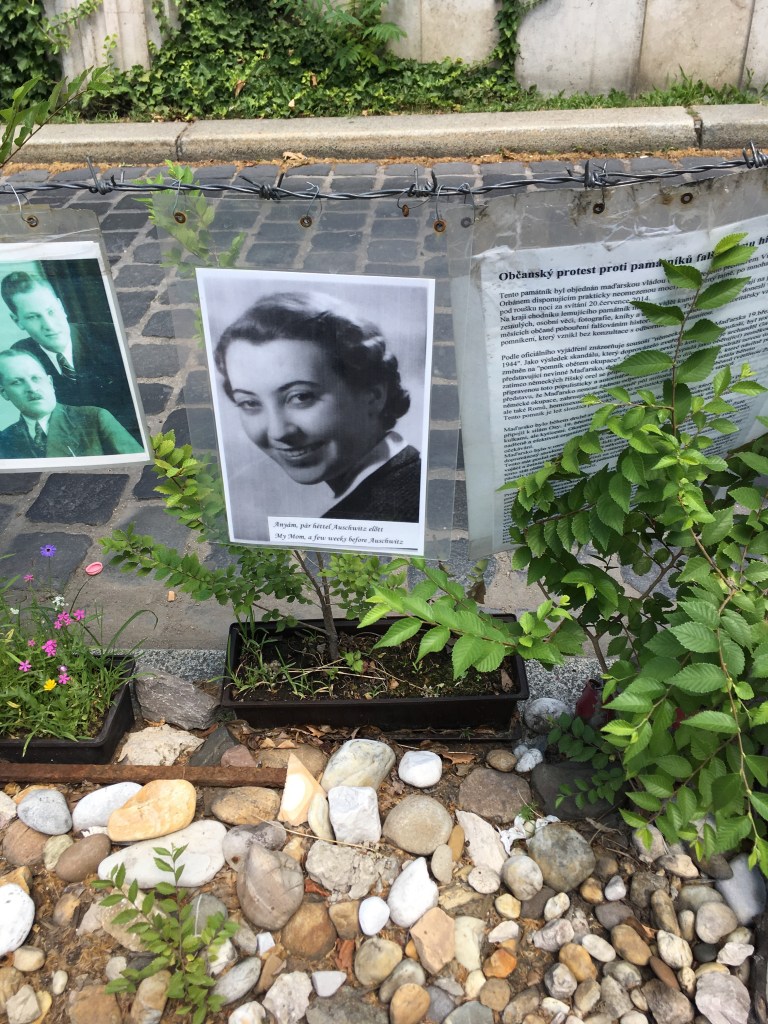
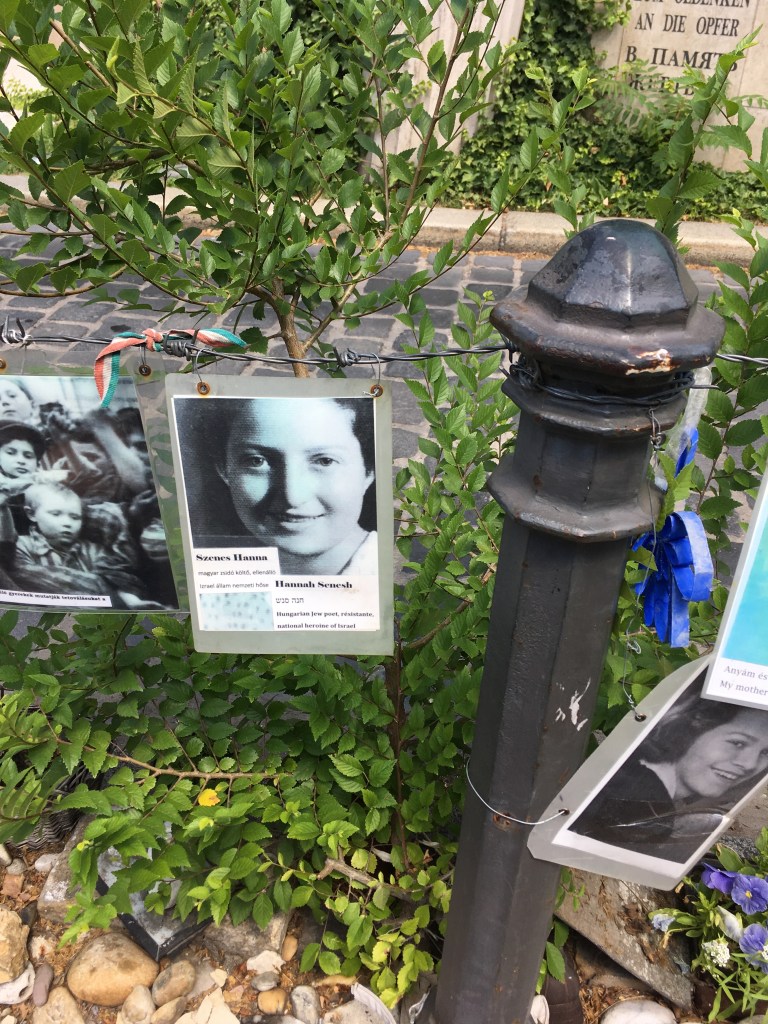
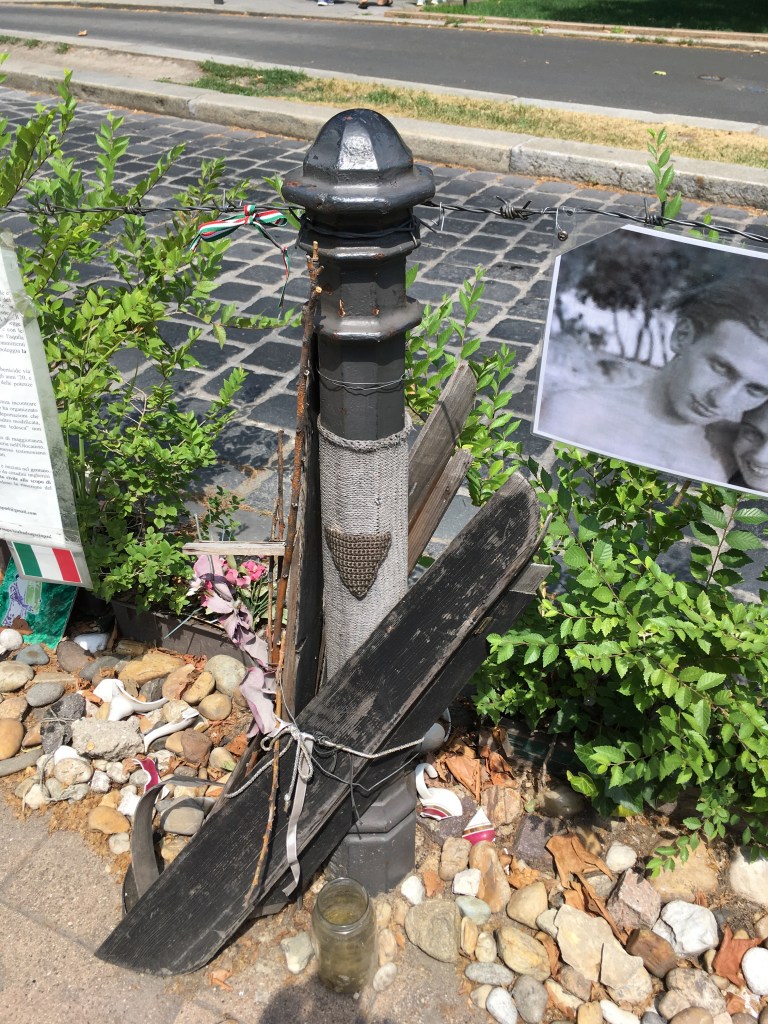
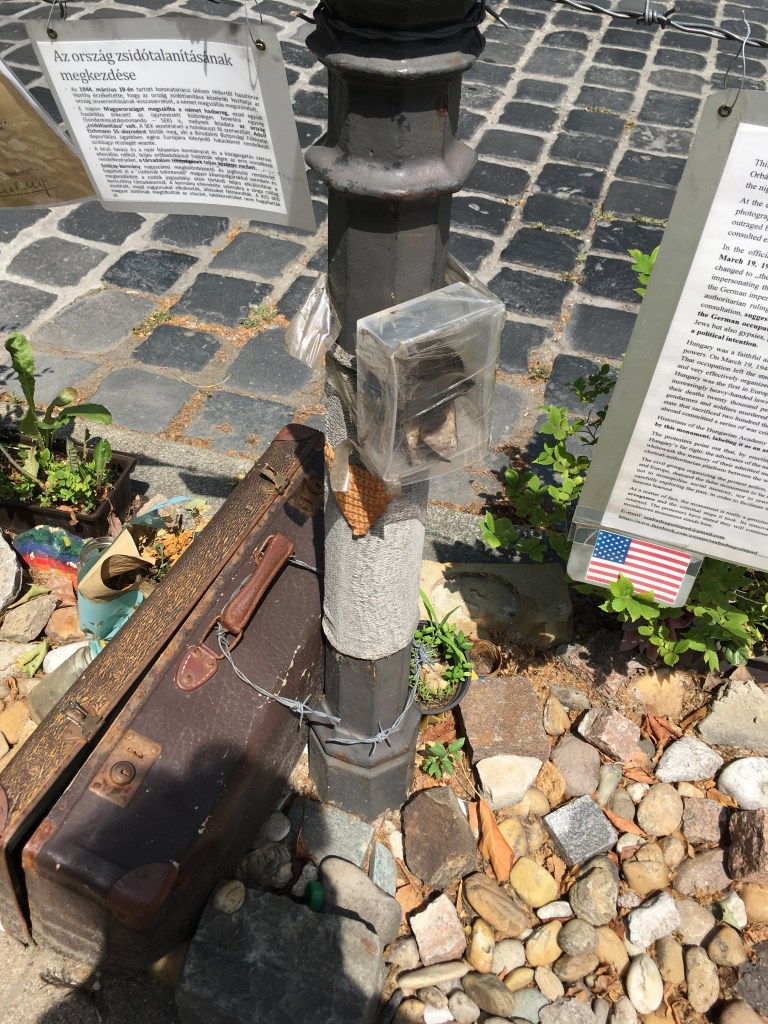
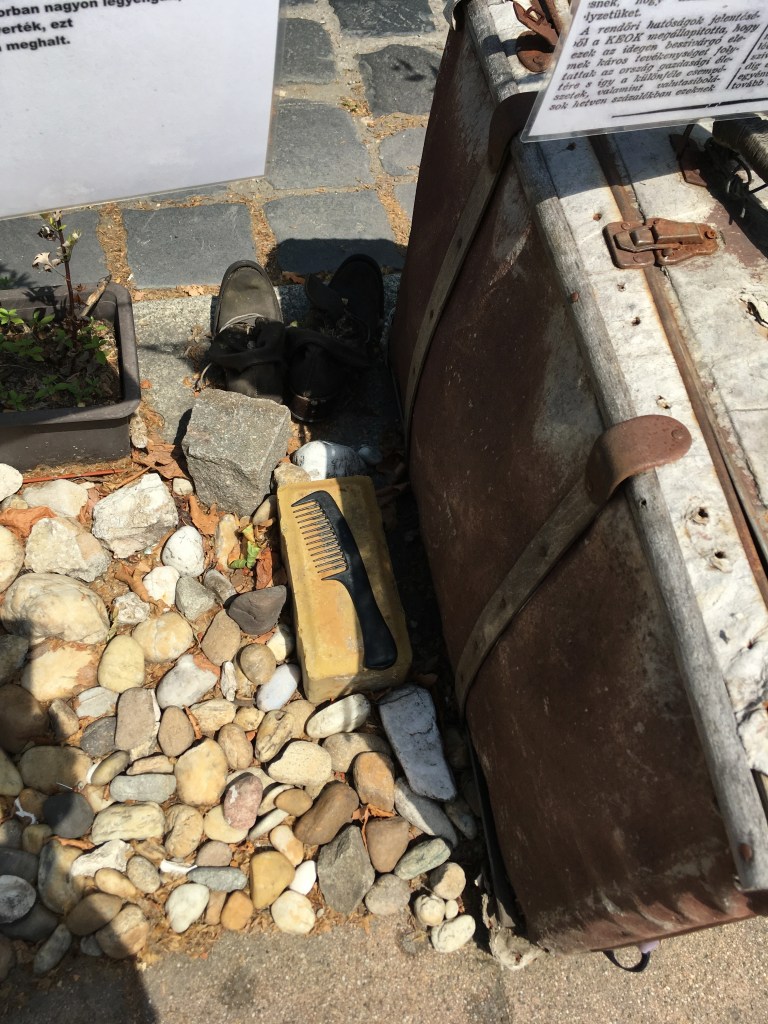
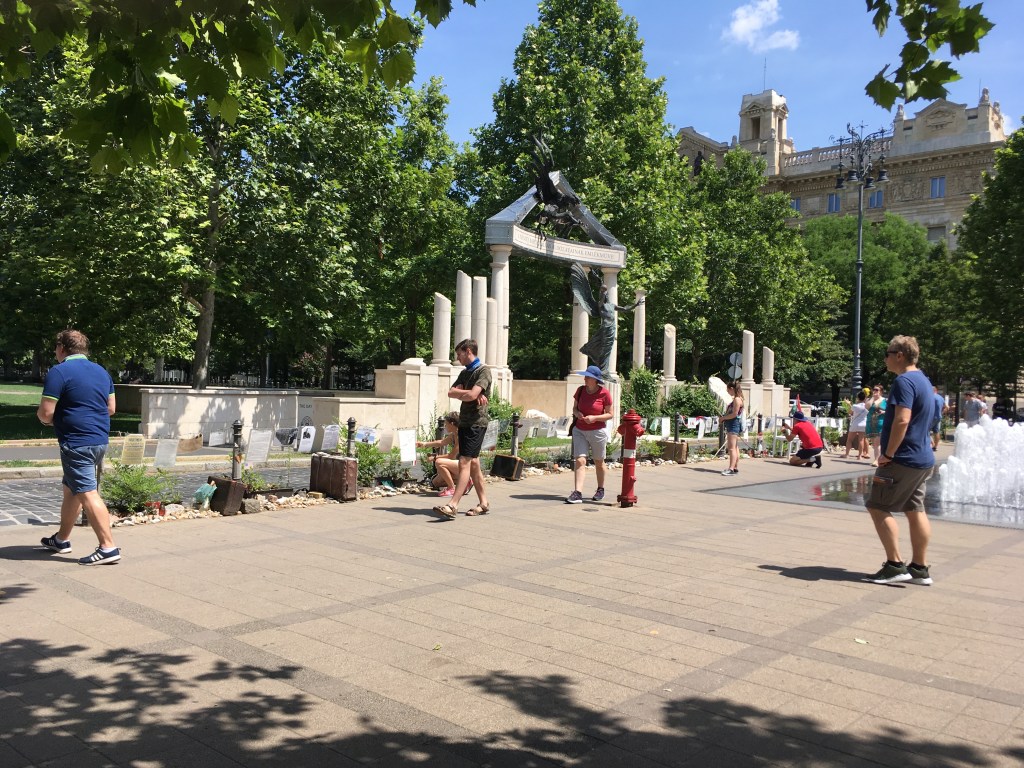
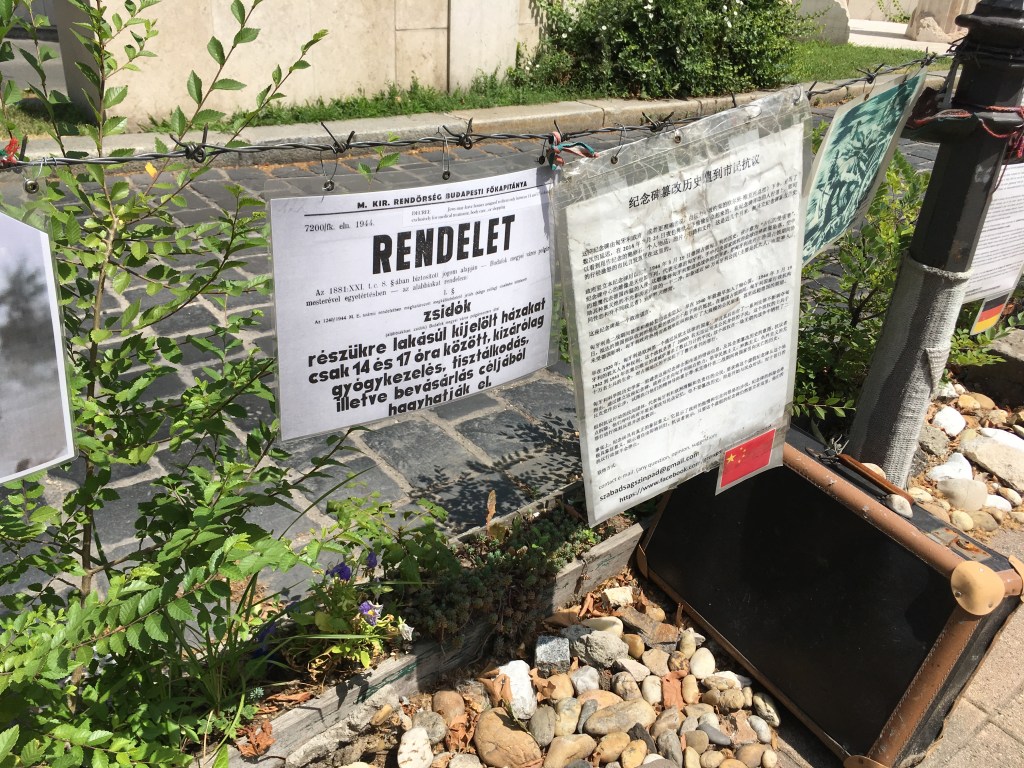
As with other DYI memorials, this one was incredibly touching, one of the most impactful memorials we have experienced, it was not just seen, it was experienced.
Because of these two polarizing memorials, Liberty Square, which also contains the Reagan statue, is the most police-protected spot in Budapest.
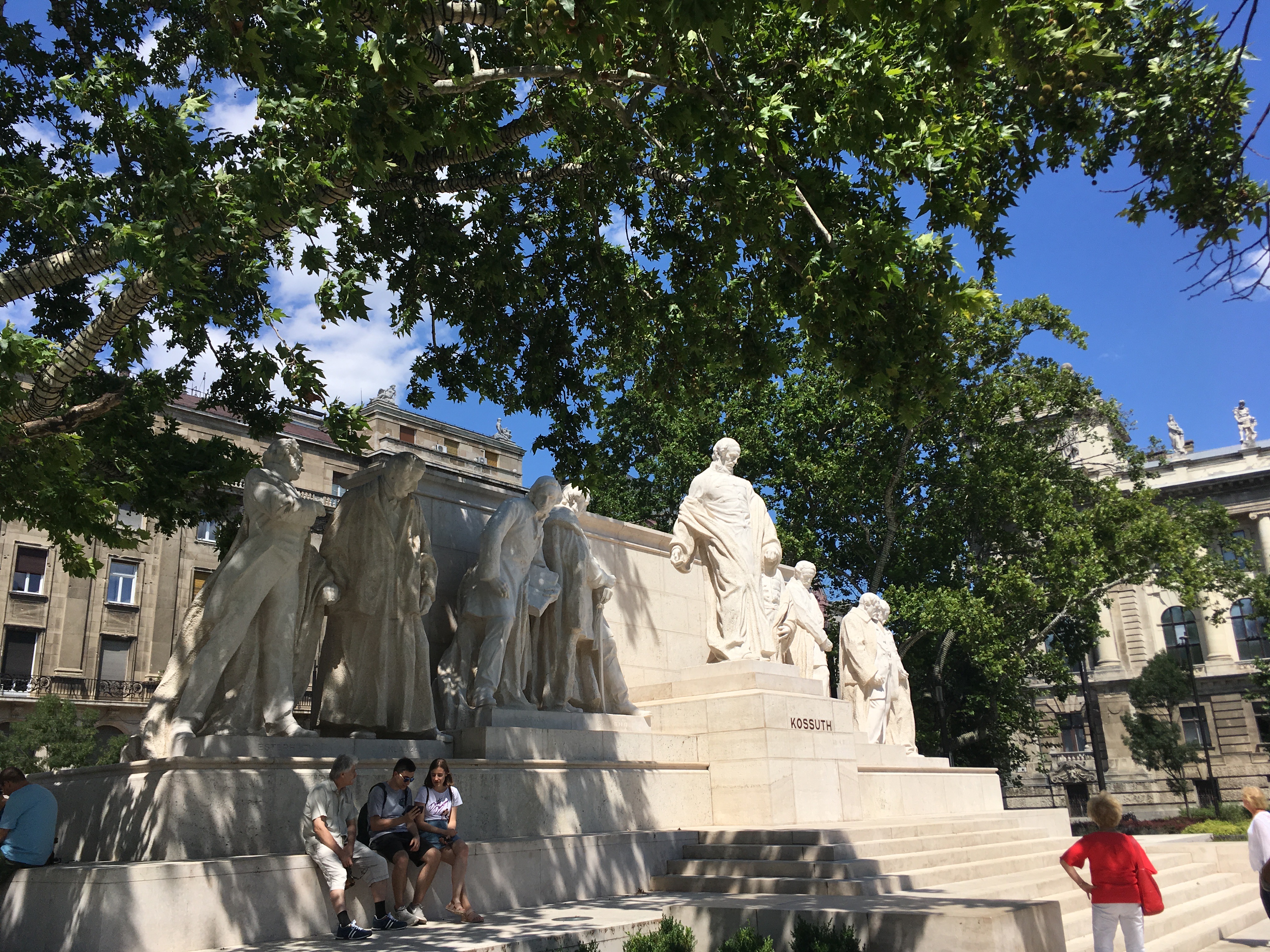
Budapest seems to do everything big; monuments and beautiful buildings. Since Budapest was a center of the Austro-Hungarian empire, there were a lot of beautiful buildings and monuments to the empire’s history. The monuments all seemed to be named after Budapest streets.
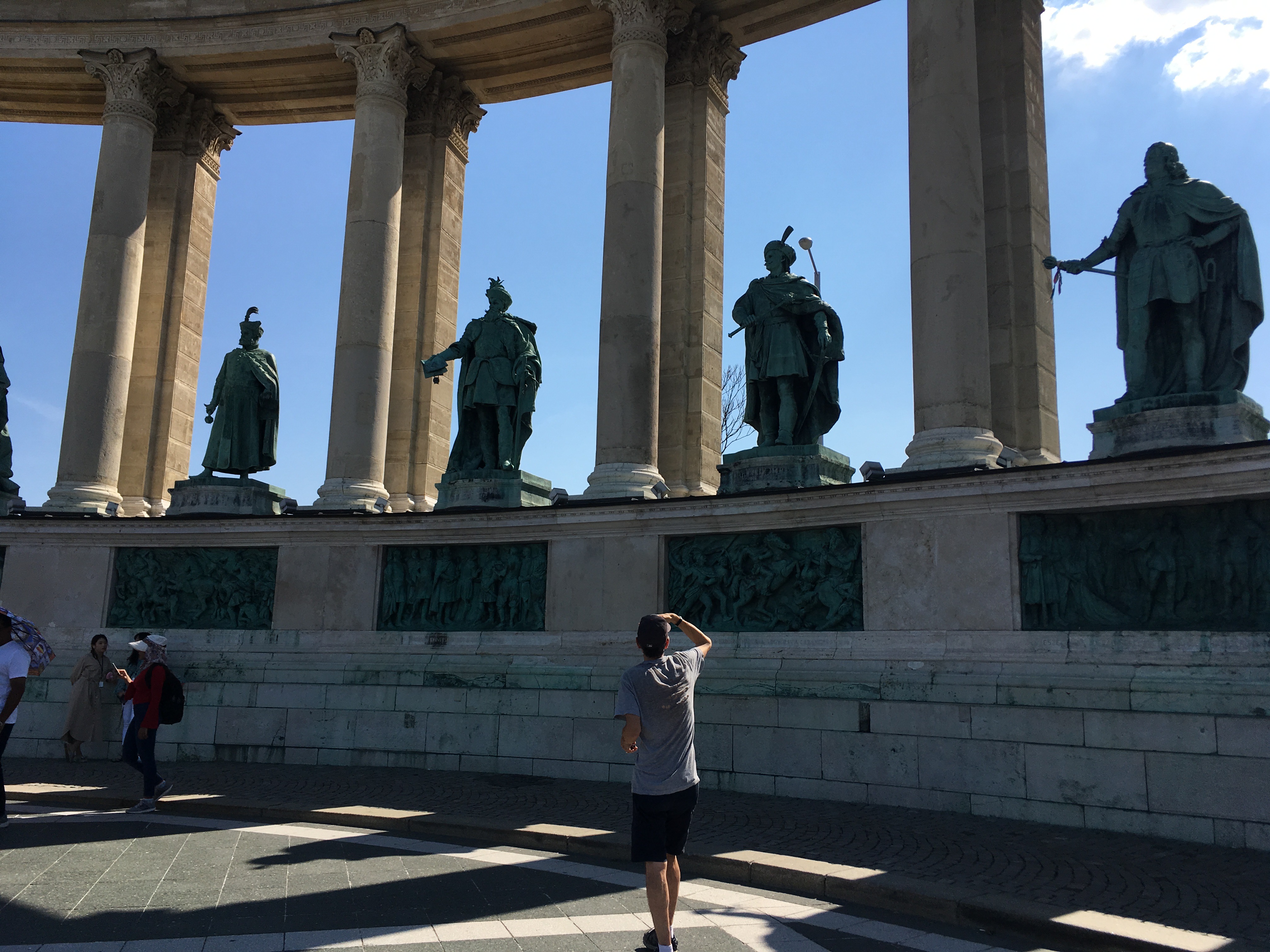
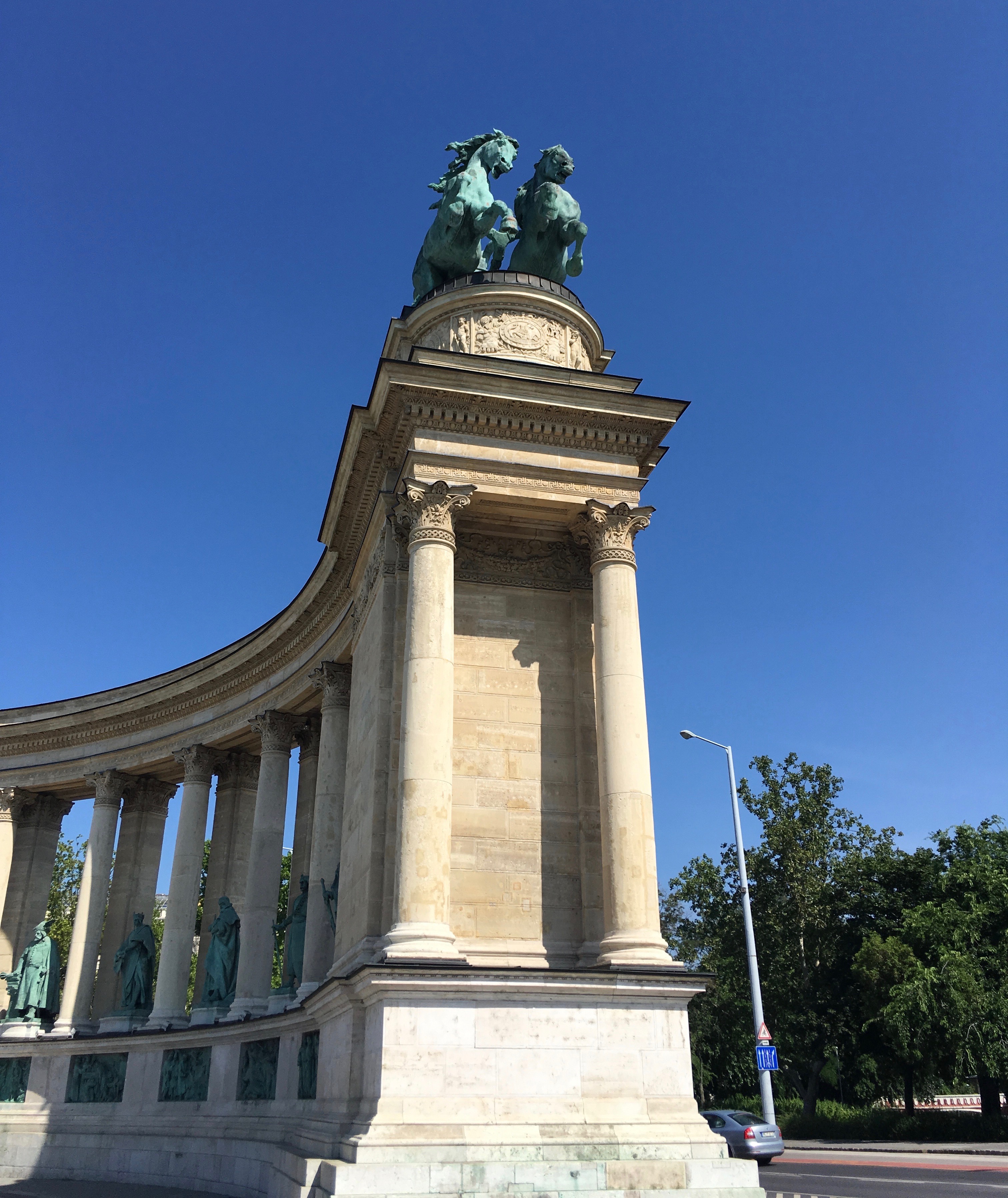
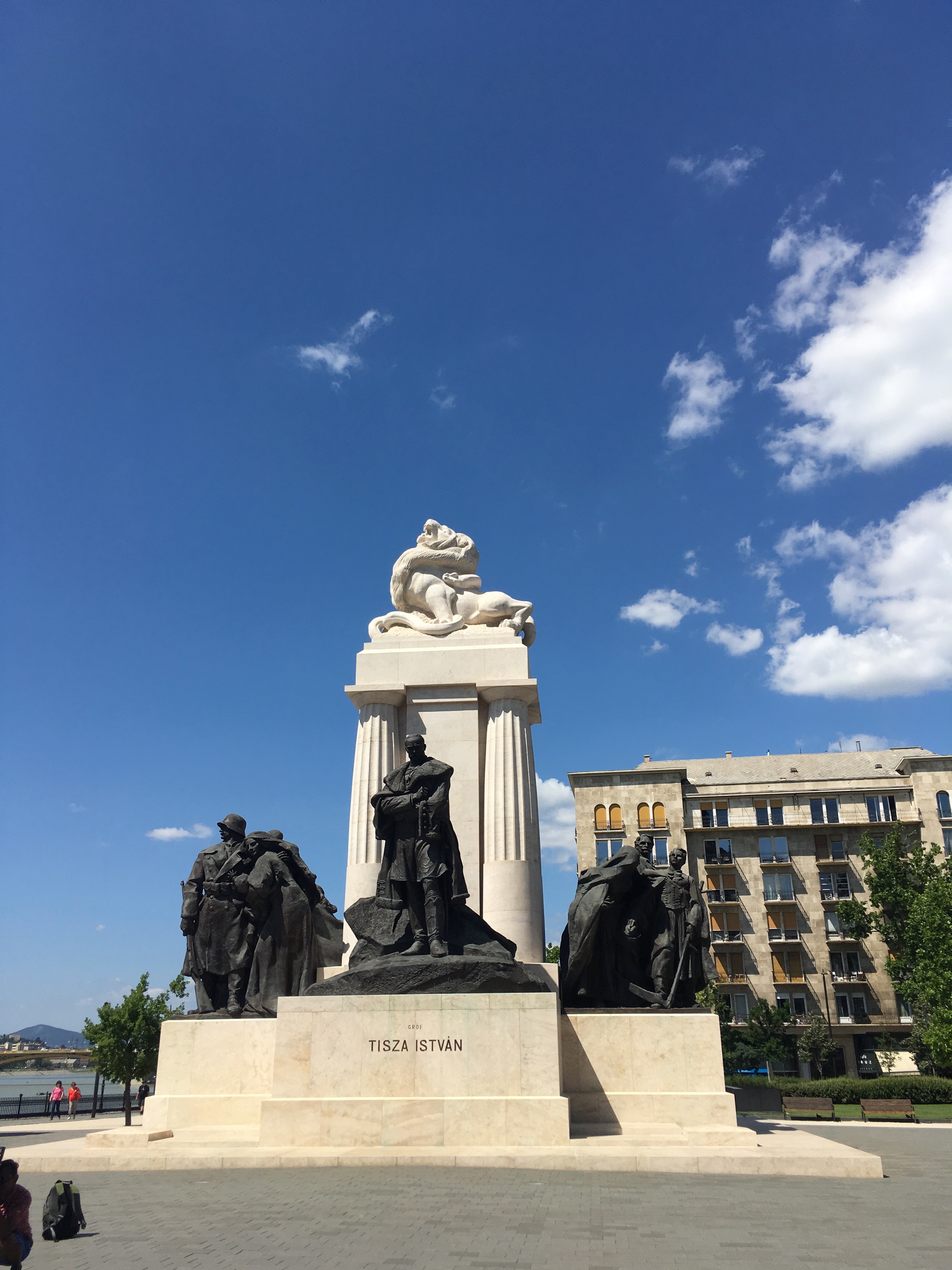
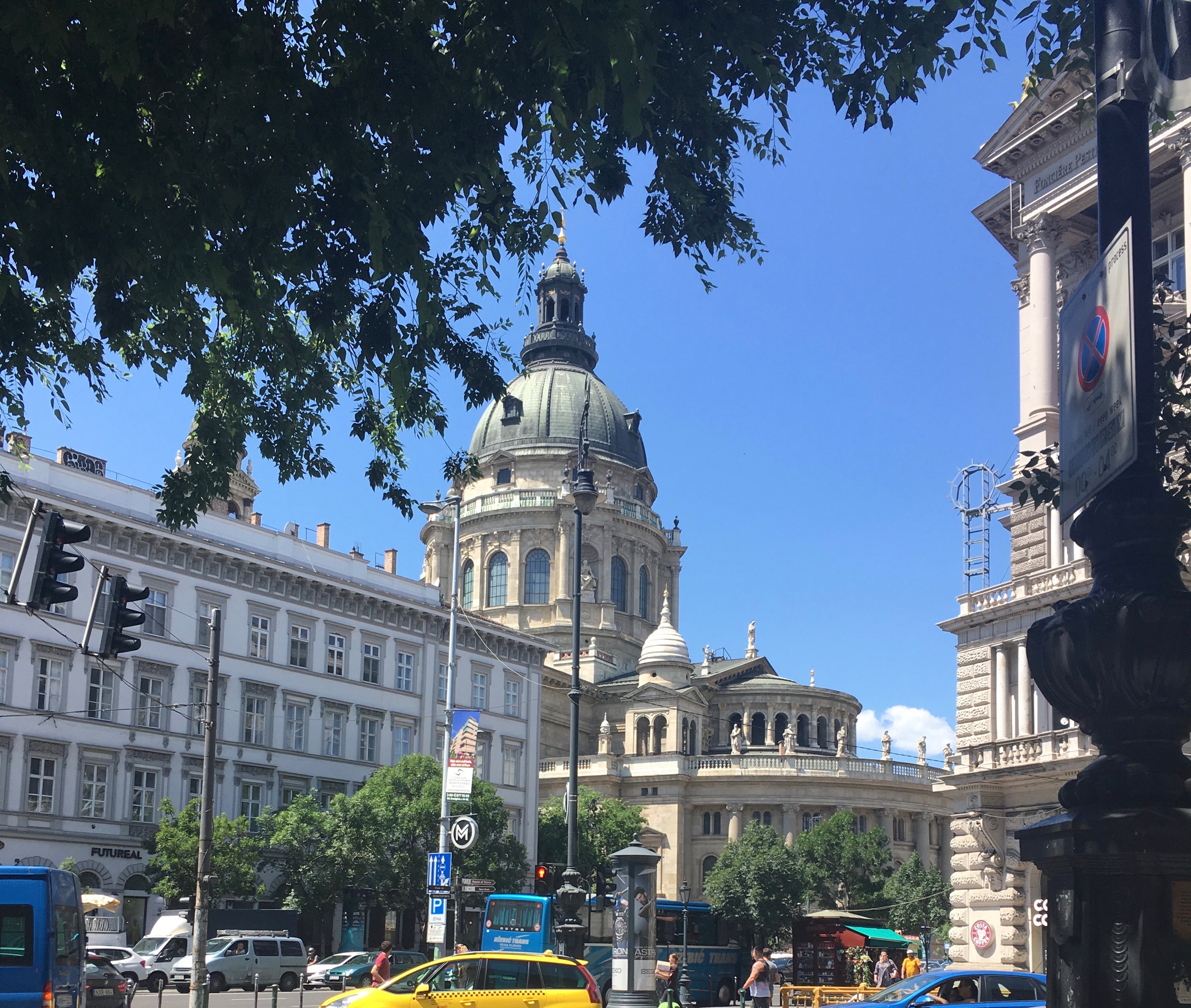
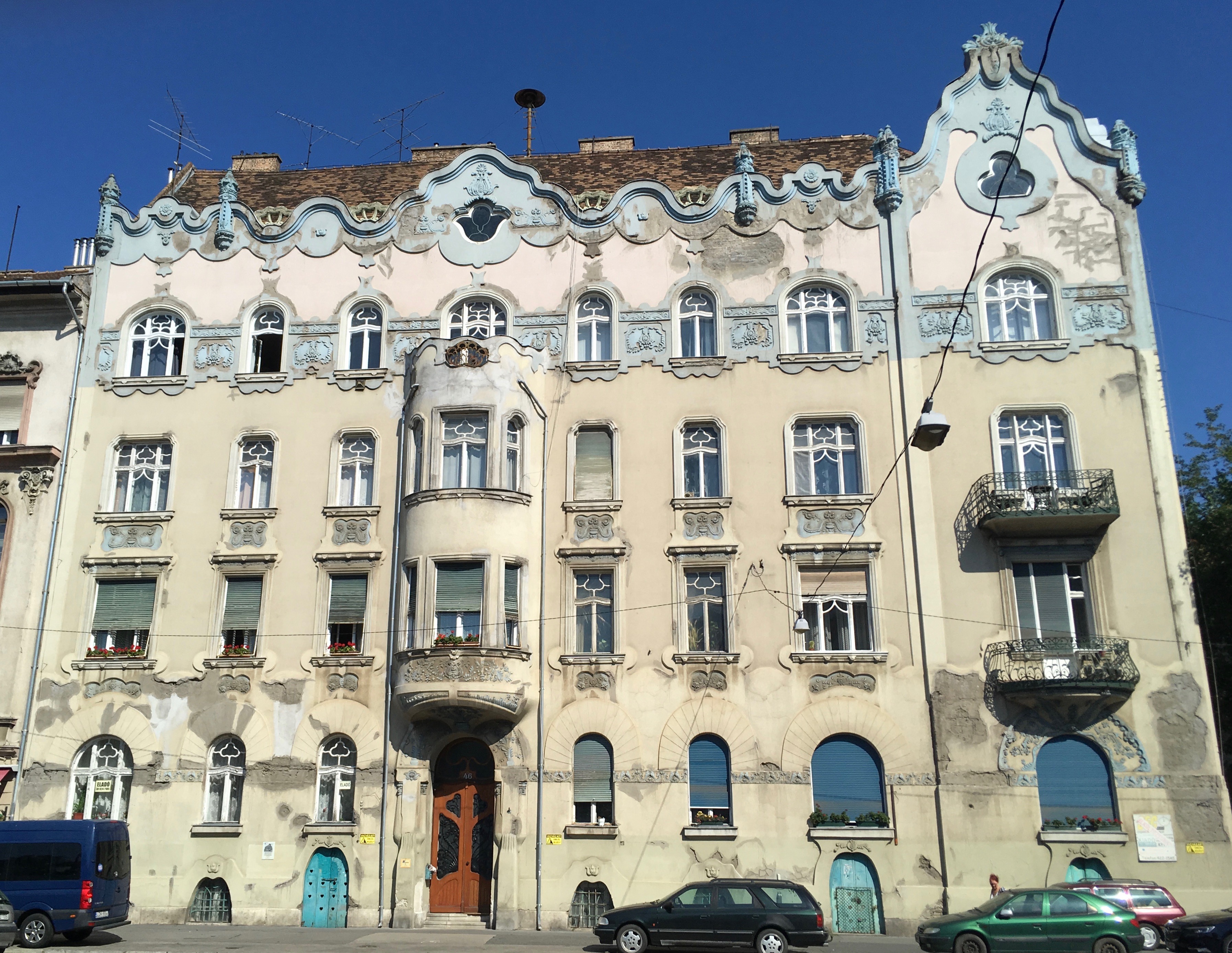
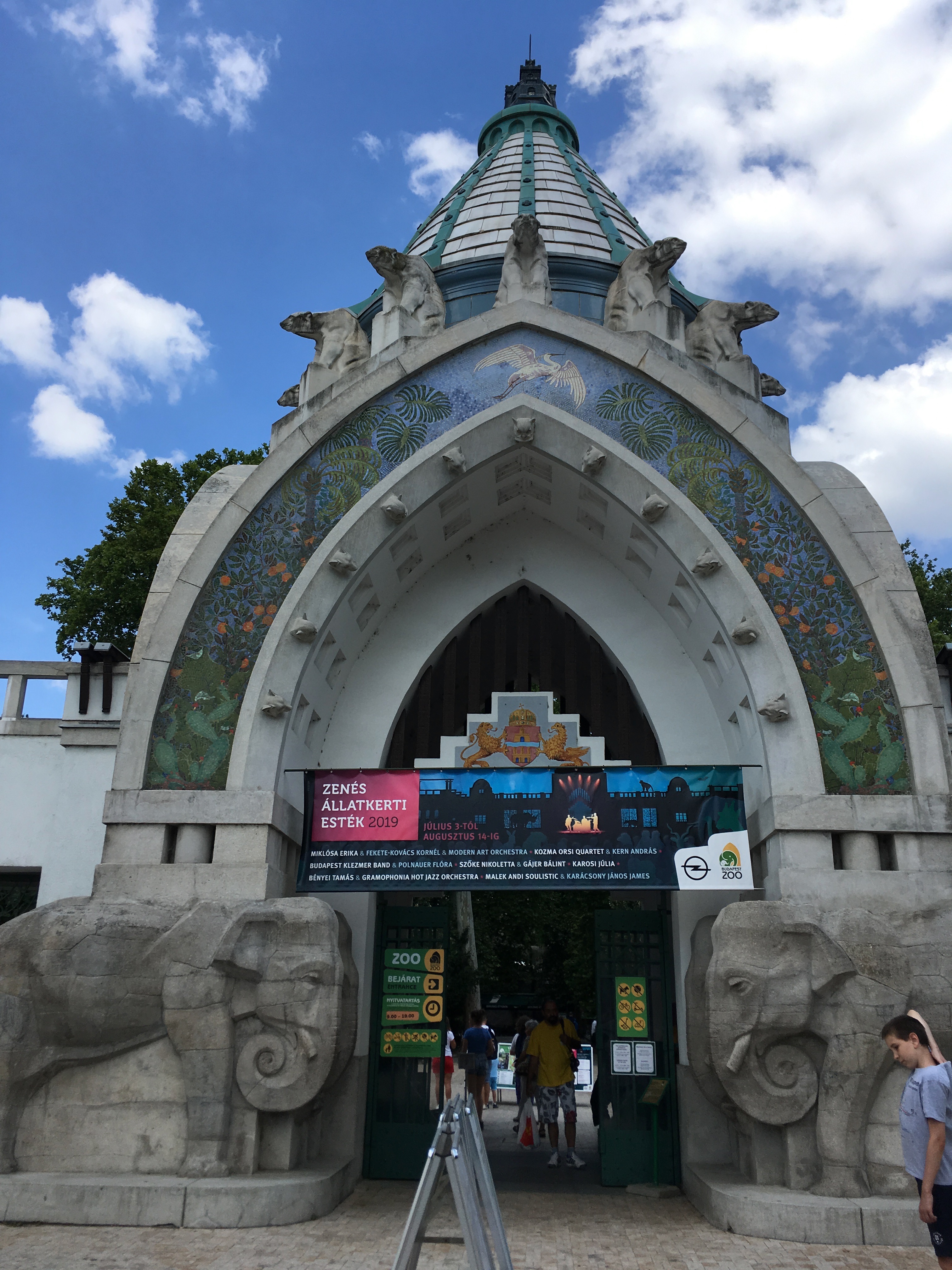
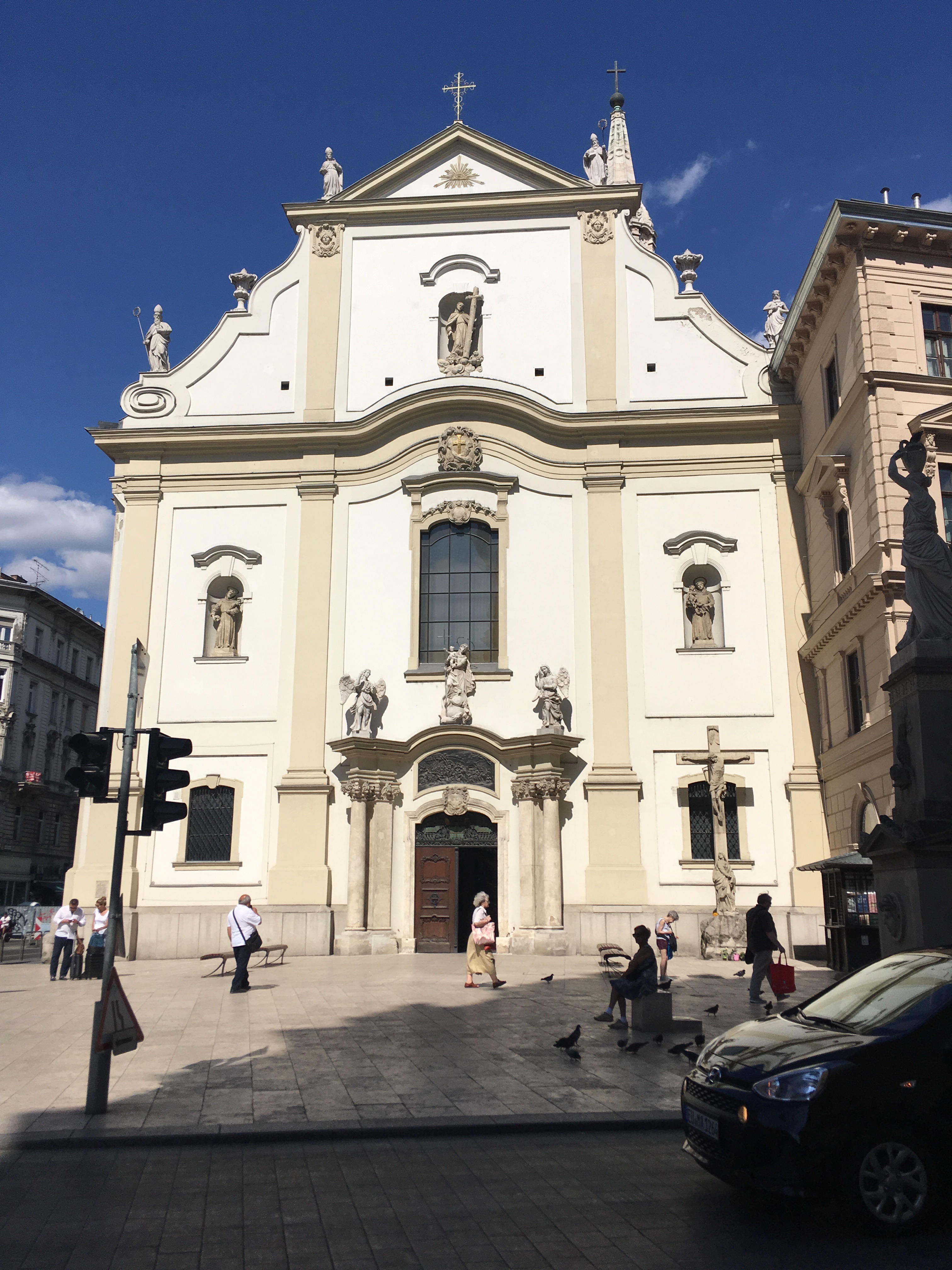
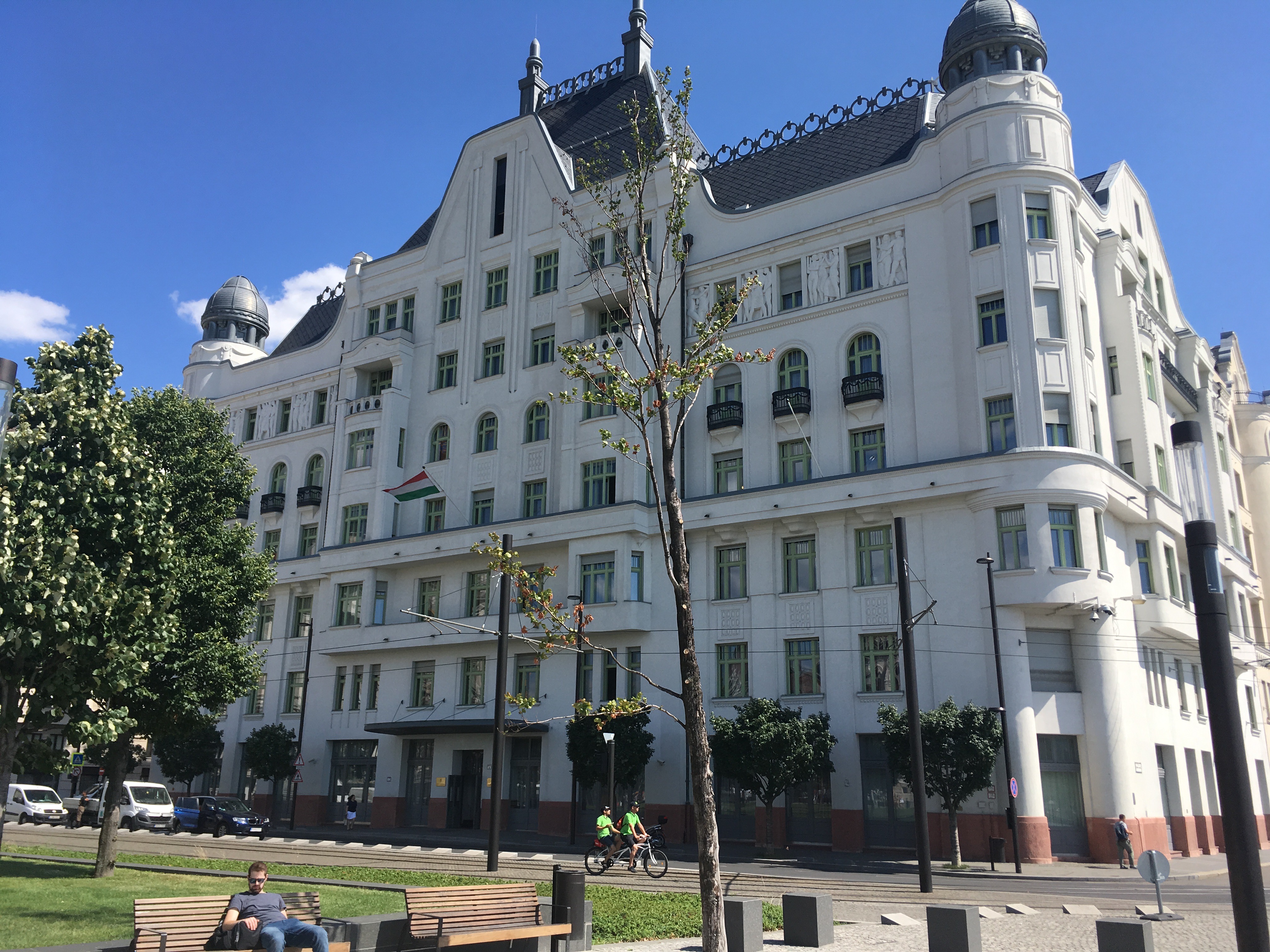
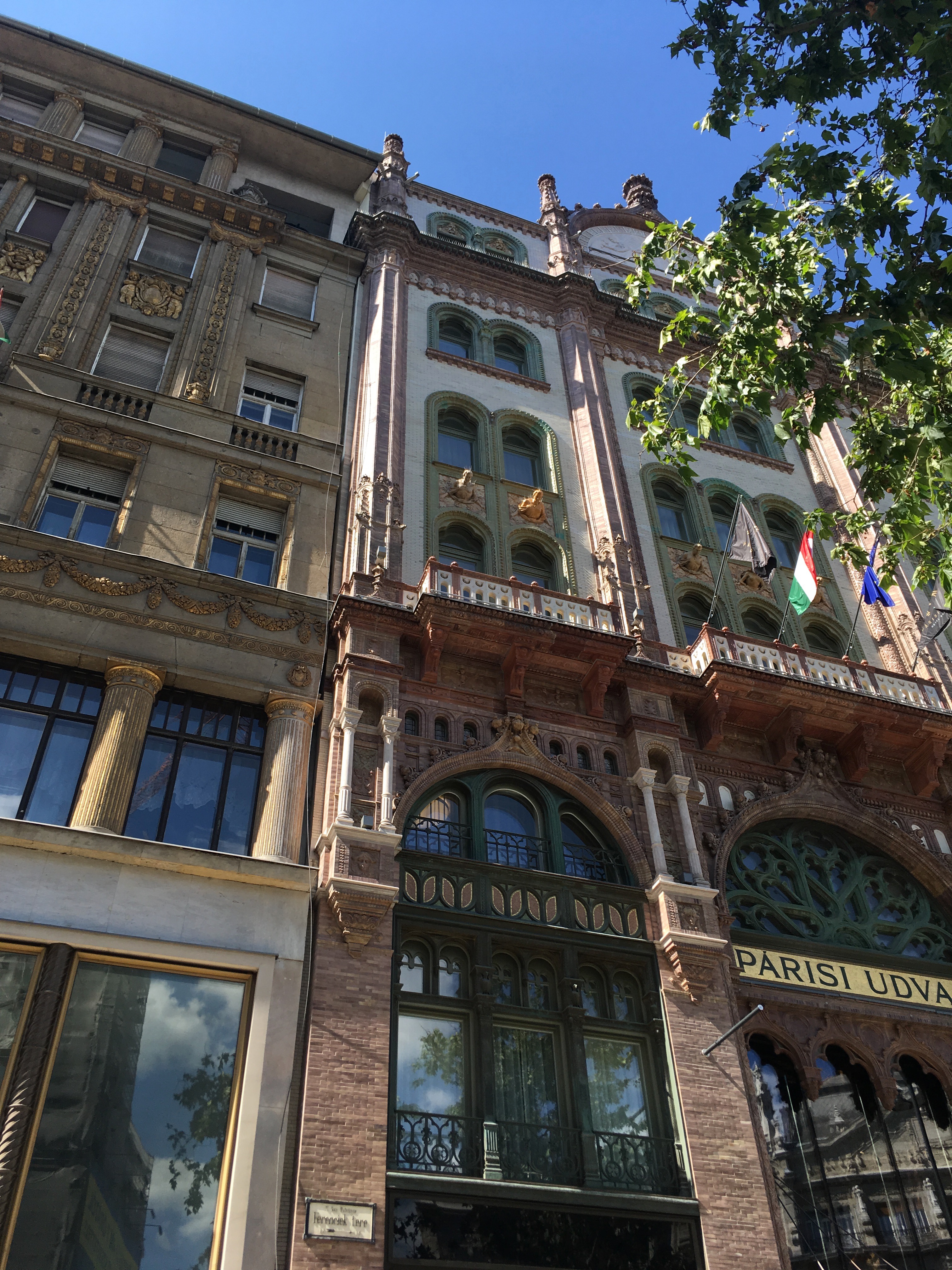
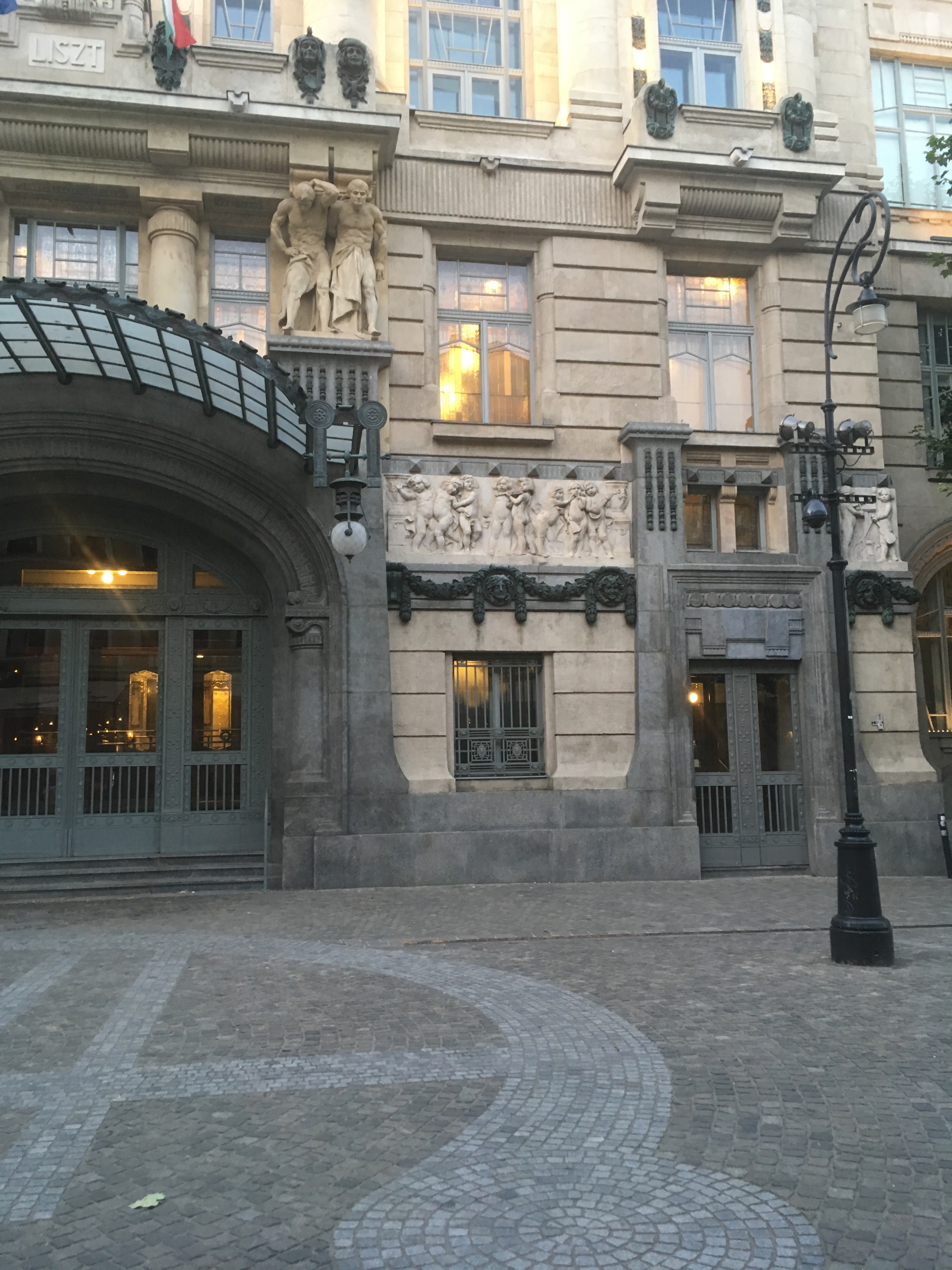
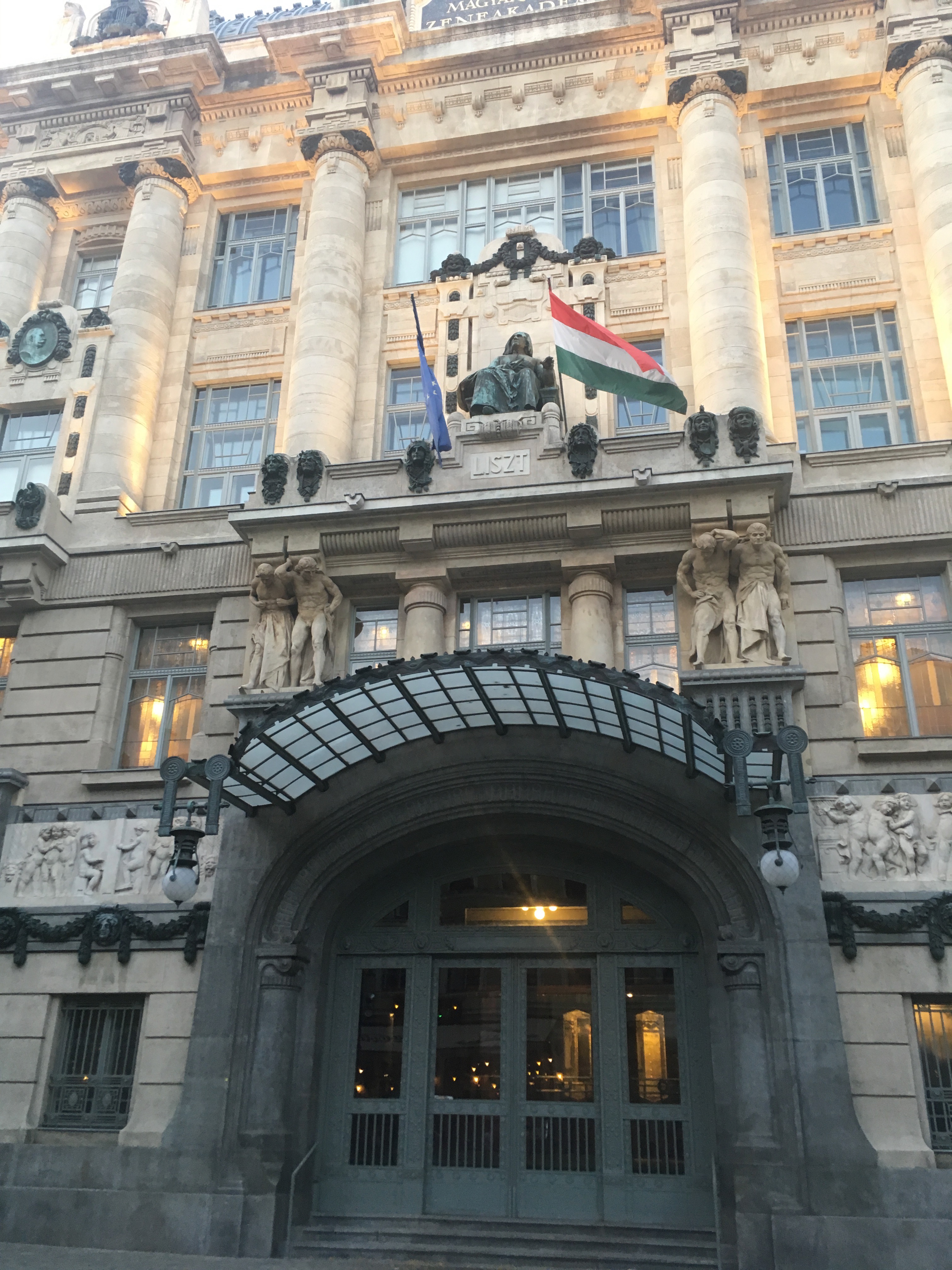
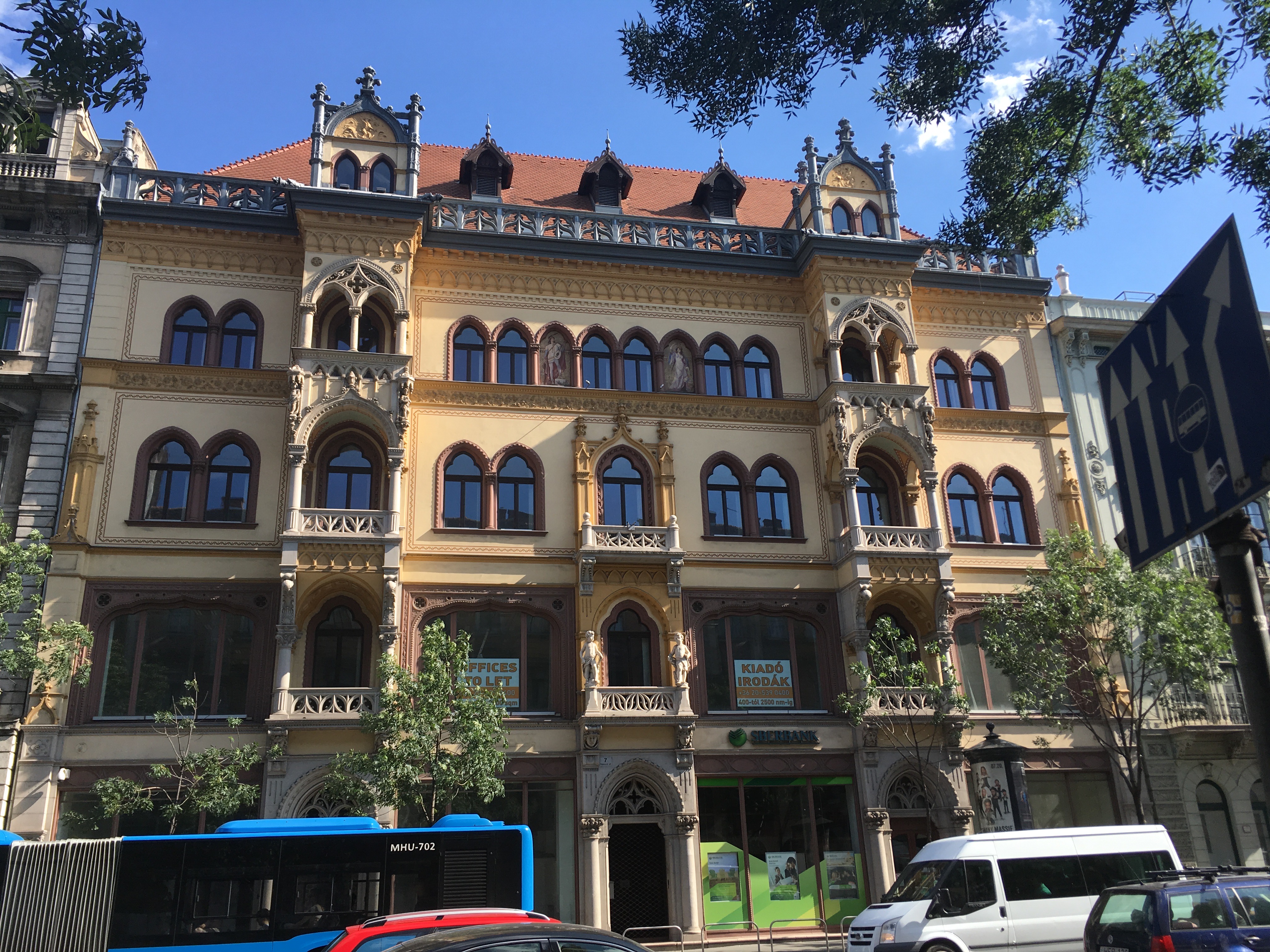
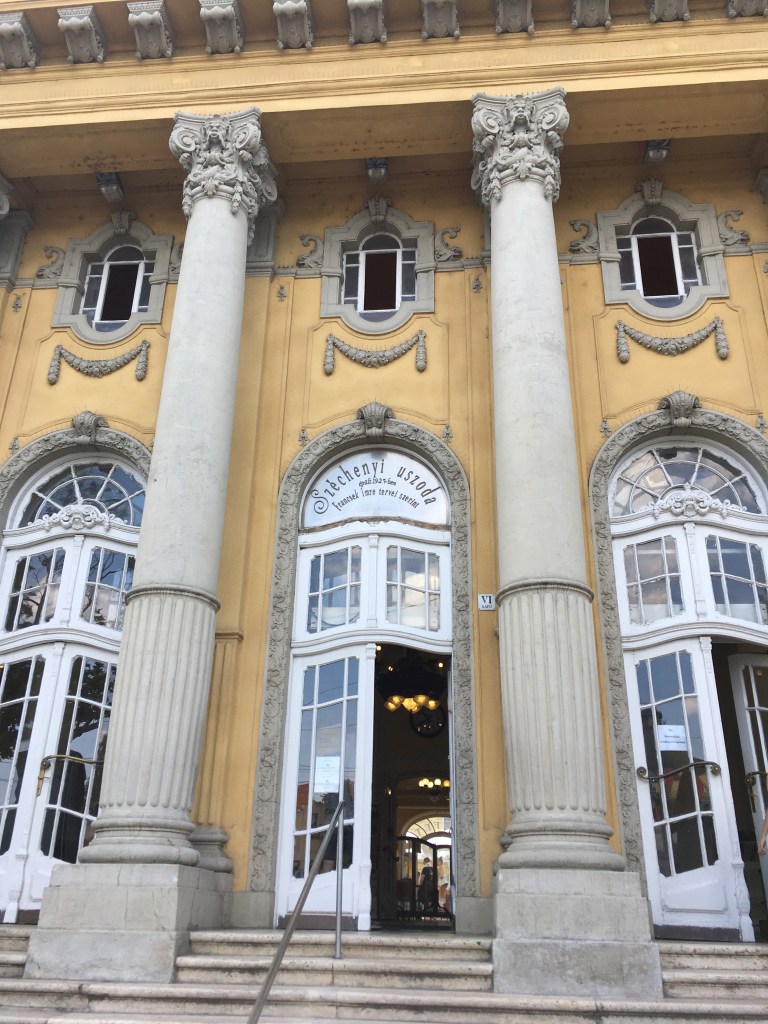
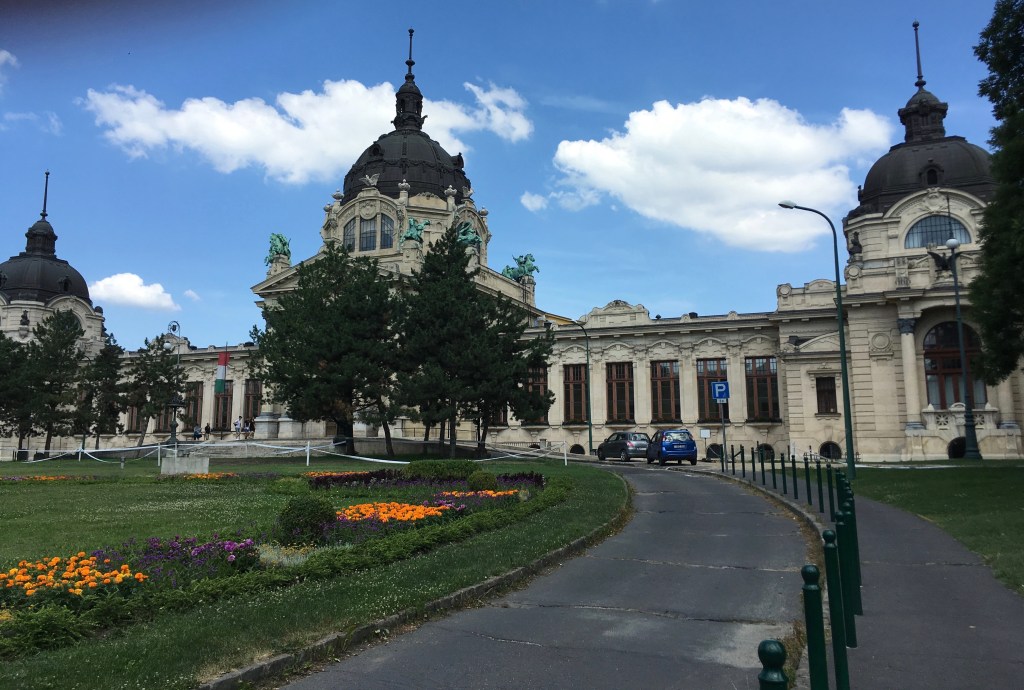
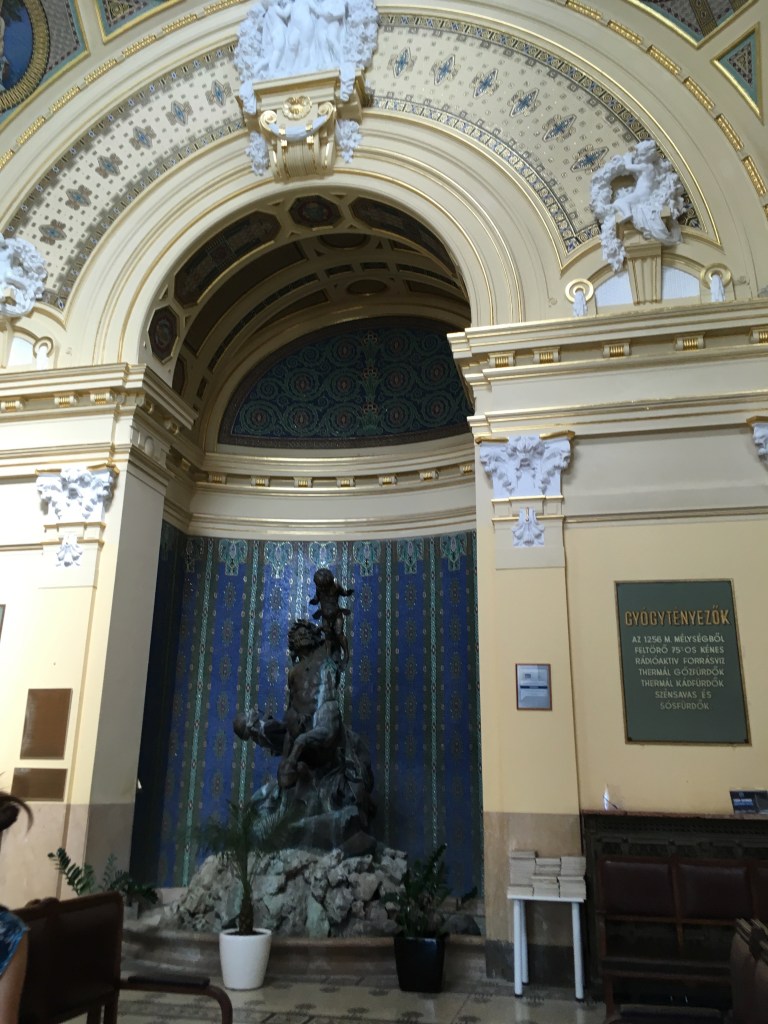
Unlike many other European cities of similar vintage, Budapest is not an old walled city but around mile 20 we did hit the (proverbial and literal) wall when we tried to visit the famous Szechenyi public baths in the massive City Park. We thought the baths were open-air allowing us see them without going in, but it was completely enclosed in a lovely building. We were able to partially peek thru a window, but weren’t terribly interested in sitting in hot water anyway as it was 90 plus degrees out, not appealing.
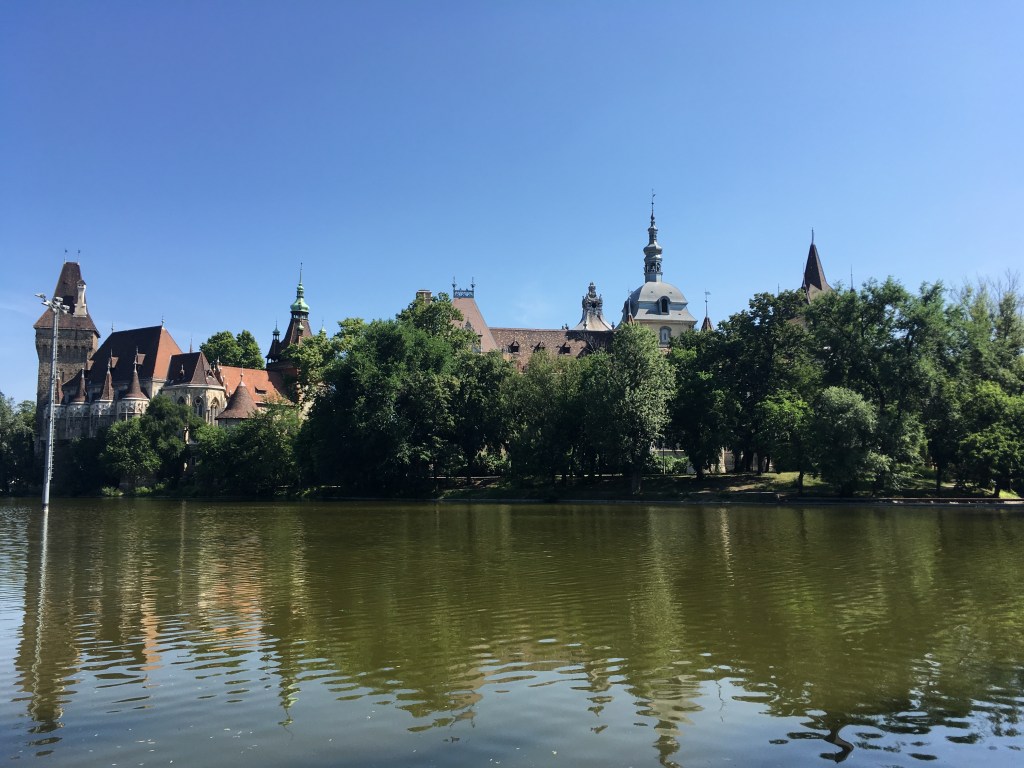
Also in the City park with Vajdahunyad castle, built in 1896 to celebrate 1000 years since the Hungarian conquest of the Carpathian basin. The castle was built out of cardboard and wood to showcase Hungarian castles built in different styles- Romanesque, Gothic, Renaissance, and Baroque. It became so popular that it was rebuilt from stone and brick between 1904 and 1908.
By the end of the marathon everyone’s legs felt like stone
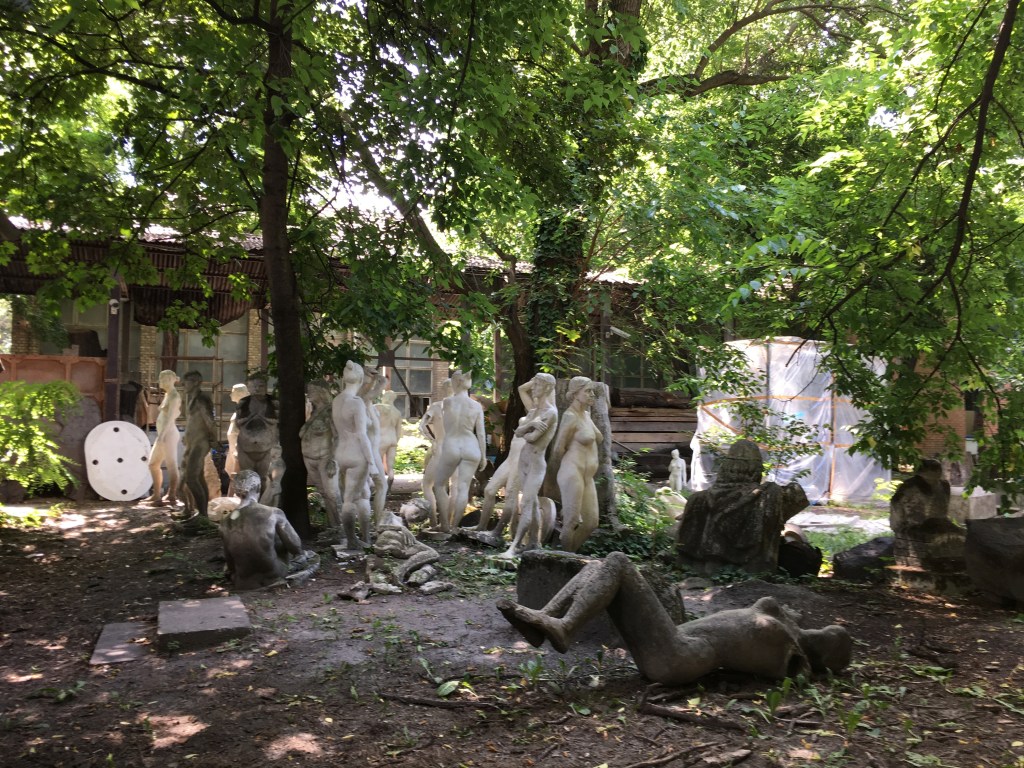
After we hit the main sights during the day, we uncharacteristically ventured out at night. First stop was the former Jewish quarter, and it was truly a quarter as 25% of Budapest was Jewish (in early1900’s Budapest was nicknamed Judapest). It is now reformed as block after block of “ruin” bars, hip clubs and bars filled with hen and stag parties on weekends.

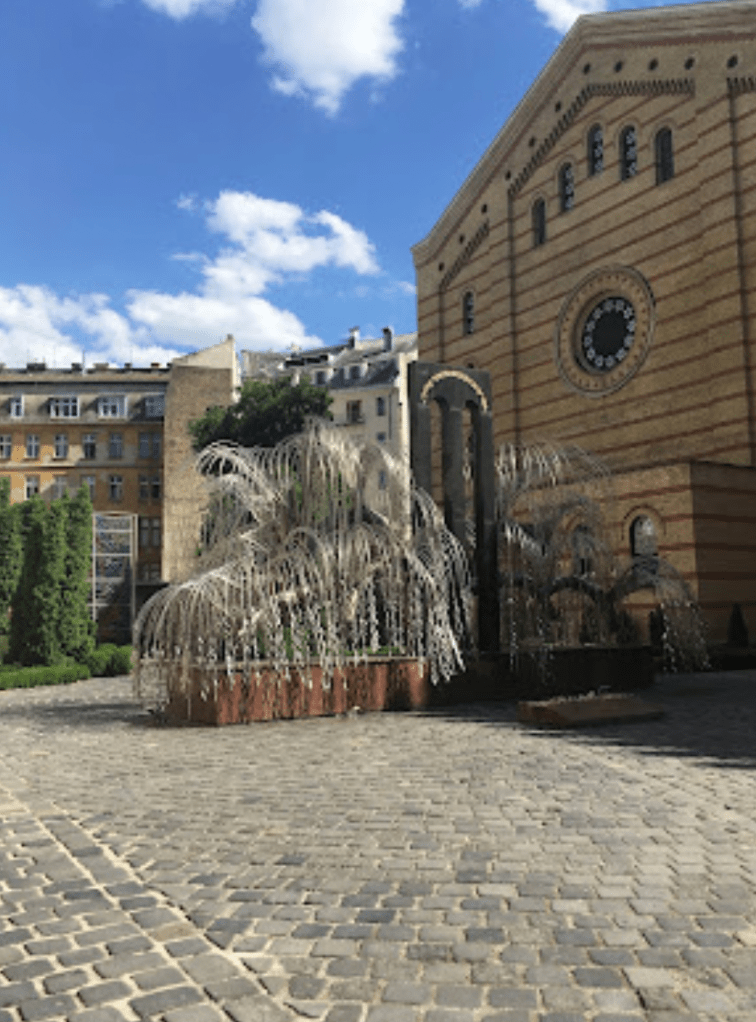
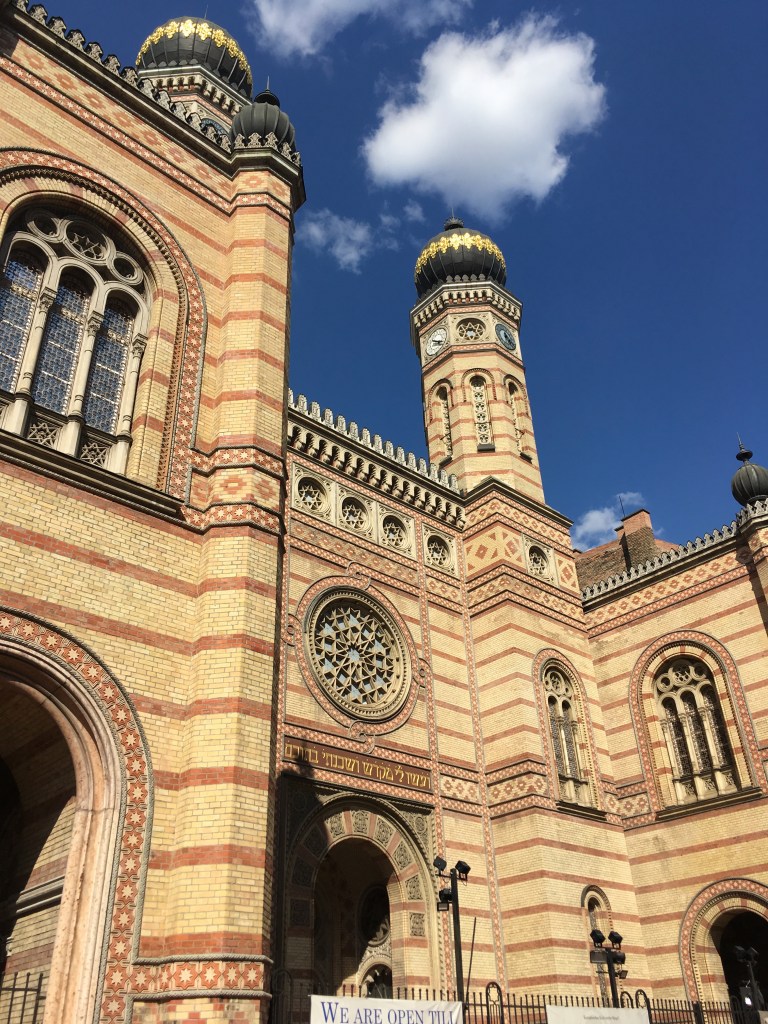
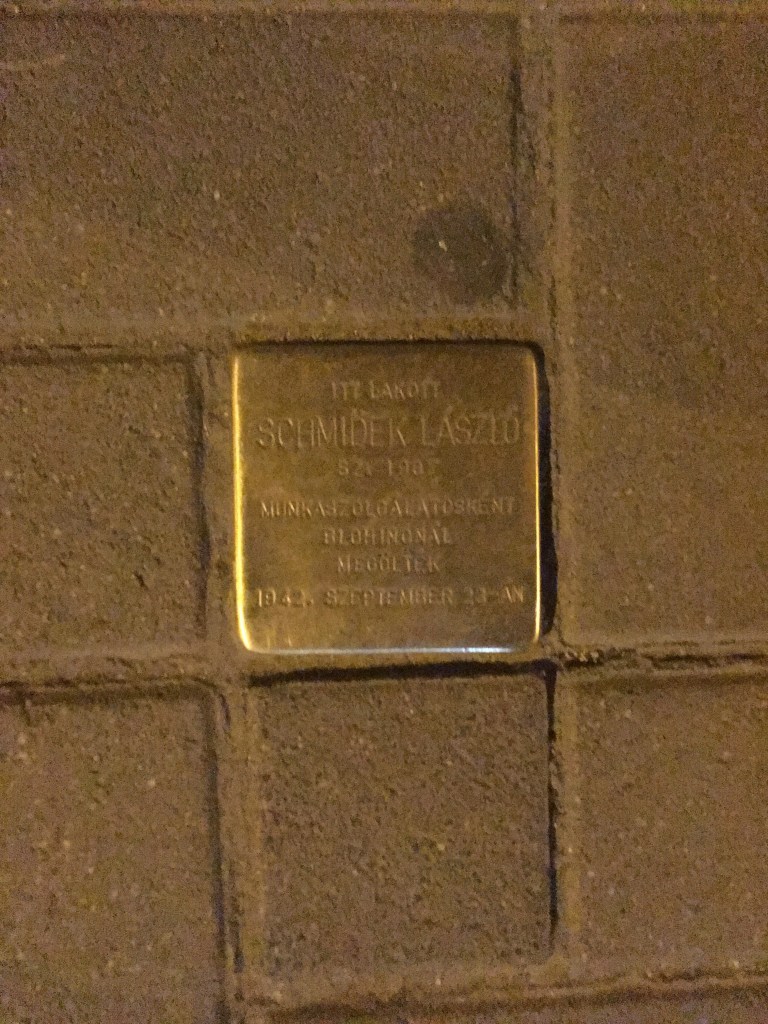
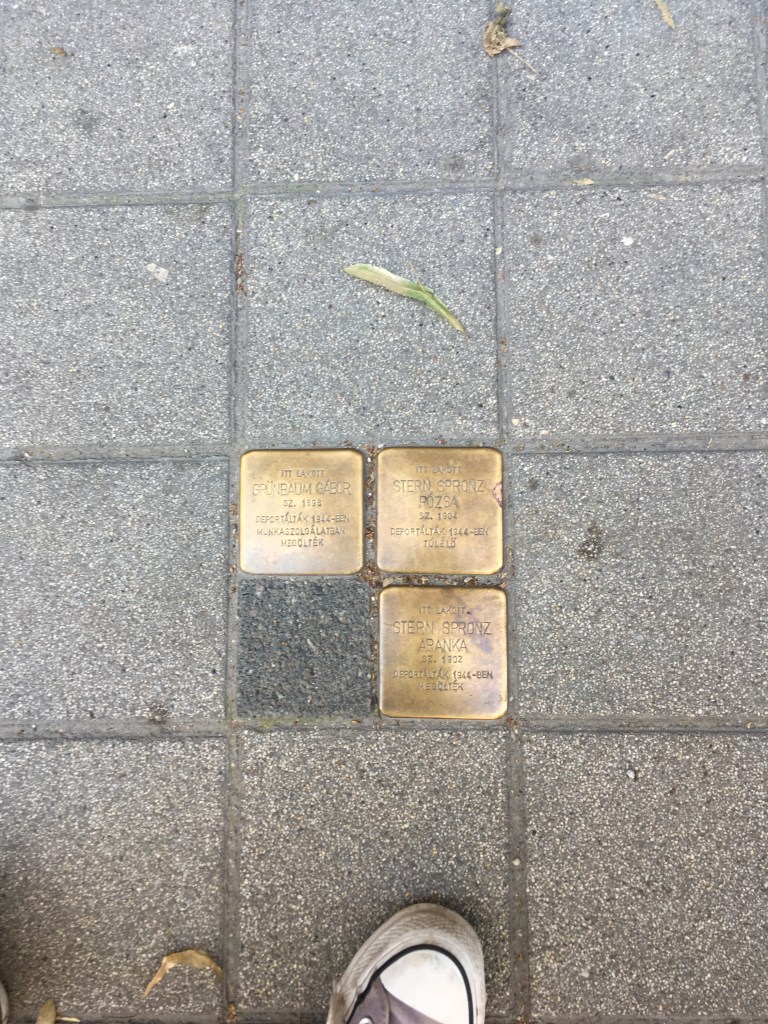
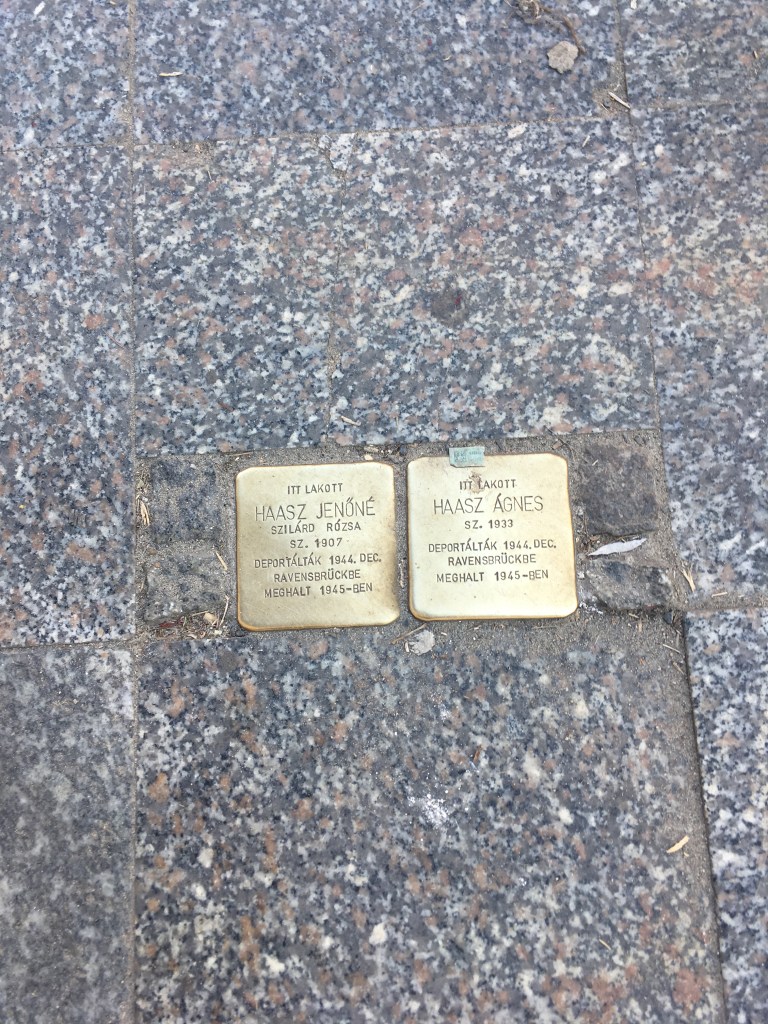
Considering Budapest’s history of a large Jewish population plus the miles covered it was not surprising to have added to the Stolpersteines we have stumbled upon https://chosenfugue.wordpress.com/2019/01/07/they-do-make-you-stumble/
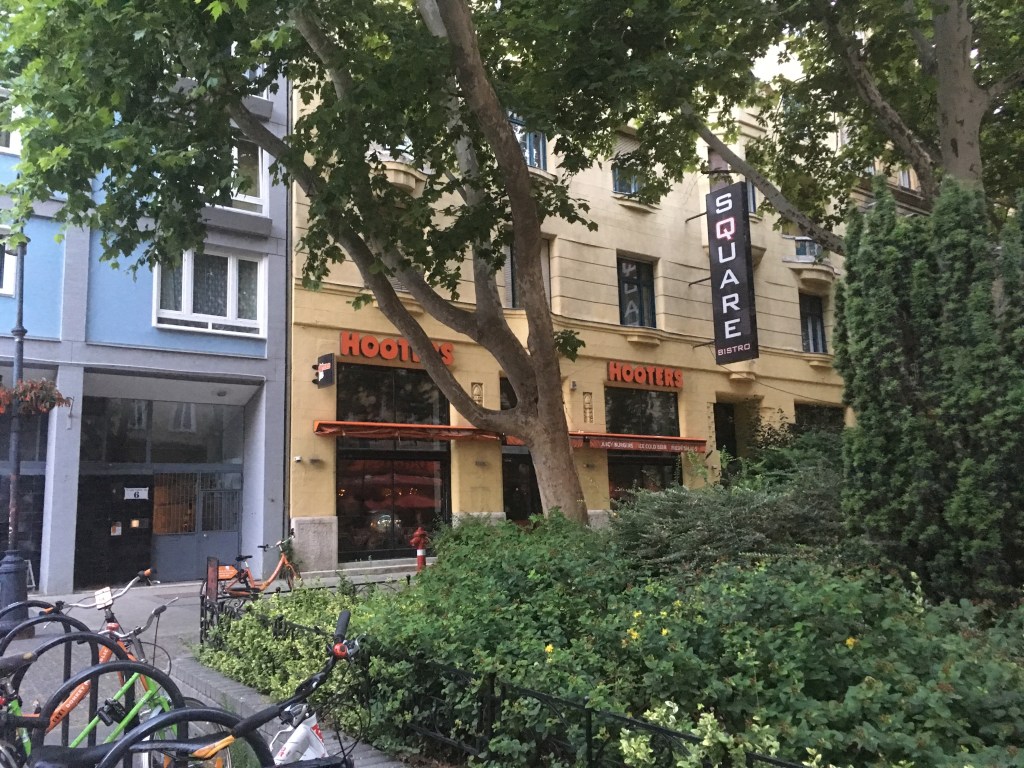
We just kept walking,
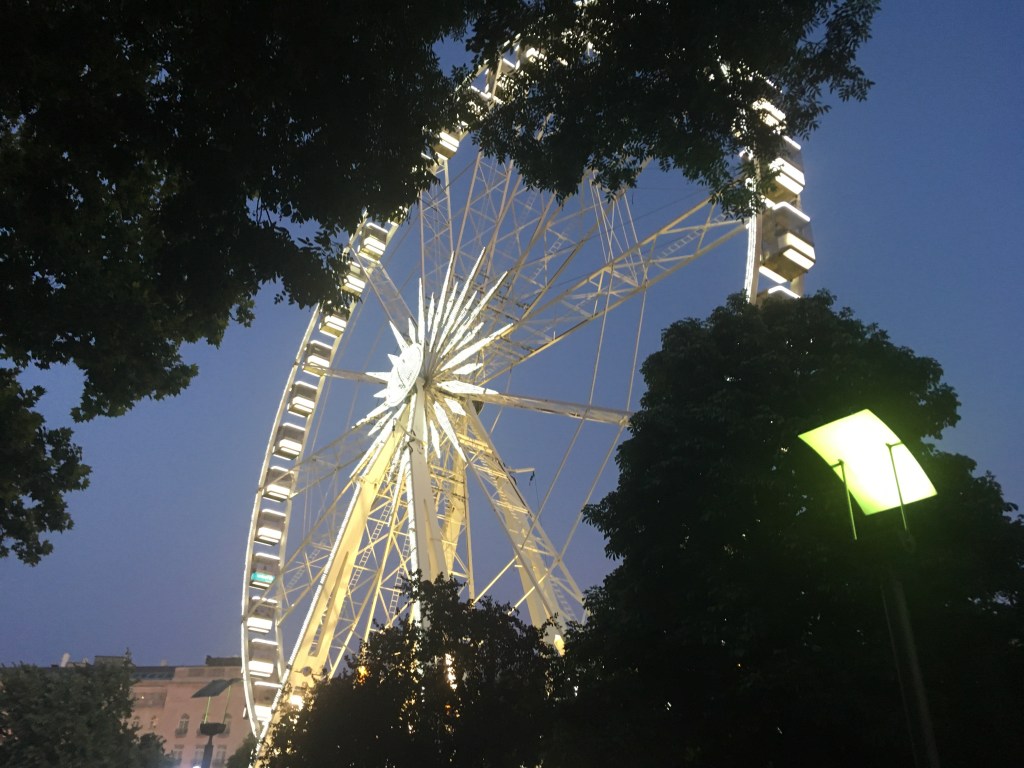
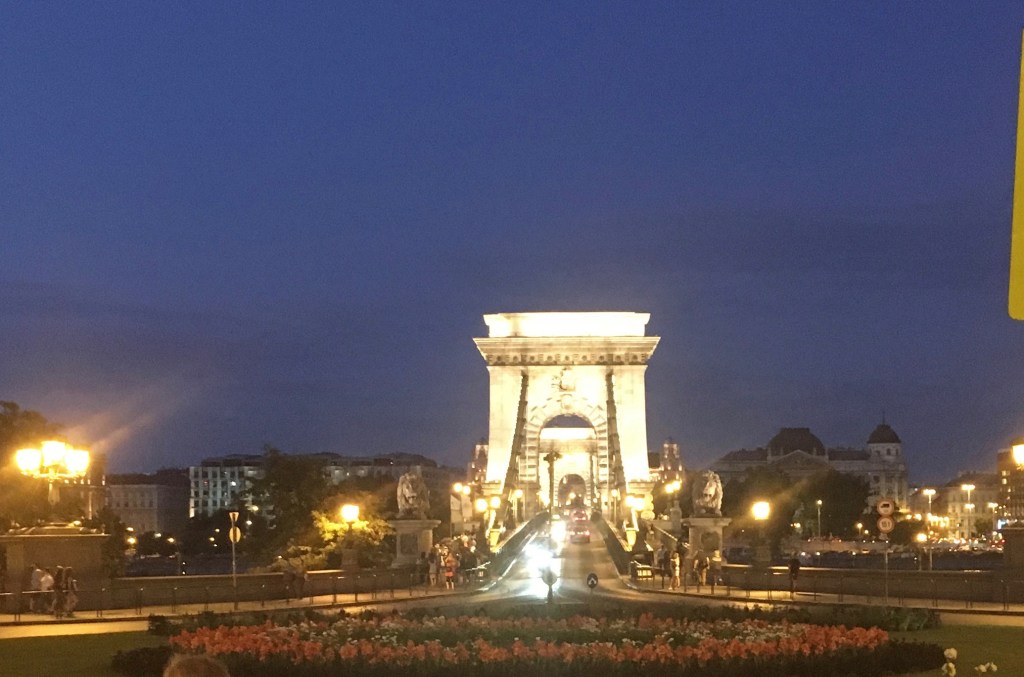
crossing the bridge from Pest and ending the night in Buda.
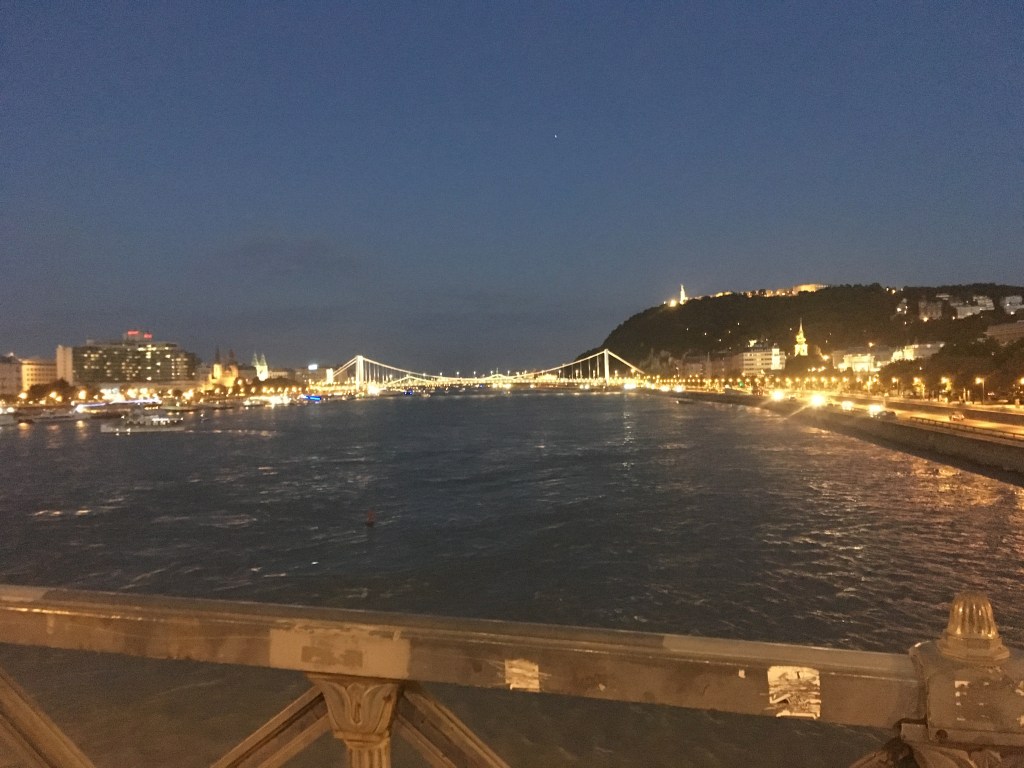
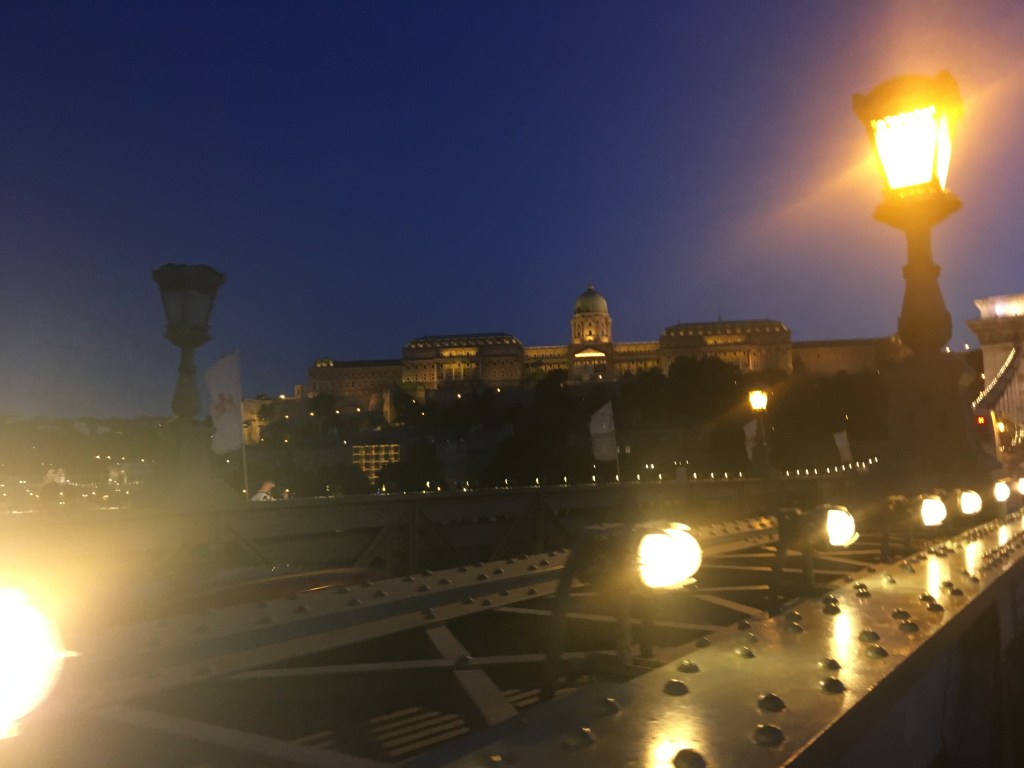
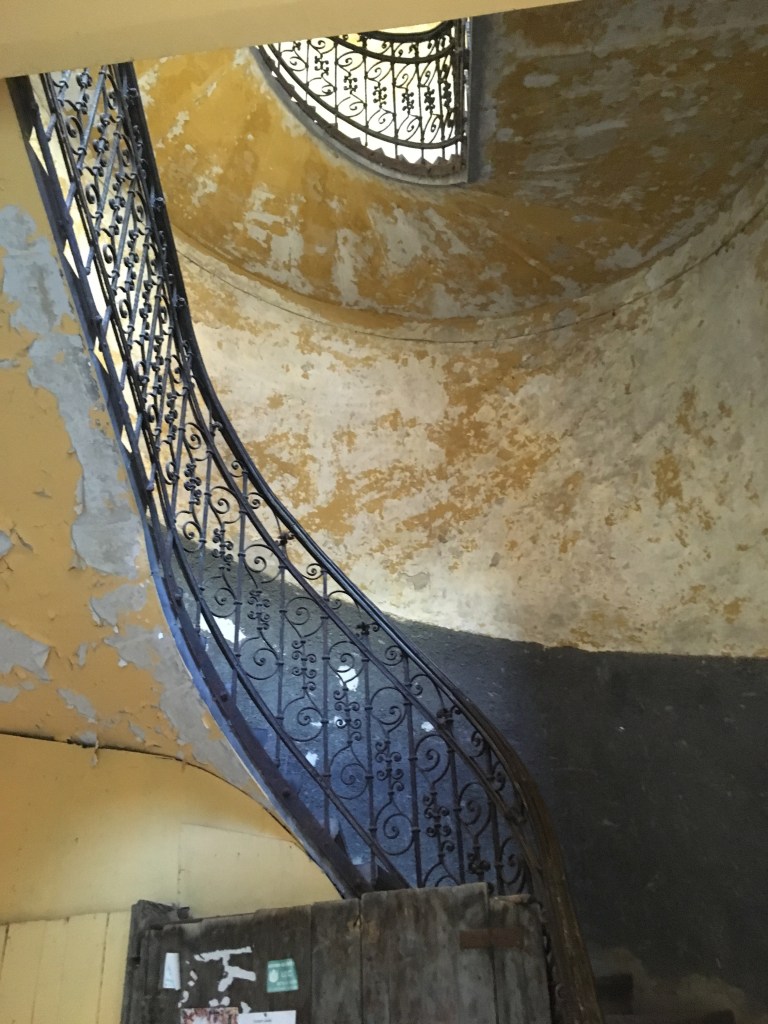
It was easy to feel very old world leaving our Air BnB
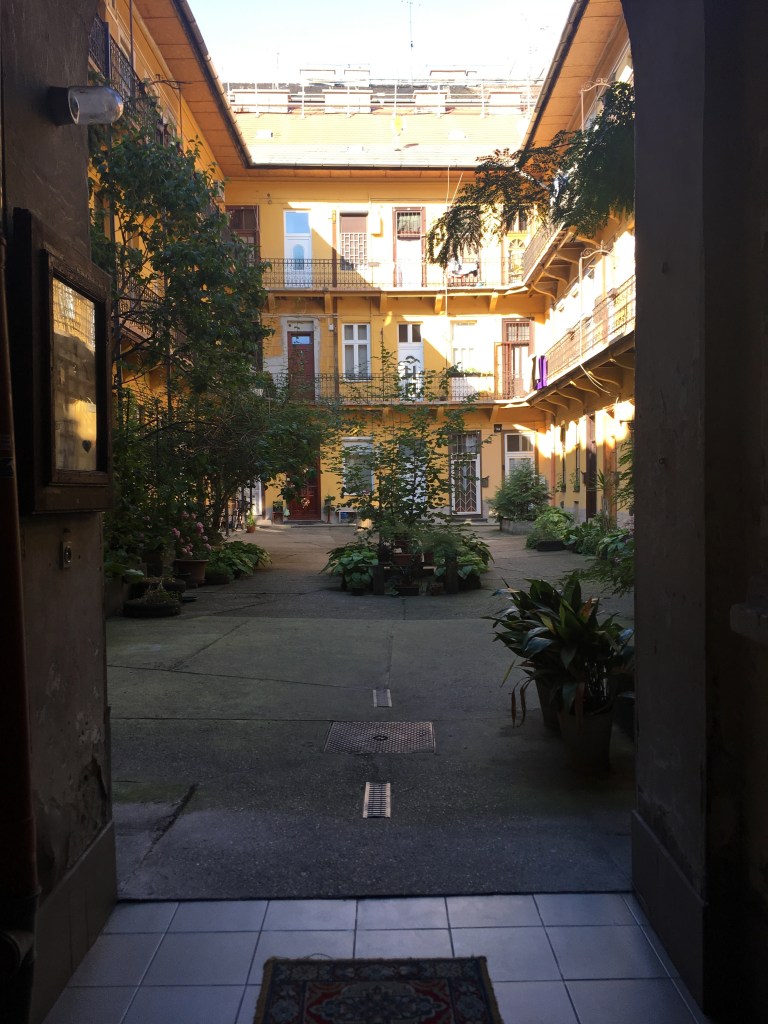
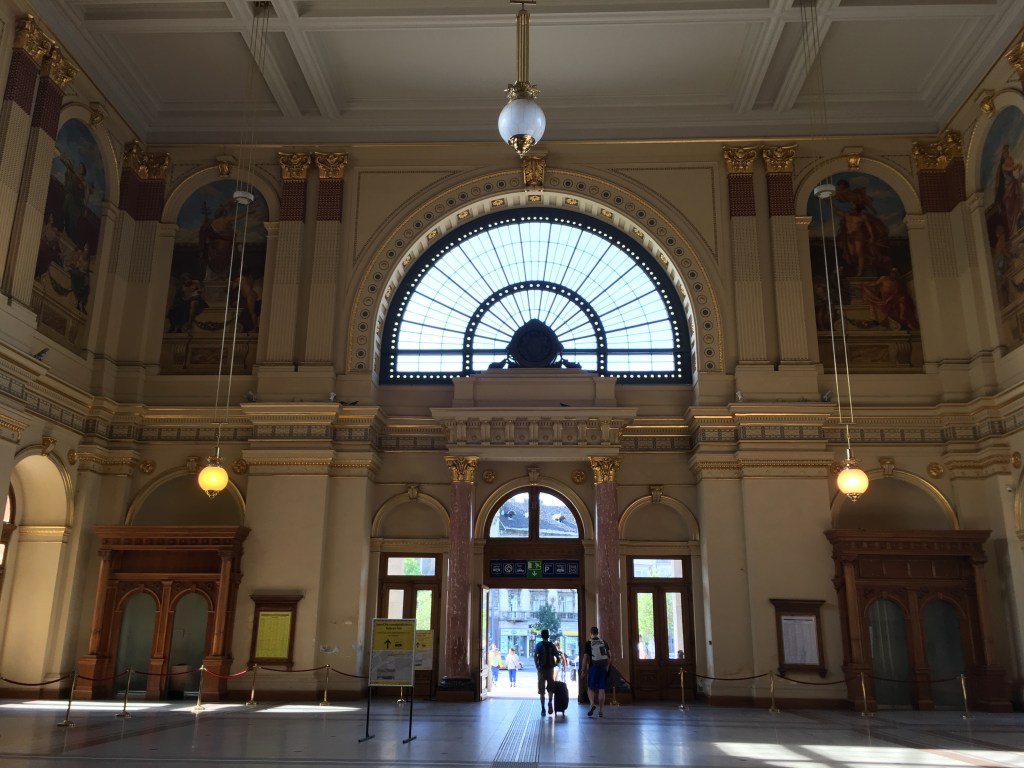
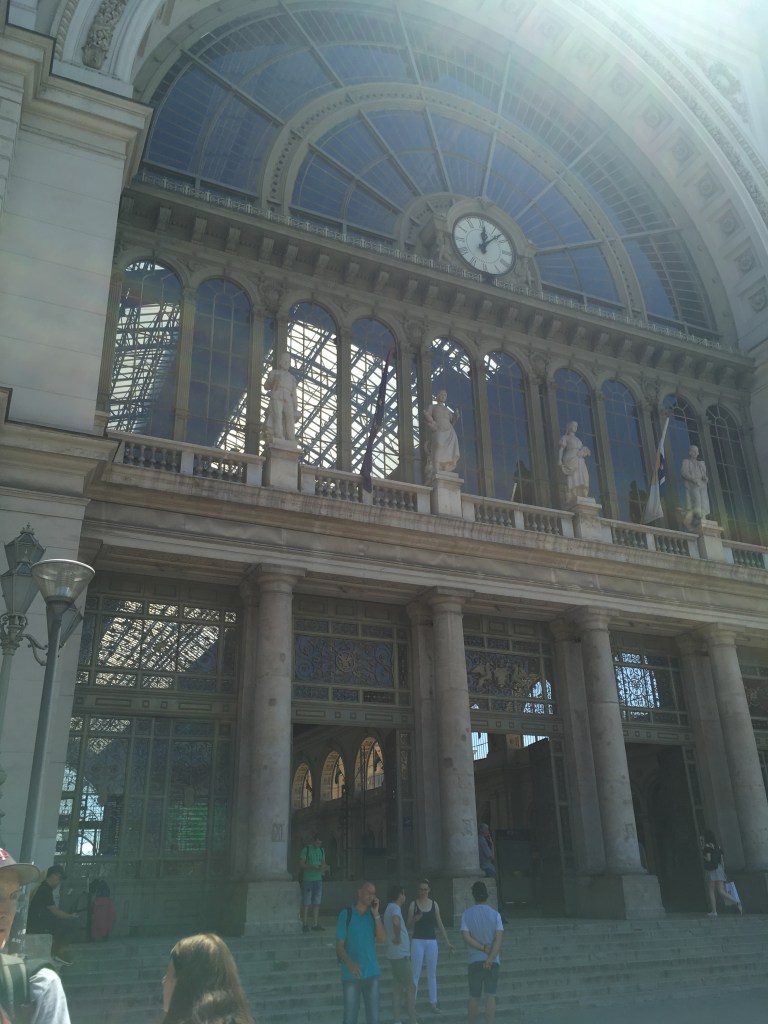
riding away from our Budapest Marathon.
 Chosen Fugue
One thought on “The Budapest Marathon”