Since we had just left Rome, it was hard not to compare Rome and Naples, two cities whose present is so imbued with their past.
Naples (Napoli in Italian) had a gritty underdog feel to it. Southern Italy, poorer and less cosmpolitan, has always been in the shadow of the more prosperous northern part of the country. This could explain why the city’s wore their history so differently. Rome basks in its glory as the center of the Roman Empire. Naples shrugs off its inglorious history as the home of Carmorra, a Mafia style criminal organization dating back to the 1700’s, although this OG persona seems to persist.
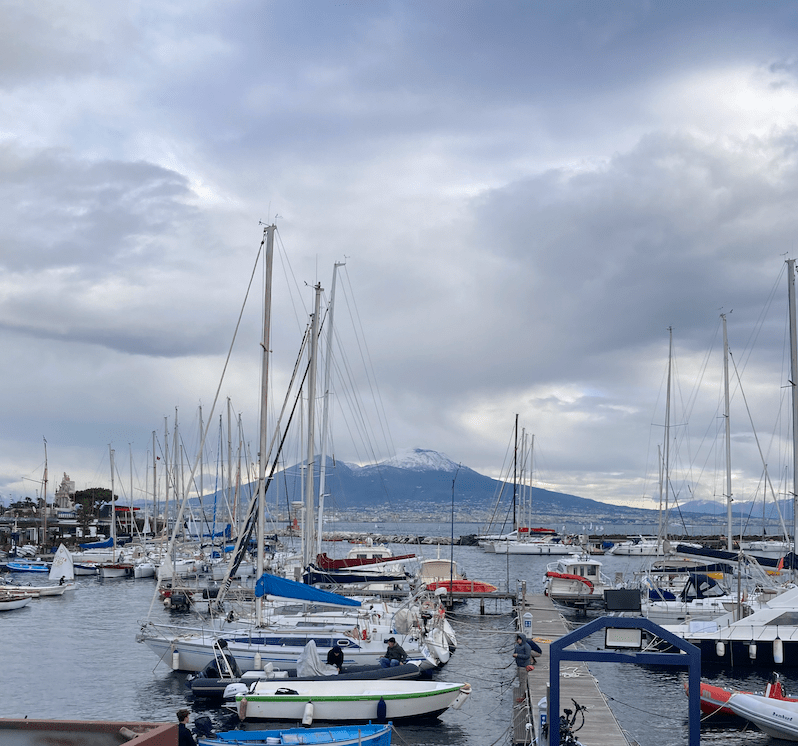
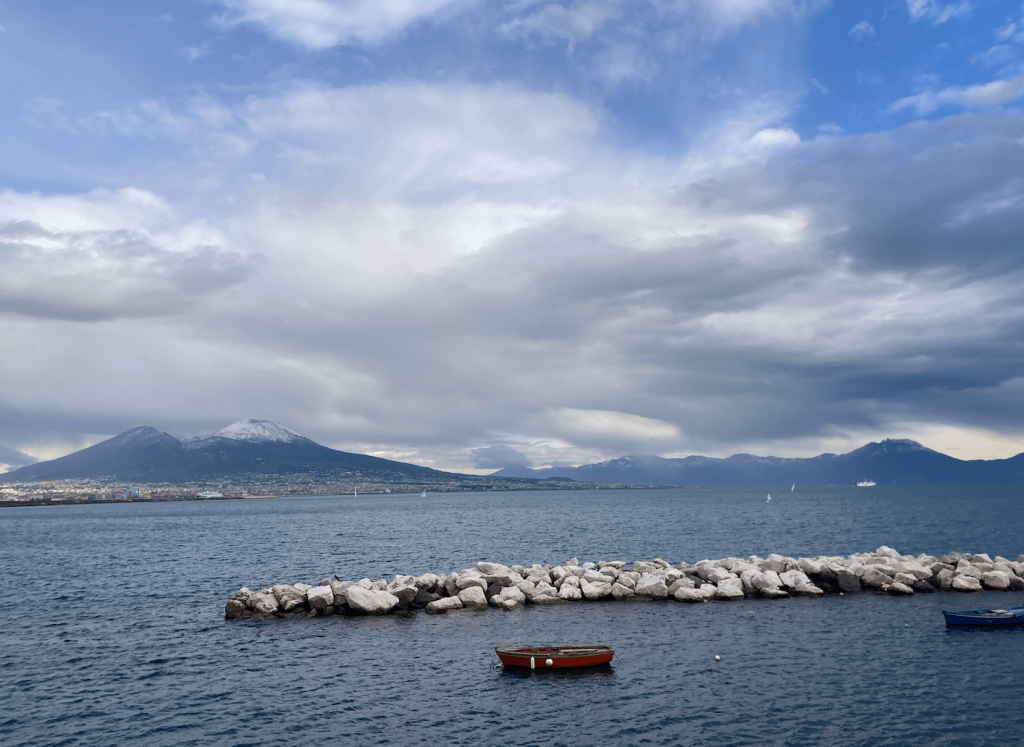
We immediately fell in love with the personality of Naples. It didn’t hurt that each time you turned around, when the rain clouds parted, there was the equally intriguing, ominous Mt Vesuvius.

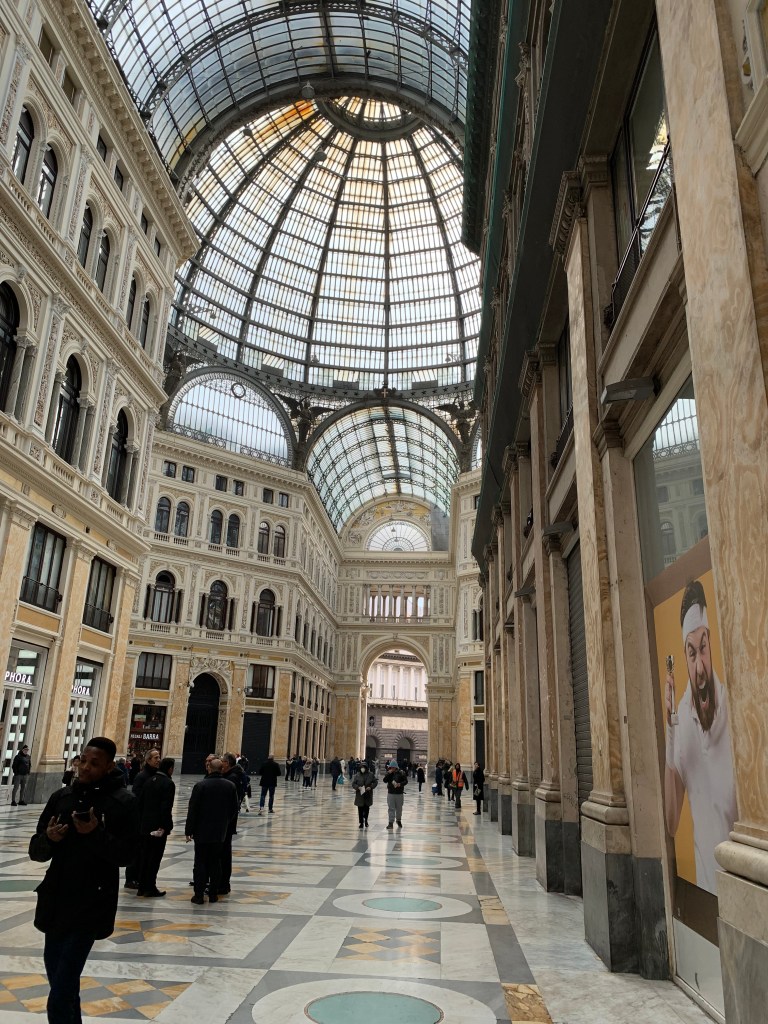
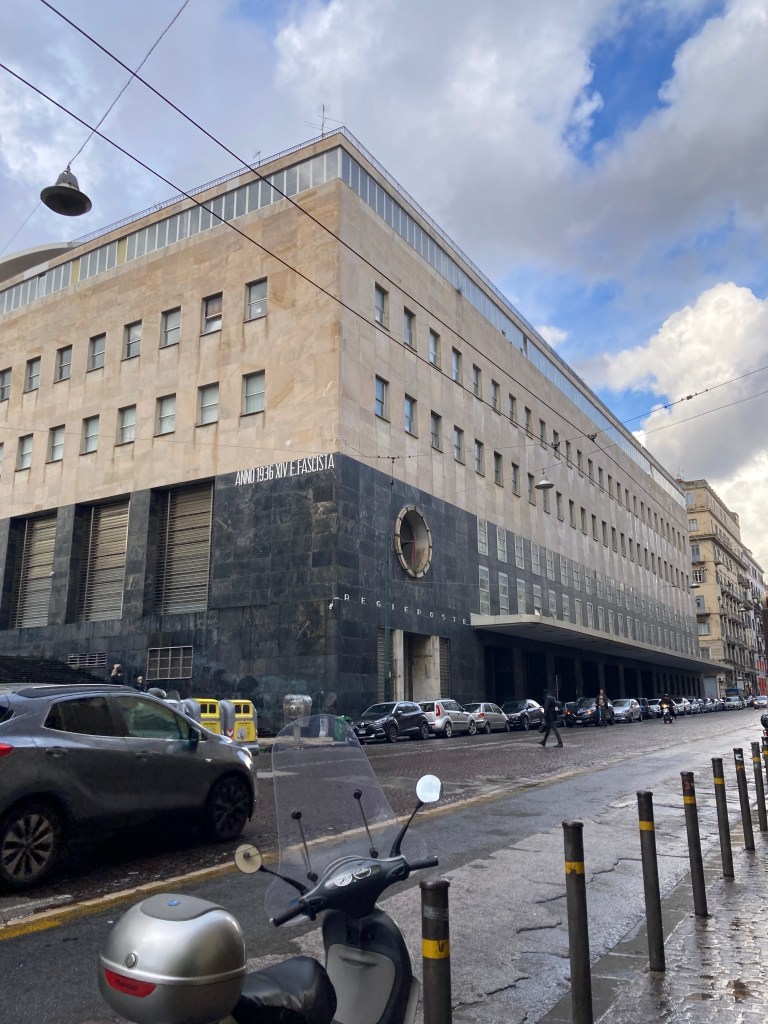
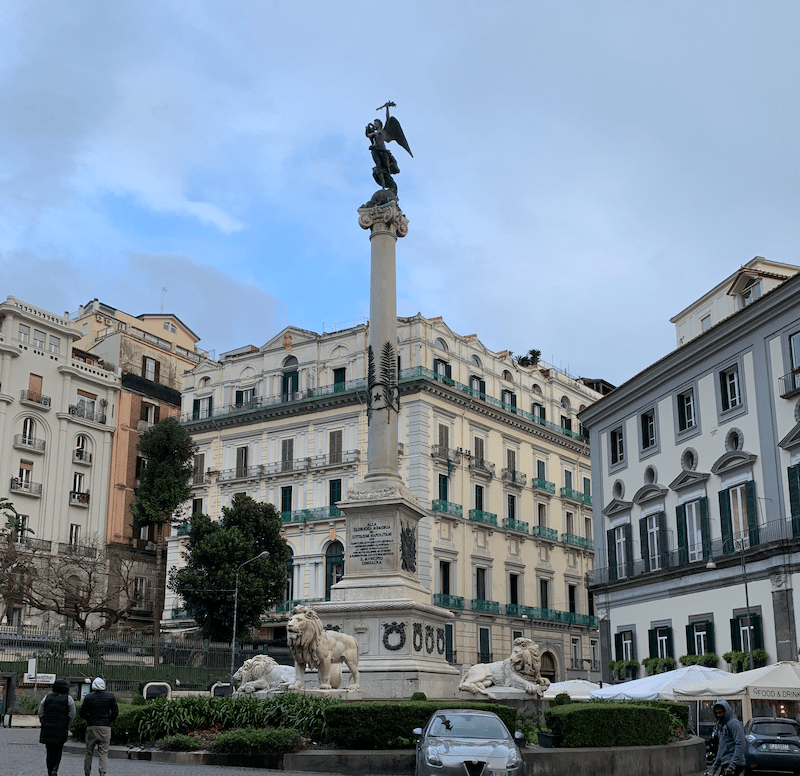
You could spend weeks in Naples and every day would have a different ambience. You can walk along the Mediterranean, window shop at fancy stores, admire elegant buildings, eat at a seaside pizzeria. Naples is the famous creator of pizza, and we had pizza at the most highly rated pizzeria-and… not as good as Marseille’s Pizza Charley. https://www.lacucinaitaliana.com/trends/restaurants-and-chefs/pizza-chef-gino-sorbillo?refresh_ce= (see Vesuvius between the buildings in the picture)

You can be more cultural, head into town and go to the Archaeological museum that has the Farnese Greek and Roman Collection. Here the highlight was learning that most of the Greek and Roman statues seen in museums are actually Frankensteins- with heads, torsos and limbs either made new or borrowed from another sculpture (kind of like exchanging Barbie heads). You can see many of the original frescos/mosaics from Pompeii- (kept here rather in Pompeii for protection) where the highlight was watching a woman methodically take pictures of every Pompeii pornographic artwork on display and then halfway through, need to take her jacket off. https://hyperallergic.com/725957/pompeii-erotic-art-exhibition/
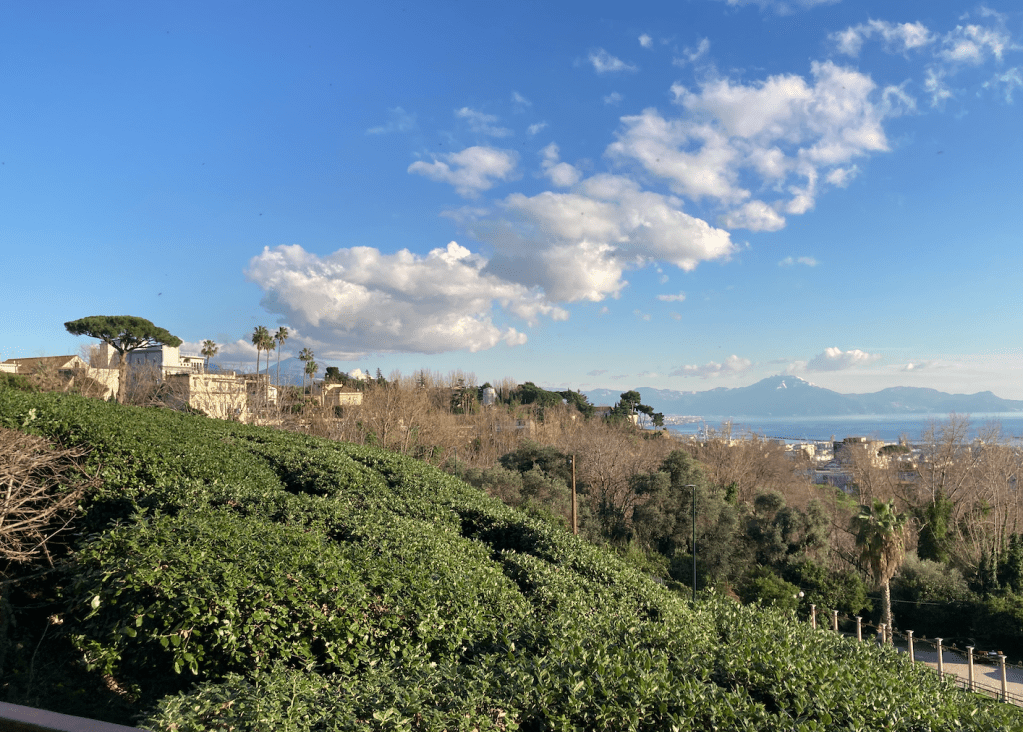
You can also walk through the poorest neighborhood, straight up the hill, to the Capodimonte museum at Capodimonte’s Palace, the palace of the Bourbon rulers. .
The advertised Caravacchio was out on loan but the eclectic collection was worth a visit
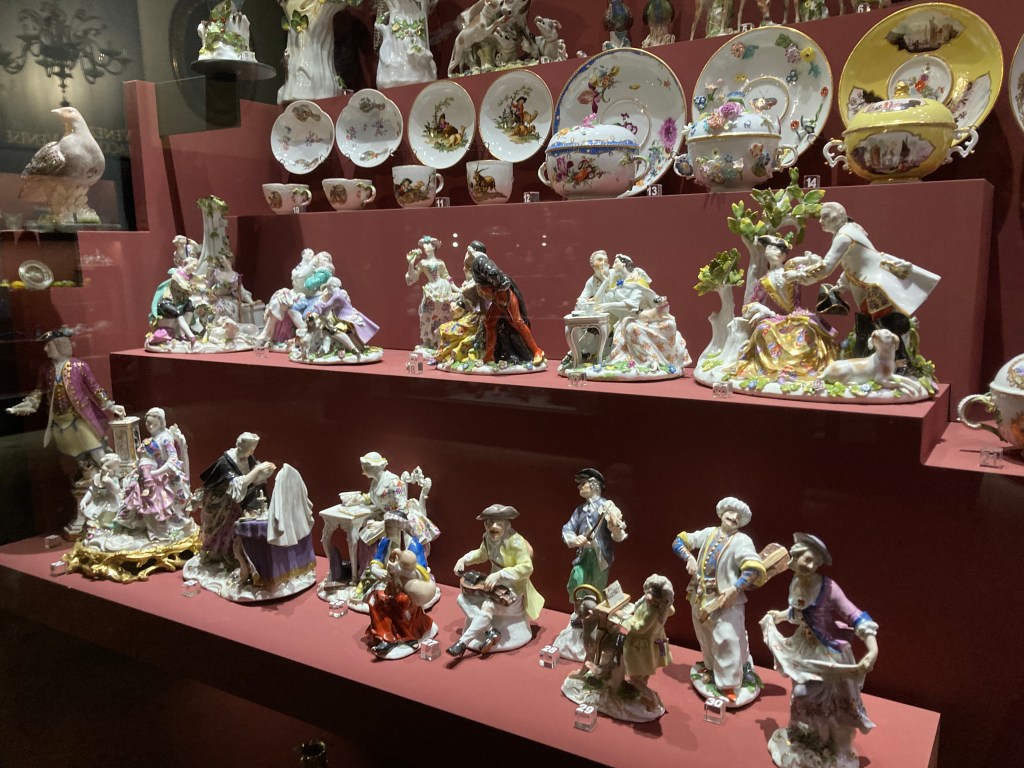
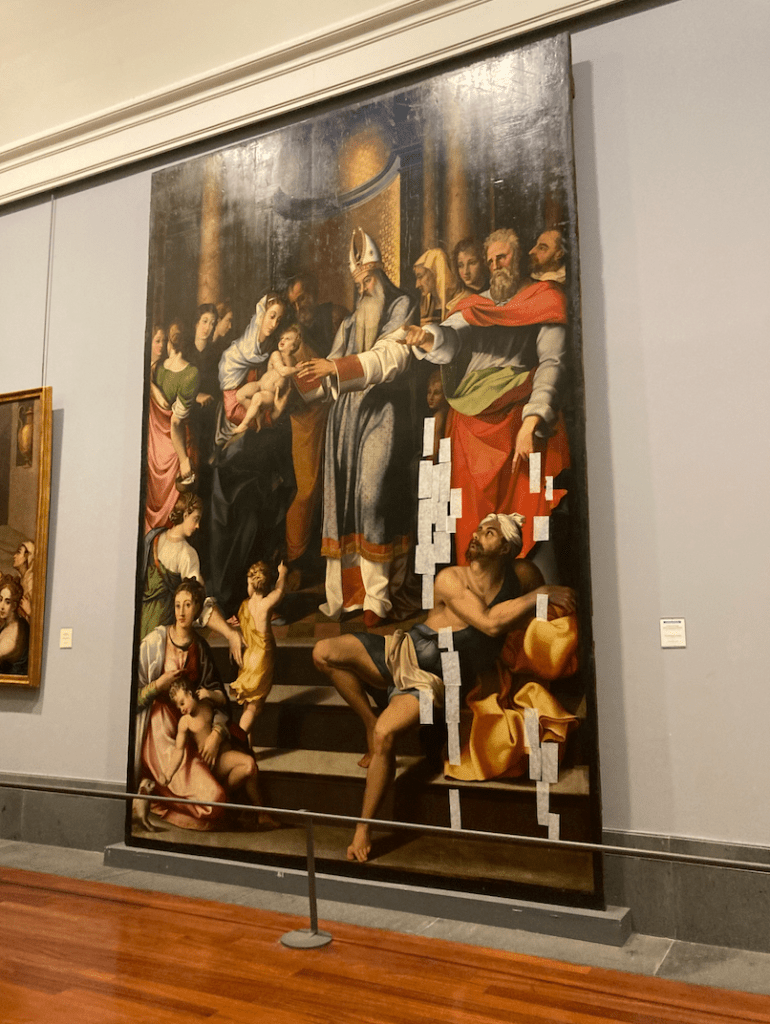
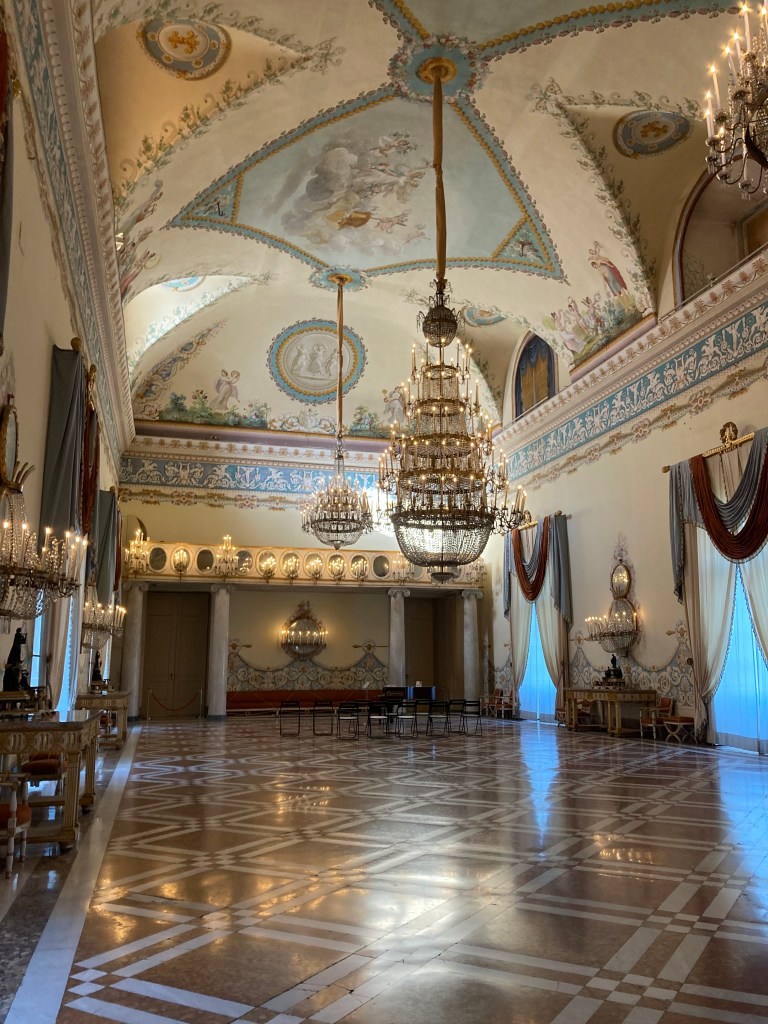
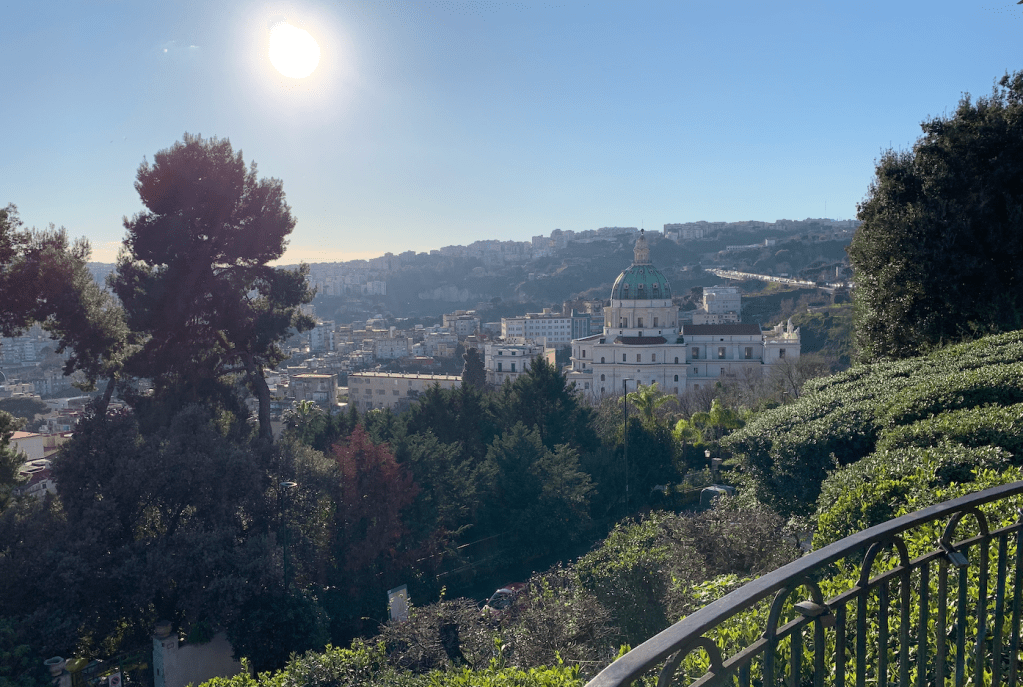
with the bonus of panoramic views of the city and Vesuvius.
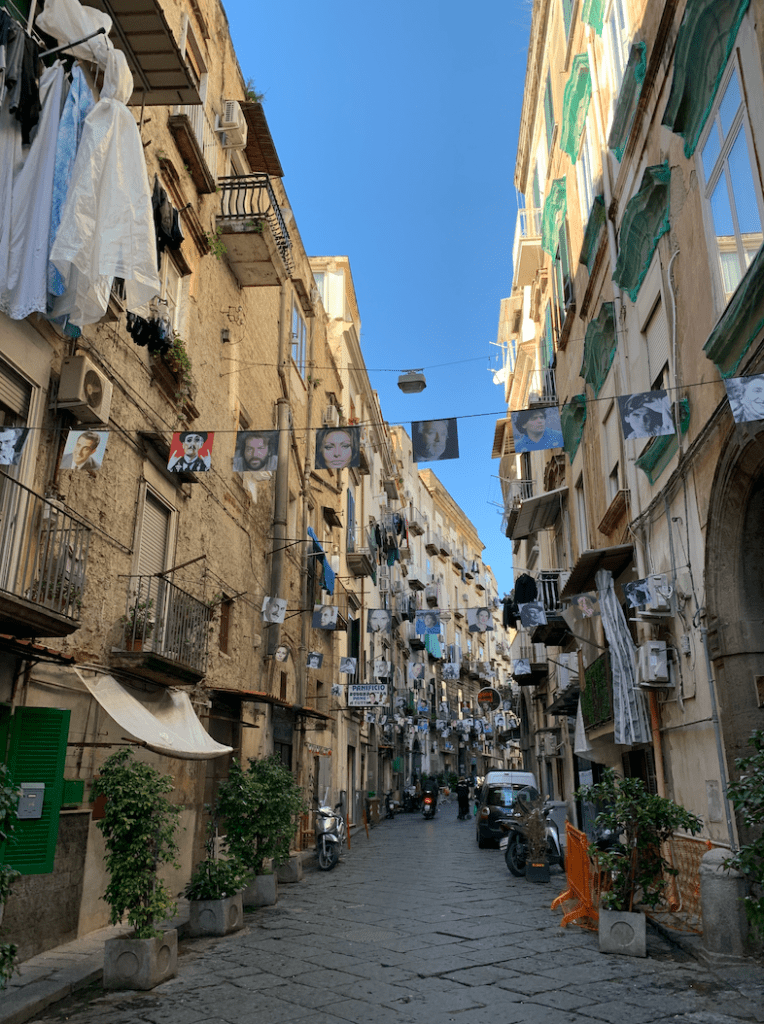
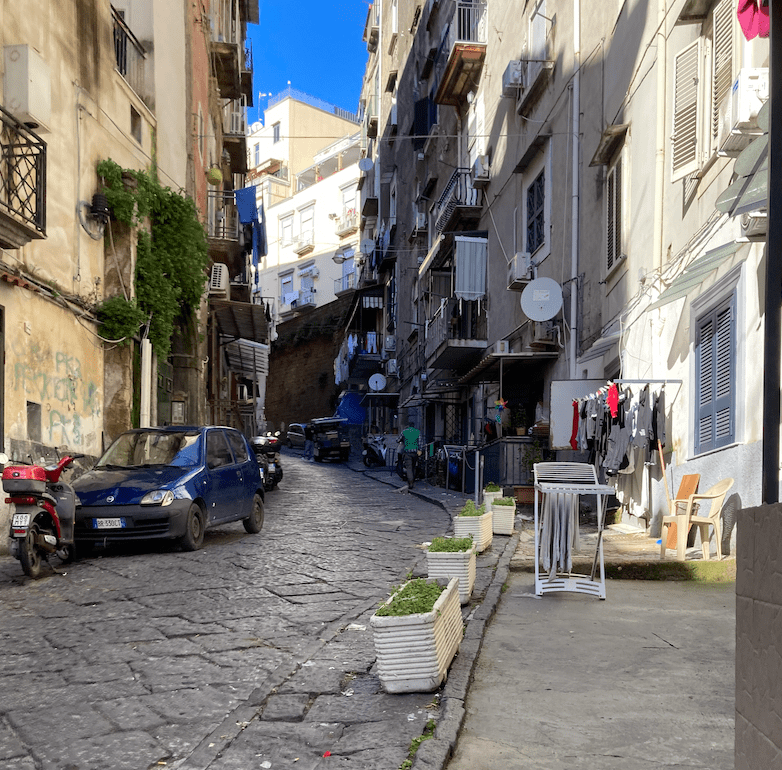
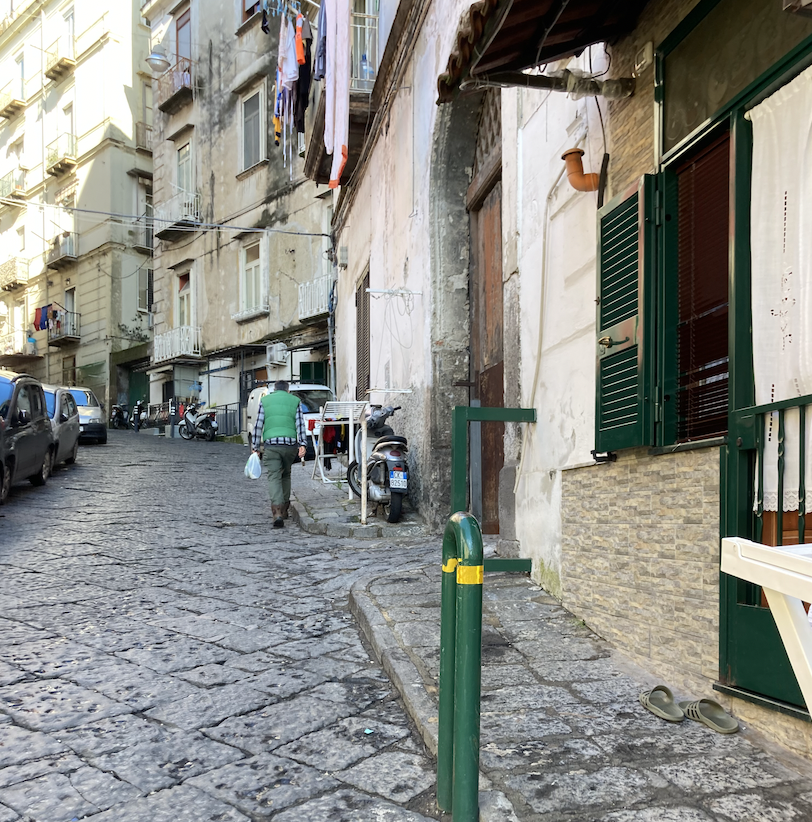
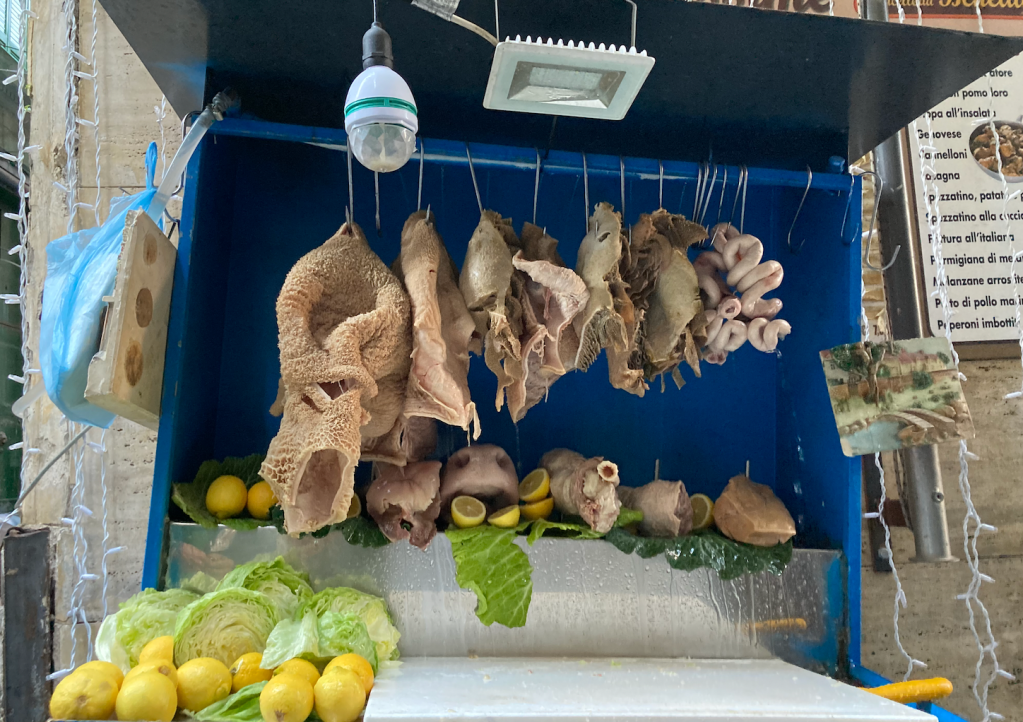
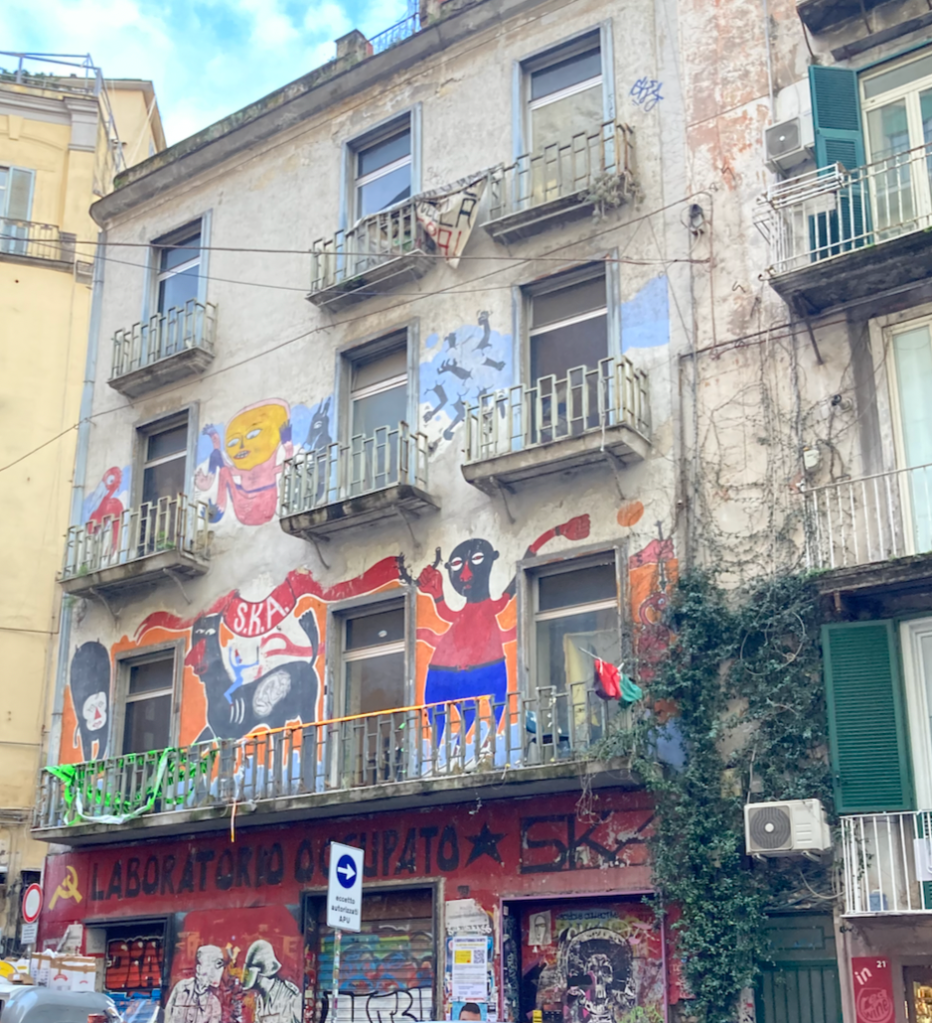
You can walk through the Spanish Quarter (where we stayed), named for the Spanish Soldiers who occupied the area in the 16th century. Experience it here https://youtu.be/cGYtnYwsjBk . Walk through the VERY narrow streets, window shop at butcher or produce stores, admire street art or eat at a pizzeria while dodging grandmas in leopard print pants and high heeled boots zipping by on scooters (felt so stereotypic!)
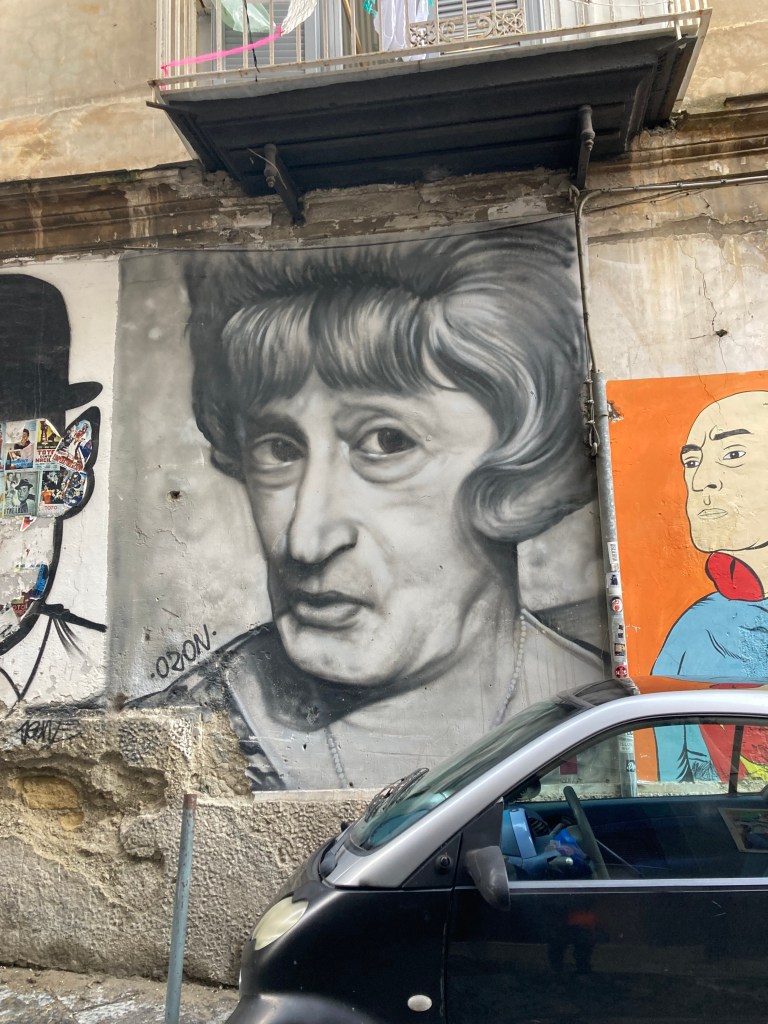
.Most importantly, join the eternal celebration of Maradona.
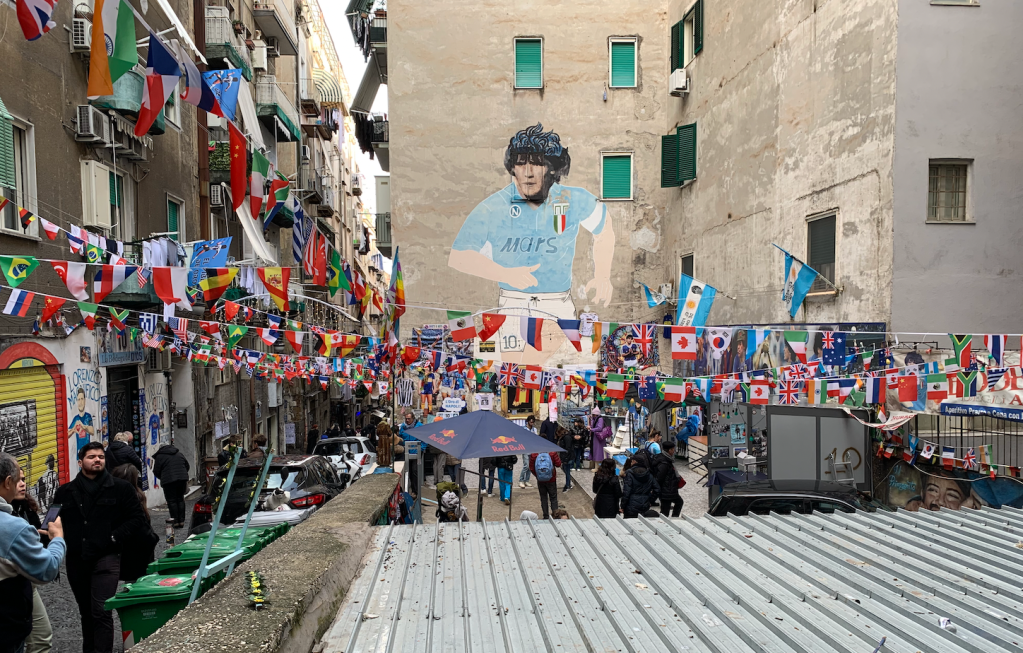
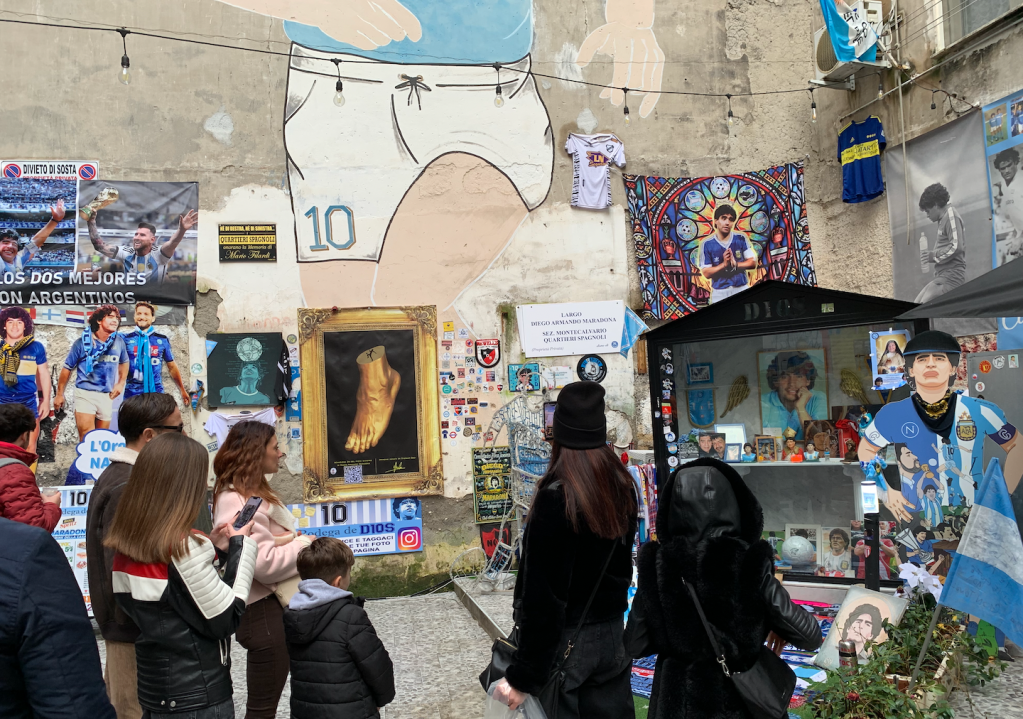
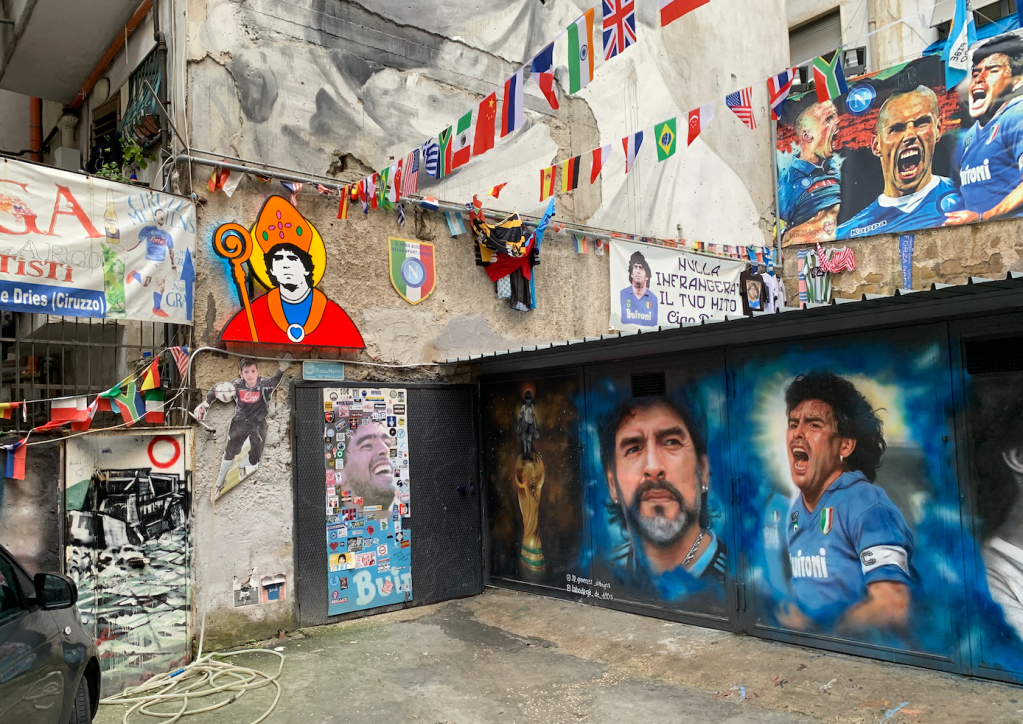
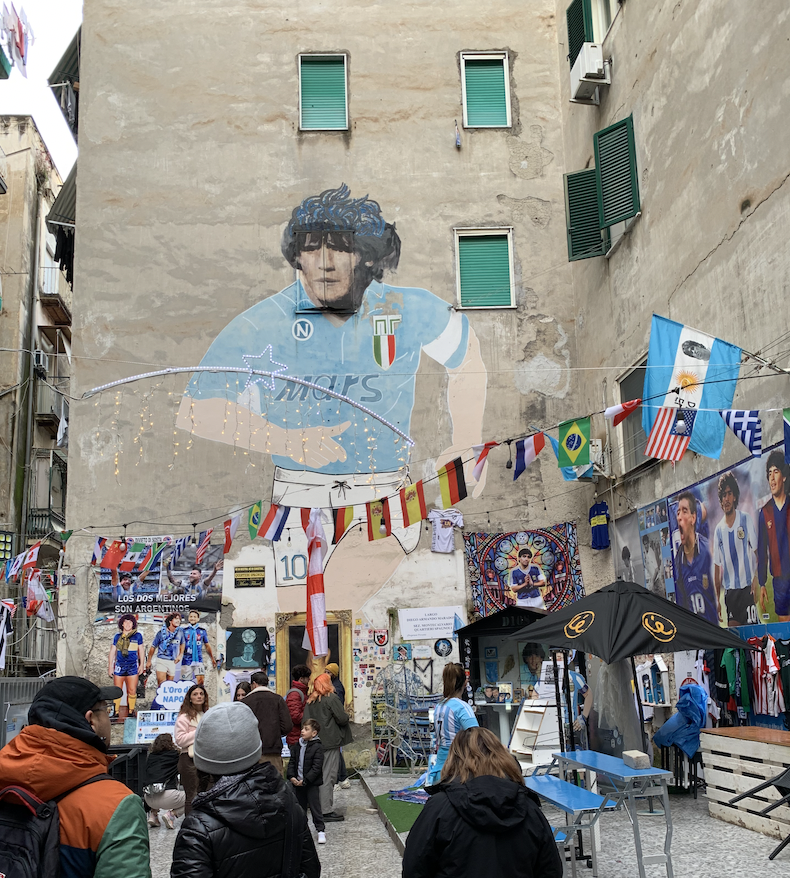
Argentinian futbol star Maradona, himself from an impoverished background, immediately connected with this blue-collar city when he joined the then lowly Naples FC in 1984. Within a few years he led the city team to national and European championships at a time when tension between the Italian North and South were high and Naples was a mess. As a local newspaper said “despite the lack of mayor, houses, schools, buses, employment and sanitation, none of this matters because we have Maradona” (thank you, Wikipedia). His fan worship, even 30 years after he played continues despite his fall from grace in his later years due to drug abuse, tax evasion and infidelity. Maradona remained the saint that Naples, with its own sketchy past, could identify with.
Our initial reaction as we walked up the narrow vibrant hectic alley to our apartment adorned with Maradona banners was that we were in South America, although we’ve never been, it just gave that aura. We deep dived into the party by staying here https://www.booking.com/hotel/it/casa-maradona-napoli.en-gb.html?aid=356980&label=gog235jc-1DCAsocUIUY2FzYS1tYXJhZG9uYS1uYXBvbGlIM1gDaHGIAQGYAQm4AQfIAQ3YAQPoAQGIAgGoAgO4Apzx2J8GwAIB0gIkMDk4MmNkYTAtOWY0MC00ZDY0LWJjNWItMGM3MWM1Y2FmMmRk2AIE4AIB&sid=726586f2abc2d057b1c8e7f281a2ee0f&dist=0&group_adults=2&group_children=0&keep_landing=1&no_rooms=1&sb_price_type=total&type=total&
Like Rome, okay like every city in Italy, every block had at least one church, each was uniquely gorgeous. And as with every city in Italy, almost every other building facade had a small religious themed grottos, often of the Madonna (not to be confused with Maradona), or a family memorial.
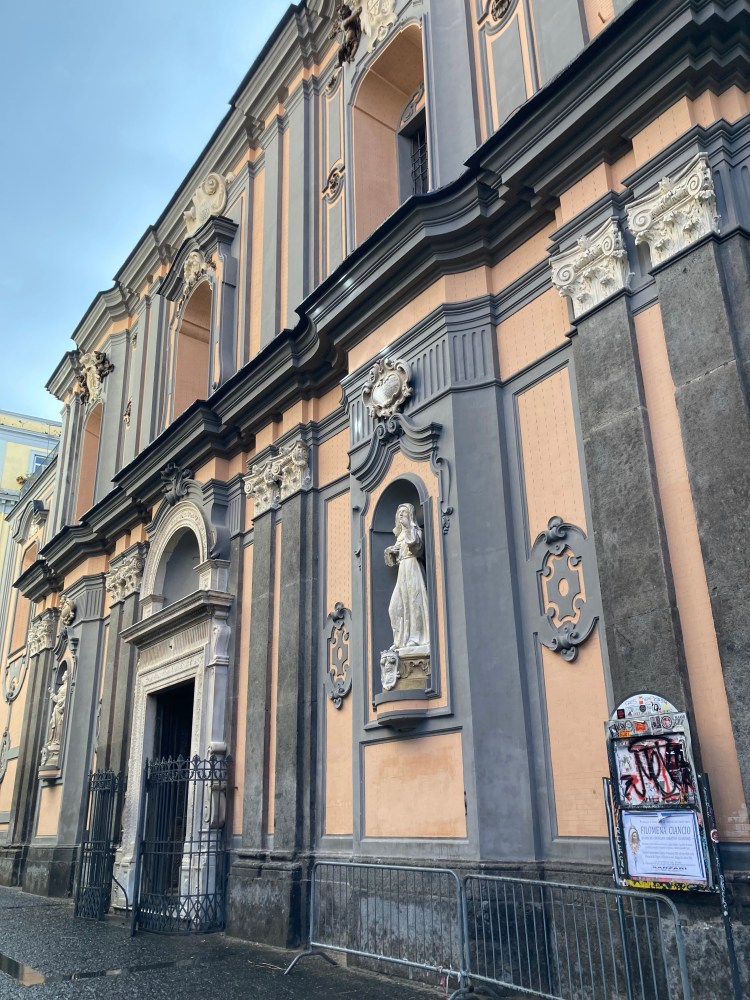
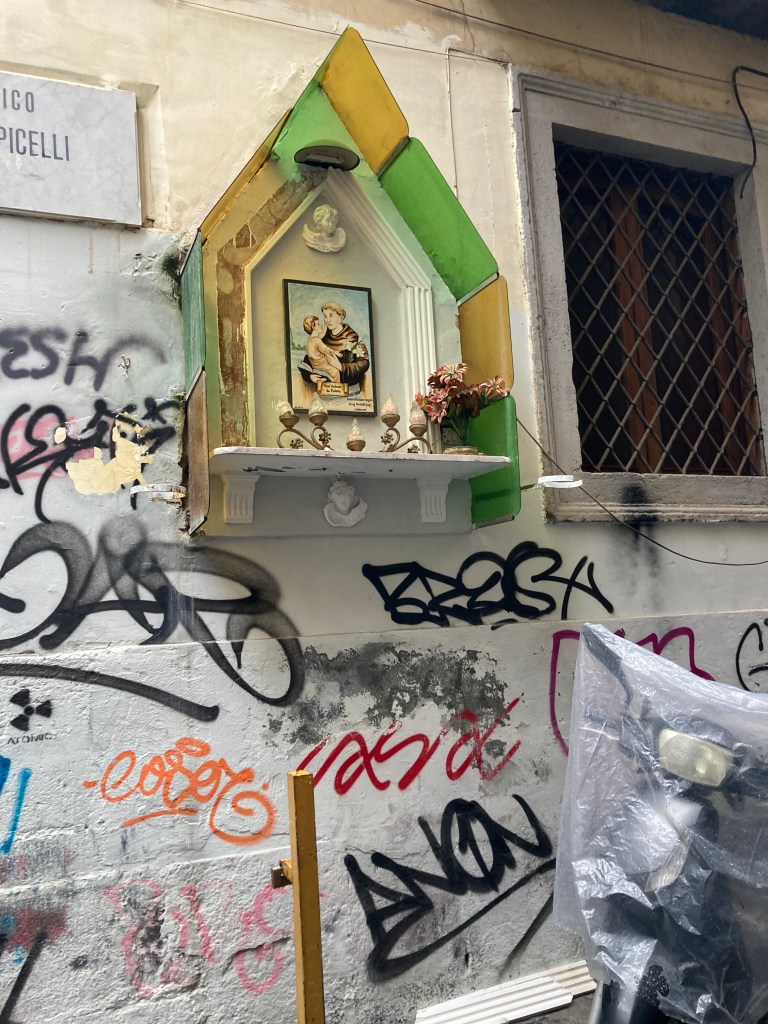
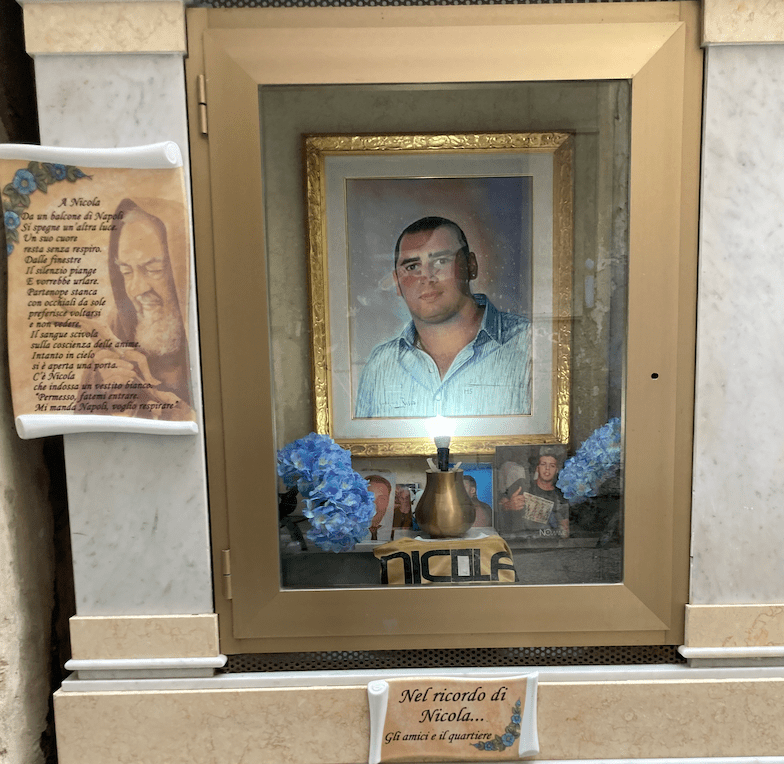
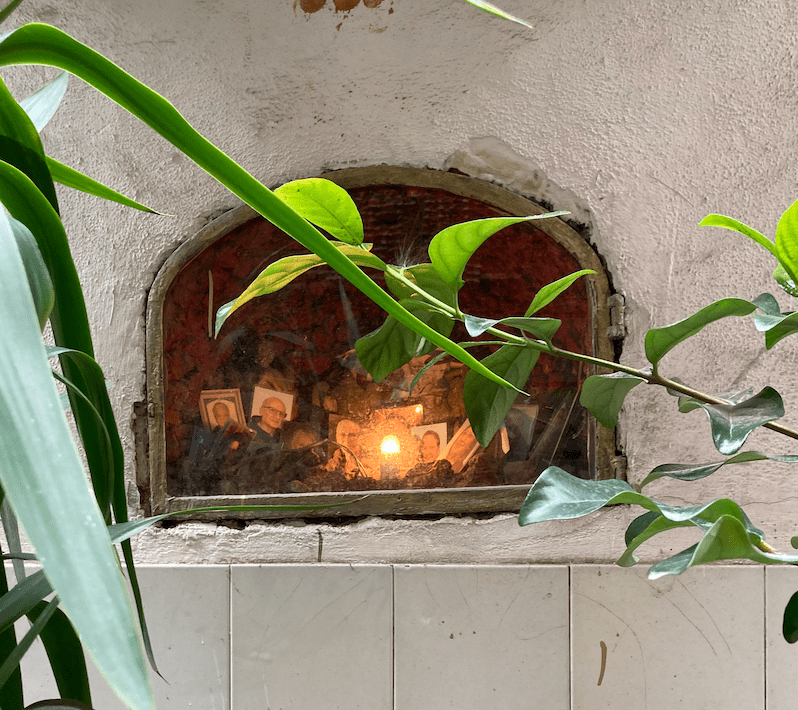
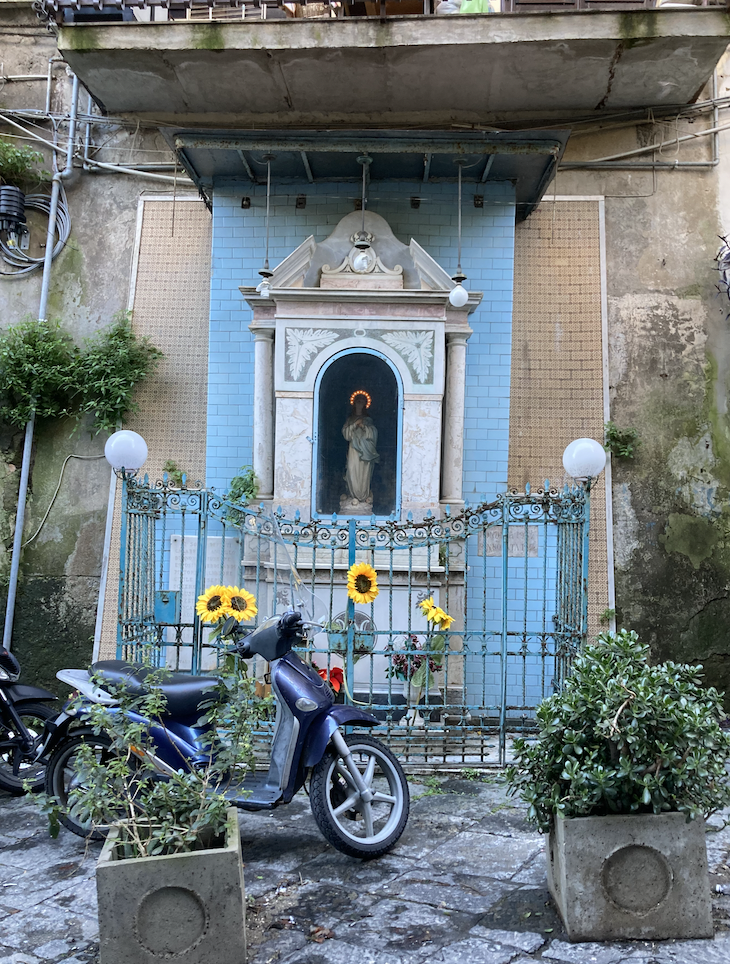
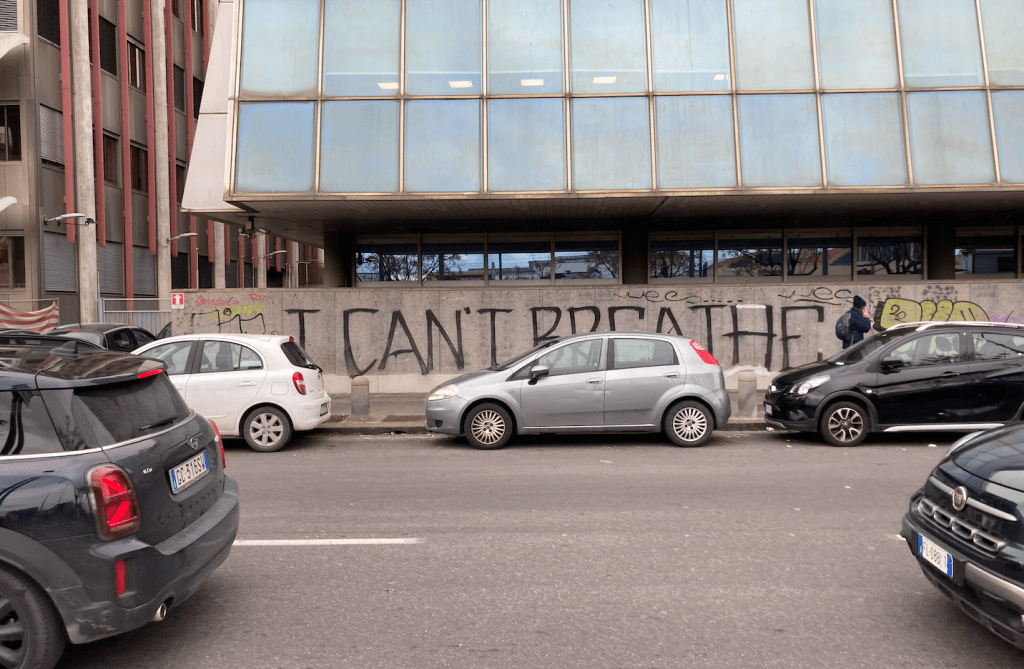
If there wasn’t a Maradona or a Madonna there was graffiti, chain stores, souvenir shops or a pizzeria.
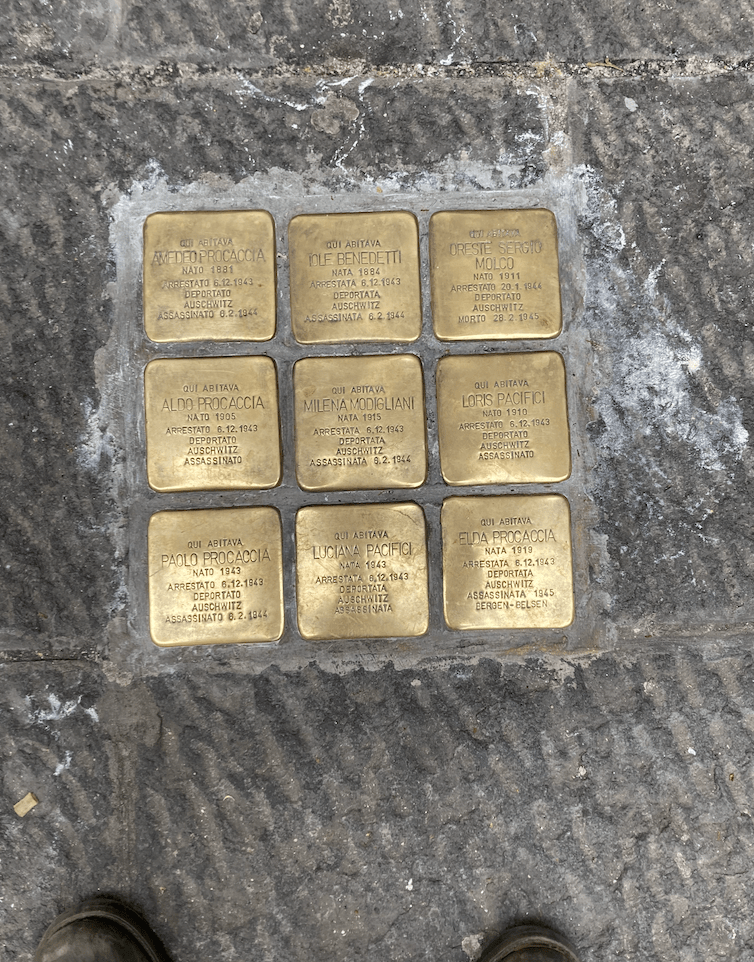
And sadly, even some Stoplesteines, (called Pietre d’Inciampo in Italian) reminder that nowhere in Europe seemed to escape. https://chosenfugue.wordpress.com/2019/01/07/they-do-make-you-stumble/
You can take day trips to various Islands (we didn’t), hike Vesuvius (closed off while we were there), take 20 minute train ride to visit amazing Pompeii and Herculeum (see next blog post), or Amalfi Coast (see next blog)
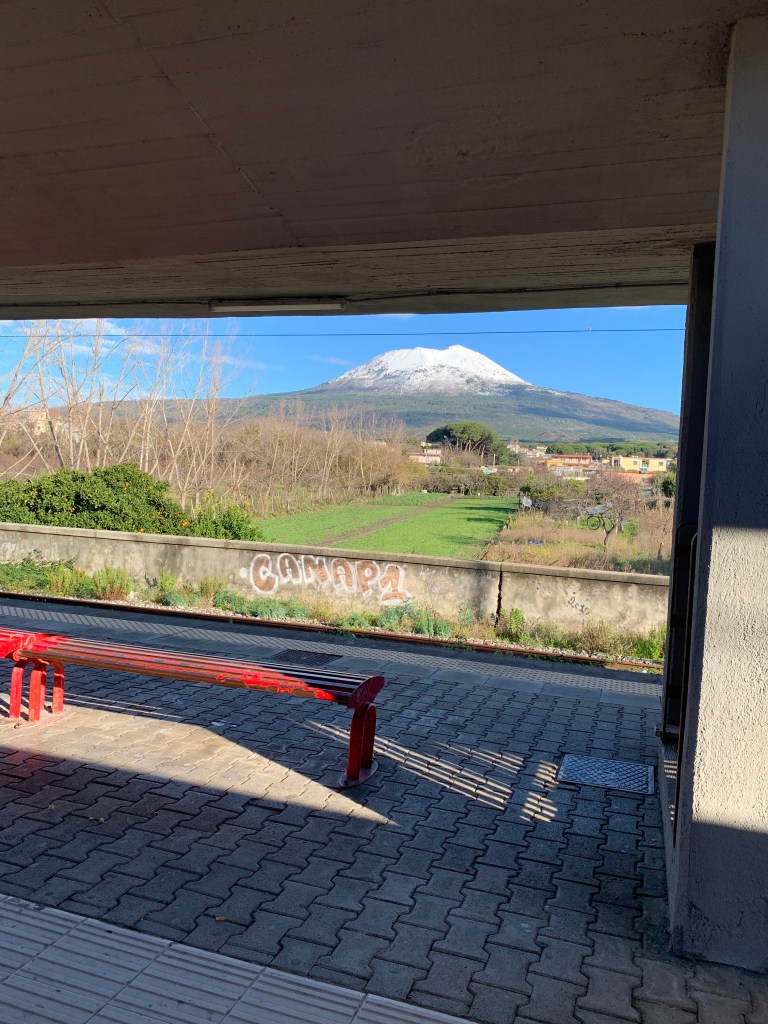
And experience all of this while eating pizza (we did) under the haunting shadow of Mt. Vesuvius.
 Chosen Fugue