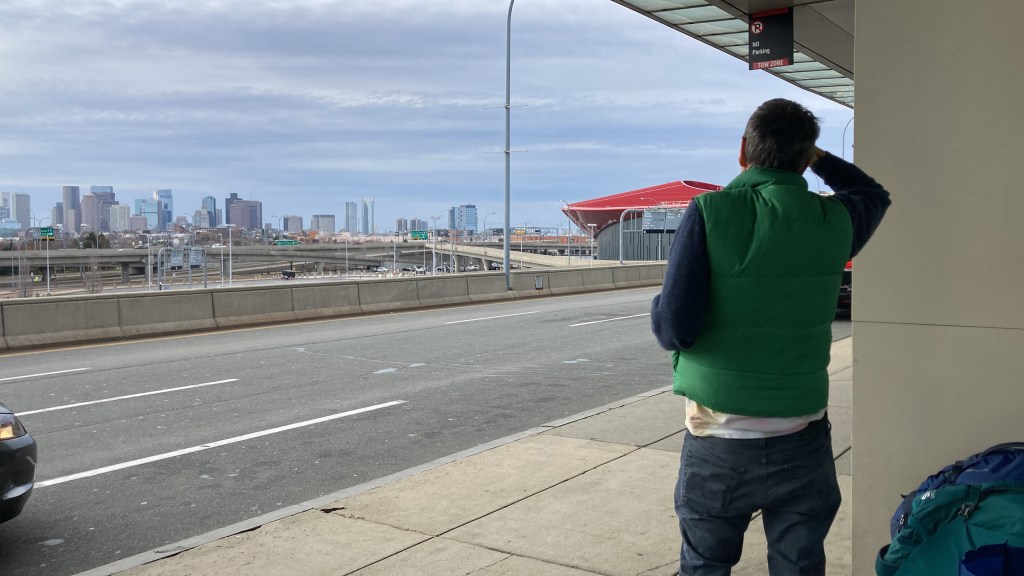
The trip almost did not get off to a flying start. Literally. The attendant at at the Iberia Airlines counter at Logan Airport in Boston gave us a scare when she said we couldn’t fly to Madrid unless we showed proof that we were returning to the US. It was our old friend Schengen https://chosenfugue.wordpress.com/2018/10/07/schengen/ telling us to prove we would be out of the EU by 90 days. We ran outside and booked some random return tickets, although neither the attendant or passport agent subsequently asked to see the newly booked tickets. Eight hours later, upon landing, we canceled the return flights, because we have no idea what we’re doing. (travel tip: all flights departing or arriving in the US have a 24 hour grace period).
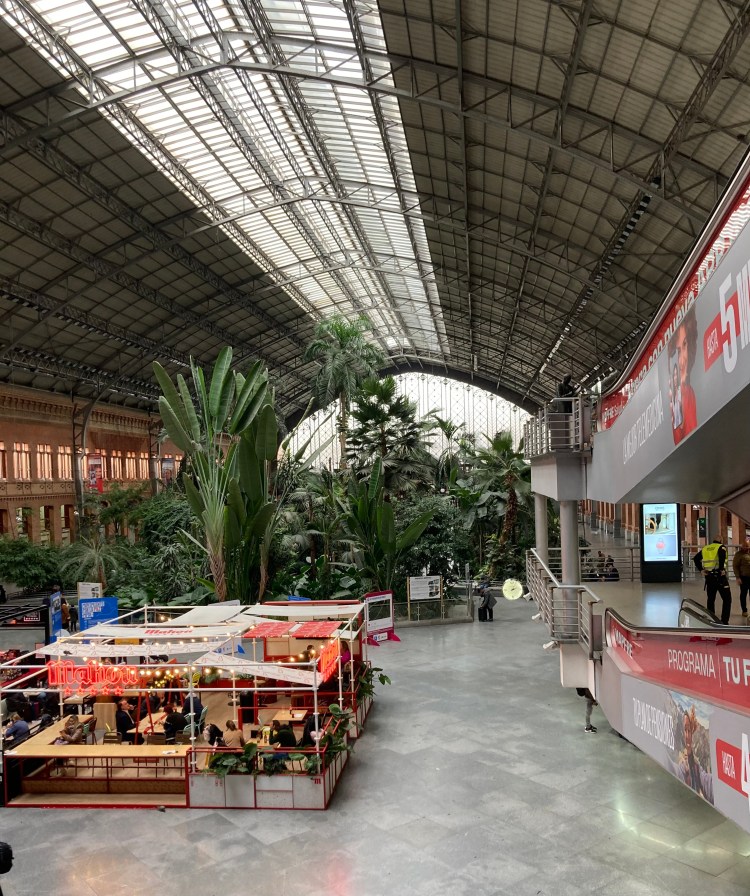
Returning to Europe after 3 years, https://chosenfugue.wordpress.com/2021/10/01/let-the-fugue-begin-again-2/ it looks the same (as it has, more or less, for 600 years). We wasted no time, arriving at 5:00 am in Madrid. Although, everyone was masked on the plane (thank you, Iberia) but not during meals, we opted to stay masked and wait to eat, so we ate our saved airplane food while waiting for the the bus to take us from the airport to Atocha, the Madrid train terminal (every train station should have a little forest). Luggage stored followed by a quick 30 minute train ride to Toledo.
Toledo, the home of El Greco, was once a thriving center where Jews, Muslims and Catholics all lived in harmony; until about the mid 1400’s when Ferdinand and Isabela defeated the Moors in the Granada War, then ran all the Jews and Muslims out of the lower half of Spain (Andalucia). Following that, every mosque or synagogue was converted to a Catholic church.
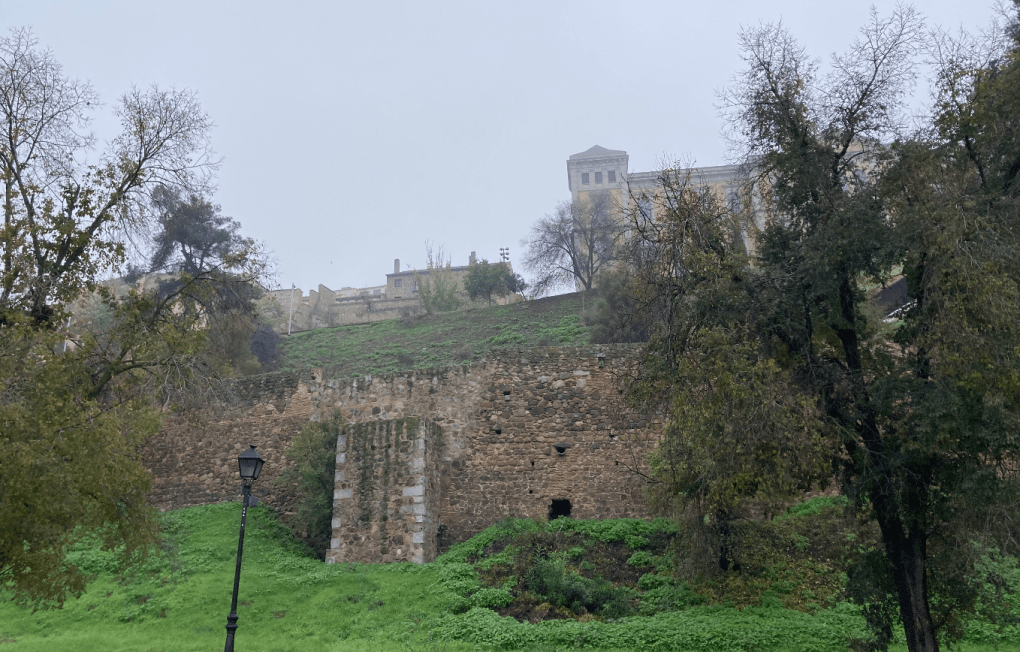
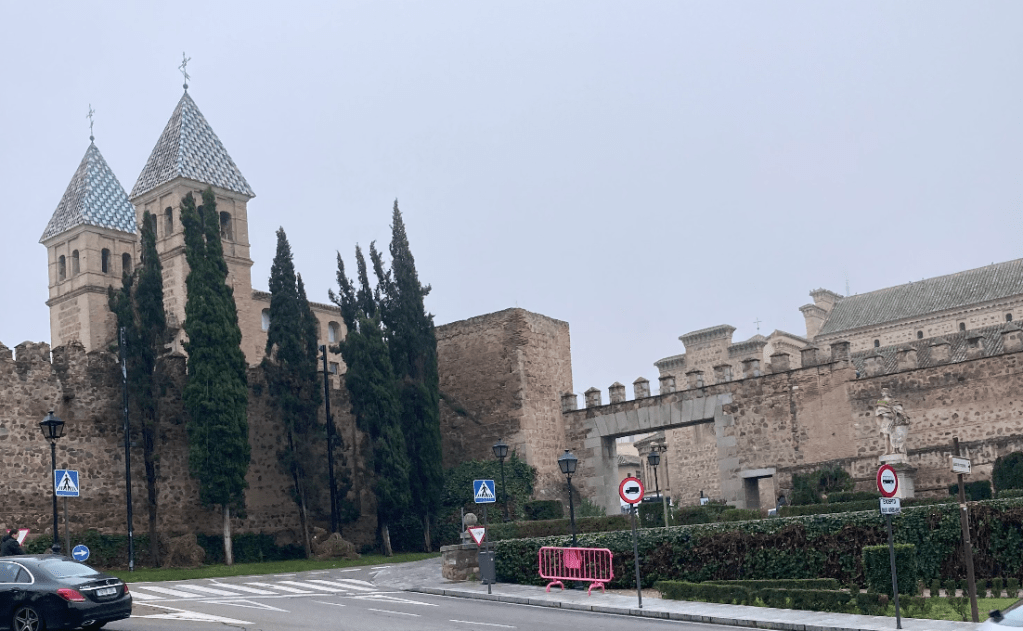
Unimpressed after our few hours there, tainted perhaps with jet lag, rain and anti-religious sentiments, we left Toledo, returned to Atocha, got our bags and headed to Seville, our Andalusian base for a week. Which turned out to be a week of rain, hard flooding rain. As My Fair (weather) Lady Julie Andrews warned us “the rain in Spain stays mainly on our plans”. But, we were prepared.
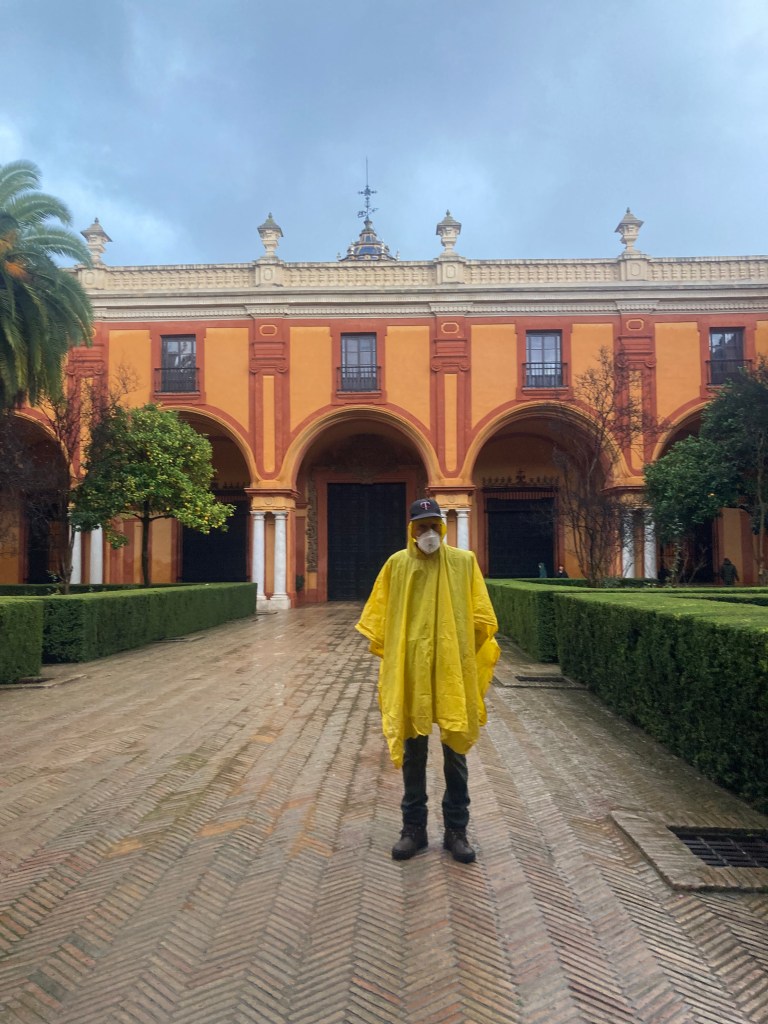
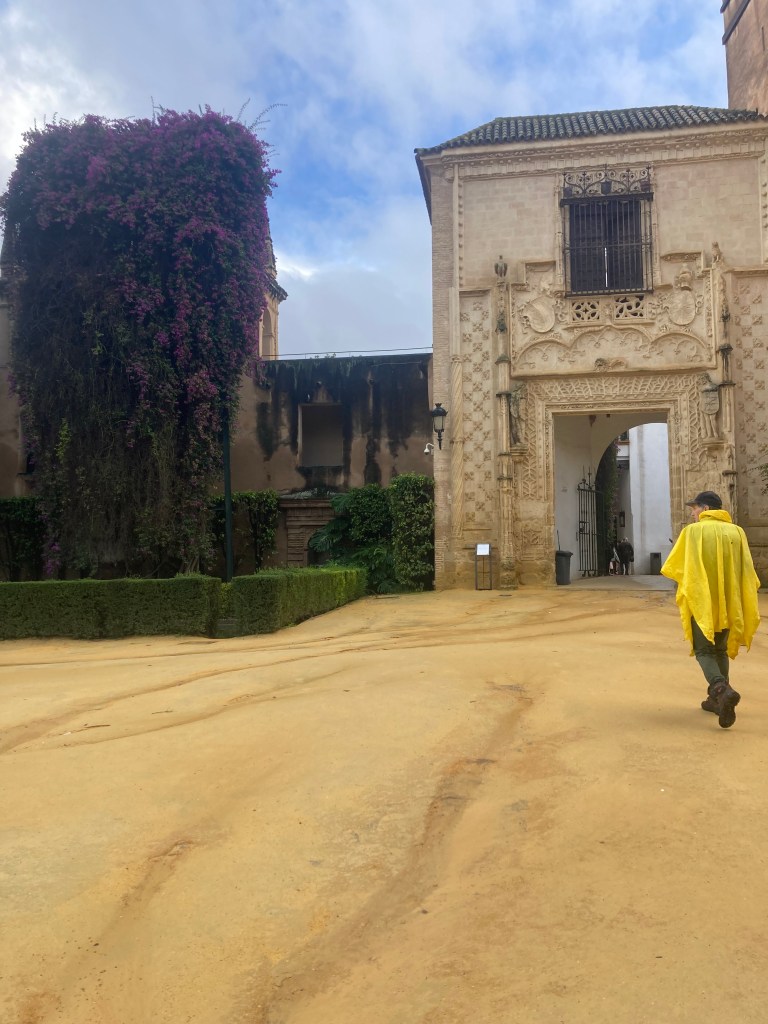
The heavy rains and flooding changed our plans of day trips (Cadiz, Jerez and Huelva) so we decided to go with Plan B, appropriately on the feast of the Immaculate Conception. Since our travels were covering Catholic conquered Moorish lands, we went all out and did The Holy Trinity of Andalusian tourist sites, Alcazar in Seville (the Father-dates back to 11th century), the Alhambra (the Son-dates back to12/13th century), and the Mezquita in Cordoba (the Holy Ghost-easily the most spiritual and oldest dating back to late 900’s). We started with Seville.
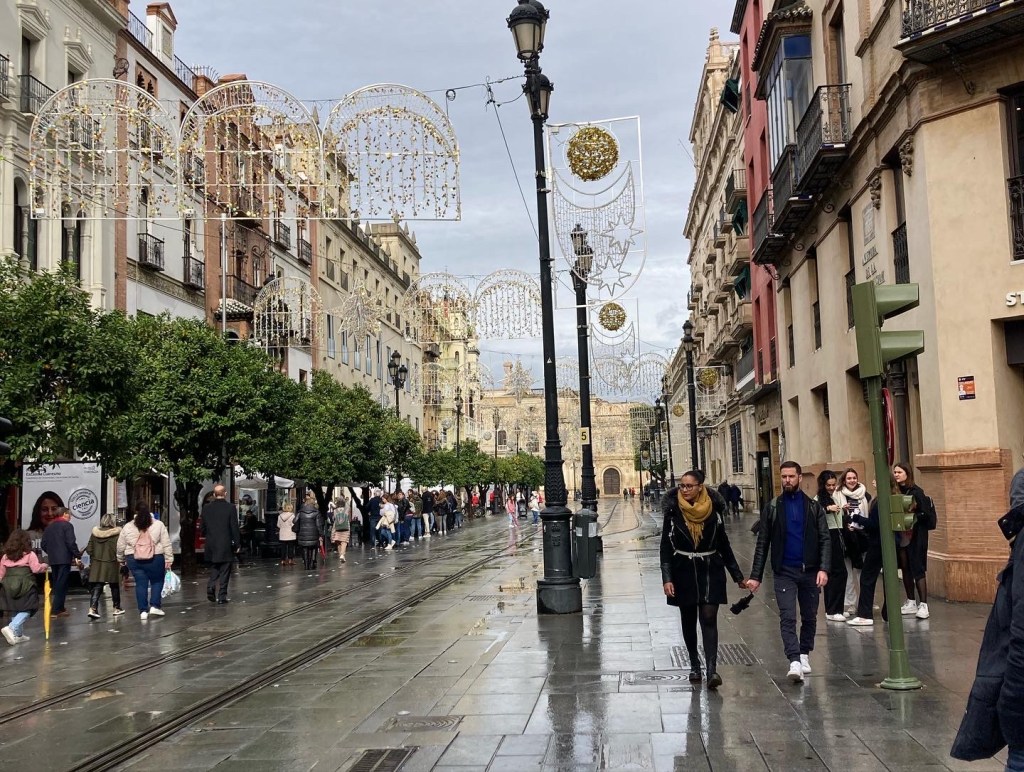
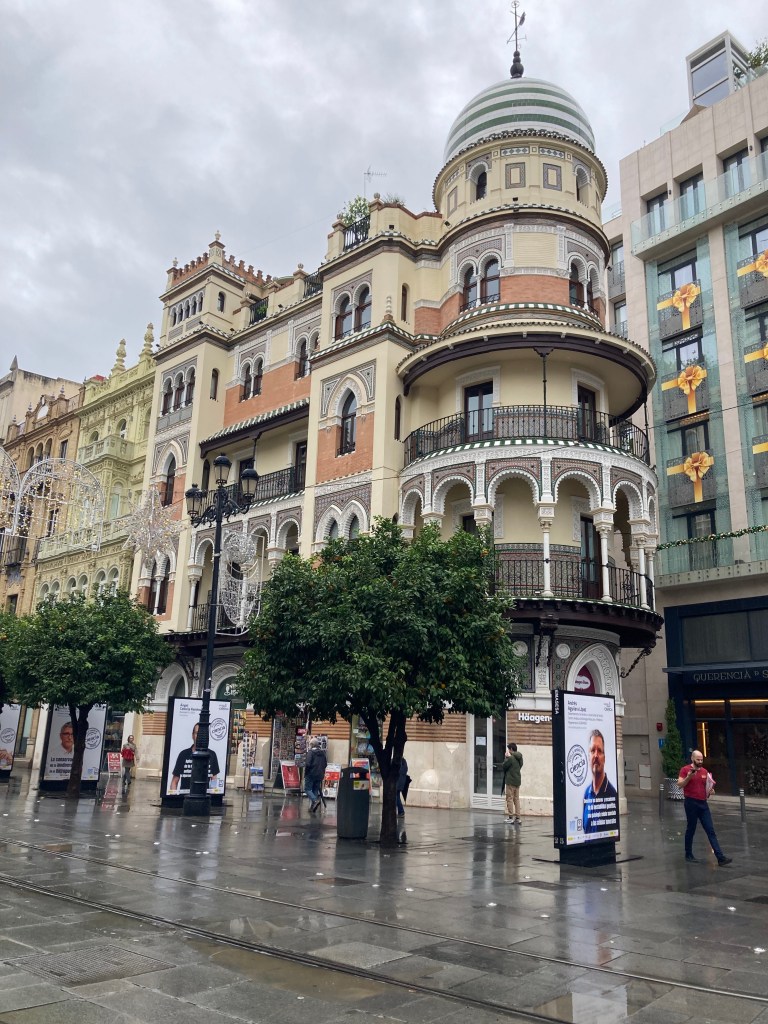
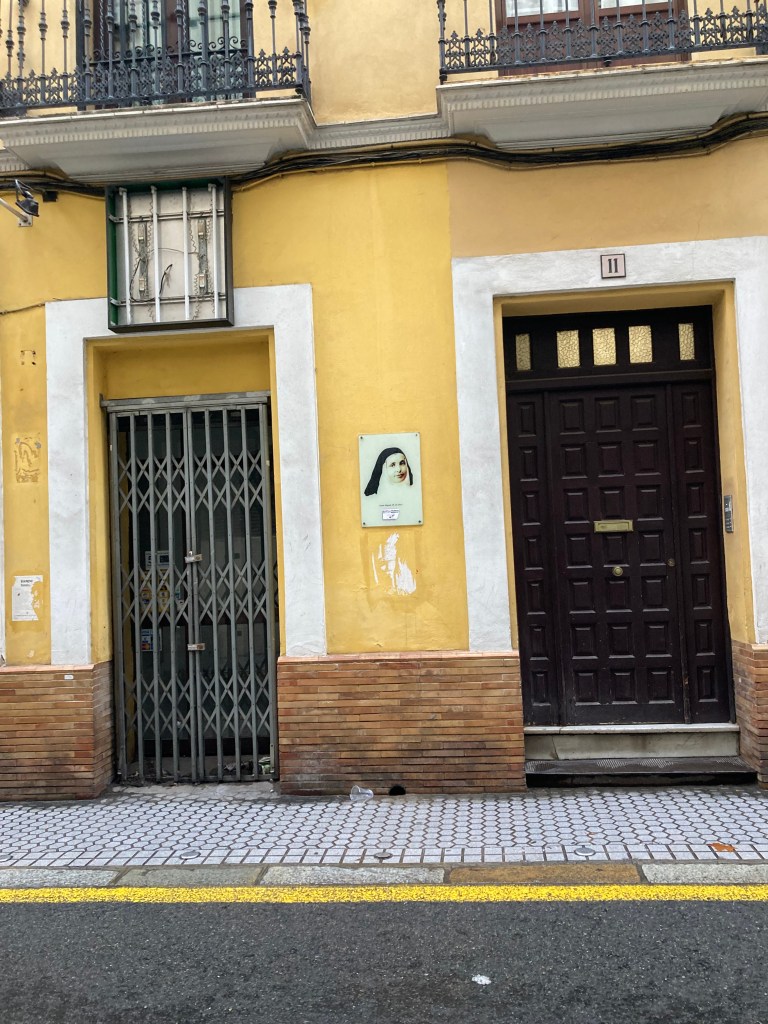
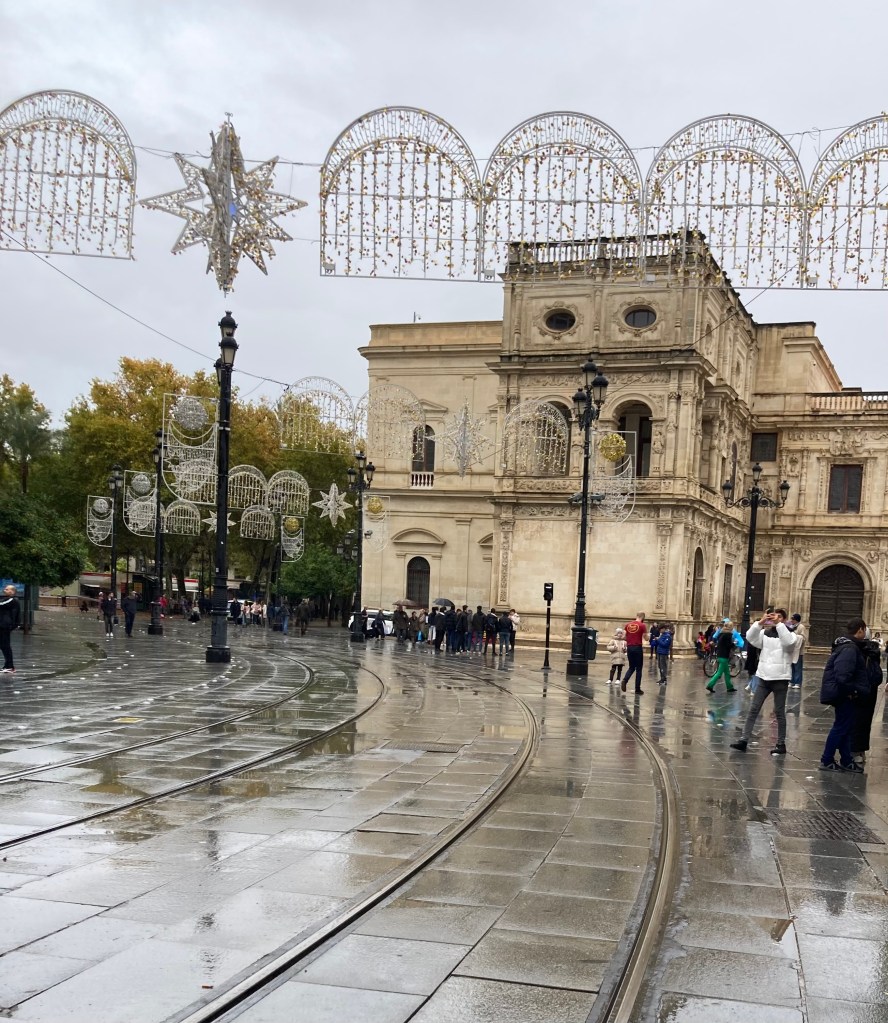
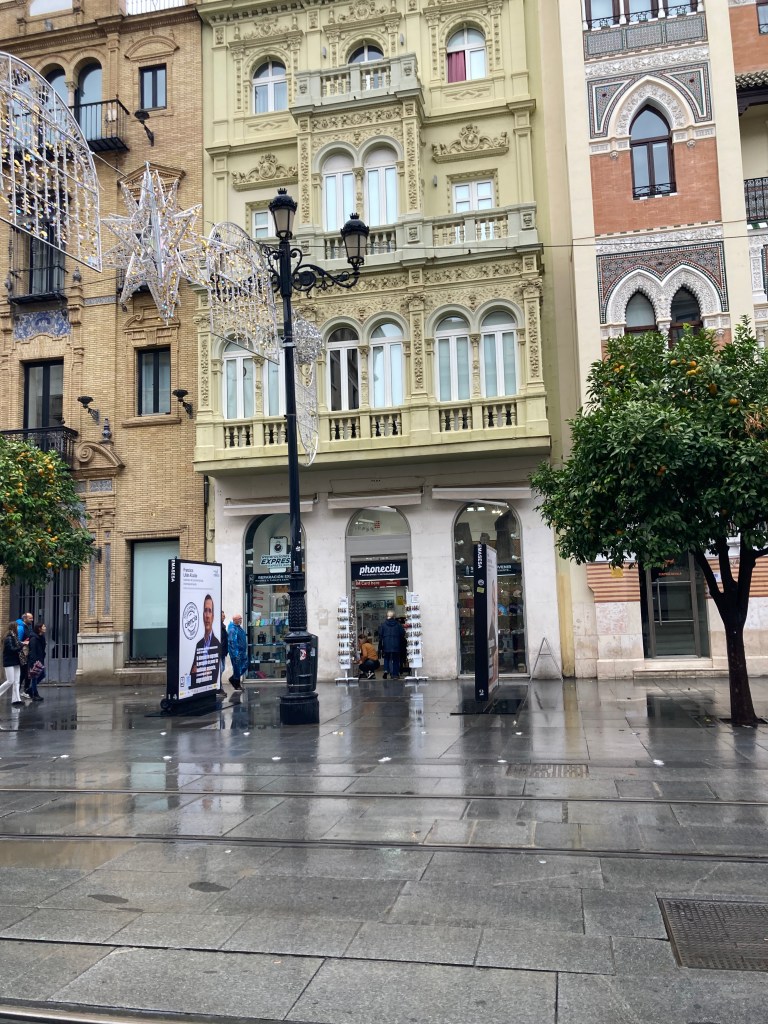
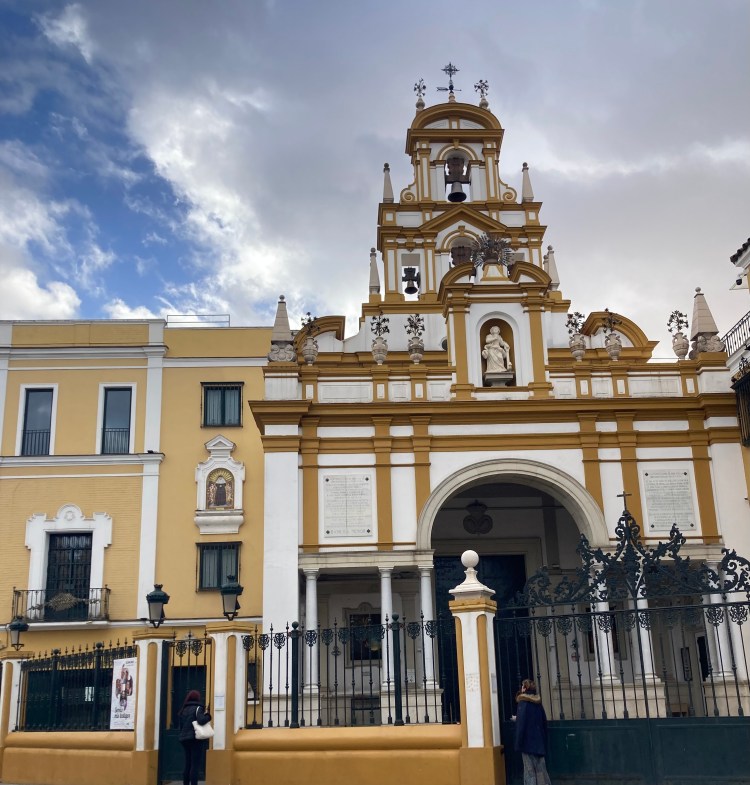
Seville was extremely walkable. We stayed on the outskirts of the tourist area, which was nice in that every time we walked somewhere, we could walk down a different street, past a constant stream of churches, cafes, plazas and strikingly beautiful buildings.
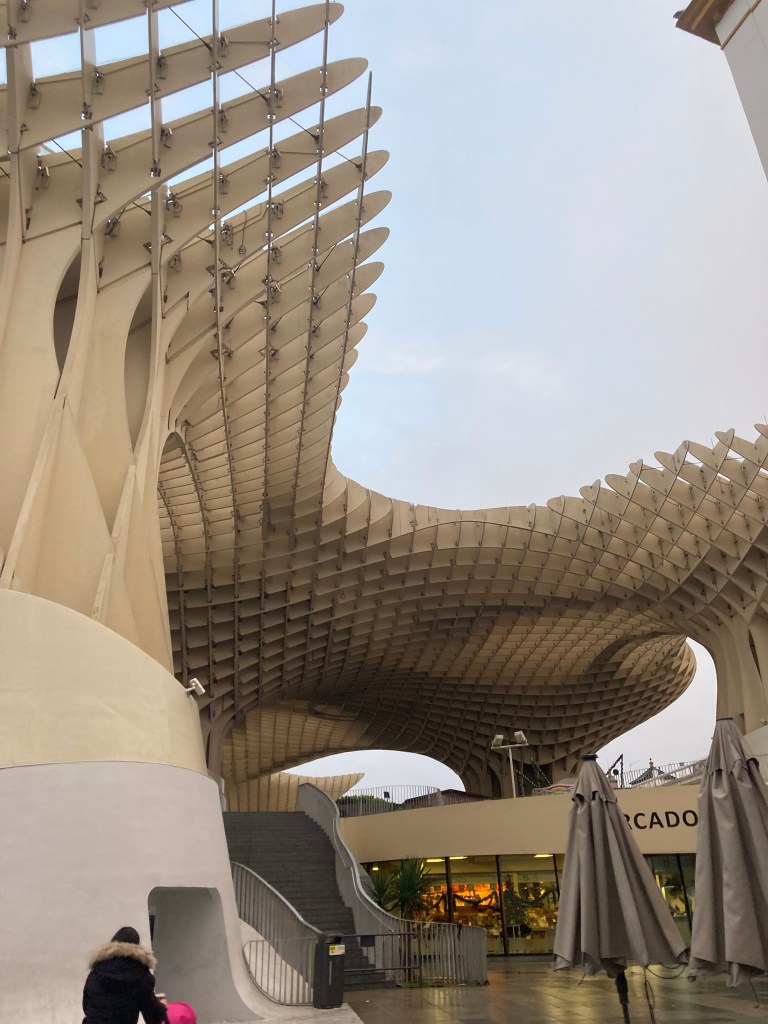

The Alcazar, conveniently located next to another Seville main attraction, the Cathedral,
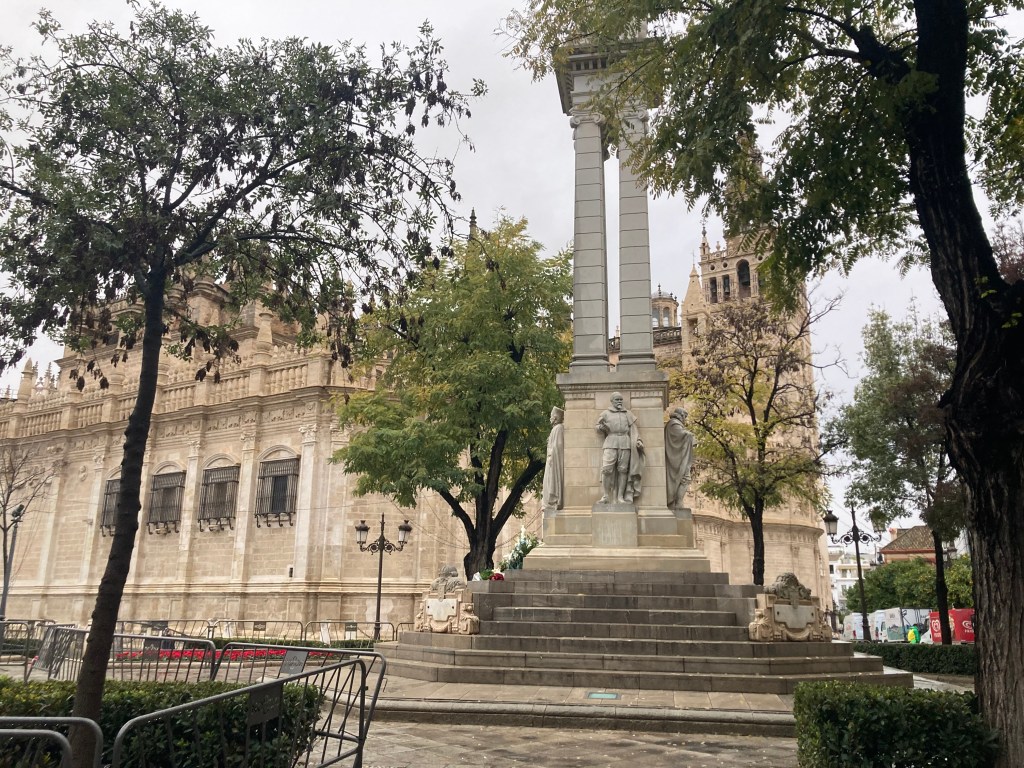
was our introduction to Moorish tile and plaster work and was also the water gardens of Dorne in Game of Thrones (water seems to be a theme this week).


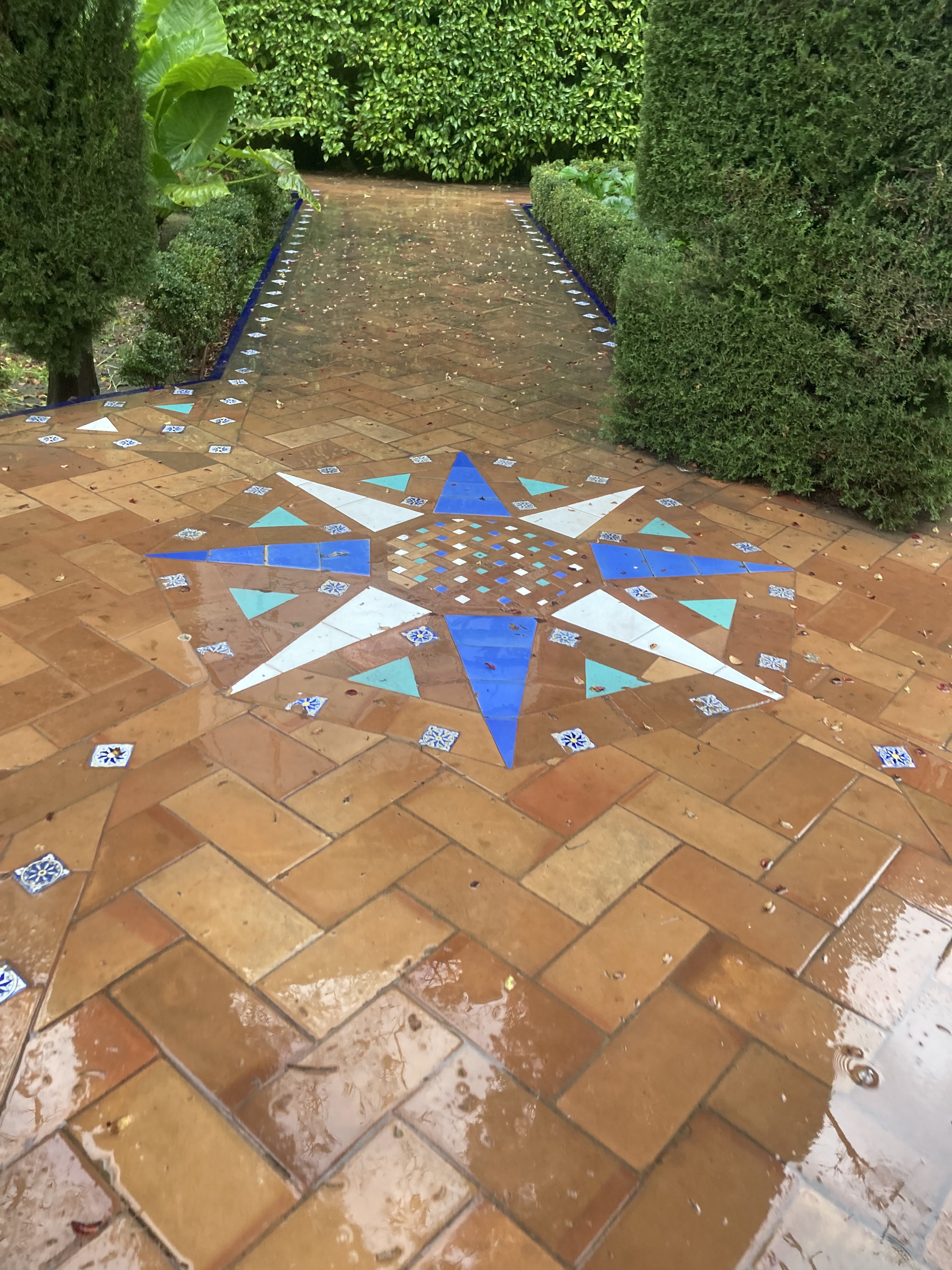


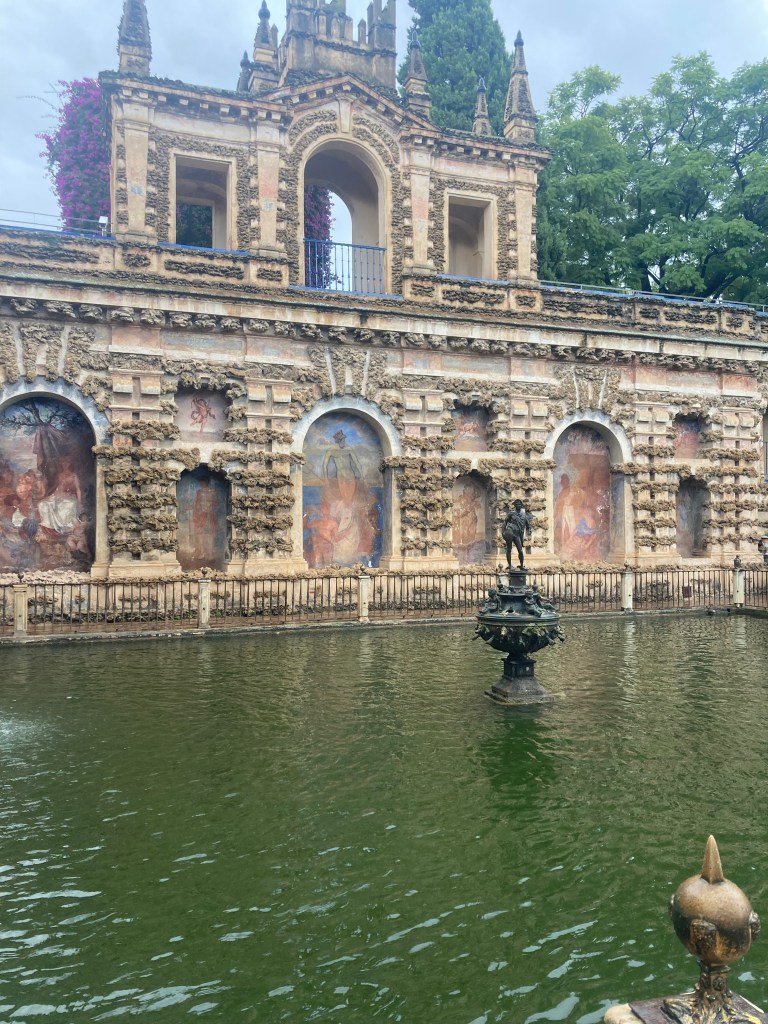
The wet weather was a suitable exchange for visiting this major tourist attraction without the crowds. We followed up with a super lovely walk through the Plaza de España (built in 1928 for the Ibero-American Exposition of 1929)
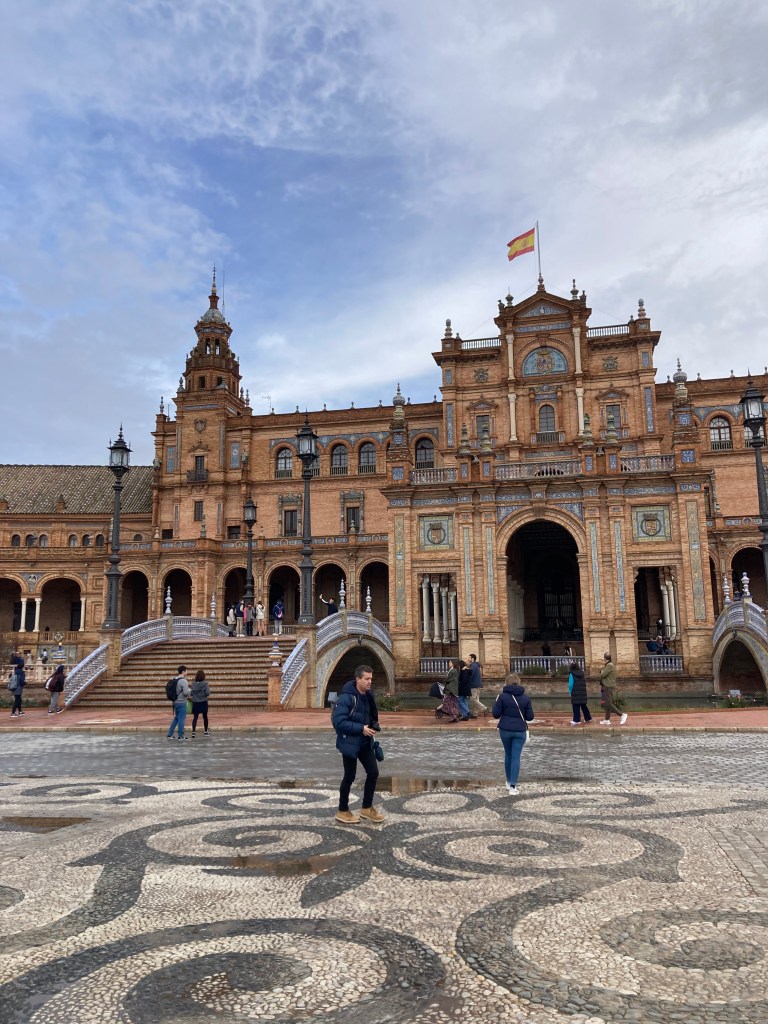
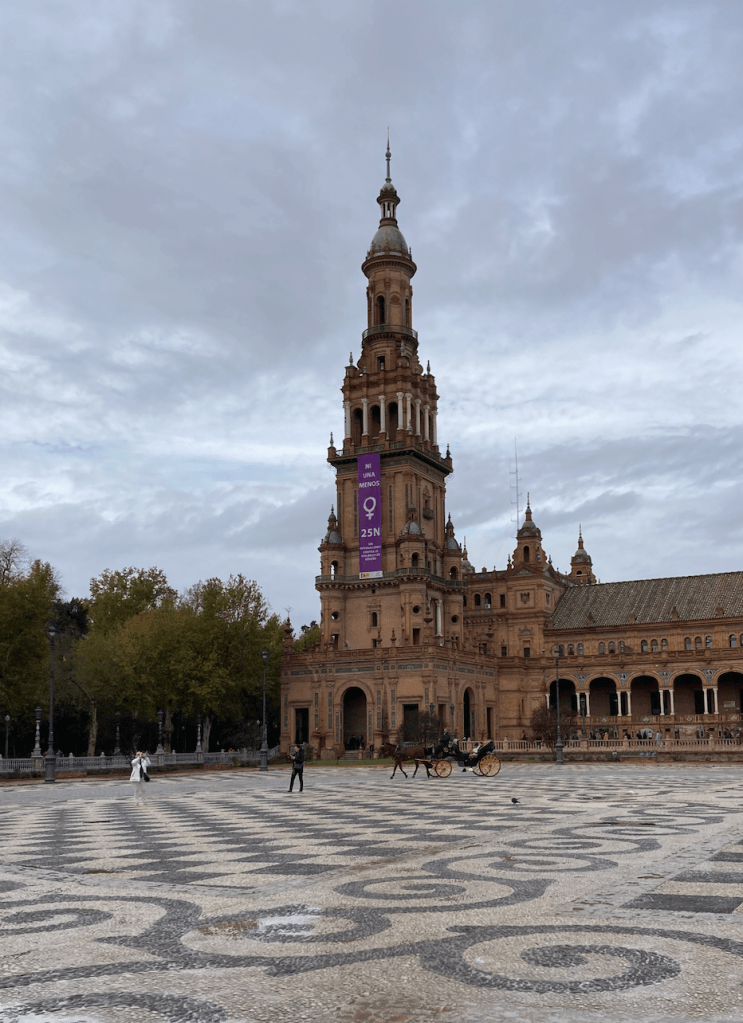
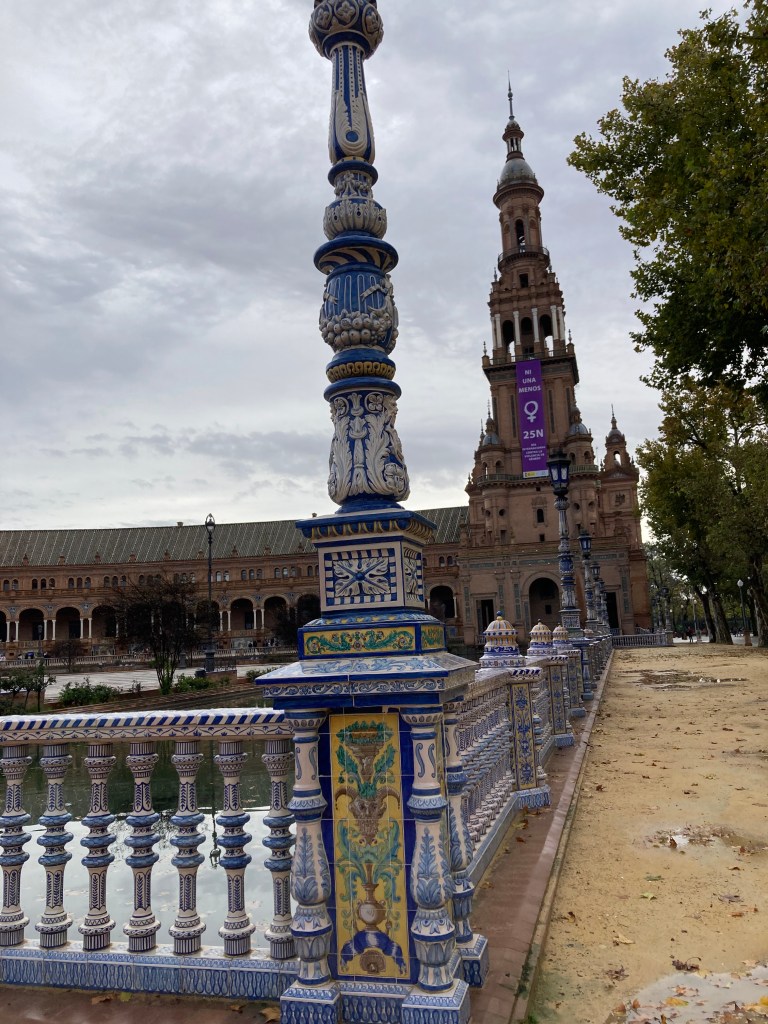
and Maria Louisa Park (built between 1911 and 1929, and parts used for the movie Laurence of Arabia).
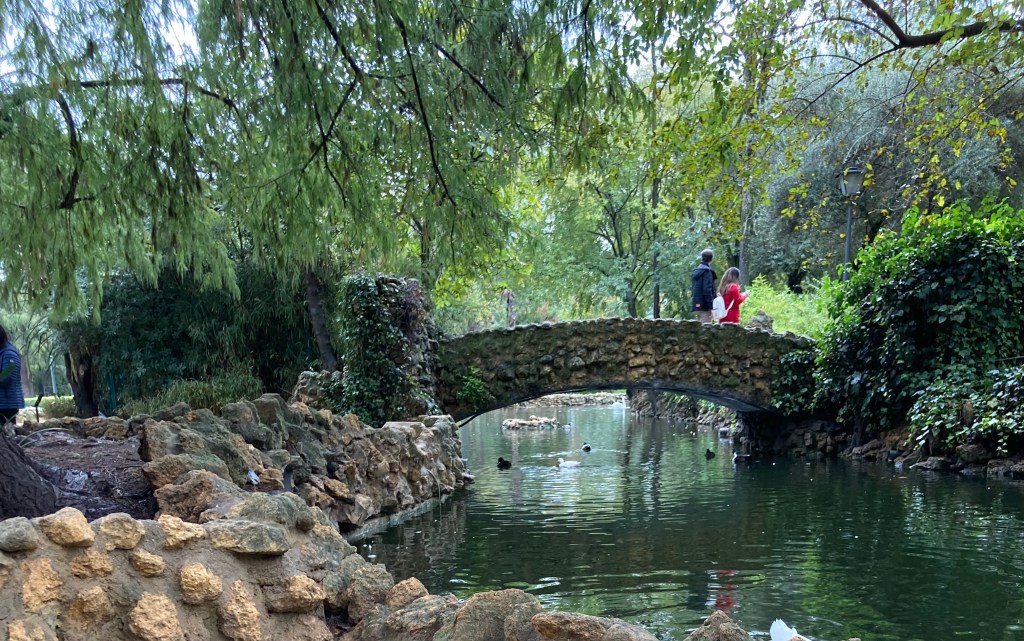
A short train ride took us to Cordoba for the Mezquita. Yes, it has been 500+ years since the Jews and Muslims were asked to leave, convert or die, but it still feels wrong to pay 11 euros to the people who offered those three choices to the original owners. “Nobody expects (to pay) the Spanish Inquisition!” So to address that personally, we chose to go to the Mezquita during the free hour first thing in the morning.
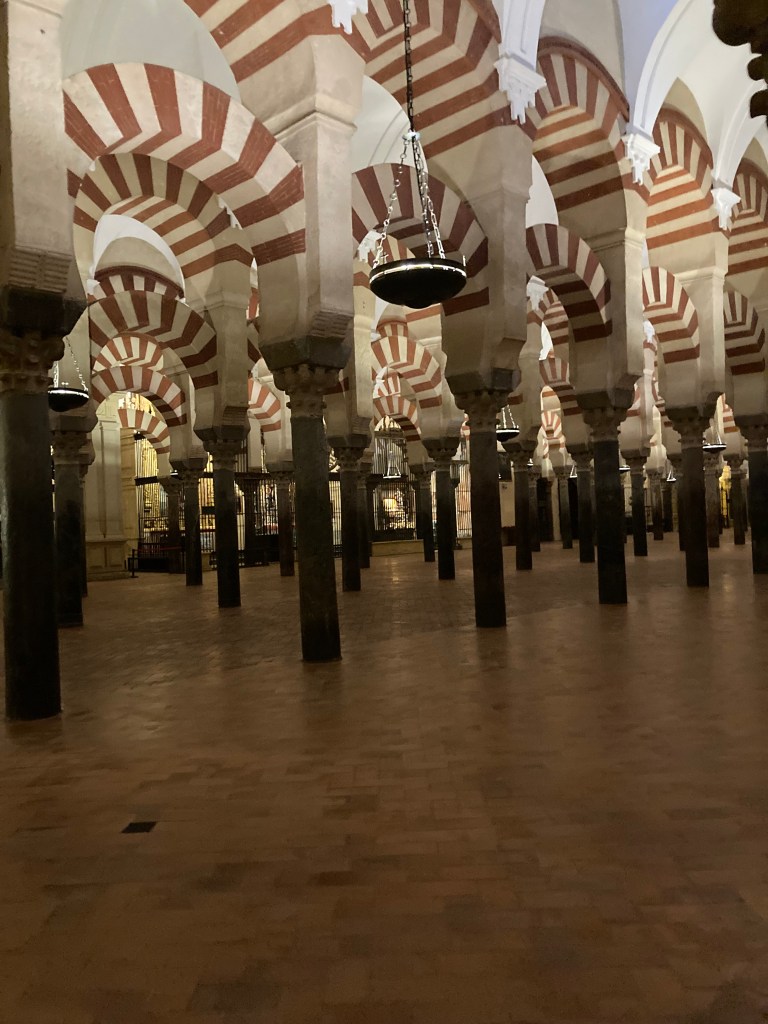


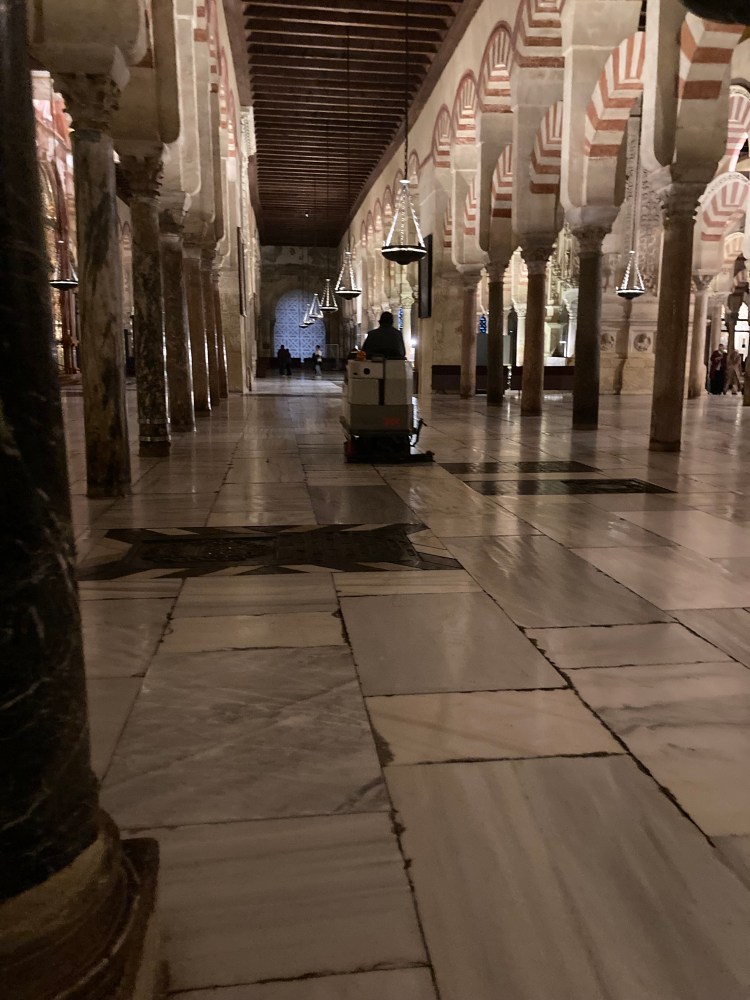
The Church’s “remodel” included little saint inspired nooks along the edges of the room, paintings and crucifixes but the draw to us was the building itself. Lucky for us, the free morning admission included dodging the marble floor cleaning Zamboni, which was a piece of cake after 4 days of walking through Seville’s narrow, narrow streets.
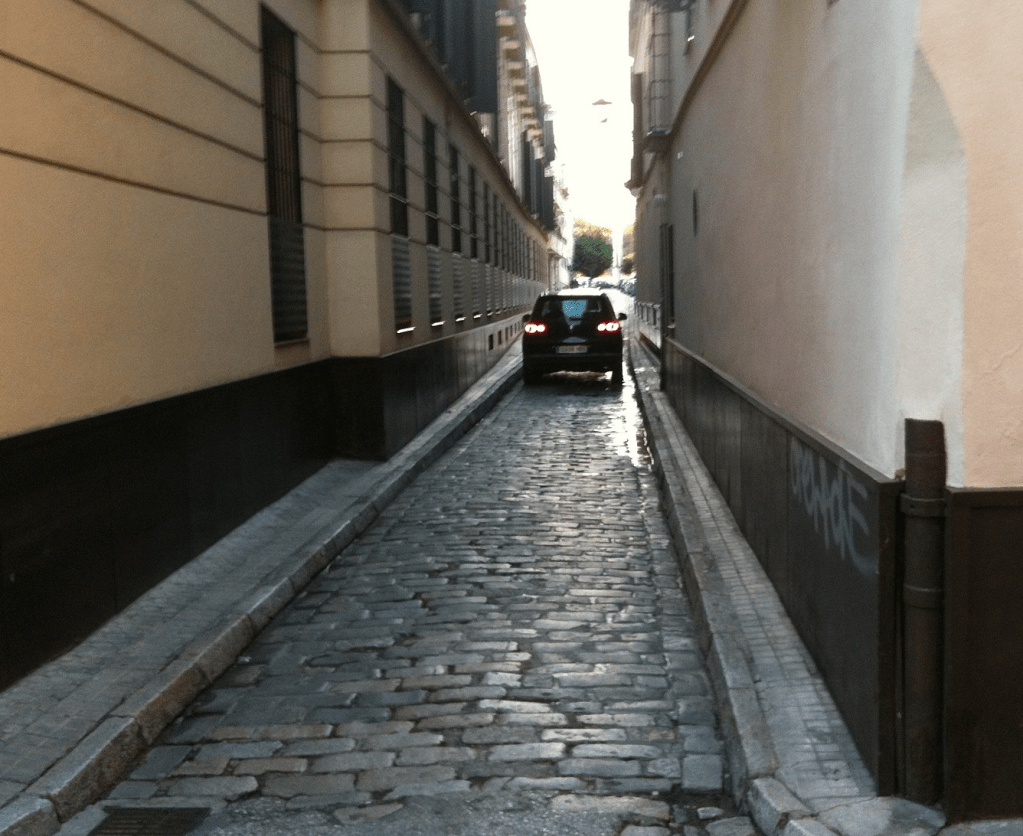
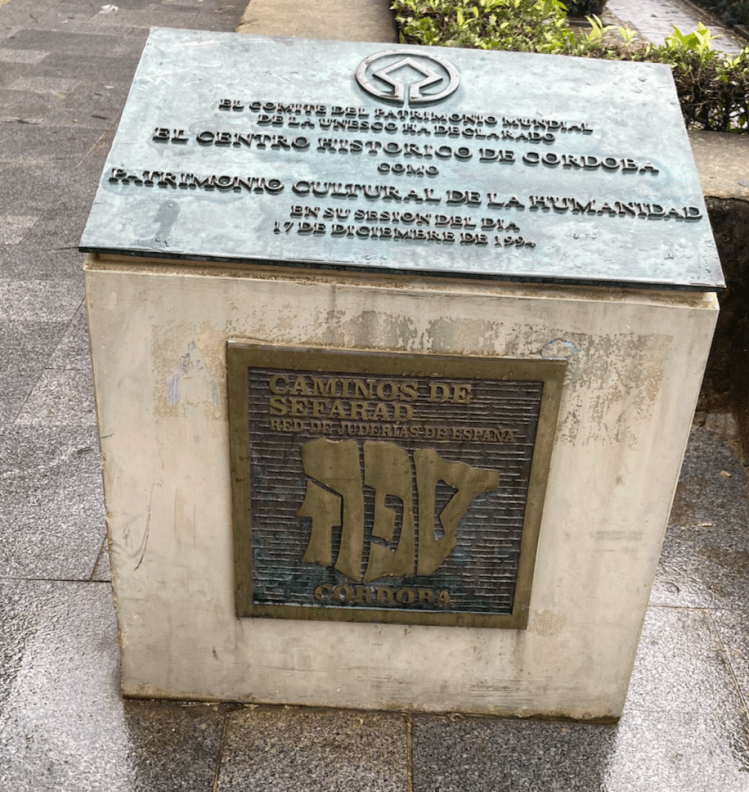
Cordoba, like Toledo, also had a rich history (pre 1492) of three cultures successfully mixed together. While the streets are not lined with Stolperstein as in Germany (https://chosenfugue.wordpress.com/2019/01/07/they-do-make-you-stumble/), the Spanish department of tourism started marking the streets with little bronze plaques in the Juderias (Jewish quarters/ghettos) for the Caminos de Sefarad (Spanish Jews). It does seem pretty odd that 500+ years since the Jewish quarters were emptied, they are still called the Judaria (Jewish Quarter) in all of the cities we visited (Toledo, Cordoba, Seville, Granada, Madrid) or will be visiting (Valencia, Girona, Zaragoza). We only saw one area noted as the Moslem quarter, even though it was ruled by the Moors from A.D. 711 until 1492. But that makes sense since then all of Andalusia would need to be called that.
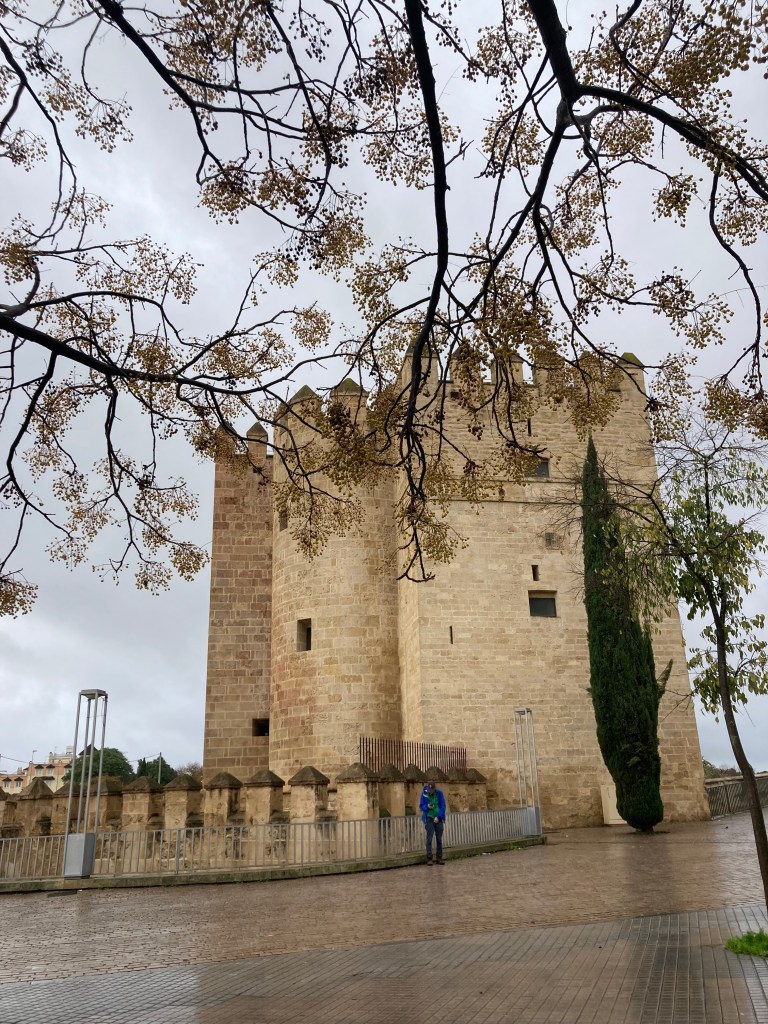
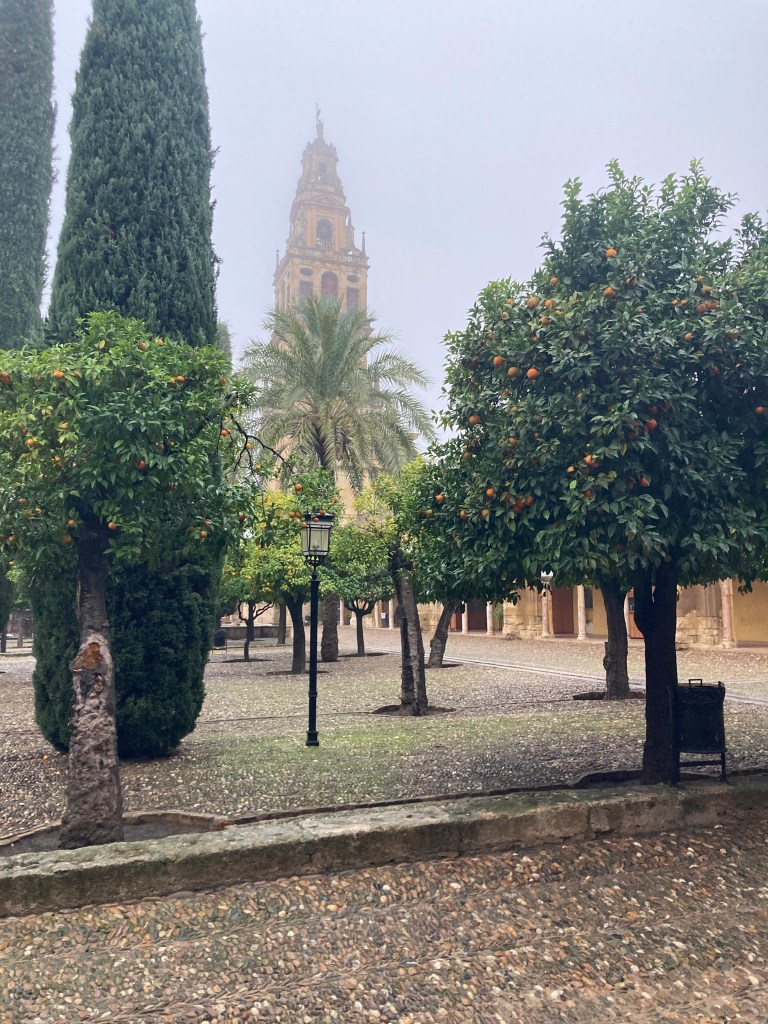
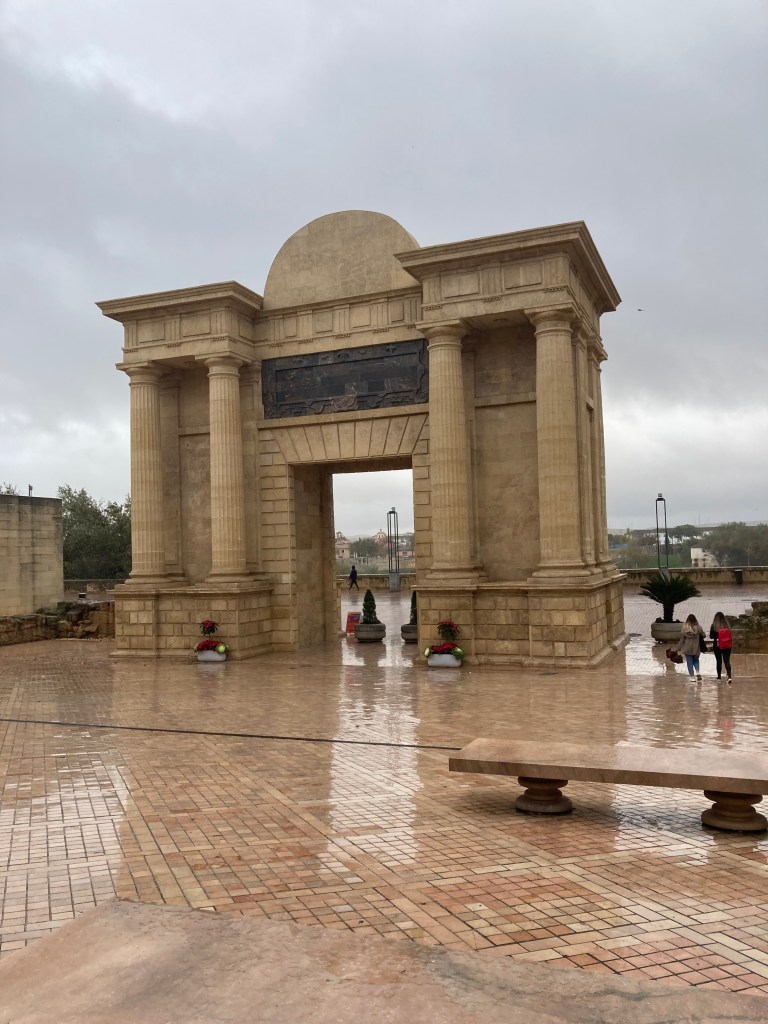
Cordoba, like Seville, was also a filming site for Game of Thrones, apparently now a thing in our travels-https://chosenfugue.wordpress.com/2018/11/14/croatia-2-the-war-and-mostar/
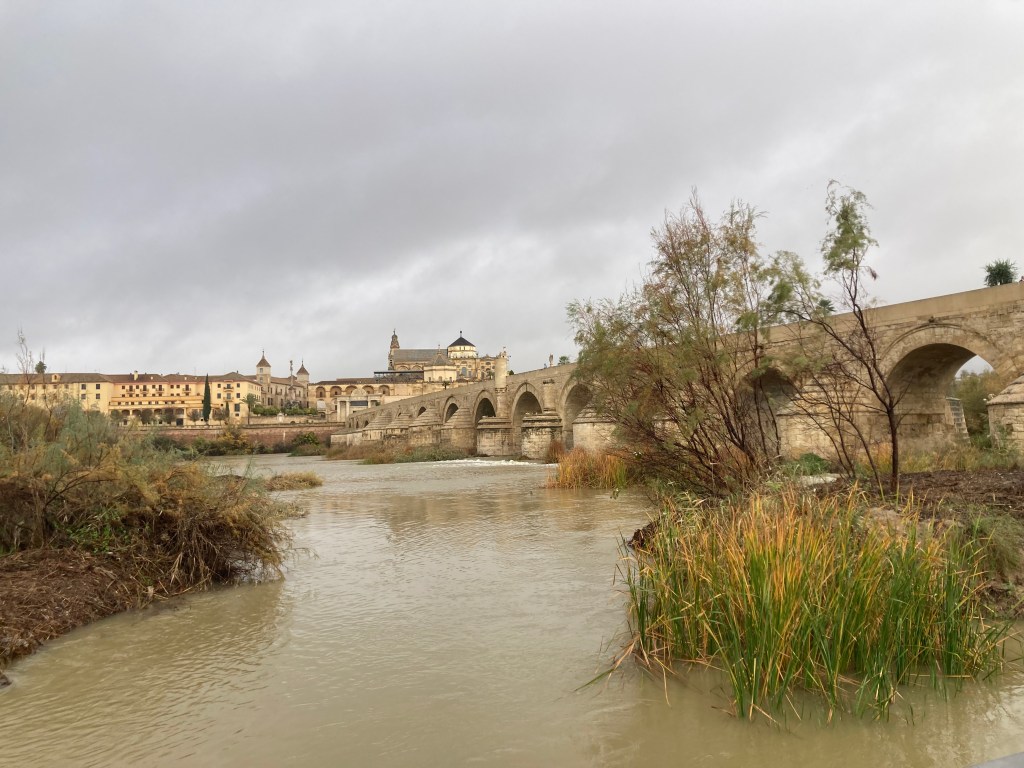
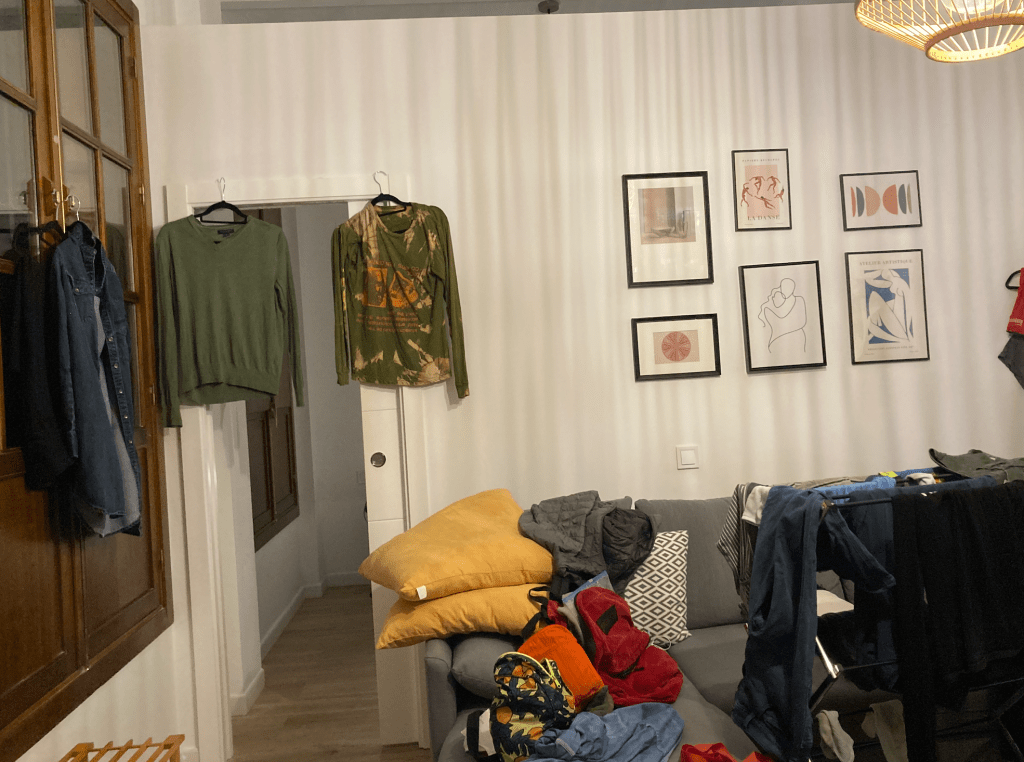
Train back to Seville, hope the clothes have finally dried, then on to Granada. https://chosenfugue.wordpress.com/2022/12/26/moor-please/
 Chosen Fugue
You are such good travelers. My husband has decided if he can’t drive he won’t travel. So, guess I will gravel solo until he changes his policy.
LikeLiked by 1 person