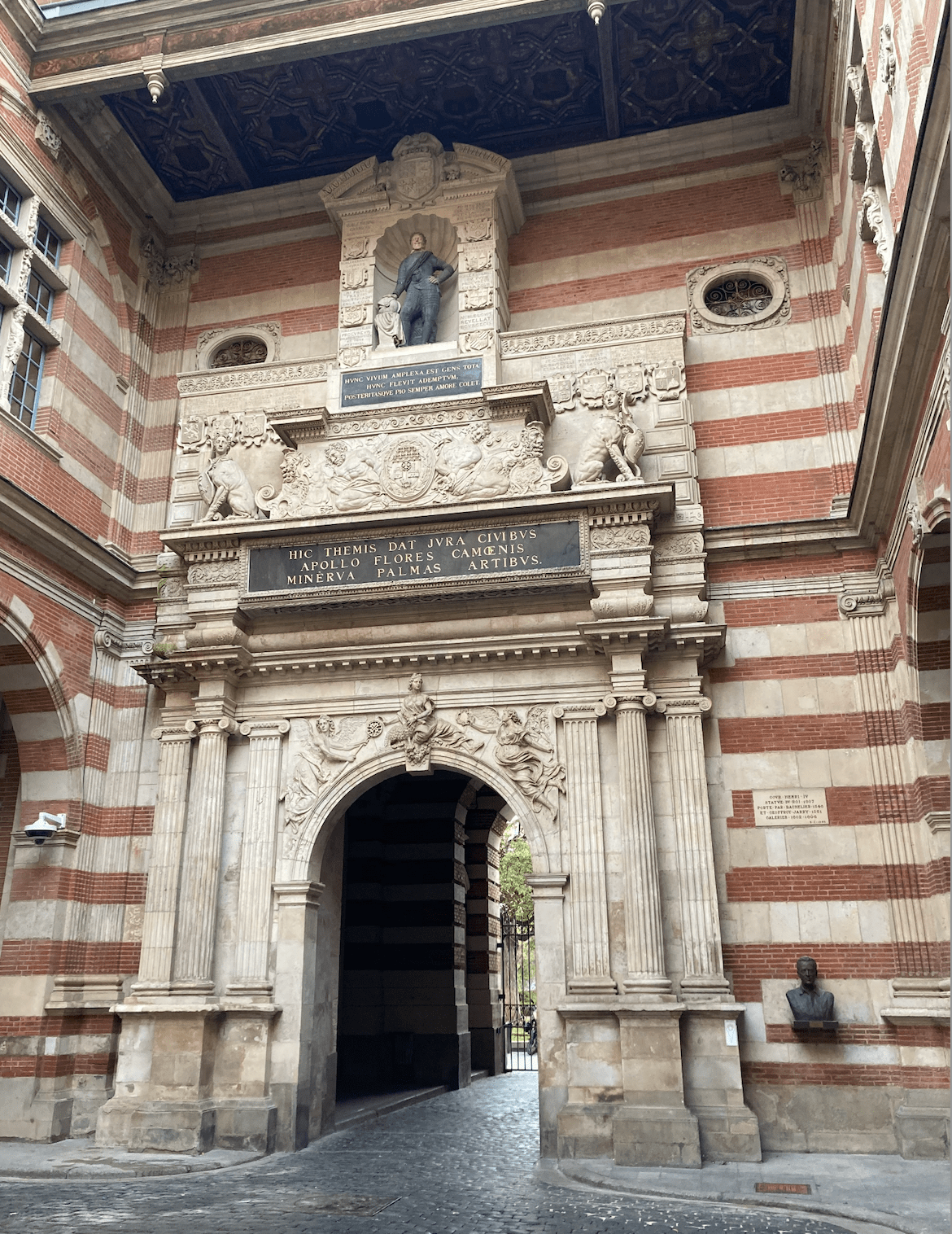
Perhaps foolishly, we don’t always know where we are going. Onward to the Pyrenees was the original goal, but a lot of travel days and maybe snow, made it not appealing. Based on ubiquitous travel blogs, we thought Albi, (maybe Patricia thought it was Aldi?) https://www.albi-tourisme.fr/en/autour-dalbi/grand-site/visiter-albi-10-bonnes-raisons/ The city is an UNESCO site (isn’t everywhere in Europe?) and despite his name, actually where Toulouse-Lautrec was born, but to go there we had to change trains in Toulouse, so we thought why not Toulouse since we had nothing Toulouse? Despite being a 25 minute train ride away, we didn’t even day trip to Albi because Toulouse was a great surprise. After seeing a lot of European cities they can sometimes feel a bit repetitive, not Toulouse. It was striking. Off the train, out the door and we immediately fell for the city’s terracotta brick buildings- they were almost glowing (okay, it was dusk and it had just rained….).
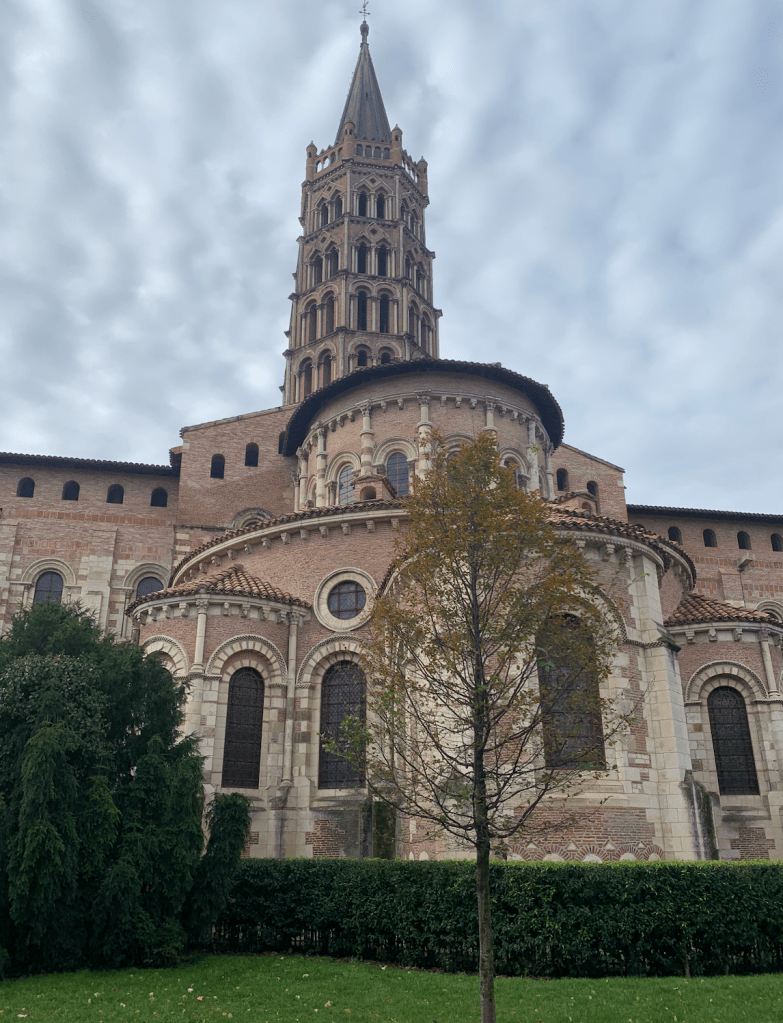
Well known (but not by us) as the Pink City it was just very pretty. Almost every building was brick- this trend was started by the Romans in 1 AD because stone was scarce, so they used brick made from clay with a lot of iron oxide-hence the pink. In the 19th century rebellious residents toyed with yellow bricks, but the pink city remained pink.
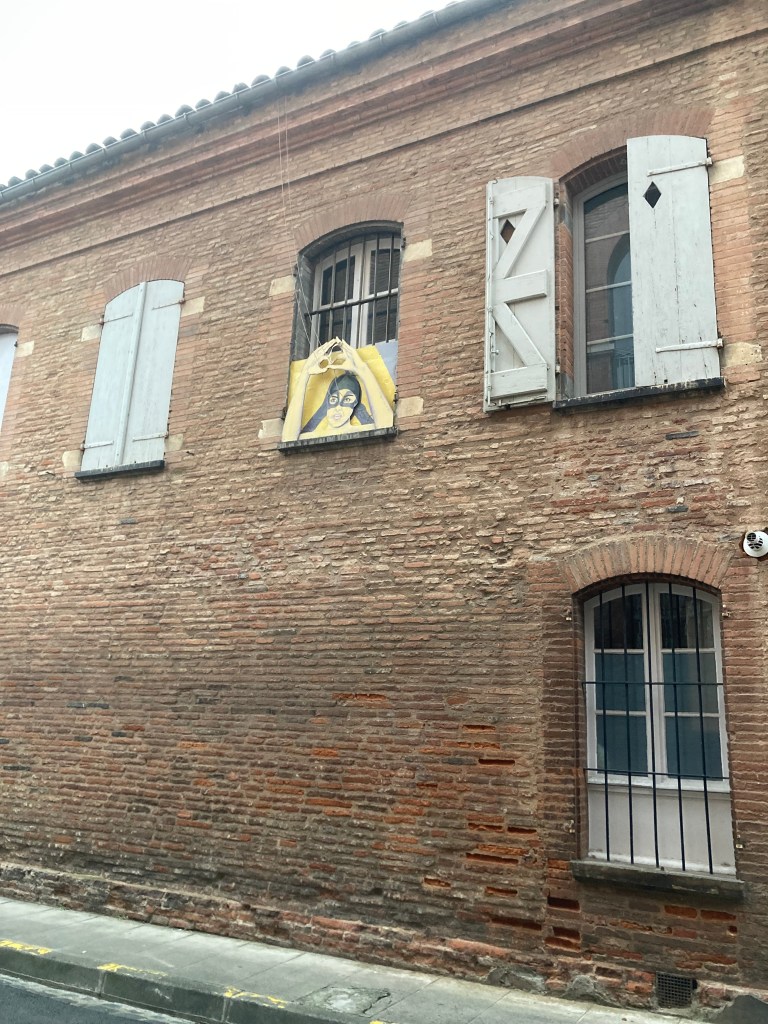
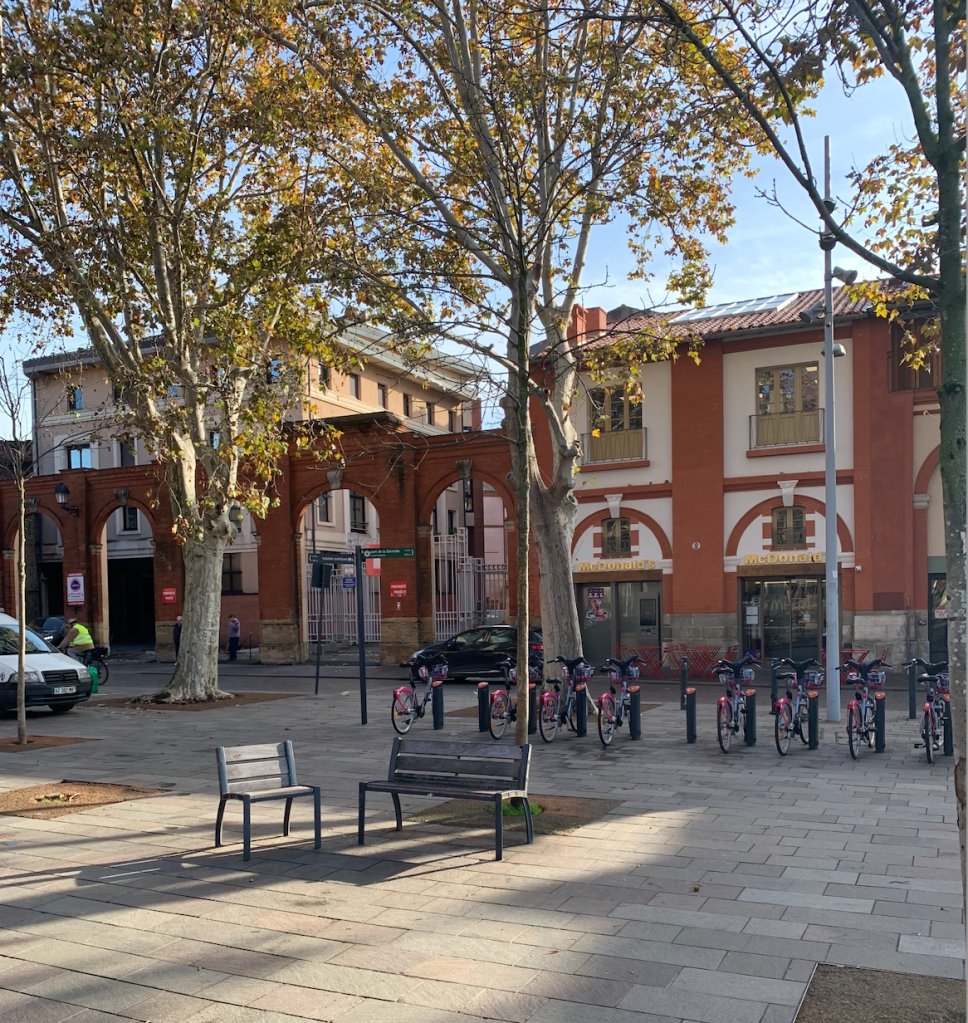
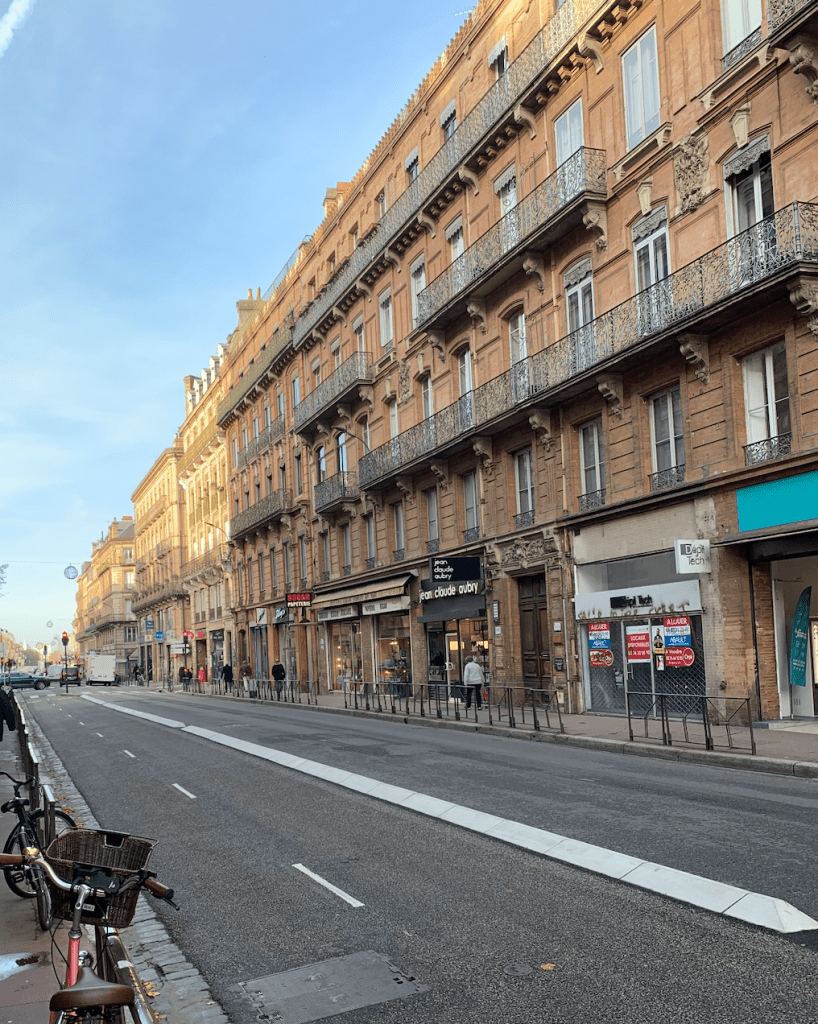
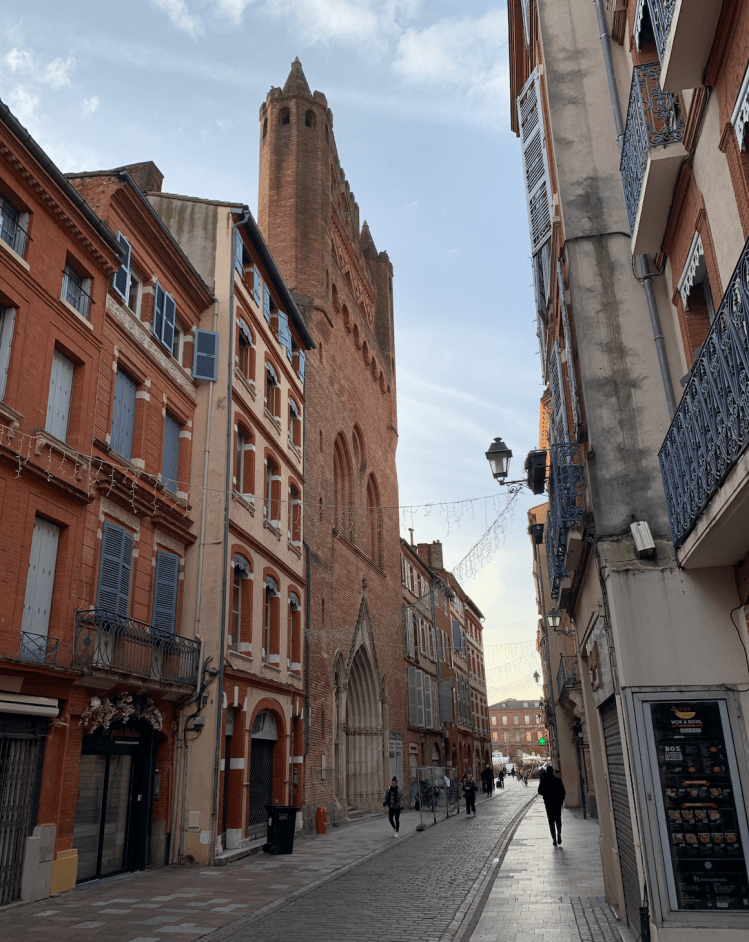
Wide boulevards emptied into cute neighborhood plazas, narrow residential lanes radiating out; some with fancy houses (historically a rich city with money from the pastel trade- there was a pastel trade? How do you trade pastel?) others with rows of simple (well, for Europe) apartment buildings. There were pedestrian only areas, a vibrant university neighborhood plus a beautiful sycamore lined canal.
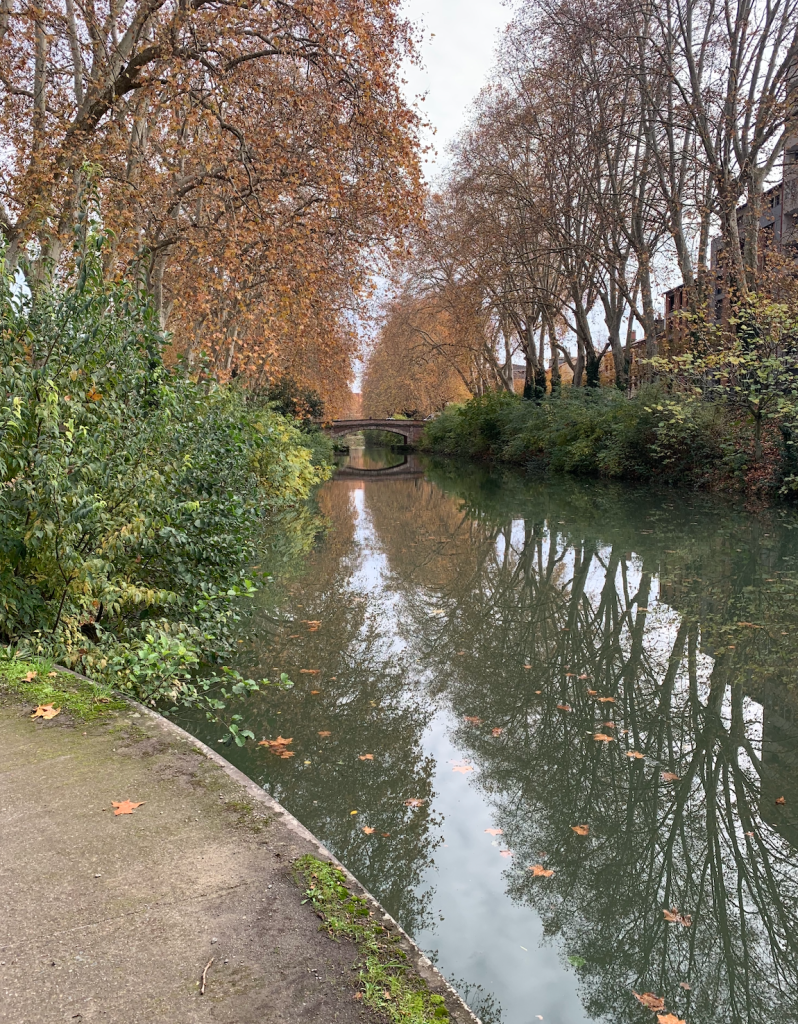
The Canal du Midi, is part of a 430 km canal system called the Canal des Deux Mers. This network of ingeniously engineered canals built between 1667-1681 connects the Atlantic Ocean to the Mediterranean Sea. The Canal du Midi links to the Canal du Garonne north of Toulouse, and the south end links up to the Canal de la Robine in Narbonne then to the Mediterranean at Sete. Brilliant!
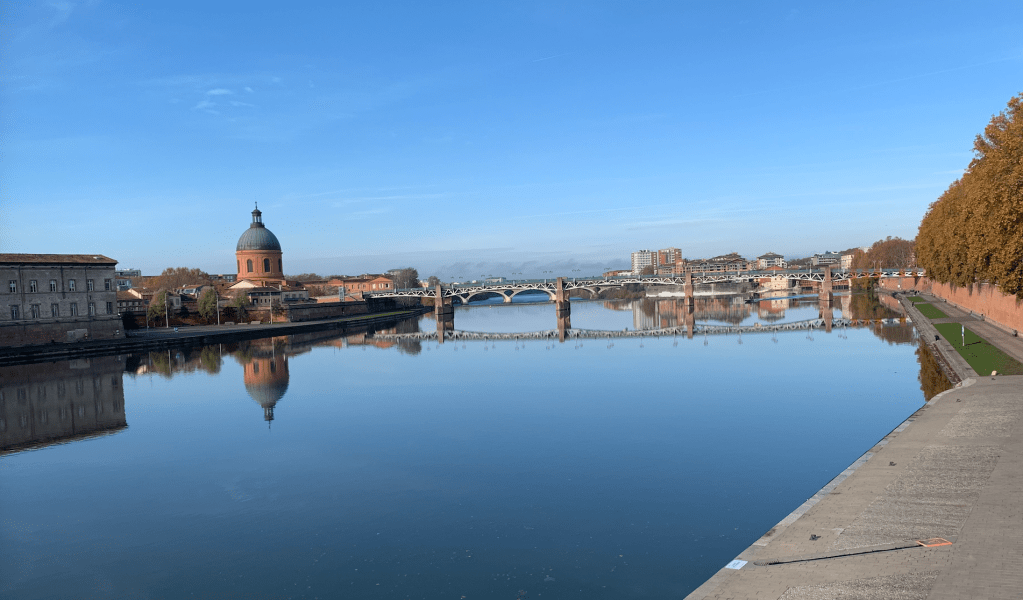
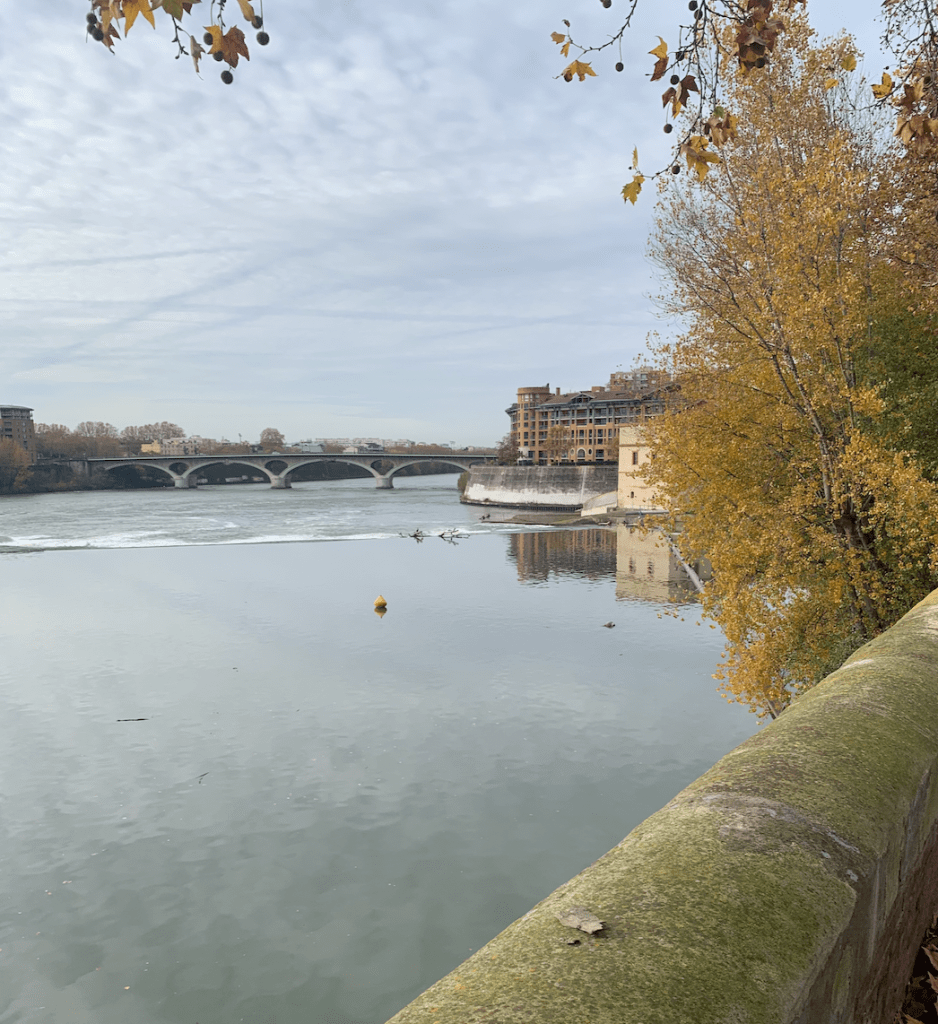
Mount. St Michel, the cave paintings and a 17th century sea to sea canal, in comparison, we were feeling rather unaccomplished in France. And, they all speak perfect French!
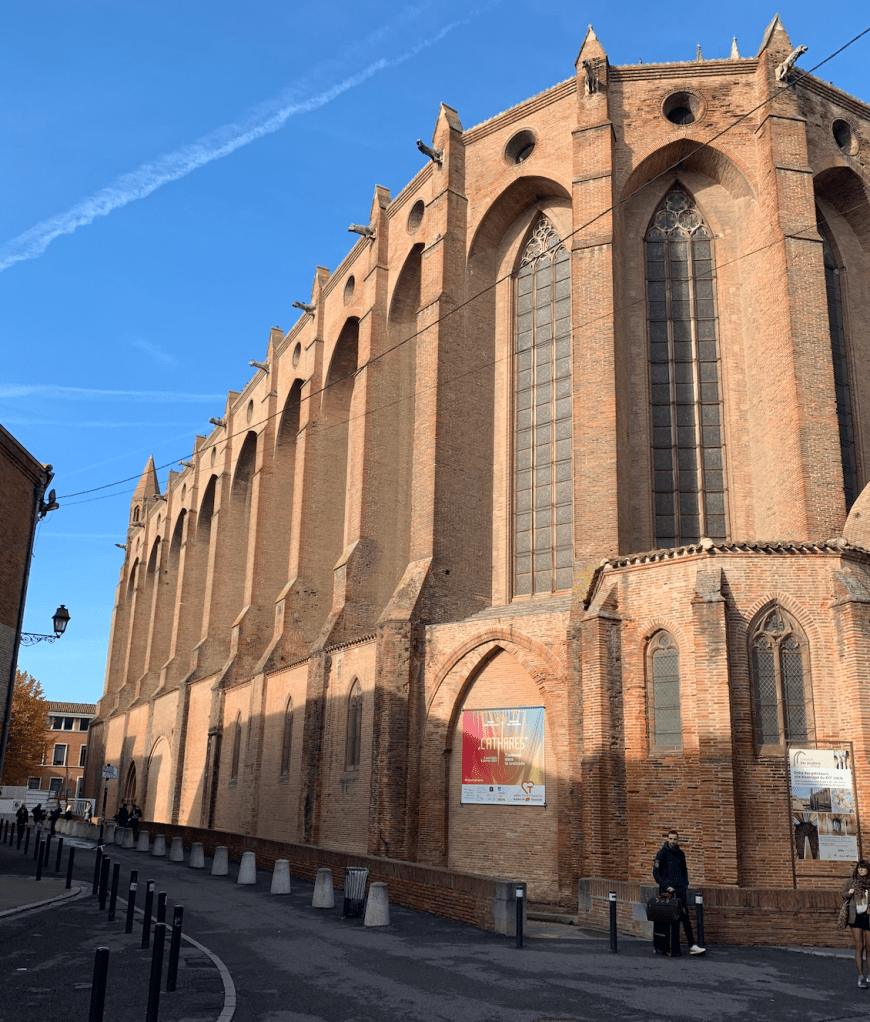
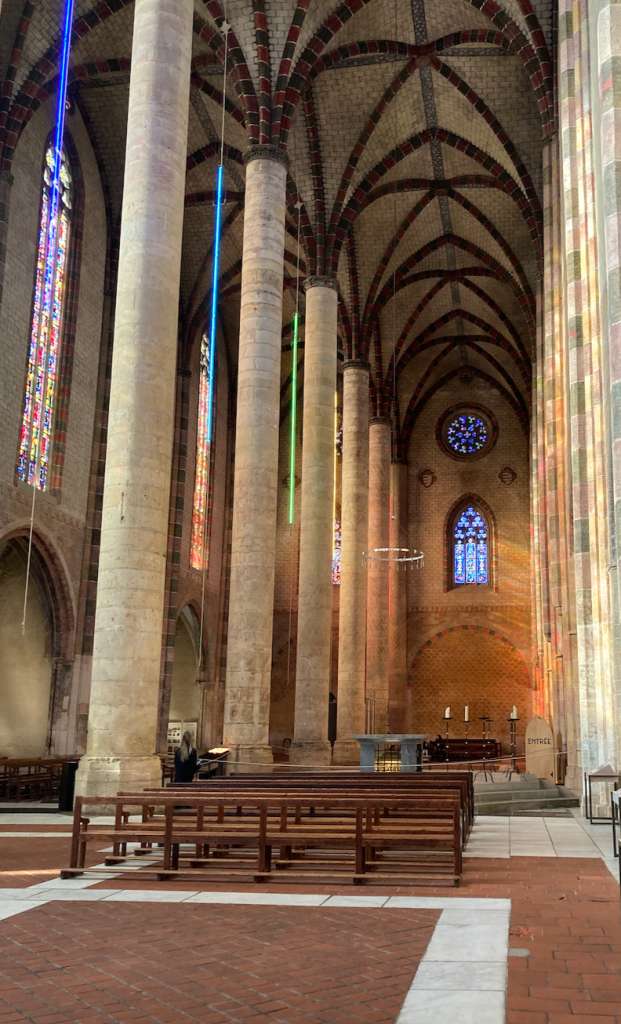
Even the churches offered a bit of a stunning twist. The Dominican order of the Catholic church was found in Toulouse and their Church of the Jacobins (Jacobins was the original name of the Dominicans) had a kind of brutalist look to it, made even more brutalist by the teenage boys tossing lit matches out in front. This church even had the relics of the foremost Scholastic thinker and priest Thomas Aquinas.
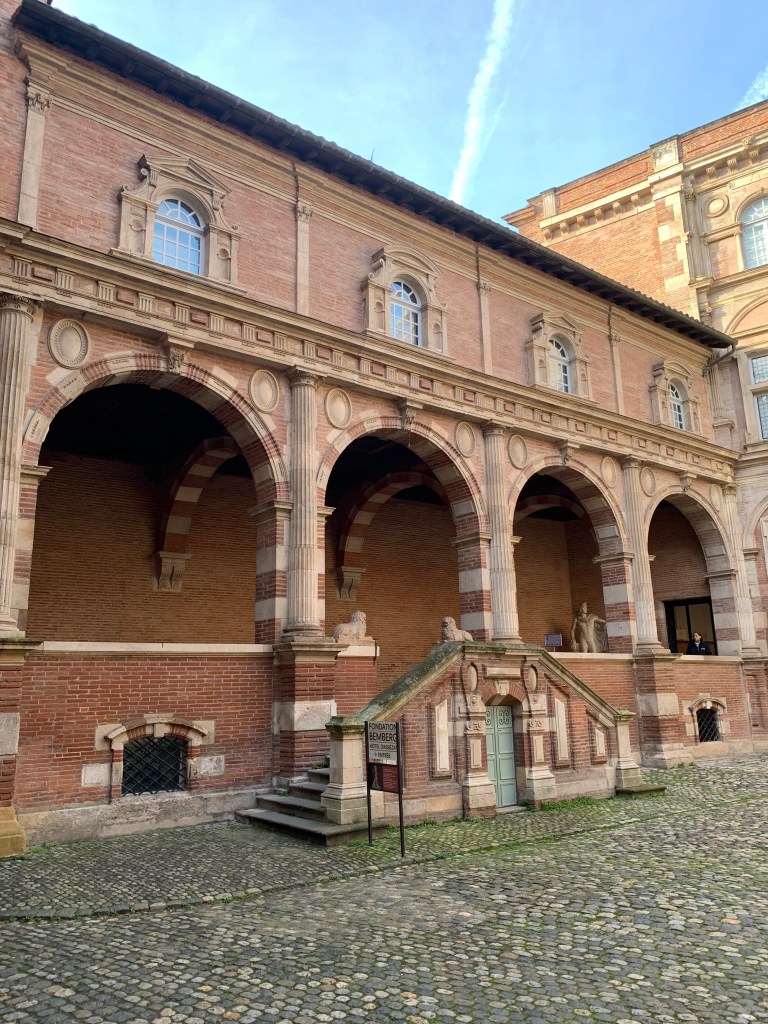
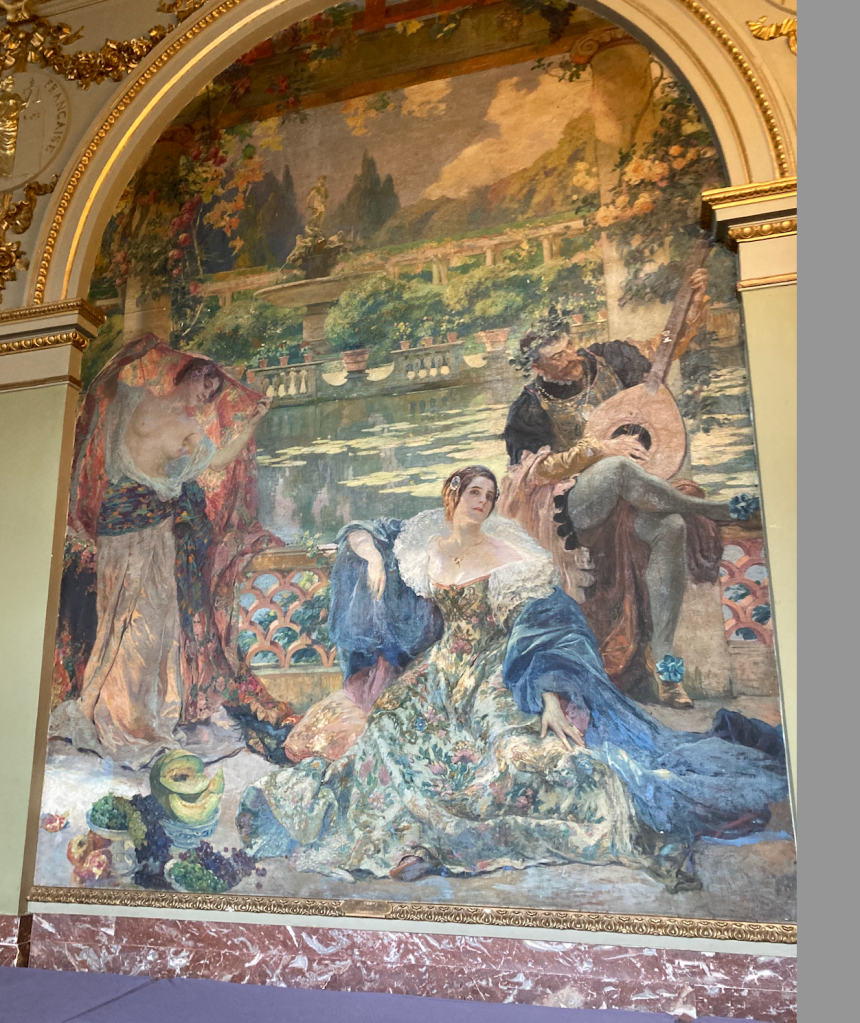
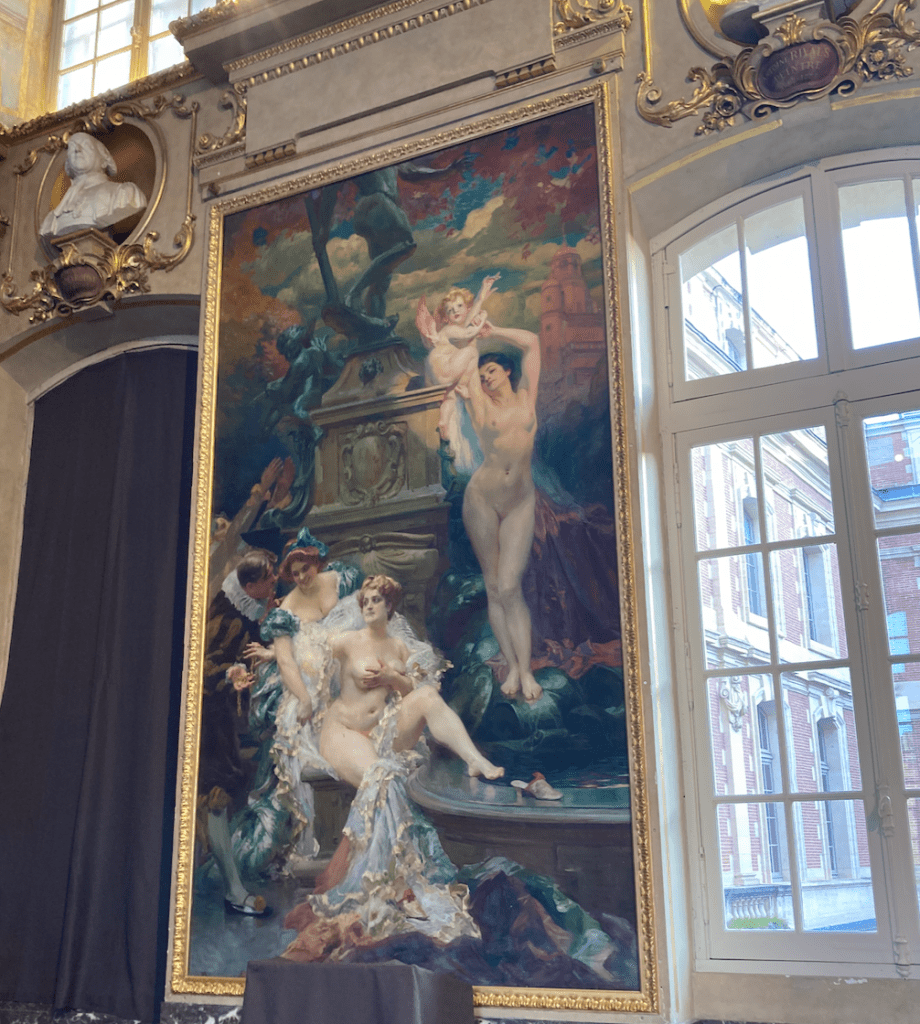
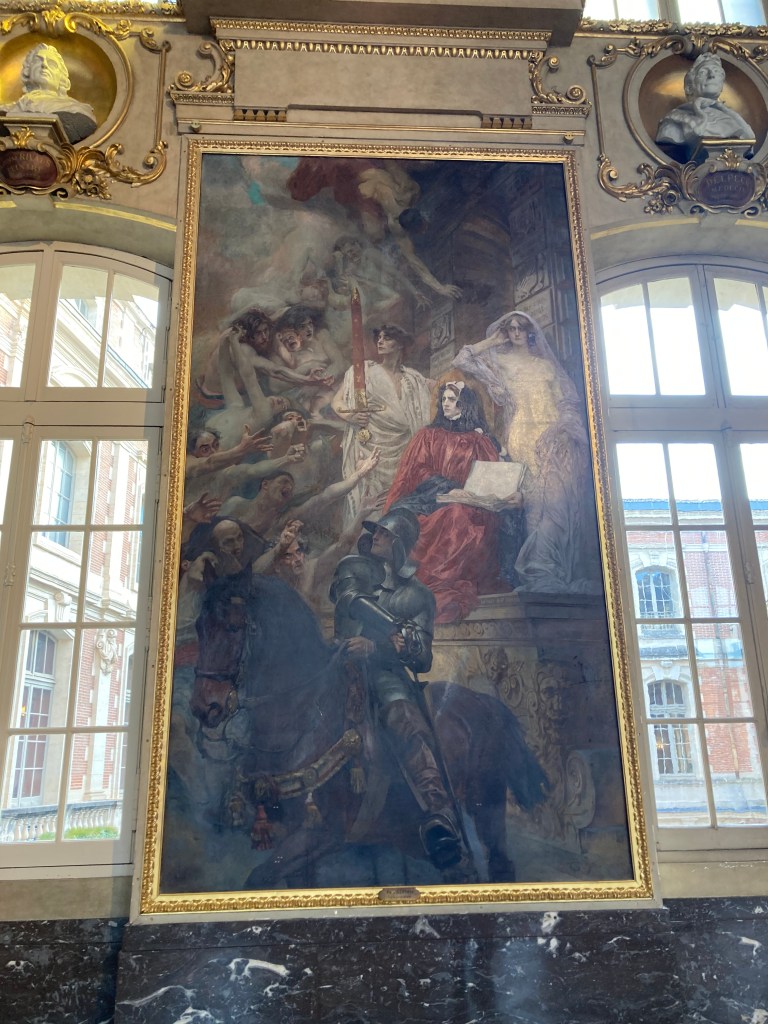
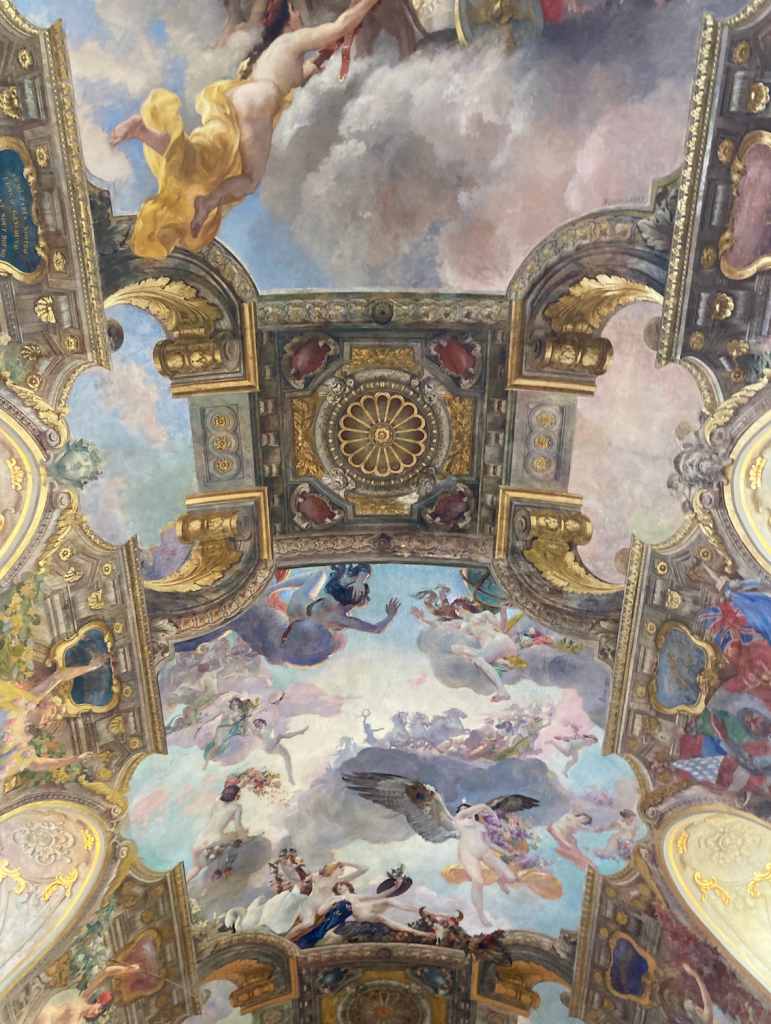
Many cities have distinctive city halls, but Toulouse’s was awe-inspiring, Another striking surprise. The outside of the Capitole building is a mix of styles going all the way back to 1100 but it’s the inside that is where you want to be.
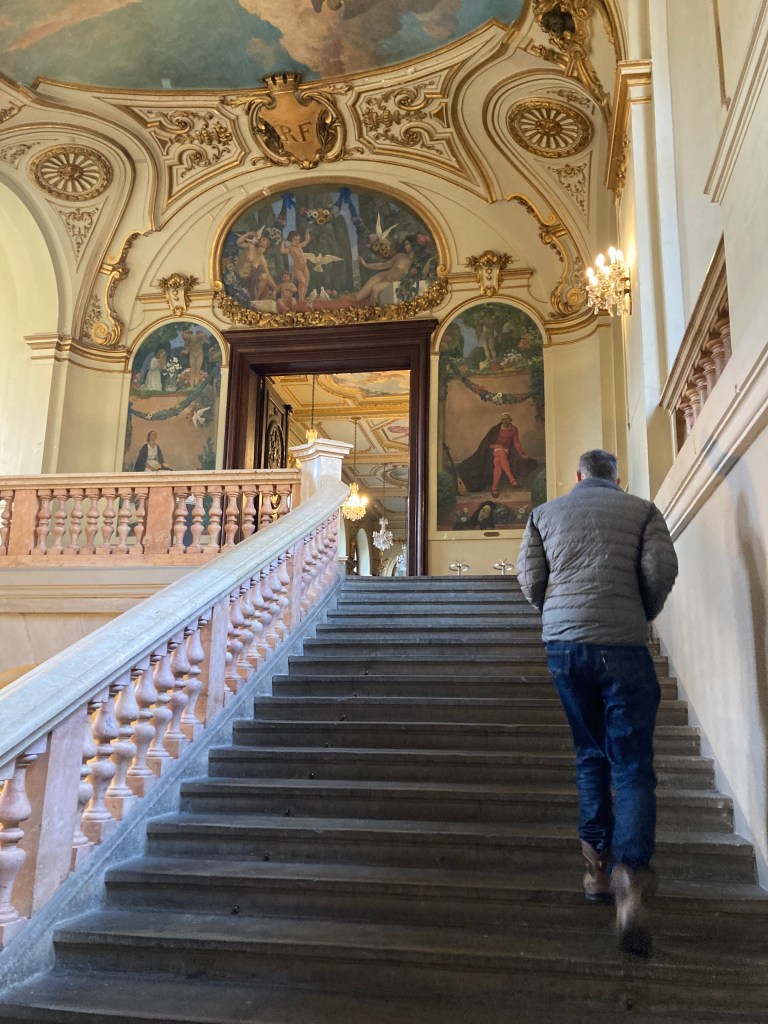
Three galleries, two filled with huge paintings by Toulouse artists. Salle Gervais, paintings by Paul Gervais depicting love; Eros nymphs, and love at 20, 40 and 60 years. This was where weddings used to be held.
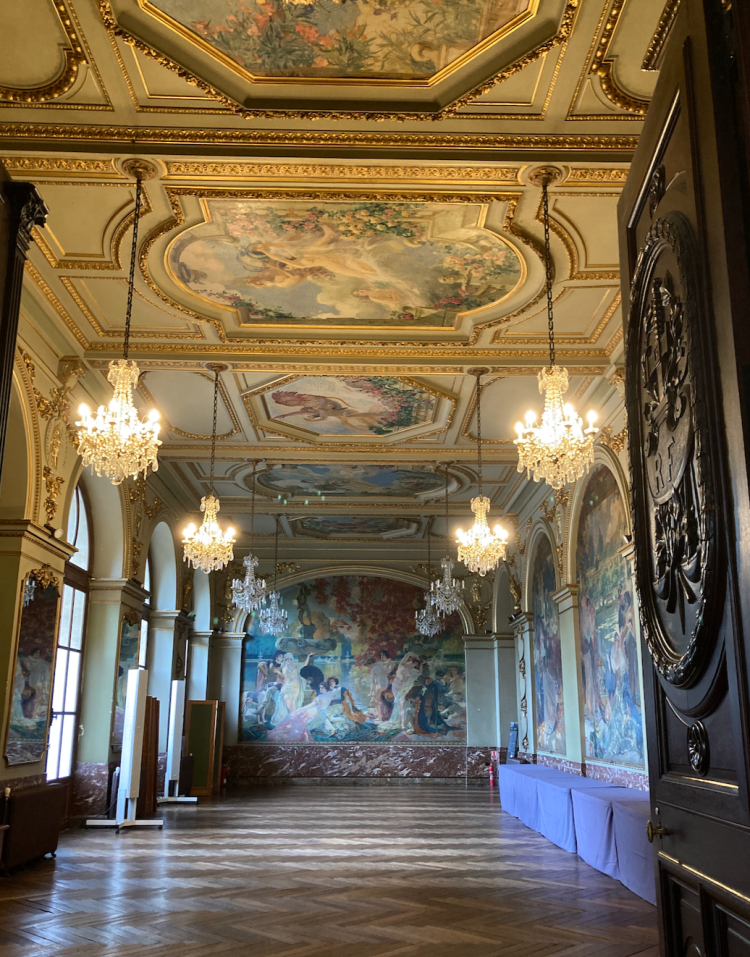
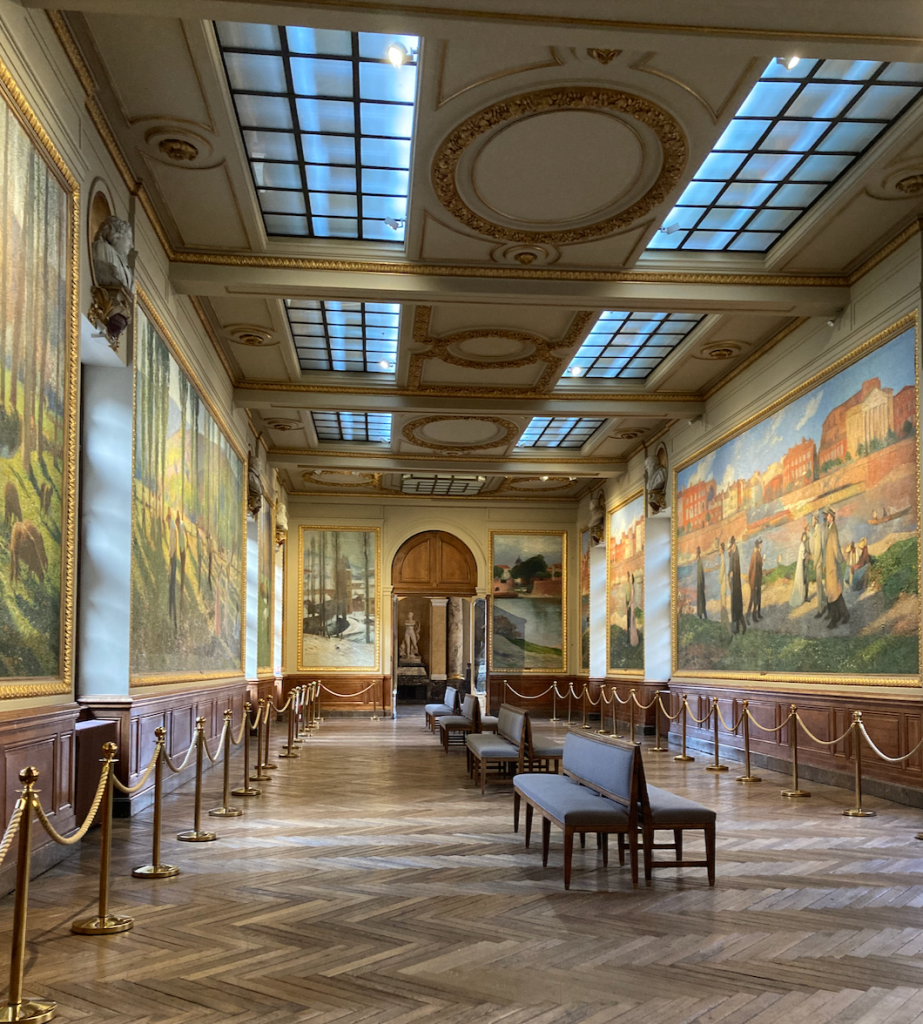
Henri Martin filled his gallery with paintings of the four seasons in Toulouse plus portraits of famous Toulousians (?) walking through the city.
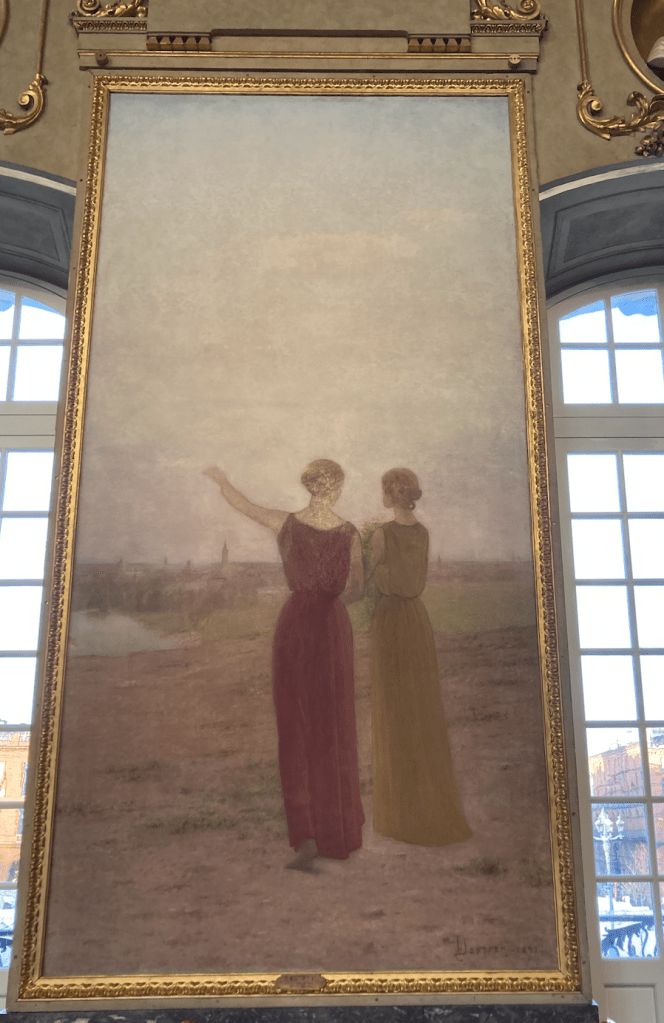
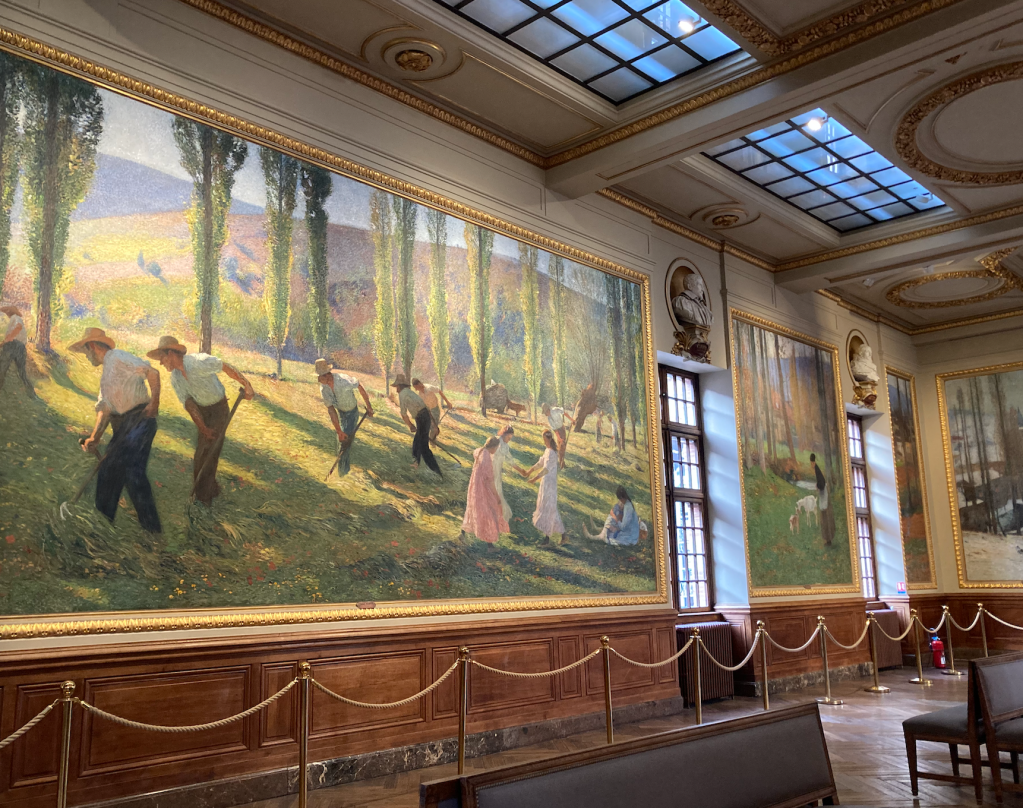
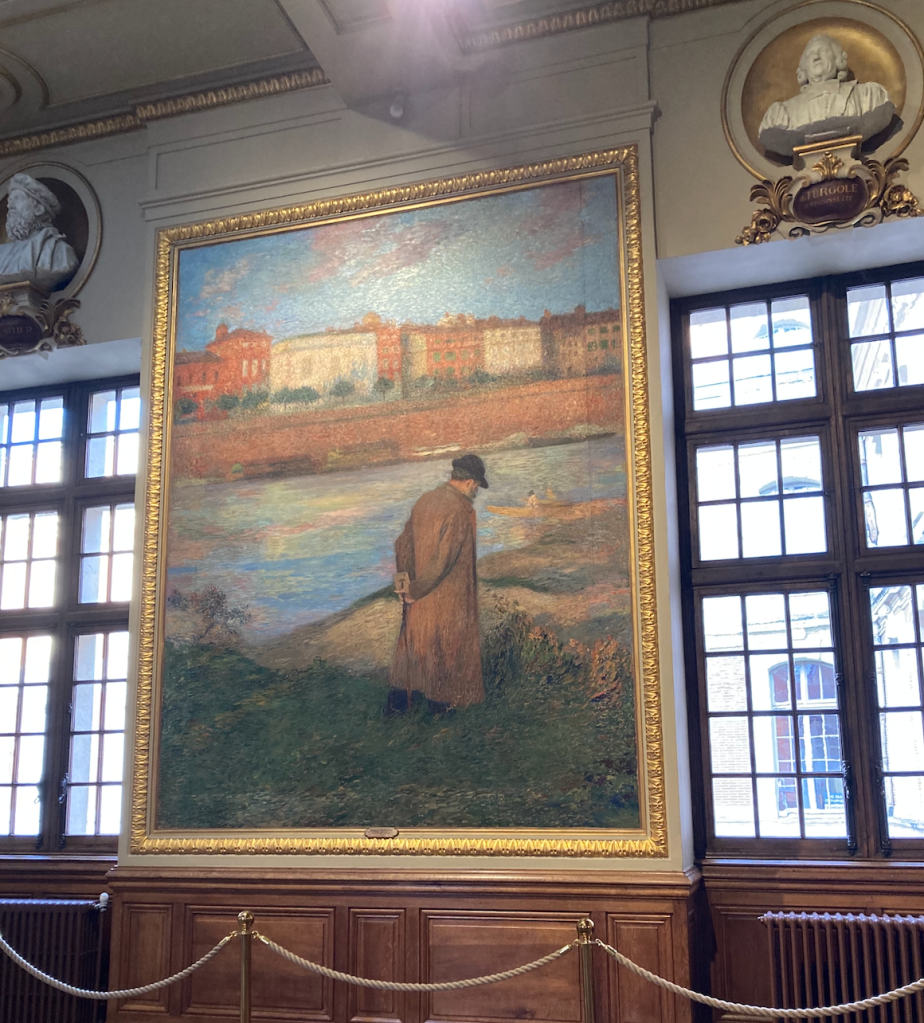
Finally, the Salle des Illustres where weddings are now held. Again, art by local painters and sculptors celebrating the history and people of Toulouse and the most elaborate!
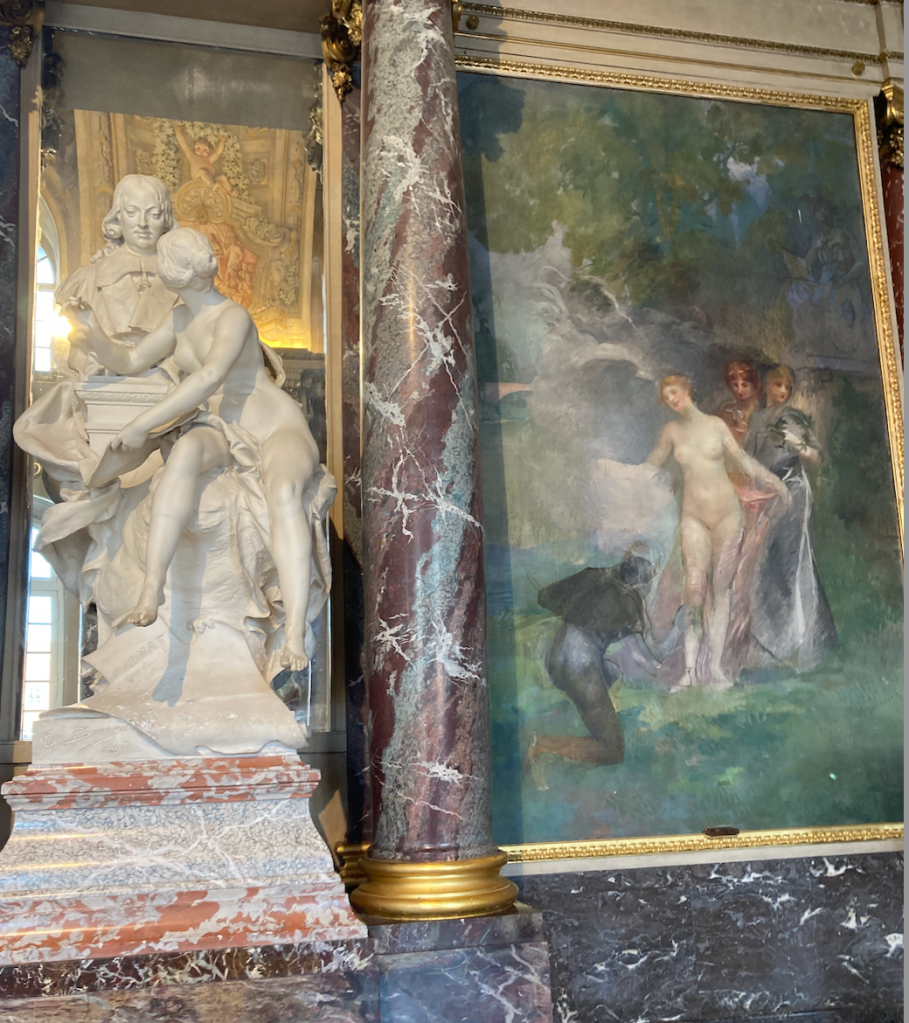
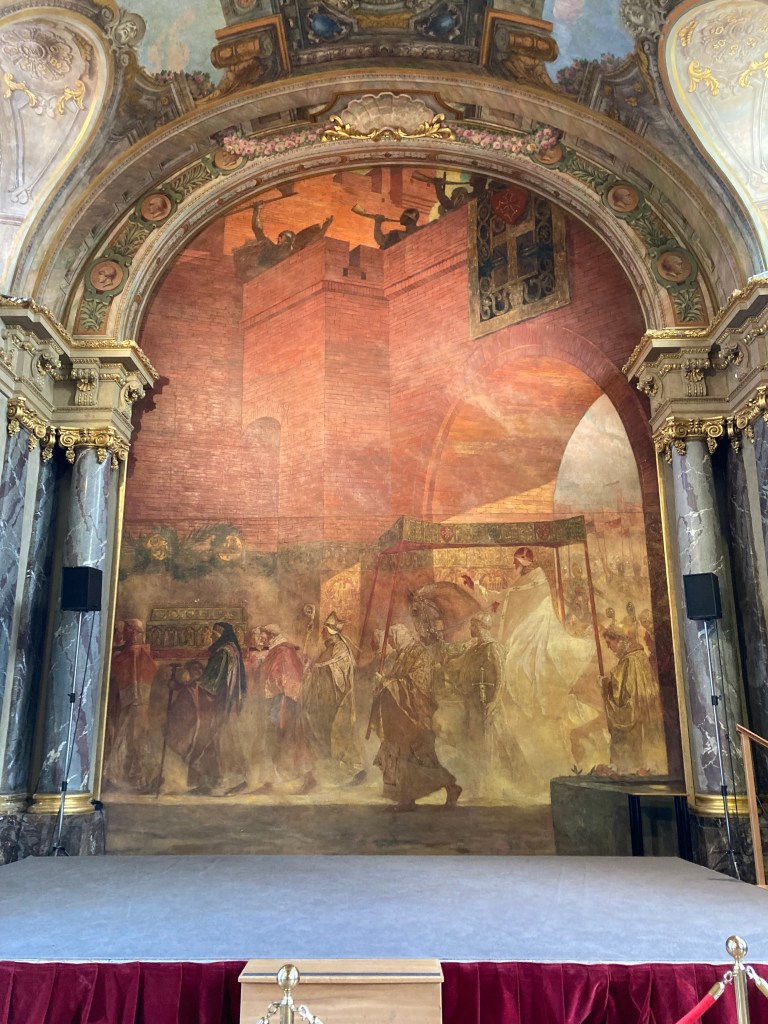
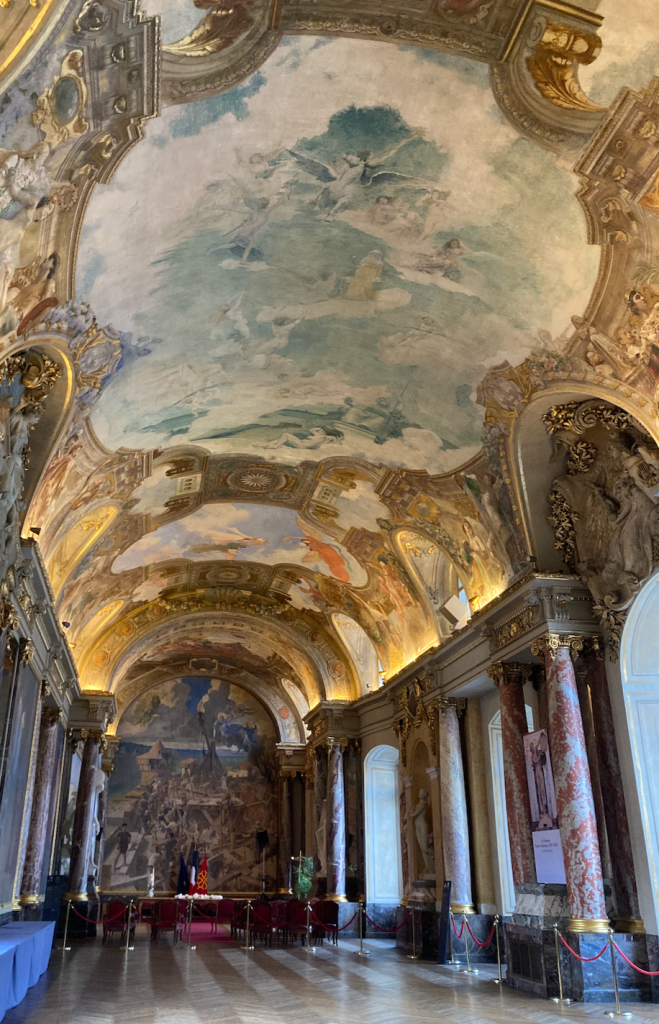
Kinda nuts thinking that you go pay your parking ticket in this building.
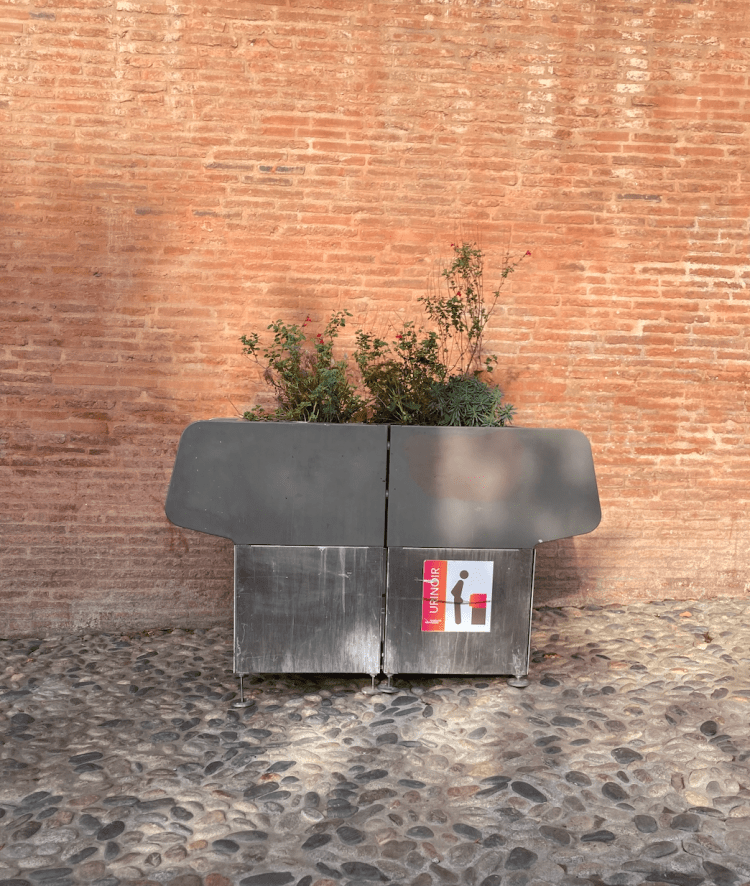
A bathroom break. Unlike the US public bathrooms are difficult to find in Europe. Bathrooms are uncommon in European malls, gas stations or parks. Train stations are an exception, but often at a cost, and we don’t usually have pocket change. France, again, was thoughtful in terms of access and creativity. There were open areas in the park designated to relieve oneself (mainly men) into planters. Genius! Only a wine centric country would have thought of this use of public planters. Other countries had similar, slightly more enclosed urinals (again, at train stations), but France’s were basically open. France also cleverly had self cleaning public toilets. When in use, a red light is on, after someone exits, a yellow light goes on, indicating cleaning. A green light means it’s available to use. Pleased to find a free one at a mall, Patricia went first and before she closed the door to leave, Nick eager to go, went in without waiting for the green light- not wanting to wait for the cleaning. Unfortunately, seconds after the door closed , self cleaning started, cleaning both the entire restroom and Nick. Lights went out and water jets- a cross between supermarket produce misters and a car wash power hoses- popped out from the walls, dousing the room and Nick. What idiocy.
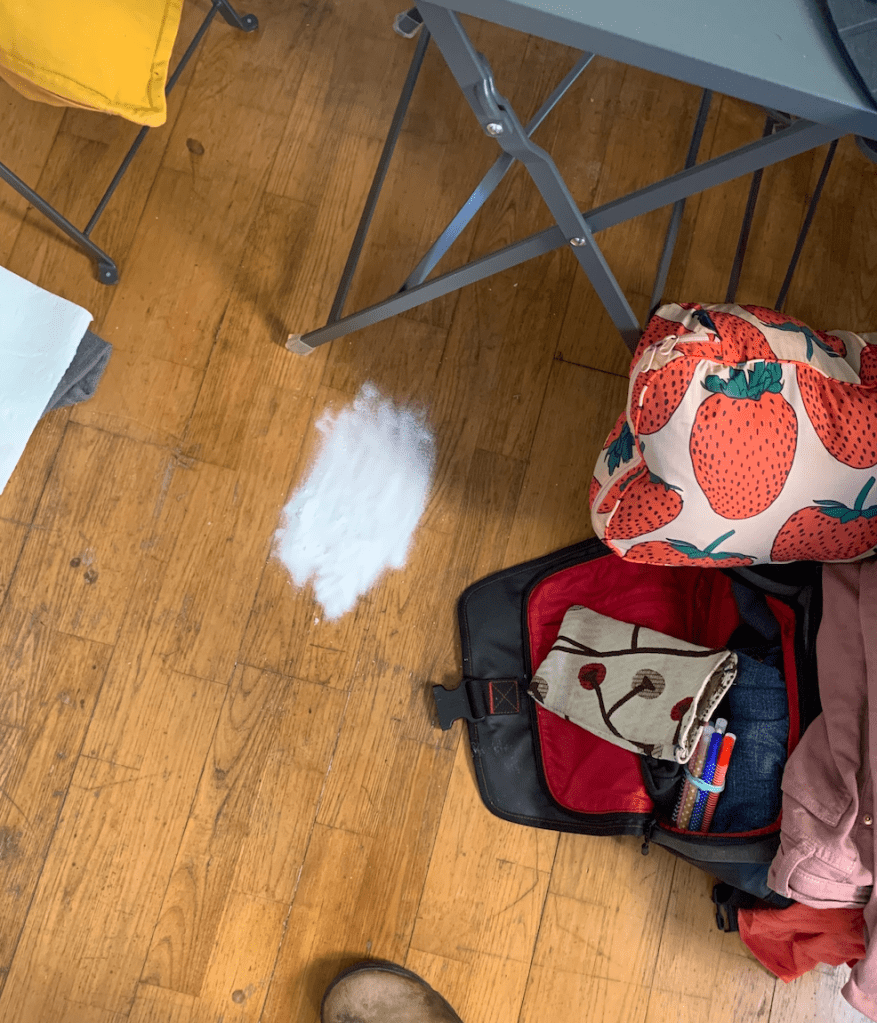
Our couple of days of wandering through this lovely city were almost marred by our almost worse fear coming true- ruining something in our lodging . Everywhere we stay we live in fear of causing some damage, and so we usually do, accidentally. Typically, a mug, so we find a replacement. In France, stupidly, we had been traveling with a bottle of olive oil. Dumb and Dumber, we spilled most of the bottle (we thought the cap was on!) onto our studio apartment’s very worn wood floor. The positive of spilling-relieved us of the obligation of carrying the bottle, lightening Nick’s backpack. The negative, for 2 days we tried to make the stain un-noticeable. Baking soda. Hair dryer. Some relief, but it was still noticeable. Should we oil the whole floor?
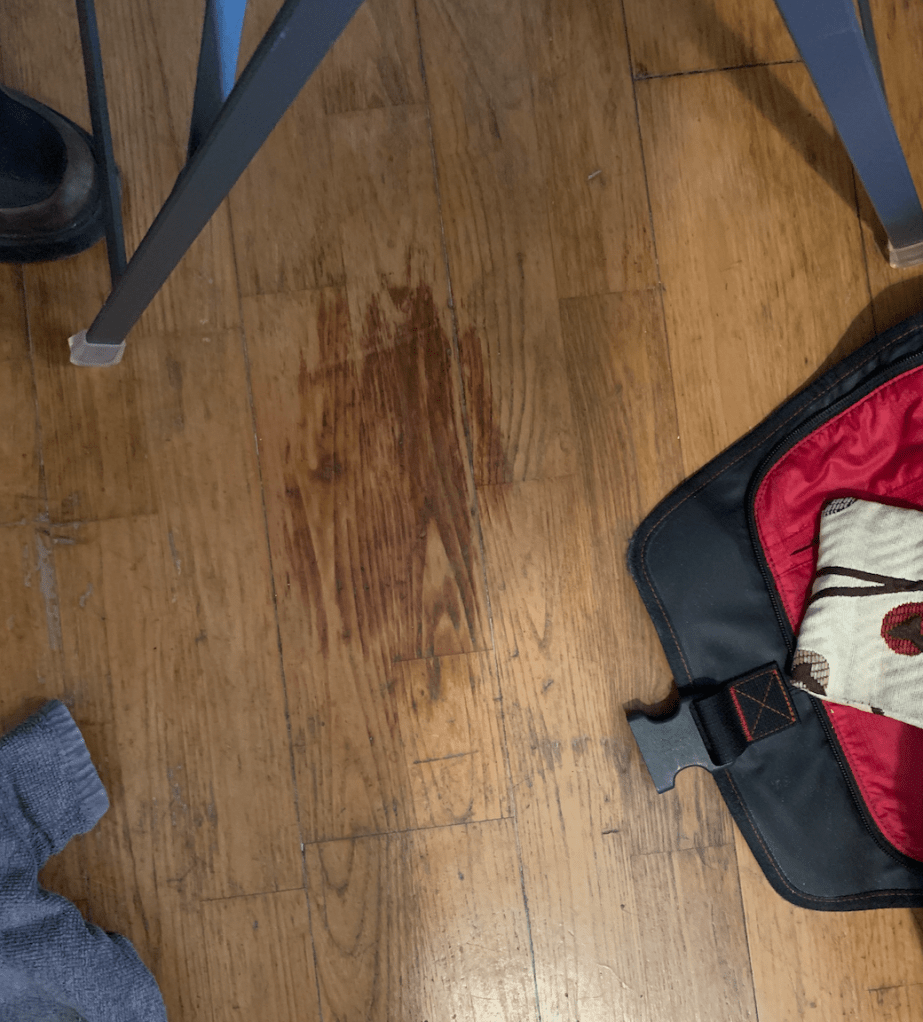
Panicking we sent text pictures to the host, who couldn’t care less because it was actually hard to see our stain amongst the multiple others. The French, smarter than us and tolerant of our ignorance as dumb, and continuing to be dumber Americans. We love France.
 Chosen Fugue