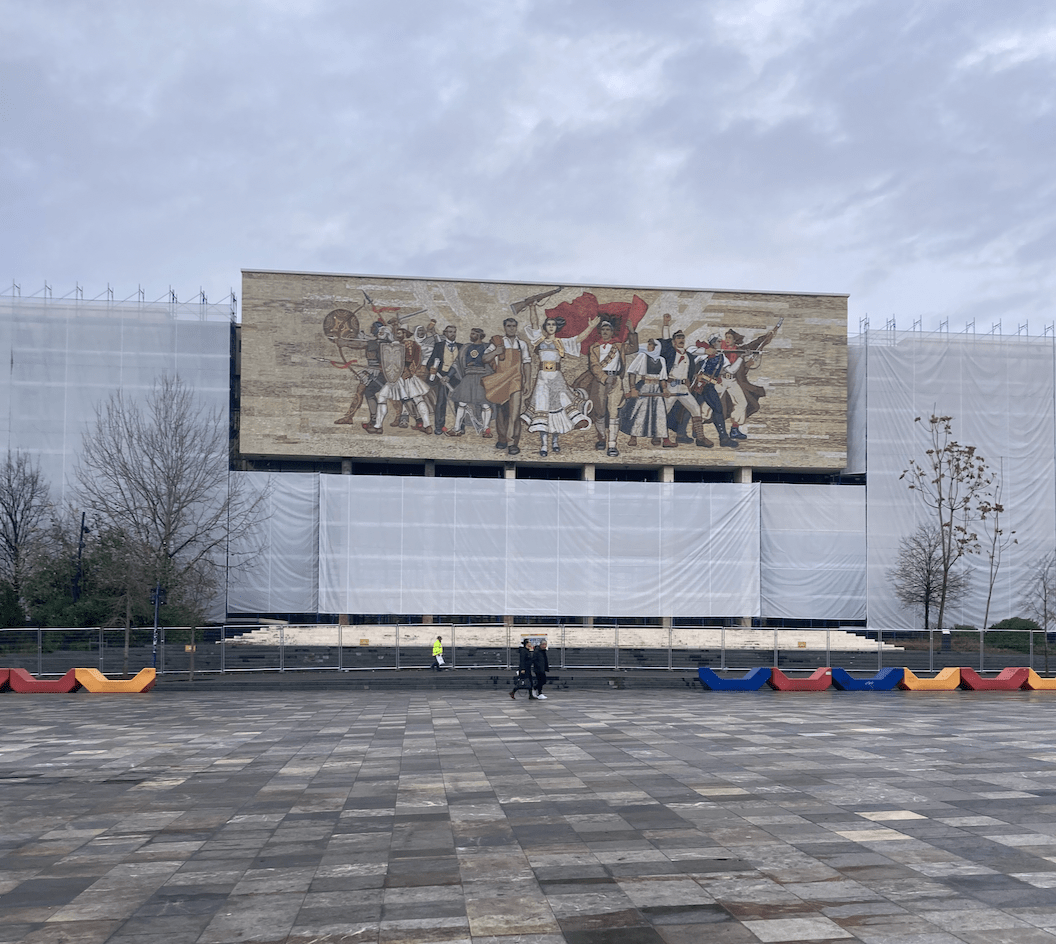
January’s (2025) plan was 6 weeks in Greece but flights to Albania were half the price, and if we had a bucket list, Albania would have been on it, so we bought the tickets. Our trips to post-communist countries; Croatia, Bosnia-Herzegovenia, Bulgaria, Romania and Hungary, have been fascinating. In some ways these are new countries, less than 40 years old, but they carry long histories. Some have done better than others; Croatia (aided by tourism) has been stable, although in many ways still recovering from the Croatian-Serbian War of the early 90’s. Bosnia-Herzegovenia is still a mess. Bulgaria and Romania struggle with corruption and political and economic instability. Hungary has slid back into a dictatorship.
Albania is a completely unique entity. Under the very oppressive, very paranoid dictator, Enver Hoxha, it was the most isolated of the communist aligned countries, even breaking ties with USSR (1956) and China (1978). Hoxha died in 1985, but real changes did not begin until after 1990.
Albania felt like a mash up of Ottoman, Communist , Italian and Baltic style. Our first few hours were a perfect snapshot of the country. Driving to our lodging, through a narrow, graffitied, dilapidated alley we arrived at a very modern row of little bungalows, absolutely beautiful and perfect inside.
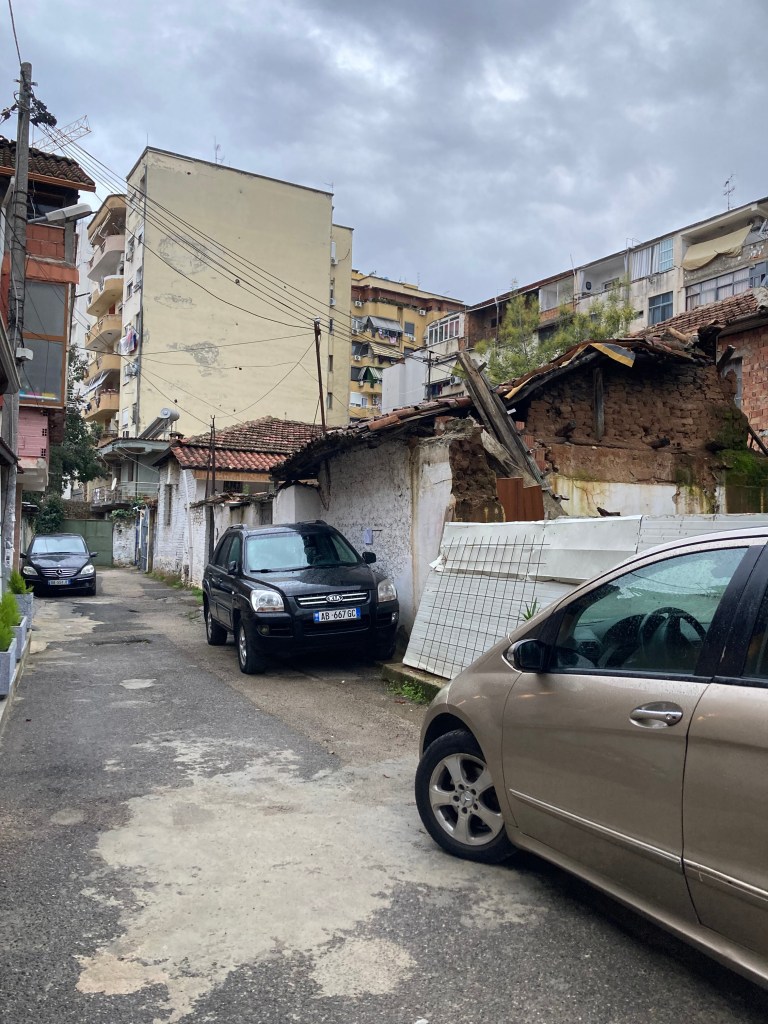
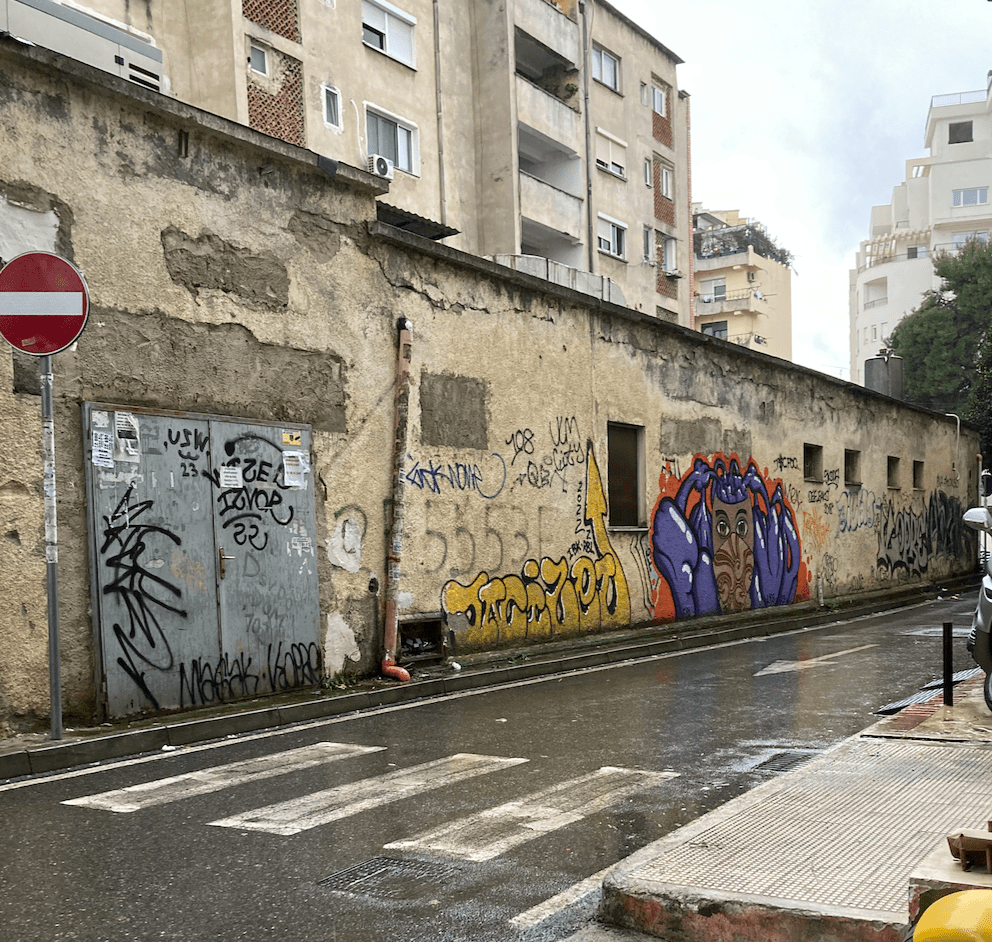
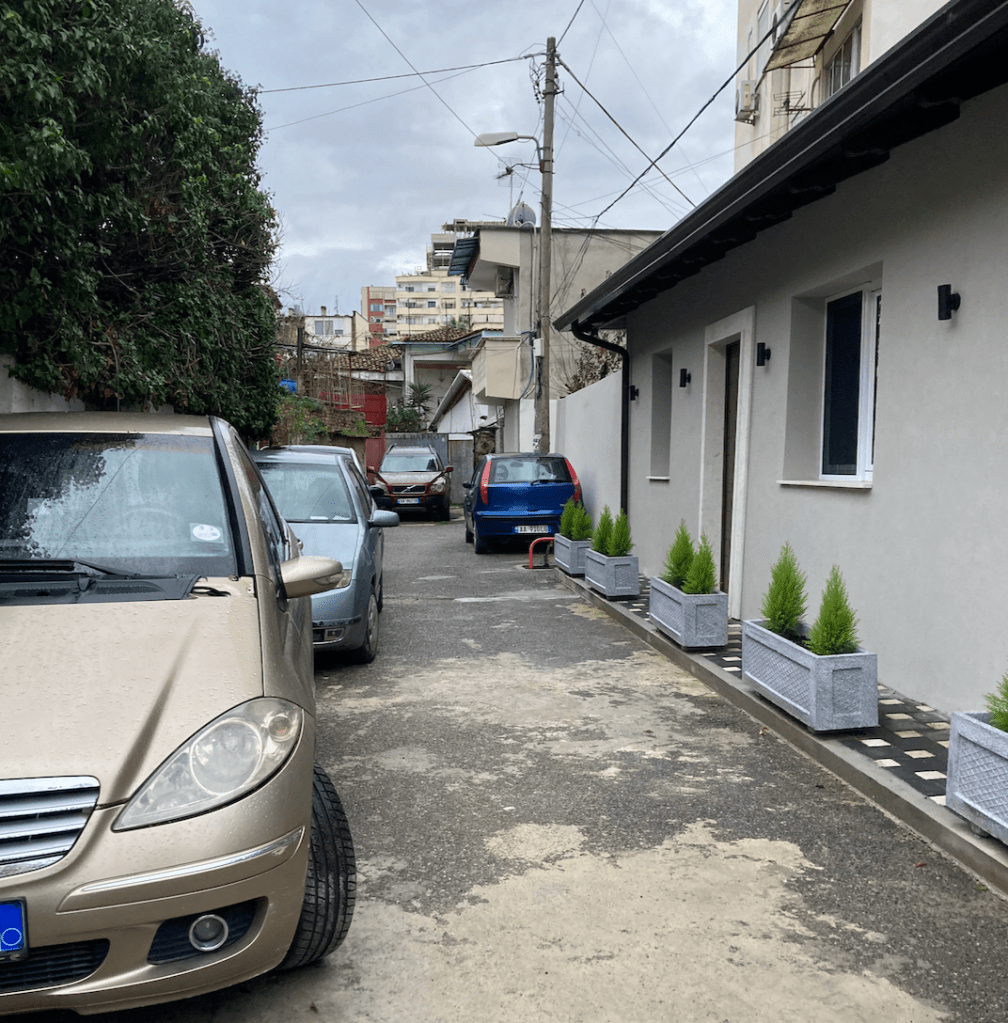
Despite flight delays causing us to arrive many hours after our original time, our super nice apartment host was waiting for us, speaking perfect English. After a good night sleep, we easily found our way from our alley through a little passage, and the center of Tirana was right there.
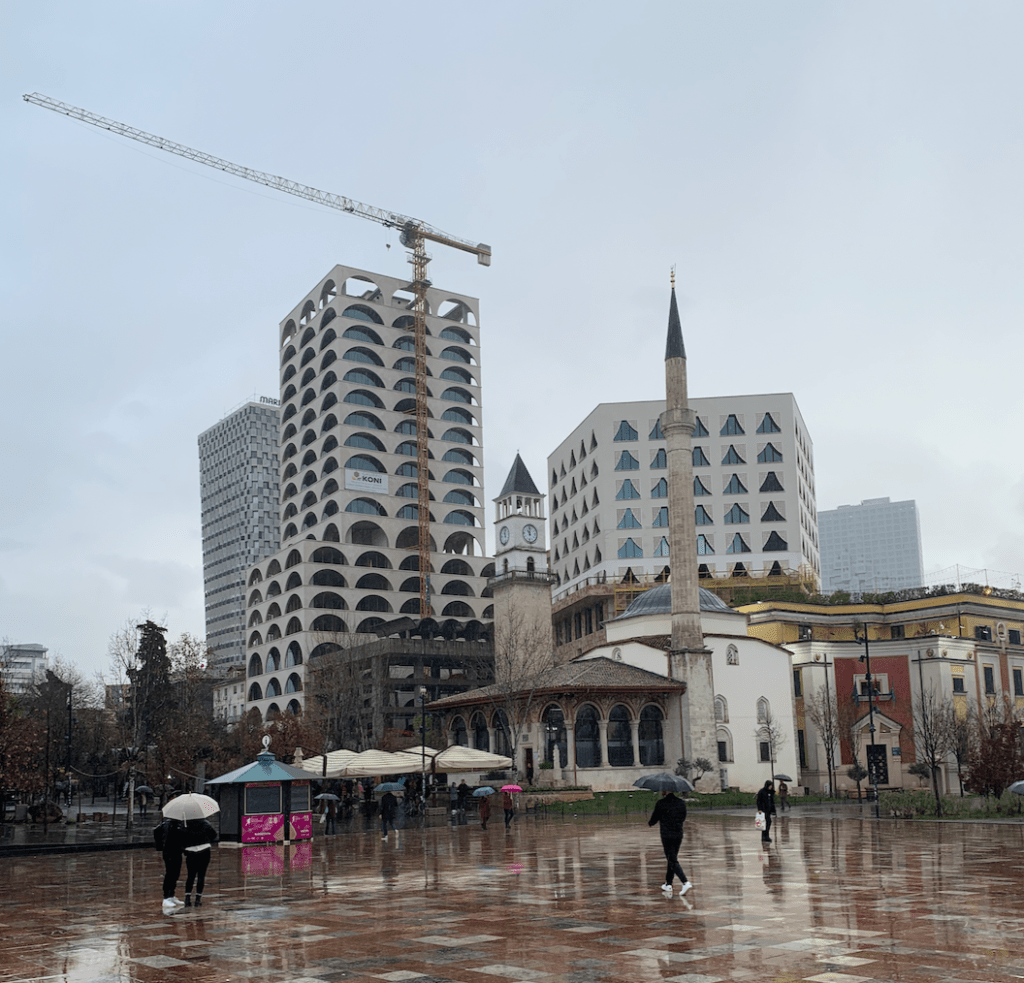
A confluence of buildings of all different eras and styles with multiple large construction sites in progress. All signs of an establishing tourist industry and a solid jump into capitalism.
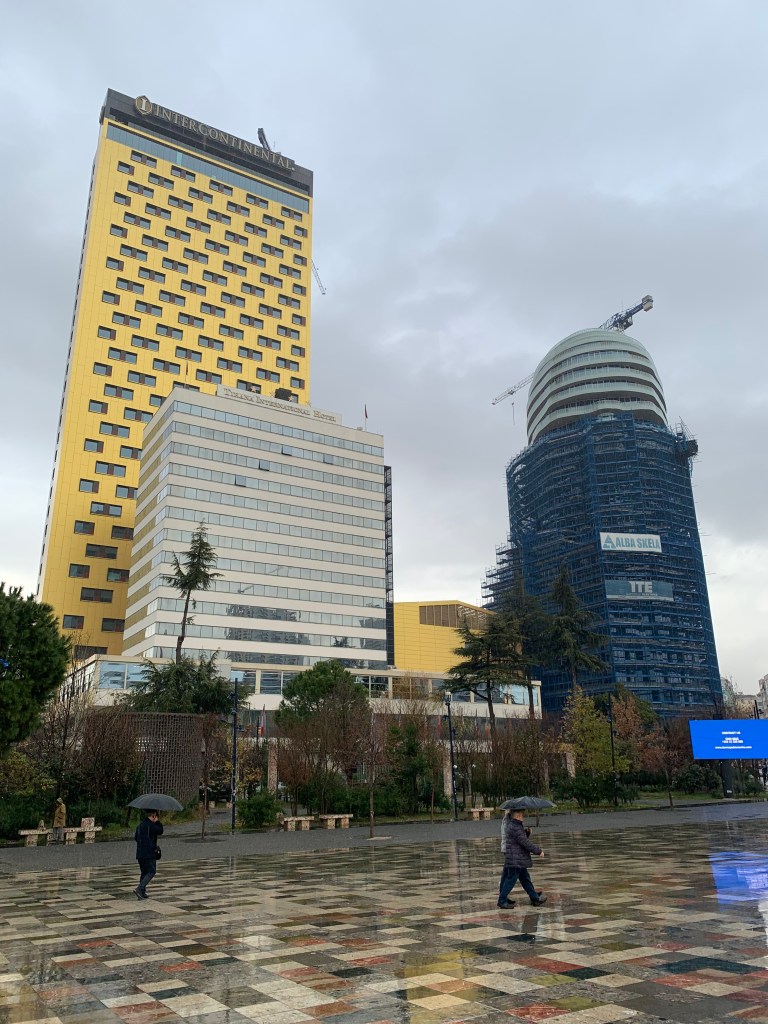
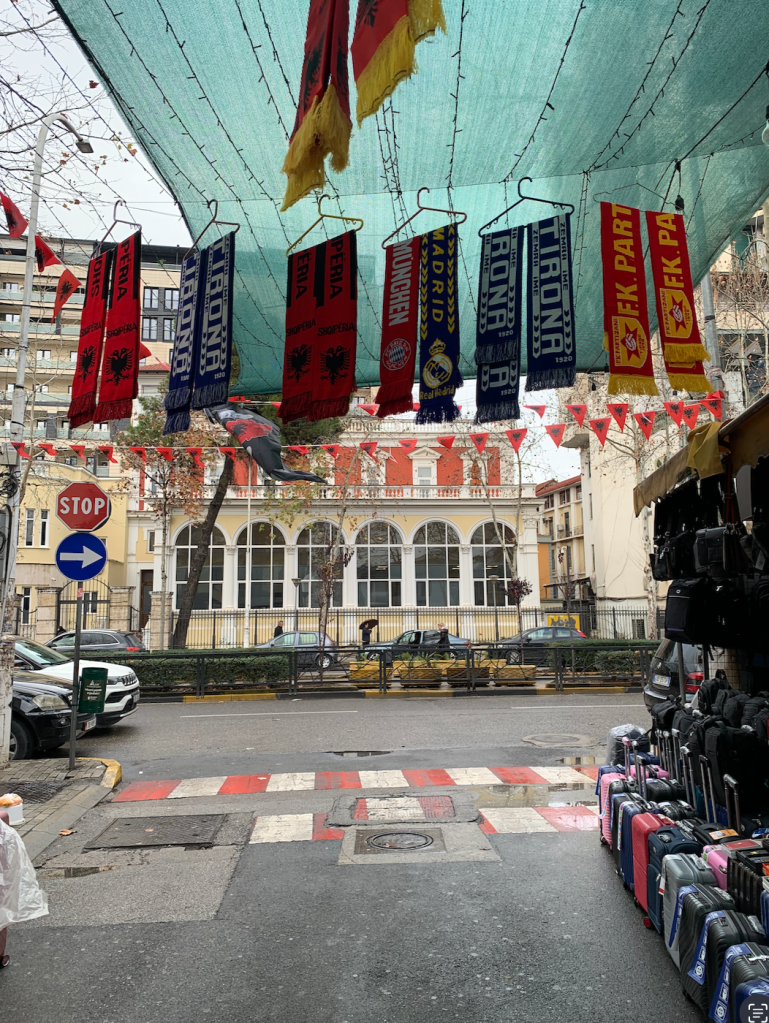
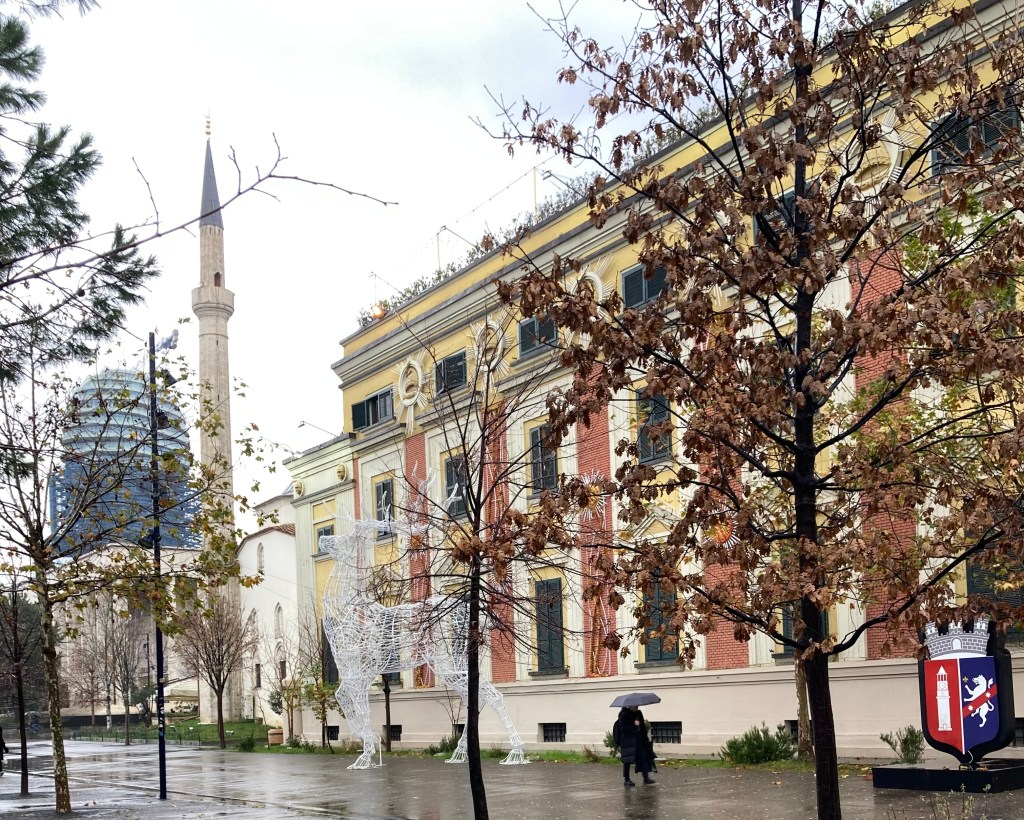
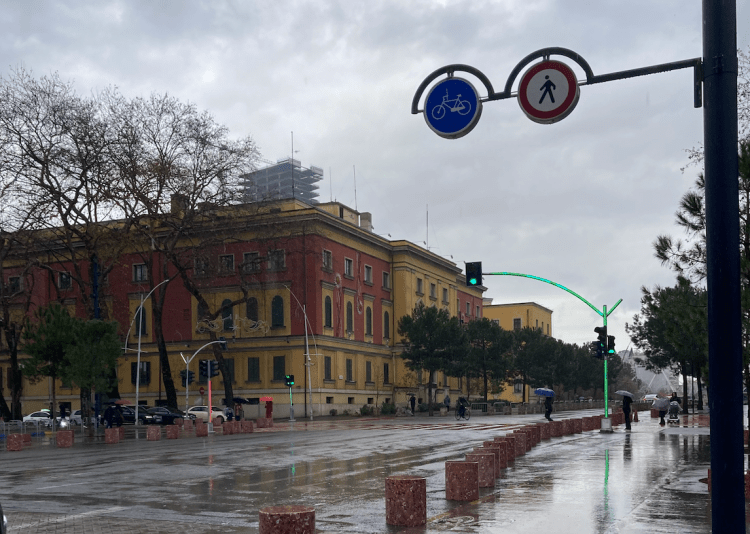
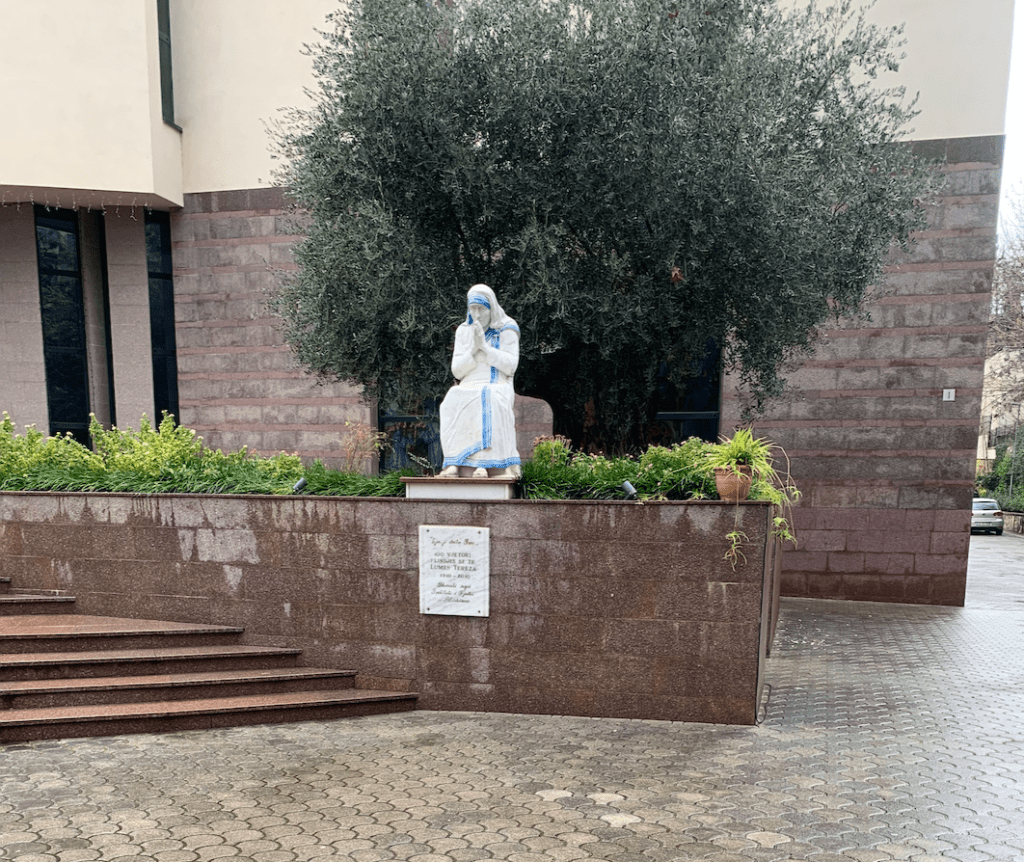
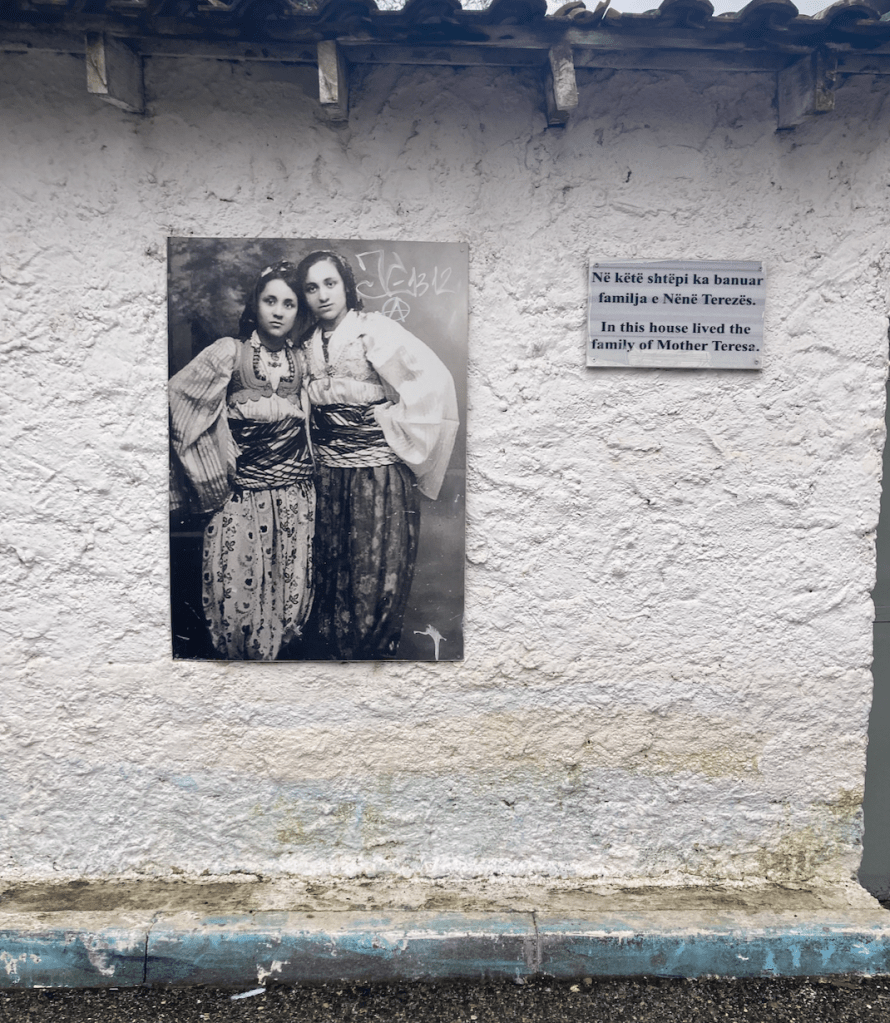
People were extremely friendly, many spoke English and everyone made a point of offering help even if we didn’t need it. The new Albania is changing their narrative; a lot of the hero of the Ottoman rebellion, Gjergi Kastrioti Skënderbeau
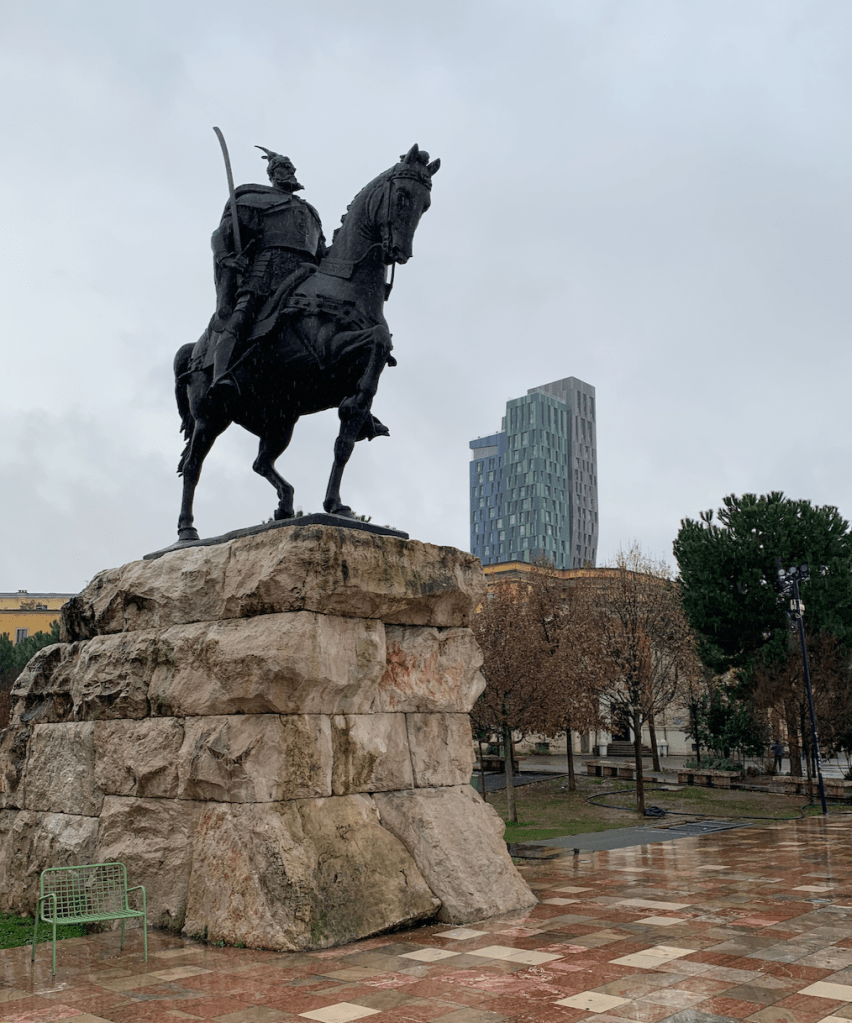
and favorite daughter MotherTeresa but not a lot of Hoxha.
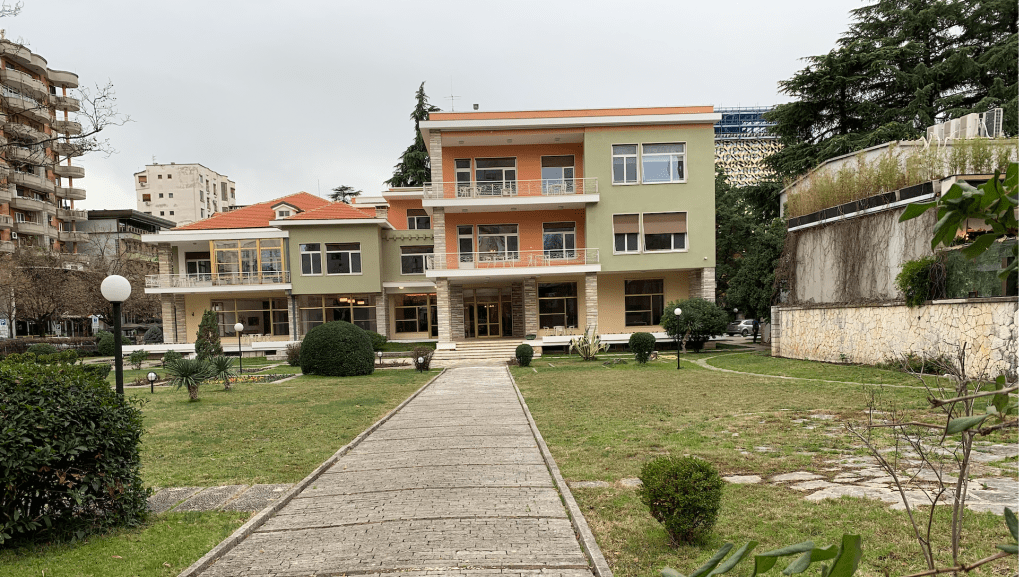
The former dictator’s house sat in the middle of town. A beautiful, baltic interpretation of midcentury modern, but completely vacant, not marked on maps or with signage. Strangely not repurposed as a museum or government building. He was so hated, that after 41 years, they don’t want to be reminded. (update: a few weeks after we left, the building was put in use for an artist in residency program in partnership with the French organization Art Explora)
How do they tell the story of those hellish, repressive years that truly affected every Albanian? Two thoughtful, low tech museums devoted to the Hoxha regime were created in two underground bunkers. Why bunkers? Hoxha’s paranoia led to the building of between 173,000 and 750,000 bunkers throughout the country https://en.wikipedia.org/wiki/Bunkers_in_Albania. Like other memorials and museums made by the people who suffered through the events, as in Timisoara, Romania https://chosenfugue.xyz/2019/07/12/timisoara-the-revolution-will-not-be-televised/ this was heartbreaking. One was on the far edge of town, built into a mountain, the other in the middle of town with just a small entry on the street.
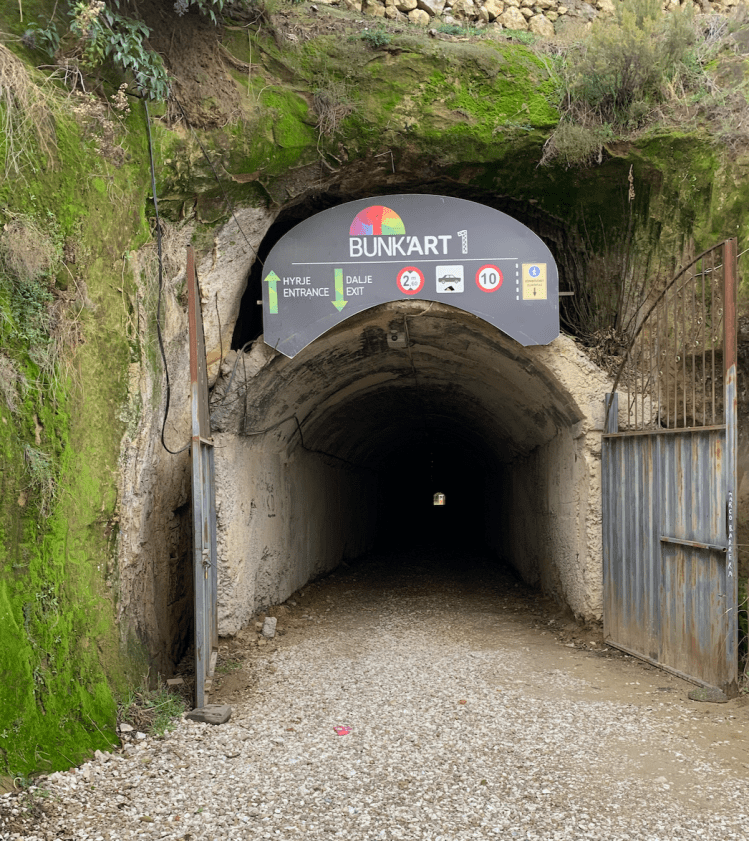
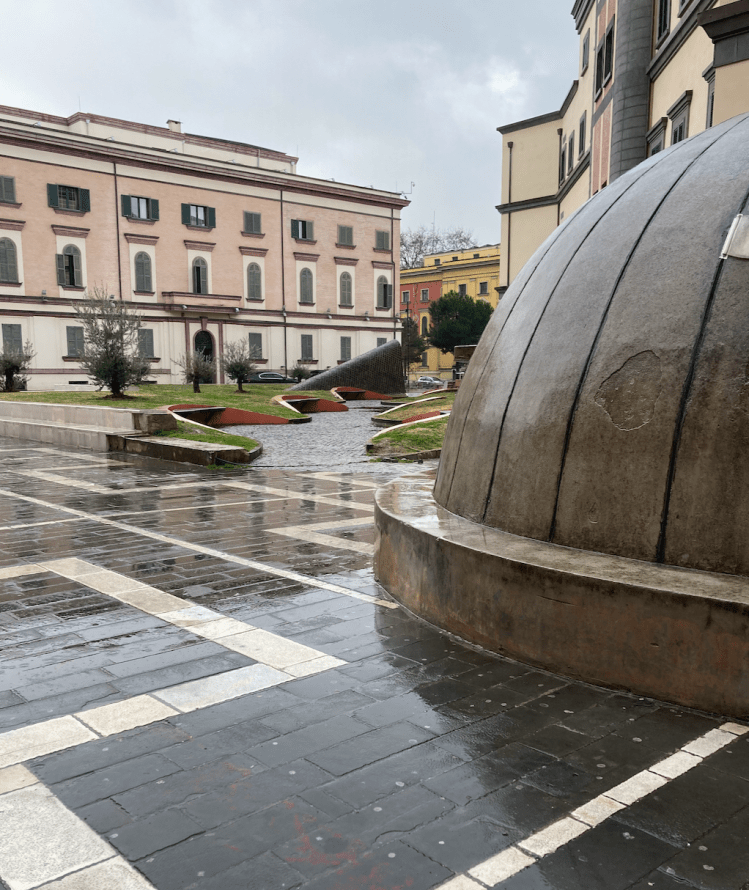
The bunkers traced the history of the county’s quick slide into isolation, highlighting the rise of Hoxha, the paranoia of Hoxha, the cruelty of Hoxha and life under Hoxha, while honoring and memorializing the opposition and those who were murdered by Hoxha
The approach to the hillside bunker was through a loooong tunnel, where we were greeted by a faux guard and a bunch of stray puppies
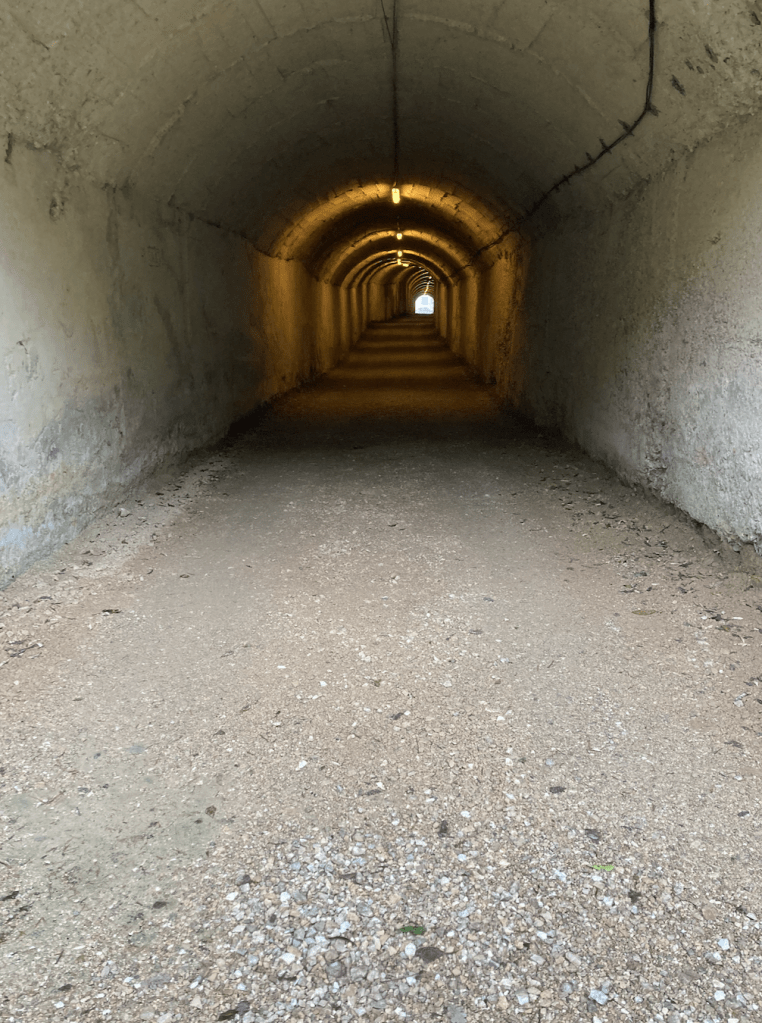
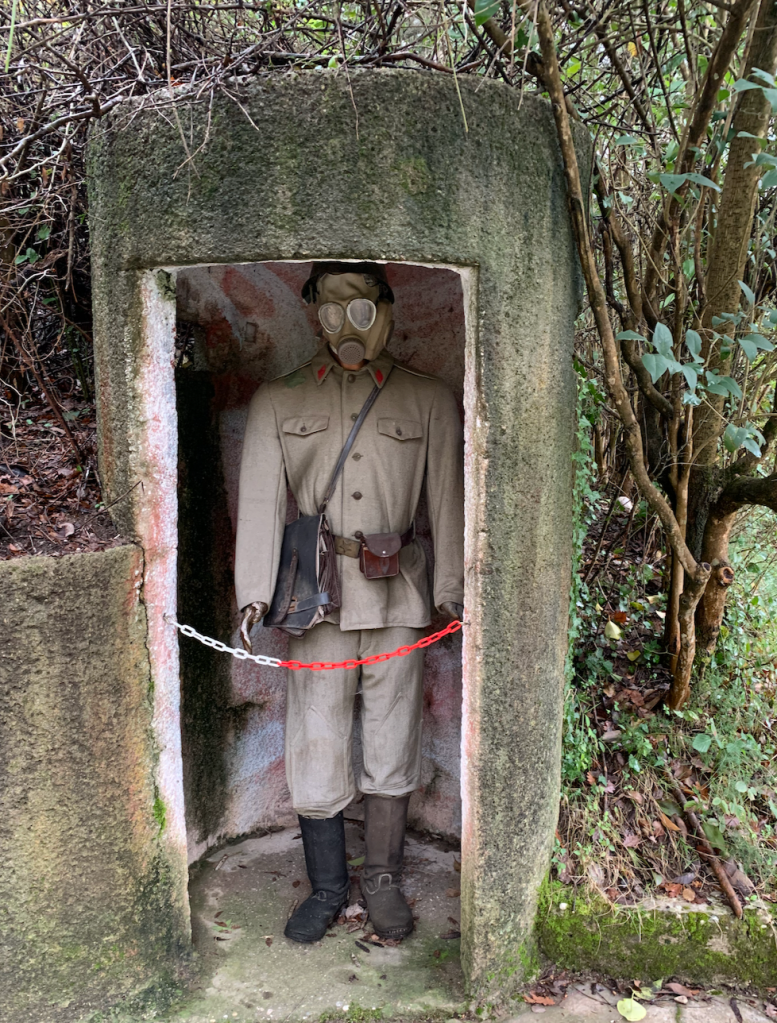
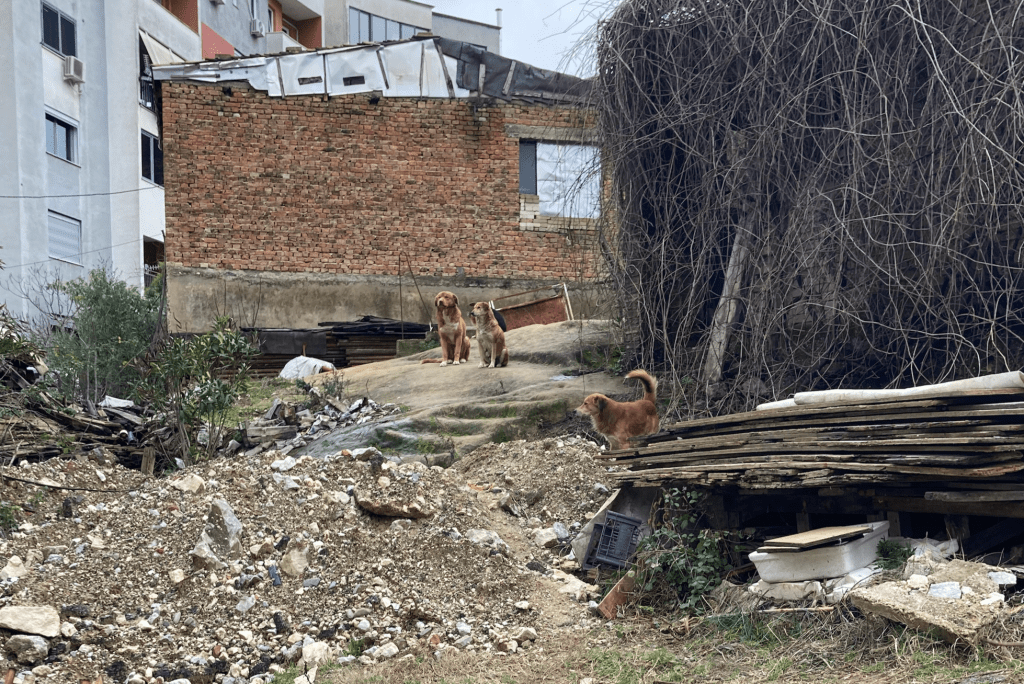
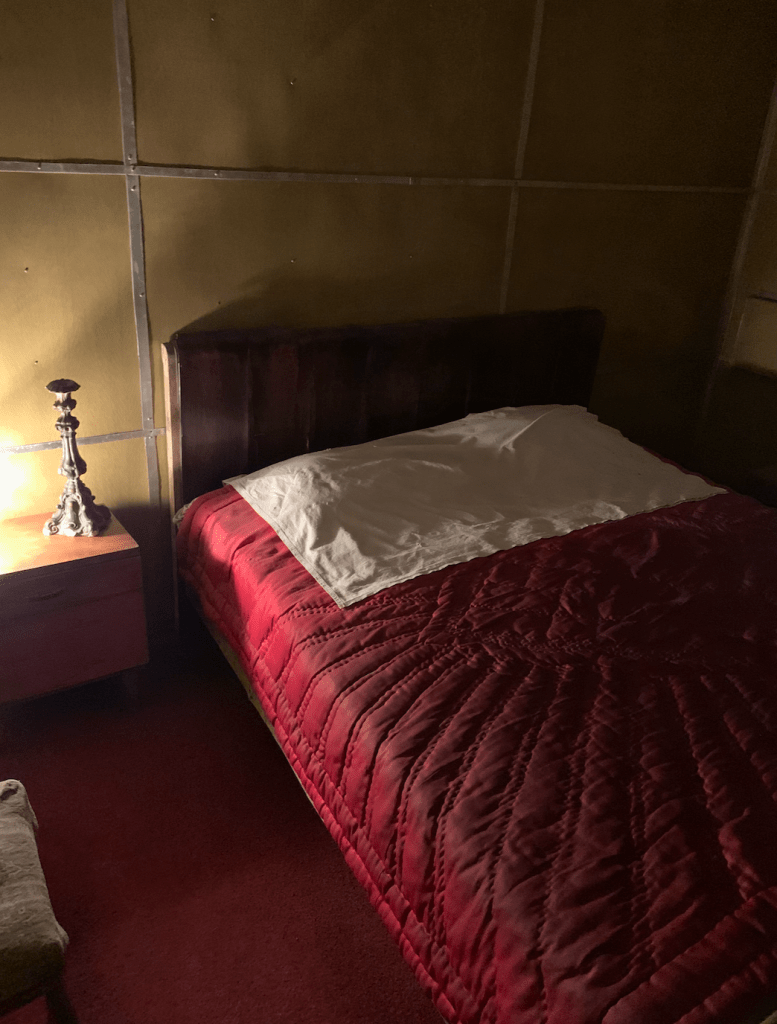
This was a secret bunker, built for Hoxha and the political elite in case of a nuclear attack. The bunker’s structure is unchanged, Hoxha’s bed and room are still waiting (he never slept in it).
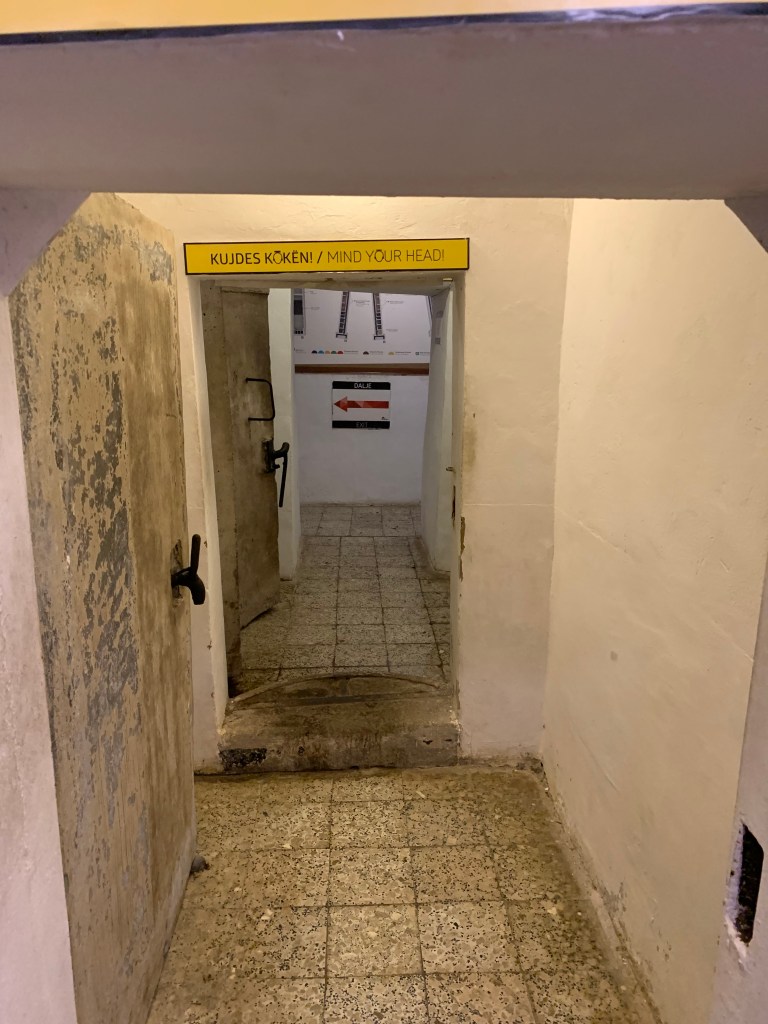
It is hard to describe how massive the bunker is; multiple very long hallways, a large assembly room and 106 rooms now telling the story of the surveillance, torture, murder, propaganda, constant threat of chemical warfare and the use of concentration camps for Albanian men, women and children.
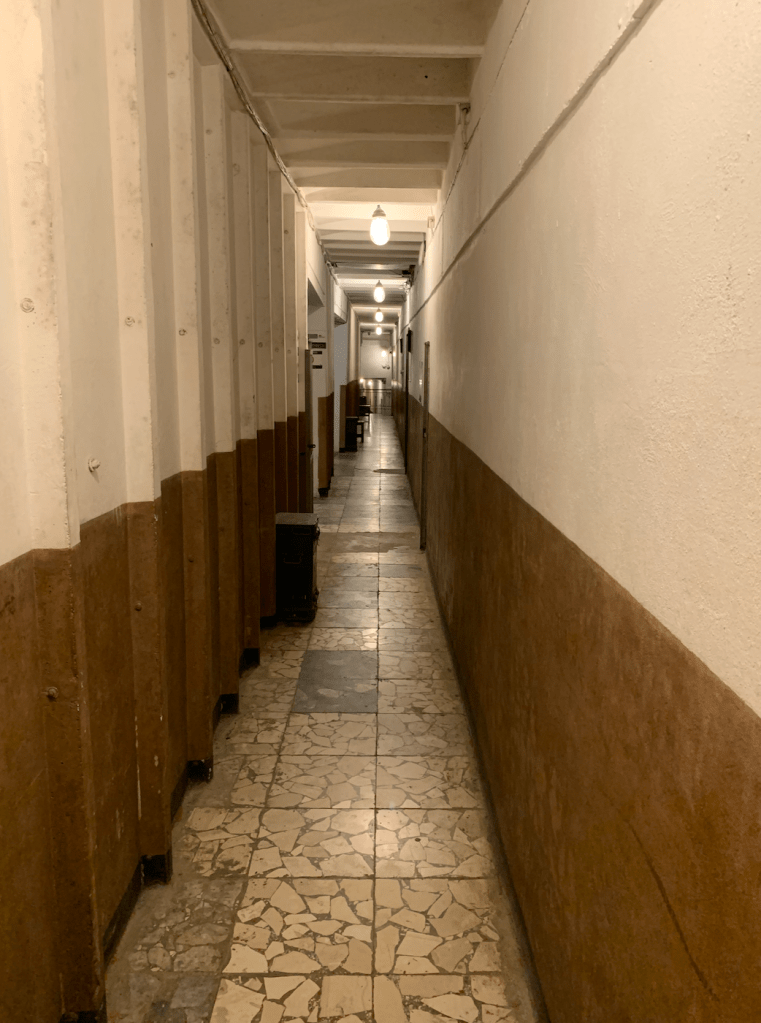
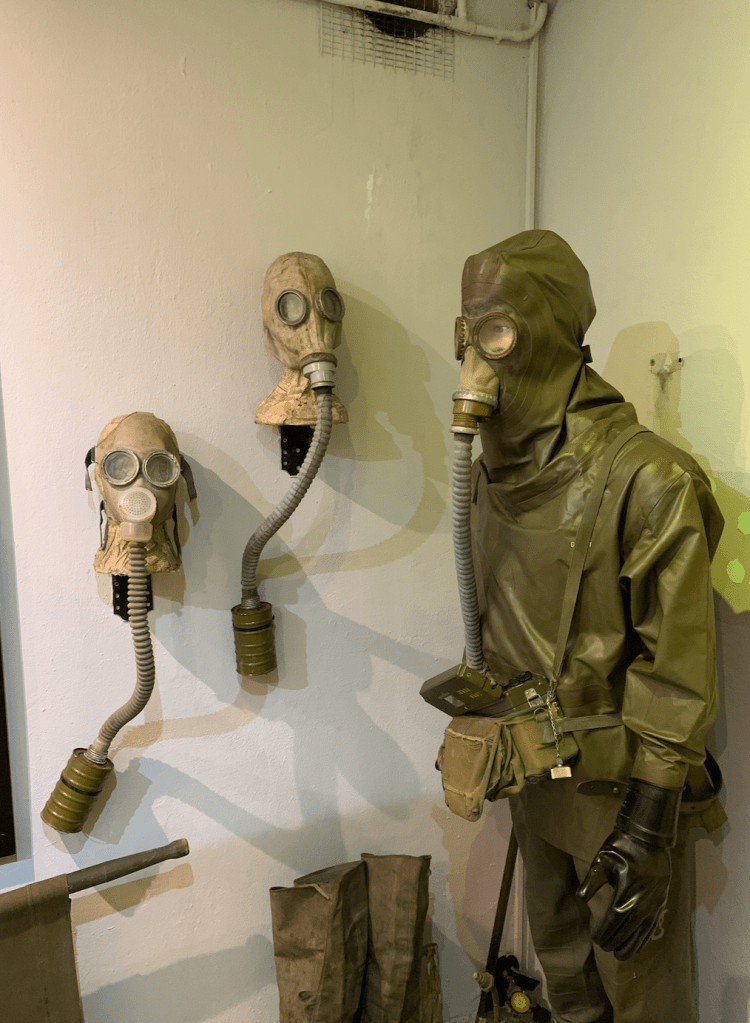
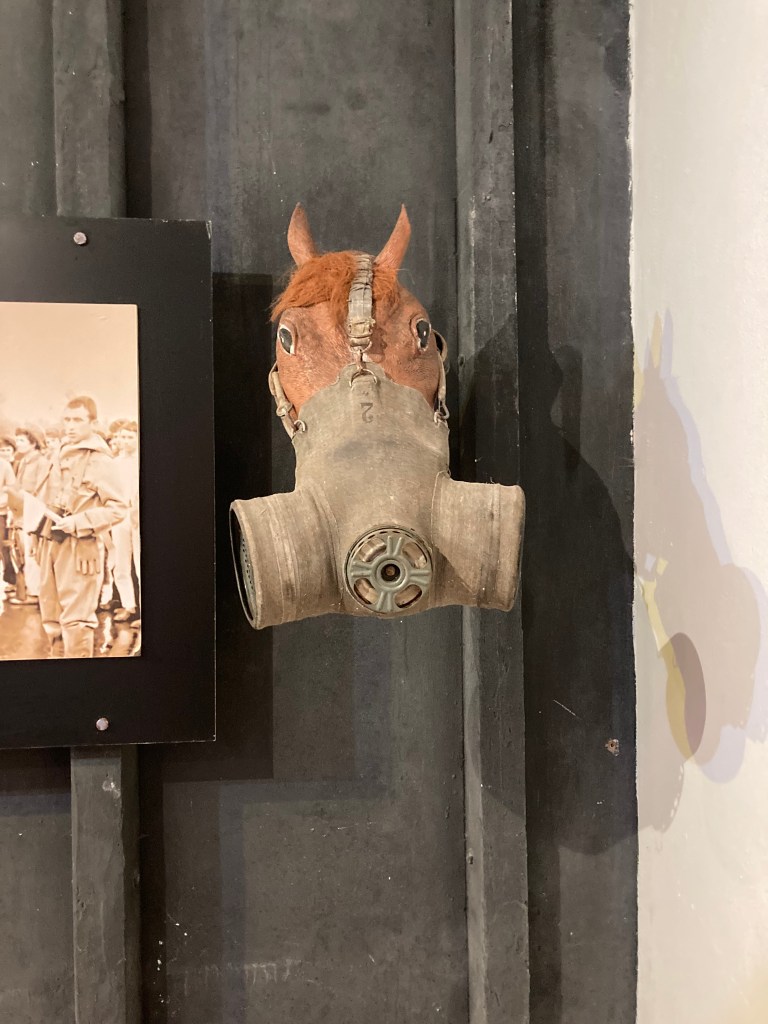
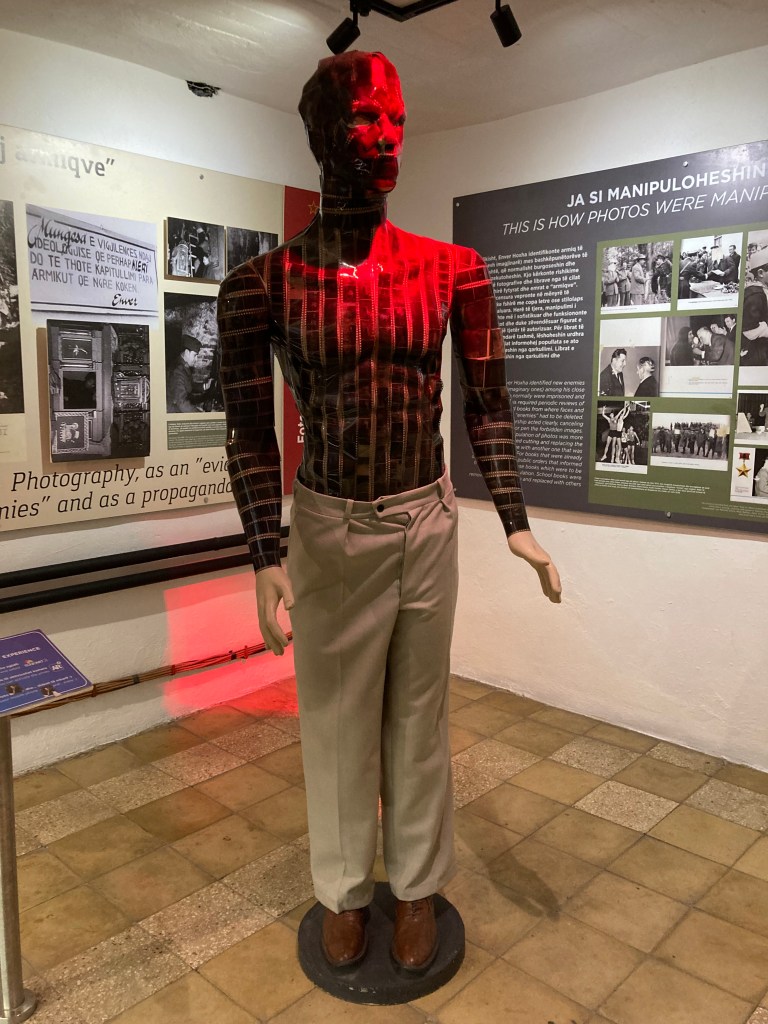
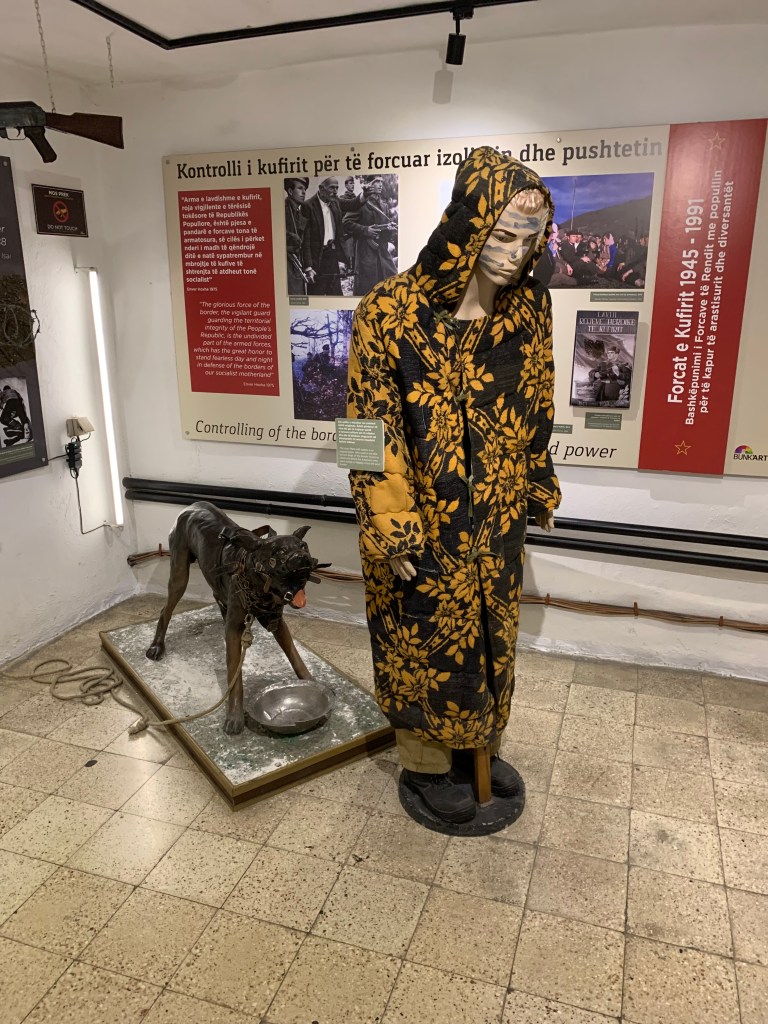
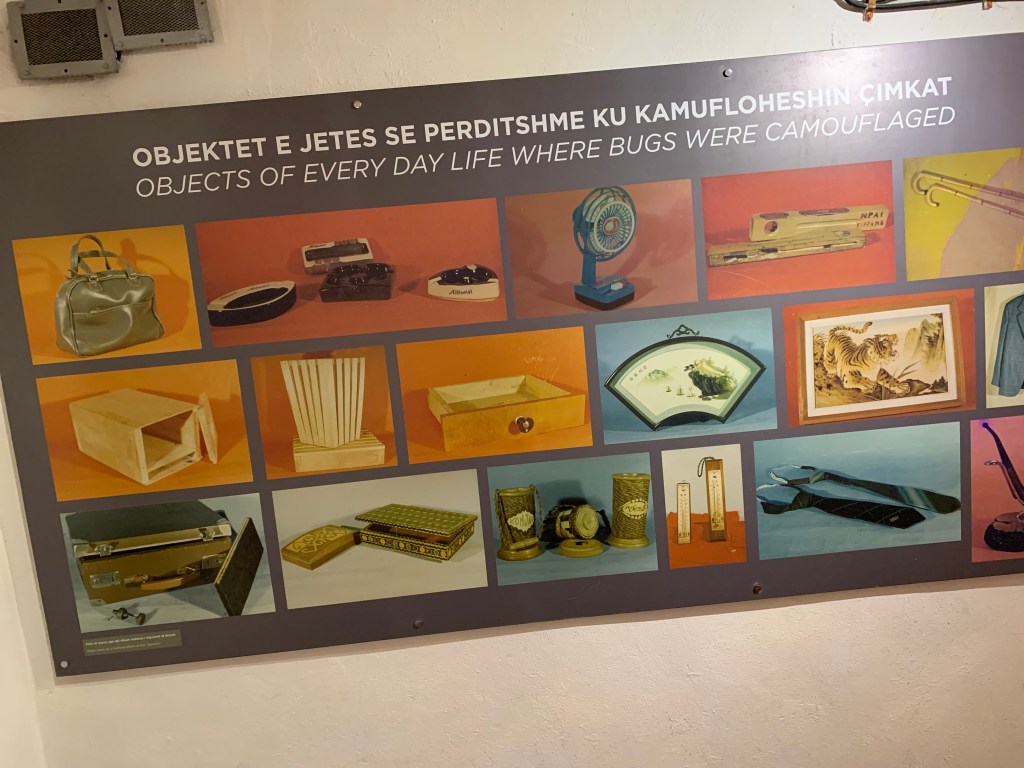
The exhibits did an amazing job of emphasizing the absolute constant day to day control exerted by the government from surveillance,
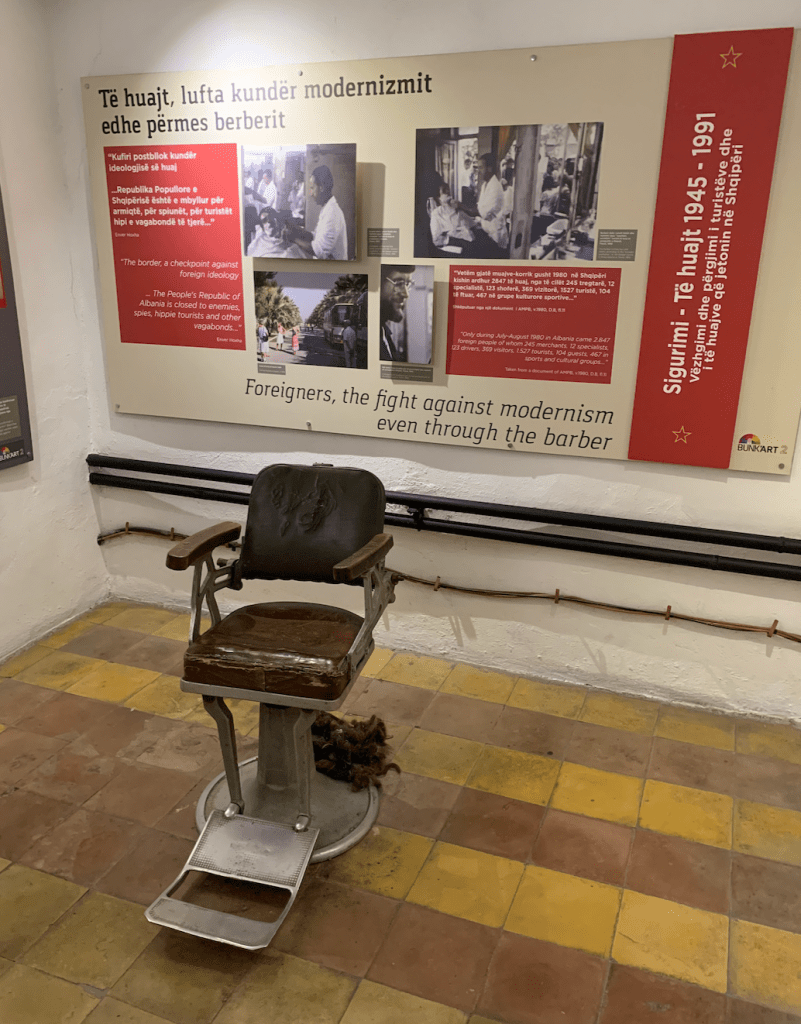
to forced haircuts (to combat foreign influences),
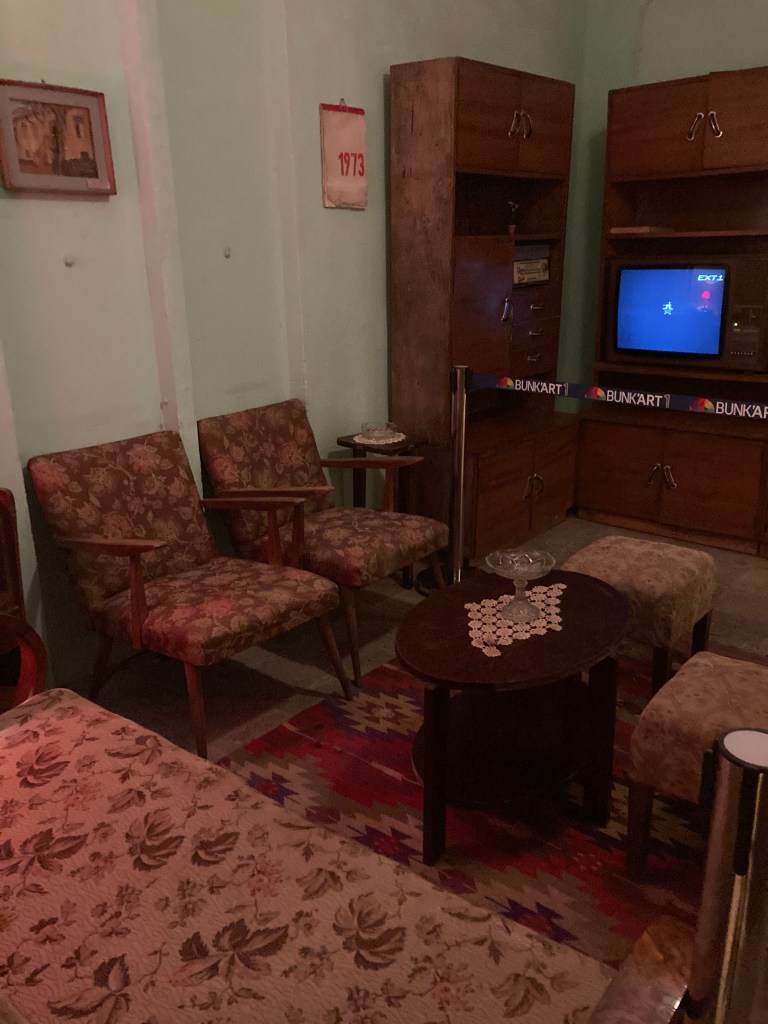
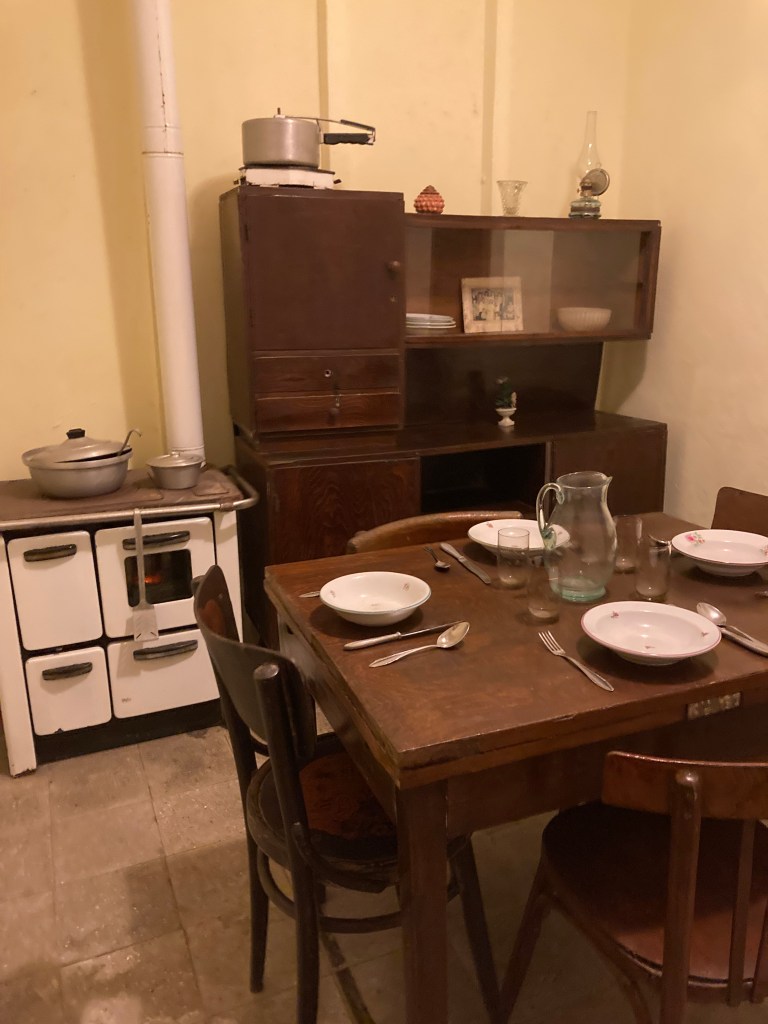
to the standardization of everything people owned and encountered- everyone had the same furniture and kitchen.
The bunker in town told other stories, and shared names and images of the thousands of people killed by Hoxha. While this bunker felt smaller, it actually was five stories deep.
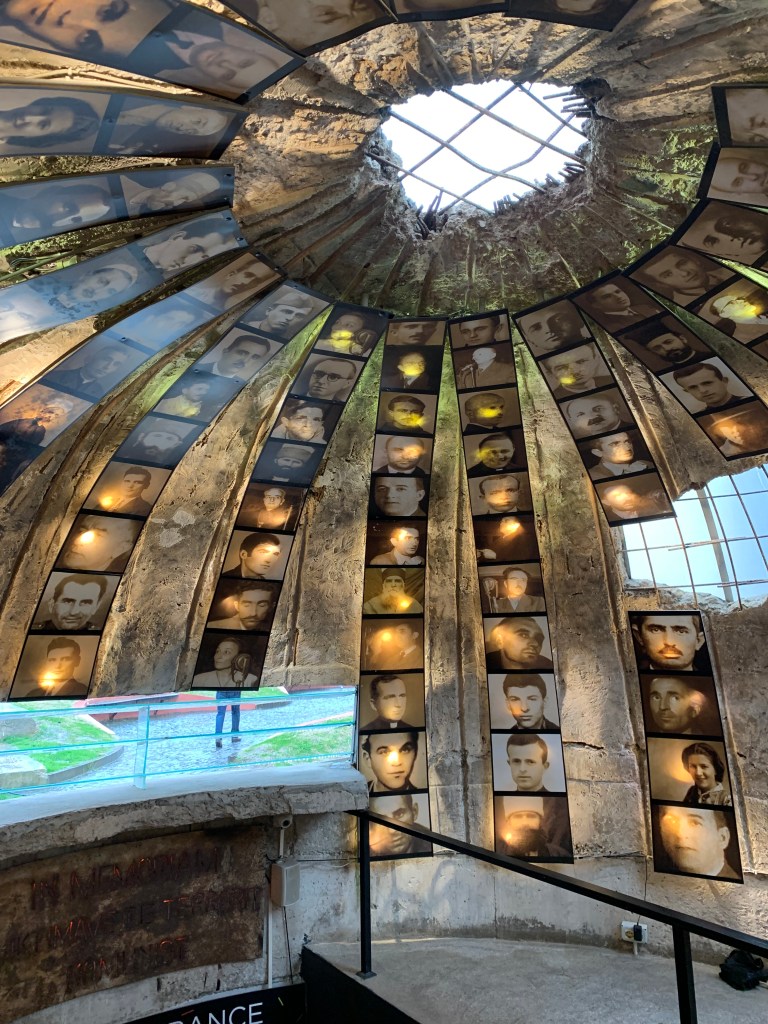
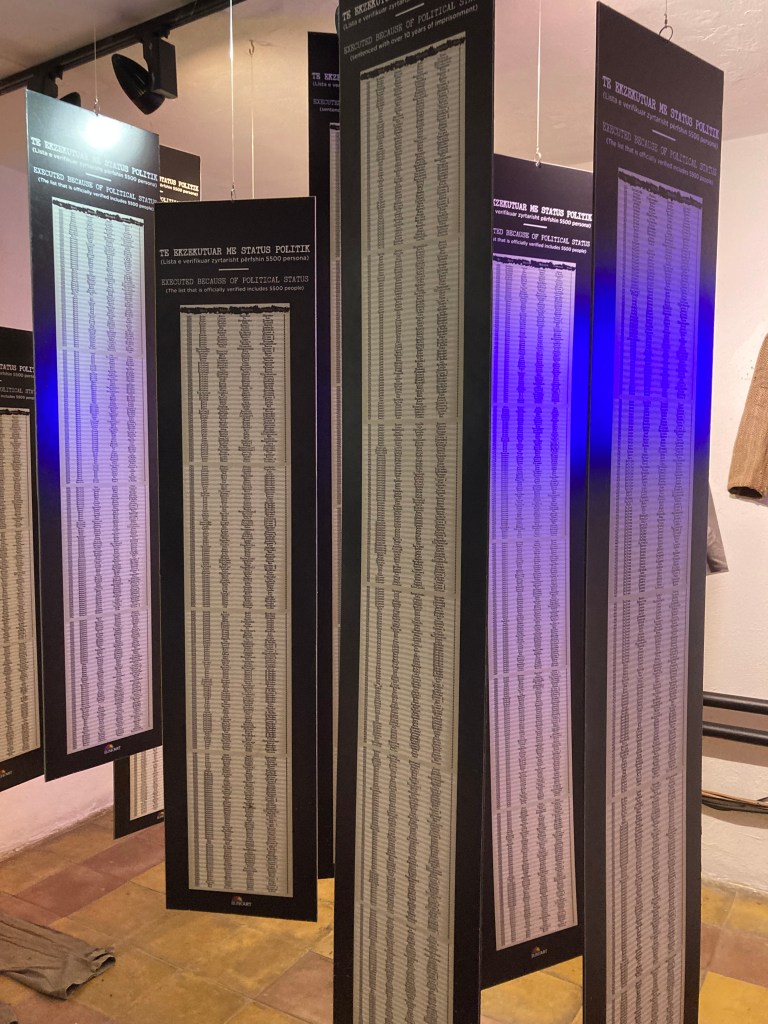
The bunkers were filled with fake mustard gas mist and the sound tracks of screaming, sirens, singing and bombing. . Incredible. Just very powerful, evocative and overwhelming documentation of the years of horror the Albanian society endured.
Leaving these, walking in a very vibrant city, felt very significant.
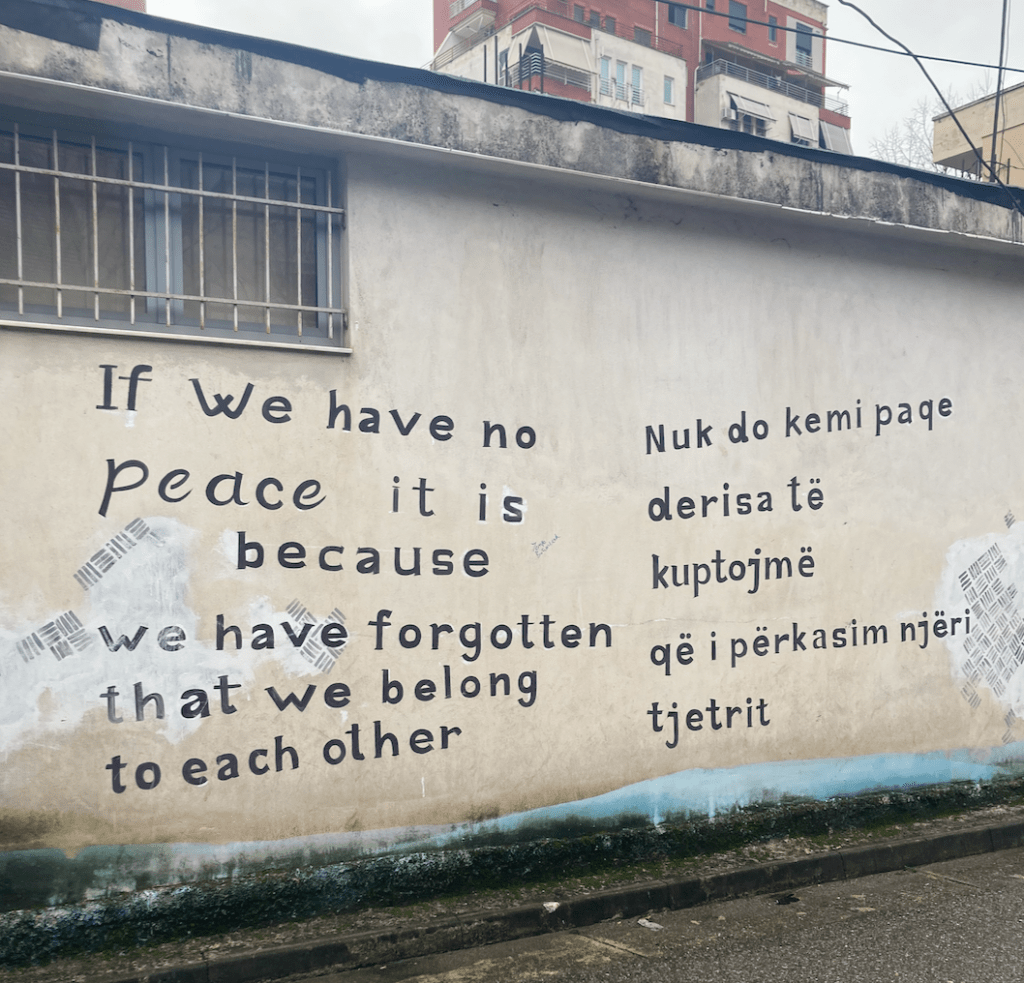
We found the book Free by Lea Ypi to be a great companion through Albania. https://en.wikipedia.org/wiki/Free_(Ypi_book)
 Chosen Fugue
Leave a comment