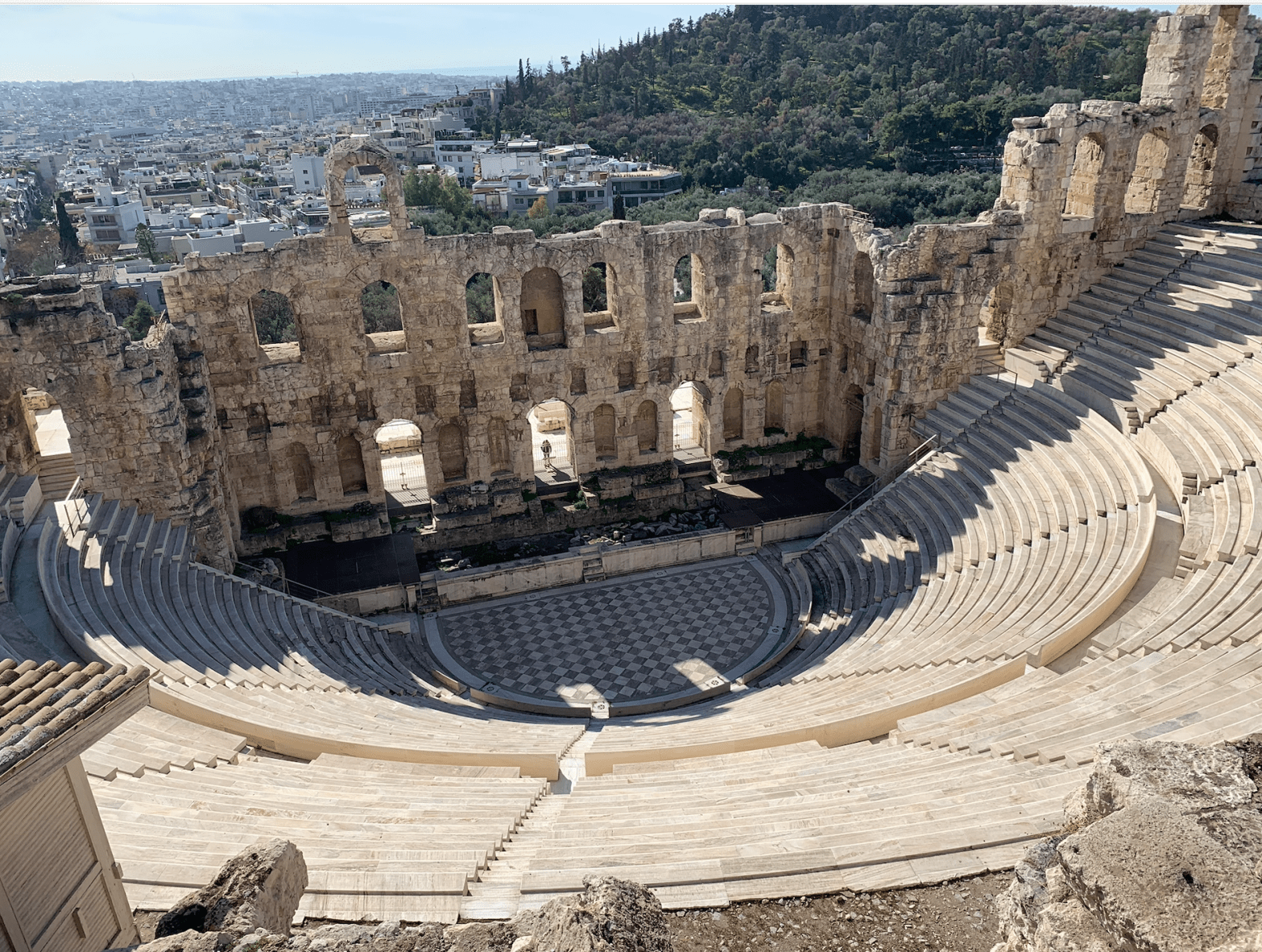
The spiritual high of walking through the majestic monasteries perched on the Meteora lingered as our bus traveled southeast towards Athens. The landscape changed to familiar, looking like the drive south from Northern California through the Grapevine on the 5. But then the snowy caps of Mt Olympus, home of the Gods, came into view.
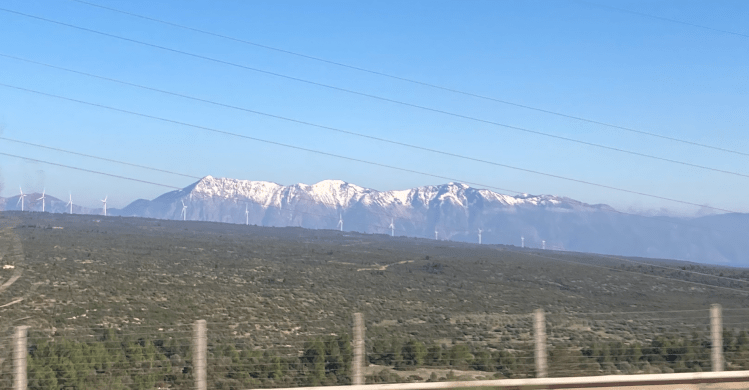
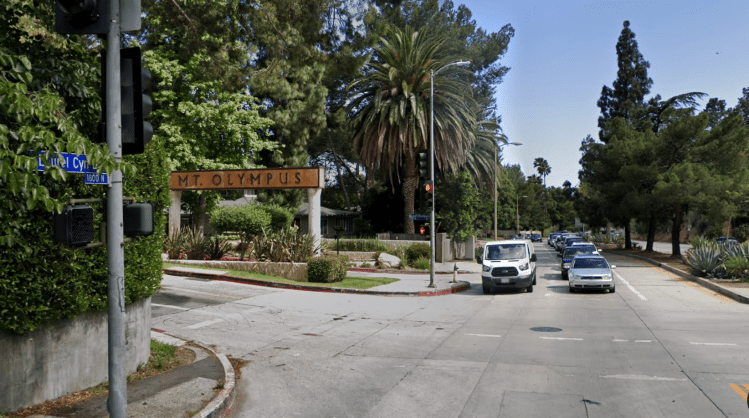
Far more impressive than the ungodly Mt Olympus in Los Angeles. Different idols, different snow.
It was nice to have a landmark to guide us in a new city. The Acropolis sitting atop the hill in the middle of Athens served as such. Walking around town, it directed us back to our apartment in the Makriyanni neighborhood. We knew to approach it from a certain side, swing around until it was behind us to find our street.
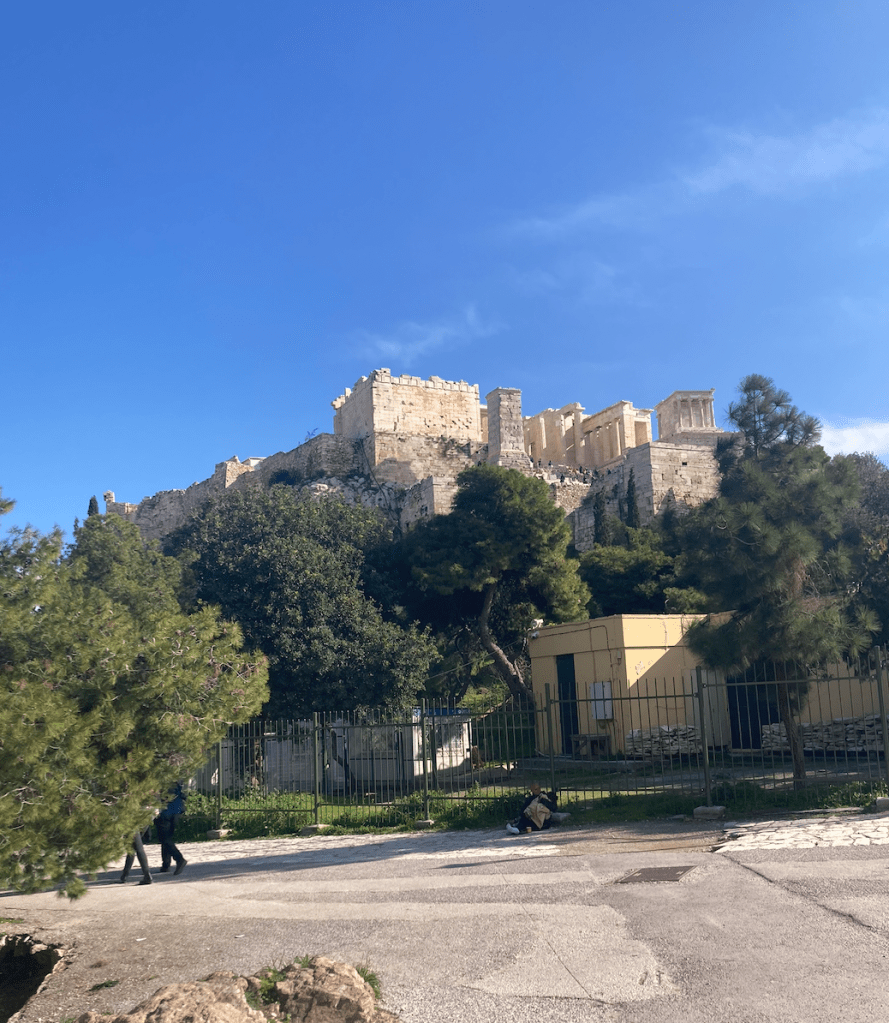
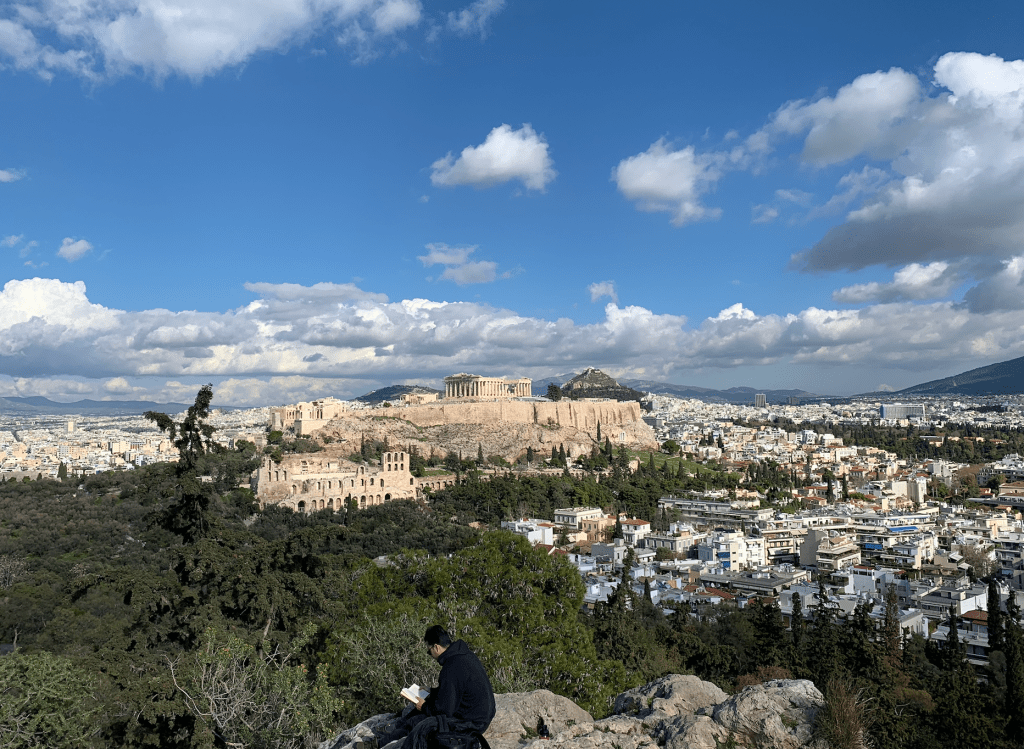
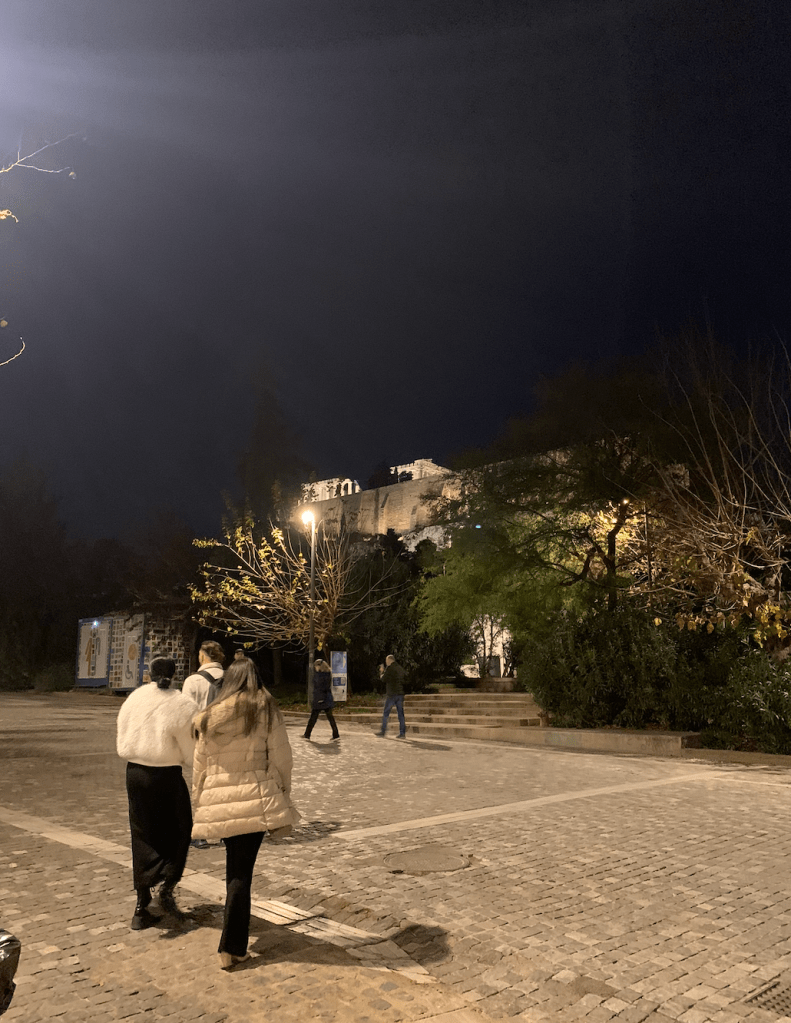
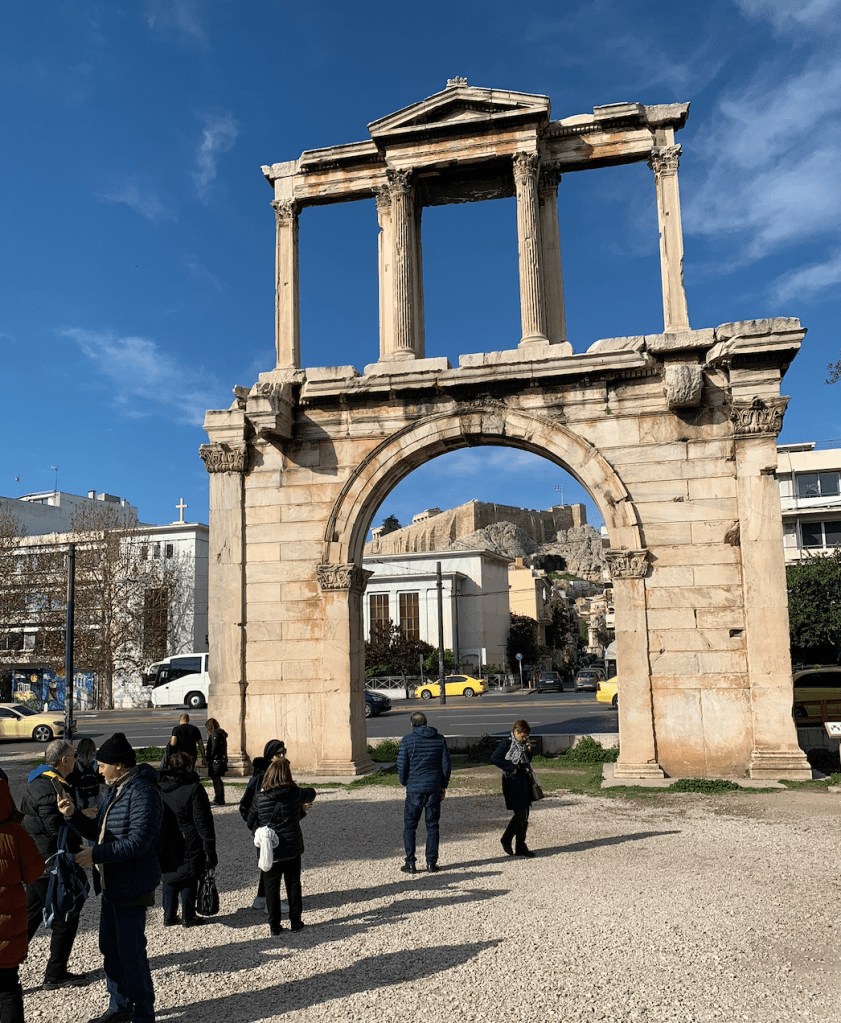
Seeing it daily made us think of the ancient Greeks who looked up to it daily, as well. What was their life like, always looking up to where the gods were honored? For Los Angelenos, similar to the Hollywood Sign. Building of the Acropolis began in 415 BCE, but with each subsequent owner (Mycenaeans, various Greeks, Romans, Byzantines and Ottomans) and earthquakes it was remodeled. Just like a LA.
The first day we walked up to the Acropolis; no reservation needed, half price tickets because it was January (2025).
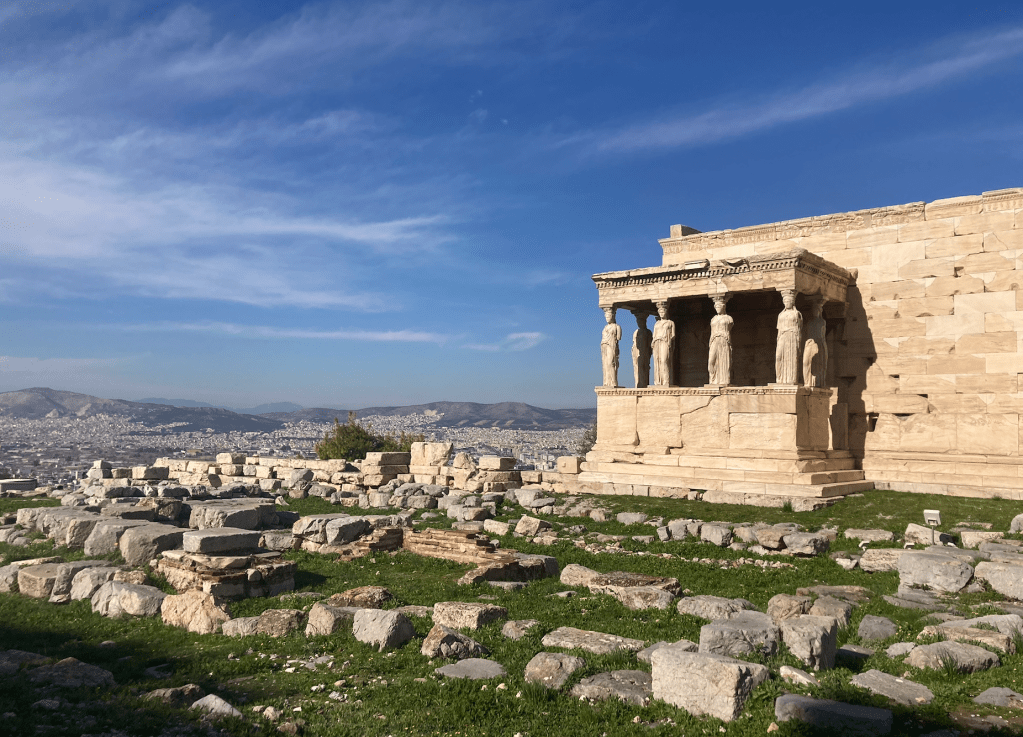
Of course it was awe inspiring, but maybe more thought provoking was seeing graffiti spanning thousands of years or hearing people speaking languages from all over the world, common curiosity.
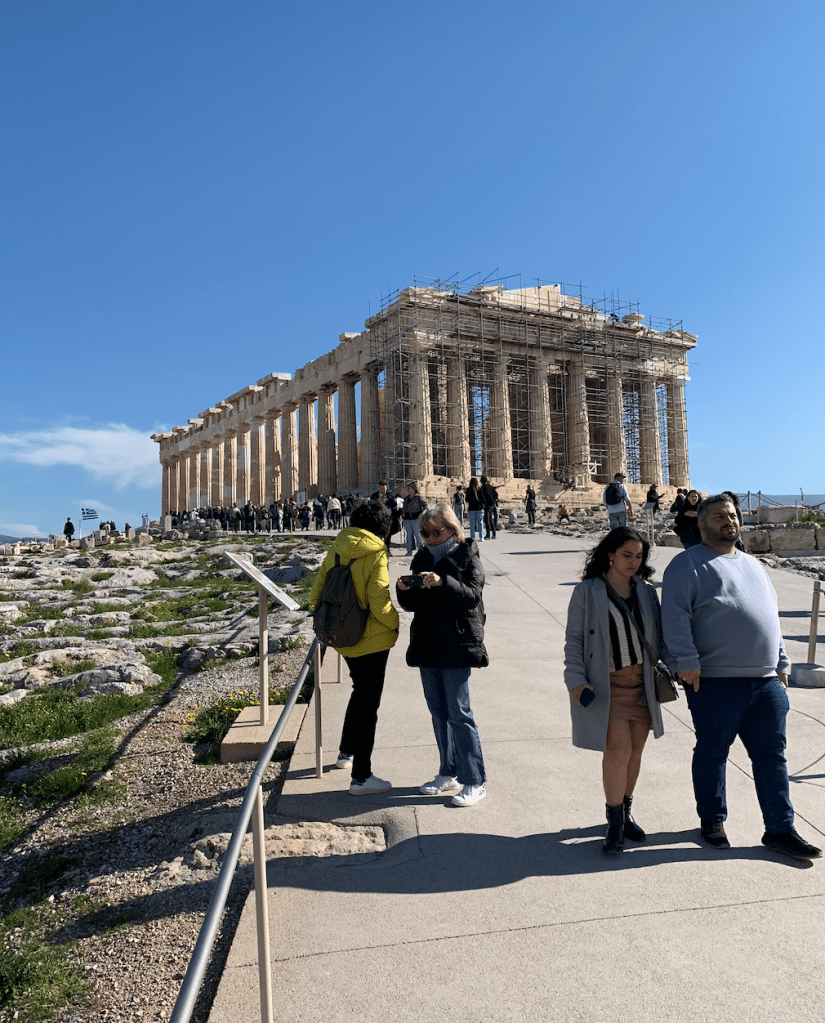
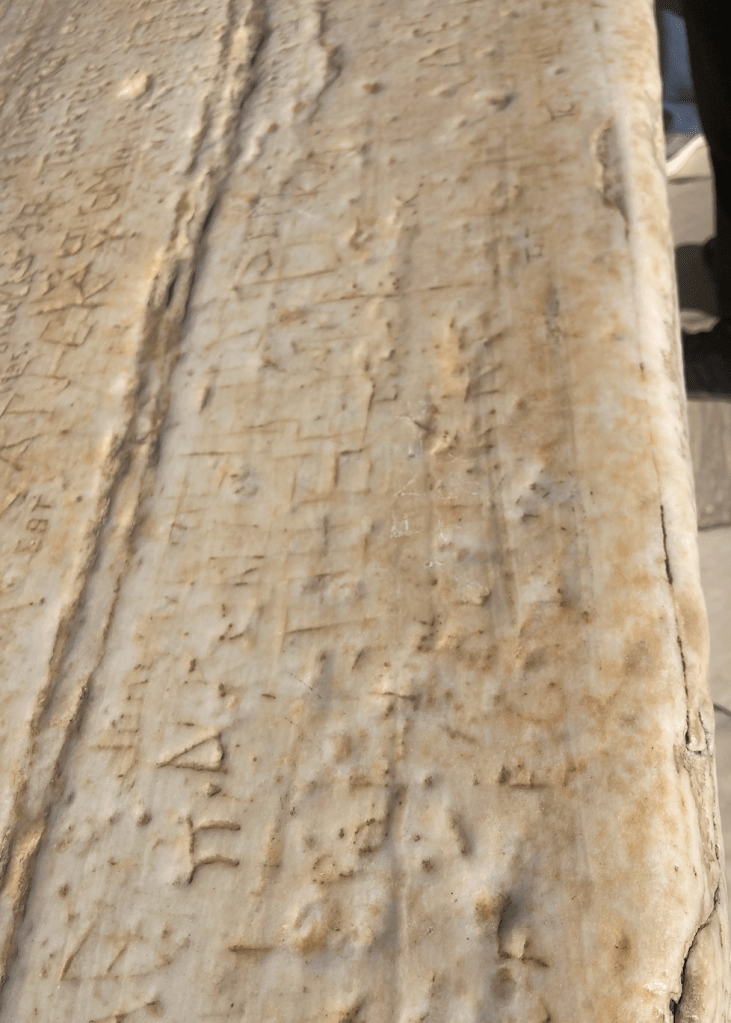
While it was magnificent, in some ways more striking were the remnants of the village below on the flat lands and the archeological sites that popped up through the city. On the hill below the Acropolis, you could see outlines of houses and shops with the scattered ruins.
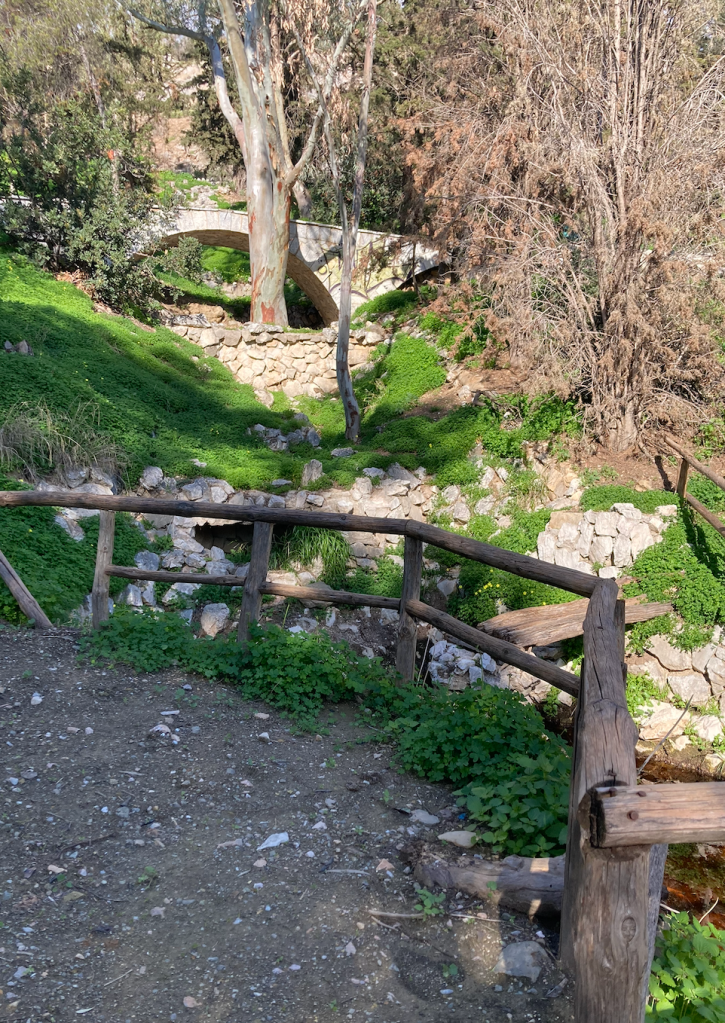
The winding dirt roads providing another sense of the ancient city planning around the Acropolis center. Throughout, striking juxtaposition of buildings, one communicating with the other from across the city.
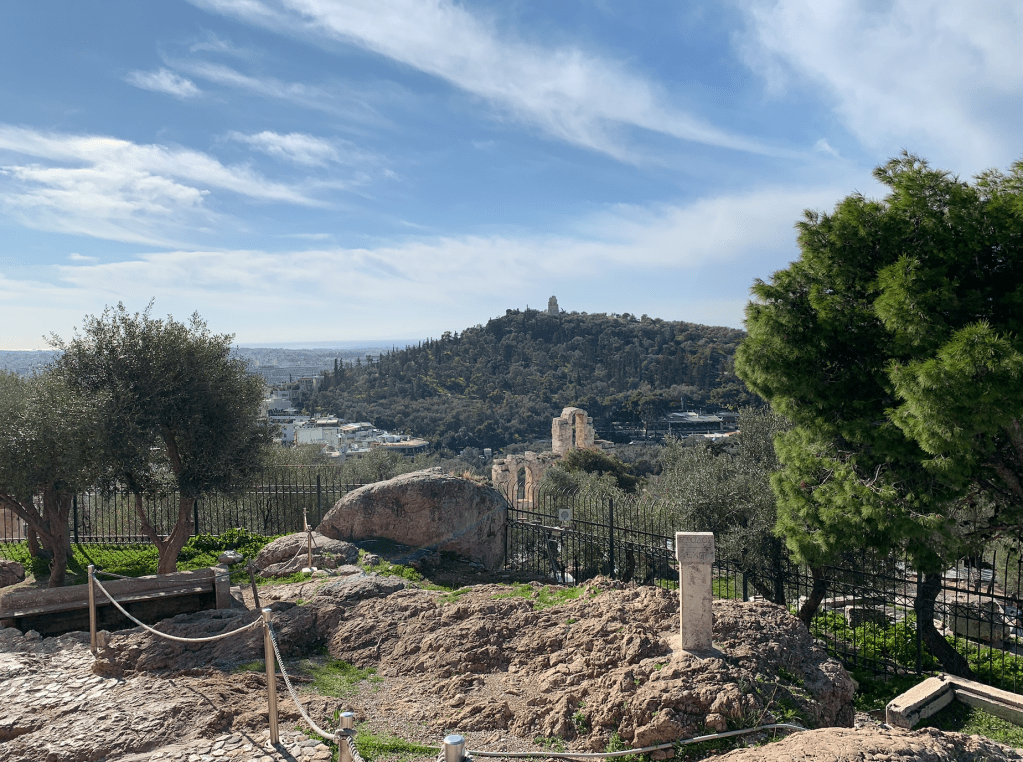
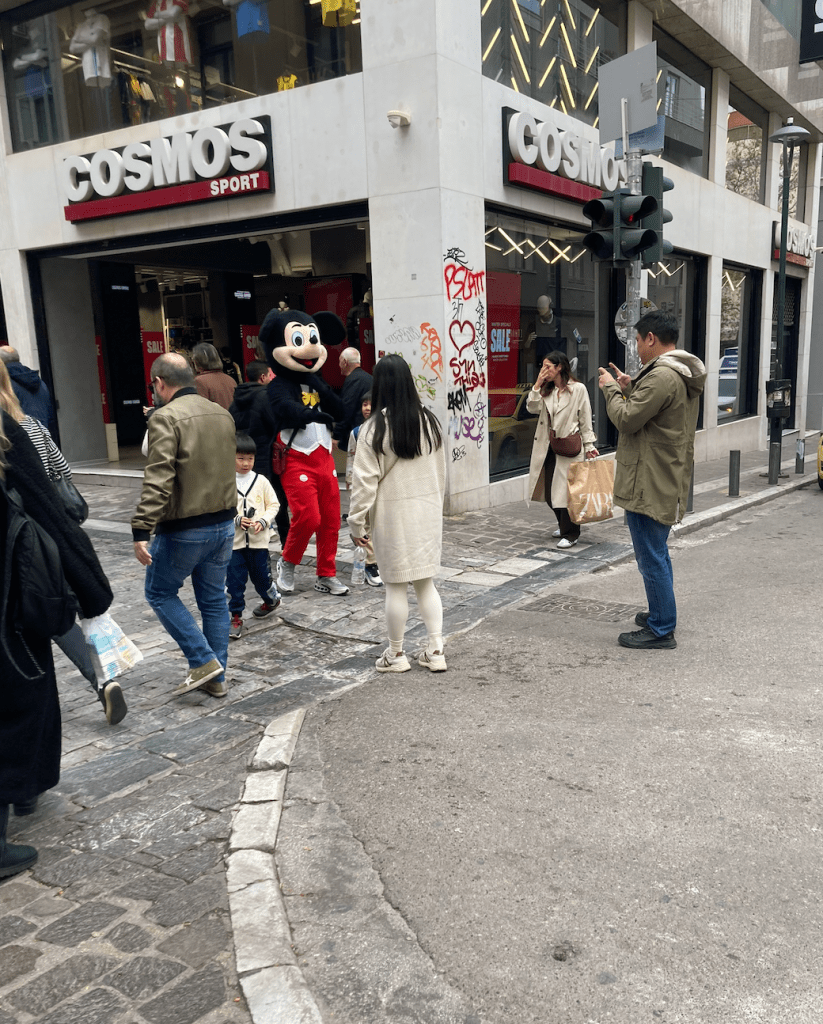
But Athens is not just the old. it’s a nice mix of modern, ancient with a lot of in between, but mostly the 1960’s. A new building adjacent to an archeological excavation adjacent to midcentury apartment blocks adjacent to a mini-mart in a 1920’s storefront.
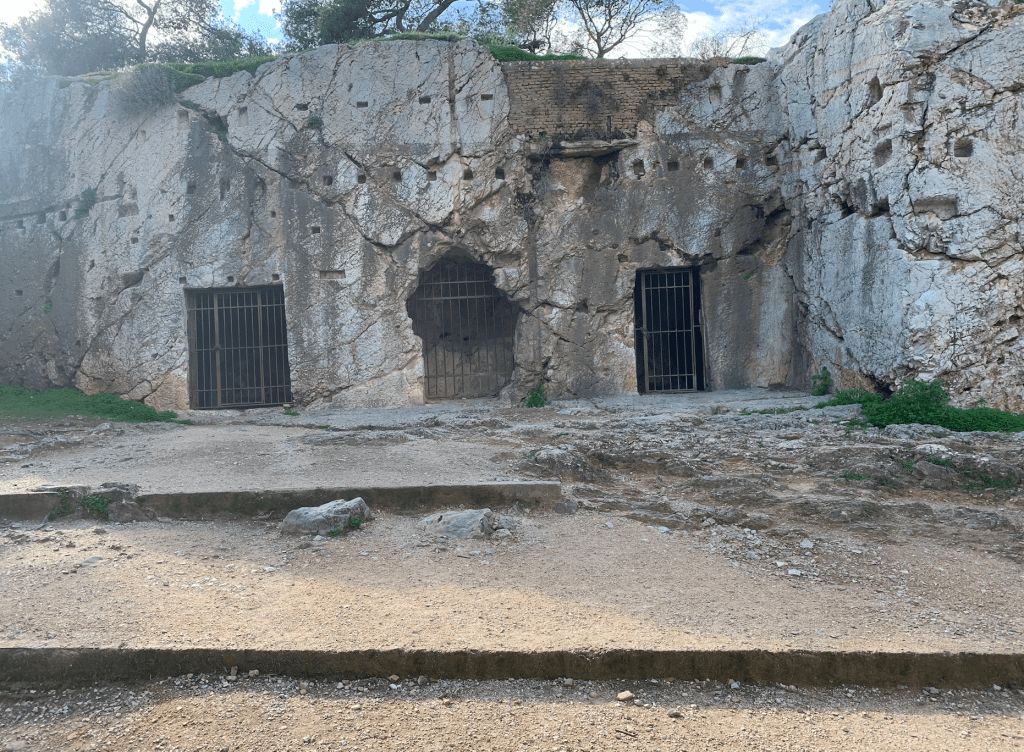
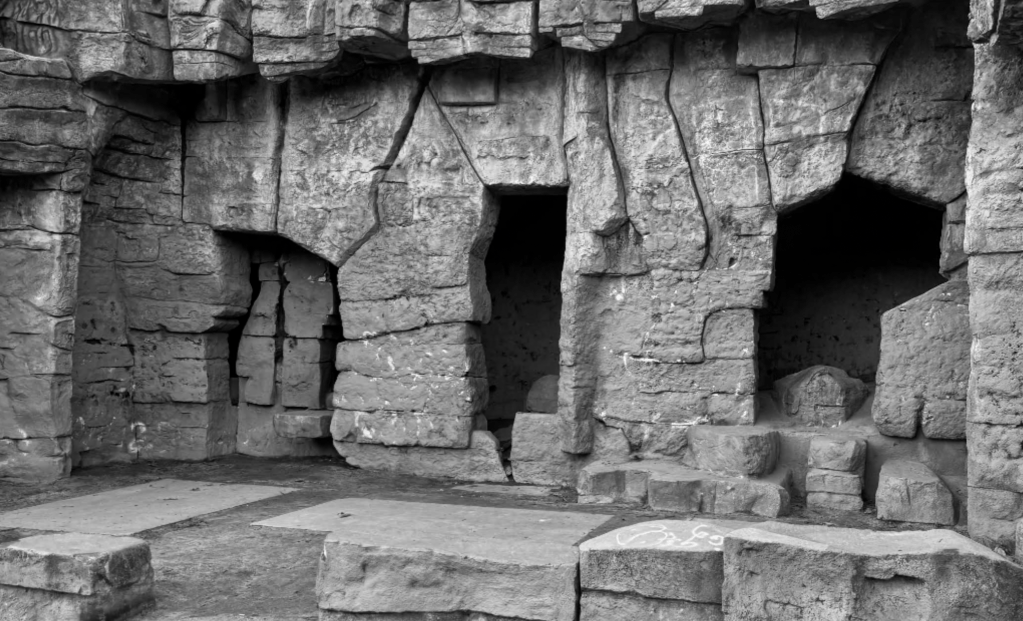
Socrates’s prison eerily like the old Los Angeles Zoo in Griffith Park
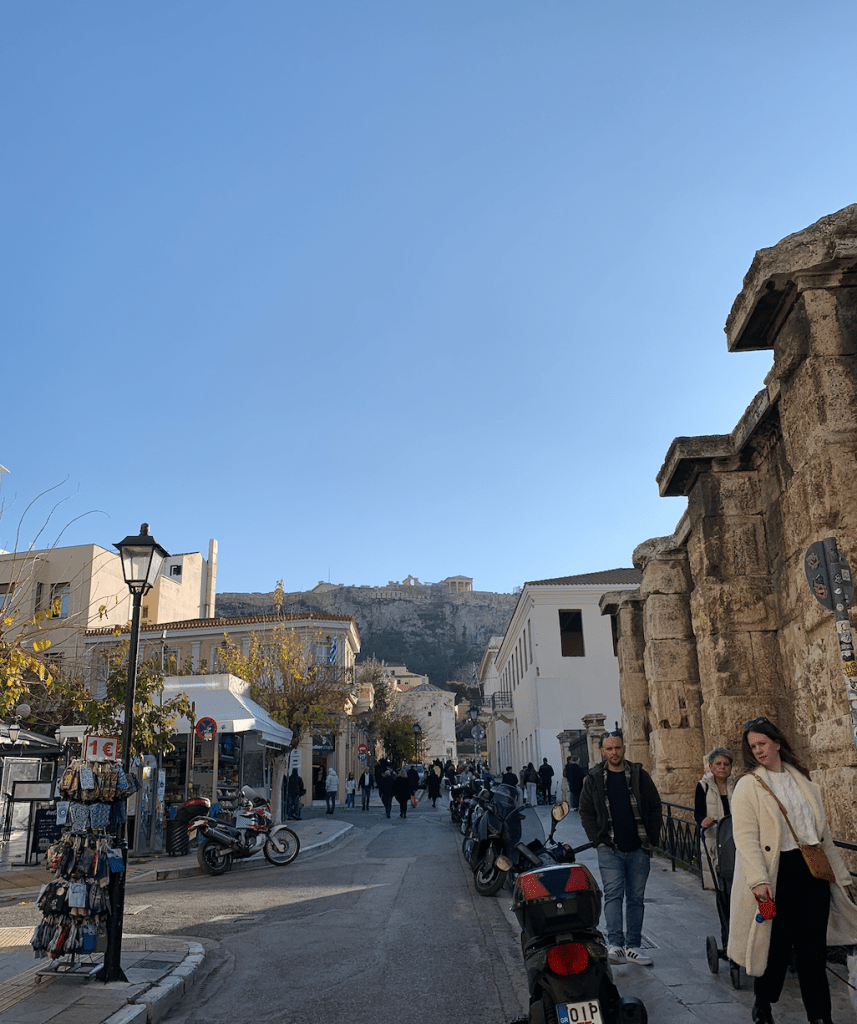
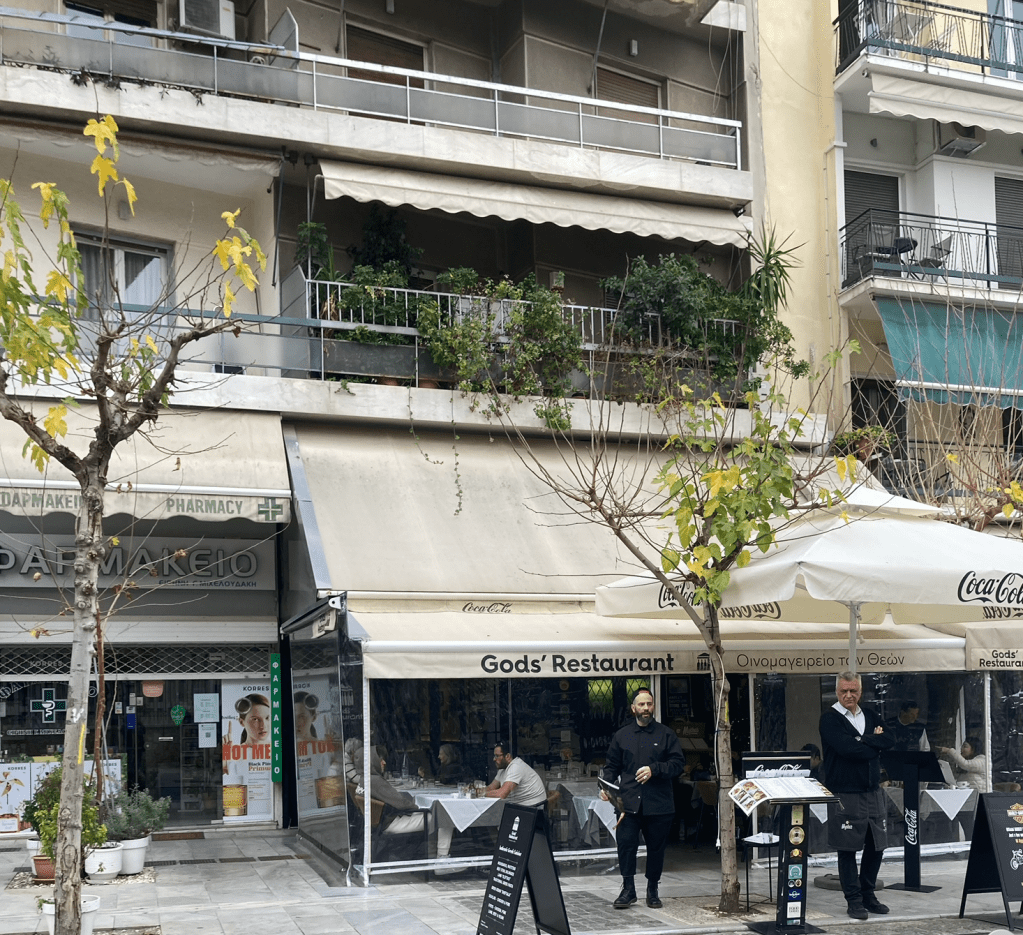
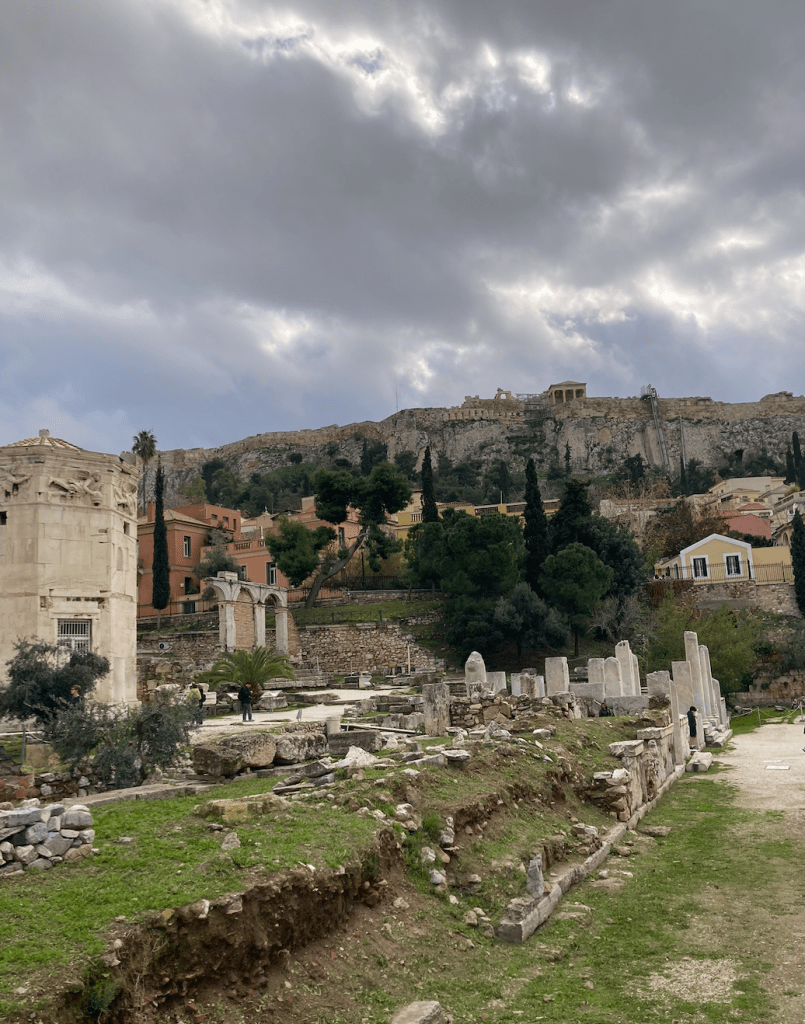
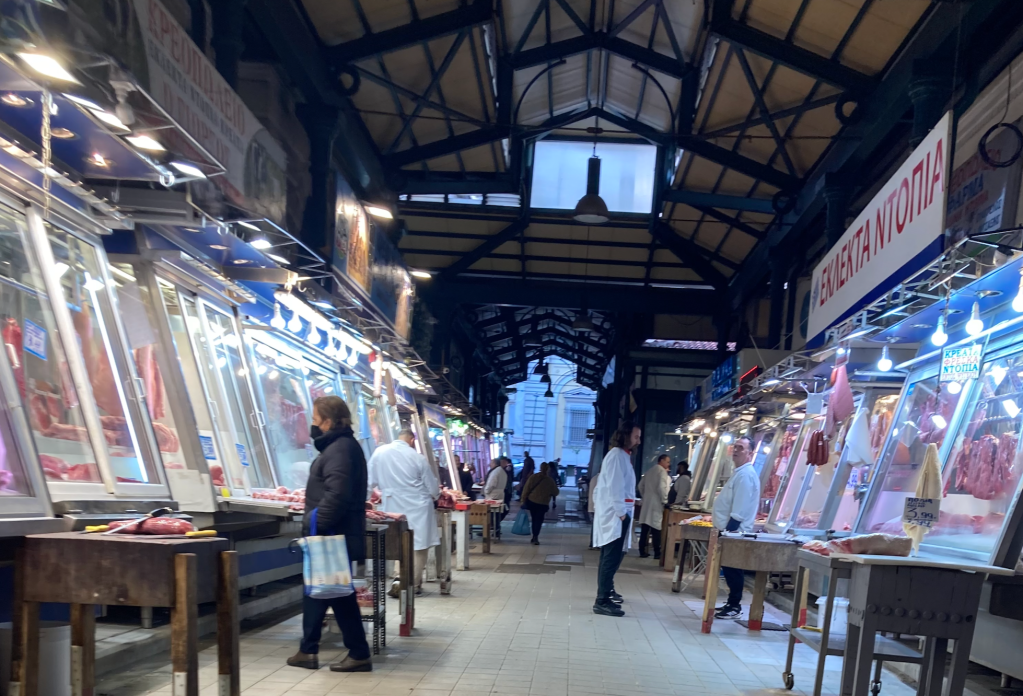
Like all of Europe, wandering through the streets and museums of Athens was like seeing snapshots from a rotation of civilizations and governments.
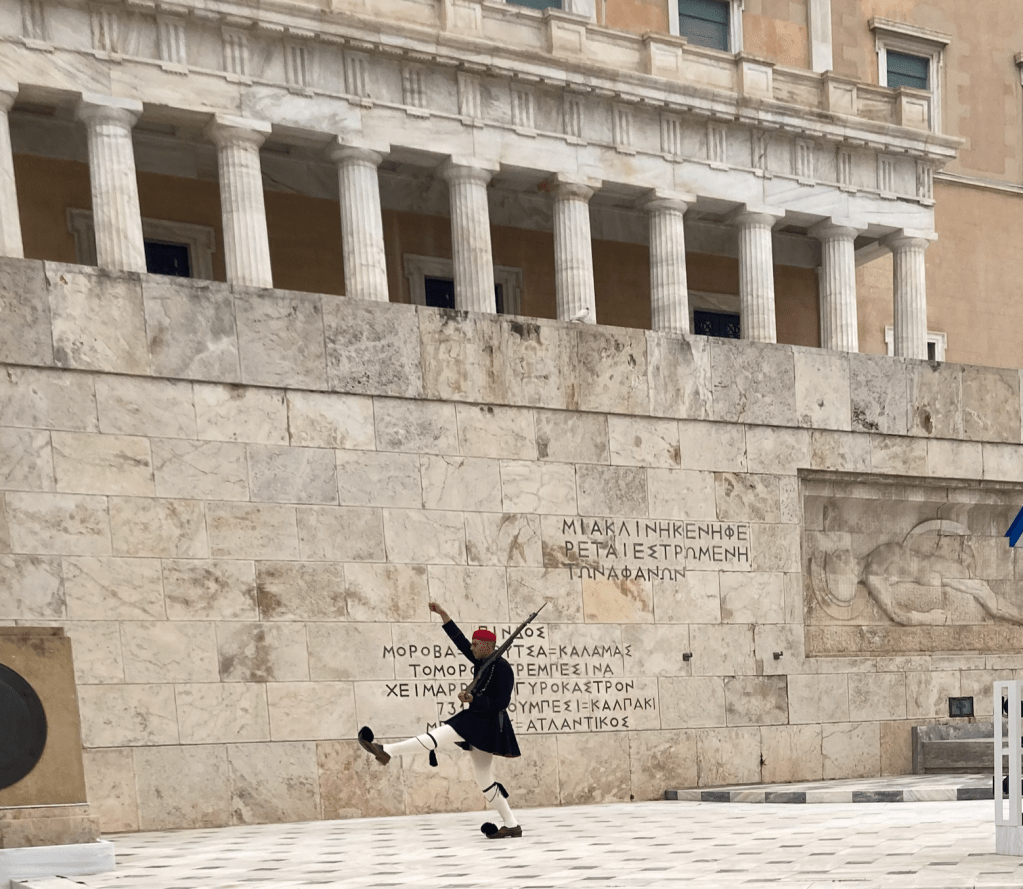
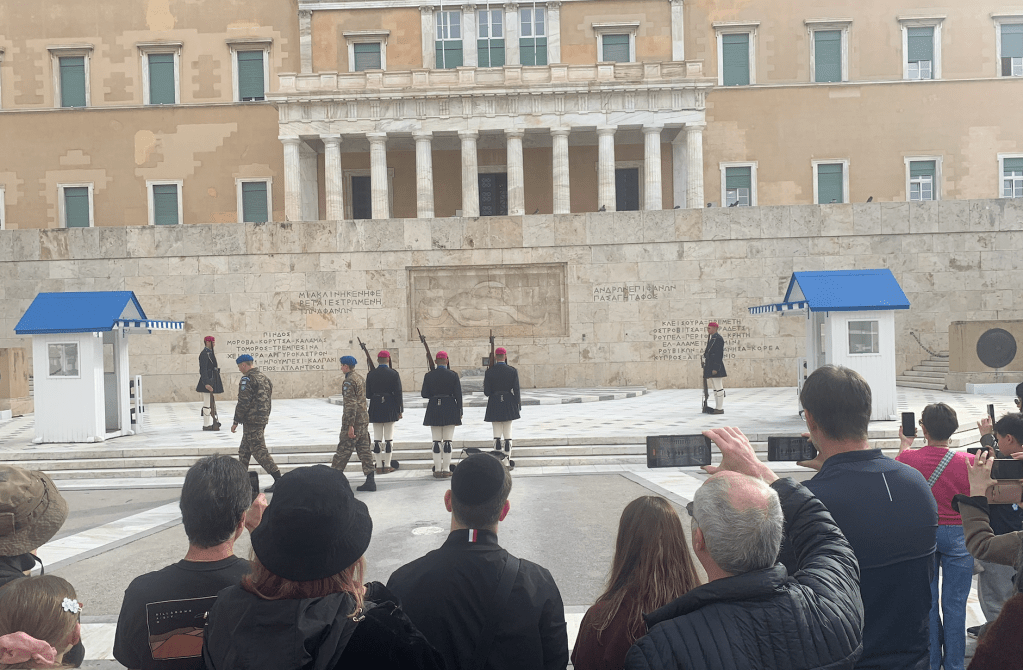
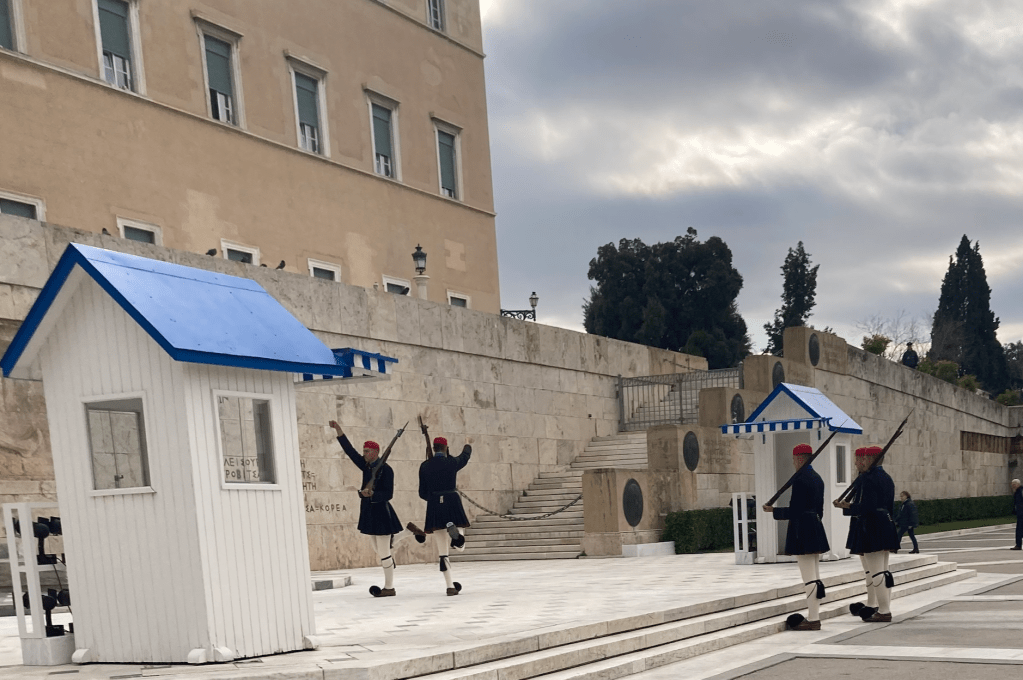
The changing of the guards(evzones) at the tomb of the unknown soldier on the hour was surprisingly fun to watch https://en.wikipedia.org/wiki/Presidential_Guard_(Greece), watch here https://www.youtube.com/watch?v=AsSx47j6gmU
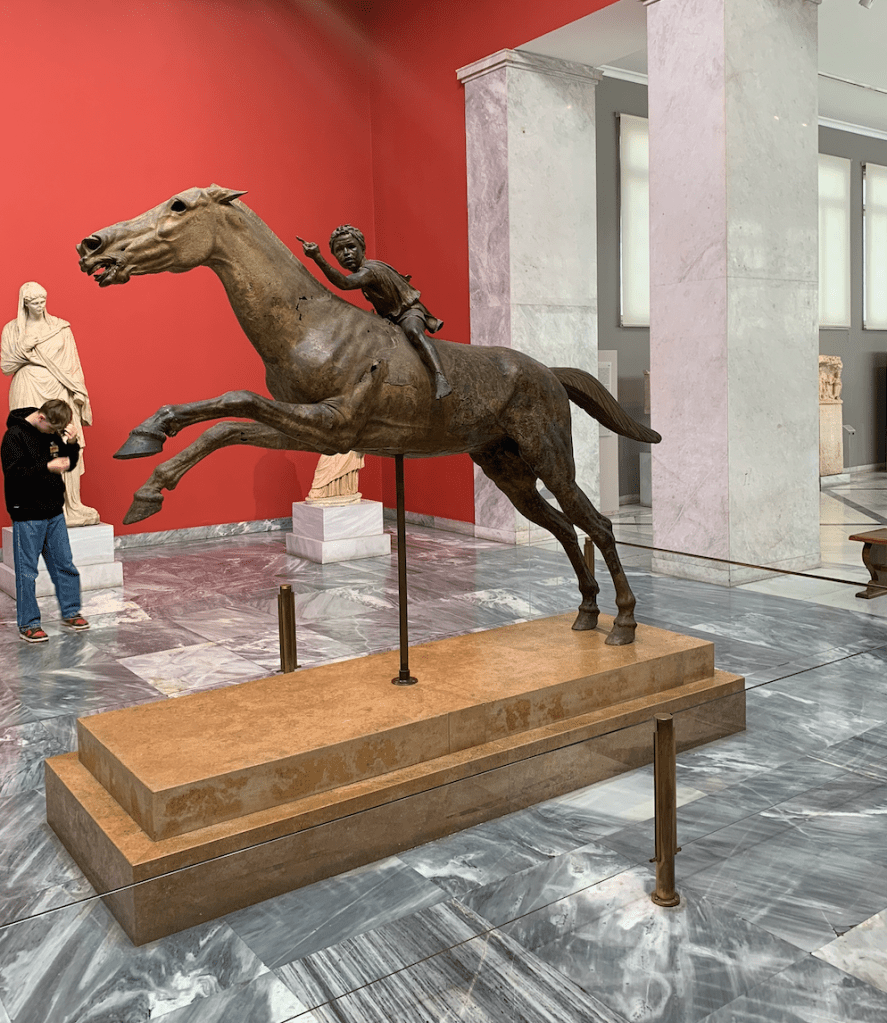

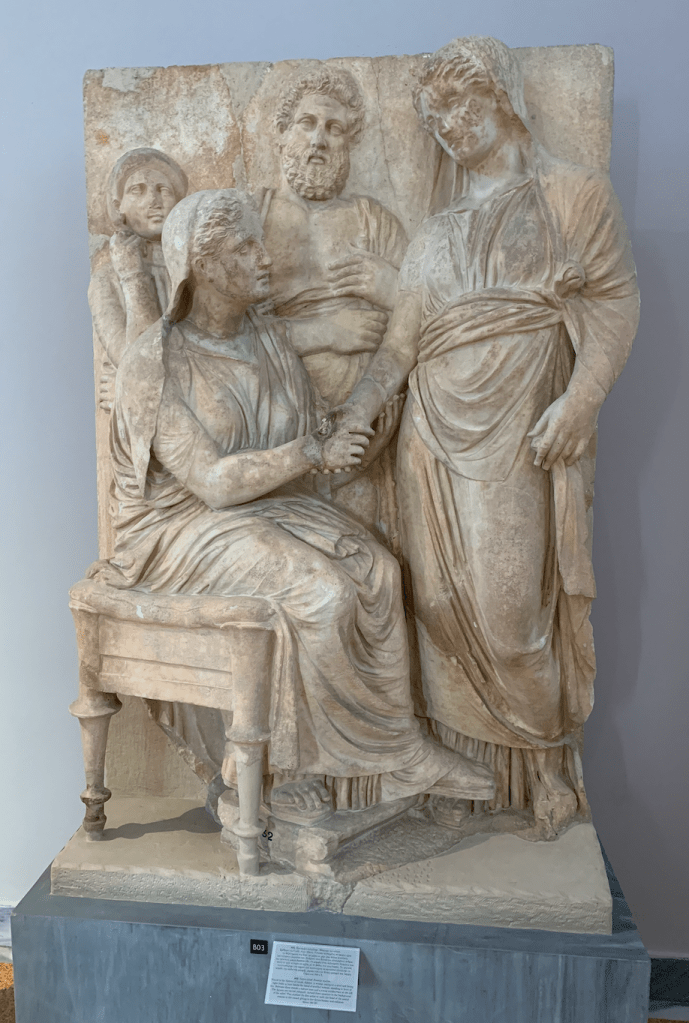
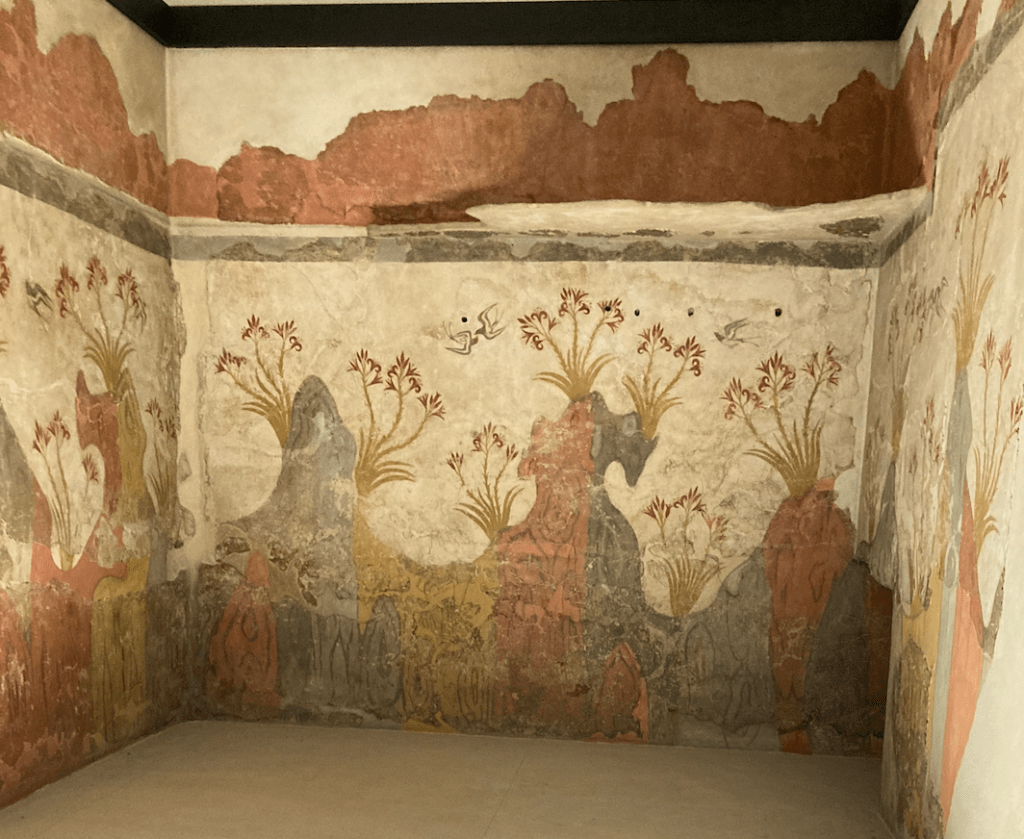
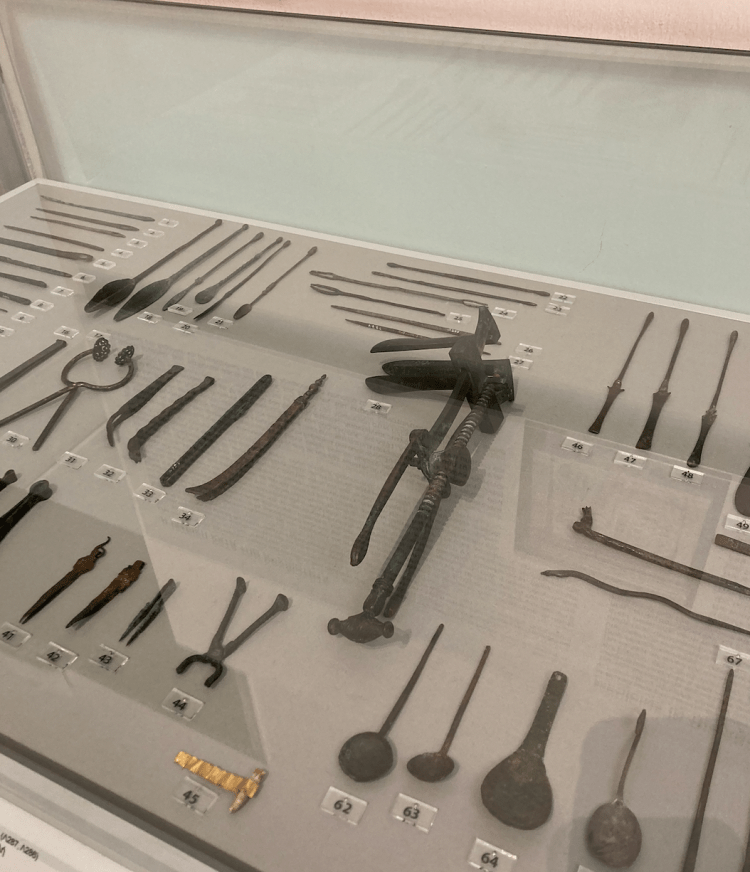
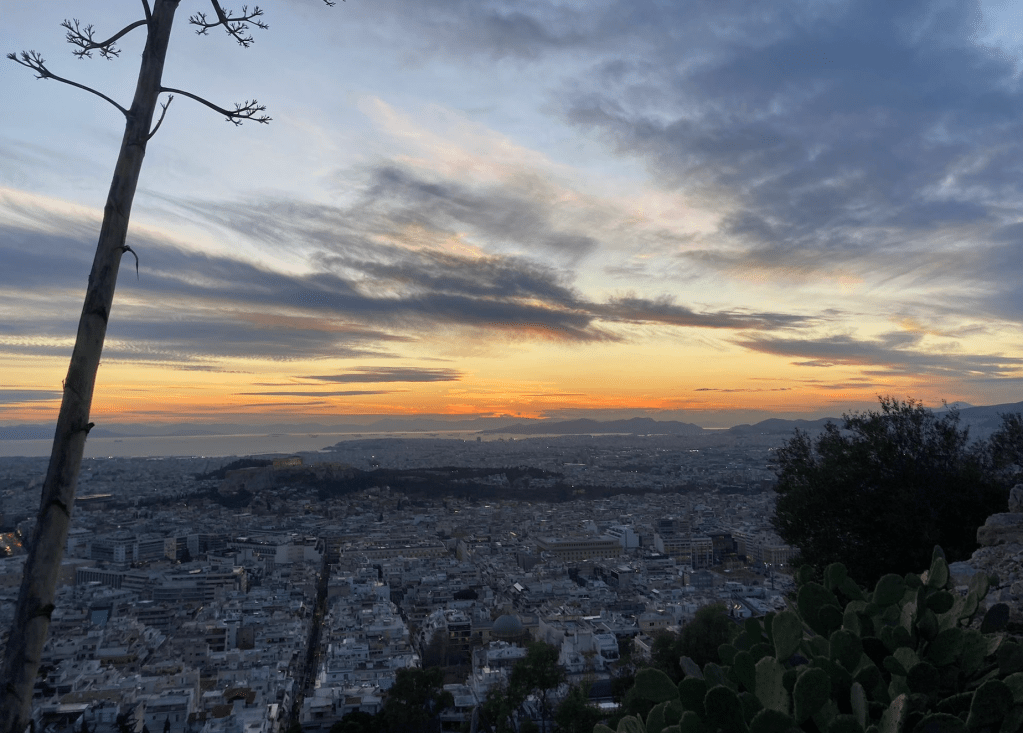
Consistent with most mediterranean cities, Citrus trees (and cats) lined the streets. Despite our continued enthusiasm for city fruit trees, we’ve learned from experience in Cyprus, Croatia and Spain, not to pick because of course we have. They’re terrible. But not wasted, they are used to make marmalade, but more commonly for compost. The plants though were kinda of as beautiful as the buildings- the citrus trees, cypress, bougainvillea, lone pine, oak, the ubiquitous olive, and even the random jacaranda tempering the massive, massive, massive city metropolis sprawl from the the sea and up along the surrounding low lying hills. Again, kinda like LA.
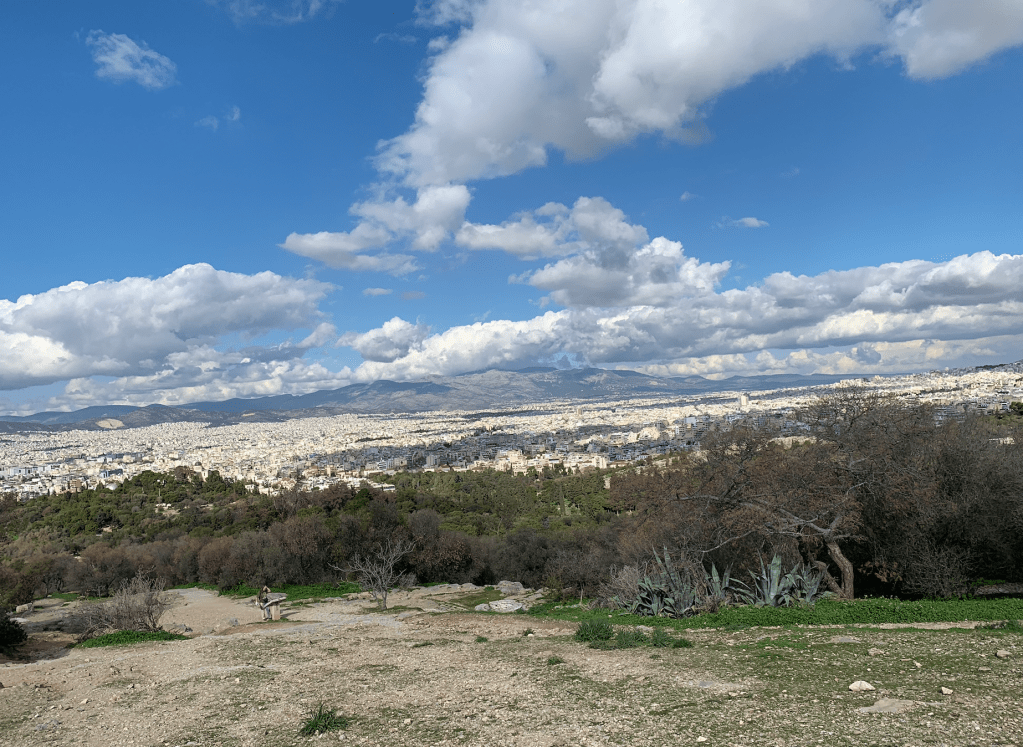
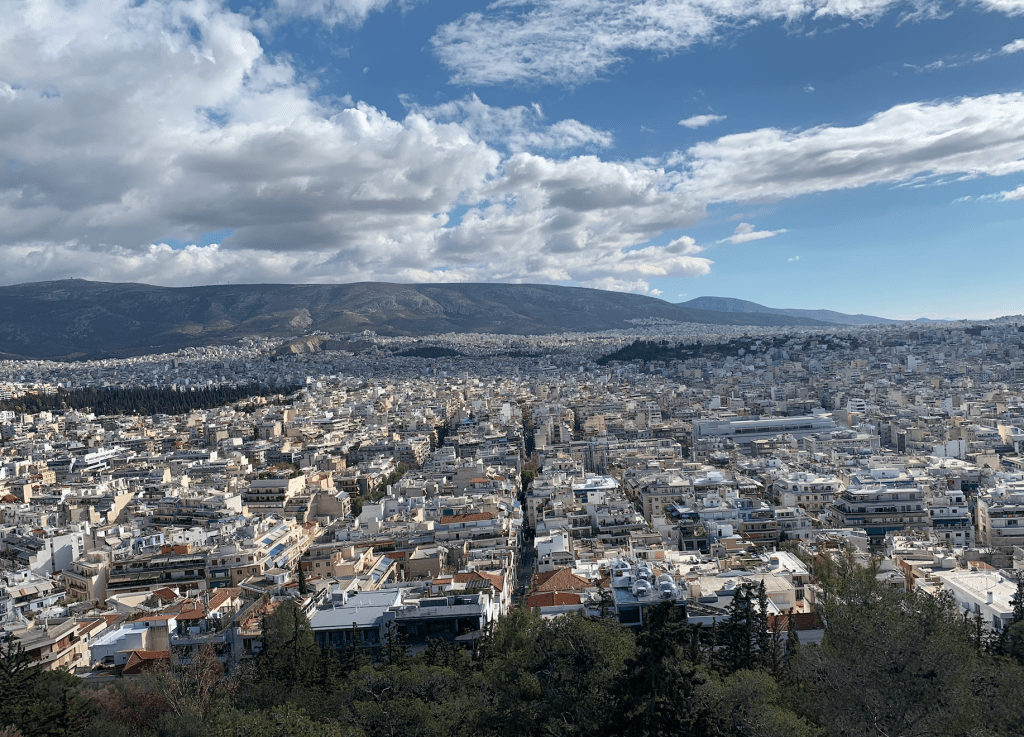
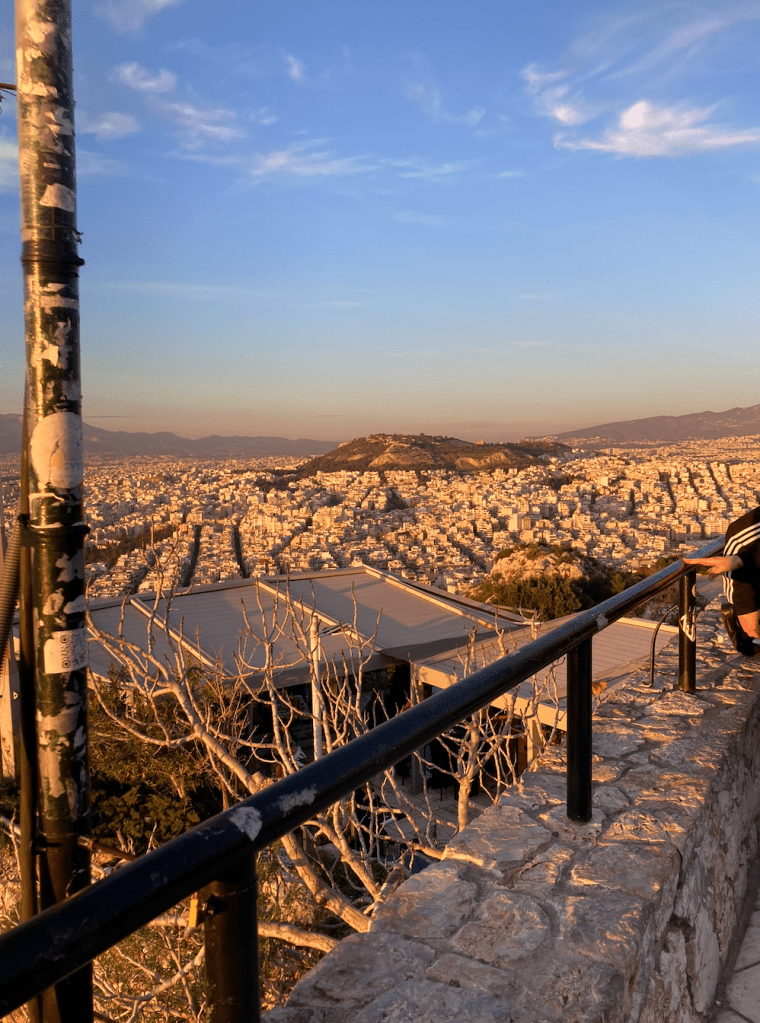
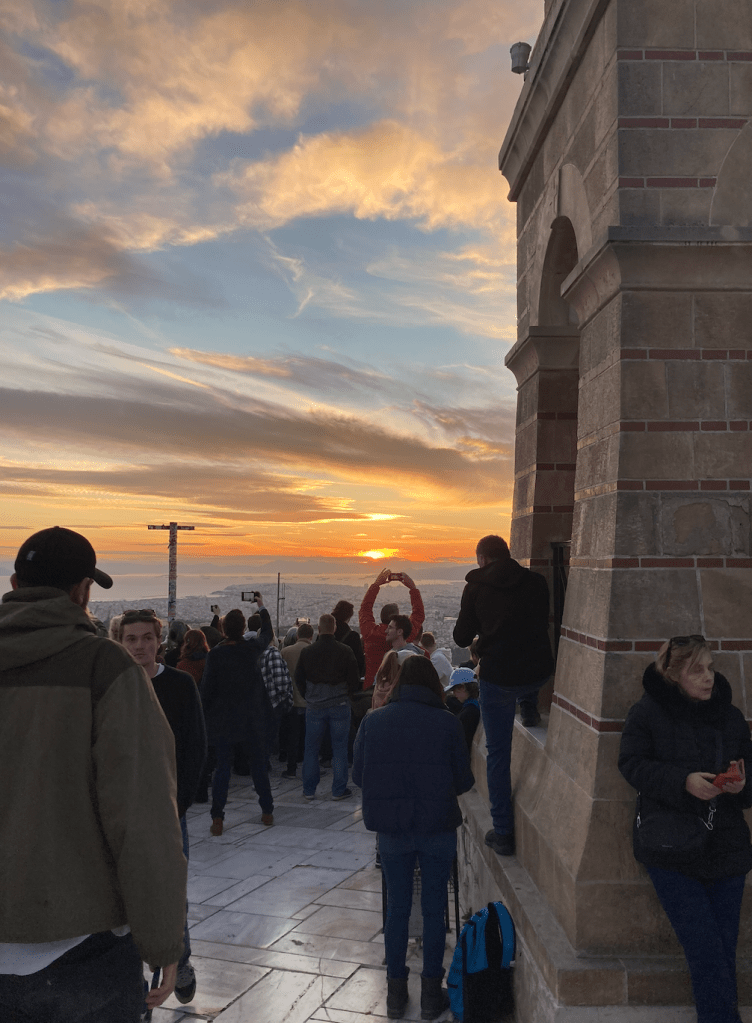
We joined the crowds to watch the sunset on one of Athen’s 7 hills and then time to leave the next day.
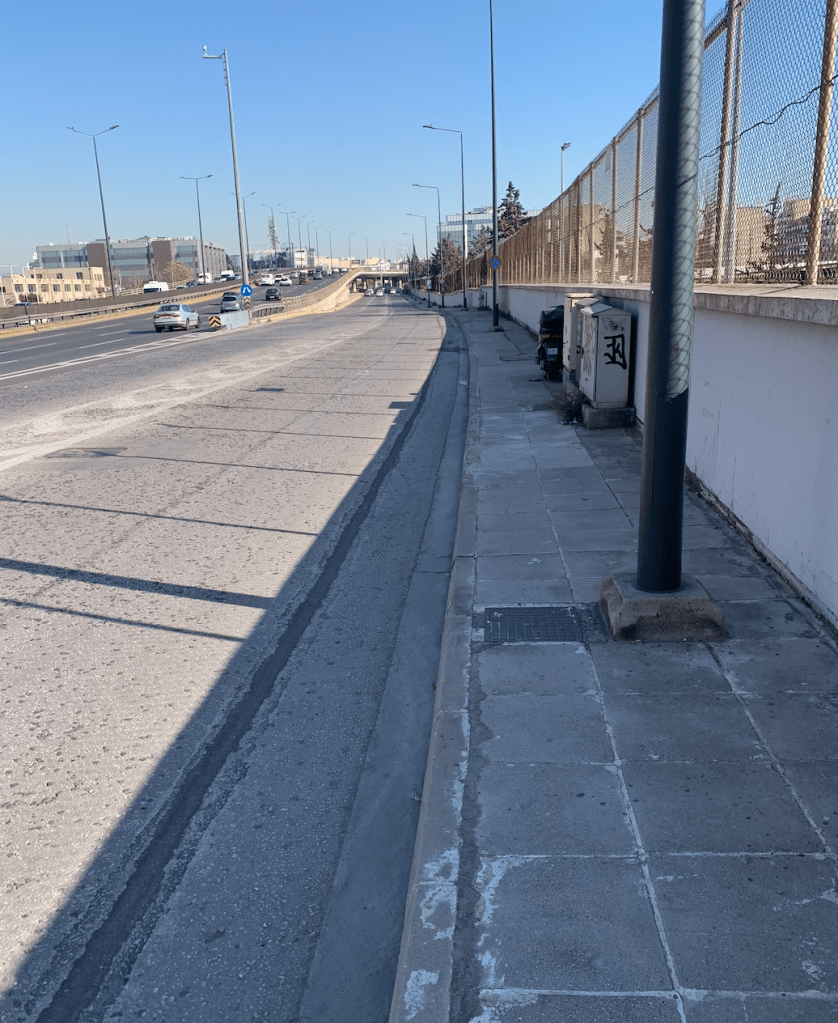
We walked to the bus station at the edge of town to head to the Peloponnese, of course not taking the tram, but walking the couple plus kilometers to the bus station. Walking along the outskirts, away from the original town centers you get a more complete view of what life is like now. Those off-the-beaten track, hidden gems everyone wants to find. We do enjoy the meandering, especially when there are good sidewalks.
Two thumbs up, Athens.
 Chosen Fugue
Leave a comment