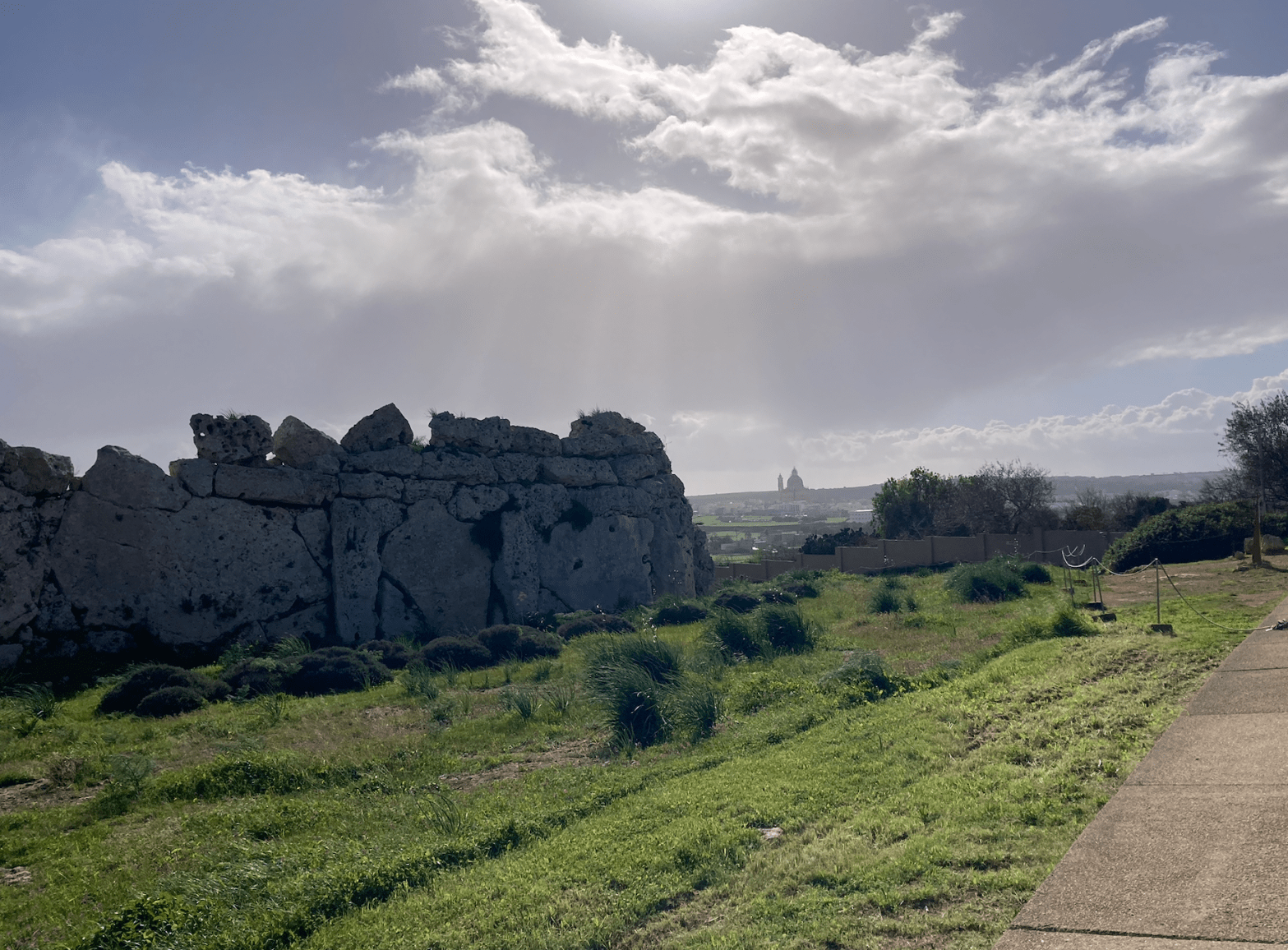
January in Northern Europe, we needed some semblance of warmth. So, Malta! We got a malt a deal on Jet2, so off we flew!
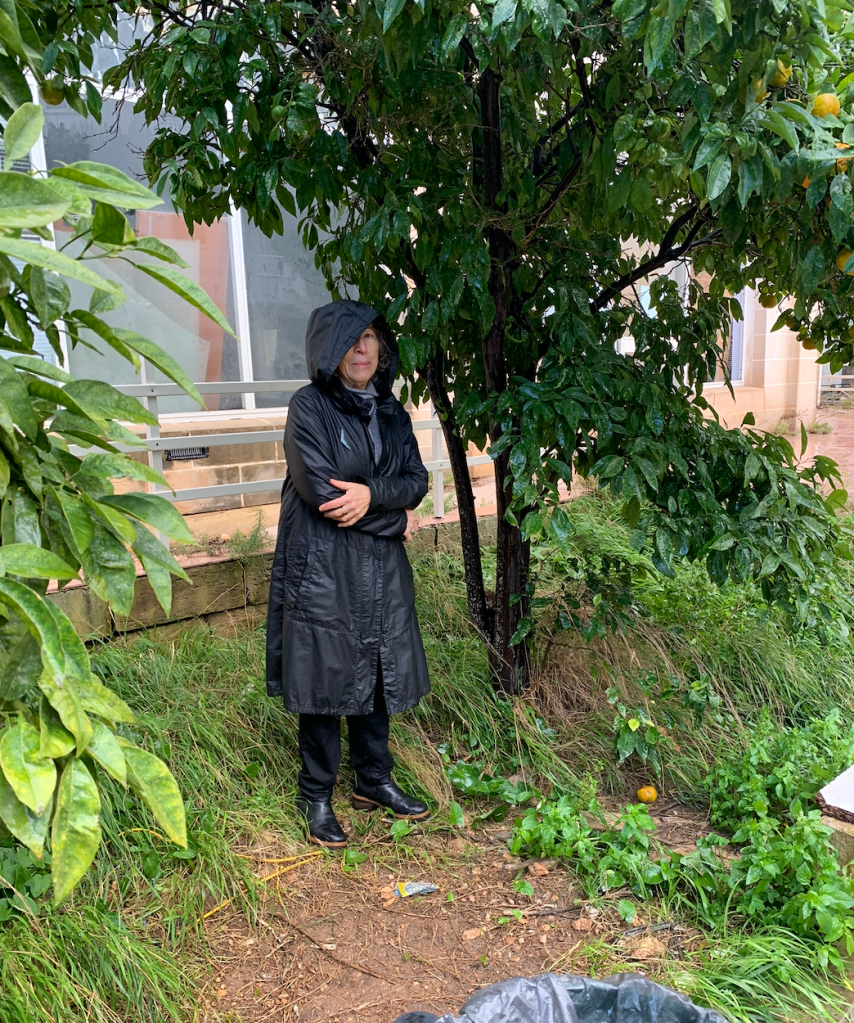
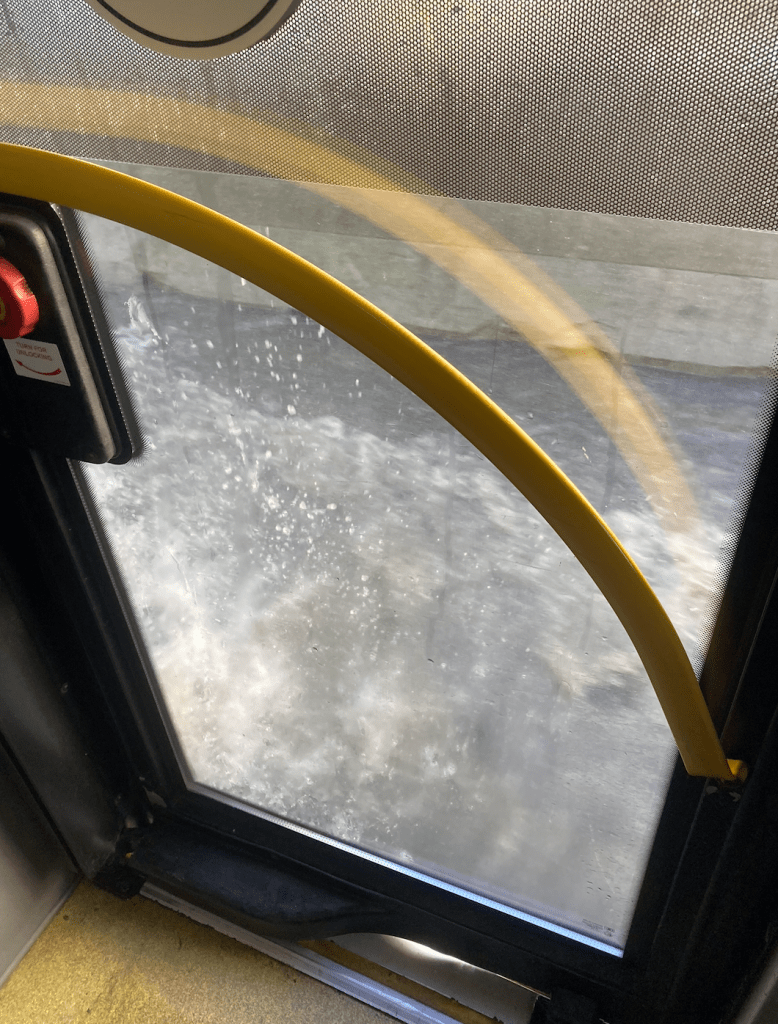
12-15 degrees celsius (54-59 F) which is kind a funny that we now consider that warm, but after chilly, freezing Liverpool, it was. Except almost everyday in Malta we were caught in torrential downpours and dried off by the gale-force winds.
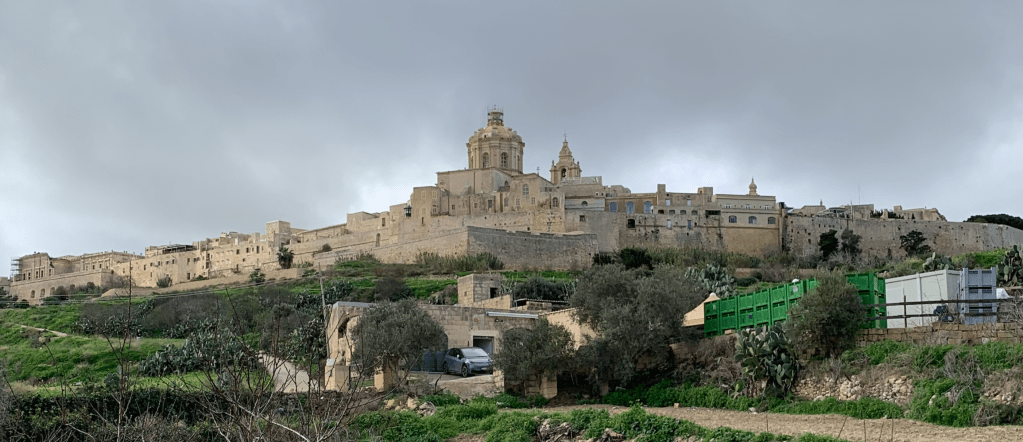
But mediocre weather was not the only reason to go to Malta, we were looking for the knight life. Like all of southern Europe, but even more so due to its strategic location in the mid Mediterranean Sea, Malta has had a long string of foreign rulers. Romans, Phoenicians, Byzantines, followed by the Sicilians, Normans, Moors and Spanish. The twist came in 1530, the Holy Roman Emperor gave Malta to the Knights Hospitaller, homeless crusaders (like us!), for the cost of one Maltese Falcon a year (an actual peregrine falcon). These knights were like the Catholic Army so in their 200 years of ruling, they fortified the island (mainly against the Barbary Pirates). They built castles and forts along the ports
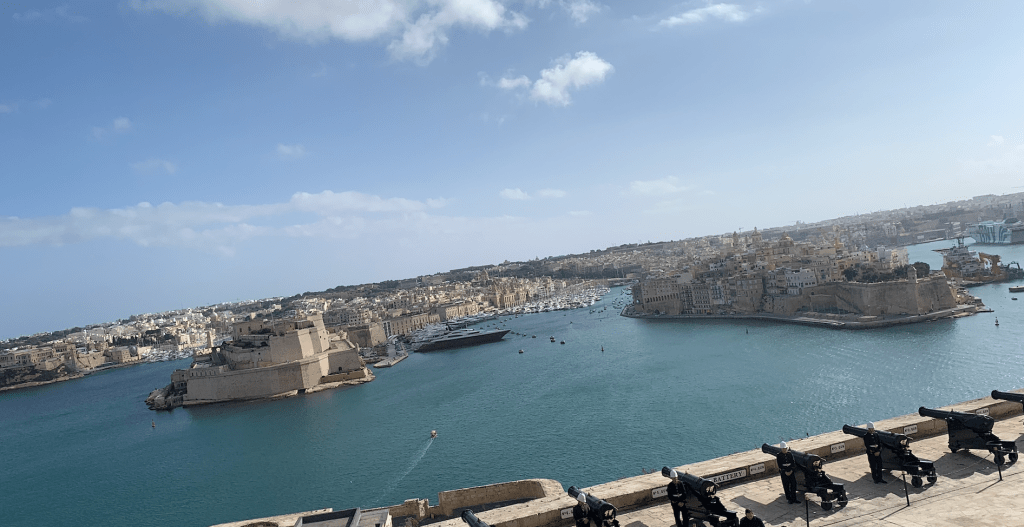
and the impressive walled city of Valetta (now home to well protected restaurants and every name brand clothing store).
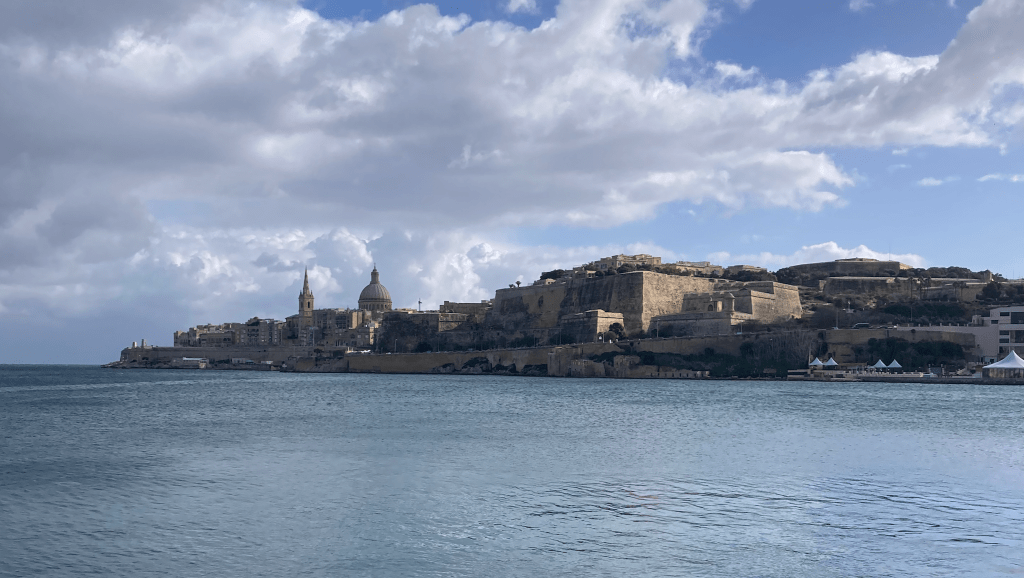
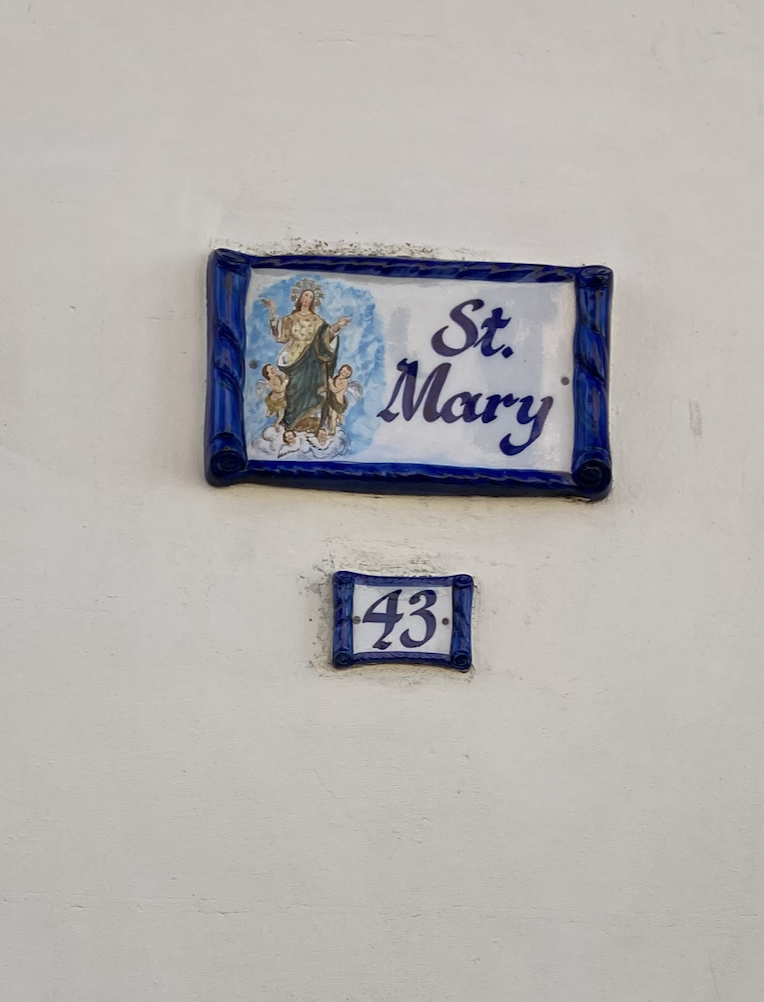
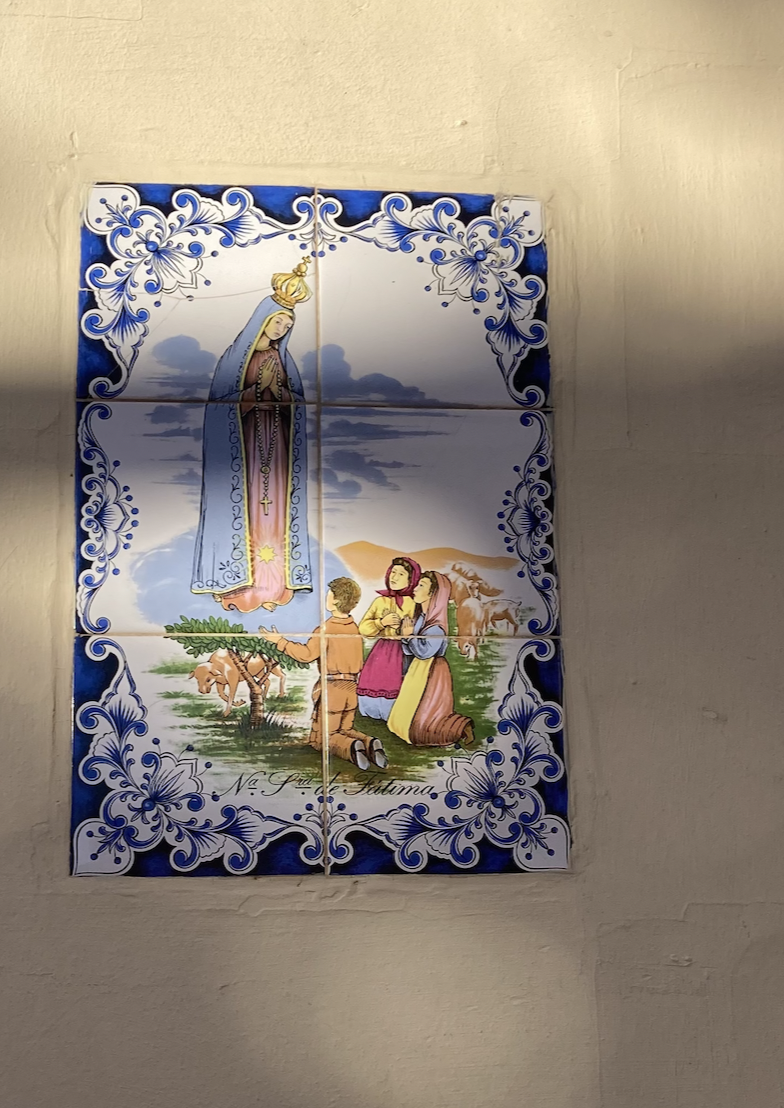
And of course some churches, lots of churches and roadside shrines for every saint imaginable.
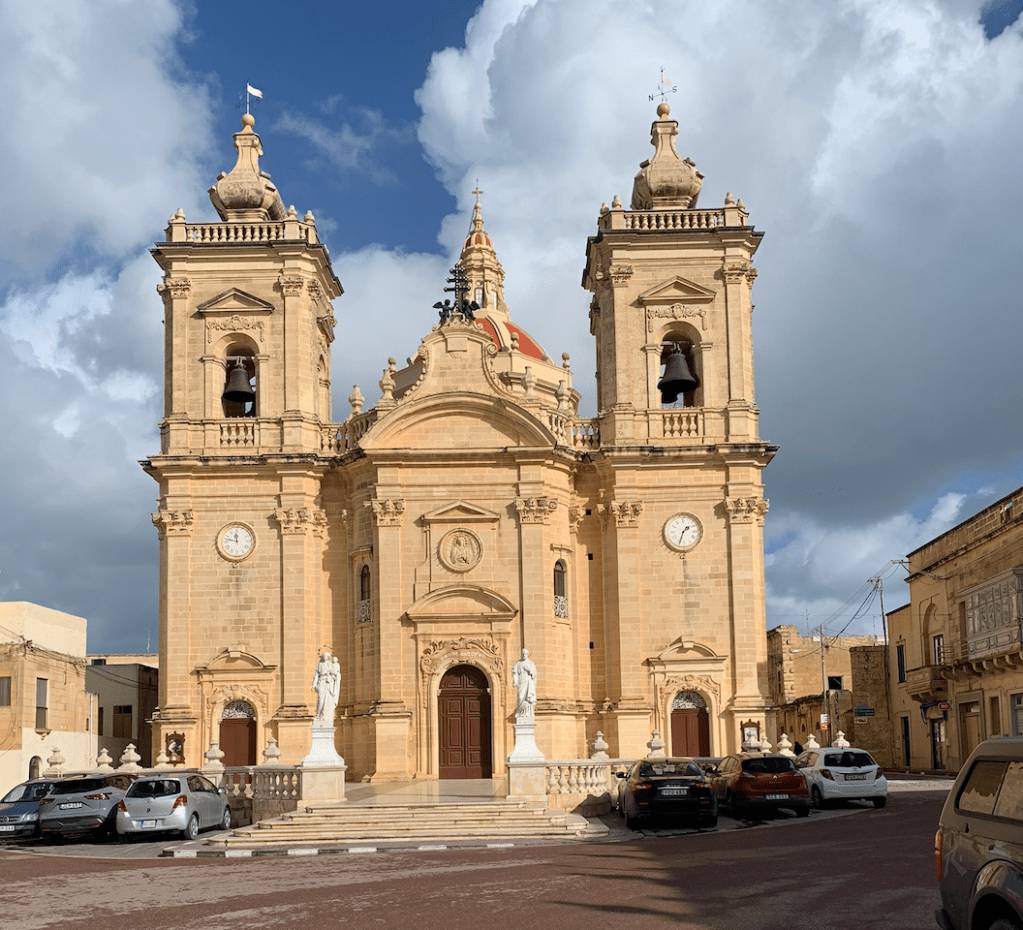
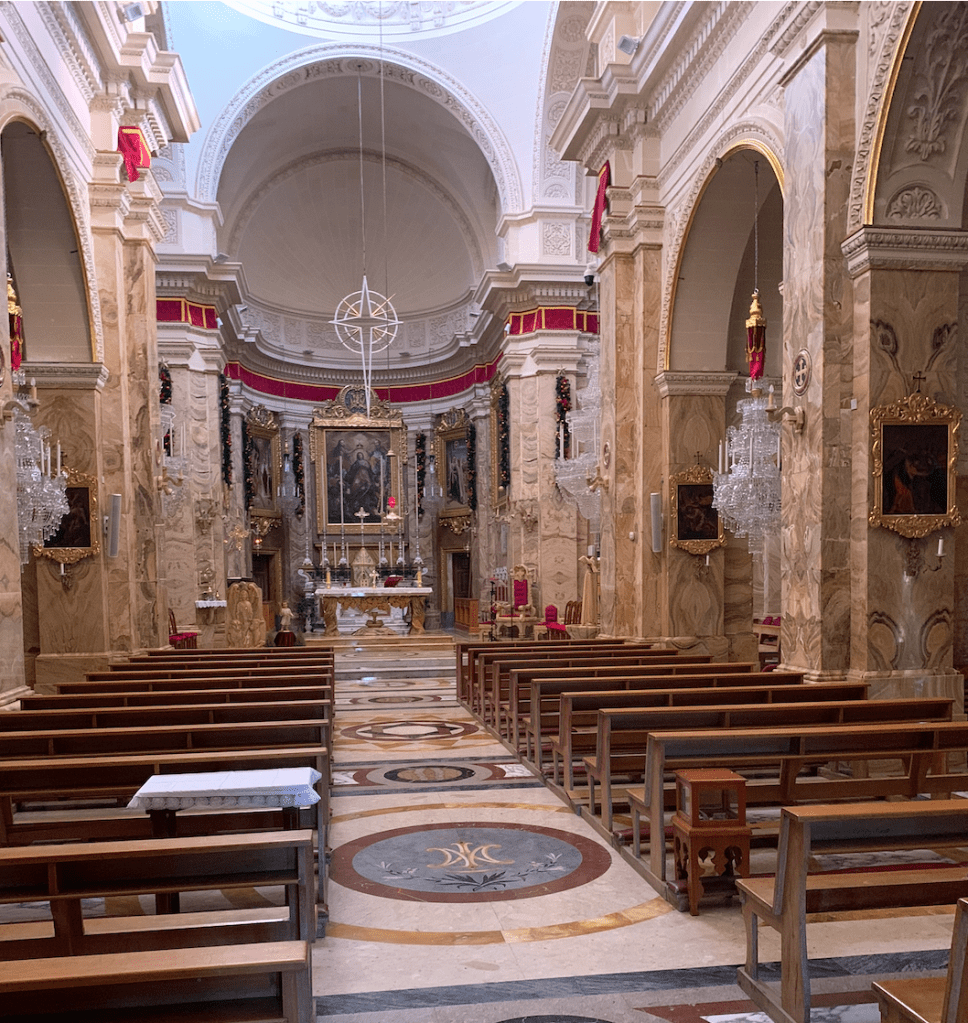
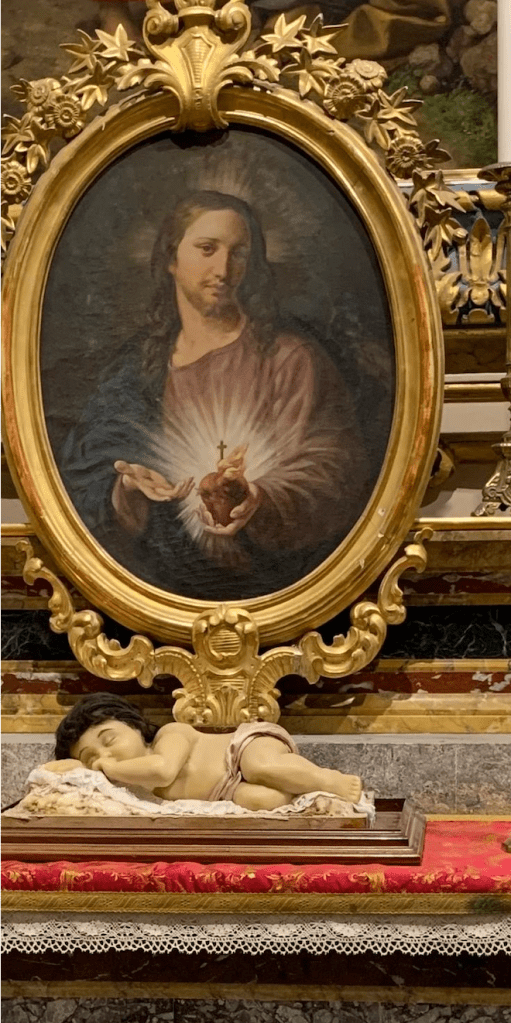
Eventually Napoleon broke through, so then it was French, then British before finally having full self rule in 1971. Even now there are still invasive foreigners; forty percent of the country are ex-pats. People from the UK, Serbia (apparently a high number of retired Serbian footballers), Filipinos, Northern Africans, Italians have settled here.
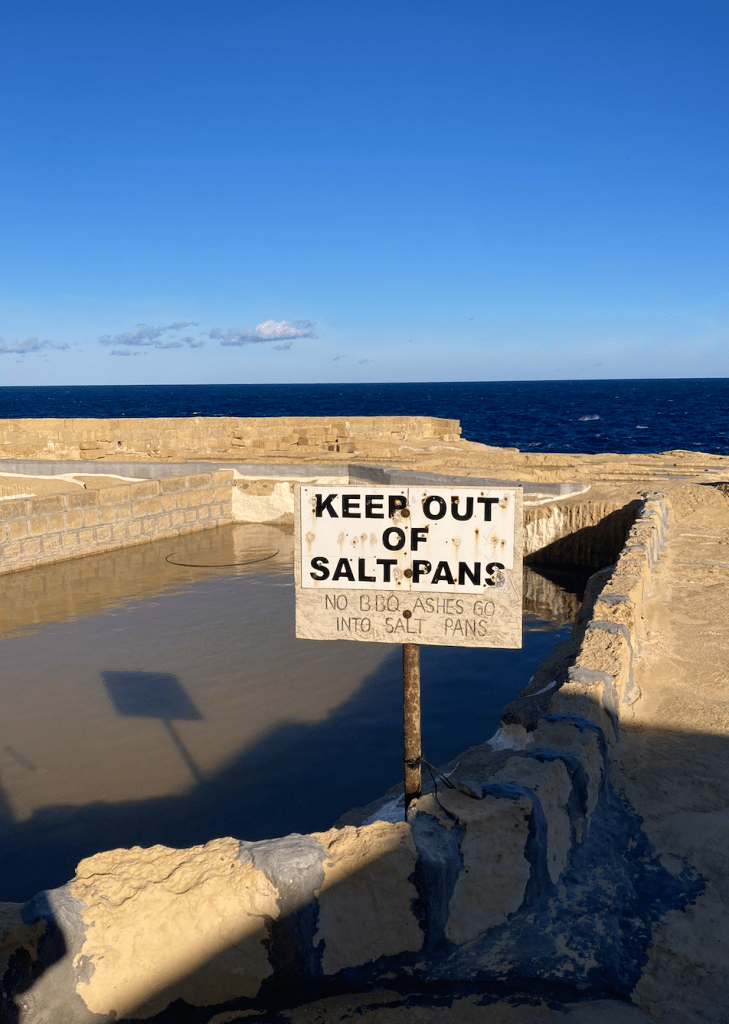
The legacy of this carousel of foreign rulers seems to be an ambiguous identity, at least to us. The rulers were foreign, even the Maltese Falcon is an ex-pat (ex-pet?) as it is not originally from Malta. Even the souvenir shops struggled with zeroing in on essential Malta. All we saw were T-shirts, wooden spoons, hats, and tea towels with the word Malta and sometimes a generic geometric tile design (all not made in Malta). Just one country specific Playmobile, a generic knight. Maybe that is why we had trouble getting a sense of Malta identity, beyond it being very Catholic. We did find one authentically Maltese item-salt. Along the Malta coast are tons of salt pans sea pictures below), naturally collecting sea salt (Patron saint of salt-St. Morton?)
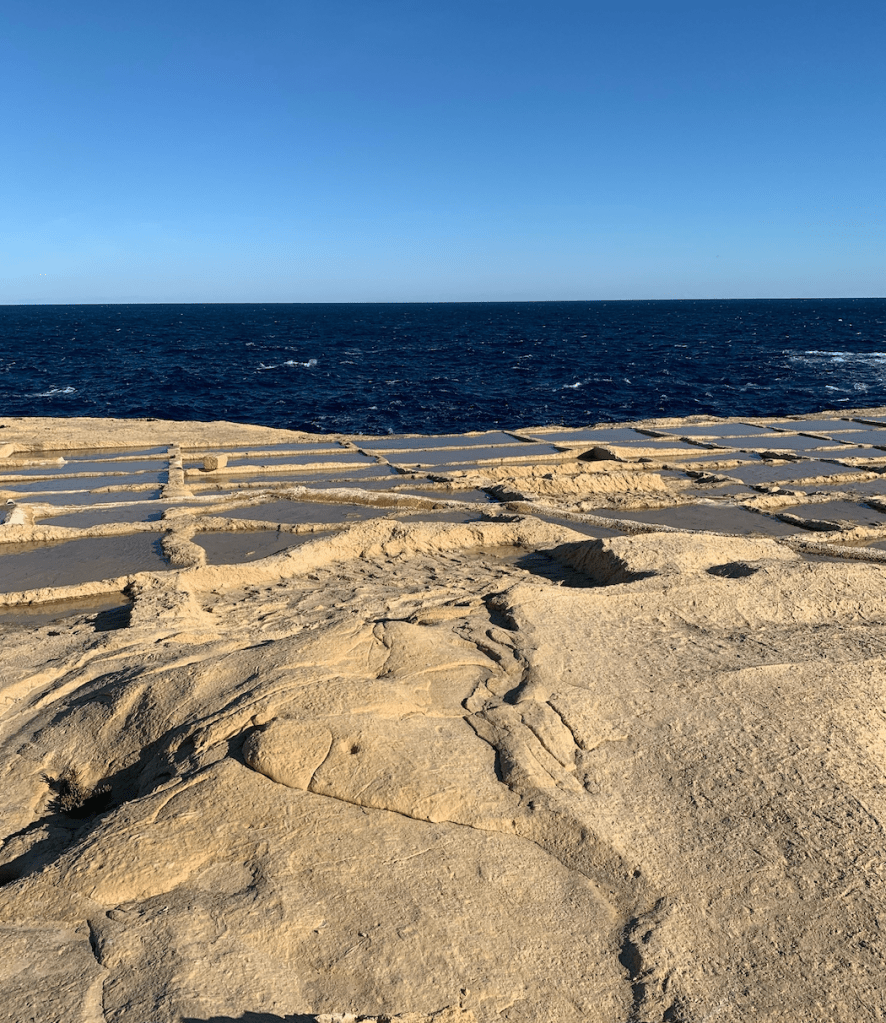
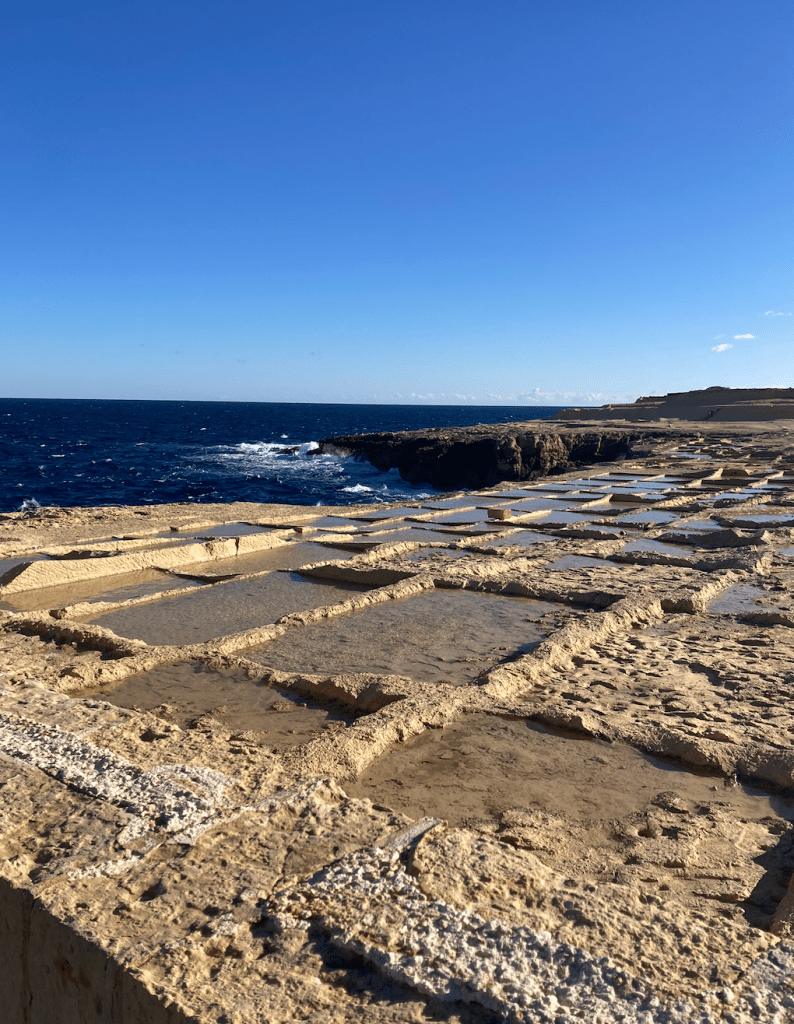
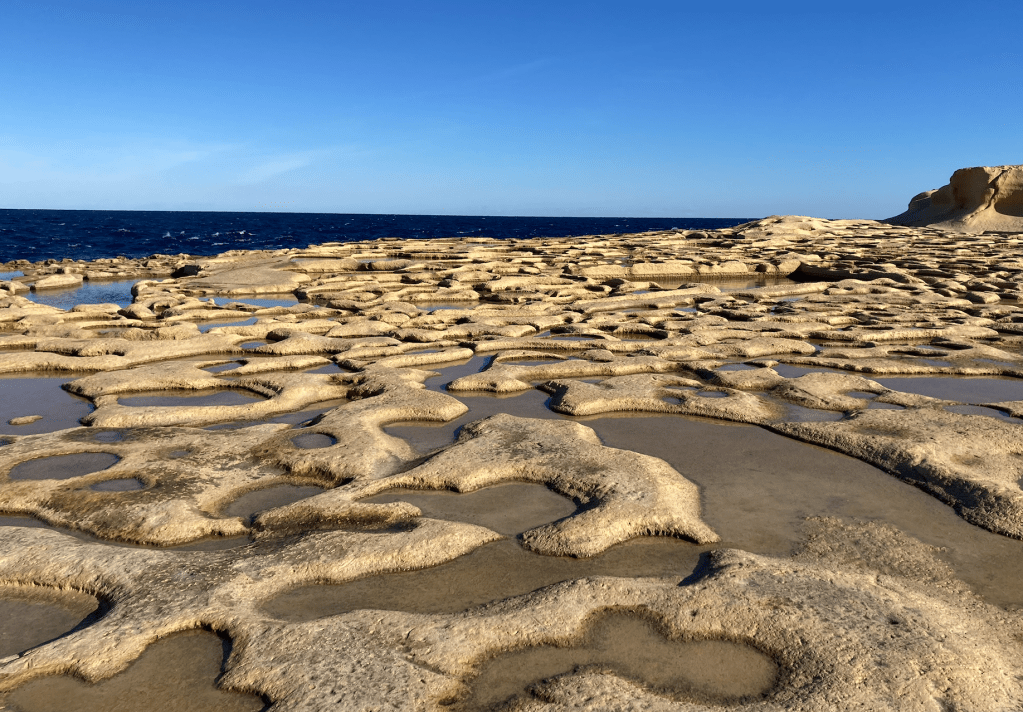
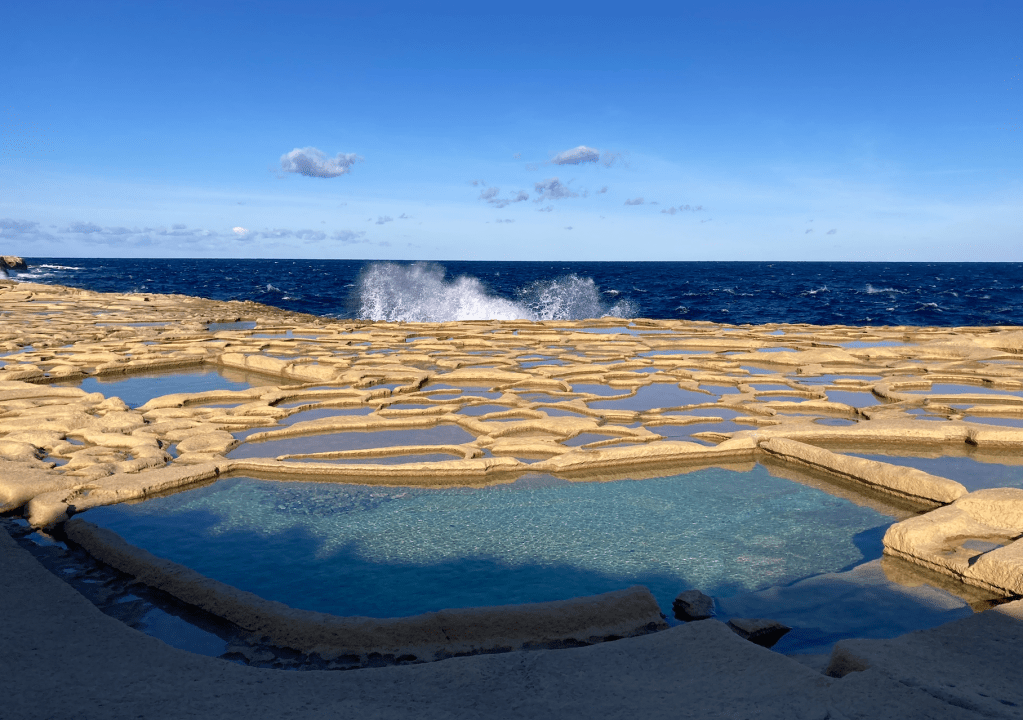
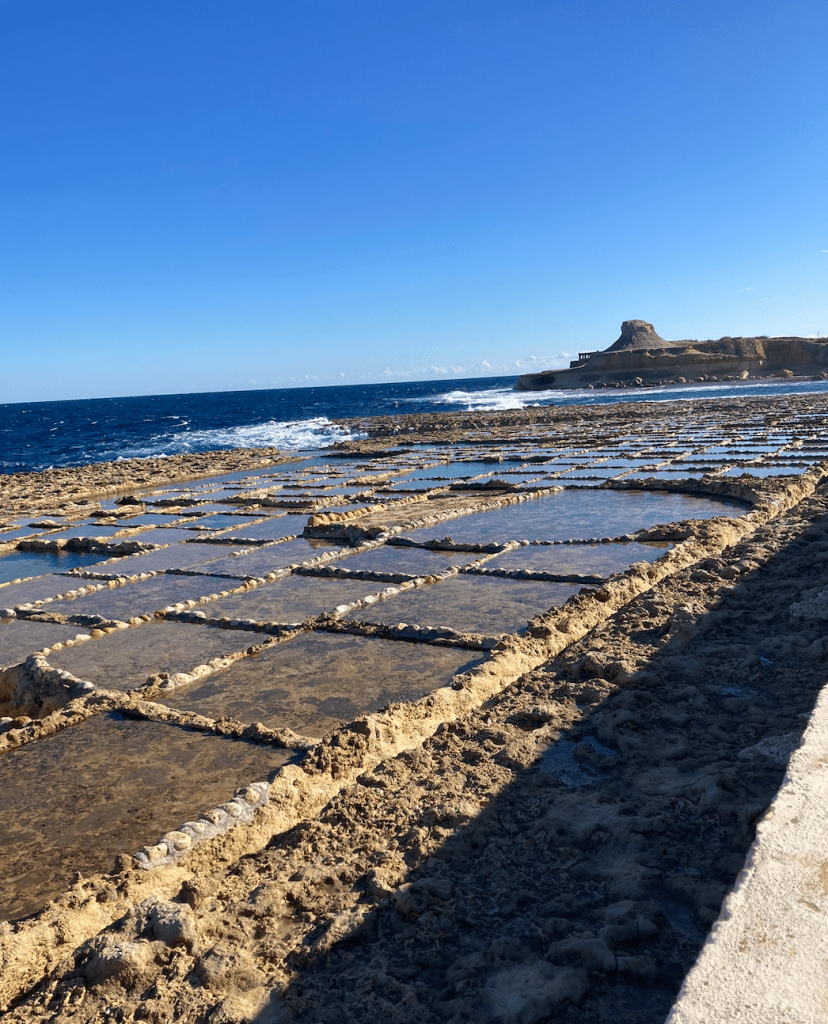
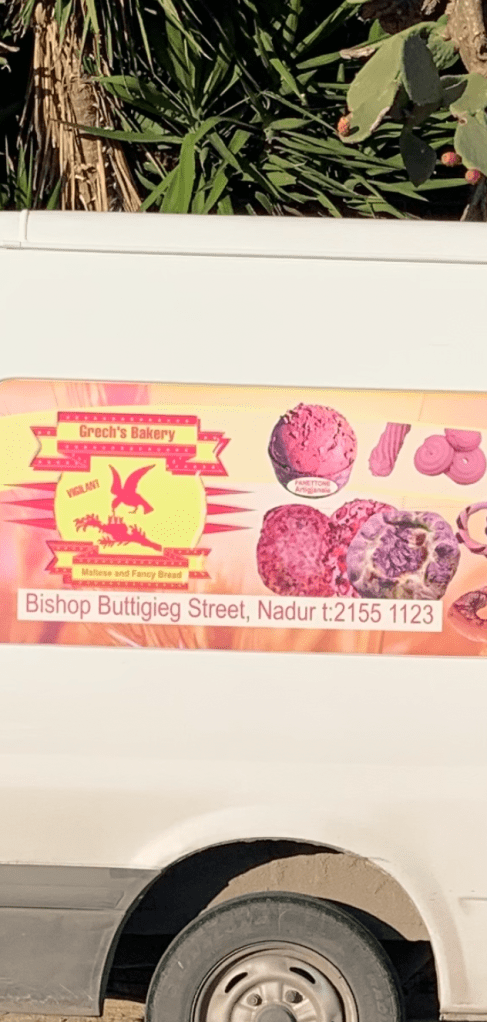
Finally, something authentically Maltese but we only saw it available at one farmer’s market and one supermarket (and we go to a lot of supermarkets). Through our two week tour, the defining features of Malta seemed to be sea salt and Pete Buttigieg. (His father was from Malta, and Buttigieg is a very common surname in Malta).
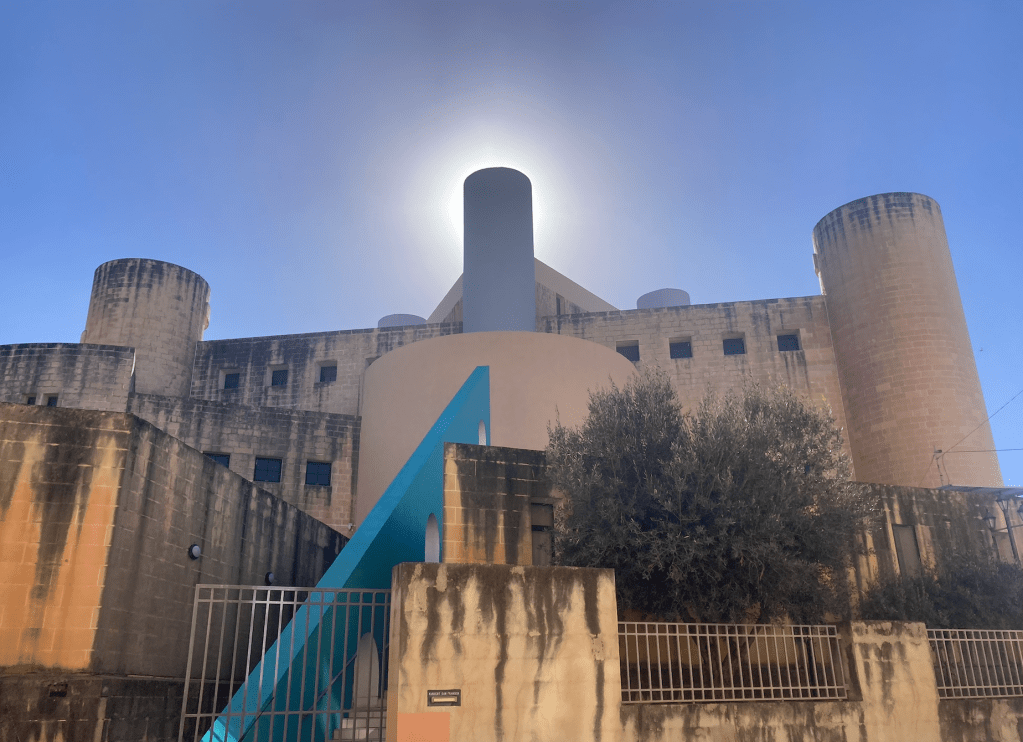
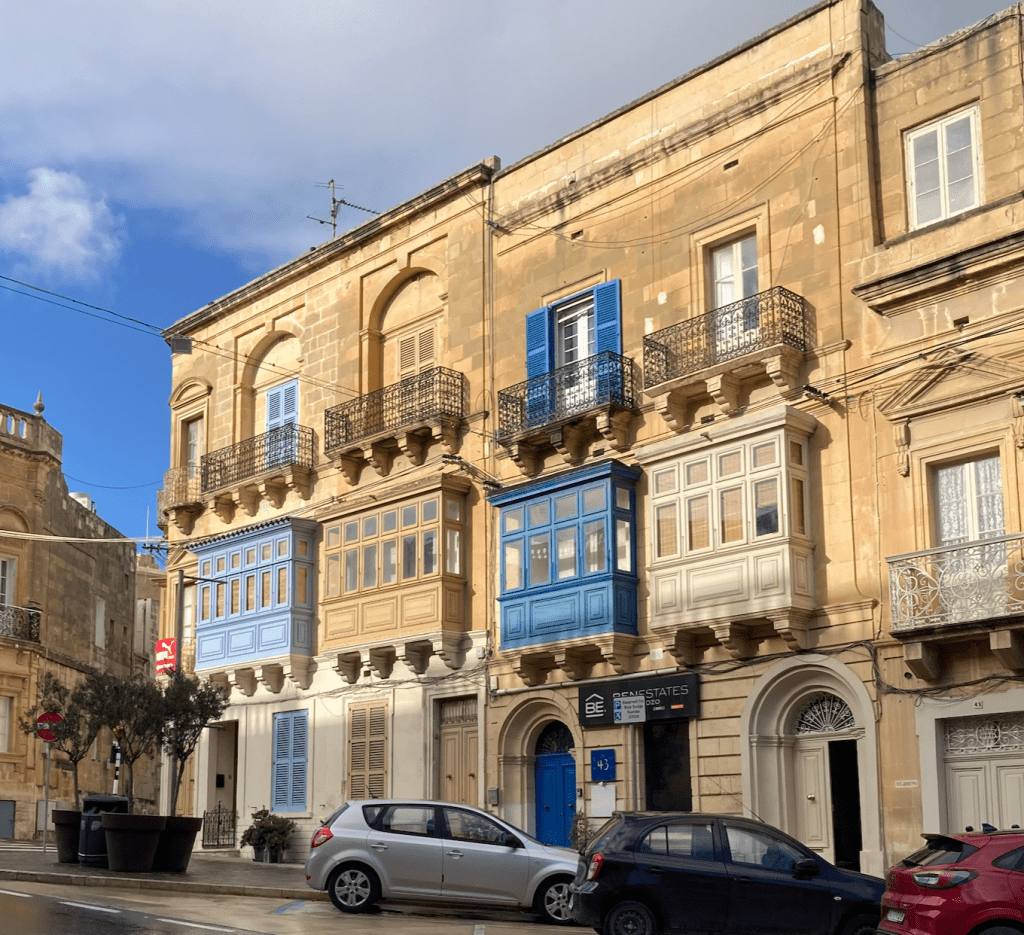
Malta did have a very distinct architectural styles. The houses/stores were all limestone with characteristic closed balconies (Gallarija). The newer areas also had a characteristic look, not 2-3 story limestone boxes, rather large, new hotel or apartment complexes lining a horseshoe shaped bay (a lot of horseshoe bays).
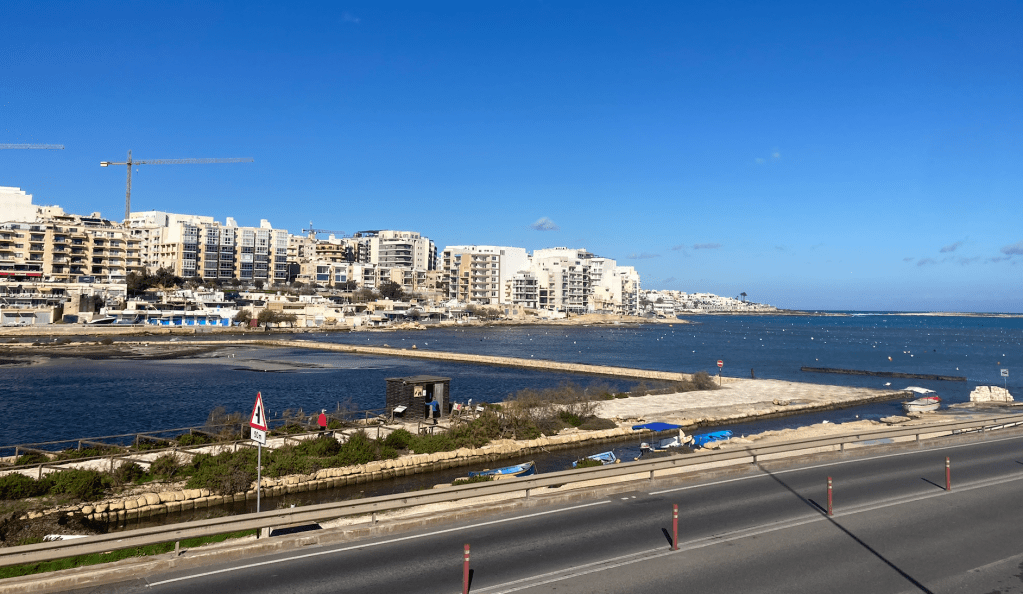
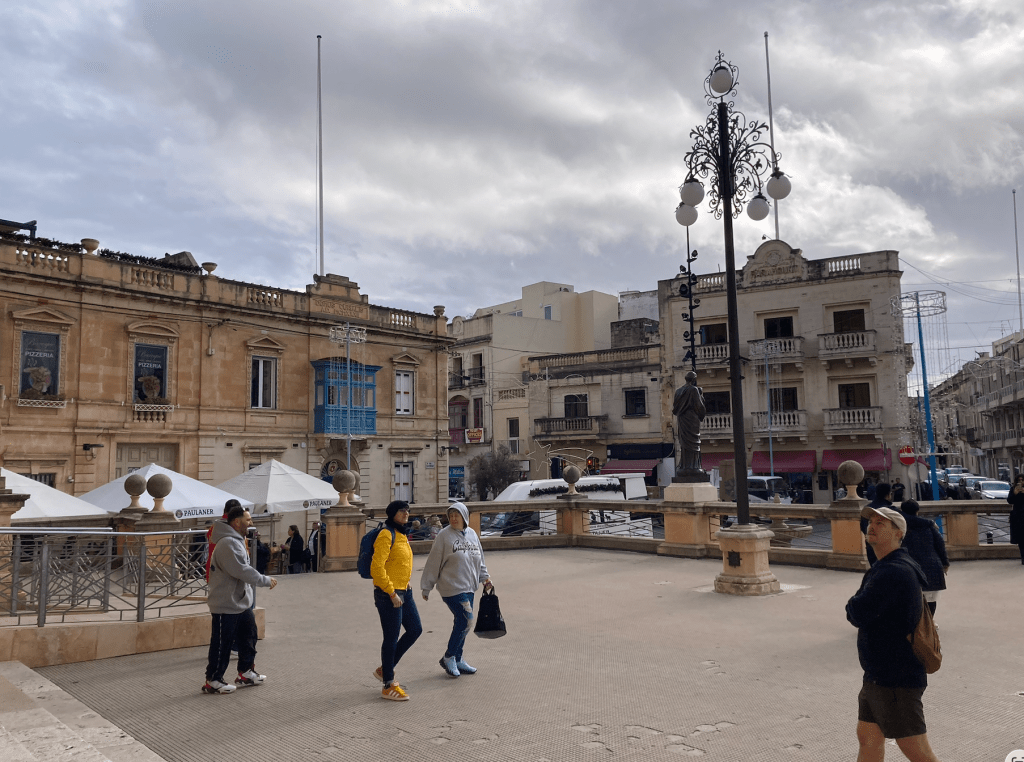
The sameness sometimes made us feel like we were walking in circles, but we probably were. And walking we did. The main Island of Malta is roughly 9 x 17 miles and its smaller island, Gozo is 4.5 x 8.7 miles. In the capital city of Valetta on Malta and the central city, Victoria on Gozo we could walk to the sea and back in almost any direction. Everything was close, especially the narrow roads with no shoulders. We were constantly clinging to the edges of the roads, stepping into the bushes to avoid cars (although the drivers were exceptionally polite).
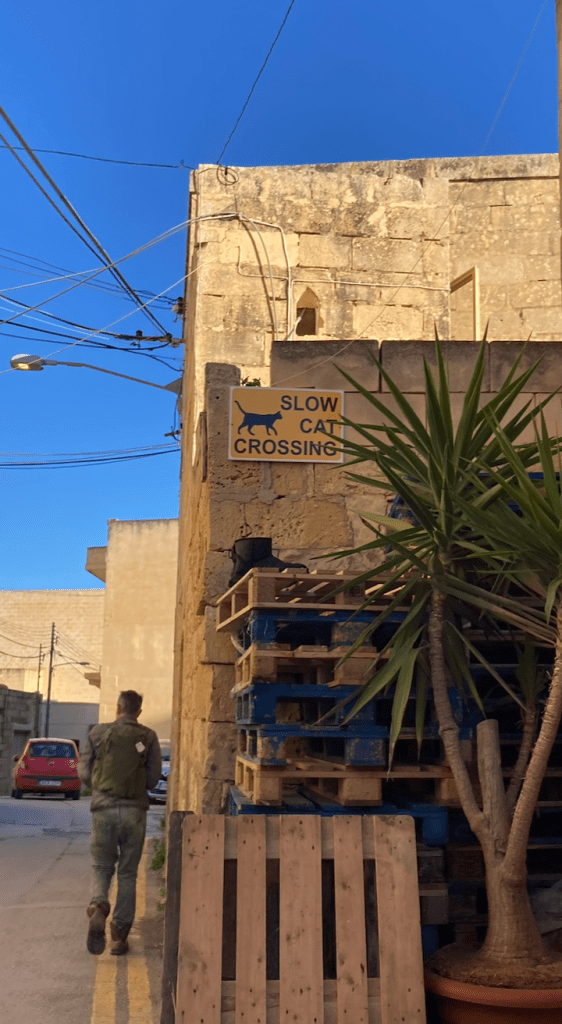
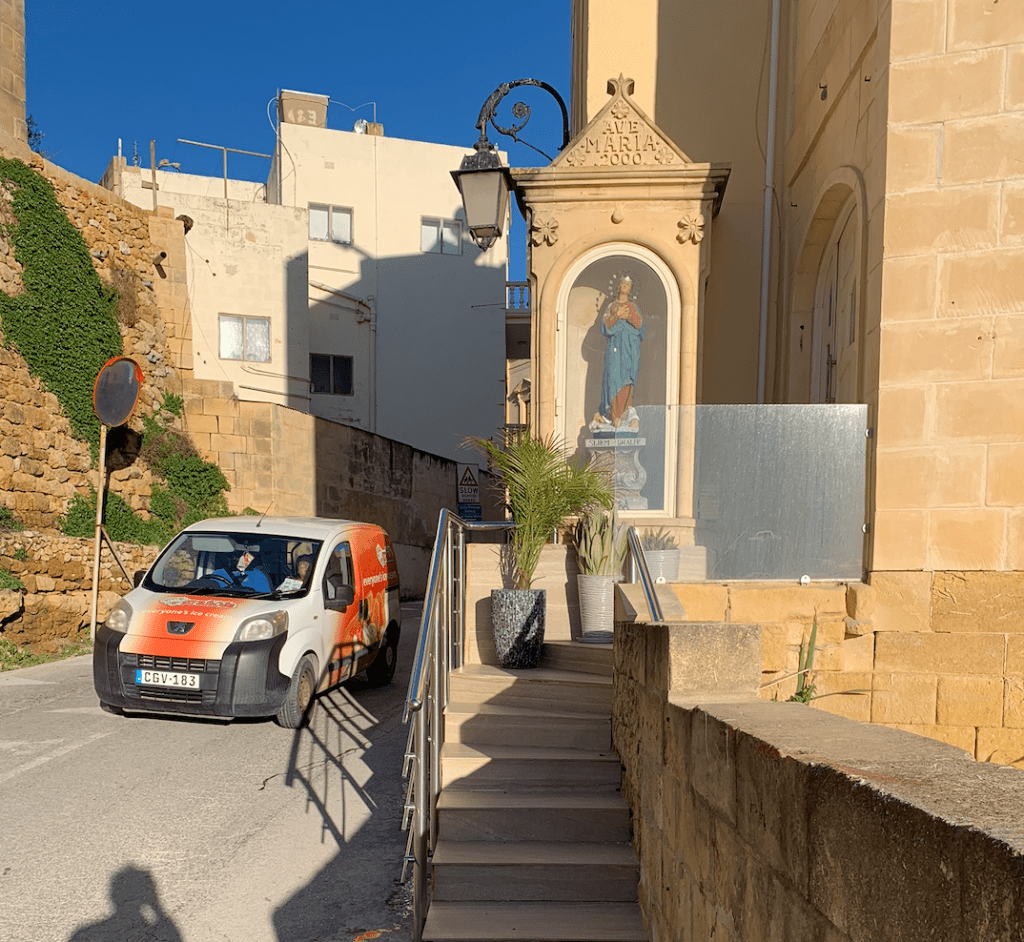
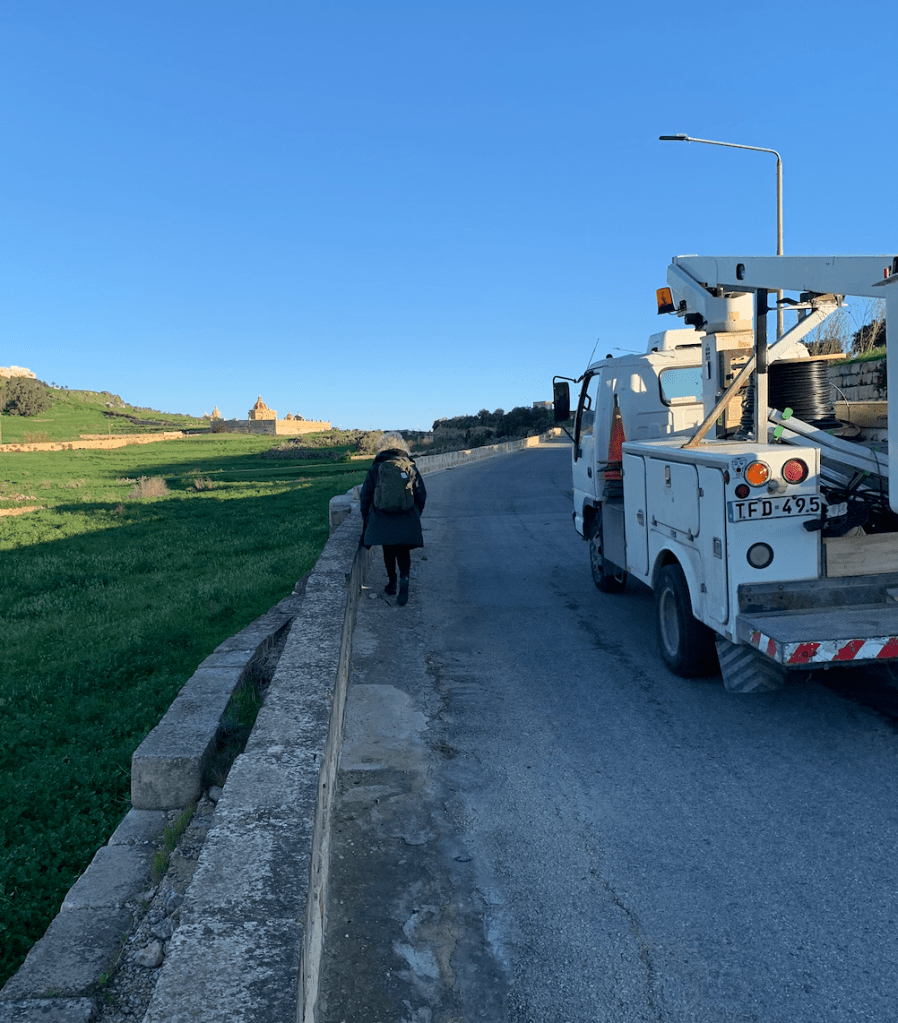
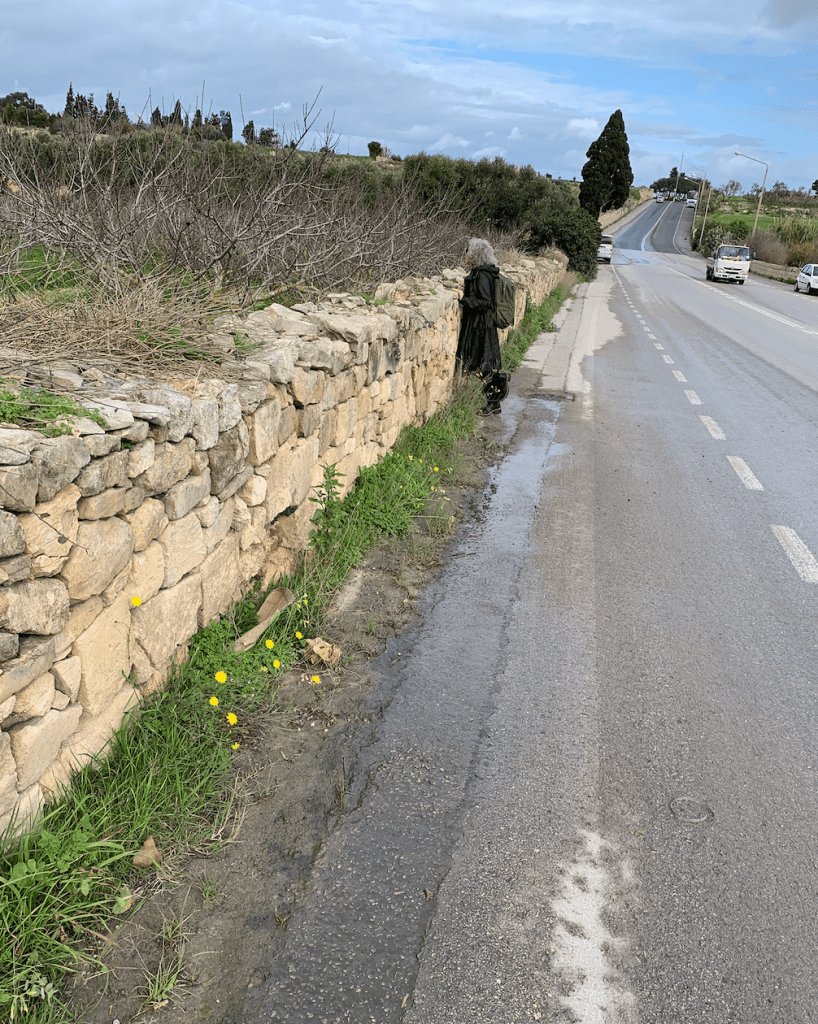
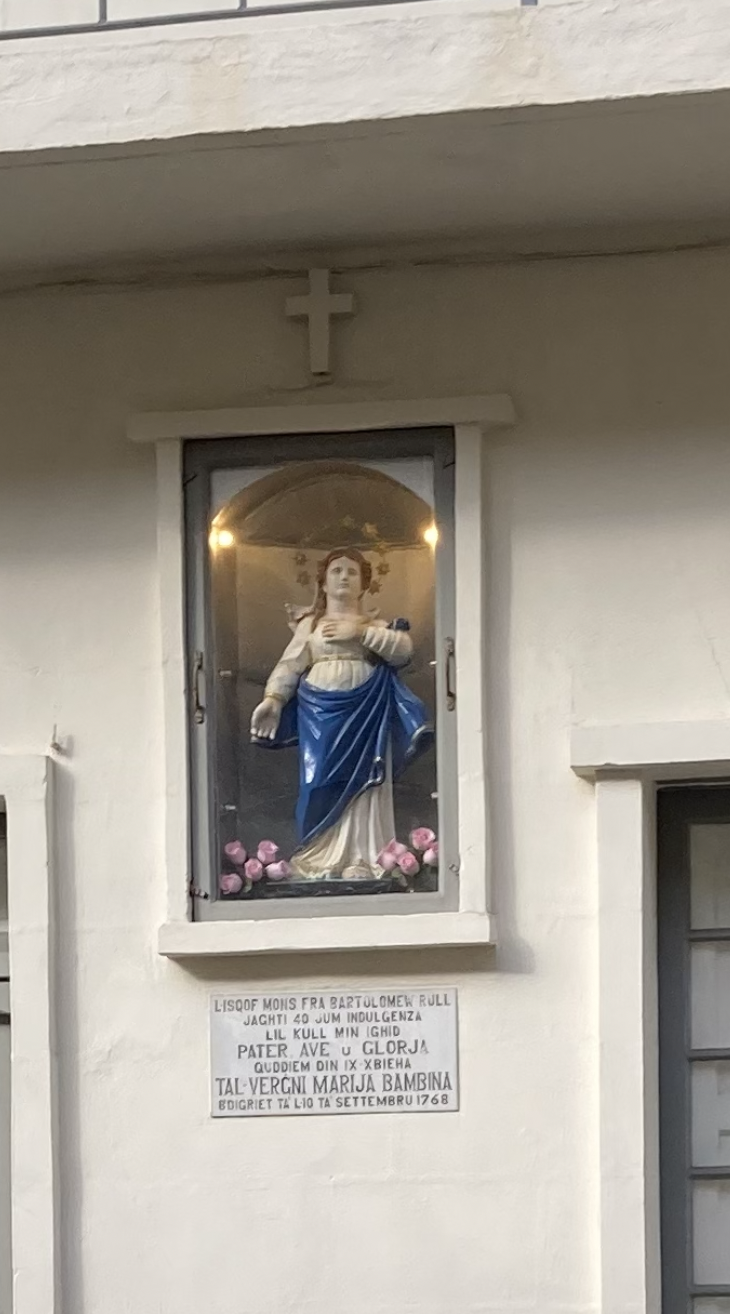
And, to add to the confusion, they drive on the left side of the road like in England. So, we were constantly looking the wrong way as we would almost get sideswiped. Fortunately, since Malta is the most demonstratively Catholic country we’ve been to, every step of the way, on most corners and every house, Mary or some other saint was looking over us.
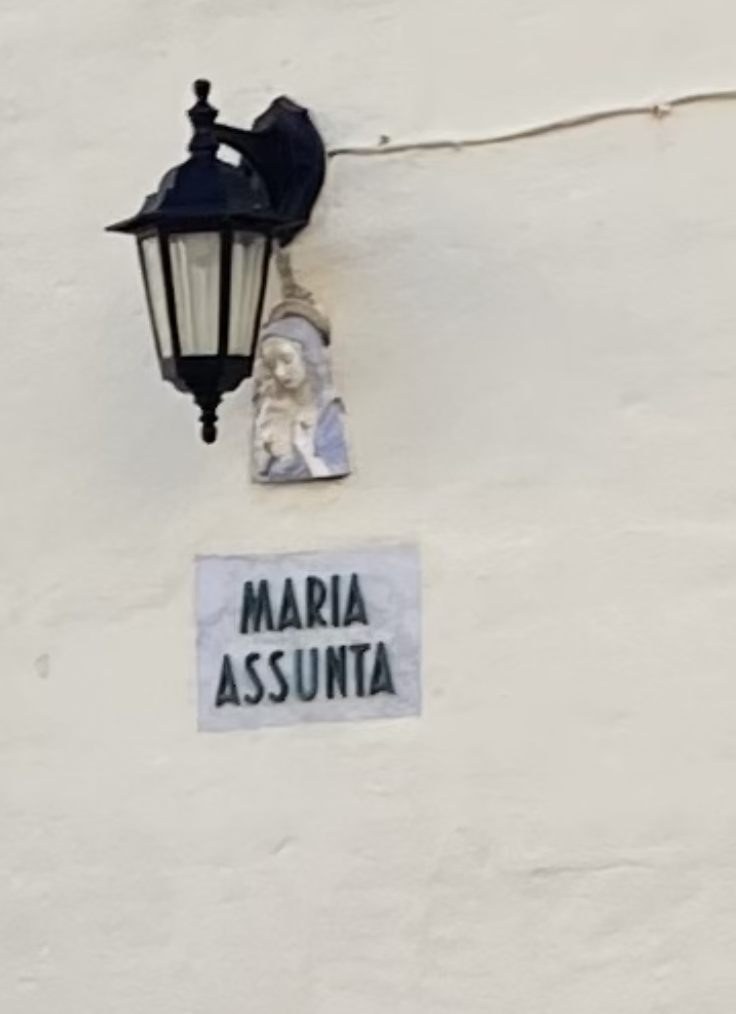
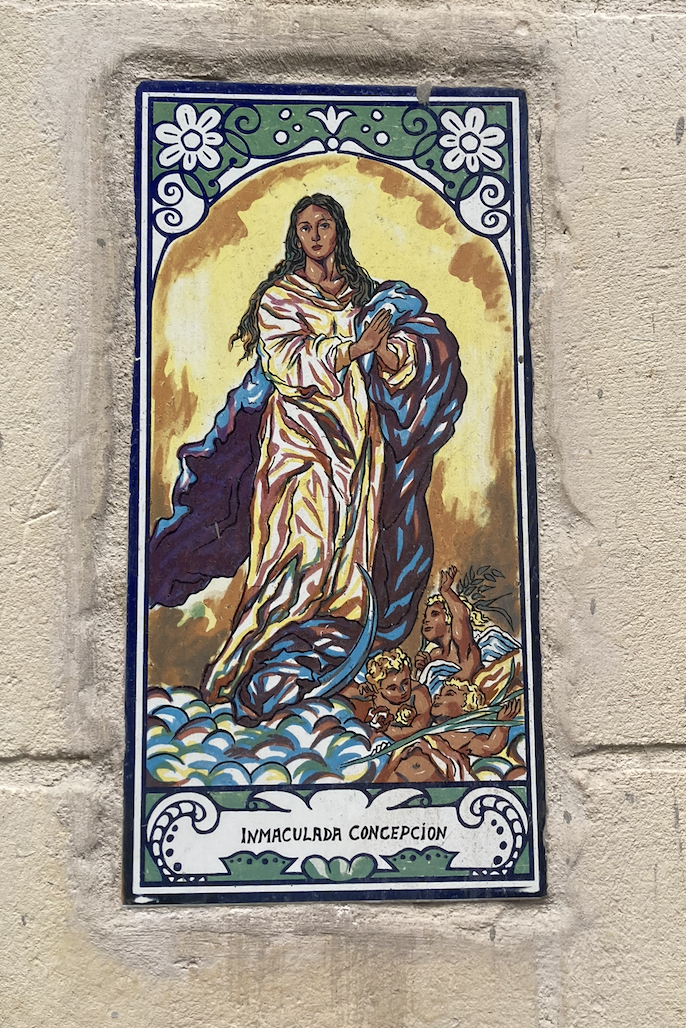
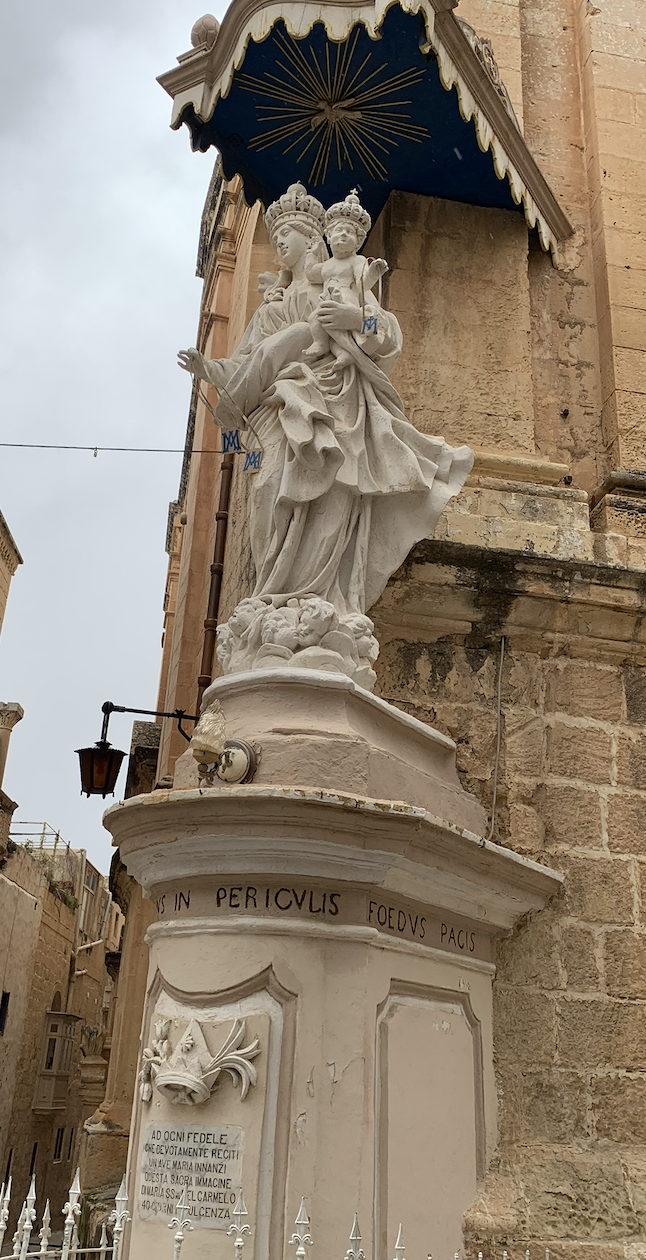
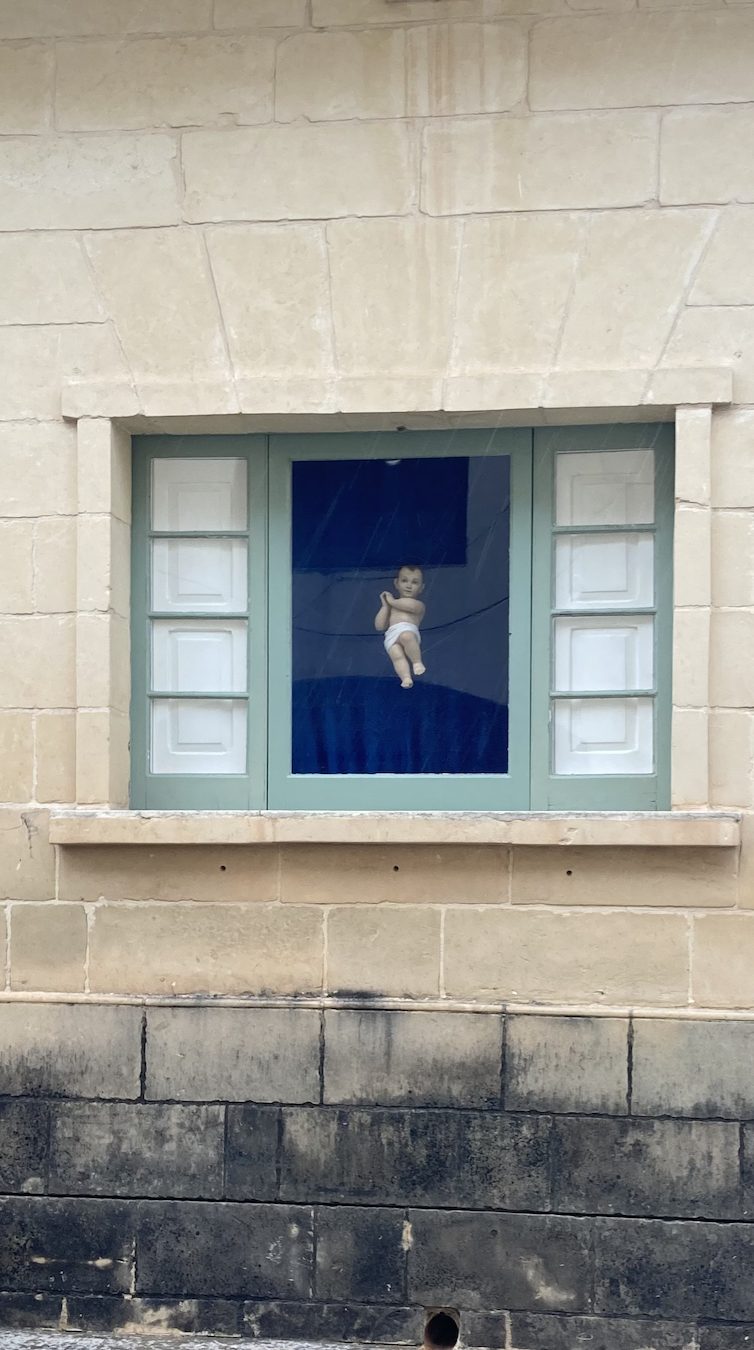
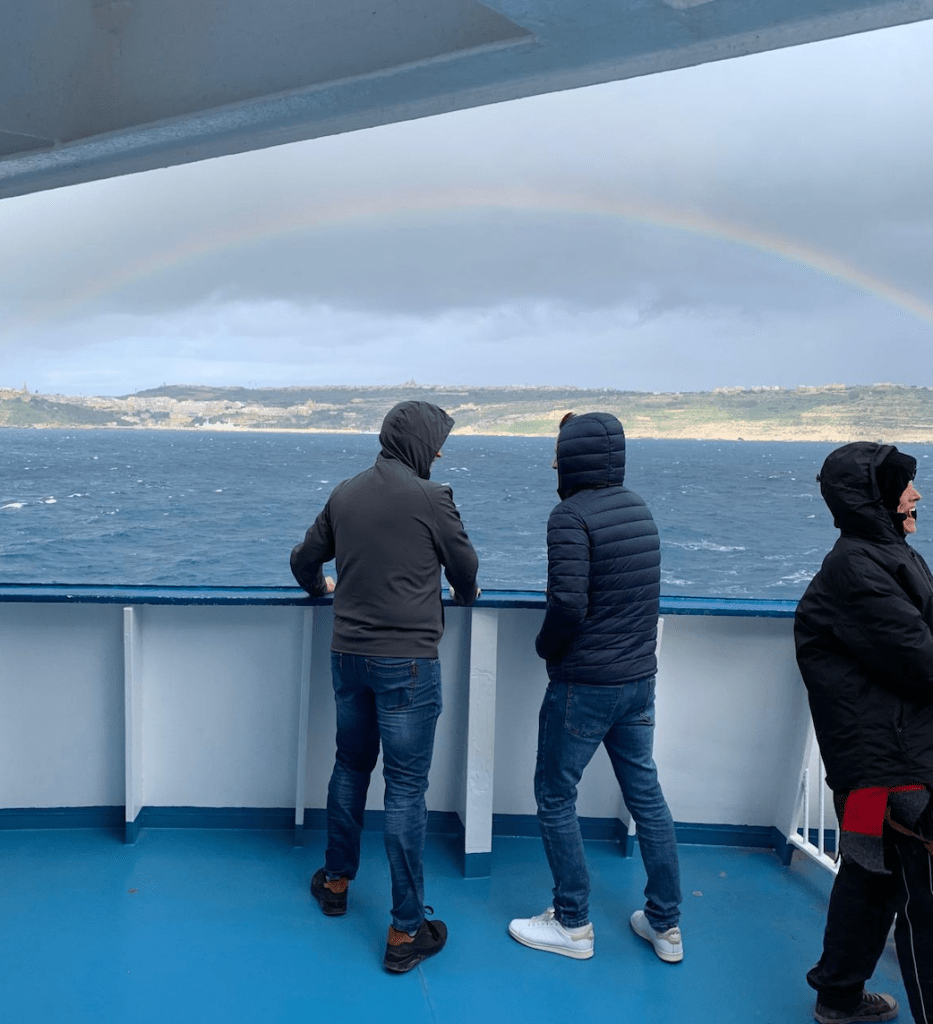
We really enjoyed our three days in Gozo, starting with the windy 20 minute ferry ride from Valetta.
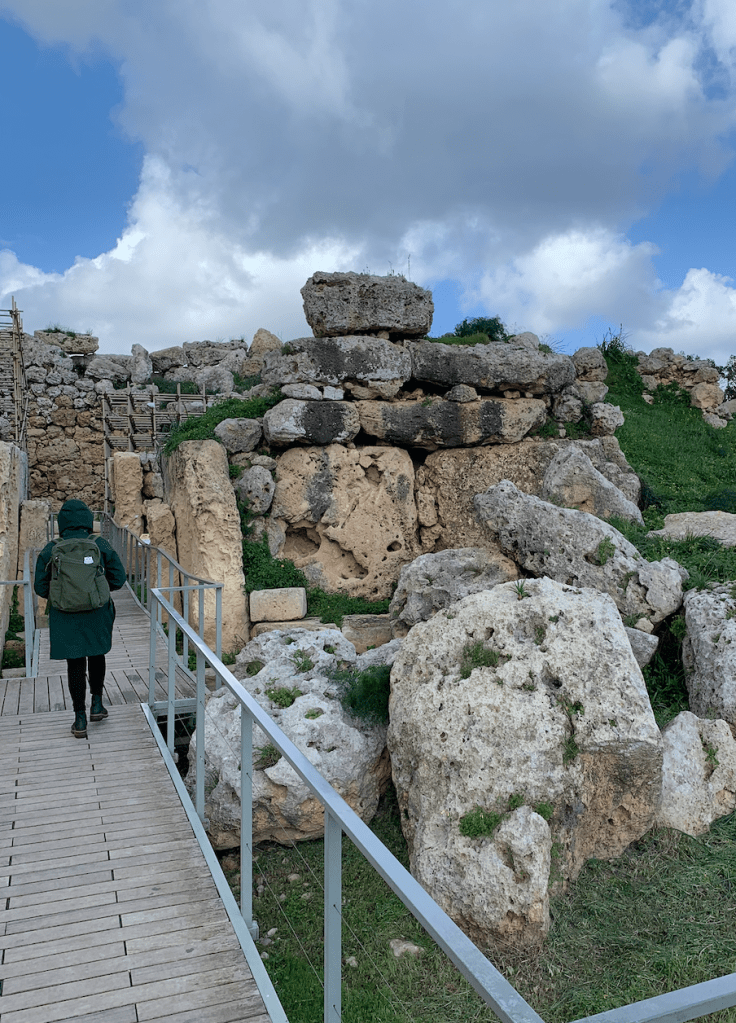
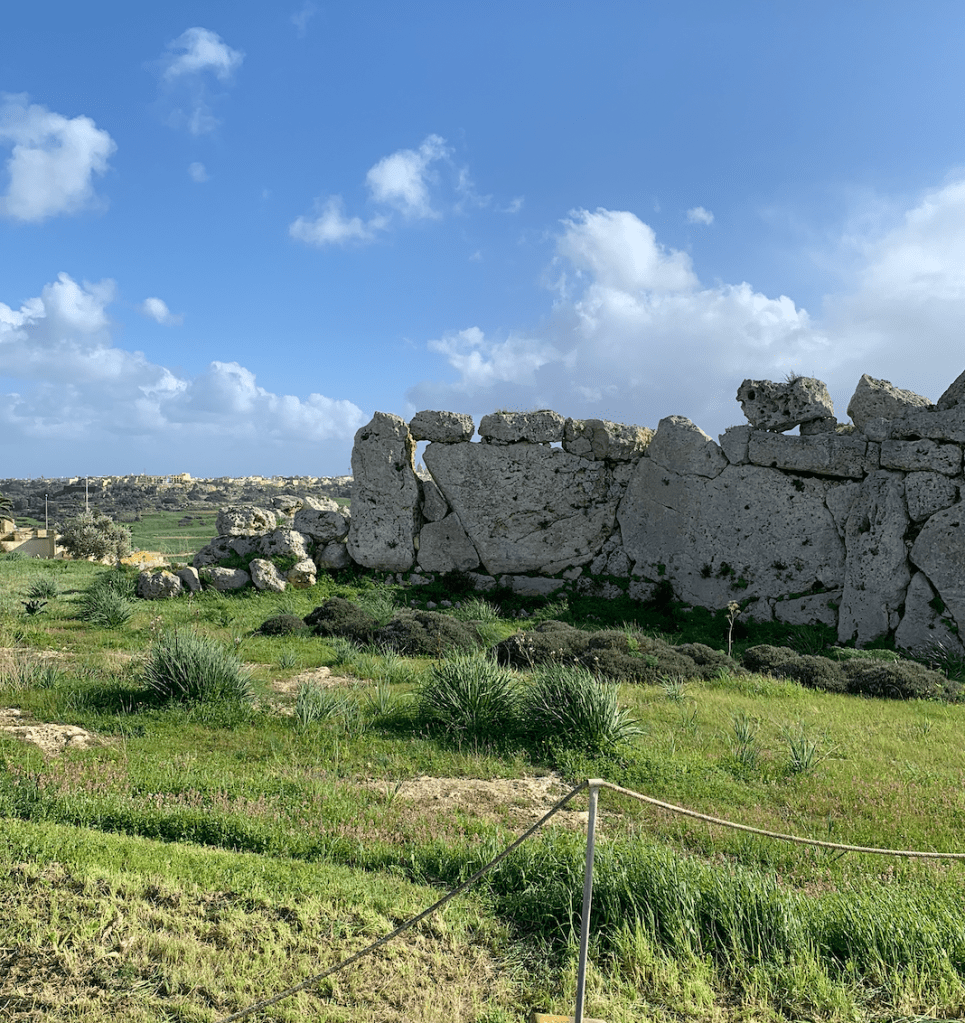
We stayed in the heart of Victoria/Rabat, across from a really great supermarket. From our apartment, we could literally get anywhere either walking or bus (great transit system) in under 30 minutes. First stop was Ggantija one of the oldest man made freestanding structures in the world, 3800–2500 BC (https://en.wikipedia.org/wiki/Ġgantija).
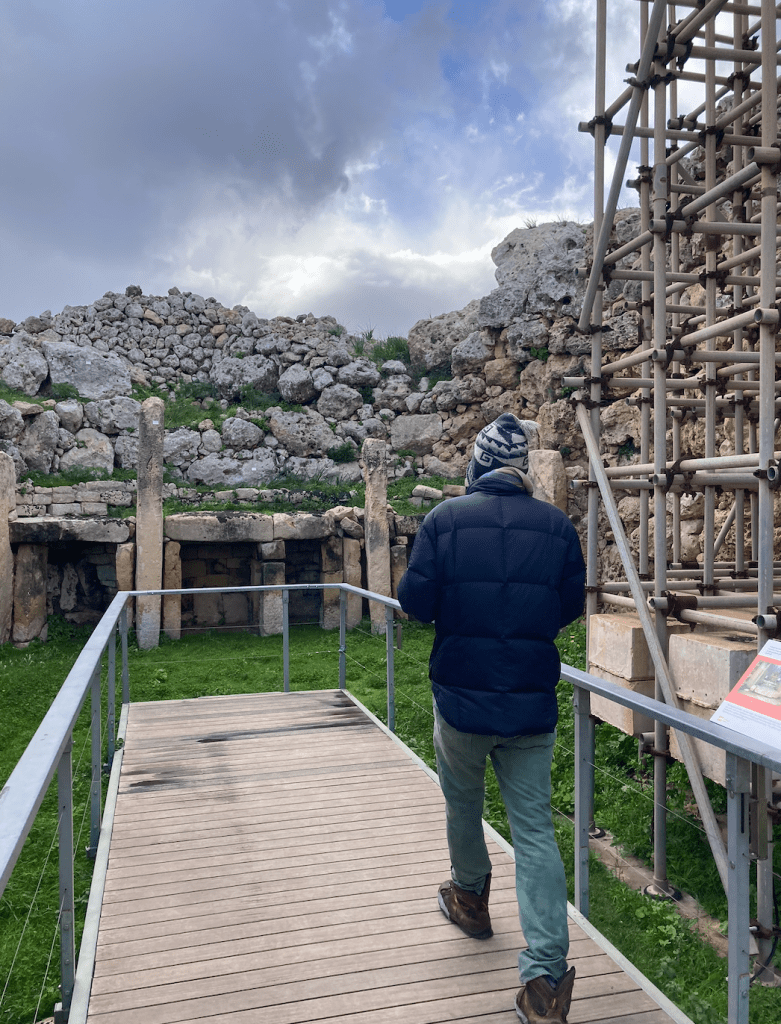
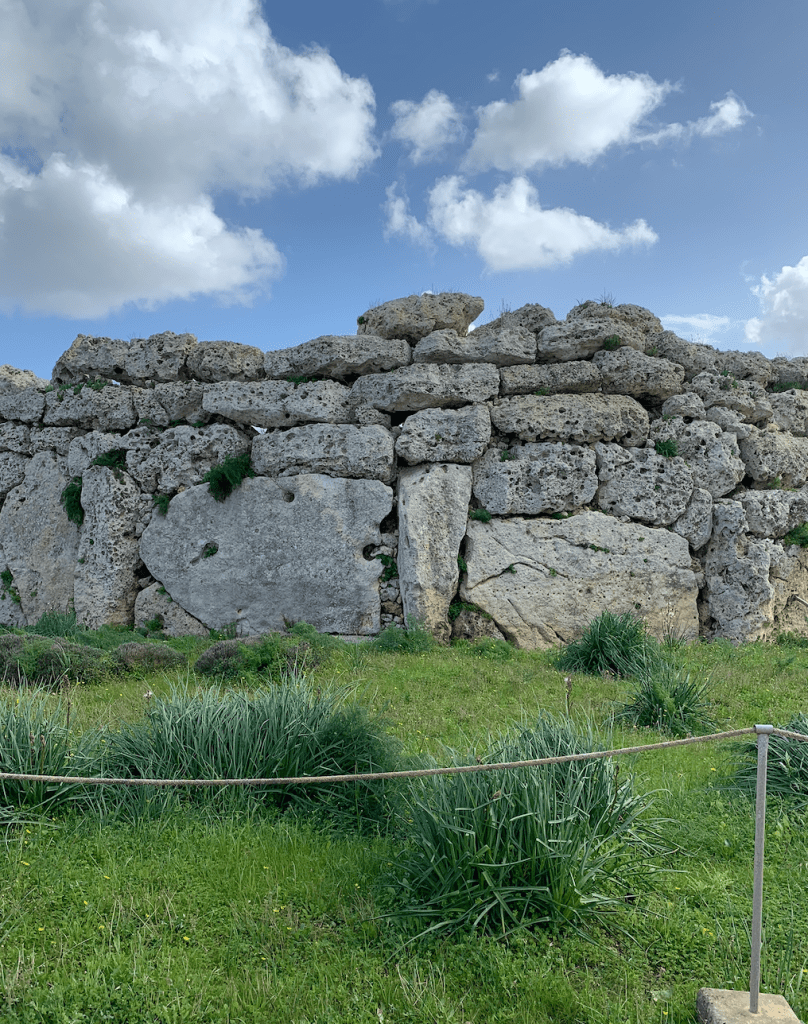
Our walks to the northeast coast of Gozo inevitably ended up at the salt pans, some built by the Romans, others by the knights. Many still being used today.
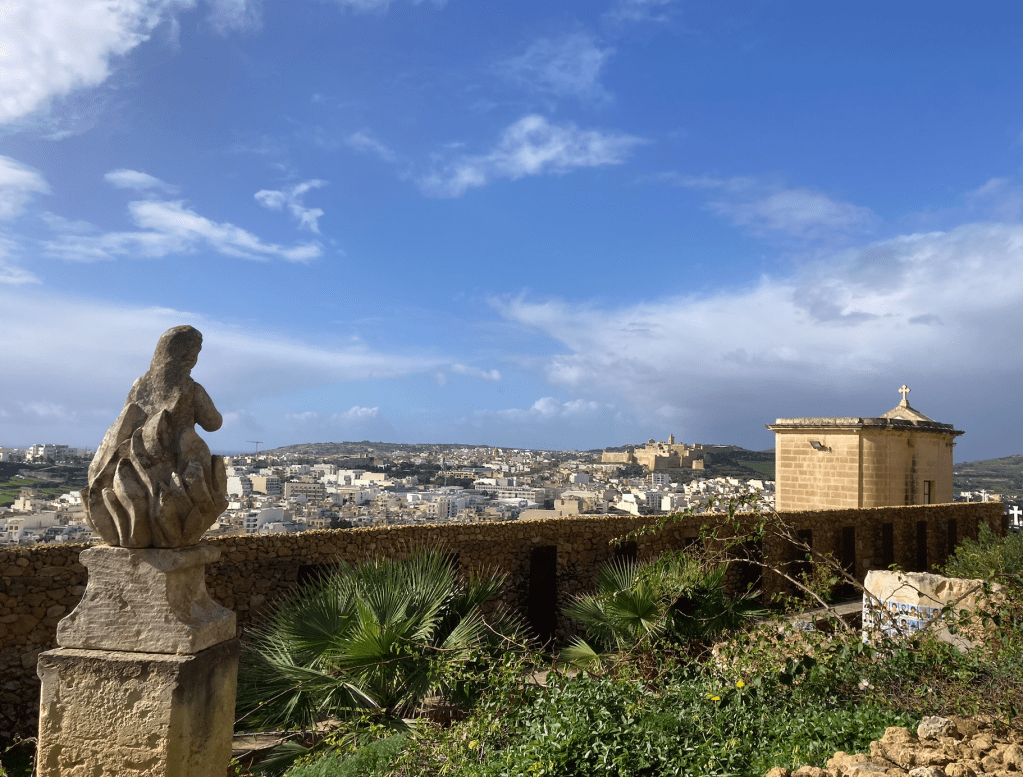
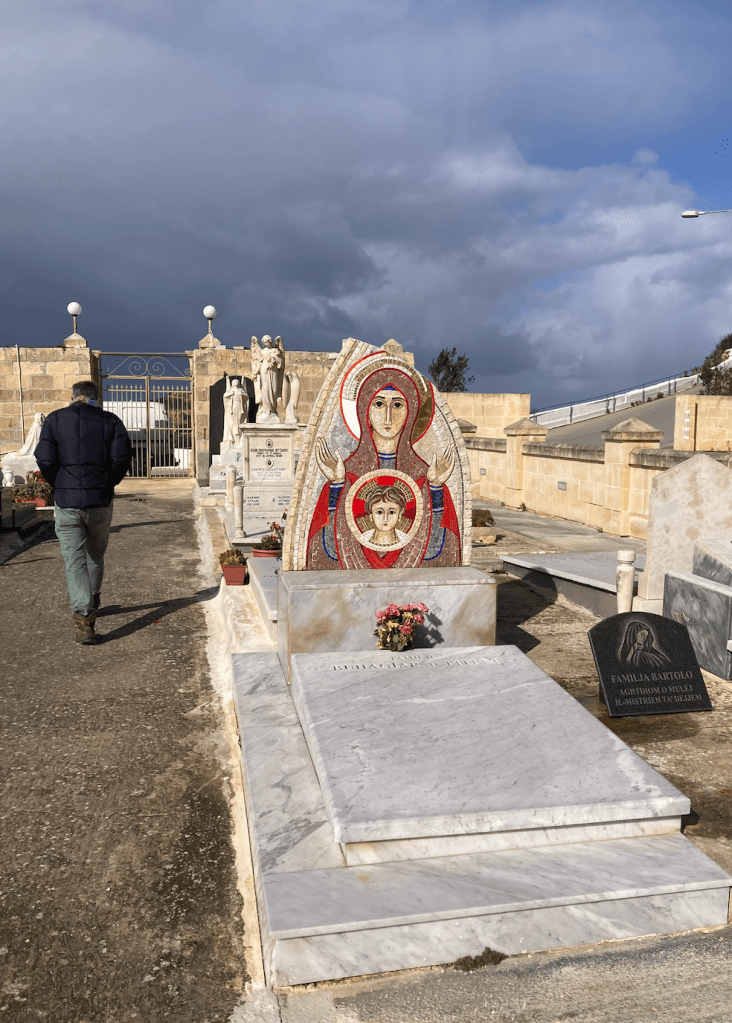
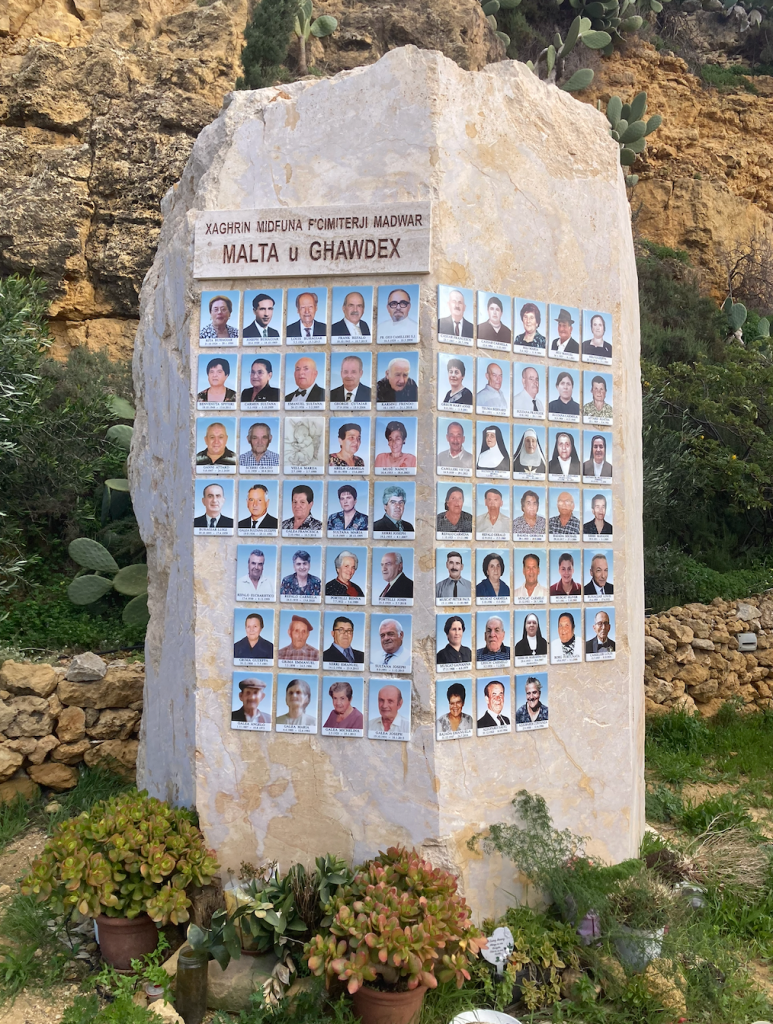
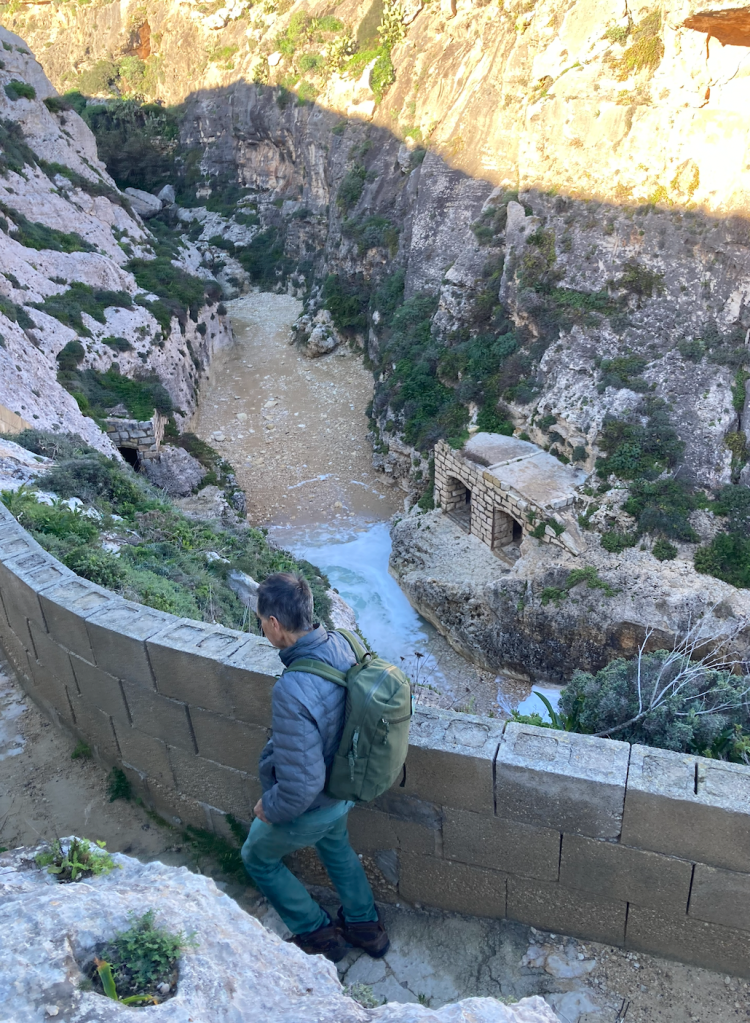
We split the rest of our 2 weeks in Valetta between two areas; Sliema and Florina which was just outside the walled city. We thought it was a good way to see the whole island, but actually they were only a 20 minute walk from each other. The big draws for us here were the Ħal Saflieni Hypogeum, a multilevel underground burial chamber from 4,000 BCE https://heritagemalta.mt/explore/hal-saflieni-hypogeum/ and the Għar Dalam Cave and Museum https://heritagemalta.mt/explore/ghar-dalam/. Very cute museum detailing the animals that lived in Malta before the land bridge to Sicily and mainland Europe was covered 160,000 years ago. The cave was where many of the bones were found along with ancient paintings plus old and new graffiti. The museum was surprisingly the only place where we saw animals although all were dead. We did not see squirrels, or many birds, no rabbits, but rabbit stew is a national dish, so maybe that explains it.
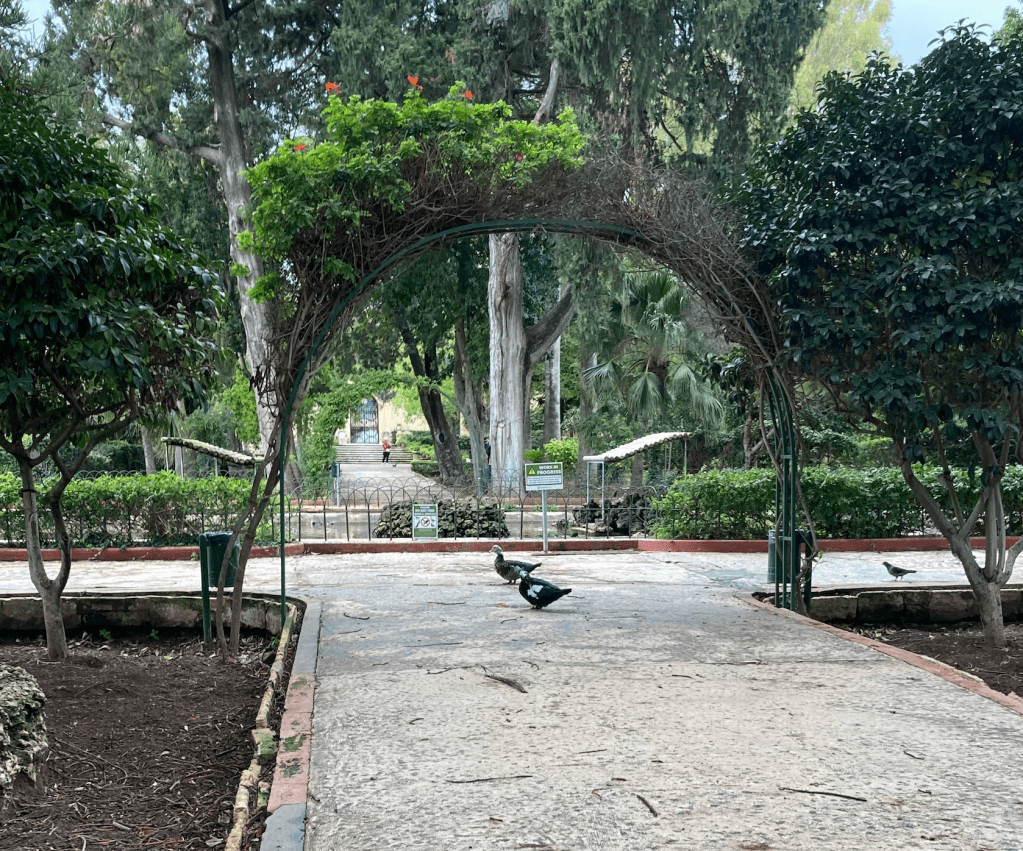
Our initial reaction to our taste of Malta was lukewarm. But, by the end of two weeks we definitely warmed up to Malt-a-deal and it actually was flavorful and filling. We flew on to a wet muddy France still enjoying the fullness left over from Malta.
 Chosen Fugue
Leave a comment