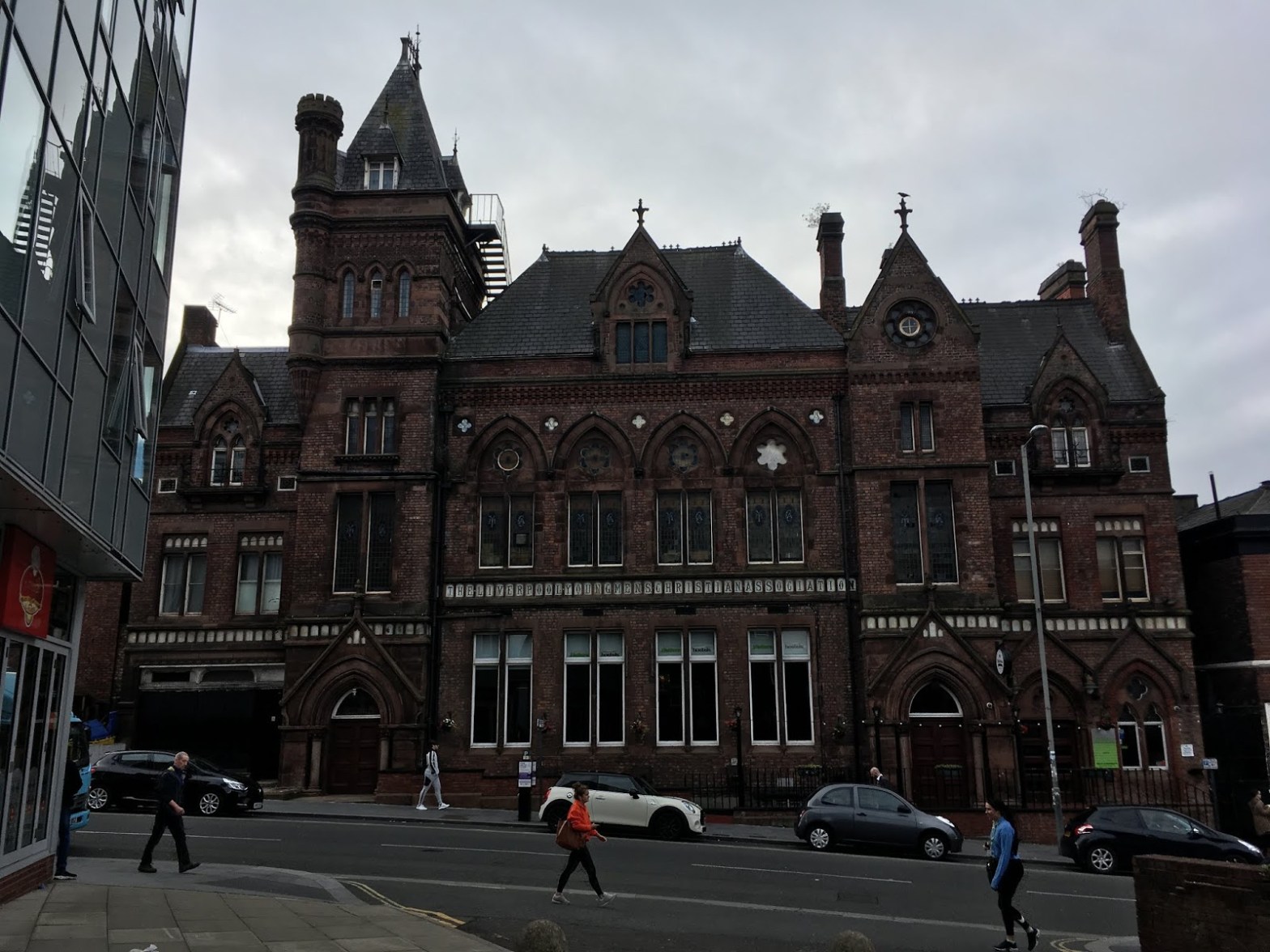
The first thing the clerk asked us as we checked in to the hostel in Liverpool (the picture above), “Do you like the Beatles?”, but what was strange was as we walked down Lime Street, we kept hearing different Neil Young songs being played from the bars. Neil Young, the 5th Beatle? Well actually, everyone thinks they are the 5th Beatle.
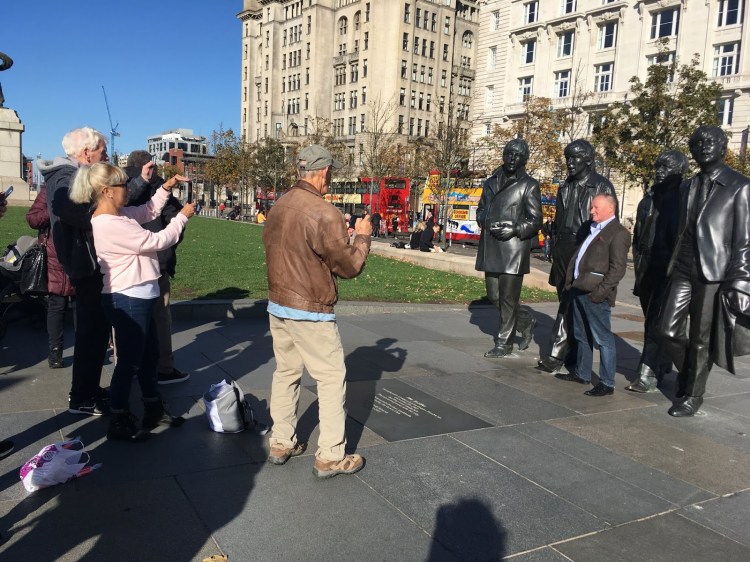
Liverpool is a port town, located at the mouth of the Mersey River as it flows into the Irish Sea. Historically, most jobs centered around shipping and the sea. This history is referenced throughout the town, for example, the Rope streets, designed so that ropes for ships could be laid out while being braided. It really has the feel of a blue collar town, and locals seem to have a great pride of their roots. Liverpudlians are called “Scousers”, scouse is a contraction of “lobscouse”, which was a type of stew (Norwegian in origin), once popular among sailors, and is still eaten in Liverpool today.
Liverpool was the site of mass Irish immigration in the 1800’s due to its proximity to Ireland and job opportunities, and still has the largest Irish descended population in England.
Antwerp, Belgium had the Red Star Line, Liverpool had the White Star Line, both were major carriers of emigrants primarily to The Americas. To it’s credit, the White Star line, was the first to have more humane accommodations for third class passengers. Due to it’s significant strategic port and shipping business Liverpool was heavily bombed in WWII which affected almost every family, and shaped the collective psyche. The Titanic and Lusitania were built here, so those disasters also were personally felt by many neighborhoods in Liverpool.
We learned all of this from visiting a bunch of rather unique (and free) museums, each effectively portraying Liverpool’s significant role in major world events over the past 200 years.
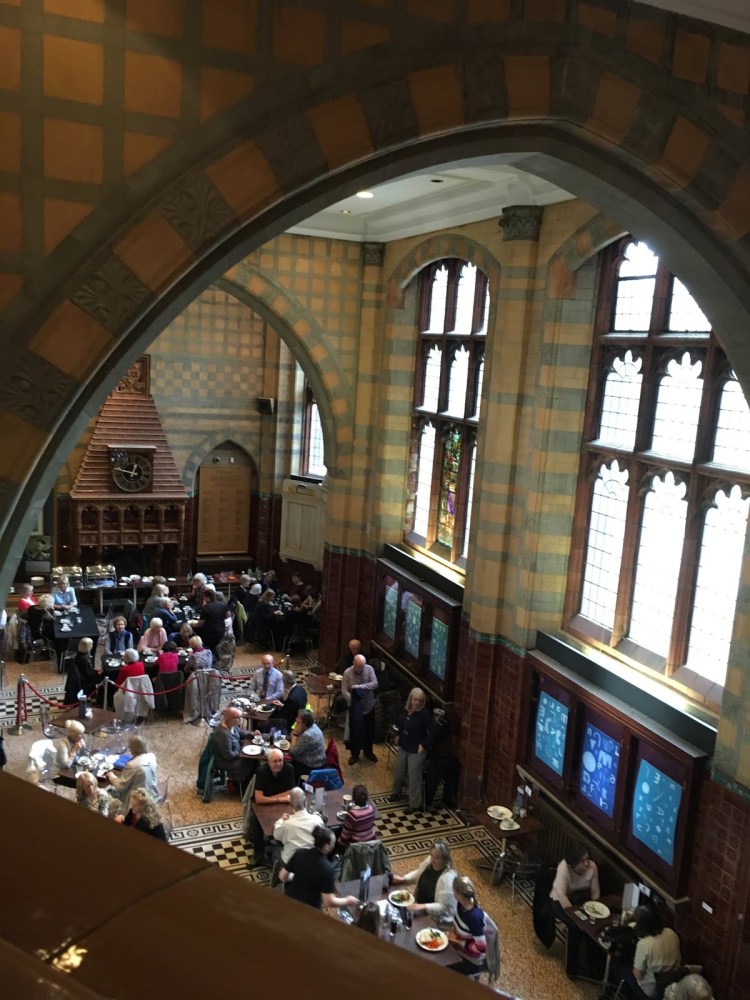
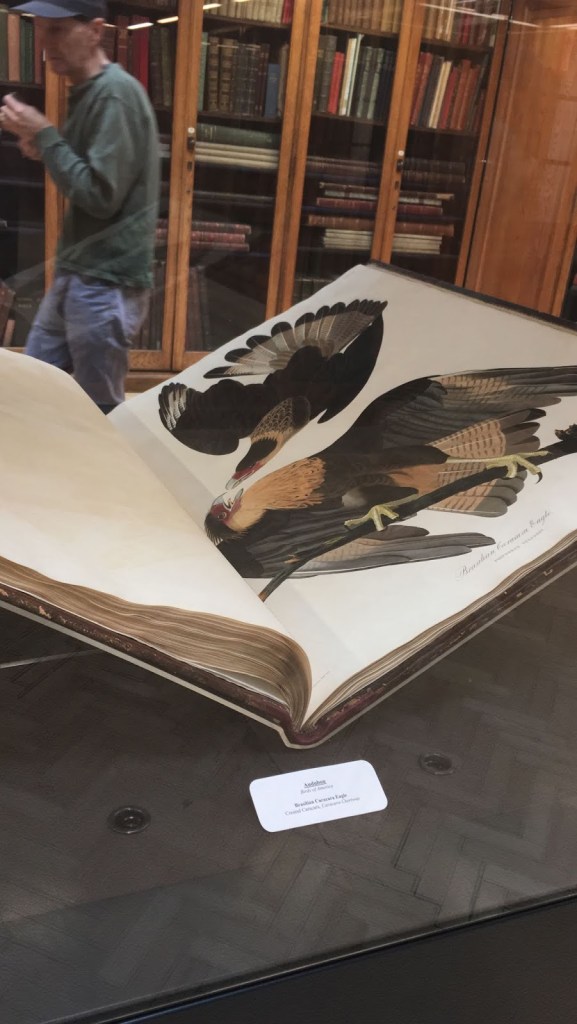
Everywhere we went there was this balance of pride in showcasing the city’s achievements (shipping, music, early abolitionists, first schools for blind/deaf) while honestly acknowledging shame in their participation supporting the slave trade, racism and abject poverty. We left almost every museum with pretty strong emotions; often sadness although usually tempered with an appreciation of Liverpool. Most of the museums were in beautiful old buildings that would be beautiful even empty. The World Museum, in a beautiful building, had among the tons of exhibits, tons of findings from the early 1900 excavation of various Egyptian tombs, particularly Thebes, “discovered” by Liverpudlians. The Victoria Gallery, on the campus of the University of Liverpool, was also one of those beautiful buildings museums. You entered through a lovely food hall (campus meal hall?) and smelled peas and roast beef the whole time.
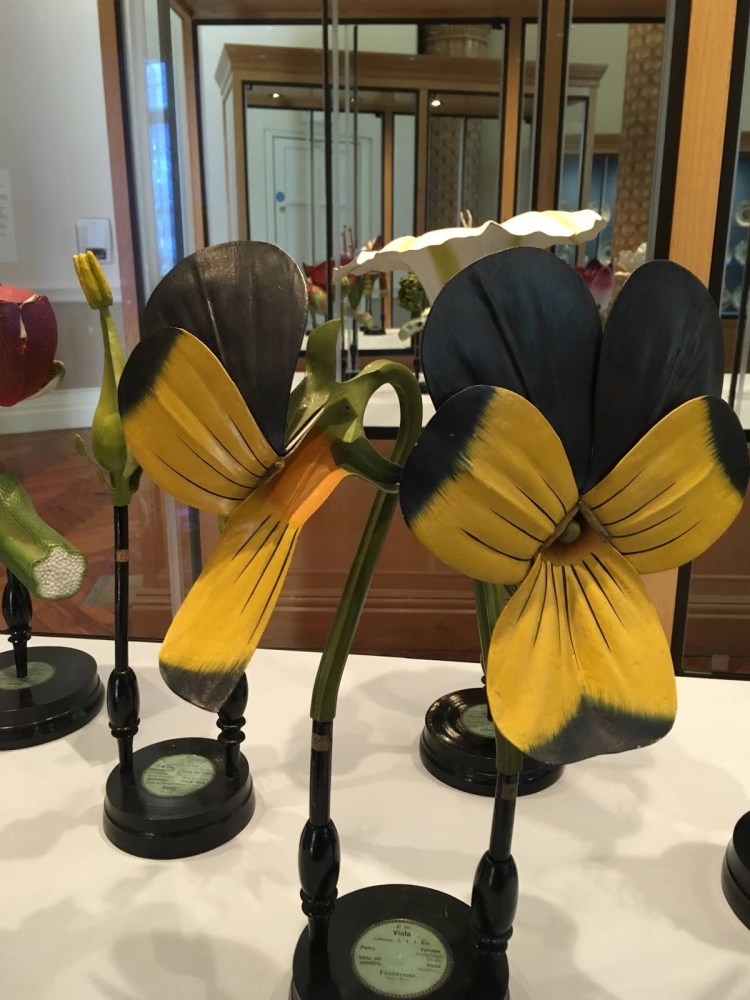
Another standout museum was the combination Maritime and Slavery museum, sharing a building at the historic Albert Docks. The Slavery museum seemed a bit different then most as it not only presented the history but also the continued influence on modern life such as products and street names associated with slavery and the roots of racism as related to slavery. Slavery rebellions were highlighted- primarily in that they happened and were never publicized. Then we moved on to the Liverpool Museum. This museum and the MAS Museum in Antwerp were by far the best the “city” museums, although this one was super simple and very low tech.
This is the museum that really showed Liverpool warts and all while managing to display a degree of pride. While we skipped 99% of the Beatles heritage spots, we did go to the Yoko Ono and John Lennon exhibit at the Liverpool Museum, it was surprisingly touching- both how far ahead of the times they were and what a tragic loss.
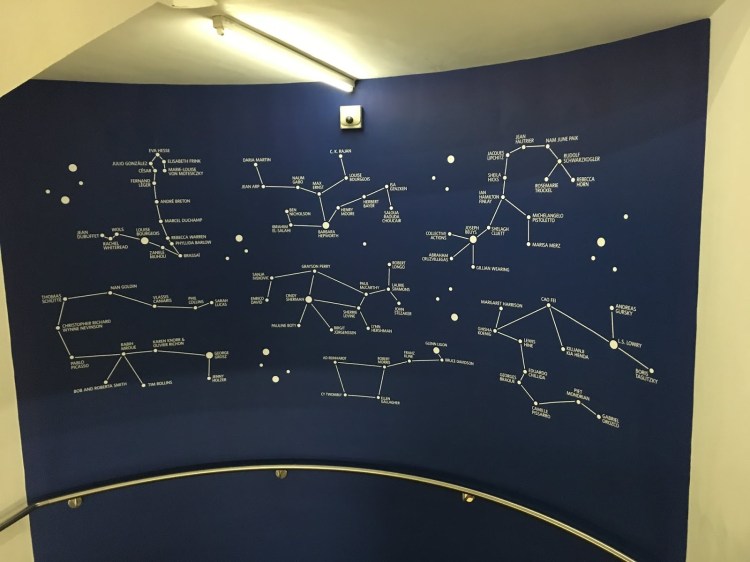
Next was the the “Liverpool Biennial” at the Tate (could of skipped) although there were these cool “constellations” linking artists which reminded us of the character charts our kids used to make in middle school- both effective.
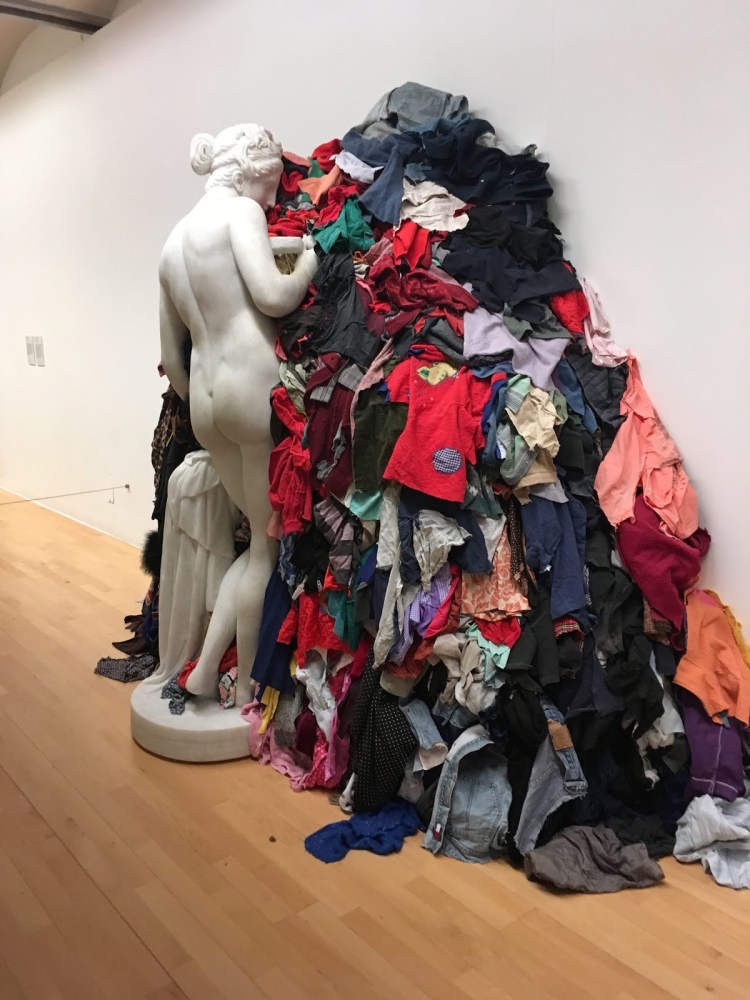
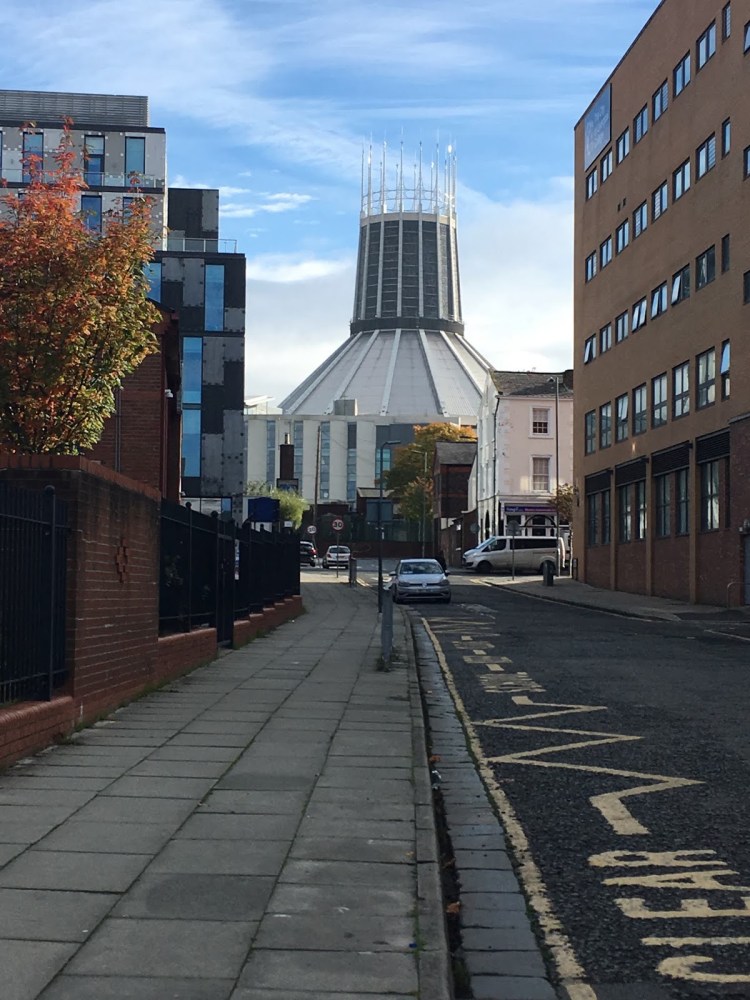
Liverpool continued to be full of surprises, we unexpectedly turned the corner and saw this, another laundry reminder?
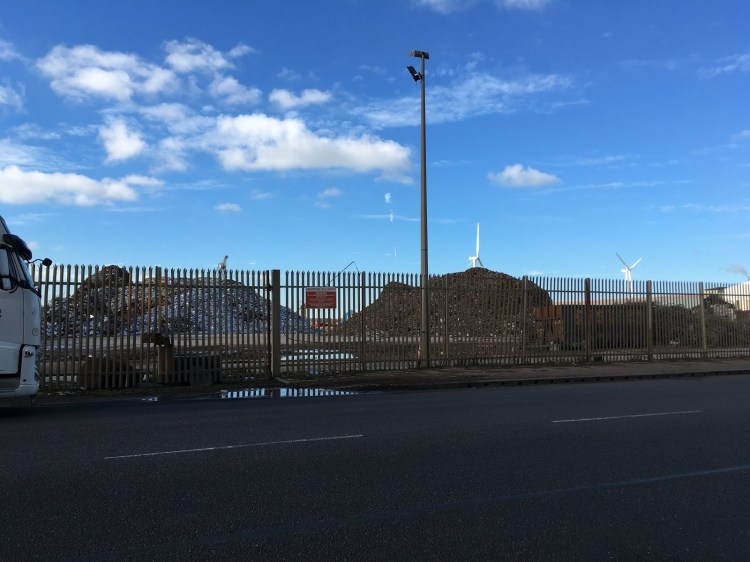
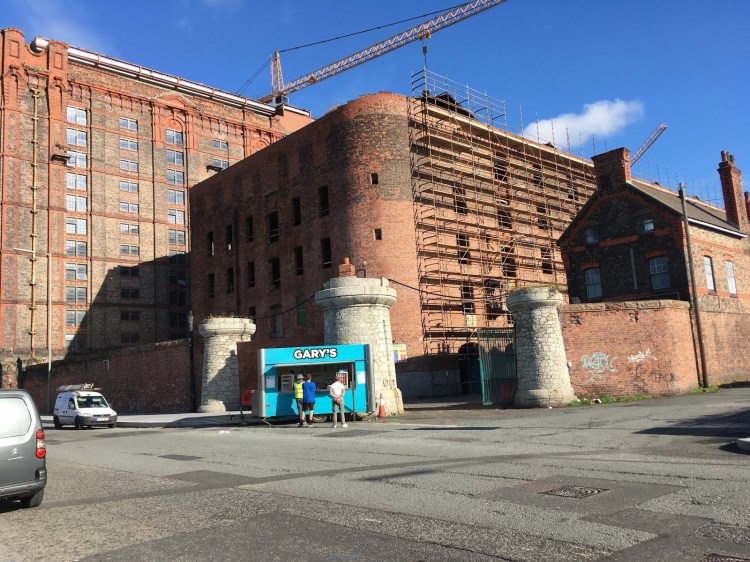
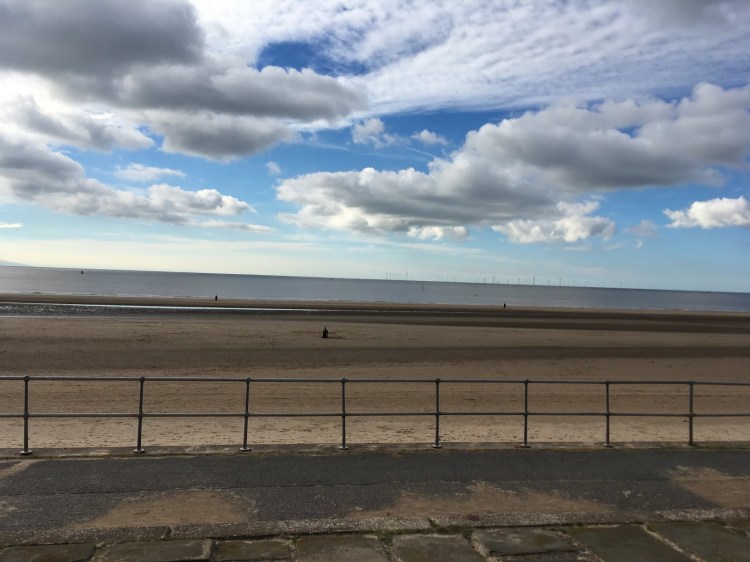
The goal of our 7 mile noxious walk was Crosby beach.
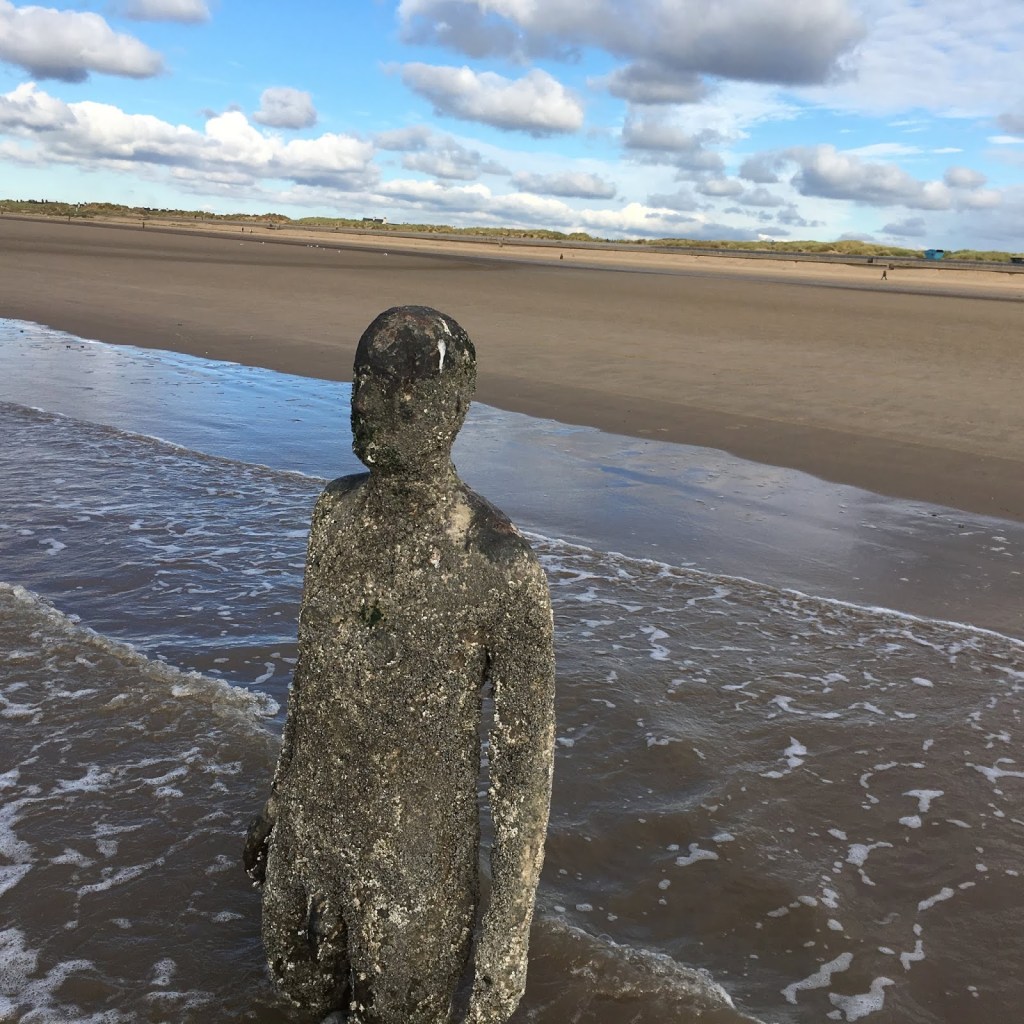
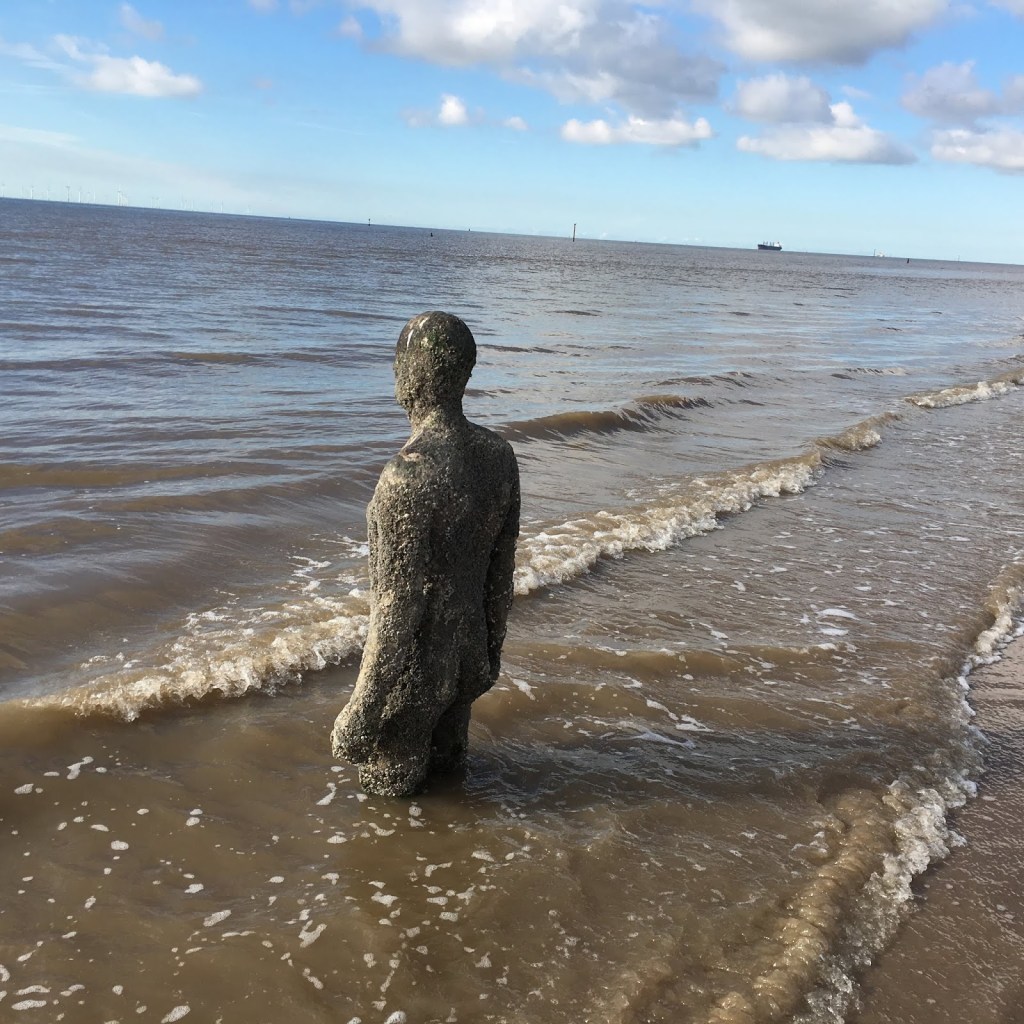
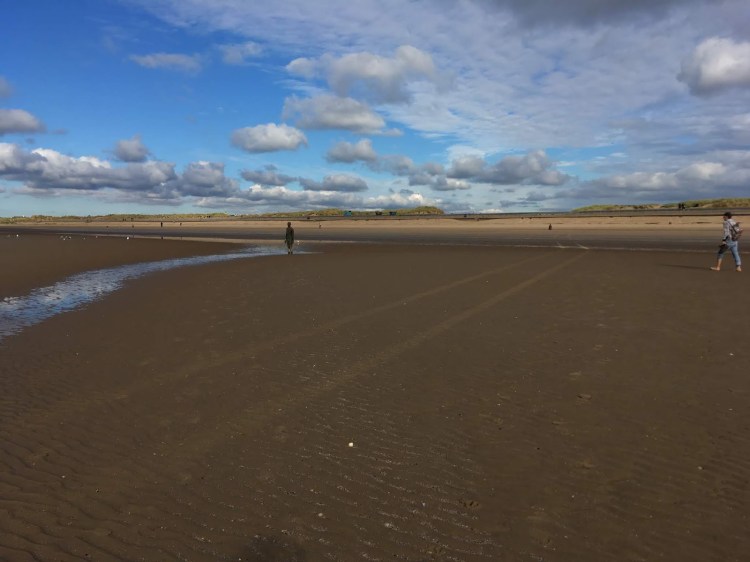
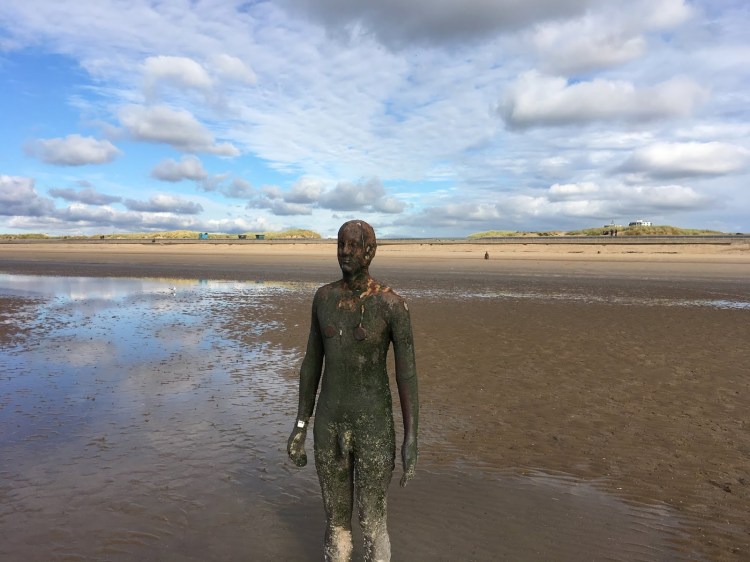
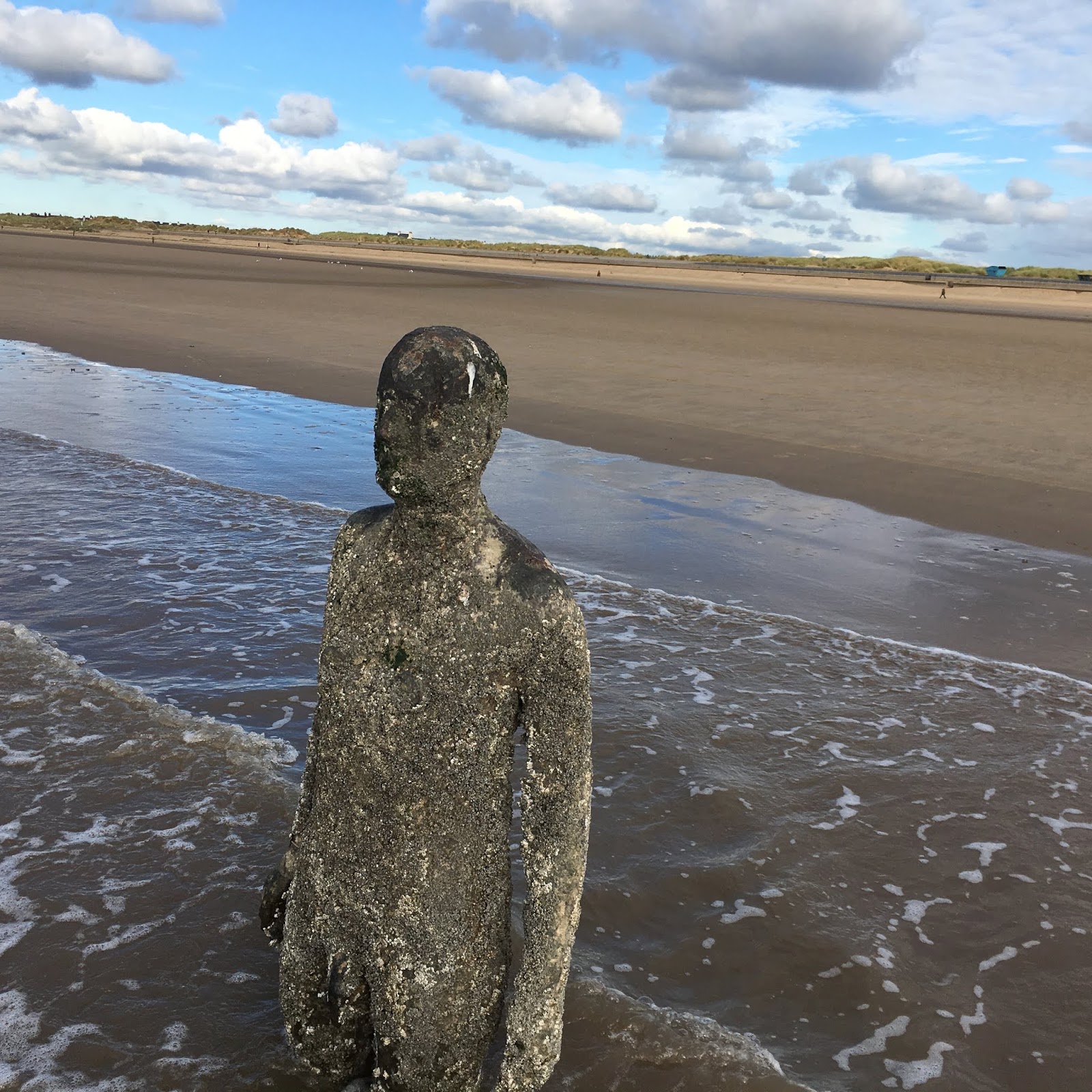
This is why we walked to Crosby Beach. A hundred sculptures of the artist are widely spread across the beach, some as far as 100 yards into the sea, are collectively and aptly called “Another Place” by Antony Gormley, they were originally exhibited in German in 1997, then Norway and Belgium, before finding a permanent home here in 2007.
With Liverpool’s history of Immigration and Emigration; as the home of the Titanic and Lusitania; with its losses with the “Great War” and WWII, these hauntingly beautiful statues staring out to sea, seemingly reflecting on life, welcoming or saying goodbye to family, friends and dreams or waiting for those who will never come home, completely captures Liverpool’s enduring history of hardships and longing for the better, making it the perfect location for this art. http://www.biennial.com/collaborations/another-place
This week’s photo of topless old man looking out window contemplating his life: A day at the beach…with friends.
 Chosen Fugue
Beautiful! Thank you for all you shared here. Such great experiences!
LikeLike