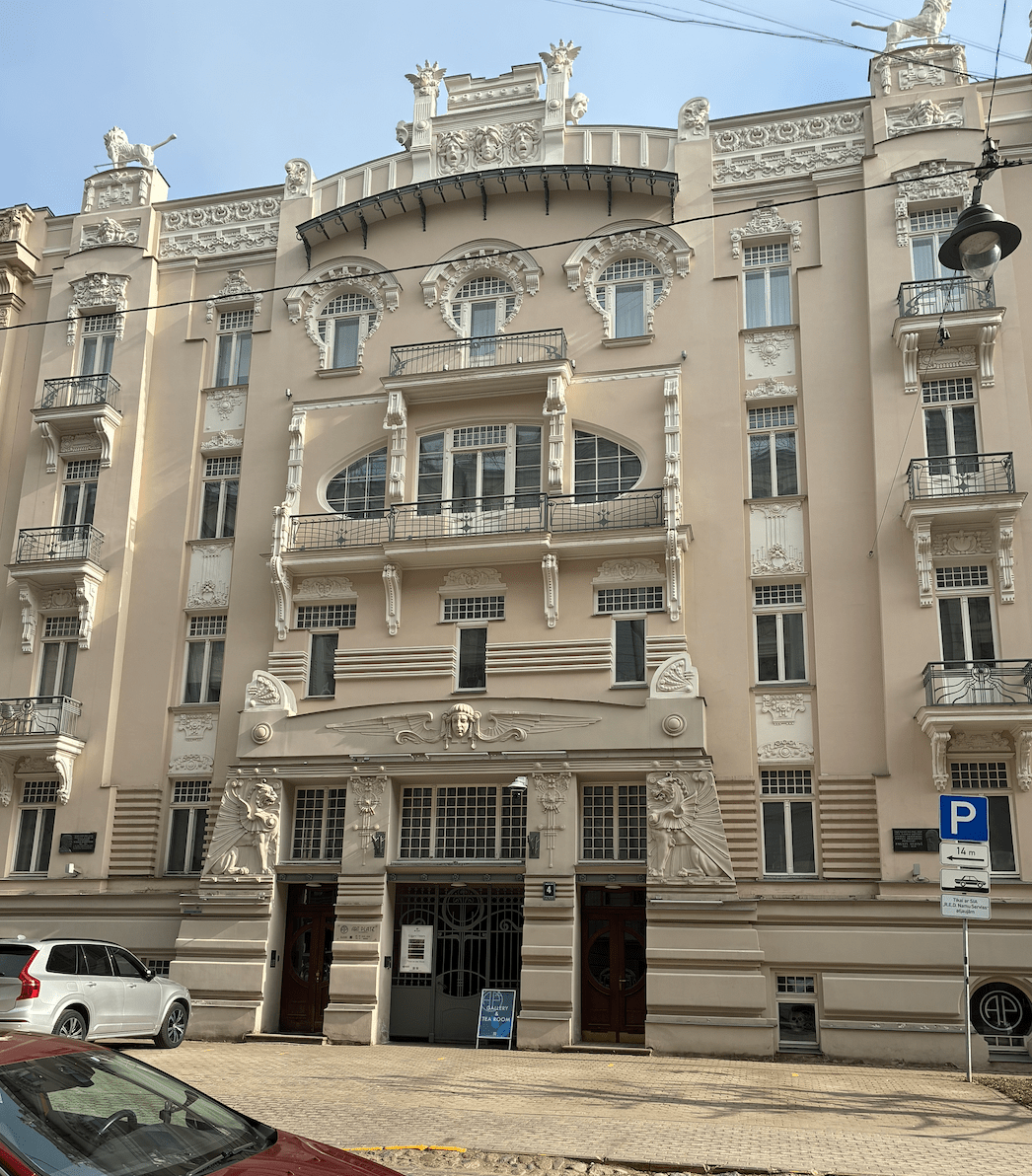
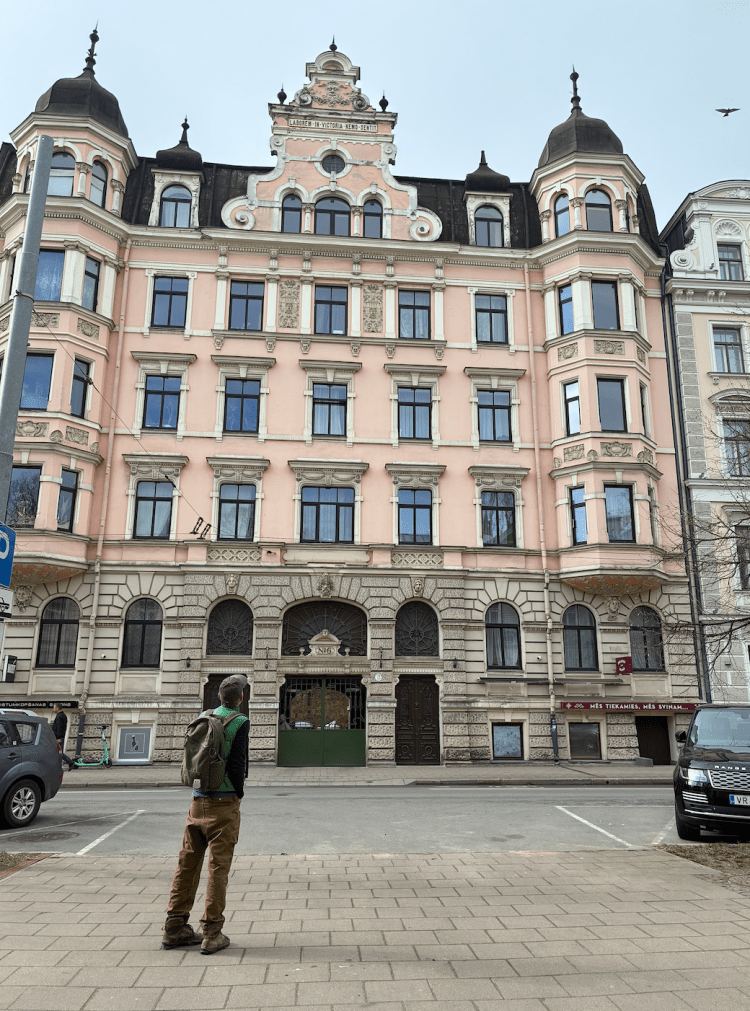
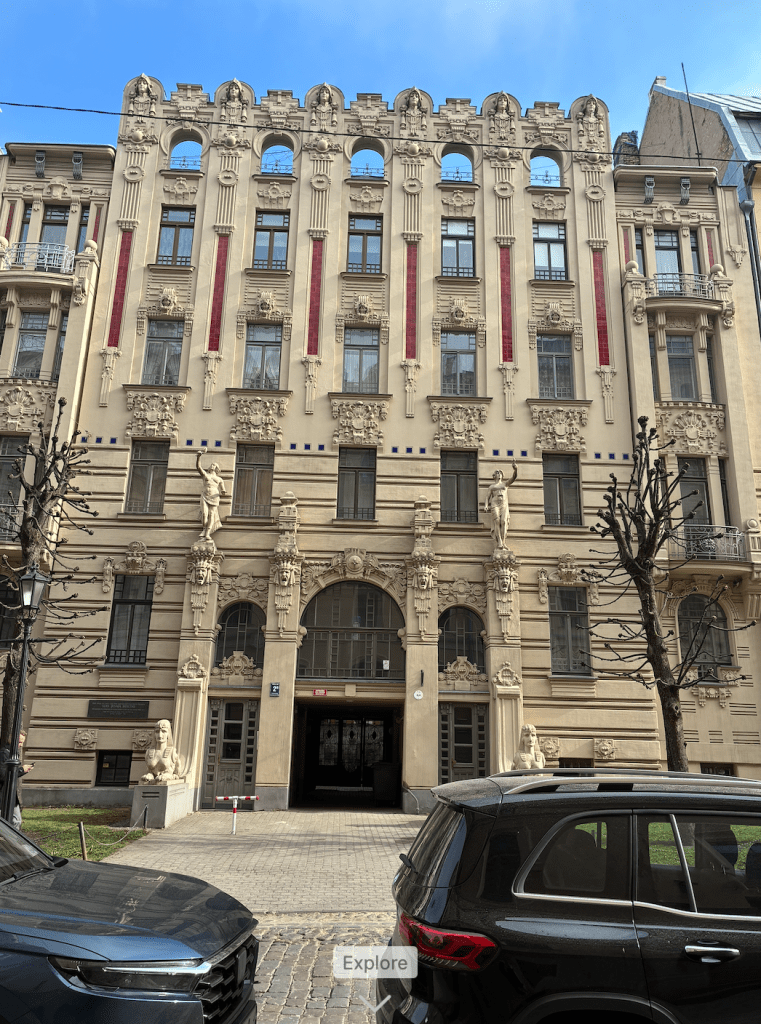
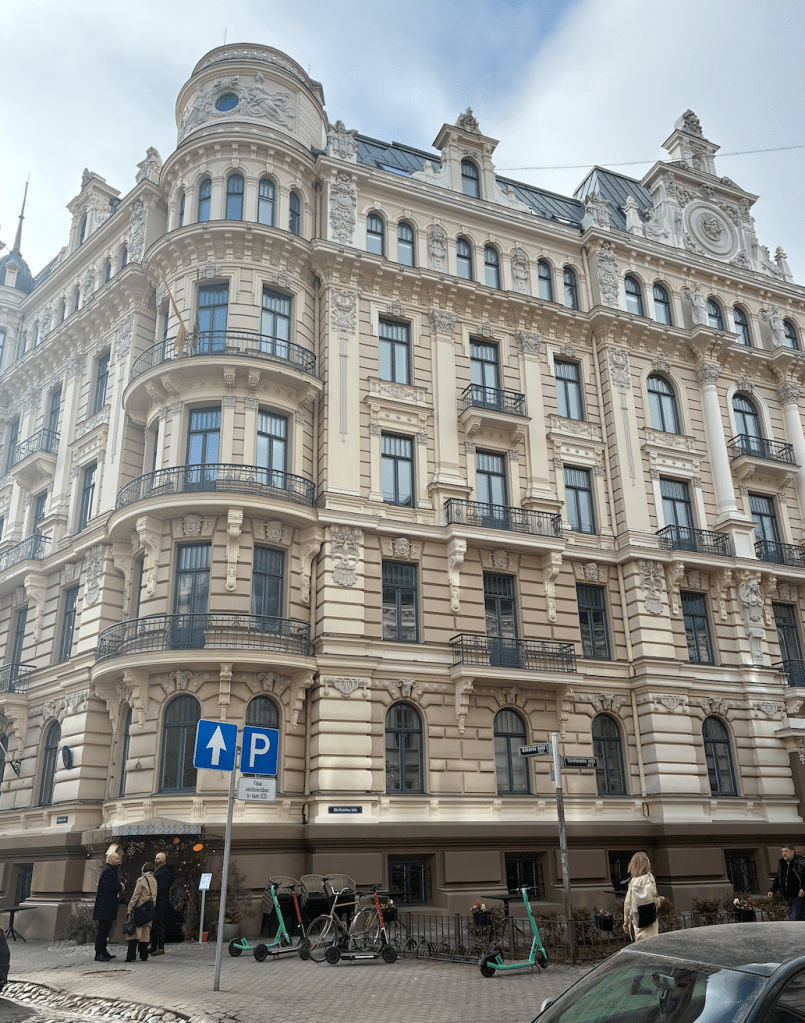
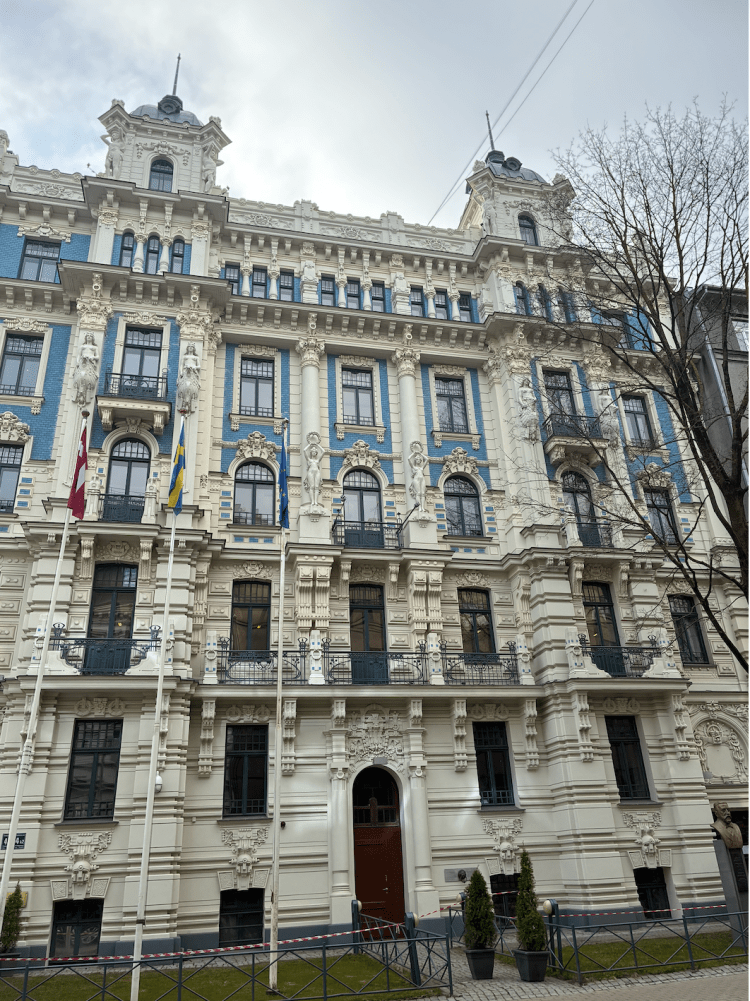
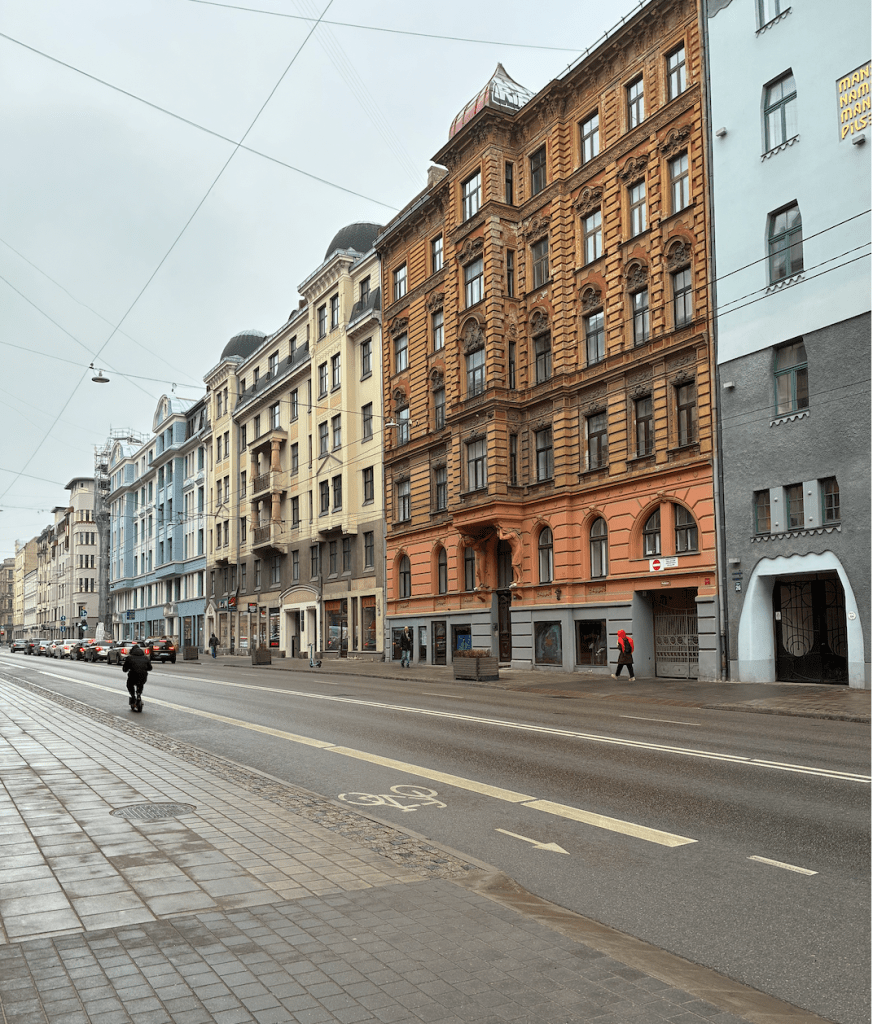
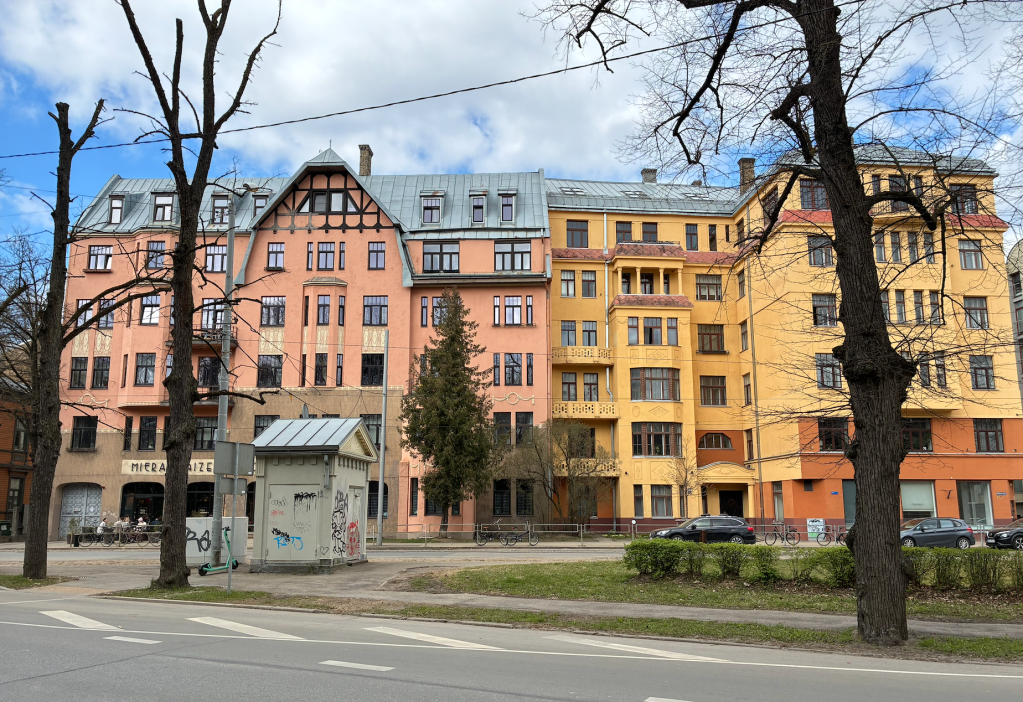
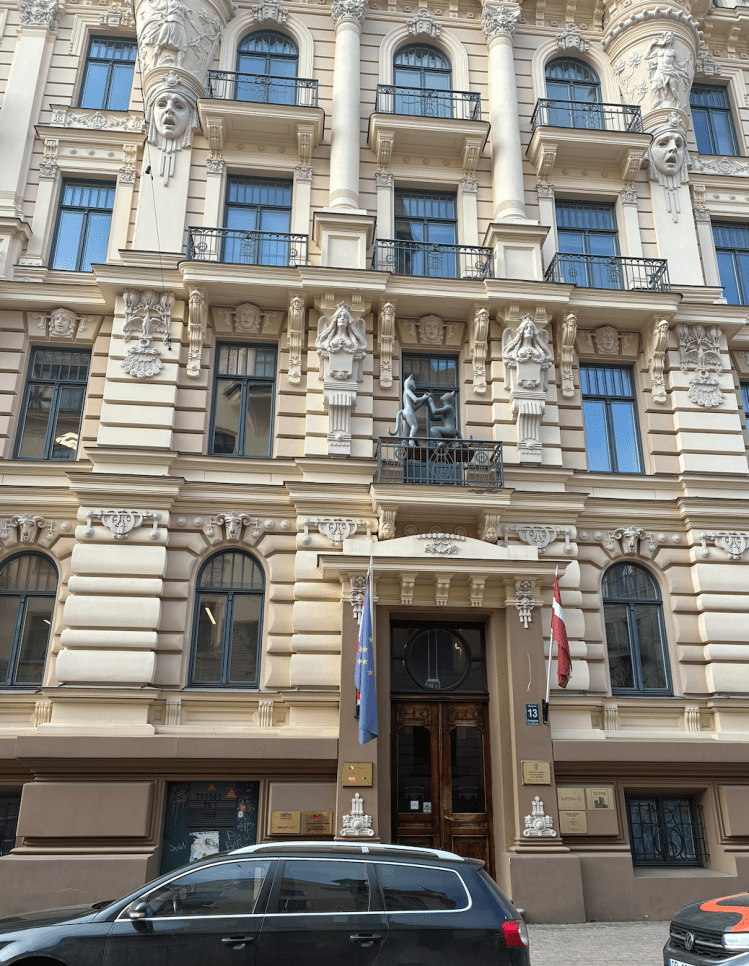
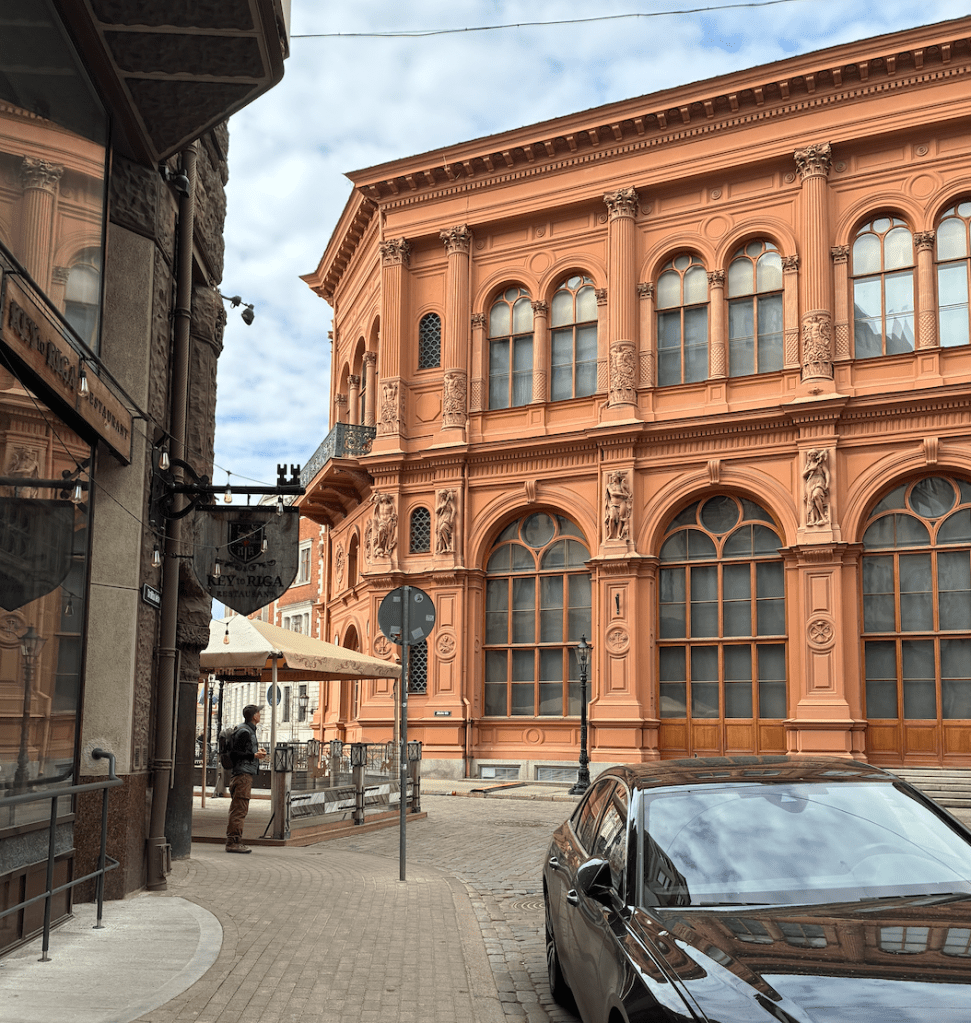
Riga was a surprising delight mainly because of the streets upon streets of Art Nouveau buildings and Riga’s propensity to go big. Towards the end of the 1800’s, Riga was Russia’s third largest city (Russia captured Riga in 1721). From 1897-1914, Riga’s population increased by over 80%. With this influx of people and money the townspeople invested in artistic buildings and urban planning, which was fashionable at the time. The result was over 800 very ornate buildings, each one crazier than its neighbor, a town of architectural one-upmanship. Kind of like Las Vegas casinos but with taste, incredibly awe inspiring. Fortunately, despite, two world wars and a 50 year Soviet rule, the majority of Riga’s Art Nouveau buildings still stand. (PS pics will look better read on the blog, not email)
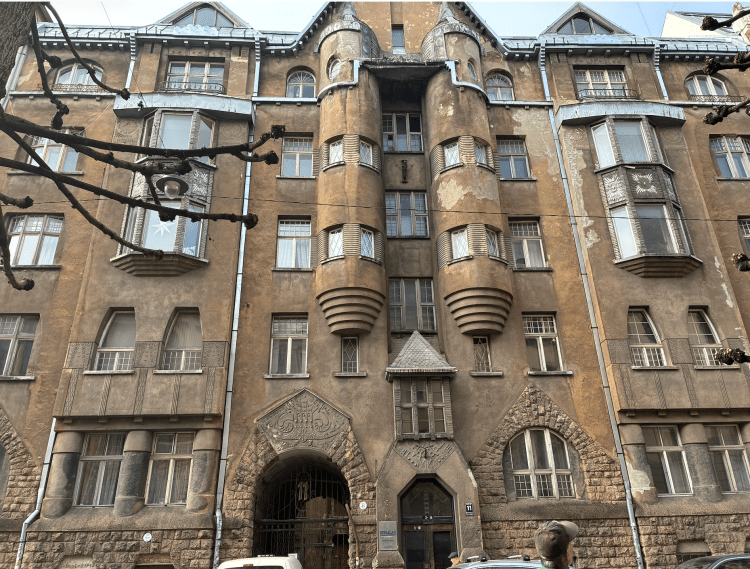
Unfortunately, Riga’s old town positioned along the Daugava River, near where it empties into the Baltic Sea did not escape the war damage due to the port’s strategic position.
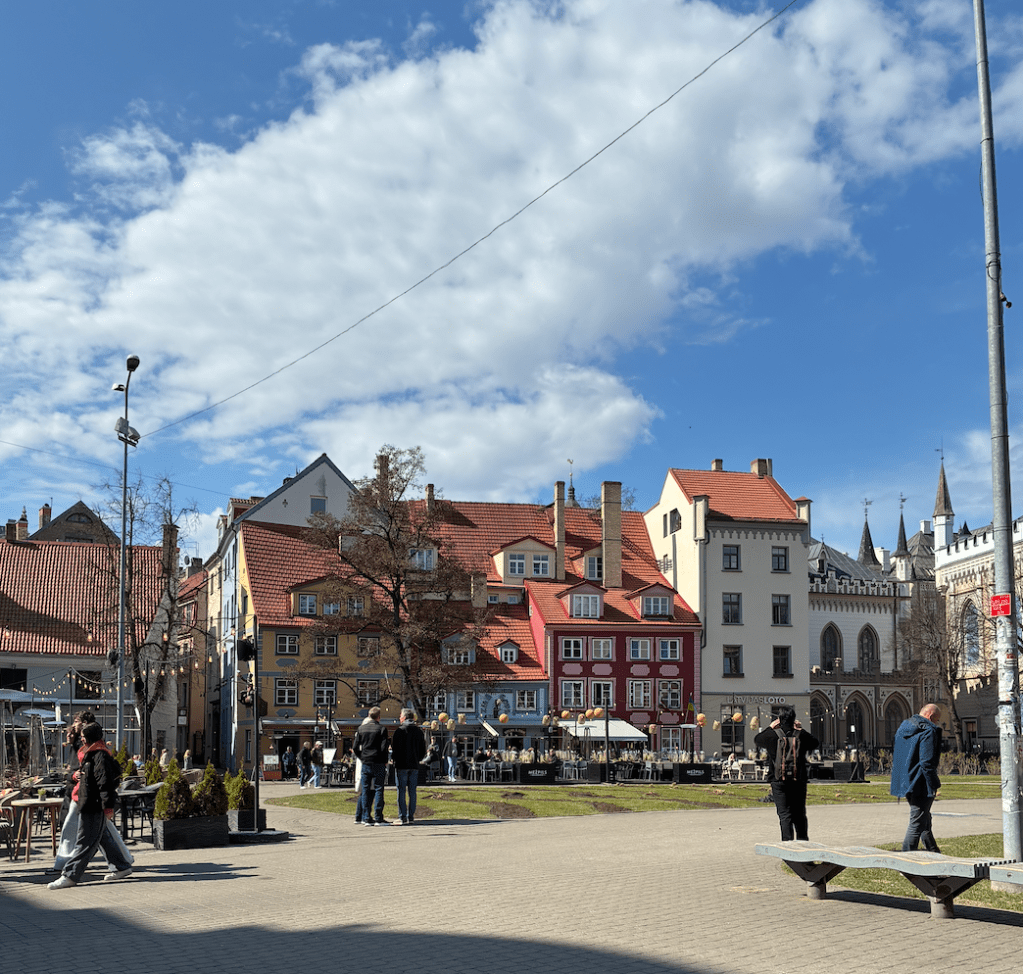
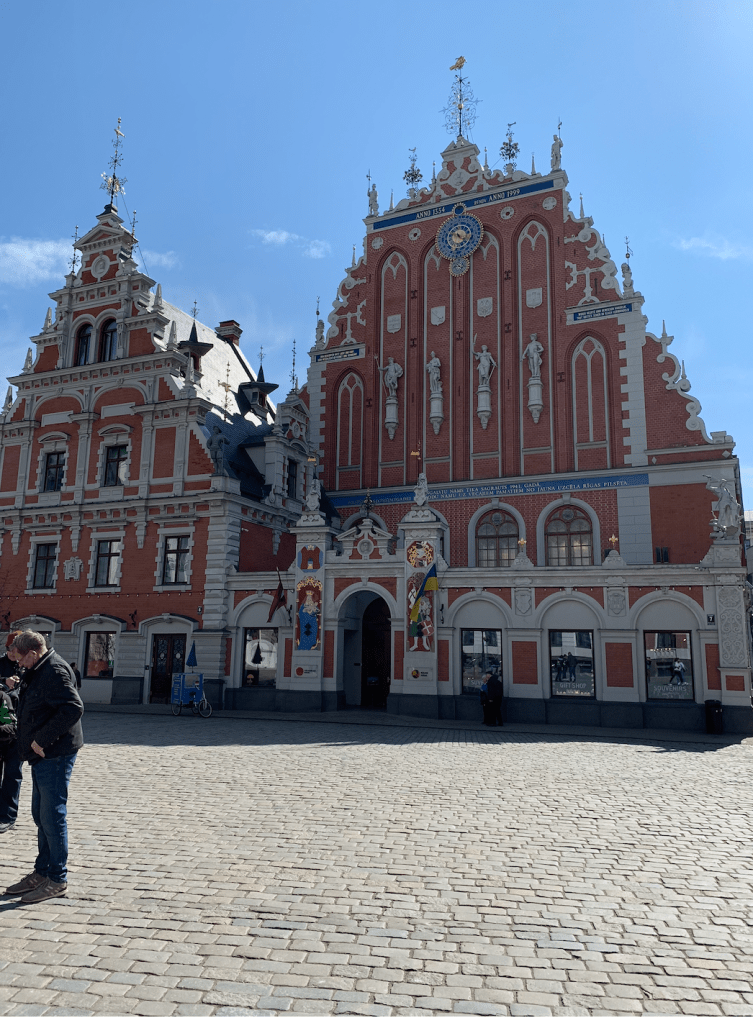
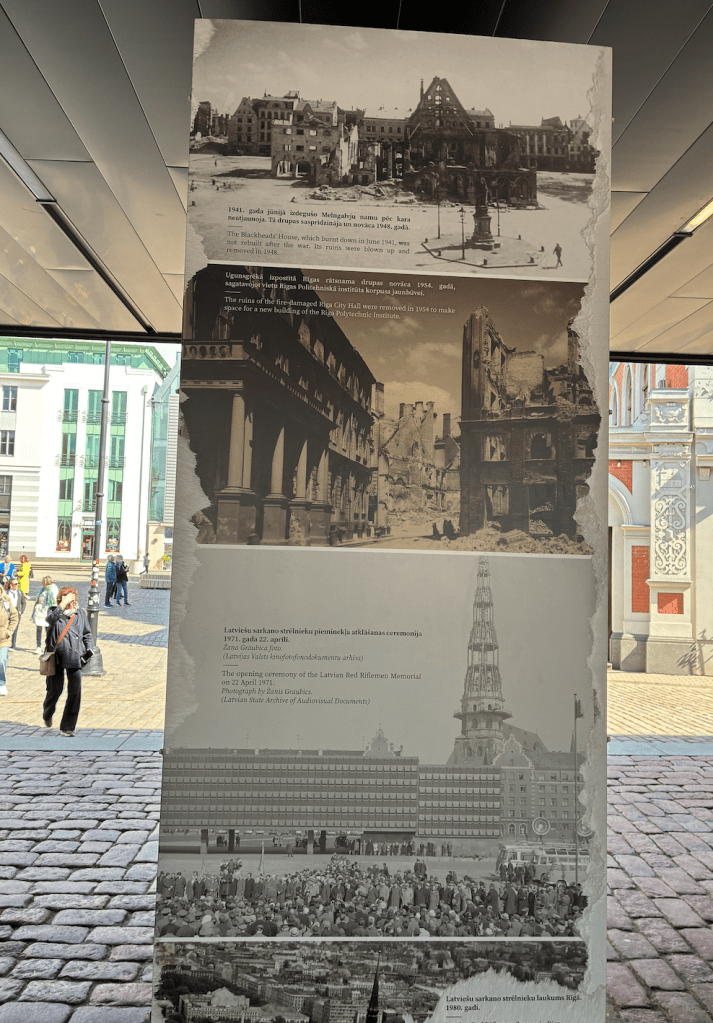
While damage was to only about 10% of old town, the most iconic buildings were destroyed including the famous House of Blackheads. The 15th century house was initially built by the Brotherhood of the Blackheads, a brotherhood of (pimply?) unmarried male merchants, ship owners and foreigners. Once Latvia regained independence in 1991, the House of Blackheads was completely rebuilt and re-opened in 1999.
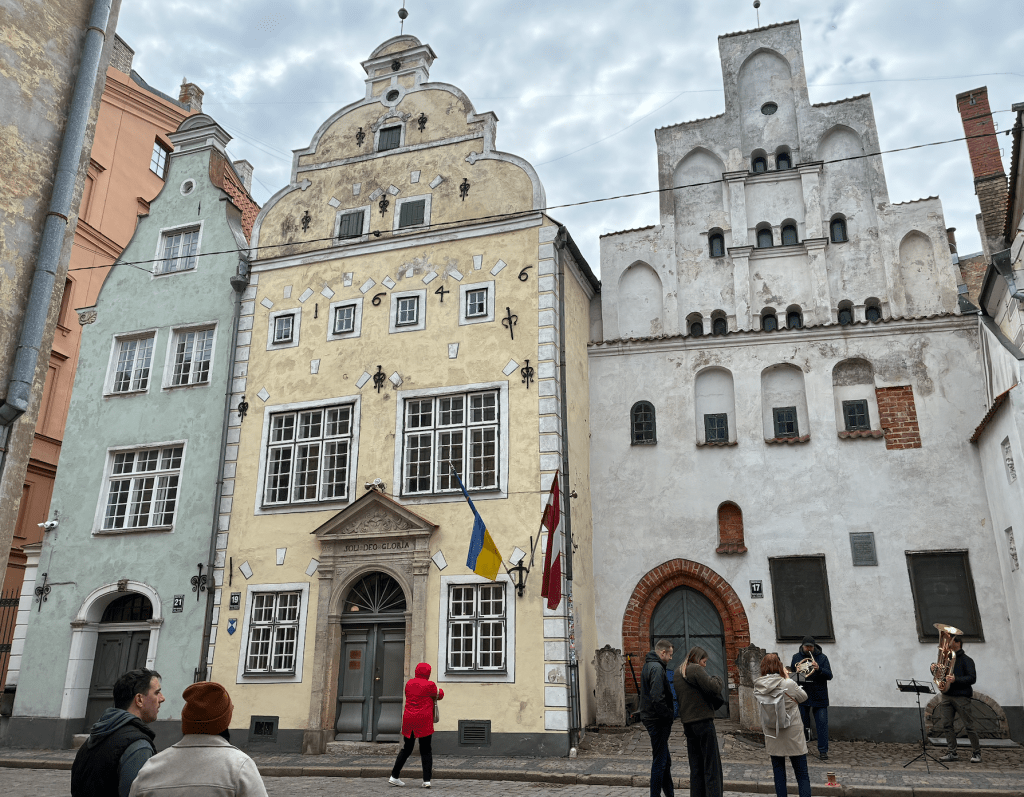
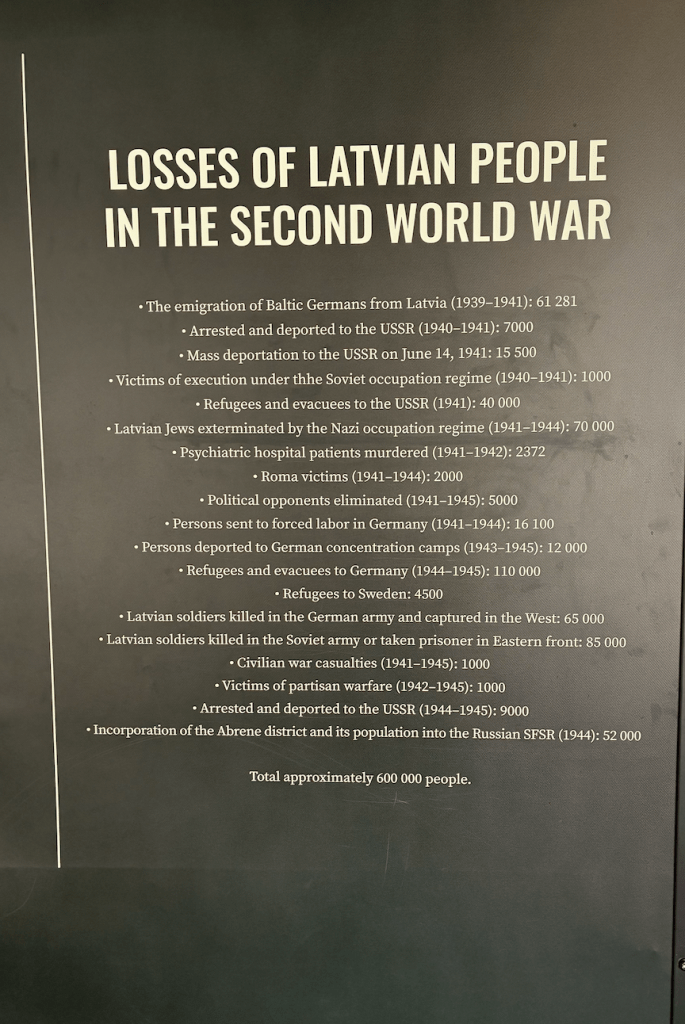
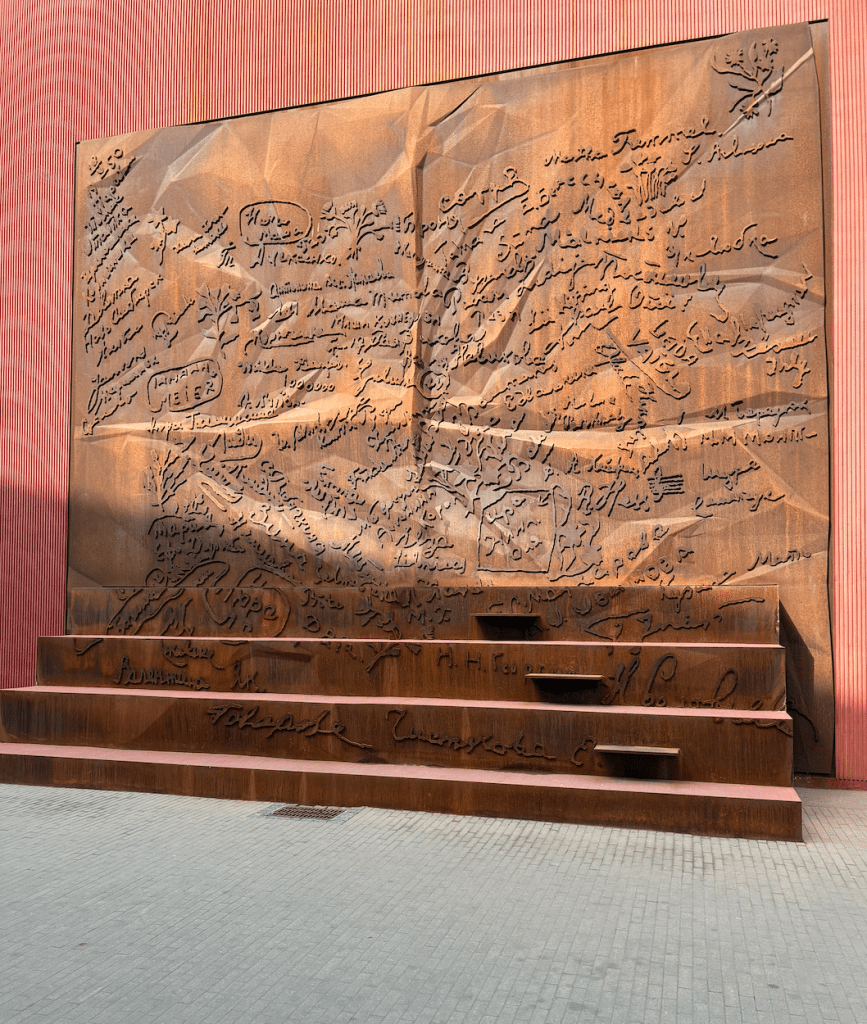
The old town also had a small but moving museum highlighting the Nazi and Soviet occupations. The Soviet occupation of Latvia mimicked what was experienced in Estonia; the Nazis started the destruction, the Soviets continued it; eradicating the culture, integrating Latvian history into Soviet history, then deporting, imprisoning or murdering anyone who disagreed.
Like Estonia, Riga moved most of the Soviet era statues out of the city, many were destroyed and some were reworked to emphasize a different message. But like Las Vegas, Riga thinks big, and they did save one big Soviet relic which was the only one we could locate; Sam, the monument to Soviet space animal astronauts. Very big Sam appears to be an ape with excellent posture and wearing an appropriately Las Vegas Elvis style spacesuit.
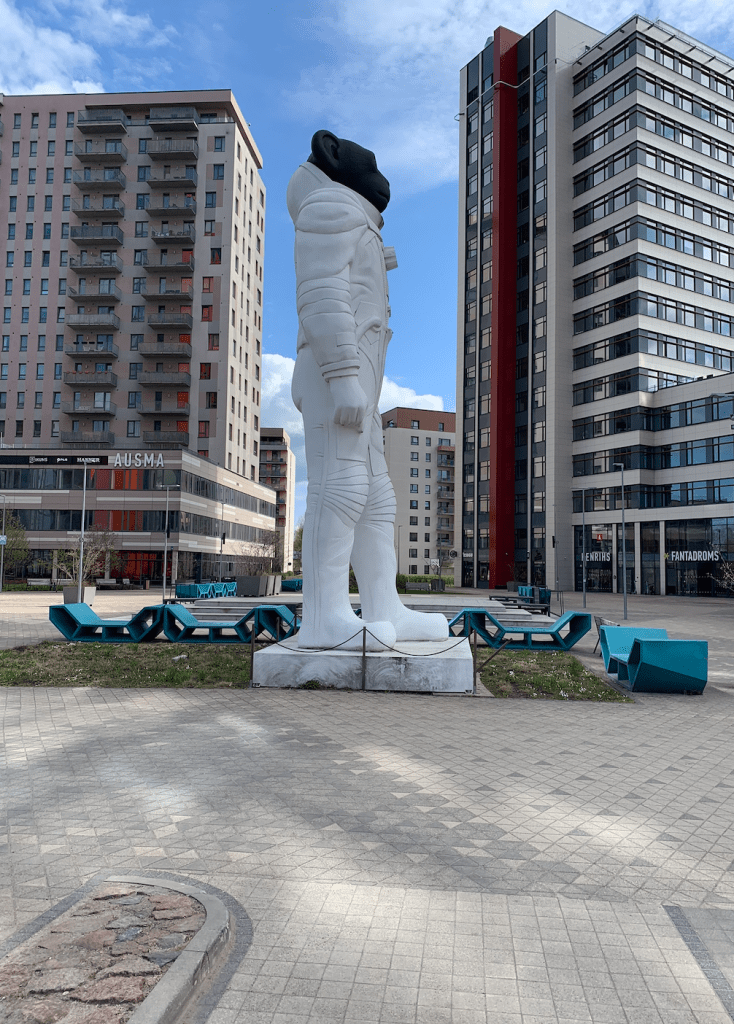
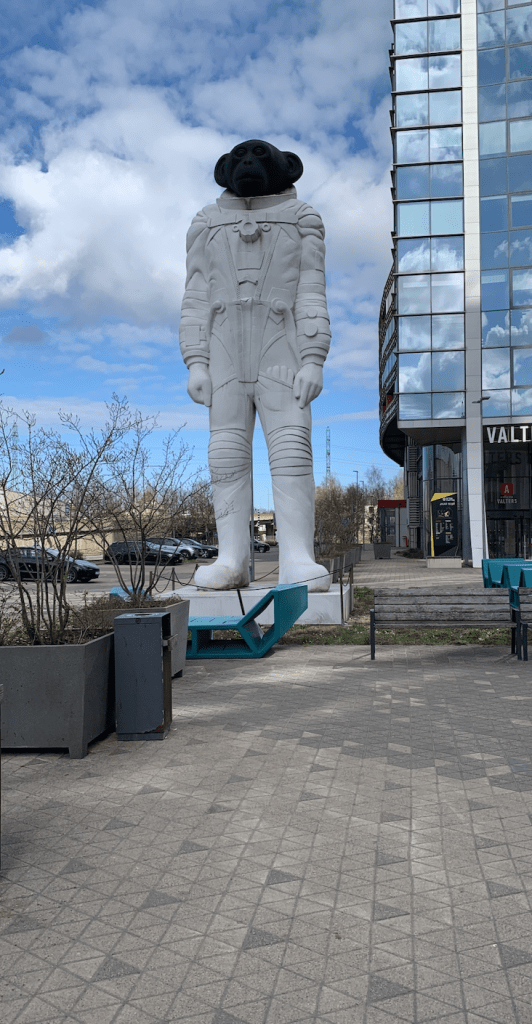
Another big statue, another big story.
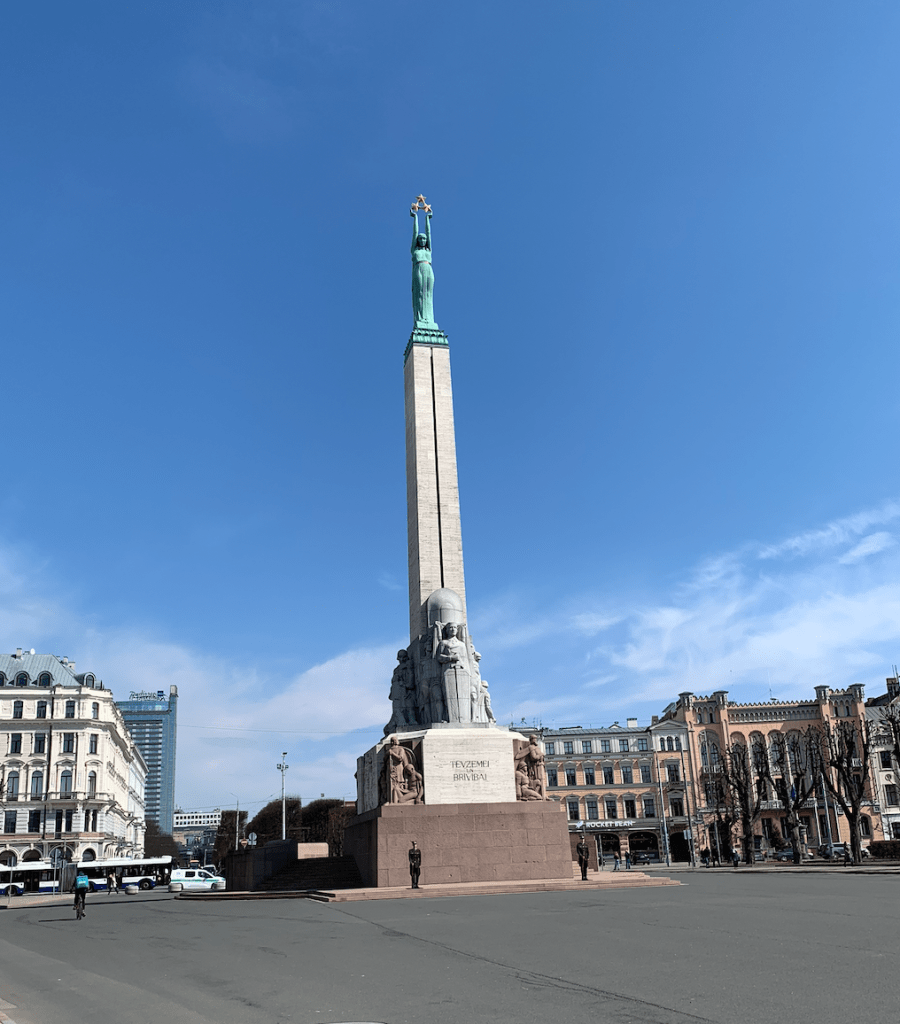
The “Freedom” statue was created to honor soldiers killed in the war for Latvia’s independence (1918-1920) with the three stars representing historical regions of Latvia. After WW2 and Latvia returning to Soviet occupation, Russia wanted to tear it down since they did not allow any reference to Latvian independence. So instead of demolishing it, they changed the story (sound familiar?). The three stars now represent the three Baltic republics held high by Mother Russia and was touted as a sign of gratitude towards Stalin for liberating these countries.
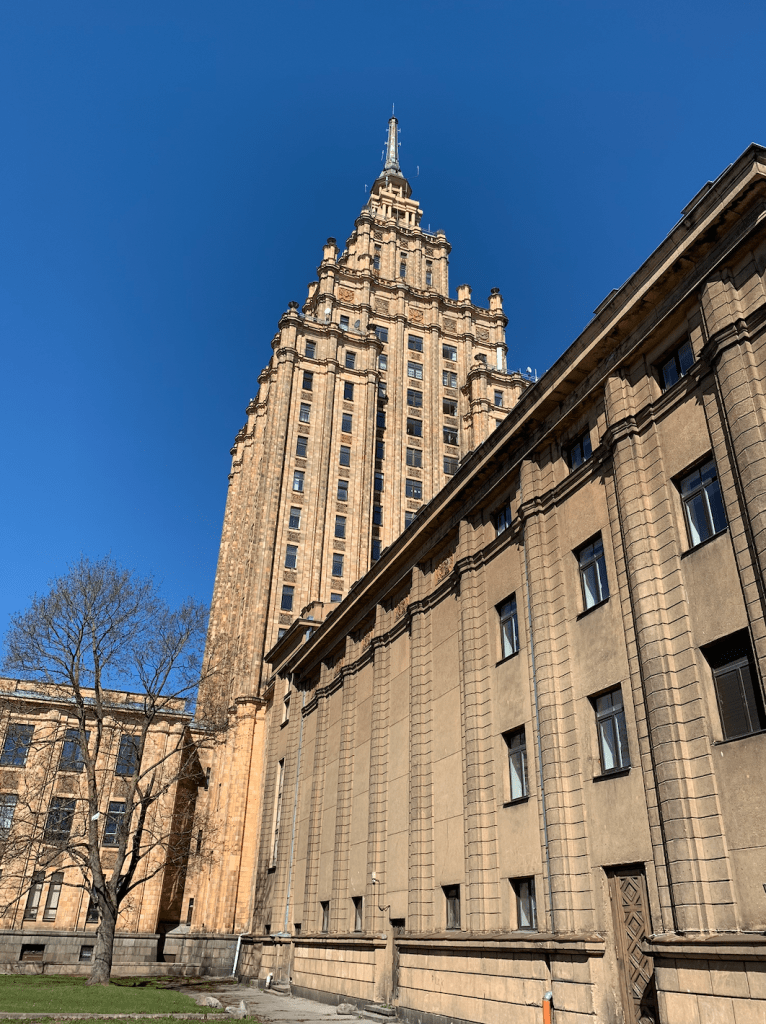
The Soviets also really wanted everyone to think that the Latvians really liked having them there, so they built this massive building for the Latvians to give to Stalin, it was easily the biggest building in Latvia for years. It still distinctly stands out in the city skyline – it’s called Stalin’s Birthday Cake. (However, he died before construction was completed.)
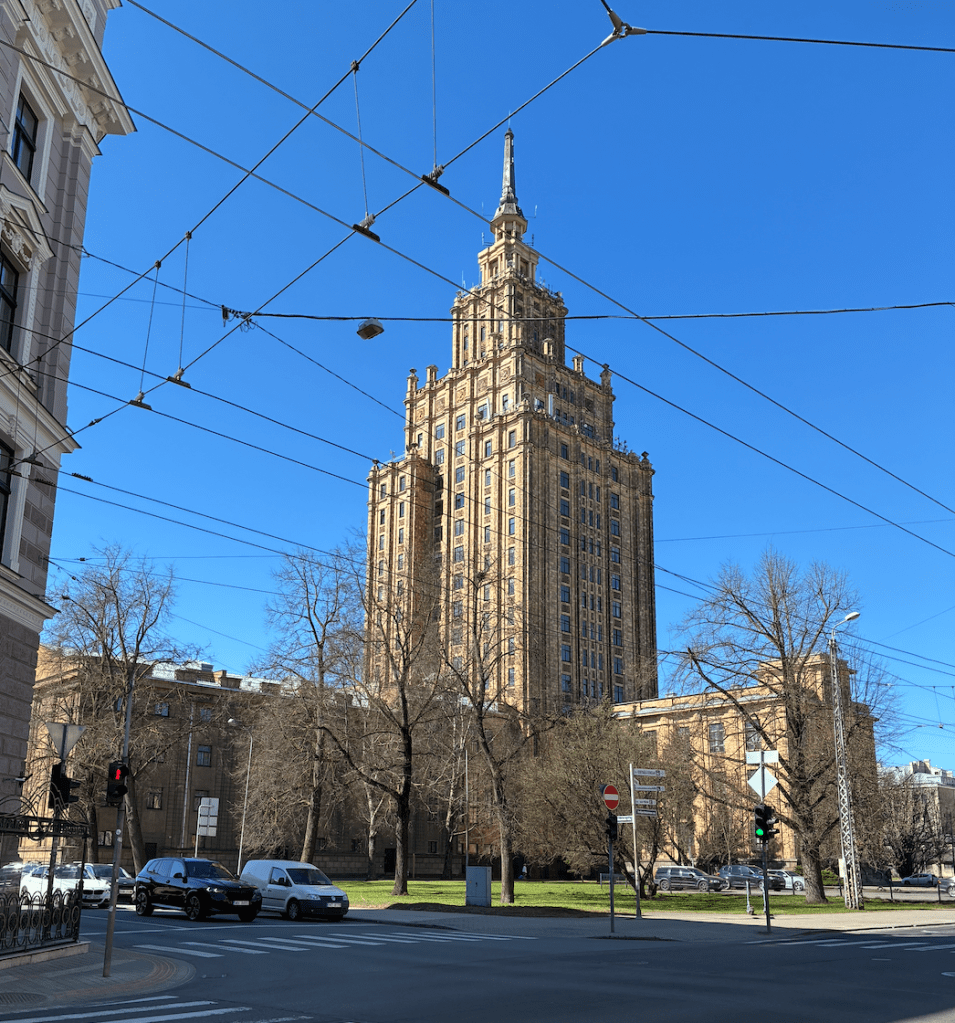
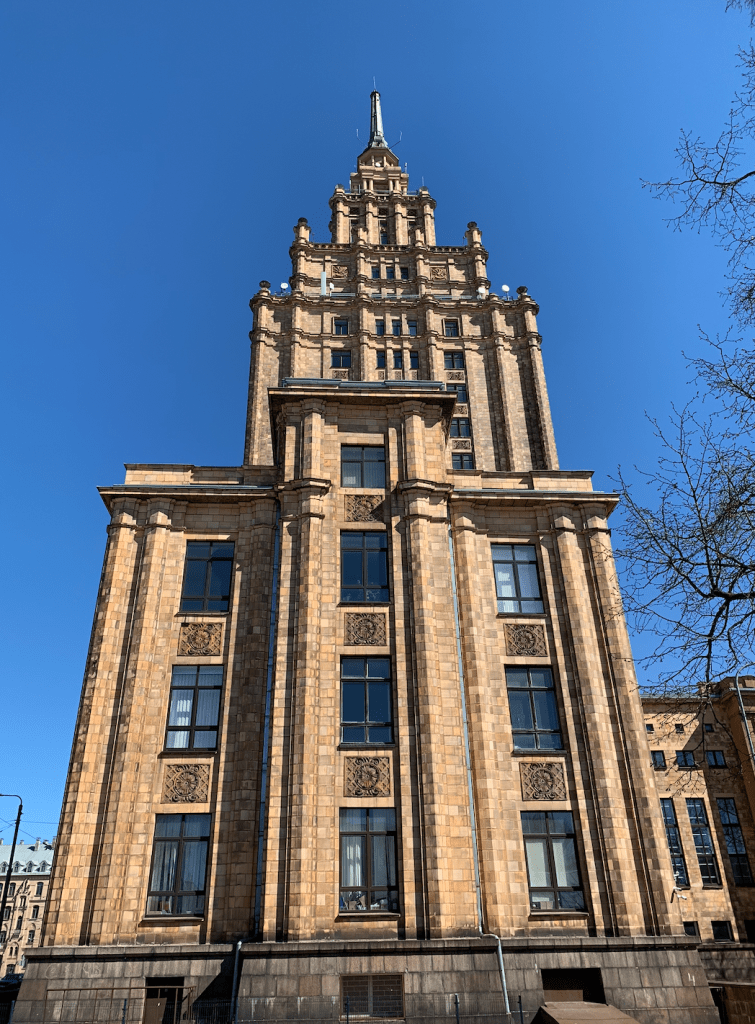
Another Las Vegas style big is Big Christopher. He could be tacky enough for Las Vegas.
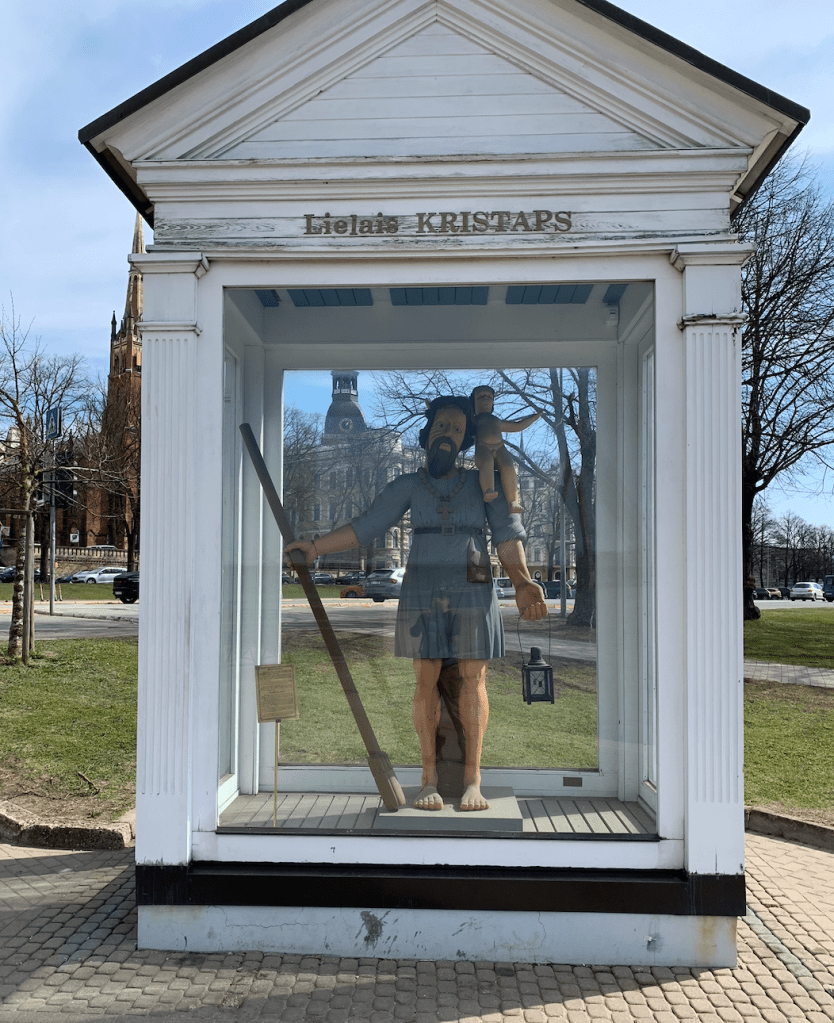
Big Christopher is either a folktale character of a big guy that carried a baby across the River Daugava, or St. Christopher carrying baby Jesus if you prefer the non-secular version. Or he could be a casino greeter.
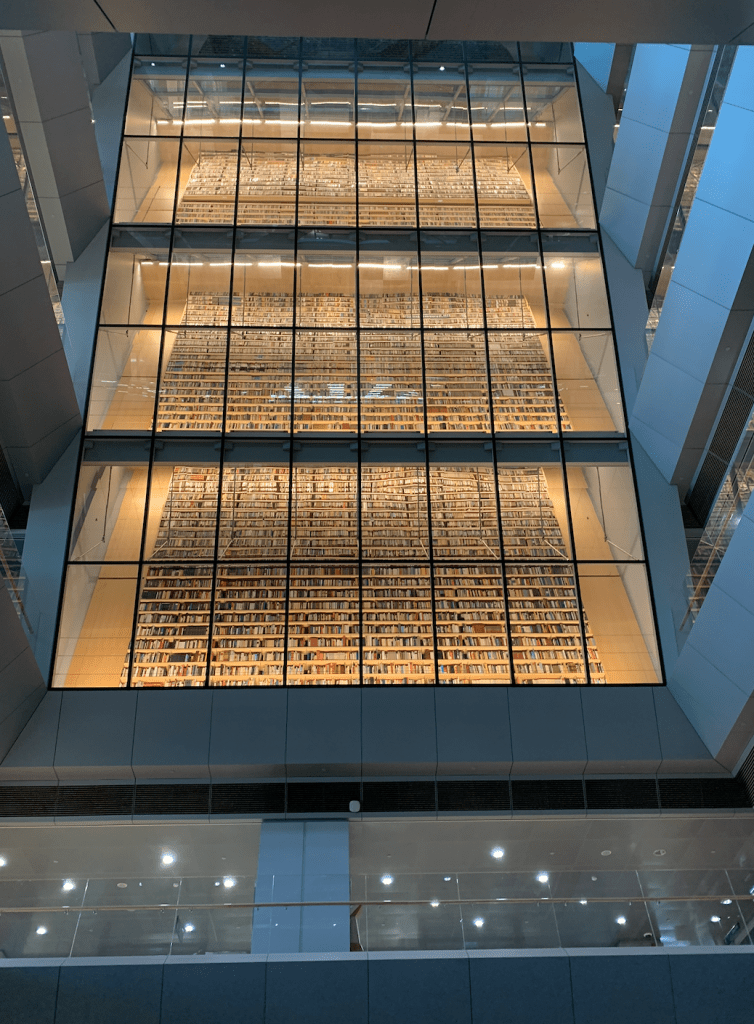
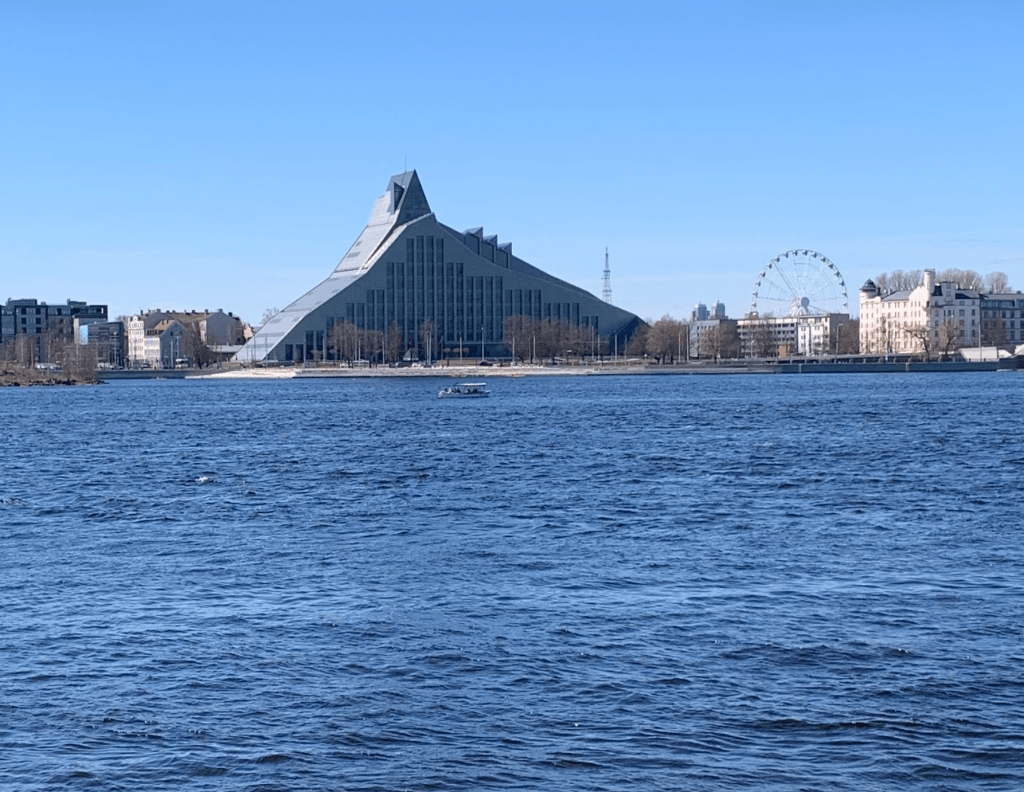
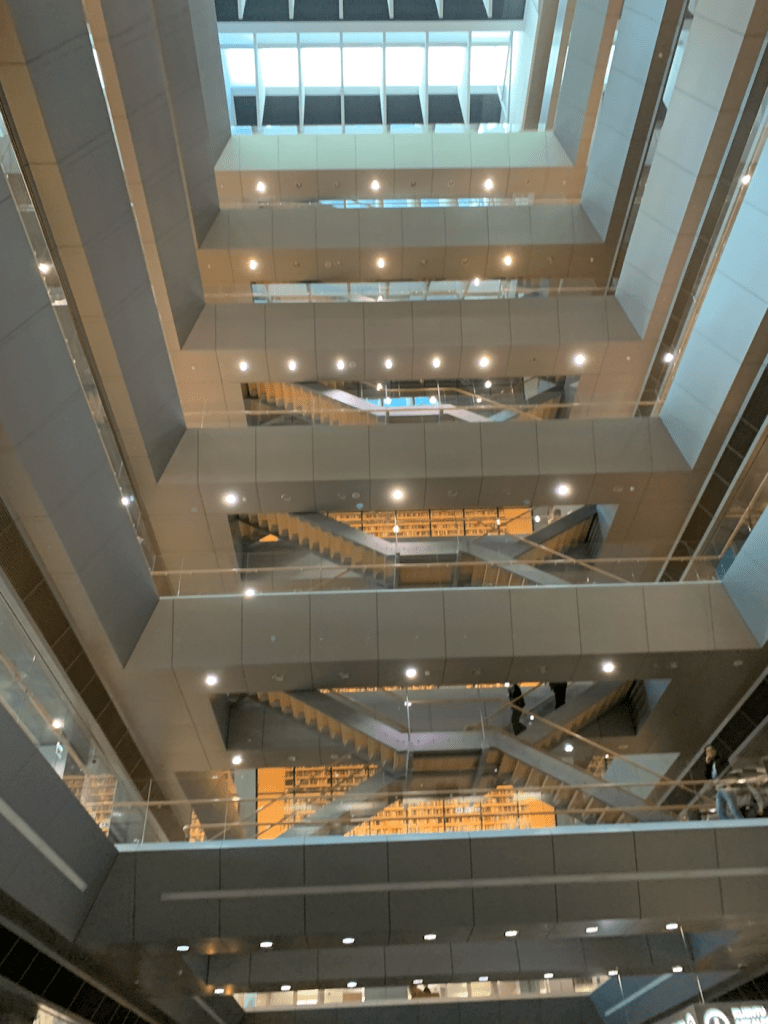
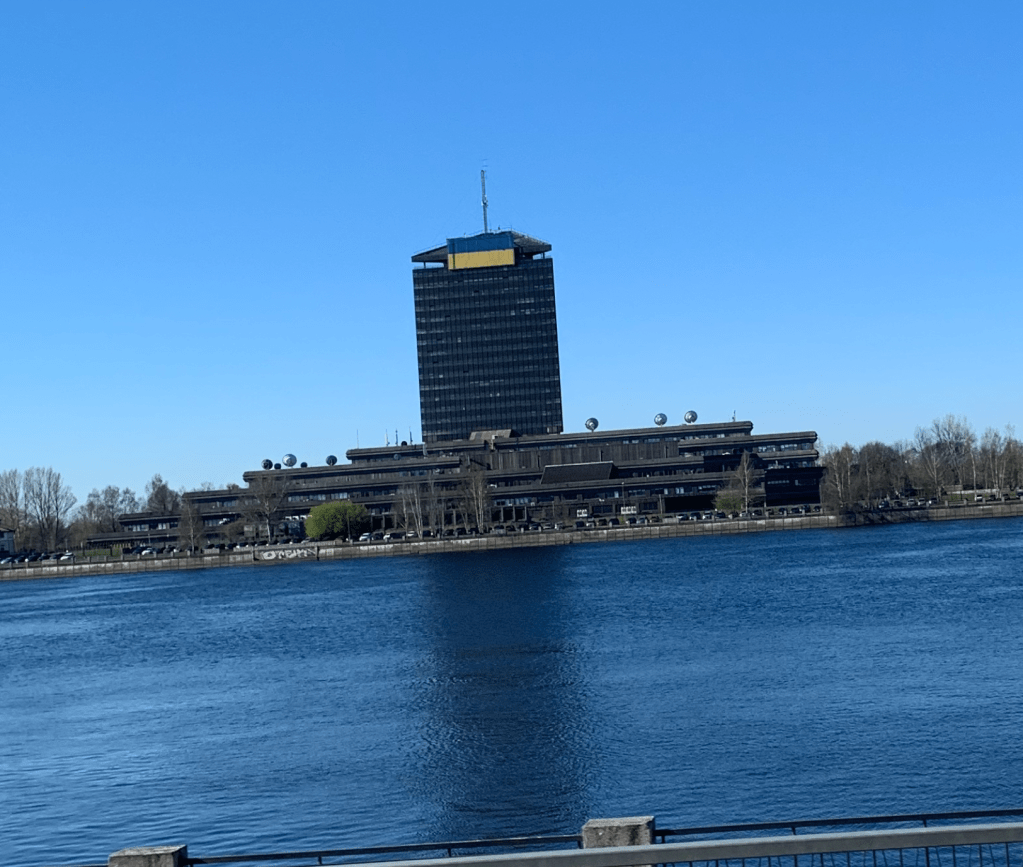
Across the river is yet another example of how Riga goes big. The National Library.
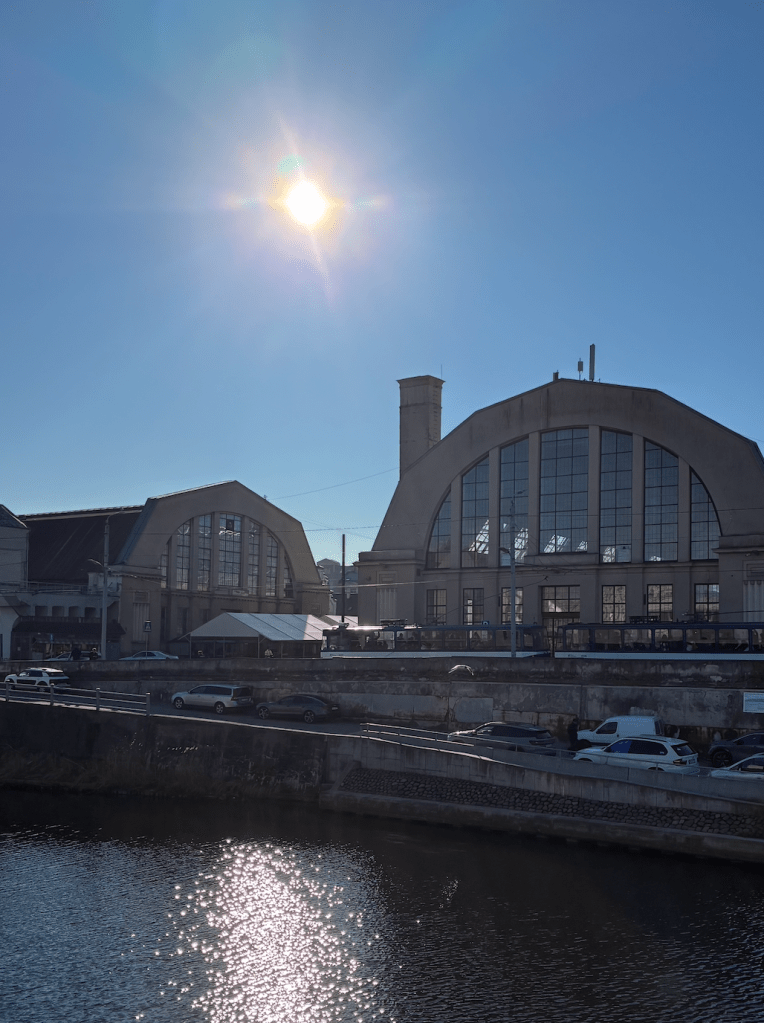
All European cities have a covered market, Riga’s were big; 3 converted Nazi-built aircraft hangers.
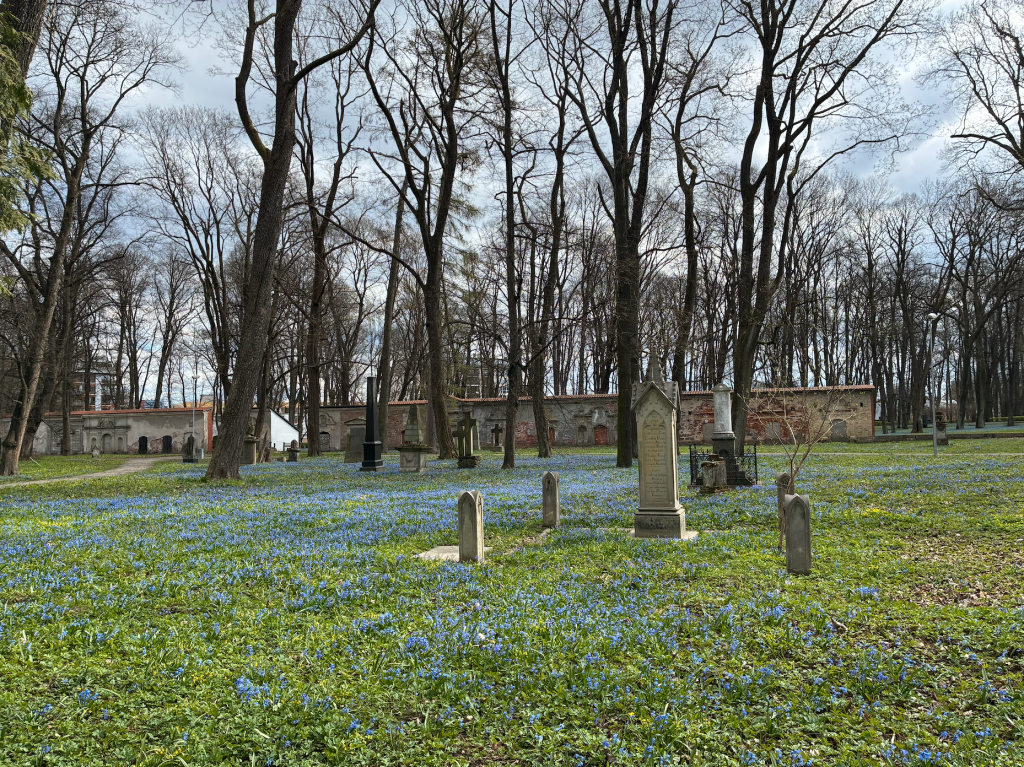
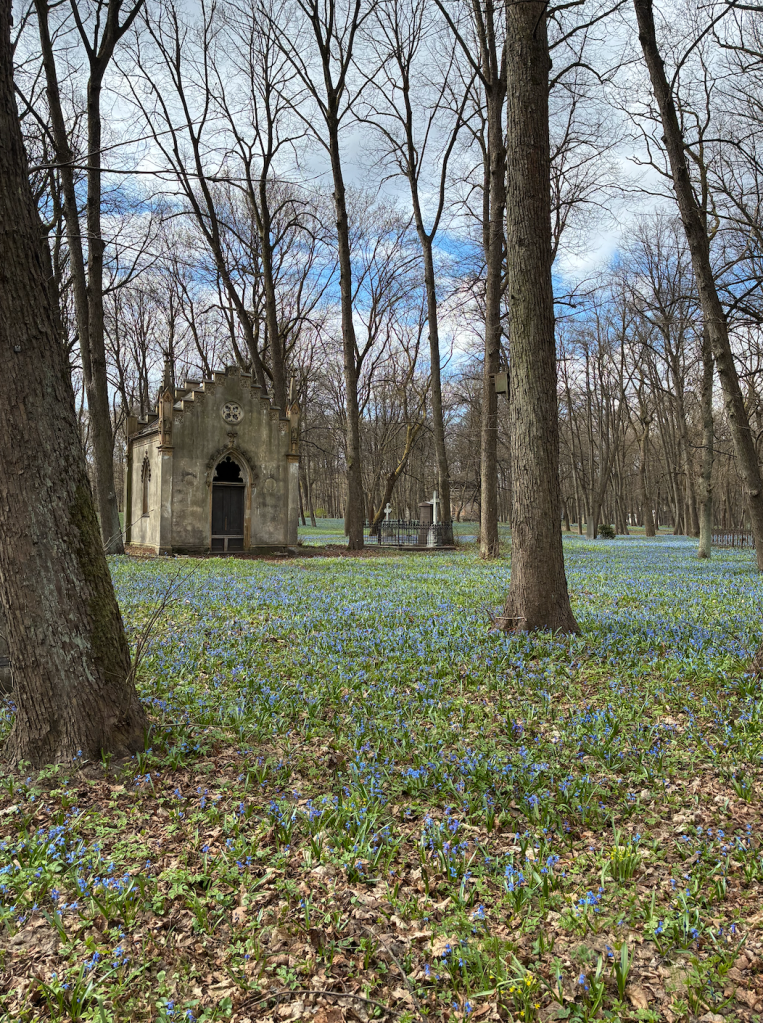
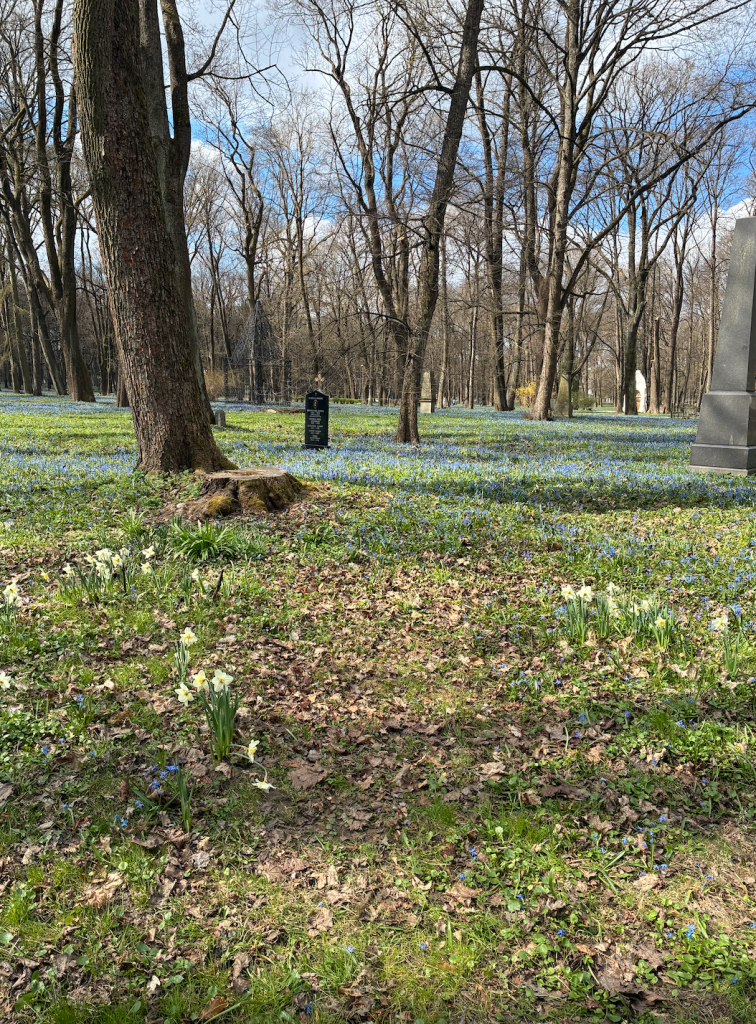
The Great (big) Cemetery, established in 1773, is now more of a hint of cemetery in a park. The Nazis destroyed the grave sites and then the Soviets just continued the destruction using tombstones for building material. It eventually evolved into a park with residual tombstones and crypts. It was remarkably beautiful.
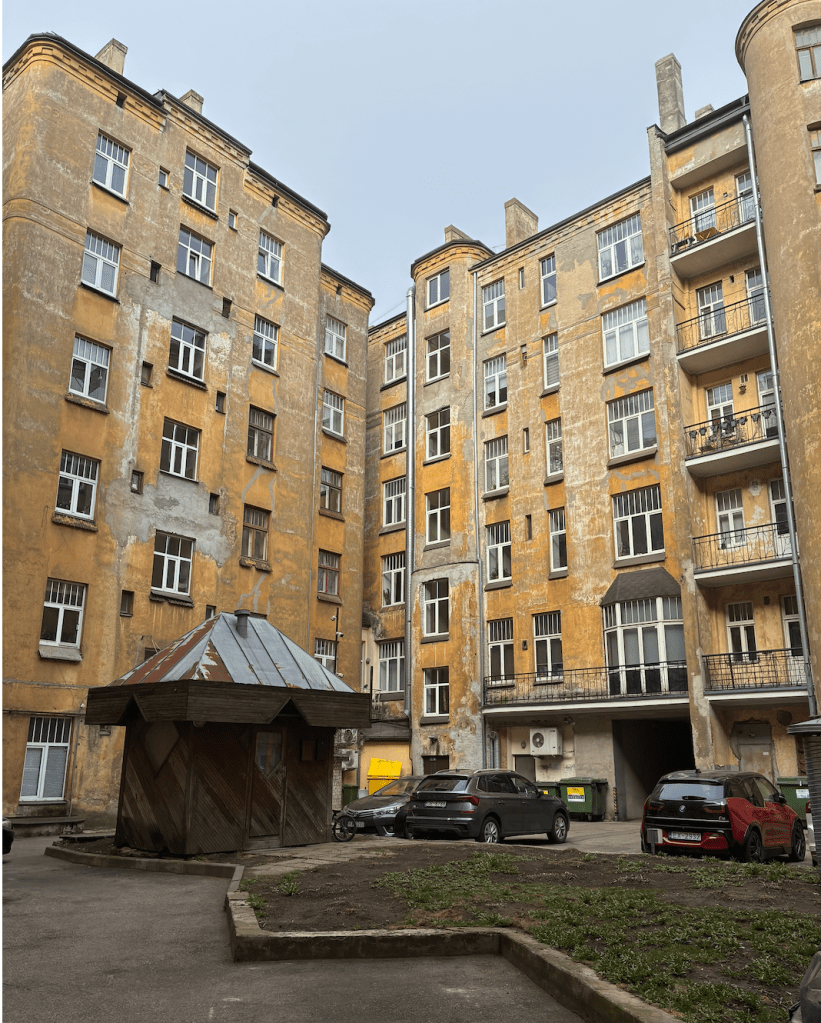
We did our usual, and stayed center adjacent rather than center, in a big, classic Soviet-style apartment block. Like we have found in so many ex-communist countries, the apartments inside the building were in better condition than the outside.
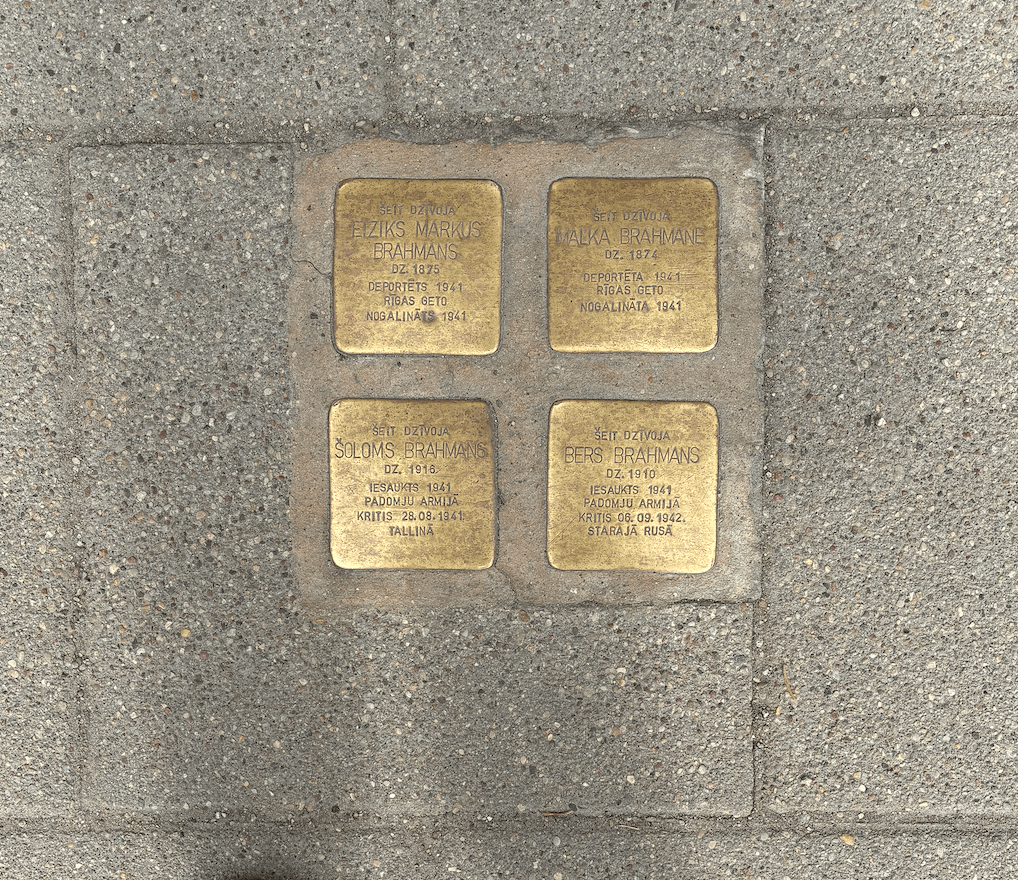
In addition to finding much better value staying on the edge, it also requires us to walk through the city and get to know neighborhoods beyond the touristic center, neighborhoods we would not have encountered staying only in the tourist center. Seeing a bit more how people live in Riga now, and then. https://chosenfugue.xyz/2019/01/07/they-do-make-you-stumble/
One consistent thing we saw, throughout Riga, similar to Tallinn, Ukraine flags on virtually every block, large building or just on their own.
 Chosen Fugue
2 thoughts on “Viva La Riga”