It is hard not to sound repetitive. Every place (okay, maybe not Ayia Napa, Cyprus) has us saying, this feels better than home. Pretty much everywhere has felt safer, more livable than the US (gun control, please, please, please).
The challenge of each place while unique, is usually the history, and unfortunately even that sounds repetitive. Over and over the past is inequality, capriciousness and persistent cruelty of governments tempered by people’s perseverance in seeking self-determination and maintaining culture. Germany though has had the highest highs and the lowest lows. We have loved Germany. It is stupendously beautiful; countryside and cities. Forest, hills, valleys dotted with Fantasyland villages.
Cities are clean, services plentiful, people are courteous, public transportation good. There are walking trails and pedestrian areas everywhere, forests at the edge (or even center) of almost every city. recycle spots every few blocks. Food is fresh and reasonably priced. Nick would move to Freiburg im Breisgau, yesterday. The country generally is progressive, environmentally conscientious and makes serious attempts at reconciliation with their history.
Munich was extremely nice, seemed very livable but also underscored the frightening world we currently live in as we examined it”s not too distant past.
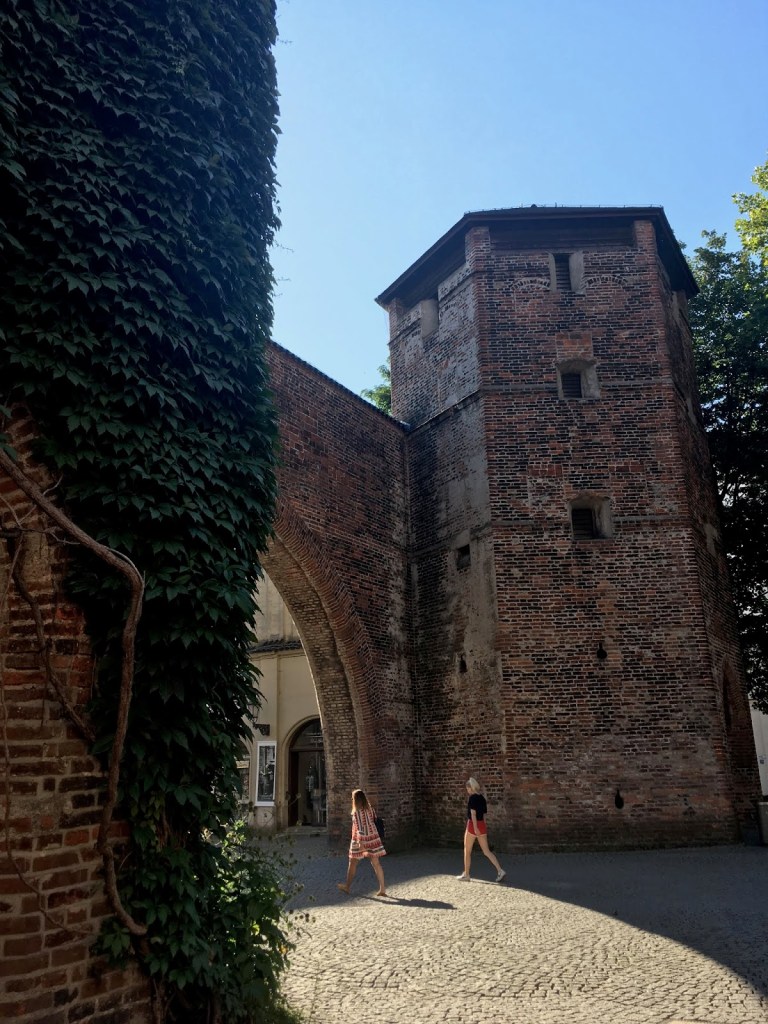
Like most German cities, there was significant destruction from WWII bombing (Munich was hit particularly hard) so building styles were very inconsistent; old, new and reconstructed.
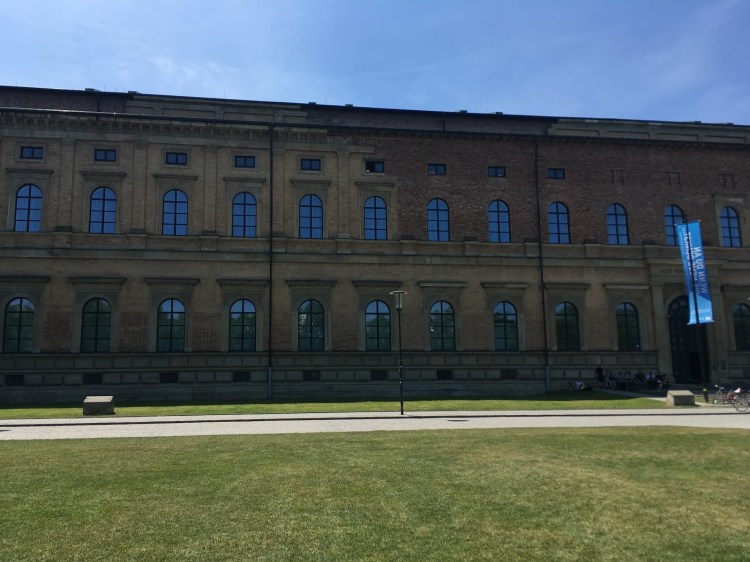
Alte Pinoktech Museum, you can see the repaired brick
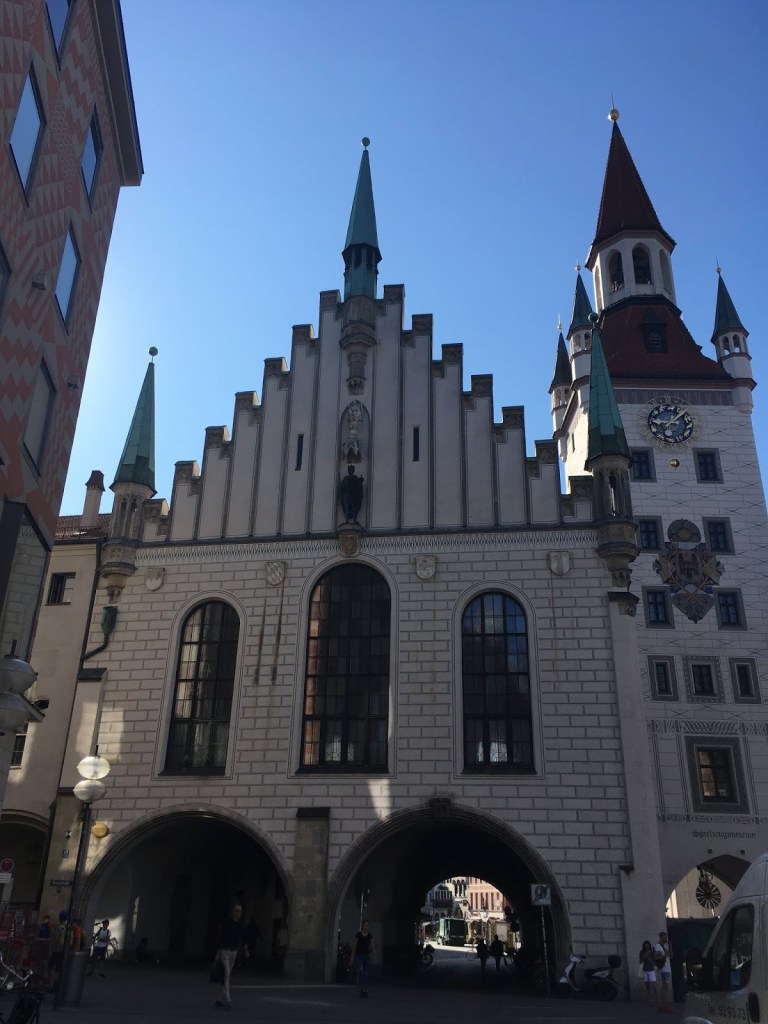
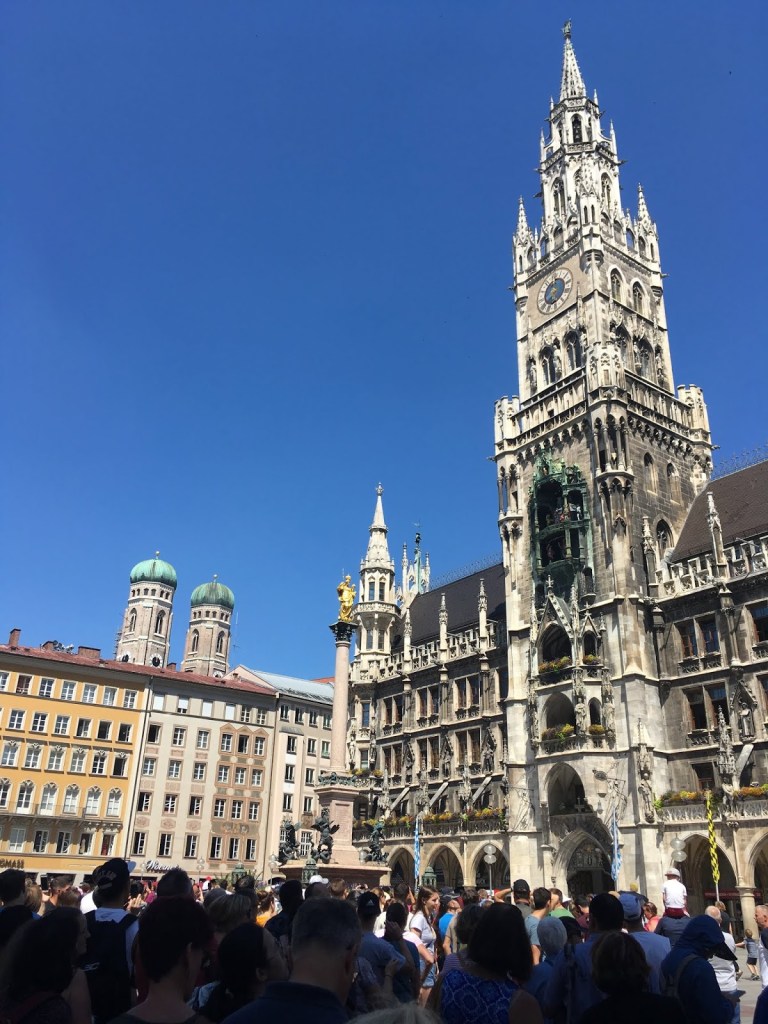
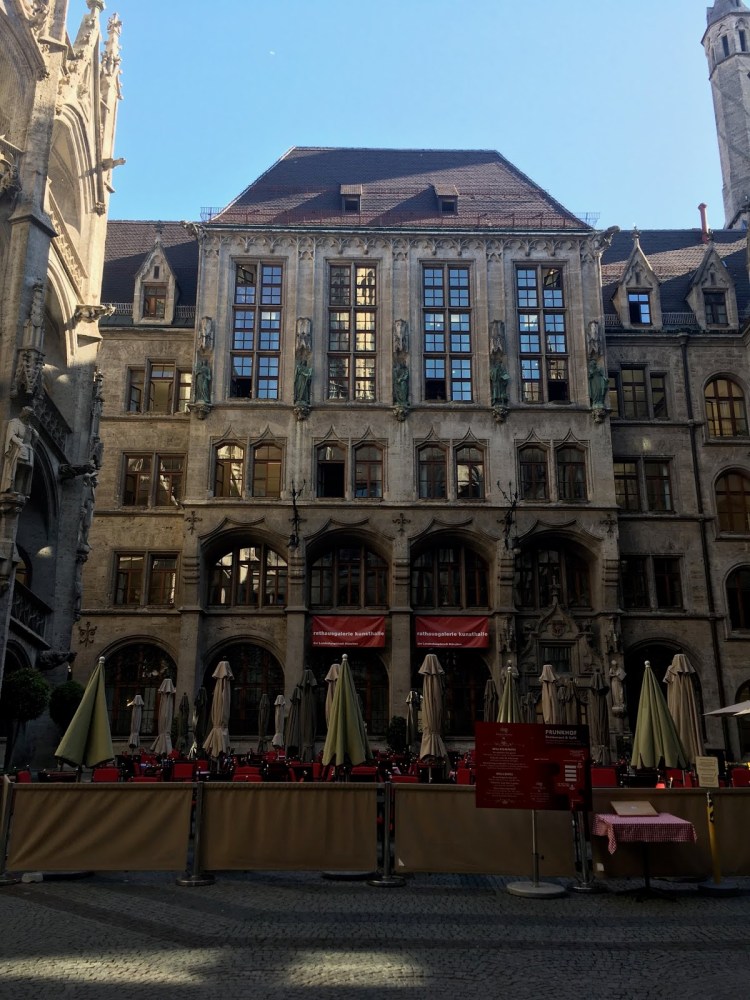
Like most European cities, Munich had a town square that was anchored by the city hall, the Rathaus, but Munich’s had an animated clock performing, three times a day, that attracted a large crowd.
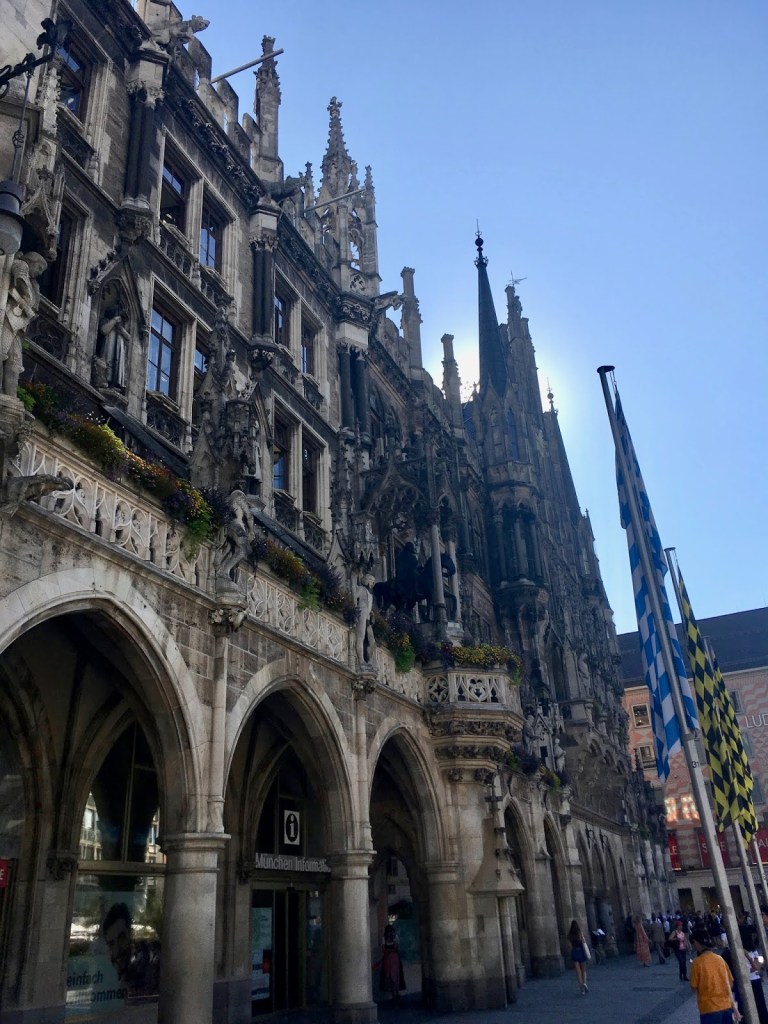
Beautiful inside,
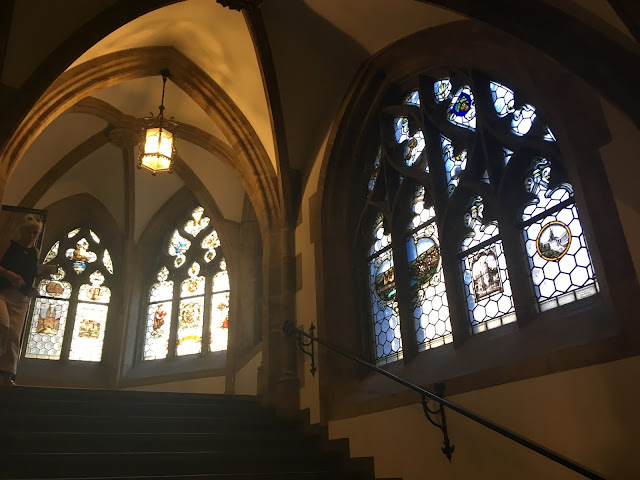
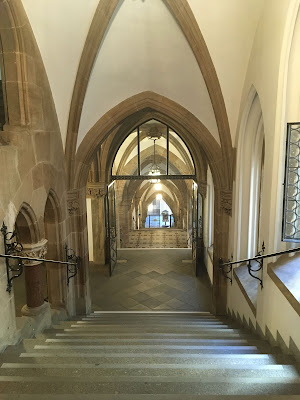
Tributes create a combination city time-line / yearbook going back hundreds of years
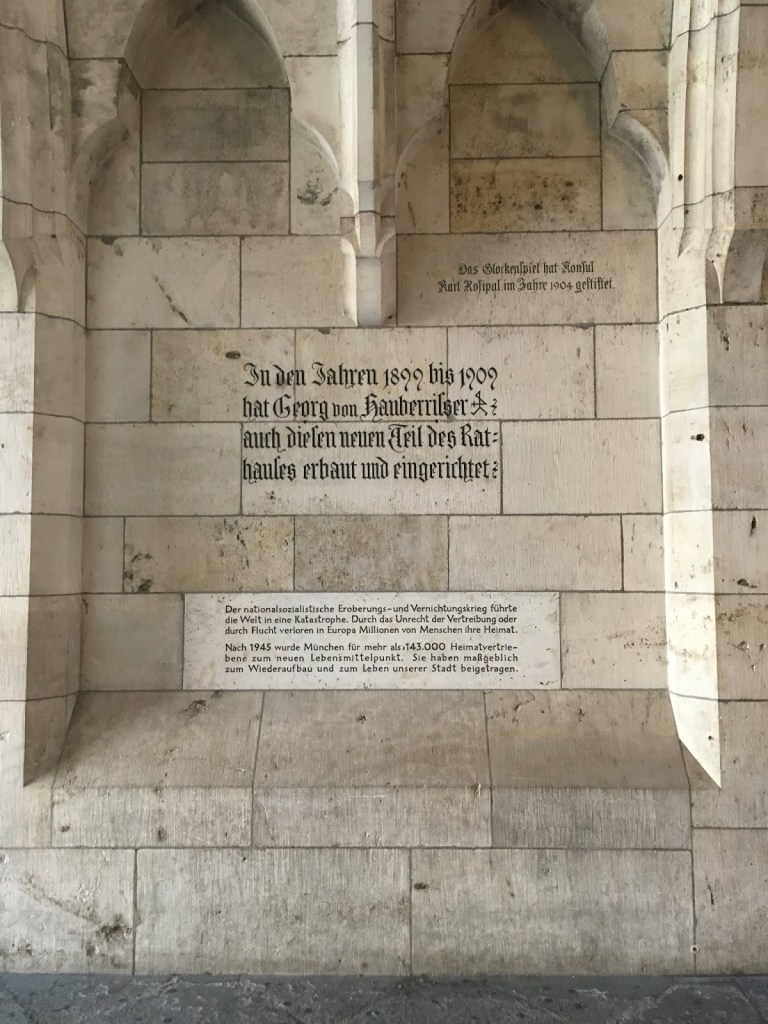
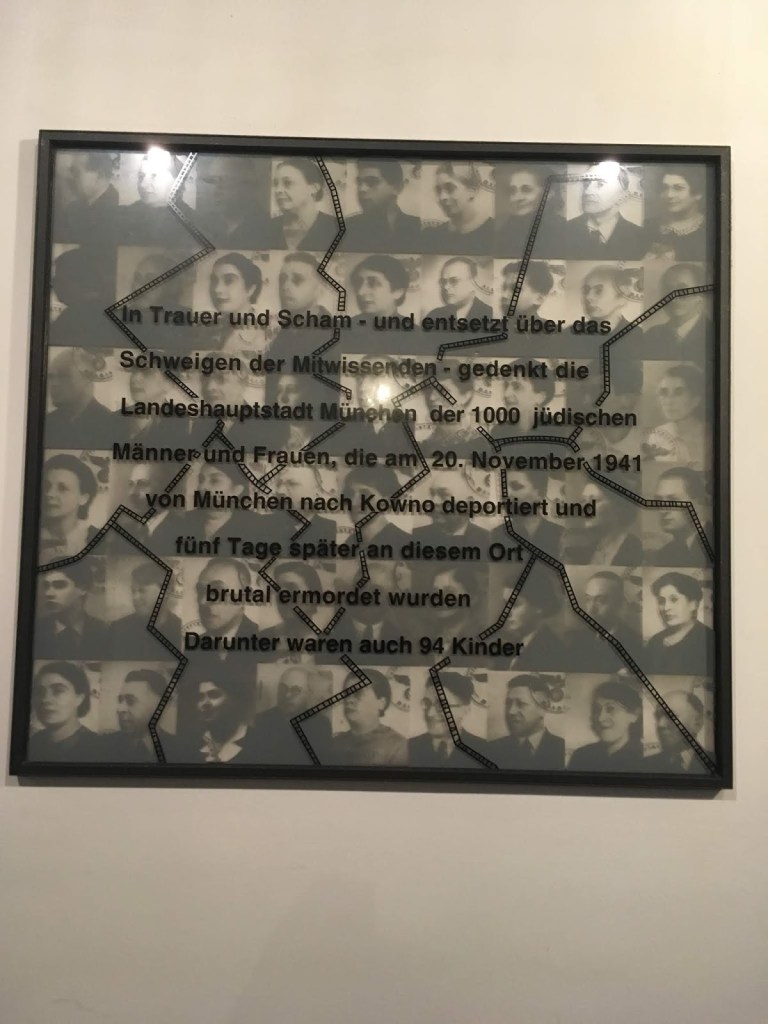
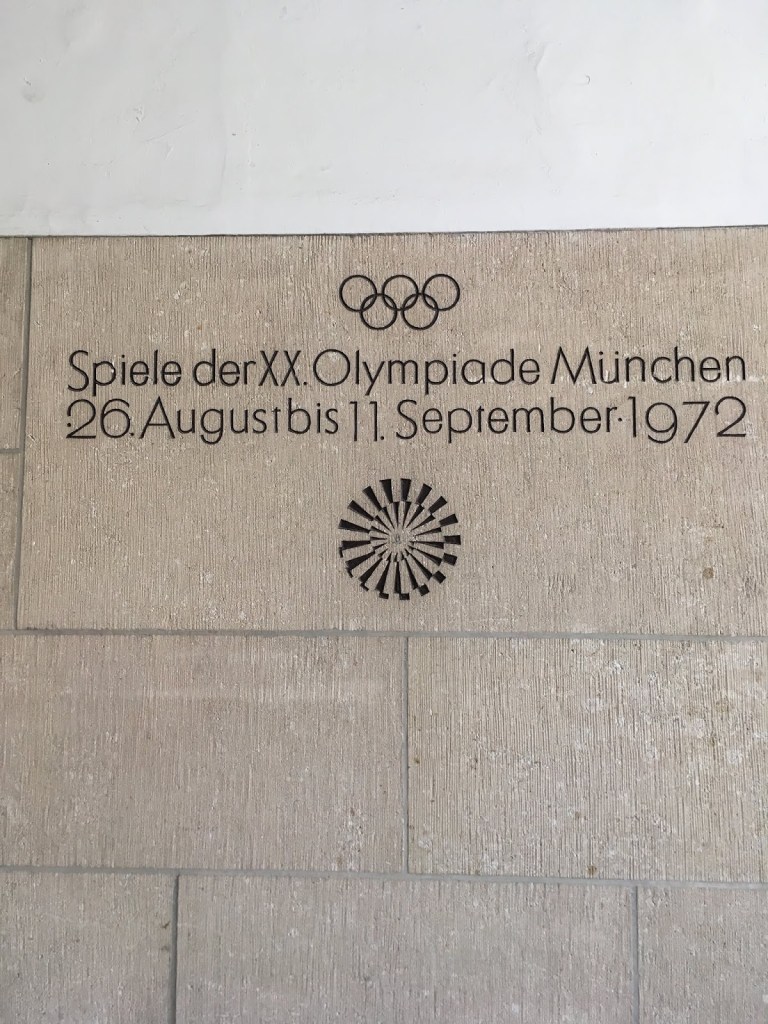
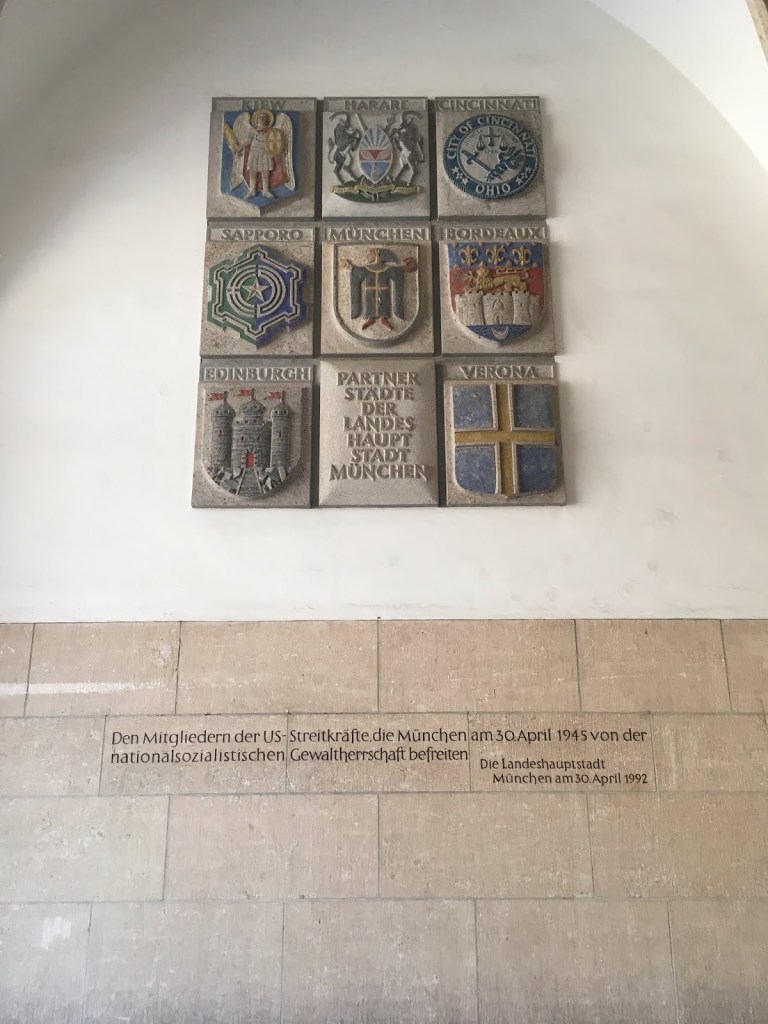
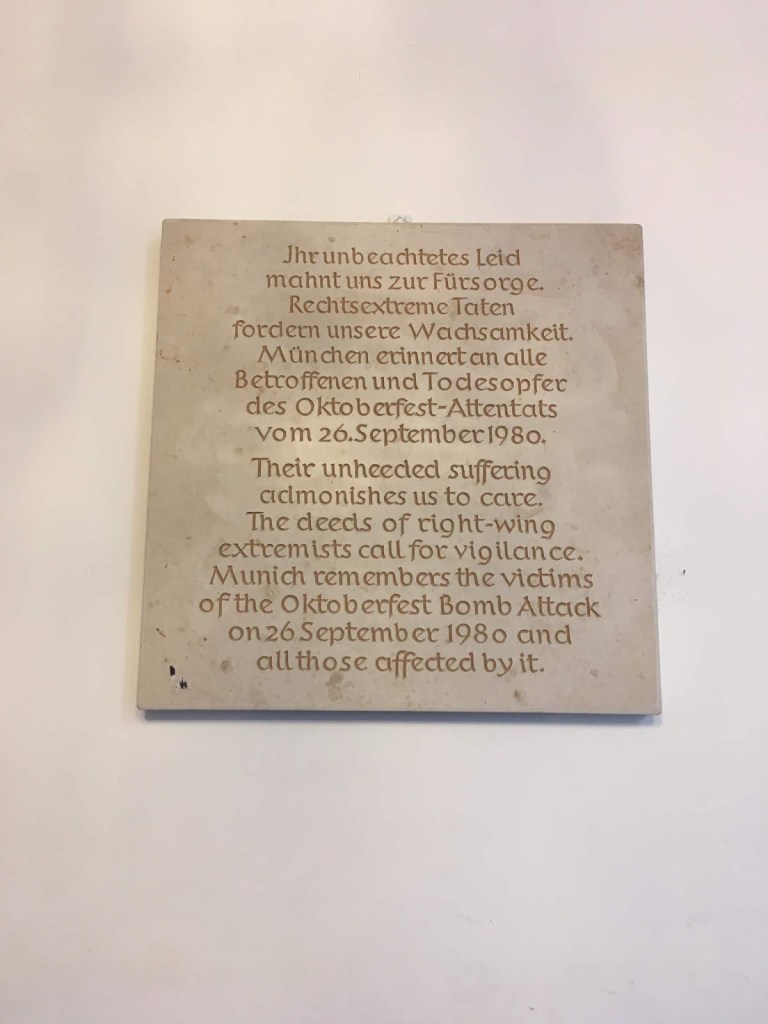
Rathaus anchors the main square, Marienplatz.
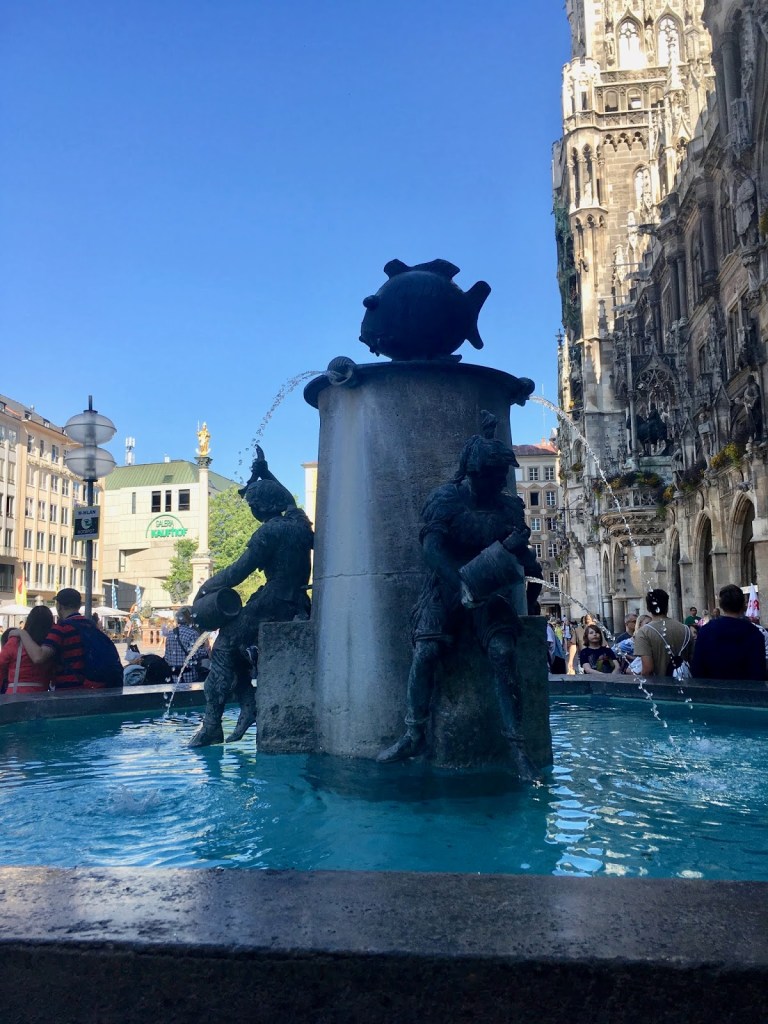
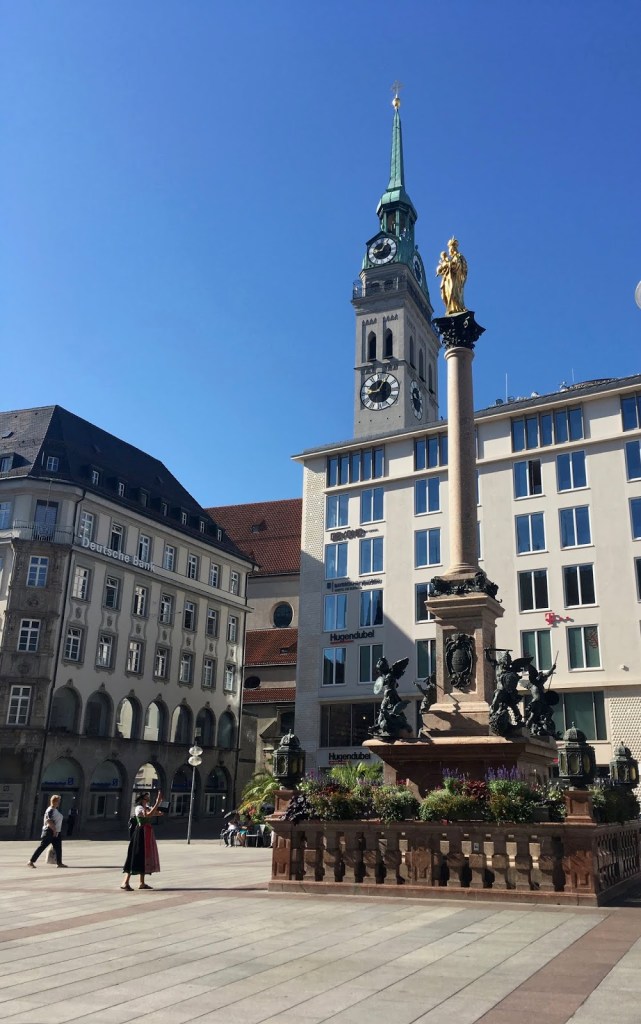
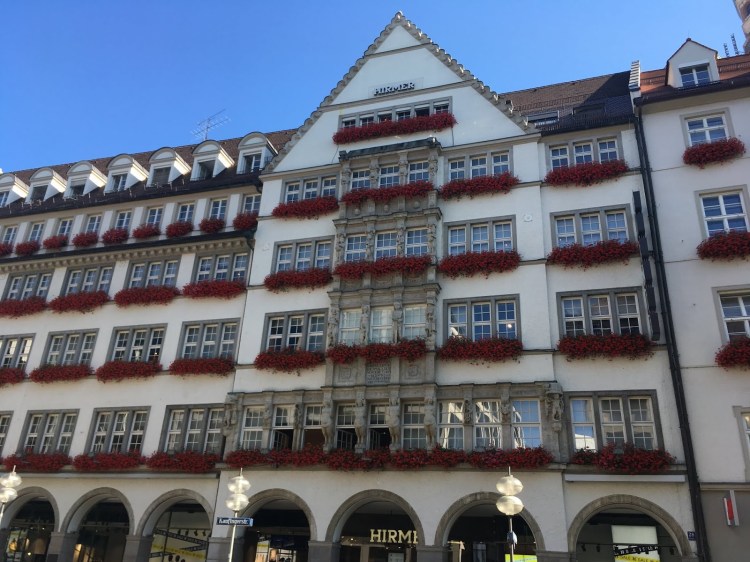
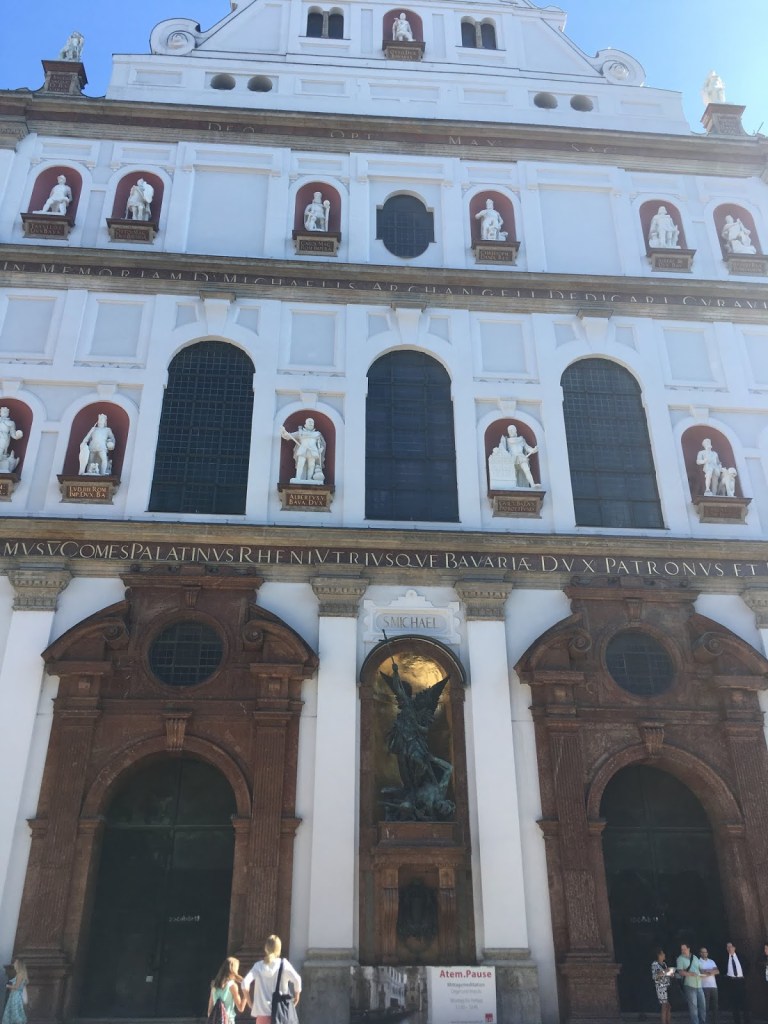
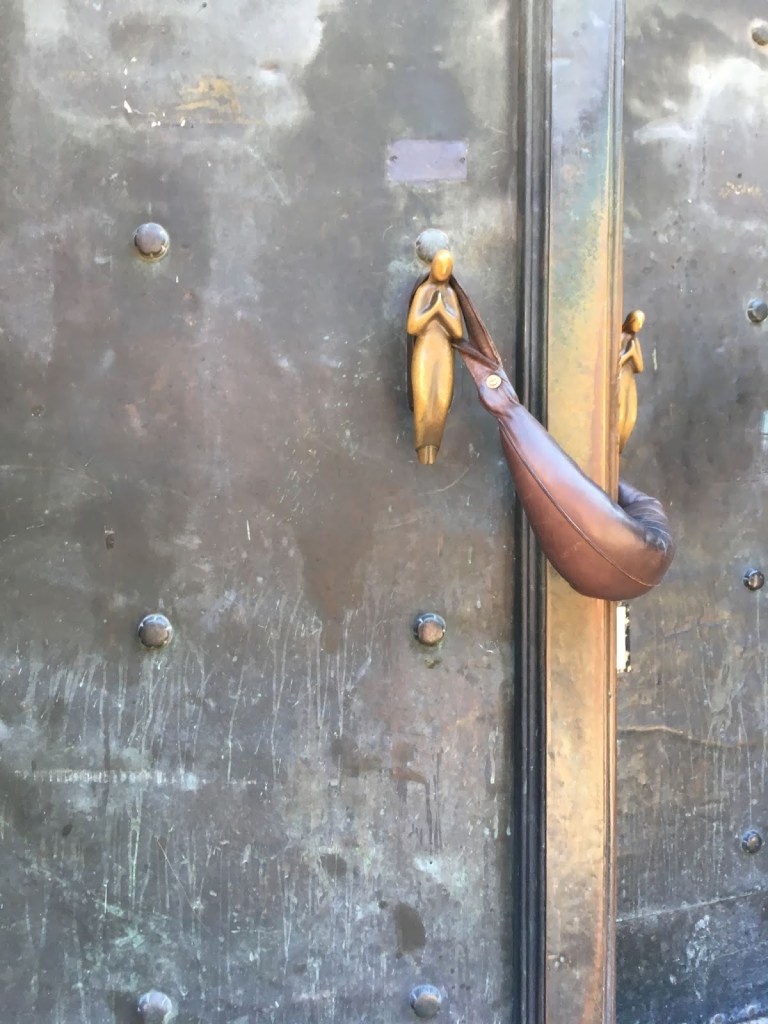
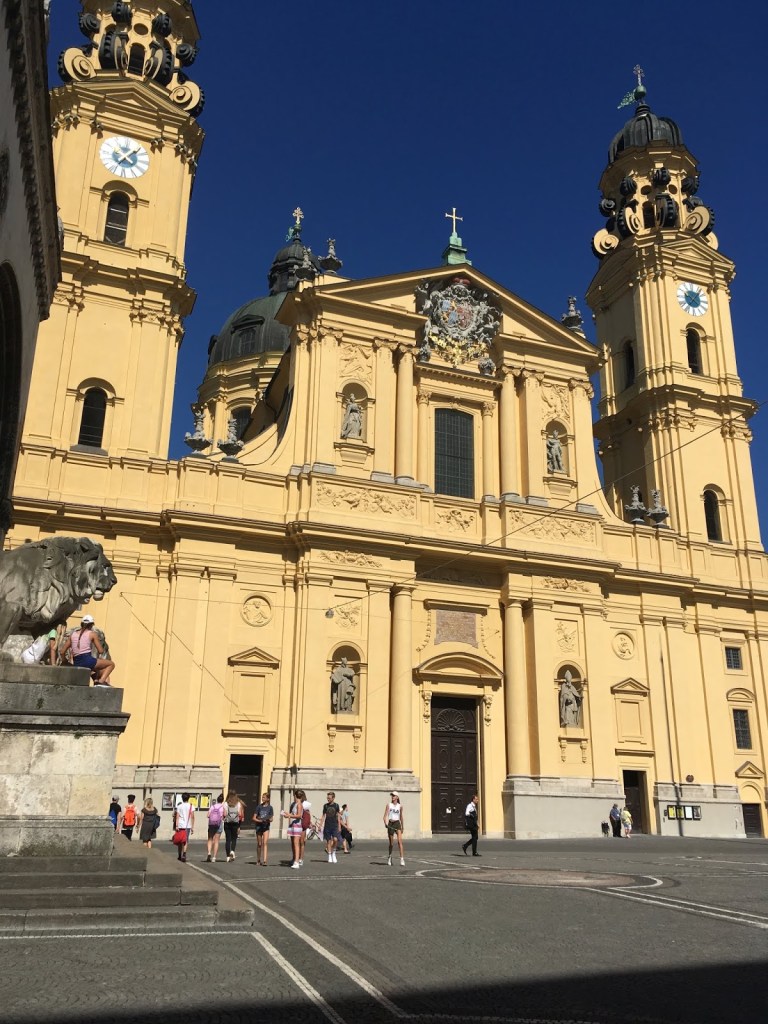
Radiating from the square, the best door knobs we have seen and wonderful buildings in a mix of styles, but all ornate
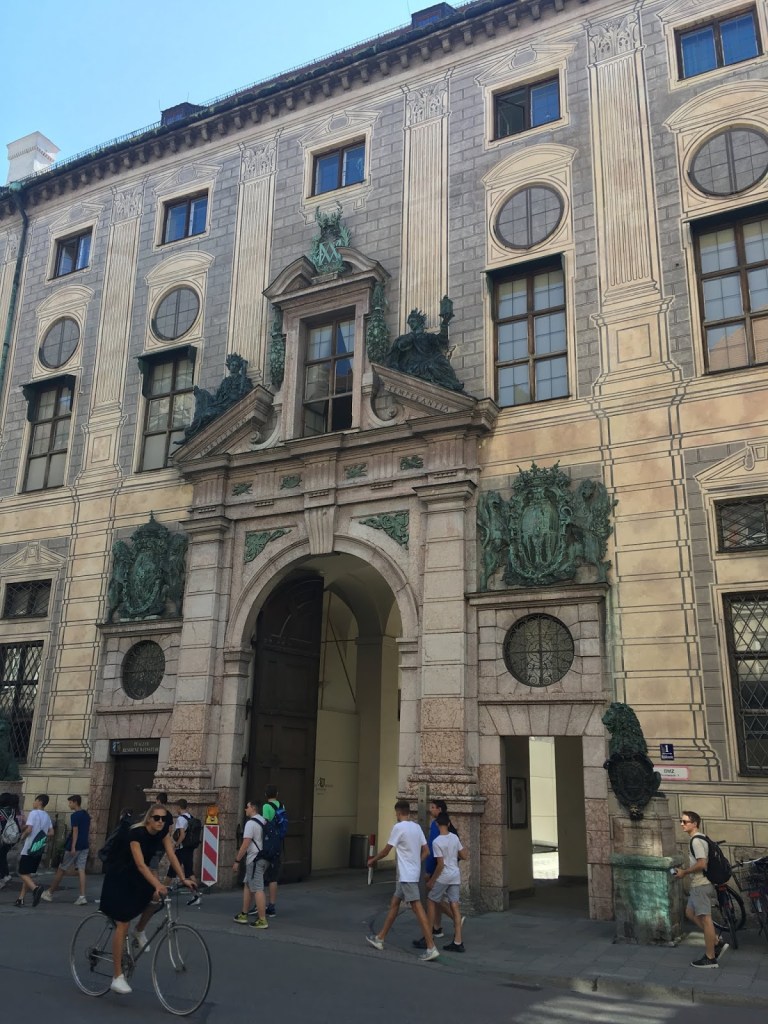
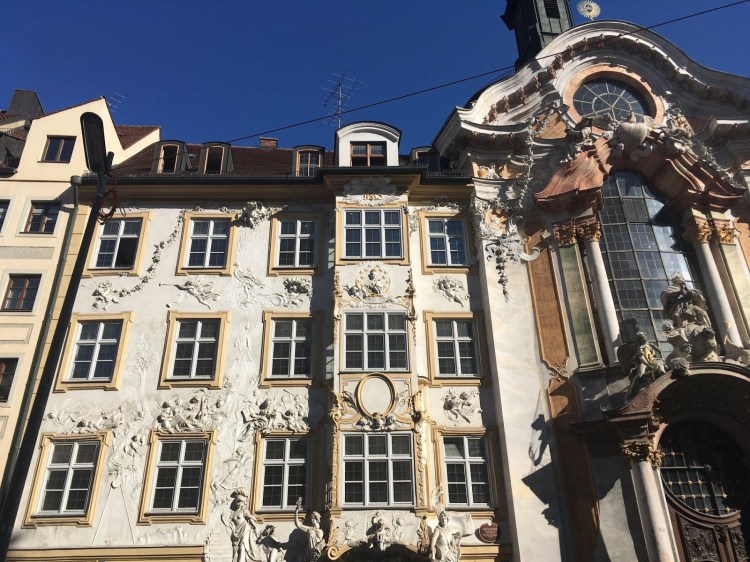
We were really struck by these murals

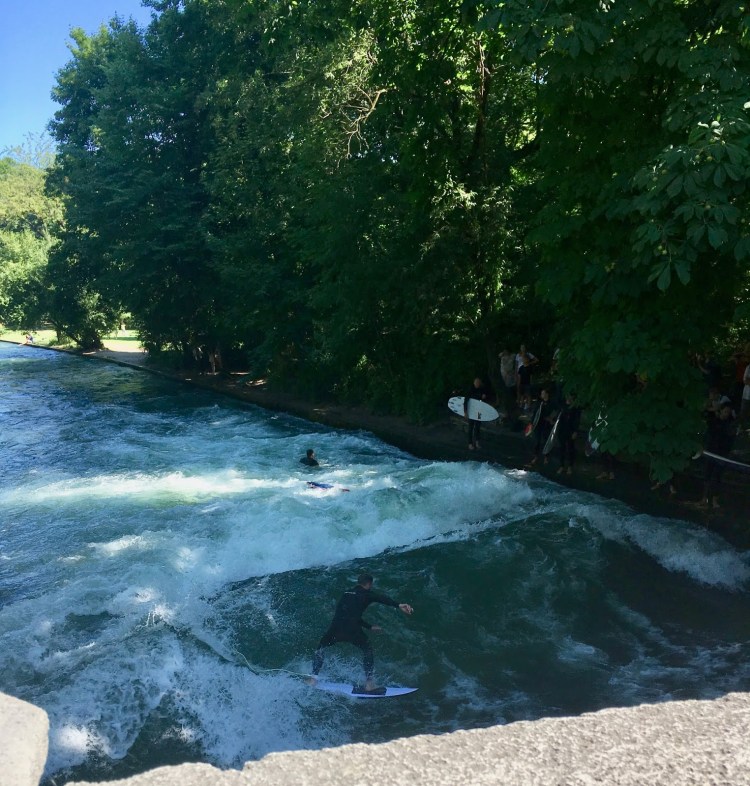
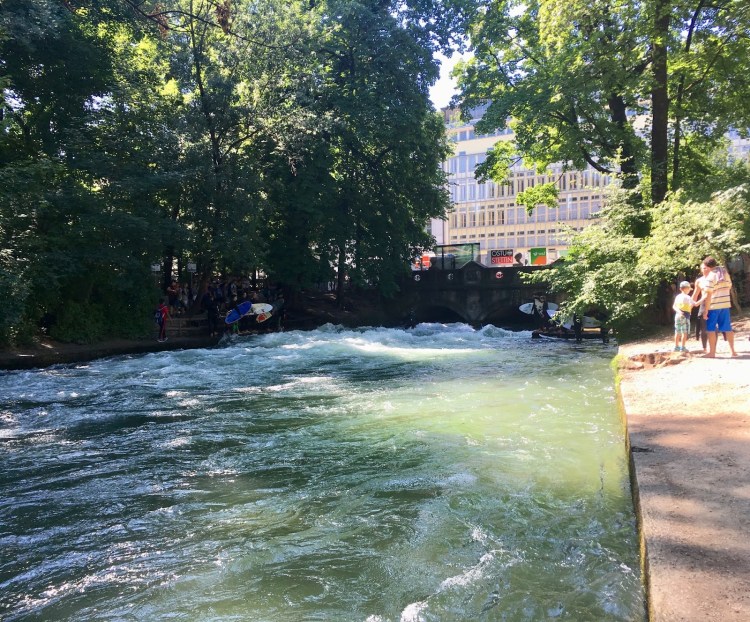
We also really loved the popular and huge park (English Garden) with a river (Eisbach, side-arm of Isar) where you can surf (with people waiting very patiently for their turn- no supervision, no cost). https://www.vice.com/en_us/article/3d9way/welcome-to-munich-the-mecca-of-river-surfing
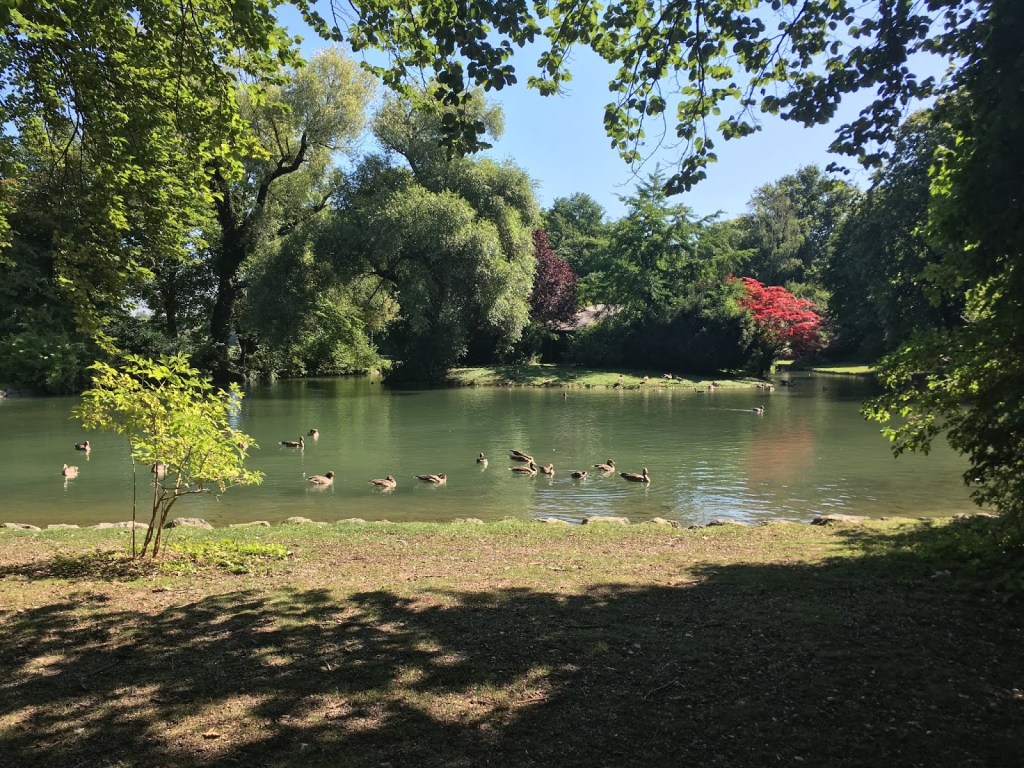
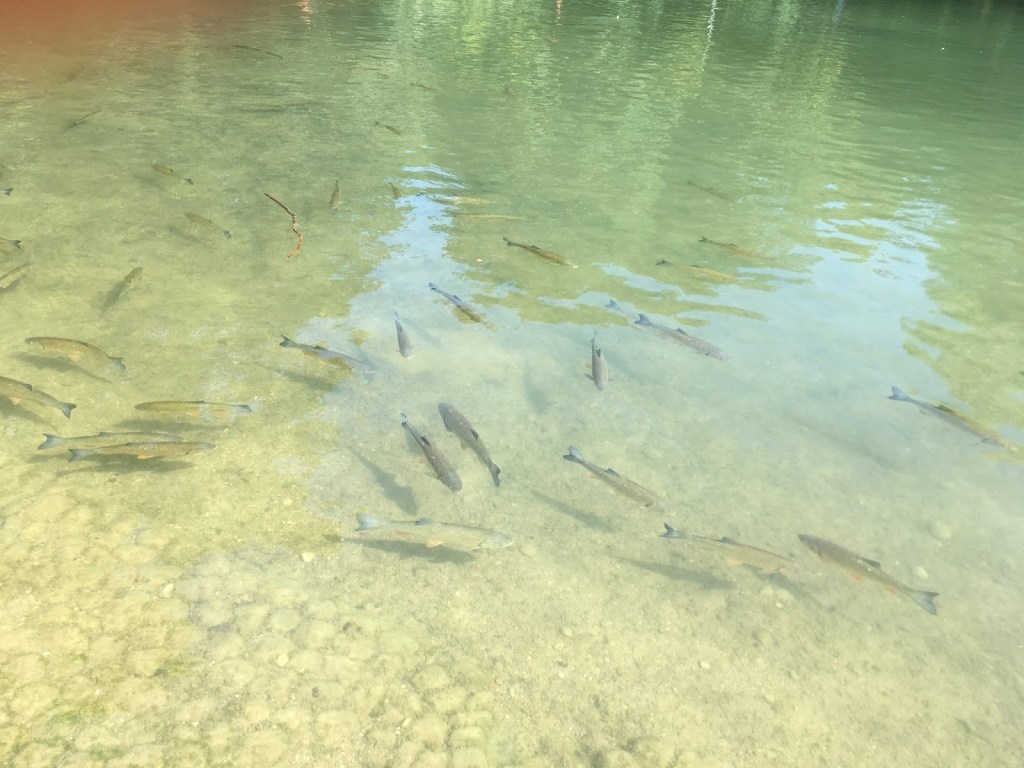
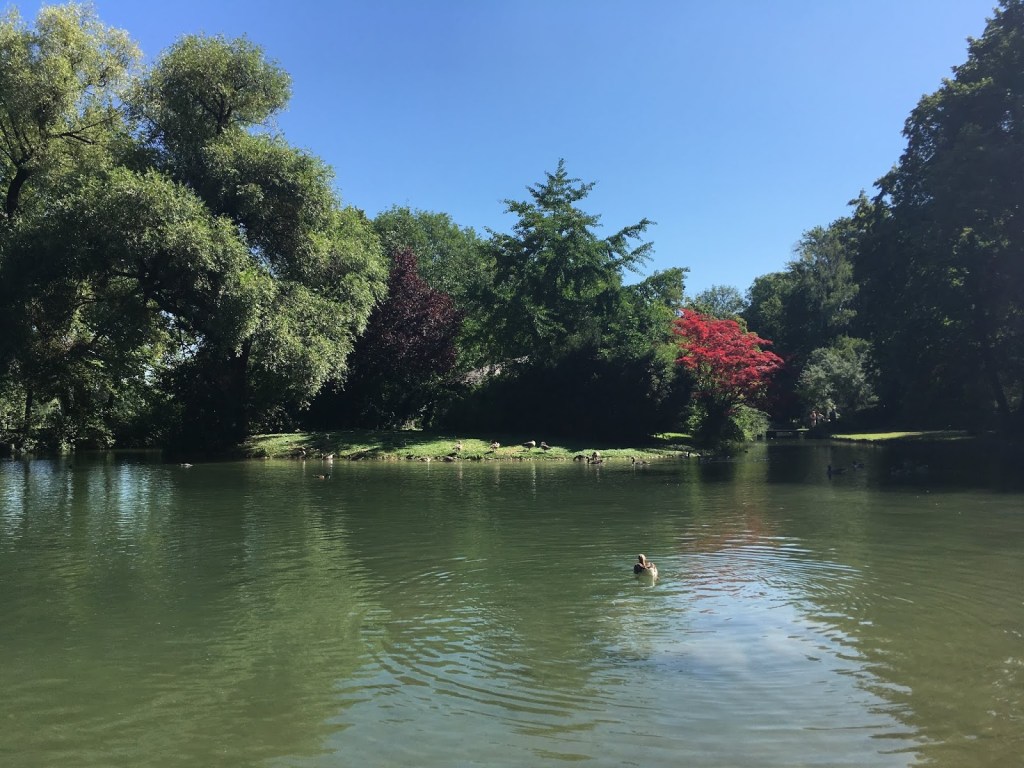
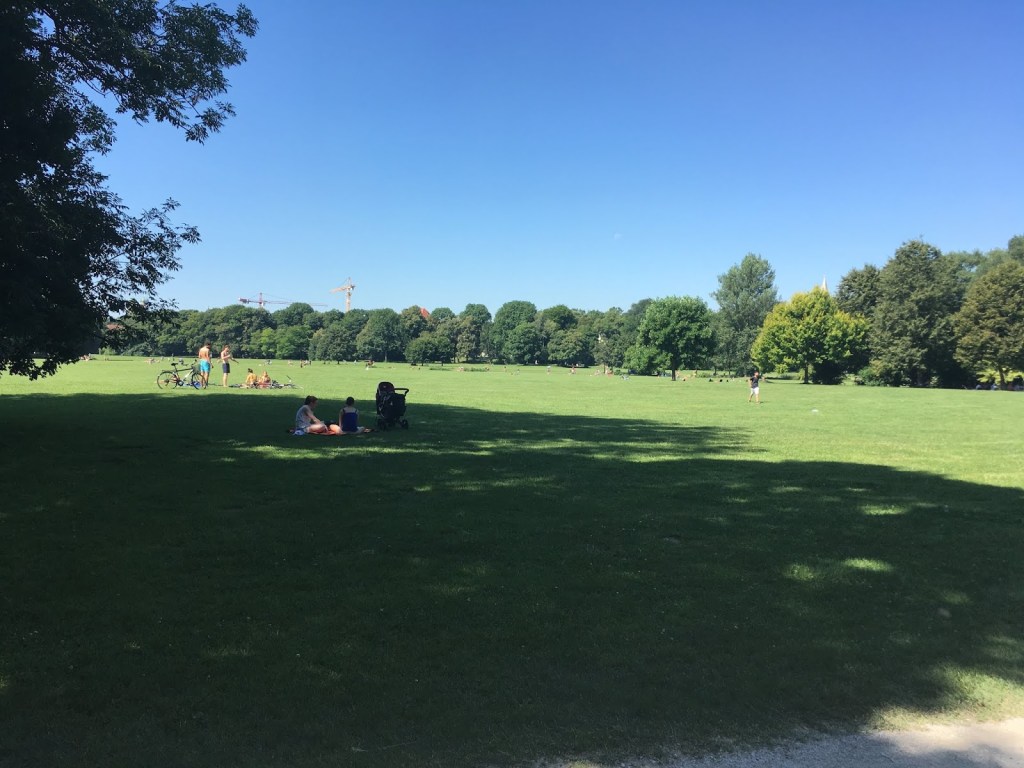
The city just kept getting more interesting, The museums were amazing and varied. We saw many favorite German artists and were introduced to some new (to us) artists- Georg Baselitz.
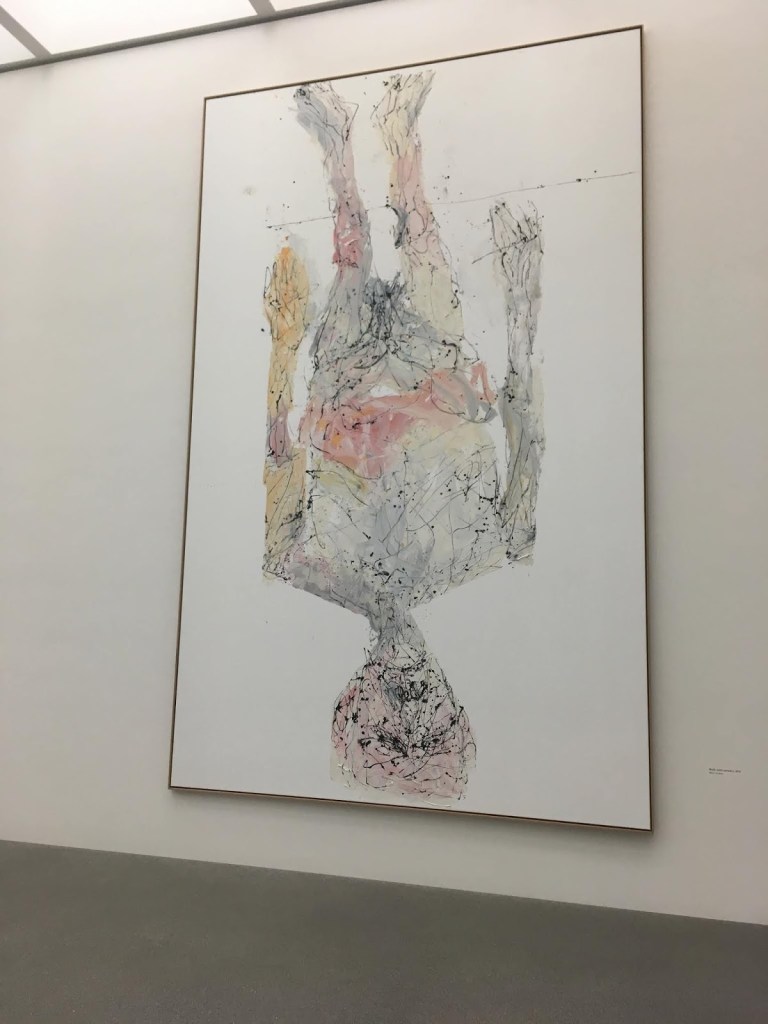
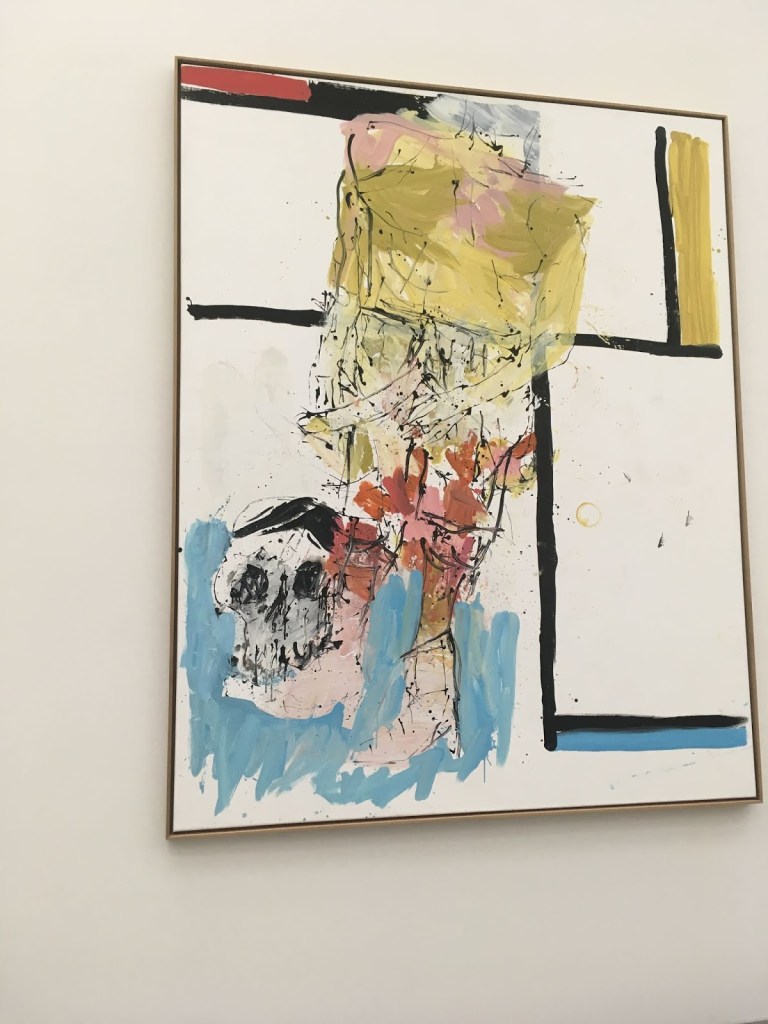
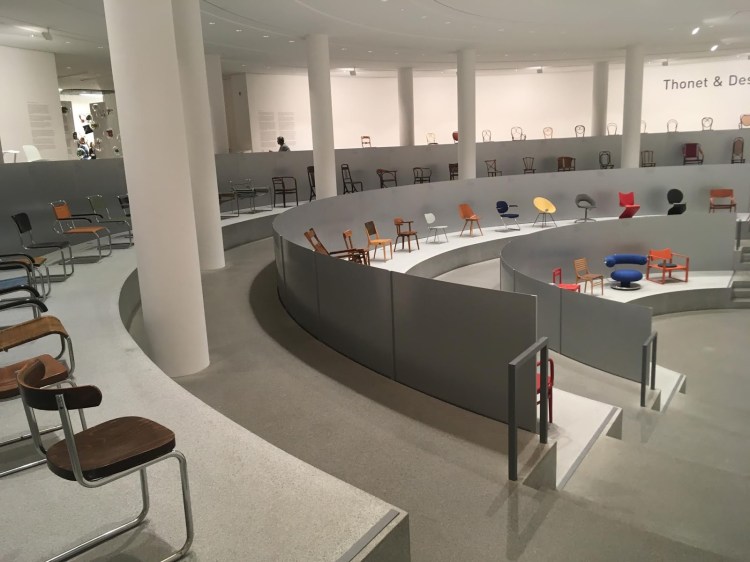
At the museum, the historical shadows started creeping in. It was hard to just appreciate the art, in light of the history of Nazis looting art (https://en.wikipedia.org/wiki/Nazi_plunder), we began to feel how that period of time permeates and still resonates.
(https://www.independent.co.uk/voices/comment/nazi-looted-art-how-many-more-masterpieces-are-out-there-8922977.html)
With the current world situation with so many populist leaders, it was difficult revisiting the origins of the Nazi party at the Munich Documentation Center for the History of National Socialism, opened in 2017 on the footprint of the former Nazi headquarters
(https://www.ns-dokuzentrum-muenchen.de/en/documentation-center/historical-site/ ) The exhibit charted the beginnings of Nazism onwards through today in modern Germany and Europe. Early Nazi propaganda and practices unfortunately mirrored our current news- it was so disheartening watching history repeat itself countless times as we wandered through Munich’s monuments and museums. The similarities were so frightening.
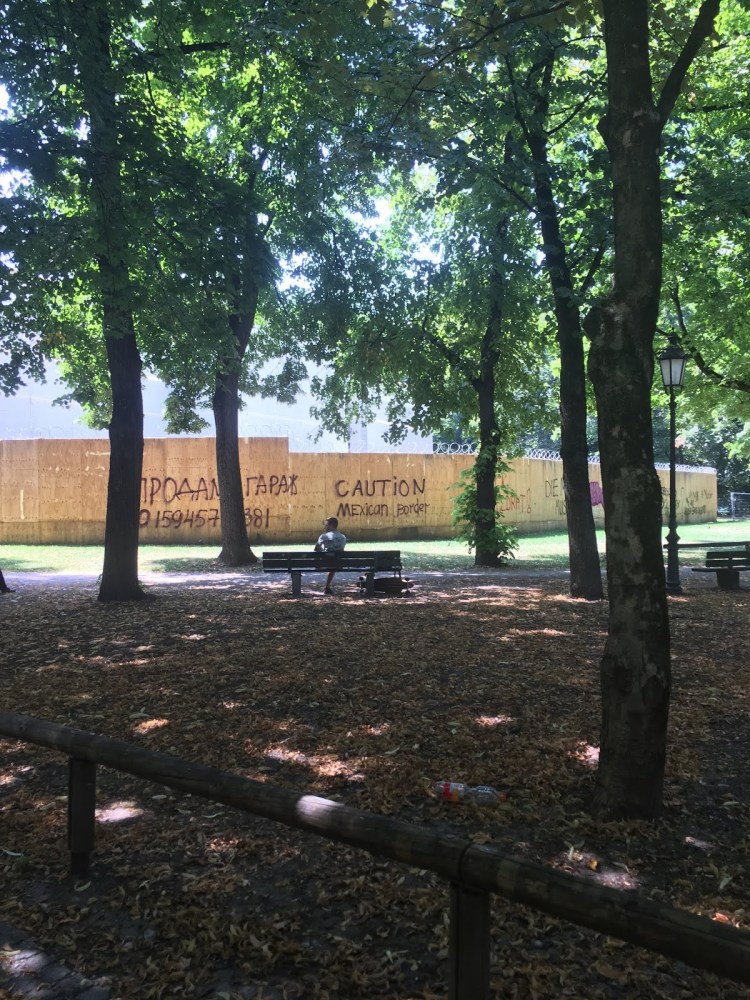
Munich was the epicenter of Nazism in Germany (as well as the anti-fascist resistance), so there were frequent reminders of people”s cruelty and how it feels like we’ve learned nothing.
As we played tourist, it was encouraging to see kids accessing historic sites; young kids on field trips in the old city center, numerous groups of teenagers in serious sit down talks with teachers around exhibits at the Munich Documentation Center for the History of National Socialism, and at Dachau, and most poignant- a group of physically handicapped young adults, who would not have been allowed to exist under Hitler, at the University’s memorial to the student run White Rose anti-facist movement https://en.wikipedia.org/wiki/White_Rose).
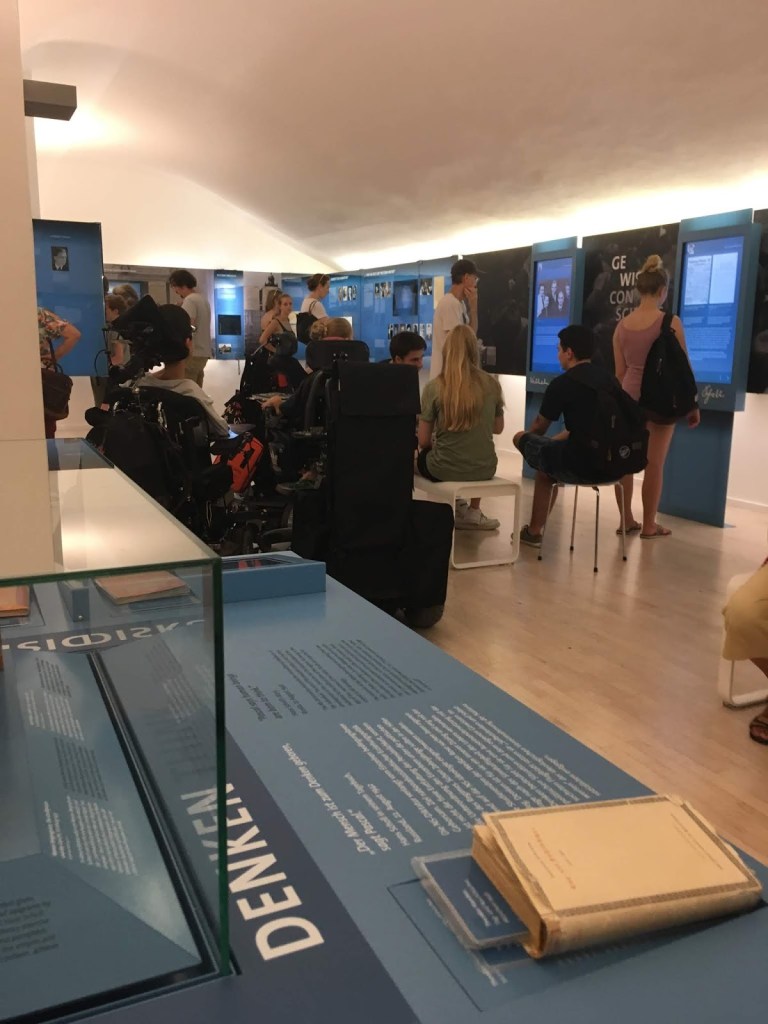
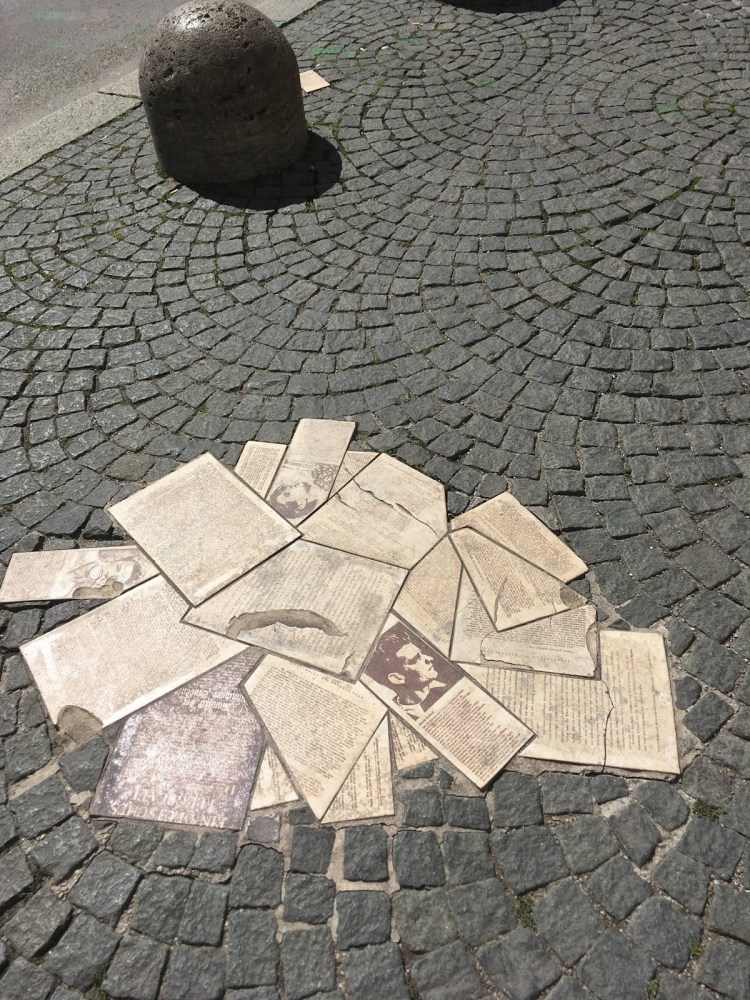
In front of the White Rose museum, flyers embedded in the ground, placed as they were when University students and siblings, Hans and Sophie Scholl threw them as they were arrested, and then executed in 1943.
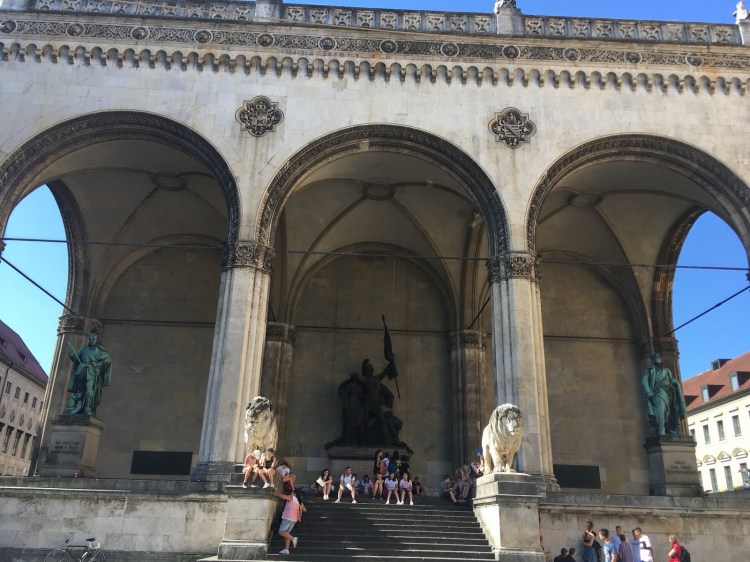
A short distance away was the 1844 memorial to fallen German solders. In 1923, it was the site of the Beer Hall Putsch where Hitler first tried to take power. After this, the monument became a symbol of the Nazi party. During the Third Reich anti-fascist Germans would walk behind it so they would not have to salute it as required by law (alley is called Shirker’s Alley). In more recent times, Munich has had to balance preserving this monument and preventing Neo-nazis from celebrating it
On to Dachau, about 10 miles north of Munich. Dachau was the first concentration camp. It opened in 1933, and was used initially for political prisoners (anti-fascists, communists, partisans from invaded countries), and then ultimately for anyone opposed to the new Nazi government including clergy, as well as “undesirables” such as Sinta/Roma, homosexuals, Jews, mentally and physically handicapped. The camp also supplied needed free/slave labor. Jewish prisoners weren’t the majority until the late 30’s.
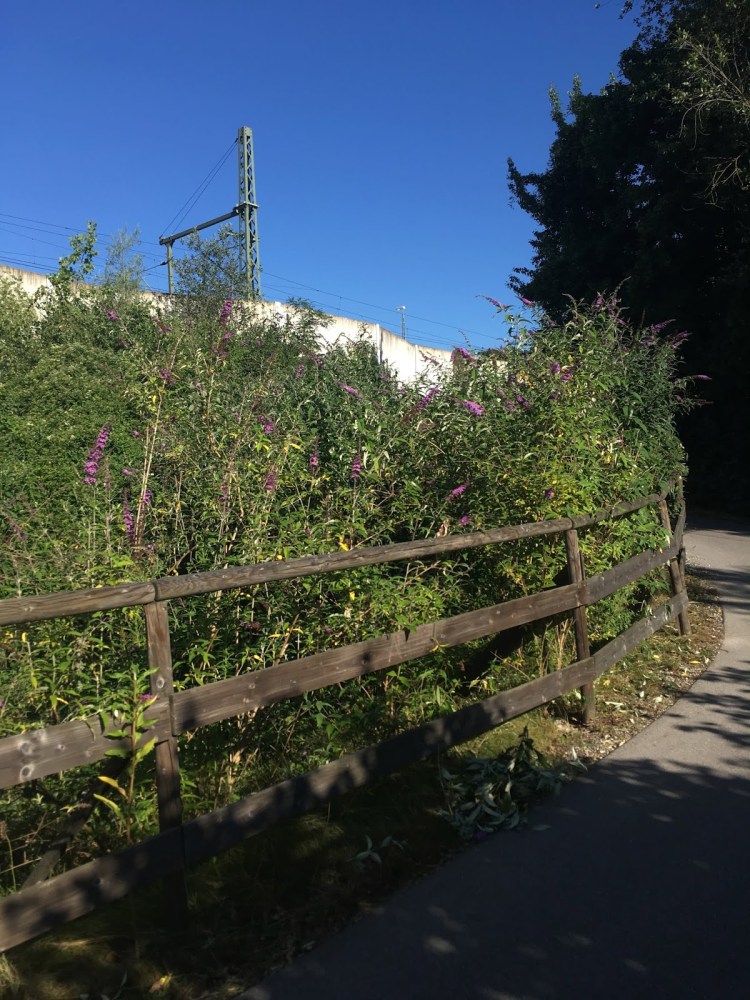
The 2 mile “walk of remembrance” from the train station to the camp was eerily picturesque, this was how the prisoners got to Dachau.
We were struck by the size of Dachau, the vastness. Yet they said it was plagued by overcrowding. It was not big enough for the abuse, the lives lost. Unimaginable.
Although we all are familiar with the horrors of the concentration camps, being there just emphasized that, from our frame of reference, we can never really be familiar, never can completely comprehend the experience and inhumanity.
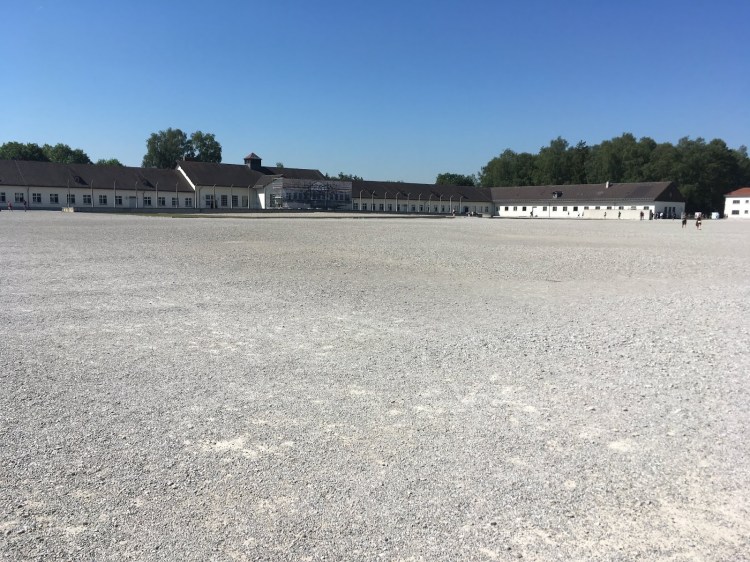
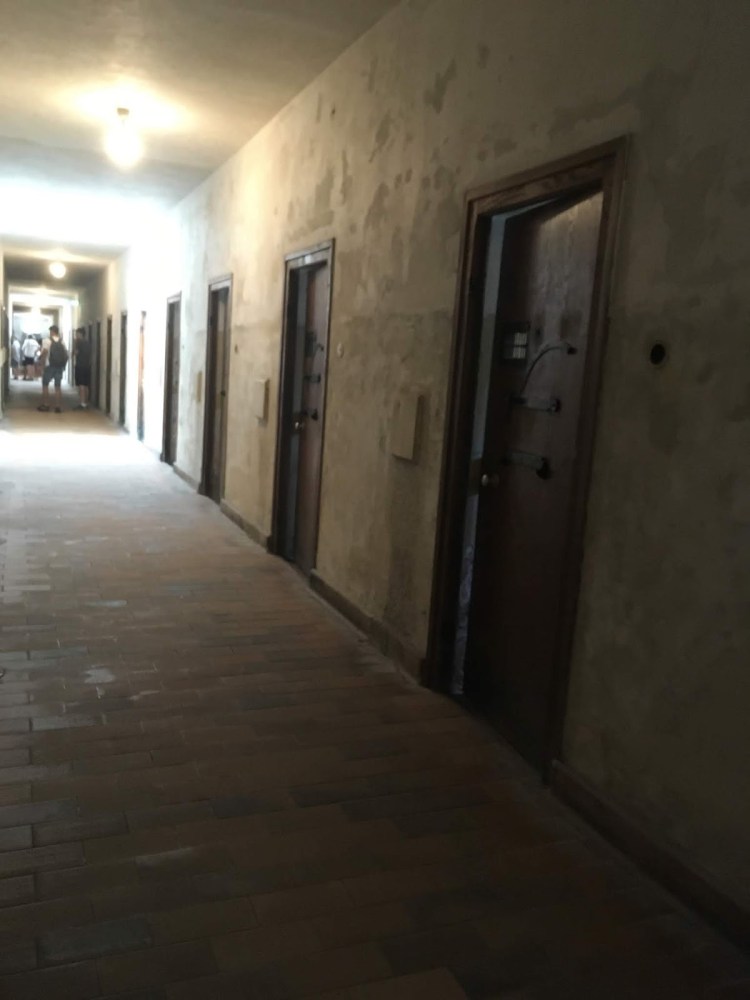
Unfathomable, considering the uncertainty experienced by the prisoners, especially with death everywhere. The barracks, the claustrophobic cells, the horrifying crematories but nothing more frightening than the open space, imagined crammed with people awaiting the worst.
Both Dachau and Munich’s Documentation Center admirably emphasized the absolute lack of individual accountability for the majority of Germans- soldiers, politicians, civilians. And that was the challenge of Munich, it was where the Nazis got their start and power but how does a city acknowledge and repent? Part of the problem is many of the buildings used by the Nazis were destroyed in the war and identifying those sites or existing buildings for educational purposes has been controversial. Munich is stuck between pointing out Nazi sites while not honoring them and preventing Neo-Nazis from congregating and revering them.
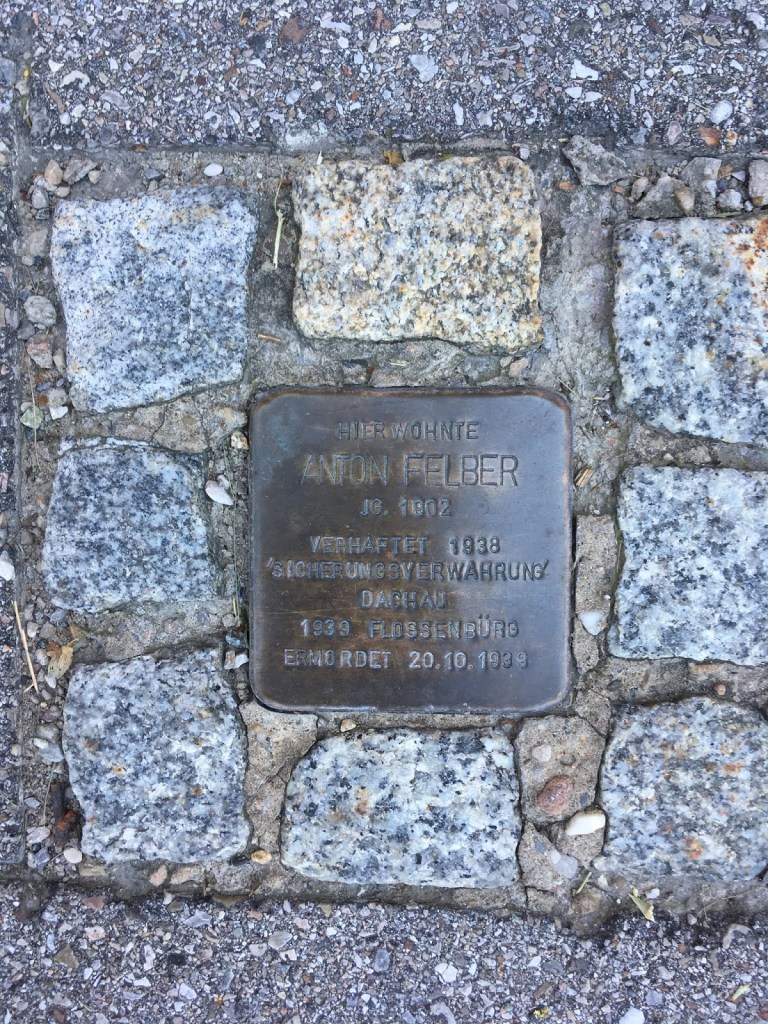
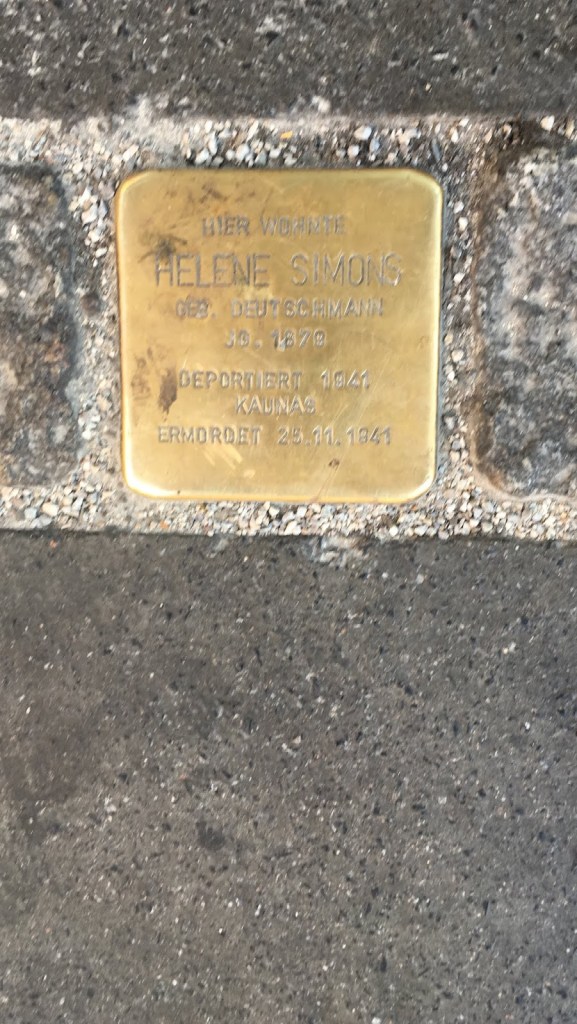
Munich continues to struggle with competing groups; those wanting to diminish or or rewrite history, those wanting to just move on and those wanting more public accountability. This is exemplified by Munich’s lack of Stolpersteine. https://thechosenfugue.blogspot.com/2019/01/they-do-make-you-stumble.html The city banned them, only allowing them on private property. Munich’s Jewish community president was not supportive of them although the German Council of Jews and many other local Jews and Germans were. Munich’s alternative, started in 2015, were 5×5 plaques (looks like an address nameplate) somewhere on or near the house but when we went to find some, it was difficult and we couldn’t. About 50 exist, and as with the Stolpersteine, memorializing not just Jews but all victims- people with mental illness, physically disabled, Sinti/Roma, gay, Jehovah’s Witness and the resistance. In contrast to the Munich building plaques, the Stolpersteine seem to more accurately reflect the proportionality of the groups victimized.
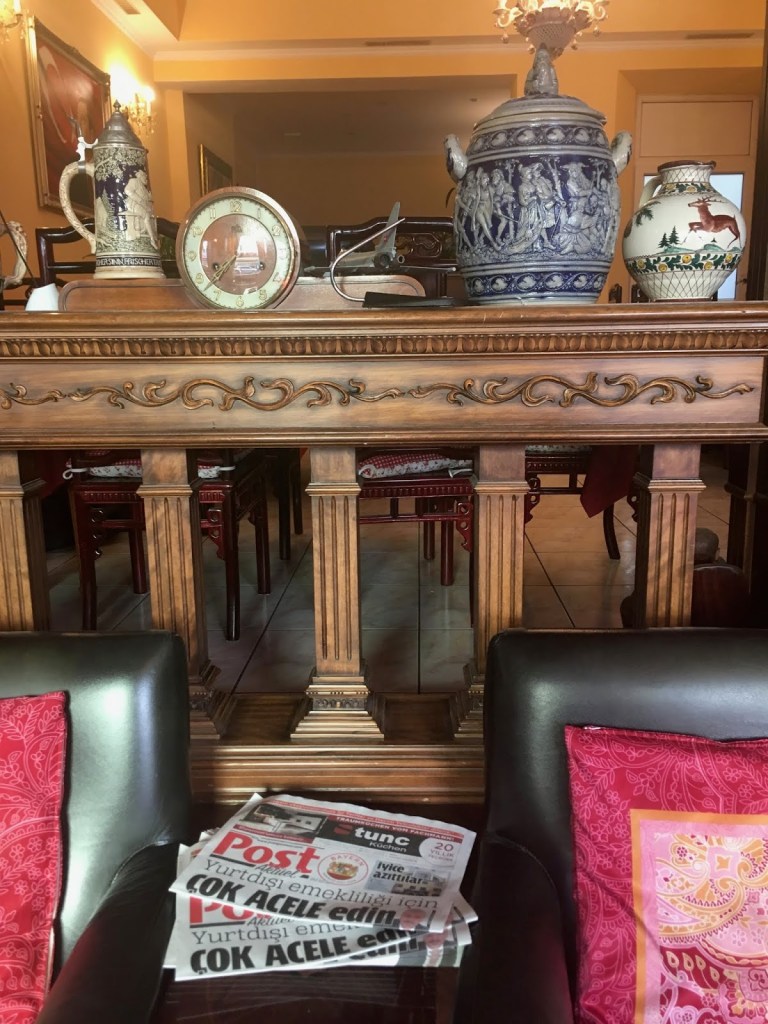
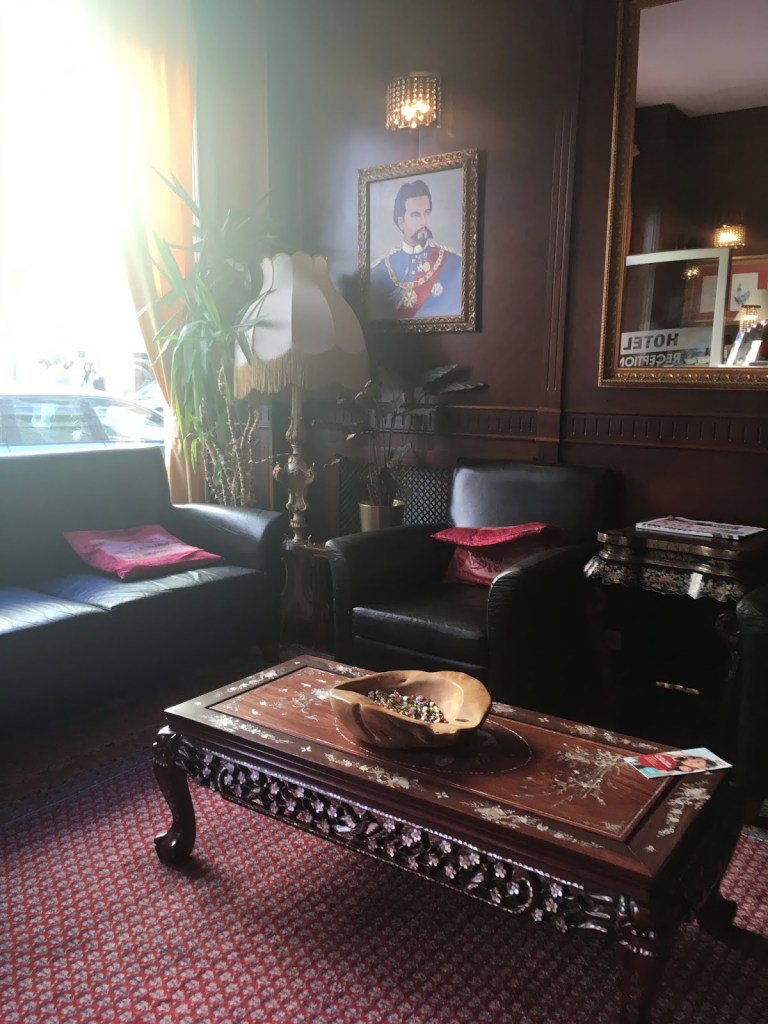
Each day after being overwhelmed by the contradictions of history and this striking city, we returned to be rejuvenated by our hotel in the very ethnically diverse upbeat Little Istanbul area of Munich, very much appreciating our Turkish/German hybrid Hotel Goethe and the surrounding neighborhood.
So, Munich kind of encapsulates our (thus far) European experience; contemplating it’s tragic and violent history against the backdrop of wondrous natural beauty, inspiring art and and persistent resistance, unfortunately often futile. We will try to ride the wave of optimism.


One thought on “Munich”