After our emotional visit to Vilnius we elected to have a spa day. Not that we have ever had a spa day. Regardless, we headed to Druskininkai a well known spa resort on the Nemunas River in southern Lithuania renown for its mineral waters. (pictures show up better on the blog, click on the link in the email)
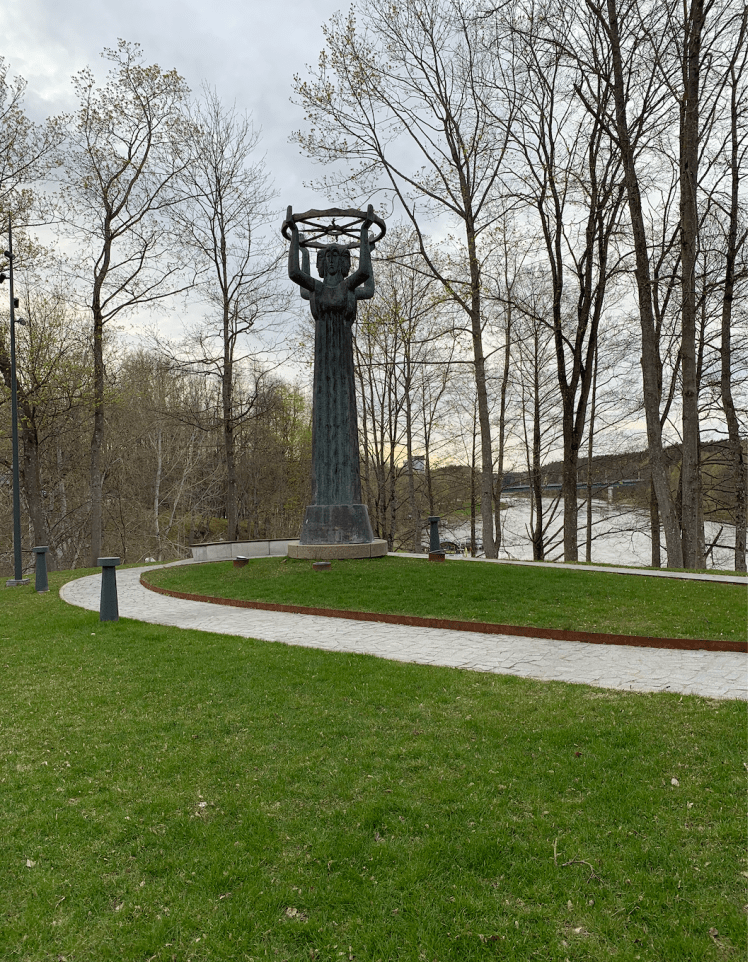
People have been coming here for therapeutic relief from as far away as Moscow since the 1700’s when Polish Kings sought out its healing powers. Now, it is even more popular as in the nearby winter ski slopes, it has added one of Europe’s largest indoor skiing slopes. We walked past multiple fancy spa/hotel resorts, and even people carrying skis.
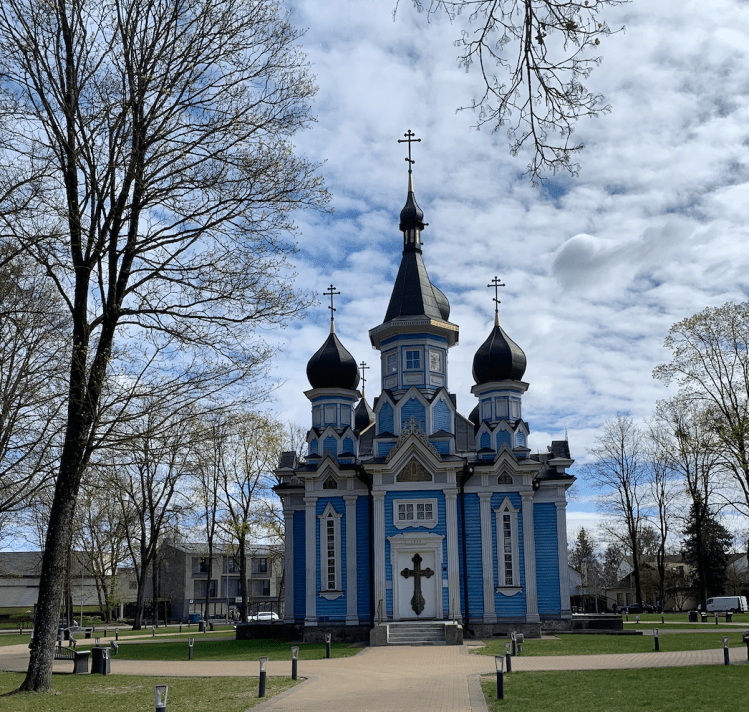
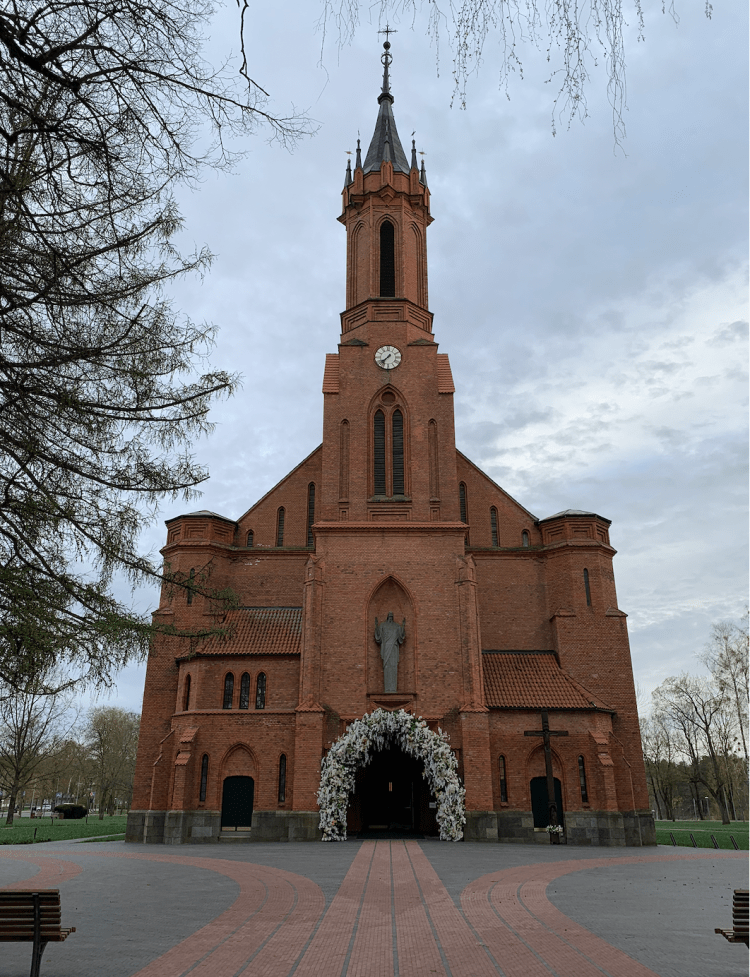
However, we neither skied nor spa’d. Other than our hotel and the market, we didn’t enter any buildings. Instead we enjoyed the spring day.
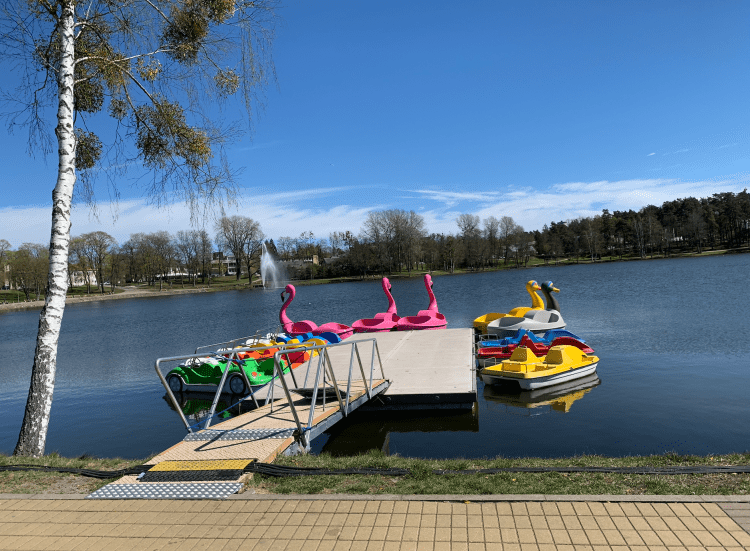
Flowers and trees were blooming. There were king sizes beds of daffodils with piped in music by a famous local composer and artist who died in the early 1900’s, M.K. Ciurlionis.
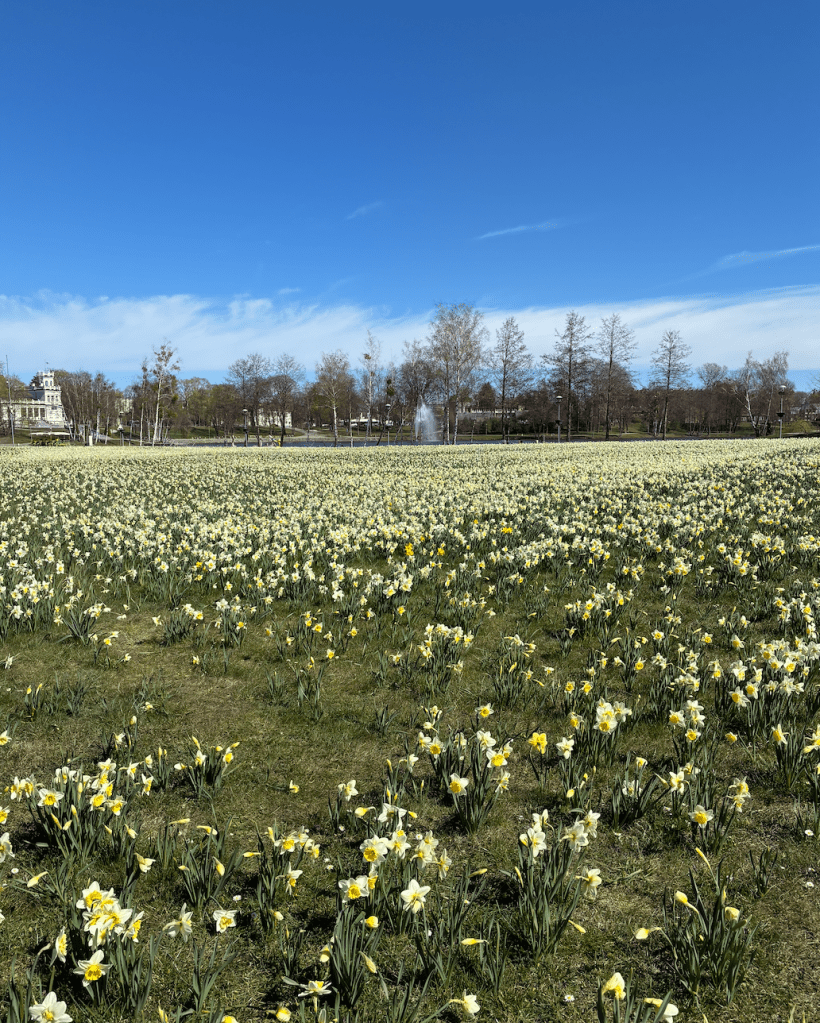
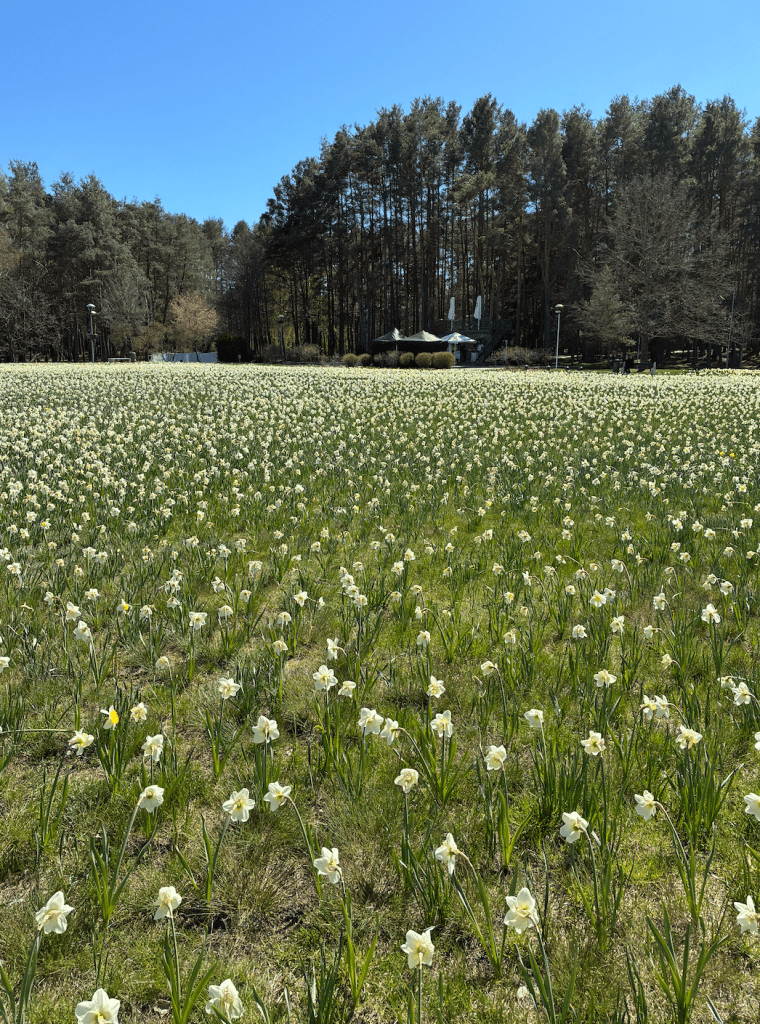
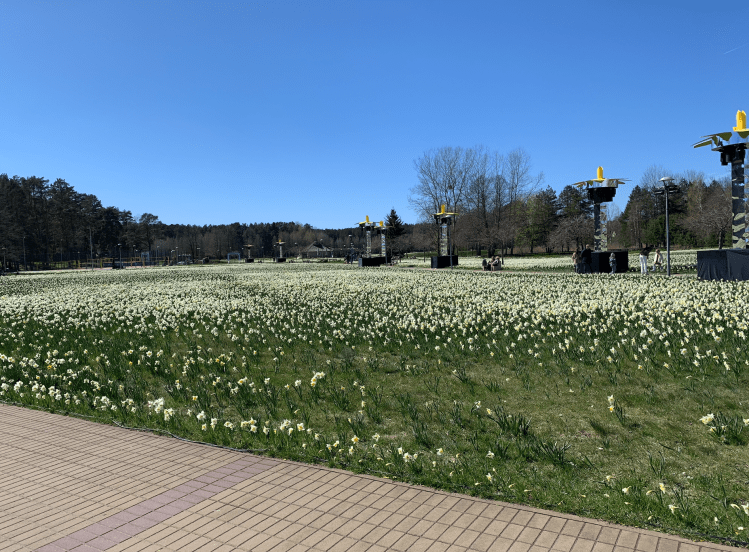
His music was also playing at the singing fountain. Both the fountain and the daffodil field combined music with a light show at night.
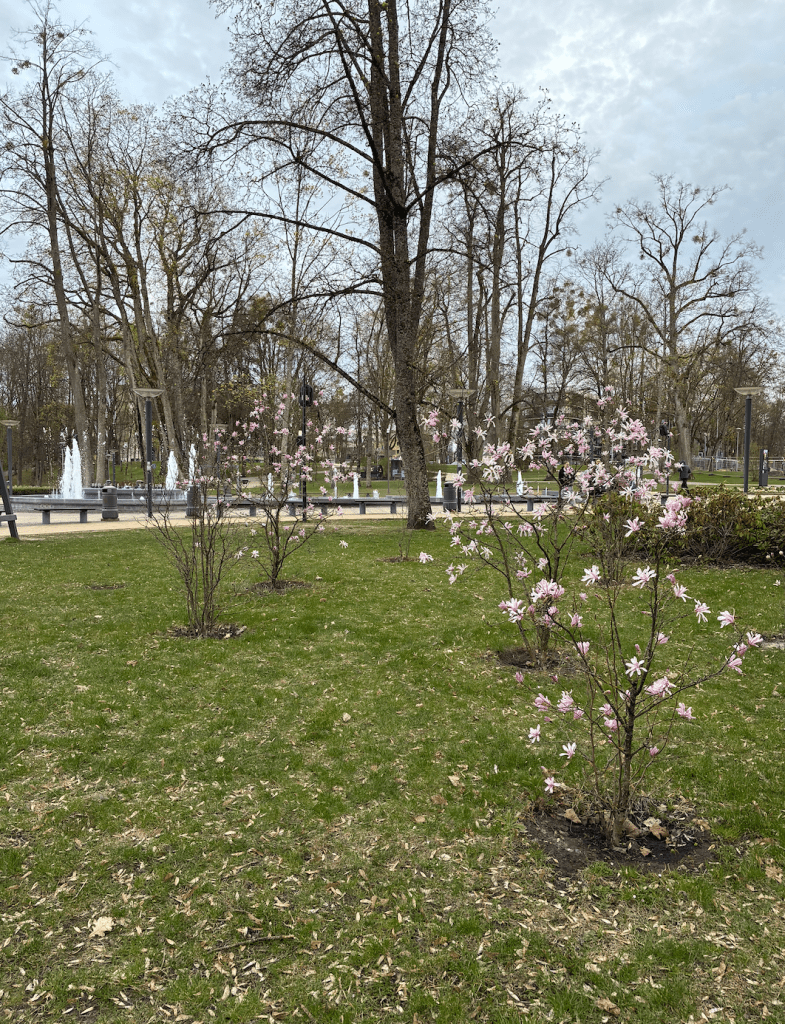
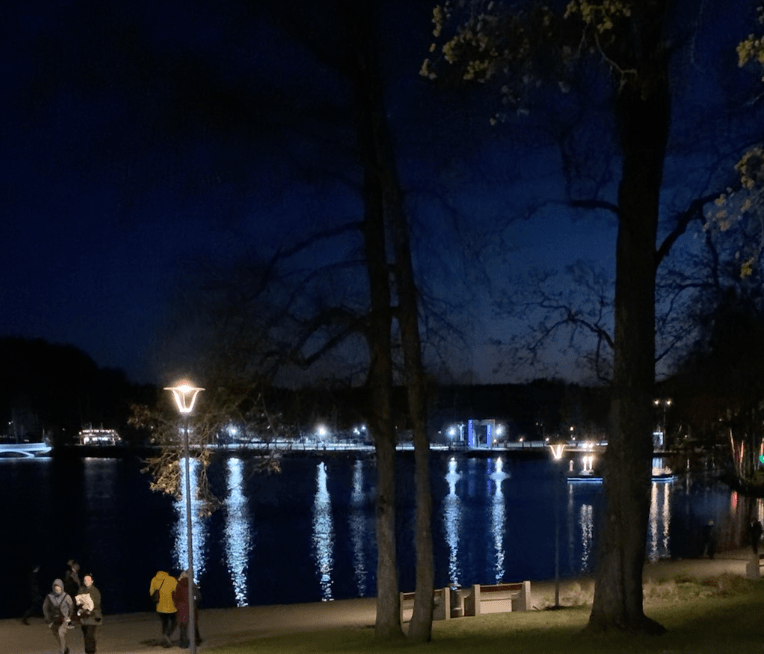
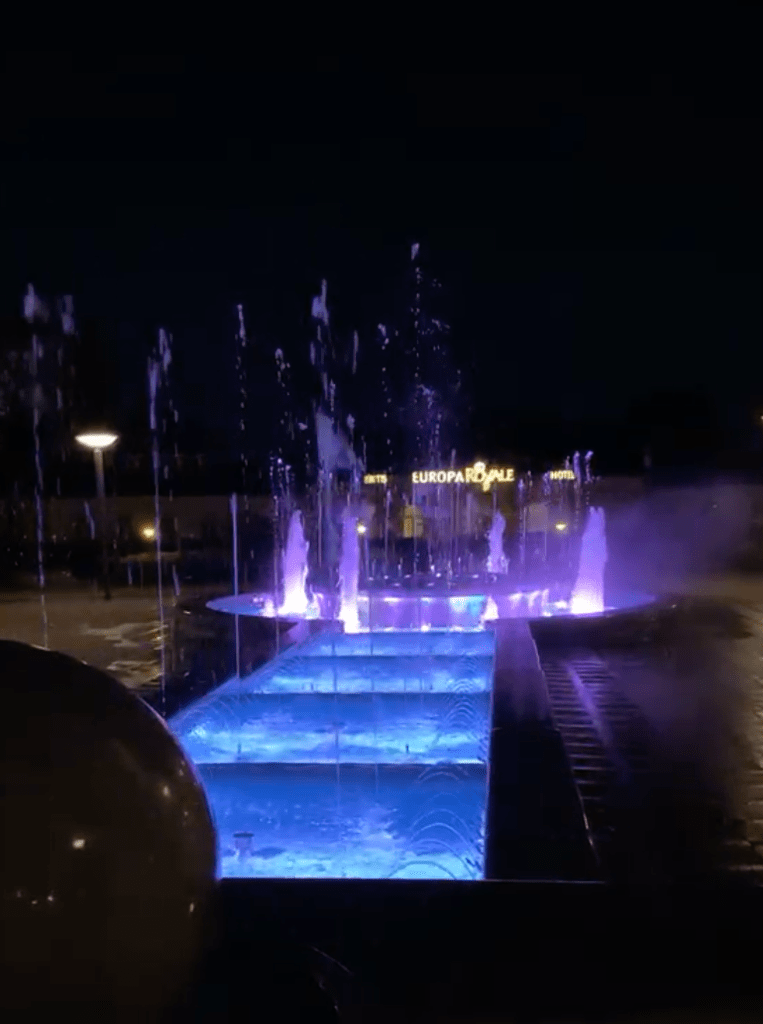
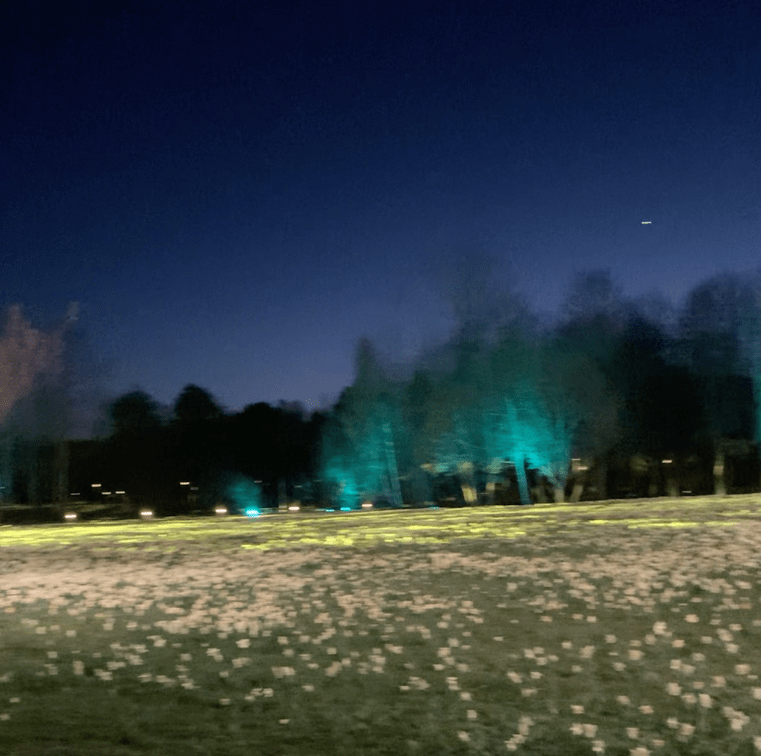
Our afternoon walk through the daffodils extended into the surrounding forest and hills.
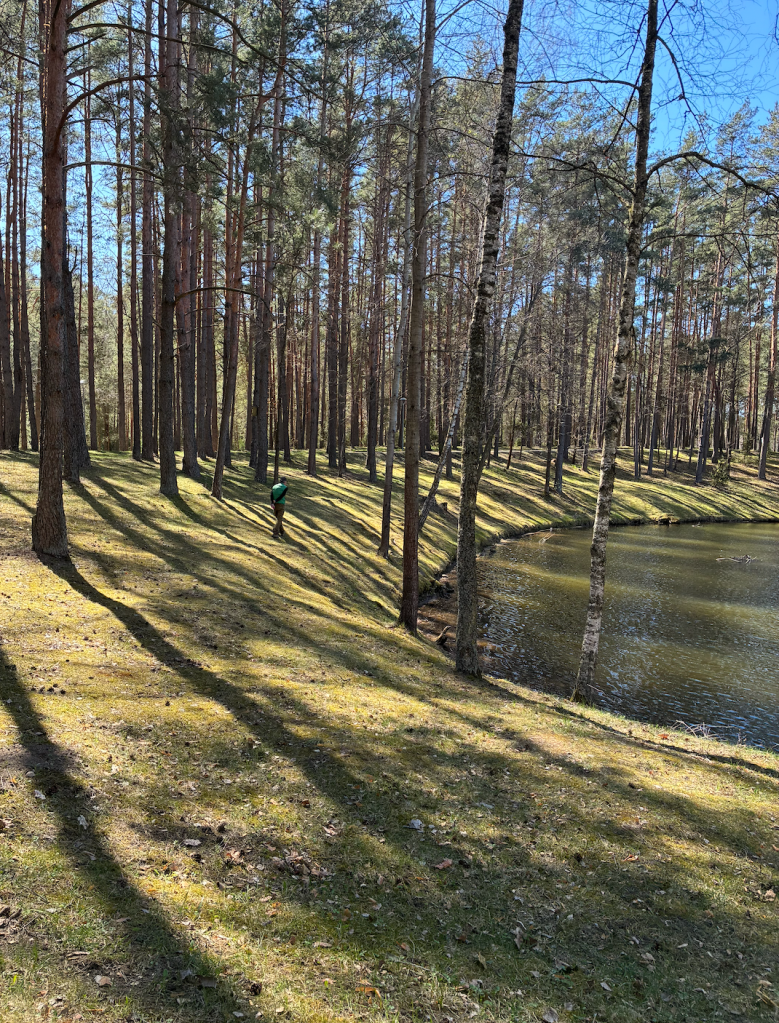
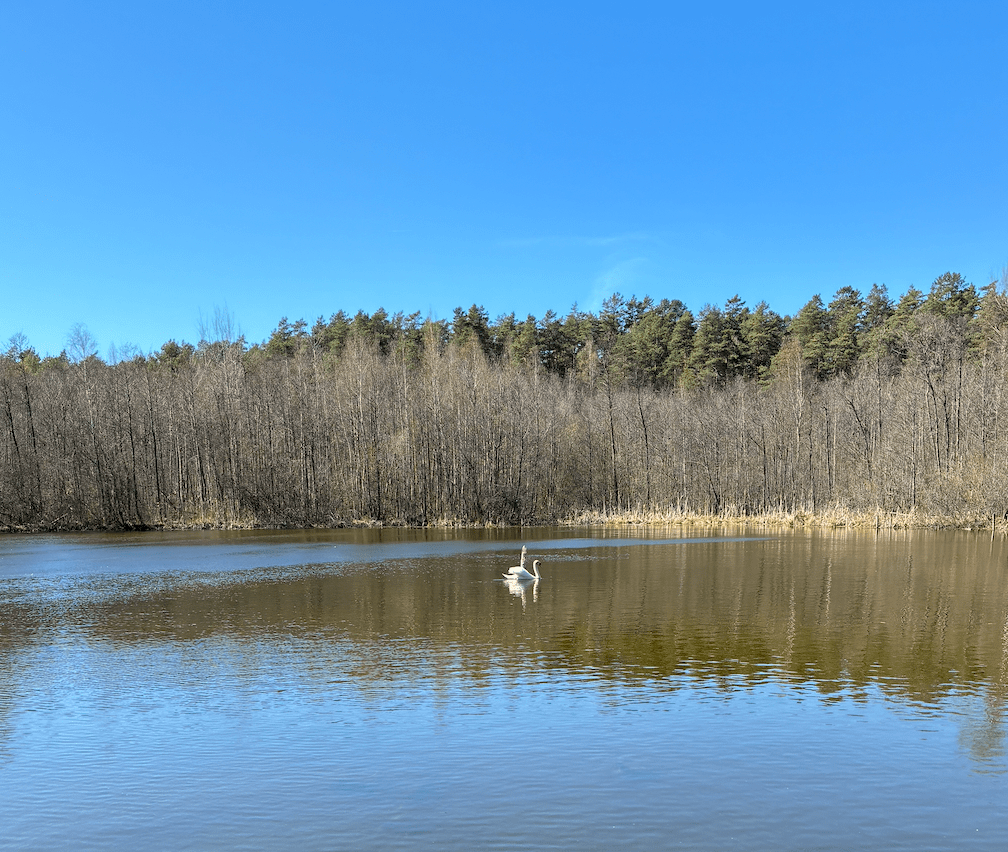
But, this being Lithuania we did stumble onto a memorial for Lithuanians killed by Soviets and a destroyed Jewish cemetery.
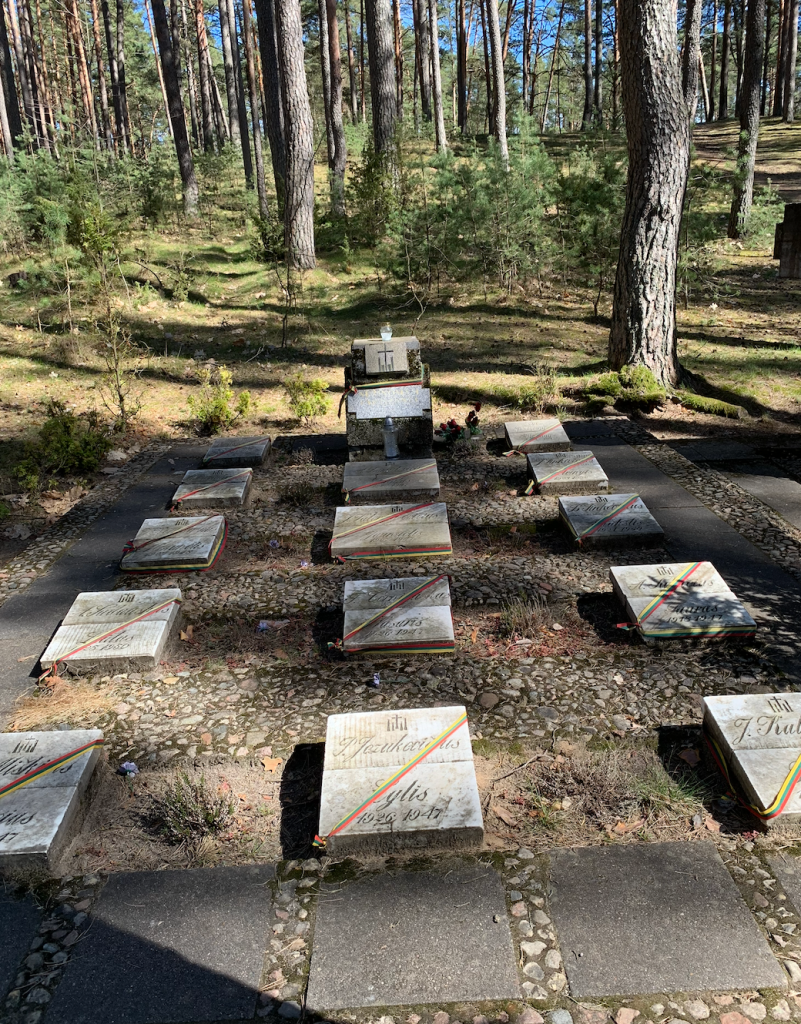
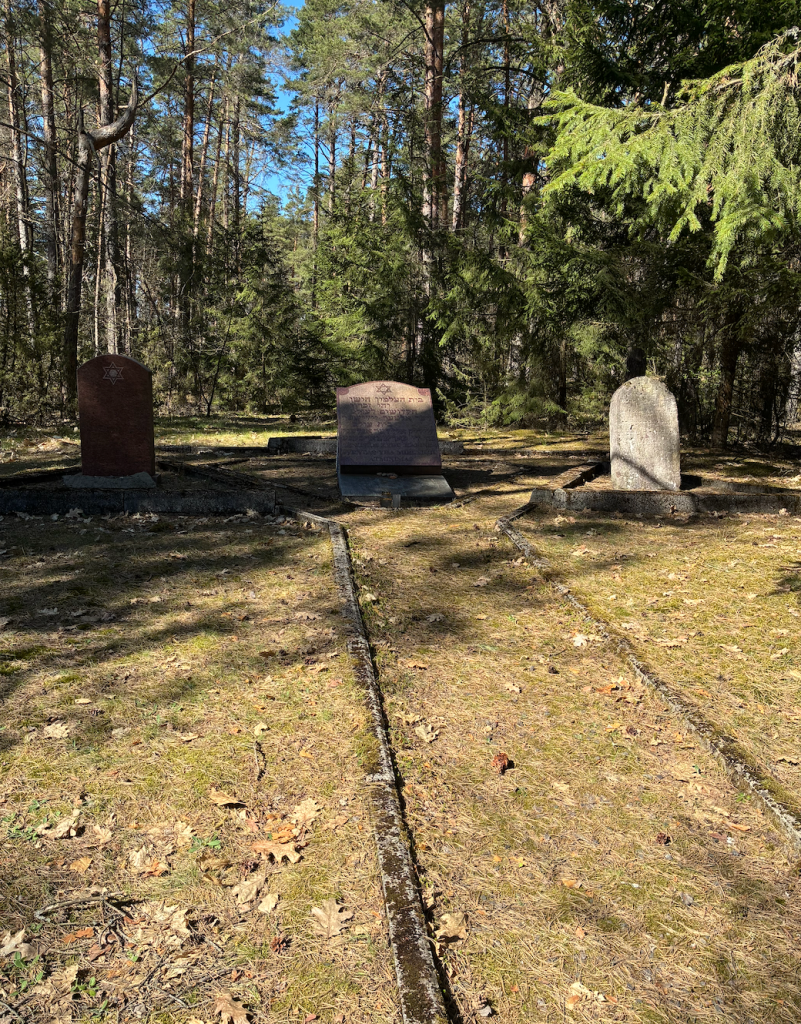
Kind of epitomized our Balkan trip; areas of beauty and serenity shattered by historic events of human cruelty. Not even a spa town could wash this away.
This wrapped up our Baltic tour, the trifecta visit to the three Baltic Capitals and a spa day in Druskininkai.
As the individual blog posts show, each of these cities felt very, very different. https://chosenfugue.xyz/2026/04/19/fallinn-for-tallinn/ https://chosenfugue.xyz/2026/04/27/viva-la-riga/ https://chosenfugue.xyz/2026/04/19/fallinn-for-tallinn/ Nick liked the tranquility of Tallinn. Patricia was a bit more drawn to Vilnius, but that was more to vintage Vilna from the books she read during adolescence, rather than today’s Vilnius.
Our lodging in each city was also very different from each other.
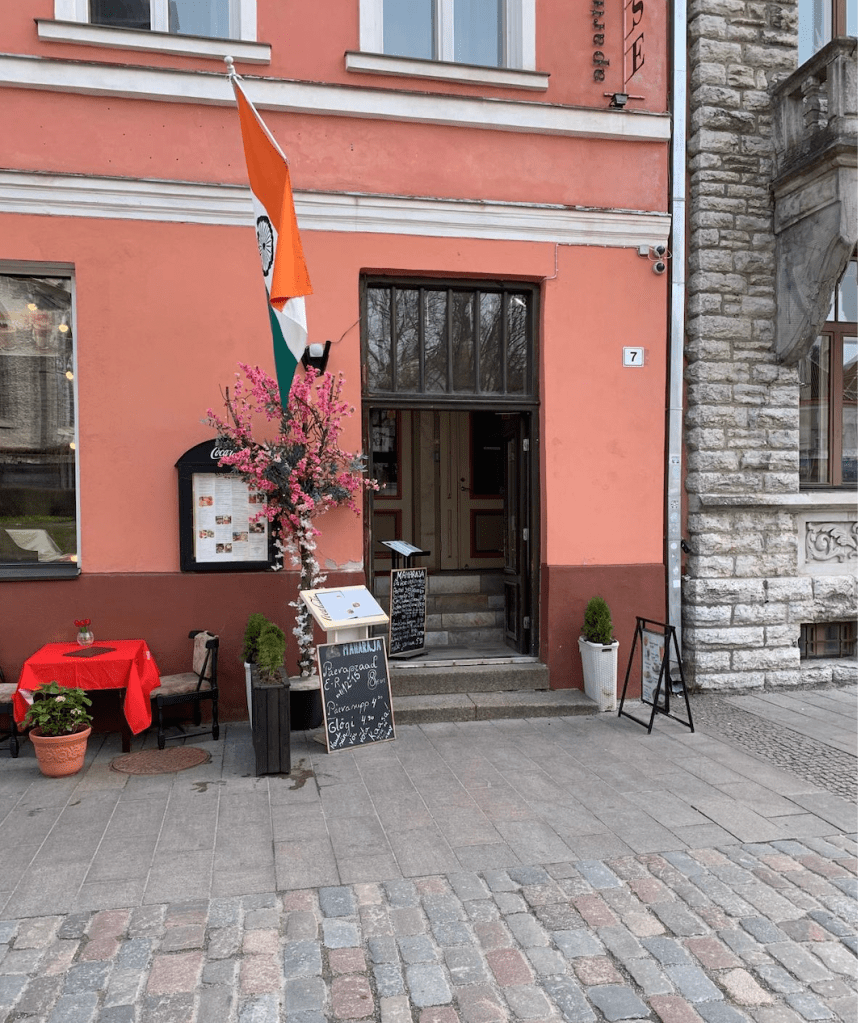
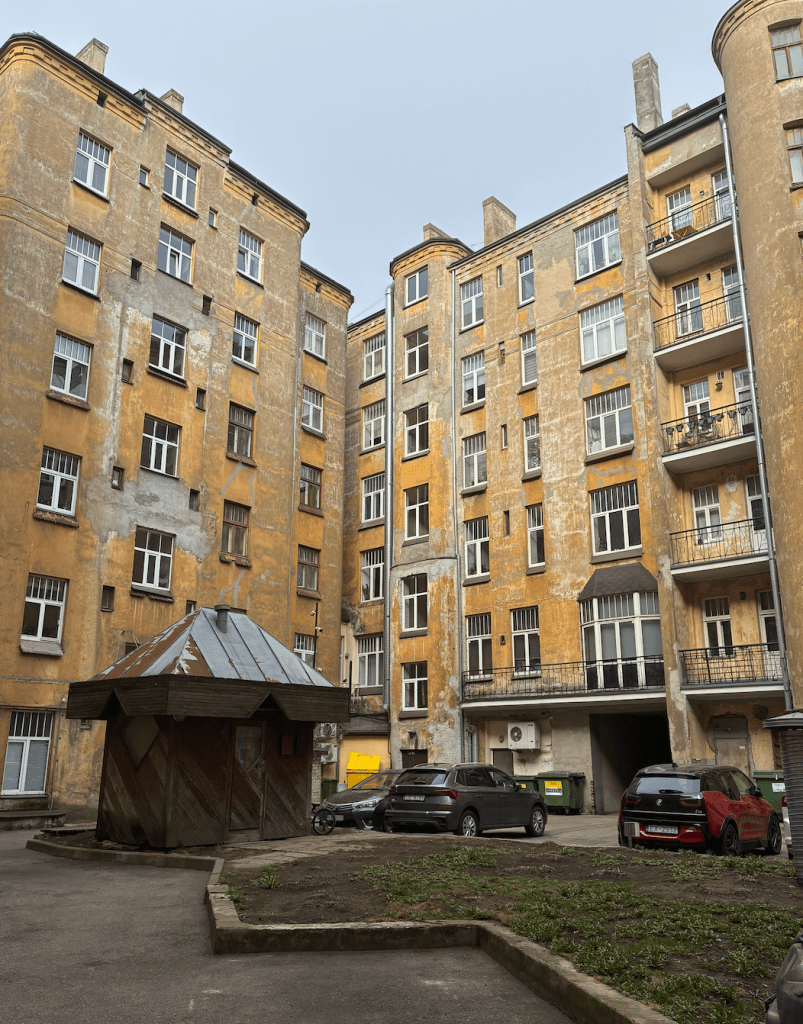
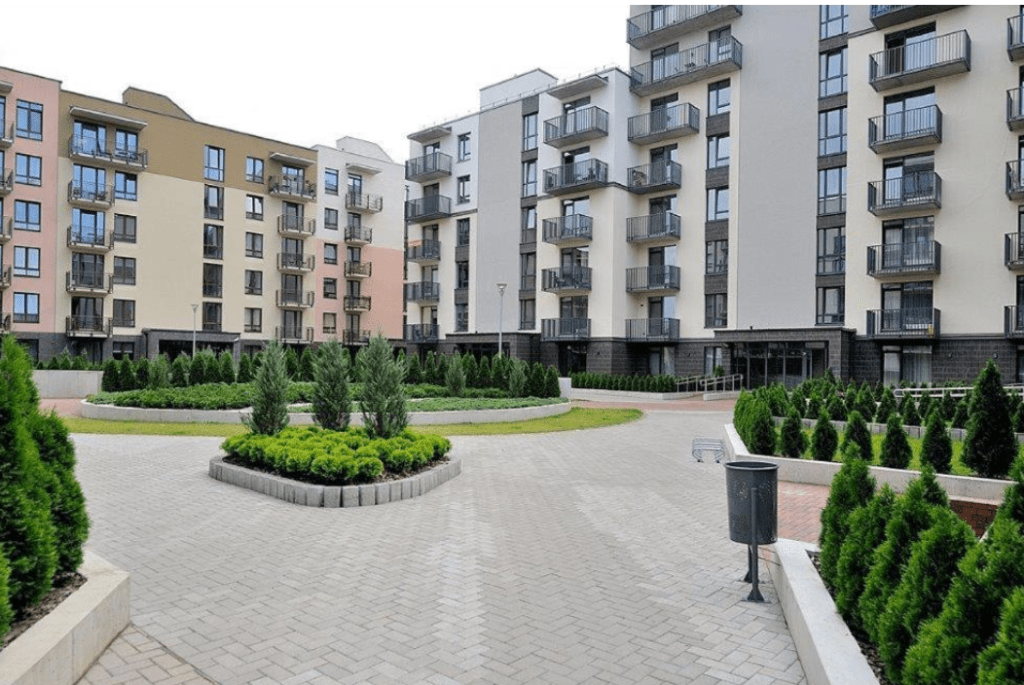
But there were also plenty of similarities.
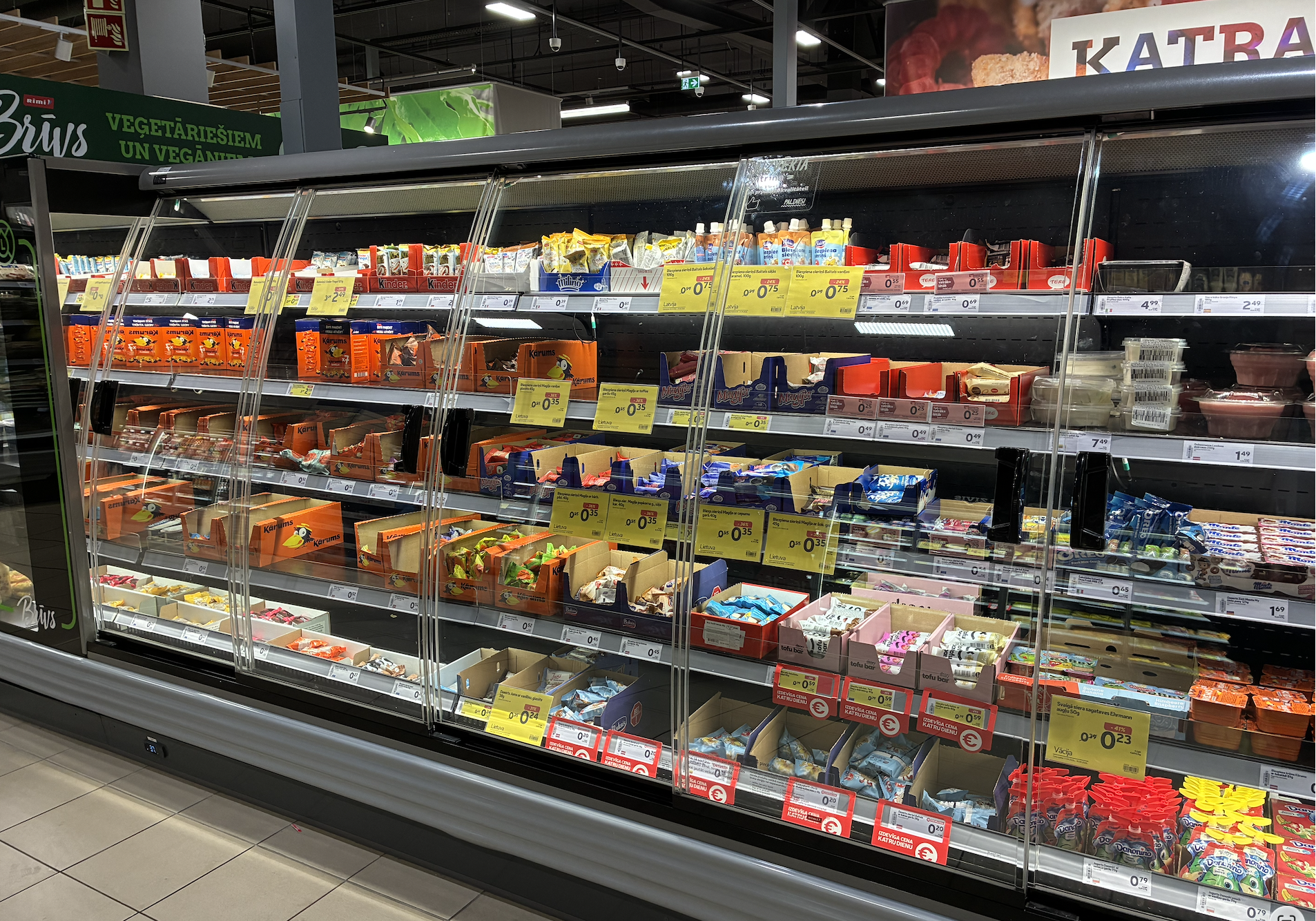
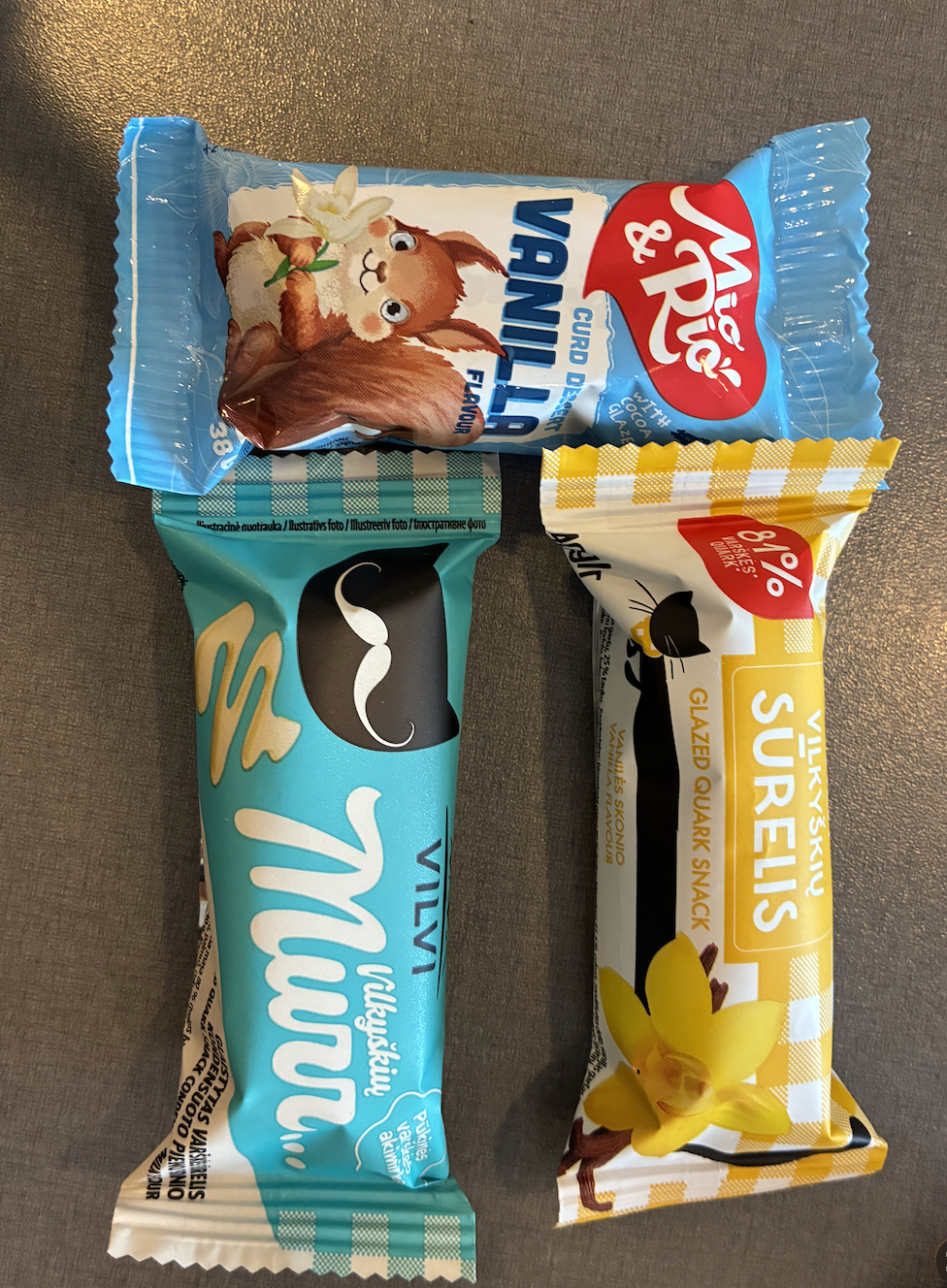
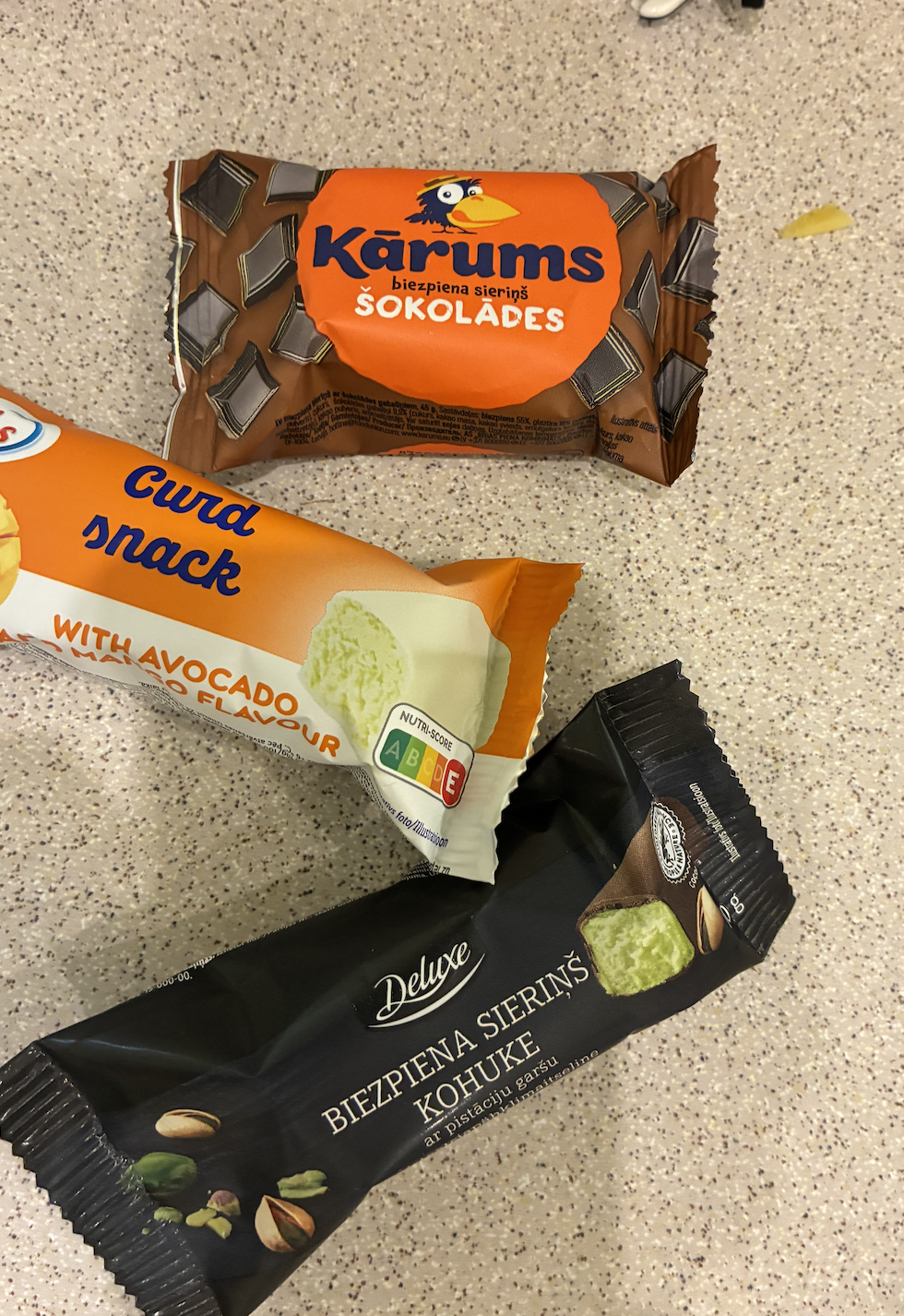
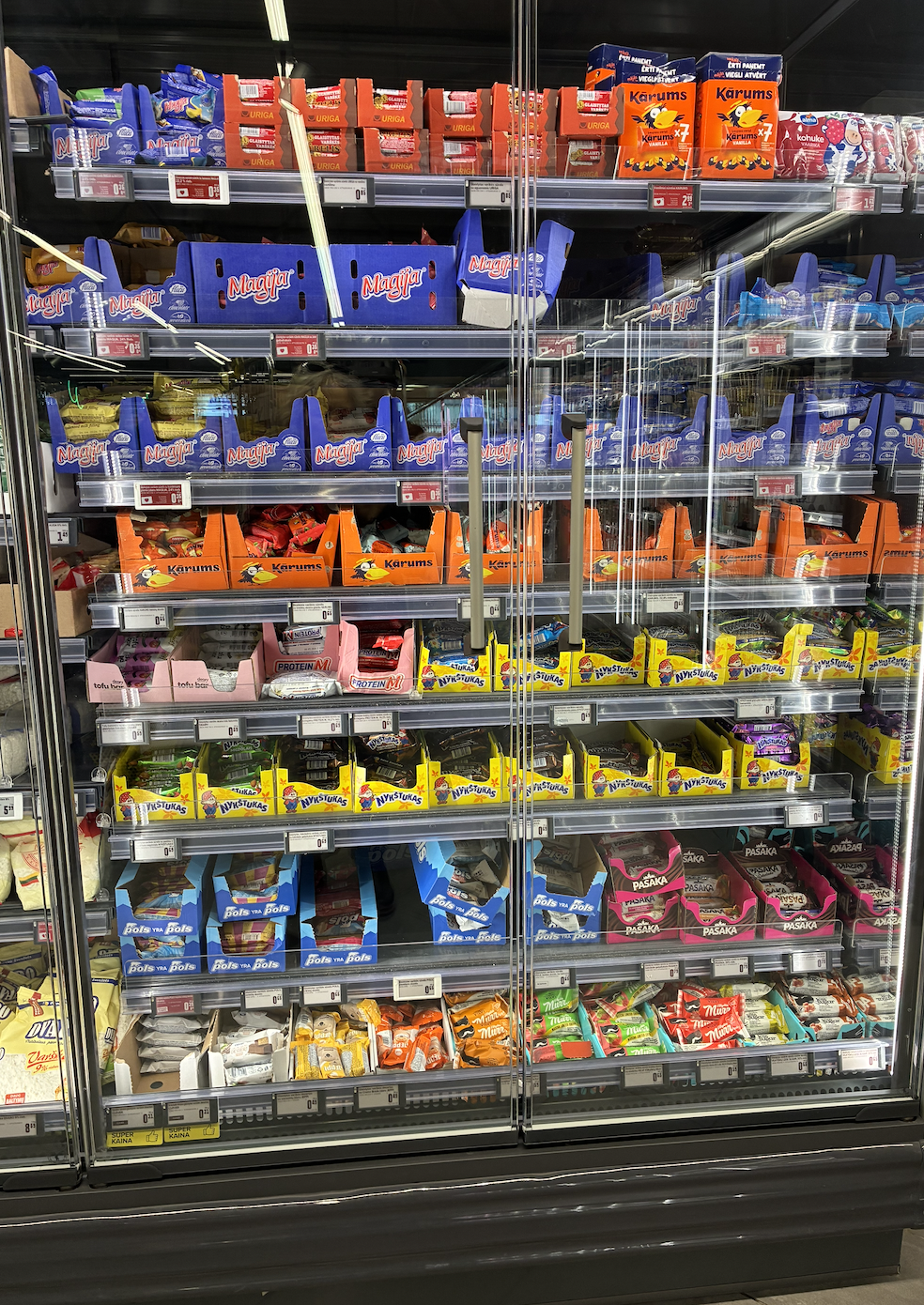
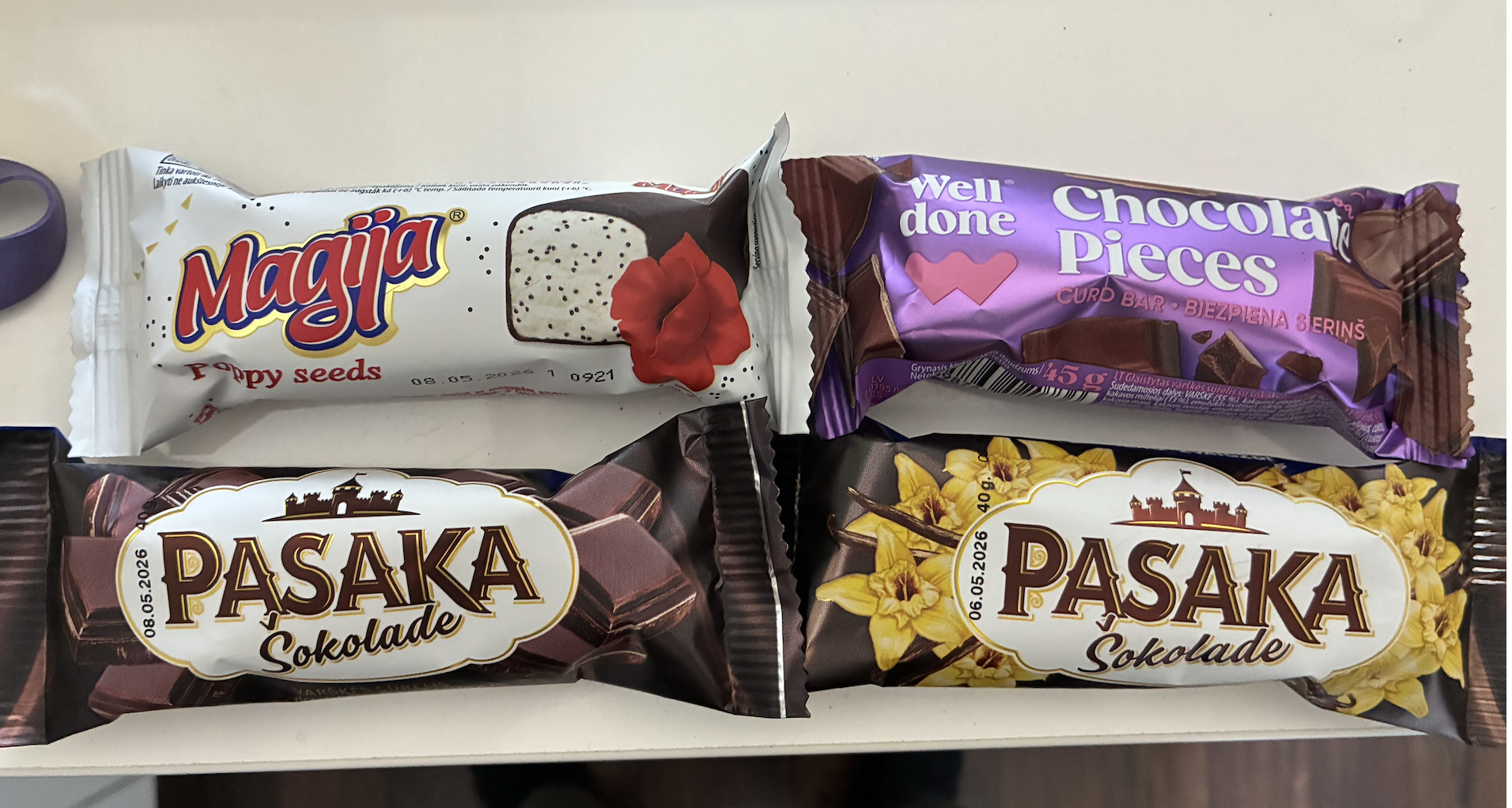
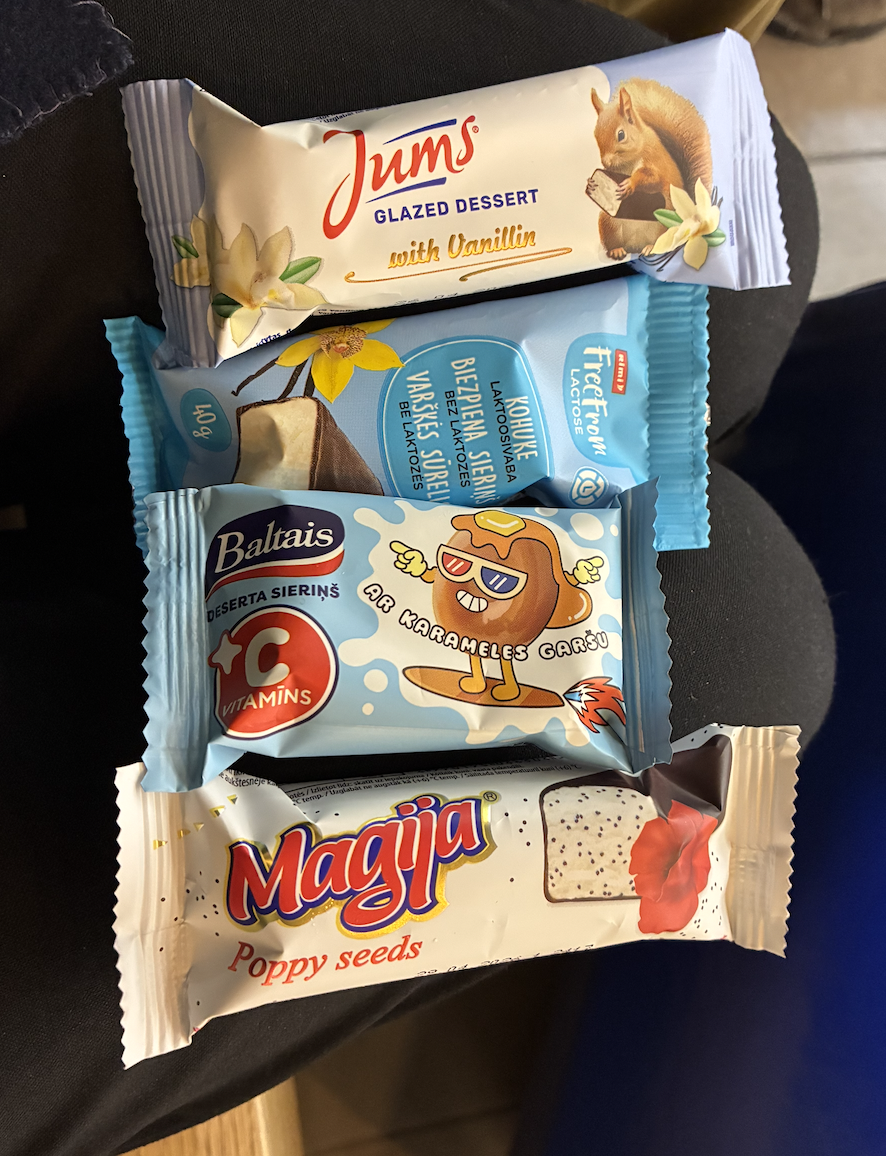
1. Kohuke. We embraced these chocolate covered curd bars. Making sure to taste a variety of flavors and brands At least 2-3 per day.
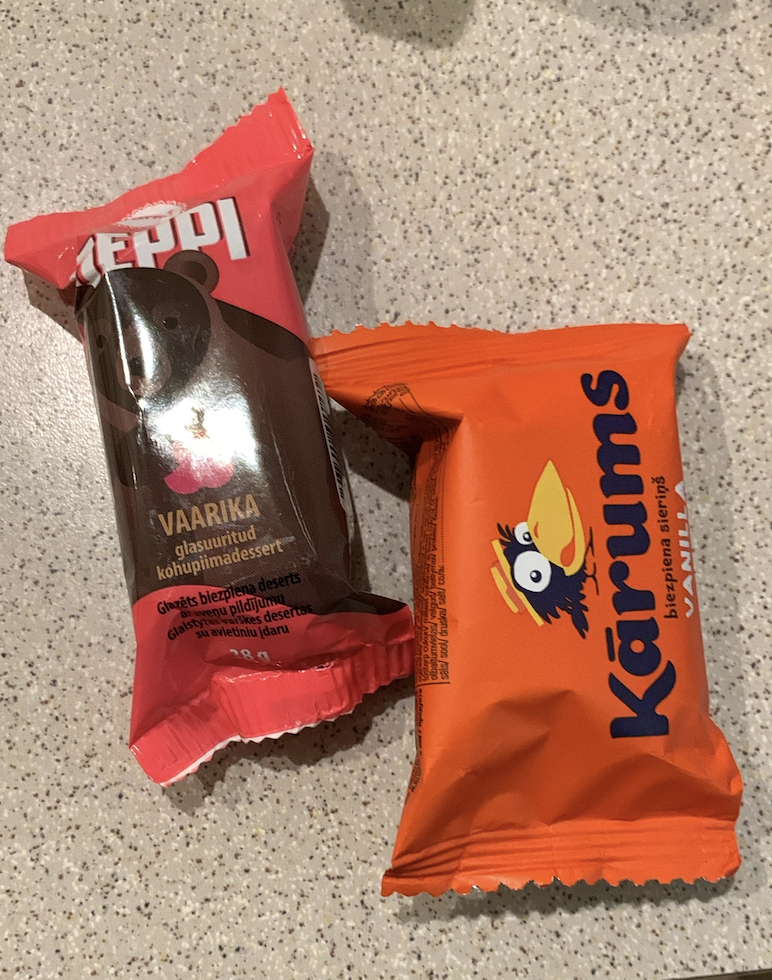
2. Quiet buses. Very quiet even when full of teenagers.
3. Clean streets. No trash.
4. Pedestrian friendly. A lot of walking paths and sidewalks. Cars stopped before you even entered the crosswalk (a challenge for Nick). . Besides Nick, hardly anyone jaywalks, and they wait at the light (another challenge for Nick). Separate bike lanes along pedestrian lanes which was great because there were so many bicycle food deliveries.
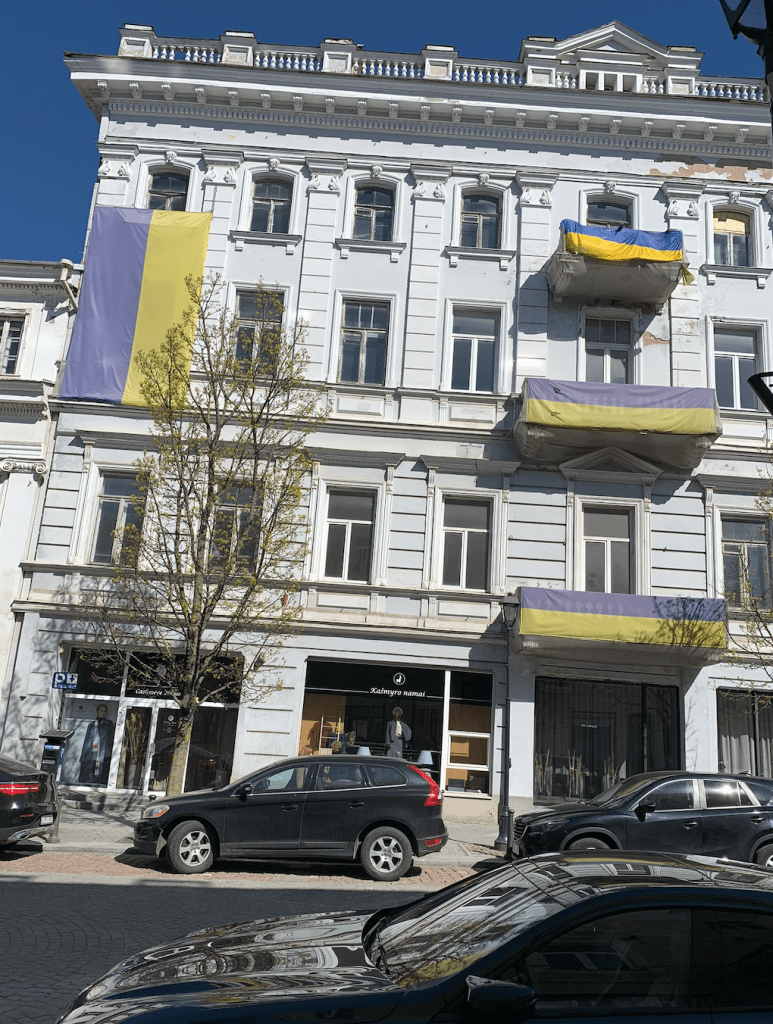
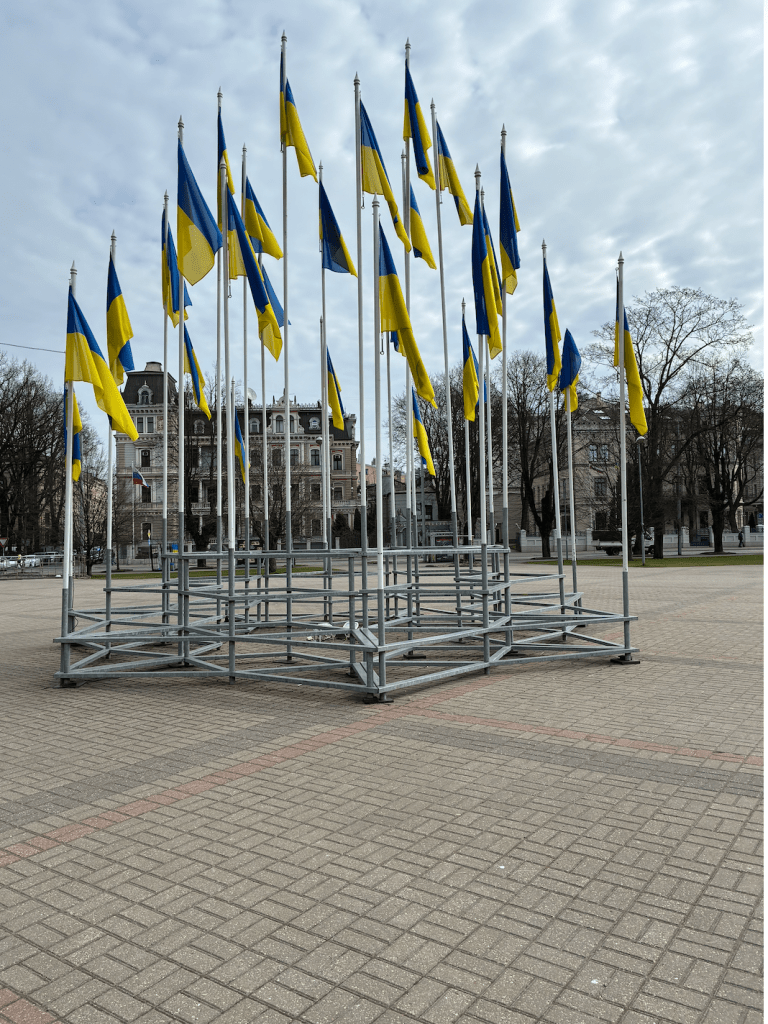
5. Soviet occupation. We felt pretty ignorant about the post WW2 period. Once the Nazi’s left, the Russians just kept up the momentum; deporting, exiling, jailing anyone who did not stay in line. Russian citizens were moved from Central Russia to establish an ethnically Russian population in Estonia, Latvia and Lithuania. These cultures were rewritten as Russian; their languages essentially banned. These tactics were used not only in the Baltics but in all of Russian occupied territories and now, again in Ukraine. It is understandable why the Ukrainian flag was flying everywhere.
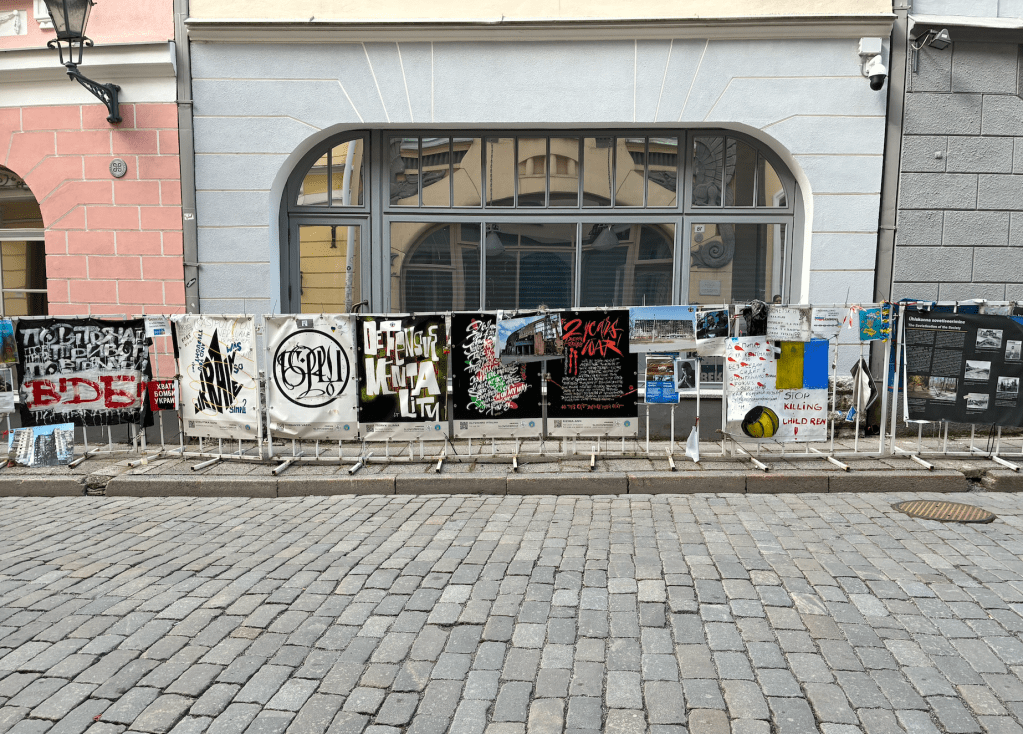
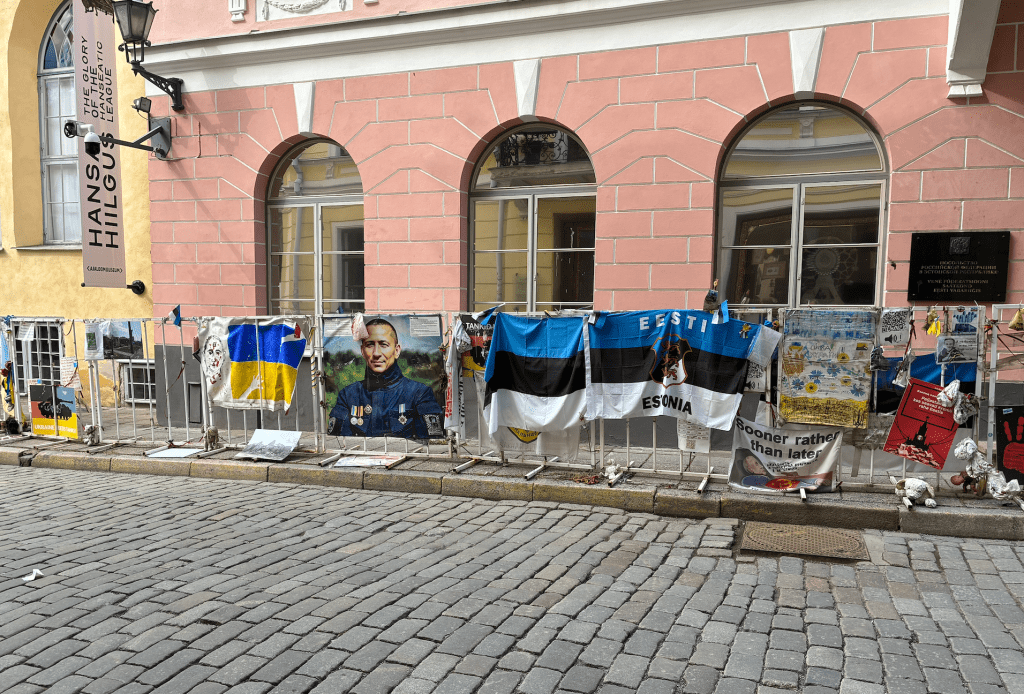
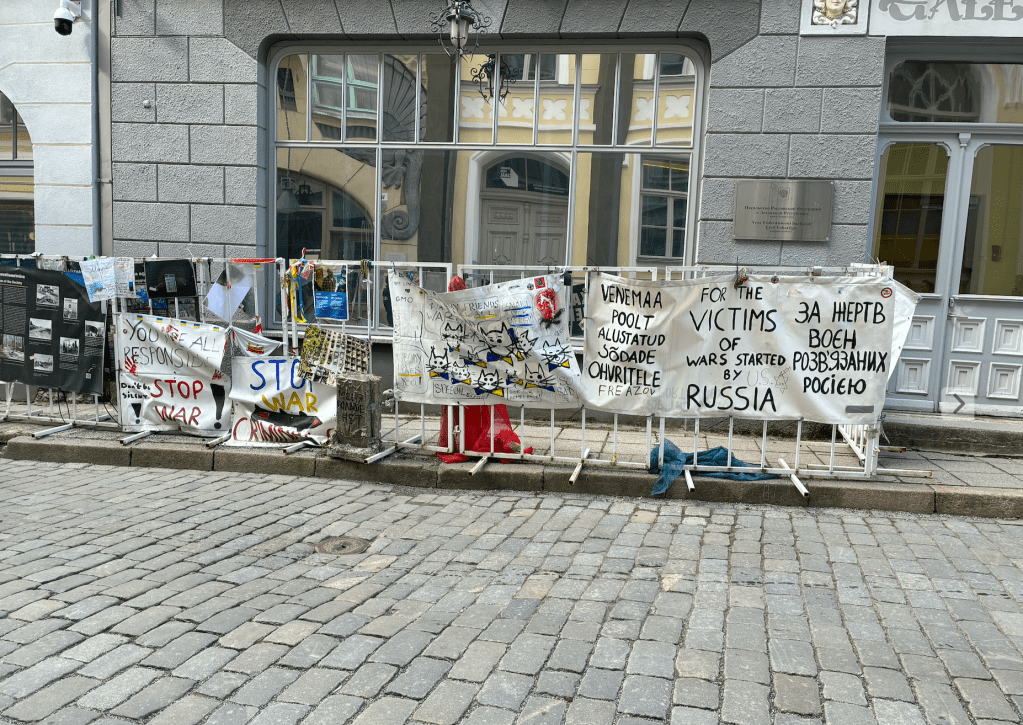
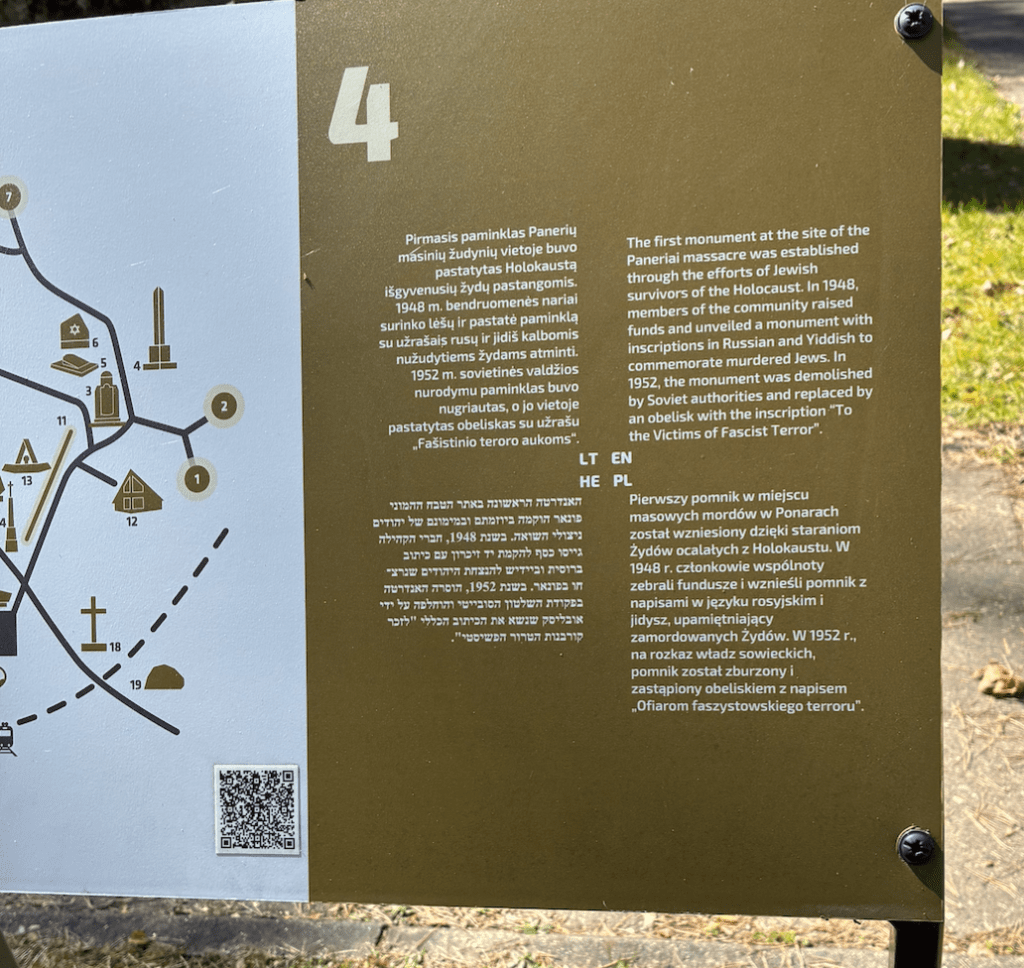
The Soviets also tried to re-write WW2. According to them, the only real victims of WW2 were the Soviets, yes, some Jews were killed, but the Soviets were the real victims. As indicated by one of the placards at the site of the Paneriai Massacre, a 1948 monument by and for Holocaust survivors was demolished by the Soviets who then built their own; telling a different story. Current Baltic governments are trying to correct this. We appreciated statements seen on these placards when referring to the Soviet narrative; “this is inaccurate”.
6. Nazi devastation. It is unavoidable. In travel prep, we looked up cities we would be passing through, from Tallinn to Druskininkai. Along with the usual citations like best food, there was usually a citation noting “forest massacre”, “ghetto”, “concentration camp”. Prior to 1939, this area was where Jews lived, had lived for hundreds of years. So they were killed here. Estonia had Nazi concentration camps (really, who knew?) 11,000 Jews and Roma killed there. In the Riga ghetto, 30,000 Rigan Jews +20,000 German Jews; most, plus an unknown number of Roma, were killed in forest massacres in the Riga suburbs- 25,000 in Rumbula and 46,000 in Biķernieki.
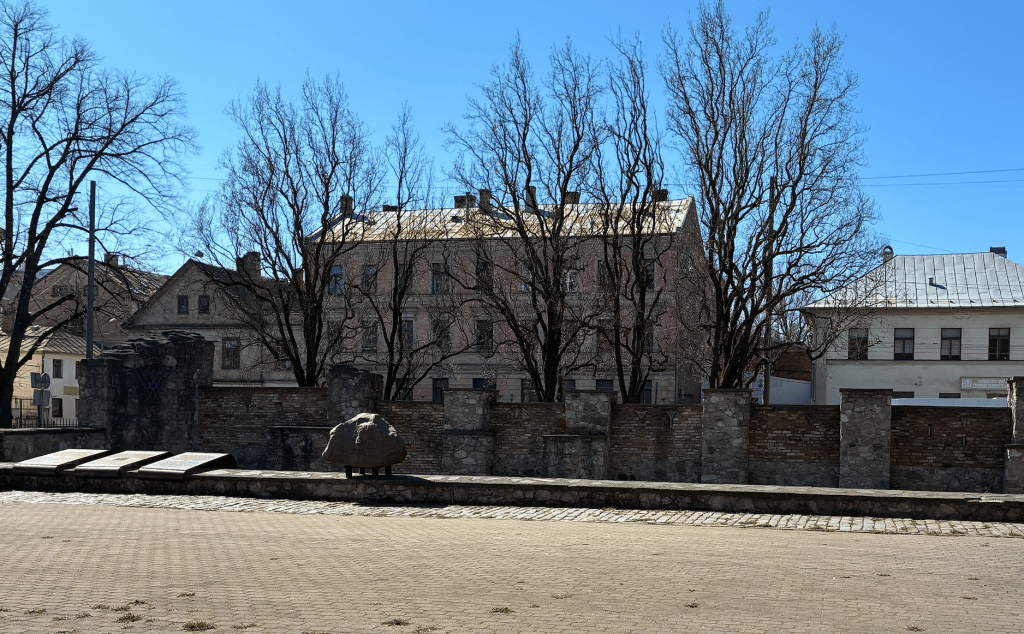
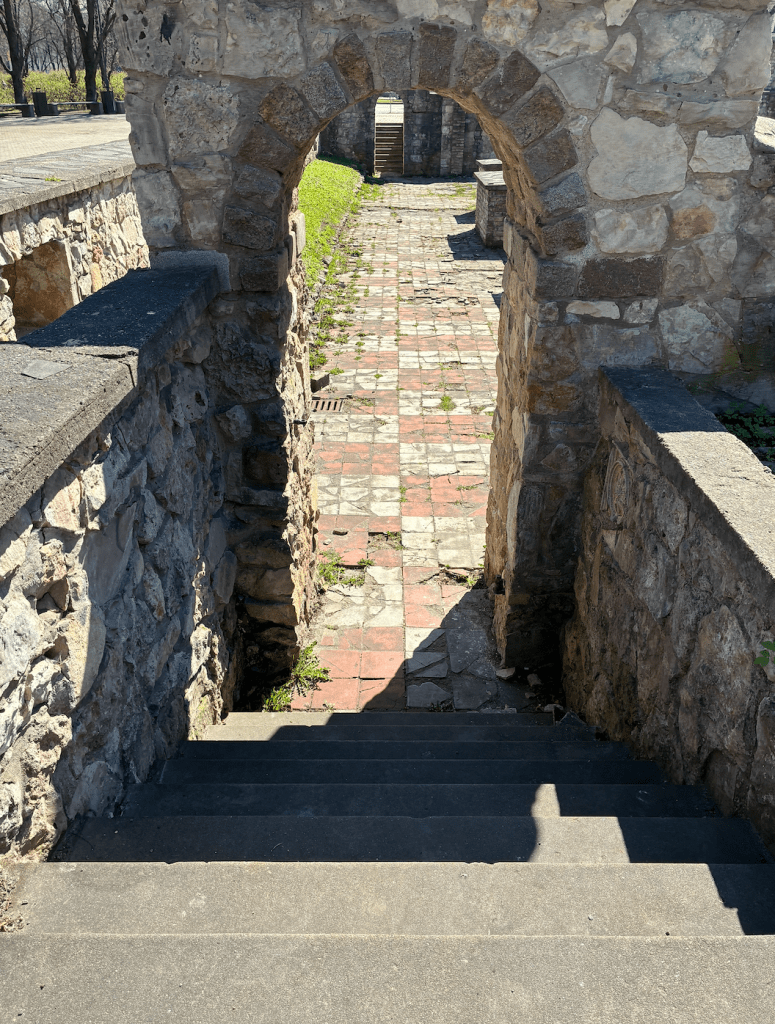
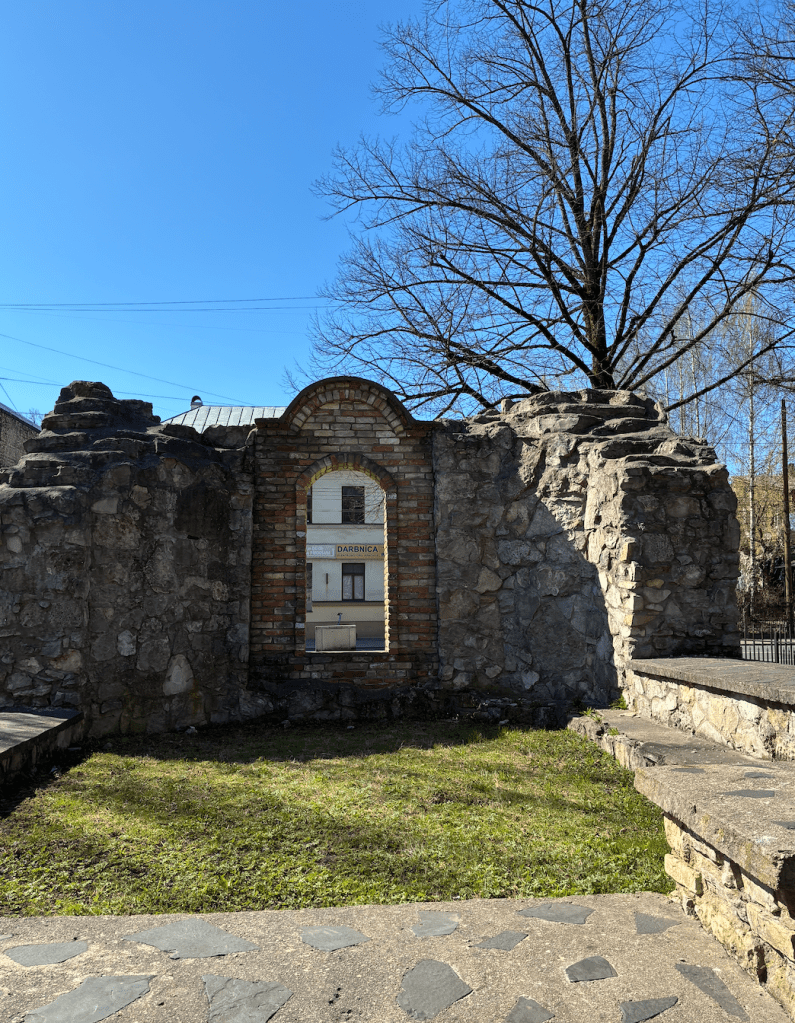
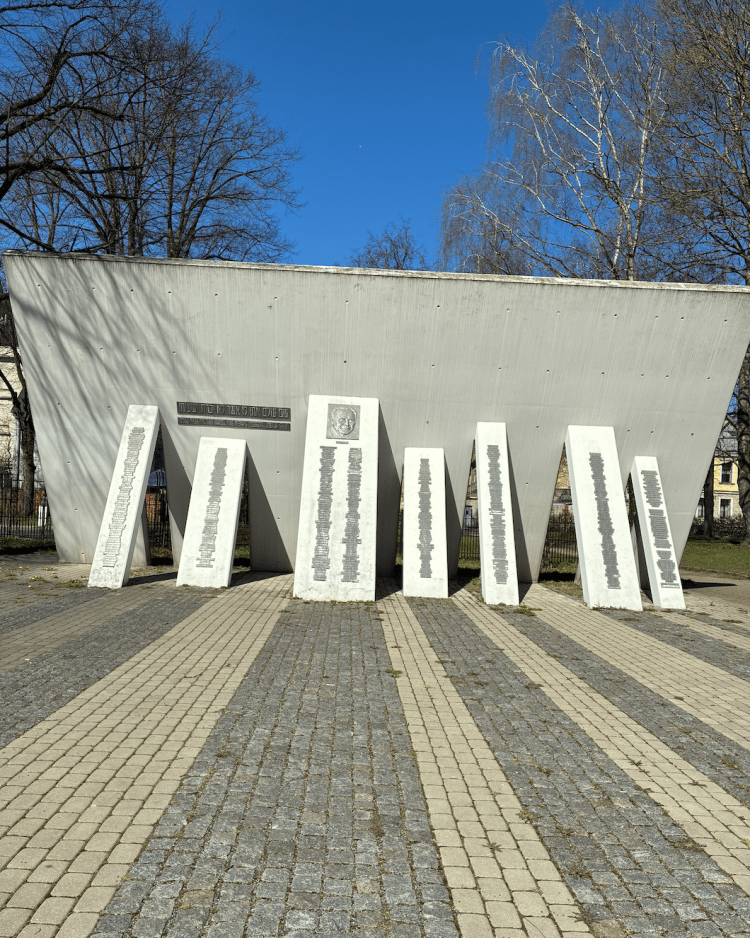
And then Vilnius, which was the center of world Yiddish culture. From Vilnius, we took a train just 11 kilometers away to the forest in Paneriai (also called Ponary) the site where 100,000 Jews, Poles, Roma, Lithuanian partisans and yes, also Soviet prisoners, were shot and burned. Memorials to each of these groups were scattered between the killing and burn pits.
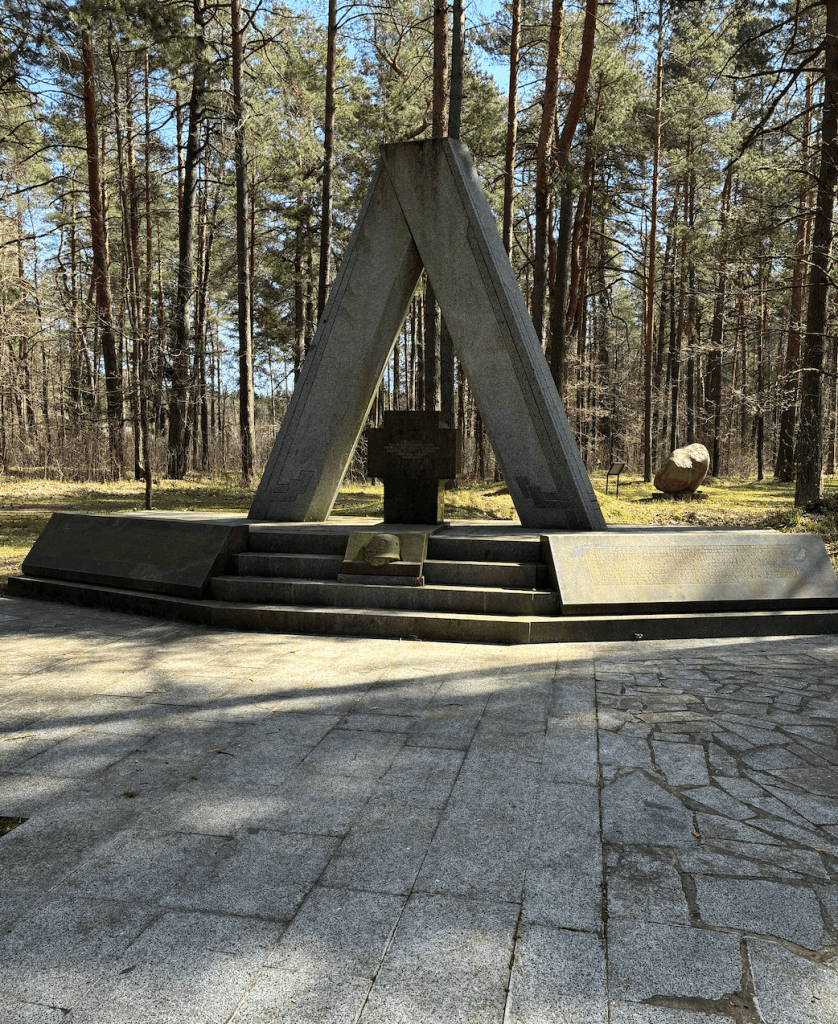
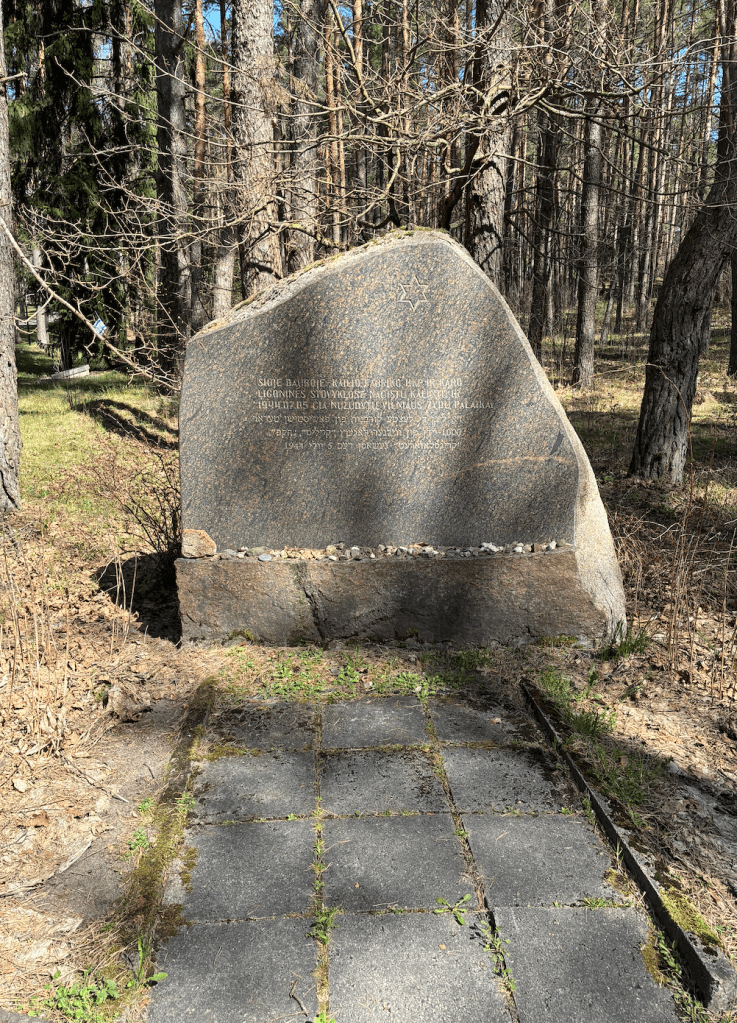
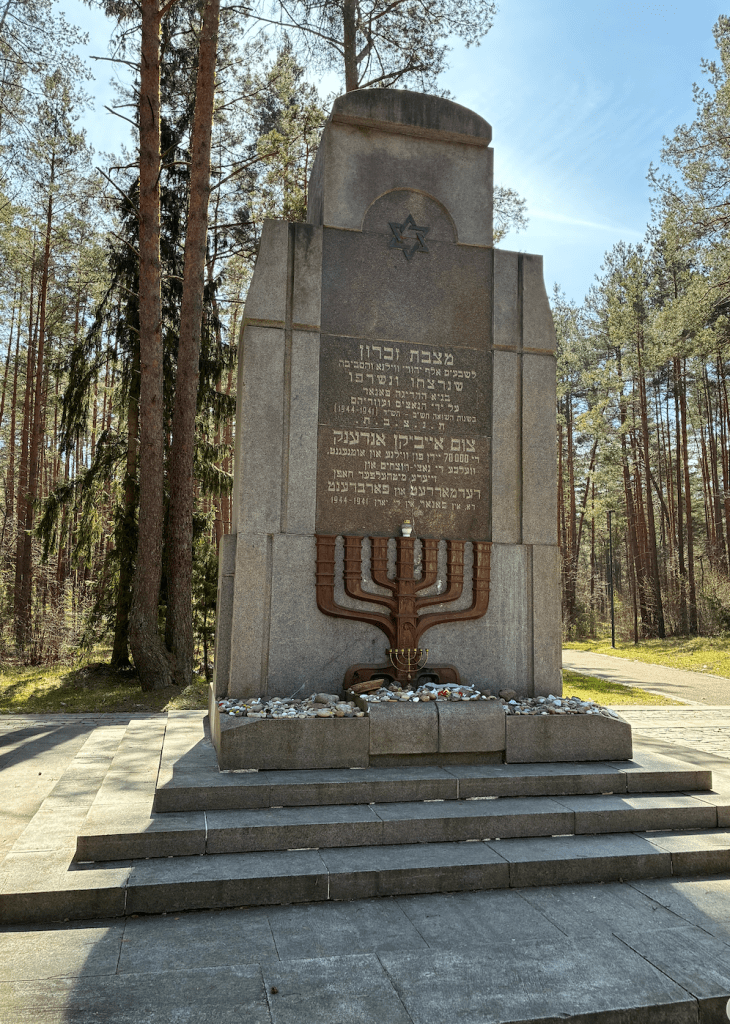
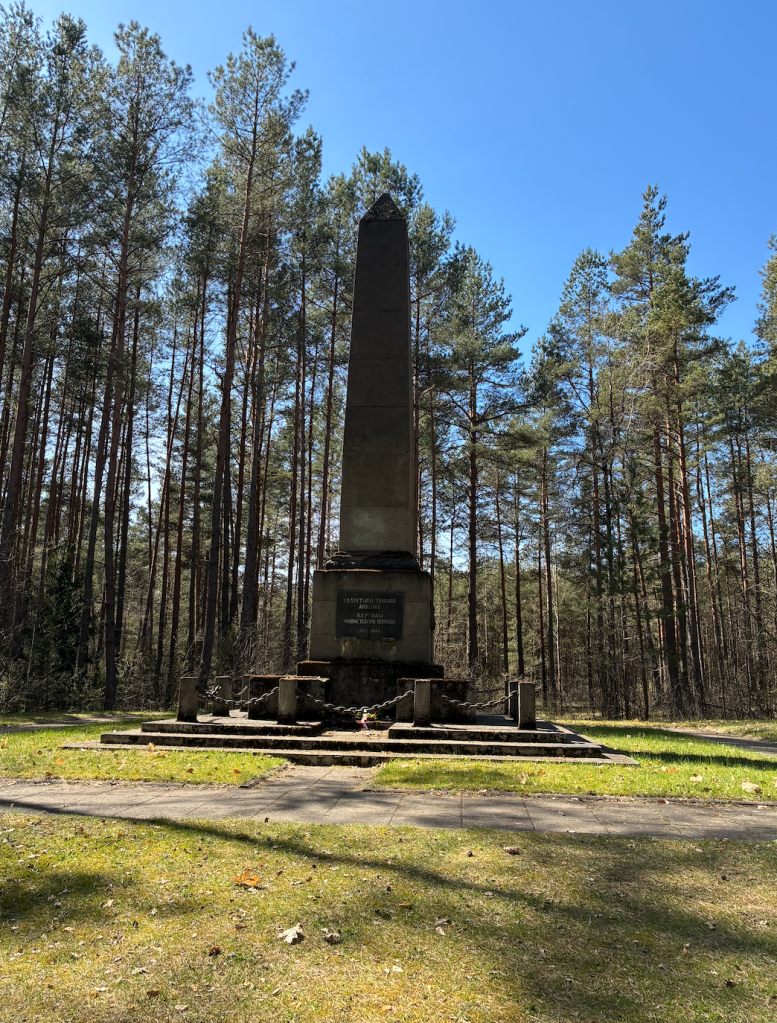
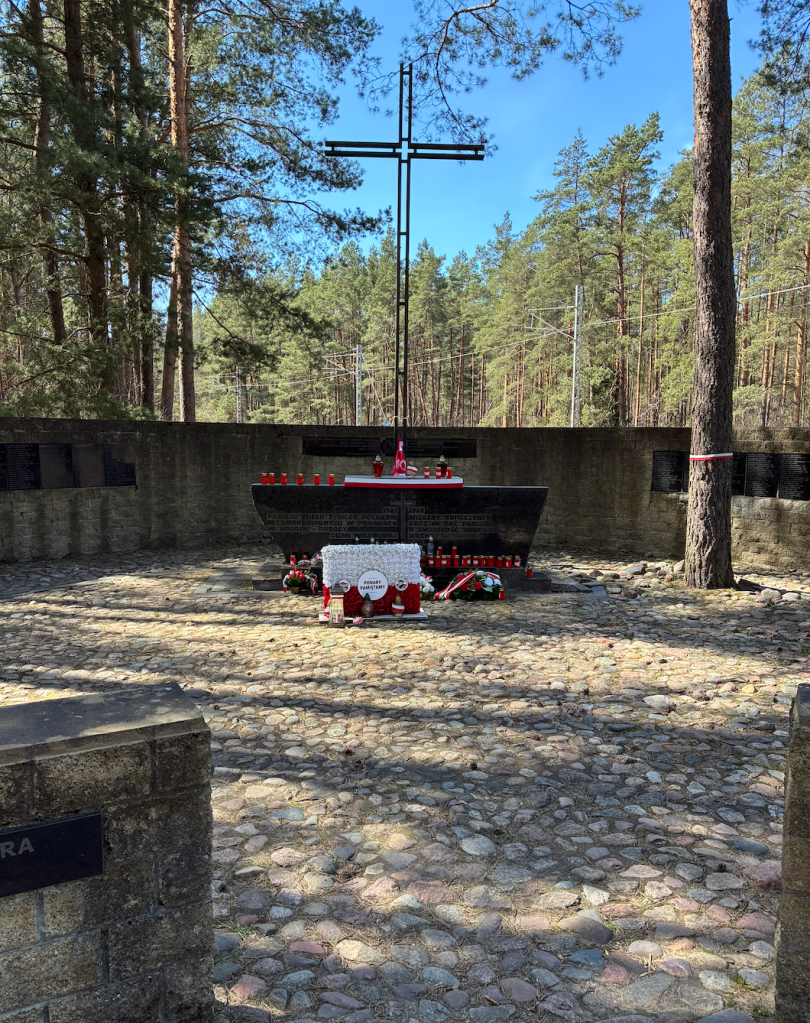
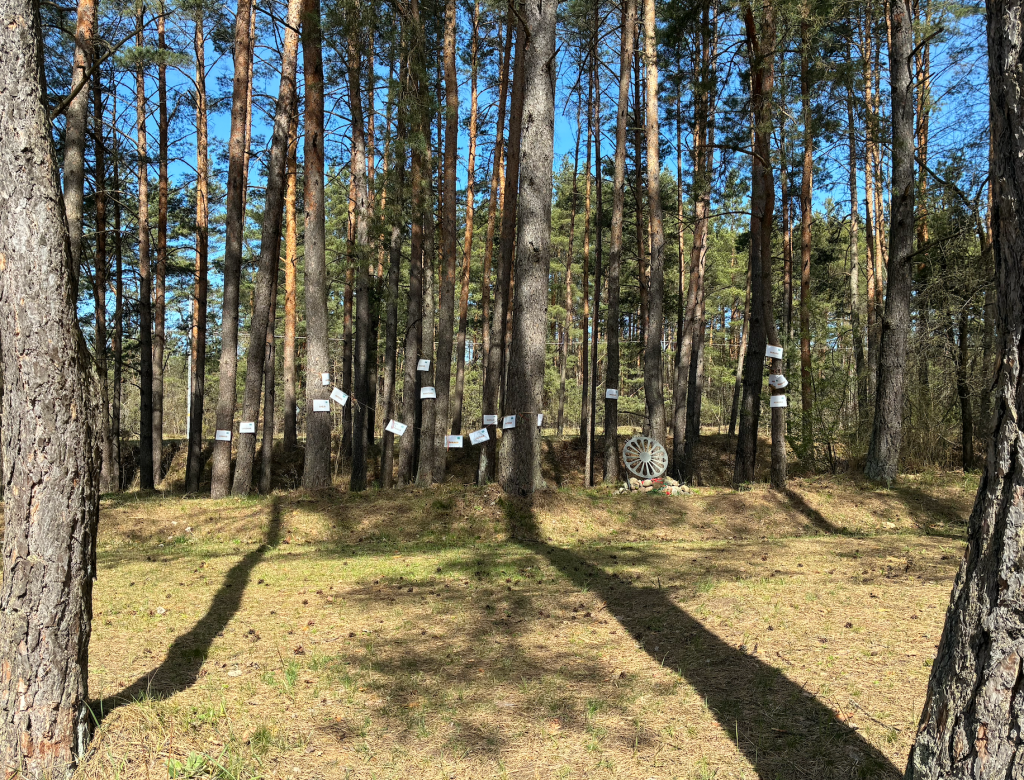
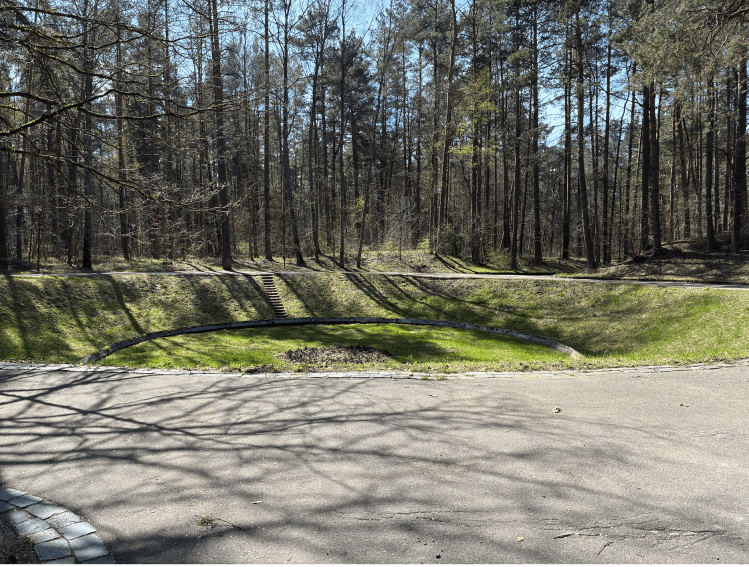
After being there, it didn’t take much imagination to envision what the forests must have been like during the second world war. Mass killings, soldiers and partisans fighting, and civilians (mainly Jews) trying to escape, usually unsuccessfully. There were countless memorials; it became hard to travel past the forests and only see trees.
While the systematic industry of killing Jews was a unique horror, the political parallels to now are very obvious. Predators calling themselves the victims; altering historic facts to fit a racist ideology; dehumanizing groups of people; deporting/imprisoning/killing innocent people, separating children from their parents.. This is what people did and keep doing. It is still happening.
We bring this up at the end of our Baltic summaries, not at the start, because we wanted to consider these countries, these cities as what they are now. Not to leave the wrong impression; we thought the places we went remarkable. The bad aftertaste was primarily due to the occupation by outsiders. But sometimes history makes it hard to see the now because of the then.


2 thoughts on “Baltic Balagon”