We’ve been reading a book series called On the Calculation of Volume by Danish writer Solvey Balle. Four of the 6 books are available in English (7 books planned). It’s a variation on the Groundhog’s Day theme of a repeated day. In her case, the day is November 18th. It began while she was on a business trip in Paris. She can travel, return home and talk to people like her husband. But, no matter how many times she describes what happened, even if they believe her, once the day turns to the next, they forget what she has explained. She initially tries to make sense of the circumstances then eventually decides to travel throughout Europe, sleeping in empty houses. Regardless of where she is and what she does, the next day is always the same, November 18th.
Sometimes in our travels it can feel like we are stuck on a loop. Our daily routine is the same no matter what city we are in; breakfast (usually the same), then we wander or walk to tourist sites, museums. We stop at a minimum of 3 markets trying to figure out our second and final meal of the day, “linner”. We usually return to our lodging about 2 pm, make linner, eat off Ikea plates (no matter where we are, they have them), read about what we saw that day, research for the next day, then read the US morning news, sports (Nick) and then back to reading a book. Repeat.
We wander through cities, mostly unnoticed, and wonder. Wonder why mankind is on a loop as well. Everywhere we go, war with the resulting tragedy is on a loop. Nowhere has this been so visible as Warsaw, Poland, a crowded and vast ghost town. In Warsaw we wandered and wondered, endlessly.
After an 8 hour Flix bus ride from Druskininkai, Lithuania https://chosenfugue.xyz/2026/05/06/baltic-balagon/ we made it from the bus station to our lodging and to quote Patricia’s Nanie, it was in Kishinev (translation from Yiddish-out in nowhere), well, actually it was in Warsaw but 3+ miles from the bus station and 4+ miles from central Warsaw. With the help of our constant companion, Google Maps, we followed a nutso route as the sun was going down through parks, soviet style apartment complexes (one after another) and a few streets, finally coming up on our Aparthotel in darkness. (As always, the pictures show up better in the blog not email, click the link to the blog)
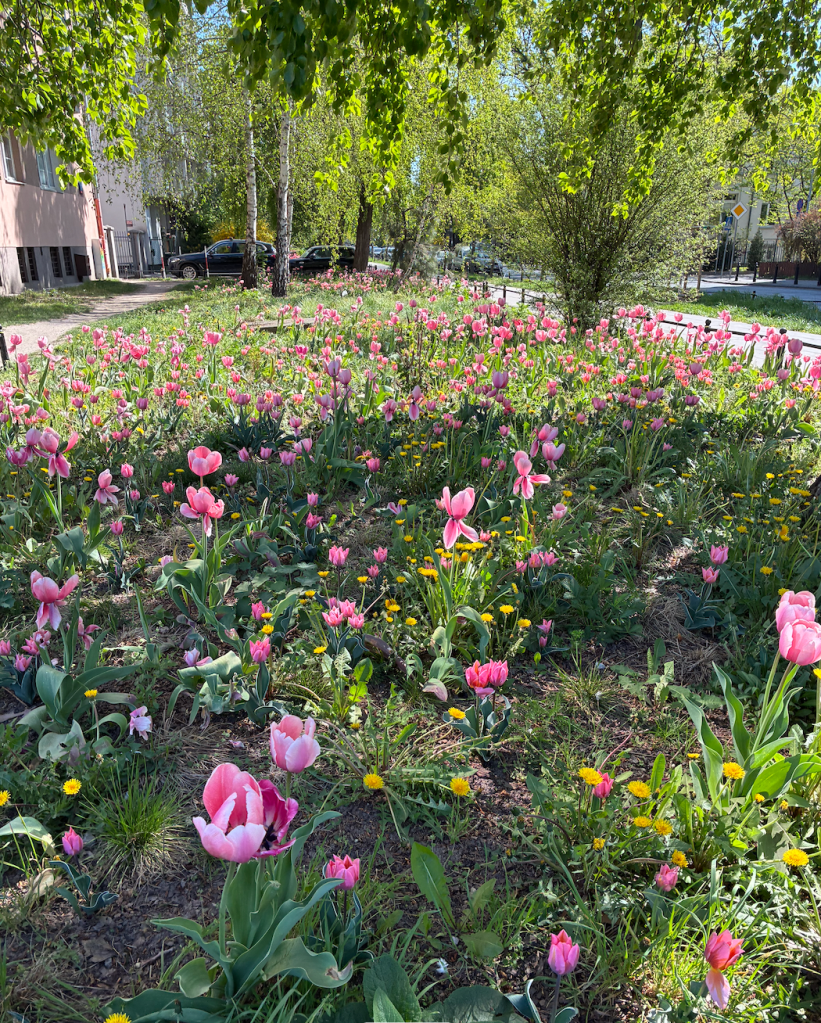
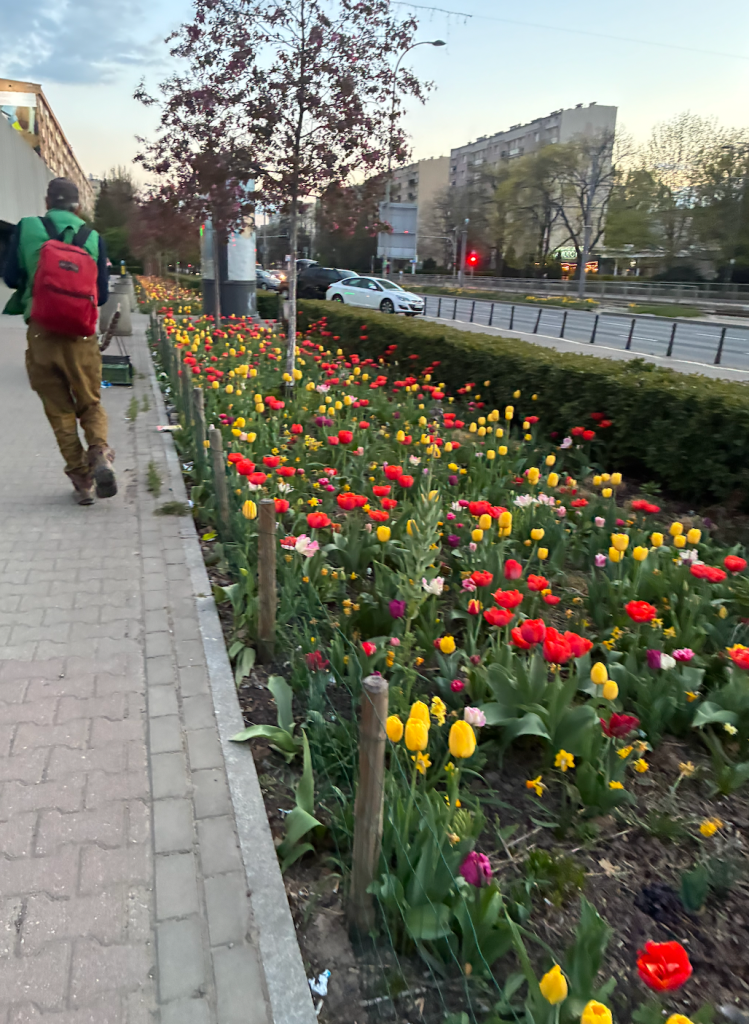
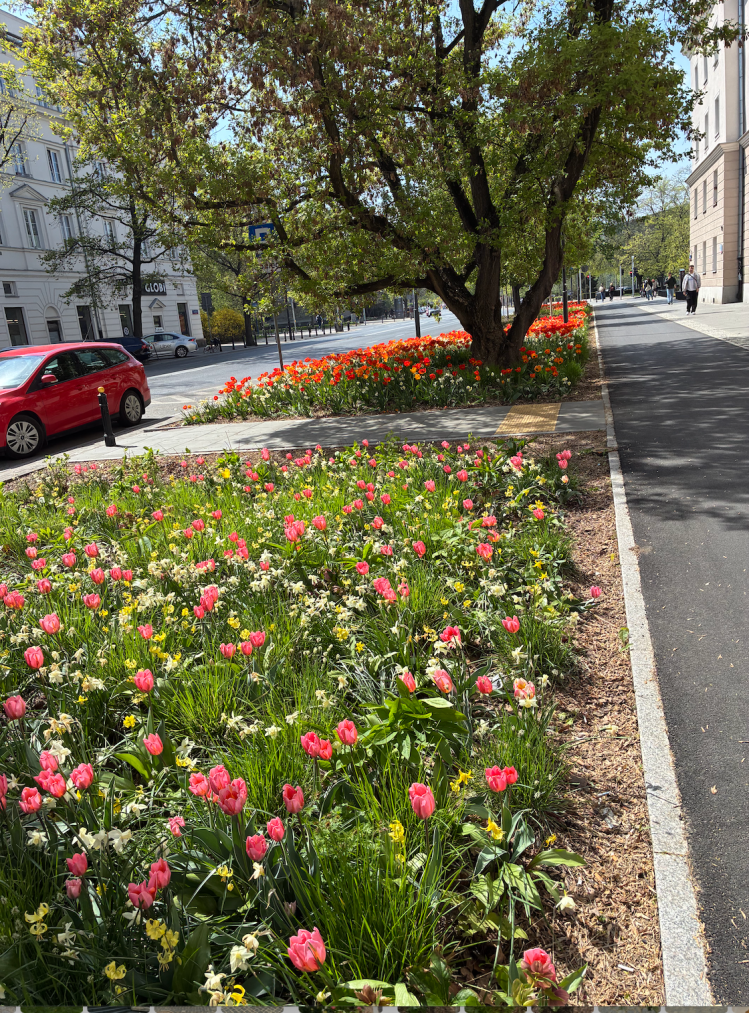
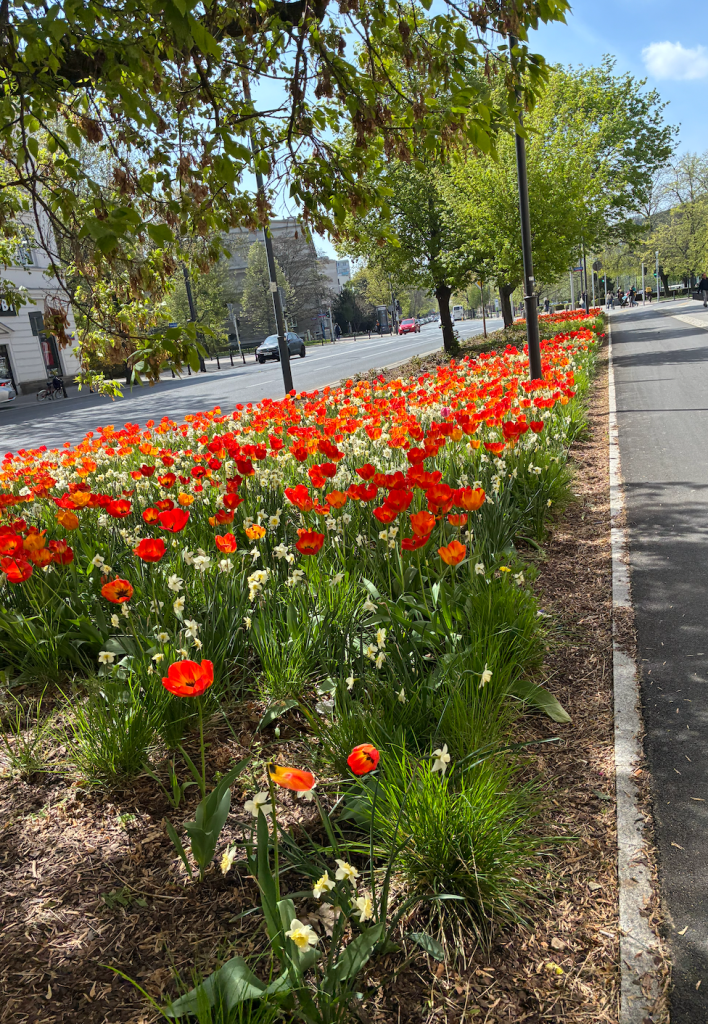
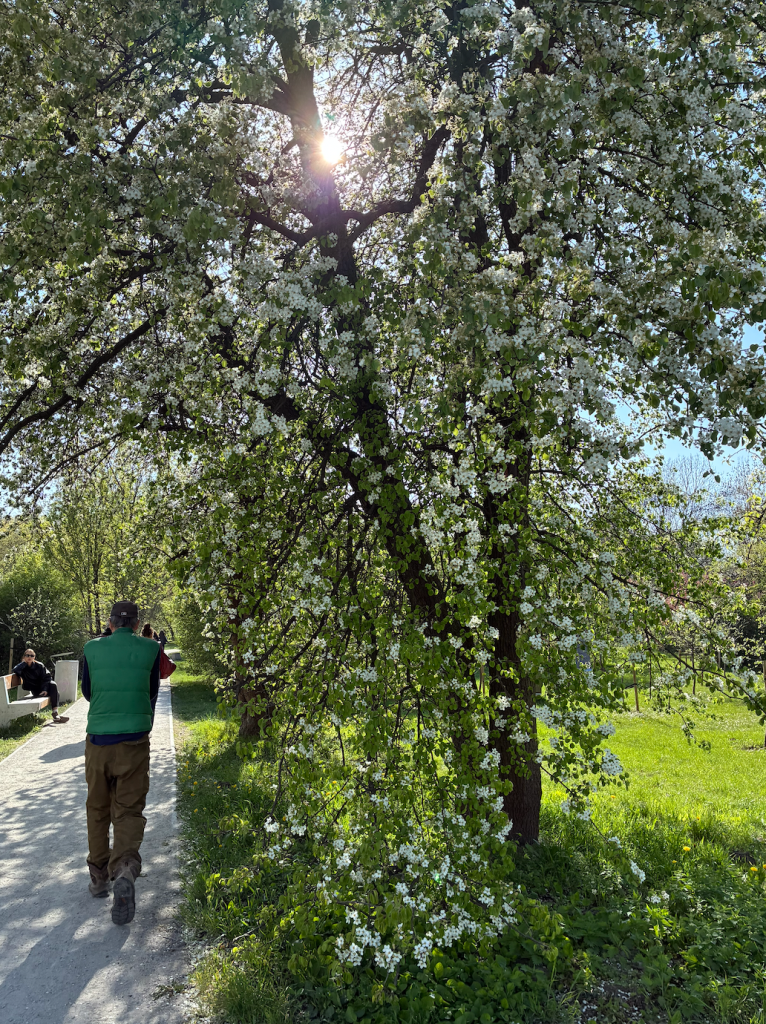
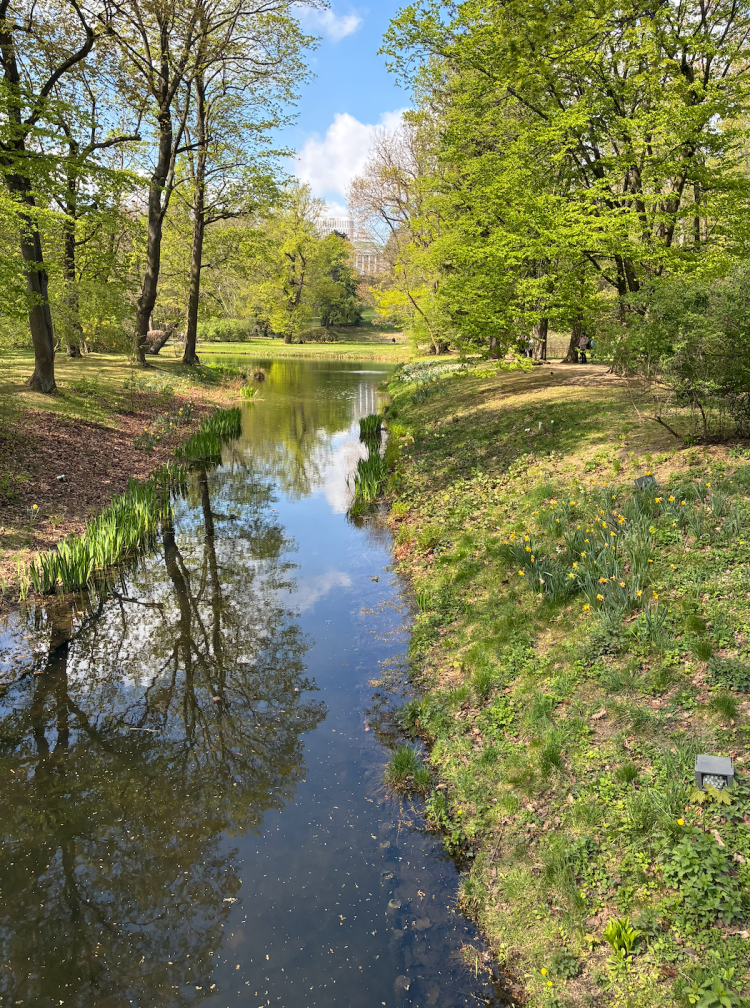
The next day we walked more than a half marathon, 13 1/2 miles. The city felt very well planned, with buses, trams and trains. Tons of parks, big and small everywhere. We could walk the roughly 5 miles from our hinterland home to the crowded center almost exclusively through green space.
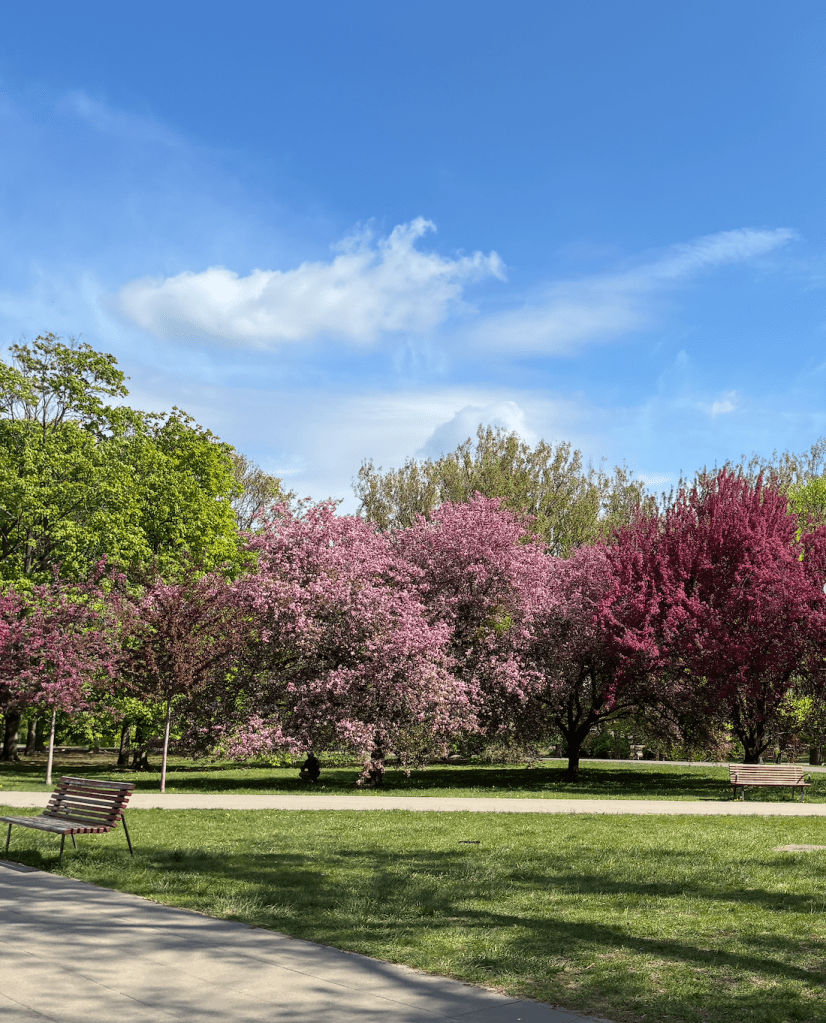
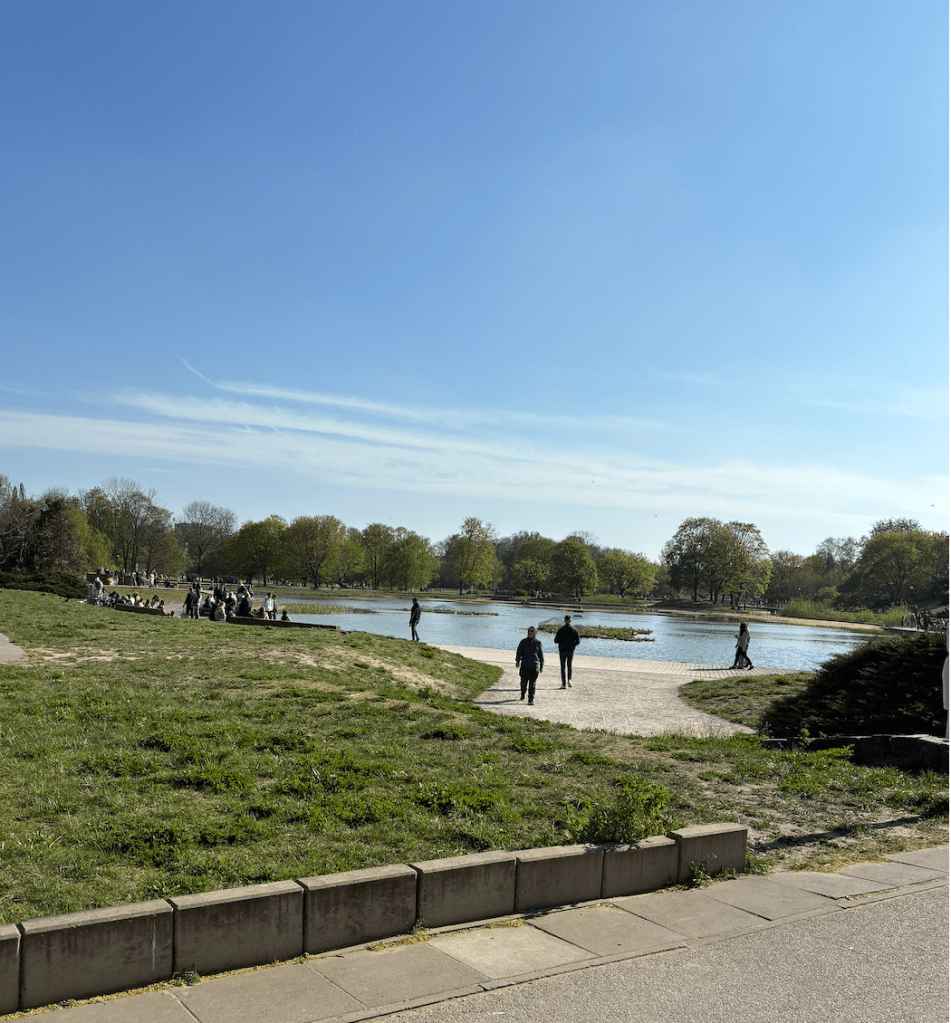
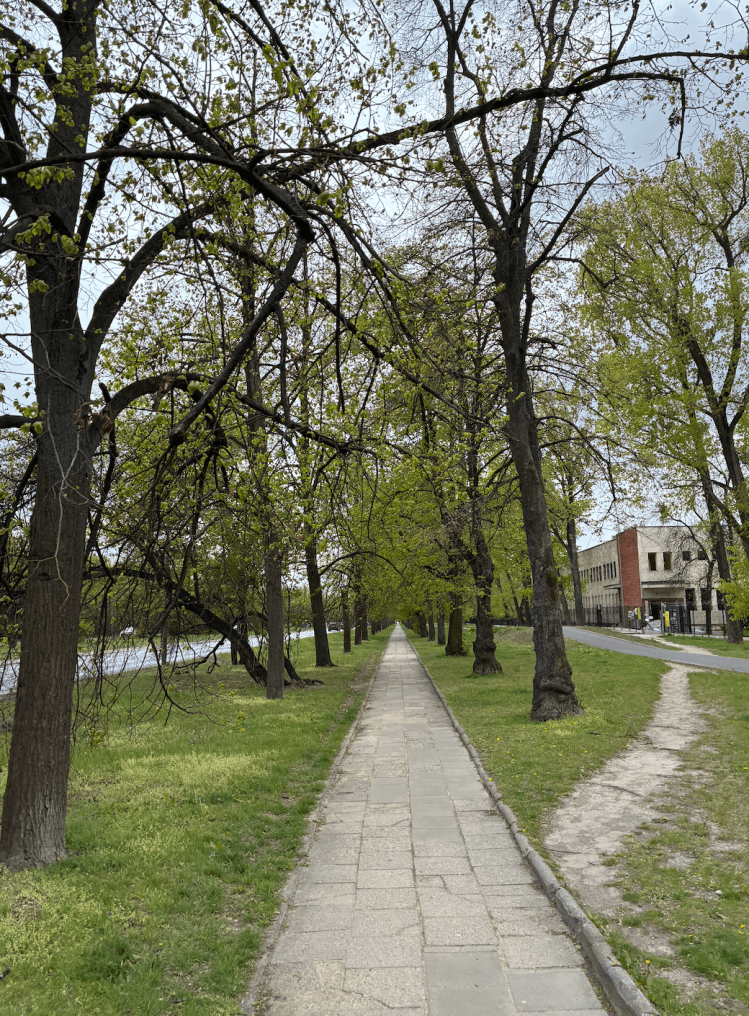
Warsaw itself was almost completely razed by the Germans. First during the 1939 siege when 10% of buildings were destroyed. As the war was ending, with the Soviets days away from liberating the city, the final 85% of buildings were destroyed by the Germans in retaliation for the Warsaw Uprising. Seemingly, every block in Warsaw, and we walked them all, had a plaque, a monument, or a statue commemorating some historical catastrophe, this being Poland it was usually related to WWII, but not always.
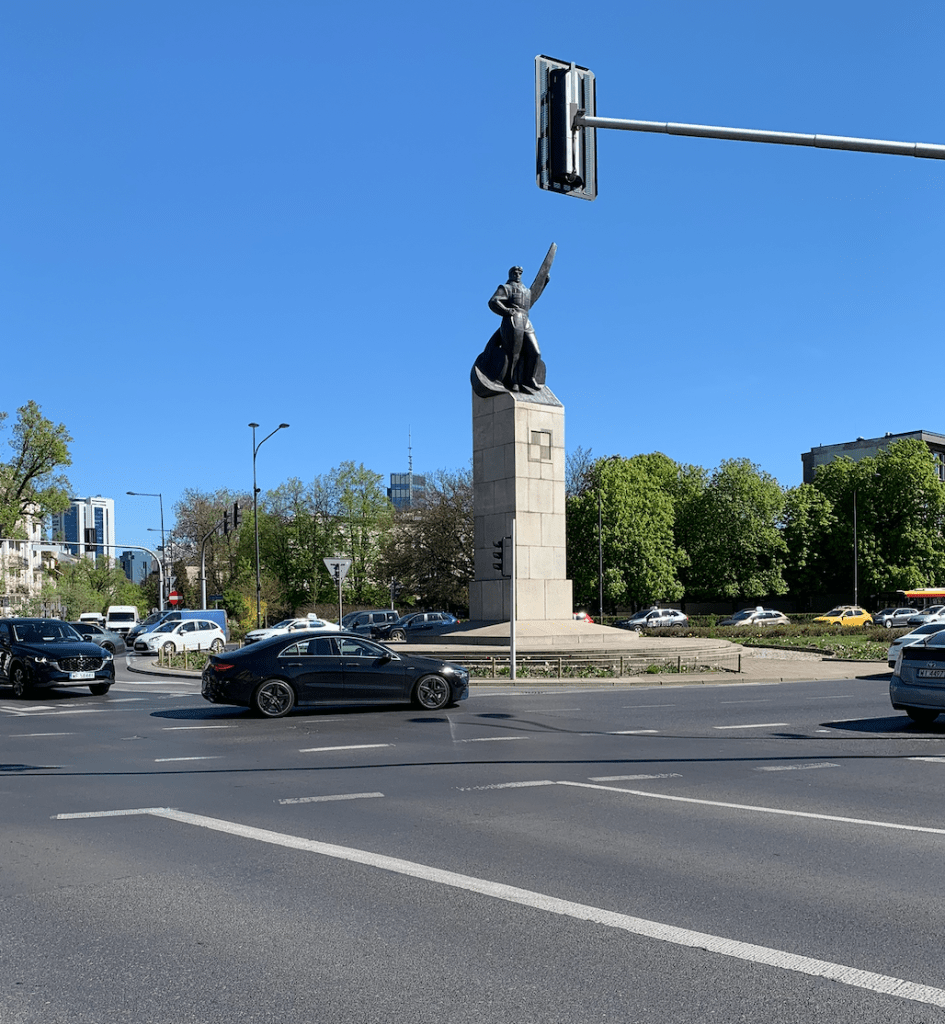
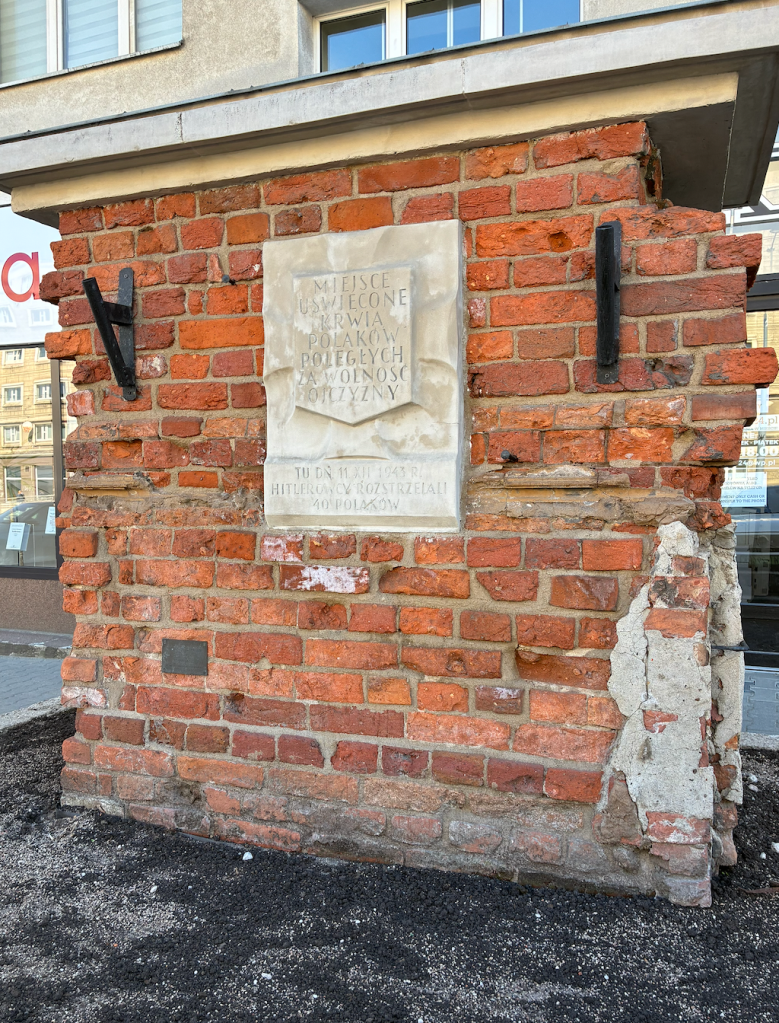
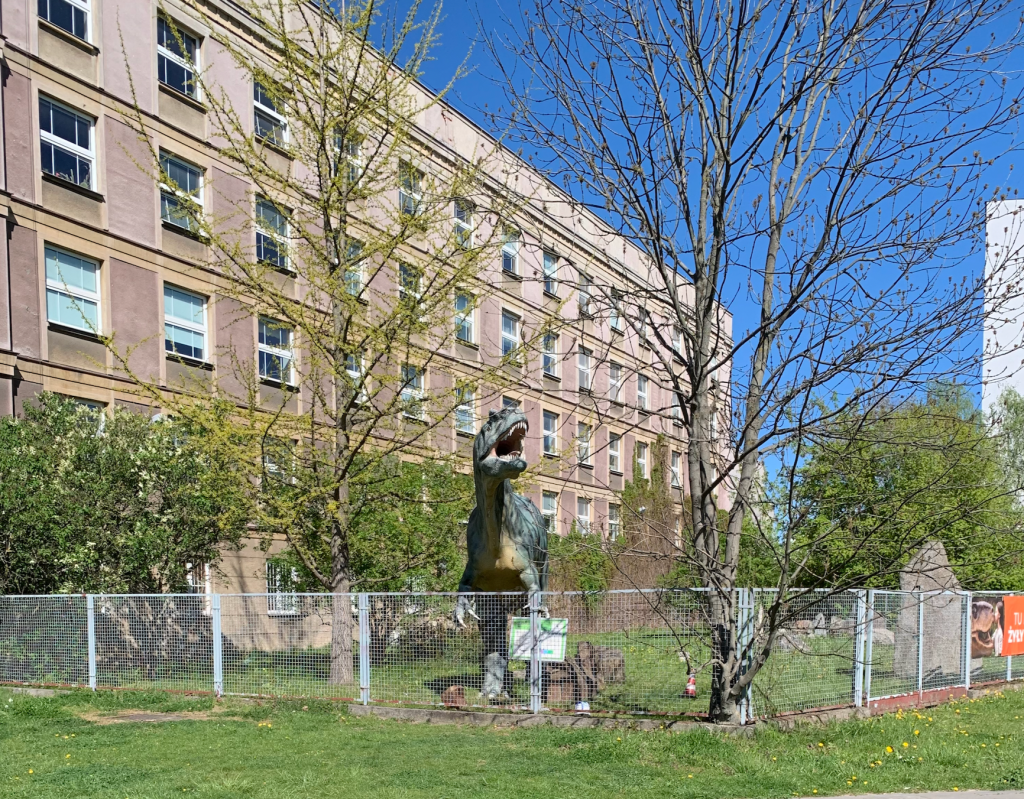
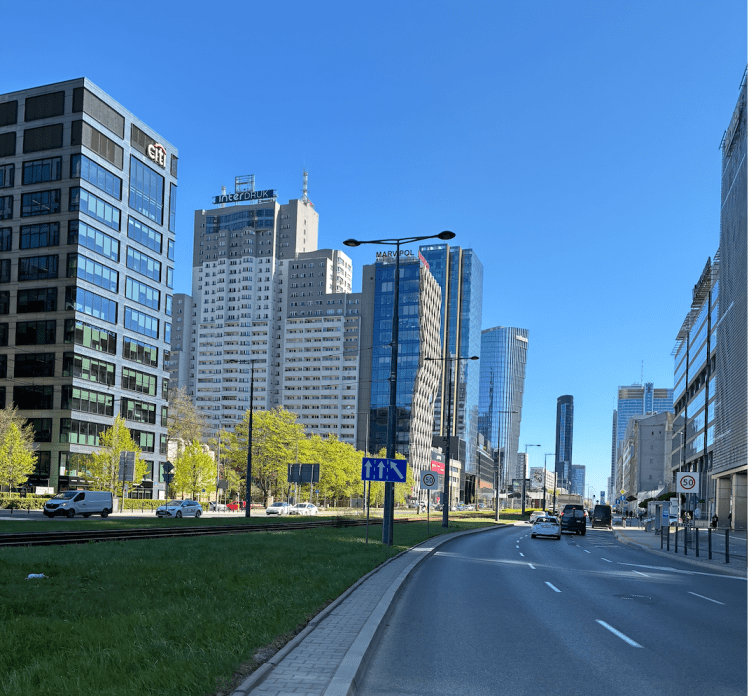
So, pretty much almost everything in Warsaw is more or less new, built after 1945. From the skyscrapers
to the Soviet style buildings- stark concrete blocks and ones that look a bit off, like maybe they are old and classic but not really.
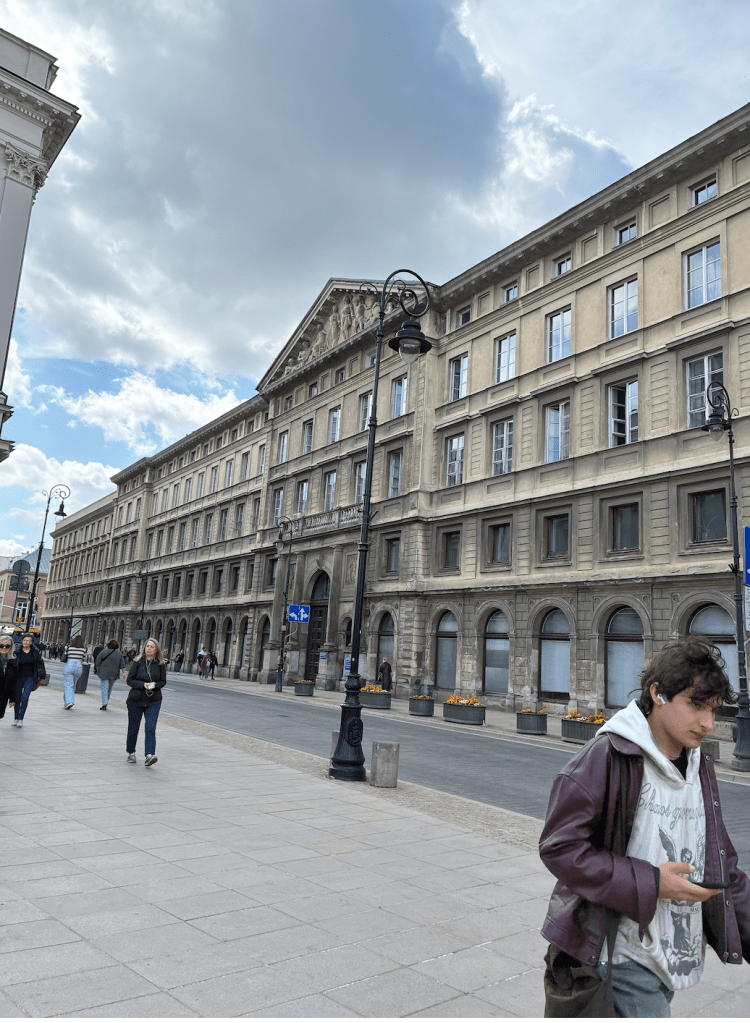
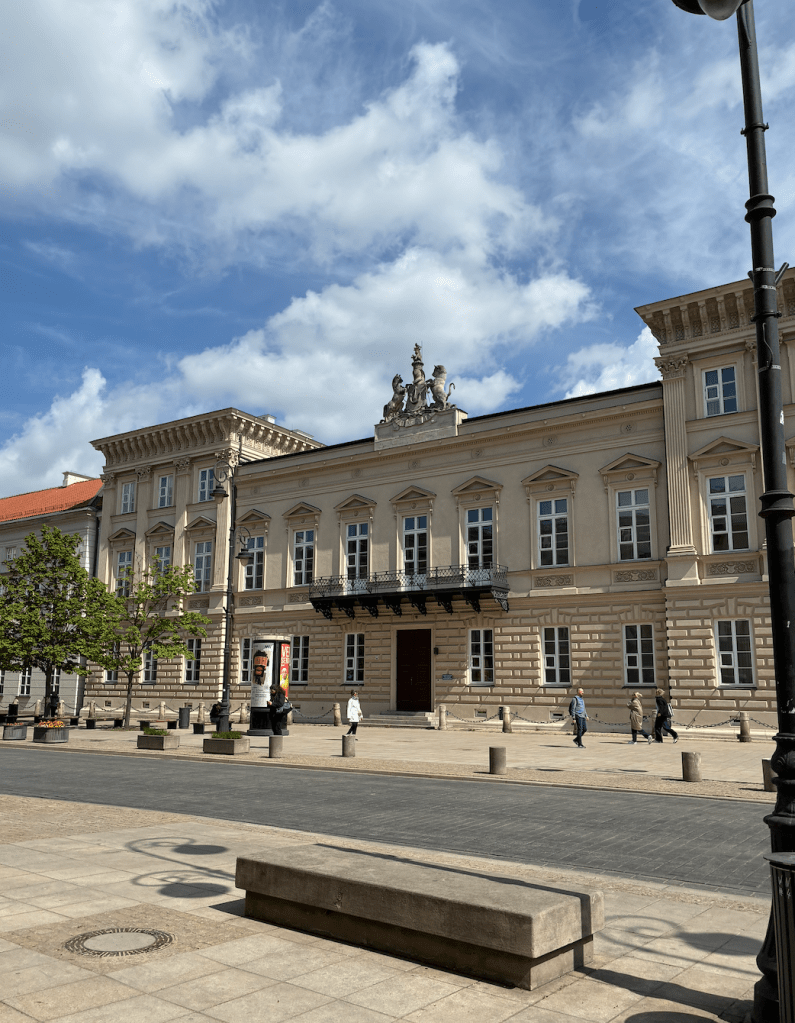
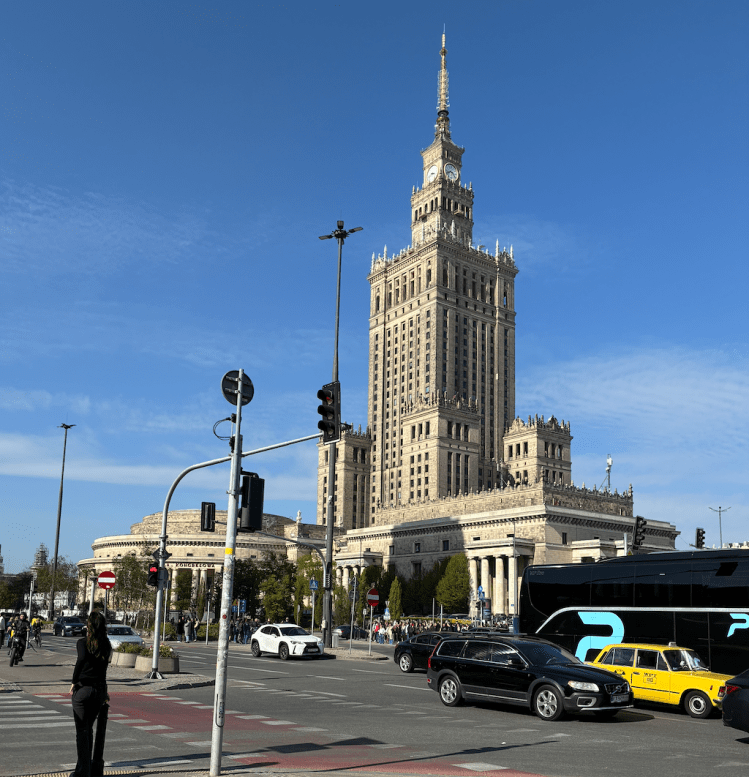
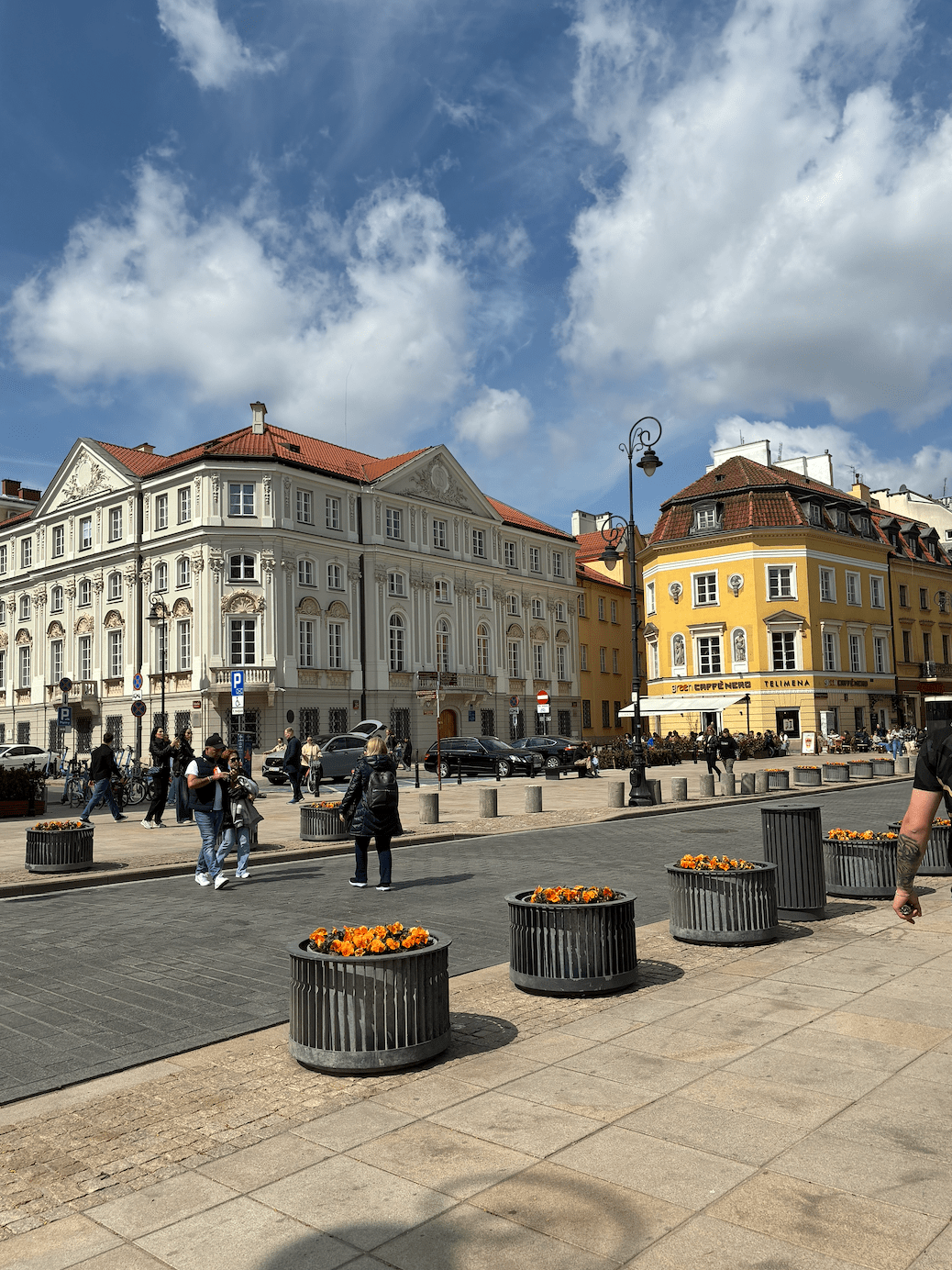
It is really weird when you go to the lovely old town which really isn’t old. Post war Warsaw chose to rebuild the old town as an exact replica, like a movie set. It’s beautiful, but knowing the buildings are midcentury moderns and not medieval adds to the odd vibes of loss and emptiness. A ghost town.
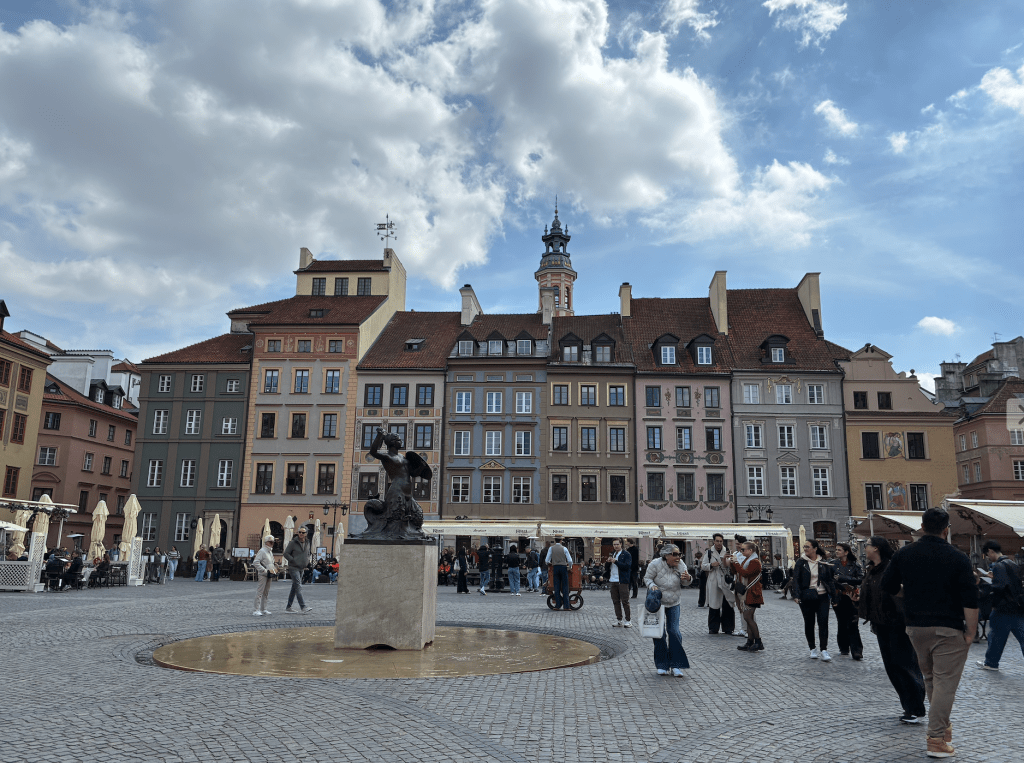
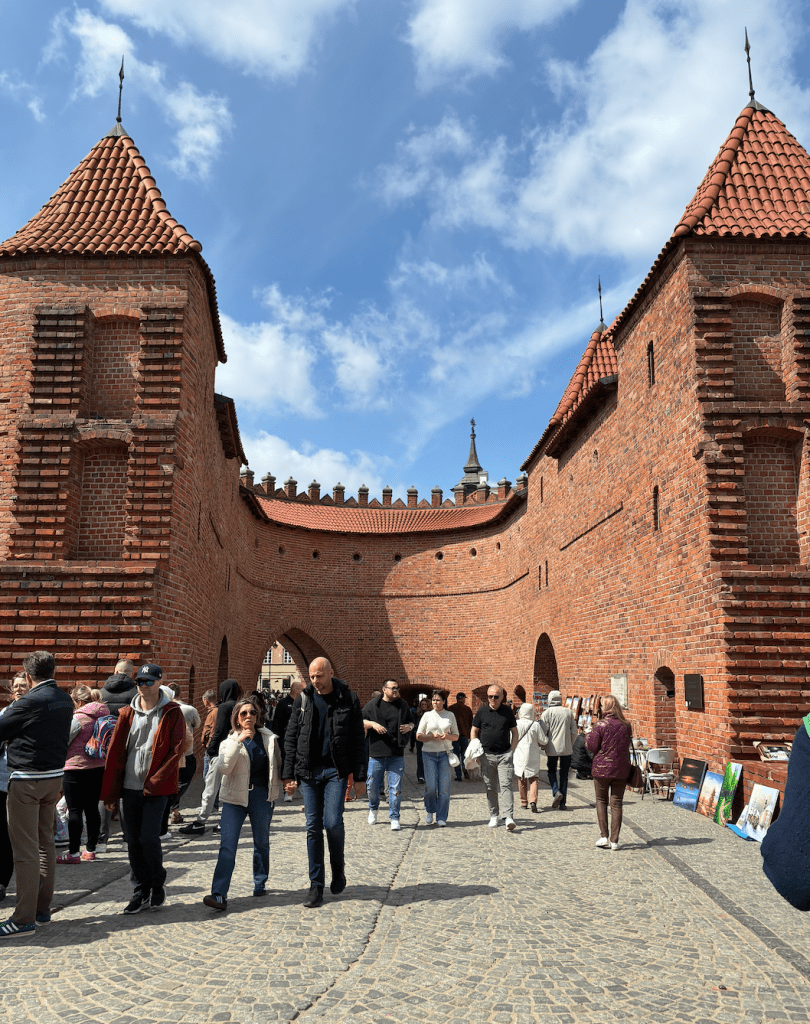
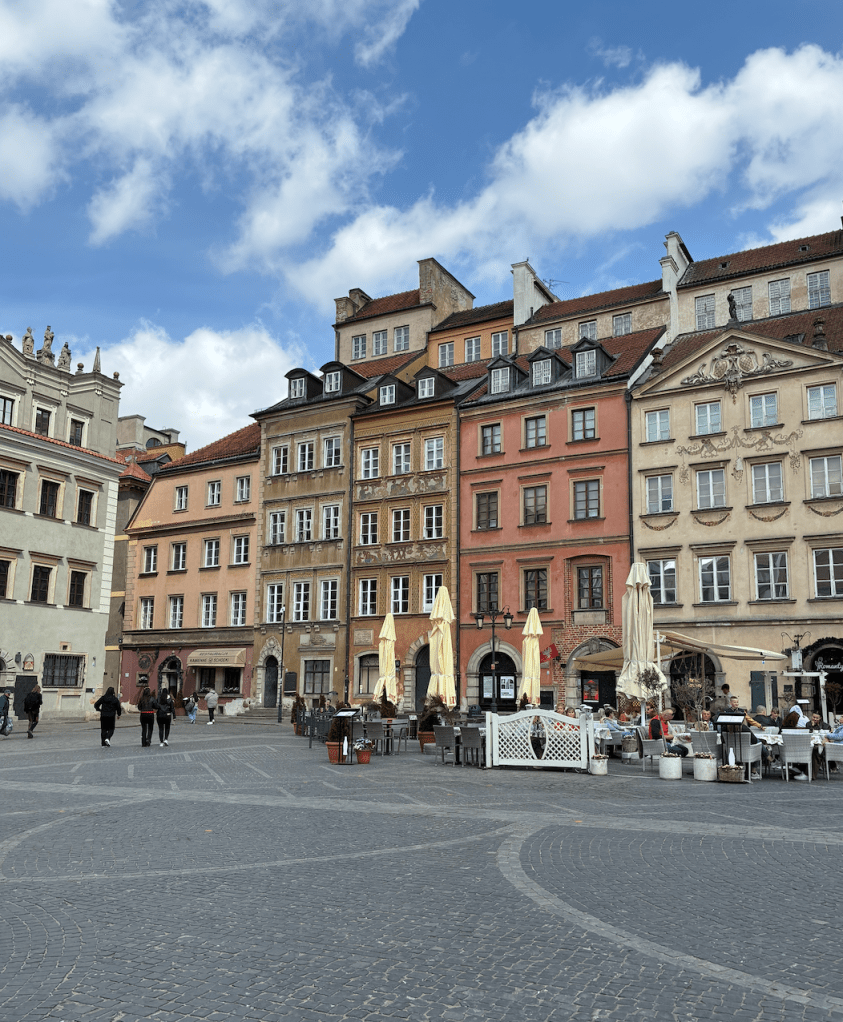
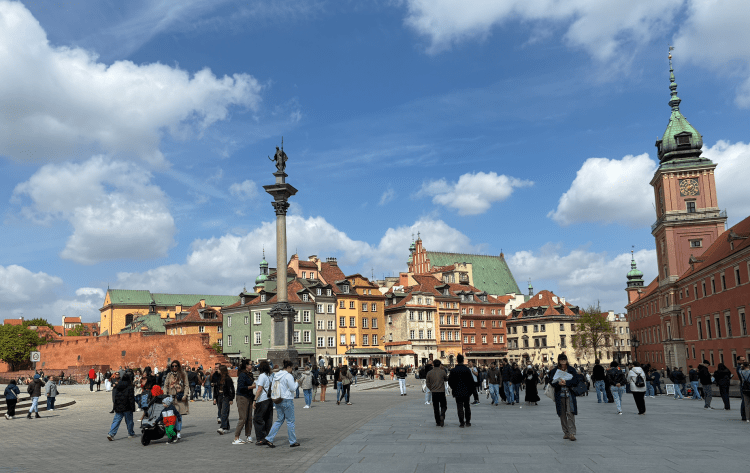
The loss was not just the buildings, 200,000 Poles and 400,000 Jews killed. A ghost town. Any Pole associated with the Polish intelligencia (doctors, writers, professors) or the Polish independence movement were either murdered or imprisoned and used for slave labor. Since the fall of communism in 1989, new museums have opened telling the story of the Polish resistance; the Warsaw Uprising https://www.1944.pl/en , https://dulag121.pl/?lang=en. Many monuments and tributes to the Pole’s experiences during Nazi occupation were scattered through the city.
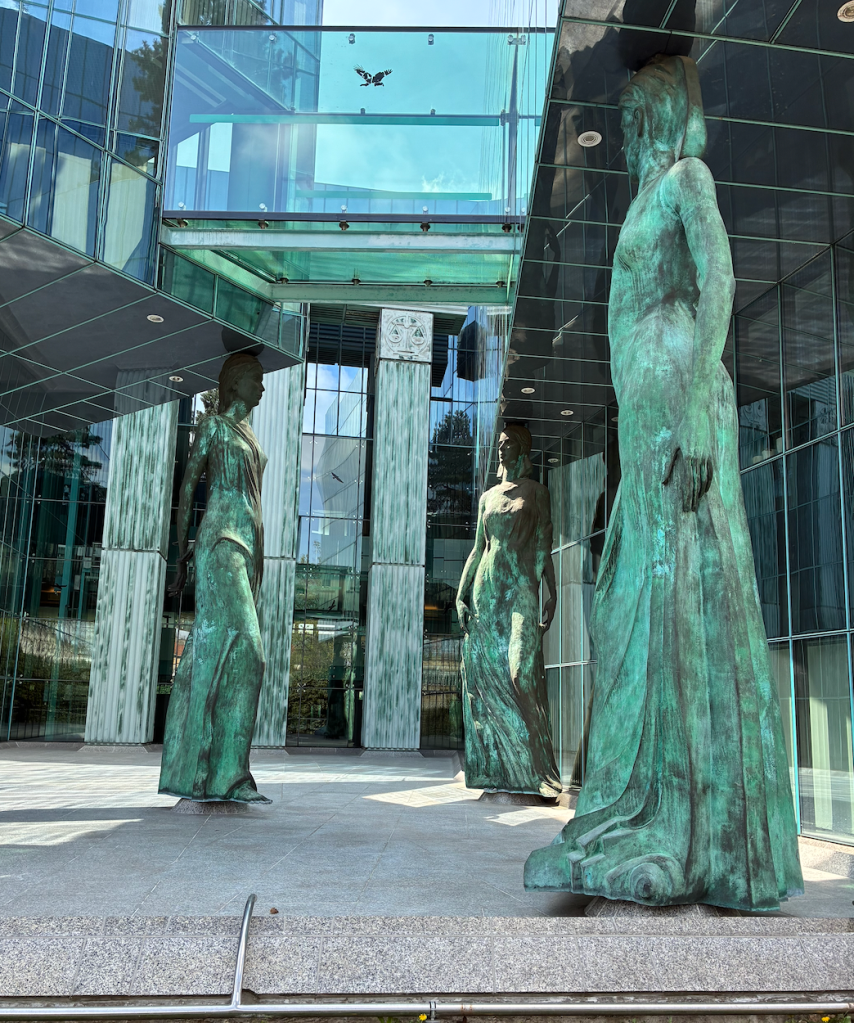
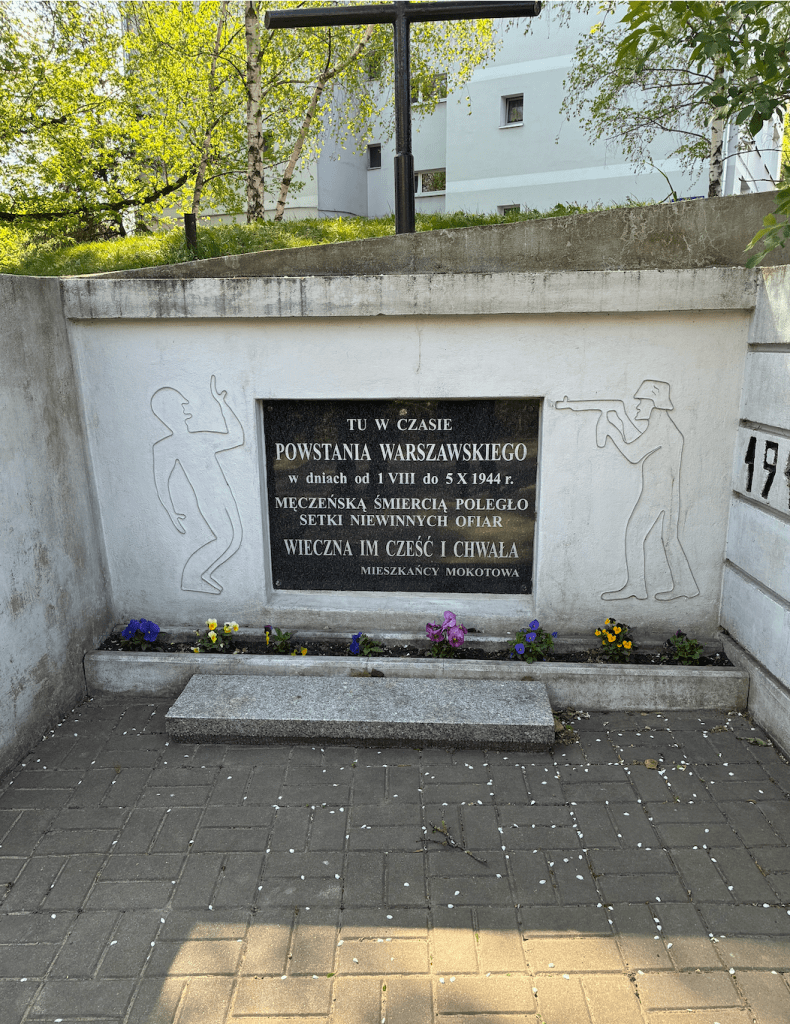
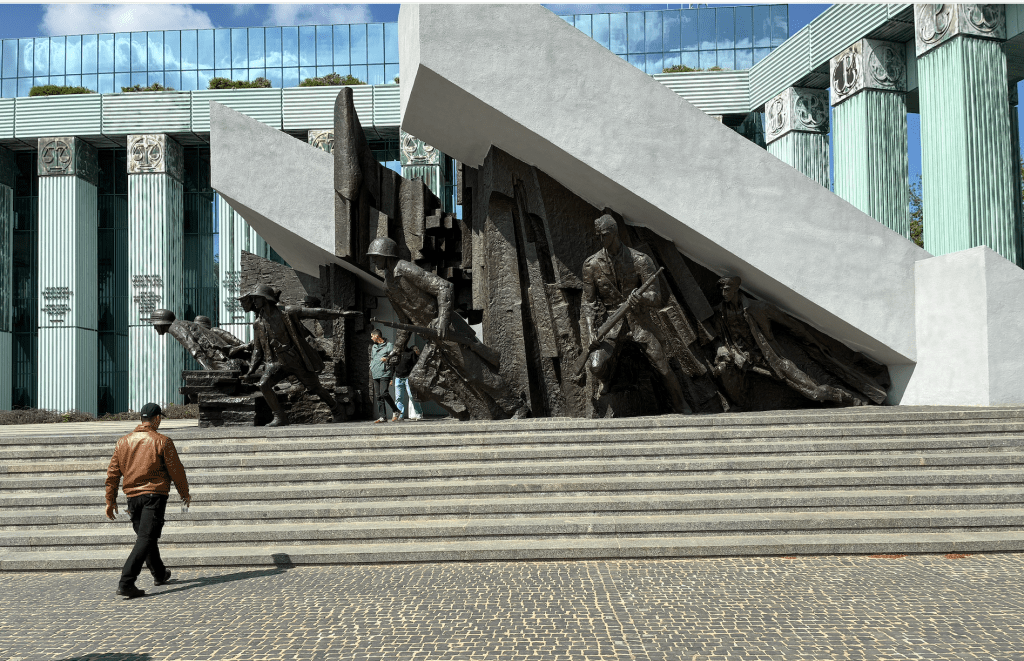
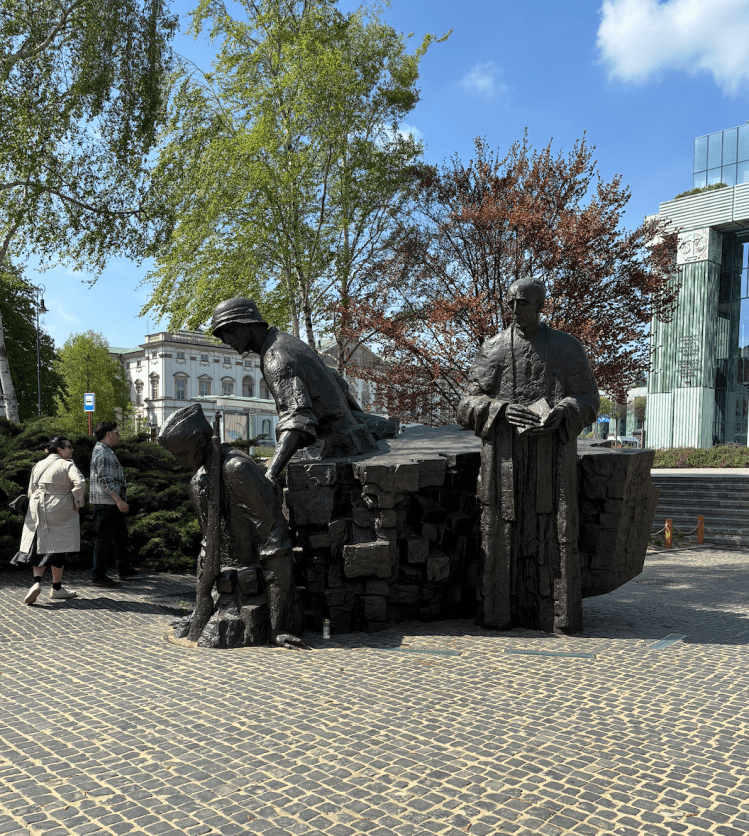
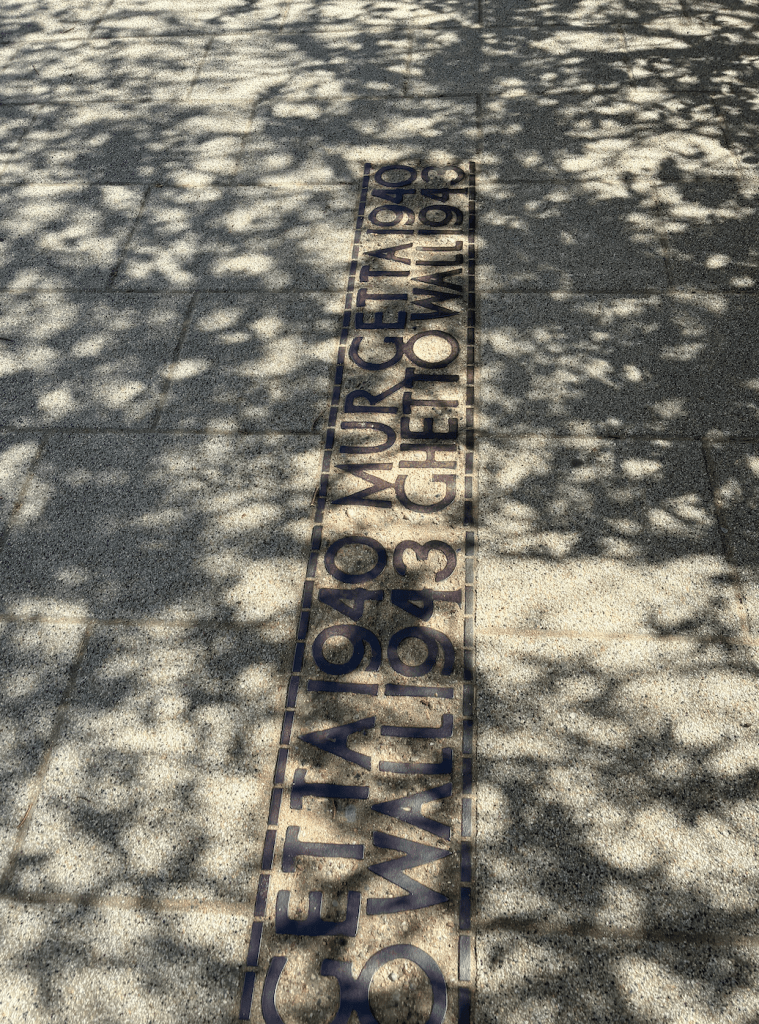
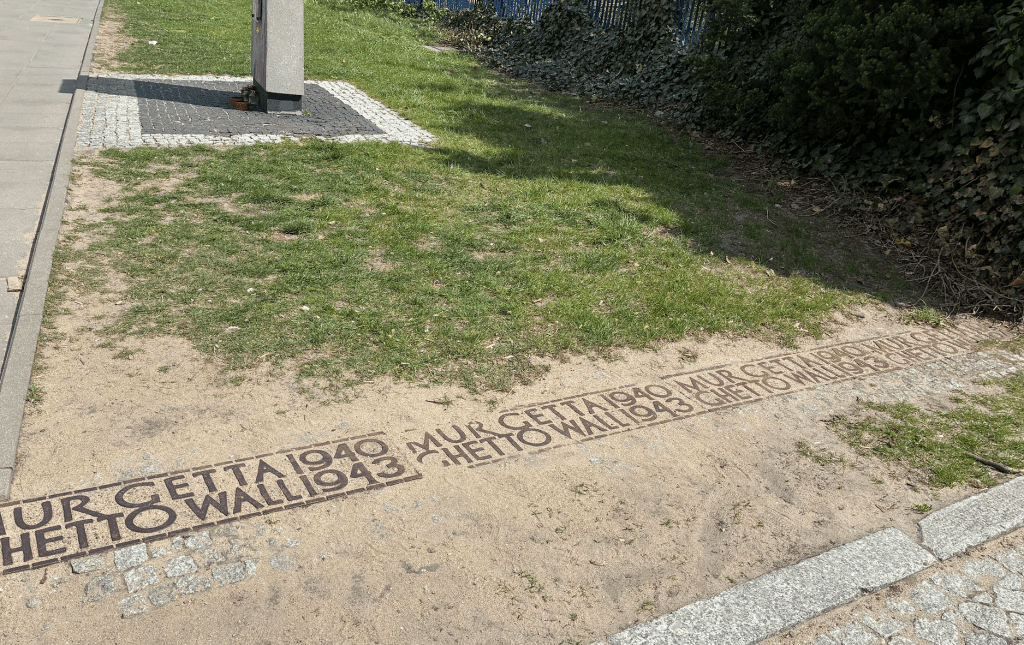
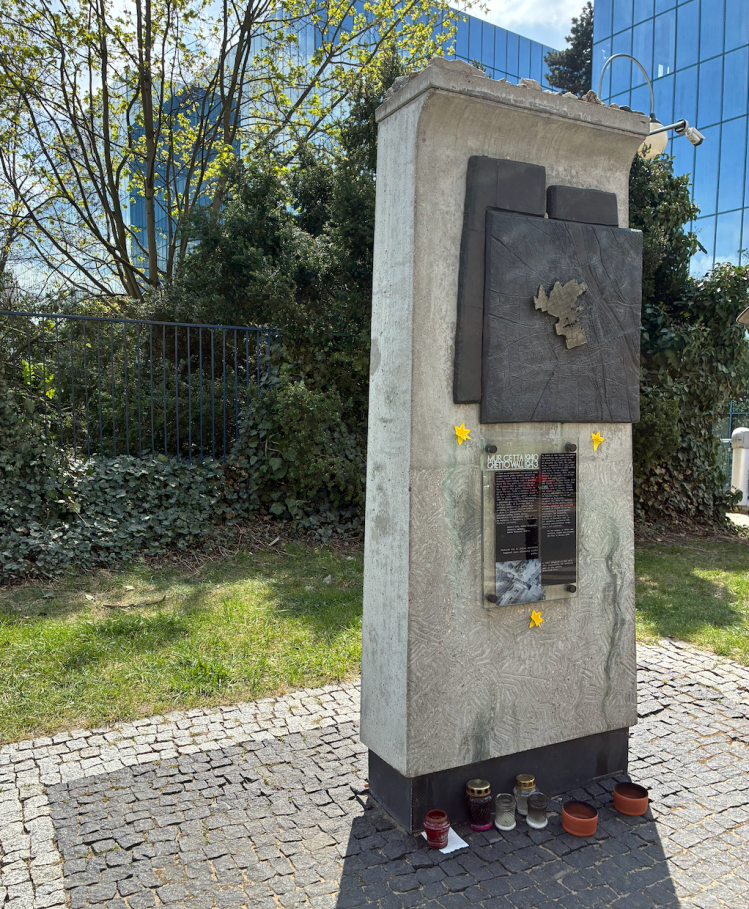
It is a challenge to mark and memorialize the approximately 400,000 Jews who lived in Warsaw before the war, how do you mark the absence of these people? The 400 synagogues and houses of worship destroyed (only one left)? The schools? The community? The primary memorials were related to the ghetto. The construction of the walled ghetto began on Yom Kippur, October 1940. The ghetto lasted until May 1943 when it was destroyed after the Warsaw Ghetto uprising. About 300,000 died by gassing or bullets, 92,000 died of starvation and related diseases and 56, 000 died when the ghetto was burned down.
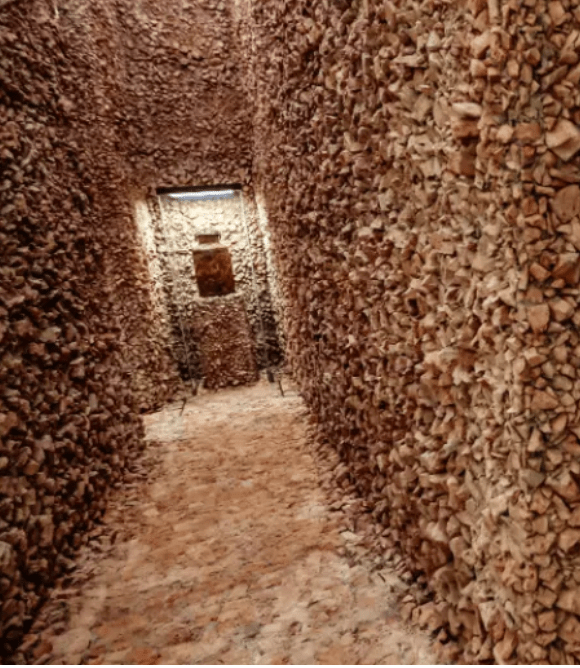
For us, the most impactful memorial was the small Jewish Historical Museum housed in the old Judaic library building from 1928. https://www.jhi.pl/en/about-the-institute/history The museum tells one story, the story of a group of people living in the ghetto who collected essays, diaries, drawings, wall posters, and other materials from people of all ages describing life in the Ghetto. https://www.jhi.pl/en/exhibitions/what-weve-been-unable-to-shout-out-to-the-world-permanent-exhibition,105
As the ghetto was being liquidated, they buried 10 metal boxes and two metal milk cans full of this trove. Two of the three burial sites were found. Only three of the 36 members of this group, called the Oneg Shabbat, survived. Some of the original documents are displayed.This museum shattered us in ways that others have not. https://www.jhi.pl/en/oneg-shabbat/biographies
The 83rd anniversary of the Warsaw Ghetto uprising was about a week before we were there.
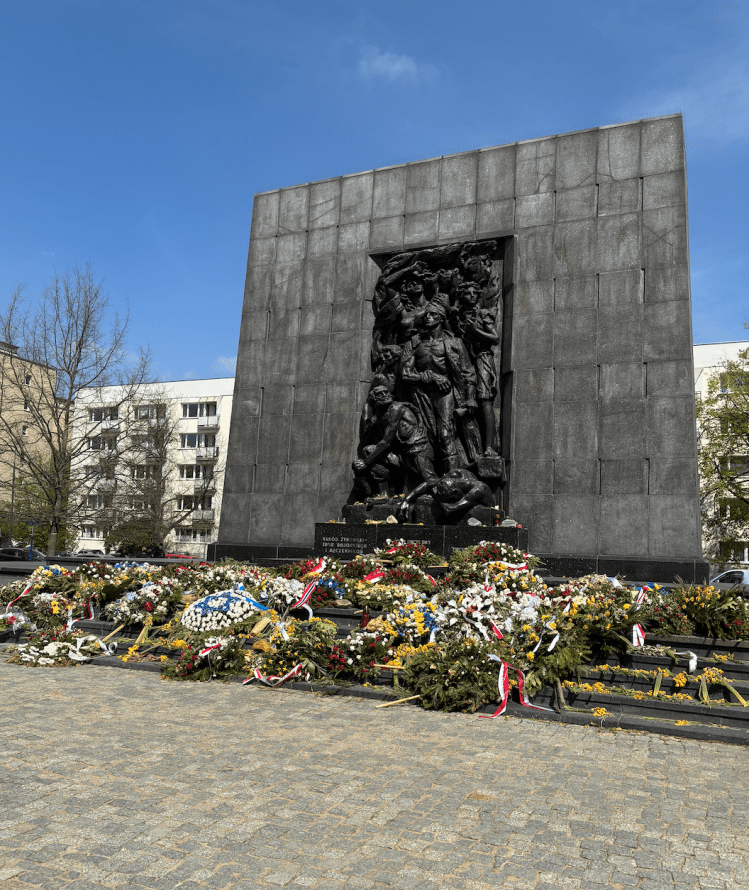
Across from this memorial, sits the massive POLIN museum, which tells the broader story of Jews in Poland. It opened in 2013. (history of Jews in Poland) . Walking from one site to another, we could experience how large the ghetto was (1.3 sq miles/850 acres). The last ghetto site we walked to was where the Jews from the ghetto were sent to Treblinka concentration camp, an hour’s train ride away.
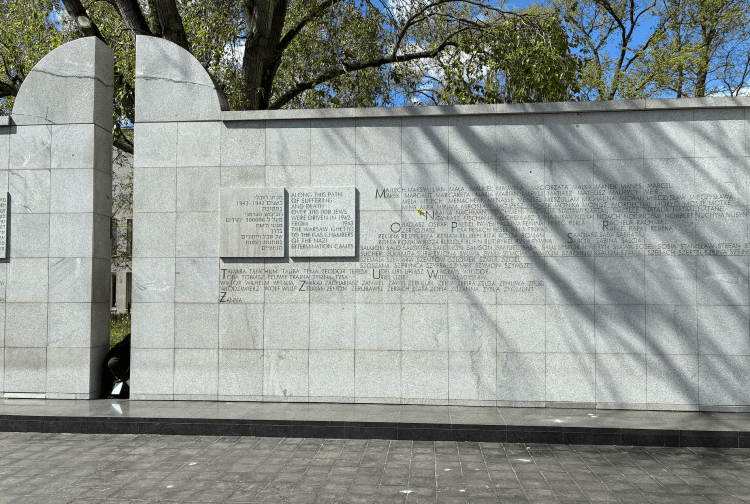
From July 22, 1942, and September 21, 1942, over 265,000 Jews were sent from the Ghetto to Treblinka
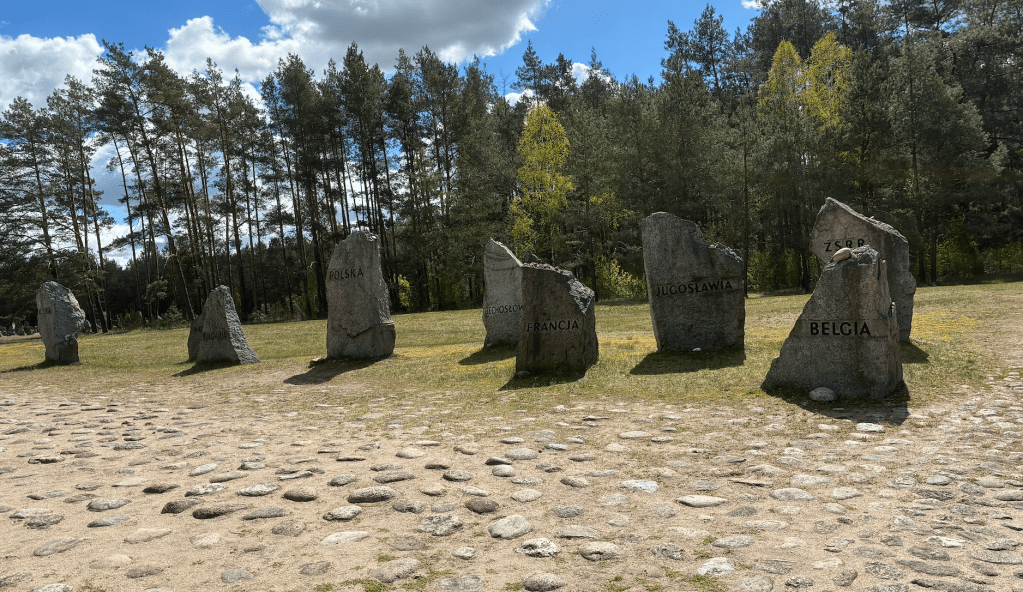
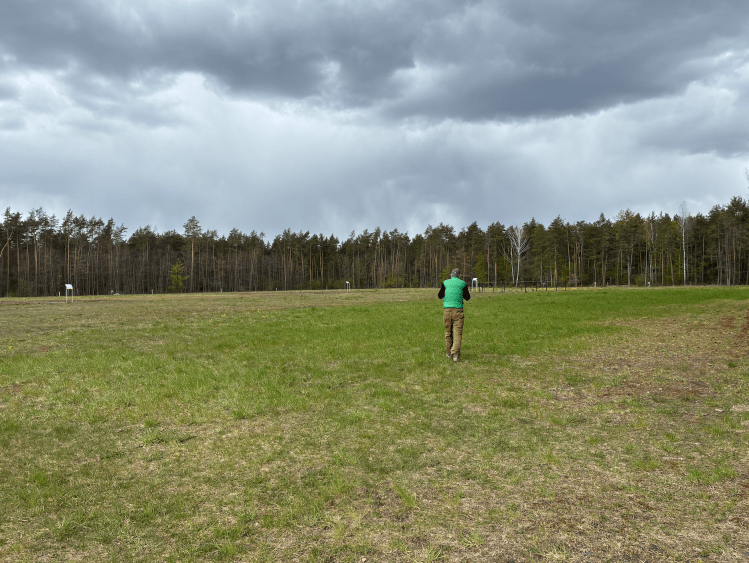
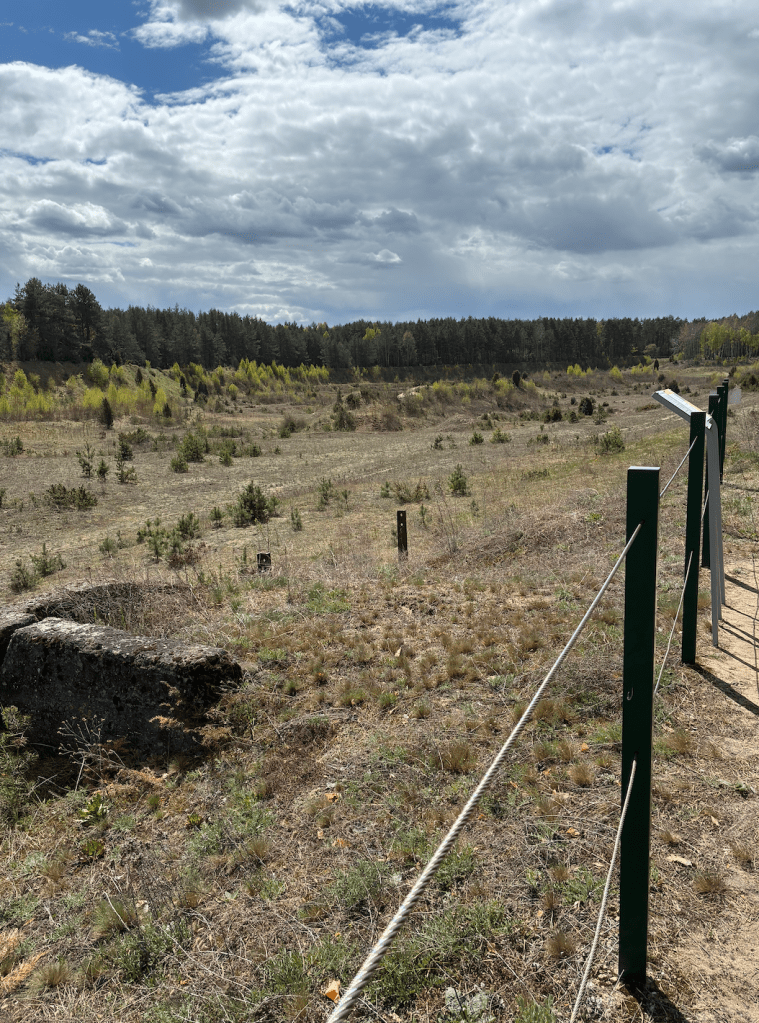
Treblinka was destroyed by the Nazis as the war was winding down; both in response to an attempted rebellion by the prisoners and to hide the evidence of what they did. But there was some residual evidence with the chilling remains of Camp 2, the labor camp. The remaining footprints of the buildings, educational signs, maps of the layout of the camp, and signs with quotes from survivors combined with the isolation and vastness of the area effectively and viscerally illustrated the horror.
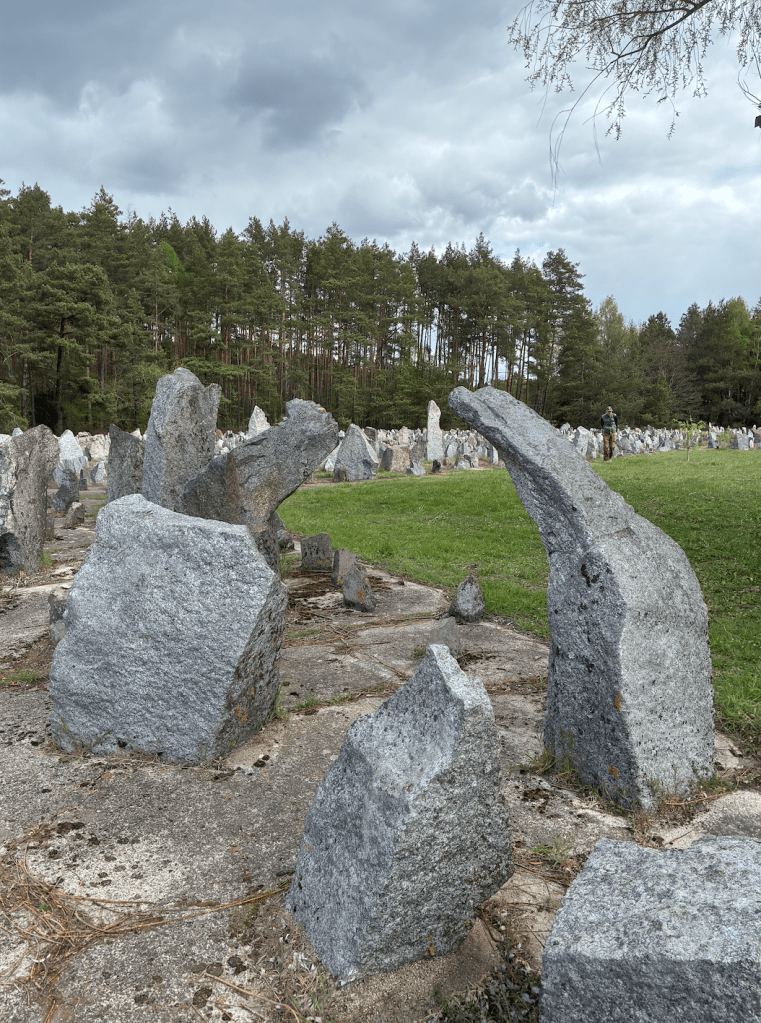
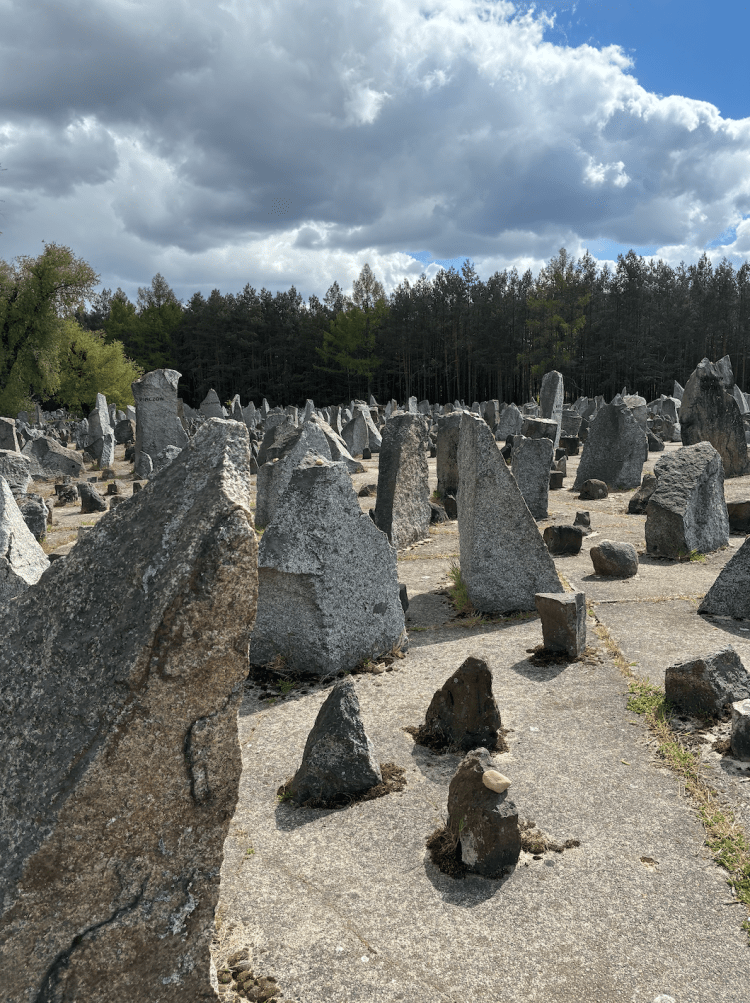
Camp 1 the extermination camp, was filled with symbolic rock shards, some with names of towns where people were brought to Treblinka. There was little else to provide evidence or information of what happened there.
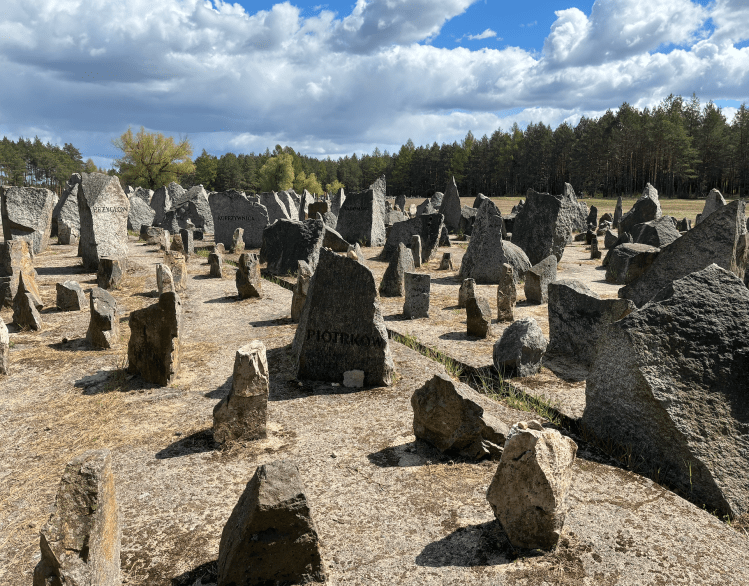
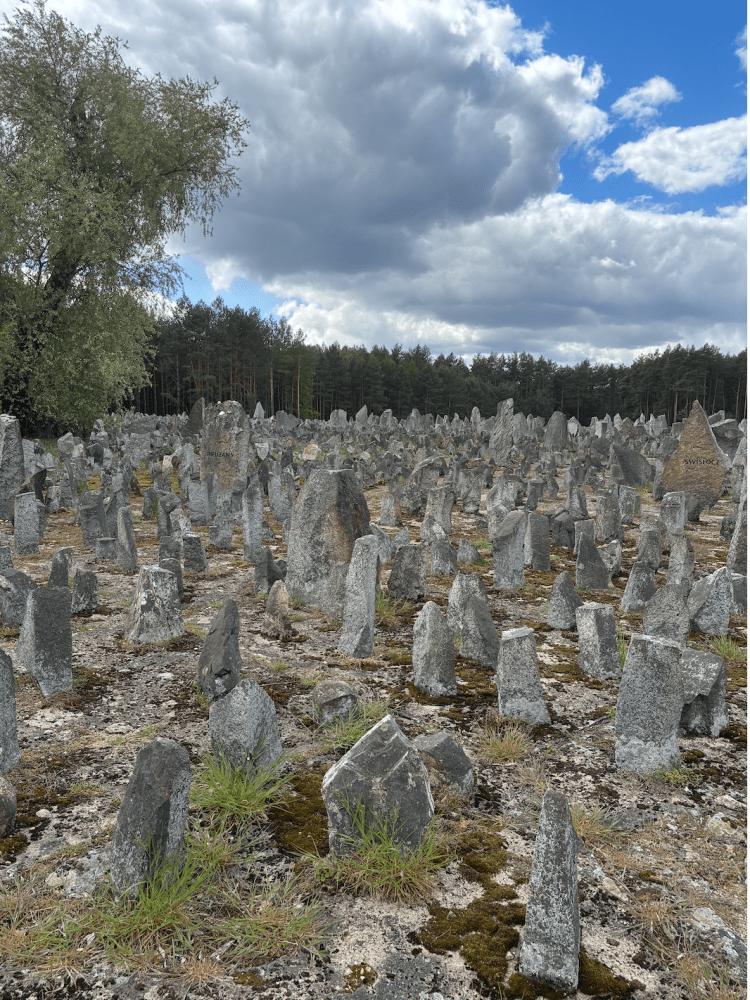
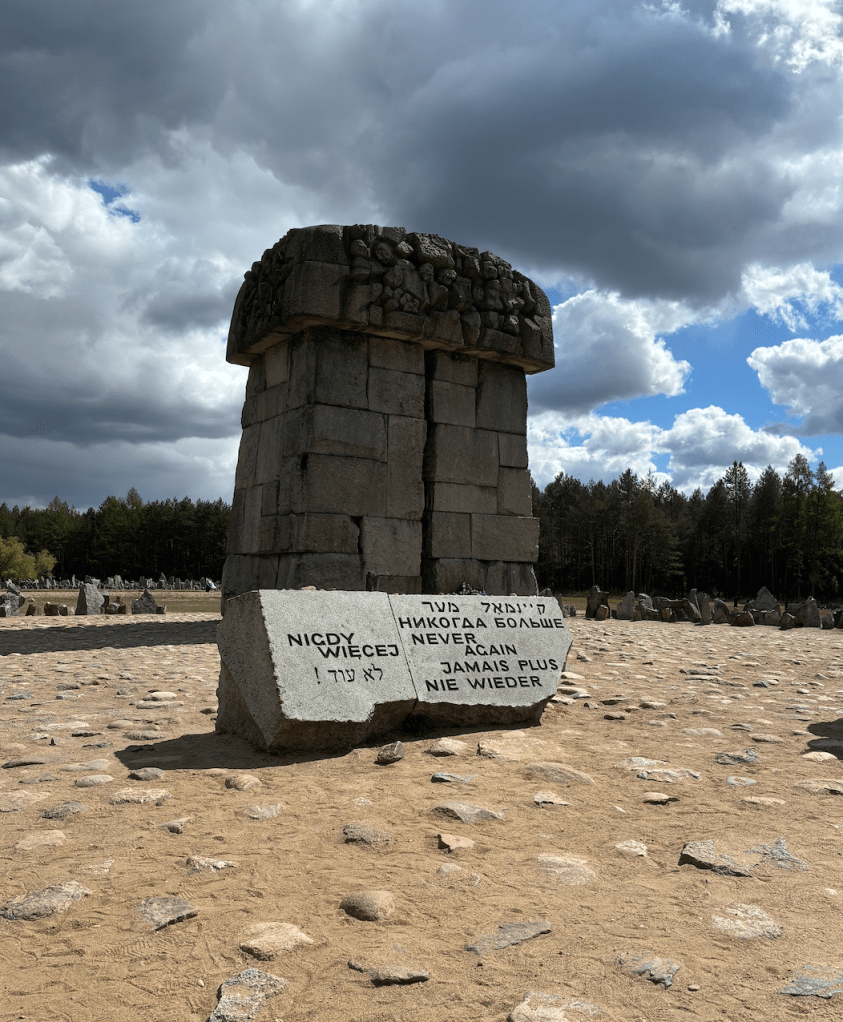
Despite the presence of this new, bustling city, we could not forget what had been, what was underneath. The famous rallying phrase etched in stone at Treblinka “never again” felt pretty hollow, we kept thinking “and yet again”. Why?


One thought on “Time Warp in Warsaw”