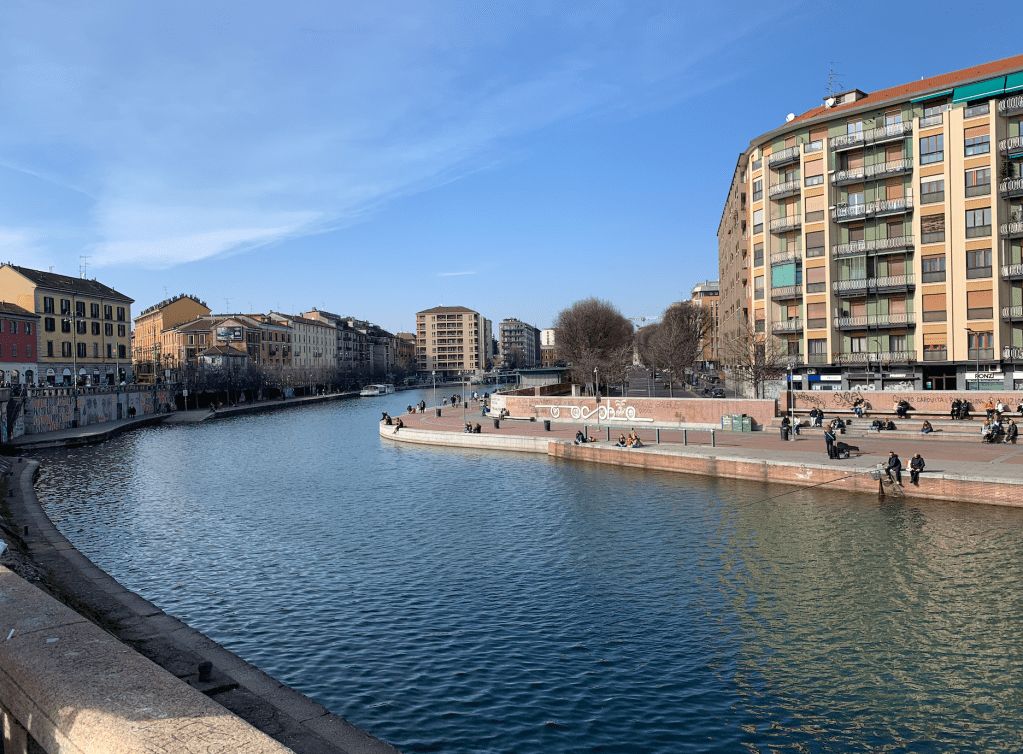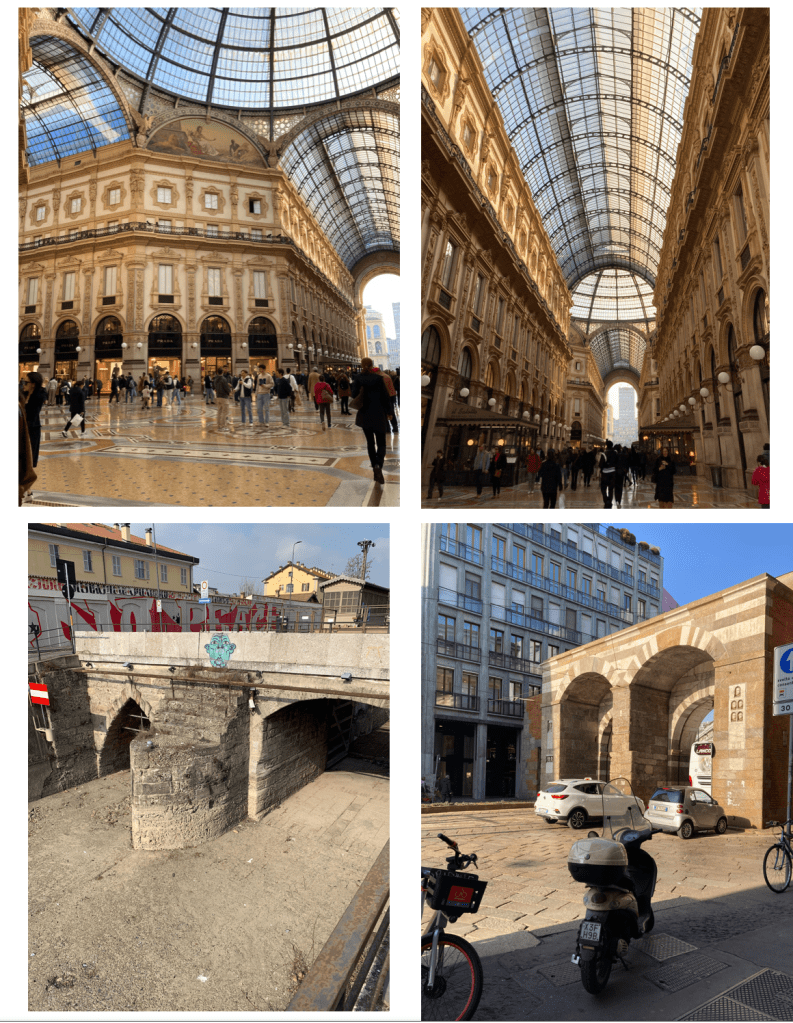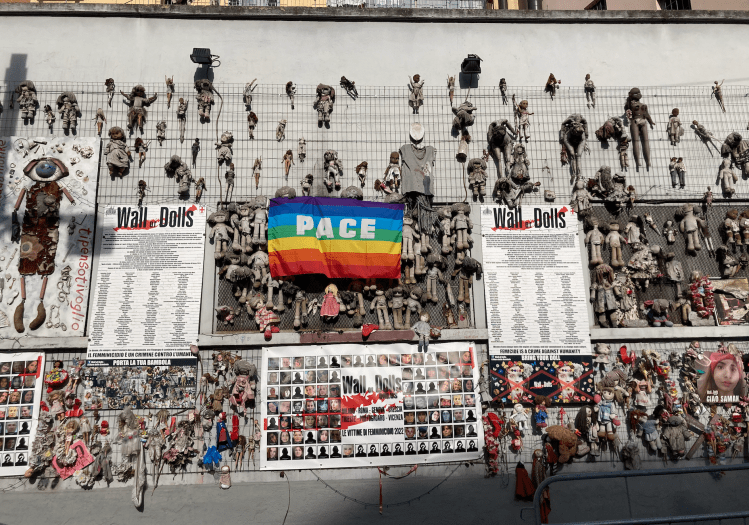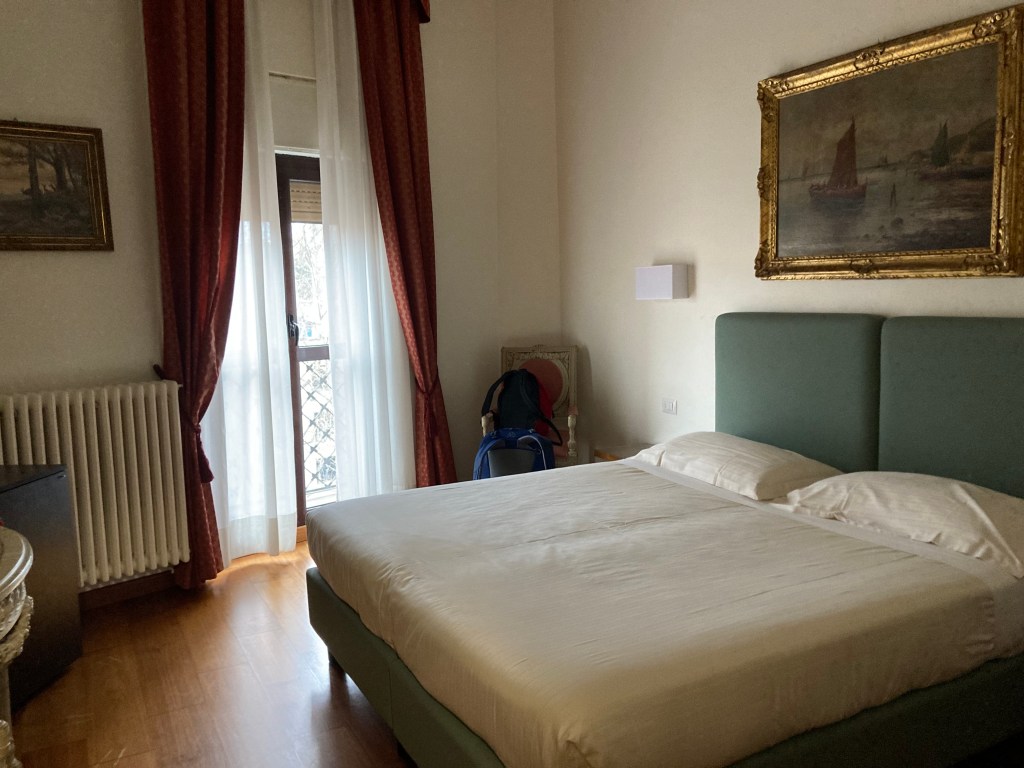
Blast From the Past

Like Pisa, Pompeii was a  “sure why not” stop  It’s close, so okay. And, like Pisa, Pompei was a whim that was a Wow!  Unexpected, it was truly moving. We arrived in Pompeii 20 minutes from Central Naples on the aptly named Circumvesuviana commuter rail. Mt. Vesuvius looming out one window and the Bay of Naples gleaming in the morning sun out the other window. 

Pompeii is one of the most popular tourist sites in all of Italy with over 2.5 million visitors a year, so arriving right when the gates opened, during off season was a good choice plus it was a perfect, sunny day.

Mt. Vesuvius, 5 miles away, erupted in 79 AD (they believe in October or November) and then again in 471-3 and 512. These eruptions completely covered this city of 20,000 inhabitants in 20 feet of volcanic ash and pumice, almost perfectly preserving everything due to lack of air and moisture. In 1592, Pompeii was uncovered while architect Domenico Fontana was building aqueducts, but he kept his discovery secret. Surprise (to us), it took another 100 years, in the mid 1700s, before it was unearthed again, and then another 60 before formal excavations occurred. In the early 1880s, organized excavations were in full swing and continue since only a fraction of the city is believed to be excavated. Last year a chariot and a tomb for a freed slave were unearthed. Although, official exploration took hundreds of years to occur; survivors (within the first few days after the eruption) and looters (constantly) did some unofficial exploration first.

Even with centuries of vandalism and more recent exposure to the elements it’s incredible how well preserved and detailed the area is.  You felt what life at that time was like walking through the streets,

seeing the thermopolium (inn/snack-bar)

the central plaza and the amphitheater

and visiting houses (nice floor plans with central courtyards, gardens and a lot of wall decoration). 

Apparently dog leash laws in effect in Pompeii

The visit to the archeologic museum the day before, https://chosenfugue.wordpress.com/2023/02/23/naples-theres-a-darkness-in-this-edgy-town/ definitely expanded our view of Pompeii; reading the museum commentaries, seeing the relocated sculptures, mosaics and frescos (up-close), which included advertisements, store signs and graffiti (in latin slang) Not much social change in two thousand years?

Instead of “exiting through the gift shop” the last stop was a small museum. Here were the plaster casts of people who died in the catastrophe, shifting the focus from the city structures to the about 18,000 inhabitants who died during the two day eruption; 2000 found so far in Pompeii, with 16,000 in total in the surrounding towns and villages. Many tried to flee after the first eruptions, some escaped, others didn’t as it was not the ash but the heat that killed people.
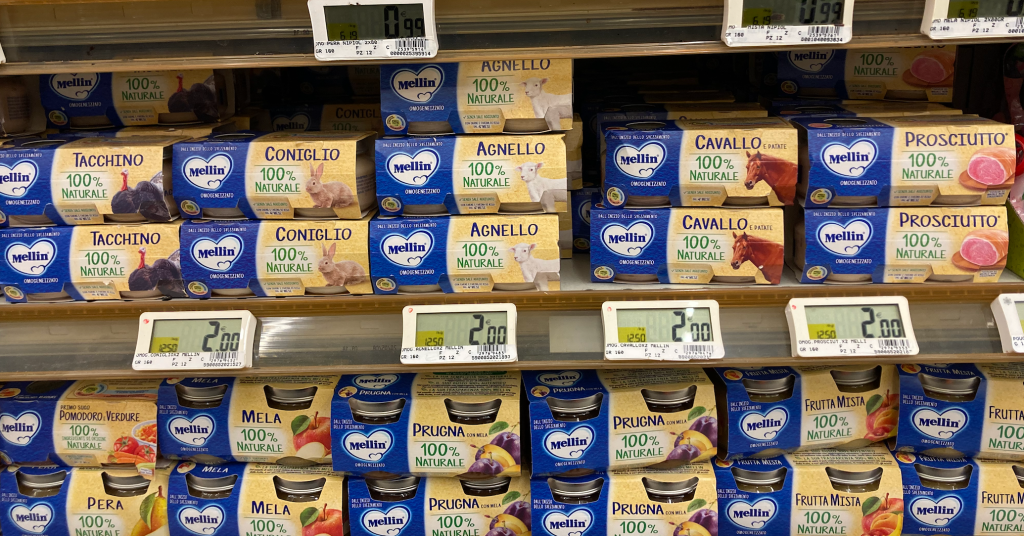
Historic note for beer lovers: Pliny the Younger, some 25 years after the disaster, wrote a first hand account of the eruption from his vantage point across the Bay of Naples. His uncle, Pliny the Elder, died trying to save evacuees as he loaded them onto his ships in the Bay. https://www.russianriverbrewing.com/pliny-the-younger-release/ https://www.russianriverbrewing.com/pliny-the-elder/

The other excavated ruins site is Herculaneum, 10 minutes up the coast back towards Naples. This ancient seaside retreat for Roman elite, is less visited than the more famous Pompeii but is promoted as more intact than Pompeii due to less looting (it has been protected since its discovery in 1709) and the type of dust that covered the town allowing fragile objects like wooden structures (roofs, beds) and food to be preserved . https://en.wikipedia.org/wiki/Herculaneum

We thought we would tackle Herculaneum after Pompeii. The ticket counter was set off to side AFTER you passed a perfect bird’s eye view of Herculaneum. Feeling burnt out, full of Pompeii, we decided this taste of Herculaneum was enough for one day.
Naples, there’s a darkness in this edgy town

Since we had just left Rome, it was hard not to compare Rome and Naples, two cities whose present is so imbued with their past.  
Naples (Napoli in Italian) had a gritty underdog feel to it.   Southern Italy, poorer and less cosmpolitan, has always been in the shadow of the more prosperous northern part of the country. This could explain why the city’s wore their history so differently. Rome basks in its glory as the center of the Roman Empire. Naples shrugs off its inglorious history as the home of Carmorra, a Mafia style criminal organization dating back to the 1700’s, although this OG persona seems to persist. 
We immediately fell in love with the personality of Naples.  It didn’t hurt that each time you turned around, when the rain clouds parted, there was the equally intriguing, ominous Mt Vesuvius.

You could spend weeks in Naples and every day would have a different ambience. You can walk along the Mediterranean, window shop at fancy stores, admire elegant buildings, eat at a seaside pizzeria. Naples is the famous creator of pizza, and we had pizza at the most highly rated pizzeria-and… not as good as Marseille’s Pizza Charley. https://www.lacucinaitaliana.com/trends/restaurants-and-chefs/pizza-chef-gino-sorbillo?refresh_ce= (see Vesuvius between the buildings in the picture)

The ‘new castle’ from the 13th Century (see Vesuvius on the left of the castle)

You can be more cultural, head into town and go to the Archaeological museum that has the Farnese Greek and Roman Collection. Here the highlight was learning that most of the Greek and Roman statues seen in museums are actually Frankensteins- with heads, torsos and limbs either made new or borrowed from another sculpture (kind of like exchanging Barbie heads).  You can see many of the original frescos/mosaics from Pompeii- (kept here rather in Pompeii for protection) where the highlight was watching a woman methodically take pictures of every Pompeii pornographic artwork on display and then halfway through, need to take her jacket off.  https://hyperallergic.com/725957/pompeii-erotic-art-exhibition/

You can also walk through the poorest neighborhood, straight up the hill, to the Capodimonte museum at Capodimonte’s Palace, the palace of the Bourbon rulers. .

The advertised Caravacchio was out on loan but the eclectic collection was worth a visit

with the bonus of panoramic views of the city and Vesuvius.

You can walk through the Spanish Quarter (where we stayed), named for the Spanish Soldiers who occupied the area in the 16th century.  Experience it here https://youtu.be/cGYtnYwsjBk . Walk through the VERY narrow streets, window shop at butcher or produce stores, admire street art or eat at a pizzeria while dodging grandmas in leopard print pants and high heeled boots zipping by on scooters (felt so stereotypic!)

.Most importantly, join the eternal celebration of Maradona. 

Argentinian futbol star Maradona, himself from an impoverished background, immediately connected with this blue-collar city when he joined the then lowly Naples FC in 1984. Within a few years he led the city team to national and European championships at a time when tension between the Italian North and South were high and Naples was a mess. As a local newspaper said “despite the lack of mayor, houses, schools, buses, employment and sanitation, none of this matters because we have Maradona” (thank you, Wikipedia). His fan worship, even 30 years after he played continues despite his fall from grace in his later years due to drug abuse, tax evasion and infidelity. Maradona remained the saint that Naples, with its own sketchy past, could identify with.
Our initial reaction as we walked up the narrow vibrant hectic alley to our apartment adorned with Maradona banners was that we were in South America, although we’ve never been, it just gave that aura. We deep dived into the party by staying here https://www.booking.com/hotel/it/casa-maradona-napoli.en-gb.html?aid=356980&label=gog235jc-1DCAsocUIUY2FzYS1tYXJhZG9uYS1uYXBvbGlIM1gDaHGIAQGYAQm4AQfIAQ3YAQPoAQGIAgGoAgO4Apzx2J8GwAIB0gIkMDk4MmNkYTAtOWY0MC00ZDY0LWJjNWItMGM3MWM1Y2FmMmRk2AIE4AIB&sid=726586f2abc2d057b1c8e7f281a2ee0f&dist=0&group_adults=2&group_children=0&keep_landing=1&no_rooms=1&sb_price_type=total&type=total&

Like Rome, okay like every city in Italy, every block had at least one church, each was uniquely gorgeous. And as with every city in Italy, almost every other building facade had a small religious themed grottos, often of the Madonna (not to be confused with Maradona), or a family memorial.

If there wasn’t a Maradona or a Madonna there was graffiti, chain stores, souvenir shops or a pizzeria. 

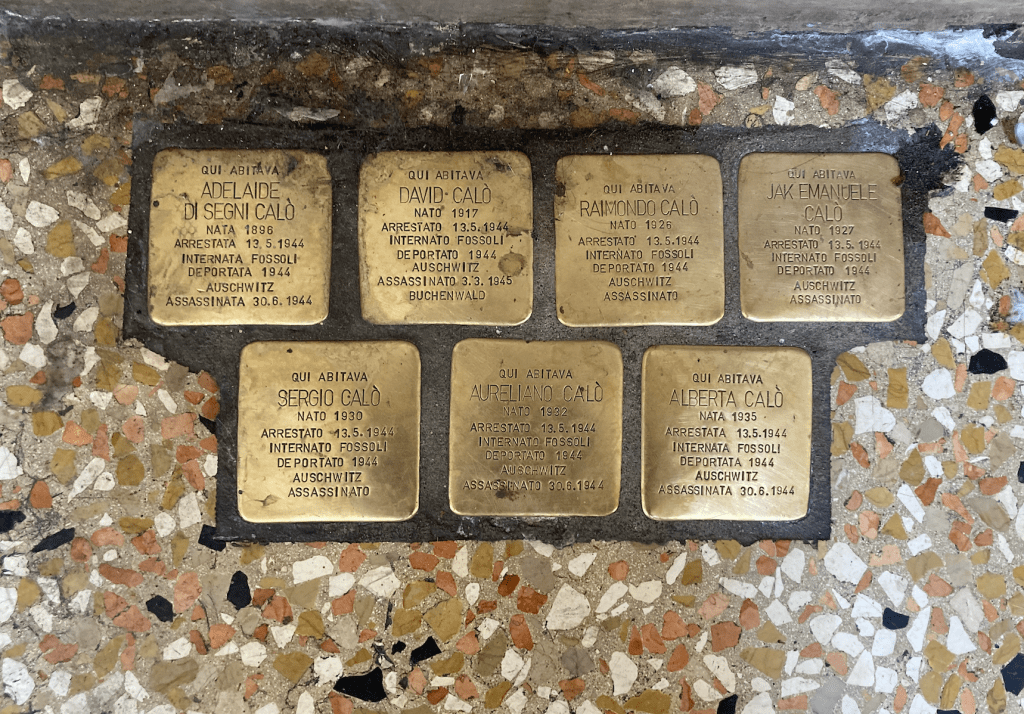
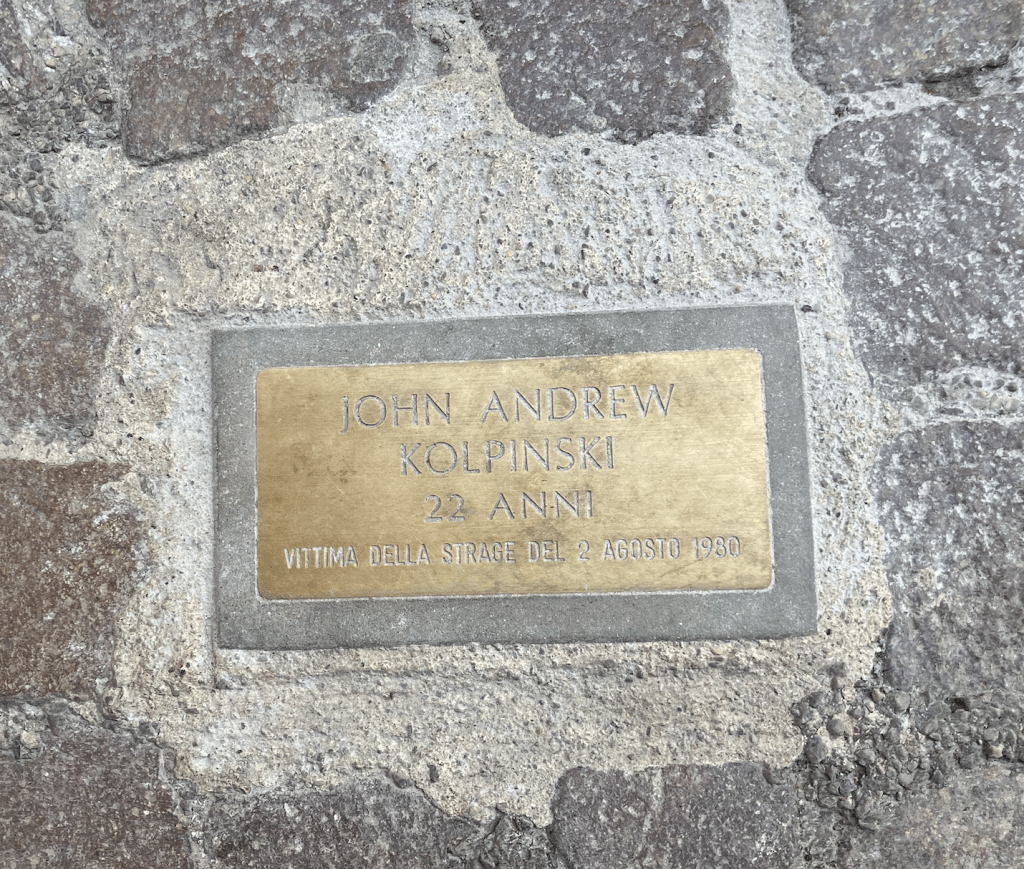
And sadly, even some Stoplesteines, (called Pietre d’Inciampo in Italian) reminder that nowhere in Europe seemed to escape. https://chosenfugue.wordpress.com/2019/01/07/they-do-make-you-stumble/


You can take day trips to various Islands (we didn’t), hike Vesuvius (closed off while we were there),  take 20 minute train ride to visit amazing Pompeii and Herculeum (see next blog post),  or Amalfi Coast (see next blog)
And experience all of this while eating pizza (we did) under the haunting shadow of Mt. Vesuvius.

Rome, if you want to

Between travel internet sites, advertisements, every old Italian movie (except spaghetti westerns), how could you not come to Rome with some idea of what you will be seeing.  What you see is not surprising, but you are surprised when you see them.  Pretty much everything in Rome defies expectations.  The massive scale of centuries old buildings. The attention to every intricate detail. The skilled labor (often anonymous) that created the buildings, monuments, paintings, mosaics or frescos.

Everything in Rome overwhelms.This is what greeted us in Rome.  After a rather nondescript walk from the train station, we turned onto our street and there they were, ancient ruins of Rome.  (And, recent ruins under repair.)

Turn left and there was the Colosseum, far larger and more impressive than expected.

Pivot and the Arch of Constantine

Almost straight ahead, a partial view of the Forum. To the right, The Altar of the Fatherland (also called the Typewriter).

Every few blocks, another piazza (bordered by another pizzeria and another gelateria) with either a fountain,

pillar,

or obelisk (Italy really loves obelisks).

Walking through the city requires constantly stopping to admire everything around you. 

Every block there are 2-3 churches, as ubiquitous as Starbucks in the US. You go into church after church thinking “oh, another church” but then you go in and it is “OH”.

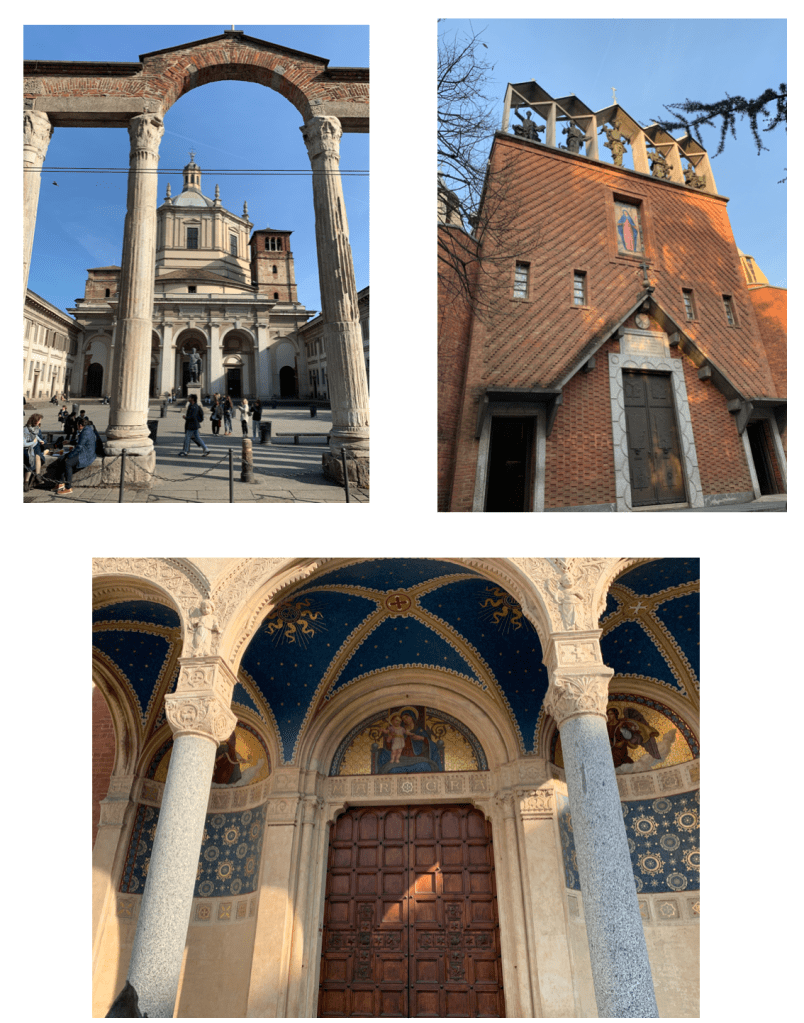
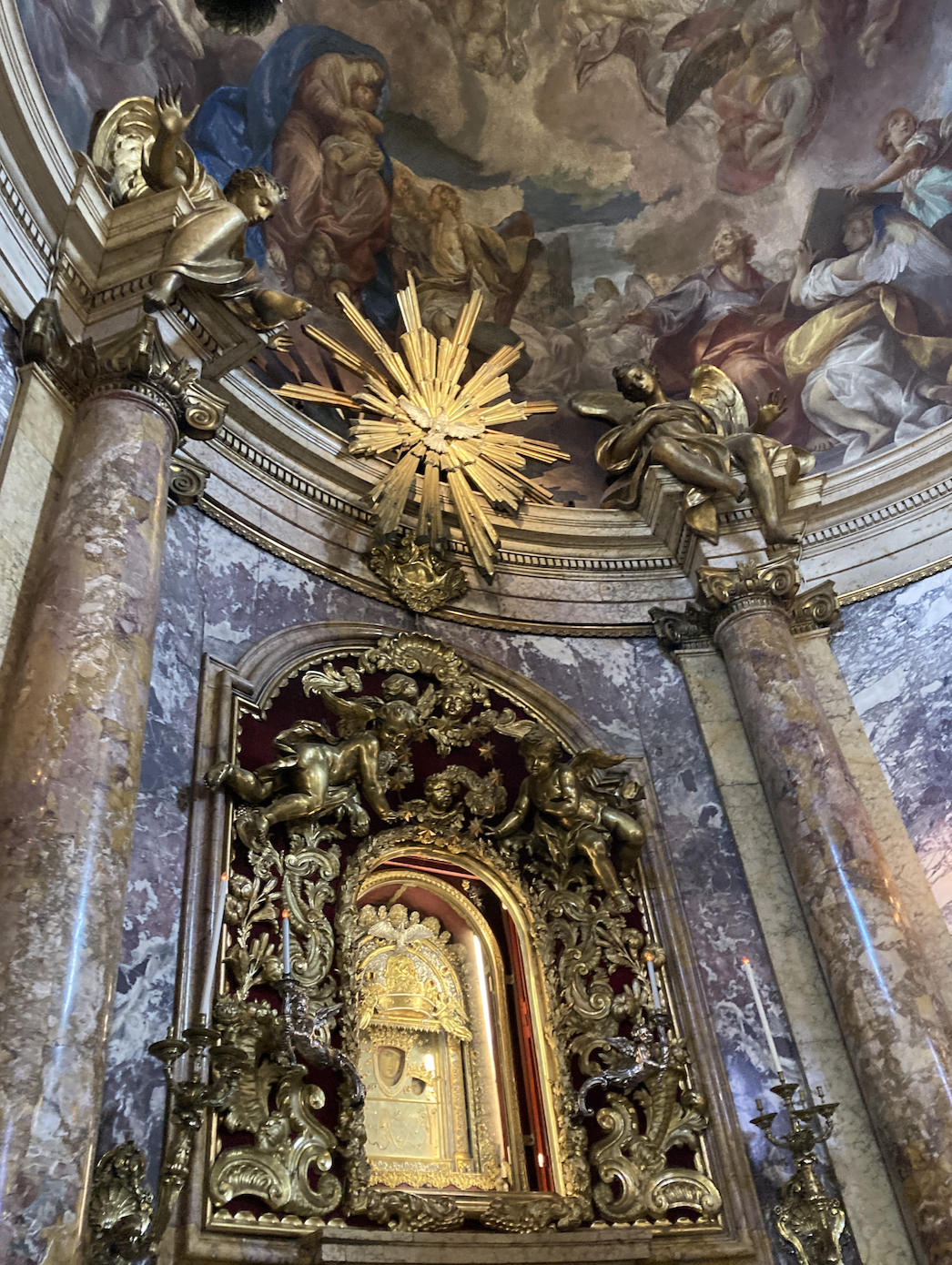
And then you go to the Vatican and it is UH OH.  We started in St Peters which was massive but honestly, many of the smaller churches in Rome were as, if not more, stunning.  https://en.wikipedia.org/wiki/Church_of_the_Gesù

After St Peters we thought we were prepared for the Vatican Museum, we were not.  By the time we got to the halls of statues, we were feeling a bit overwhelmed by the massive scale of the collection.

Statue after statue, painting after painting, unfortunately the lighting around most of the paintings was so poor, they were hard to see.   Pictures displayed from floor to ceiling, and the ceilings! The ceiling were pretty much the highlight of every room, they were heavenly.

The walking tour through the Vatican museum ends at the Sistine Chapel. But despite our sensory overload and fatigue, the Chapel provided the energy to push us past the consumer corridor of the cafe, gift shop and pharmacy (which you may need at this point) which you have to pass through to exit.

Traveling off season, we had been encountering more rain than people, but not in Vatican City or Rome. It was crowded but not quite Sunday at Costco crowded. It was hard for us to imagine enjoying traveling in the summer with more people and heat.

Rome was more than just the sights, it was also the sounds.  We loved overhearing conversations in Italian although we understood very little (some cross over with Spanish).  The cadence, the emotion, the gestures; every conversation sounded like it was life changing, even when we could see they were just ordering coffee. (and yes, coffee can be life changing)

Over our 5 days we were able to walk through pretty much every neighborhood, wrapping it up by taking the subway to the EUR neighborhood in the southern part of town.  The Facist inspired buildings provided an interesting visual counterbalance to the previous 4 days. https://www.wantedinrome.com/news/introducing-the-eur-district-in-rome.html

Rome not only surprised on what we saw but, also surprised on how we saw it. We could not separate the beauty from the context. It was hard to consider these massive, ancient buildings created by the powerful to promote themselves at the expense of the lives of soldiers, laborers and slaves. It was hard to separate our appreciation of the art in the churches from its use by the powerful to promote themselves, again at the expense of the lives of others. The eternal problem. Some things just don’t change.

Leaning In

Six weeks to explore Italy which is about 3/4 of the size of California.  It was a given that we go to Rome, Florence, and Venice but where else?  Generally, we like to be in a town for about a week and we also like seeing as much of a country as we can rather than just a few cities so that we have a more solid feeling for that country.  The impression of California (okay it’s a state, but could be a country) would be dramatically different if you went just to San Diego, Los Angeles and San Francisco rather than going to Truckee, Monterey and Berkeley or to Bakersfield, Weed and Chino.  Now picture hitting Sonoma, Death Valley and Yosemite. We could go on, but we won’t. So along with seeing the big three; Rome, Florence, and Venice; we wanted some small cities and prioritized staying south to stay warm and then filled in the rest of the map by ease of train/bus transport.

We left Marseille for Genoa (aka Genova in Italian)  at 6 am for 6 hour ride amid a busload of coughing, sneezing, nose-blowing passengers on the Flixbus  (aka Phlegmbus). The ride started out beautifully; driving along the edge of the mountains looking out over the sea, the sun rising, the pink sky, seeing Monaco in the distance and then seeing… nothing.  We entered tunnel after tunnel, anticipating and then experiencing sporadic glimpses of the beautiful Ligurian Sea shoreline. 

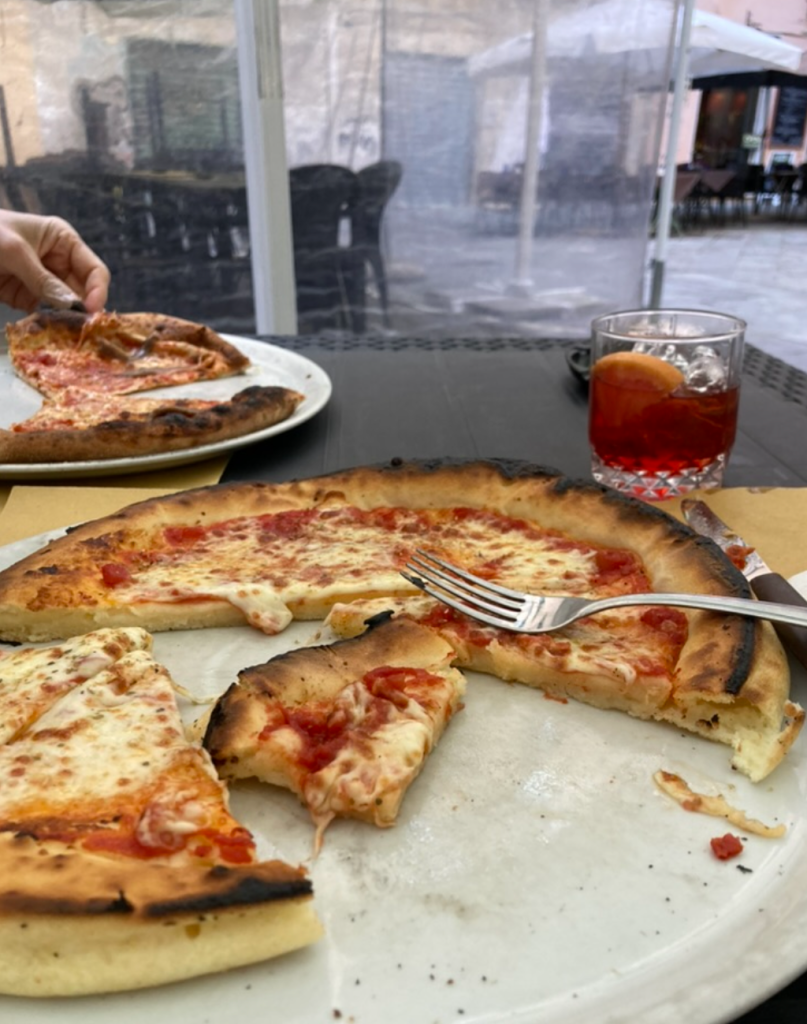
We survived the ride without a sniffle, which was good because we needed our stamina to traverse Genoa which is built on a terraced coast between the Mediterranean and the Ligurian Mountains. A lot of mountain goat walking up and down steep city streets and steps.  The port, the twisting-narrow streets, the old villas, the crumbling apartment buildings built into/on/around hills were interesting, nothing extraordinary but we were in Italy, so it was all good. Of course, our first meal in Italy was pizza (and a Negroni), but the pizza was just… okay.  The pizza in Marseille was better, so we regret not trying French tacos -maybe not. https://en.wikipedia.org/wiki/French_tacos

What was extraordinary was the Monumental Cemetery of Staglieno (aka Staglieno Cimitero Monumentale).

When do you order these? Is there a showroom where you select? Do you order years before your demise?

It was like a Michelangelo inspired Colma https://www.atlasobscura.com/places/colma-necropolis

After 2 nights in a small family run hotel (with this ceiling in an otherwise rather basic room) and walking 13 miles up and down, it was time to move on. It was really hard to decide where to go next considering the overwhelming plethora of websites, travel forums, family/friend’s recommendations and old Italian movies. The villages of the Cinque Terre constantly came up as a “must see” for the sea, shopping and dining out but it was too cold for the sea, we don’t shop or dine out plus these towns basically shut down for the winter.

Based on train travel options and the goal of visiting a Tuscan, walled city, we decided to just ride the train through the Cinque Terre on our way to Lucca.   Unfortunately the train that actually goes through the Cinque Terre is a special express train, and instead, our train just went through more tunnels.  There was about a 20 second glimpse, it was truly eye opening and magnificent. 

After our tunnel vision of the Cinque Terre, we made a quick stop in Pisa where we changed trains for Lucca. A 15 minute walk through town and you round the corner and THERE IT IS. Surreal and lopsided. We’re in Italy. The tower, cathedral, baptismal building surrounded by a castle wall. It was a medieval enclave populated by a circus of tourists, all making silly poses.

It was spectacular.

Twenty minutes later, we were in the medieval walled city of Lucca. It was walled, sedate, and rainy, very medieval level of excitement. We walked in the wall, on top of the wall, within the wall and outside of the wall. After three days we hit the wall.

But all was good. Our place had a washing machine, there was window shopping, repurposed buildings and Kiss was coming to town.

From there we knew all roads lead to Rome.

San Frenchisco (?)


Our only plan for this entire trip, besides dog sitting Chocho Choco in Spain, was to see Italy.  Other than a day trip to Trieste from Croatia, Patricia had never been.  But to get to Italy from Valencia we needed to go through France.  We always seem to just see the edge of France: Calais, Strasburg, and Metz.  So Marseille fit our pattern of peripheral France, plus it was halfway between Spain and Italy and there was a cat sit with four cats, so Marseille it was. Turned out to be a great choice.  We didn’t do anything different than we do in other cities, we just walked around.  Usually we’ll go in and see churches (mainly because they are everywhere, they’re big, and they are recommended), we’ll walk up to a museum or an attraction and debate if we should go in. Usually, it’s a no, and so then we’ll walk around some more. 

Coming to Marseille, we entered a radically different sphere; from a large, bright apartment with one old dog on the edge of Valencia to a somewhat dark, city centered apartment where you could not open the windows for fear of a cat jumping out (we were told that two of the cats had done it).  Four cats; Brothers Sterling and Poopie, rescue cat Fruit and her son Pickle; on the 2nd floor in a classic Haussmann apartment ( that is the how the cat owner described the apartment, explained here https://www.thespruce.com/what-is-haussmann-architecture-5180196. )

clockwise from bottom left: Fruit, Pickle, Sterling, Poopie

Patricia, trying to minimize the cat allergies she decided to ignore when we accepted the sit, slept in the freezing bedroom, while Nick slept in the freezing living room or tried to sleep as the nocturnal cats vied for position on the favorite chair or used Nick as a launching or landing pad. But Marseille was great, despite or partially due to the cats, apartment and well, Marseille. 

Marseille is an ancient city with it’s Africa-facing port attracting a revolving door of settlers, starting with the Greeks and Phoenicians who left their mark by establishing Marseille’s still-in-place street grid. Each subsequent conquerer destroyed, remodeled and built (well, like most European cities). This background coupled with the constant wave of immigrants, creates a very eclectic, vibrant and chaotic city.  We heard a world of languages as we walked through narrow cobble-stoned streets and wide Haussmann designed Paris-style boulevards, dodging dog poop which was everywhere.

We walked along the windy Mediterranean and climbed the Calanques on the east end of town.

Passed trendy chain stores, tiny stores selling cheap knock offs, through flea markets lining boulevards of beautiful buildings, and iconic buildings including Le Corbusier’s Unité d’habitation. https://en.wikipedia.org/wiki/Unité_d%27habitation . (far right)

We encountered huge monuments and statues, some traditional, some a bit confounding, like a 13 foot David located in the middle of the Le Prado roundabout, for the full view but with the risk of getting rear ended? “Not far from the beaches, it is the landmark that announces the sea, the beach, swimming but also surfing sessions....” according to tourism Marseille. Well, now we don’t need to see David in Florence.

A high point was stumbling on the zoo. This zoo was created in 2013 (by a 4 year old?) from the abandoned zoologic gardens that had been in existence from 1854-1987. While this zoo looked a bit pathetic, it was pretty fun being surprised by it.

We walked up to the ritzy area overlooking the city and down to the old port and adjacent Le Panier area, the traditional and current home of new immigrants.

It’s hard to pin point why we like one city, Marseille, more than another, Valencia. It is just a gestalt. Marseille kind of felt like San Francisco (Hello Lisbon!) it was kind of familiar-a port, hilly, an abandoned prison on an island in the Bay, great diversity, and even very good sourdough French bread. Wish we could figure out the algorithm, might make it easier for us to find a house.

Love and Travel in the Time of Covid*

*apologies to Gabriel Garcia Marquez.

We were diligent.  We are diligent.  When it first started we wore gloves and masks to go for walks, double, even triple masks.  We made masks.  We washed our bags of tortilla chips before we opened them.  We waited days to open the mail.  We avoided friends and family, now with a legitimate excuse. We carried and used hand sanitizer multiple times a day.  We washed our hands incessantly until we needed moisturizing cream.  We’ve gotten five vaccinations. Even mixed them up to give wider coverage. We knew travel was dangerous.  We lived in a van.  We knew travel to Europe was dangerous, but unlike the US, Europe loves vaccines and masks.  We were going to Spain which has one of the lowest rates in the EU

We continued to wear our masks, wash our hands, use hand sanitizers, not go to restaurants and avoid people.  But, we still got Covid.  Well, Patricia did, in Valencia, the healthiest city in the healthiest country in the world,(https://www.cntraveler.com/gallery/healthiest-countries-in-the-world) Fortunately, it was very very mild and towards the end of our 3 week stay.

We went to Spain to pet sit a dog, no other reason.( We could have stayed home, except we are homeless.) Chocho, his name was changed to Choco in Spain, because in Spain, Chocho is a derogatory slang term for female genitalia,  but in Argentina, where the mother of the family we sat for is from, Chocho means a happy go lucky person.  We first met Chocho Choco in Providence, RI last June for a pet sit. https://chosenfugue.wordpress.com/2022/07/06/the-dog-days-of-summer/  The family moved to Valencia, Spain a month later and asked if we could pet sit over the Christmas Holidays for them while they traveled to Buenas Aires.

We had a sweet setup, almost 3 weeks in an eighth floor penthouse apartment (4 bedrooms, helpful during Patricia’s quarantine) in an ideal location, near the university and the Valencia FC stadium. The historic center was just over the bridge, well, actually there were many bridges to chose from that went across not a river but a huge park, Jardin de Turia, which used to be a river.

The river was diverted after a massive flood in 1957 and replaced with a 9 km park which includes the City of Arts & Science Center and Aquarium ( can you see the guy cleaning the artificial river in the right hand picture?),

Gulliver Park

and a ton of different paths- for runners, for scooters, dog walkers, walkers, strollers, we actually never really figured out which lane was ours (analogous for life in general?).

Because Chocho, Choco loved walks we would wander 2-3 times a day for about an hour at a time.  He had favorite routes; past the large Futbol stadium, through the park and specific neighborhoods.

We were in Valencia just before Christmastime until Epiphany (January 6), the streets were packed (possible source for Covid exposure, although mysteriously we did not see the building’s doorman for a few days just before Patricia got it ?).  Valencia captured all the European tropes with a Spanish twist.  Tons of parks, countless beautiful stately buildings surrounding plaza after plaza with cafe after cafe,

Impressive train station, in Valencia, decorated with orange-tree tiles and adjacent to a bull ring,

Wide sandy beach (although it was too cold and windy to spend time at)

Wonderful trees, many full of noisy parrots

Our last night, spent in separate hotel rooms due to Covid precautions (Nick never got it), was Epiphany (January 6) which is the actual Christmas celebration in Spain, and it was a celebration. Fortunately we stayed in the heart of Valencia.

We thankfully were there at the annual shaking of the Valencia orange trees lining the streets (12,000 orange trees!) .https://www.dreampropertiesvalencia.com/orange-shaking-in-valencia-a-must-see/

Since we are looking for a city to make our own, we are constantly asking “could we live here” both in Europe and the US. Valencia has a very large American ex-pat population which is understandable as it is a charming, pleasant city. Comparing any city to another city often feels like comparing apples to oranges, just too many differences. For us, though, while Valencia was sweet, it was overall not that appeeling.

Moor, please

Thankfully the rain stopped before we headed out to Granada from Seville. (https://chosenfugue.wordpress.com/2022/12/26/ready-for-moor/ ) As with Seville, our stay was outside of the center of town, and again in the trendy area, chosen not due to it’s Silverlake/Bushwick vibe but due to it’s proximity to the Alhambra. On our walk from the train station to our place we wandered through pretty much all of Granada, thanks to Google maps. Granada, like most of Spain, seems to have more street names than streets, so every few blocks, the name of the street changes and sometimes we followed along with it, other times not. Further complicating our progress was that usually 3 to 6 streets veered off every plaza. Which diagonal street was the little blue arrow pointing us towards? Other times it was hard to tell what was a street and what was a driveway.

Tickets for the Alhambra were time sensitive, so we booked the first time slot of the day, thinking that this was Spain and dinner begins at 9 or 10 in the evening, so no one was going to show up at the Alhambra at 9 am. We gave ourselves 30 minutes for the 800 m walk from our place to the entrance, because it was straight up. We actually did the walk quickly (well Nick did), and used the rest of the time to get lost. We did make it to the entrance on time, and yes, we were right, it was pretty empty.

Building the Alhambra was started in 1293 by the first Nasrid emir. It was a perfect location on a hill at the base of the Sierra Nevada, the site of earlier fortresses. 360o views.

The Alhambra was really a little city with palaces (6), military fortifications and barracks, worker’s quarters, gardens, baths, and Mosques. It had it’s own rather sophisticated water system. Of course, Ferdinand and Isabela eventually took it over and, of course, did some remodeling. With each subsequent inhabitant or conquest, more remodeling was done, and eventually even Napoleon got involved using it as a fortress and attempting to dynamite the whole thing when he left, but he came up short. An earthquake caused more damage. It was abandoned and became a tear down. Finally in the early 1800s a full restoration was started, and continues.

We will leave the rest of the story to pictures.

The walk back down was a bit more relaxed as we wandered through the Moslem quarter and then along the river back into the center of Granada.

We finished our southern Spain tour in monumental fashion, now off to Valencia.

Ready for Moor

The trip almost did not get off to a flying start.  Literally. The attendant at at the Iberia Airlines counter at Logan Airport in Boston gave us a scare when she said we couldn’t fly to Madrid unless we showed proof that we were returning to the US.  It was our old friend Schengen https://chosenfugue.wordpress.com/2018/10/07/schengen/ telling us to prove we would be out of the EU by 90 days. We ran outside and booked some random return tickets, although neither the attendant or passport agent subsequently asked to see the newly booked tickets.  Eight hours later, upon landing, we canceled the return flights, because we have no idea what we’re doing. (travel tip: all flights departing or arriving in the US have a 24 hour grace period).

Returning to Europe after 3 years, https://chosenfugue.wordpress.com/2021/10/01/let-the-fugue-begin-again-2/ it looks the same (as it has, more or less, for 600 years). We wasted no time, arriving at 5:00 am in Madrid. Although, everyone was masked on the plane (thank you, Iberia) but not during meals, we opted to stay masked and wait to eat, so we ate our saved airplane food while waiting for the the bus to take us from the airport to Atocha, the Madrid train terminal (every train station should have a little forest).  Luggage stored followed by a quick 30 minute train ride to Toledo.

Toledo, the home of El Greco, was once a thriving center where Jews, Muslims and Catholics all lived in harmony; until about the mid 1400’s when Ferdinand and Isabela defeated the Moors in the Granada War, then ran all the Jews and Muslims out of the lower half of Spain (Andalucia). Following that, every mosque or synagogue was converted to a Catholic church. 

Unimpressed after our few hours there, tainted perhaps with jet lag, rain and anti-religious sentiments, we left Toledo, returned to Atocha, got our bags and headed to Seville, our Andalusian base for a week. Which turned out to be a week of rain, hard flooding rain.  As My Fair (weather) Lady Julie Andrews warned us “the rain in Spain stays mainly on our plans”. But, we were prepared.

The heavy rains and flooding changed our plans of day trips (Cadiz, Jerez and Huelva) so we decided to go with Plan B, appropriately on the feast of the Immaculate Conception. Since our travels were covering Catholic conquered Moorish lands, we went all out and did The Holy Trinity of Andalusian tourist sites, Alcazar in Seville (the Father-dates back to 11th century), the Alhambra (the Son-dates back to12/13th century), and the Mezquita in Cordoba (the Holy Ghost-easily the most spiritual and oldest dating back to late 900’s).  We started with Seville.

Seville was extremely walkable. We stayed on the outskirts of the tourist area, which was nice in that every time we walked somewhere, we could walk down a different street, past a constant stream of churches, cafes, plazas and strikingly beautiful buildings.

The Alcazar, conveniently located next to another Seville main attraction, the Cathedral,

was our introduction to Moorish tile and plaster work and was also the water gardens of Dorne in Game of Thrones (water seems to be a theme this week).

The wet weather was a suitable exchange for visiting this major tourist attraction without the crowds. We followed up with a super lovely walk through the Plaza de España (built in 1928 for the Ibero-American Exposition of 1929)

and Maria Louisa Park (built between 1911 and 1929, and parts used for the movie Laurence of Arabia).

A short train ride took us to Cordoba for the Mezquita. Yes, it has been 500+ years since the Jews and Muslims were asked to leave, convert or die, but it still feels wrong to pay 11 euros to the people who offered those three choices to the original owners.  “Nobody expects (to pay) the Spanish Inquisition!”  So to address that personally, we chose to go to the Mezquita during the free hour first thing in the morning.

The Church’s “remodel” included little saint inspired nooks along the edges of the room, paintings and crucifixes but the draw to us was the building itself. Lucky for us, the free morning admission included dodging the marble floor cleaning Zamboni, which was a piece of cake after 4 days of walking through Seville’s narrow, narrow streets.

Cordoba, like Toledo, also had a rich history (pre 1492) of three cultures successfully mixed together. While the streets are not lined with Stolperstein as in Germany (https://chosenfugue.wordpress.com/2019/01/07/they-do-make-you-stumble/), the Spanish department of tourism started marking the streets with little bronze plaques in the Juderias (Jewish quarters/ghettos) for the Caminos de Sefarad (Spanish Jews). It does seem pretty odd that 500+ years since the Jewish quarters were emptied, they are still called the Judaria (Jewish Quarter) in all of the cities we visited (Toledo, Cordoba, Seville, Granada, Madrid) or will be visiting (Valencia, Girona, Zaragoza). We only saw one area noted as the Moslem quarter, even though it was ruled by the Moors from A.D. 711 until 1492. But that makes sense since then all of Andalusia would need to be called that.

Cordoba, like Seville, was also a filming site for Game of Thrones, apparently now a thing in our travels-https://chosenfugue.wordpress.com/2018/11/14/croatia-2-the-war-and-mostar/

Train back to Seville, hope the clothes have finally dried, then on to Granada. https://chosenfugue.wordpress.com/2022/12/26/moor-please/

Sitting Part 2: Animals, Animals, Animals

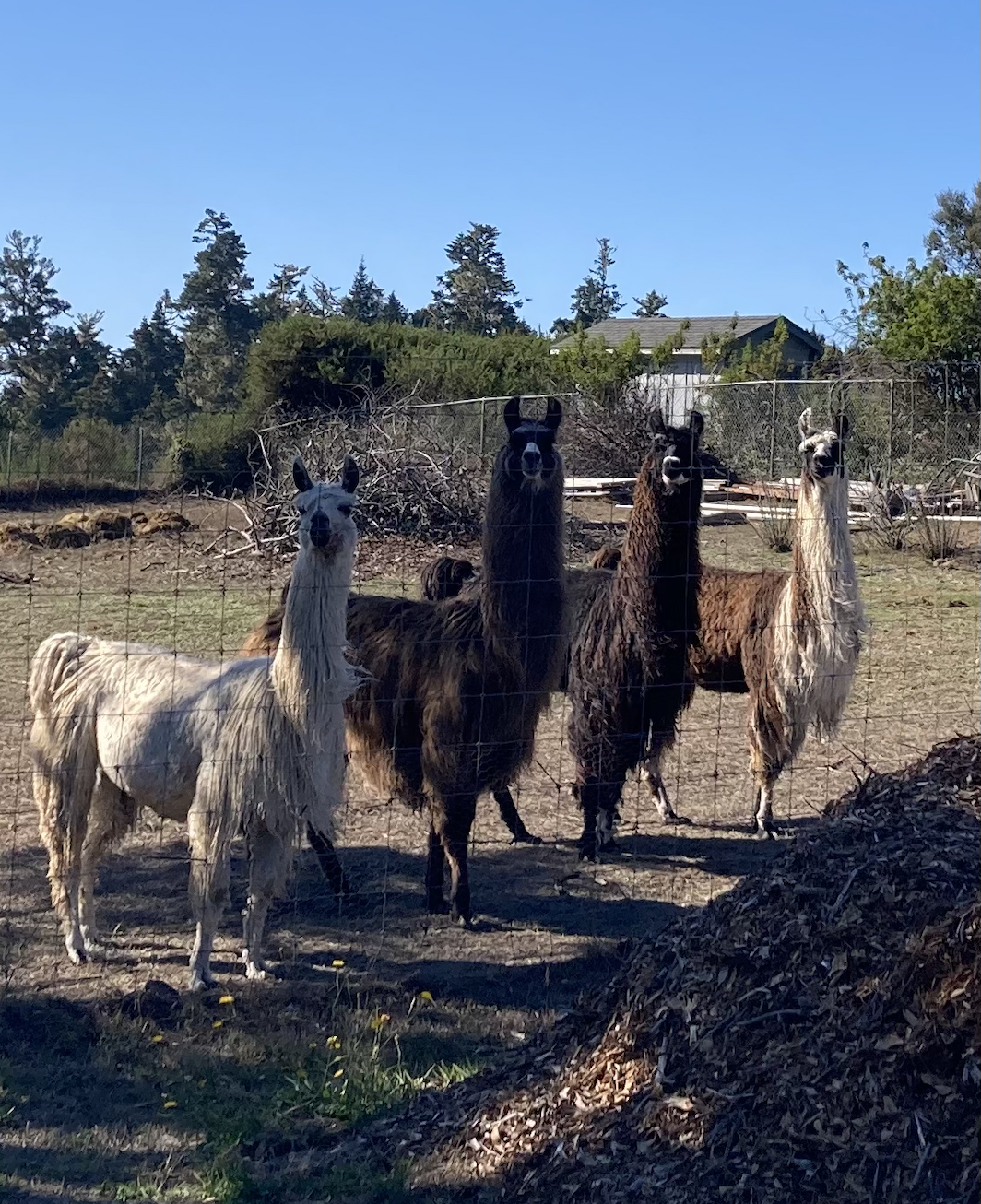
Over the last 6 months we have watched 15 dogs, 10 cats, 4 goldfish, 4 llamas and 2 horses. Each with very specific needs and schedules although Nick has successfully shifted everyone’s schedule to his. Unique traits included:

  • A dog that jumped out of a second story window, fortunately a week before we started the house sit and fortunately unharmed.  
  • A 12 year Labrador with diarrhea, also fortunately survived our sit (the most normal dog but maybe it was just because he was a labrador).
  • 2 indoor cats living in a 55+ retirement community near the home of the Yankee Candle headquarters, the home even had a candle with the aroma of a “California dog beach” called Sand+Paws.
  • A neurotic Australian Shepard mix that we couldn’t stop from constantly licking the kitchen appliances unless we played endless fetch in the backyard.
  • 2 indoor cats with an elaborate catio and multiple hiding places in the house so that we spent the whole sit searching for them.
  • A “barn” cat that we needed to search for each night to bring in before the coyotes found her.
  • 2 horses that we were unqualified to watch, one of the horses got a severe case of pruritus (itchiness) that required 22 Zyrtec a day, and a daily Aveeno moisturizer rubdown yet we all survived.
  • A spaniel with very short legs who needed her genitals wiped every other day, which the owner had spelled as gentiles in the instructions.
  • 2 small dogs that took over our bed each night by amazingly turning into 1 ton boulders that could not be moved when sleeping horizontally across the full sized bed. 
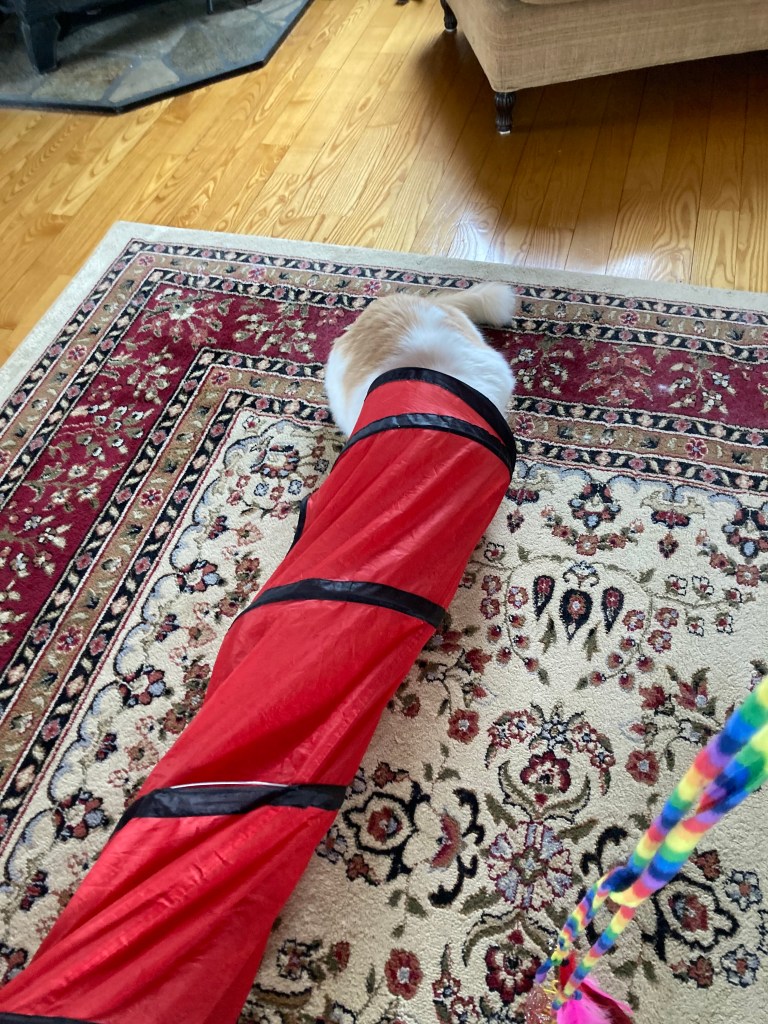
  • A cat who belonged to those 2 dead weight dogs, that we rarely saw because the owner had built an elaborate tunnel system for the cat utilizing the house duct system-because after 2 years, the dogs still terrorized the cat.
  • a Min Pin (she looked like a bloated chihuahua) , who eats primarily coleslaw and frozen vegetables tossed onto on the floor so she can remember being a street dog (raw cabbage? maybe the bloat is understandable). 
  • 2 Shih Tzu rescued from puppy mills, one who goes into the bedroom closet to howl for several minutes once a day, the other one was missing an eye.
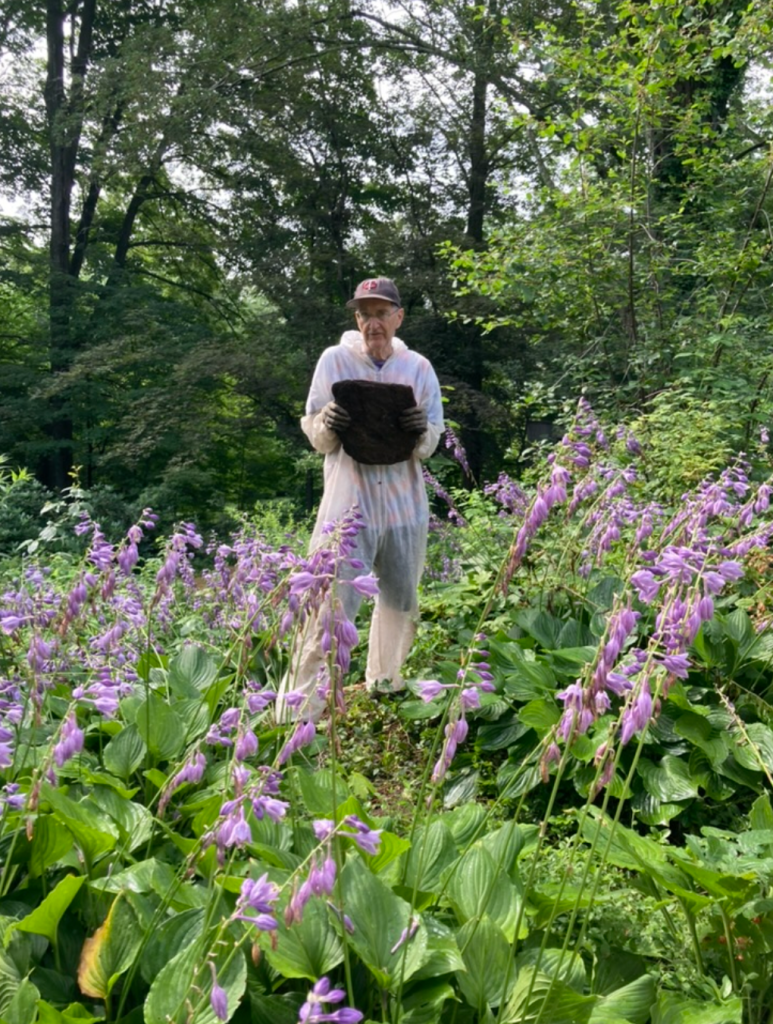
  • A house with no pets except pantry moths and mice, but we did have  a list of chores from the owner including clearing rain gutters, moving a compost pile, and clearing the house of pantry moths and mice. So, a pest sit.

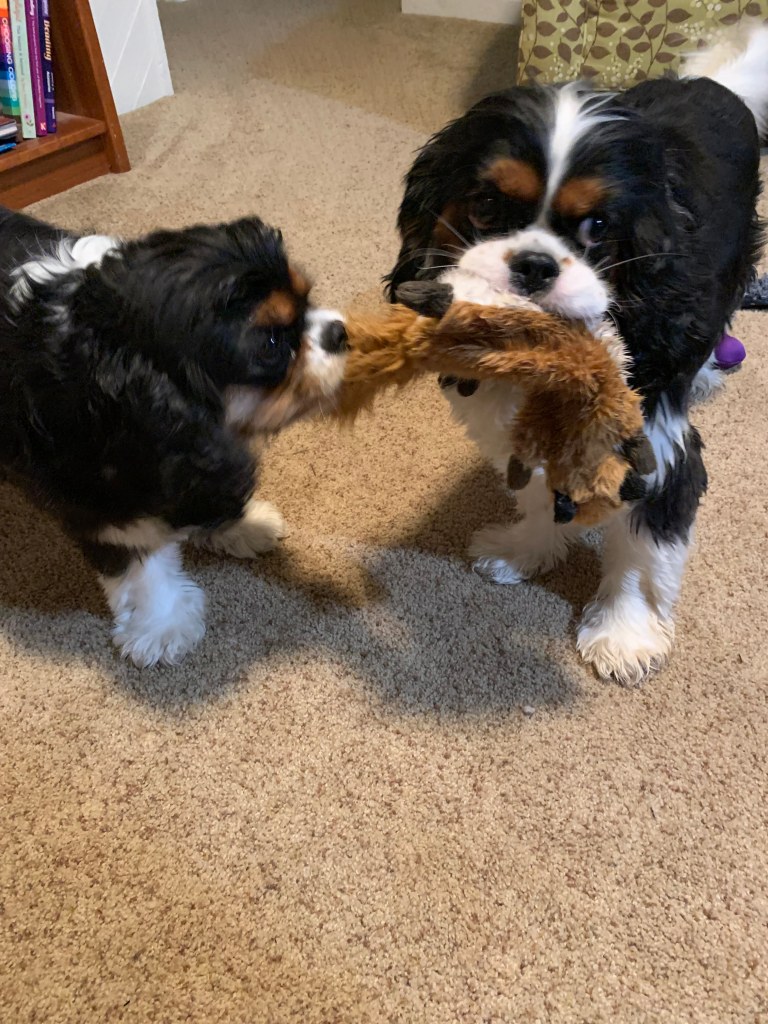
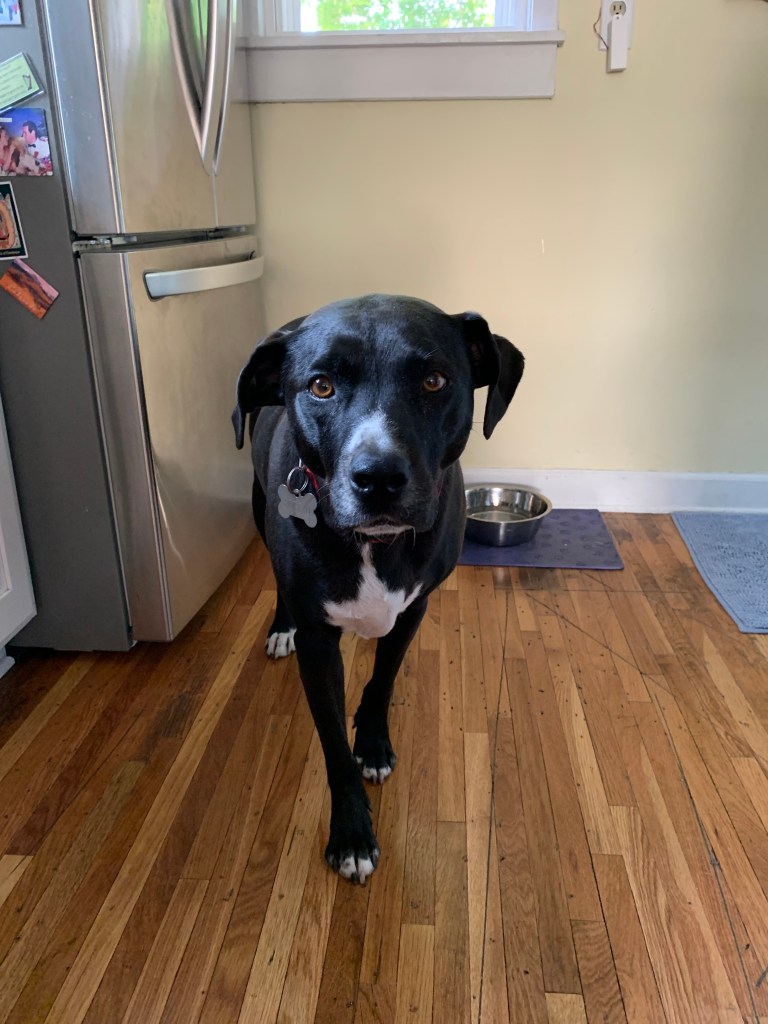
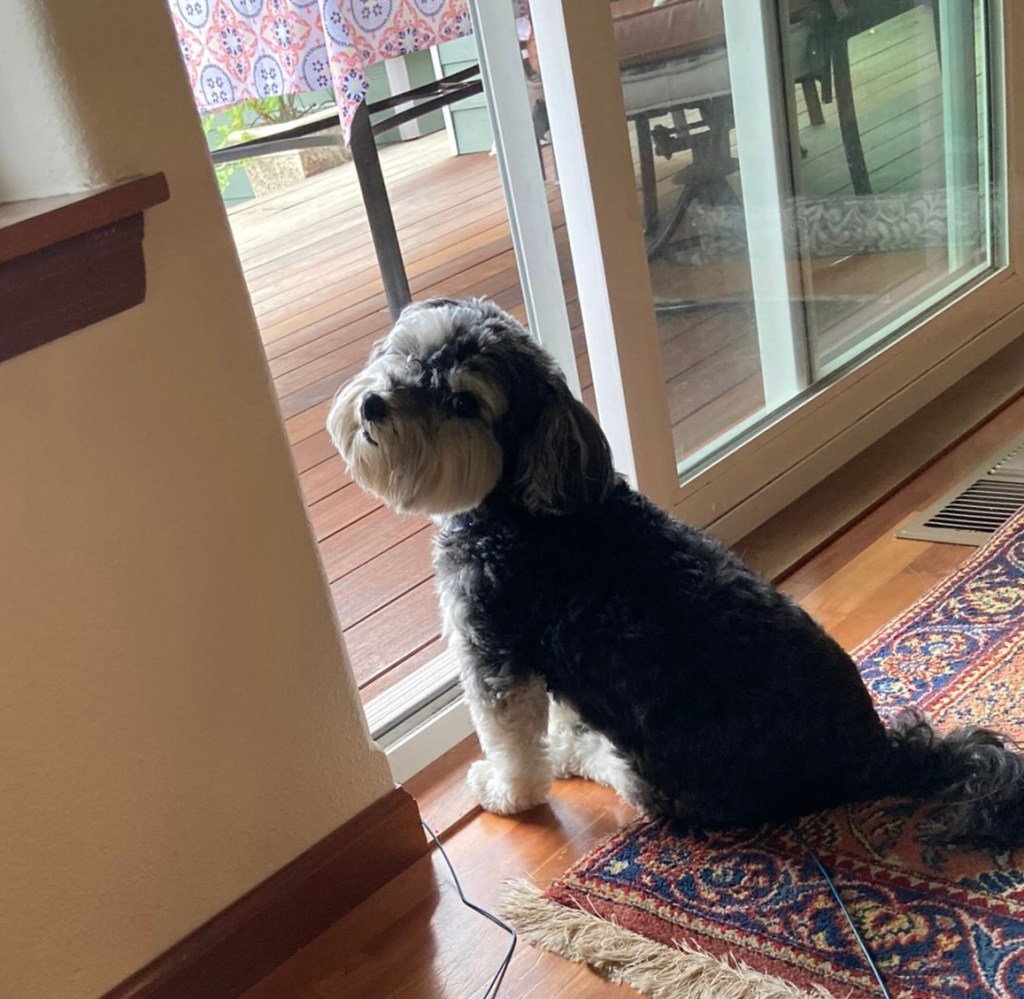
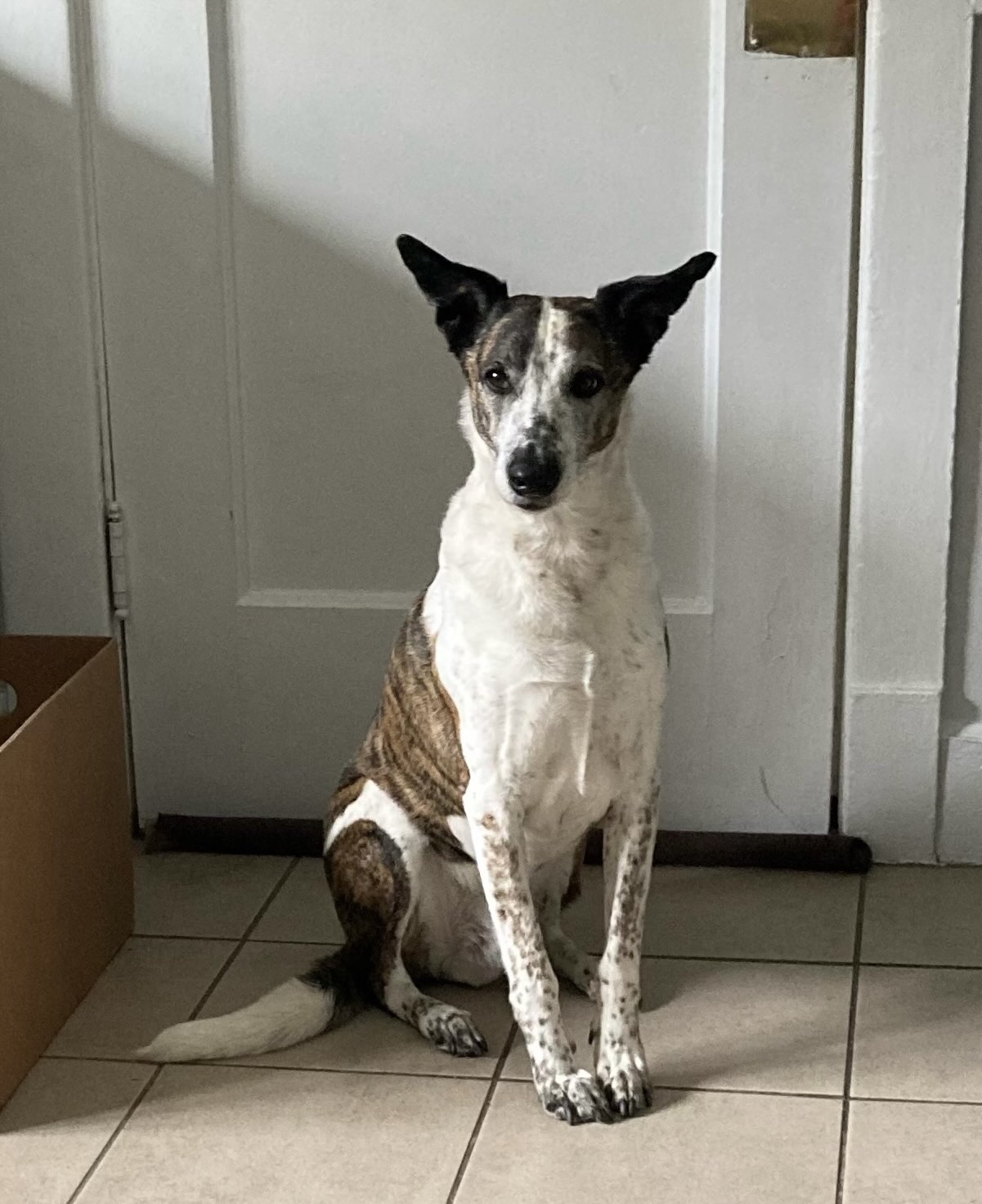
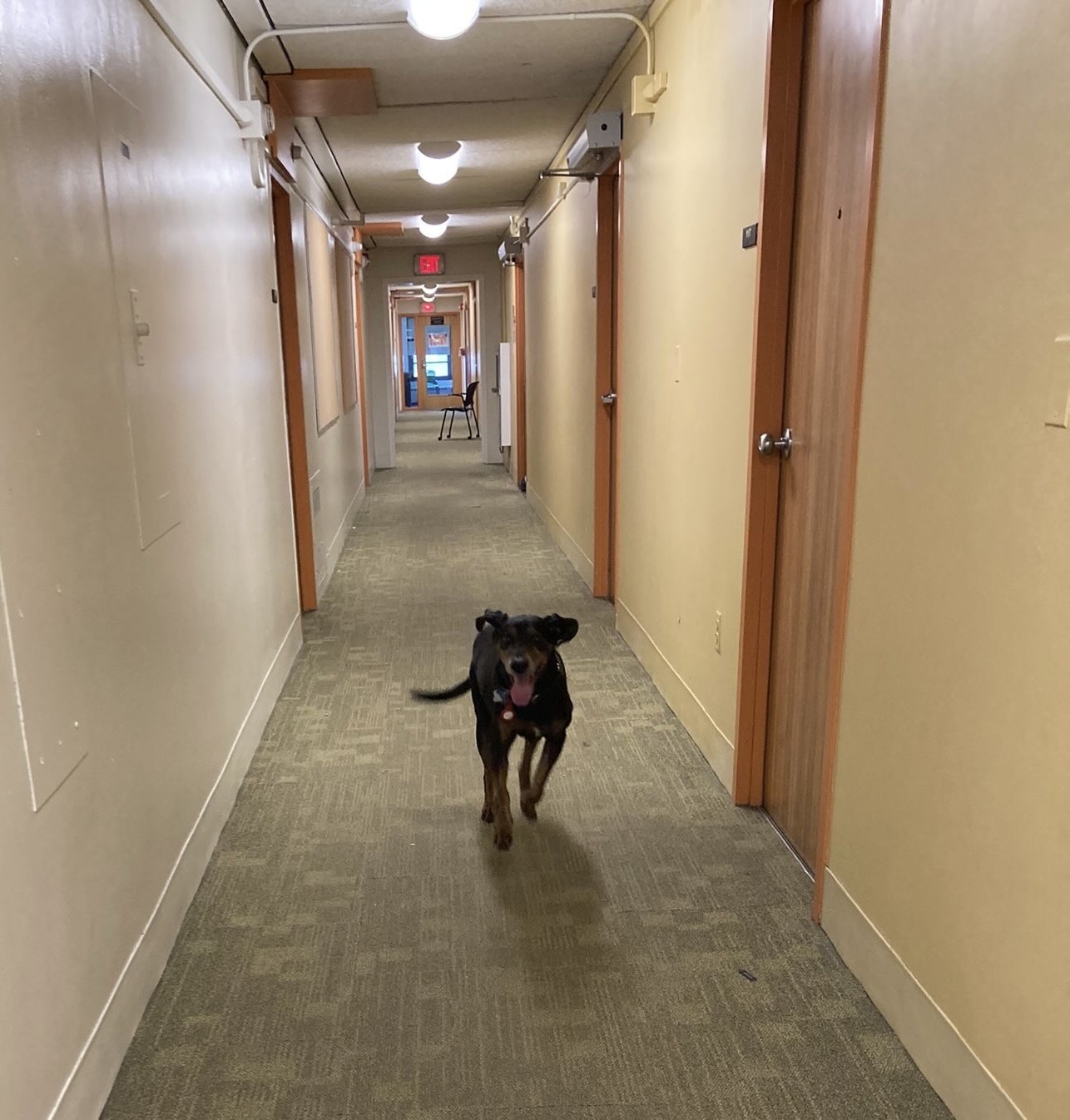
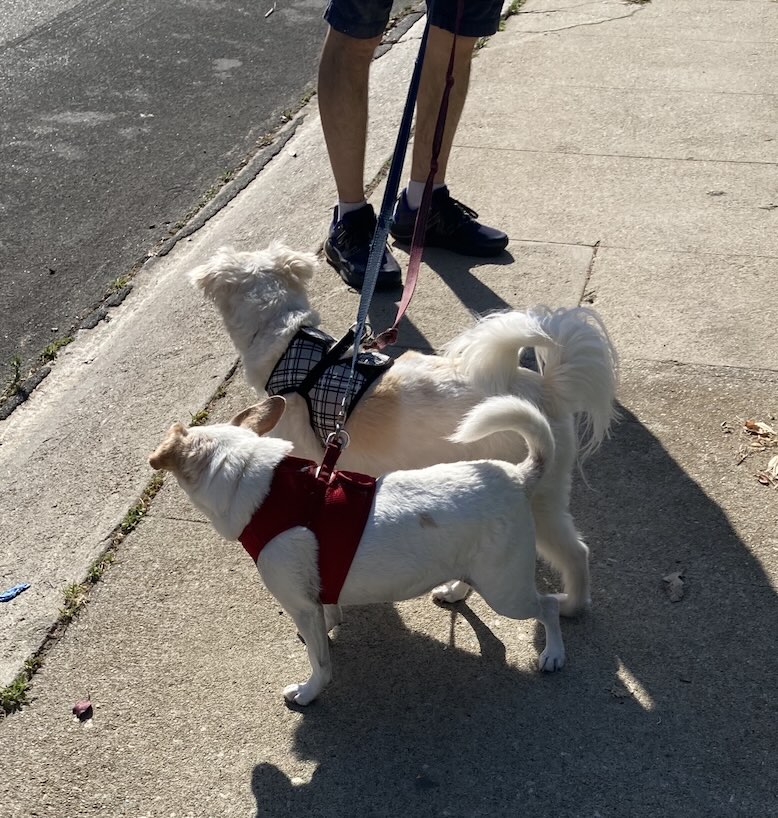
We do not know the names of the fish, but can you match the names to the dog? Stella, Dulce, Scout, Smokey, Nala, Harry, Darby, Izzy, Monty*, Roux, Osito*, Charley, Benji and Wendy. (*grand-dogs, so not really dog-sitting). Answers at the end of the blog.

And the larger mammals Pearl, Phil, Mac and Delphine plus Winston and Cocoa.

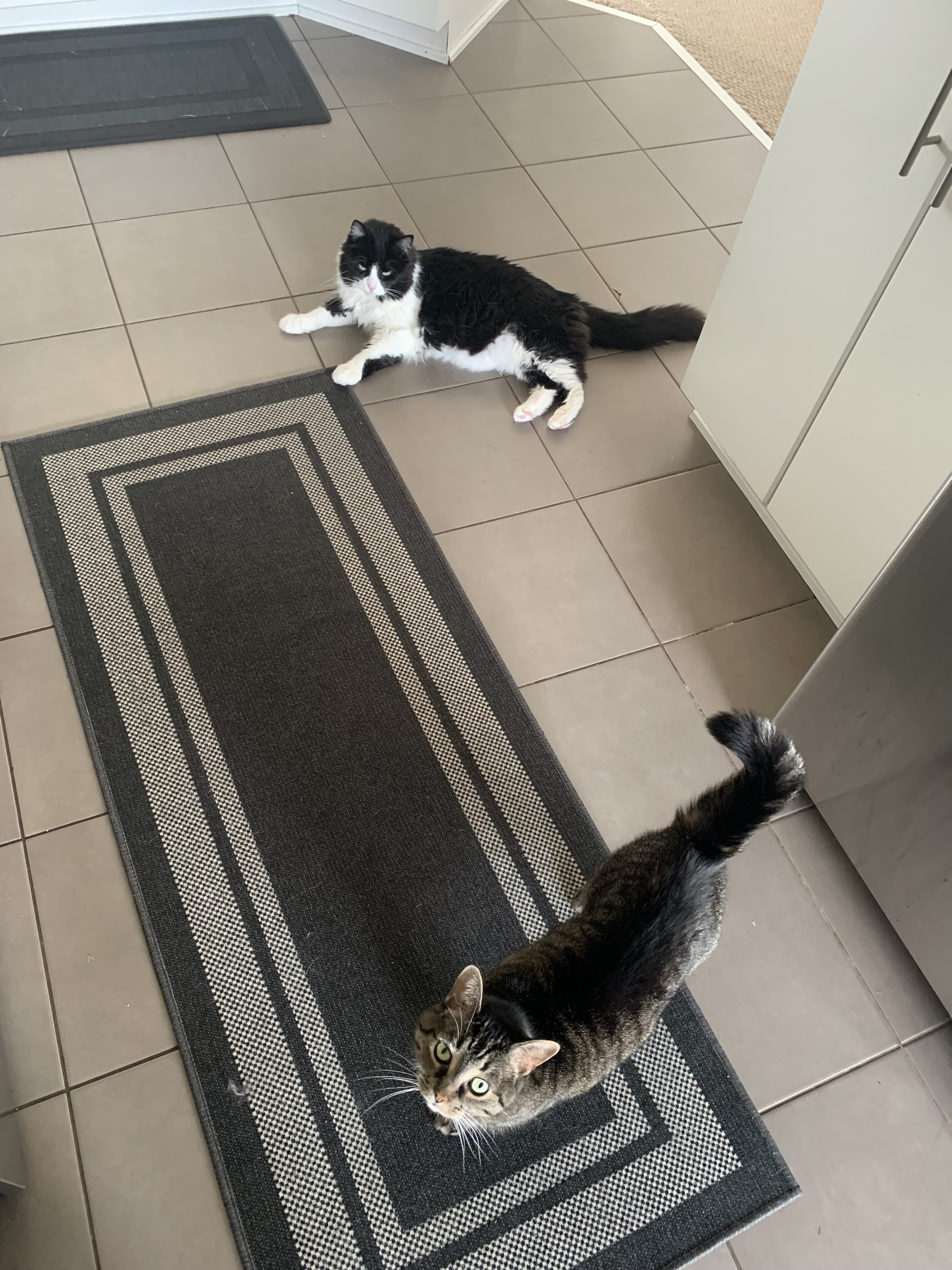
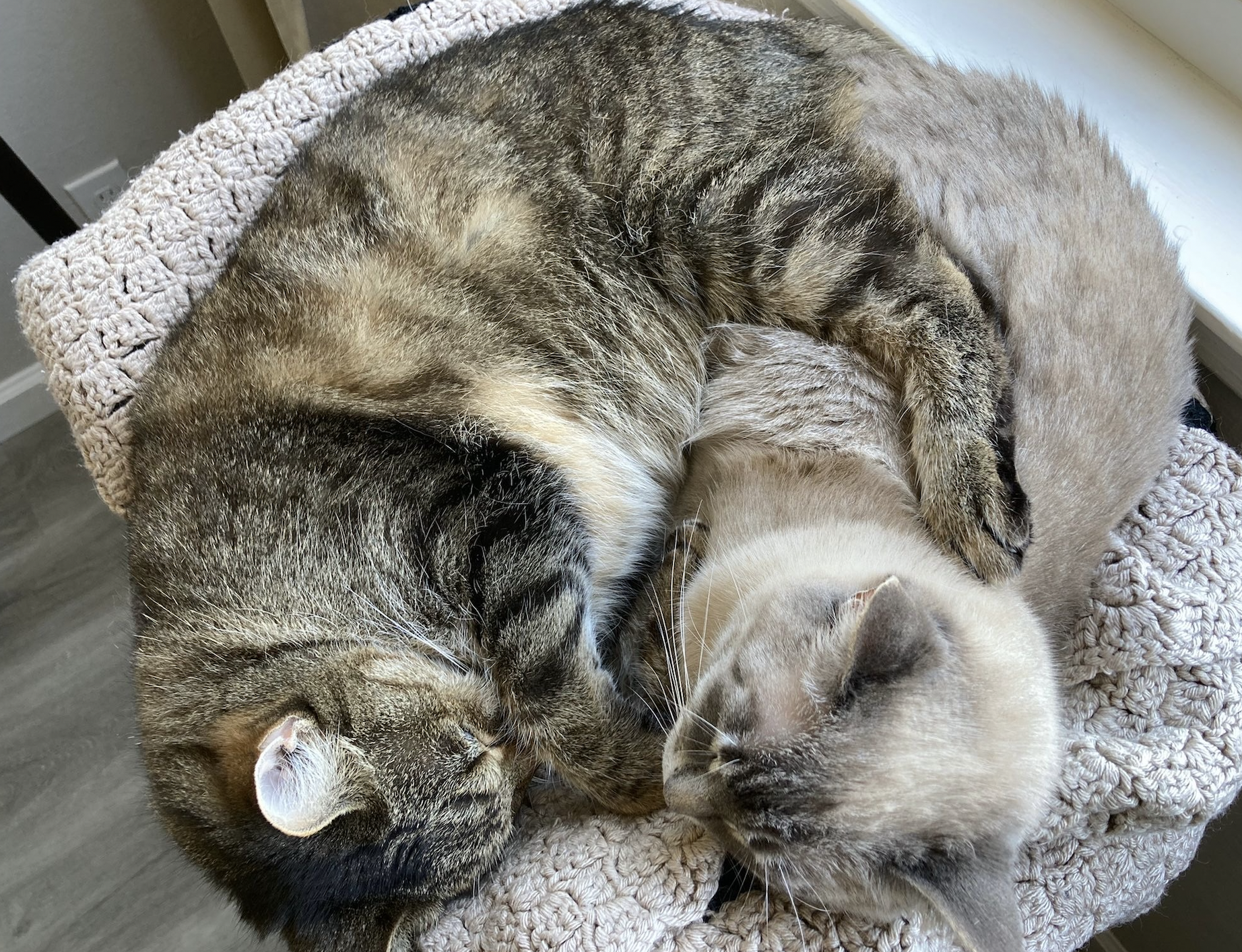
Plus the cats, can you match again? Lagatha, Simon, Piper, Edward, Taj, Tucker, Hazel, Mini, Kit Kat, Pixel and Taz. (Absent: Clementine). Answers at the bottom of the blog.

And finally our pest sitting whose names we did not know.

We did not have an opportunity to pet sit them, but we did visit our other grand pets and did not want them to feel left out.

Answers to the match:

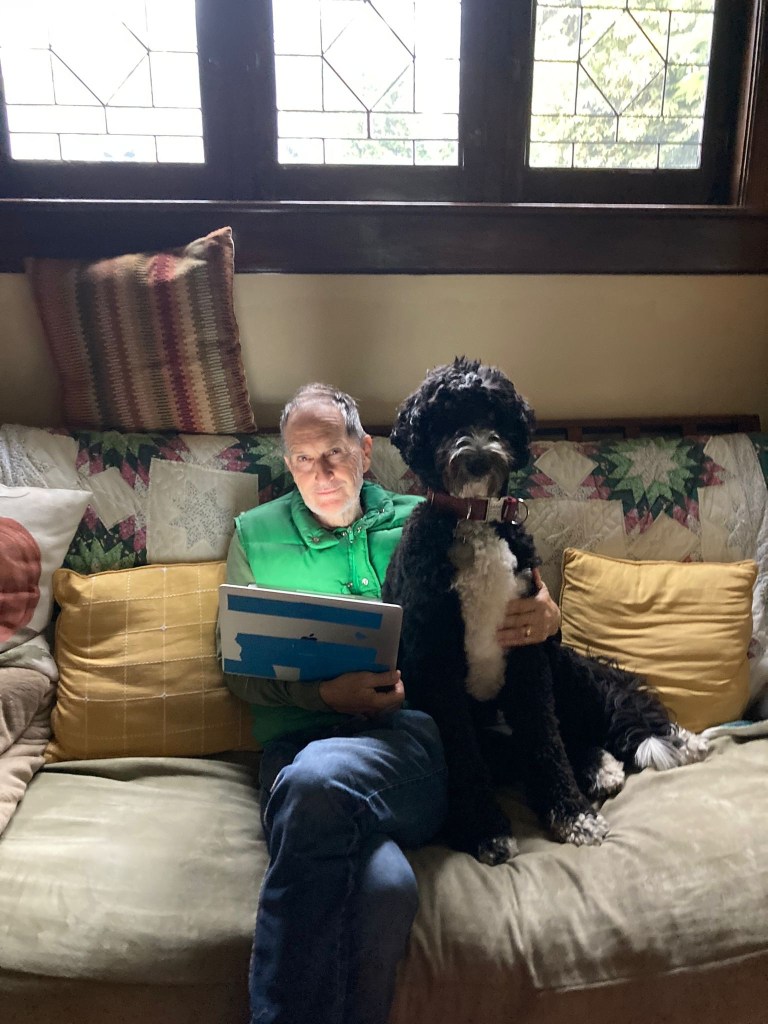
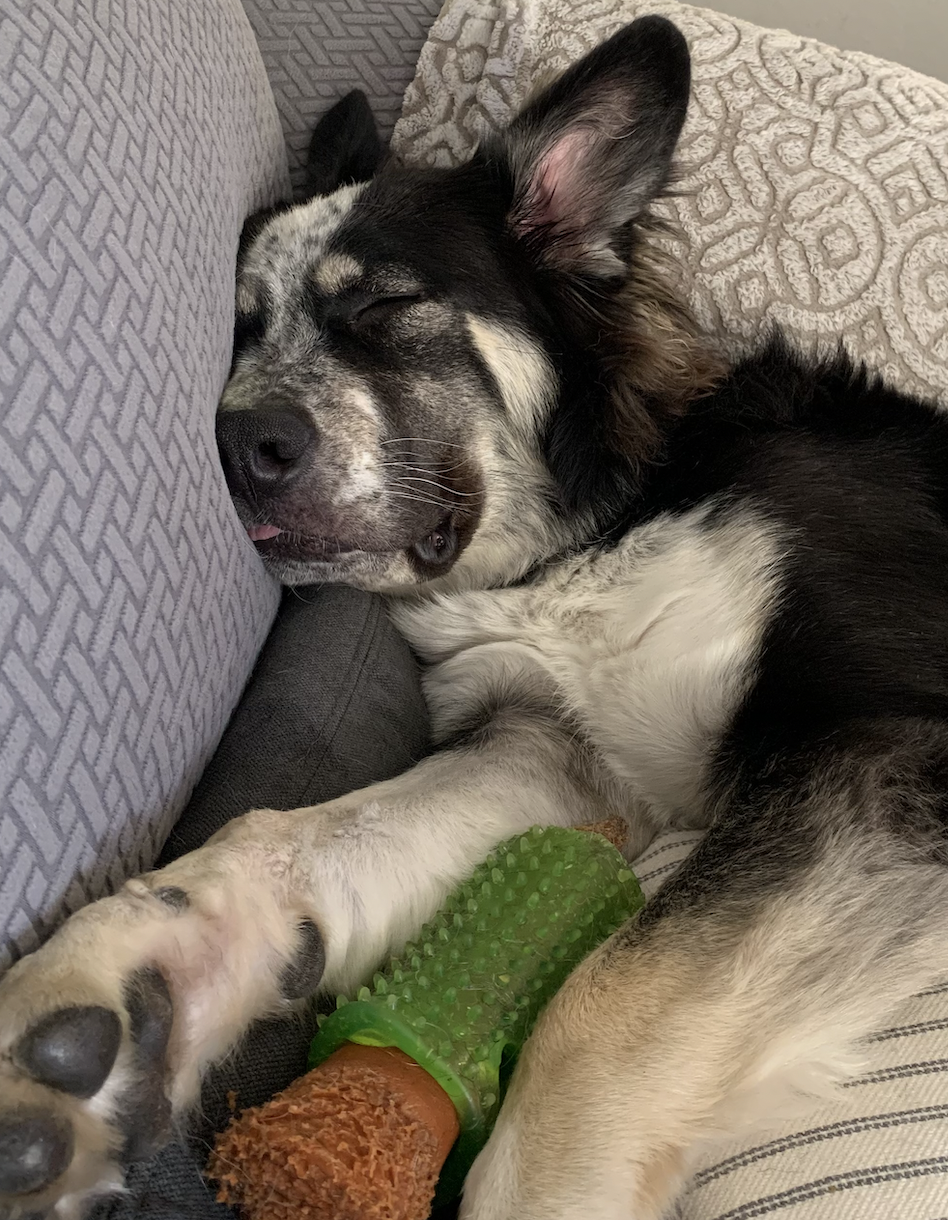
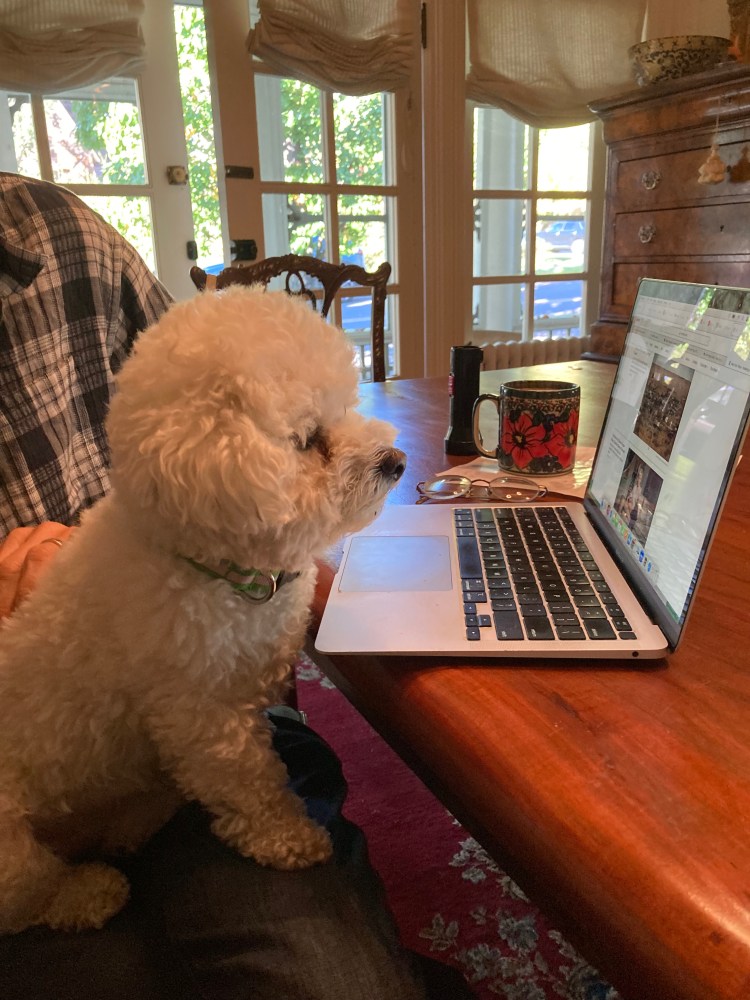
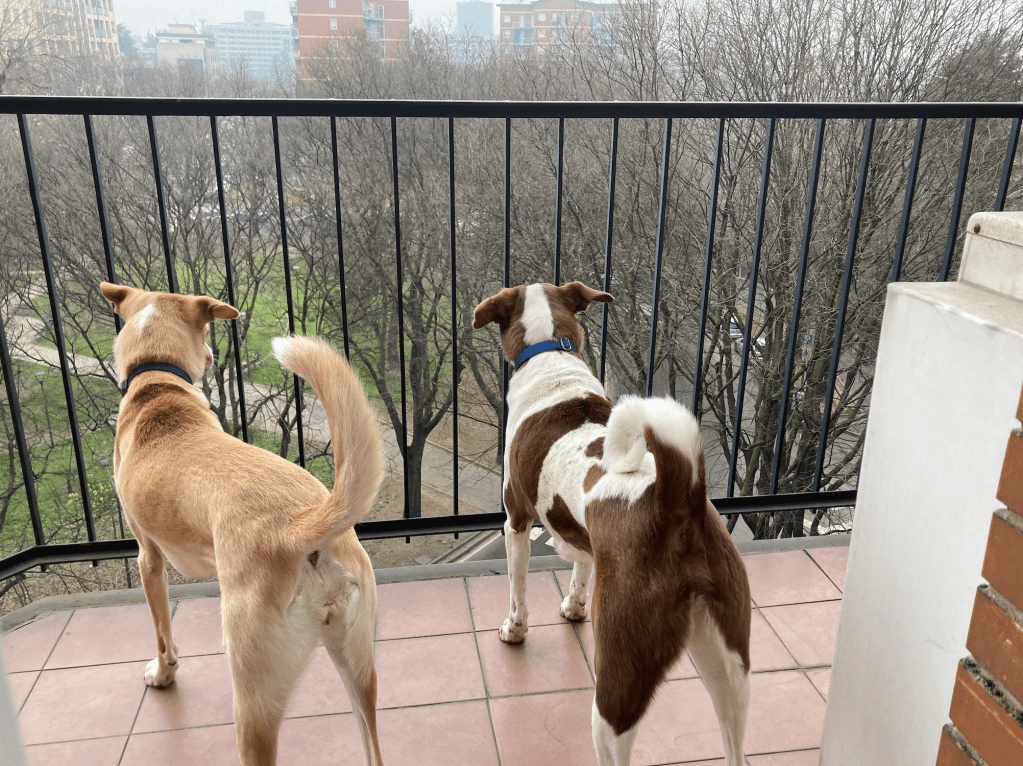
Dog names start at the bottom with one-eyed Stella and zig zag up. Cat’s names start at the top each line, left to right. The feature picture at the top is probably our favorite dog (not including the grand-dogs), Chocho (with Nick). Chocho invited us to watch him again in Valencia, Spain for Christmas so of course we are.

Anyone need a sitter? Just tell us where your pizza cutter is before you go.

Want to know more about where we sat https://chosenfugue.wordpress.com/2022/10/29/sitting-part-1-location-location-location/

Sitting Part 1: Location, Location, Location

After leaving Canada Dry ( https://chosenfugue.wordpress.com/2022/08/15/lohw-canada/) we continued our pet trail travels, eager to uncover the uniqueness of each place. The plan was to visit different places living as locals by animal sitting. As very responsible pet sitters, we never felt comfortable leaving the animals in our care for more than a few hours at a time, so the sitting part of this situation was very real. While some of the pets could walk as far as we could, others got winded after half a block. We have thankfully not done any cat-walking, although we have seen plenty of cats being walked on leashes. Further planting us in our house sits, is that we are carless and at the mercy of public transportation or our feet https://chosenfugue.wordpress.com/2022/05/15/van-gone/.

To visit family and to round out our Southern van trip last fall/winter, we covered Northeast, Mid West, California and Pacific Northwest. We have gone or will have gone from Los Angeles to Belchertown to Boston to Providence to Deerfield to Amherst to Minneapolis to Edina to San Francisco to Mendocino to Shoreline to Broadview-Seattle to Olympia to Fremont-Seattle to Steilacoom to Portland to Mendocino to Los Angeles to Valencia, Spain. https://chosenfugue.wordpress.com/2022/07/06/the-dog-days-of-summer/

Many places boast about being so unique or weird, but over the last 6 years of traveling, very few places feel distinctively or pleasantly weird. The motto for Portland (where we are currently sitting) is “Keep Portland Weird”. Actually, several cities have adopted this motto Austin, TX (which actually was the first to use it), Louisville, KY (what?), Indianapolis, IN (Really? Their twist on the slogan is “Keep Indy Indie”. Not bad but really?) and Internationally- Brno, Czech Republic (“Udržujte Brno divné”), that we agree with just for the spelling alone. Everywhere apparently wants to be unique, wants to be weird but if everyone is weird, does that become ordinary? It is all kind of silly and annoying, except for pet sitting. Pet sitting is truly weird, but pleasantly weird.

The truly weird. With each sit, we step into the houses and lives of complete strangers and begin to understand these random acquaintances in more personal ways. Completely bizarre and yes, a little creepy. A little uncomfortable to sit on their couches, put away their dishes or locate a pizza cutter in idiosyncratic kitchen arrangements. We need to figure out the TV remote(s), learn the trash and recycle schedule and what time the mail is delivered. We live in constant fear about breaking something or losing an animal. We slide into the daily patterns with their animals (although Nick successfully changed every pet’s feeding schedule, and walked every dog farther and more frequently than the dog wanted. Even the horses got up and out earlier).

We assumed odd animal routines, with the pinnacle being the dog whose breakfast included literally tossing a handful of coleslaw on the kitchen floor, followed by collagen sprinkled on canned tuna water, followed by spoonful of offal, followed by frozen vegetables tossed on the living room carpet.

The various owners have been a community theater actor, optician, christian pastor, long distance runner, collector of mid-century euphemia/tchackas, painter, realtor, TV news writer/on air personality, model railroad hobbyist, psychotherapist, former owner of a bowling alley, historical novelist, regular novelist, professional quilter, and a self-proclaimed groupie for the band the National.

The pleasantly weird. What is nice about pet sitting, is it is truly a mutualistic relationship, where both parties benefit. The best type of symbiosis.  We get to help someone go somewhere by watching their pets, watering their plants, picking up their mail, tidying their house or obliterating pantry moths (see part 2). We get to travel and live in a new place and they get to travel. After 2+ years of being home-bound, the travel for some of our owners was rather poignant and very needed.  A trip to see friends before another round of chemo therapy, weddings, a spiritual retreat, seeing adult children/elderly parents/grandchildren or just an escape.

While seeing bears out the window (https://chosenfugue.wordpress.com/2022/07/06/the-dog-days-of-summer/ ), was a definite highlight, we have had some other pretty lovely views.

East of the rockies…

West of the Rockies

Northern California….

Pacific Northwest

Los Angeles

The conclusion is that towns are not as weird as the people who live there. Or maybe it is just pet owners who are truly weird, not just us, and everyone is pretty weird in their own ways. No need to “keep” people weird, they just will be. But the weird people were kind, thoughtful, have a lot of shoes and don’t take care of their pots and pans well.

Pets watched here https://chosenfugue.wordpress.com/2022/10/29/sitting-part-2-animals-animals-animals/