Early in our 2026 travels in Sarajevo, we stood at the corner in Sarajevo where Gavrilo Princip assassinated Franz Ferdinand beginning WWI https://chosenfugue.xyz/2026/03/27/history-repeats-itself/ Fittingly, we wrapped up this round of travel where WWII began with Germany’s Polish invasion in Gdańsk September 1939. (Pics will look better viewed on the blog not the email).
Gdańsk was also fitting as the last city on this round, as it truly met or exceeded every characteristic of a northern European, ex-Nazi occupied, ex-communist country. Eastern Europe definitely is a type.
Gdańsk is a major seaport where the Motlawa River meets the Baltic Sea, a location so desirable, that since 997, it has been fought over.
The city has alternated between being Polish Gdańsk and German Danzig, but also with some Russian (mid 1700s) and French (short term after the Napoleonic Wars in 1807) control. The Prussian Germans retook the city in 1815 and had it the next 100 years. With this history, it was a bit of a challenge to determine what to do with this German Polish city after WWI. The Treaty of Versailles decided that Danzig/Gdańsk should be the independent Free City of Danzig, with Poland maintaining some military and shipping presence. But fairly soon after independence, the majority German population embraced the emerging Nazi party triggering a wave of anti-Polish laws and practices and pogroms/restrictions against Jews and Roma. It was not surprising that in 1939, Nazi Germany demanded Danzig be returned to them and when denied, as retribution, it was invaded to begin WWII.
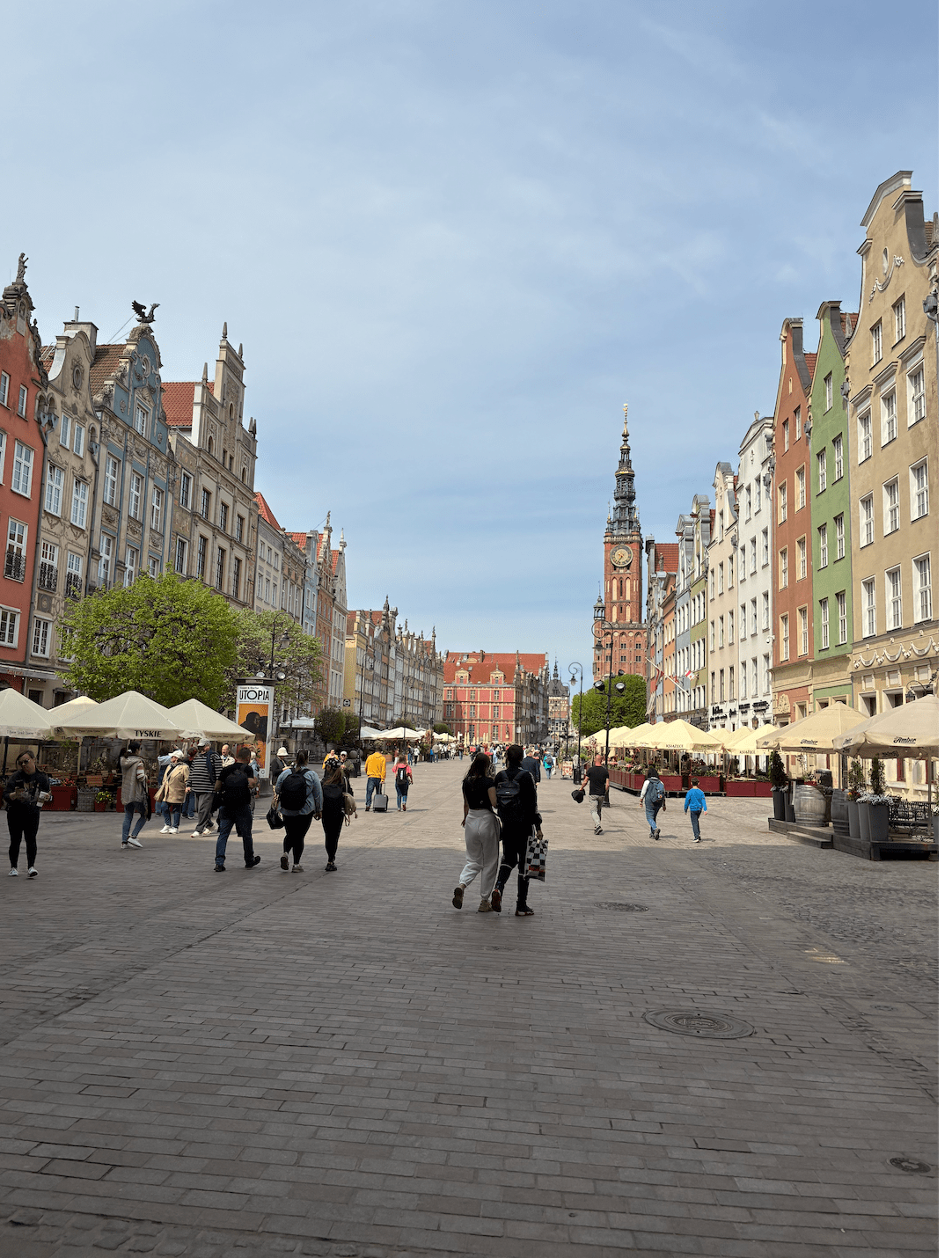
Of course, Gdańsk suffered greatly during WWII. Towards the end of the war in March 1945, Polish and Soviet troops captured Danzig/Gdańsk during a 2 week siege. The city was left in ruins. The remaining German residents fled, Poles who had been exiled in Russia returned and no Jews or Roma were left to return. During the 1950s and 1960s Gdańsk old town was rebuilt, but not as it was before the war. Reconstruction sought to minimize the “German character” of the city, instead it was built to reflect the Flemish-Dutch-Italian-French influences of the 1700s. A unique hybrid.
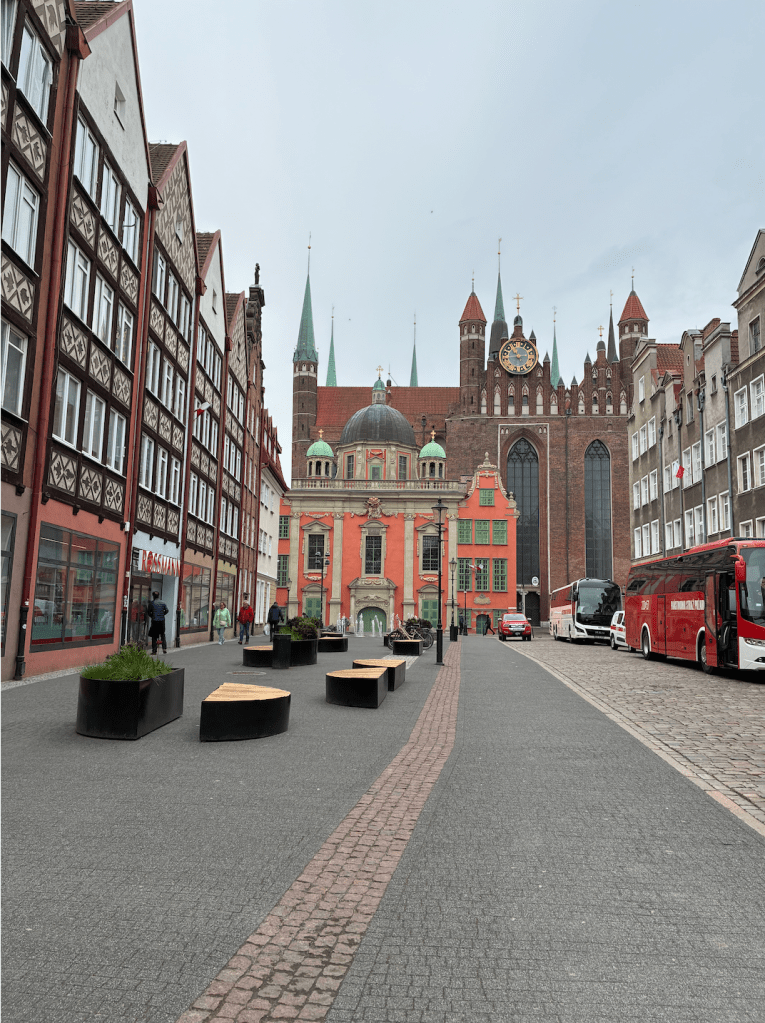

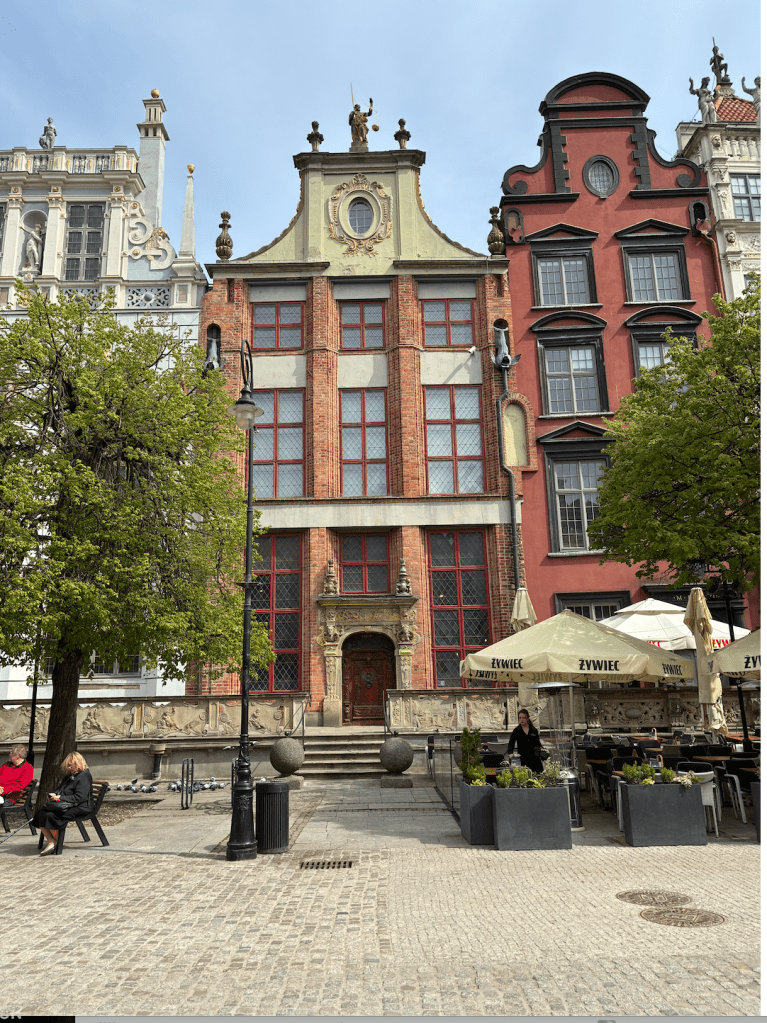
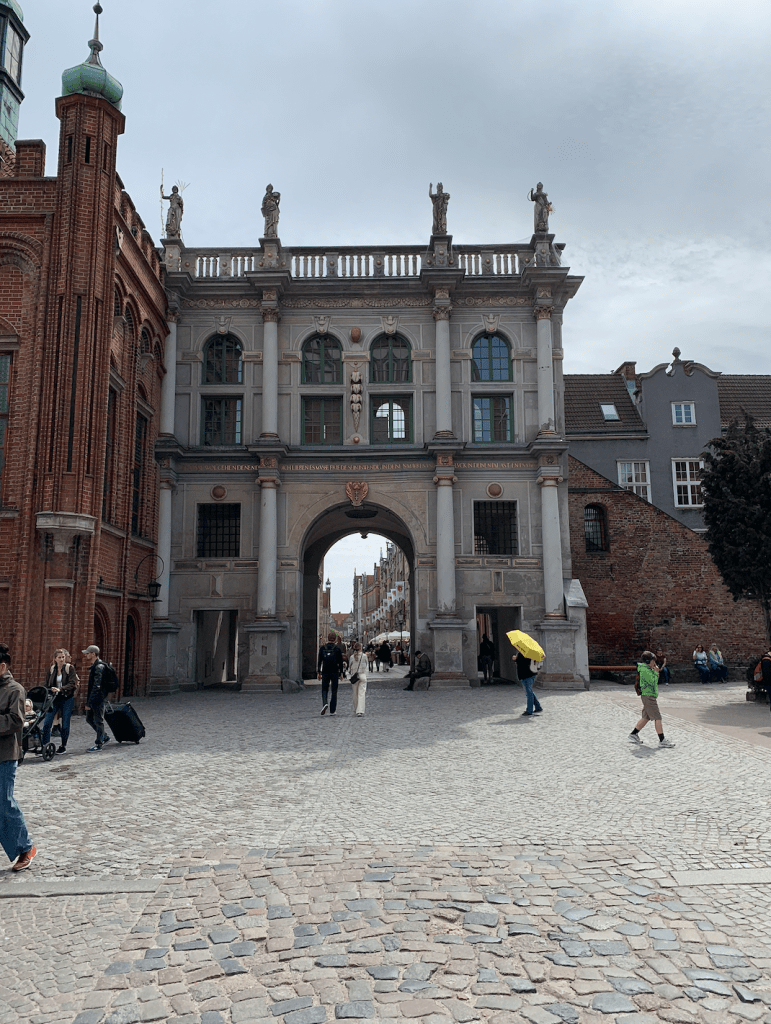
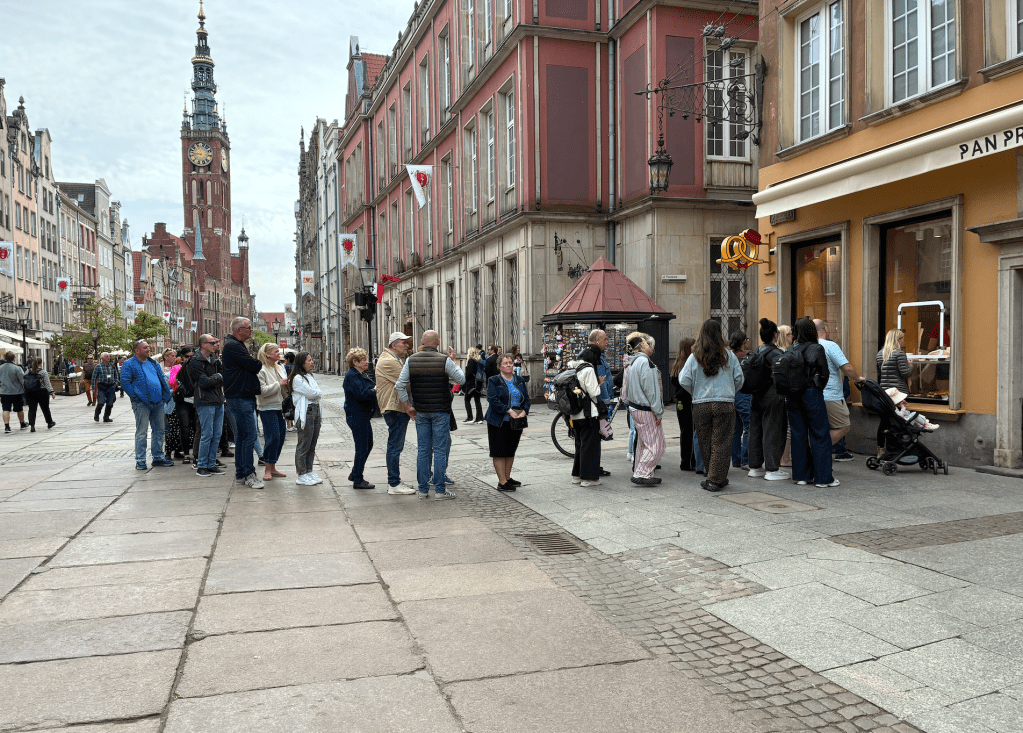
Although these buildings were rebuilt, depending on the degree of ruin, the outside is remarkable, but the inside is usually not, generally very basic.
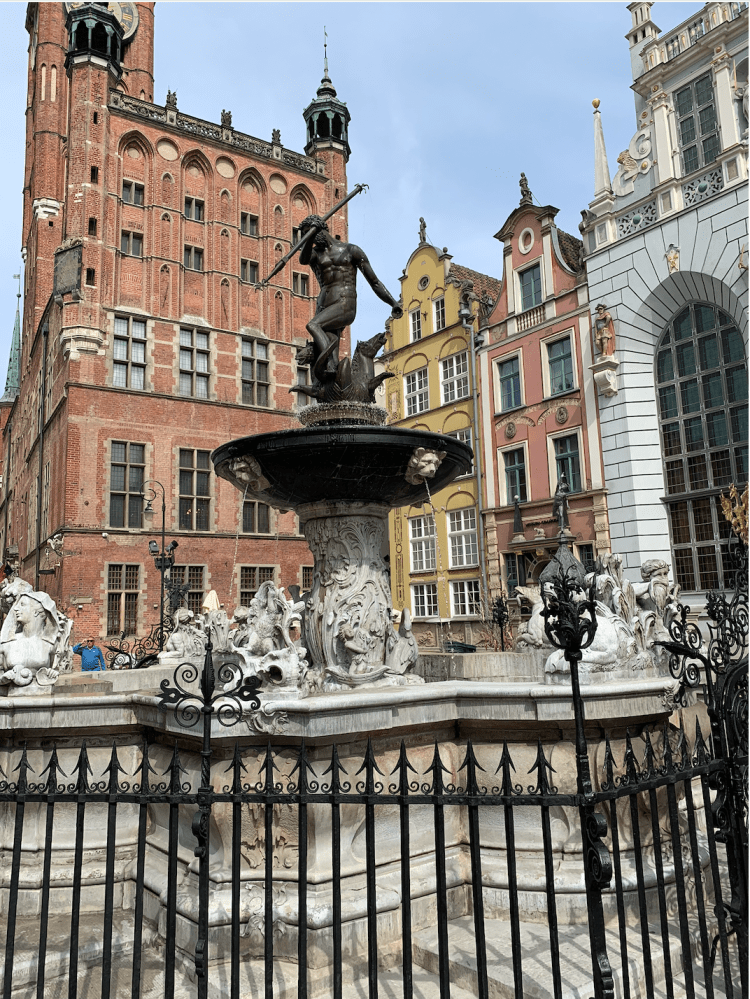
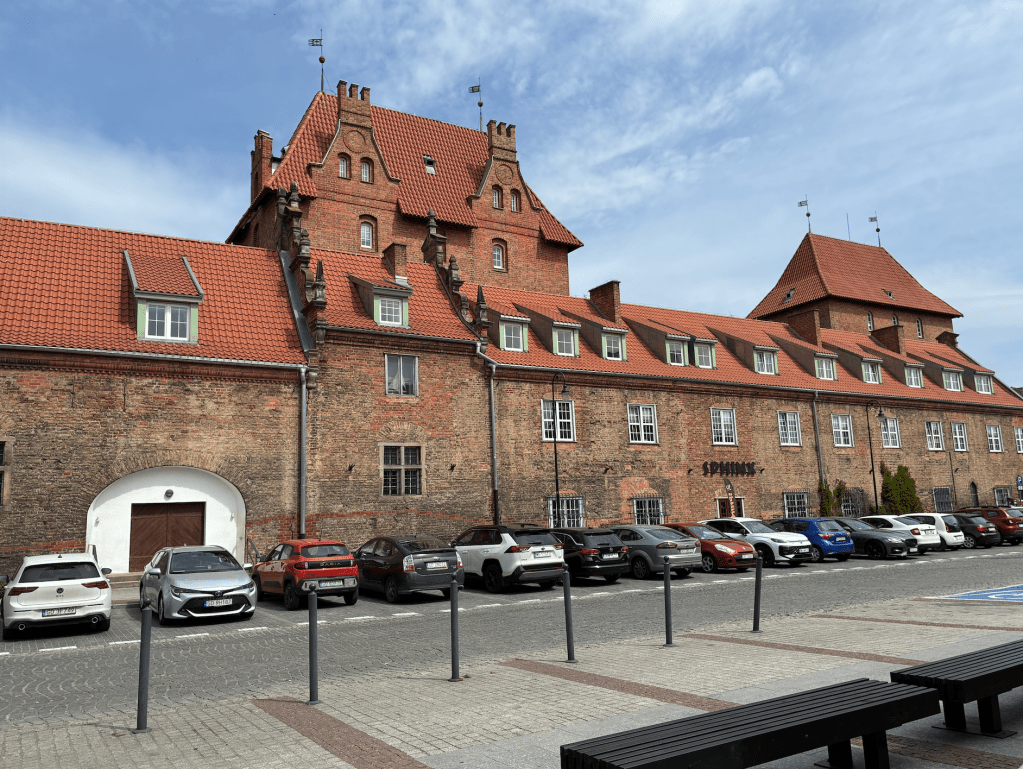
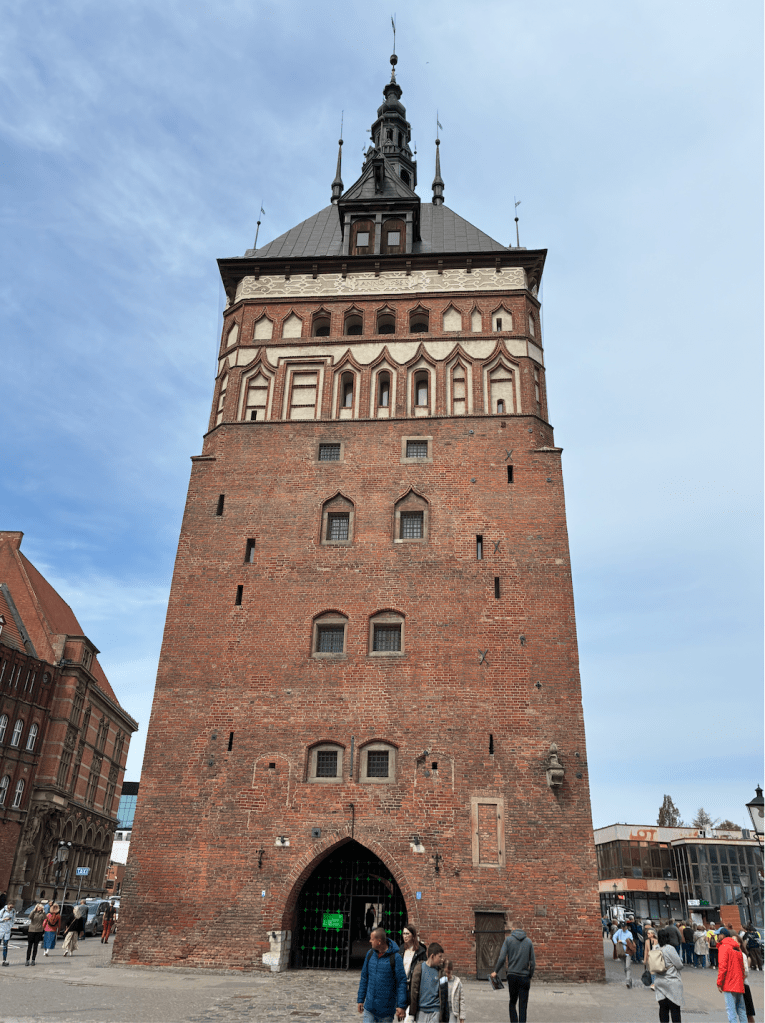
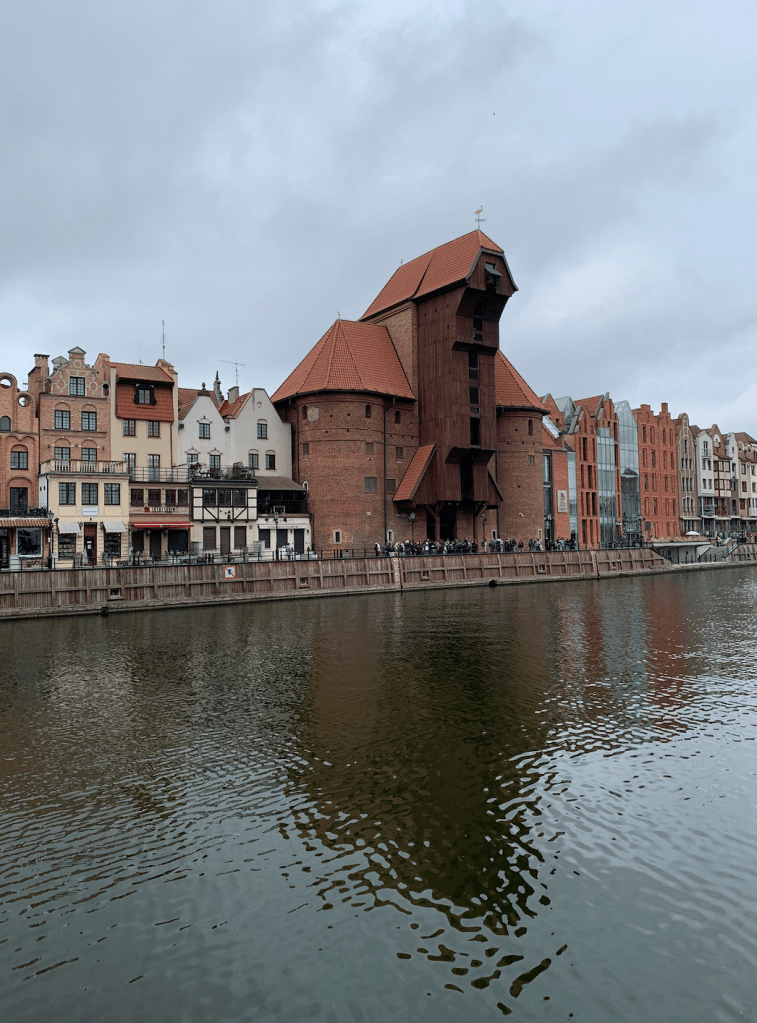
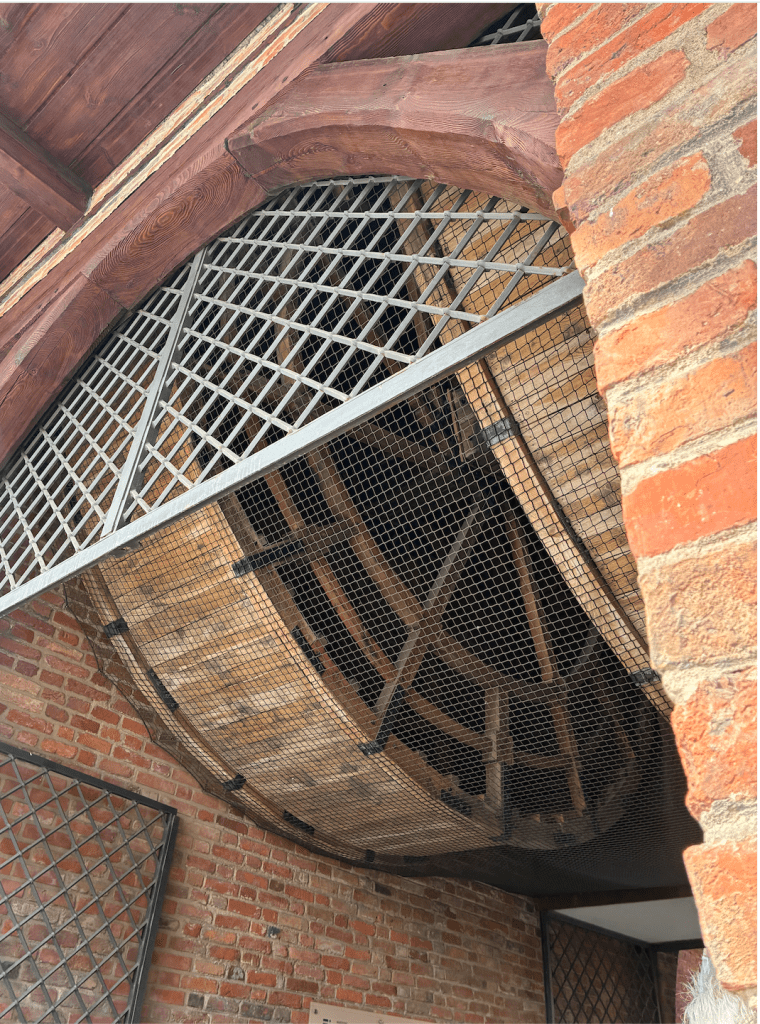
The old town was pretty stellar and Gdańsk kept getting more interesting. We walked around the river and as we wondered how we were going to cross the river, the bridge went from parallel to the street to perpindicular. It just started moving on it’s own. It was very exciting!
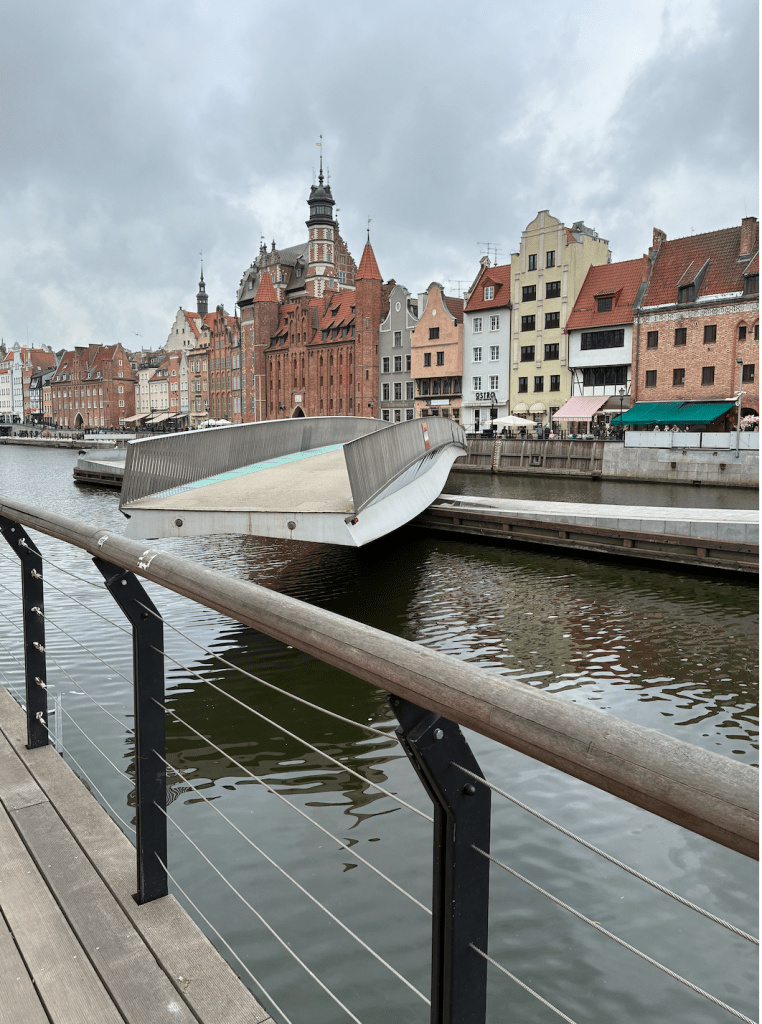
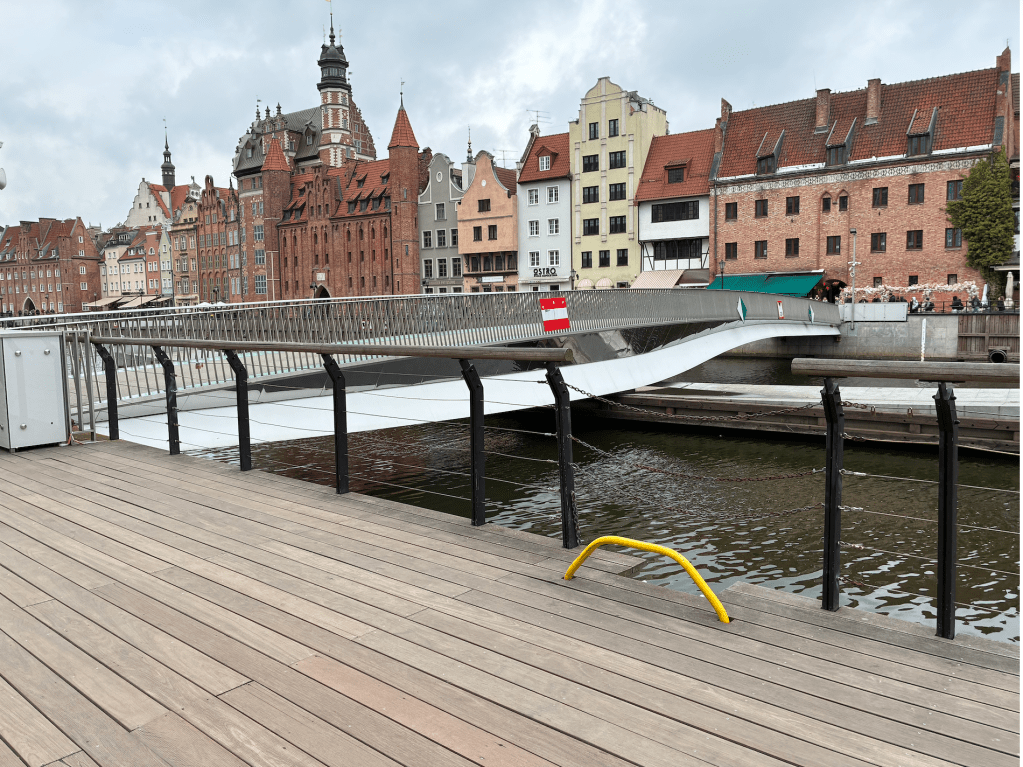
We overheard someone saying that the tourist/non-shipping area of the river port area was rebuilt just in the last 10 years. We appreciated that new buildings, were built to blend in, not exact but in the same style.
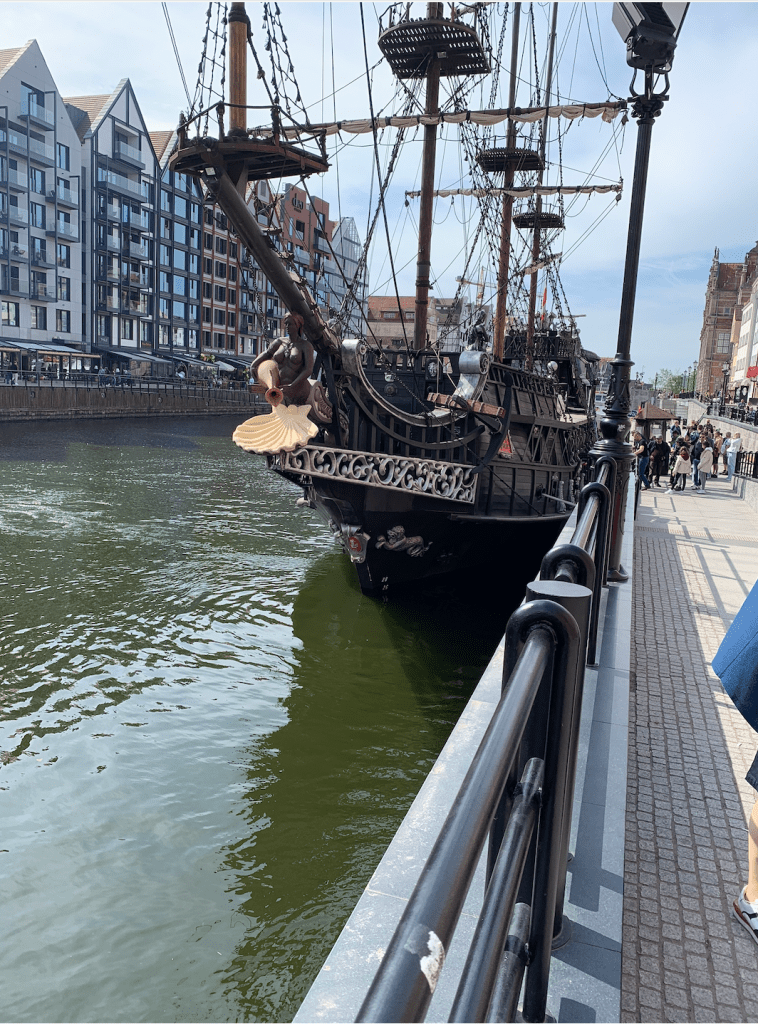
Kind of amazing that this city was at the center at two major events-start of WWII and the fall of communism. Gdańsk is the home of Solidarity, the first independent labor union in Poland formed in 1980 which contributed to Poland’s move from communism to democracy https://en.wikipedia.org/wiki/Solidarity_(Polish_trade_union). You can visit the shipyards and churches that were home to the dockworkers of Solidarity. There is also a museum, which is supposedly very good, and but we did not visit them. So much for Solidarity.
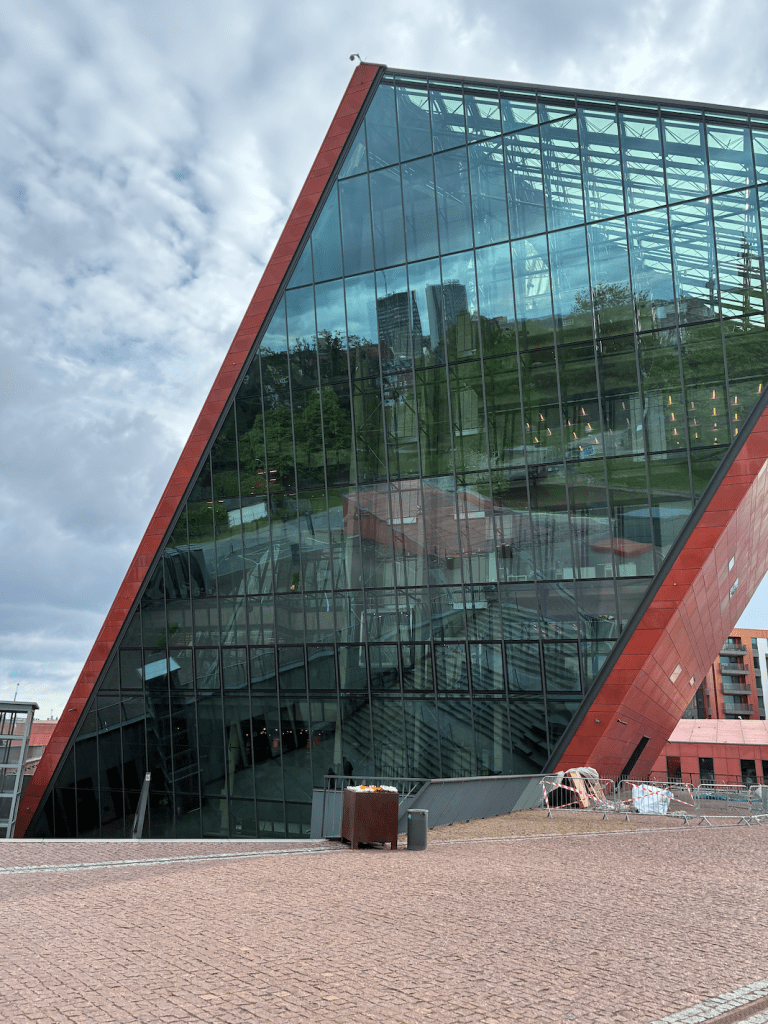
Instead, we spent 4 hours in the massive new (opened in 2017) World War II museum. The presentation understandably was from a Polish point of view and was an interesting twist. A lot of emphasis on the Polish plight at the hands of occupiers pre (Soviets), during (Germans) and post (Soviets) war. Very little coverage of Allies contributions to the war’s end. It was kind of refreshing to get this perspective. Overall, an excellent museum and learning experience.
Another excellent, but smaller museum was the Emigration Museum in nearby Gdynia, a neighbor port city. It was a comprehensive history of Poles emigrating to other countries over the past several centuries. We both found this personally relevant. Four of Patricia’s great-grandparents and one of Patricia’s grandparents emigrated from Poland in 1900 and 1904, following the routes described in the exhibits. Obviously, the potato exhibit captivated both of us.
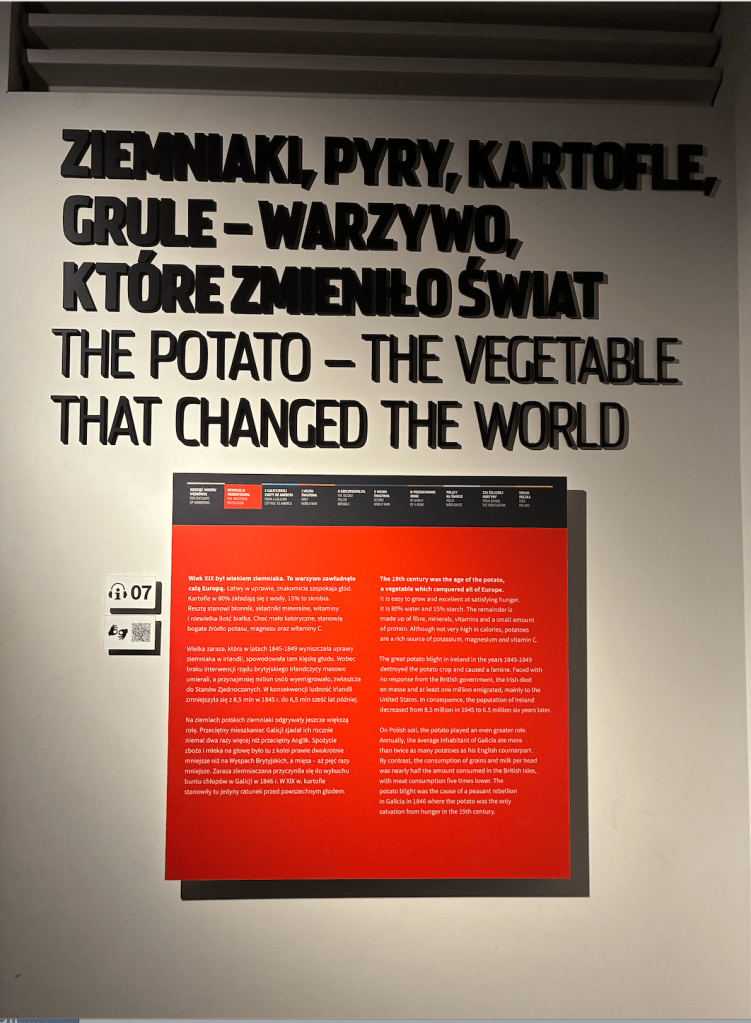
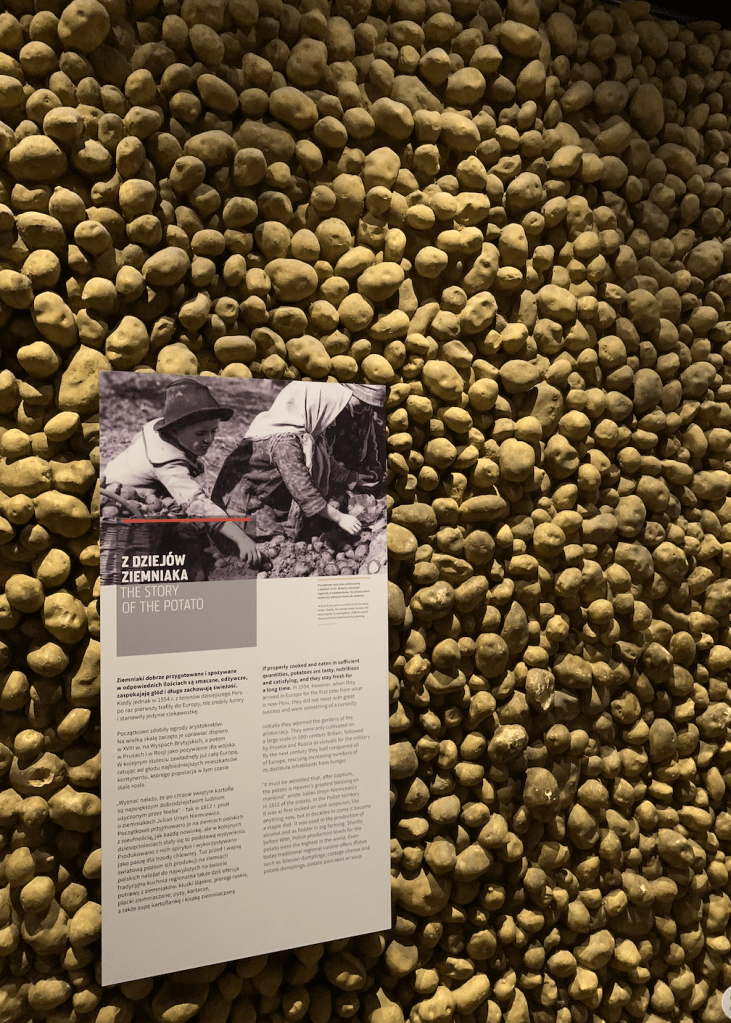
But clearly, Nick found a kindred spirit. Always looking to lighten his backpack
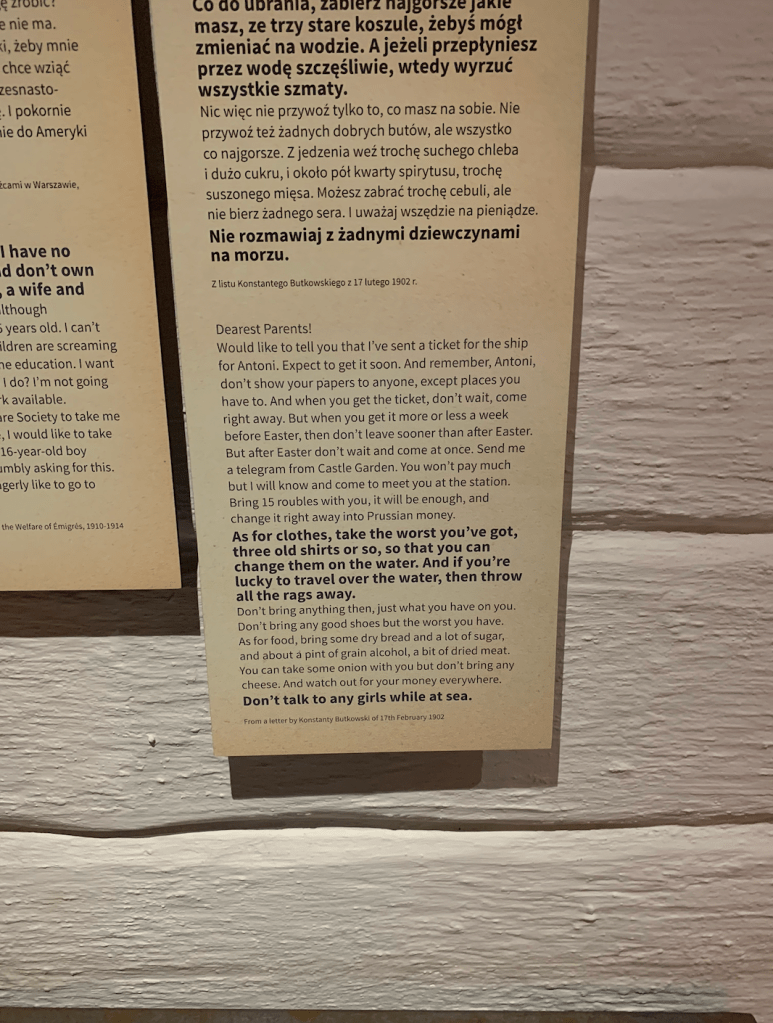
Nick thought he had originated the wear and toss technique of travel, by wearing old clothes that he could eventually toss as they wore down on the trip. But, there at the Emigration Museum, in a letter from February 17, 1902, one Konstanty Butkowski writes the very premise of the wear and toss practice to his soon to be traveling brother Antoni. Nice! Excellent advice.
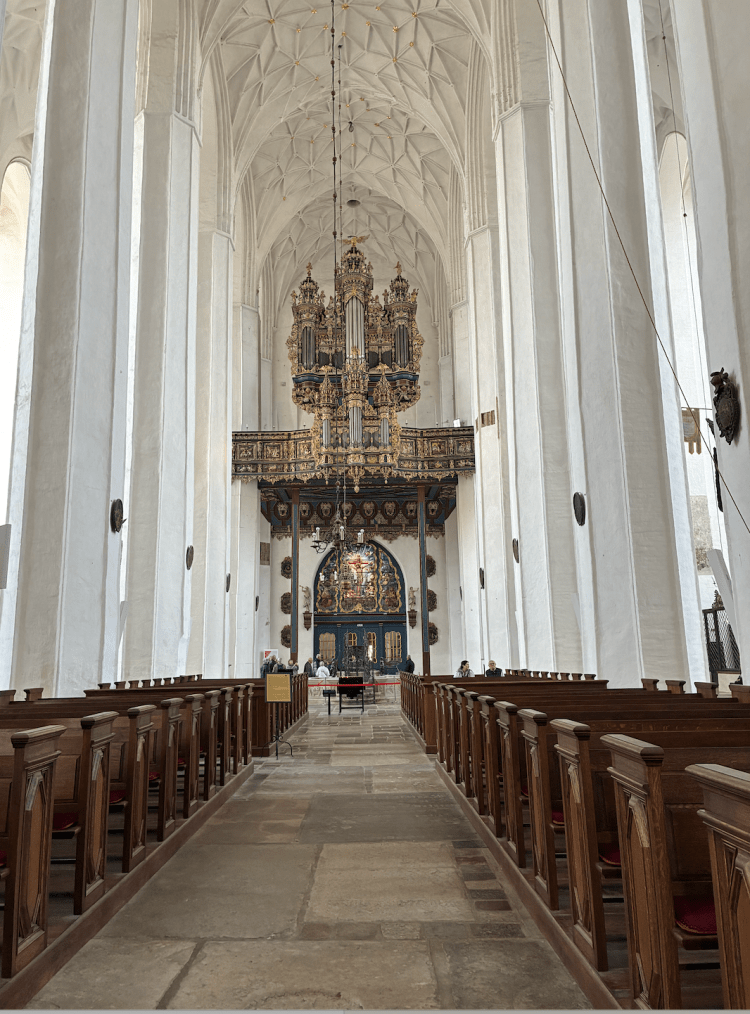
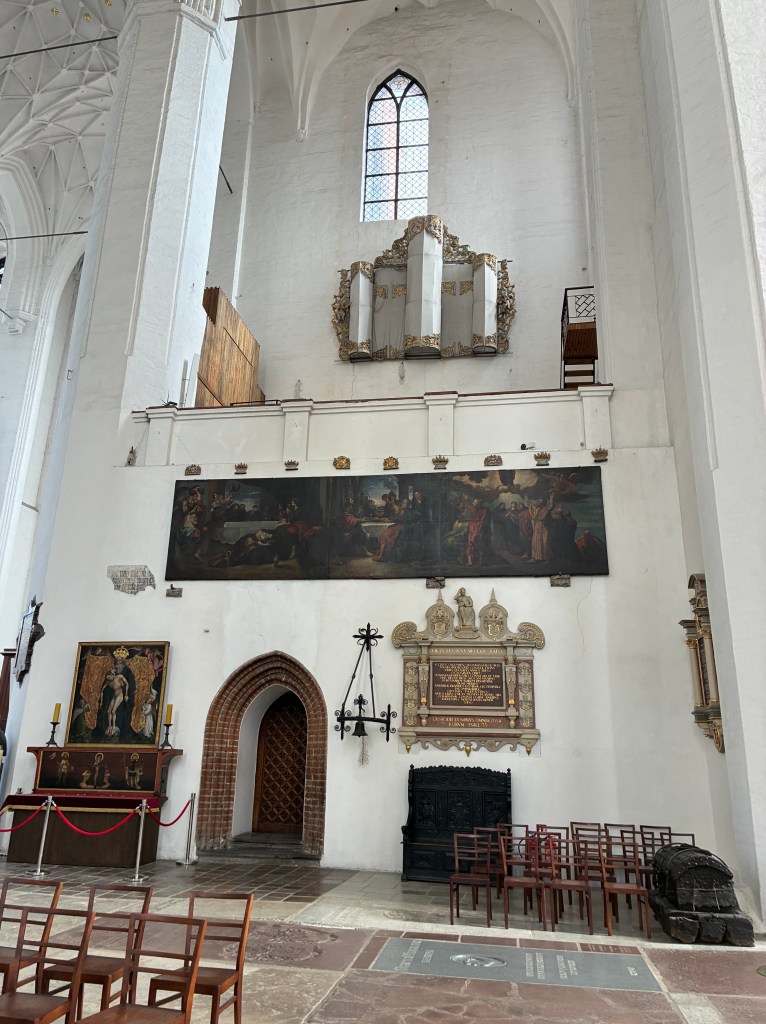
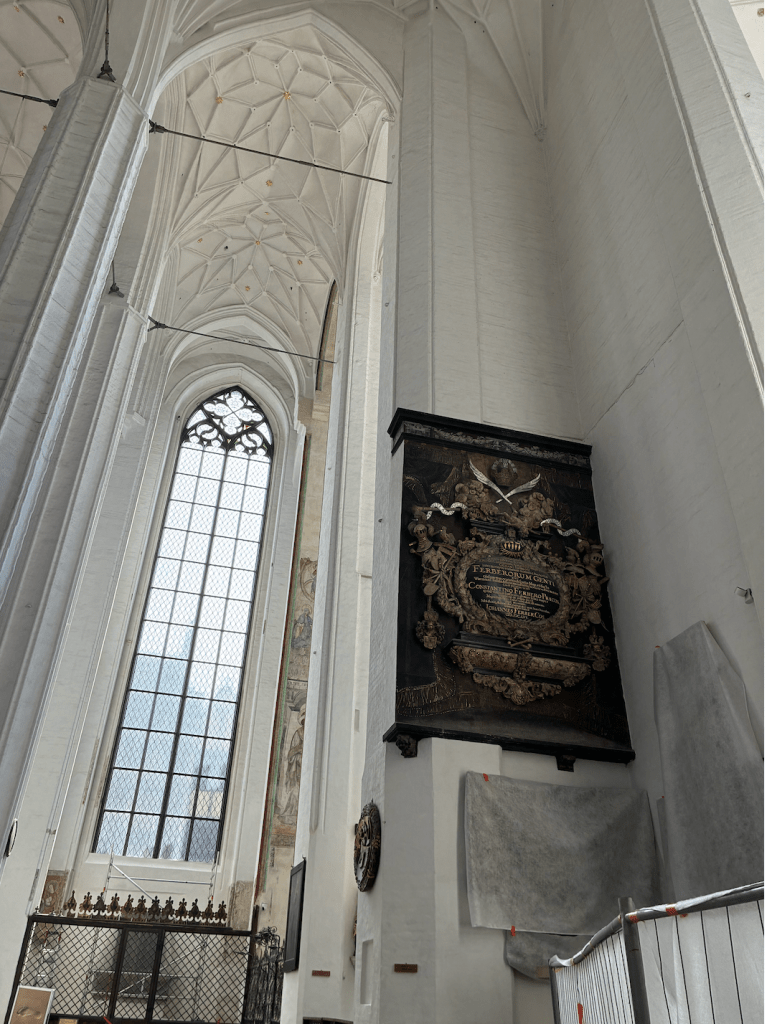
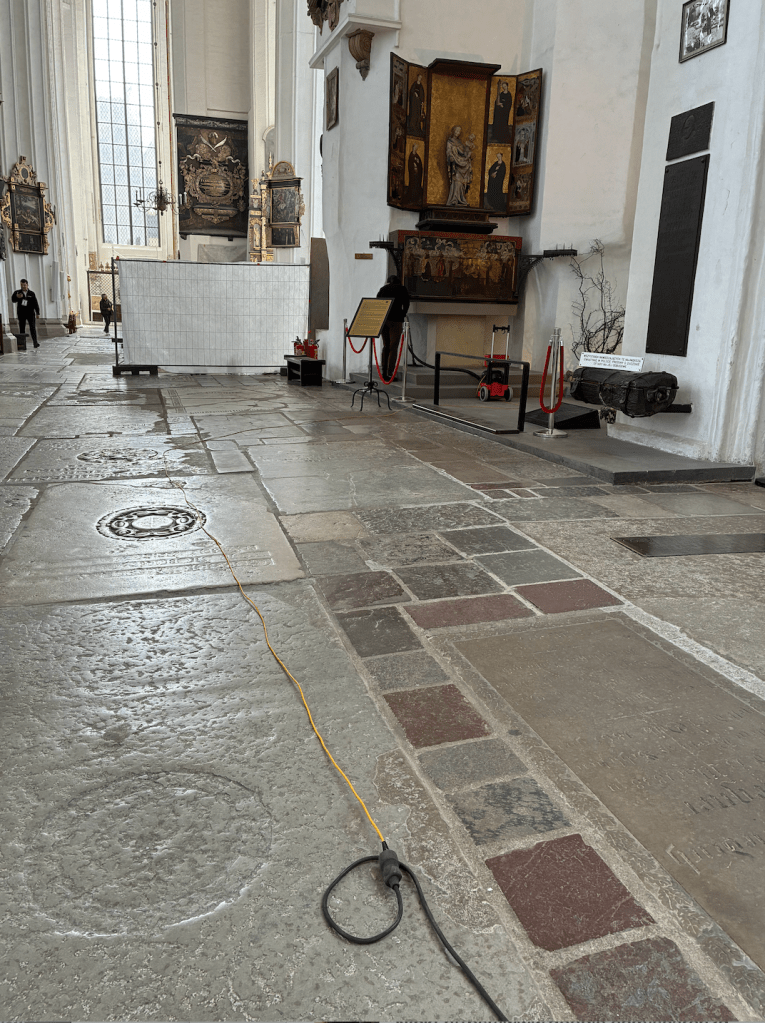
Of course there were churches. And of course, Gdańsk kind of overshot the mark with a very ungapatchka, beautiful church – St Mary’s, a co-cathedral. Building started in 1379 and apparently never stopped (Winchester House East?). The Church of the Perpetual Remodel.
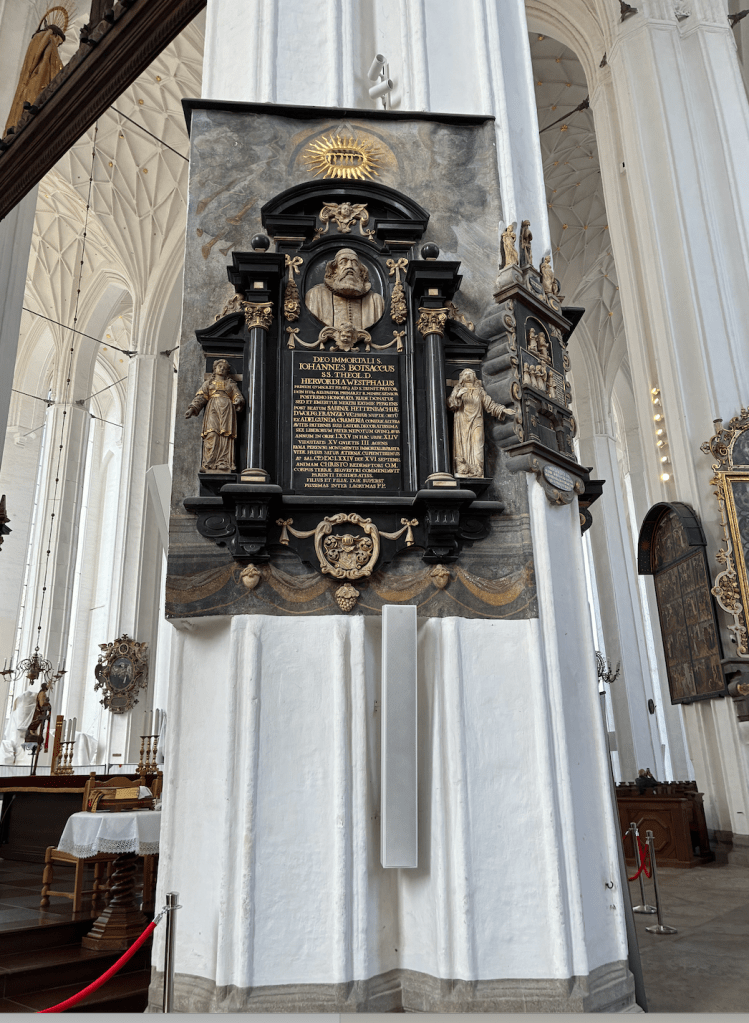
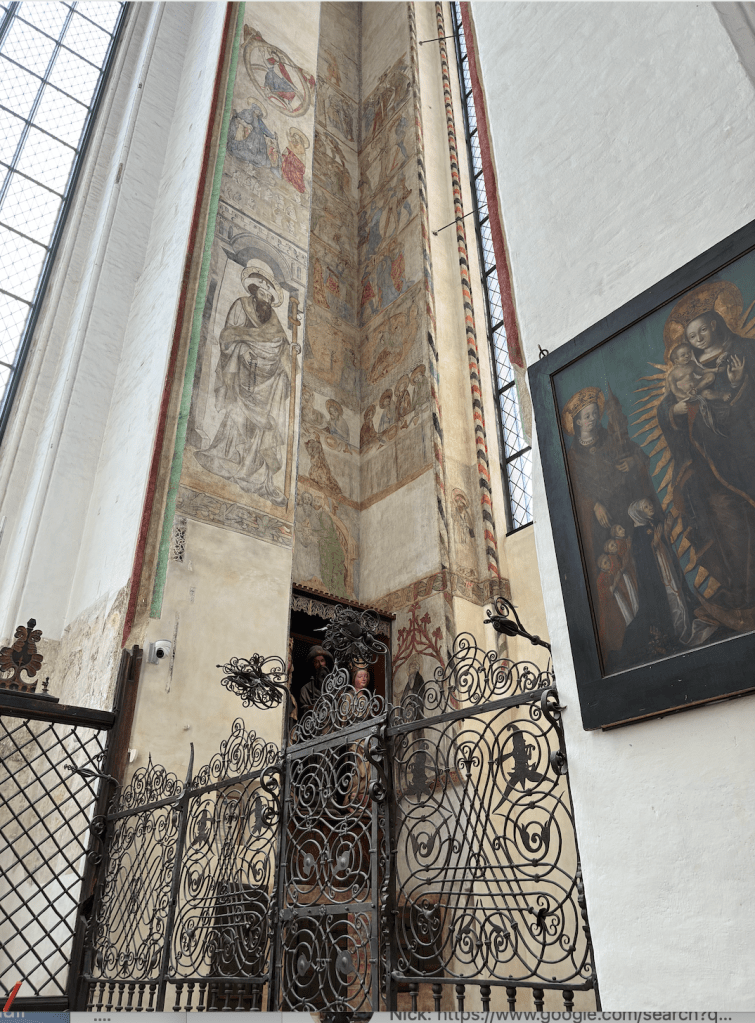
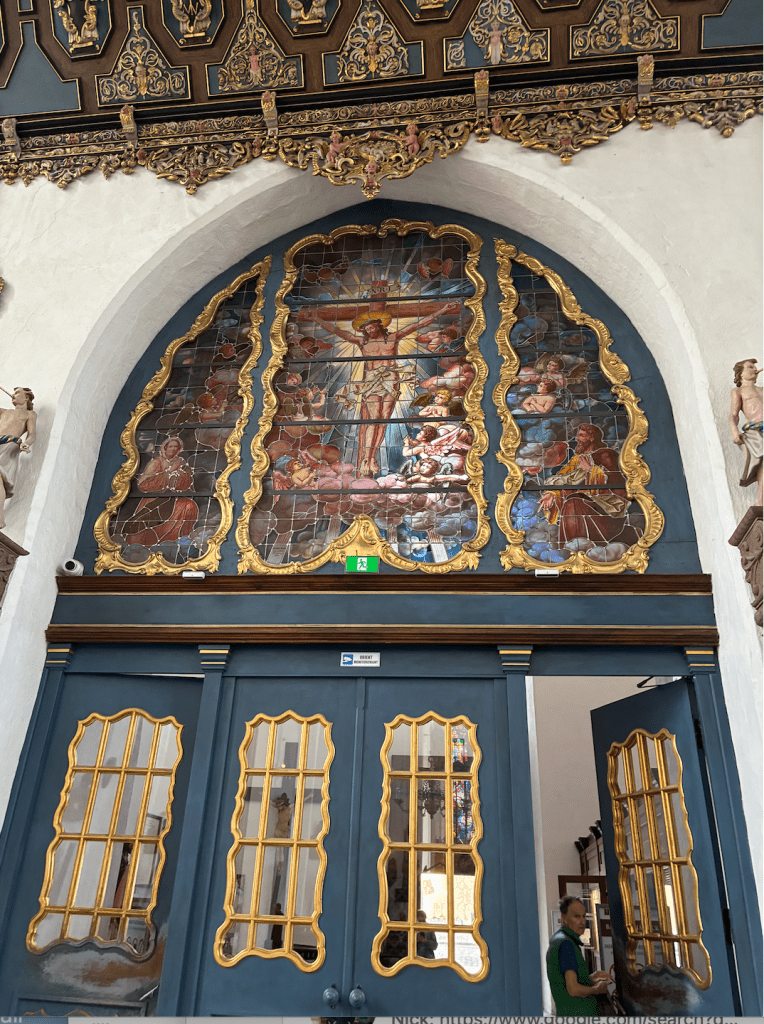
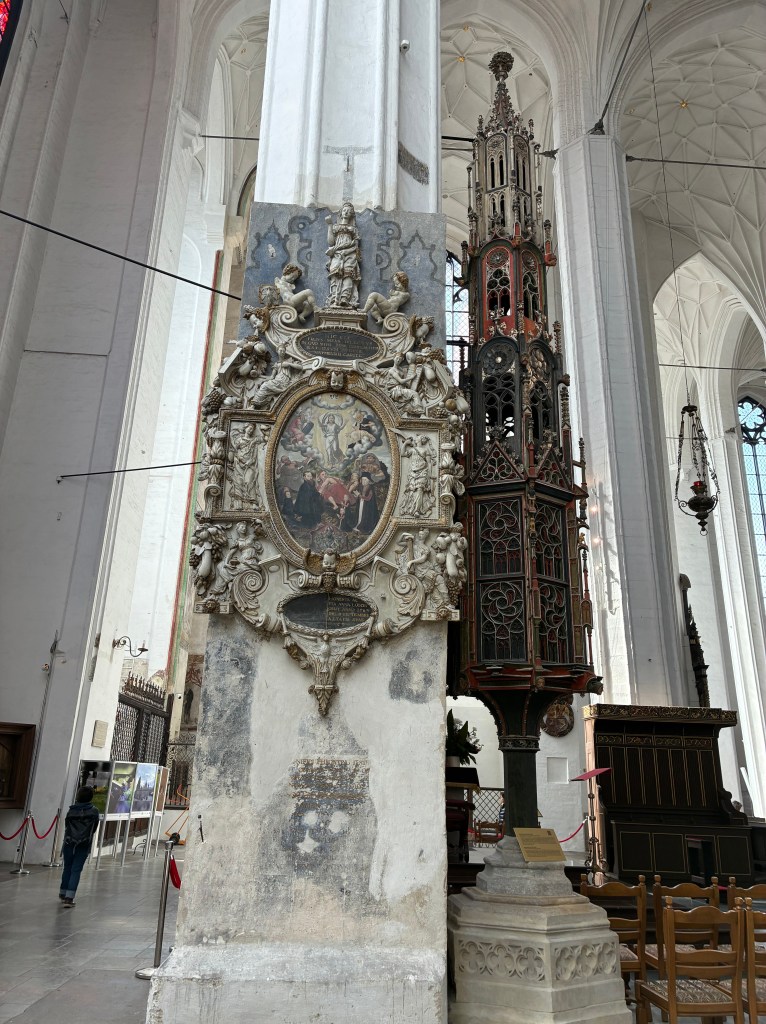
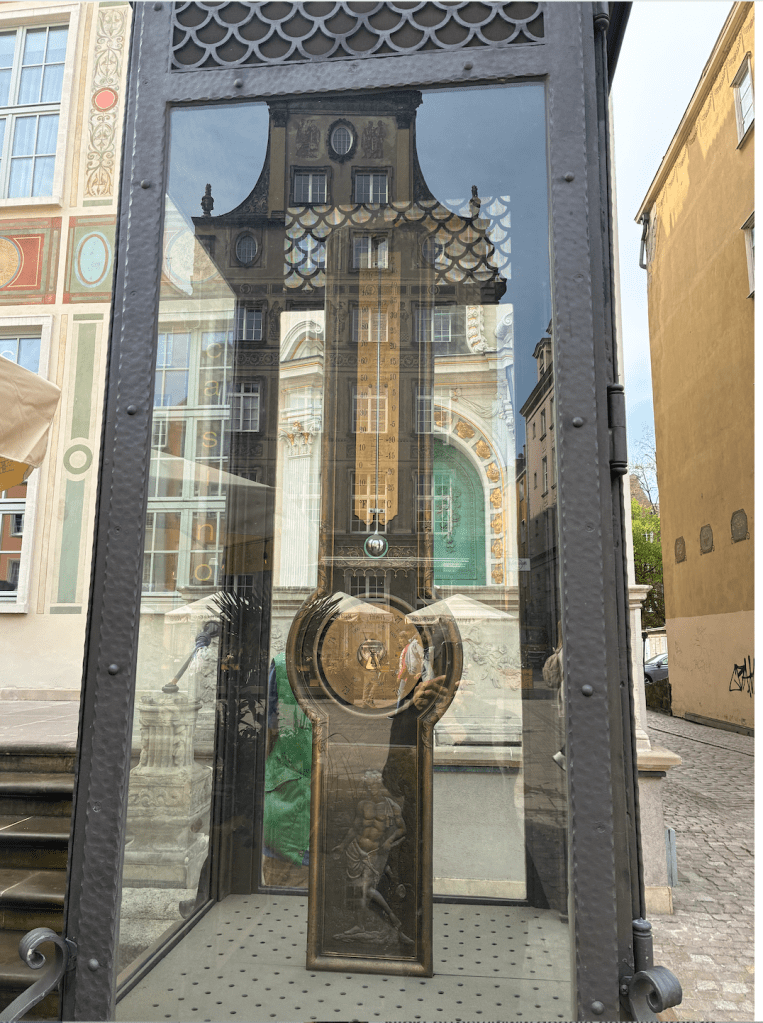
Poland loves their home town heroes, here a monument to Daniel Gabriel Fahrenheit of Fahrenheit scale thermometer fame.
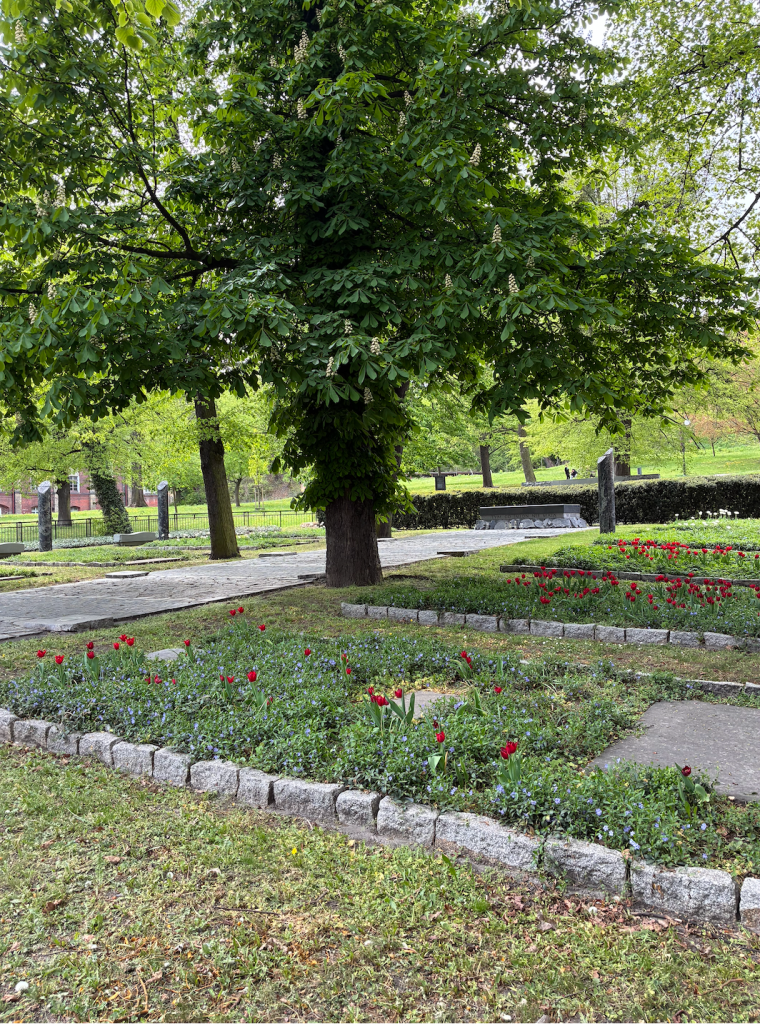
As a fitting farewell for our tragedy tour, our last stop was this very touching little cemetery; the Cemetery of Forgotten Cemeteries. Tombstones from the many destroyed and neglected cemeteries of Poland.