Although the temperature has not gotten past 15 C (59 F), spring is coming, tourists invading (including us), accommodations getting limited. Time to stop the spontaneity and cram three cities into a 5 day work week. Kind of like the 1969 movie “If it’s Tuesday, it must be Belgium”. As a result Wroclaw, Łódź and Toruń were a blur, This also could be because they were all postcard perfect and we were kind of punchy from never ending tragedies on this tour.
It was like driving through the San Fernando Valley and trying to distinguish Valley Village from North Hollywood from Van Nuys except instead of a car we were on a Flix bus or the very efficient and inexpensive Polish trains. (as always, pics look better viewed on the blog, not email, click on in the corner.)
Wroclaw (pronounced Vorshlaf)
So much travel blog love for Wroclaw; it’s picturesque old town and little dwarf statures thematically sprinkled throughout the town (like a reading dwarf near a library).
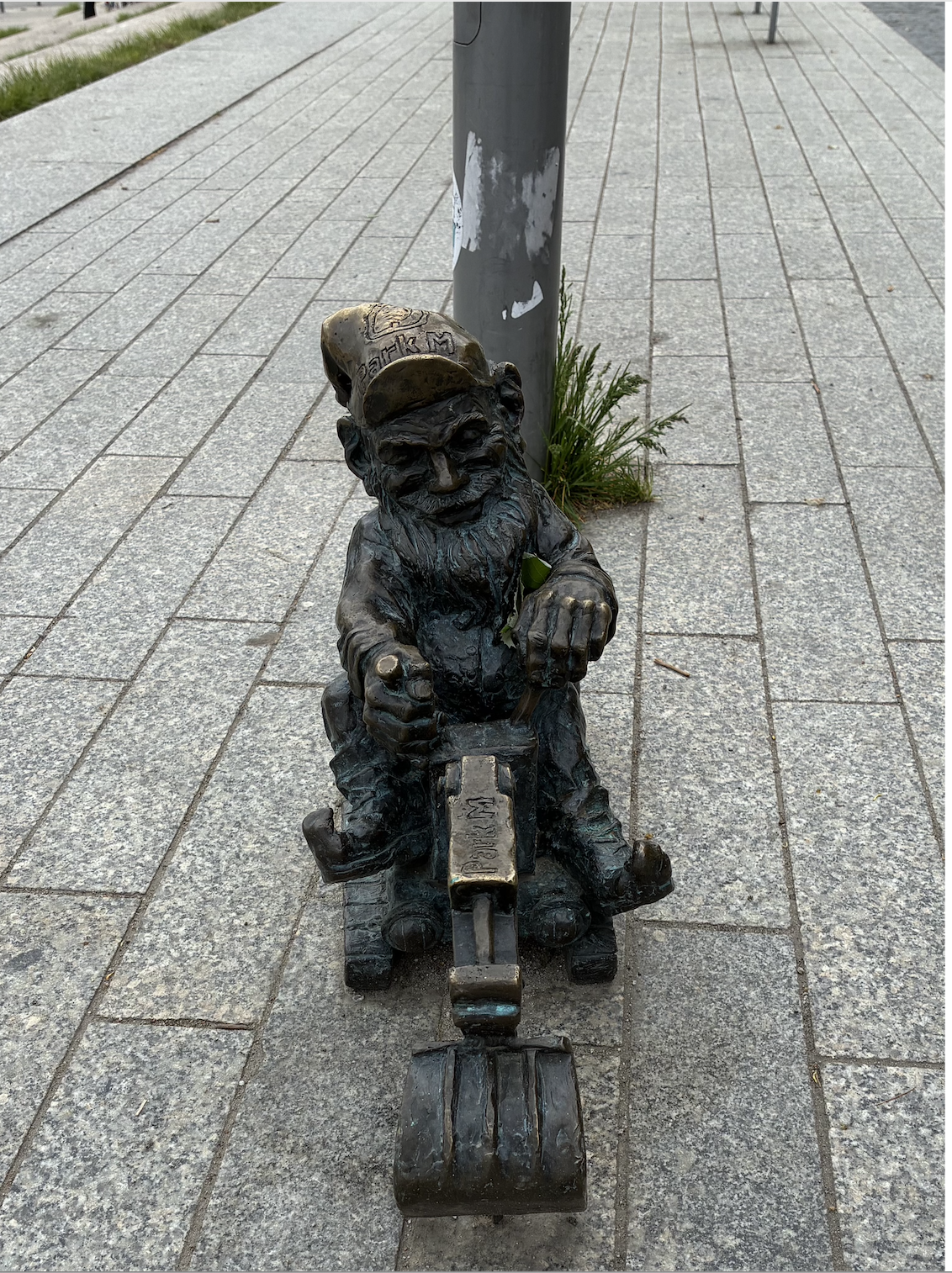
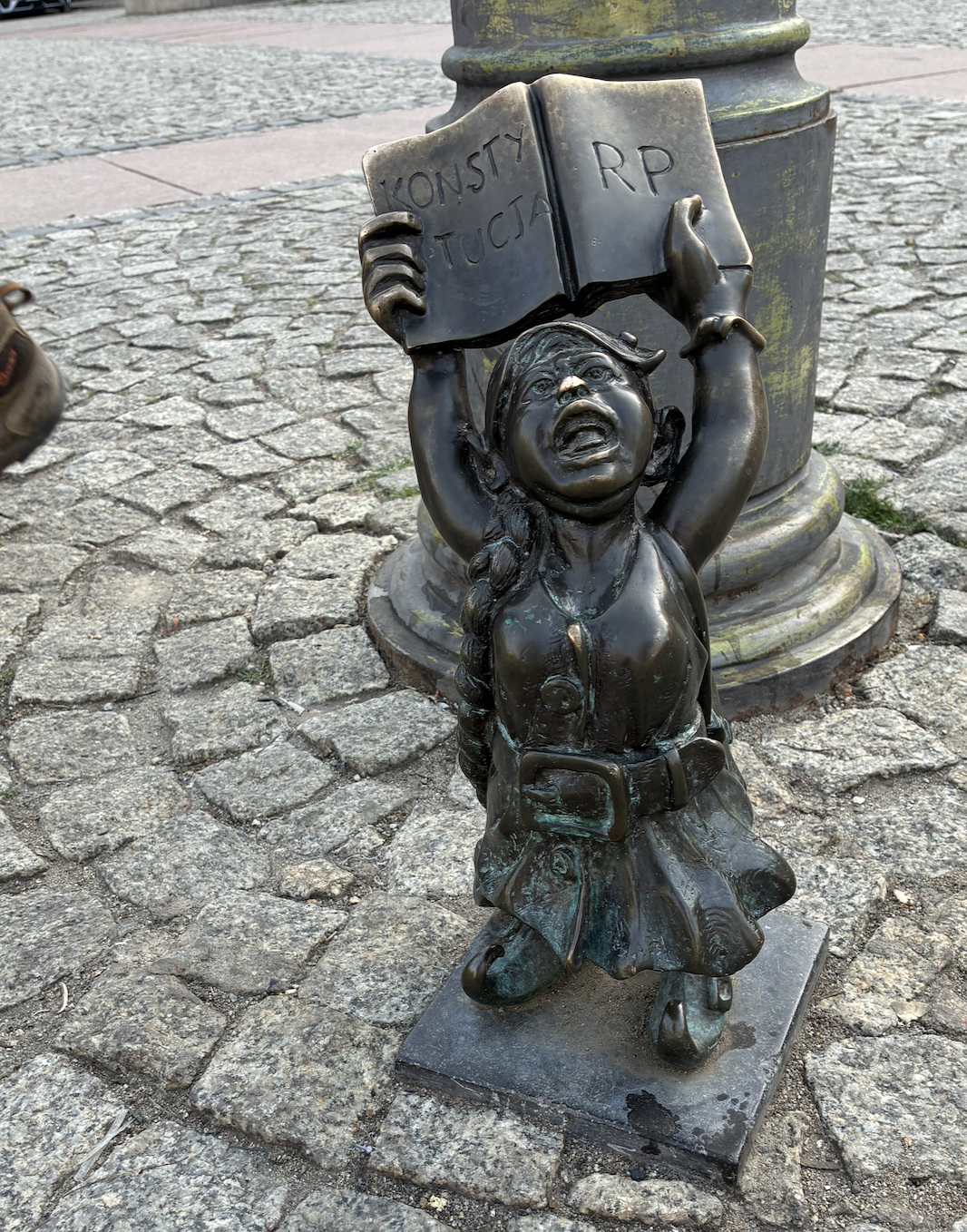
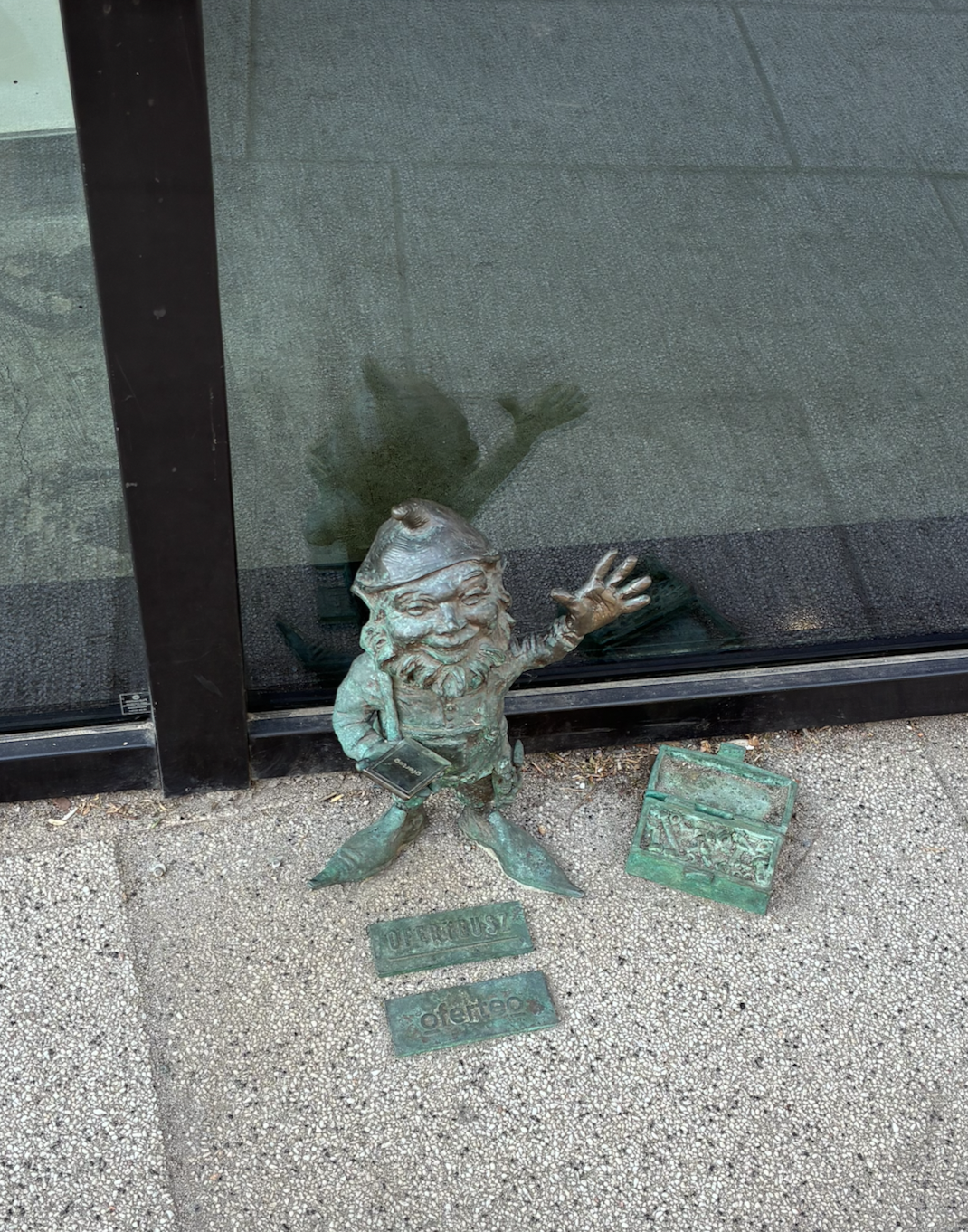
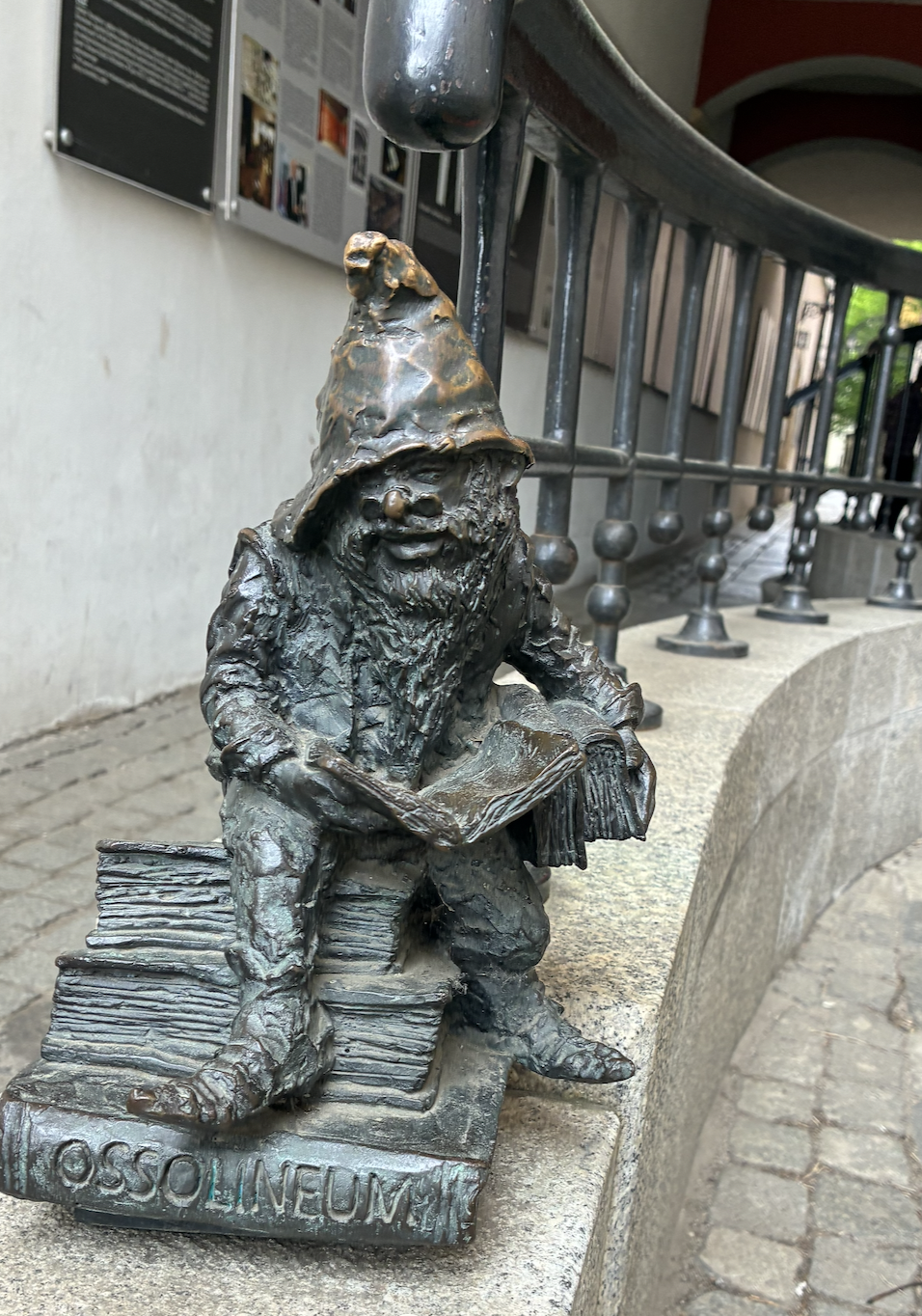
We had a lot of expectations but few plans before we arrived late in the day. We immediately walked through the renown beautiful old town, well deserved accolades.
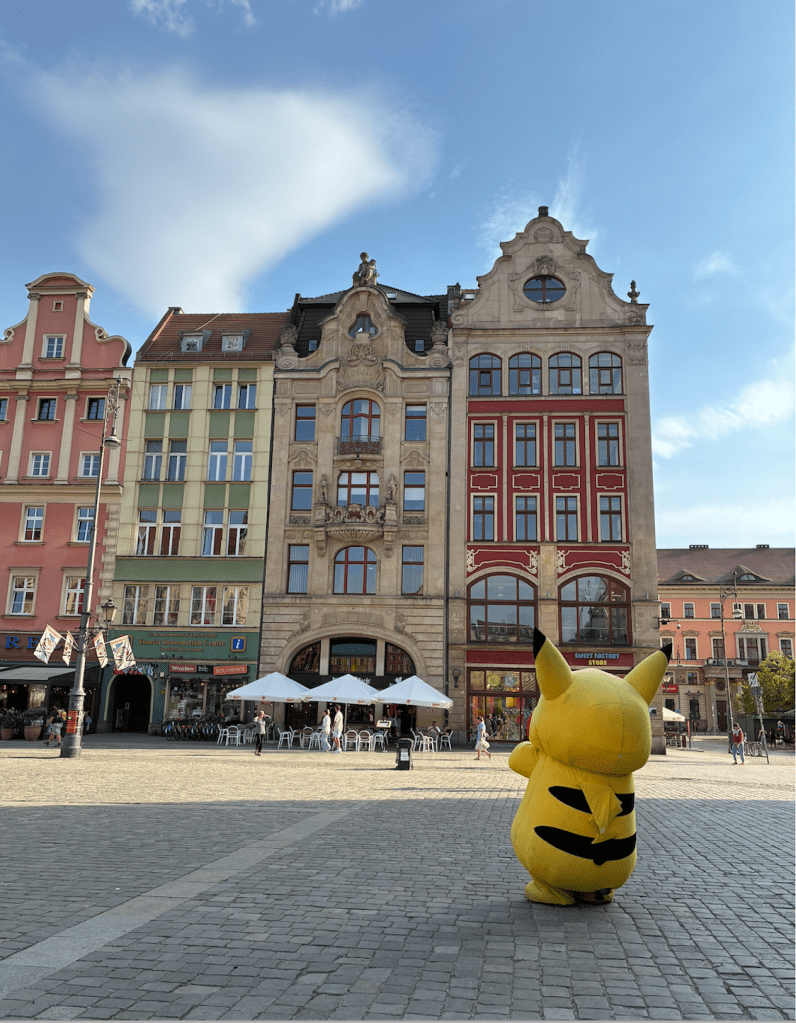
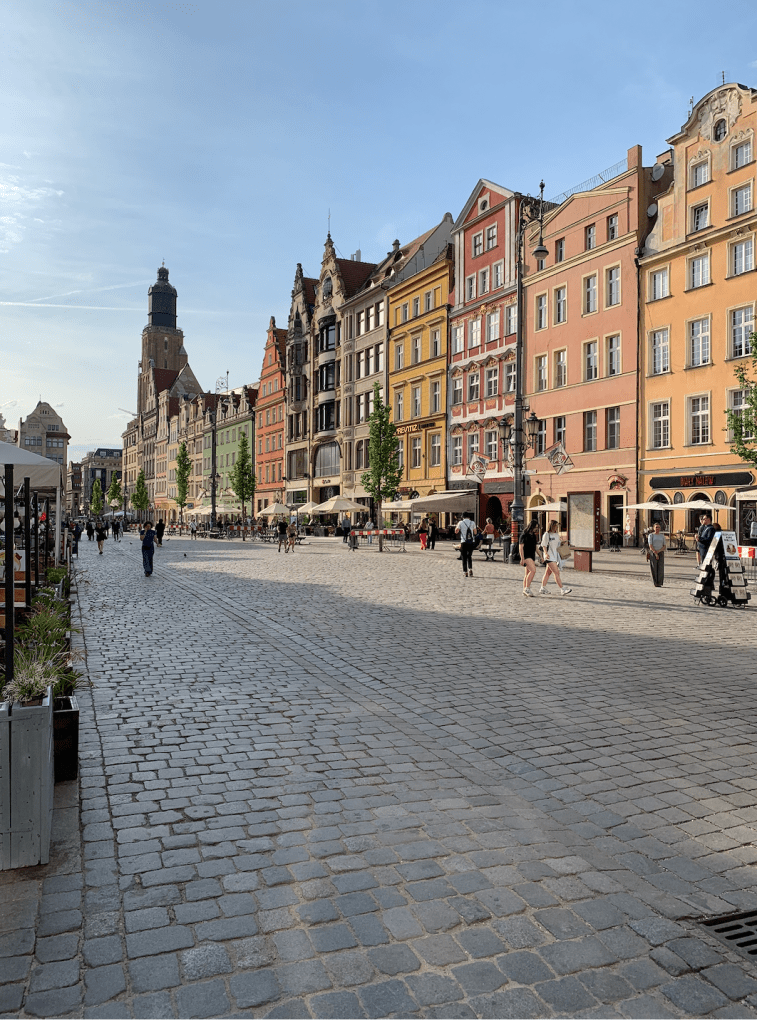
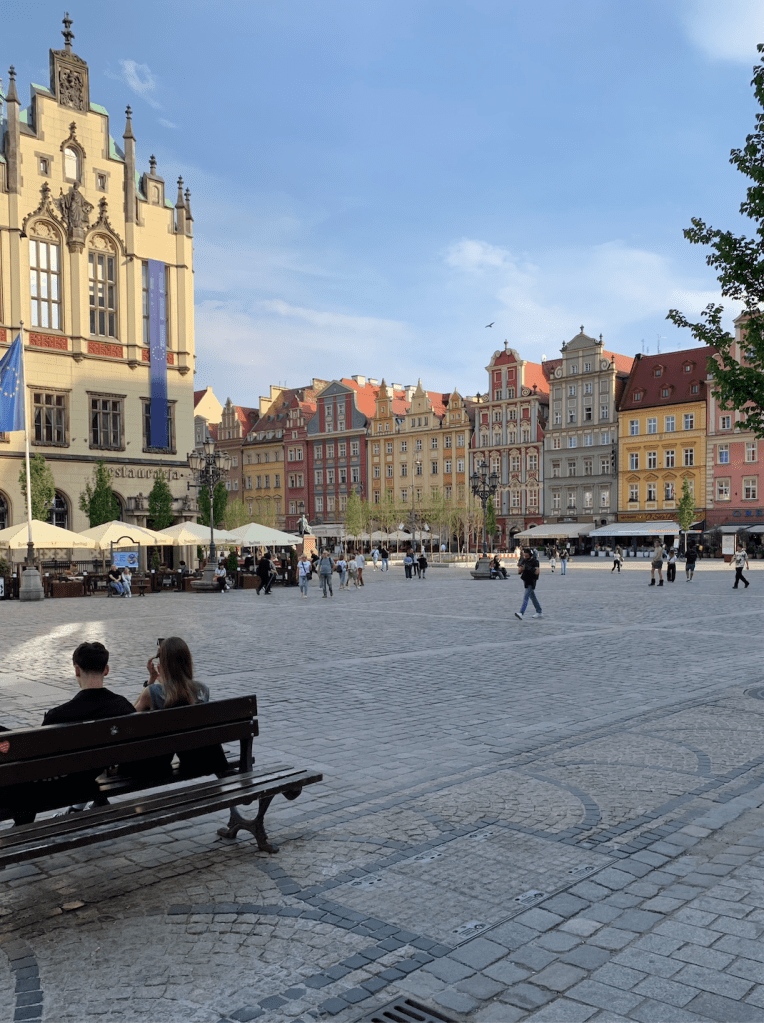
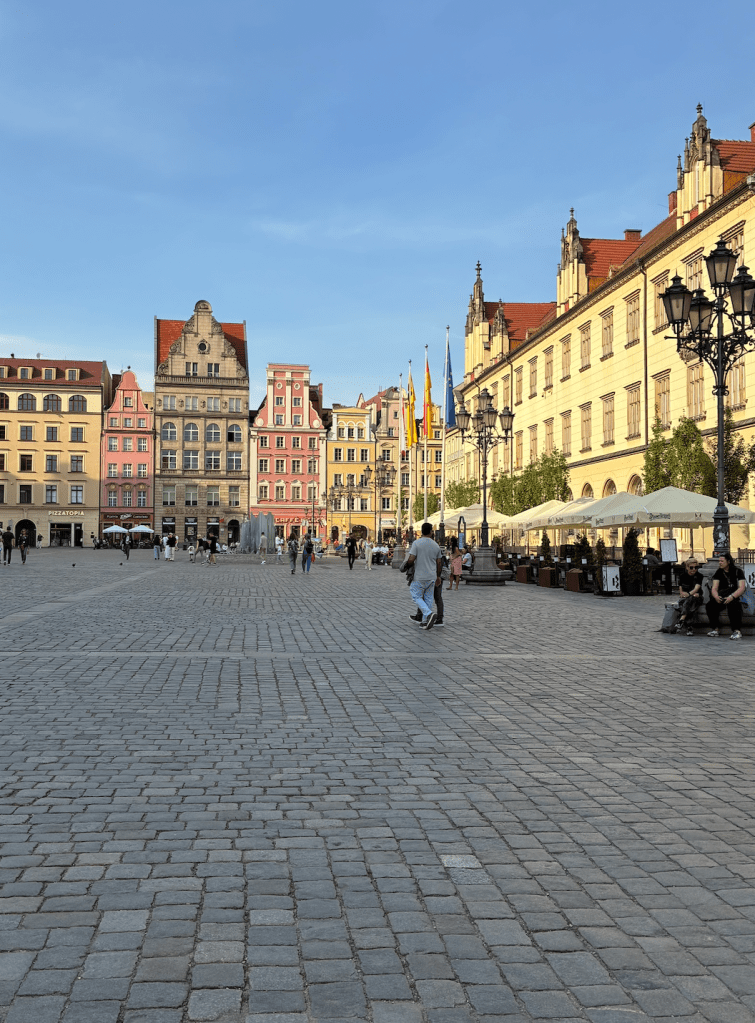
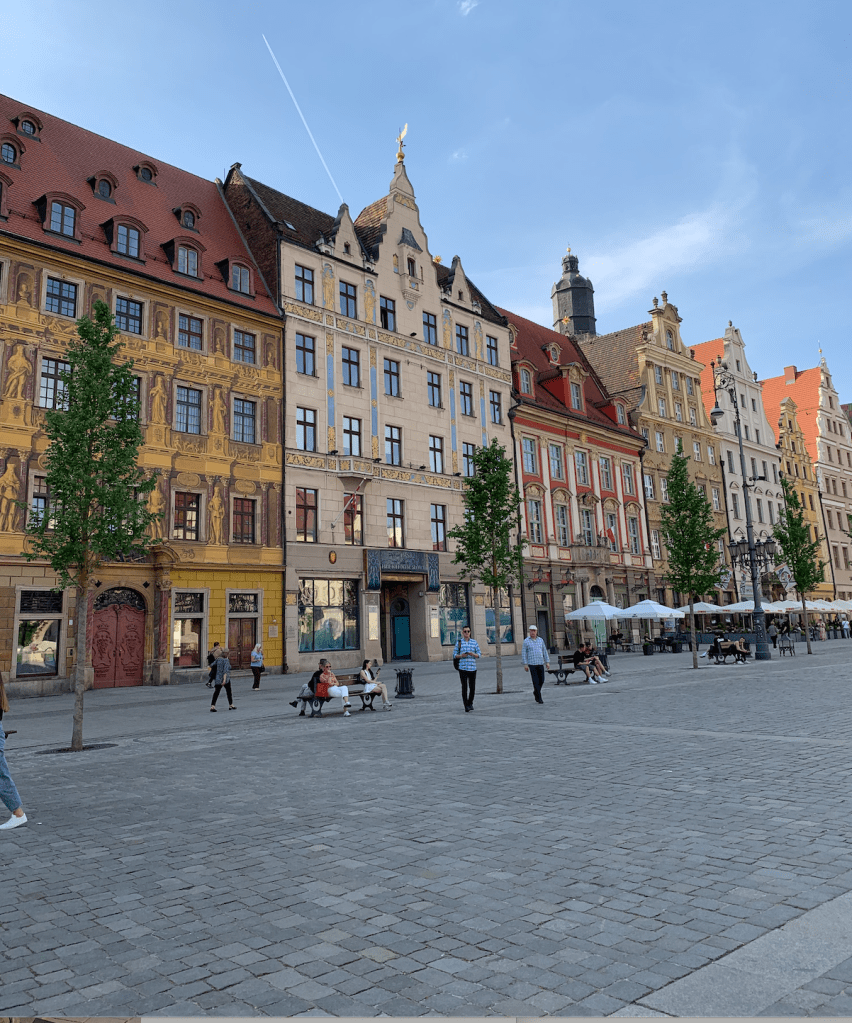
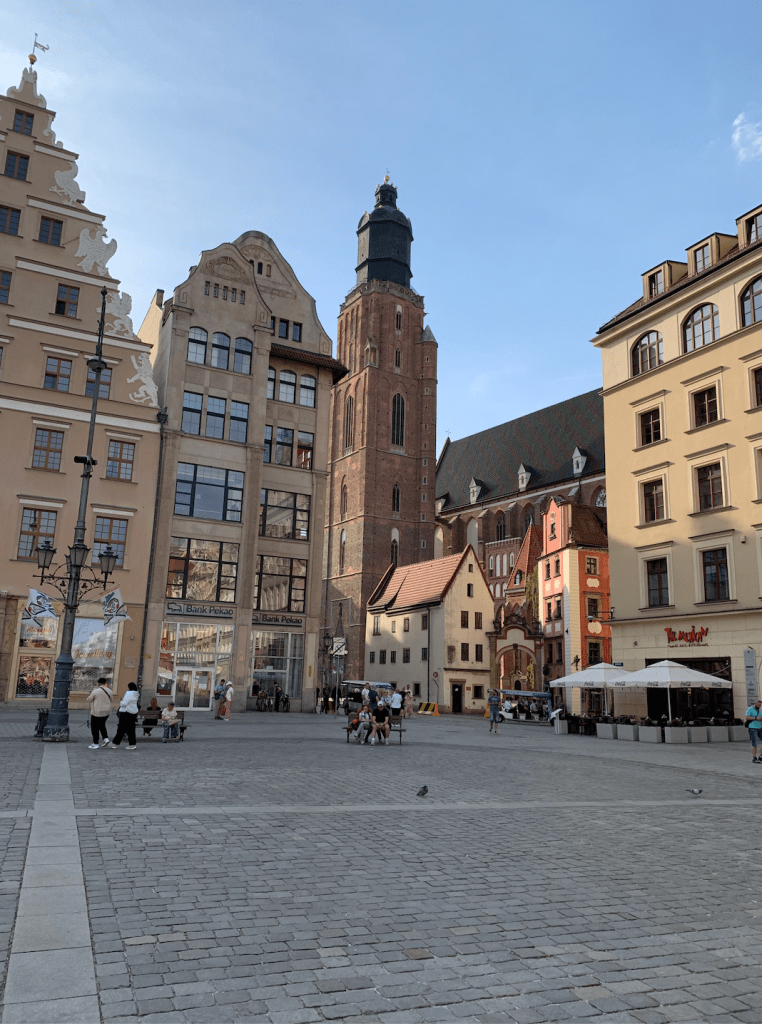
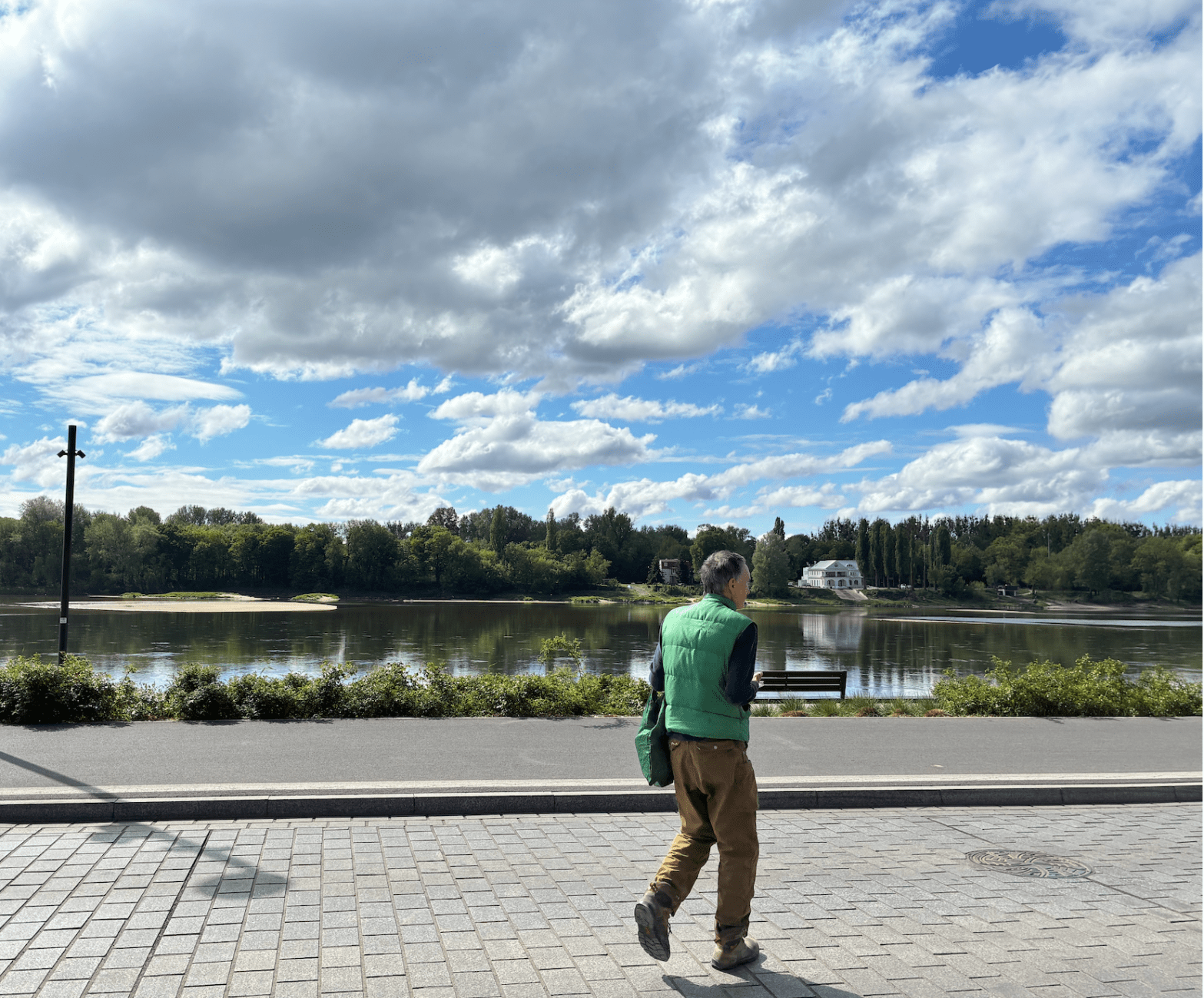
In planning our next day, Nick made his Crazy Tourist/Atlas Obscura list and Patricia culled from Rick Steves and Trip Advisor and then we realized that prior to WW2, Wroclaw had been Breslau, the 7th largest city in GERMANY, and another city heavily bombed in the final months of the war, another city with between 50-80% of the buildings significantly damaged https://en.wikipedia.org/wiki/Siege_of_Breslau Most of the beautiful old town rebuilt? You could have and you did fool us. it was a lovely, typical European town with a splendid old town square, a pretty river (the Oder River) running through it.
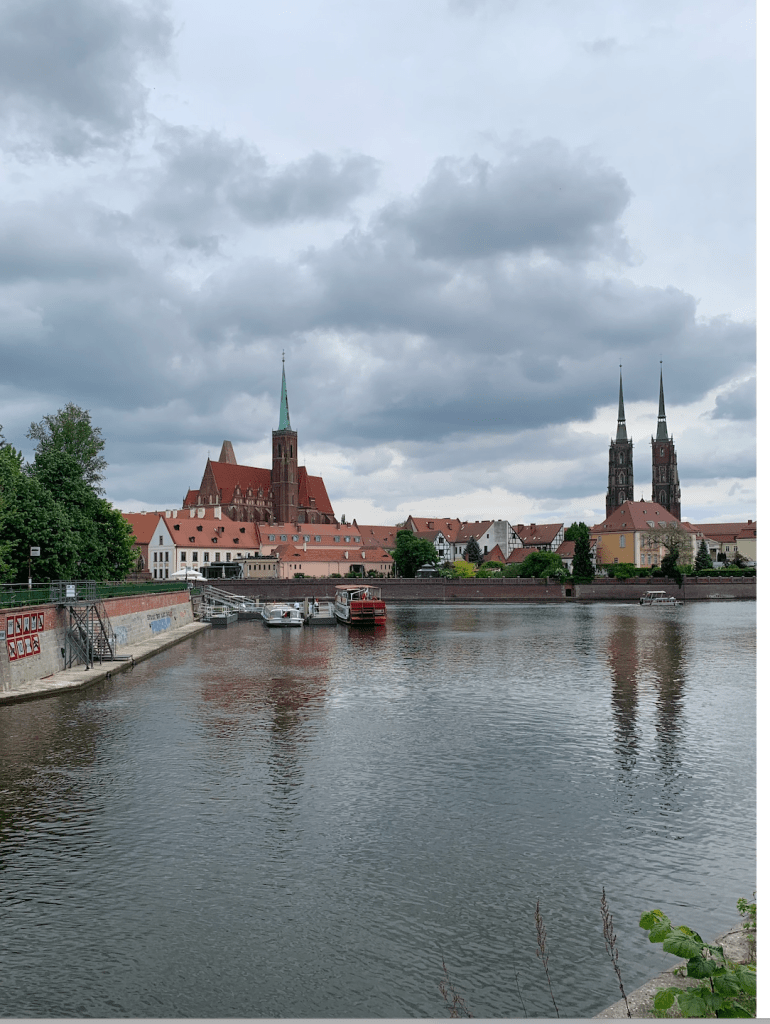
As always, distinct buildings.
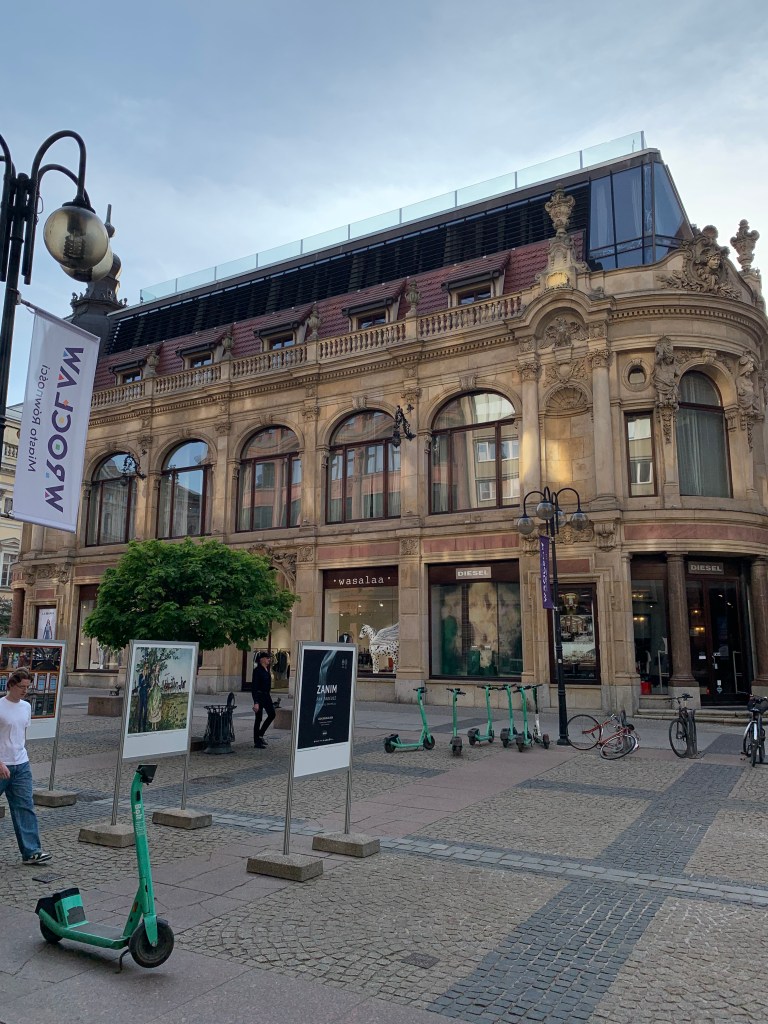
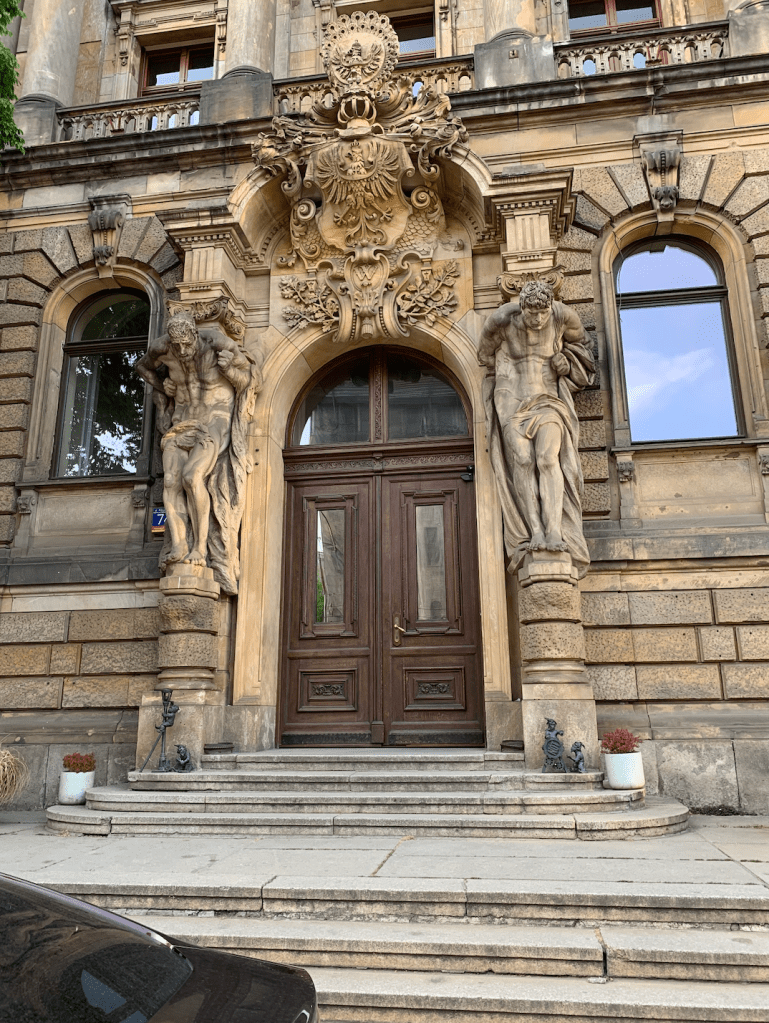
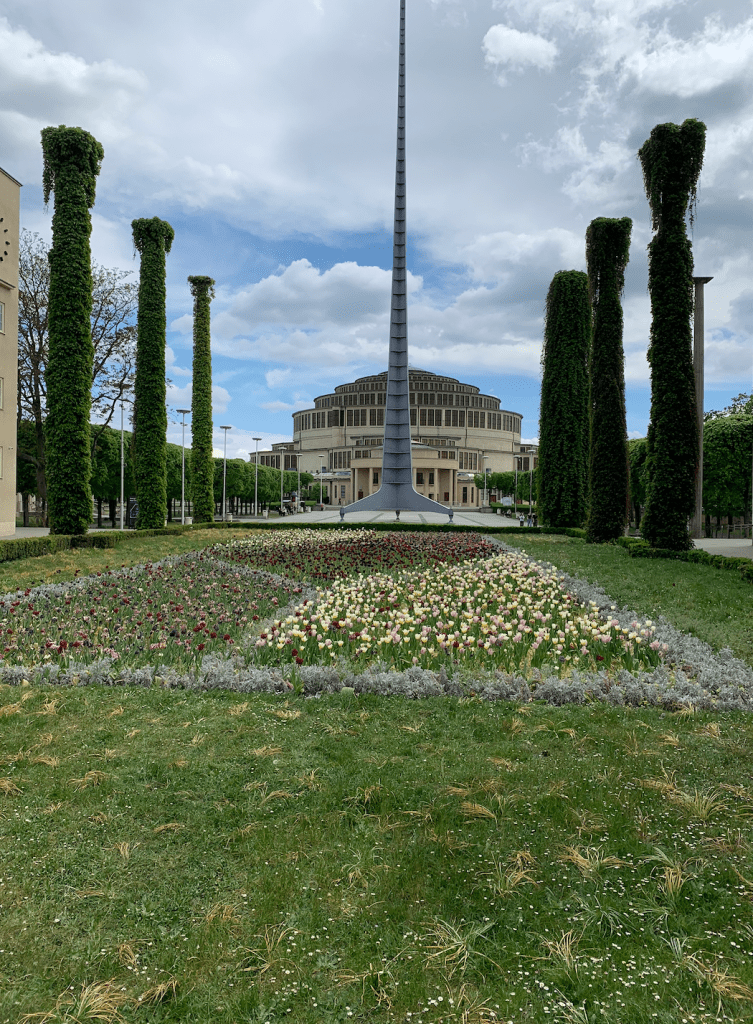
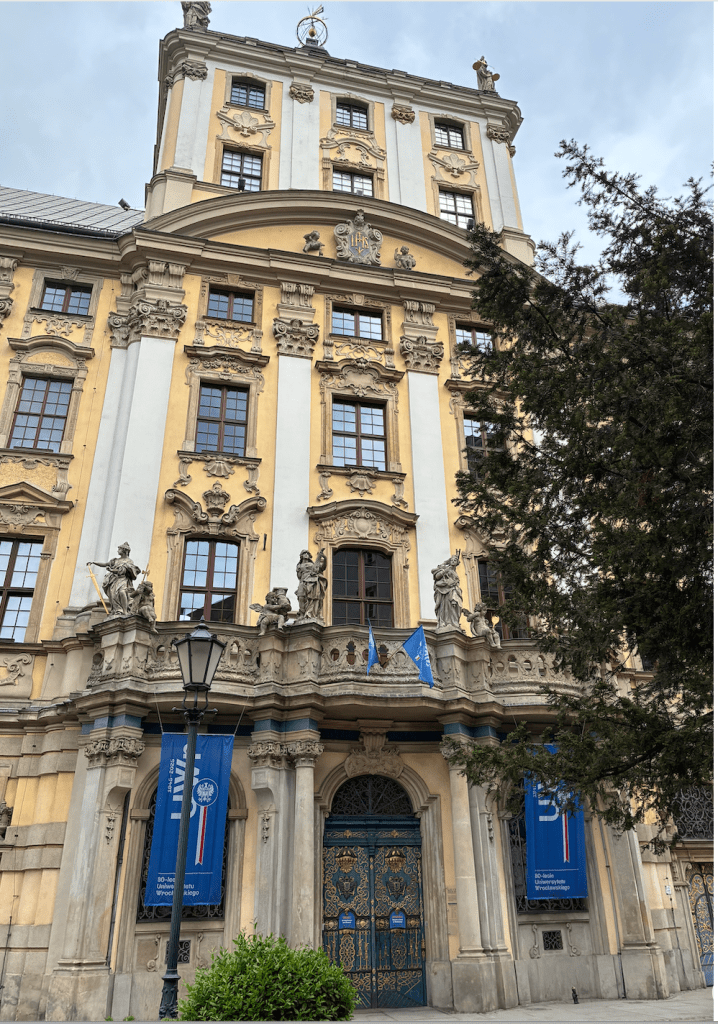
Wroclaw is also a university town, with university buildings sprinkled throughout the city- some new and some old (this was partially rebuilt, paid for by Germany).
Maybe our favorite thing in Wroclaw was this group of statues by Jerzy Kalina. It has many names- Passages, Transition or the Anonymus Citizens. It memorializes all the people who went missing during martial law from 1981-1983 when the communist Polish government was cracking down. Installed in 2005, it depicts people who disappeared or in fear, went underground and then the reemergence of citizens when martial law was lifted.
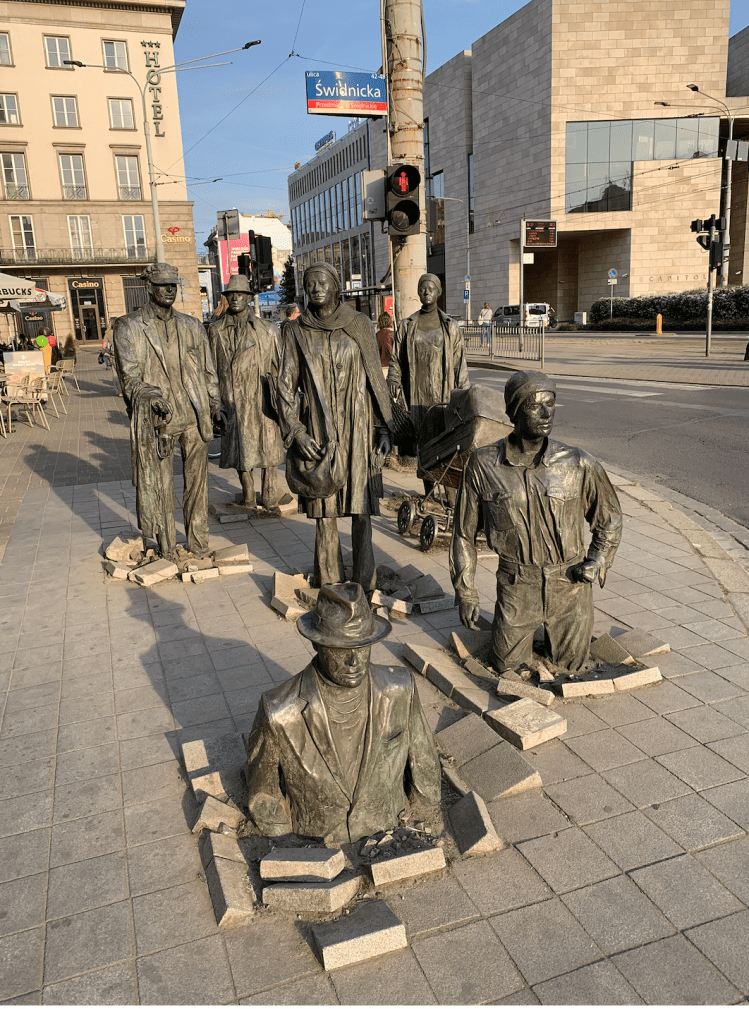
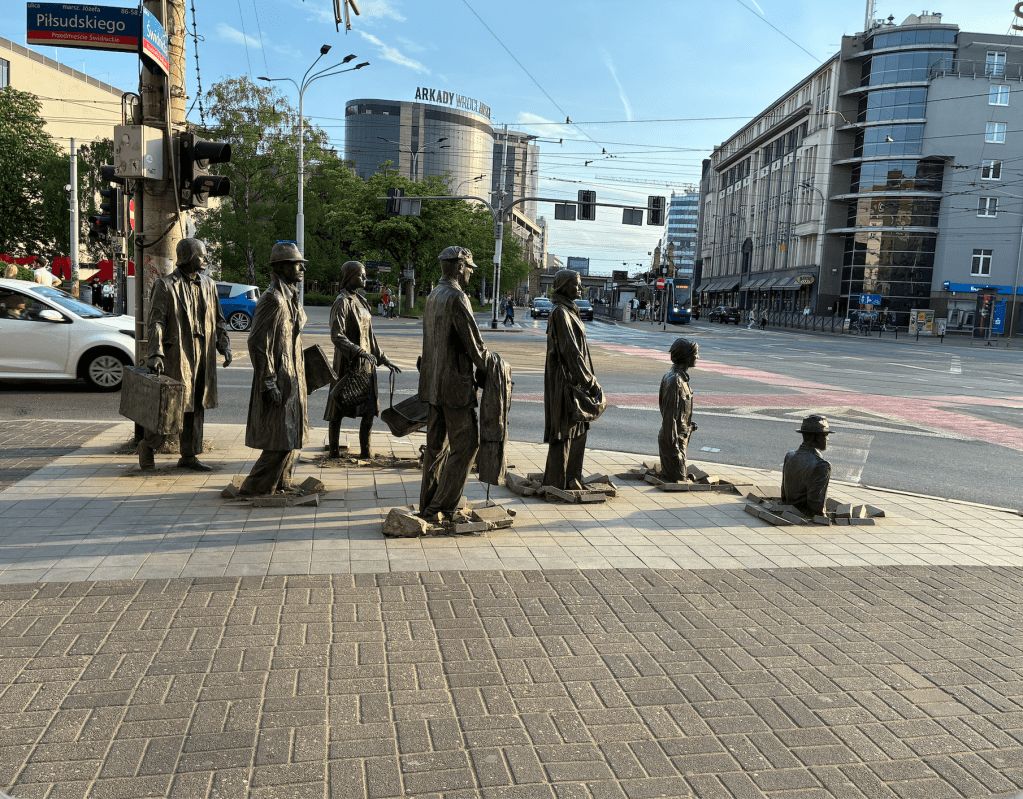
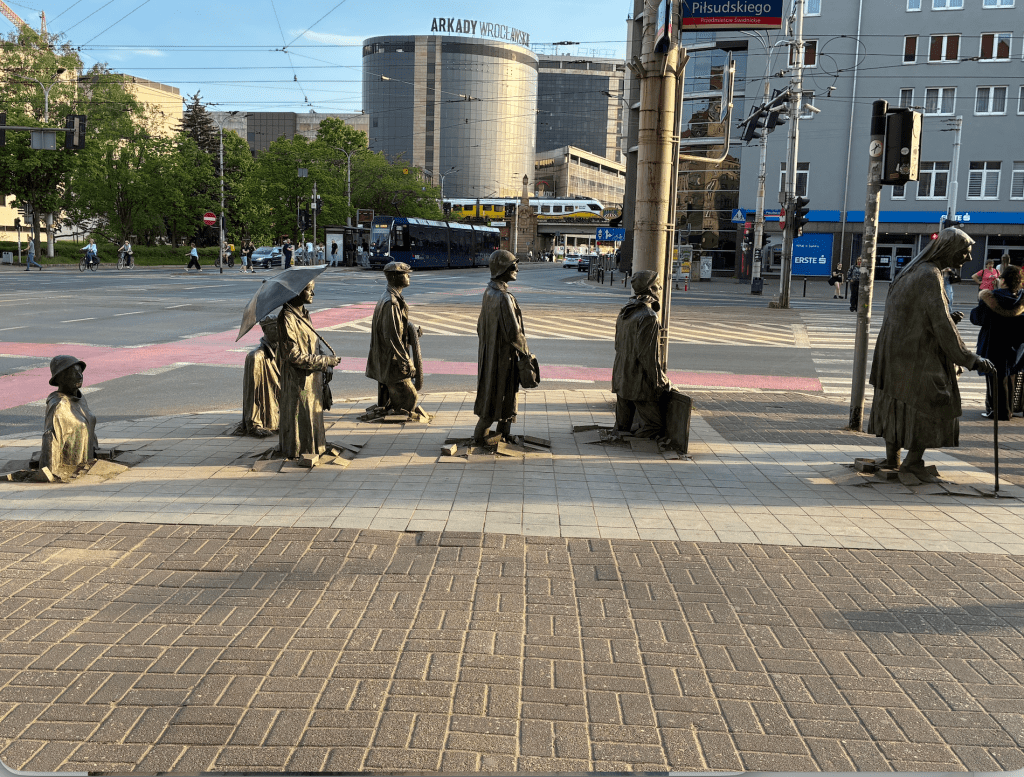
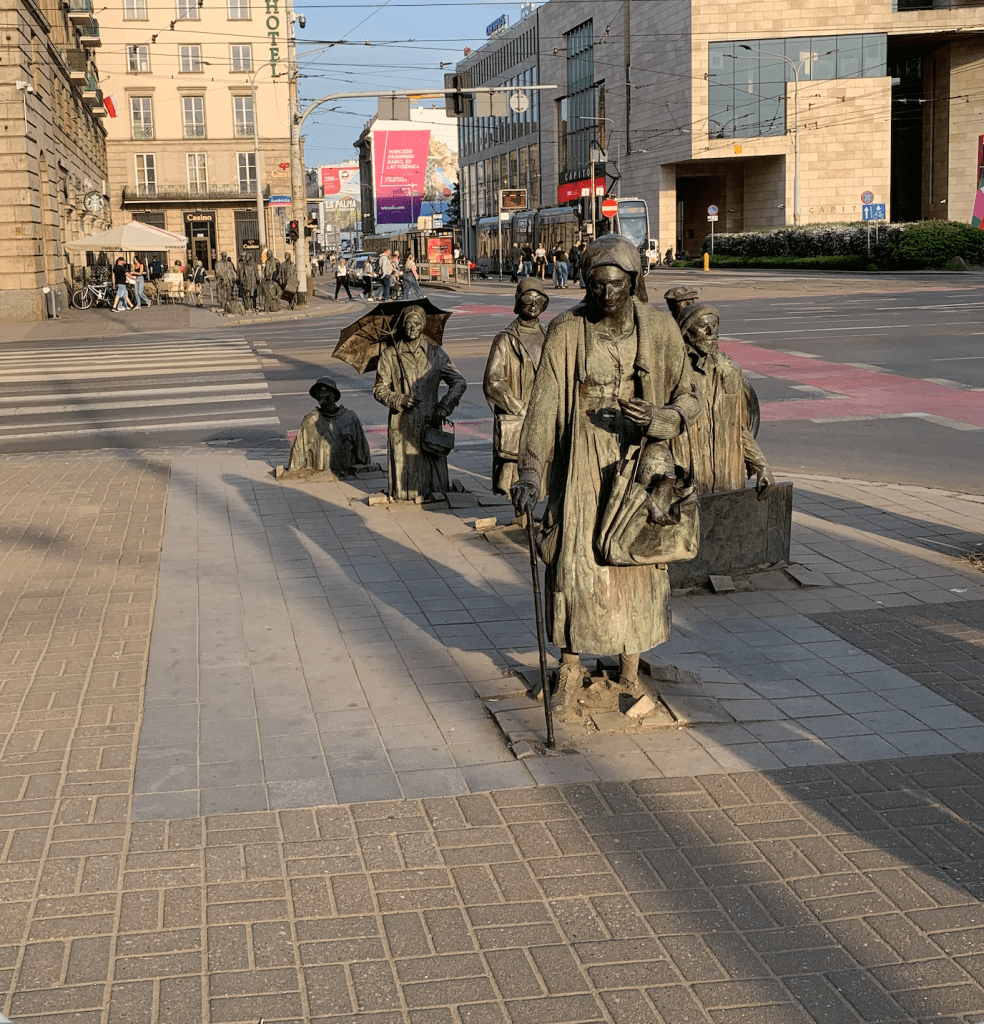
For some reason, we thought there would not be a bunch of tragedy tourists sites here, but then we realized it was Breslau and we were in Poland so of course there were. https://chosenfugue.xyz/2019/01/07/they-do-make-you-stumble/
Łódź (pronounce it Woodge)
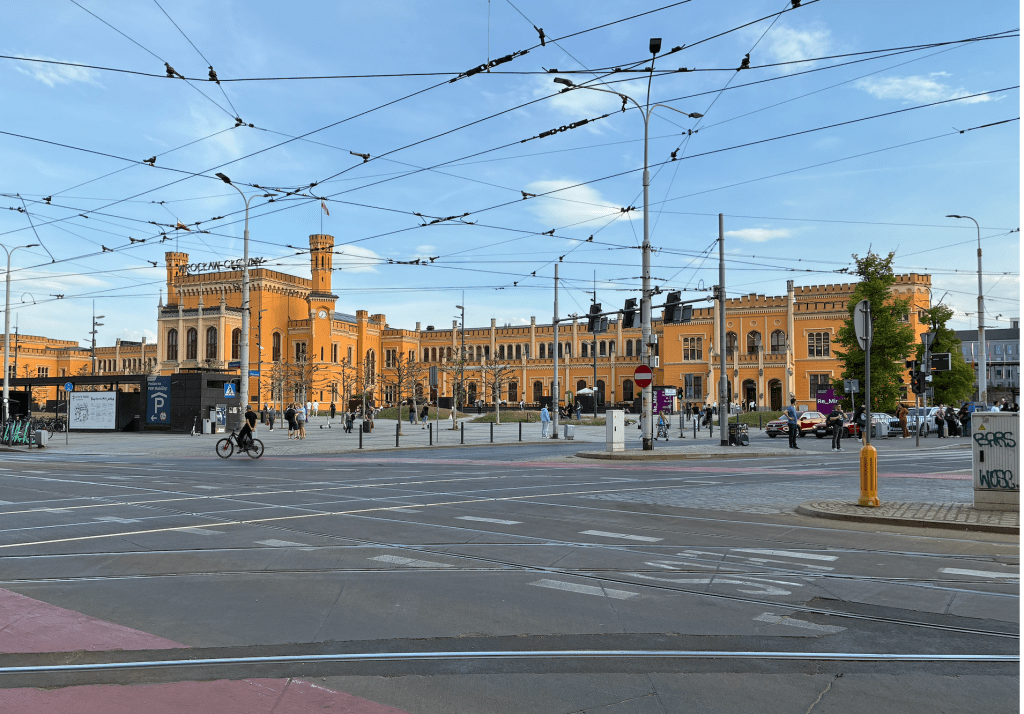
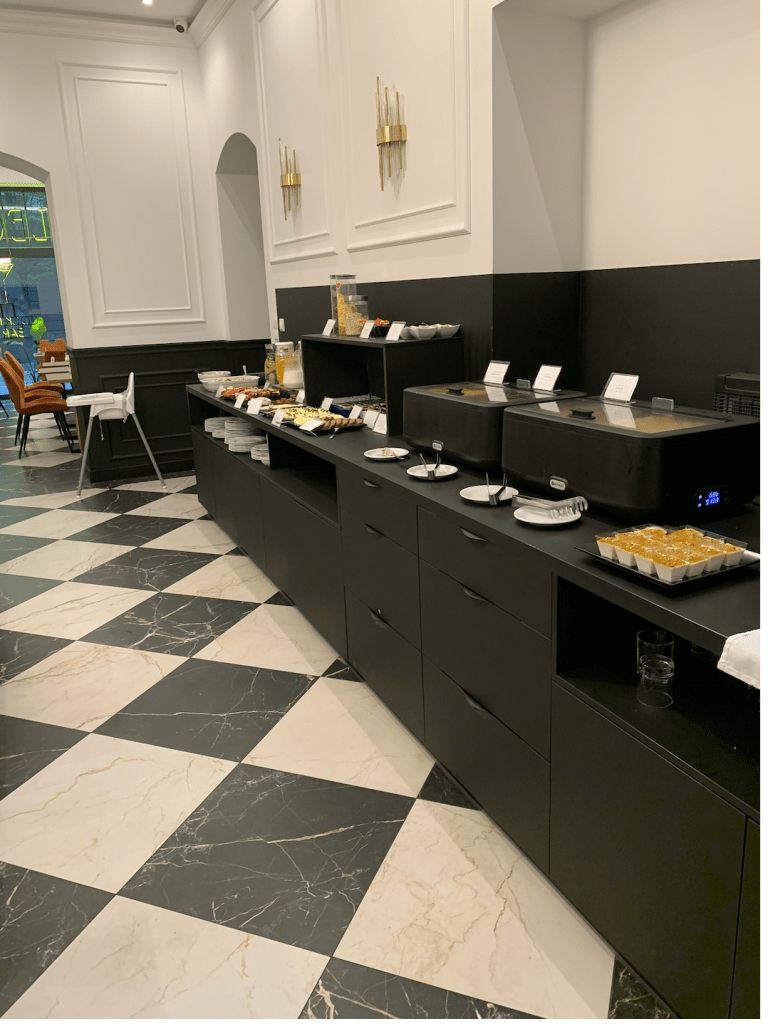
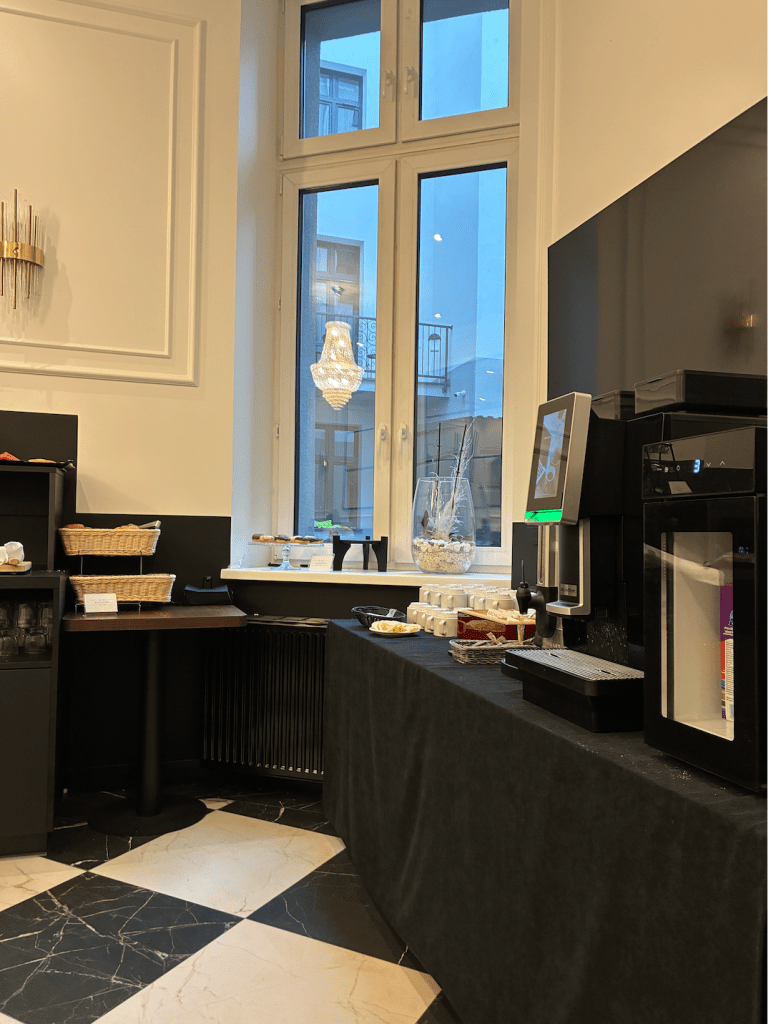
Took the train (pic of the Wroclaw station) to spend 24 hours in Łódź where we stayed in a lovely aparthotel with breakfast! Wow we felt like tourists. No matter how modest, European hotel breakfasts are always better than US.
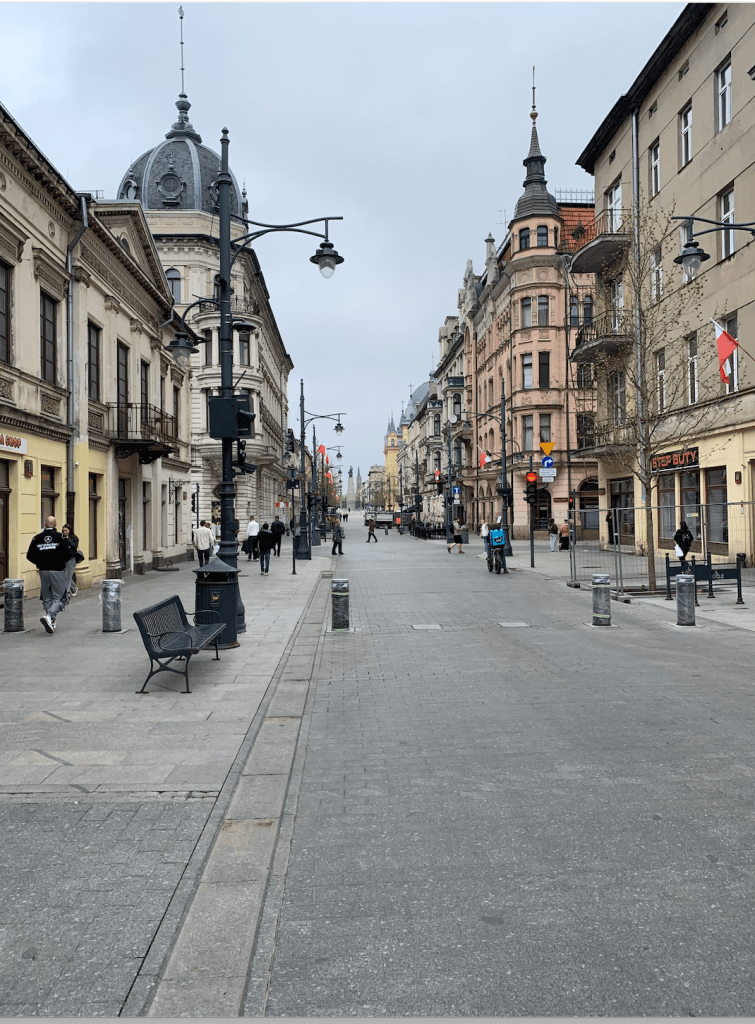
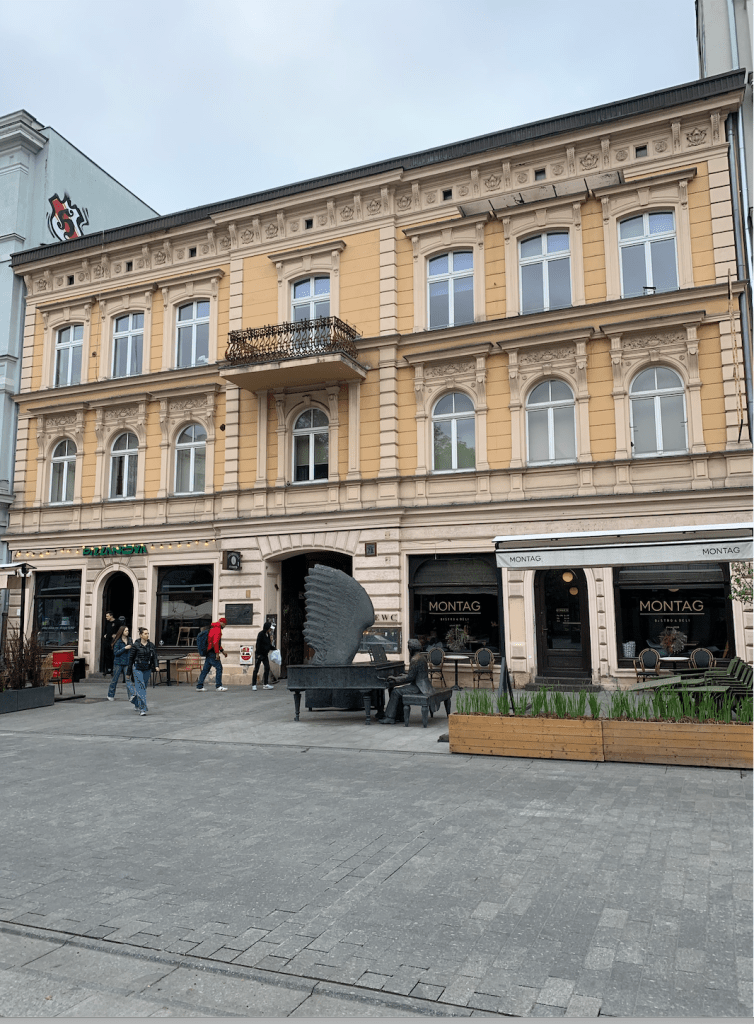
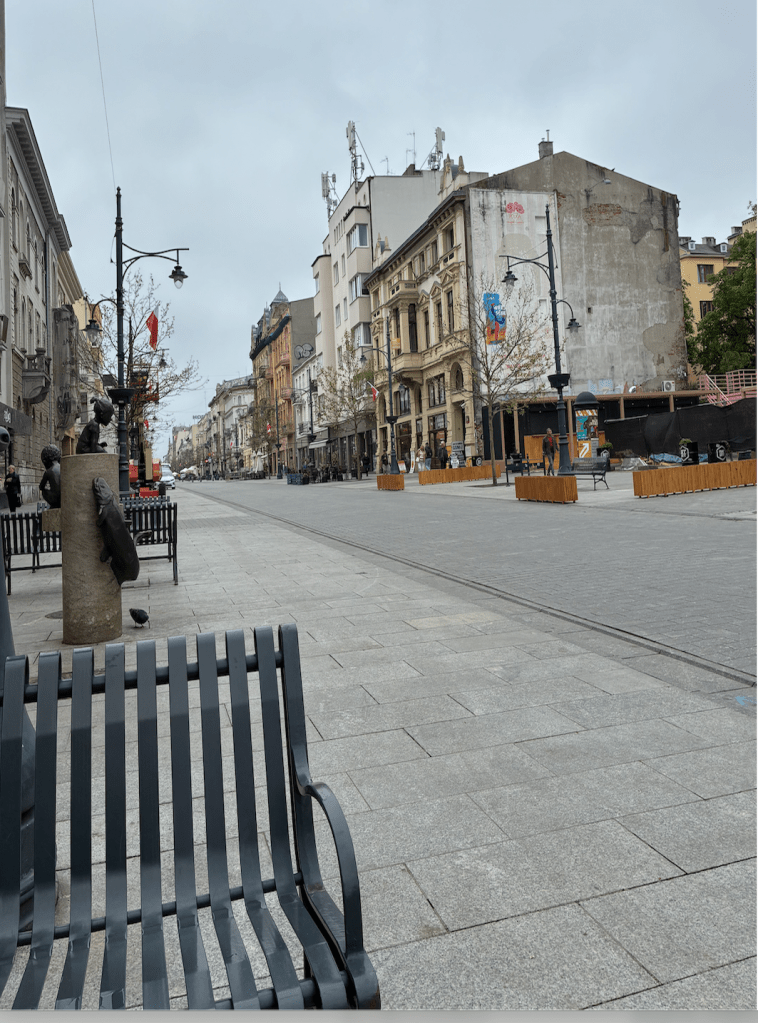
Łódź is well built for a short visit. We arrived at the train station at the bottom of Piotrkowska street (pronounced Ventura Boulevard) and we walked straight up 3.5 km- a perfect snapshot of the city.
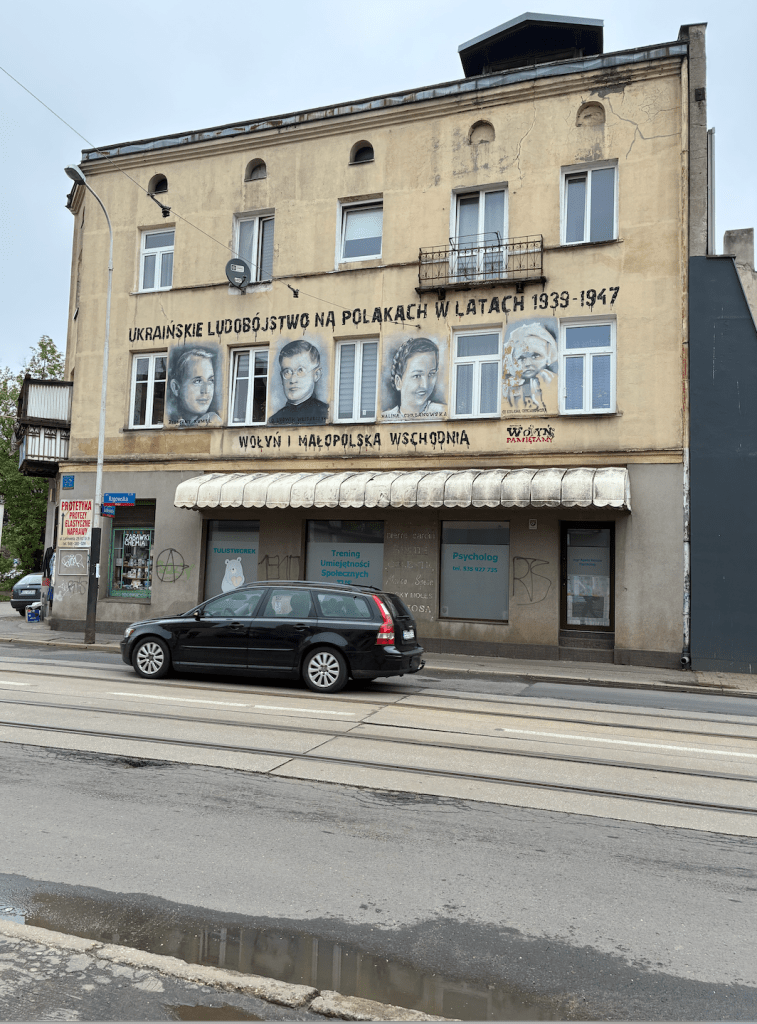
This was a very different Polish city mainly because it was a nothing place until the 1800s when textile factories came in and the city took off.
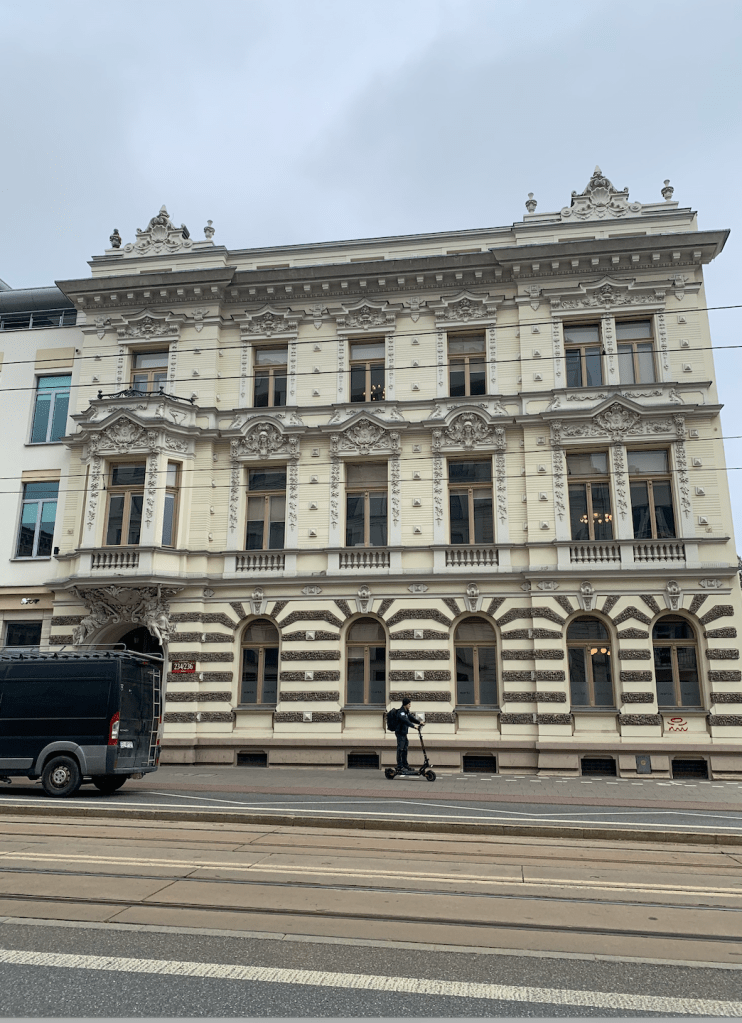
This was another city with competitive building https://chosenfugue.xyz/2026/04/27/viva-la-riga/
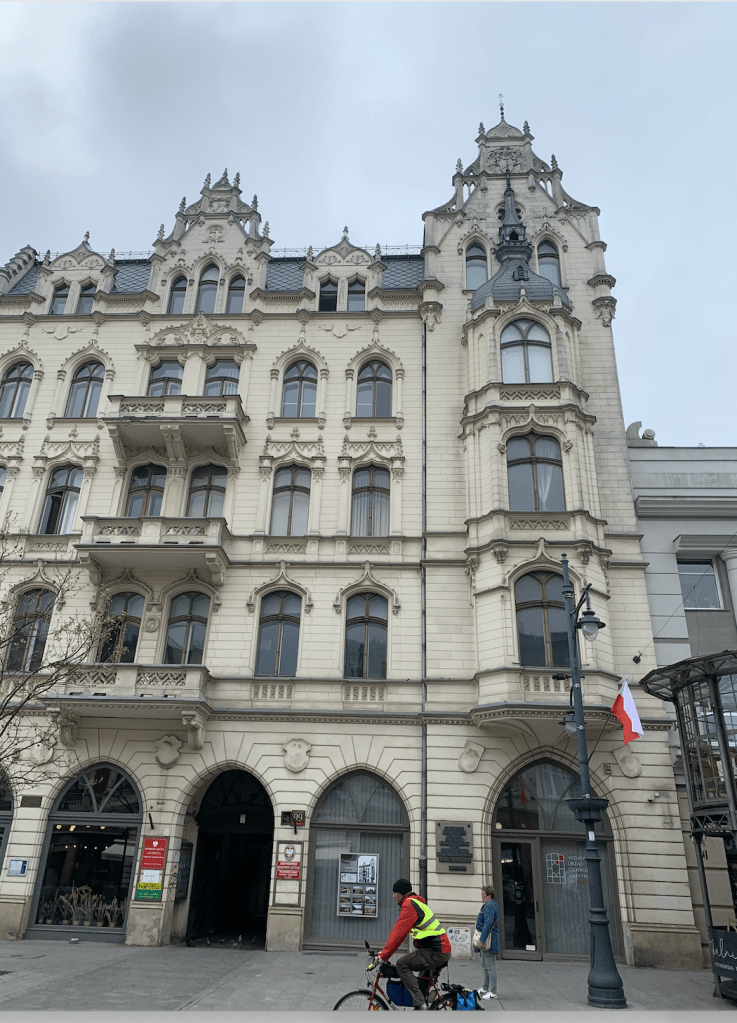
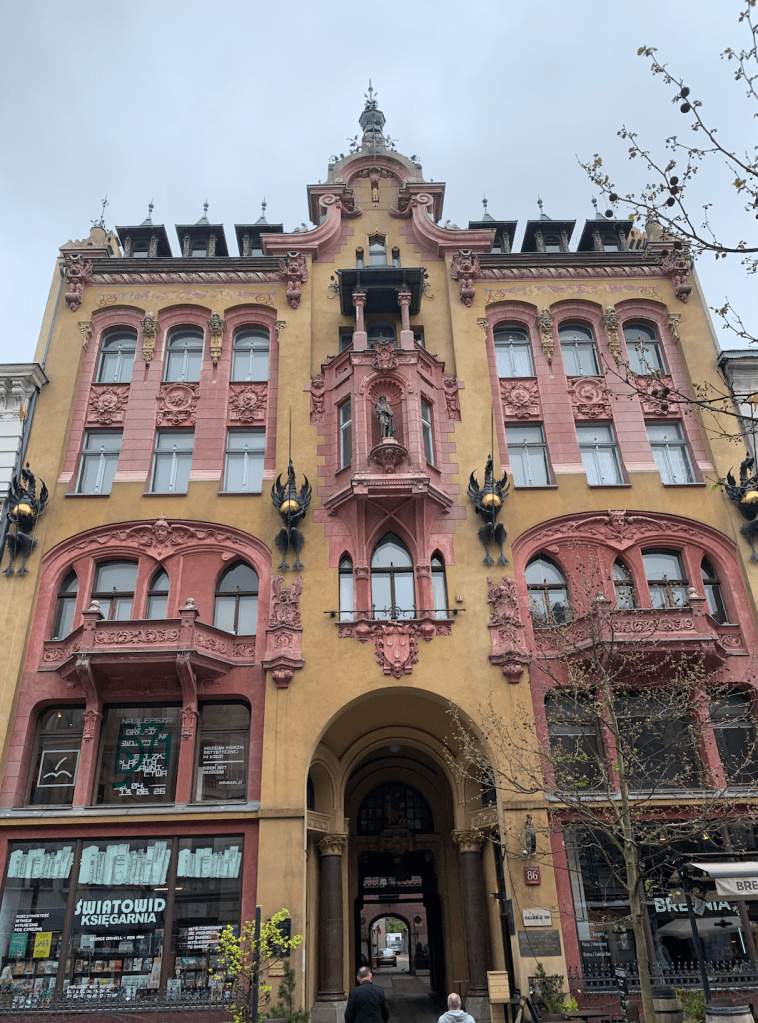
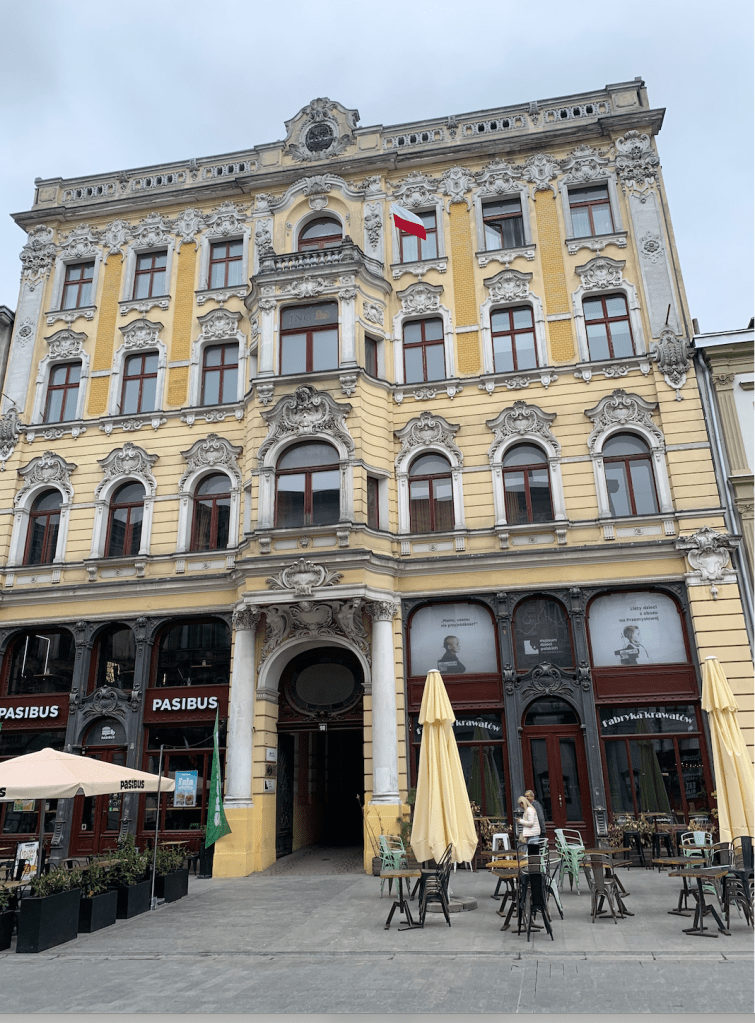
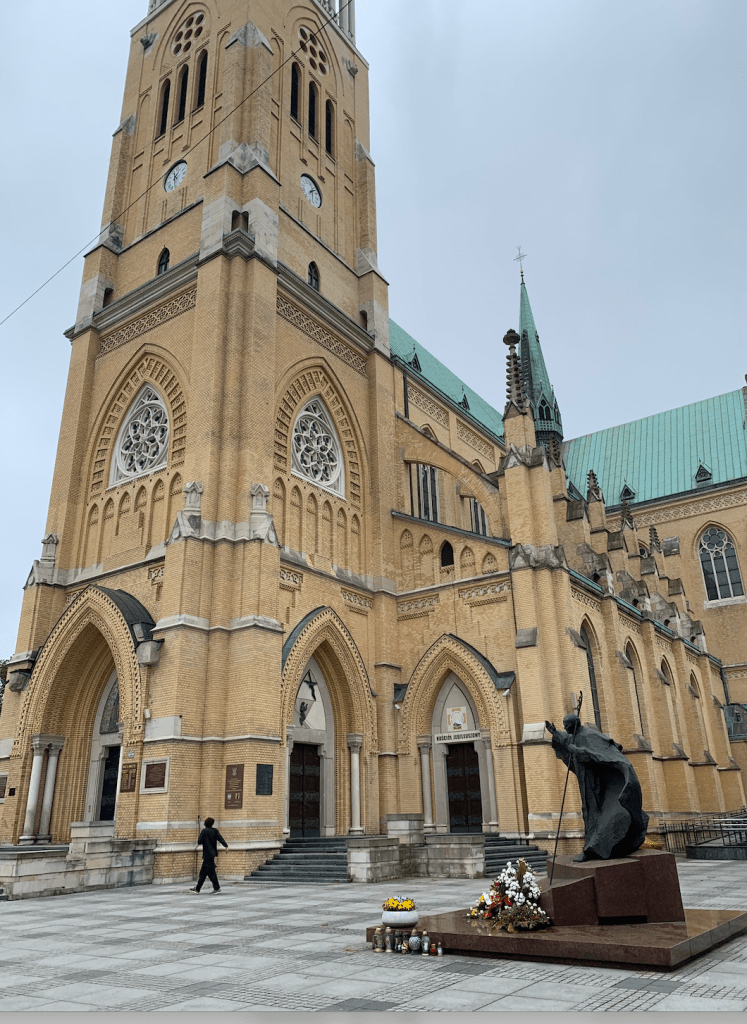
As expected, we got some Chopin and John Paul II
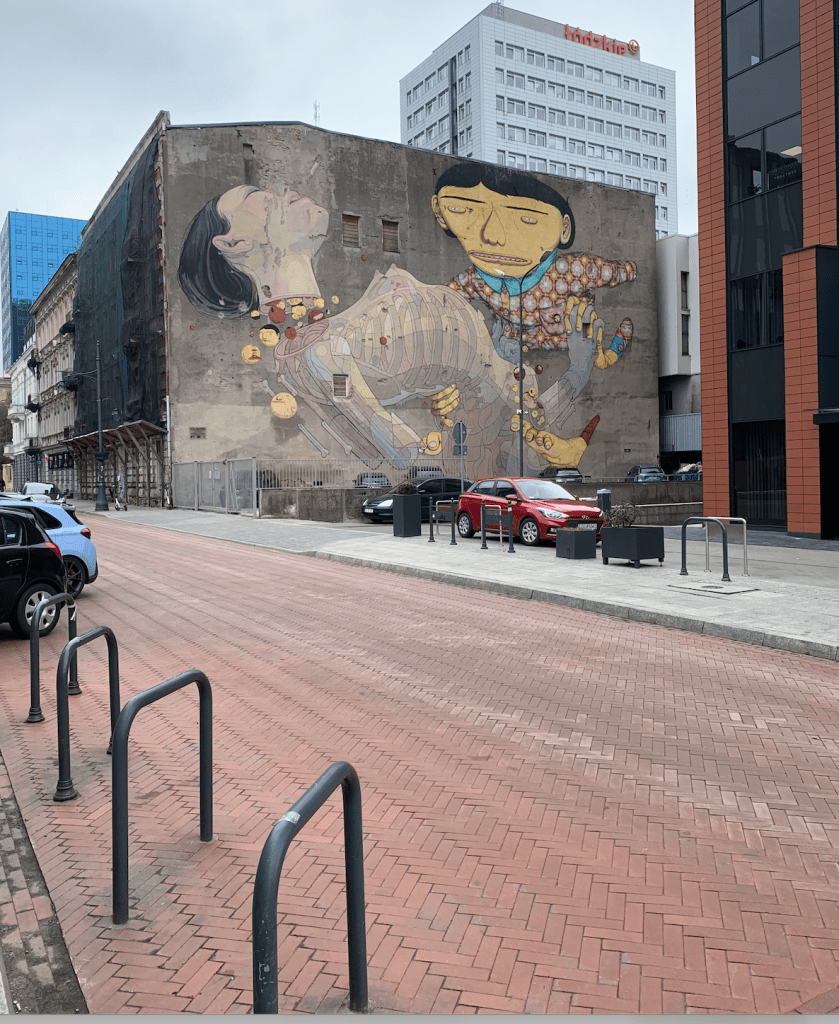
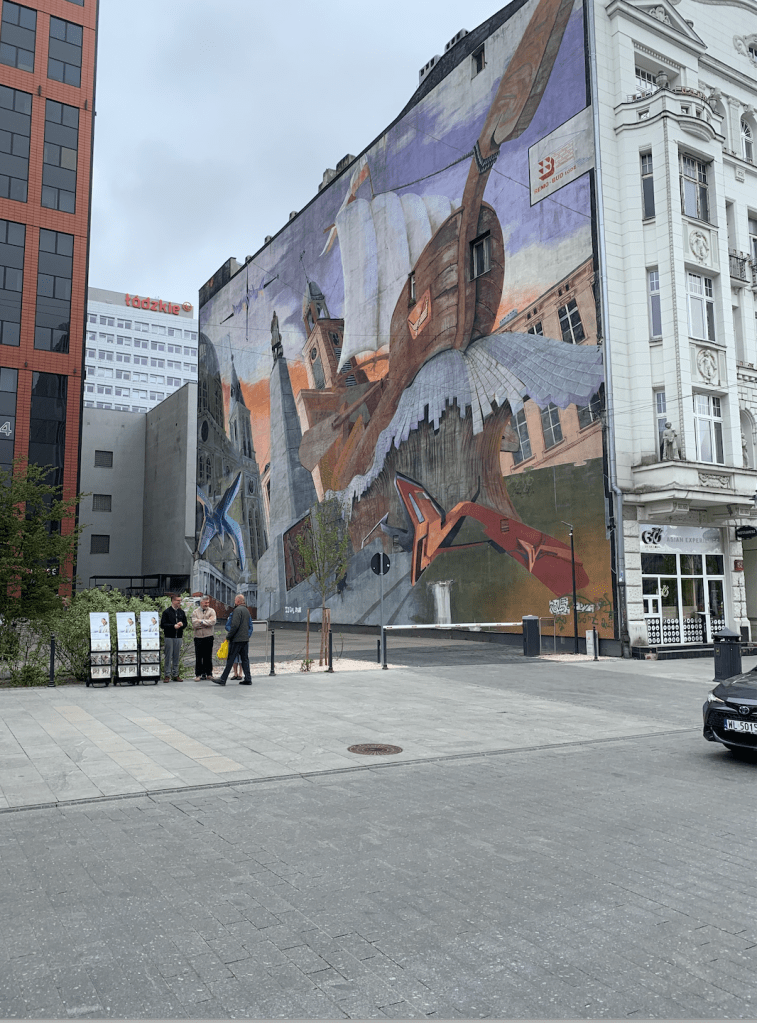
Unexpected, we got a lot of murals
As this was Poland, there was Jewish ghetto formed in 1940, which was at the edge of town, established in the poorer part of the city. This was a very unique ghetto as it kinda was a combo ghetto-labor camp with 91 factories to supply the German military, and over 200,000 people passing through it, either workers or on their way to Nazi extermination camps. It was very large, very productive, very creepy.
A lot of info on this website http://www.lodz-ghetto.com
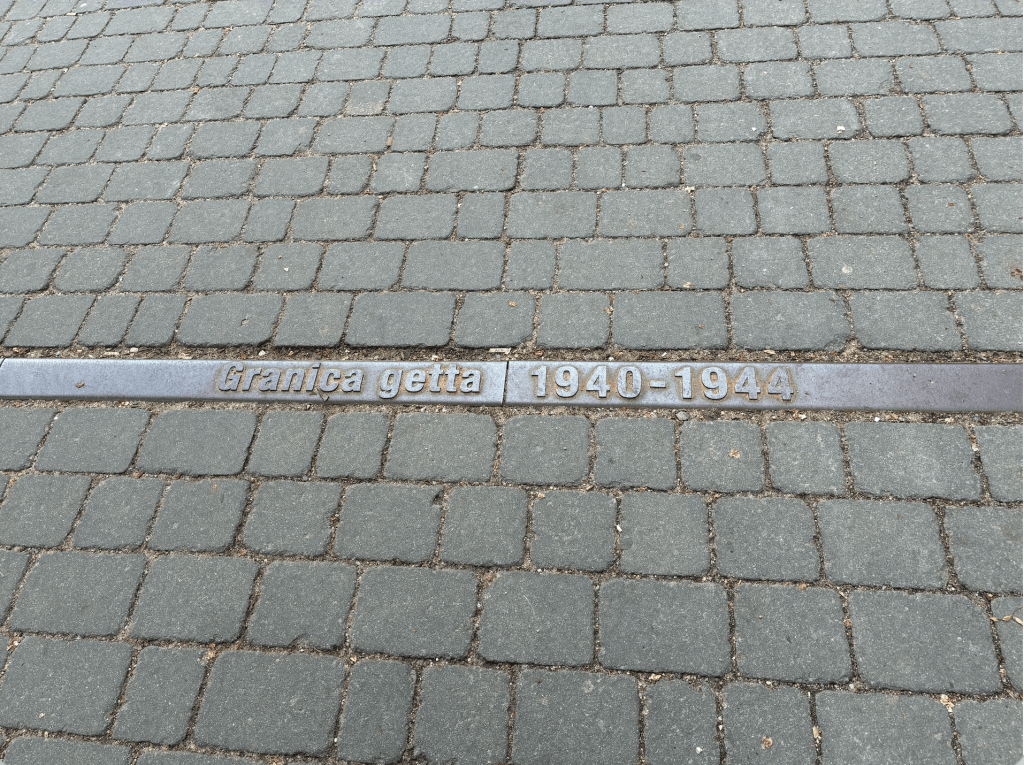
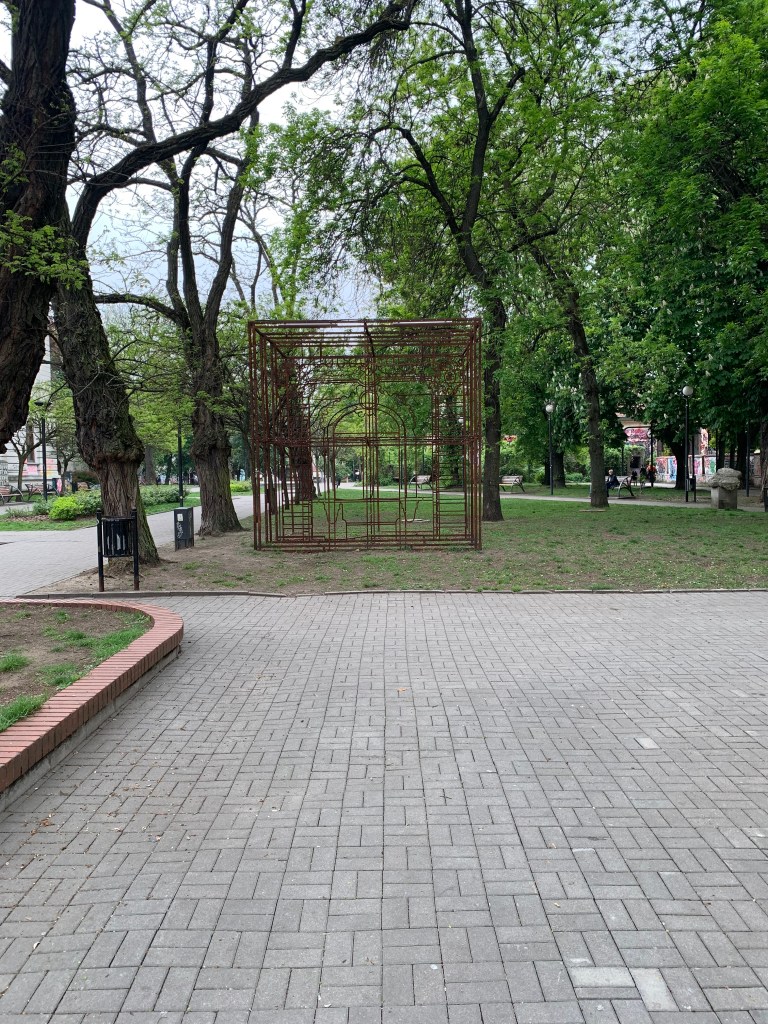
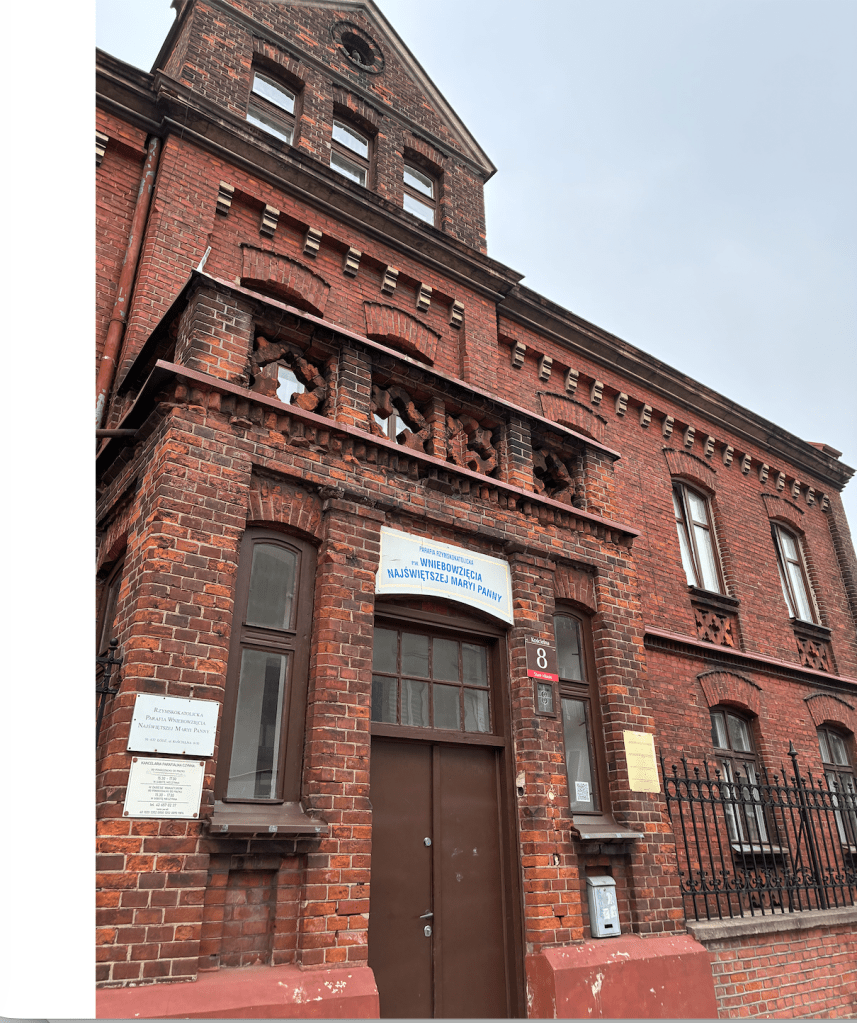
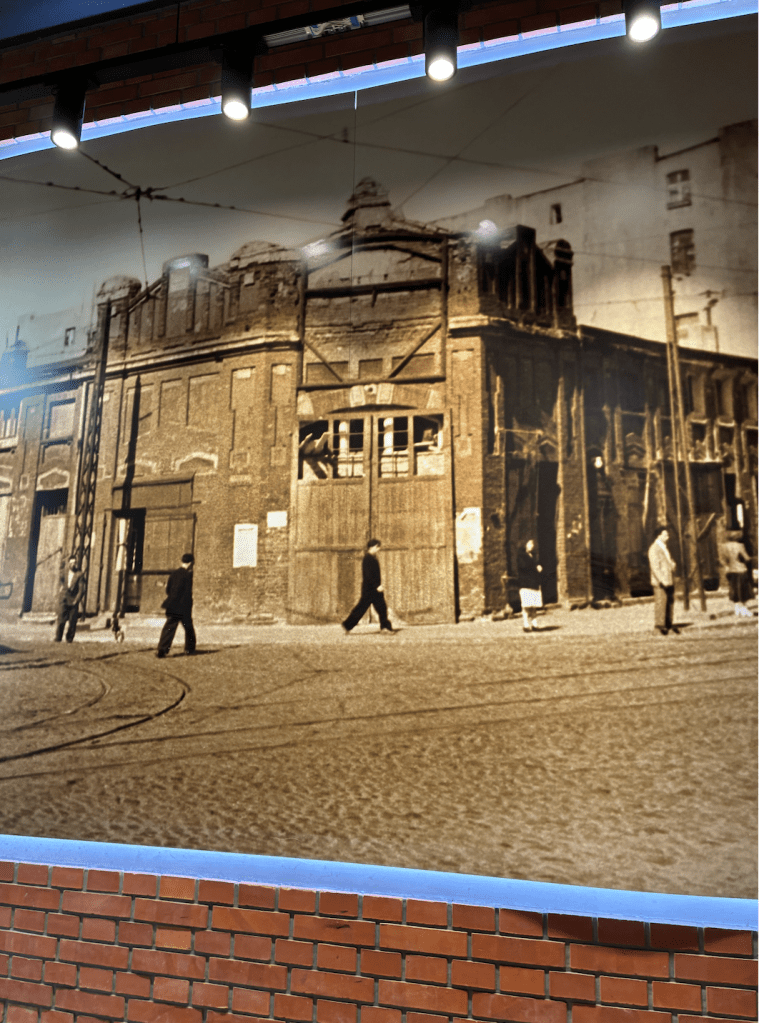
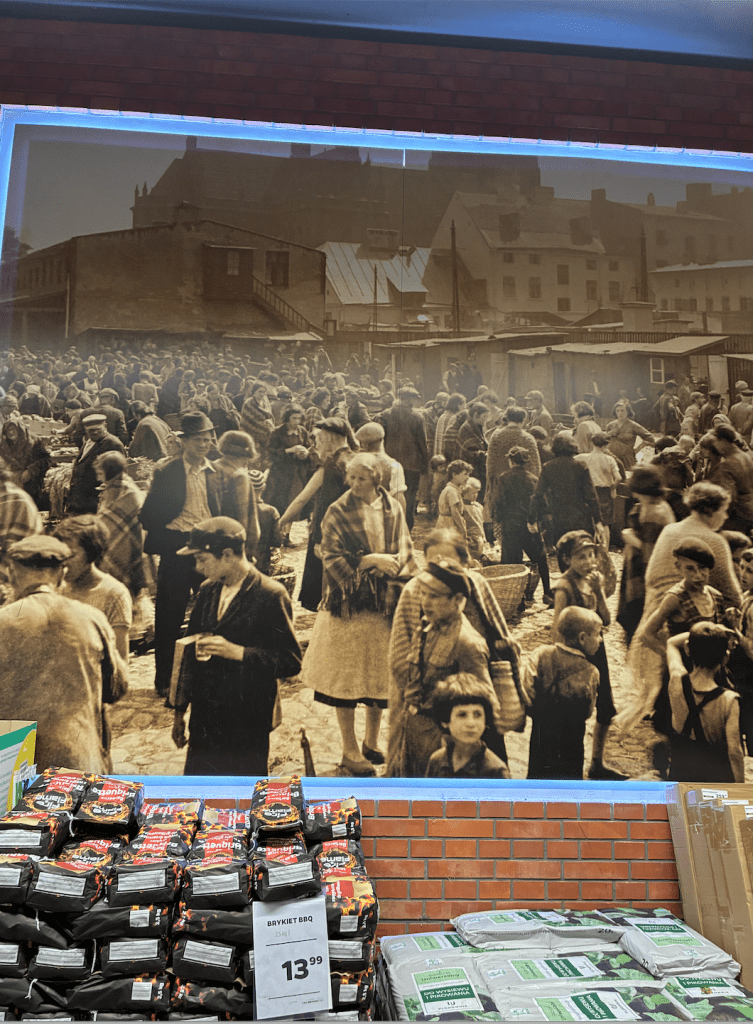
Despite the years, the ghetto streets felt icky, maybe because the buildings looked almost unchanged. We walked through only a tiny part, stopping into the German chain supermarket, Netto, which was in the ghetto. These pictures were just inside the entrance, based on how people were dressed, they look like pictures from the ghetto. Maybe not, but felt disturbing never-the-less.
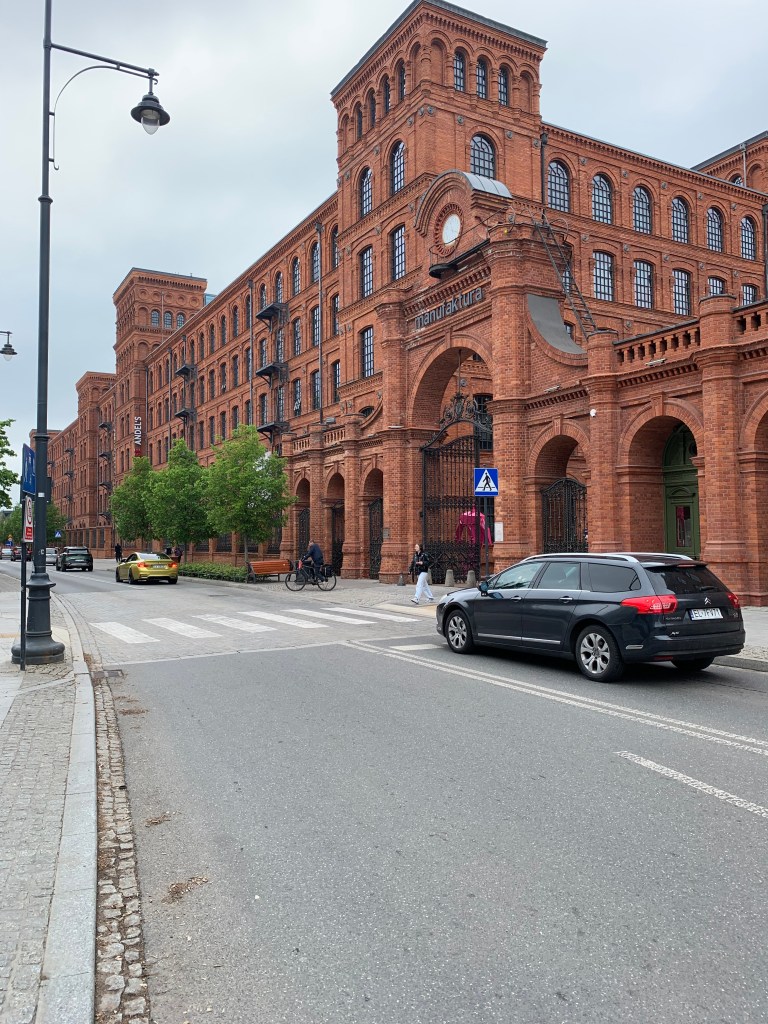
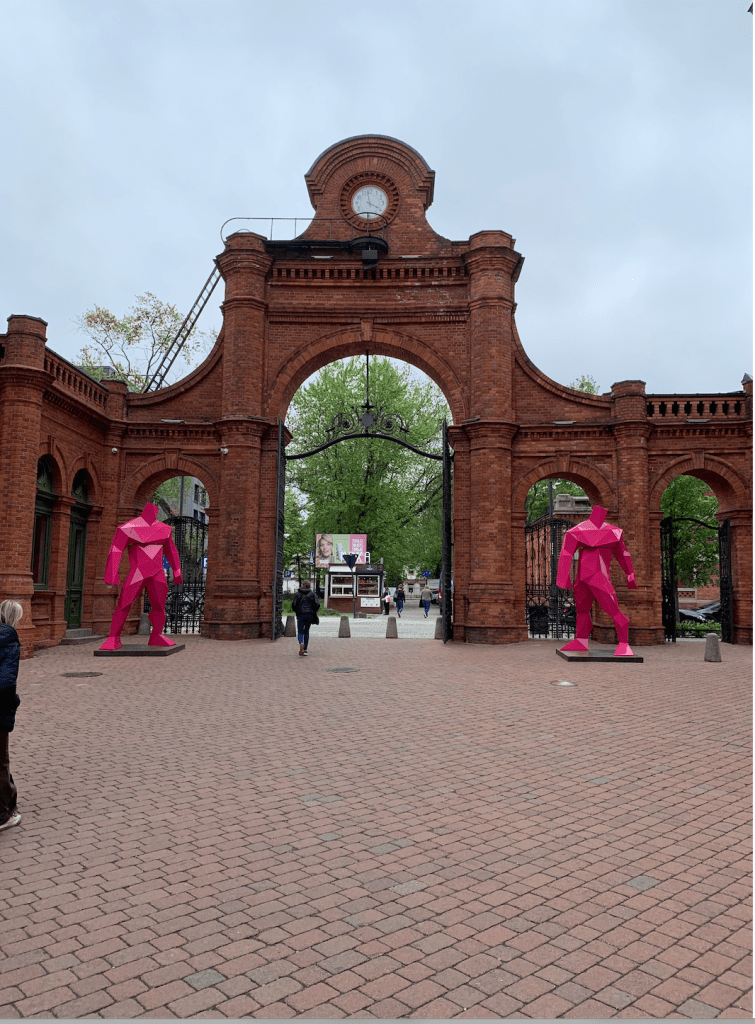
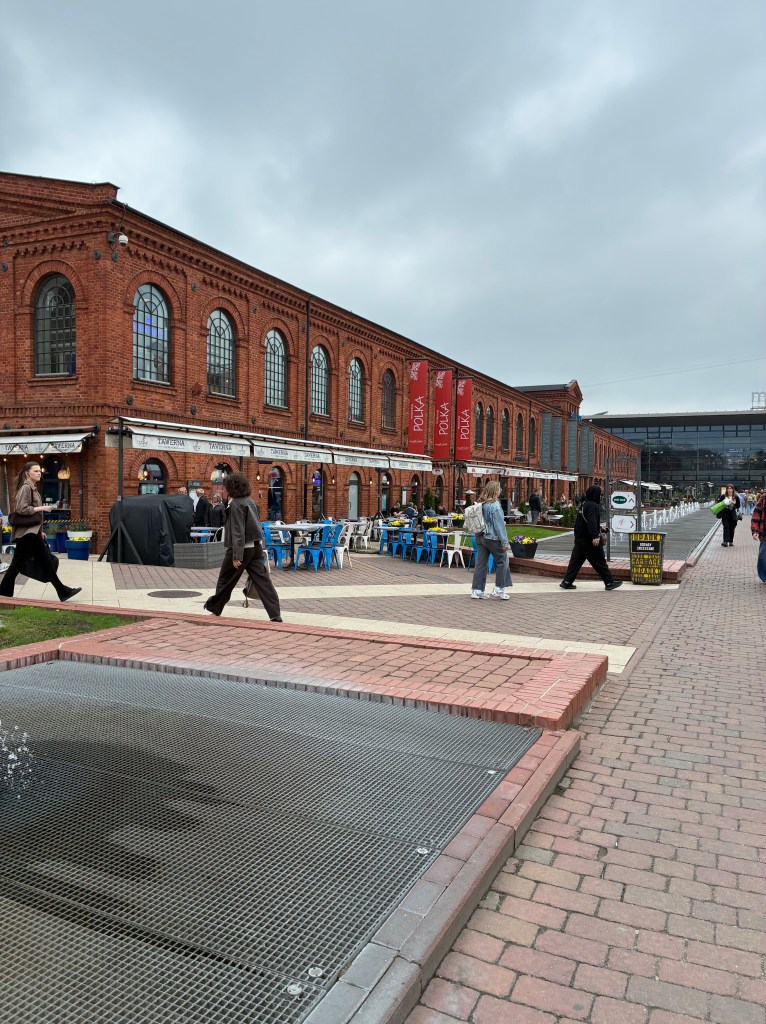
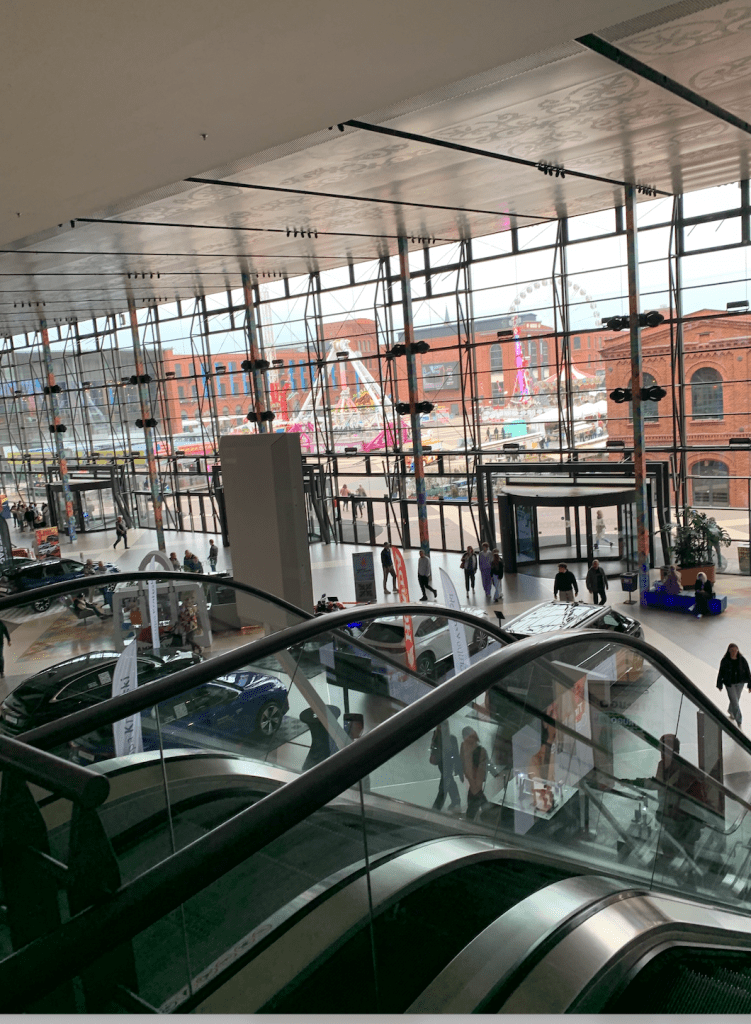
At the end of Piotrkowska street, just before the ghetto sign, was a HUGE shopping/entertainment area (pronounced The Grove) built in an old textile factory.
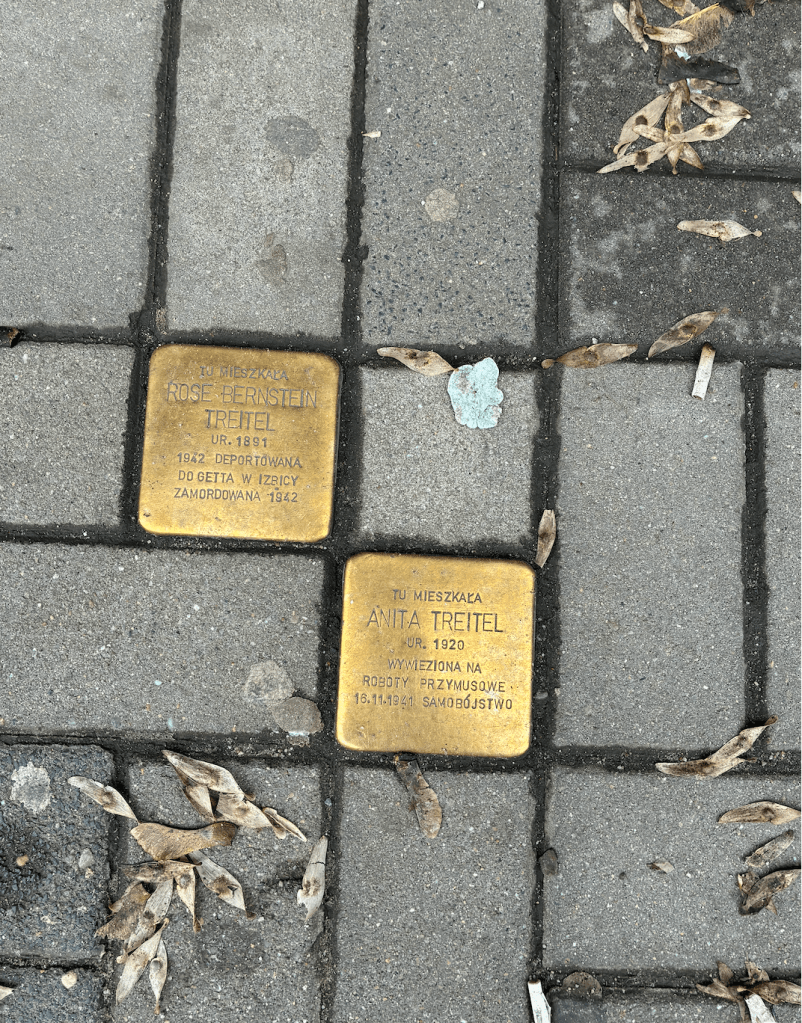
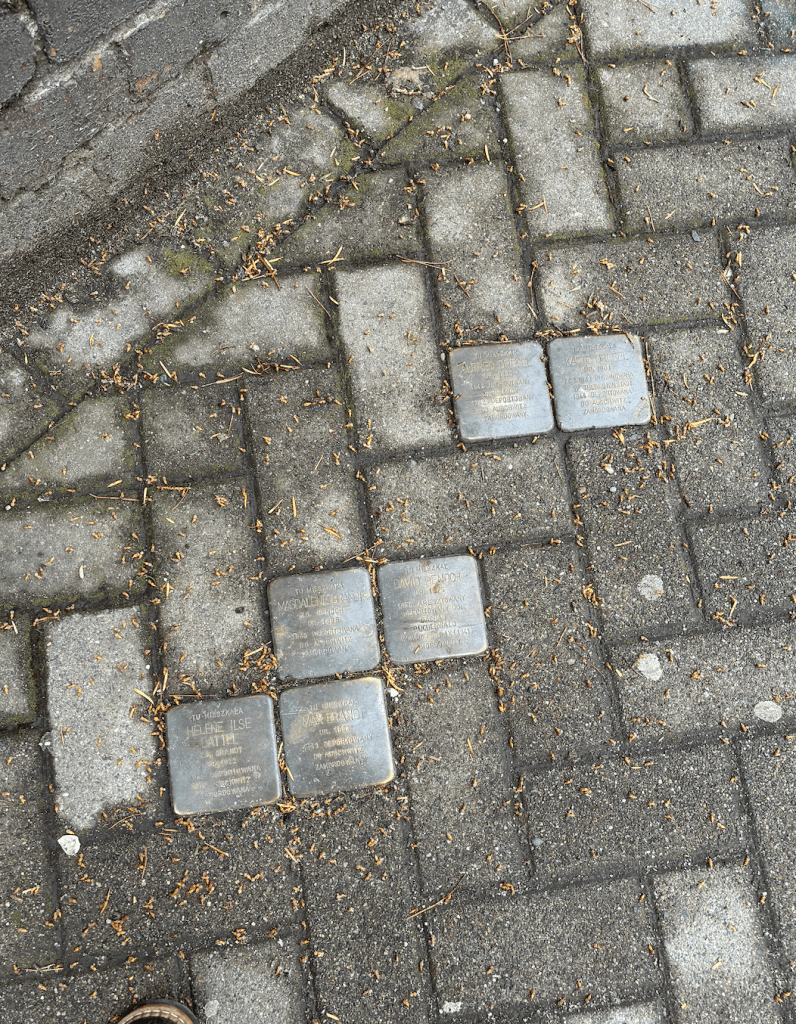
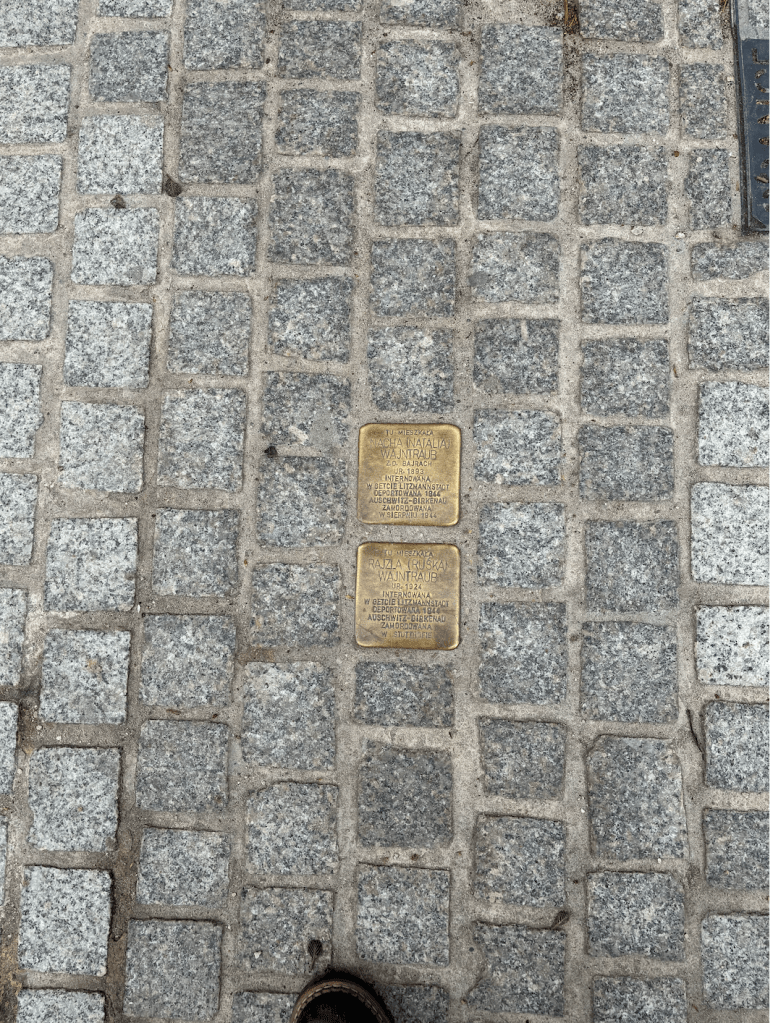
We ended our stay with a stop at the one stolpersteine site in Łódż. which apparently was very controversial to place, as unfortunately are many. Just stolpersteine for one family, even though before the war Jews made up 34% of the population in 1939.
Toruń (pronounced toe-roon)
Wroclaw had its dwarfs, Łódż, had its textiles, Toruń has its gingerbread, a specialty since 1380.
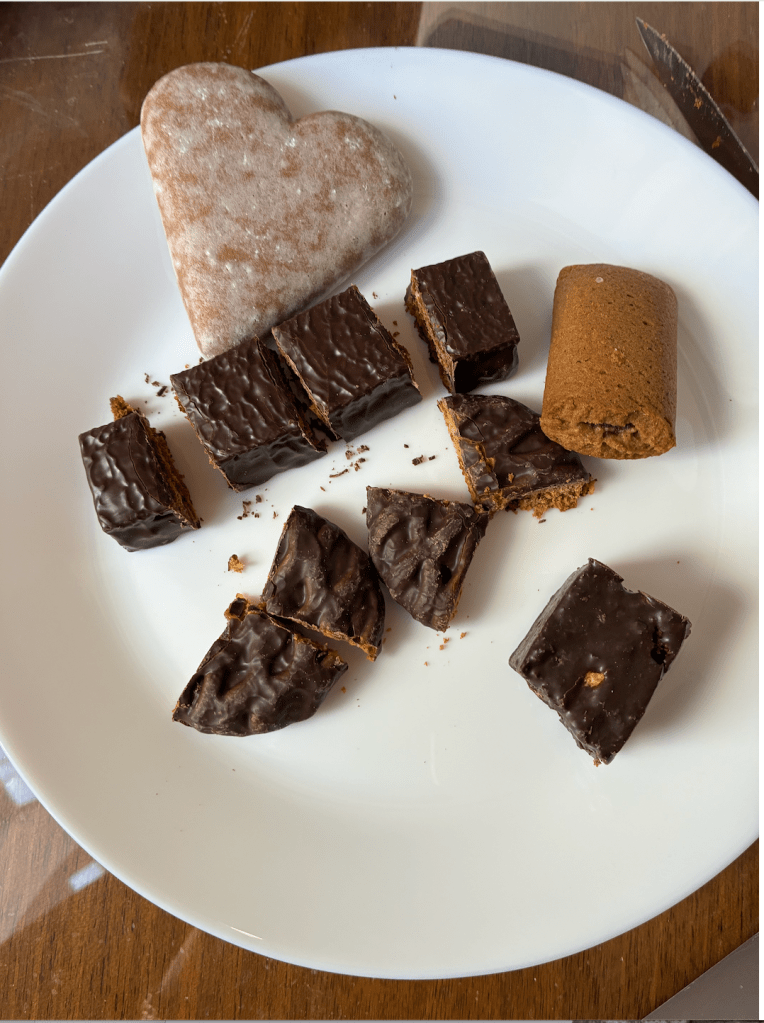
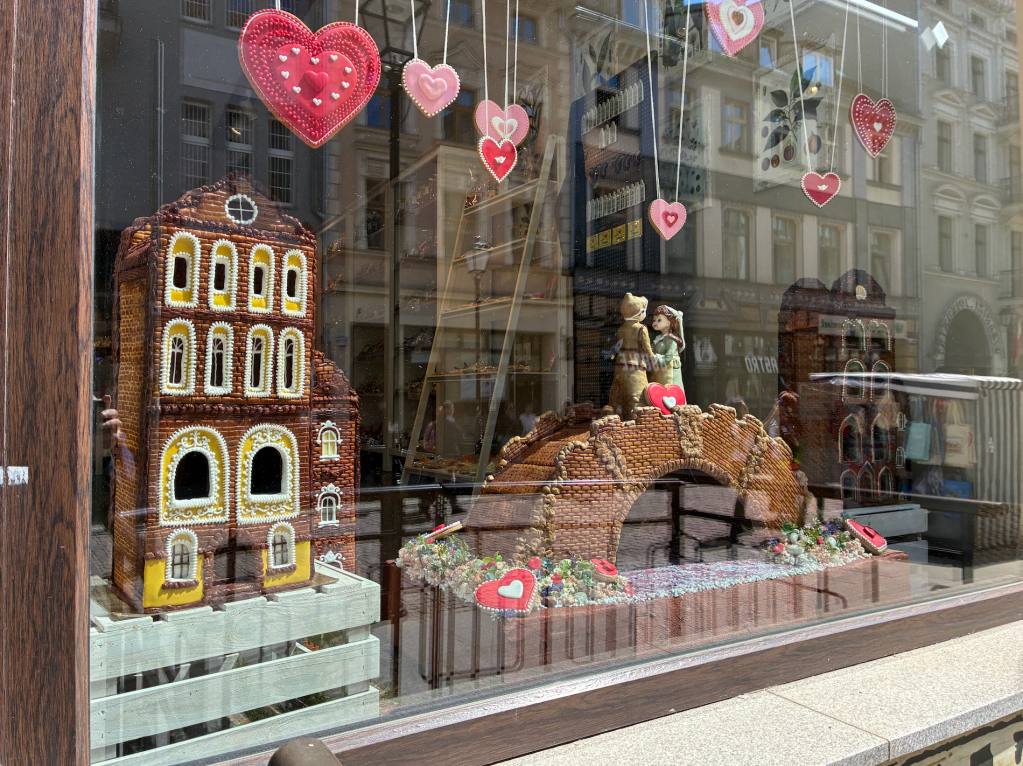
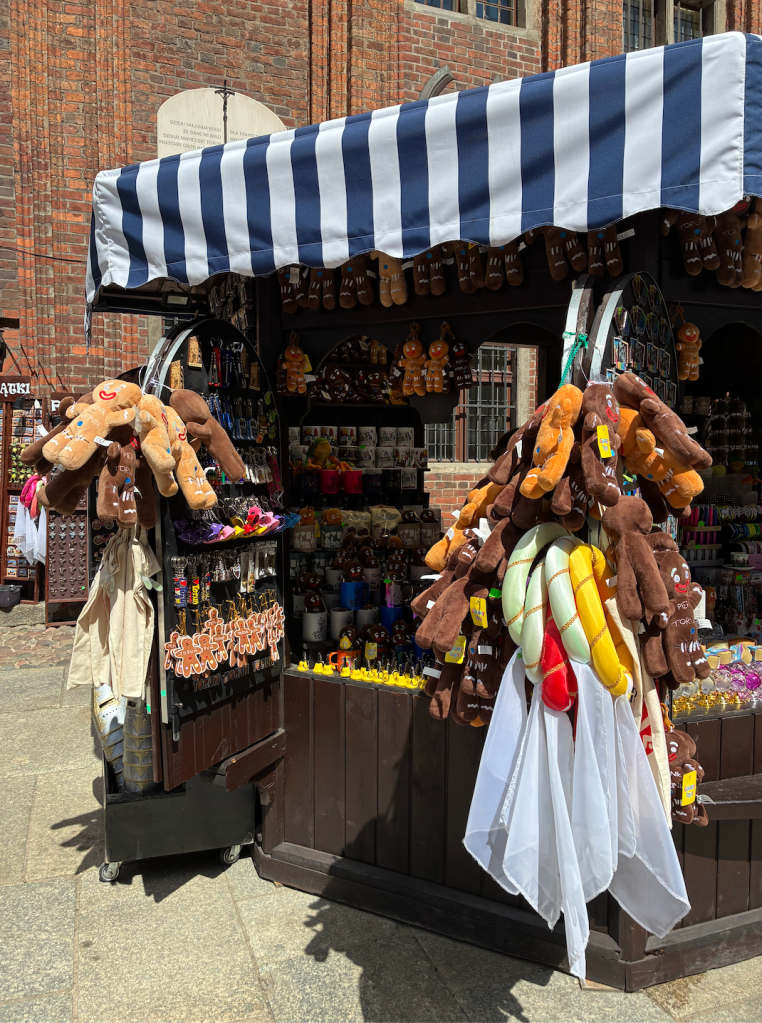
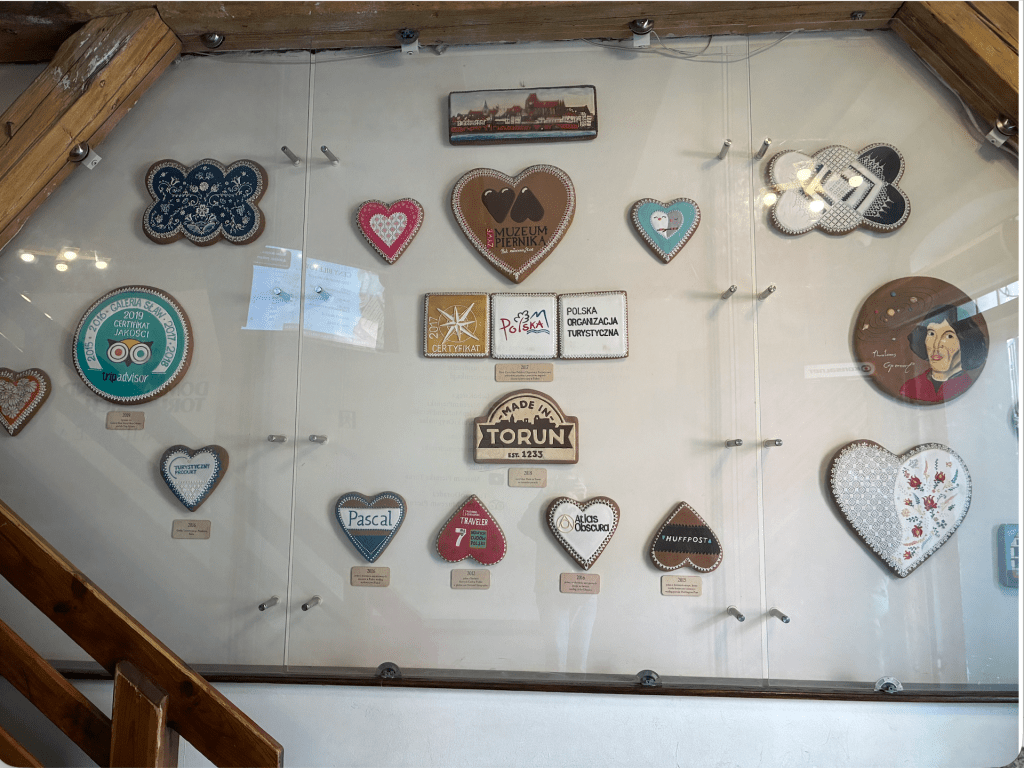
We did not like the gingerbread; it was heavy on the bread, light on the ginger. Toruń felt like a tourist town; two pretty squares full of gingerbread bakeries and souvenir stores connected by a street full of more gingerbread and souvenir stores with a sprinkling of cafes and pierogi restaurants .
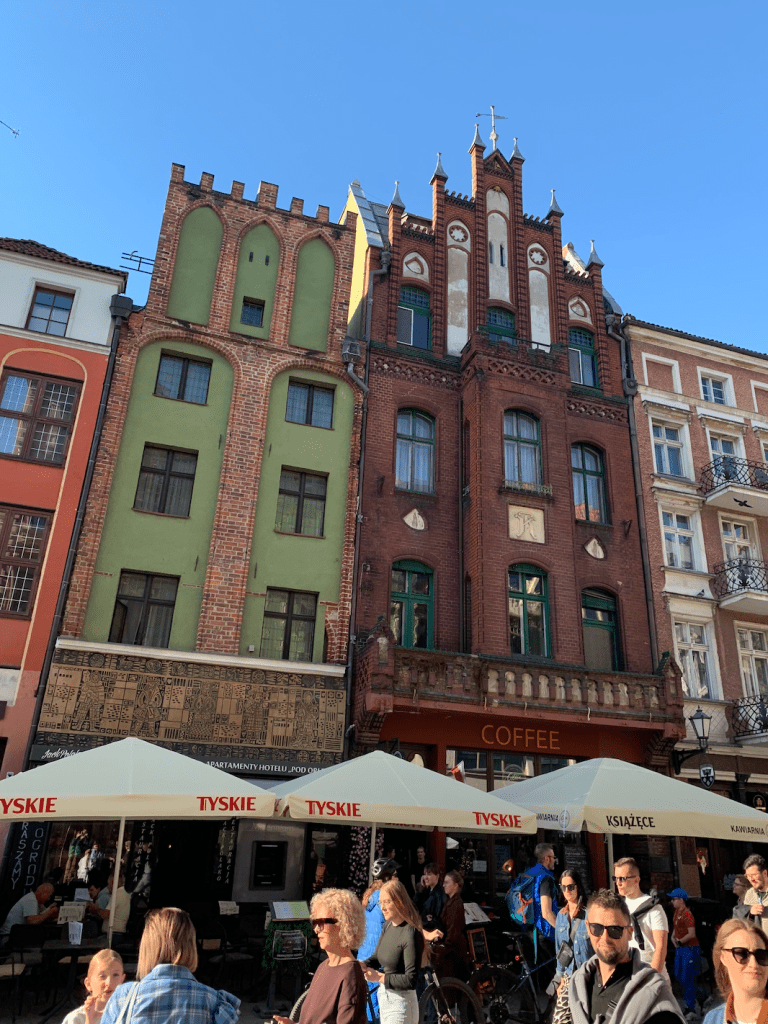
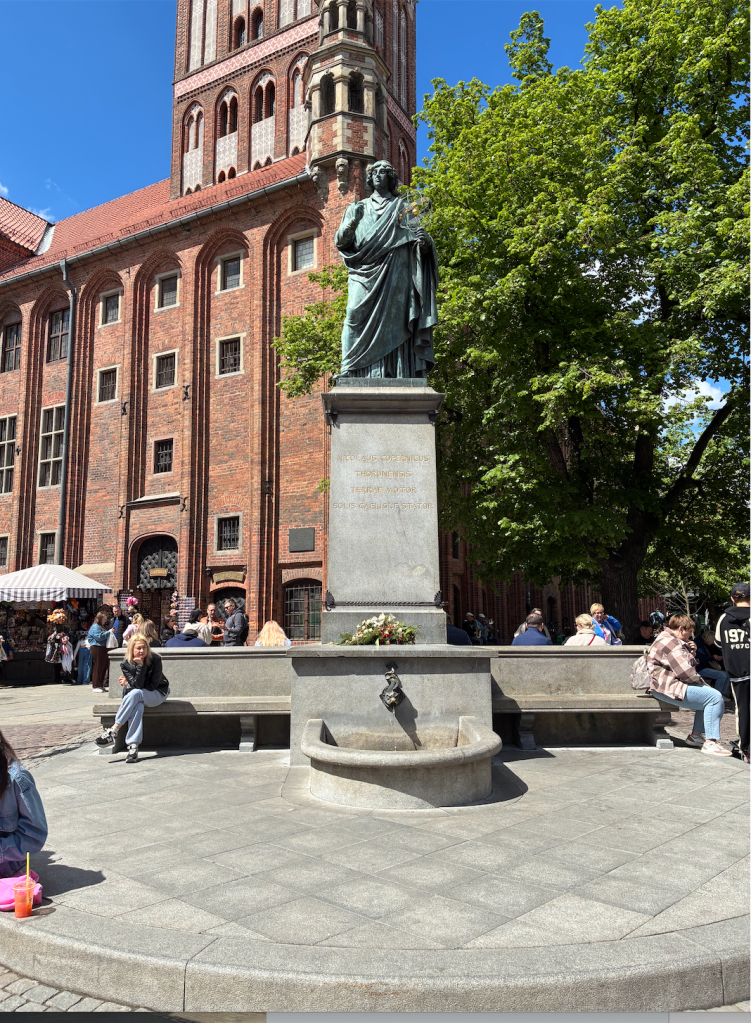
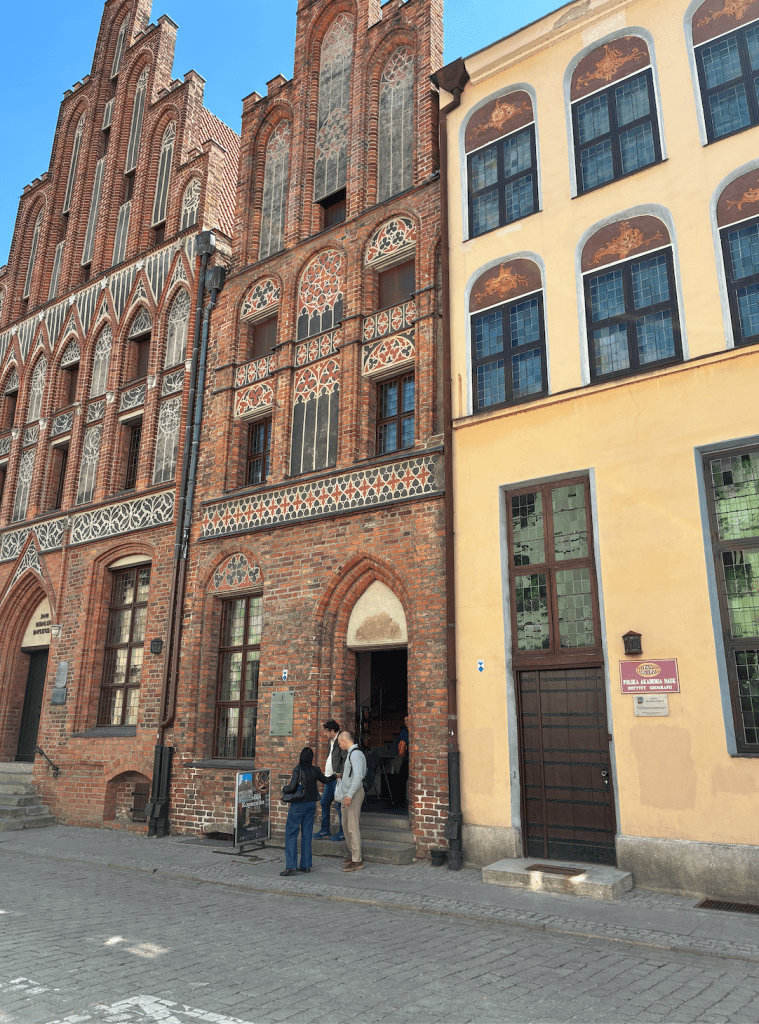
But it actually was a little more than gingerbread and pierogis. It was the birthplace of Nicolas Copernicus.
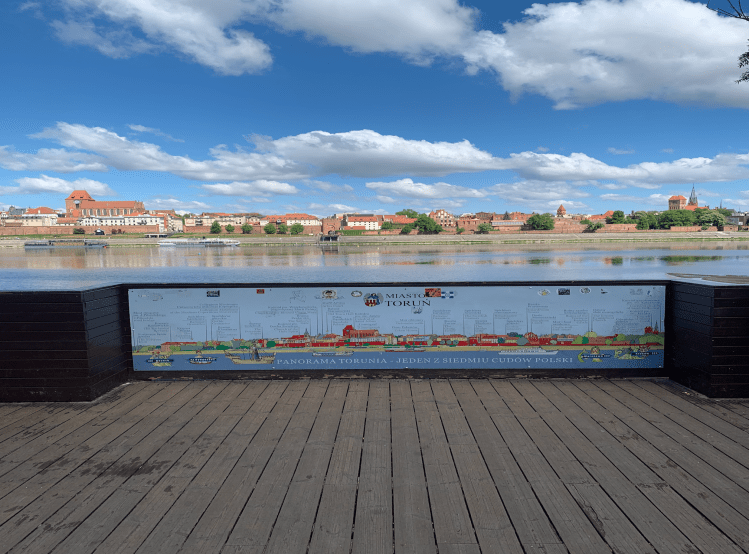
It also had a picturesque river (the Vistula River), with a viewing platform mural nicely describing what we were seeing.
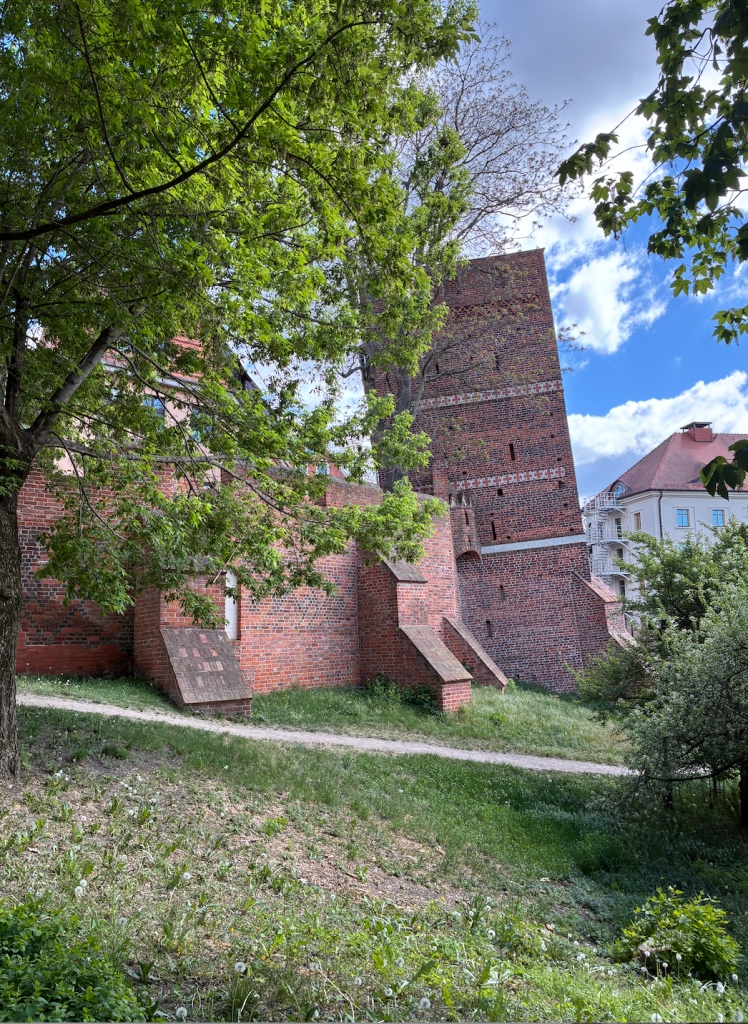
It also had it’s own leaning tower
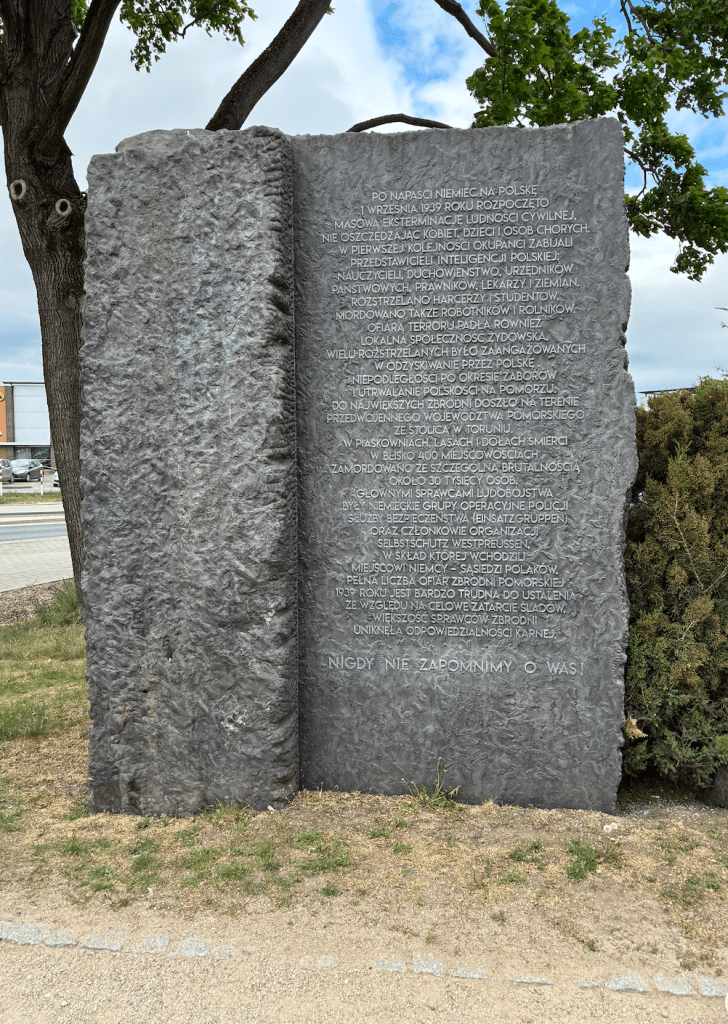
It also had a small memorial park which instead of ethnic separation, honored pretty much everyone who died in all the wars; Poles, Jews, Roma, etc. A rare display of unity.
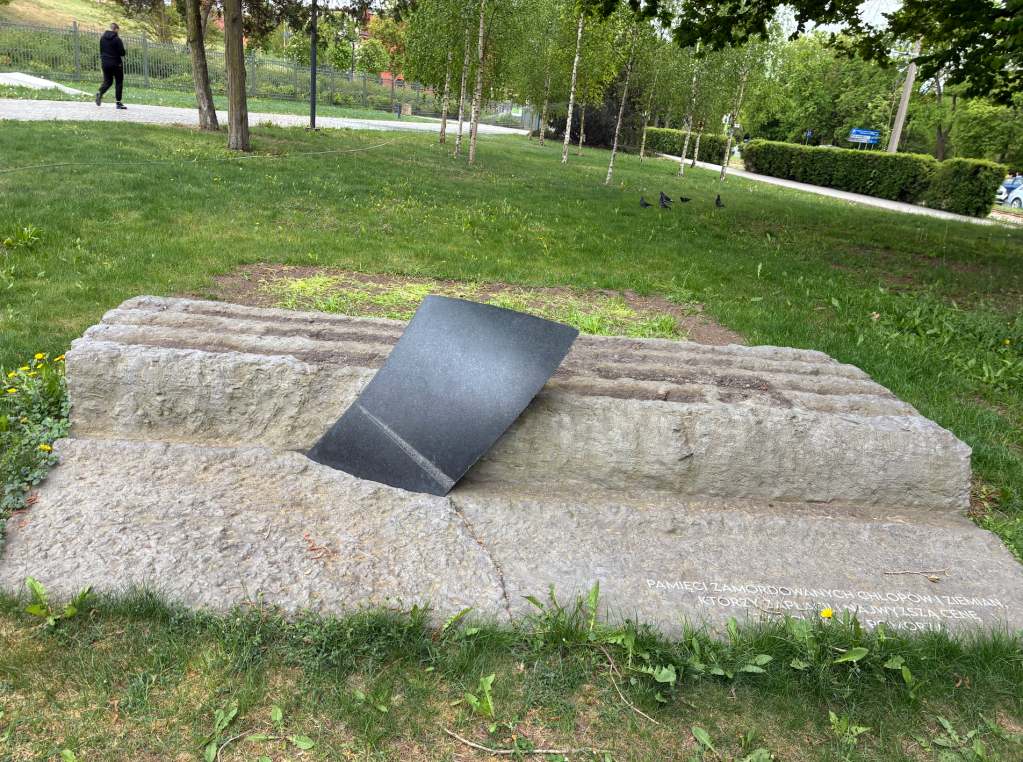
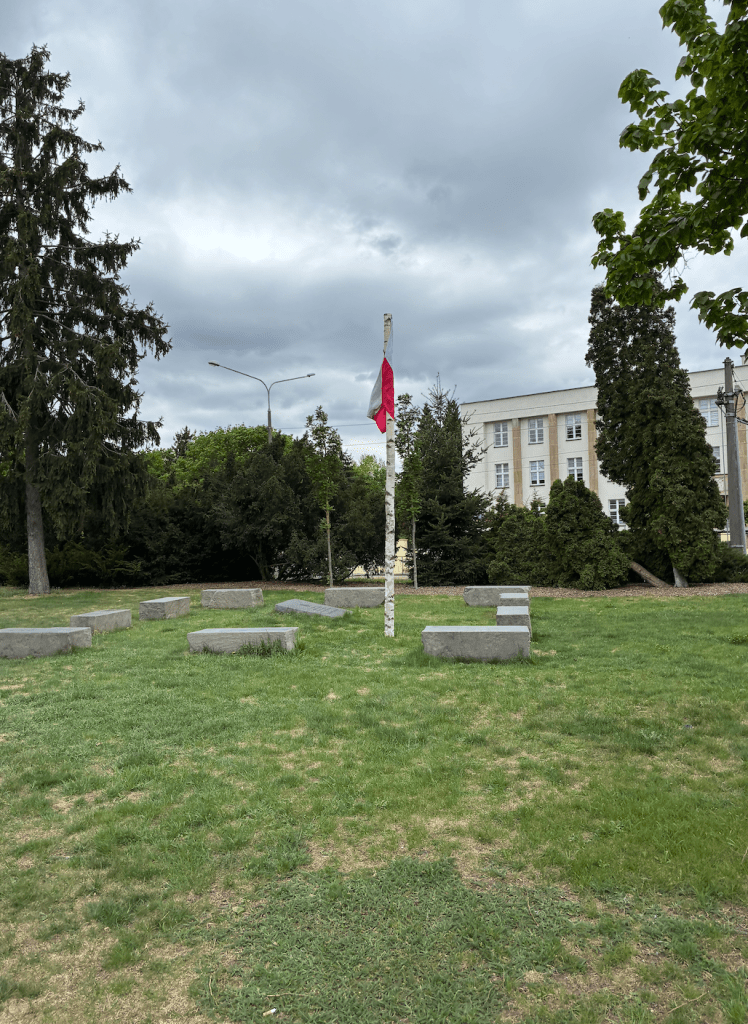
Toruń, like Krakow, was not destroyed in WW2 so most of what we saw was actually original, it is pretty interesting comparing the rebuilt cities to ones in their original state.
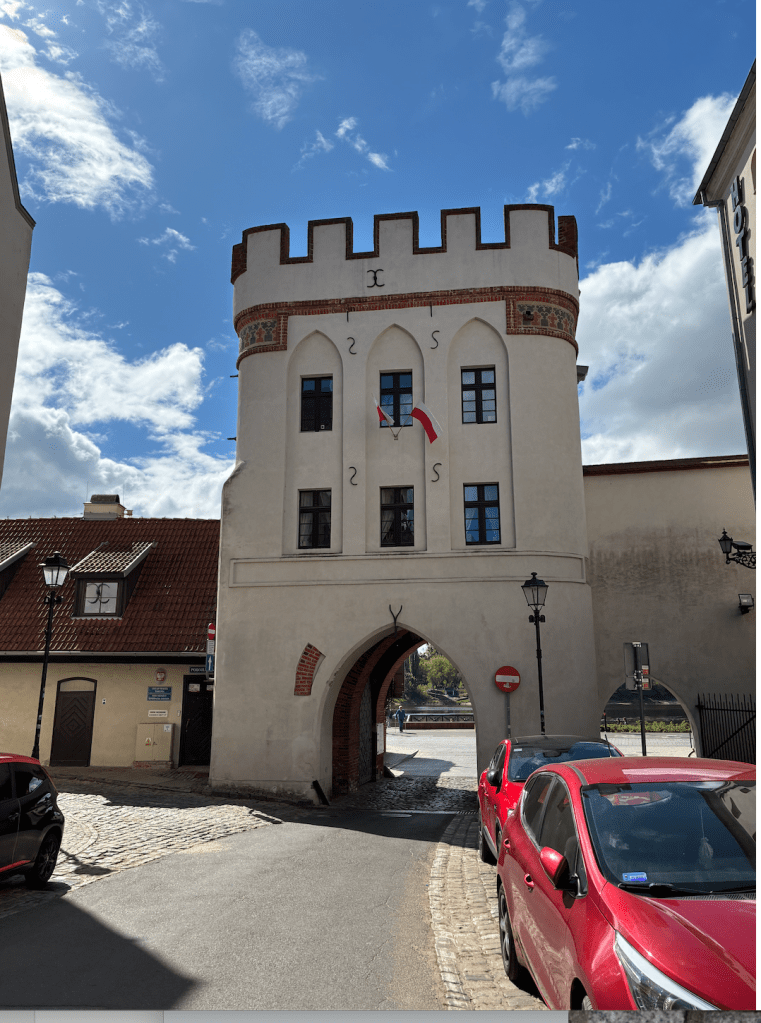
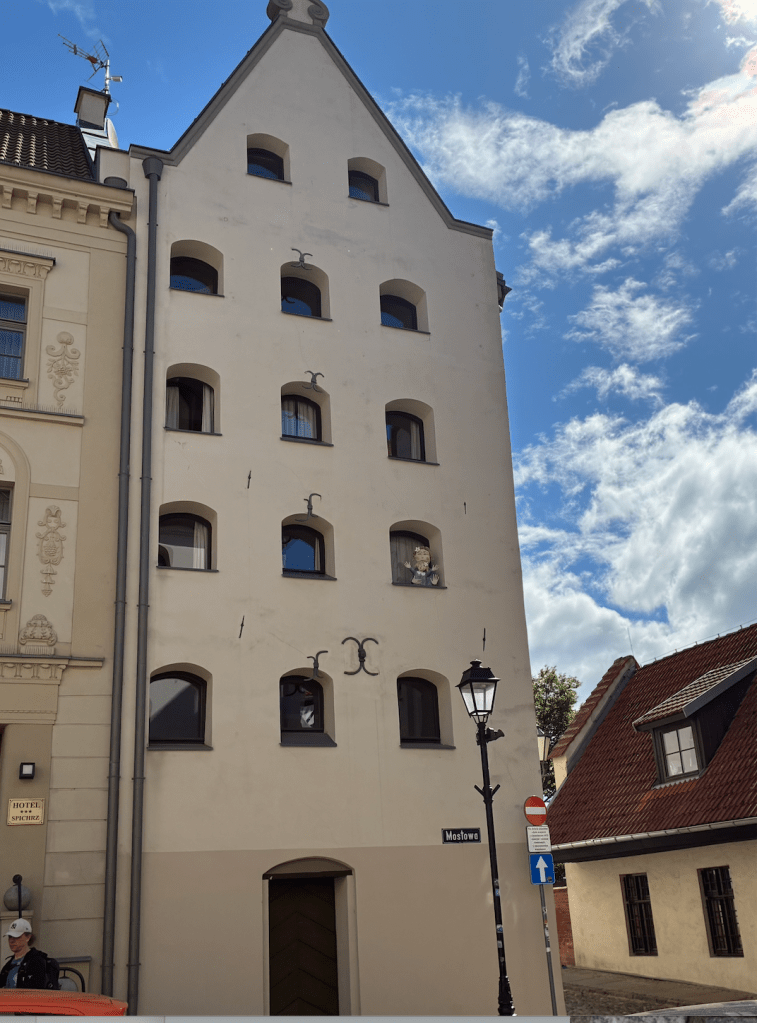
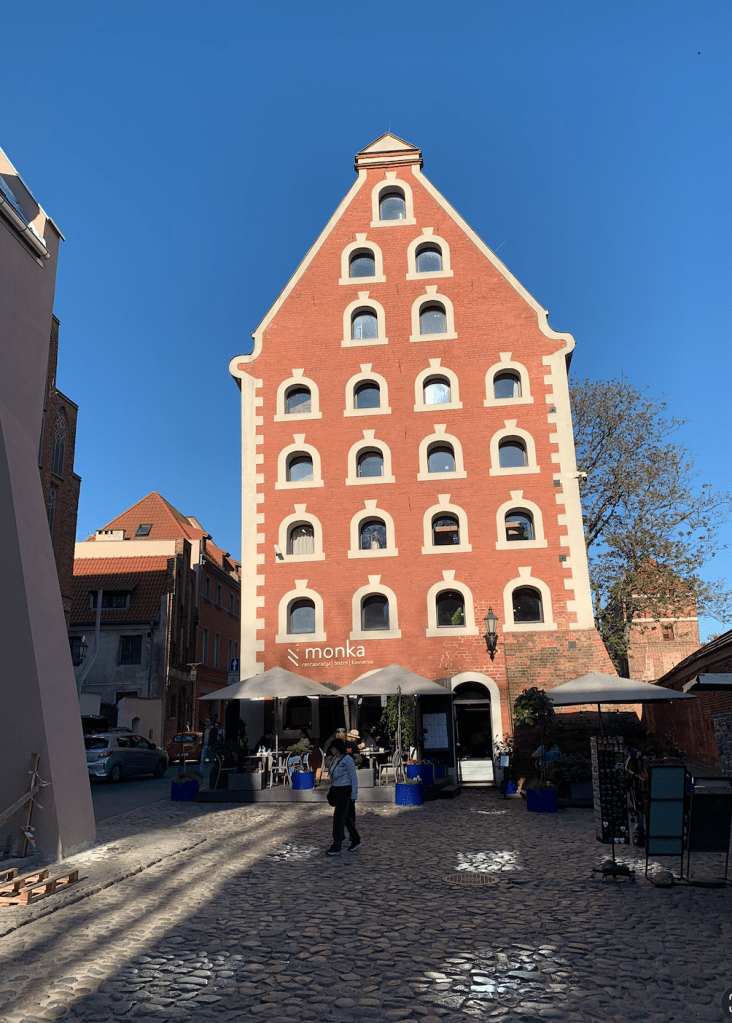
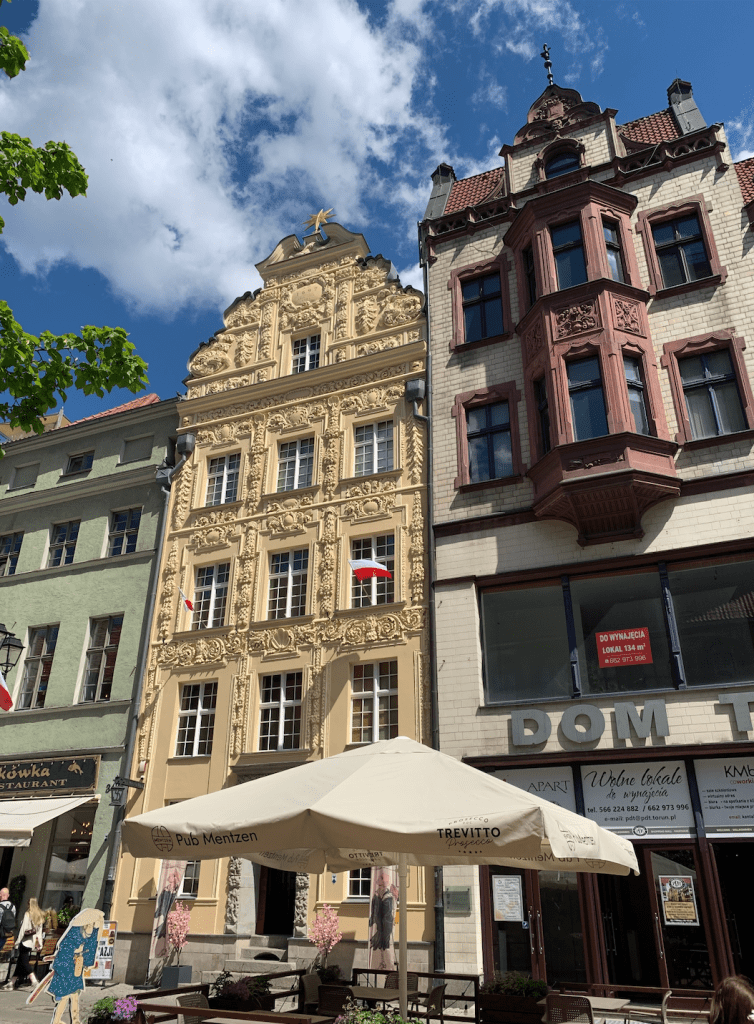
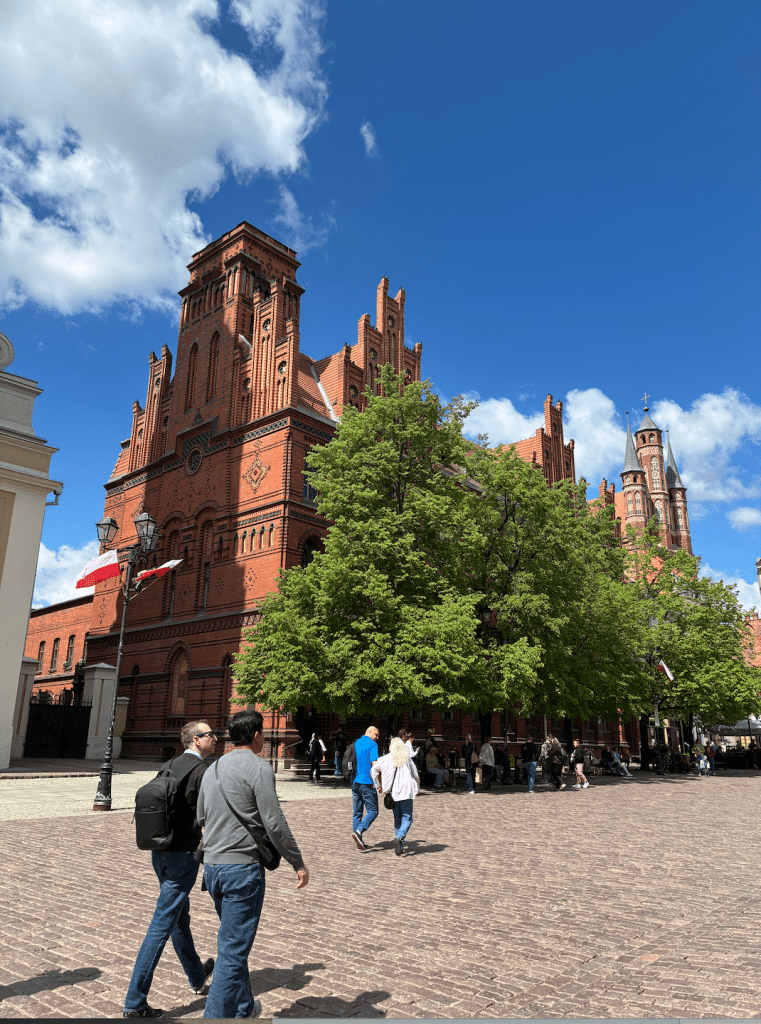
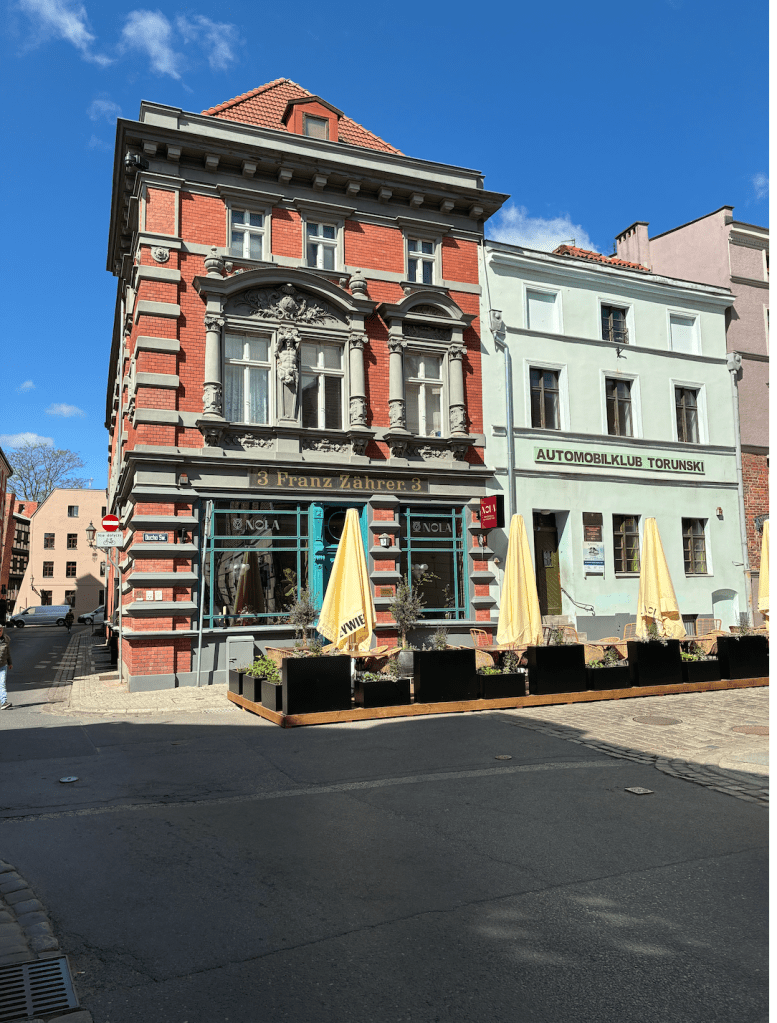
Another captivating city to end a beautiful blur of week, “if it’s Tuesday, where are we?”

