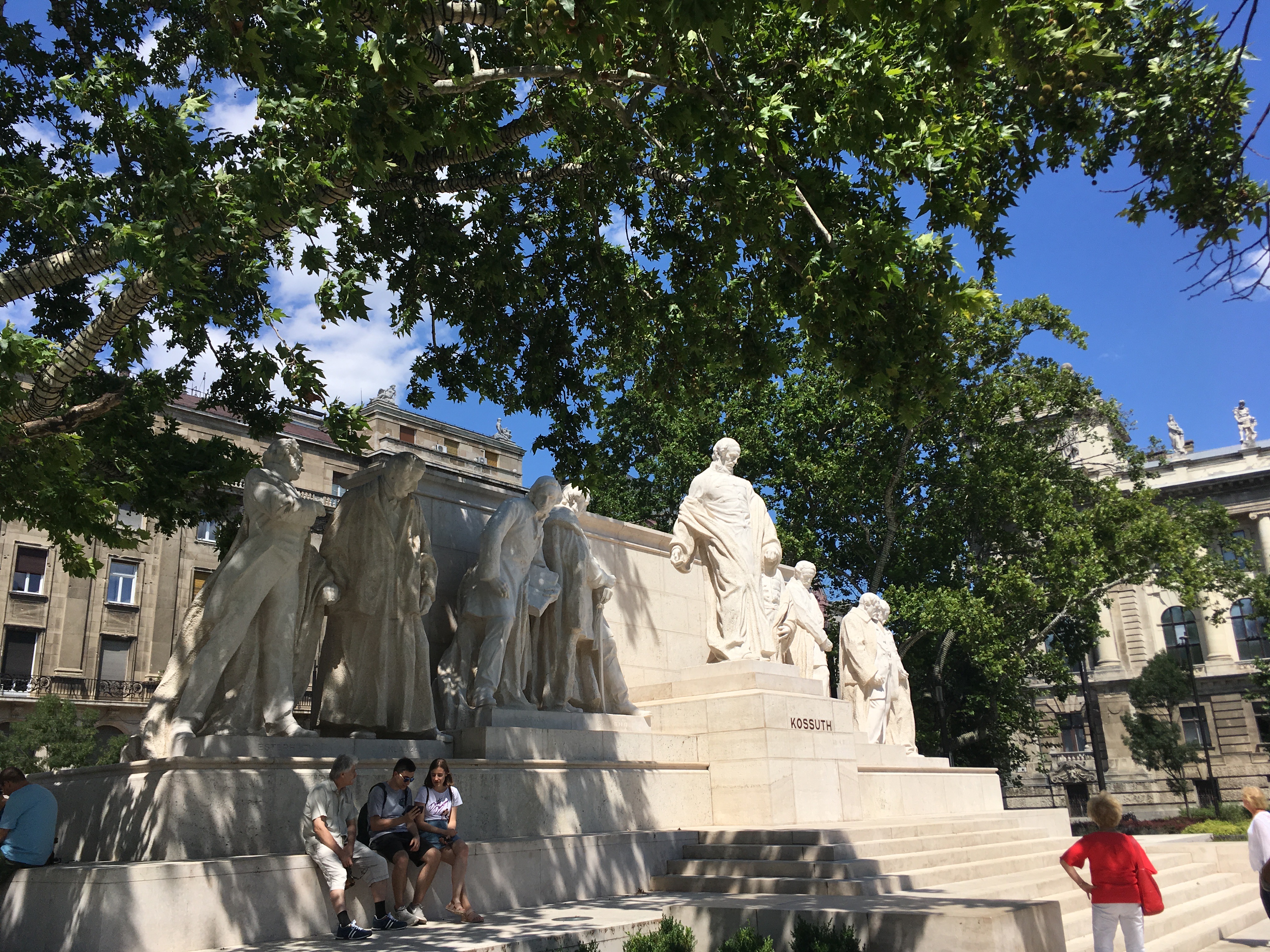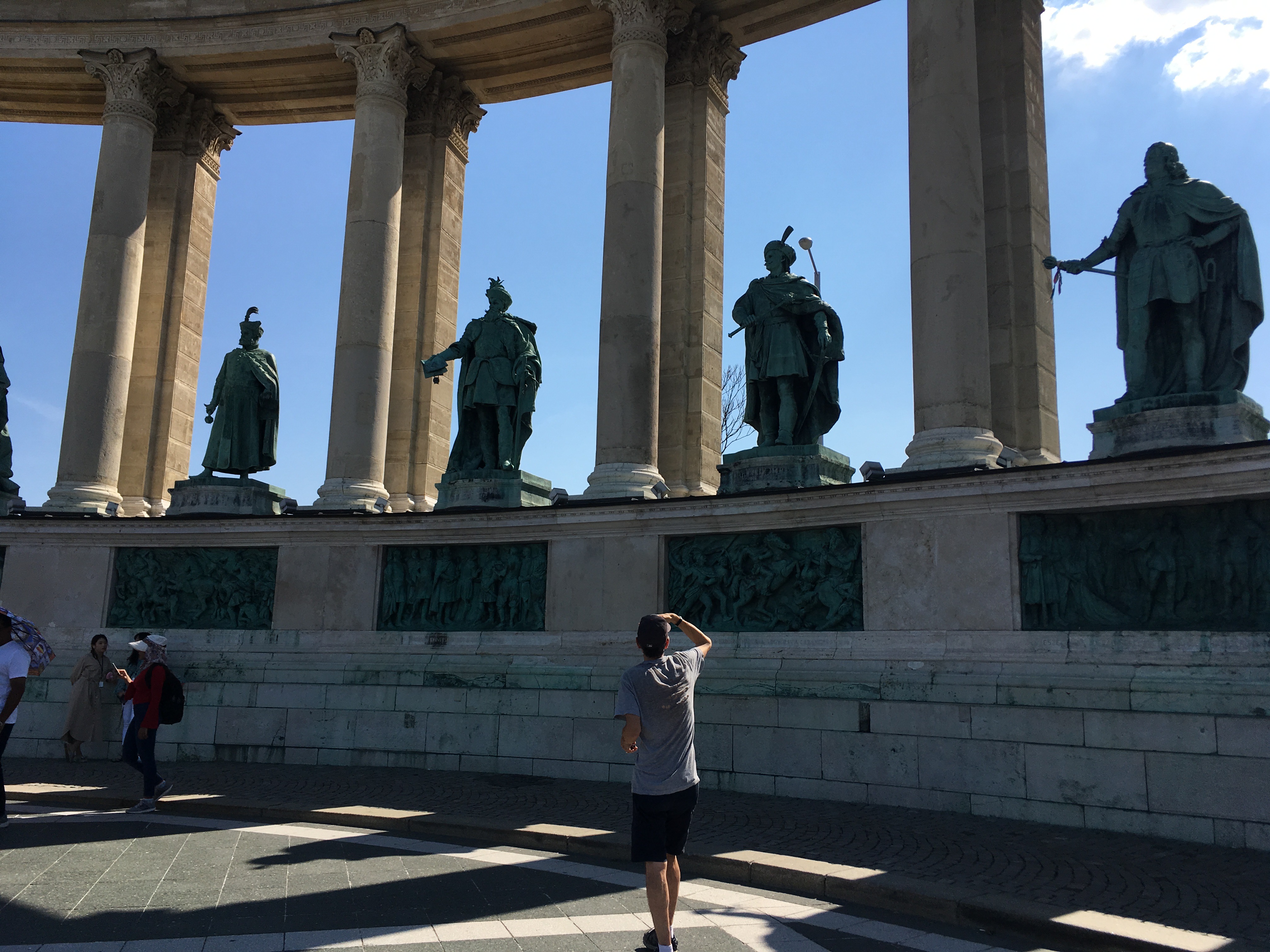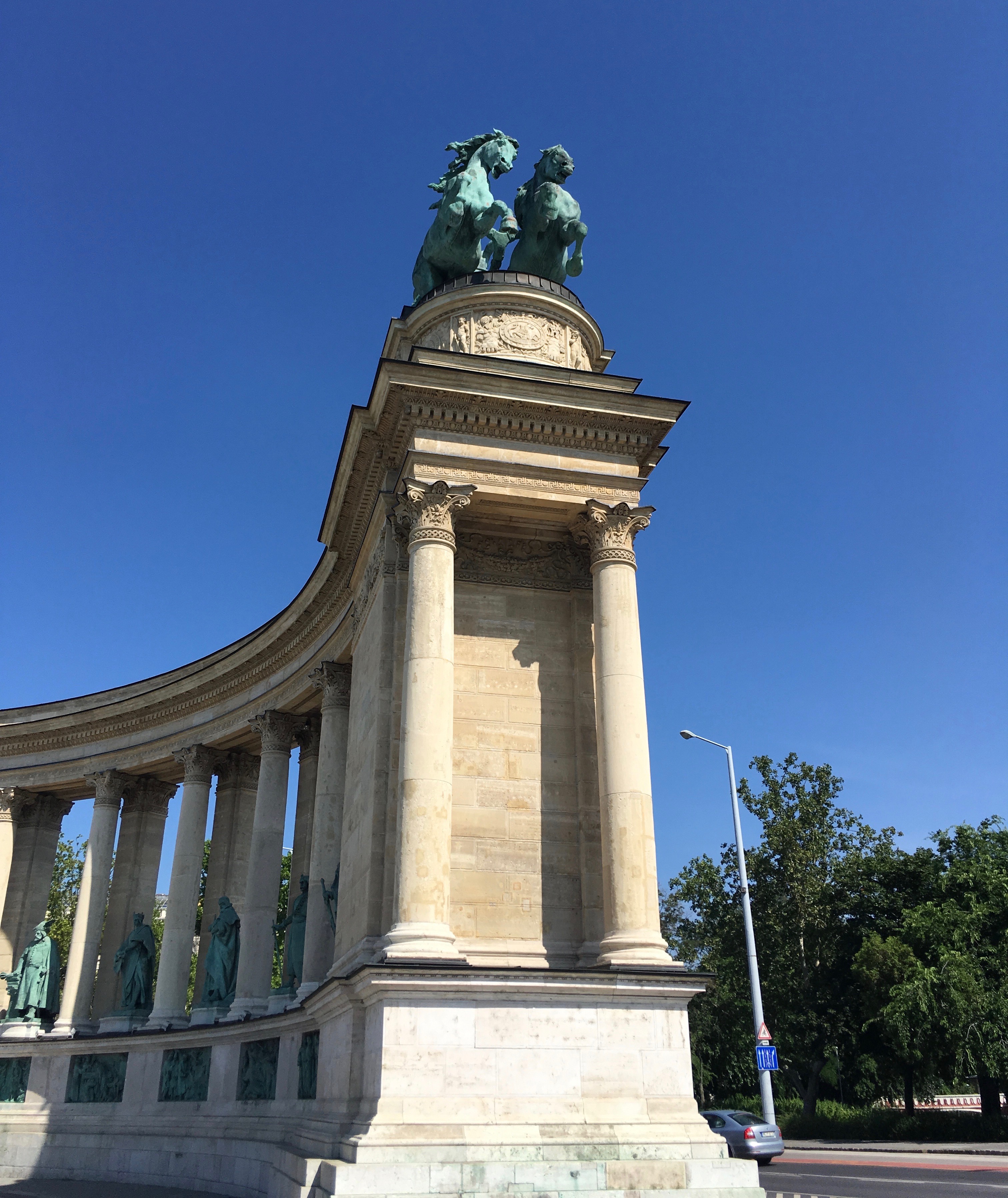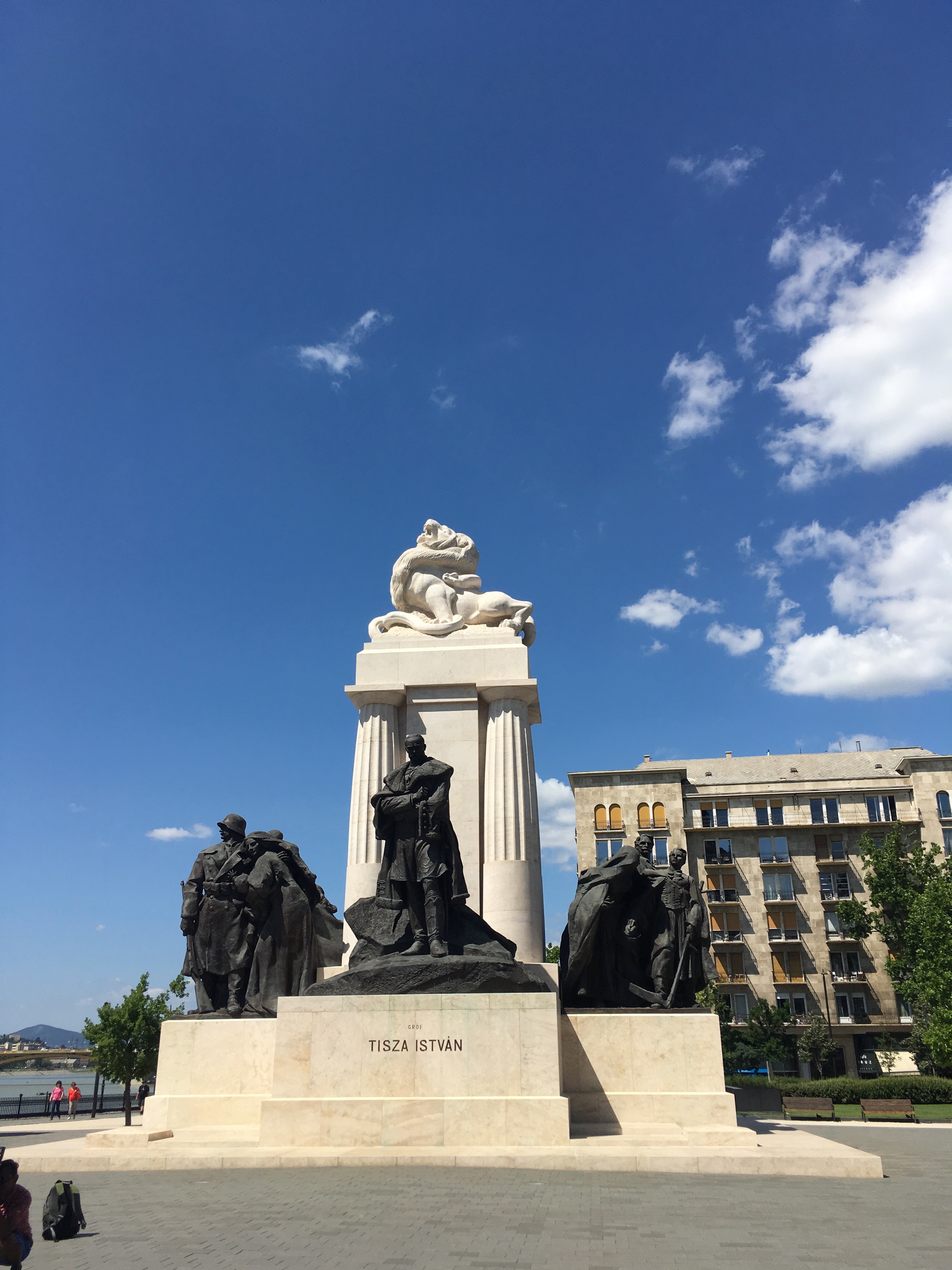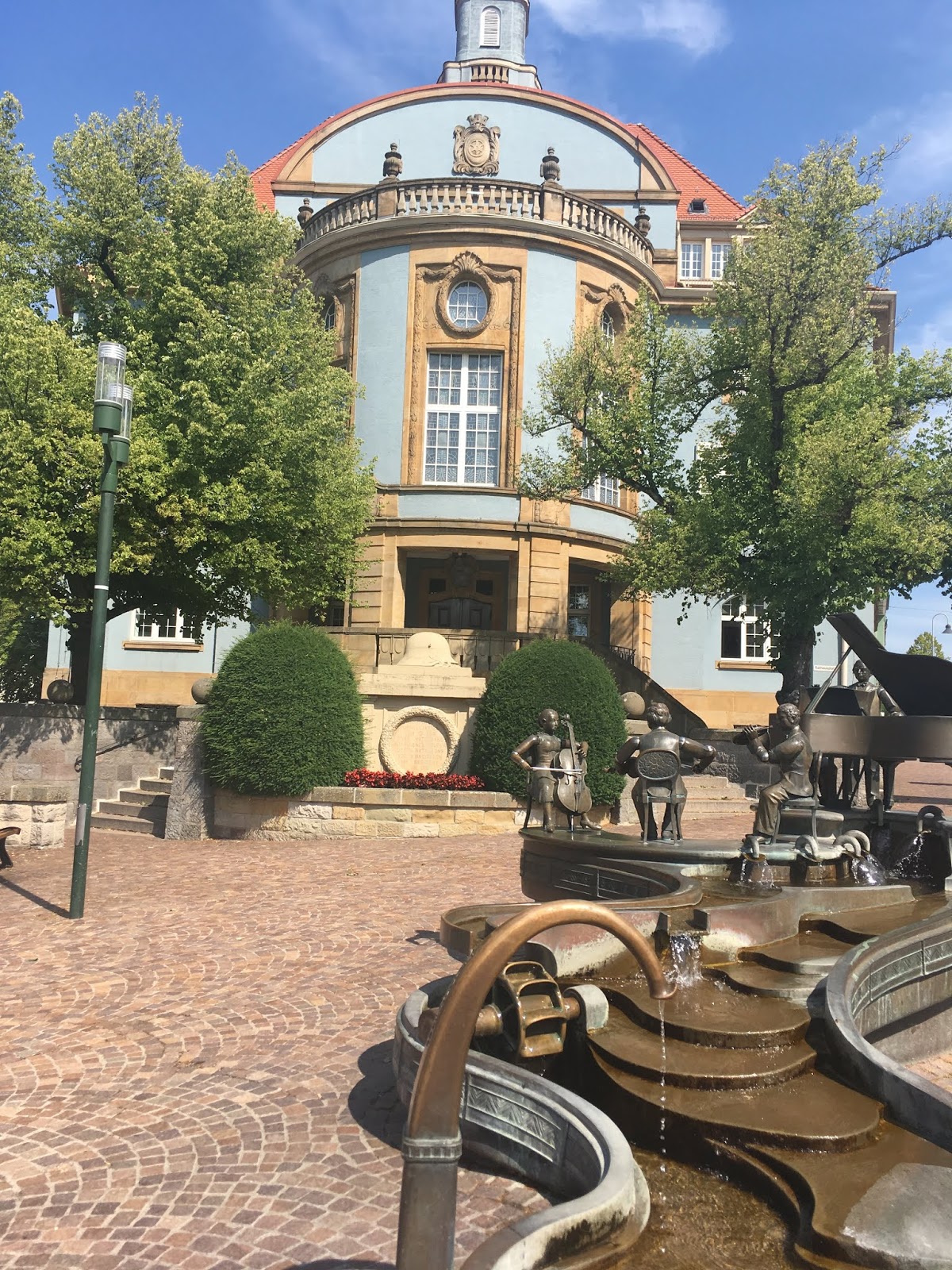
Driving to the End of the Rainbow

So that the site is free for us, there are ads. We don’t benefit from them, neither will you.

A rocky start, to our next fugue. Our original plan was to replicate our European fugue either in South America or Europe again, so much to still see https://thechosenfugue.blogspot.com/2020/06/we-will-always-have-frankfurt.html . We still rented out our house with the goal to begin a year-long meandering trek through the US/Canada to meet up with our daughter /son-in-law/granddaughter who were relocating to Amherst, MA from Saarbrücken, Germany. Unfortunately, we are living in (hopefully the last vestiges of) a Trump America where nothing is normal. Plans just can’t exist. Sur-reality has taken over. 
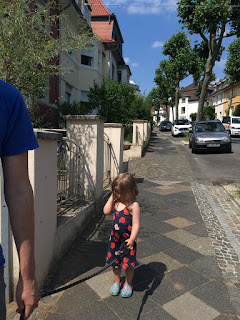
 

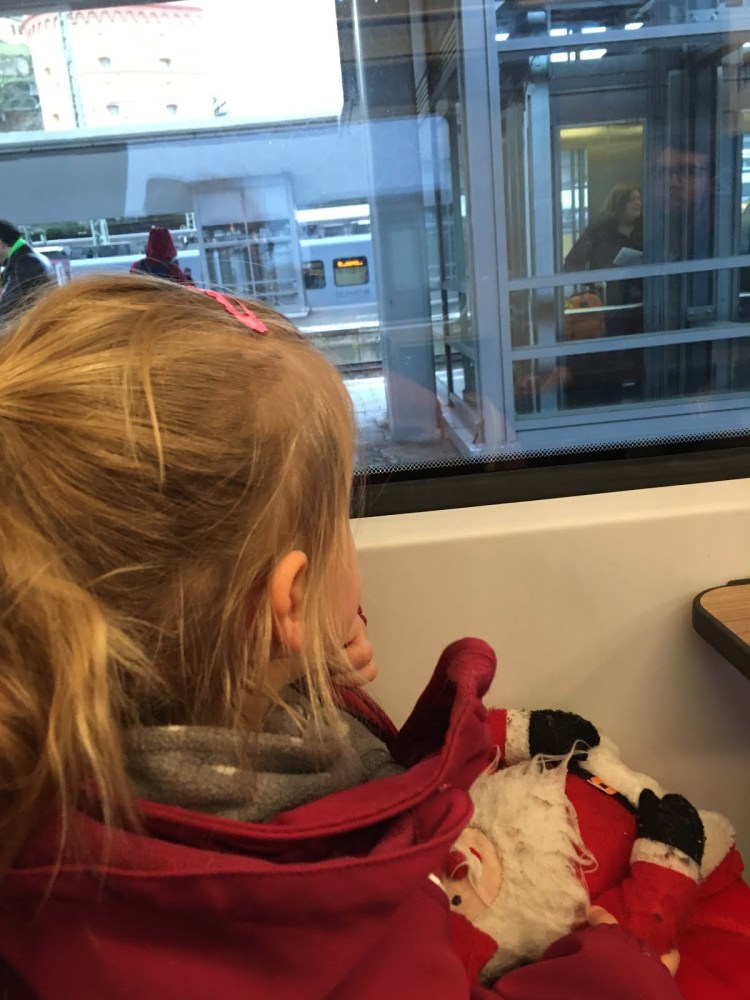
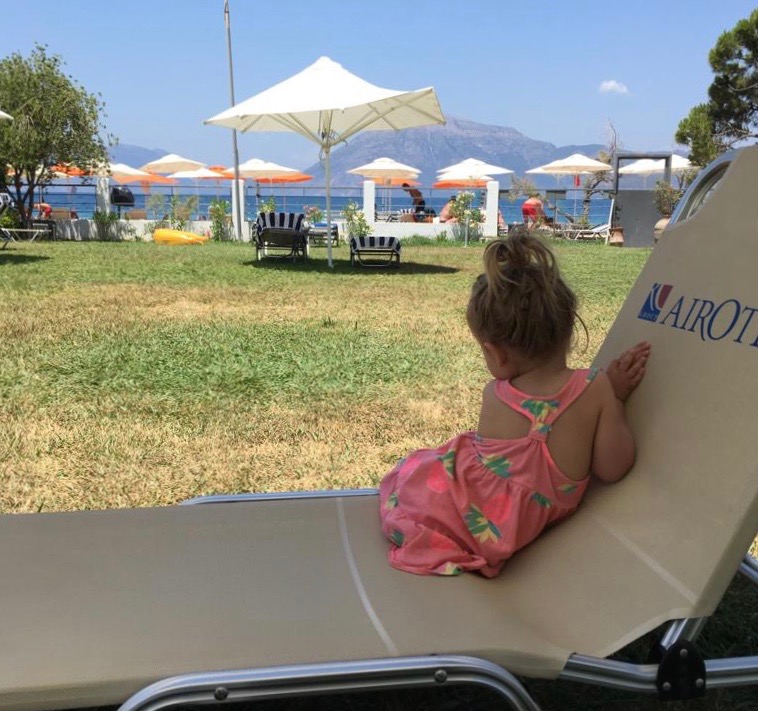
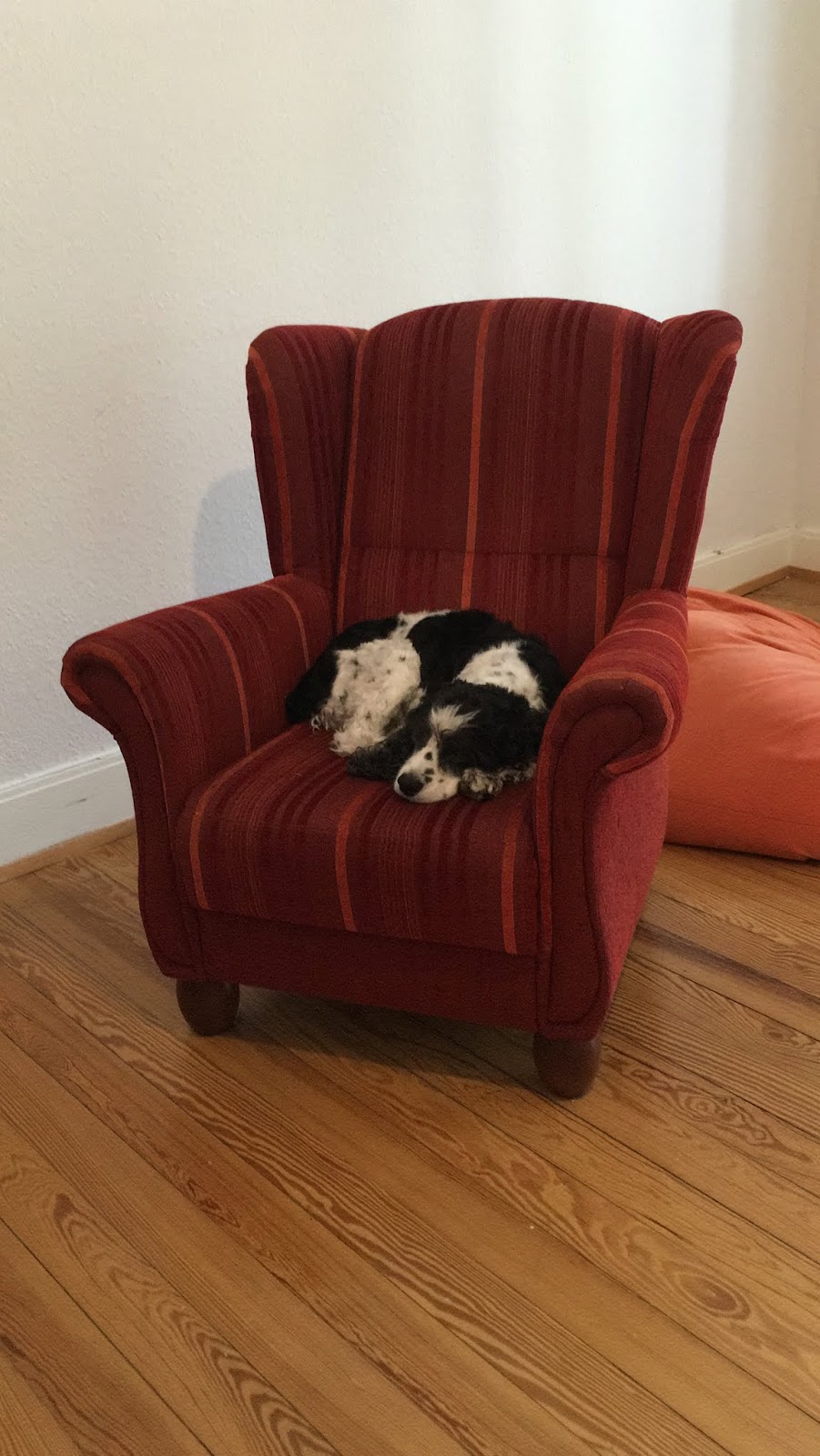
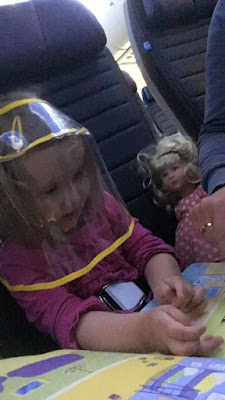
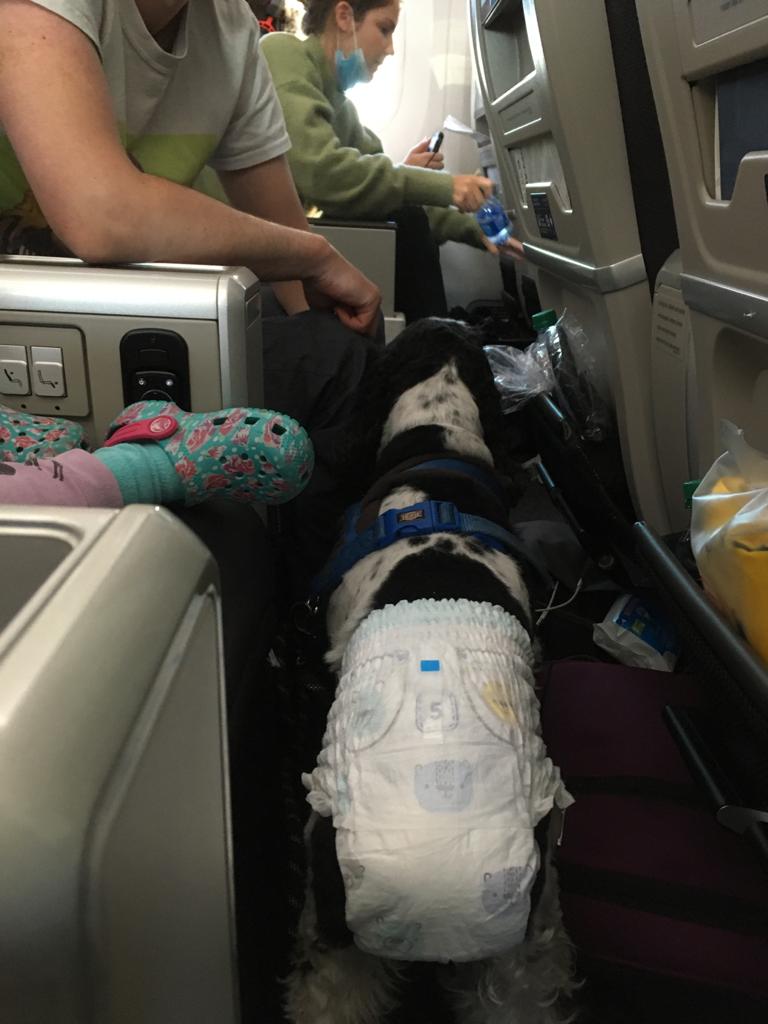
 For the returning ex-pats, it was a good-bye to a great German preschool  and low Covid rates  (a final maskless walk around her block) and hello to long flight with inconsistent masked passengers, although the 3 year old had it right. And, a dog in need of a tree.
 

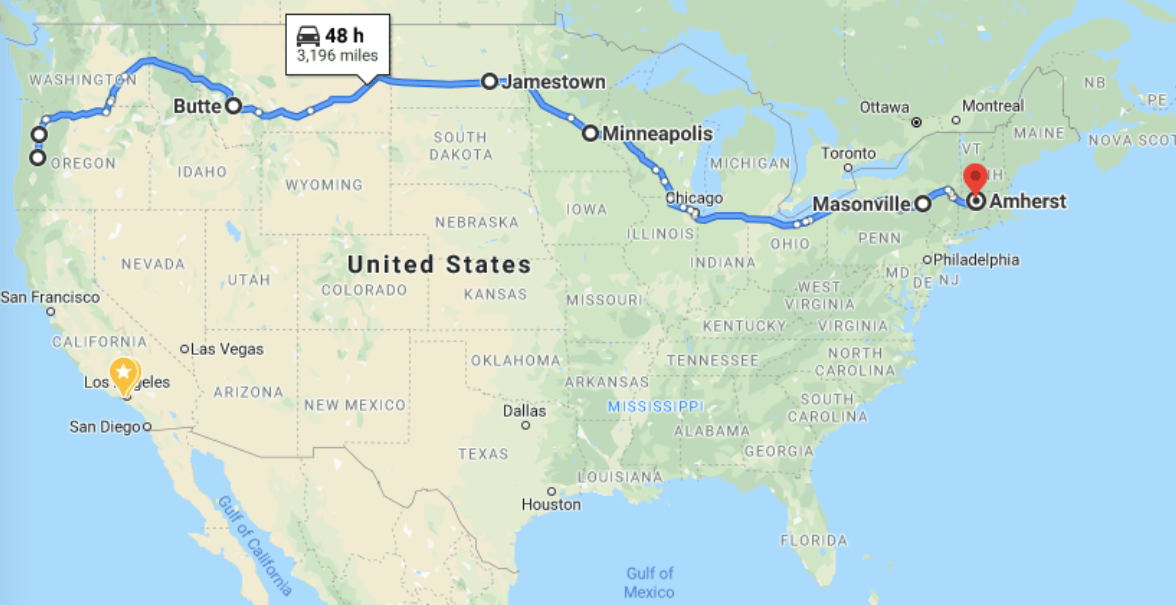
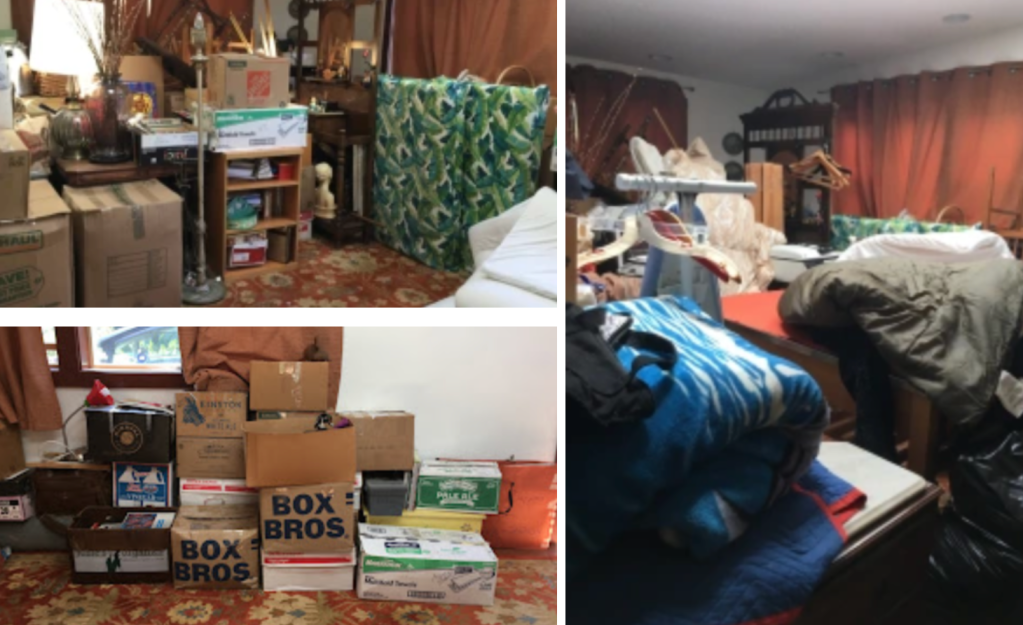
So, in June, we successfully rented out our house, put everything we owned in our converted garage, bought a car, and loaded the car with everything else for daughter 1 in Amherst and daughter 3 in Minneapolis, a stop in route. We locked the door and left a week later then planned. 
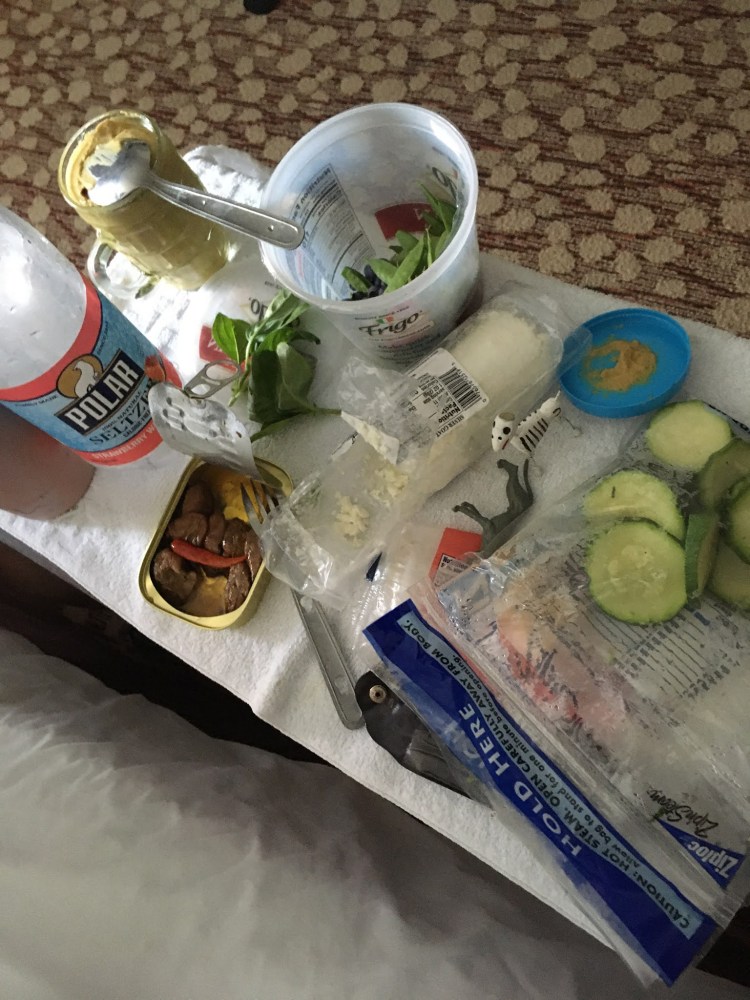
Unfortunately we did not head to the majestic vistas of Glacier National Park and Yellowstone as hoped, but to the Best Western in Salem OR.  Fortunately, since our goal was to spend the year traveling and seeing America, our first stop was  essentially was Anywhere, USA.  A Best Western Hotel in Salem, Oregon. From our hotel window, we could gaze at the Costco across the street and the Denny’s in the shared parking lot. A stone’s throw away was Walmart, where we did walk to get the oak-barrel vanilla Talente gelato (one can pretend it was being eaten elsewhere eating After a vigor’s Chlorox wipe down of every surface, and replacing their sheets with our own, we were ready for our first meal of the American Adventure; a tin of red chile flavored smoked oysters, goat cheese plus zucchini, snap peas and basil from our left-behind garden.
Why Salem, Oregon. With no history, a few days before we were to leave, Nick was hit with kidney stones. 4-5 stones that needed to be blasted away which was problematic since Nick weighs 10 stone. With our house rented out for the next year, it was Kaiser Salem for treatment and a few day stay, followed by Hillsdale (just outside of Portland) for recuperation.
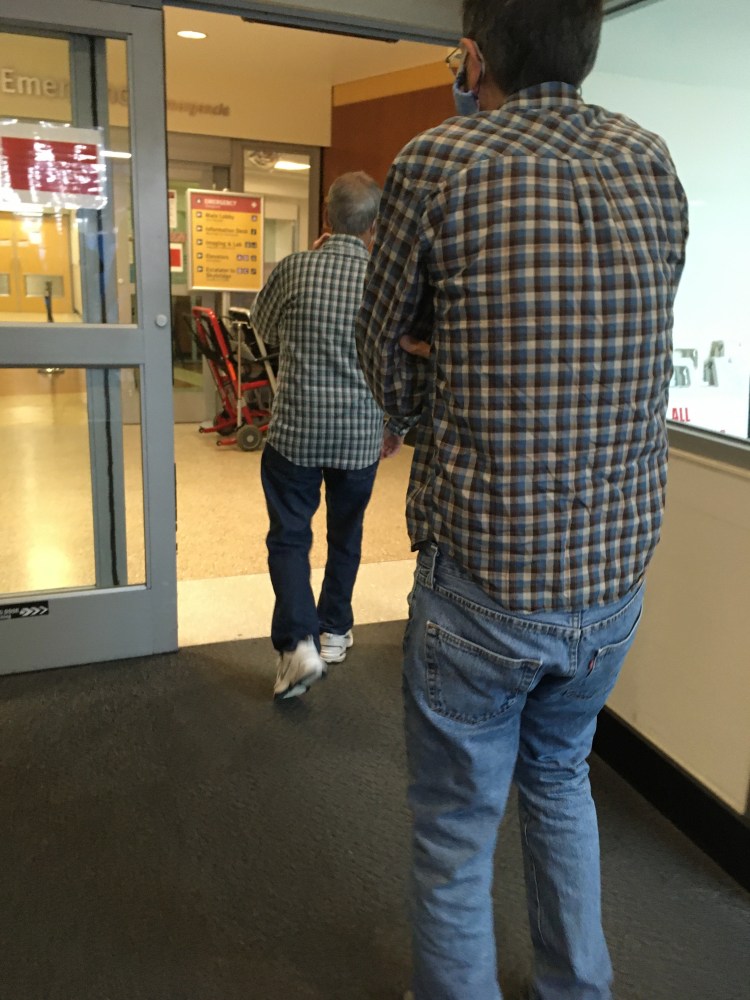
plaid shirt
Got the dress code memo

After kidney blast off, we traded our Denny’s parking lot for a business center Hampton Inn for a few days and then hit the road with a lovely Oregon sendoff.
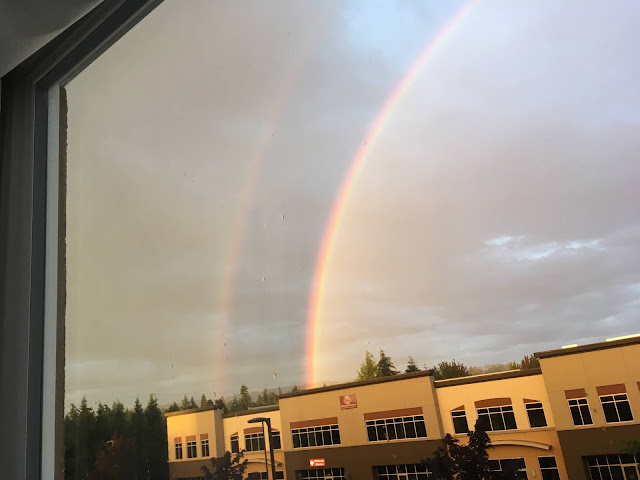
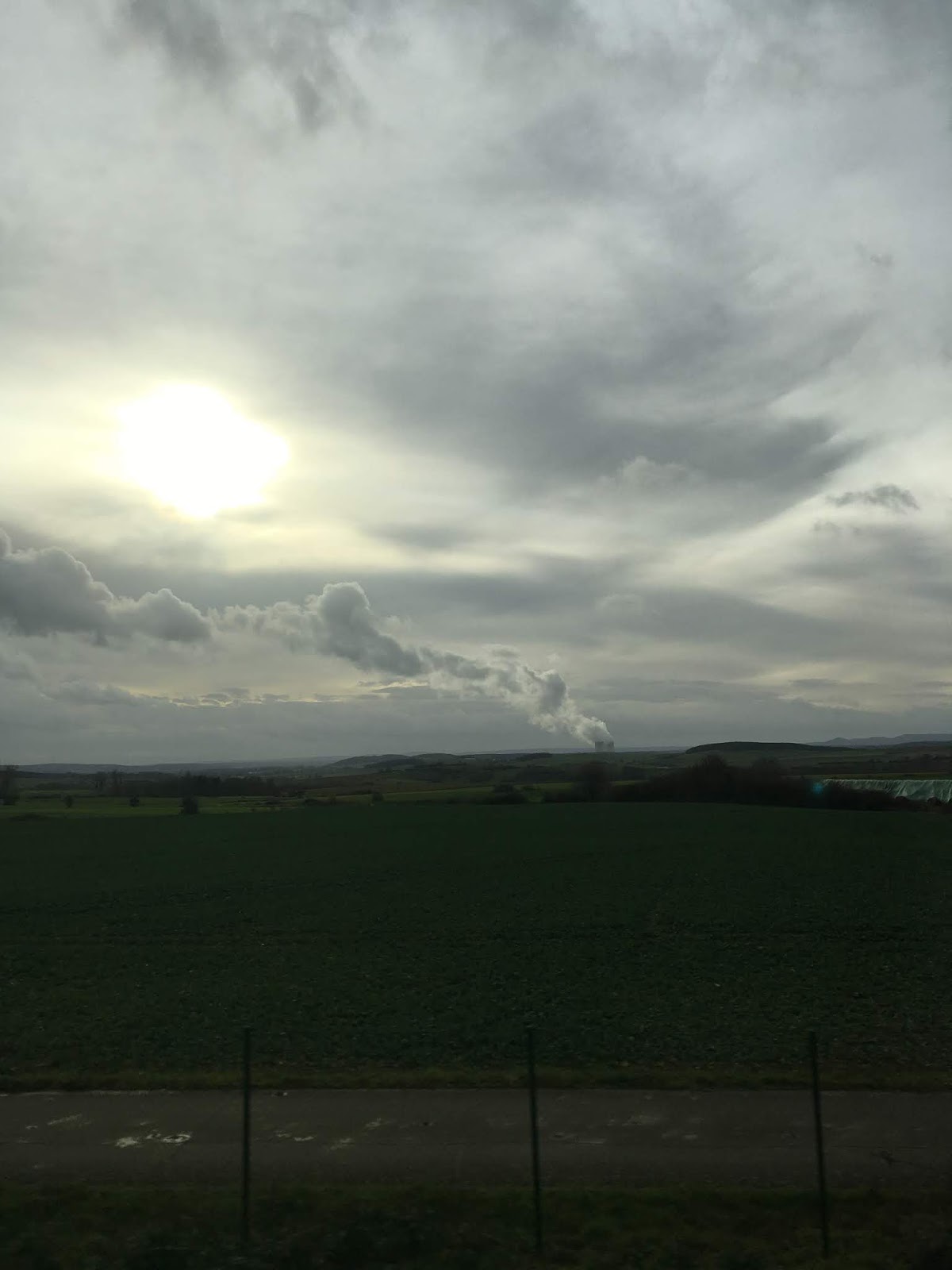
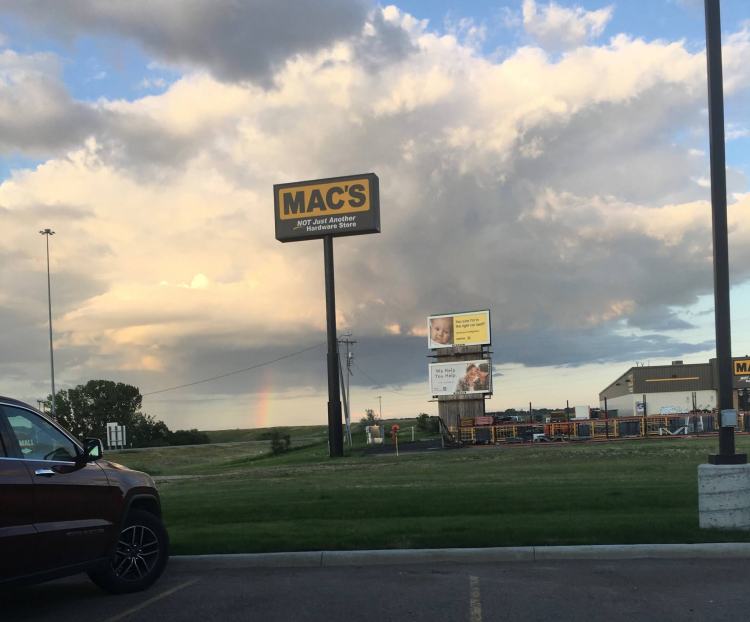
Trying to make up for lost time, and concern for exposure, we abarrled through Oregon, Washington, Idaho and half of Montana, making it to Butte the first night. We finished crossing Montana, to spend the second night in Jamestown, North Dakota, birthplace of Nick’s father. Like all of North Dakota, it was remote and sparsely populated. It’s understandable that his father never went back after leaving for college. We were graced with a nice send off- a tiny rainbow, just under the cloud to the side of the Mac sign.
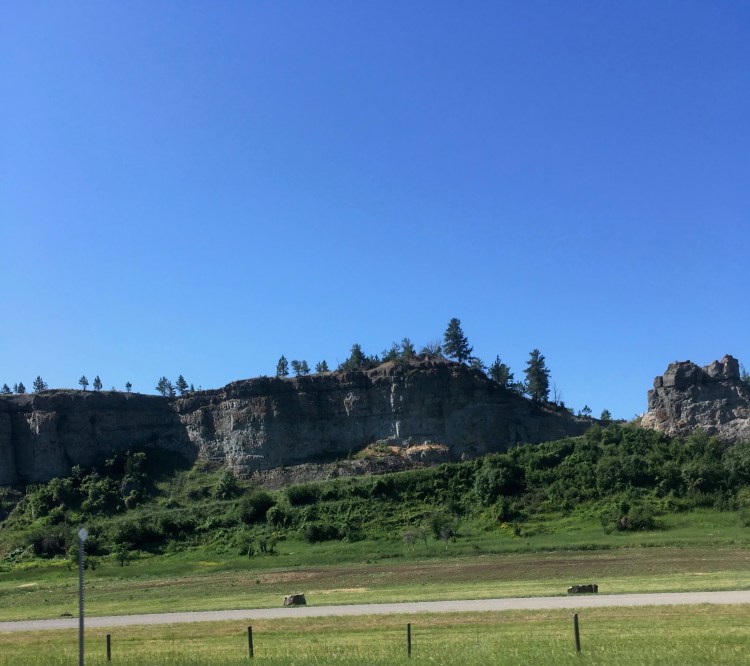
 Seen from the car, Montana and North Dakota were really beautiful.
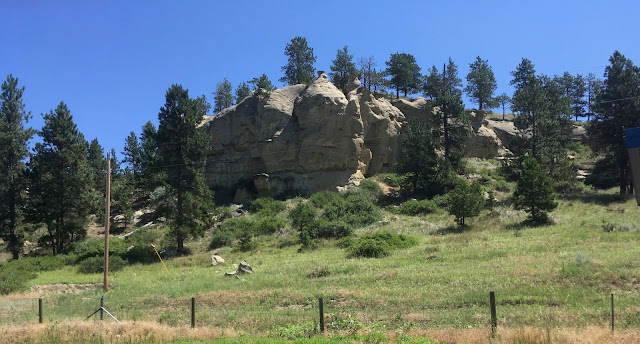
Based on our amateur sky observations we determined that North Dakota’s sky was almost as big if not equivalent to boastful Montana’s sky. As we passed towns with known names (Missoula, Billings, Butte, Bismarck) it was a bit remarkable how small they all were, and yet they all seemed to have a Walmart and a Denny’s.

We also began our train spotting as we entered Montana and we were really struck by the number of long trains in each state as we sailed across the country to Amherst. 

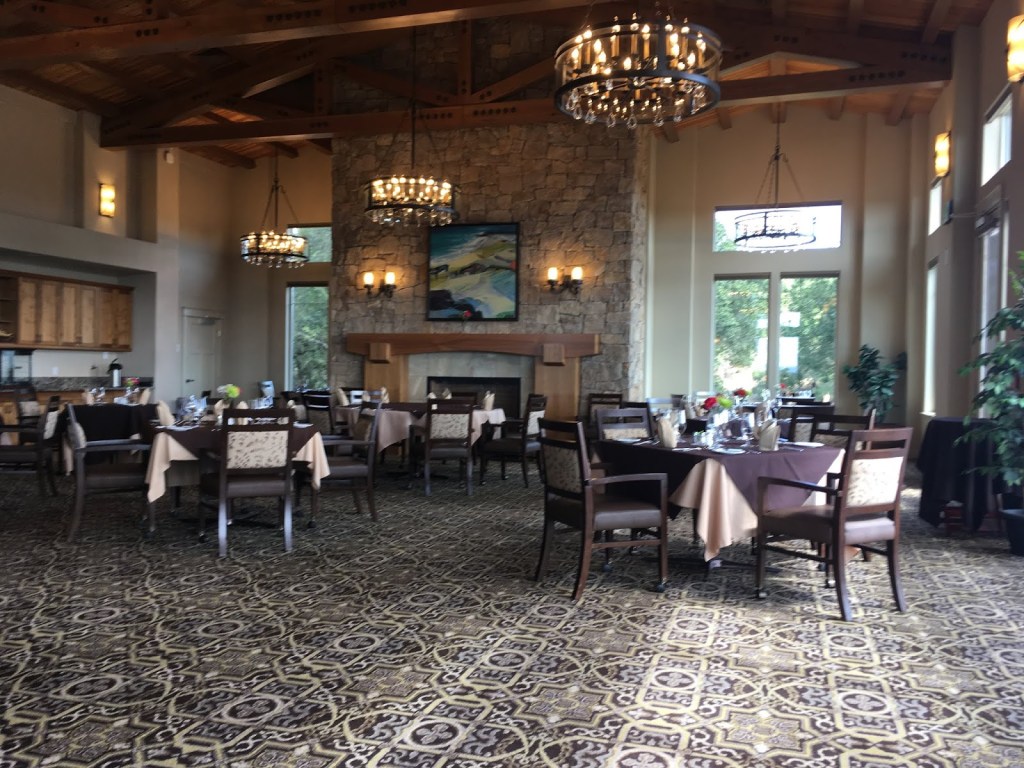
We rolled into Minneapolis  for 3 days to visit our youngest daughter Simona for a very enjoyable tour-break.  Our stay here was in the guest room of Simona’s building- an iconic Co-op apartment building (she rents) built in 1930 to be the fanciest apartment building in Minneapolis. It felt like a combination Del Coronado + Fountaingrove Lodge https://thechosenfugue.blogspot.com/2019/10/living-lodge.html tempered with the faded glory of Sunset Boulevard (movie not street).
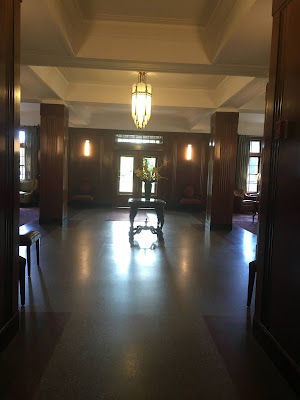
She was very pleased with her recent move here especially nice as she has rarely been able to leave her apartment since she moved in on the first night of lockdown. 

The Twin Cities is in a major state of flux and recovery.  Driving around the protest signs were encouraging , yet the empty and boarded up buildings a reminder of how much needs to be done. 
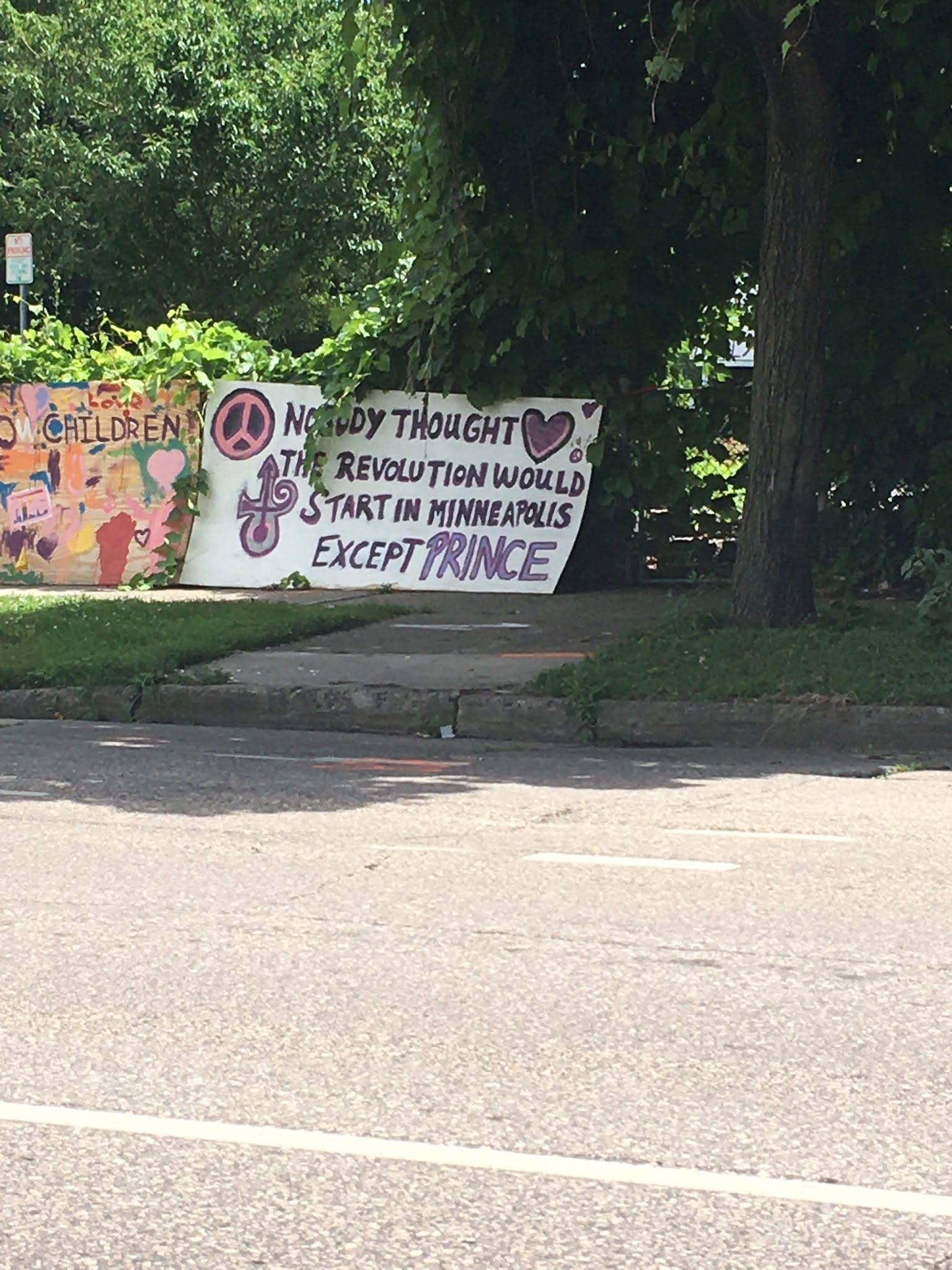
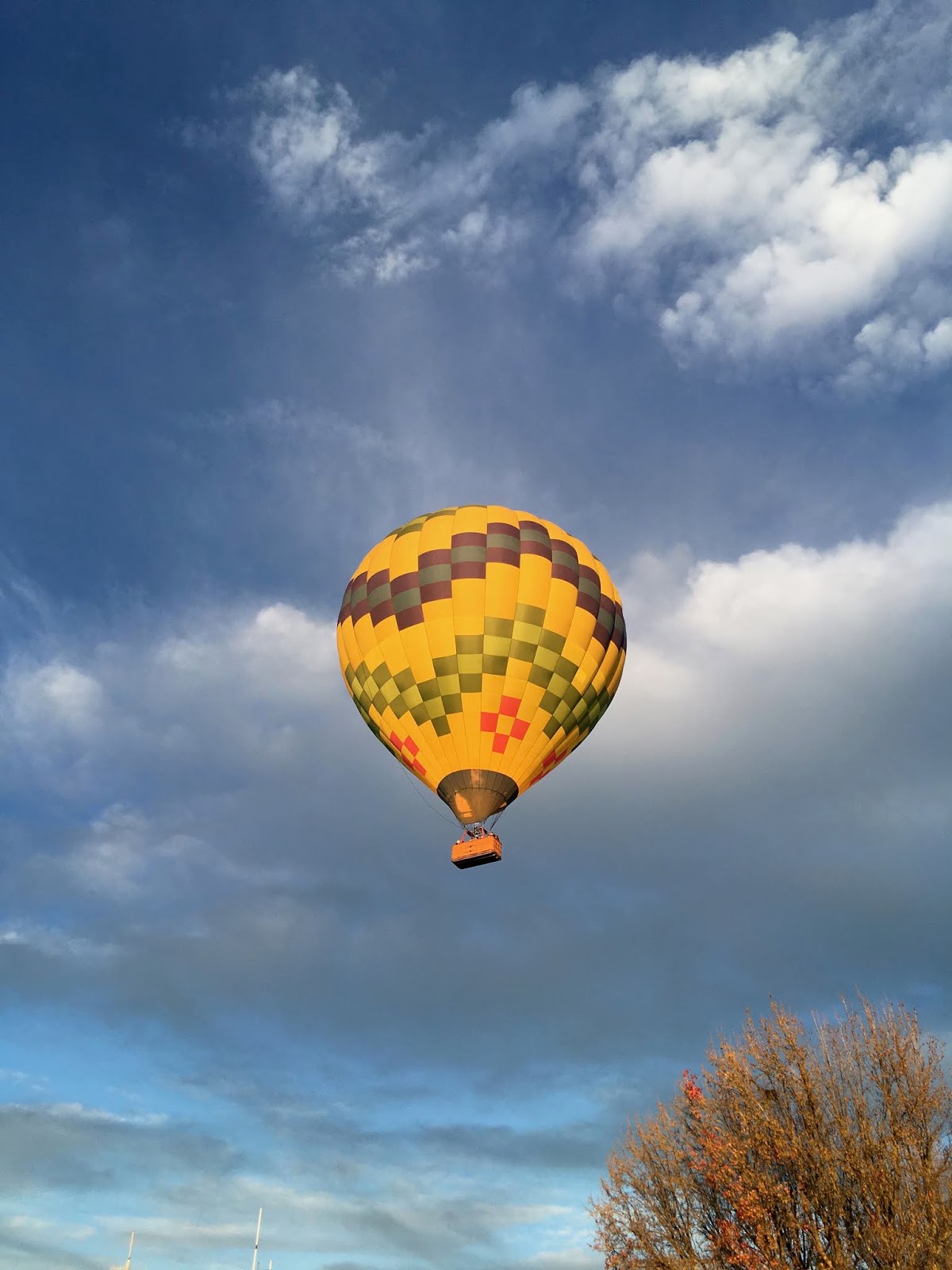
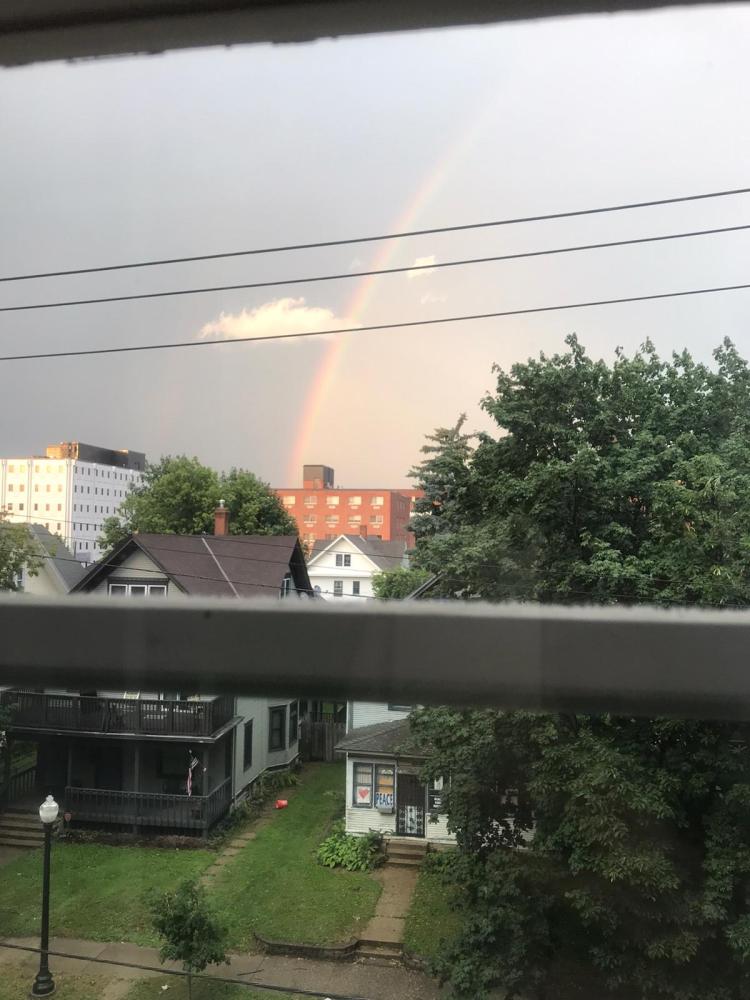
Yet again, we were given a stellar send off, this time from outside of Simona’s kitchen window
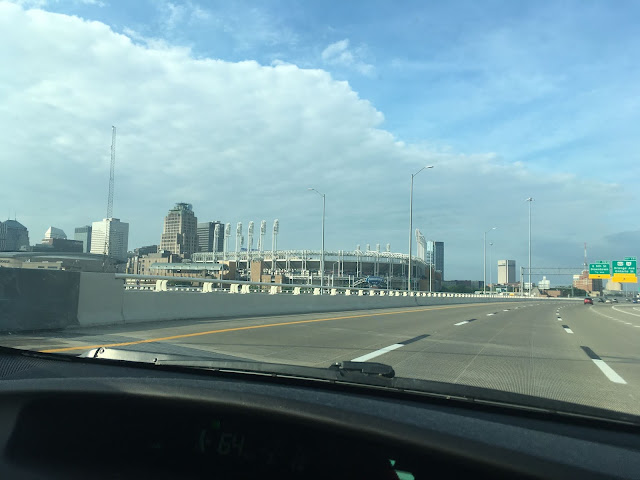
After the Twin Cities, we did a marathon 14 hour drive to Erie, PA  trying to quickly get through Wisconsin, Illinois, Indiana,Ohio and Pennsylvania (just a sliver), with their confusing toll roads. As Californians,  we were raised on freeways and not used to toll roads/turnpikes. Considerable amount of high anxiety resulting from toll booth confusion and a sense of imprisonment with the toll road guard towers, well maybe they were actually tollbooths, at each exit. We raked up $43 in tolls while we were road-trapped.  Although the toll roads seem to skirt the cities, we did manage a brief side glimpse of Cleveland and the baseball stadium (Progressive Field). 
 

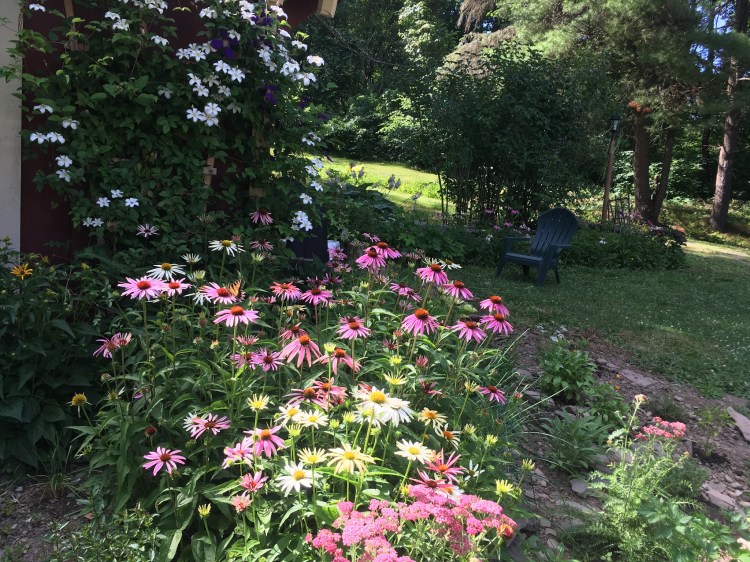
An overnight stop in a rural NY oasis to visit Patricia’s sister + brother-in-law and enjoy a room that did not need to be Chlorox-wiped/stripped down plus a meal which included greens from the garden and grilled haloumi- a better reminder of past travels then the ice cream at Walmart.  It is a pretty idyllic spot. 

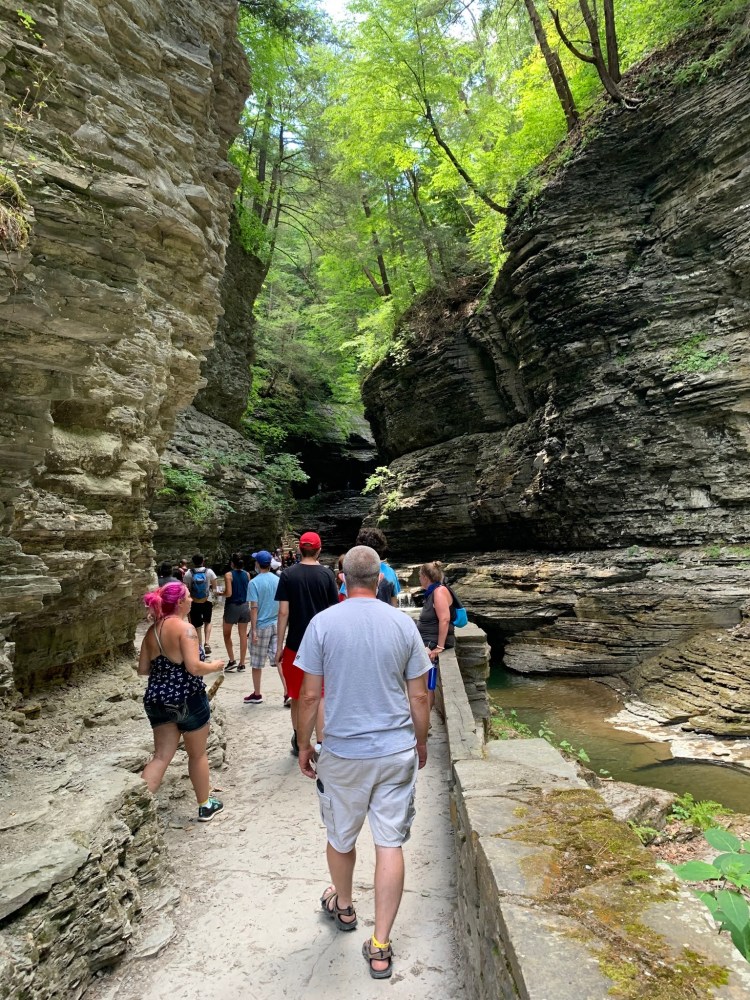
Our only tourist stop on the journey was Watkins Glen in the Finger Lakes area. https://parks.ny.gov/parks/142/  (check for more pictures). A crazy naturally sculpted sandstone and limestone gorge, like a combination of Frank Lloyd Wright, Disneyland’s Swiss Family Robinson and Nirvana (the state of mind not the band, or both because it wasn’t really hard rock). 
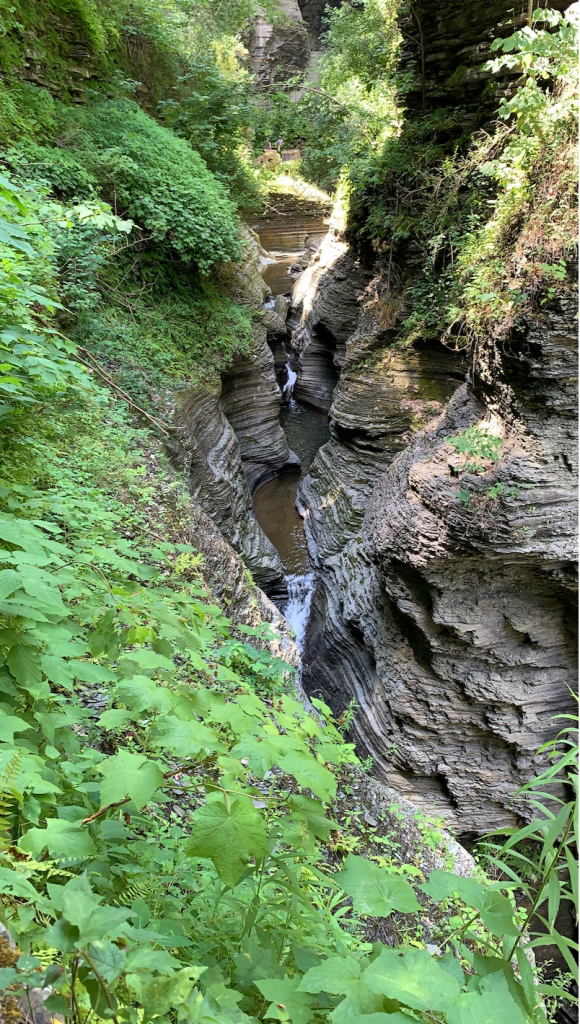
Unfortunately, it was tainted by crowds which included many unmasked people, despite signs stating masks required and presence of park rangers (although they did not seem to be enforcing). It felt like a big open bar, so we moved quickly.

After 10 to 14 hour drives, the last day\’s 3.5 hour sprint to Amherst went quickly.  More trains, more tollbooths, then Massachusetts and more tollbooths.
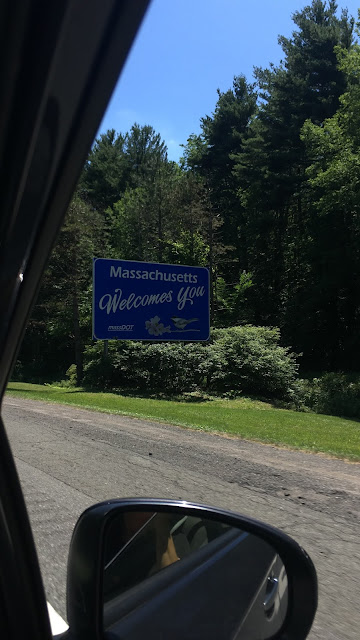
We drove up to our daughter’s house, the end of the rainbow, dropped our remaining cargo  for them in their driveway and then drove off to wait for their 14 day quarantine to end. 
We will always have Frankfurt

So that the site is free for us, there are ads. We don’t benefit from them, neither will you.  This was also a pre-WordPress update, sorry for how bad it looks.

While we usually post soon after we visit, circumstances this year got in the way.  
Revisiting our last stop on this fugue before starting a new one domestically at the end of this month.   
We had passed through Frankfurt several times utilizing both of it\’s airports and train station as a transfer point without seeing it.  Like Luxembourg we felt it deserved some attention.
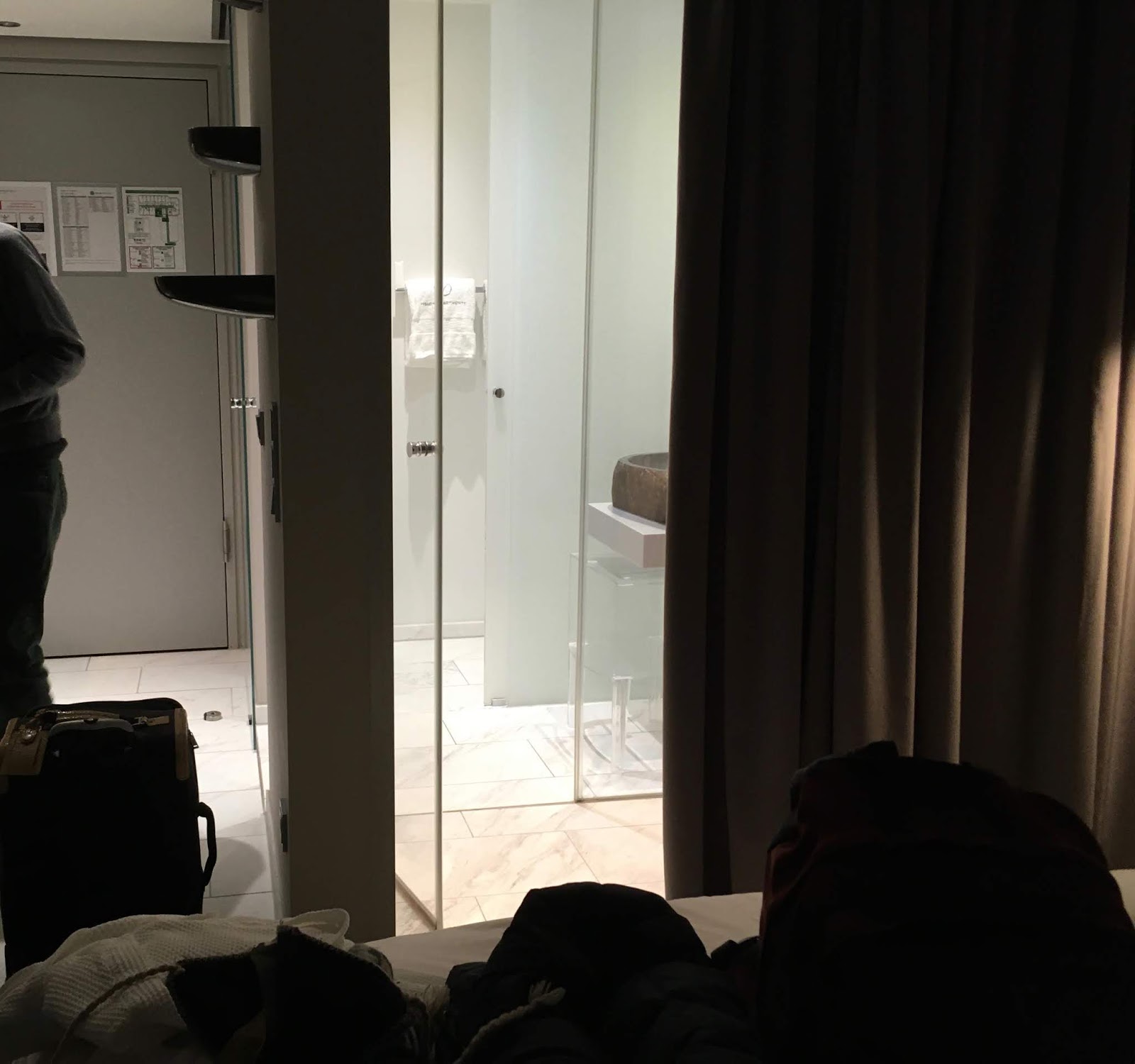
A very short stay in Frankfurt as we prepared to leave Europe again, hoping to come back in a few months. Arrived late to a very silent weird dorm/hotel/airbnb, very efficient with an odd cube of a bathroom in the middle of the room. Don’t know if was knowing it was the end of travels for awhile or just the disorienting nature of empty streets, but Frankfurt felt kind of surreal.  Germany believes in extending it’s Christmas holidays, so the streets remained empty.  An early morning wake up and walk through a rather cold and seemingly deserted city did nothing to dispel the Twilight Zone feel of the day.  An eerie foreshadowing of the year ahead perhaps.
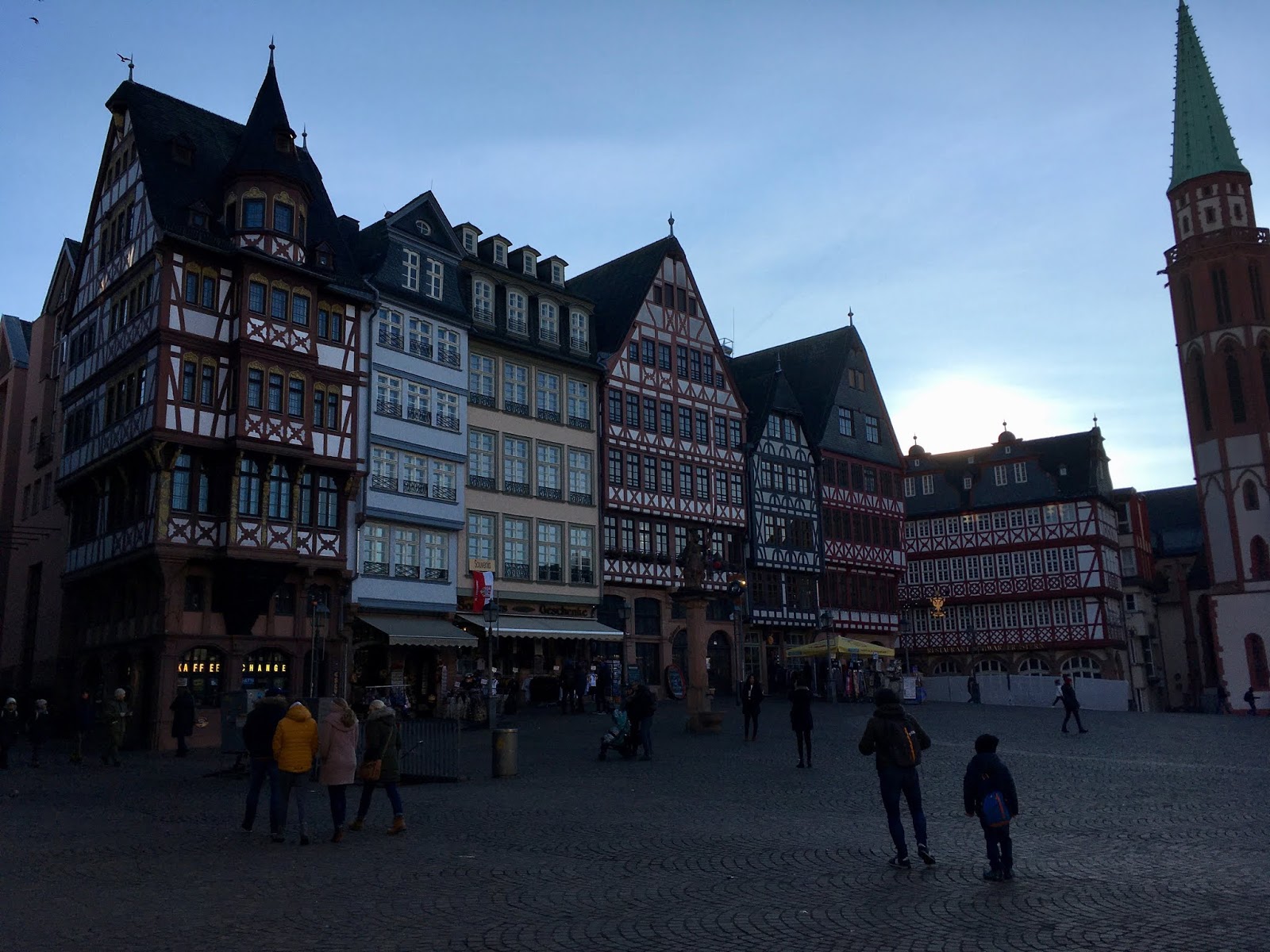
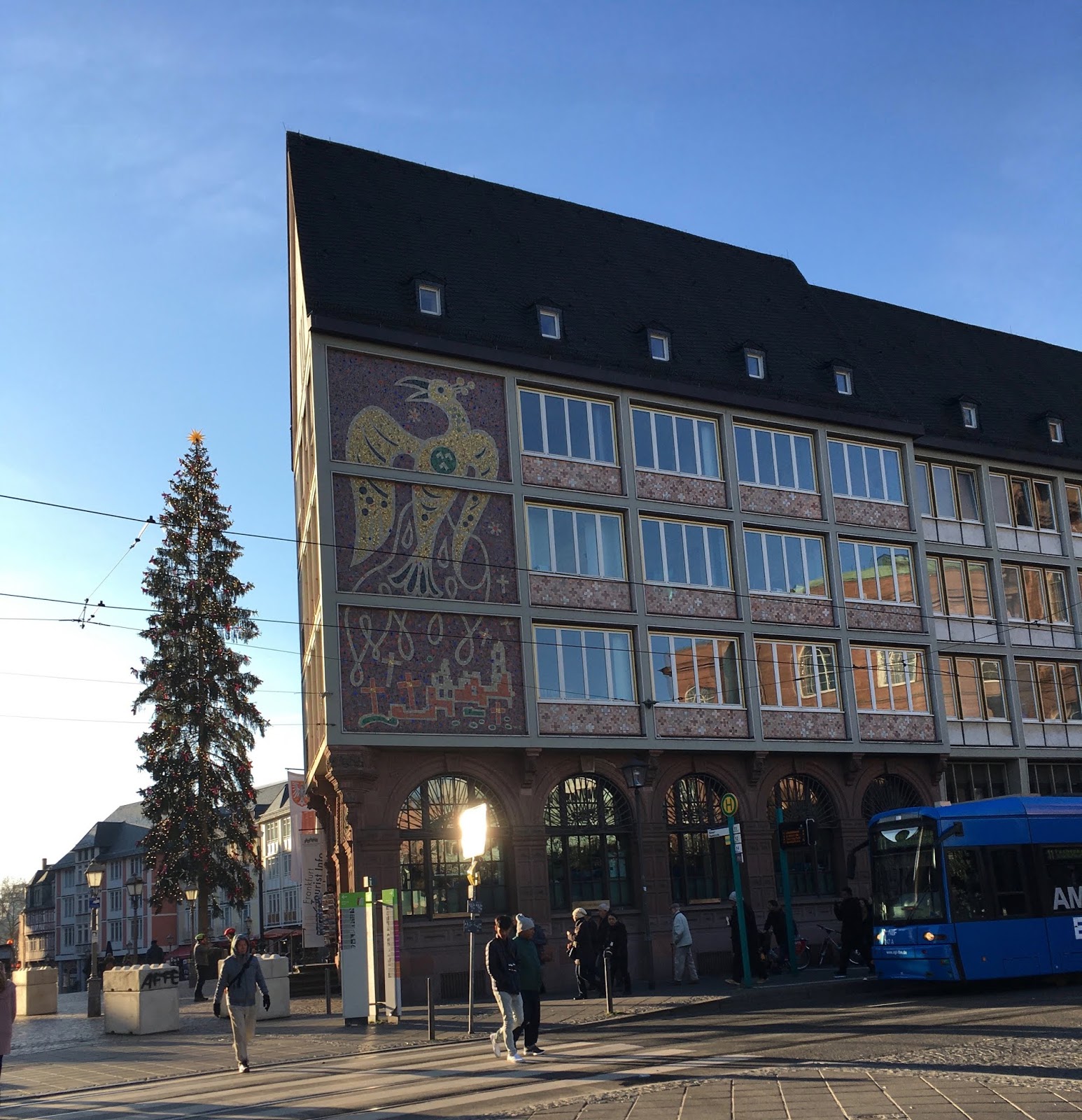
What also was disorienting was trying to figure out what was really an old building or a very good reproduction as Frankfurt was pretty much demolished during World War II and afterwards sought  to change the narrative and just redo what had been.  They did a good job, at least we could not tell.
What is new is old again
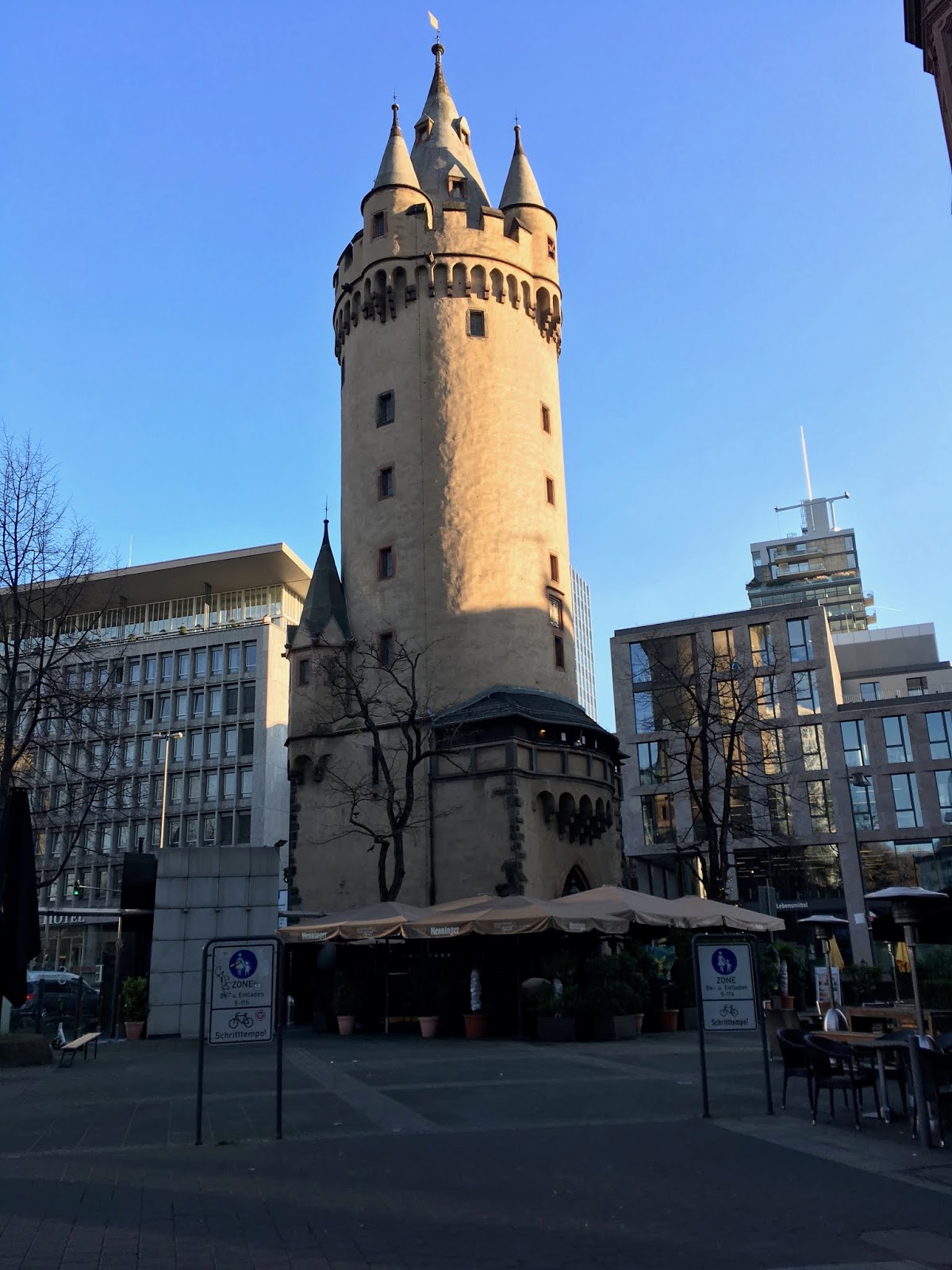
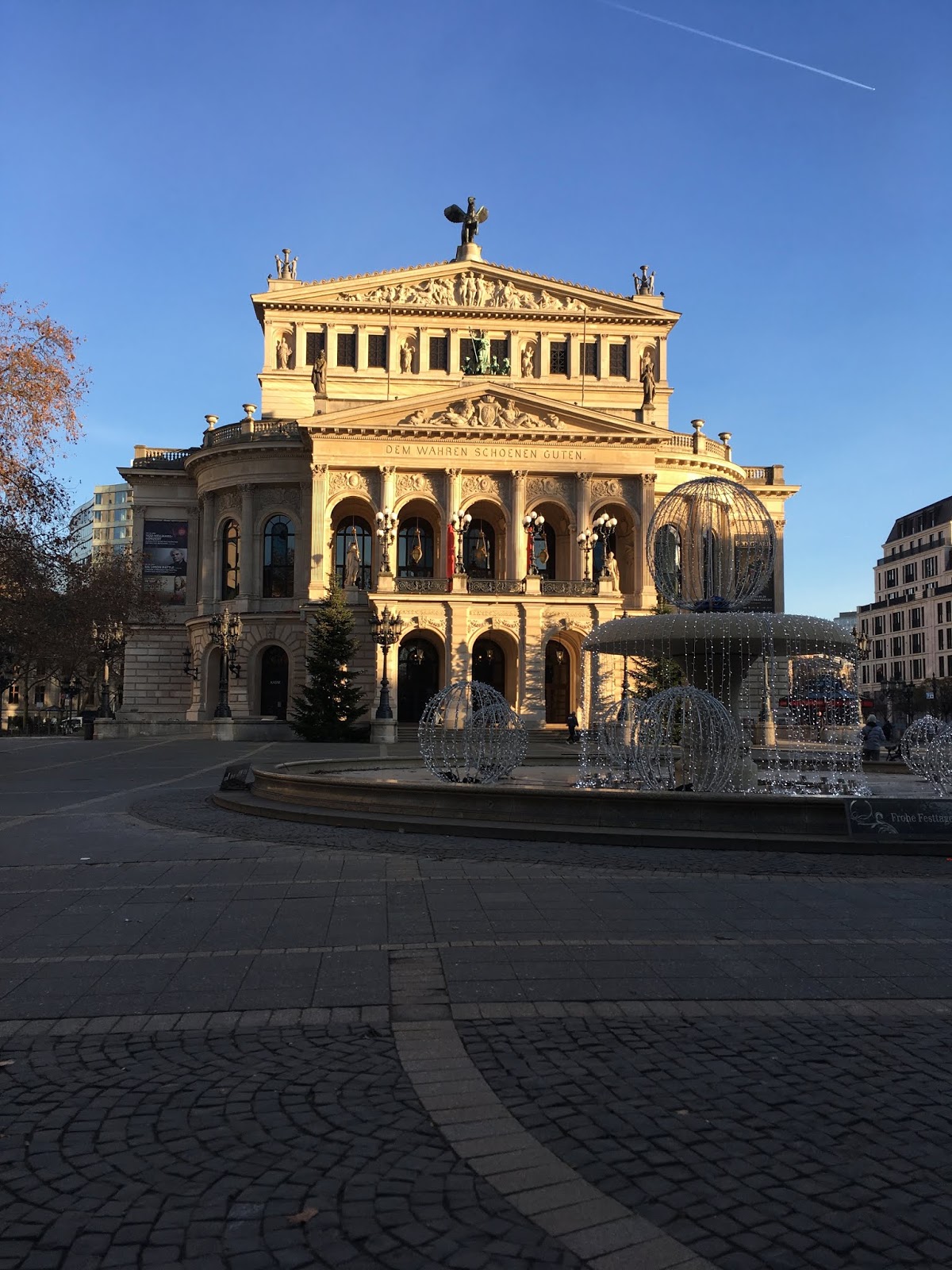
New in 1880 Opera house, made old in 1981.          Medieval city gate now a modern coffee house.
In the \”new\” old town, parts of the Römer city hall are 600 years old
Actually rather new
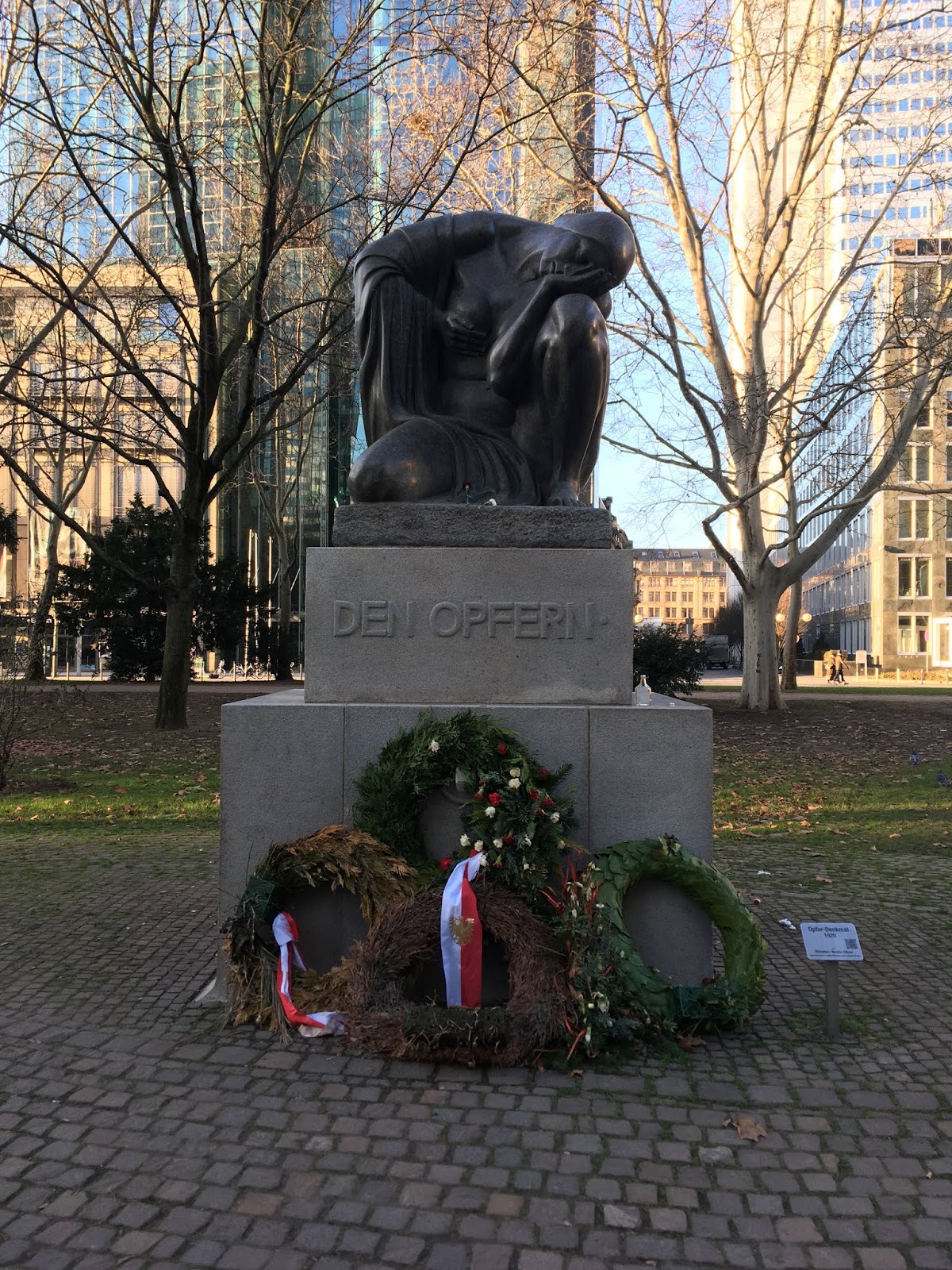
As with most German cities,  the built environment is complex.  Each building has convoluted history as does each sculpture.   We wandered through a chilly city sculpture garden, finding Den Opfern (the victims) by Benno Elkan from 1920, memorializing World War I.  It  now does double duty also memorializing World War II as it was removed in 1933 by the Nazi\’s (Benno was Jewish), but was replaced in 1946.

So of course, like all German cities, that brings us to Frankfurt\’s Holocaust memorial.  Another rather complex story addressing\”how do you consider the past while living in the present\”?   This is especially relevant in Germany where  many Germans felt they were victims of Nazism as well. Seems like everywhere we visited, not just in Germany, but any country that was complicit, these memorials were created only in the past 15 to 20 years amidst controversy.

Frankfurt\’s story is that the ruins of the medieval Jewish ghetto were uncovered while excavating to build a new a city services building. https://en.wikipedia.org/wiki/Memorial_Neuer_B%C3%B6rneplatz
The argument discussion regarding whether to keep on building or stop and preserve was intense, with the eventual resolution of creating a Jewish museum built upon and including the ruins.  Another Jewish museum is associated with the Rothschild Palace  (home of the Rothschild family) . https://www.juedischesmuseum.de/en/visit/museum-judengasse/.
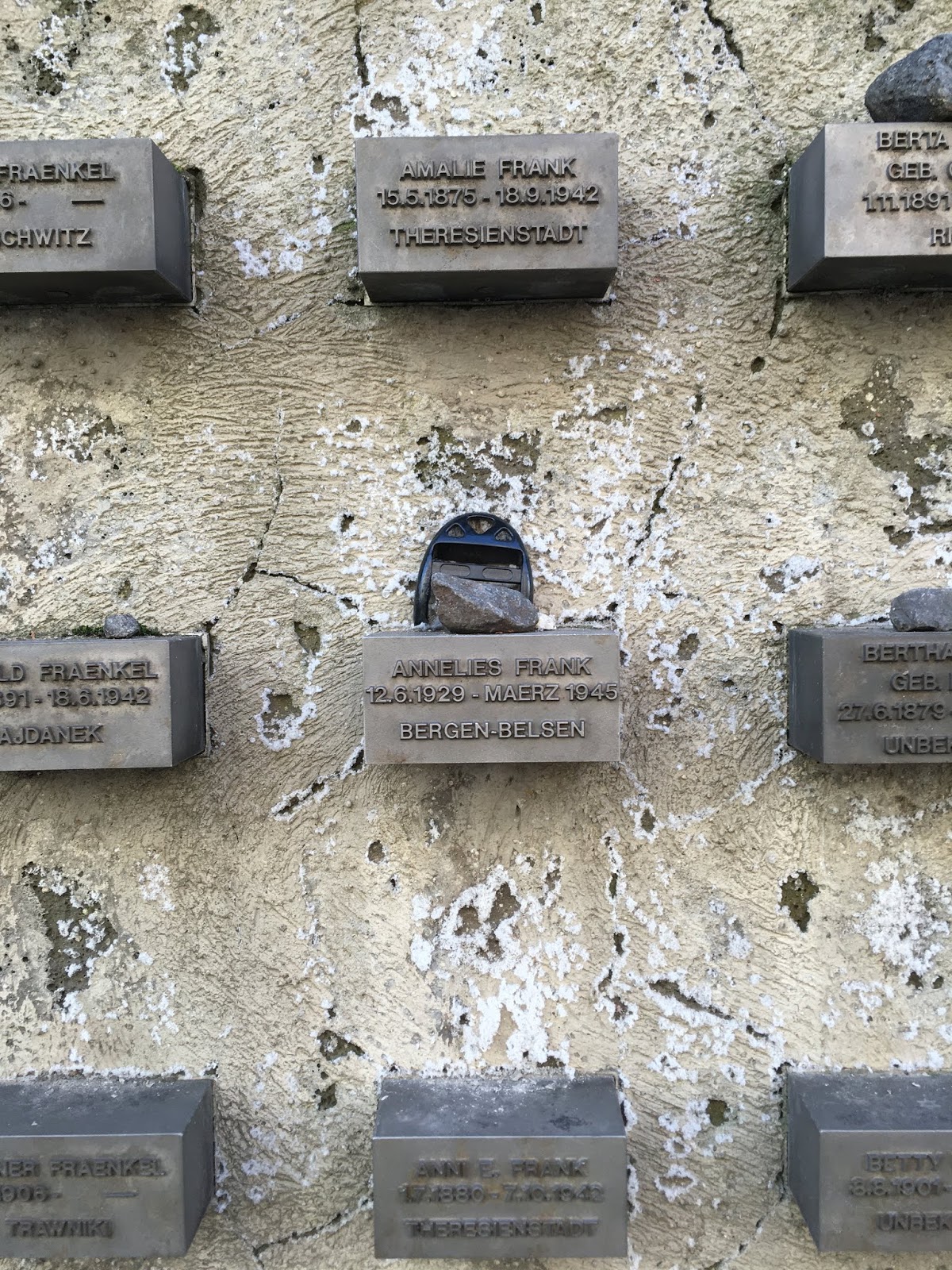
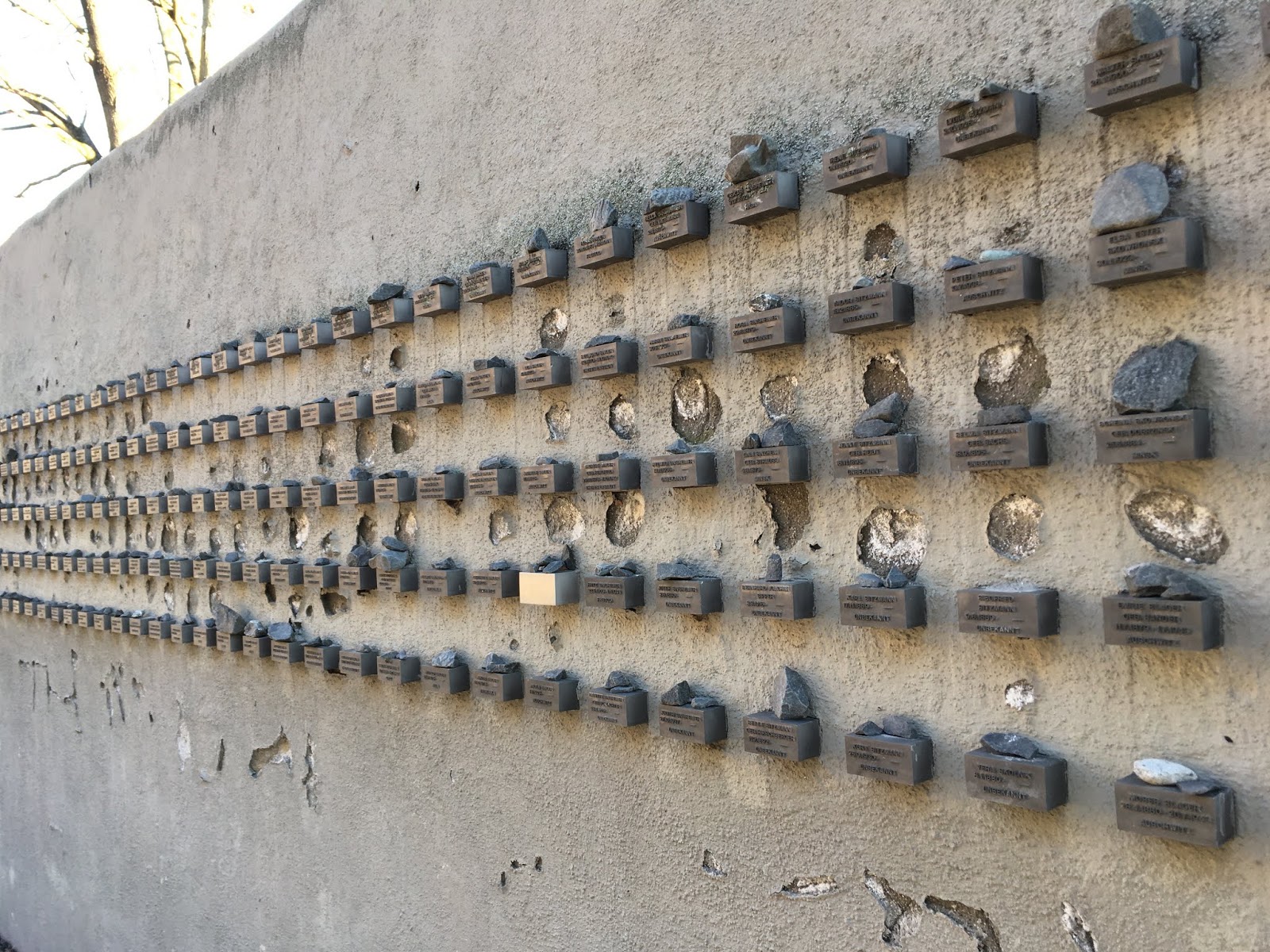
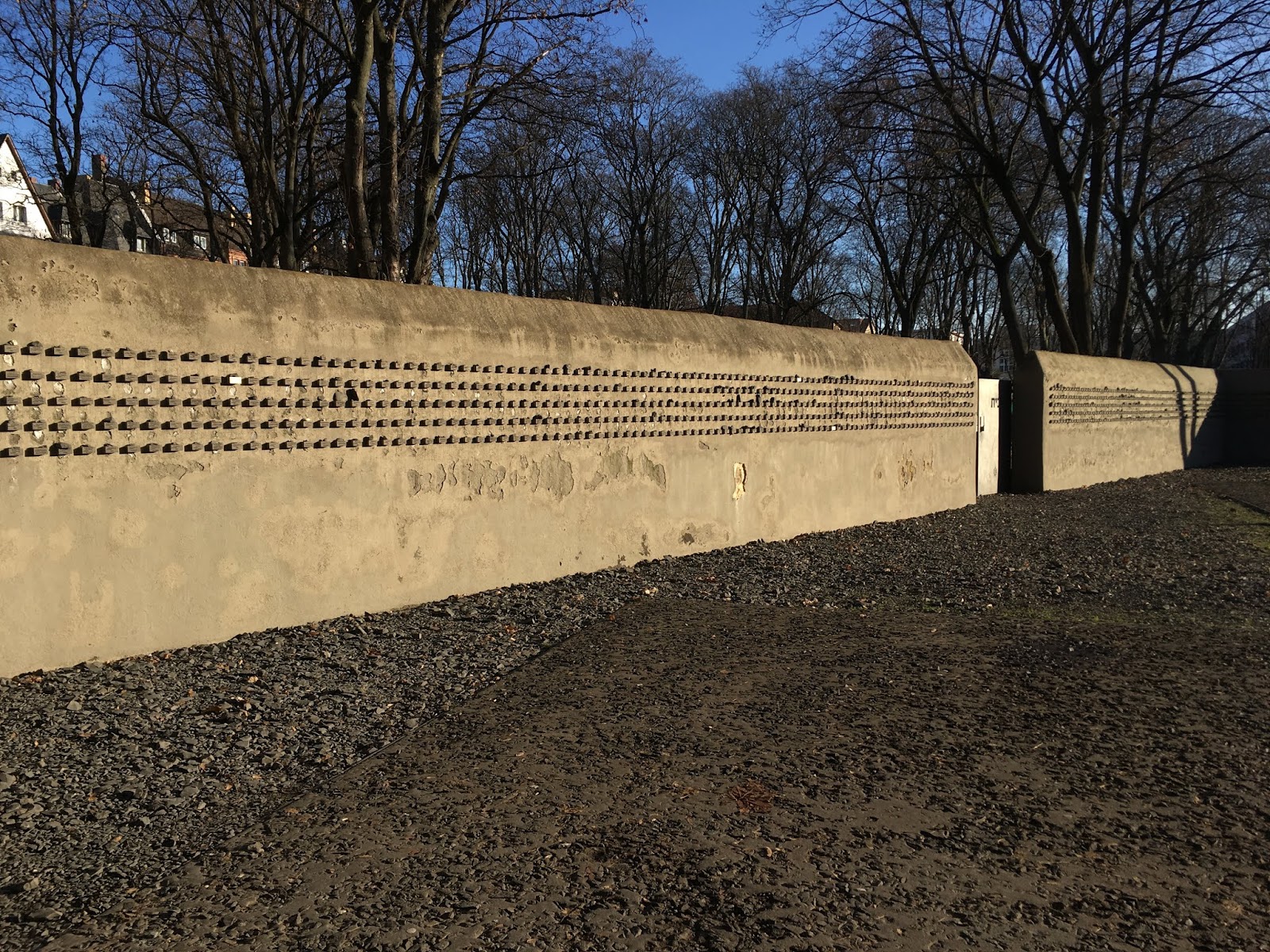
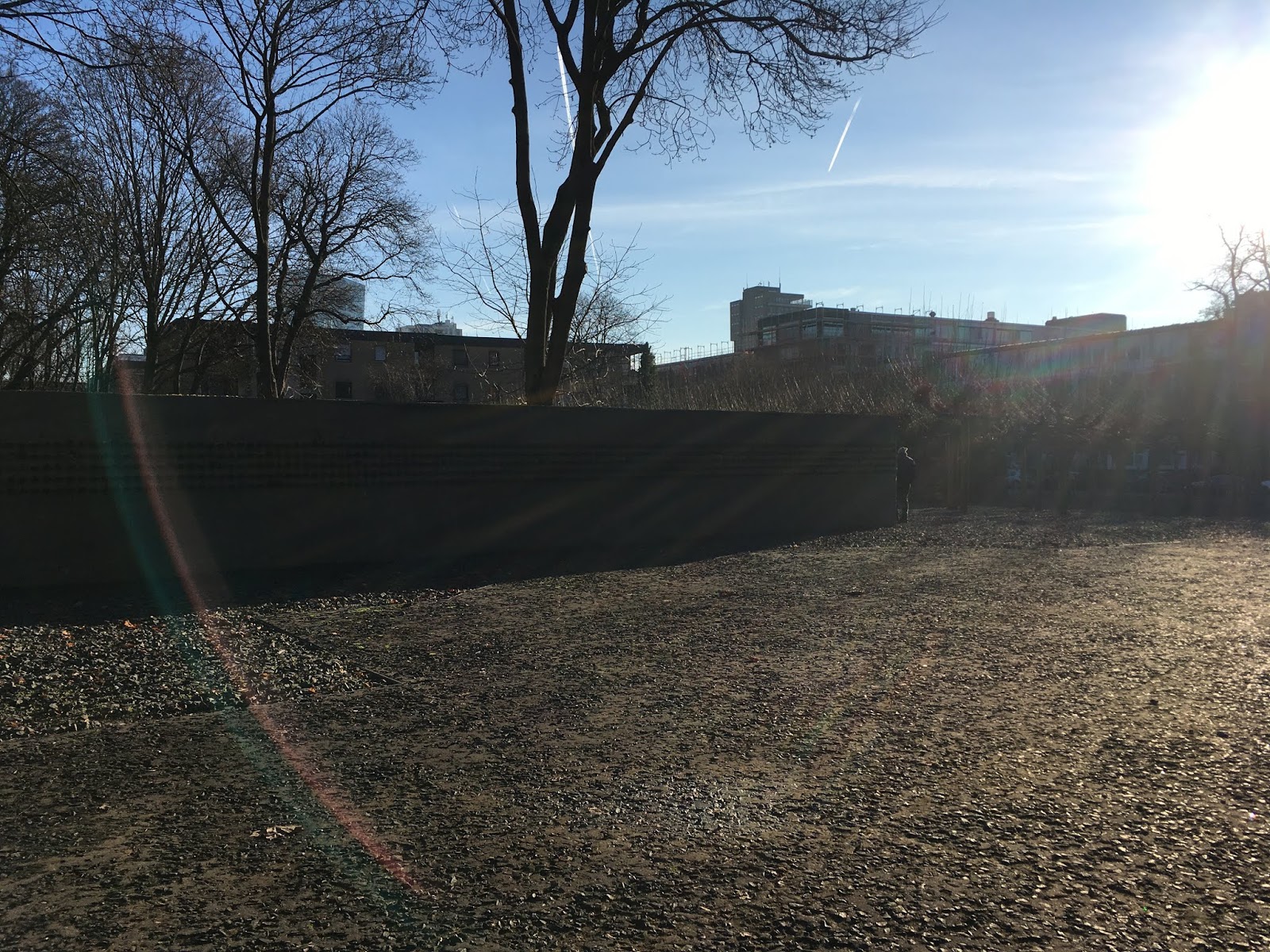
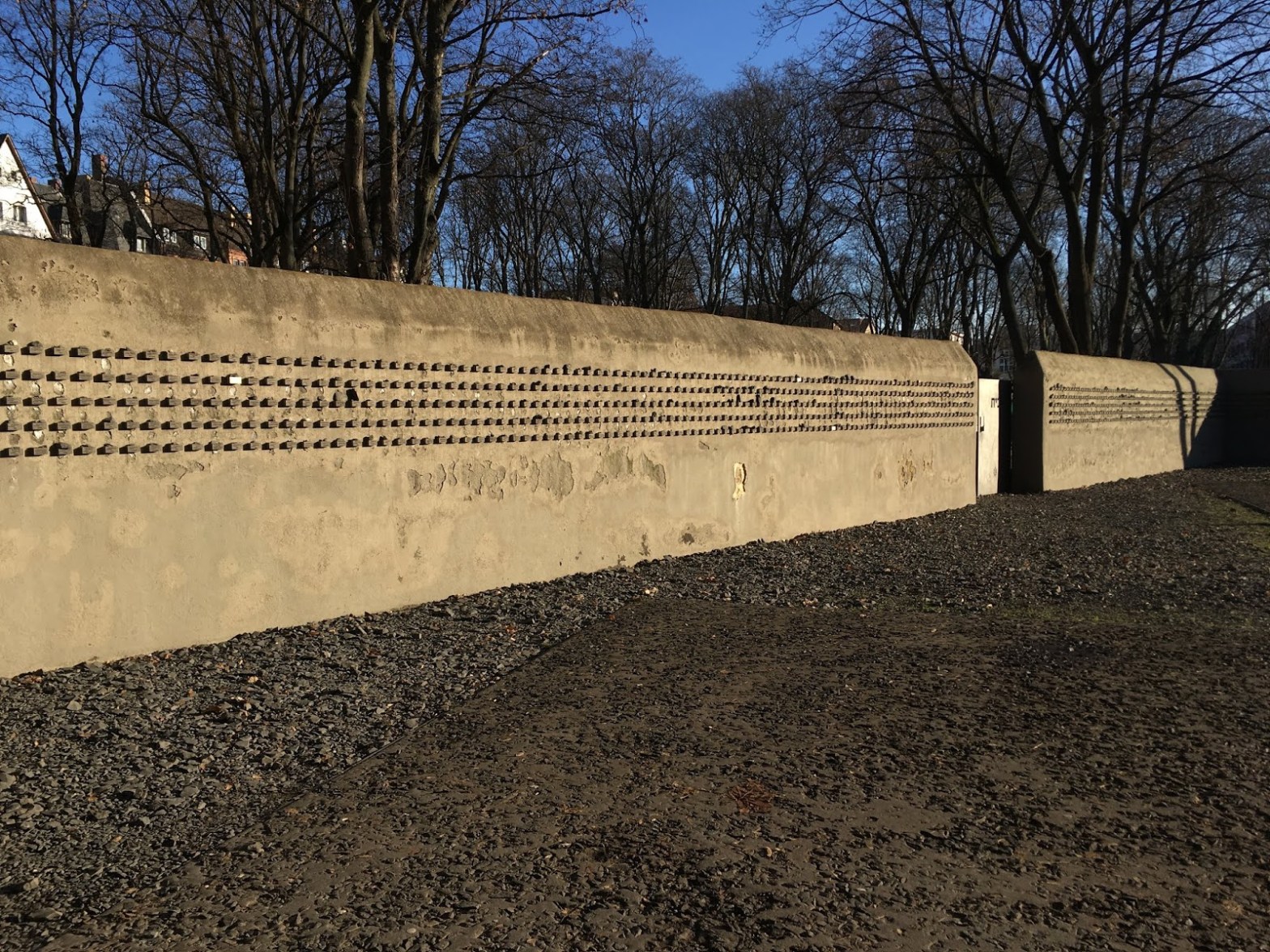
A gripping memorial wall was built along the remnants of the old Jewish cemetery next to the museum.  The wall contains names of the 11,000+ Jews forced to leave Frankfurt.

Anne Frank, born in Frankfurt
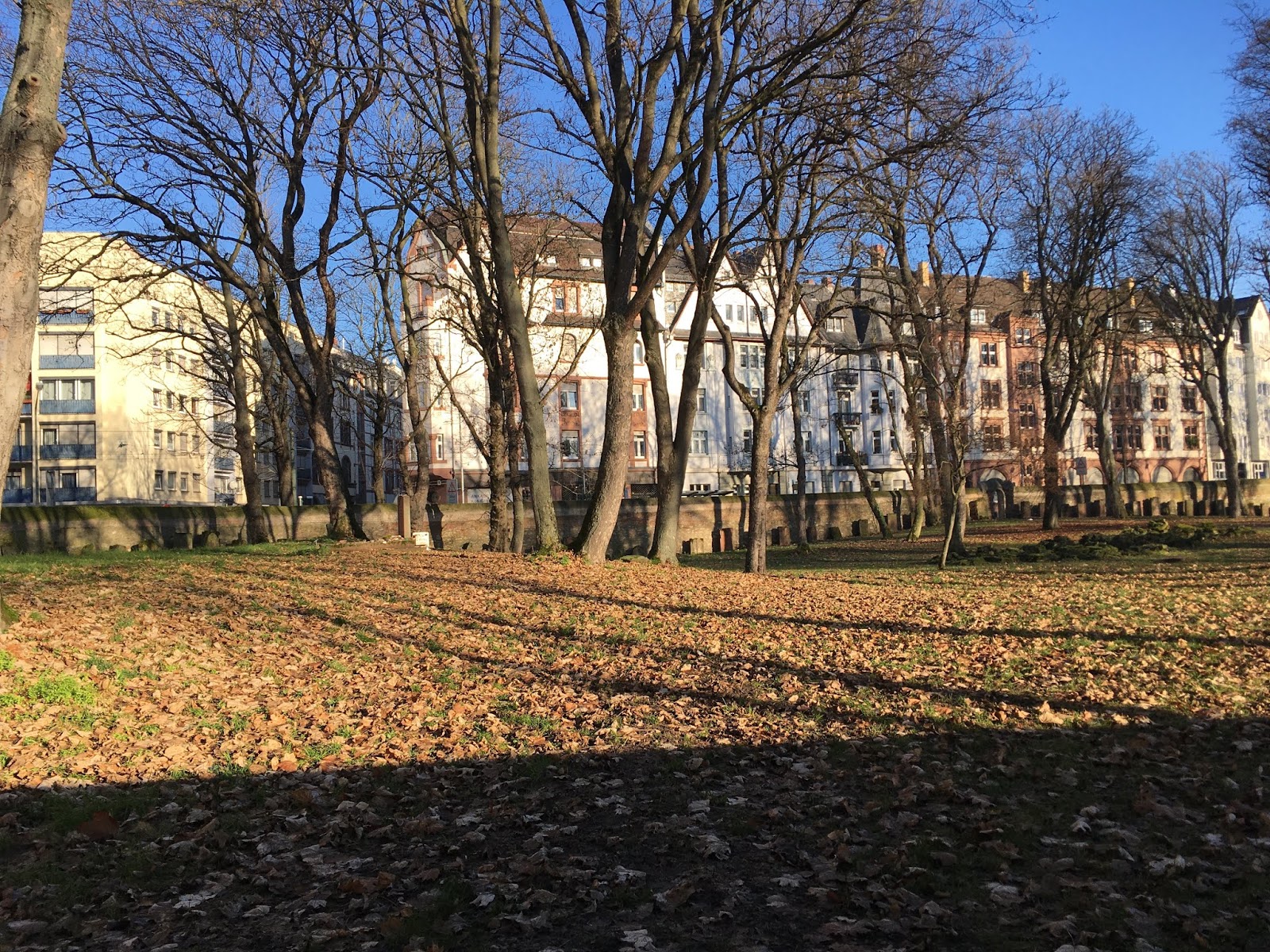
The wall went around the block surrounding what had been the Jewish cemetery.  Tombstones that had been found were lined along the back walls, impossible to know which graves they belonged to.
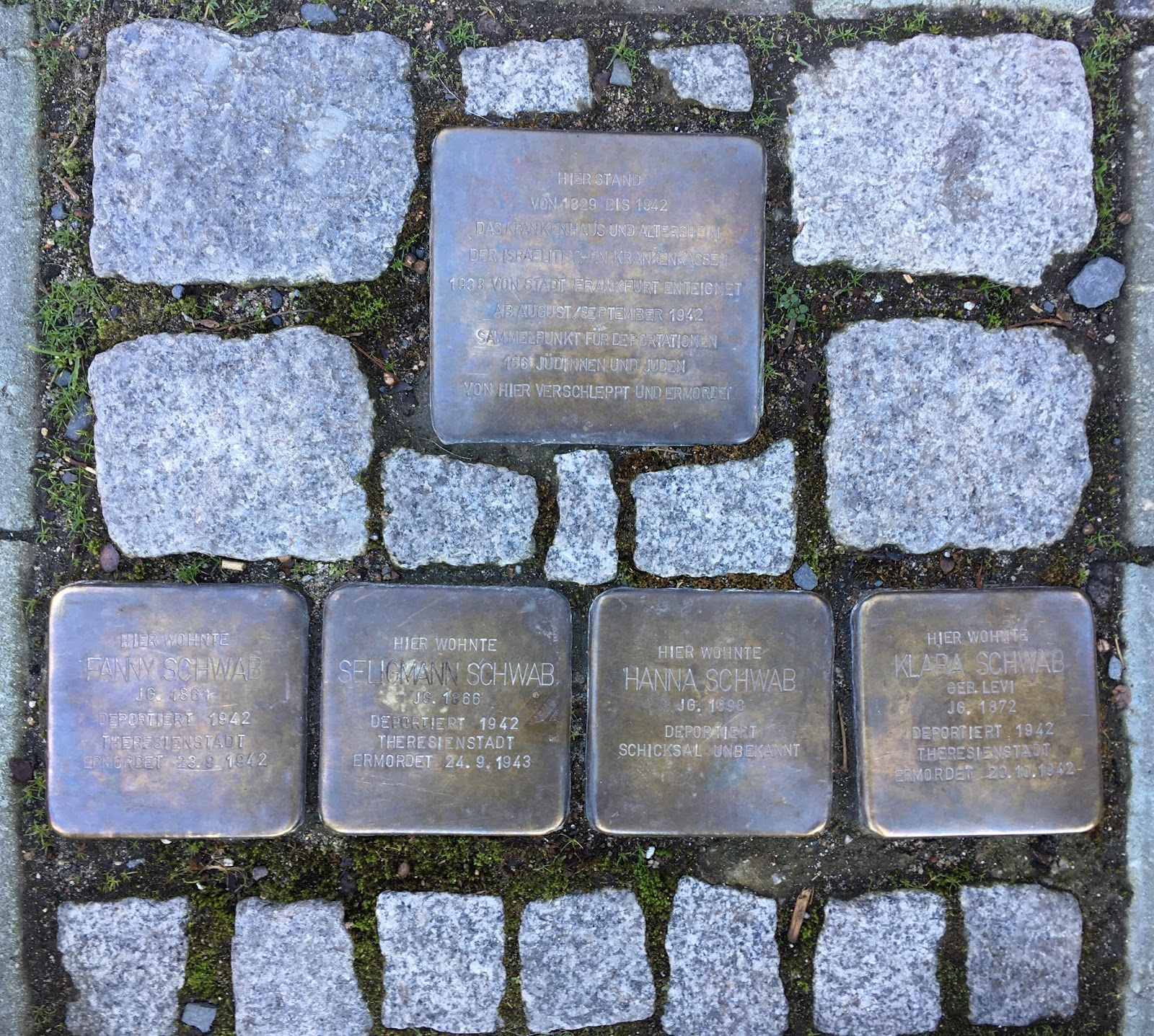
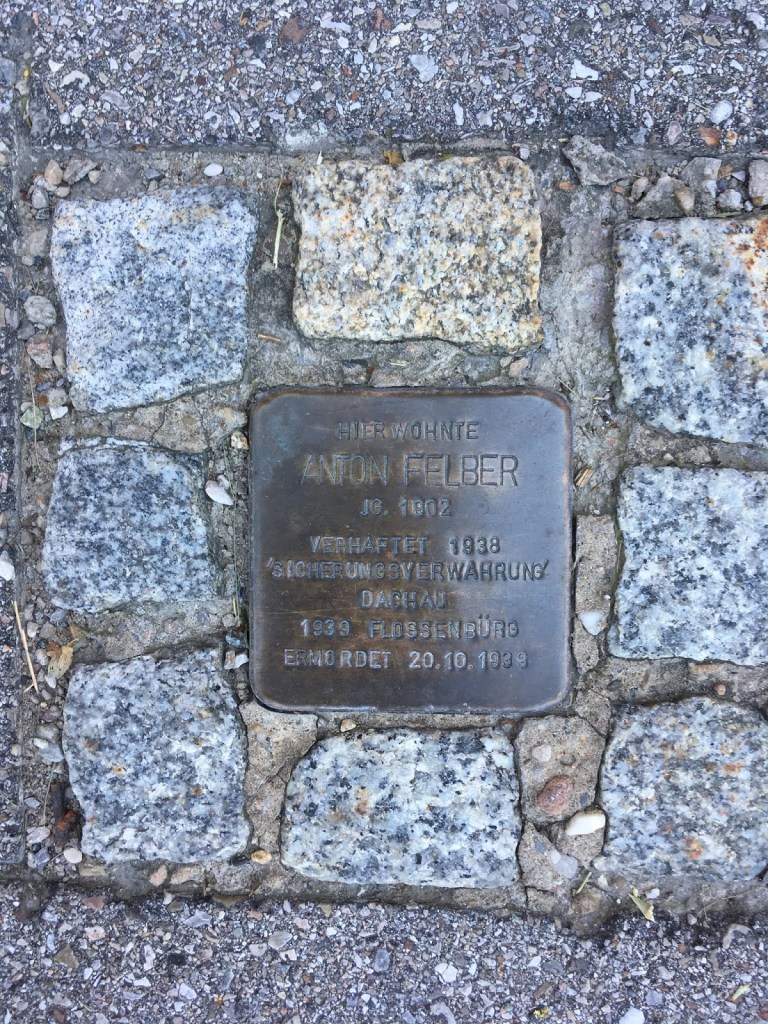
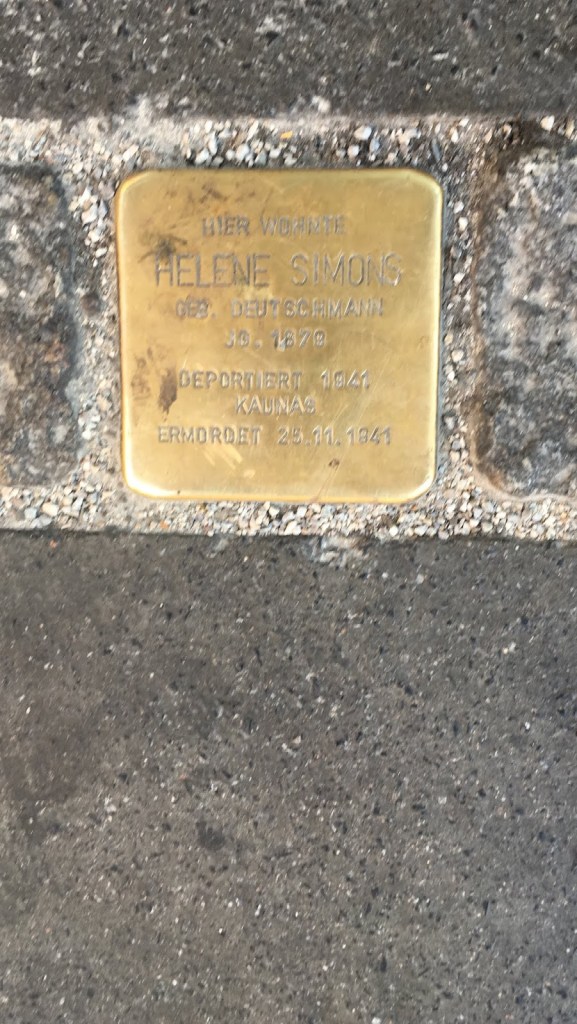
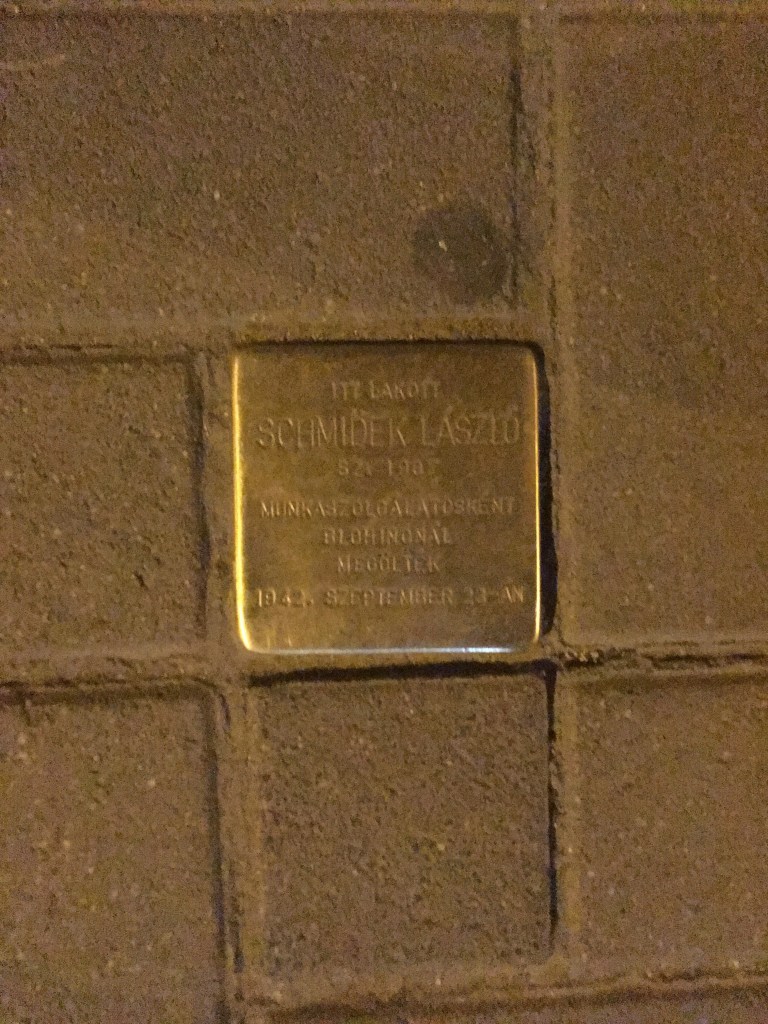
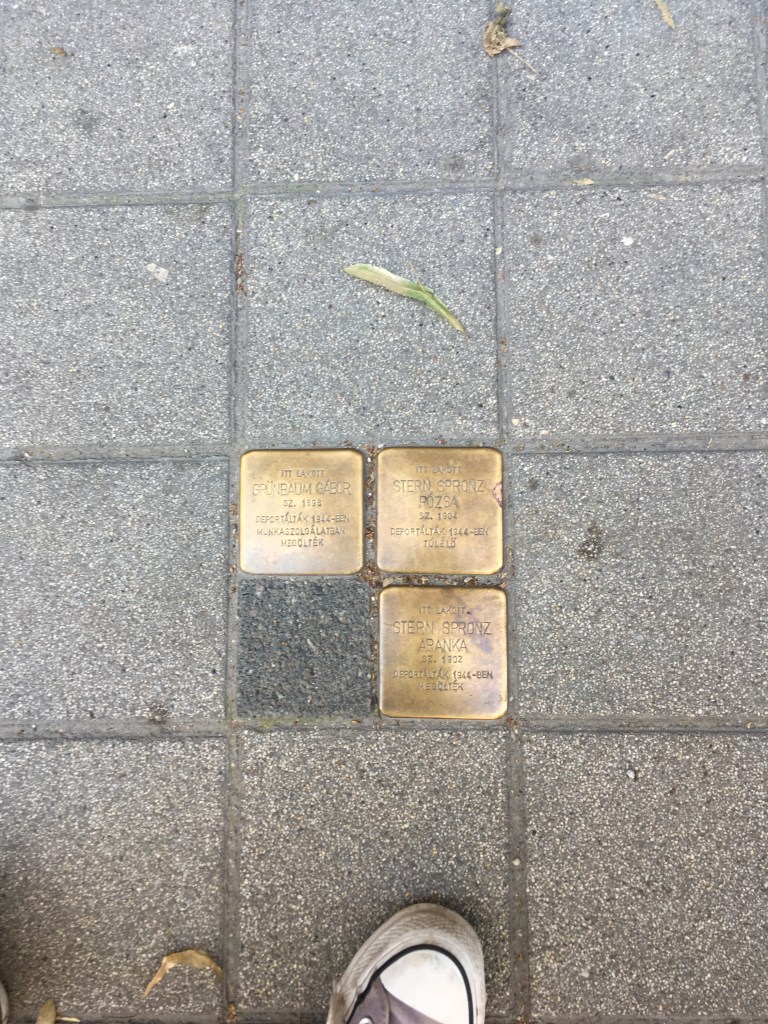
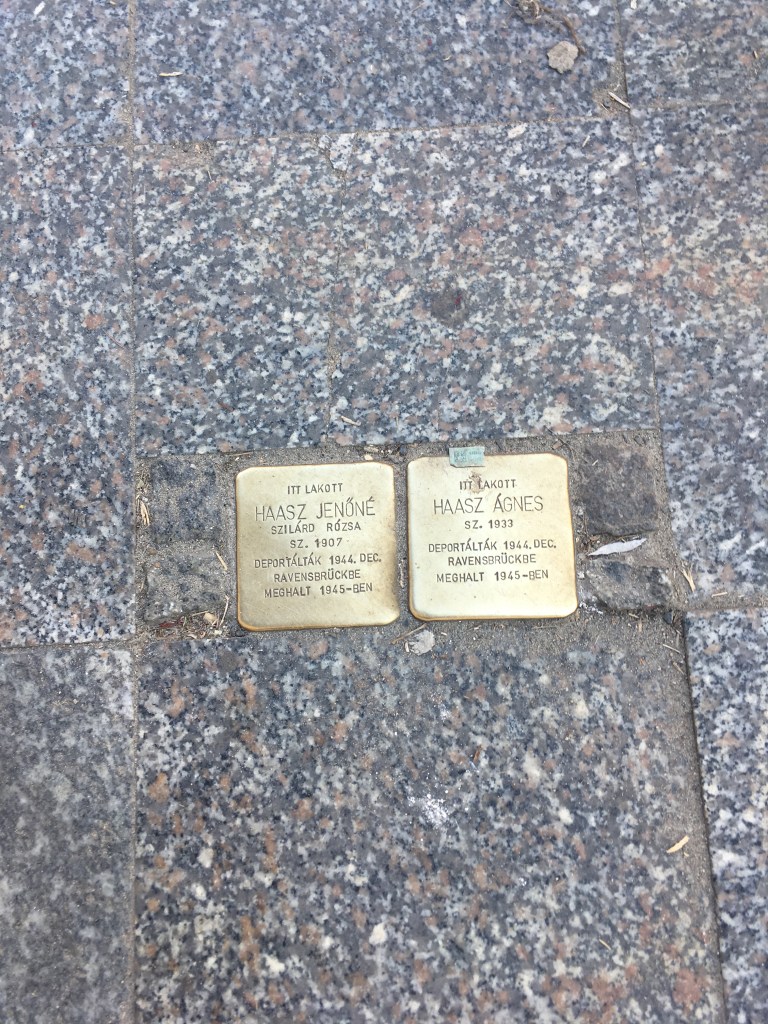
Frankfurt also had it\’s fair share of stopelsteine https://thechosenfugue.blogspot.com/2019/01/they-do-make-you-stumble.html
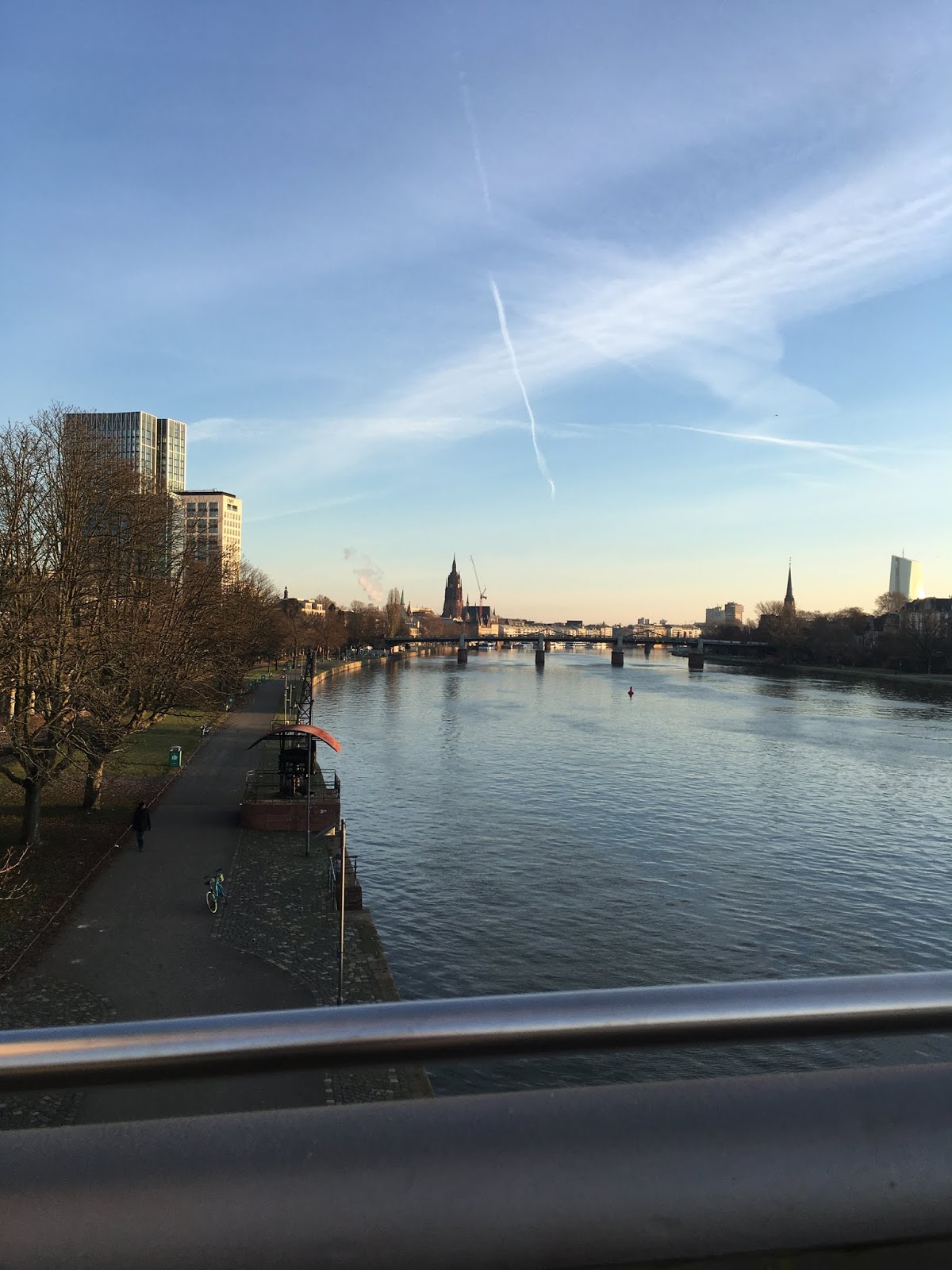
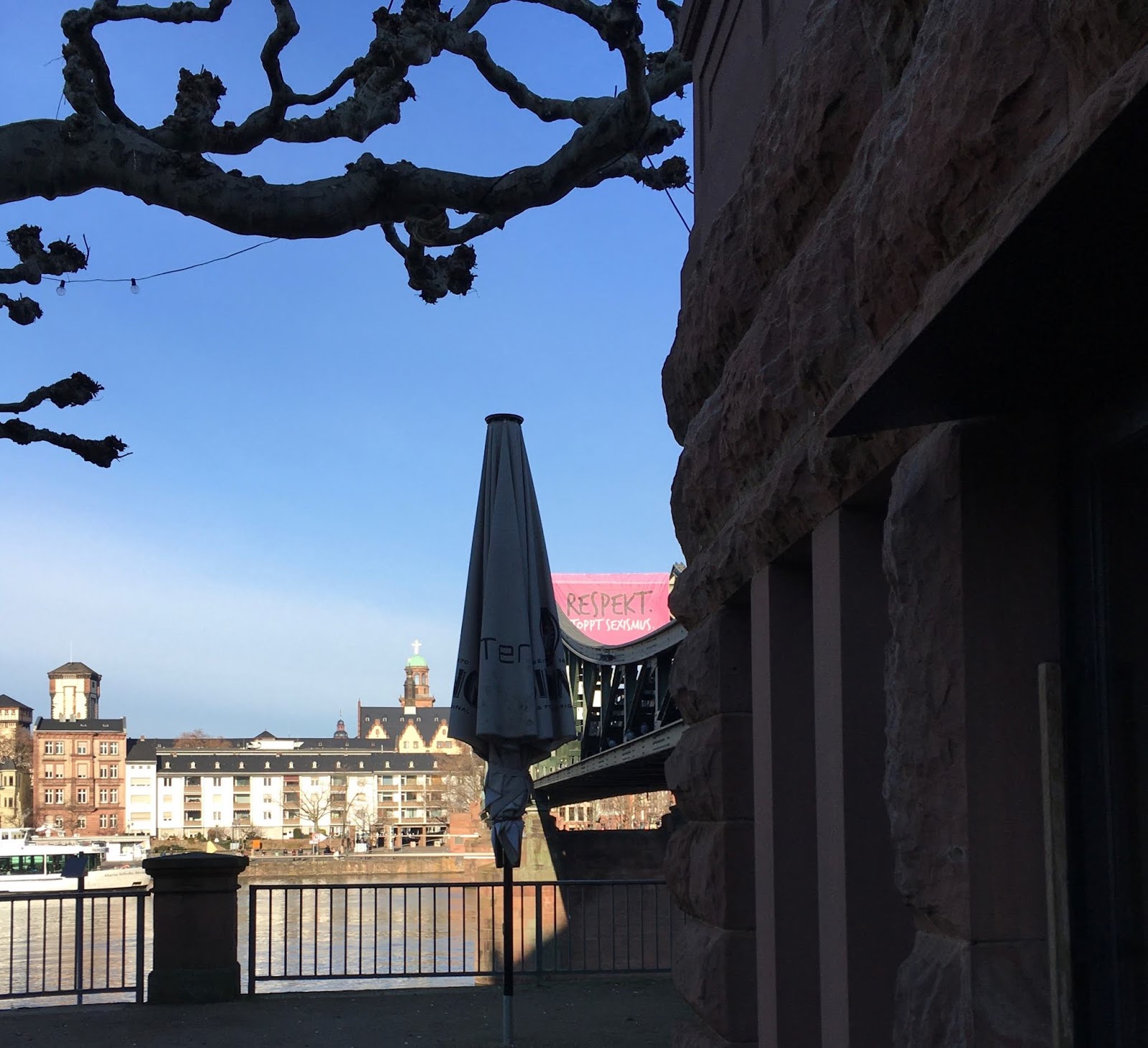
After our stroll through the historical center of the city, we walked back along the river, marveling at the buildings, the river Main and appreciating this really beautiful city like so many we have appreciated over the past year and a half.
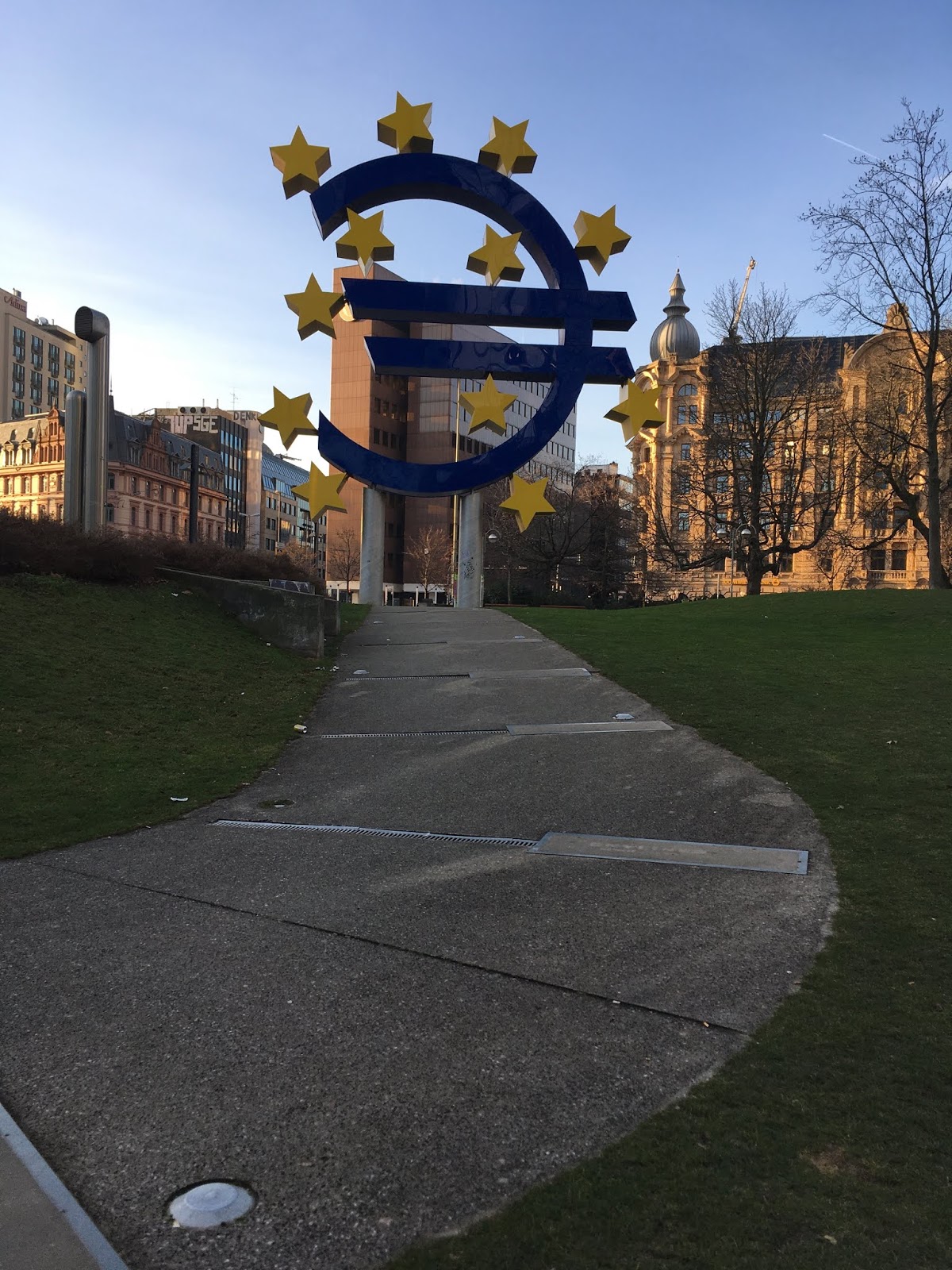
And while we skipped most of the industrial, financial portions of Frankfurt, at the end of a lovely path, we did catch this reminder that we were in the financial center of the European continent, home of the European Central Bank.  Fitting that on our last stop we were already looking backwards at the Euro.
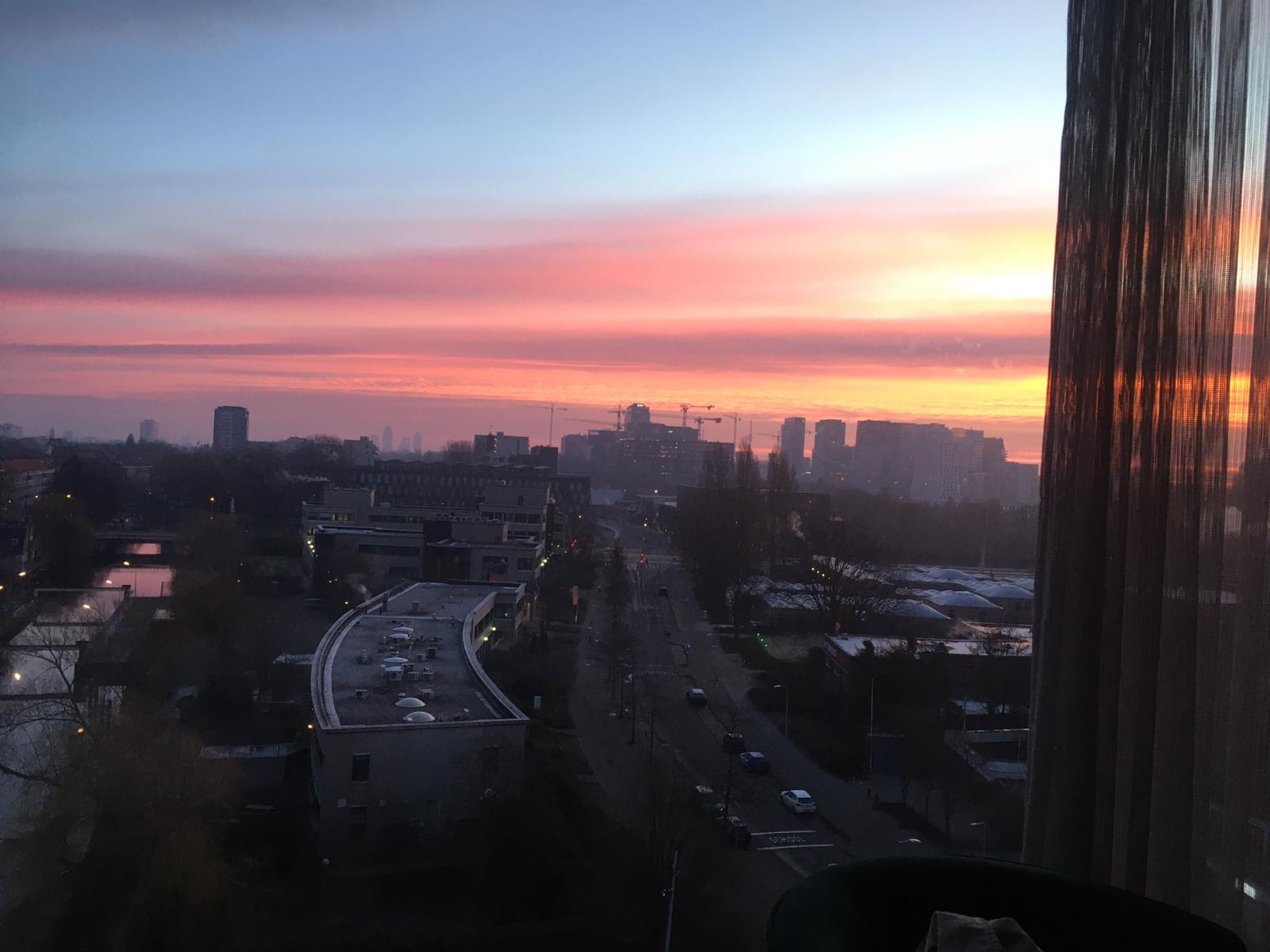
We spent our last few euros at a little market, buying an assortment of odd things for dinner (again, VERY typical of our travels), and strategically, a bag of clementines plus chocolate for our flight.  Then woke up to a magnificent sunrise and left for the airport.
We will always have Frankfurt. That wasn\’t the plan but this might be the last European sight we see for some time.

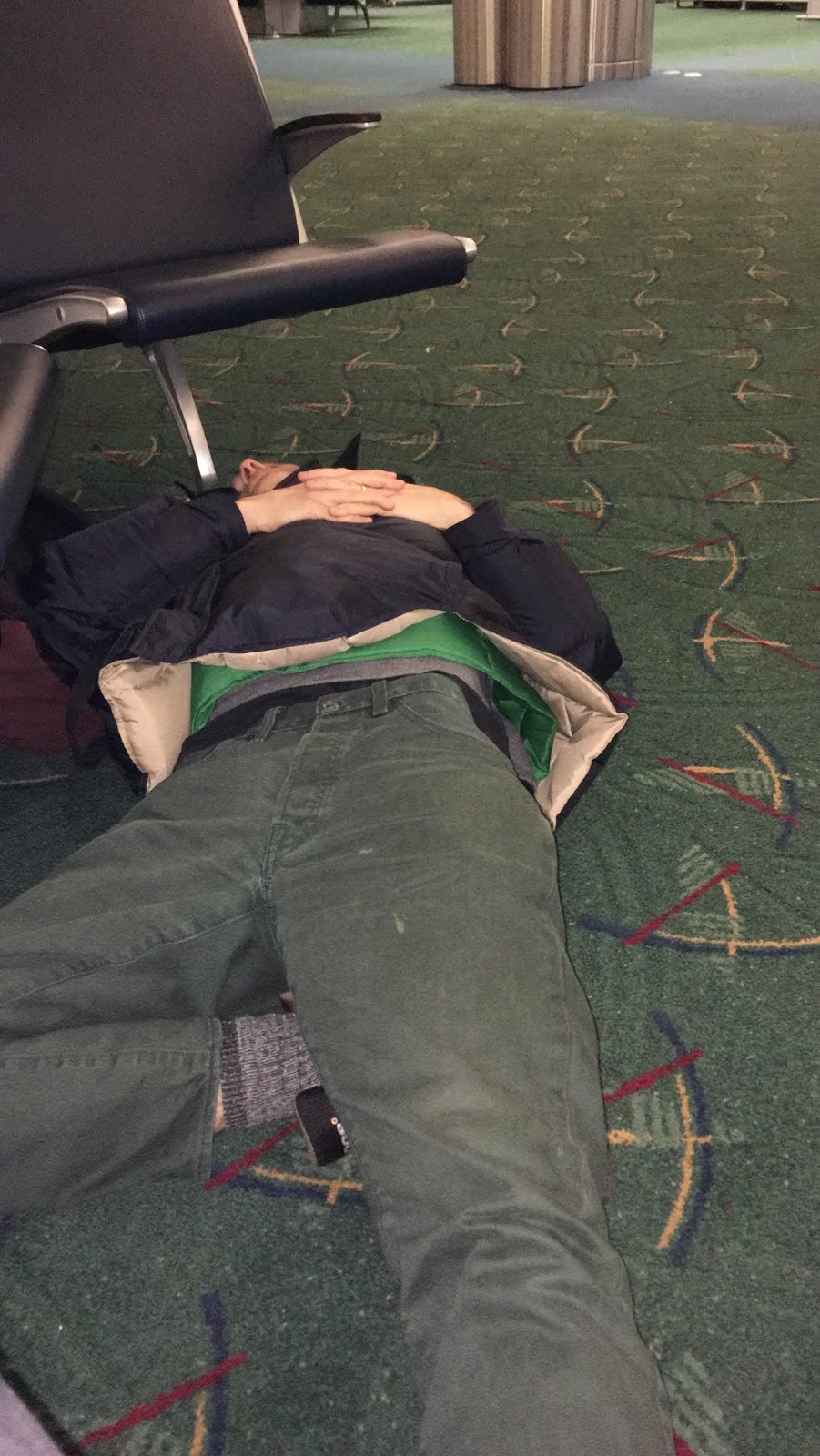
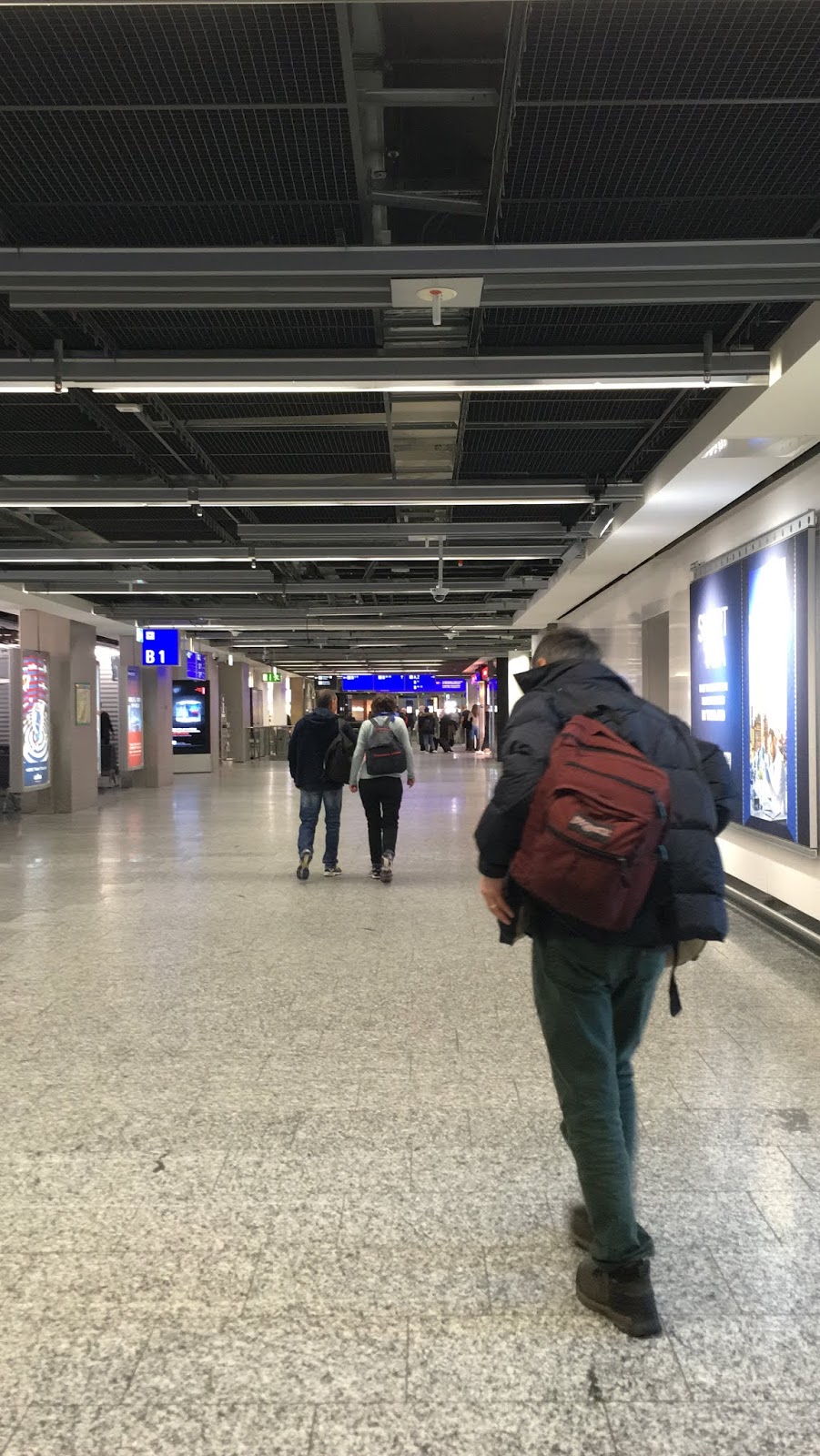
Our Frankfurt-Seattle-Portland-Santa Rosa flight had a bonus  overnight in PDX.

Leaving Frankfurt, 11 hours to Seattle, 4 hour layover in Seattle, Sleeping on the new, famous PDX carpet.
Greeted well upon our landing in California
Writing this from Eugene, Oregon in June,  we really appreciated our year and half on the road, and now planning a new fugue with a cross country car road trip at the end of this month and hoping that all gets better soon…

Cologne not alone for Christmas

While we usually post soon after we visit, circumstances this year got in the way. This post is exceptionally fun as we get to experience Christmas in June. 

Advent marks the official beginning of Christmas Market season in Germany. We went to our first Christmas Markets about 10 years ago on a trip to Vienna and Berlin. While we saw many different iterations throughout Europe, Germany seems to take special pride in their Markets.  

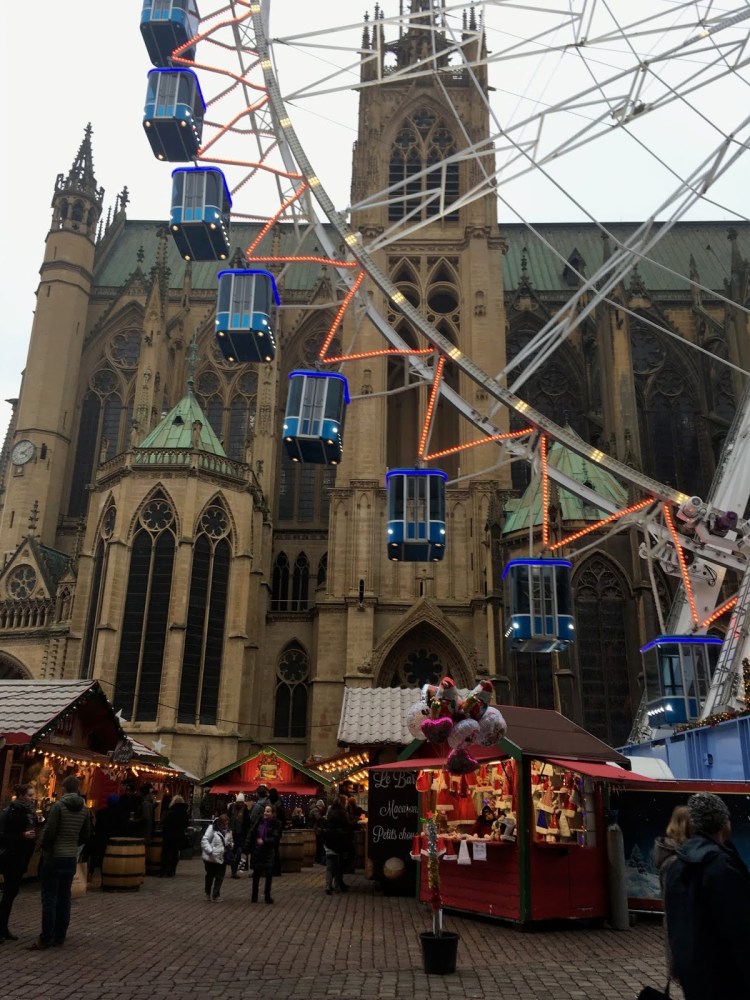
Metz, France – adjacent to Germany

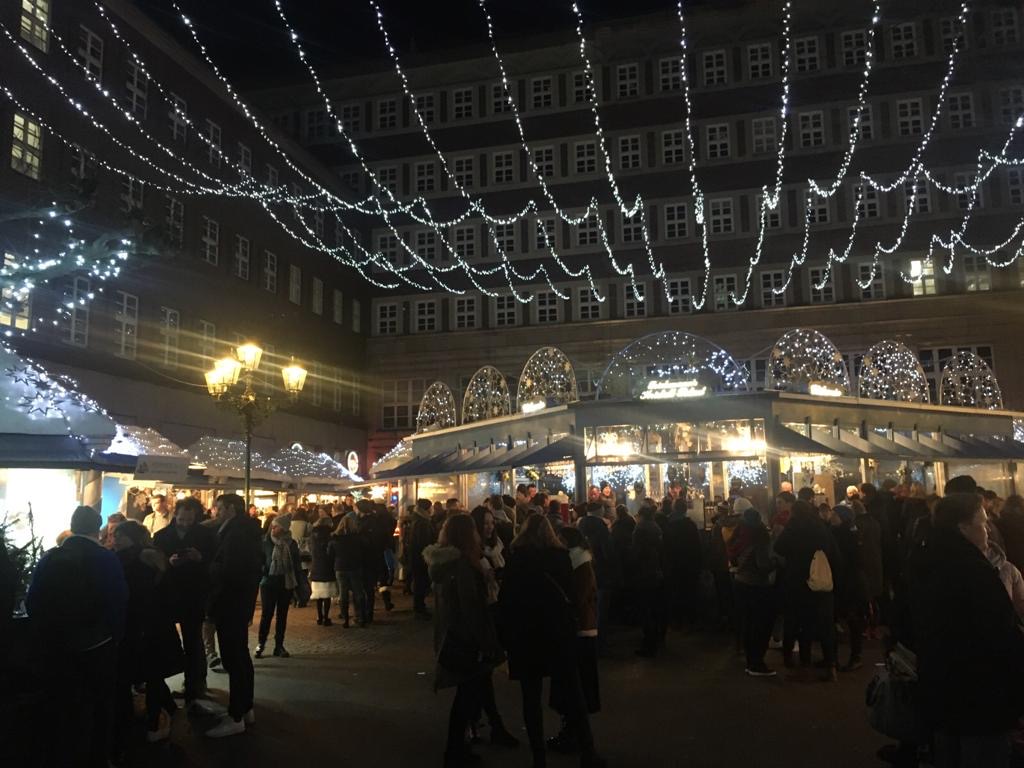
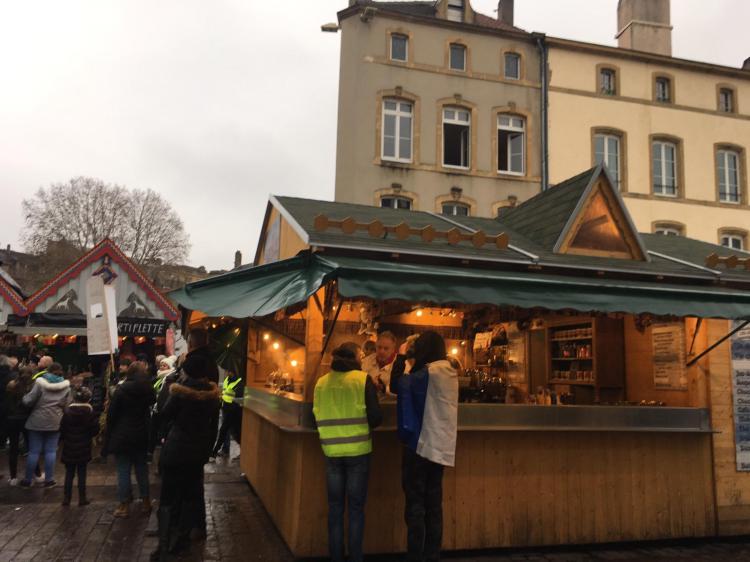
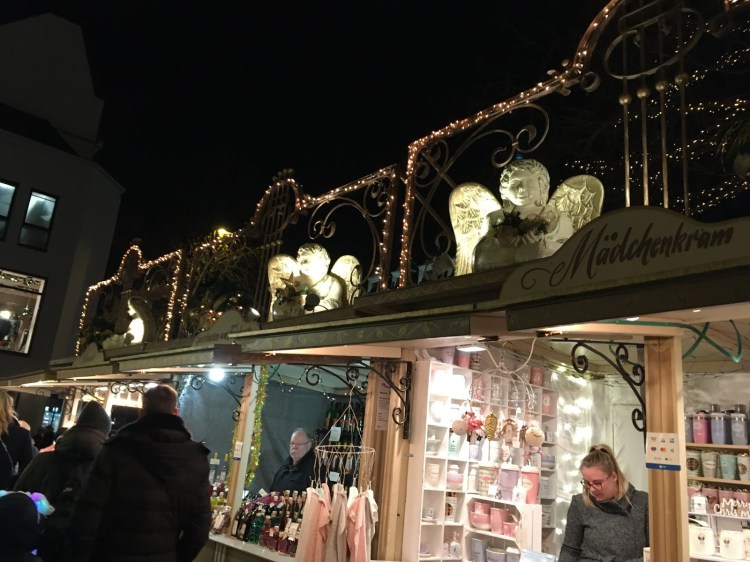
Typically Christmas markets surround the town square or pedestrian street with decorated booths. While each town and country have their own unique spin, and almost always highlight local products, you will pretty consistently find  mulled wine of some kind,  local honey or jam, wooden toys/knick knacks of some kind, knitted hats/gloves of some kind, some kind of Disney related item, and then food-pretzels, meats, sausage, candy, and cookies. (More Metz)

While the market have become major tourist attractions, they still feel pretty local.  This was really felt in the ruckus of opening night of the Advent Market in Reijka https://thechosenfugue.blogspot.com/2018/12/pula-treiste-and-rijeka-istrian-trilogy_4.html and the more intimate Advent evenings in Zadar https://thechosenfugue.blogspot.com/2018/12/pula-treiste-and-rijeka-istrian-trilogy_4.html.

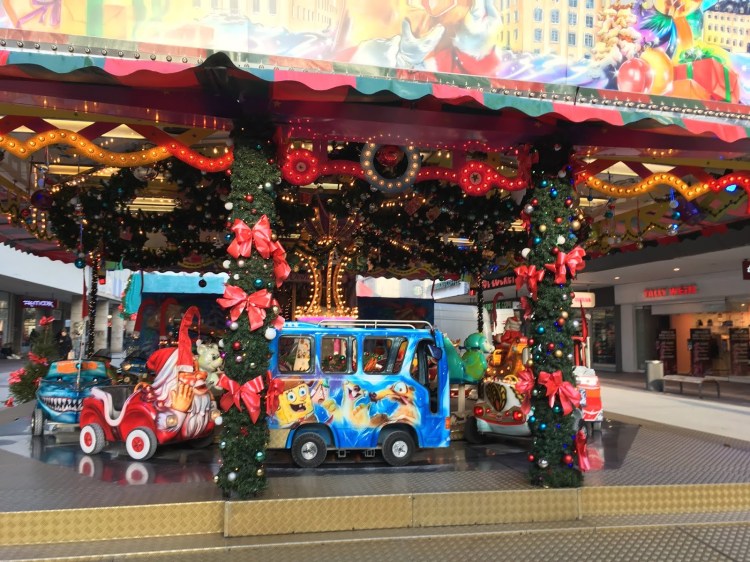
Everyone was either singing and dancing fueled by  drinking Gluwein, which ranged in flavor from warm Sangriá to warm Dimetapp. Most towns  had shows for children and  rides, enhancing the feeling like you were at an elementary school carnival. Made you feel the nostalgia that probably every German/Croatian/French/Austrian feels anticipating and going to the market. (Saarbrücken)

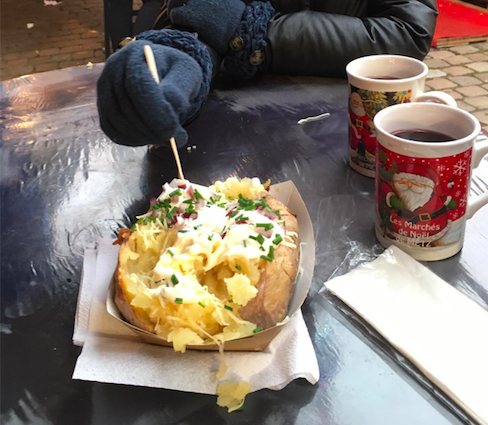
And of course there is food, lots of food. Reibekuchen/kartoffelpuffer (potato pancakes),kartofellanzen (potato spirals), flammkuchen (flaky pizza), wurst (sausages) and more wurst, all kinds of cheeses-fresh, fried or melted over anything, candy, cookies, roasted chestnuts and almonds, jacket potatoes (the best ever was in Metz, France), all washed down with hot (mainly) alcoholic drinks.

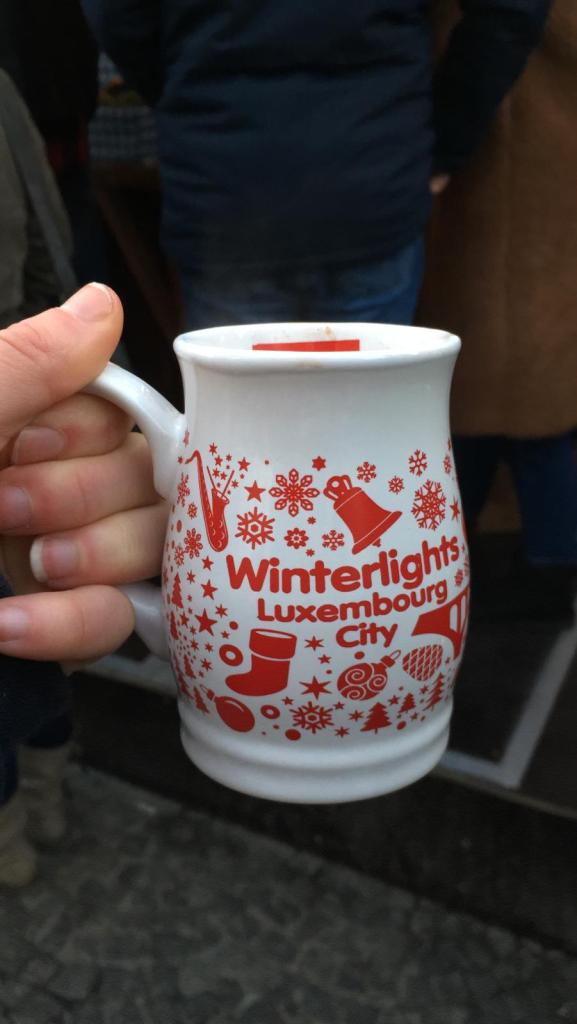
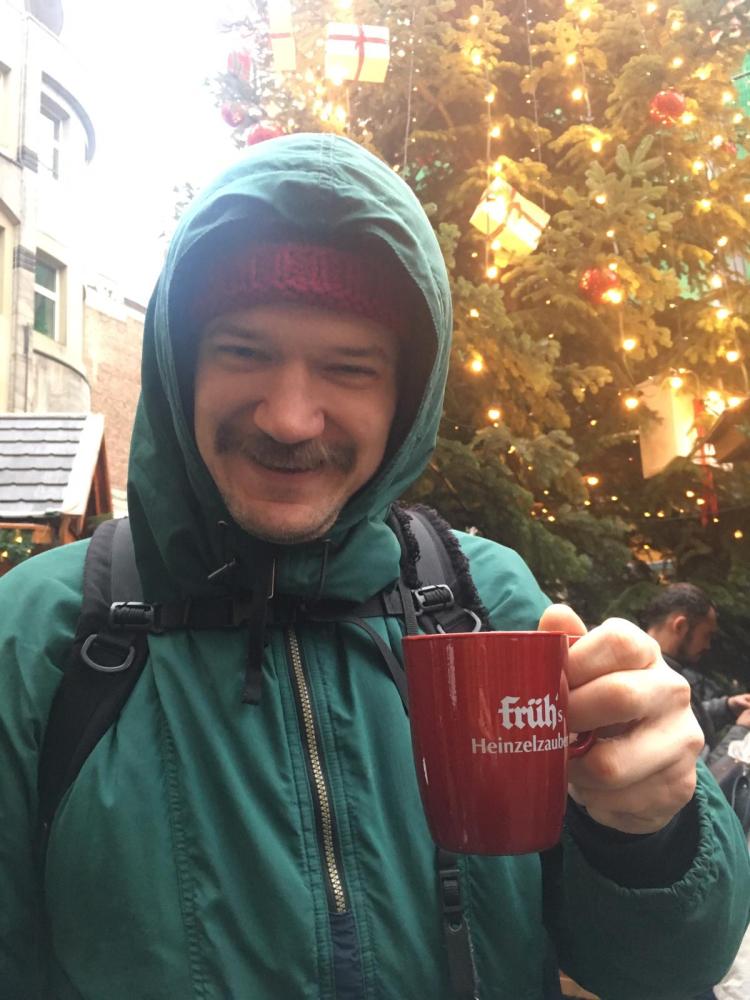
As you can maybe see, most markets have their own specially designed mugs.

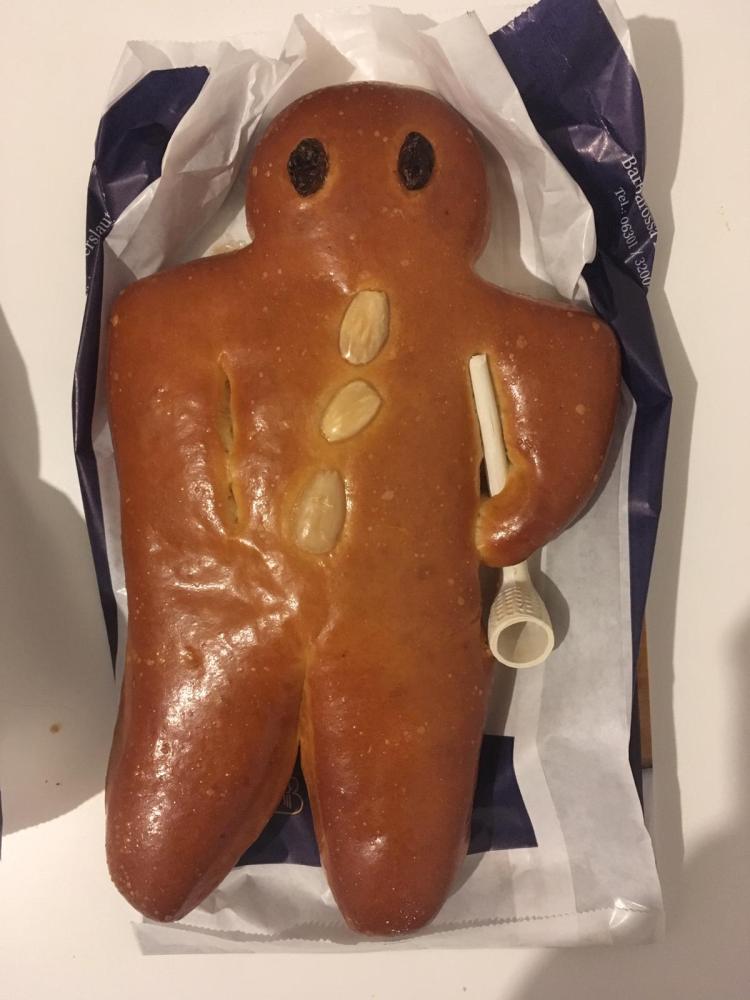
It really didn’t matter what town, what country, the food pretty much was consistent with the exception of the uniquely German little bread guy with a pipe.

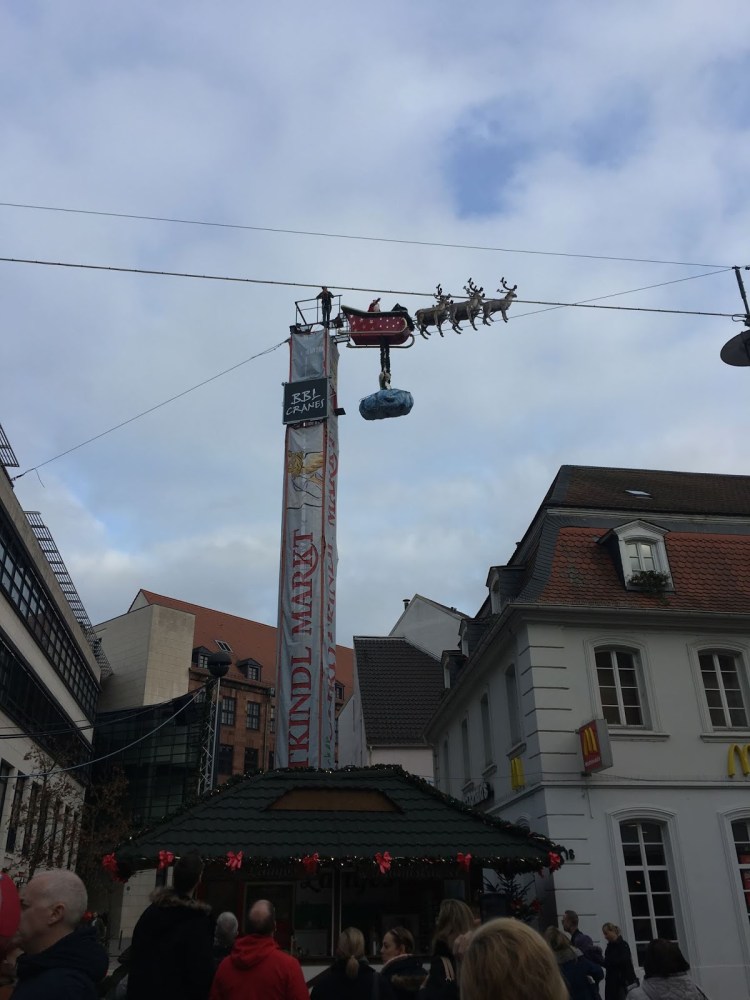
This year we had an early bird German Christmas market preview on our visits to Worms and Luxembourg, and in Saabrüken, watched Santa flash across the Christmas market with baby Jesus as his co-pilot riding under the sleigh in a foil wrapped potato, consistent potato theme.

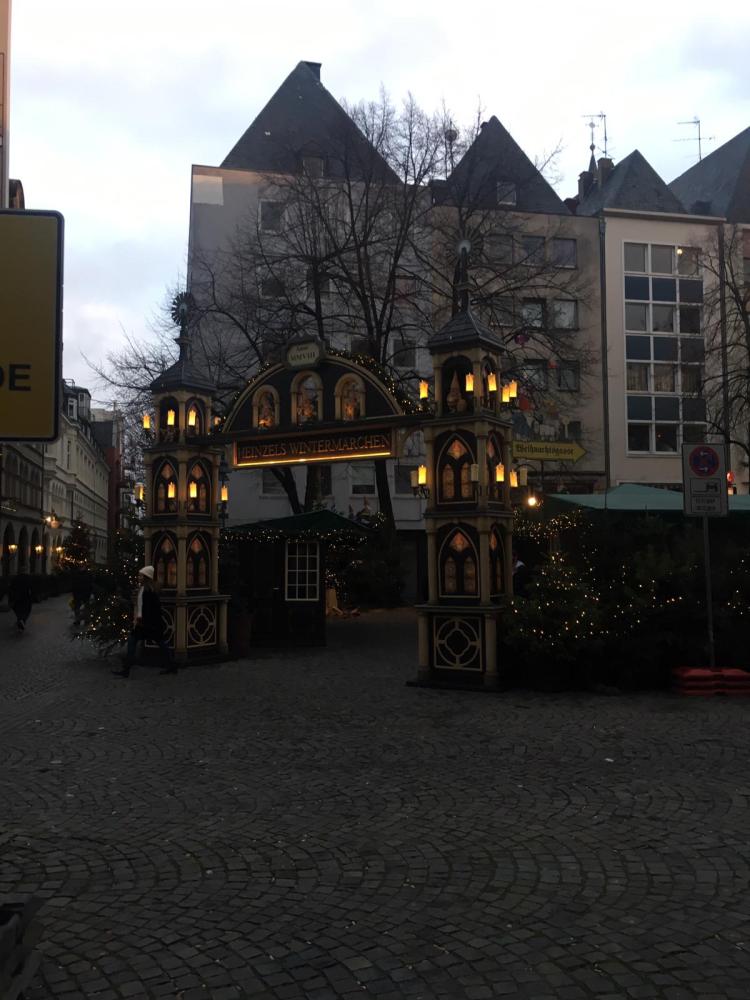
Despite the tension of the baby Jesus transport, we were not prepared for the Christmas Markets in the Cologne/Bonn/Dusseldorf corridor. We should have realized something was coming based on the sheer number of Santa hats and bottles of Sekt (German Champagne) we noticed on the trains; morning, noon and night. Typically, the Markets are in the town square, but in these  cities they seemed to exist at every turn, each with a different theme. Market hopping!  It was a Nativity scene!

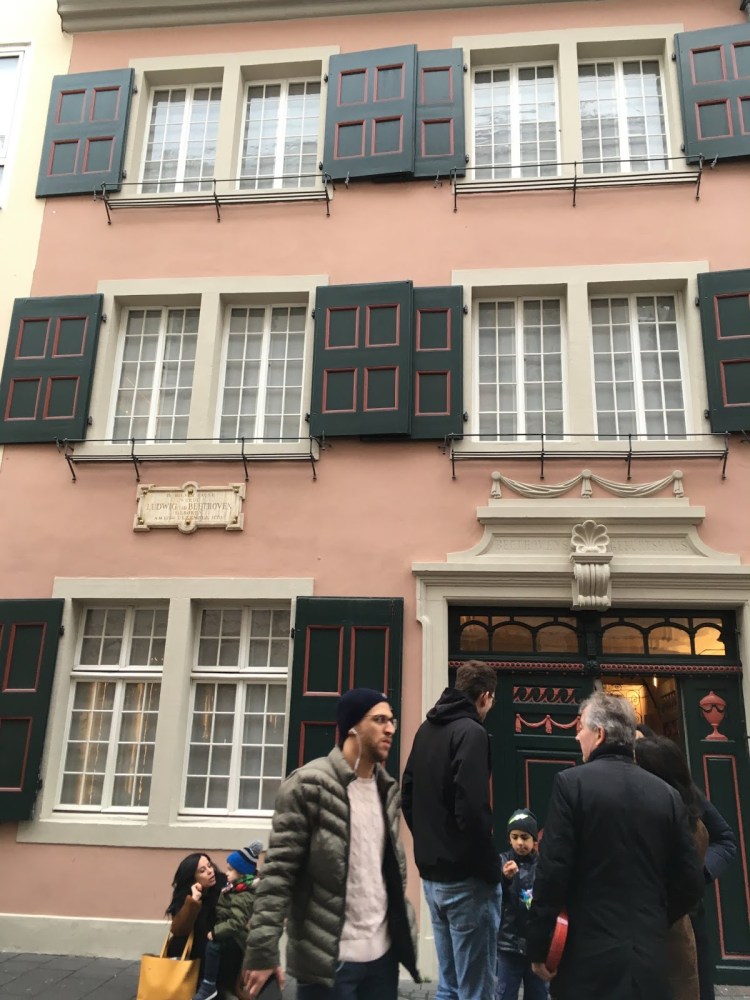
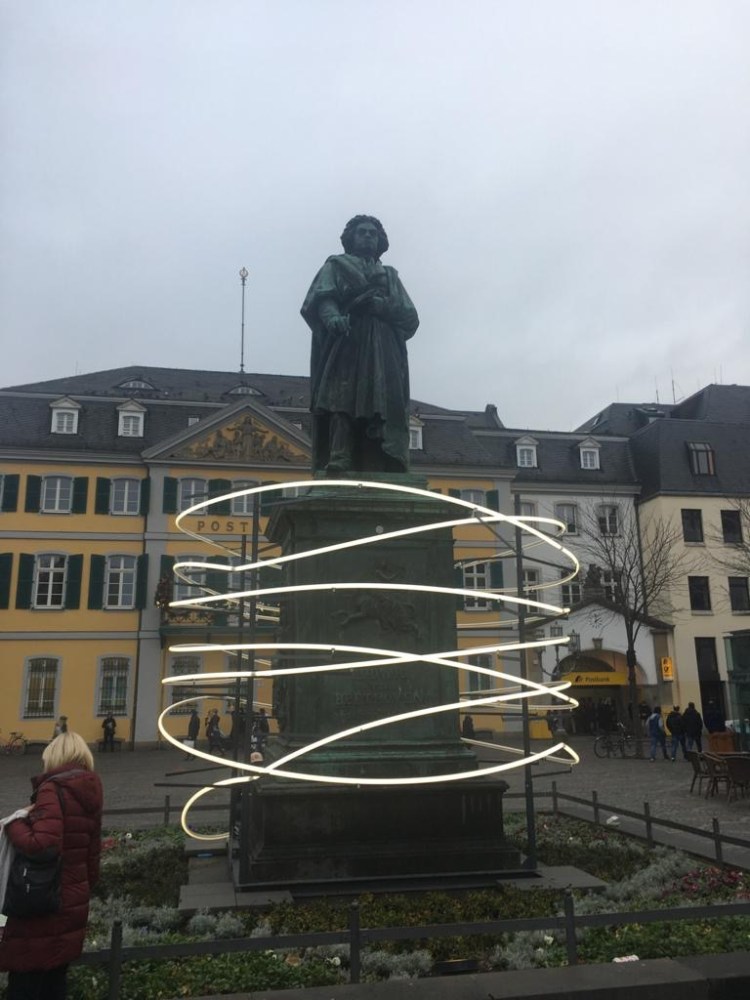
We started with a tram ride to Bonn, to see Beethoven’s house and museum,

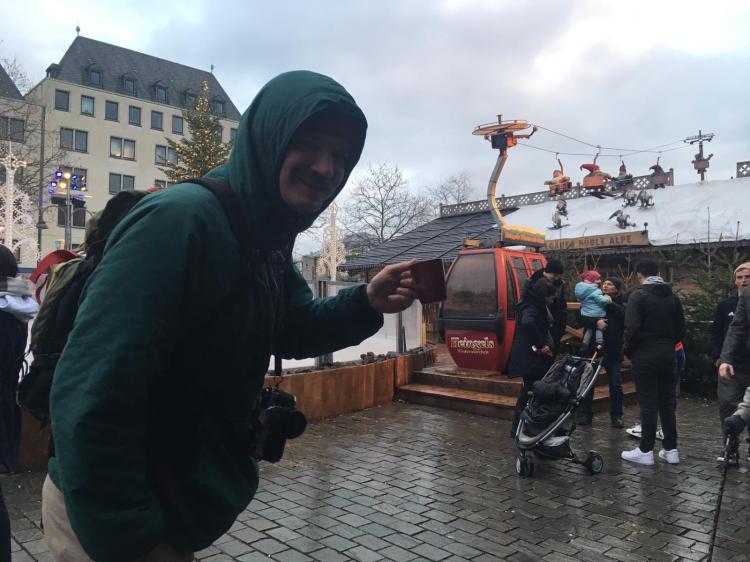
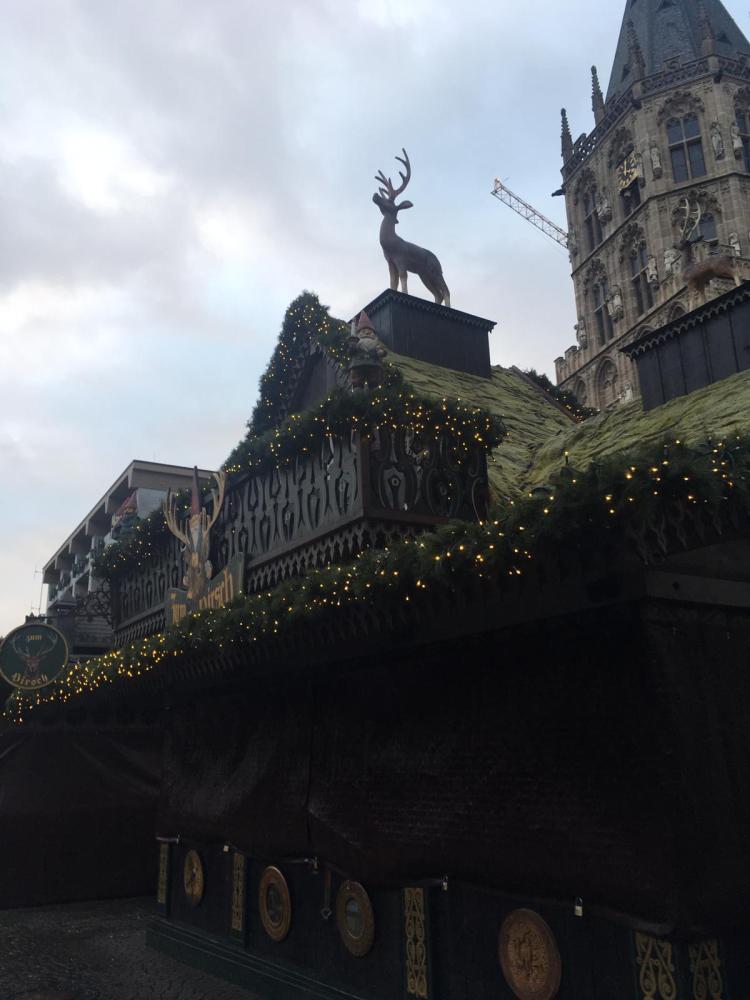
Then we took another short ride to Dusseldorf;  the Mother-Mary-lode of Christmas markets. Between the two cities we strolled through a gnome themed Christmas market, an alpine themed Christmas market, an angel themed  Christmas market, an Ice Palace themed market (Frozen?), … etc. Basically a loop of booths of things you don’t need to buy, you don’t really want to eat, followed by a cup of Gluwein in a unique-for-place collectible mug, another lap, rinse, repeat- becomes a drinking game with a side of knick-knacks.  In Dusseldorf alone it was 4 or 7 or 10 markets (we don’t remember- it was the Gluewein) in a 2 mile radius. Prost!

The Christmas markets were just part of our very Rhine valley experience.
Christmas dinner was at a  traditional German restaurant. We knew it was traditional as all of the vegetarian dishes had bacon in them.  Plus, they just kept filling up your cups with beer.  Since Köln is known for Kölsch beer we thought it was all complementary until we learned you need to put the coaster on top of the cup to get them to stop pouring.  It took us awhile to figure that out, but after our laps of Gluwein, we were well trained for bottomless Kölsch.

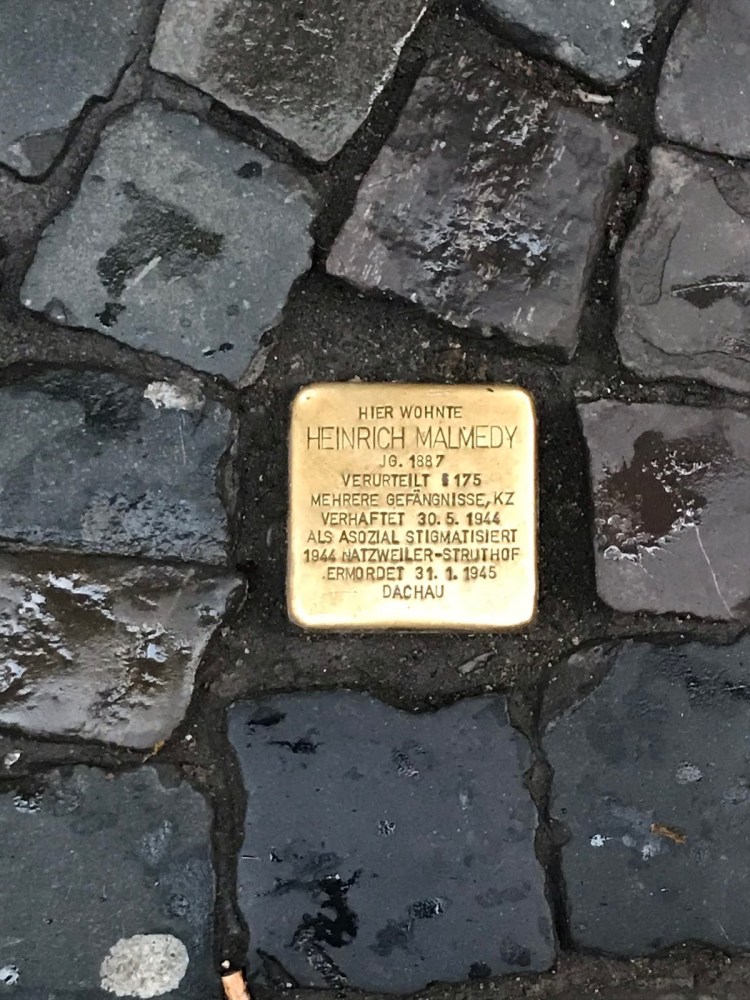
We passed a few stolpesteine, this was in front of what was a gay bar during the Weimar, he was a female impersonator and called it a night.

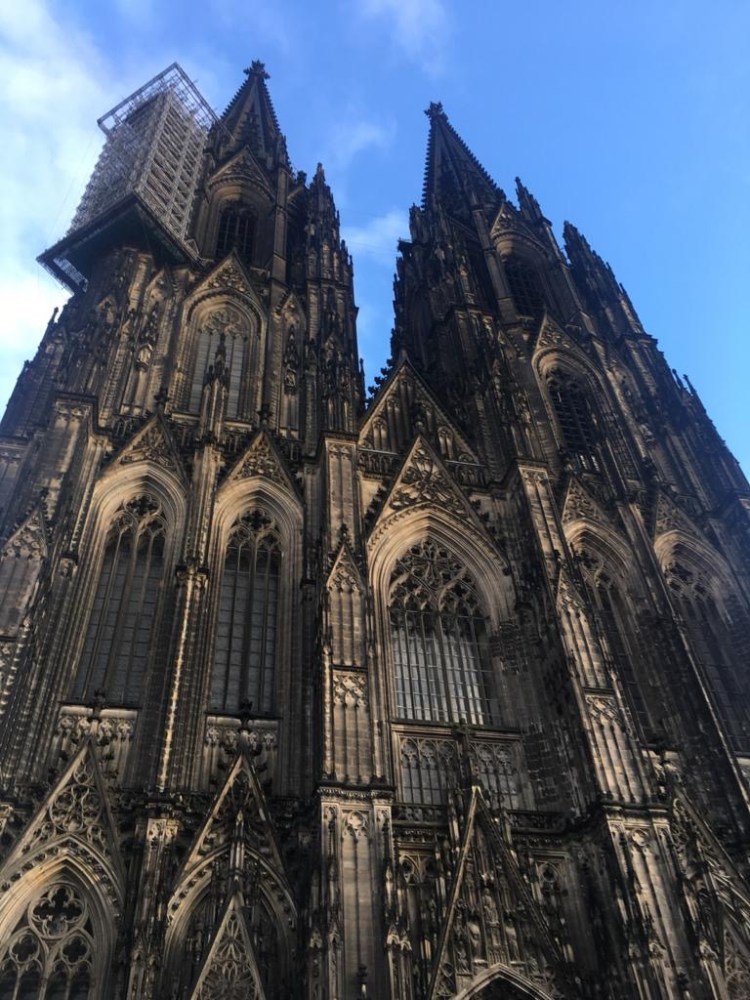
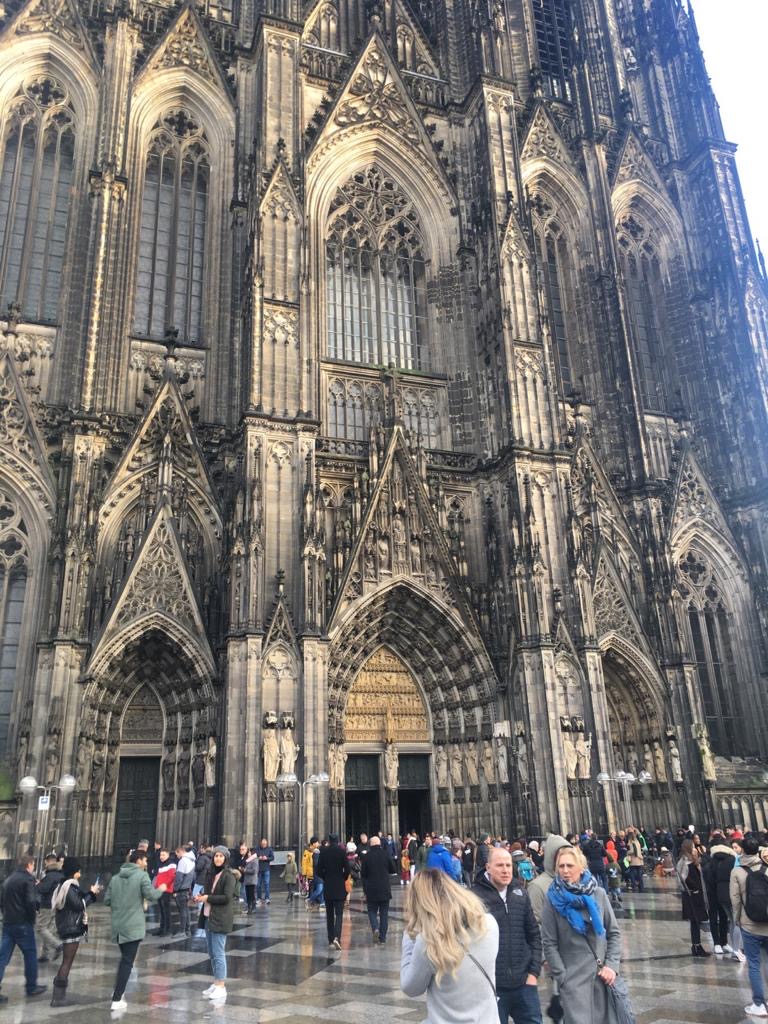
The next day we were ready for the main Köln attraction, the Cathedral, which like most of the city was heavily damaged in the war.


Köln, like most of Germany, shuts down for about 3 days around Christmas, so when not market hopping we were window shopping at the unique stores immediately around our apartment.   This included  a store exclusively selling cutlery with eight large  picturesque storefront windows of cutlery and a store exclusively selling religious objects and priest frocks (The Holy Men’s Warehouse?). You can virtually shop there now to avoid the pre-Christmas rush right here https://www.youtube.com/watch?v=p1SW7RSb3vY

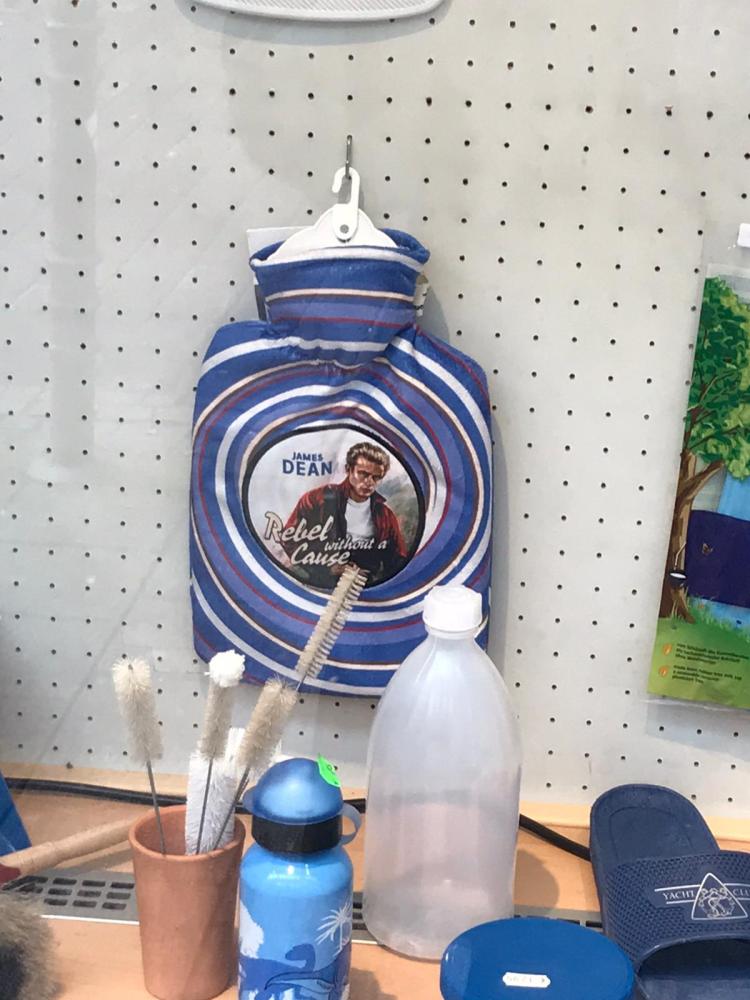
Most interesting, was a the James Dean water bottle. 

 
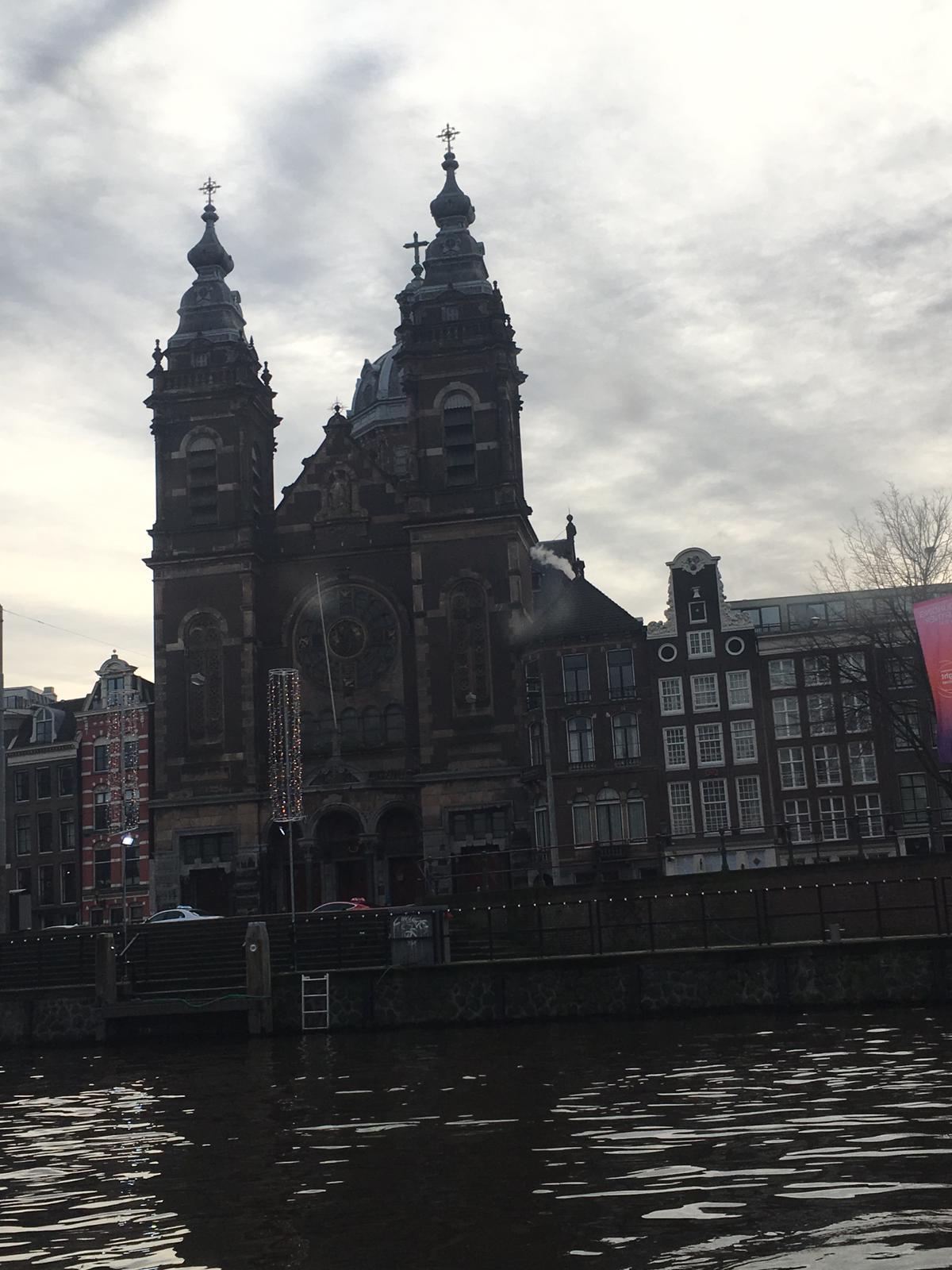
We said goodbye to the stateside group going on to Amsterdam, to our German crew (plus Santa looking a bit groggy) going home to Saarbrücken and we went on to the last stop on this ride… Frankfurt


(Thank you Trevor for the additional pics)


The Left-Overs

NOTE: THIS WAS ORIGINALLY IN A DIFFERENT PLATFORM AND WHEN IT IMPORTED IT MADE IT LOOK AWFUL. SORRY.So that the site is free for us, there are ads. We don’t benefit from them, neither will you. 

We got out of our rhythm of recapping our travels, but we will try to retrace our steps.
What seems a lifetime ago, but only a little over 6 months ago (in mid November) we headed back to Germany for the duration of the 2019 year.

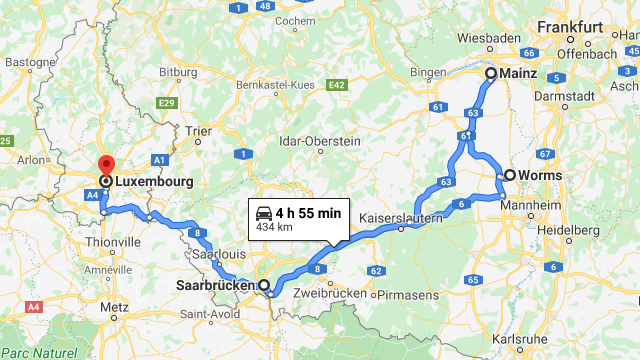
We escaped the retirement home cocoon for the next step in our life cycle- Worms.  Worms, Germany. We tried to catch Worms earlier in the year but we got off track and missed the train connection in Mainz.  To get to Worms you have to change in Mainz, so we gave Mainz a second chance as our last visit was rather unremarkable despite solid recommendations about the town.  We thought maybe we missed the Mainz attractions, we didn’t. Although, this time through was opening day for Christmas Market season, which was apparent based on the number of train travelers wearing Santa hats and drinking bottles of Sekt (sparkling wine) for breakfast.  The draw for Mainz was that it was the home of Johannes Gutenburg, the inventor of the moveable printing press, but we thought it was nothing to write home about.

Note: After spending 3 months at the retirement home, we forgot how to use our cell phone, so not as many of our own pictures.
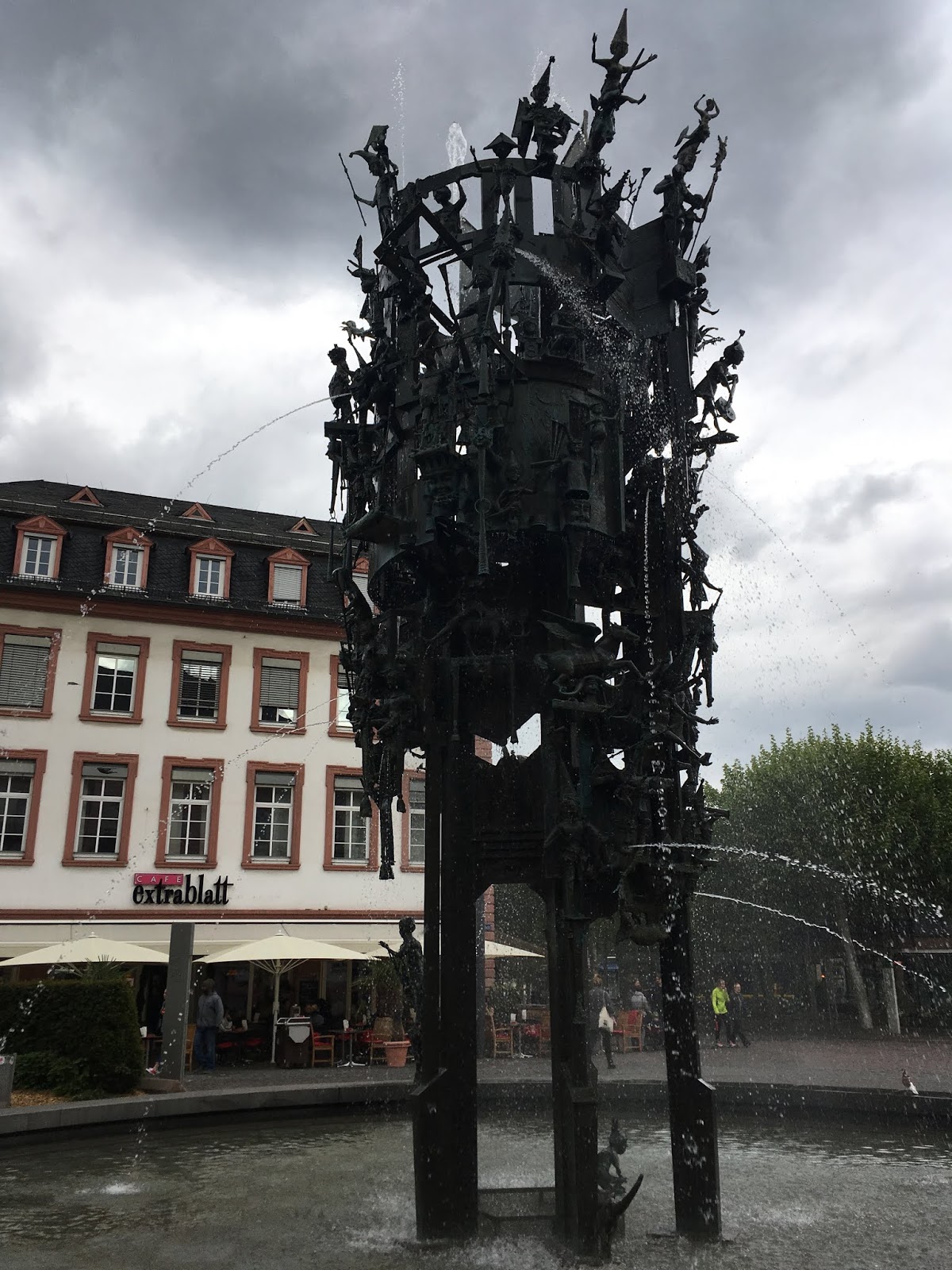
Fastnachtsbrunnen or Carnival Fountain

From our home base in Saabrucken in the Southwest corner of Germany, we were neighbors to the home of pivotal movements in modern religious history.  We figured it was worth a day trip, so we finally made it to Worms.
The City of Worms is considered along with Cologne and Mainz,  as one the oldest cities in Germany, after Trier, the oldest (https://thechosenfugue.blogspot.com/2018/09/day-trippin.html)
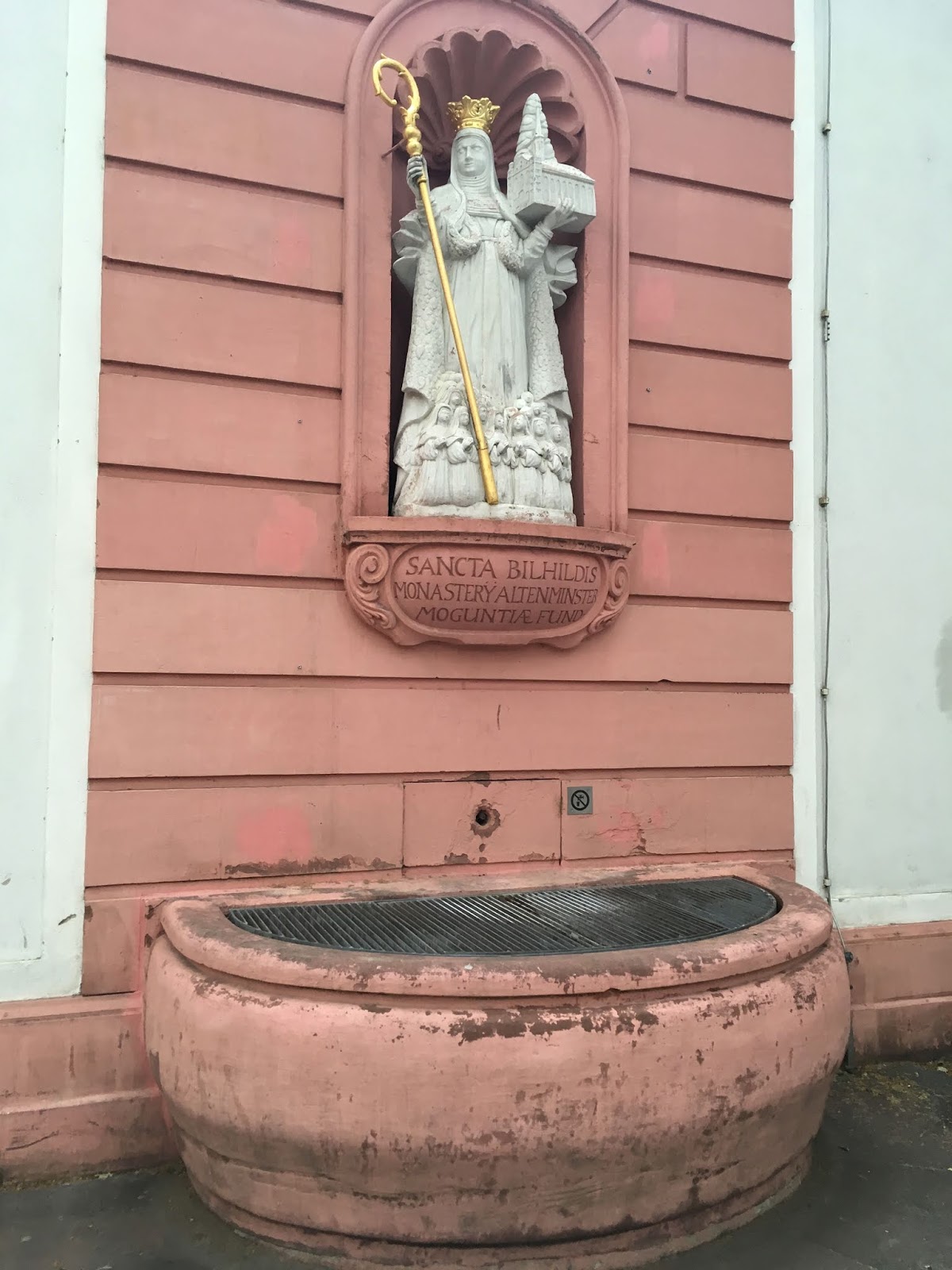
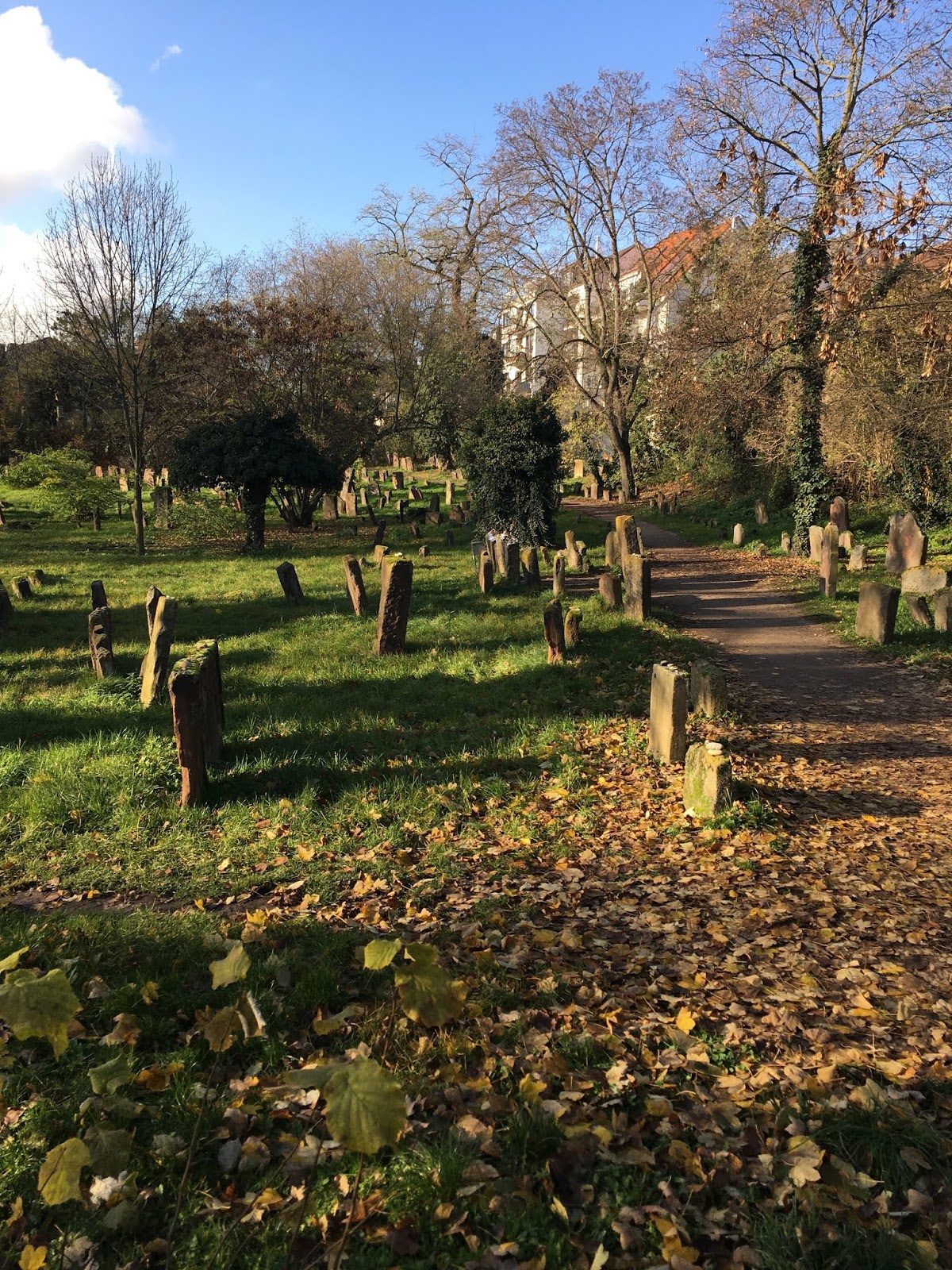
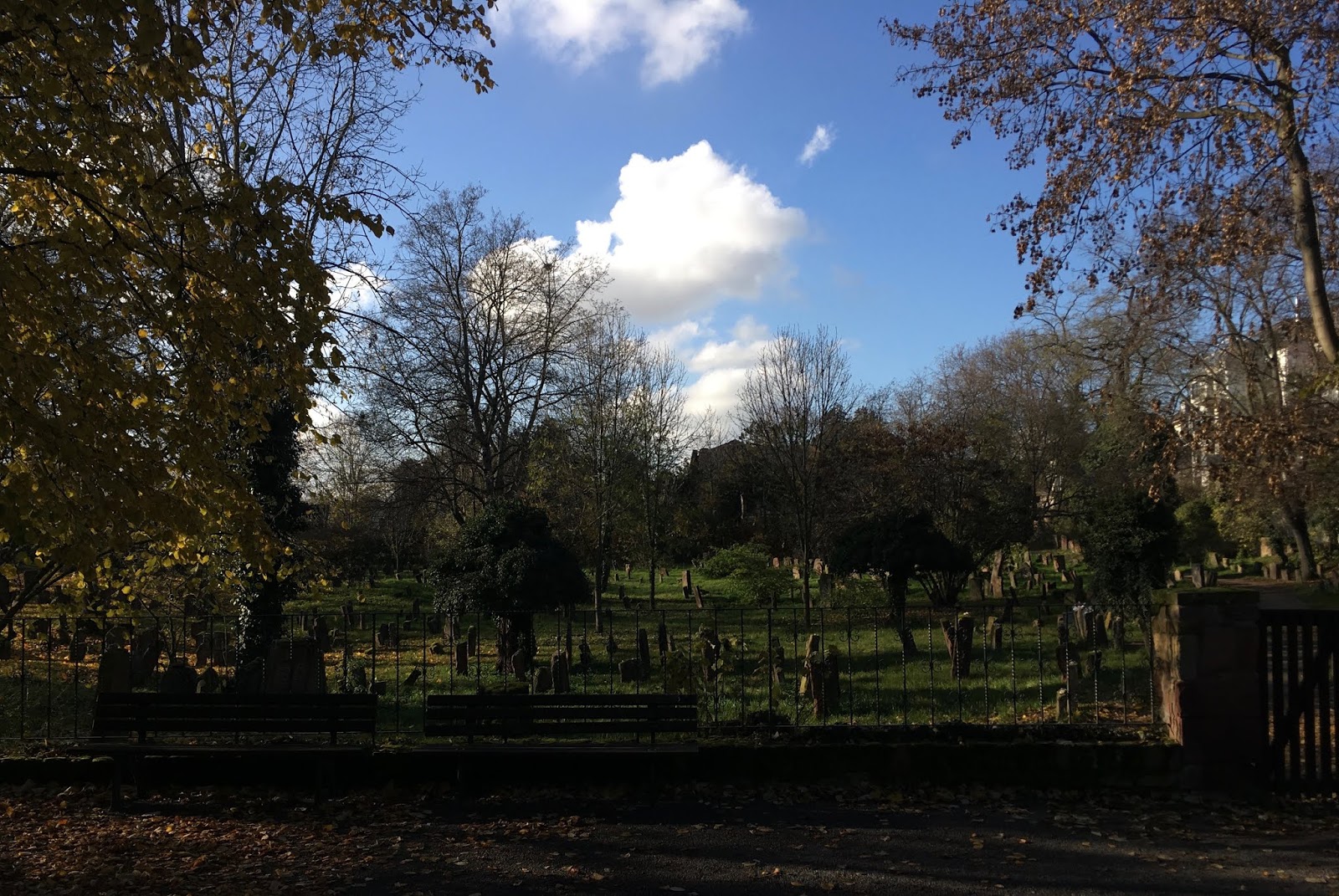
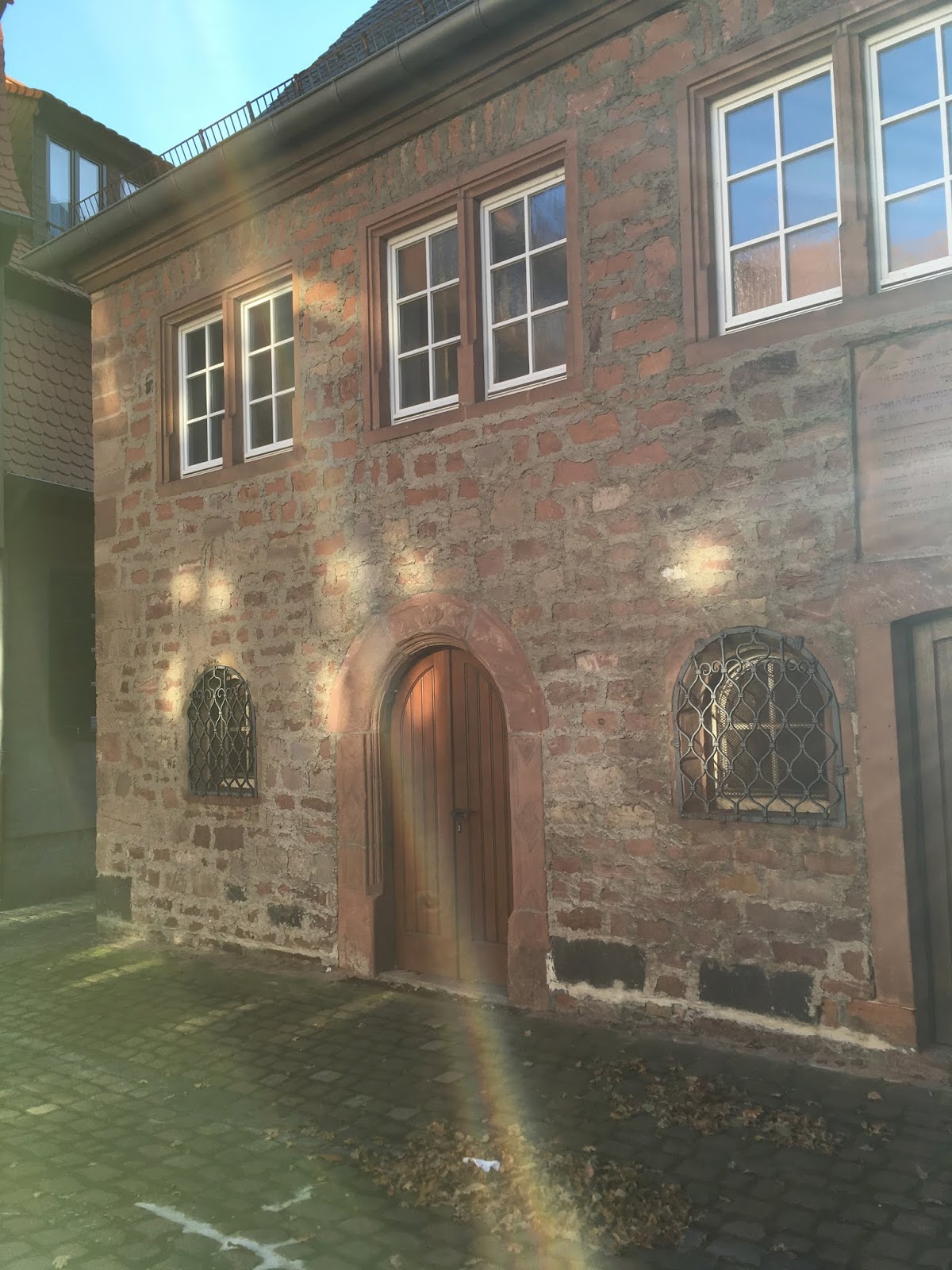
Worms has the  oldest surviving in situ Jewish cemetery dating back almost 1000 years to 1058, relatively still intact. The “ShUM”, the cities of  Worms, Speyer and Mainz were where Ashkenazi Judaism kind of took off in the 10th century. https://whc.unesco.org/en/tentativelists/5975/.  Like most German towns, not much is left  to identify the medieval Jewish ghetto but in Worms there was a tiny little synagogue, home of the famous scholar, Rashi. Although we skipped Speyer and skimmed Mainz we did enjoy the deeper dig in  Worms.

Holy Sands-oldest Jewish Cemetery
Worms: Rashi Synagogue
Stolpesteine in Worms https://thechosenfugue.blogspot.com/2019/01/they-do-make-you-stumble.html

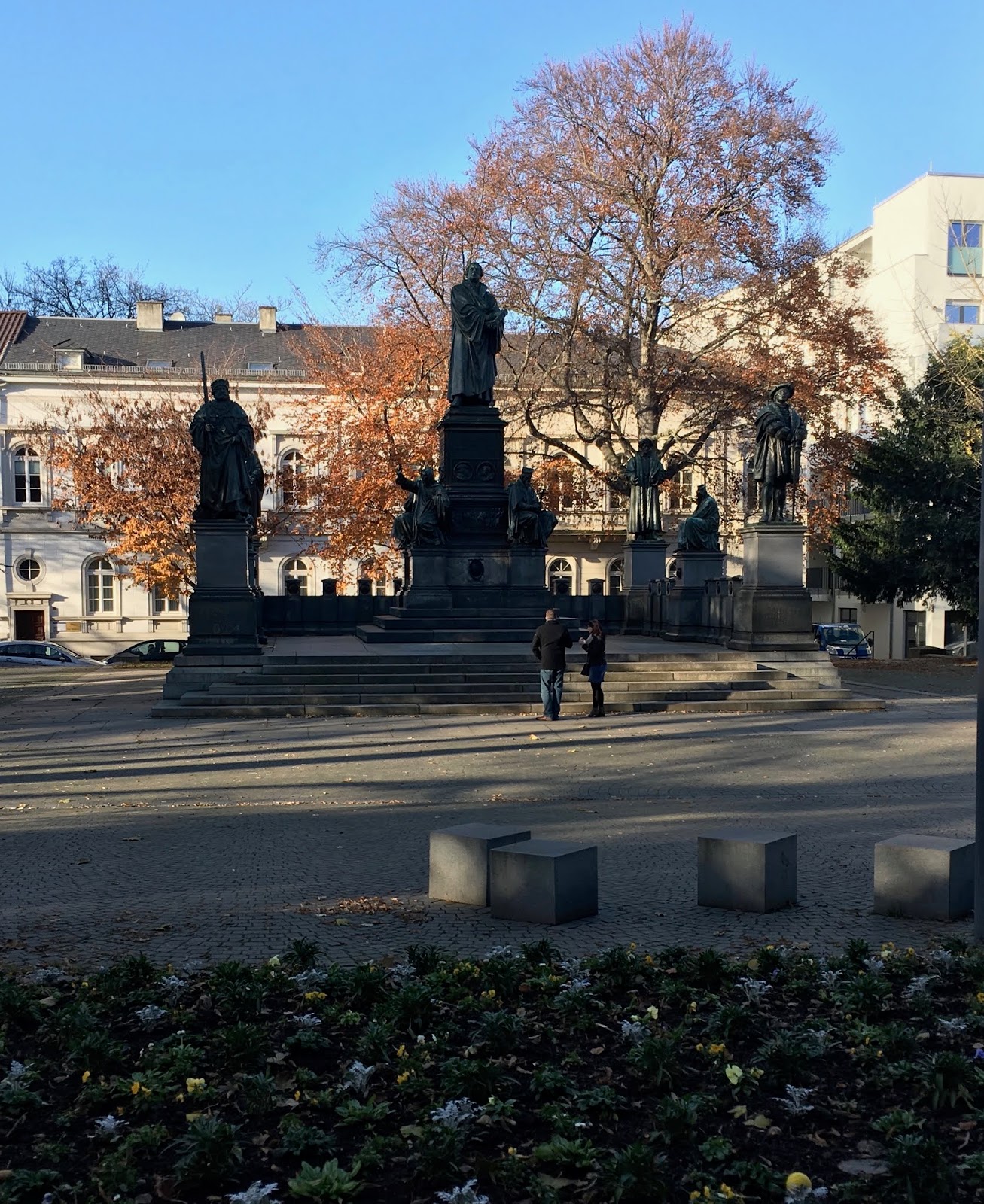
The next religiously significant event in the history of Worms occurred on the goyish side of town, half a millennium later, in 1521 Worms was the site of the tribunal of Martin Luther when he appeared before the Diet (assembly) of the Holy Roman Empire in what was called the Diet of Worms and Luther was declared a heretic-the Edict of Worms.

Martin Luther in Worms

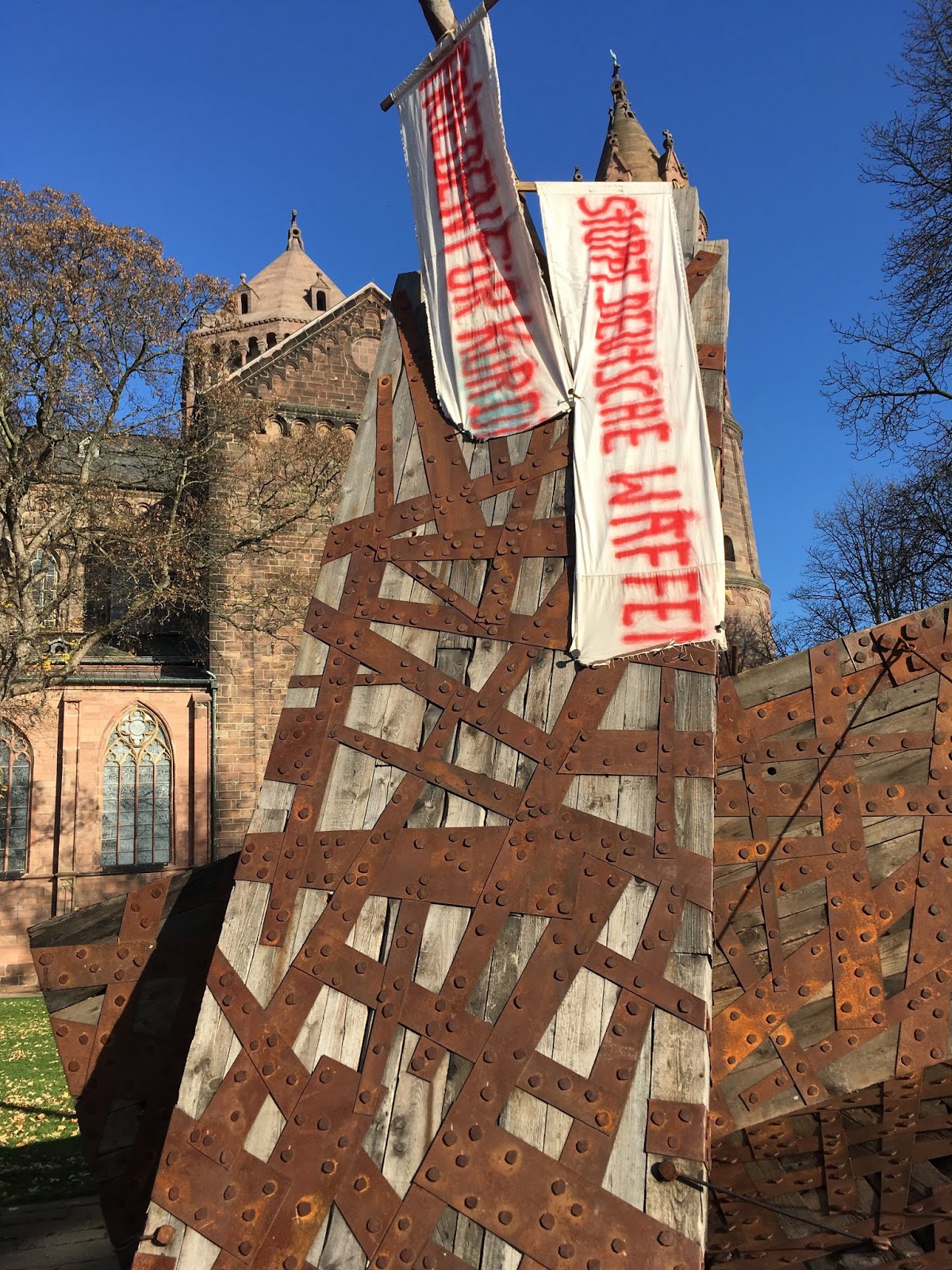
But Worms like most of Southern Germany remains decidedly Catholic with the old, traditional churches with also some interesting  modern touches (Freedom for Kurds).

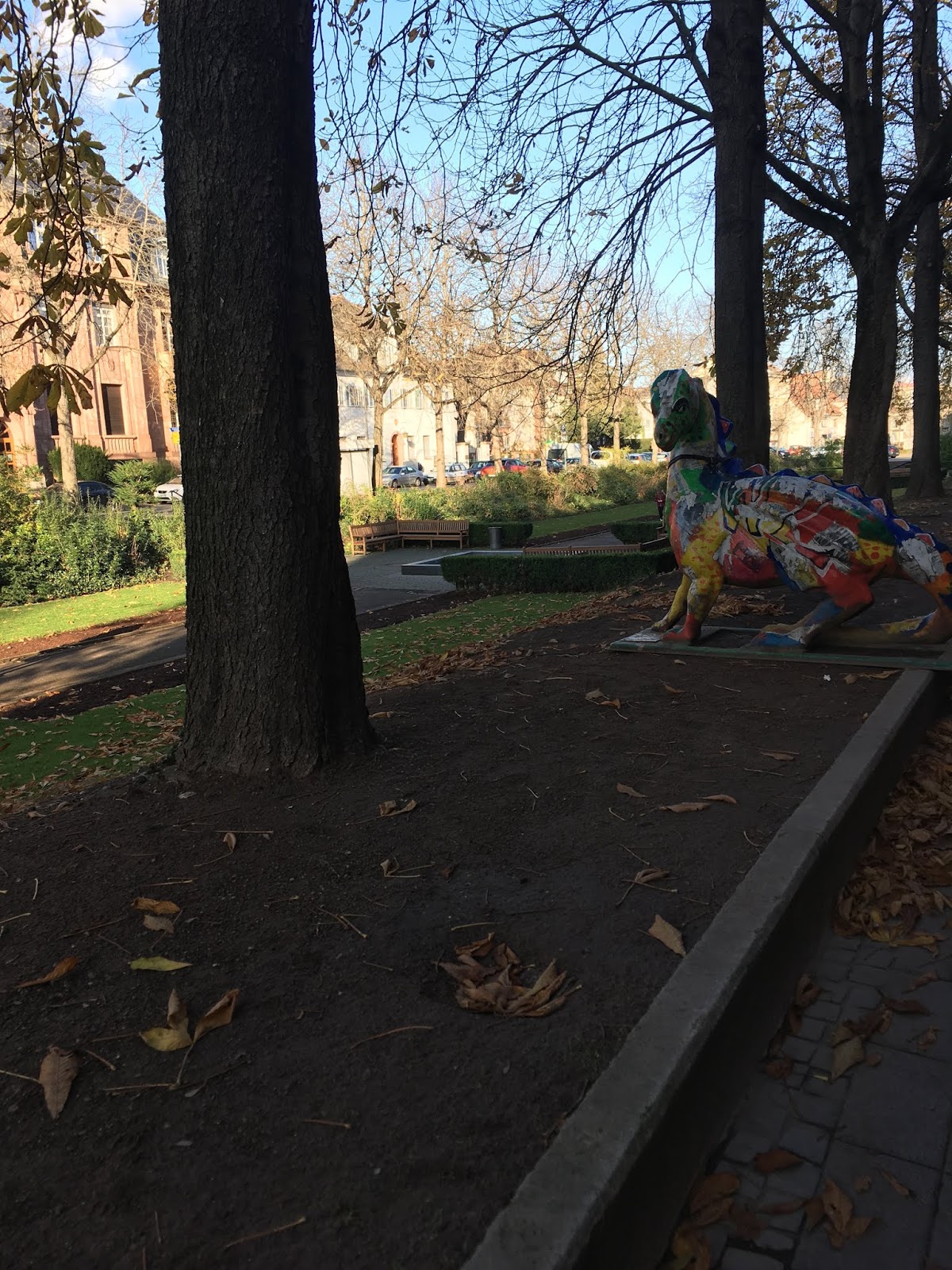
Finally the other big cultural draw is that Worms is one of the geographic stars of the Nibelungenlied, the German epic poem from the 1200s celebrated in Richard Wagner’s Der Ring.

Niebelungenlied Dragon
Worms integrated the very, very old with the new as with most of the Rhine and Mozelle valleys, the cities were heavily damaged in the war. (confession did not take the pic of the medieval gate but we did see it.)


After our religious history field trip, we cut bait, and returned to Saarbrücken and planned our next get-away.
The Grund Area (lower Luxembourg)

LUXEMBOURG CITY
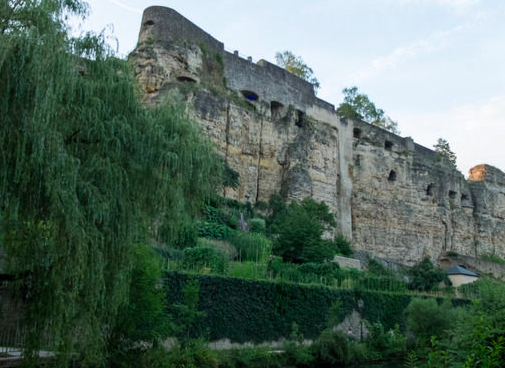
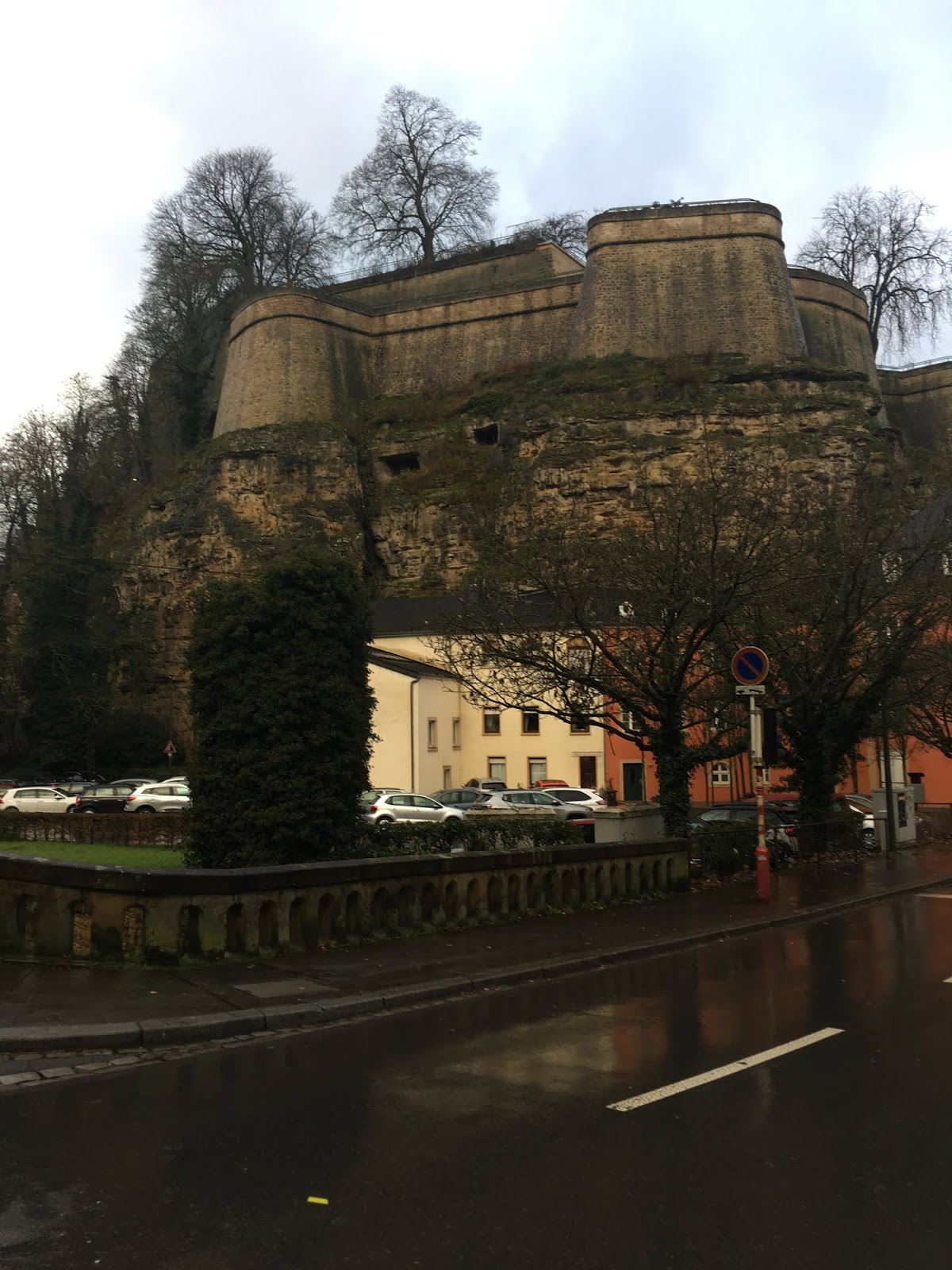
Luxembourg was another city/country that kept eluding us having passed through it by bus, train and plane, and, even after spending 2 days there it still eluded us.  It was lovely, but if you threw Dutch, French, German and Flemish cultures against a wall, and nothing sticks, but the mark left  would be Luxembourg.  A pleasant mark, but ill defined.  Luxembourg City was the Zelig of cities,  eight blocks of feeling you were placed in a witness protection program due to mistaken identity.  And, Luxembourg historically is well protected with the Bock Casements (17 km’s of tunnels and cannon perches).  We were only able to view from outside as it was closed to tours. They are better explained here: https://www.atlasobscura.com/places/bock-casemates%C2%A0

Bock Casements (picture from Atlas Obscura)

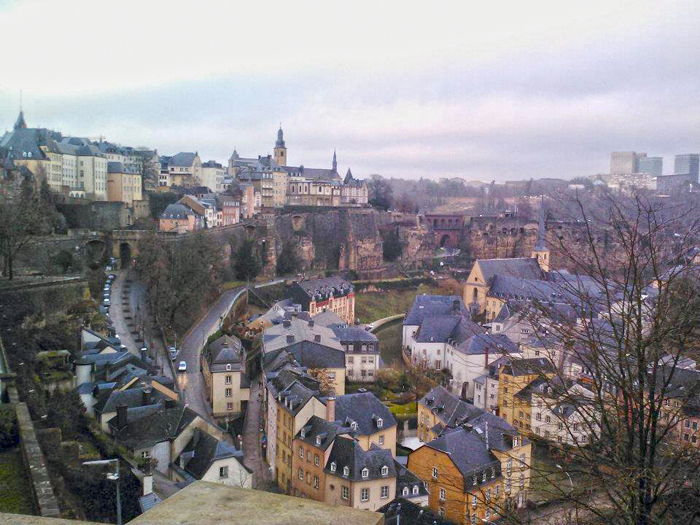
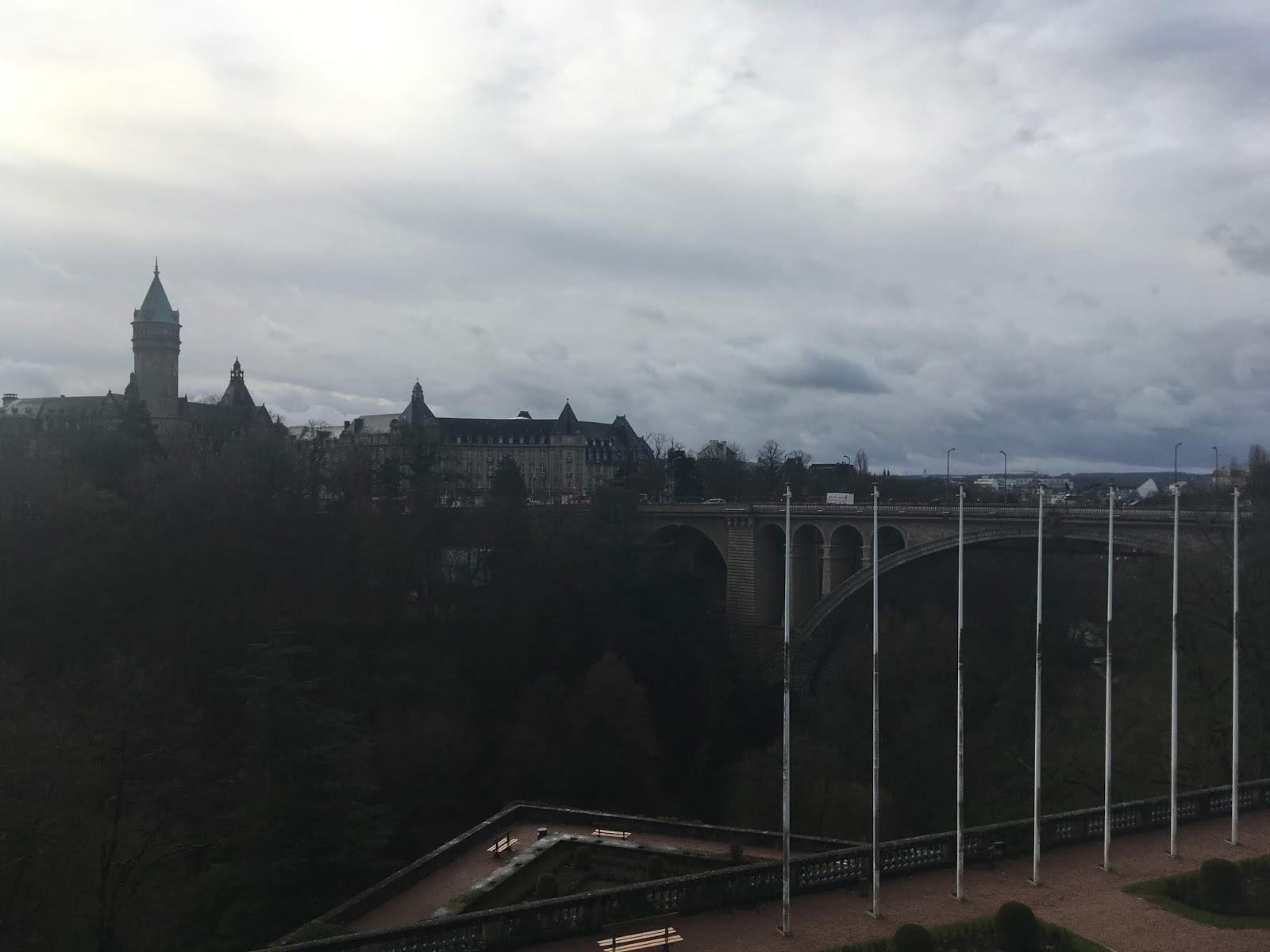
The city itself was a layer cake with essentially three parts- the ramparts, upper city, the lower city and within the lower city the Grund. Each a different flavor, attractive but incongruent.
The City layers seen by Wikipedia

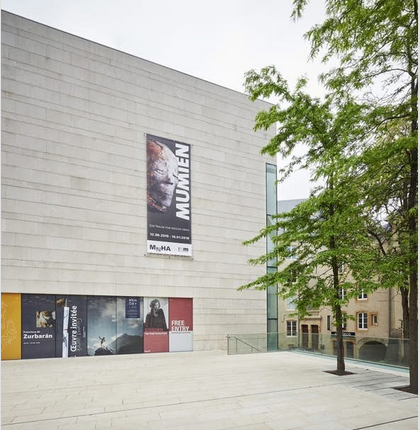
We did find an answer though to this enigma of a city in the National Historic and Art Museum.

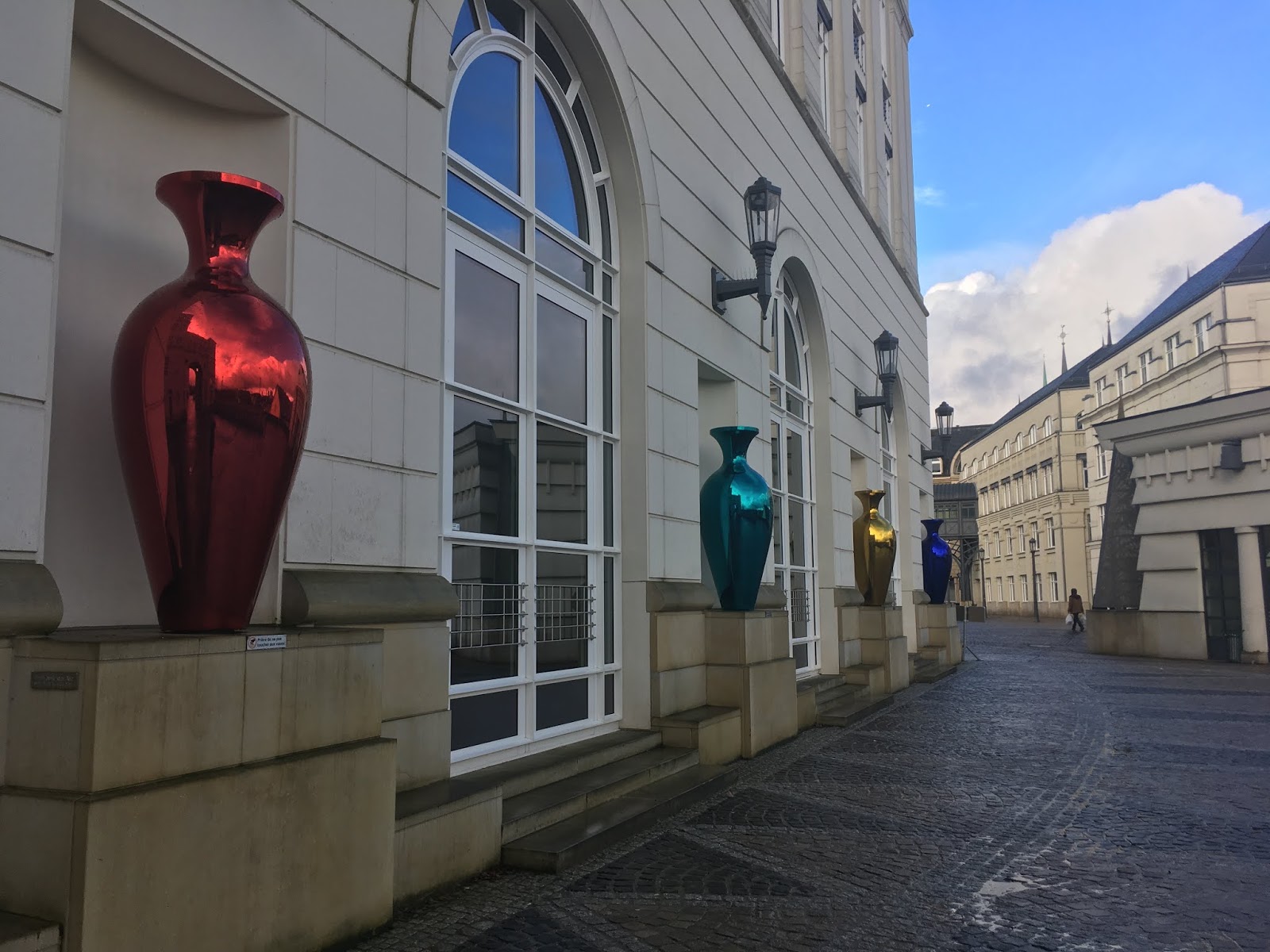
Consistent with the city, the museum combined a variety of architectural genre-  the modern front looks out over the traditional “Fish Market” square and the back is attached to three old houses repurposed as exhibit space.  Again, consistent with the city, the space was disorienting- we have experienced switchbacks going up mountains but never before in the interior of a museum.  Stairs that somehow, brought you back to where you just were.
The bottom floor housed Roman ruins, middle floors a collection of coins, tools and weapons, top floors special exhibits- all very pan-European.  Crossing a glass bridge you enter the three connected houses. These were a warren of rooms filled with various styles of “arts and crafts”, furniture- most NOT from Luxembourg, and then finally a room of interesting Luxembourg artists (3 of them), who all oddly died young.  But the answer to our quandary of what is Luxembourg came in a museum education card describing their country’s style- they don’t have one as most of their royalty and noble class did not live there and everyone else was too busy working.

Ramparts above the lower city

But Luxembourg was a beautiful city and we did feel pretty accomplished that we finally made it there.

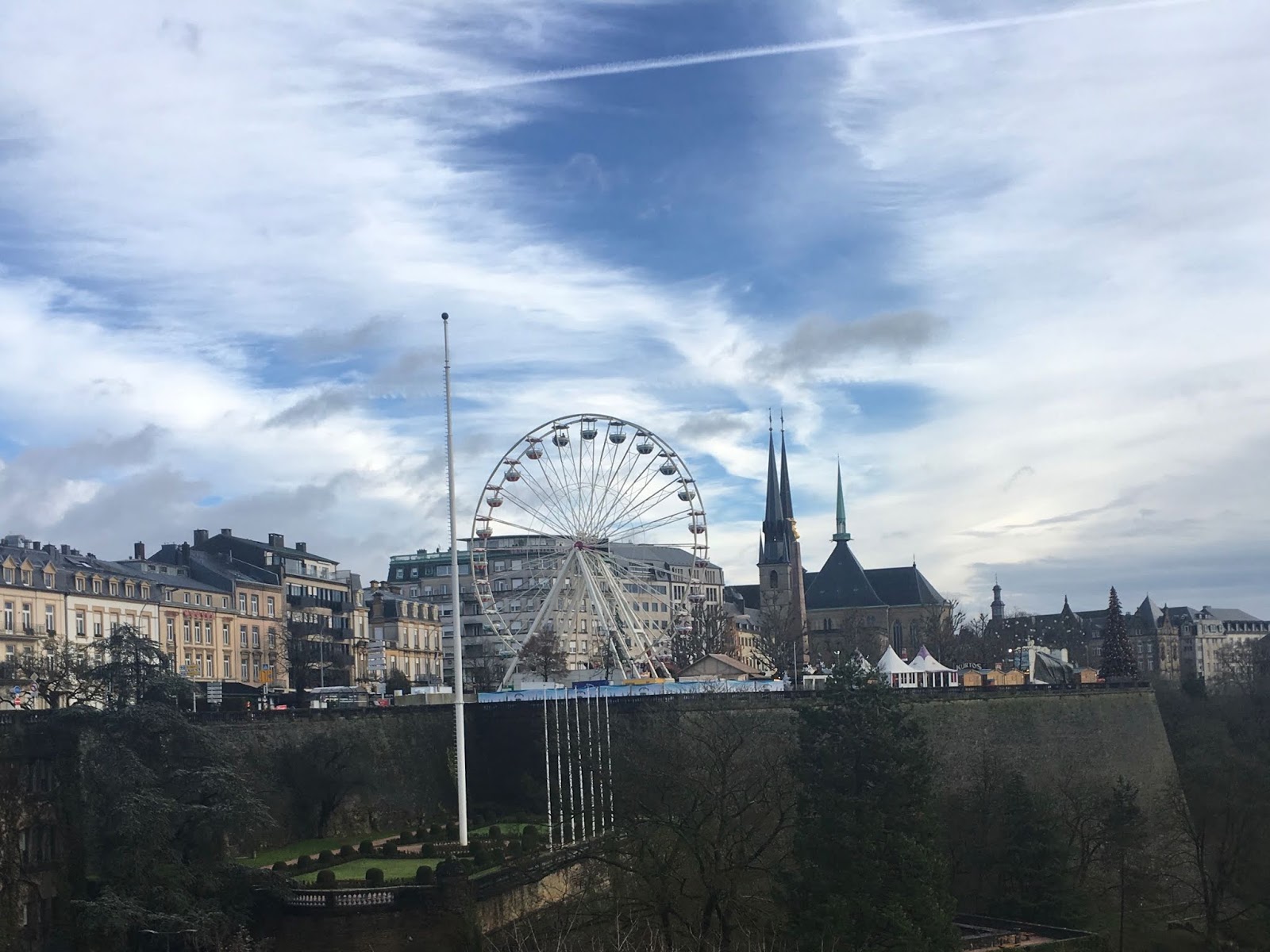
Christmas Market
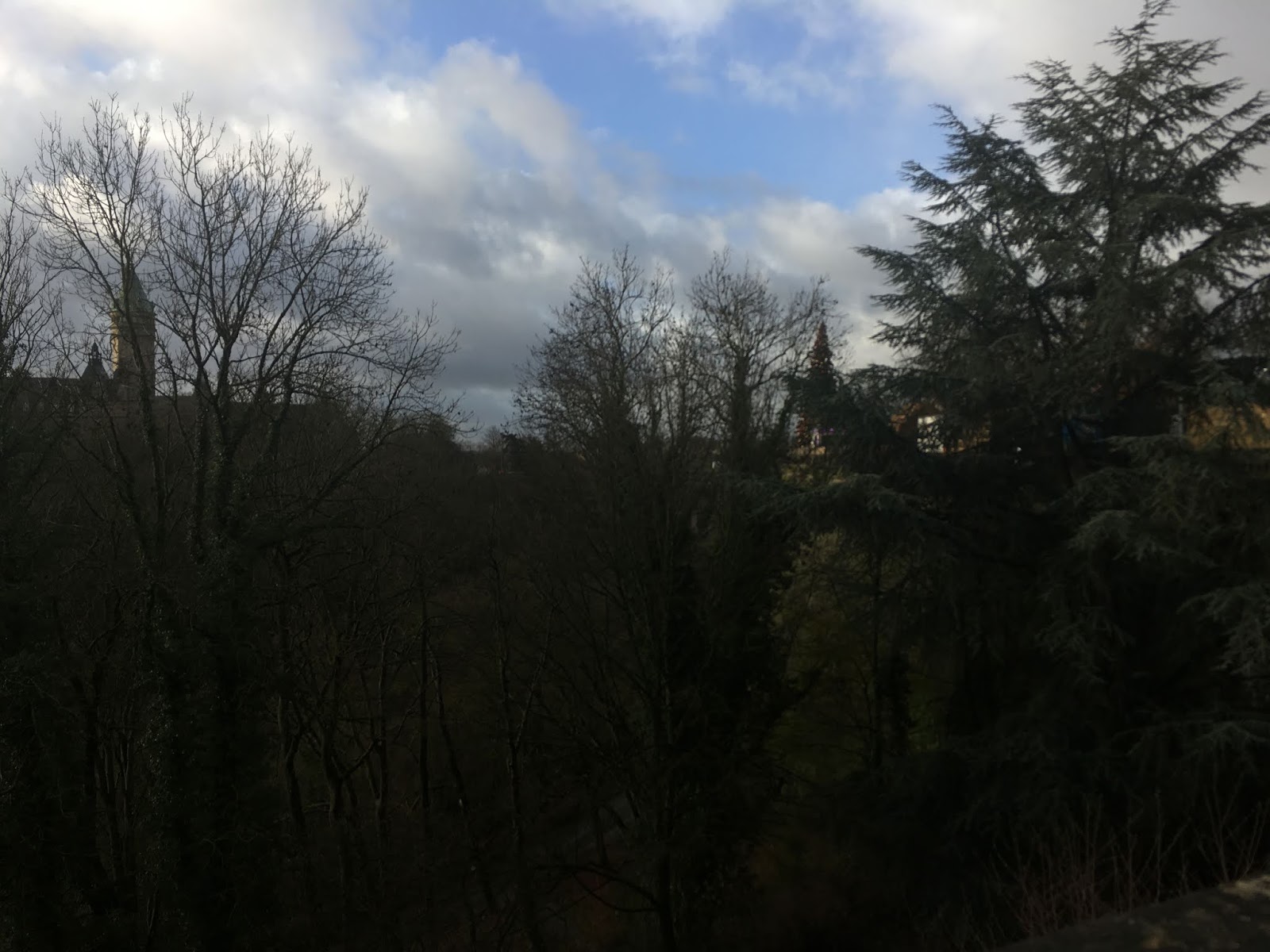
A Forest just kind of in the middle of everything.
 
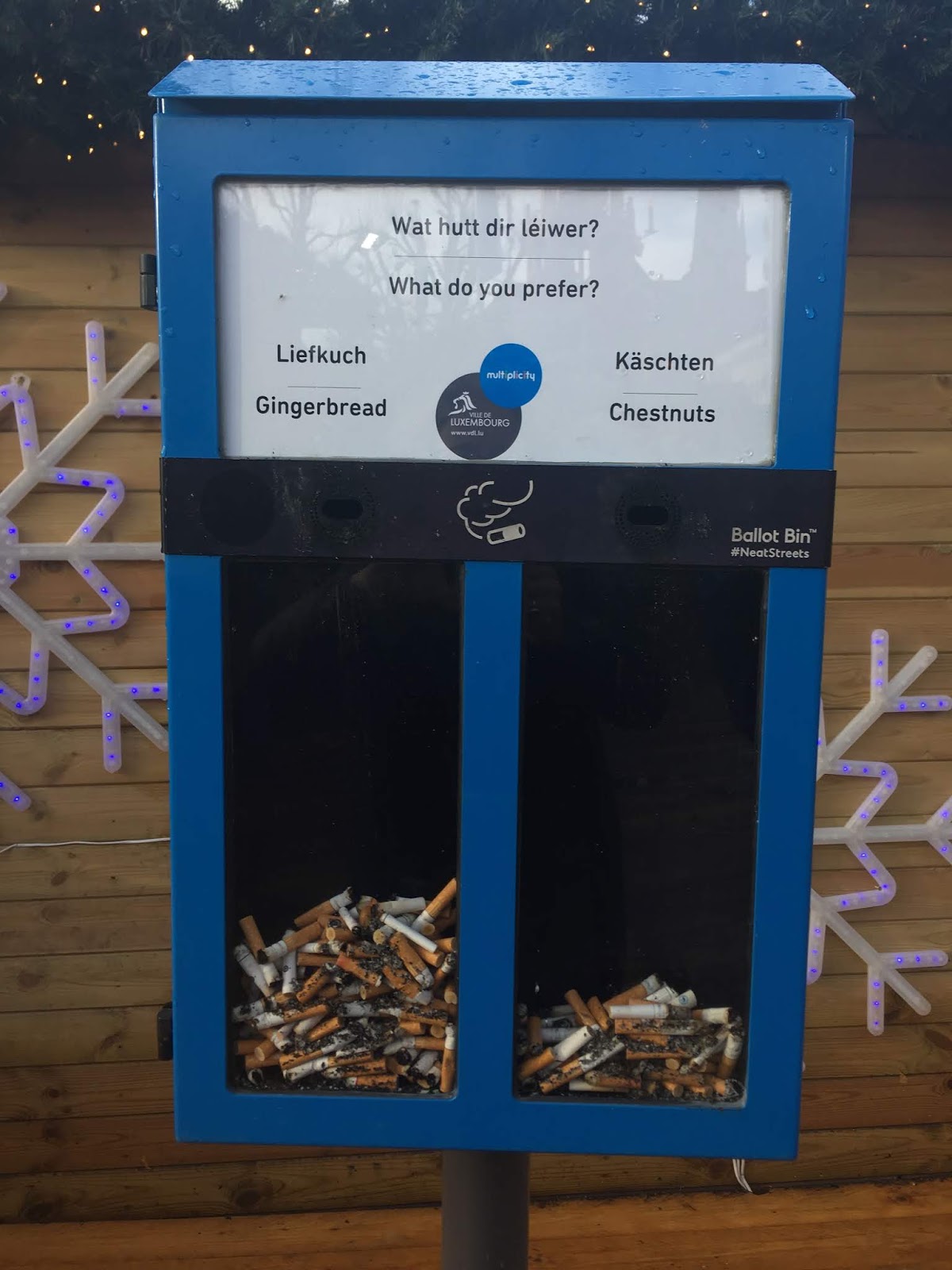
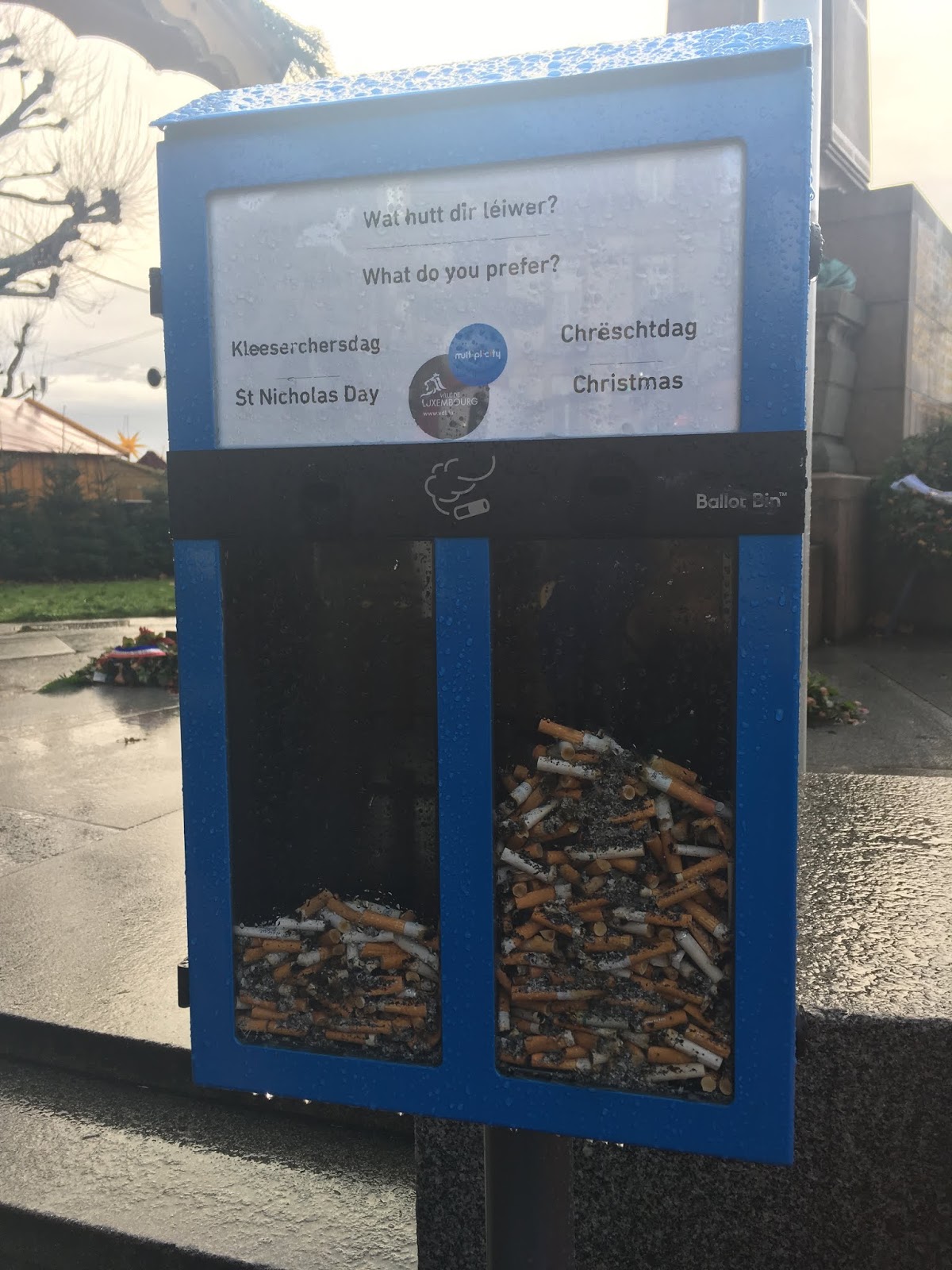
Also an oddity of Luxembourg is they vote with their butts.

A fitting end as our bus passed by the home of the master planner of our trip, the city of  Schengen, where the agreement that dictated non-EU citizen visa requirements.   See the link for more info  https://thechosenfugue.blogspot.com/2018/10/schengen.html

Schengen!

Living Lodge

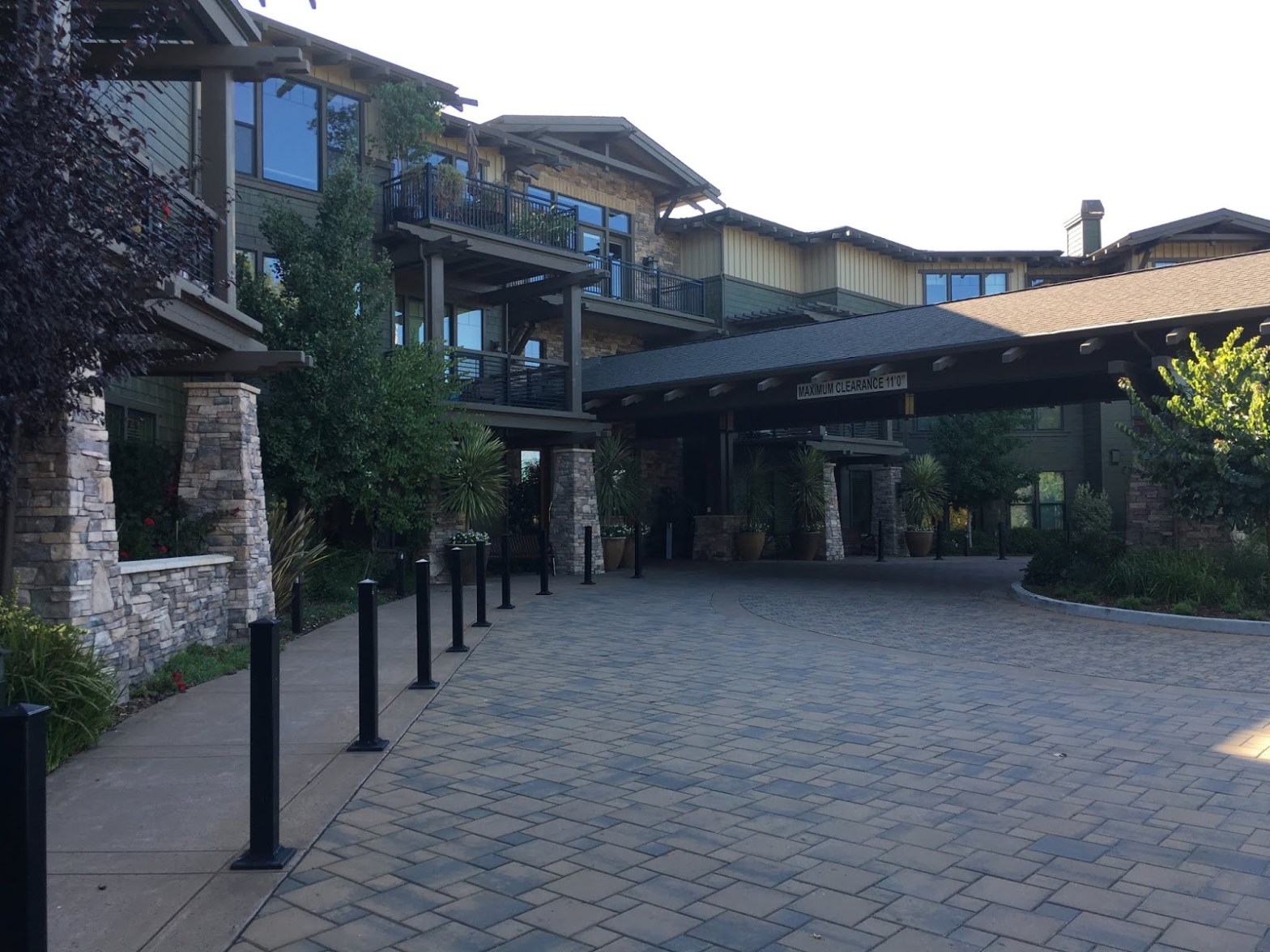
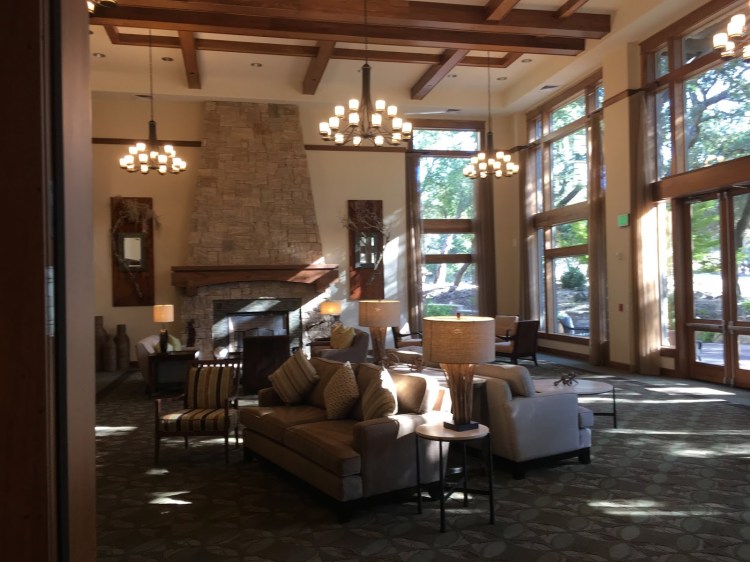
After an exhausting year of traveling, we needed some R&R, a couple of months of relaxation before we hit the road again in Mid-November. So we checked into a rest home.
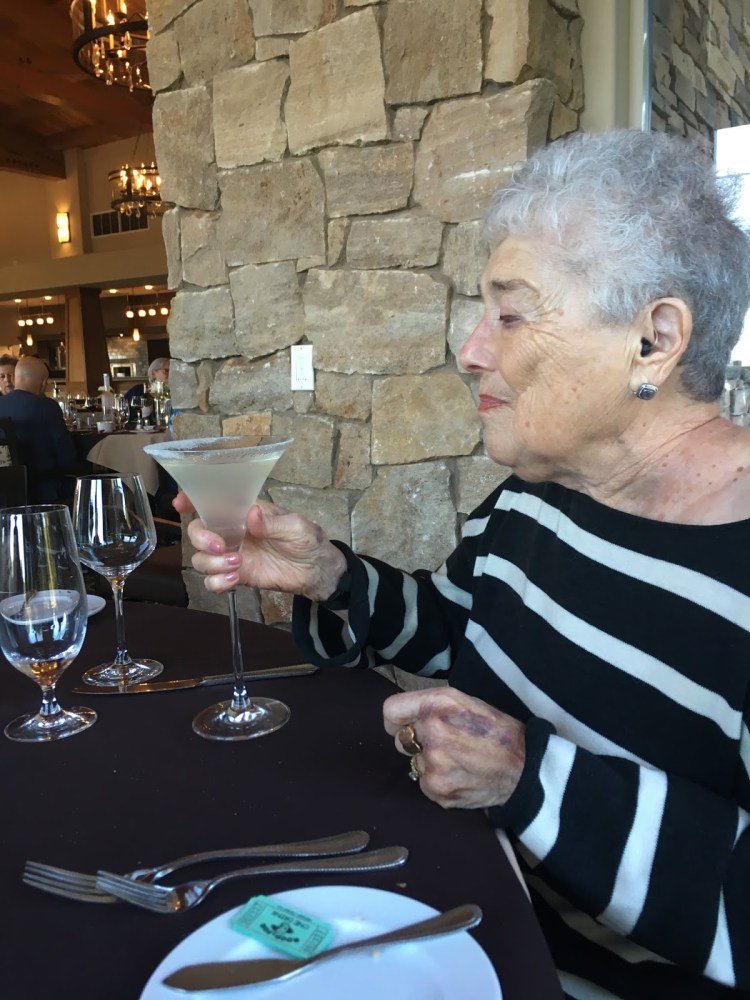
We have spent the last month convalescing with our soon to be 90 year old mother/mother- in-law at her luxurious retirement lodge.  


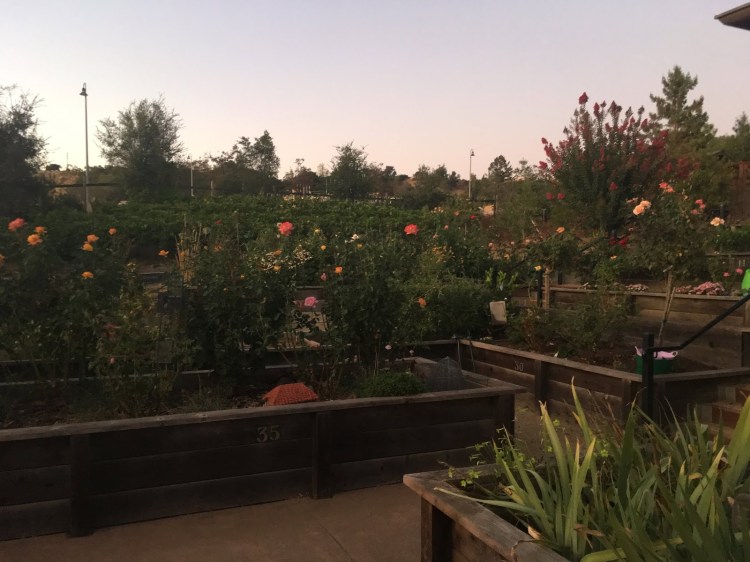
Our day begins leisurely,  aware that the mail would not arrive until the late afternoon.  We fill our days watching the TV on high volume, going to tend to her garden plot aka garden space (it’s preferred we don’t use the word “plot” but that’s what it is).  


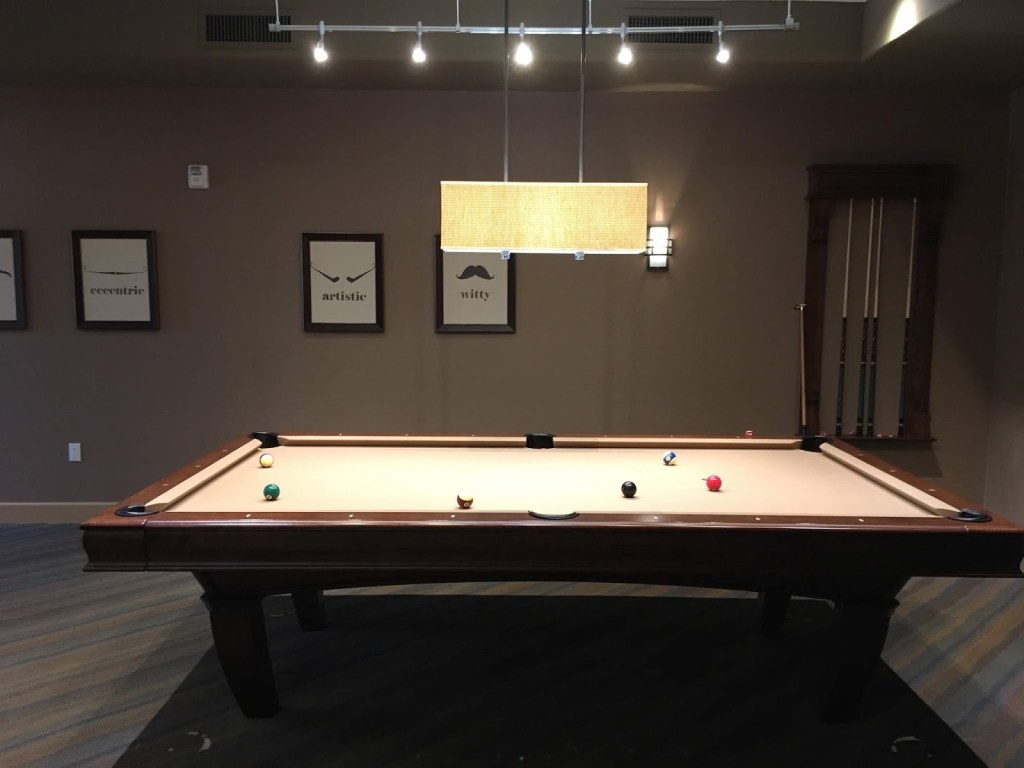
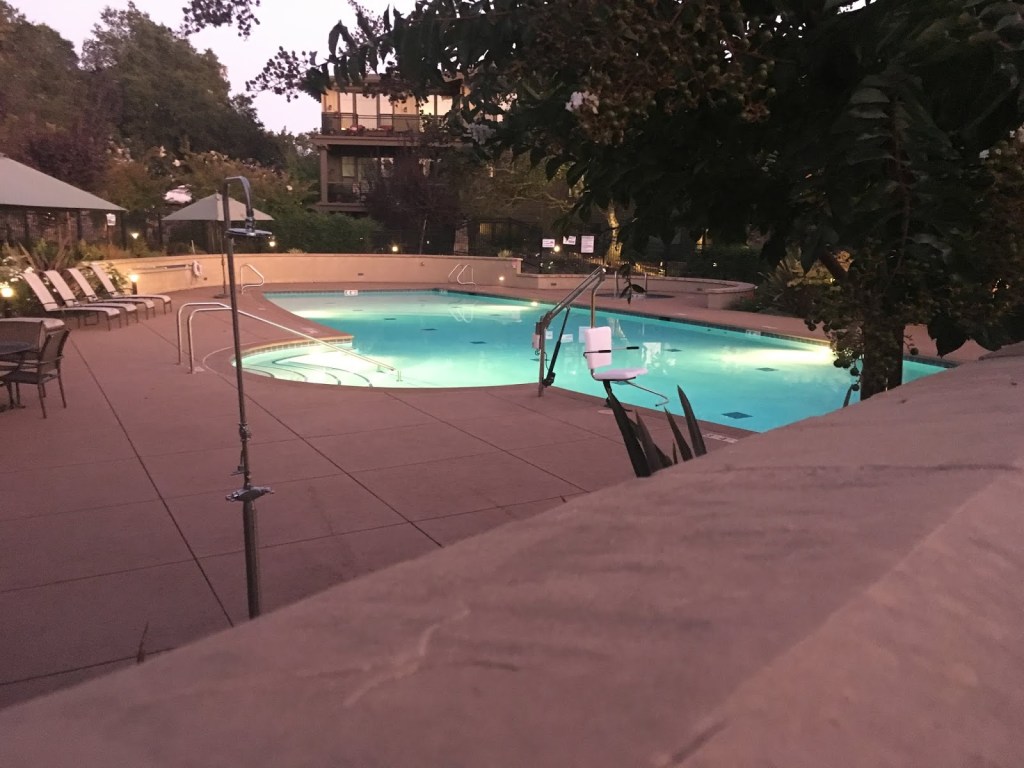
Pool is an option either swimming or billiard.

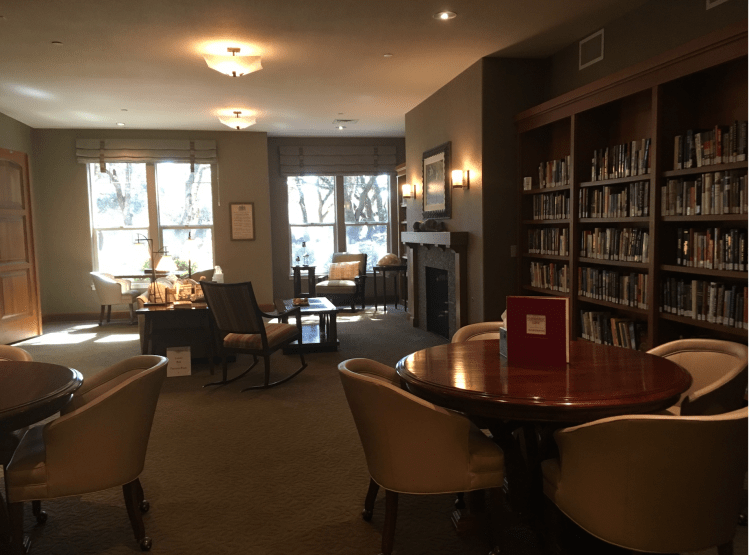
We could play ping pong, or read  newspapers in the”Bistro”  area- where coffee, tea, fruit, infused water and Otis Spunkmeyer cookies are always available . Or read in the library .
By now it is 11 am and the mail is only hours away.  

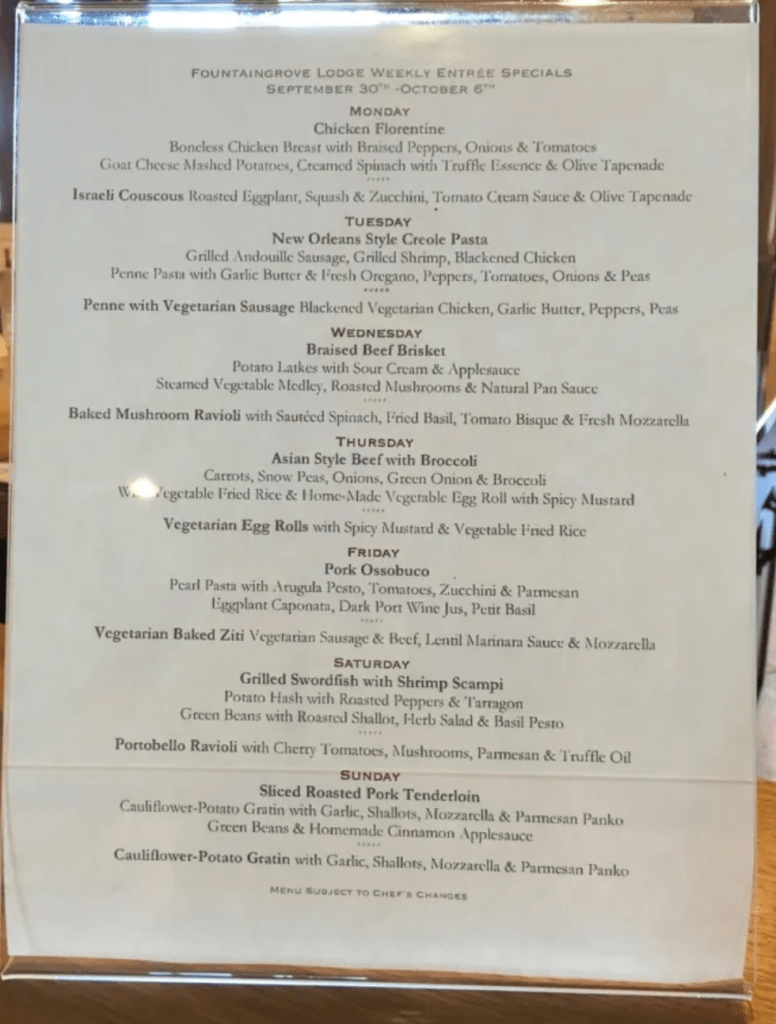
We are sharing her food plan with monthly points, so strategic planning of meals is required.   The weekly specials are posted beginning on Sunday so plenty of time to formulate our approach.  Reservations required. Regardless, the food is plentiful and generally tasty with just enough borderline items allowing for hours of post-prandial analysis (“veal scallopini ? more like leather scallopini).

Dinner visitors


We can stop in at the tavern for a drink (using  free drink coupons won at the twice a month Tuesday Bingo games) or the bar menu if we did not make dinner reservations.
A different movie is shown (twice) daily, in addition to crafts, we can join into mahjong games, cards/poker, storytelling, puzzles, board games, and drum circles.  

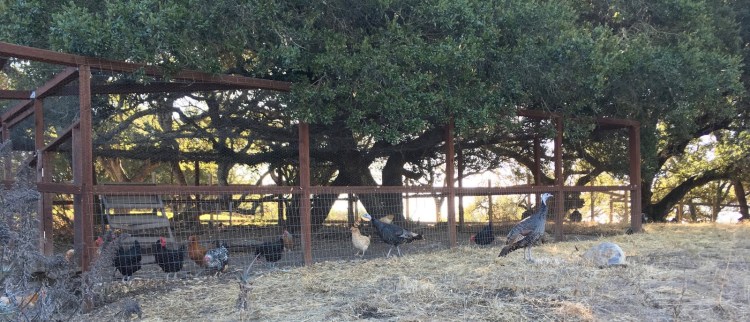
A large chicken coop provides free eggs.  The chickens ae named after famous lesbians (Rachel Maddow, Gertrude Stein, etc). This morning they were visited by wild turkeys.

Schedule a haircut in the beauty salon, or a massage as the mail is still hours from arriving. Seemingly, almost daily Doctors’ appointments fill our social calendar, otherwise we discuss with our neighbors our chronic aches and our new pains.   Of course, each day is special but some days more so than others. 

The housekeeper comes to our apartment on Mondays at 1pm sometimes 2 pm, close to the time people start to gather around the mailboxes in anticipation of the mail arriving anywhere between 3-6 pm.  You have to check both the cubbies AND mail box.
Hopefully, mail arrives by 4:30 so that we can get to the dining hall for a late dinner.

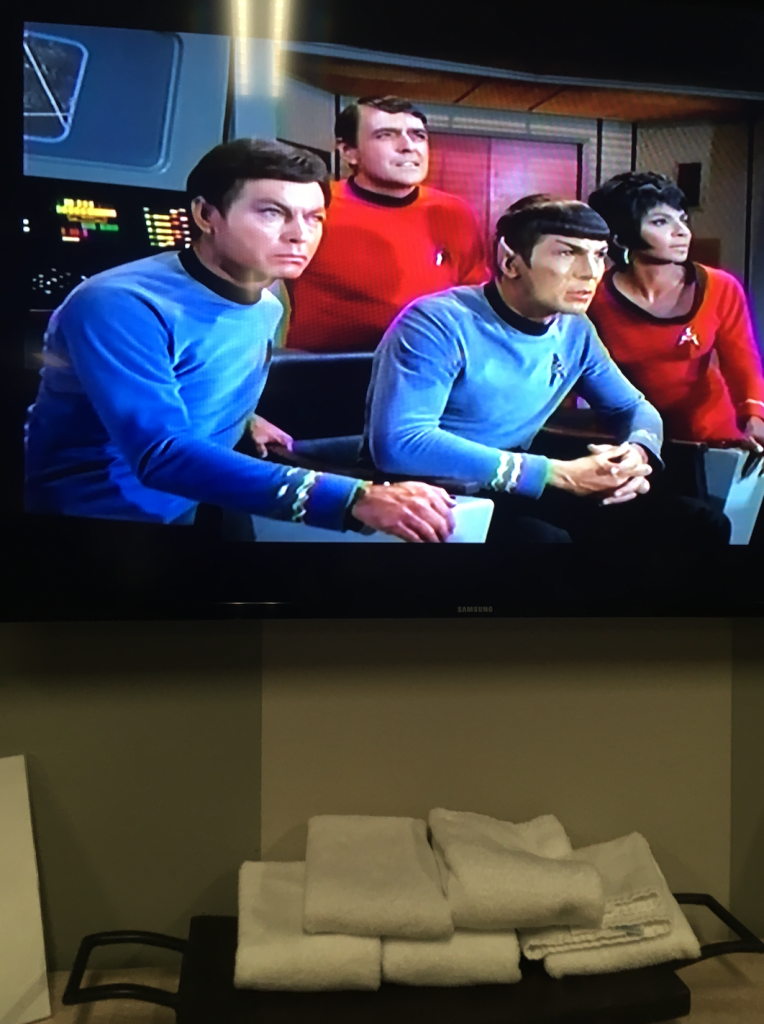
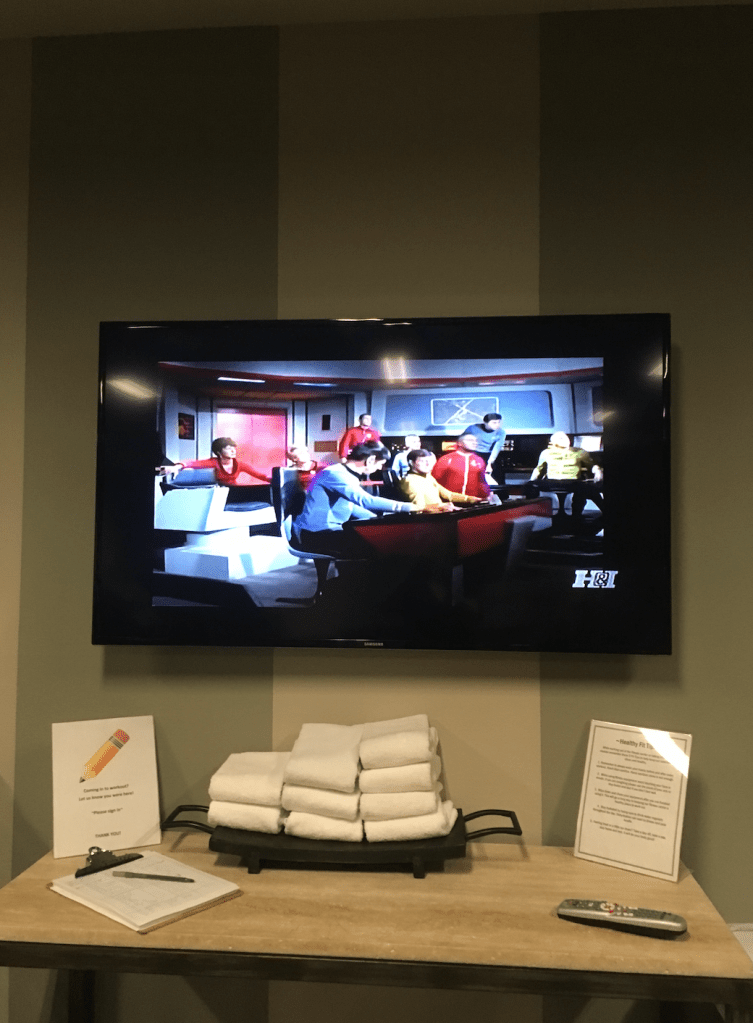
After the mail finally arrives (just junk, as usual) it’s more loud TV, or more recently the gym to exercise to Star Trek reruns (where we ponder deep universal questions like- Is evil present in all galaxies?  Why is Captain Kirk always the only one without a shirt on?  Why do most planets where no man has gone before always look like Chatsworth in the San Fernando Valley?)


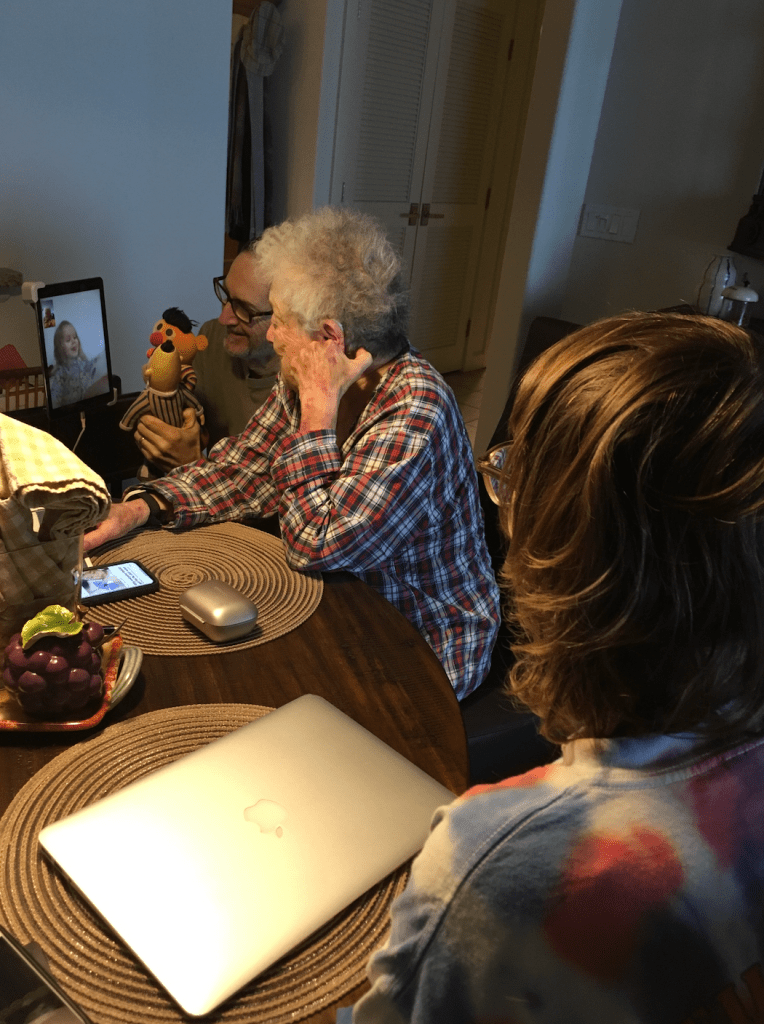
The day winds up with a call in to Germany for the daily performance of Grandparent (aka Papou) Theater

And then we fall asleep listening to the coyotes howling, hooting owls and Wacky Warren next door.   

Tomorrow is Wine Wednesday, and per Wild Bill from the second floor we will all wine and whine.


Munich


It is hard not to sound repetitive. Every place (okay, maybe not Ayia Napa, Cyprus) has us saying, this feels better than home.  Pretty much everywhere has felt safer, more livable than the US (gun control, please, please, please).

The challenge of each place while  unique,  is usually the history, and unfortunately even that sounds repetitive.  Over and over the past is inequality, capriciousness and persistent cruelty of governments tempered by people’s perseverance in seeking self-determination and maintaining culture. Germany though has had the highest highs and the lowest lows. We have loved Germany. It is stupendously beautiful; countryside and cities. Forest, hills, valleys dotted with Fantasyland villages.


Cities are clean, services plentiful, people are courteous, public transportation good.  There are walking trails and pedestrian areas everywhere, forests at the edge (or even center) of almost every city. recycle spots every few blocks.  Food is fresh and reasonably priced.  Nick would move to Freiburg im Breisgau, yesterday.  The country generally is progressive, environmentally conscientious and makes serious attempts at reconciliation with their history. 
Munich was extremely nice, seemed very livable but also underscored the frightening world we currently live in as we examined it”s not too distant past. 
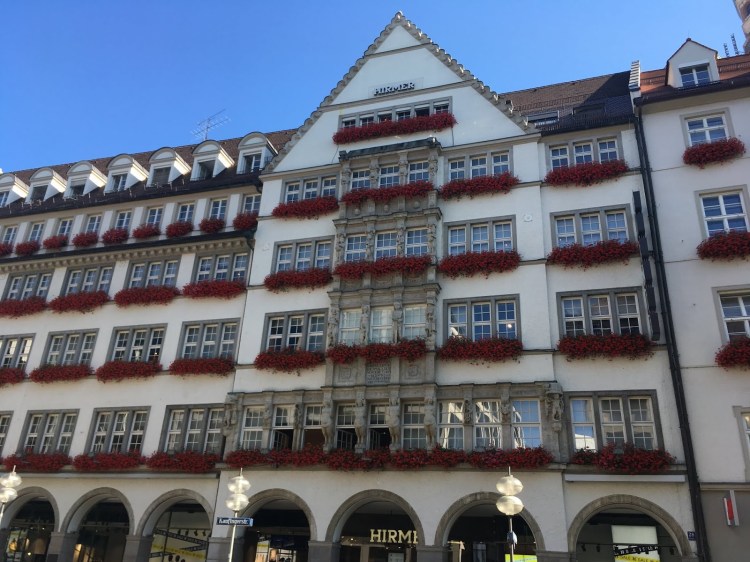
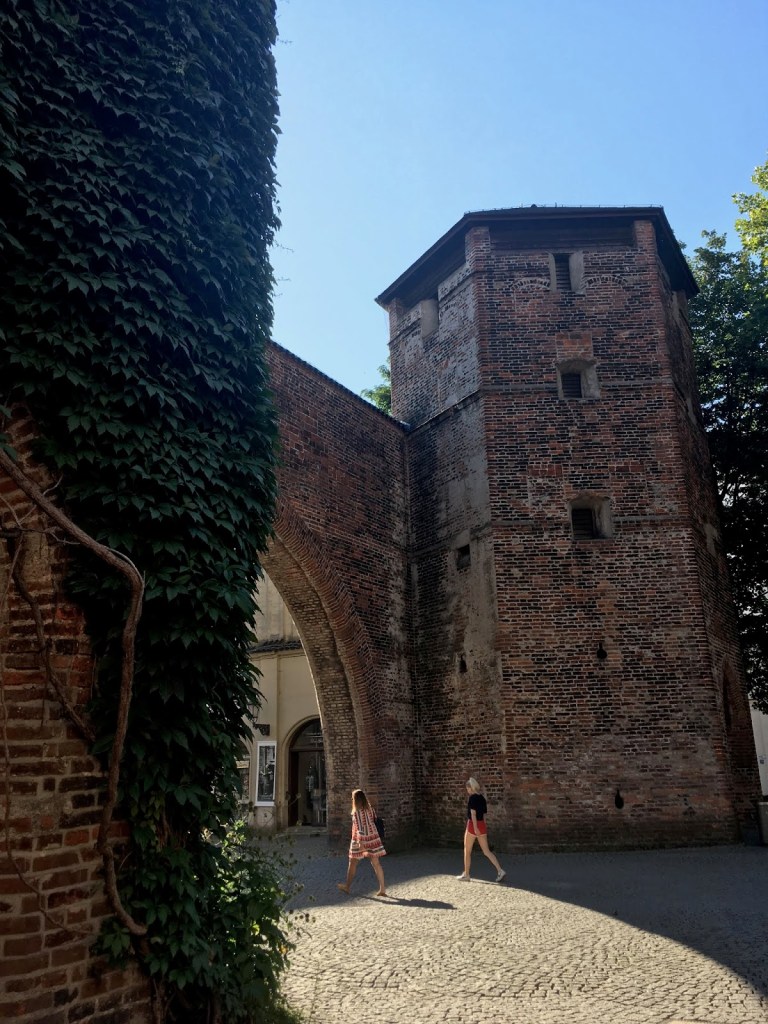
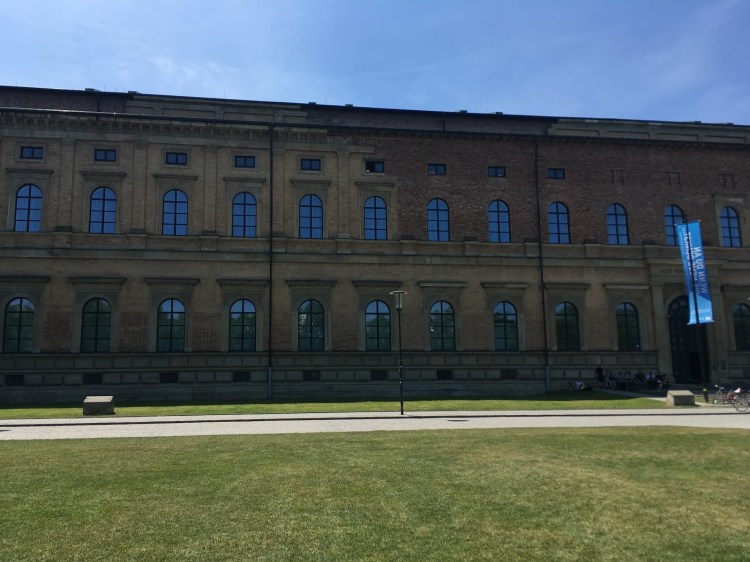
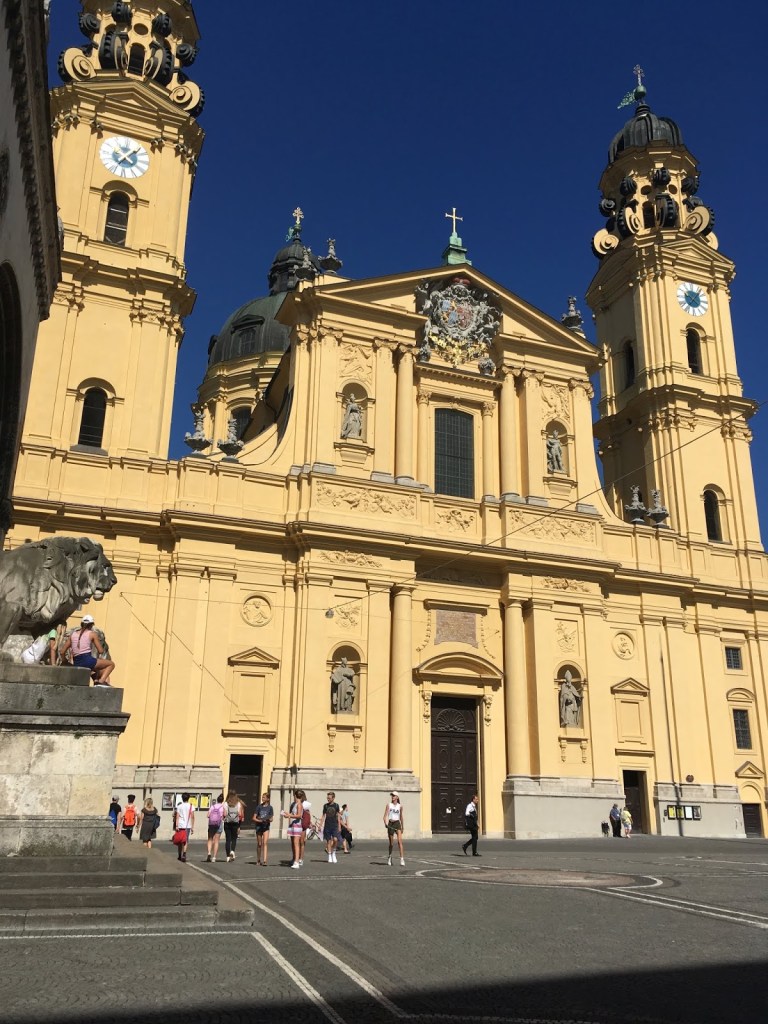
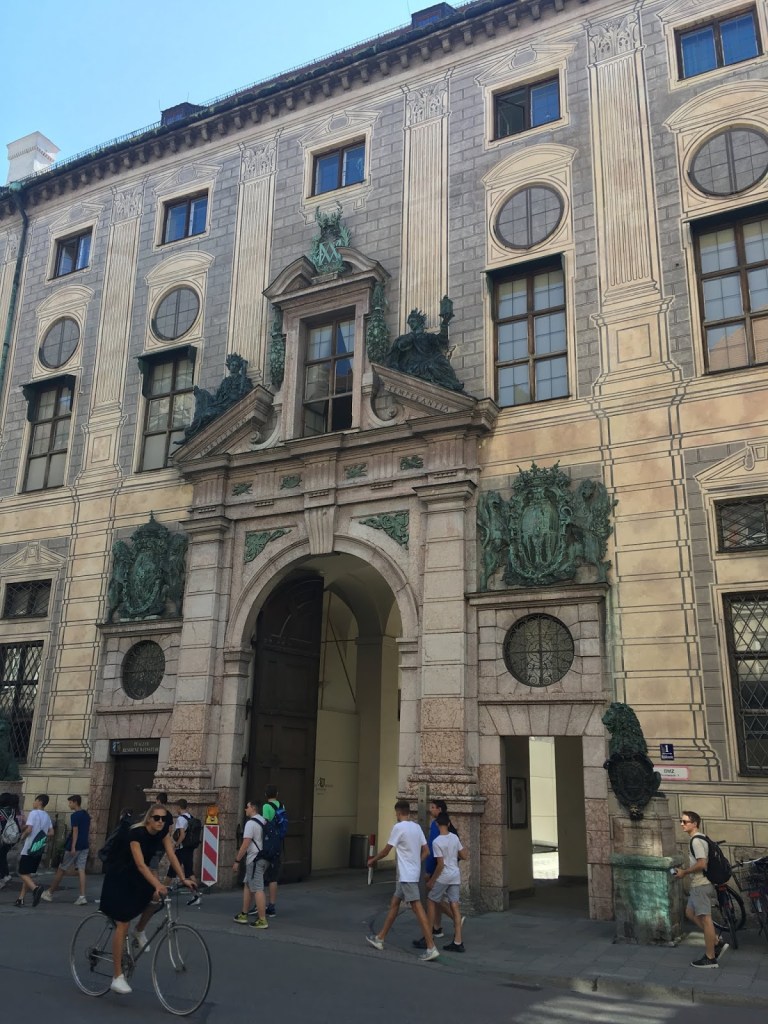
Like most German cities, there was significant destruction from WWII bombing (Munich was hit particularly hard) so building styles were very inconsistent; old, new and reconstructed. 


Alte Pinoktech Museum, you can see the repaired brick

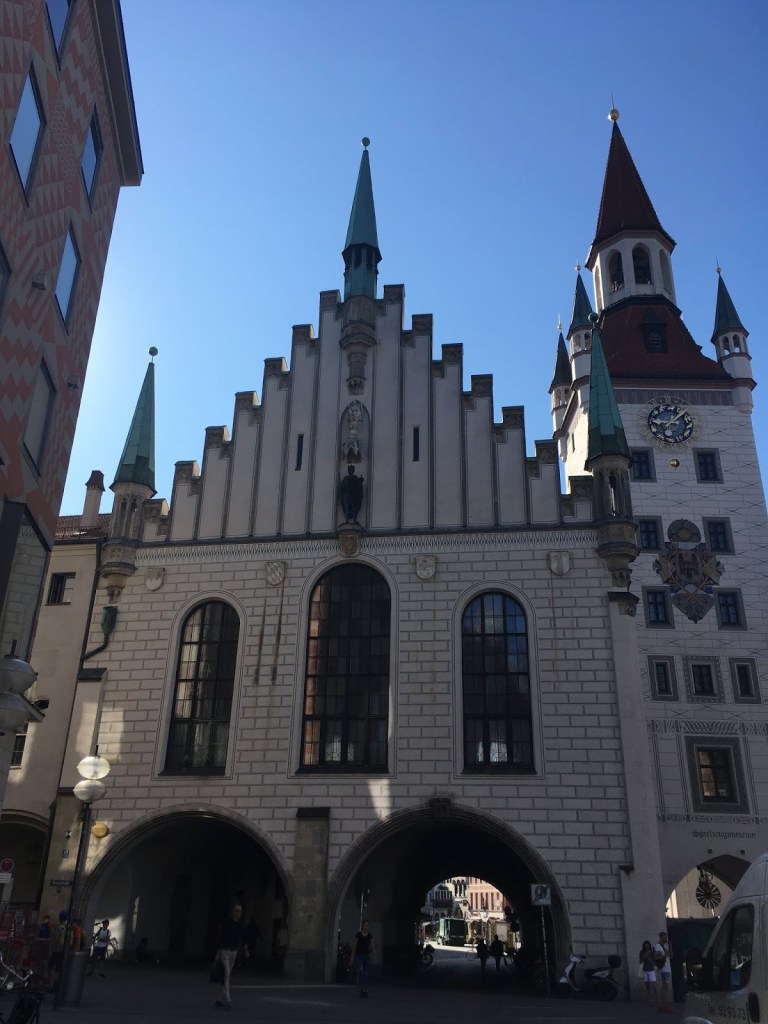
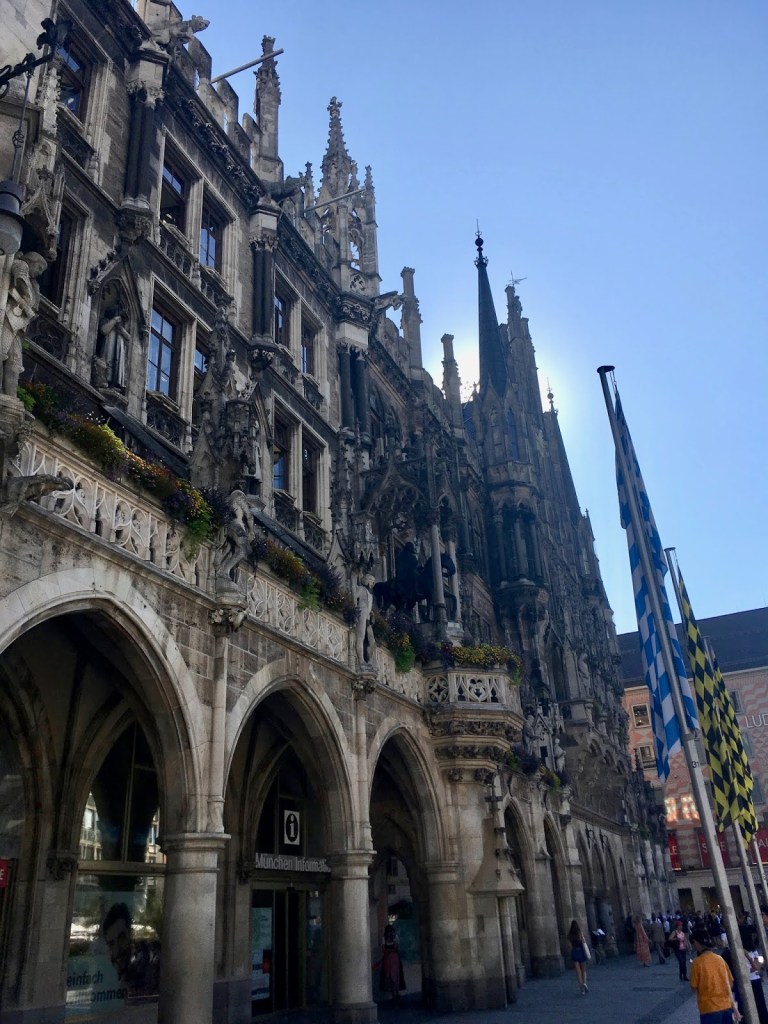
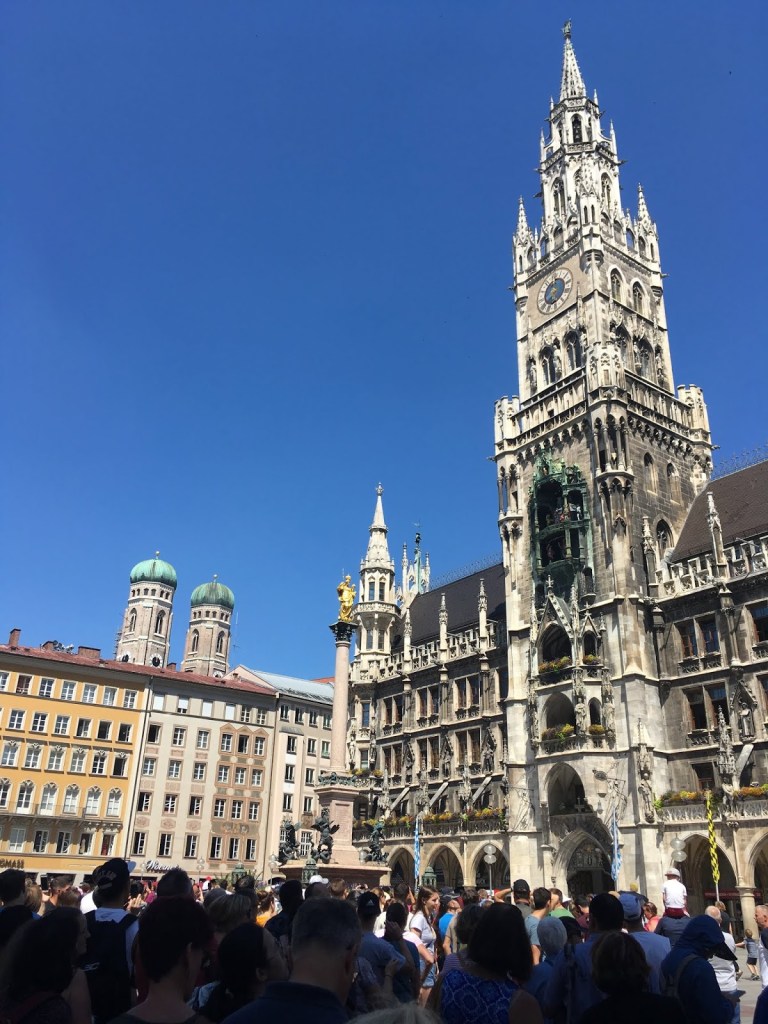
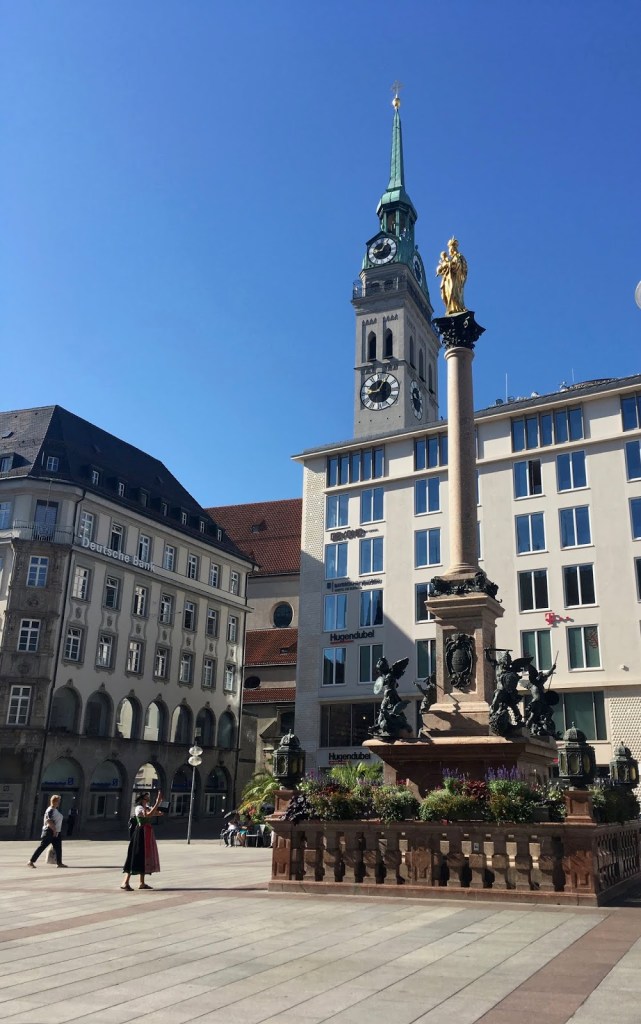
Like most European cities, Munich had a town square that was anchored by the city hall, the Rathaus, but Munich’s  had an animated clock performing, three times a day,  that attracted a large crowd. 

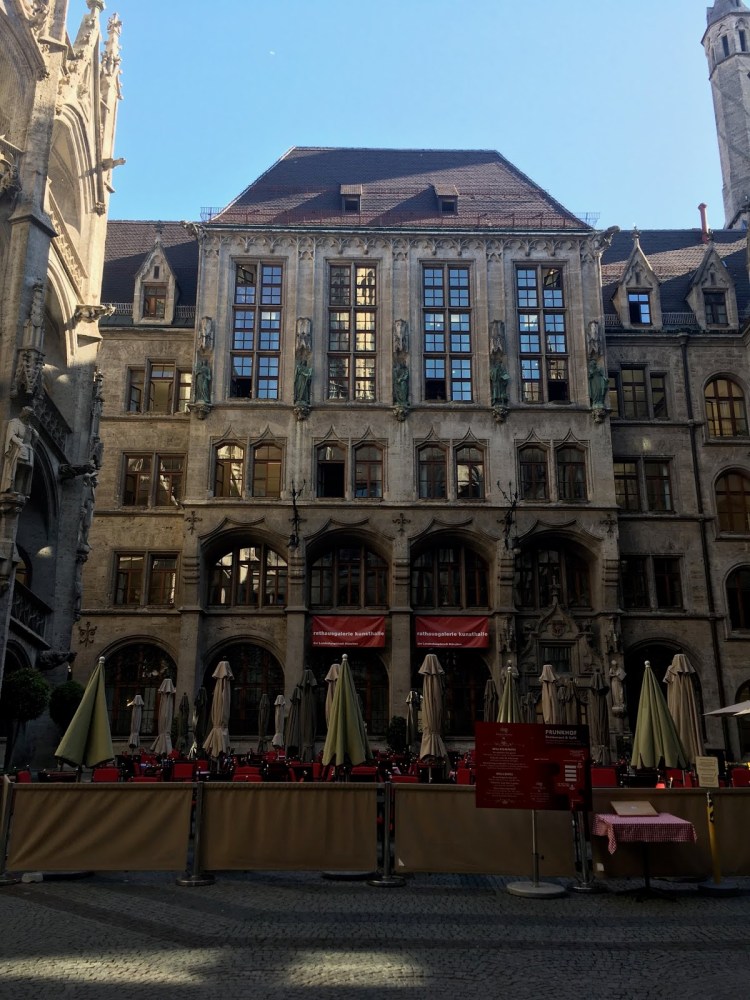
Plus a cafe in the courtyard

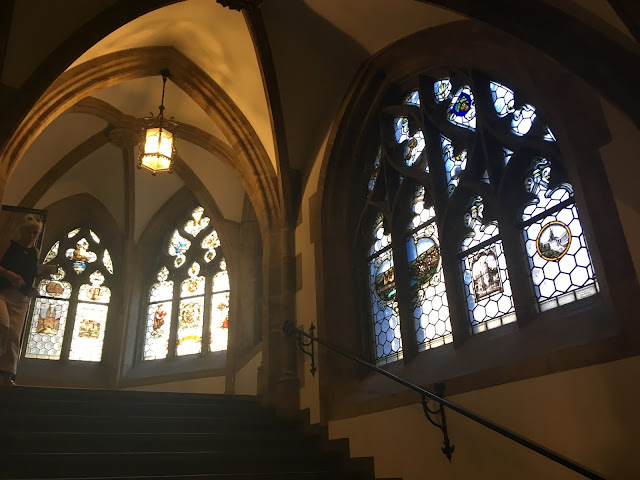
Beautiful inside,


Tributes create a combination city time-line / yearbook going back hundreds of years


Rathaus anchors the main square, Marienplatz.

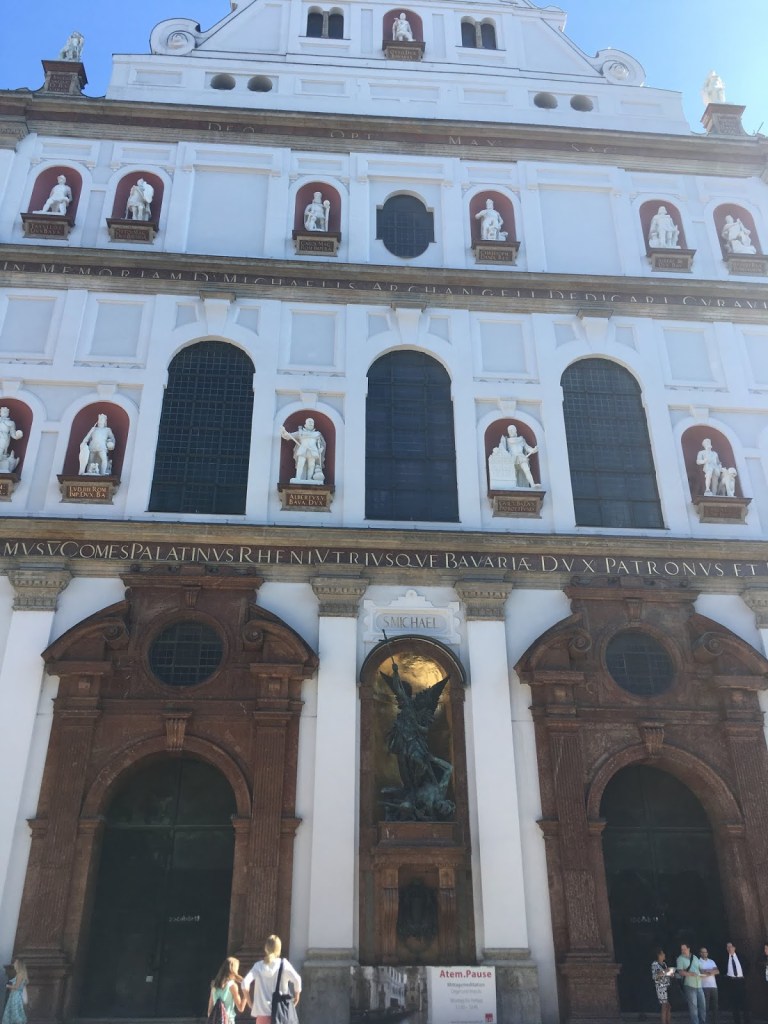
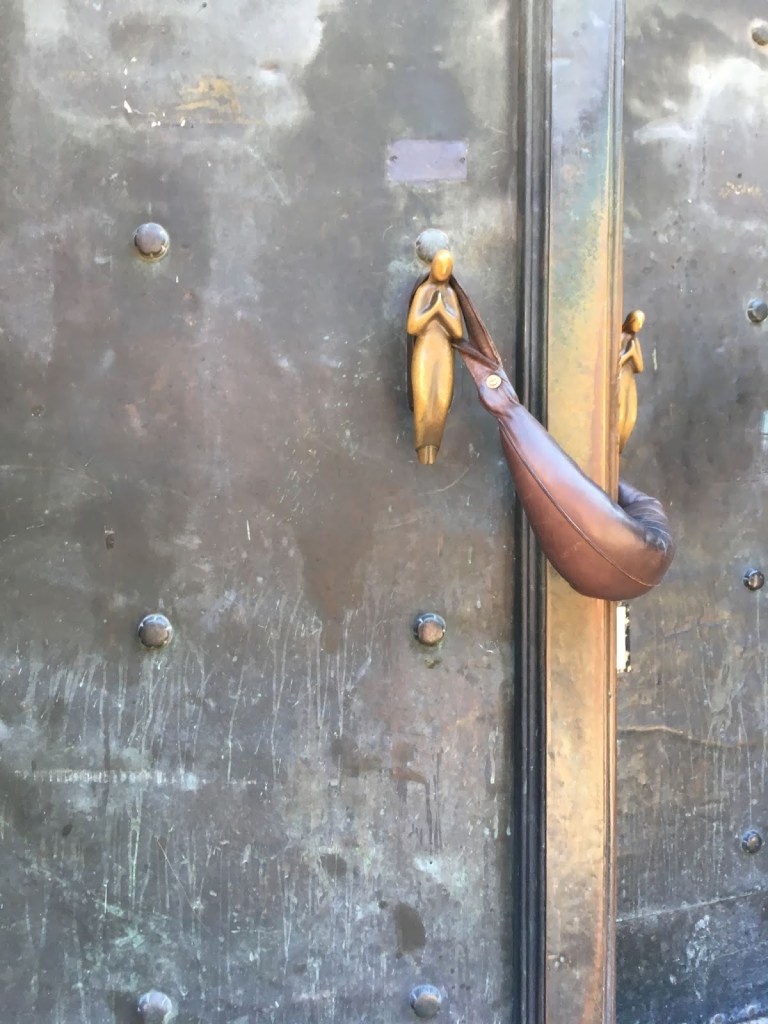
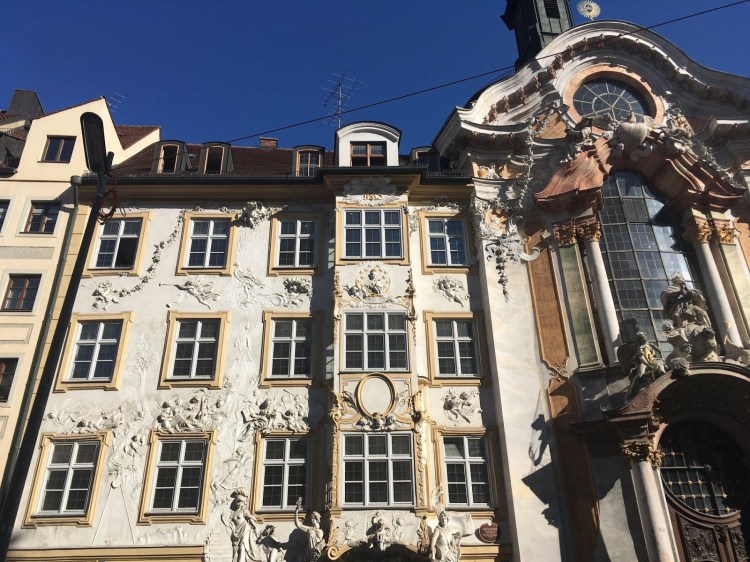
Radiating from the square, the best door knobs we have seen and wonderful buildings in a mix of styles, but all ornate


We were really struck by these murals


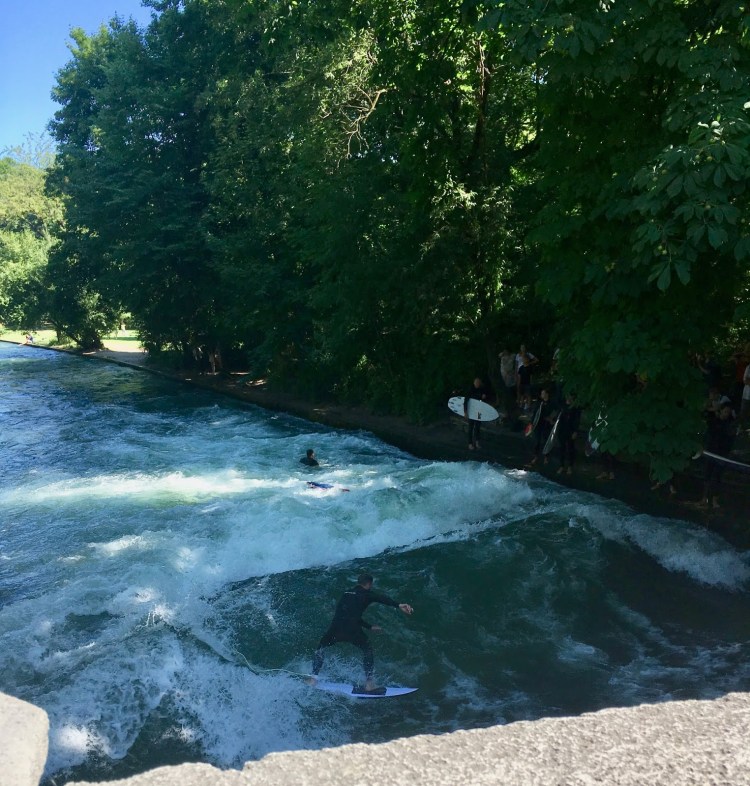
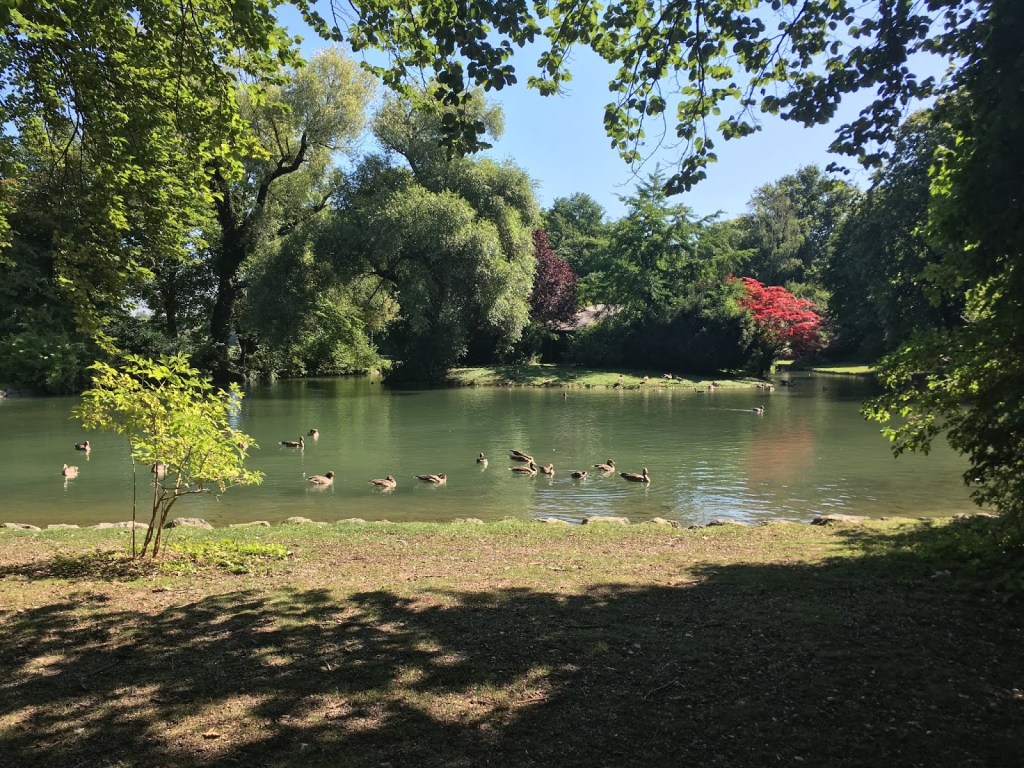
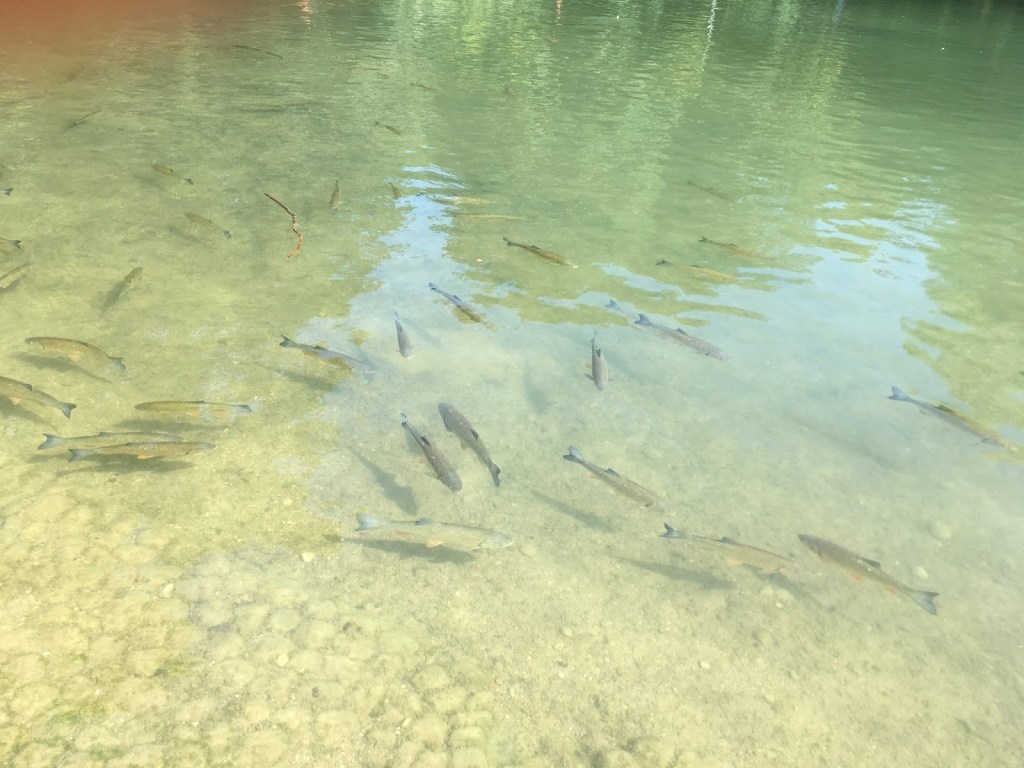
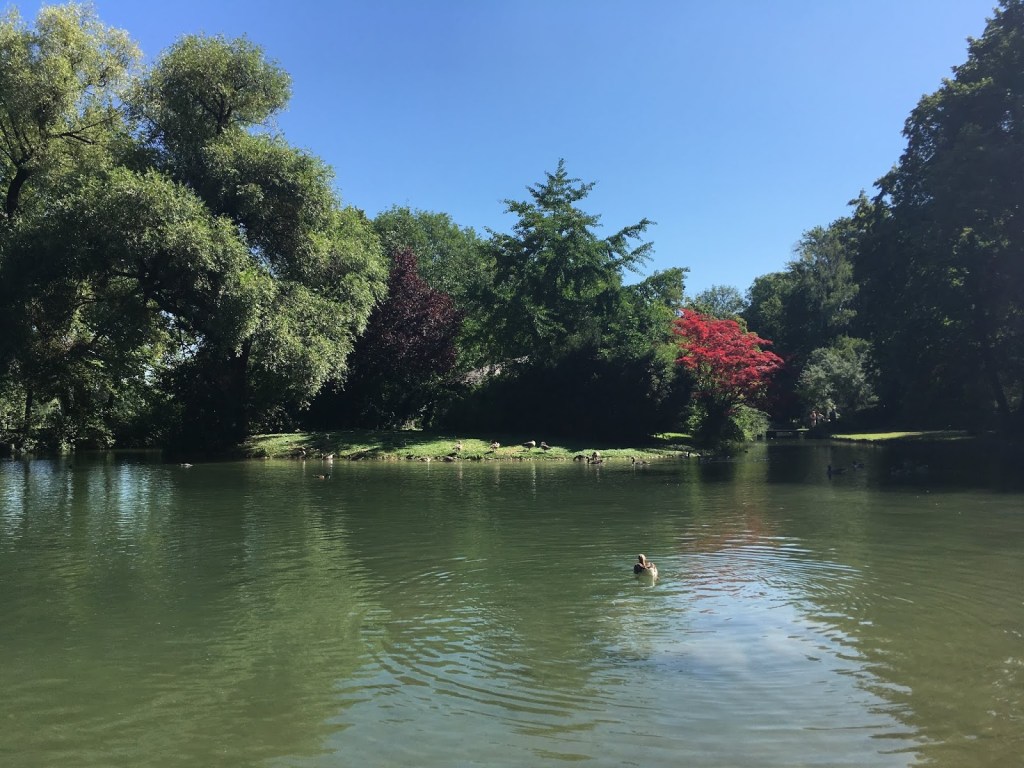
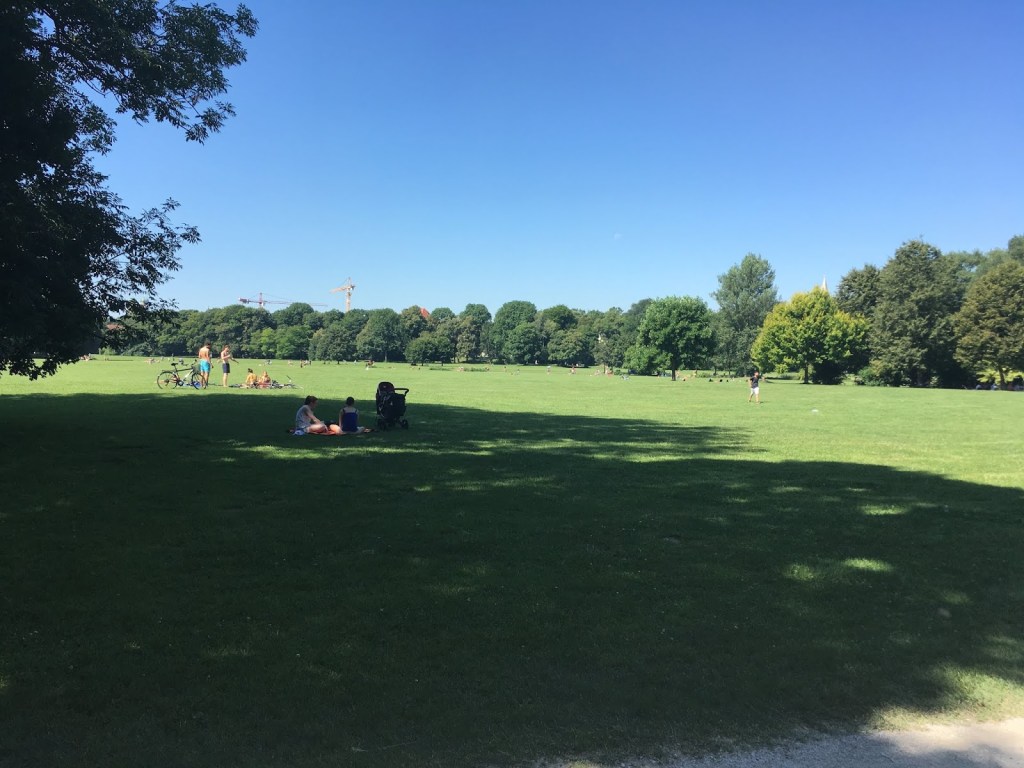
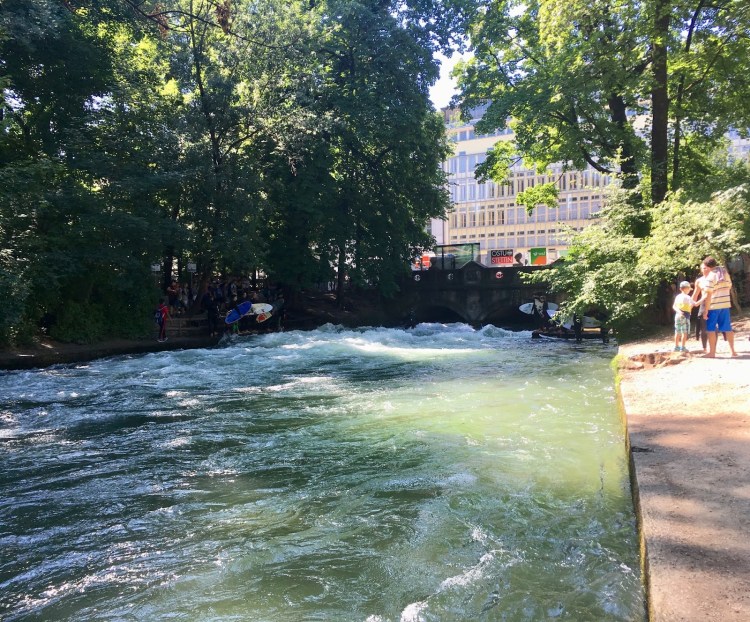
We also really loved the popular and huge park (English Garden) with a river (Eisbach, side-arm of Isar) where you can surf (with people waiting very patiently for their turn- no supervision, no  cost).  https://www.vice.com/en_us/article/3d9way/welcome-to-munich-the-mecca-of-river-surfing


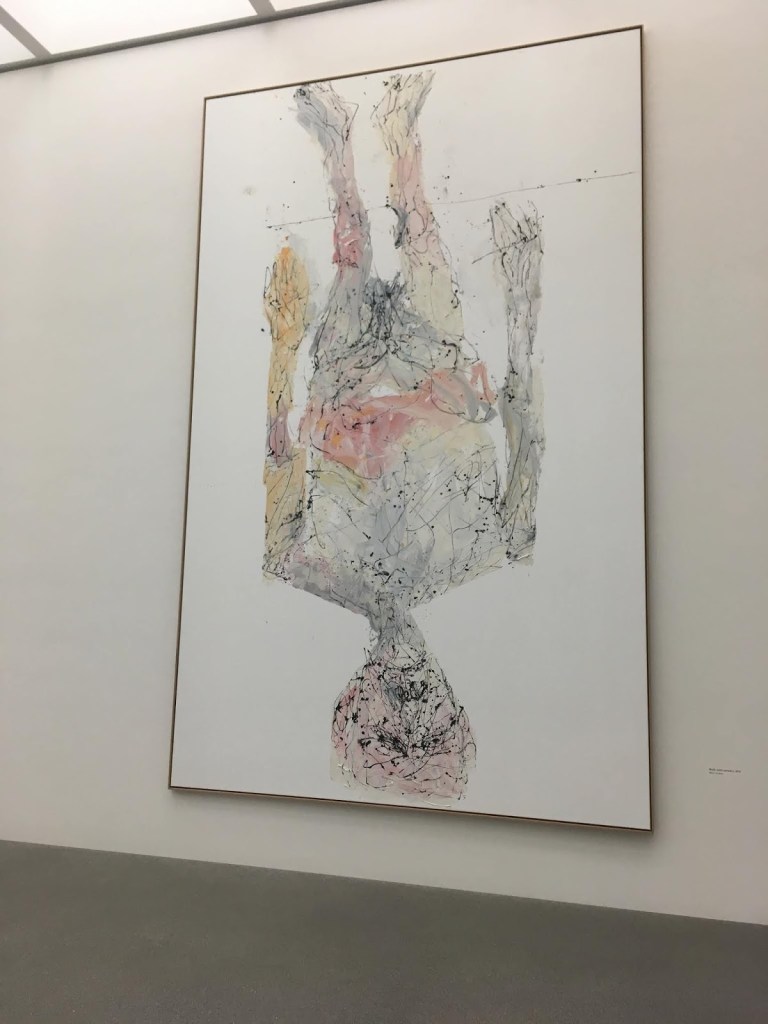
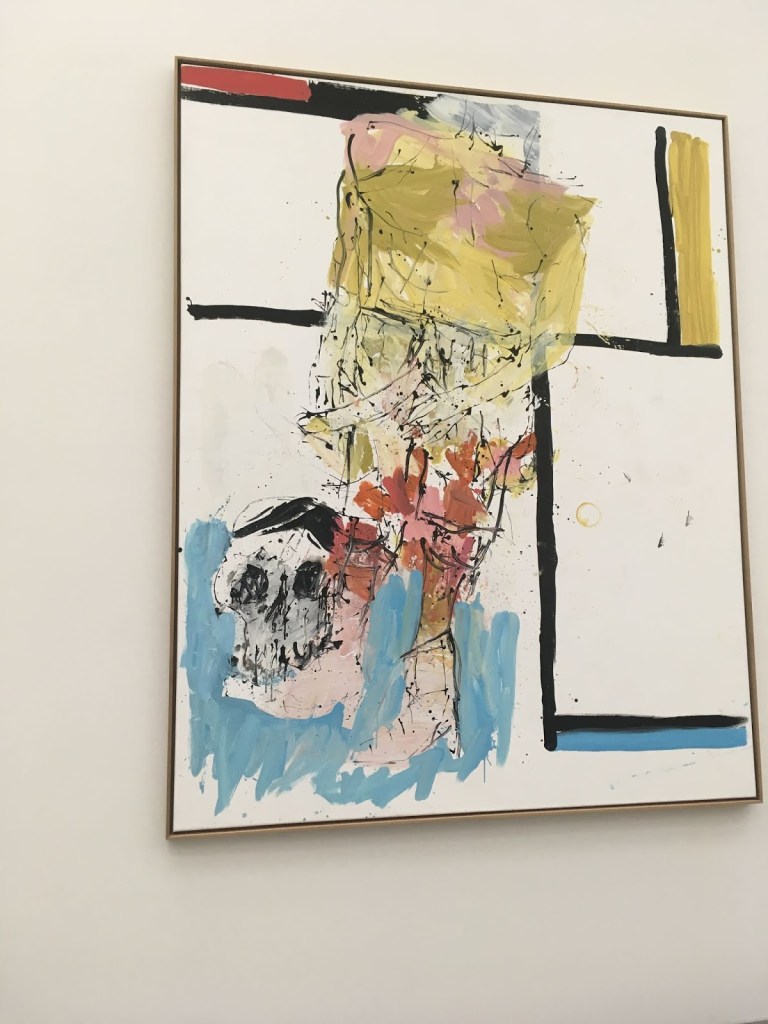
The city just kept getting more interesting, The museums were amazing and varied.   We saw many favorite German artists and were introduced to some new (to us) artists- Georg Baselitz.

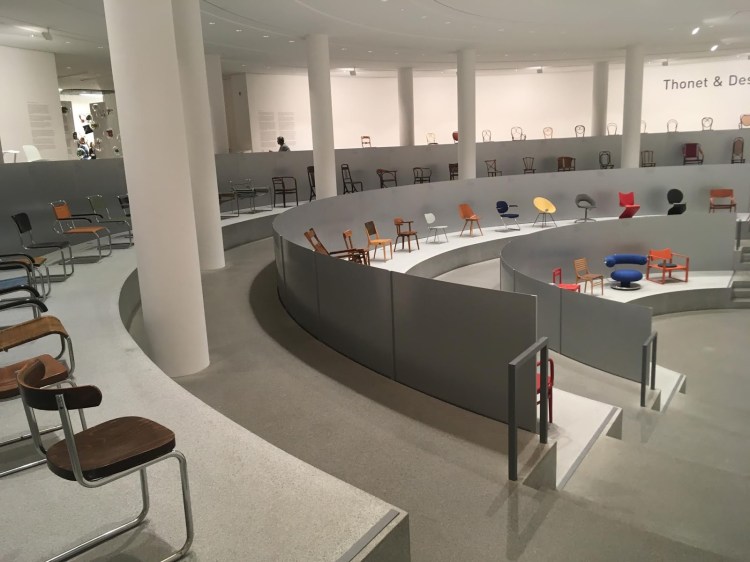
Chair exhibit


At the museum, the historical shadows started creeping in. It was hard to just appreciate the art, in light of the history of Nazis looting art (https://en.wikipedia.org/wiki/Nazi_plunder), we began to feel how that period of time permeates and still resonates.
(https://www.independent.co.uk/voices/comment/nazi-looted-art-how-many-more-masterpieces-are-out-there-8922977.html)

With the current world situation with so many populist leaders, it was difficult revisiting the origins of the Nazi party at the Munich Documentation Center for the History of National Socialism, opened in 2017 on the footprint of the former Nazi headquarters
(https://www.ns-dokuzentrum-muenchen.de/en/documentation-center/historical-site/ )  The exhibit charted the beginnings of Nazism onwards through today in modern Germany and Europe.  Early Nazi propaganda and practices unfortunately mirrored our current news- it was so disheartening watching history repeat itself countless times as we wandered through Munich’s monuments and museums. The similarities were so frightening.

Munich was the epicenter of Nazism in Germany (as well as the anti-fascist resistance), so there were frequent reminders of people”s cruelty  and how it feels like we’ve learned nothing.

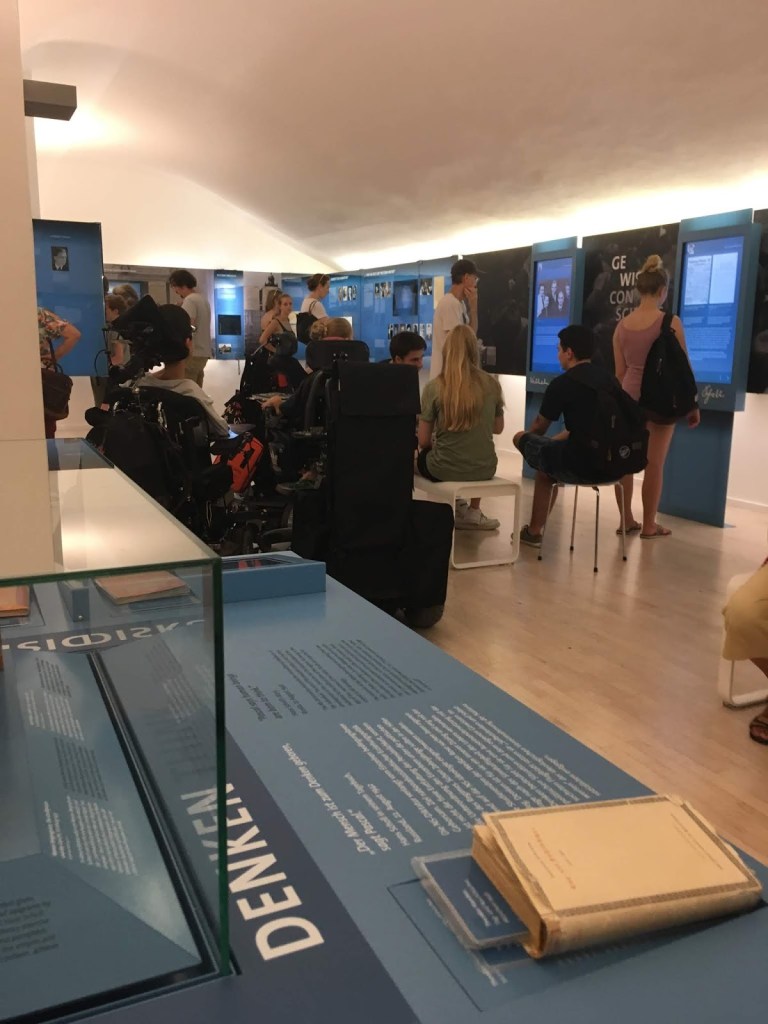
As we played tourist, it was encouraging  to see kids accessing historic sites;  young kids on field trips in the old city center, numerous groups of teenagers in serious sit down talks with teachers around exhibits at the Munich Documentation Center for the History of National Socialism, and at Dachau, and most poignant- a group of physically handicapped young adults, who would not have been allowed to exist under Hitler, at the University’s memorial to the student run White Rose anti-facist movement  https://en.wikipedia.org/wiki/White_Rose).

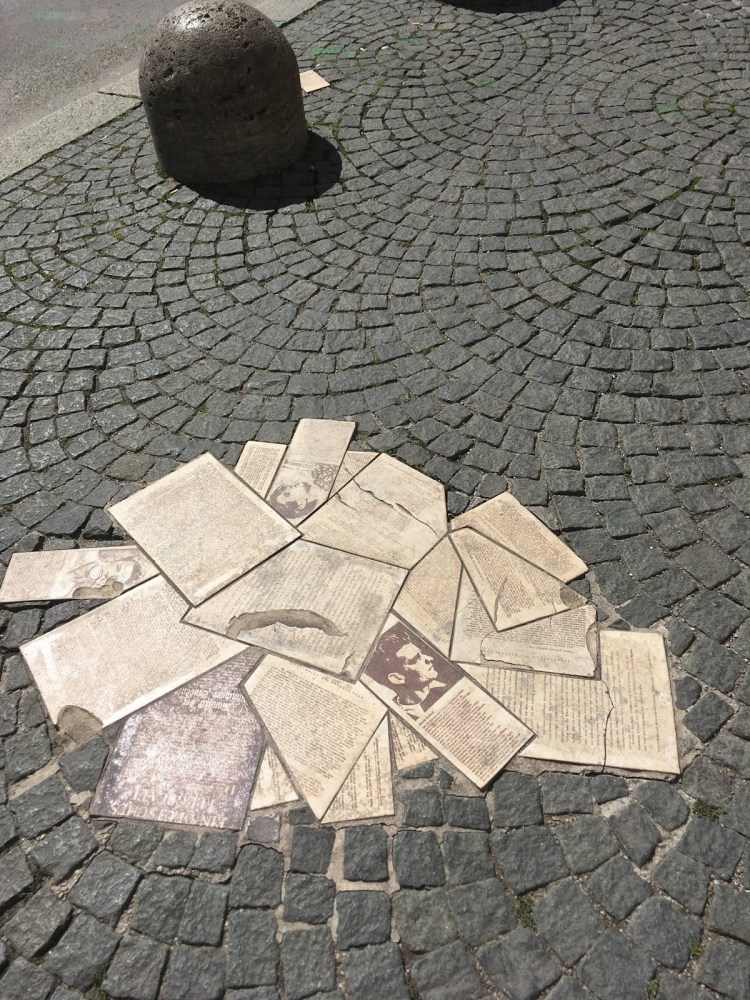
In front of the White Rose museum, flyers embedded in the ground, placed as they were when University students and siblings, Hans and Sophie Scholl threw them as they were arrested, and then executed in 1943.

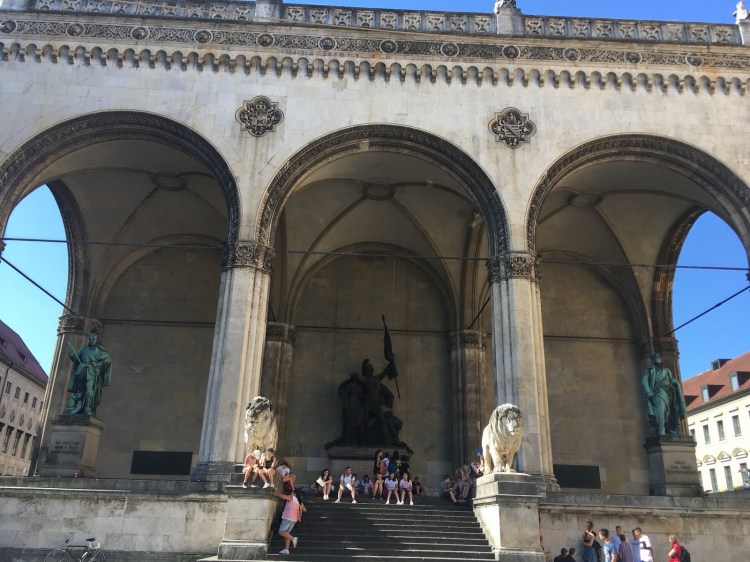
A short distance away was the 1844 memorial to fallen German solders. In 1923, it was the site of the Beer Hall Putsch where Hitler first tried to take power. After this, the monument became a symbol of the Nazi party. During the Third Reich anti-fascist Germans would walk behind it so they would not have to salute it as required by law (alley is called Shirker’s Alley). In more recent times, Munich has had to balance preserving this monument and preventing Neo-nazis from celebrating it

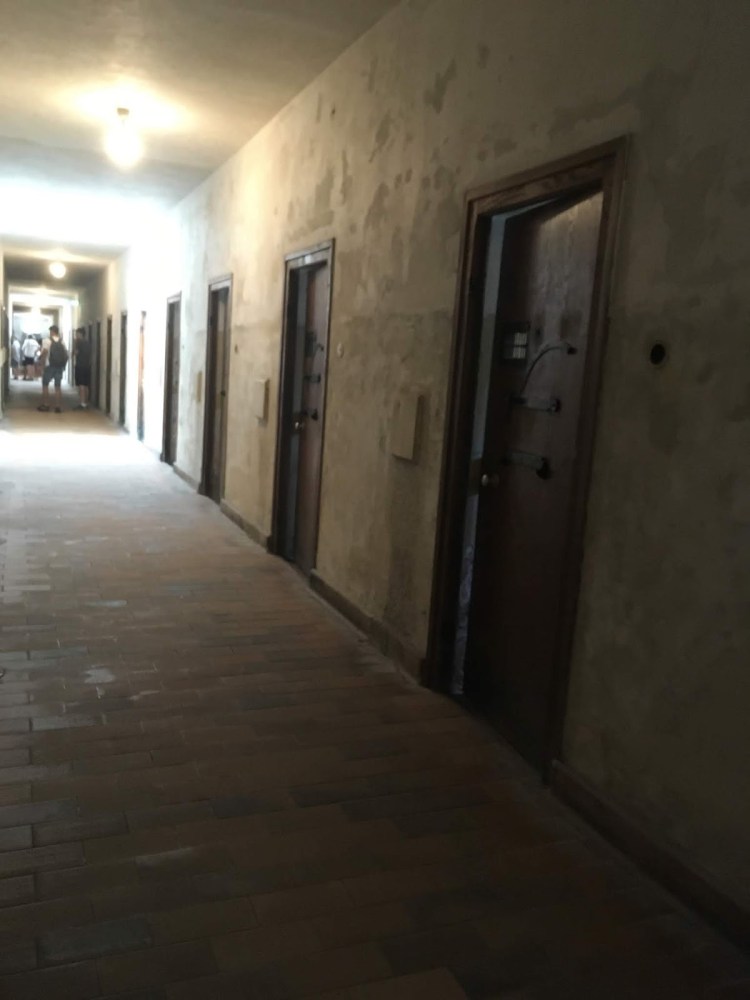
On to Dachau, about 10 miles north of Munich. Dachau was the first concentration camp.  It opened in 1933, and was used initially for political prisoners (anti-fascists, communists, partisans from invaded countries), and then ultimately for anyone opposed to the new Nazi government including clergy, as well as “undesirables” such as Sinta/Roma, homosexuals, Jews, mentally and physically handicapped.  The camp also supplied needed free/slave labor.  Jewish prisoners weren’t the majority until the late 30’s.

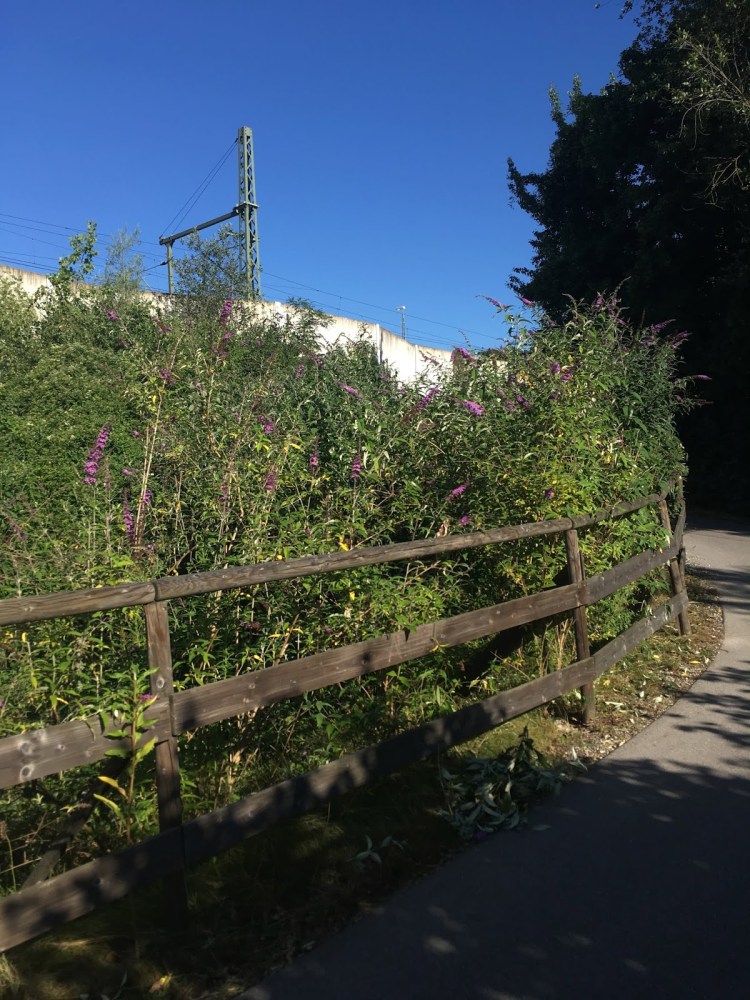
The 2 mile “walk of remembrance” from the train station to the camp was eerily picturesque, this was how the prisoners got to Dachau.

path remembrance Dachau

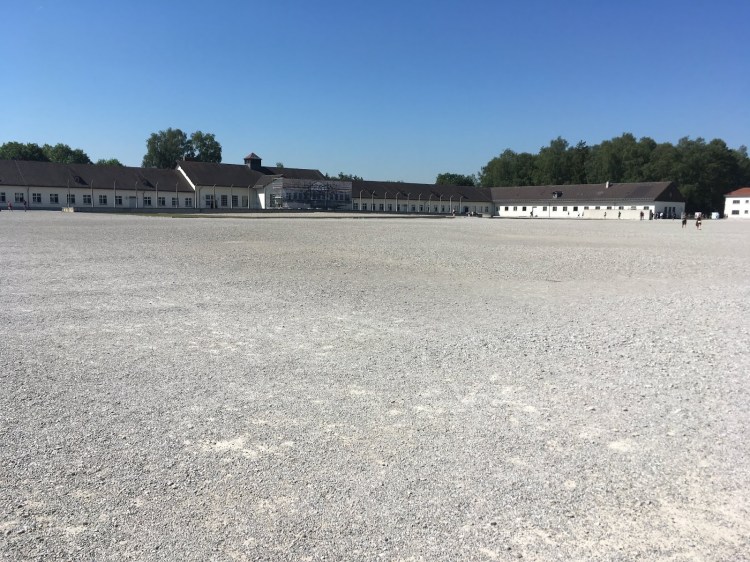
We were struck by the size of Dachau, the vastness. Yet they said it was plagued by overcrowding. It was not big enough for the abuse, the lives lost. Unimaginable.
Although we all are familiar with the horrors of the concentration camps, being there just emphasized that, from our frame of reference, we can never really be familiar, never can completely comprehend the experience and inhumanity.

Unfathomable, considering the uncertainty experienced by the prisoners, especially with death everywhere. The barracks, the claustrophobic cells, the horrifying crematories but nothing more frightening than the open space, imagined crammed with people awaiting the worst.


Both Dachau and Munich’s Documentation Center admirably emphasized the absolute lack of individual accountability for the majority of Germans- soldiers, politicians, civilians.  And that was the challenge of Munich, it was where the Nazis got their start and power but how does a city acknowledge and repent?   Part of the problem is many of the buildings used by the Nazis were destroyed in the war and identifying those sites or existing buildings for educational purposes has been controversial.   Munich is stuck between pointing out Nazi sites while not honoring them and preventing Neo-Nazis from congregating and revering them.

Munich continues to struggle with competing groups; those wanting to diminish or or rewrite history,  those wanting to just move on and those wanting more public accountability. This is exemplified by Munich’s  lack of  Stolpersteine. https://thechosenfugue.blogspot.com/2019/01/they-do-make-you-stumble.html The city banned them, only allowing them on private property. Munich’s Jewish community president was not supportive of them although the German Council of Jews and many other local Jews and  Germans were.  Munich’s alternative, started in 2015, were 5×5 plaques (looks like an address nameplate) somewhere on or near the house but when we went to find some, it was difficult and we couldn’t. About 50 exist, and as with the Stolpersteine, memorializing not just Jews but all victims- people with mental illness, physically disabled, Sinti/Roma, gay, Jehovah’s Witness and the resistance.  In contrast to the Munich building plaques, the Stolpersteine seem to more accurately reflect the proportionality of the groups victimized.


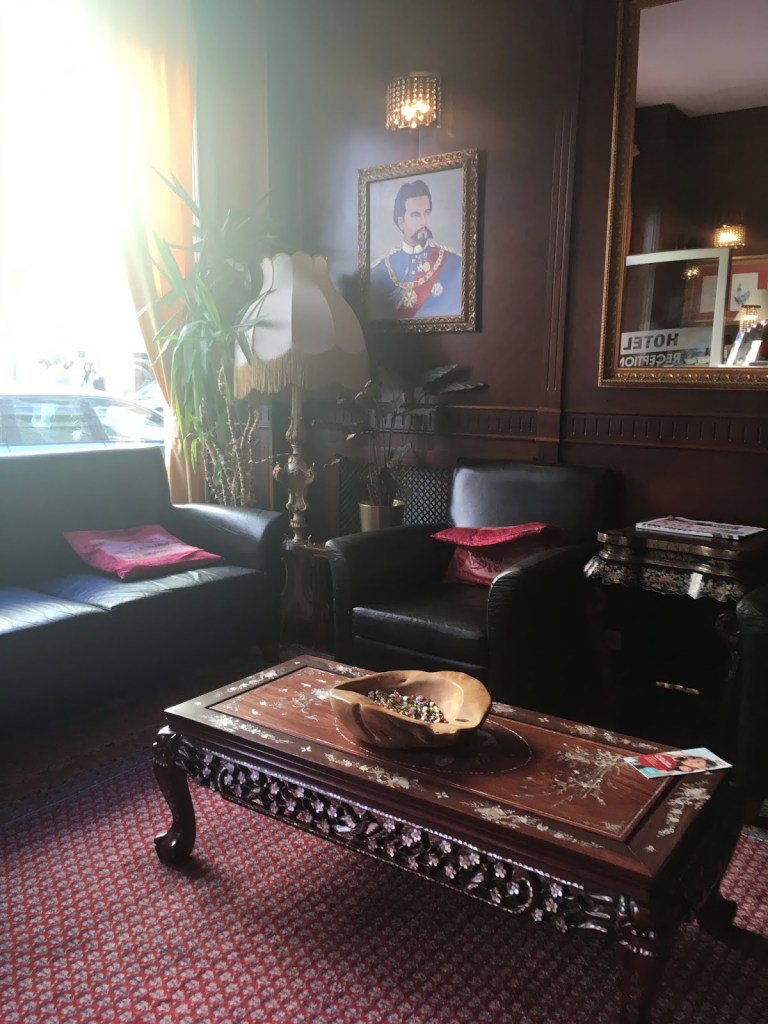
Each day after being  overwhelmed by the contradictions of history and this striking city, we returned to be rejuvenated by our hotel in the very ethnically diverse upbeat Little Istanbul area of Munich, very much appreciating our Turkish/German hybrid Hotel Goethe and the surrounding neighborhood.


So, Munich kind of encapsulates our (thus far) European experience; contemplating it’s  tragic and violent history against the backdrop of wondrous natural beauty, inspiring art and and persistent resistance, unfortunately often futile. We will try to ride the wave of optimism.


Black Forest

(this post was in the older format, sorry it looks really bad!)
Back to our home away from home, Saarbrucken, to spend a week with A, W, I and Finn and then a week dog-sitting Finn while they went off to a conference in Greece.
 

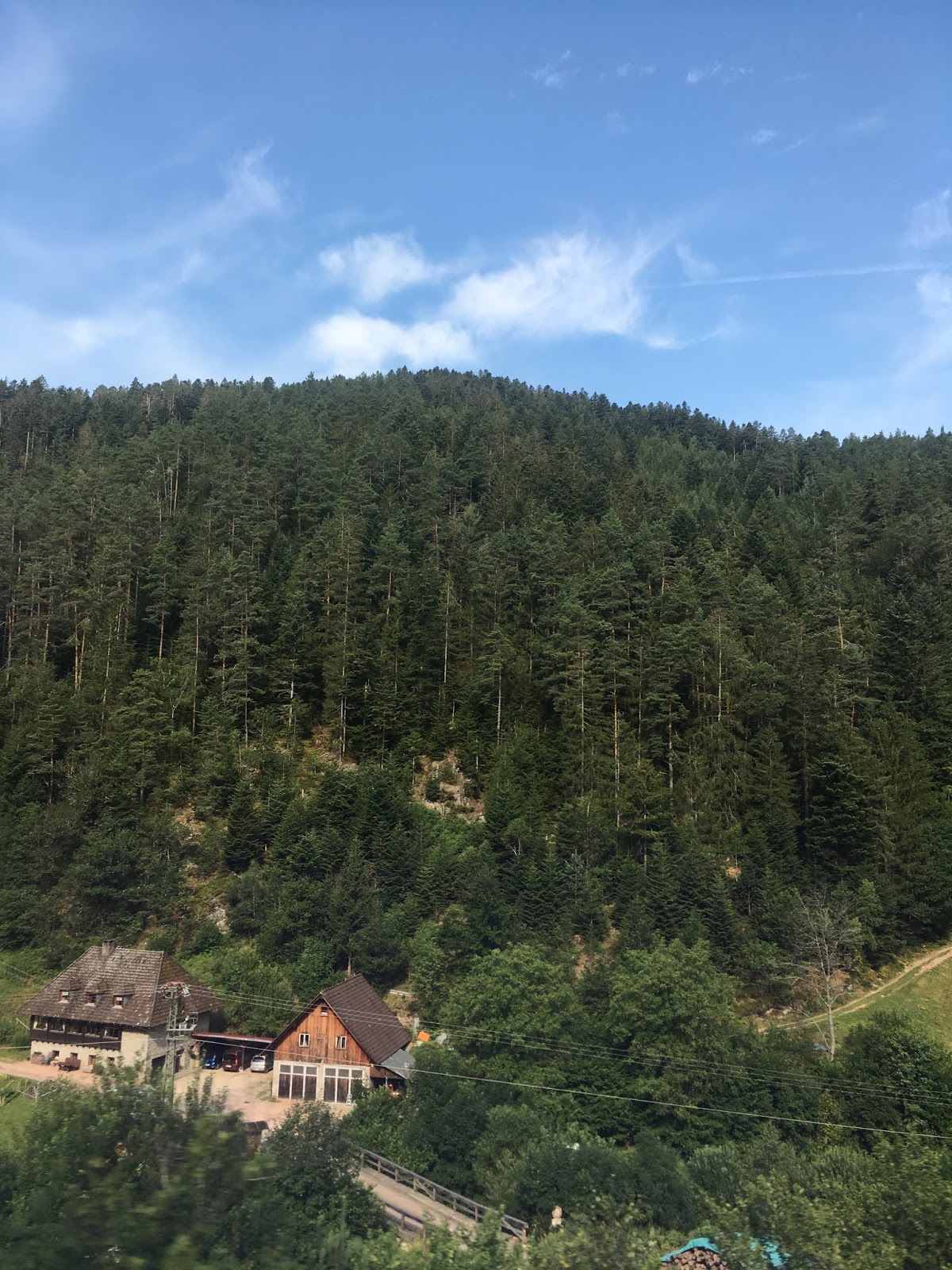
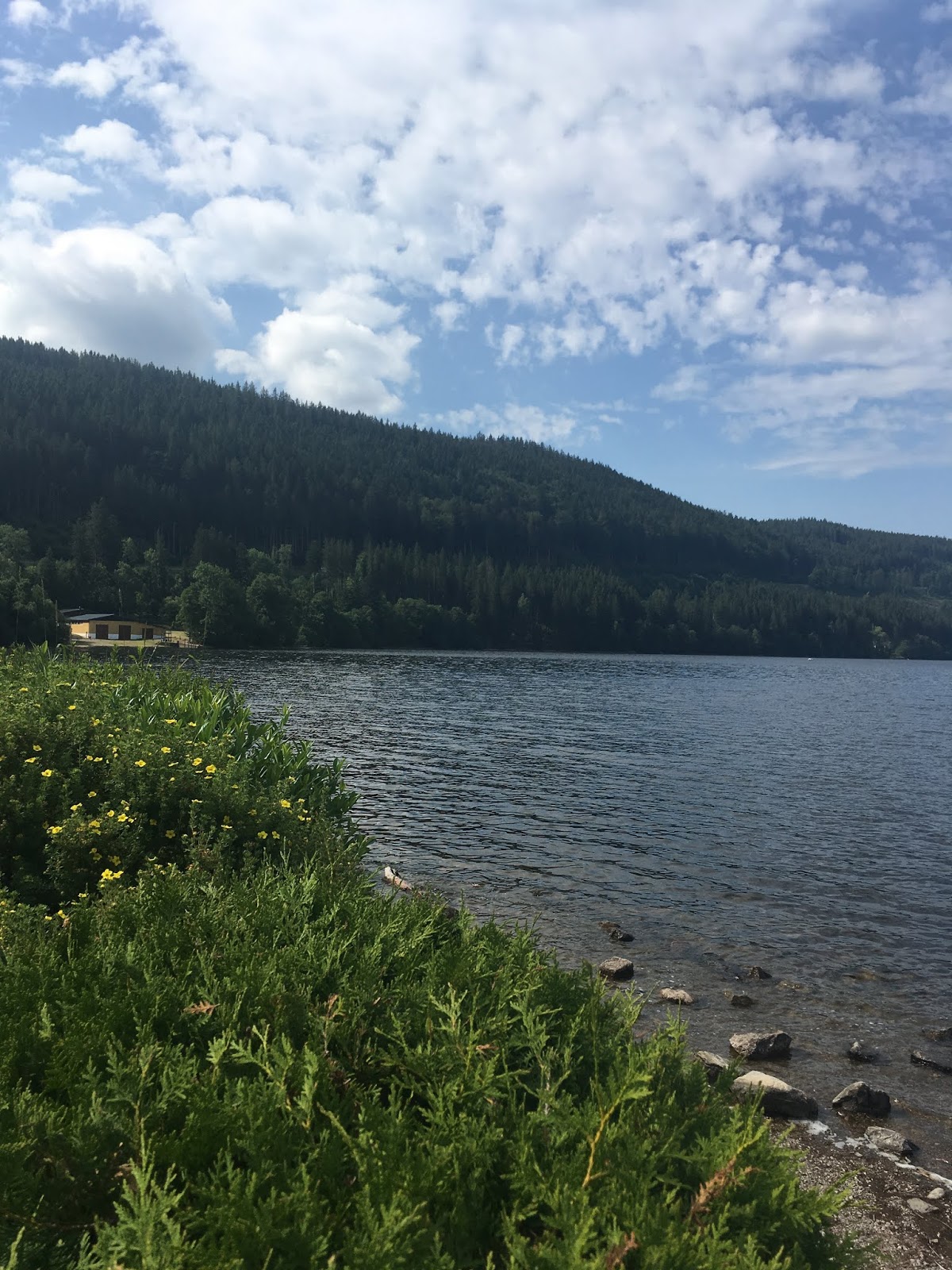
After a grueling week of dog-sitting, we needed to escape  hoping to see the forest for the trees. We set off for our long-anticipated trip to the the Black Forest,  ready to make use of the Konus card, which is a great idea to encourage tourists to forego cars. For most of the cities in the area, you get a card for free transport on all buses and trains the day you leave. So we planned our stops around getting the Konus cards and riding the two most famous Black Forest train routes, -Schwarzwaldbahn and Hollentalbahn. The Black Forest, which is named for the density of trees and not our moods, is composed mainly of Norway spruce and Scots pine.  From our California-centric, with a touch of Oregon, eyes, the area looked like if Western Oregon, Tahoe and Central California (throuple?) had a baby.  The view alternated between rolling green hills, farmland and dense forests filled with spindly tree trunks topped with Christmas tree crown. 

 
Known for its hiking/biking trails,  cuckoo clocks, and black forest cherry chocolate cake. We sampled none of these, staying consistent with our travel philosophy.  We kept our walking within city limits, which did include a few forest paths, and somehow saw only a few clocks and cakes. We did see a lot of hikers and bikers and mostly kids on field trips.  One inspired group of young adults was already drinking beers on the bus at 9 am on their way to Titisee.
 
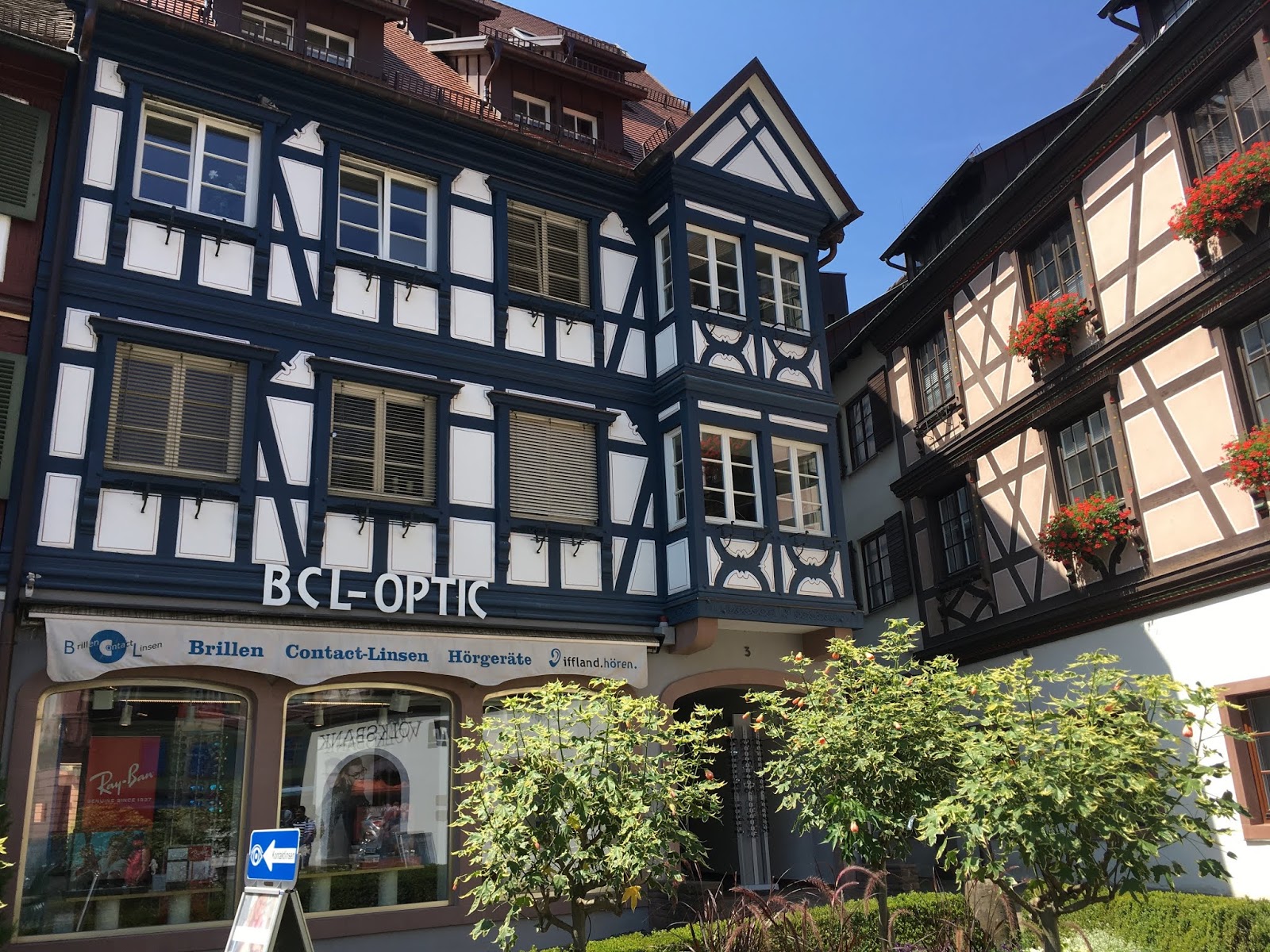
On the train/bus rides, at times, we could not see the forest for the trees because there were lots of tunnels, the darkness alternating with forest, farmland and quaint towns full of half-timber land ornately decorated buildings (must look like perfect snow globe towns in the wintertime)  We visited 4 of these towns in the area, Gengenbach, Donaueschingen, Titisee and Freiburg ending up in Zurich, Switzerland.
 
Walking into Gengenbach  felt like walking into a postcard.
It is known for its town hall becoming a giant advent calendar in December with each window opening to a new nativity scene for 24 days. 
taken from German travel site

Since it was July, we settled for watching the stork nest and college kids downing 24 river-chilled beers.


Case of beer midstream
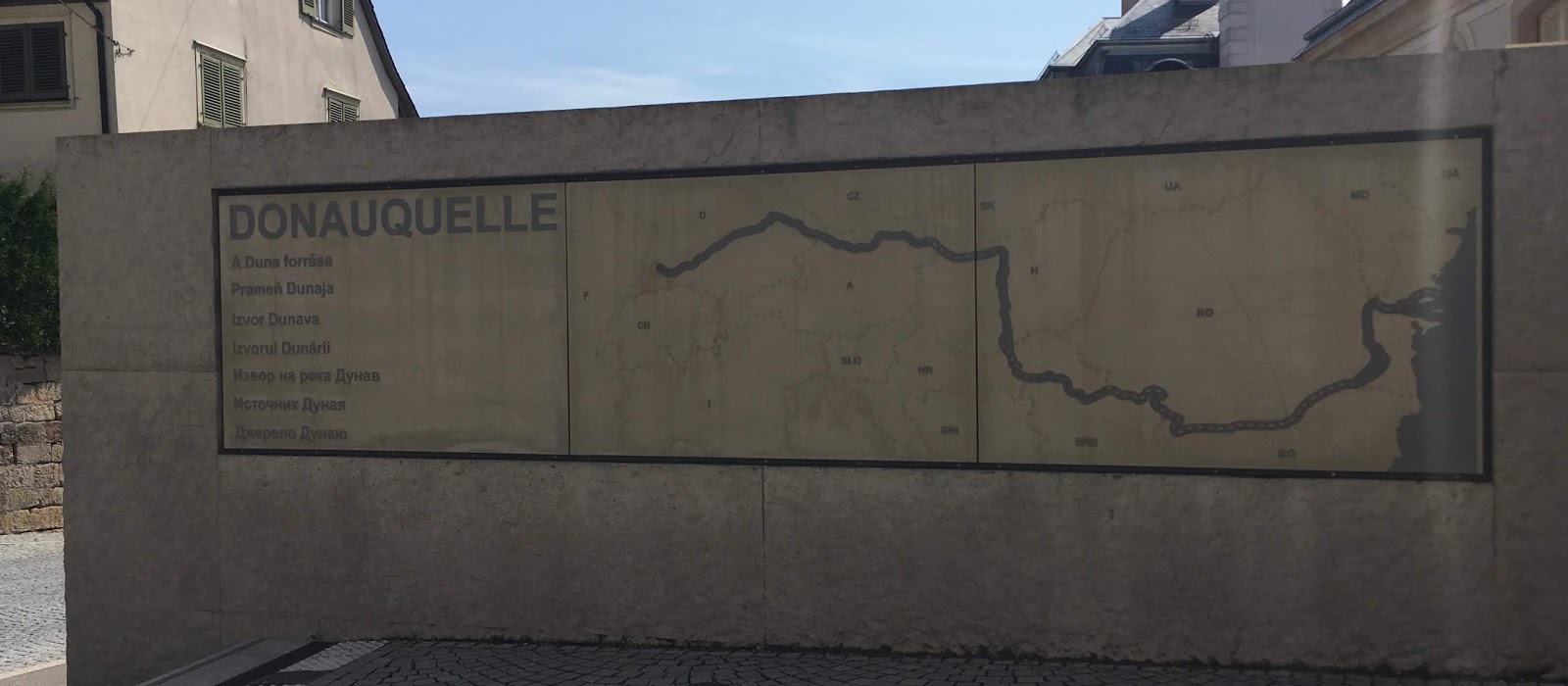
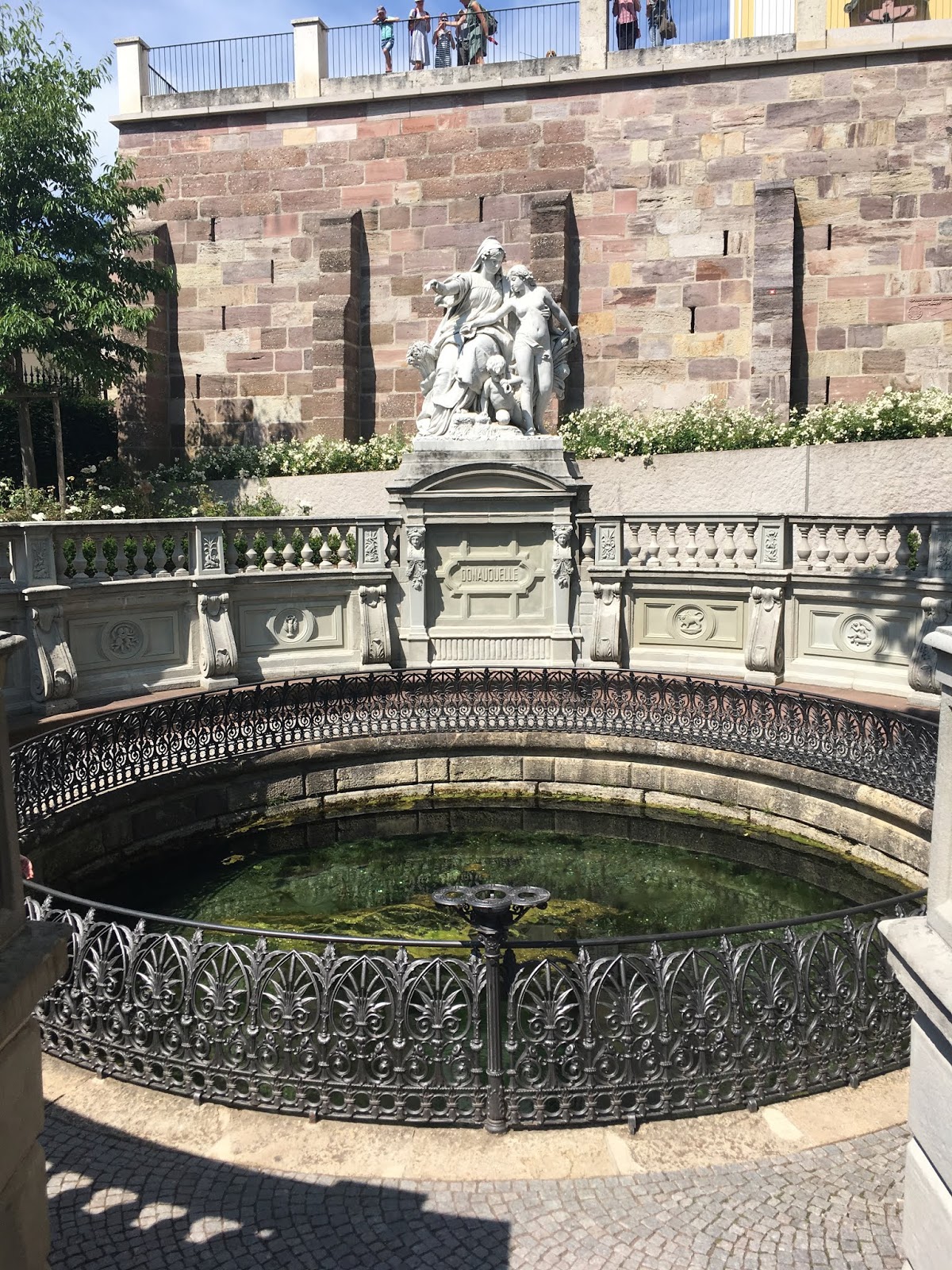
Donaueschingen is famous for being the source of the Danube River (Donauquelle).

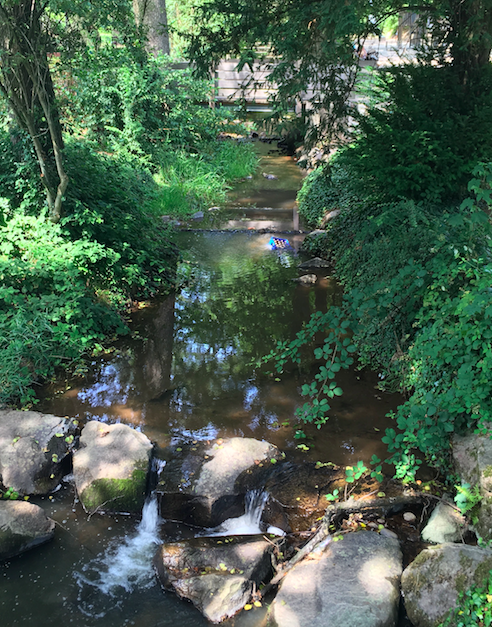
This in not without controversy as the Danube is formed by the confluence of two streams the Brigach and the Breg.  So hydrologically speaking (which we never have, except a few words), the source of the Danube is the source of the Breg which arises near Furtwangen.  This was a source of dispute for 30 years between the two towns until the state government granted Donaueschingen to be the Donauquelle.  Essentially saying “Damn you Furtwangen”!  Pardon my hydrologic.
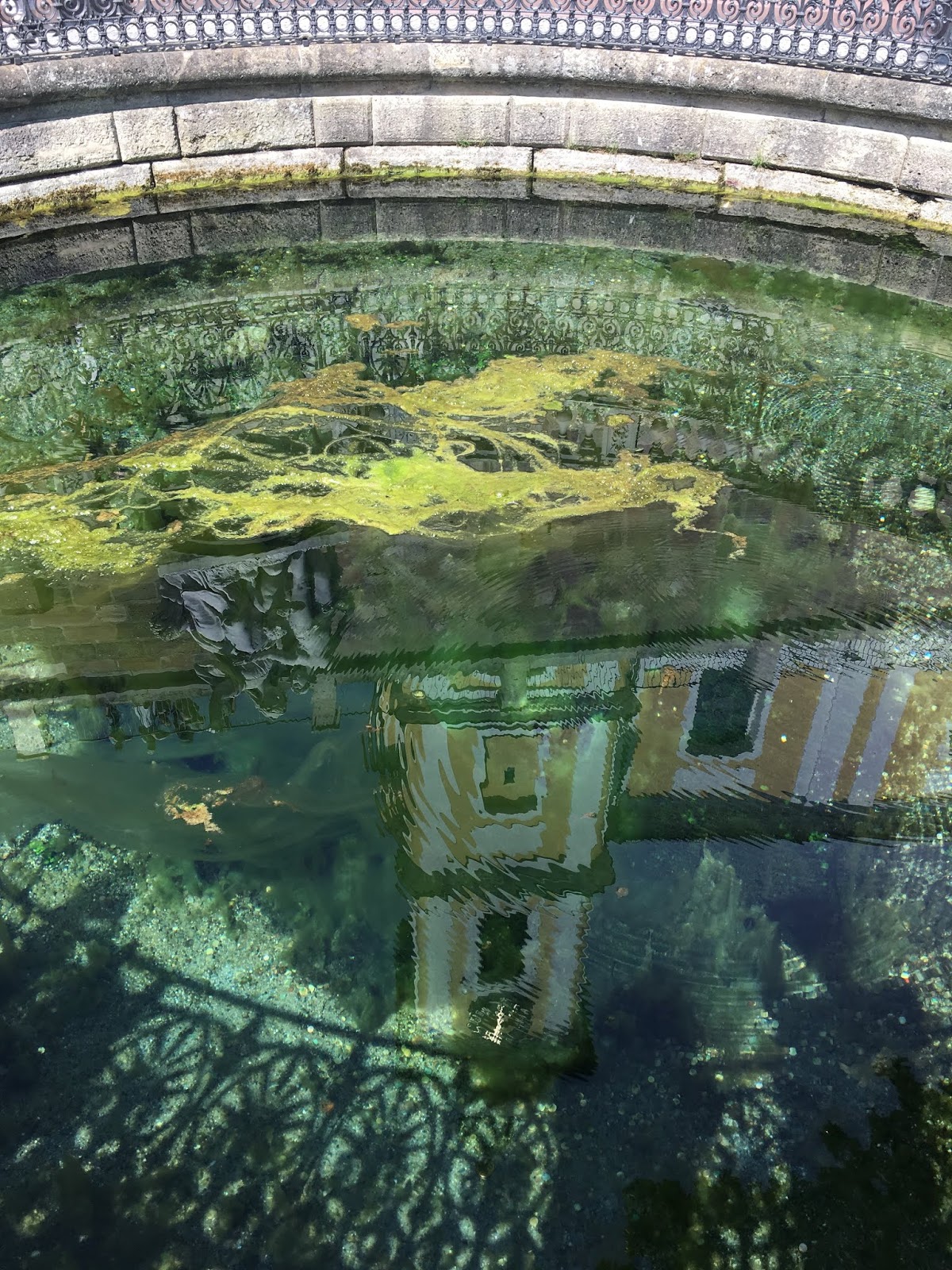
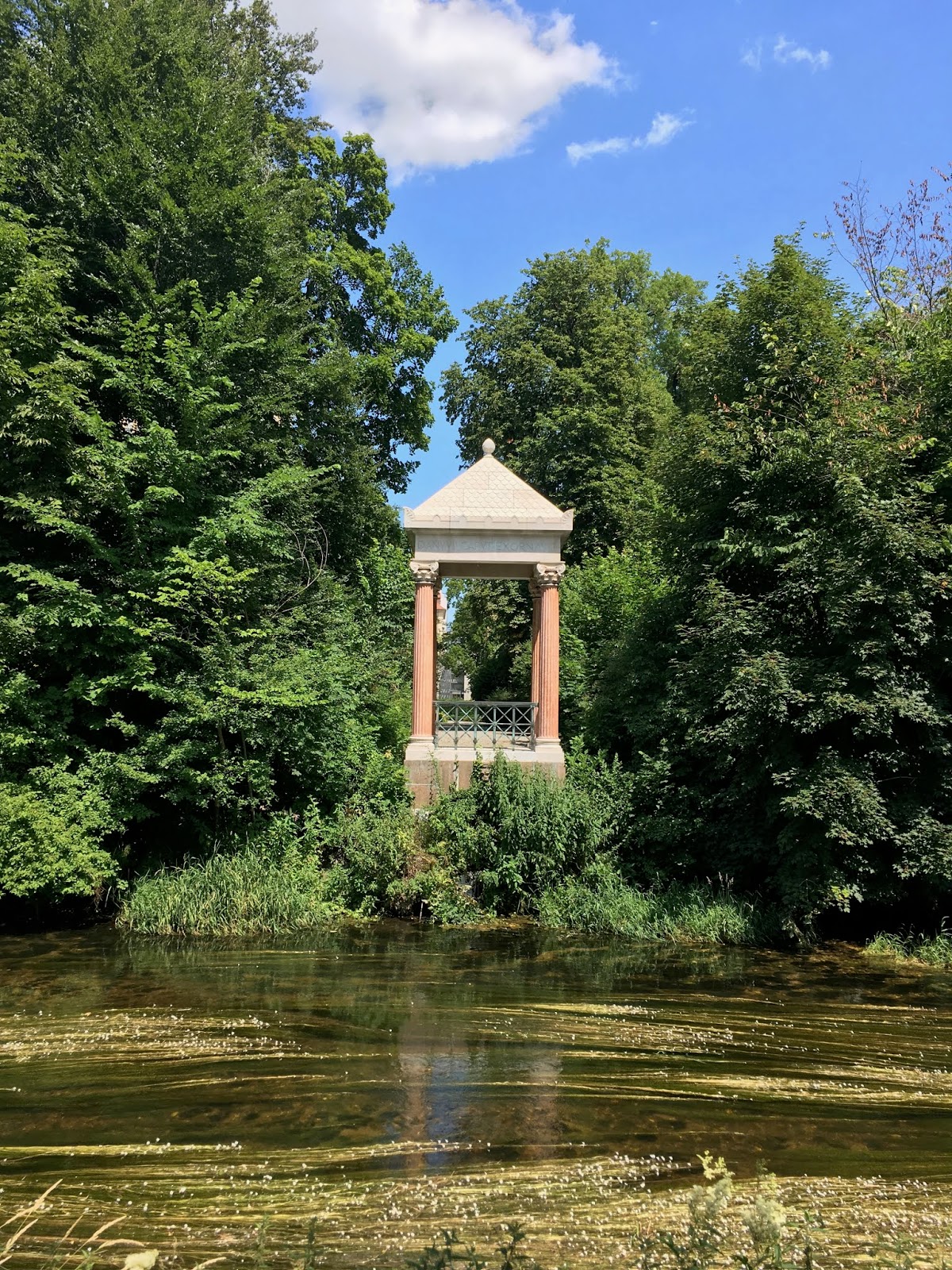
Anyway we saw the spring that claims to be the origin and its fancy monument where everyone takes selfies,


then we walked to where the spring empties into the Brigach stream at the temple of the Danube 90 meters from the source.

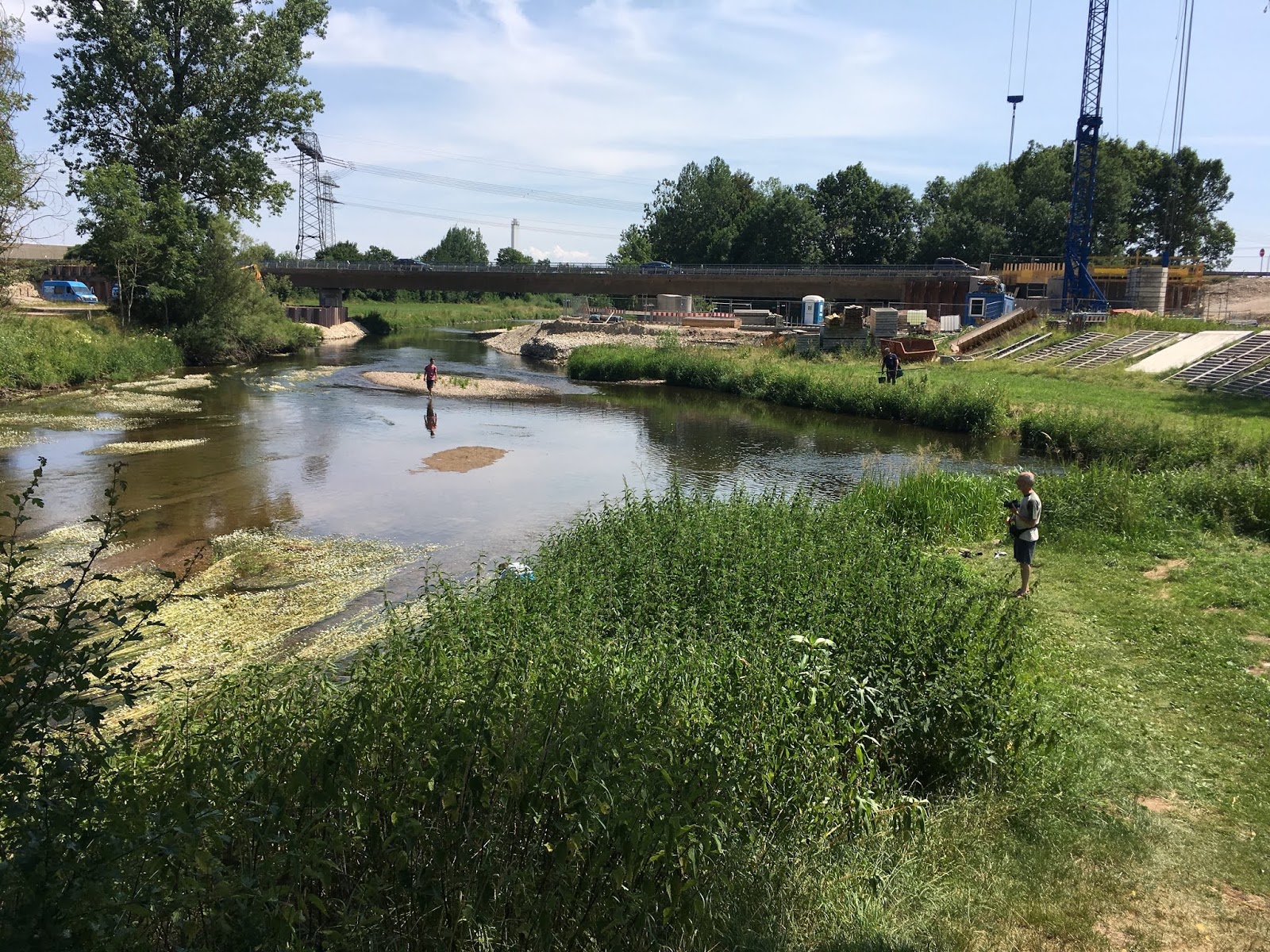
and finally we walked through the Furstenberg park to the confluence of the two rivers, more exciting but less photogenic,

Breg on left and Brigach on the right combine to create the Danube under the bridge

Now we have seen the start, roughly the middle (https://thechosenfugue.blogspot.com/2019/07/the-budapest-marathon.html and end of the Danube (https://thechosenfugue.blogspot.com/2019/06/delta-takes-flight.html).

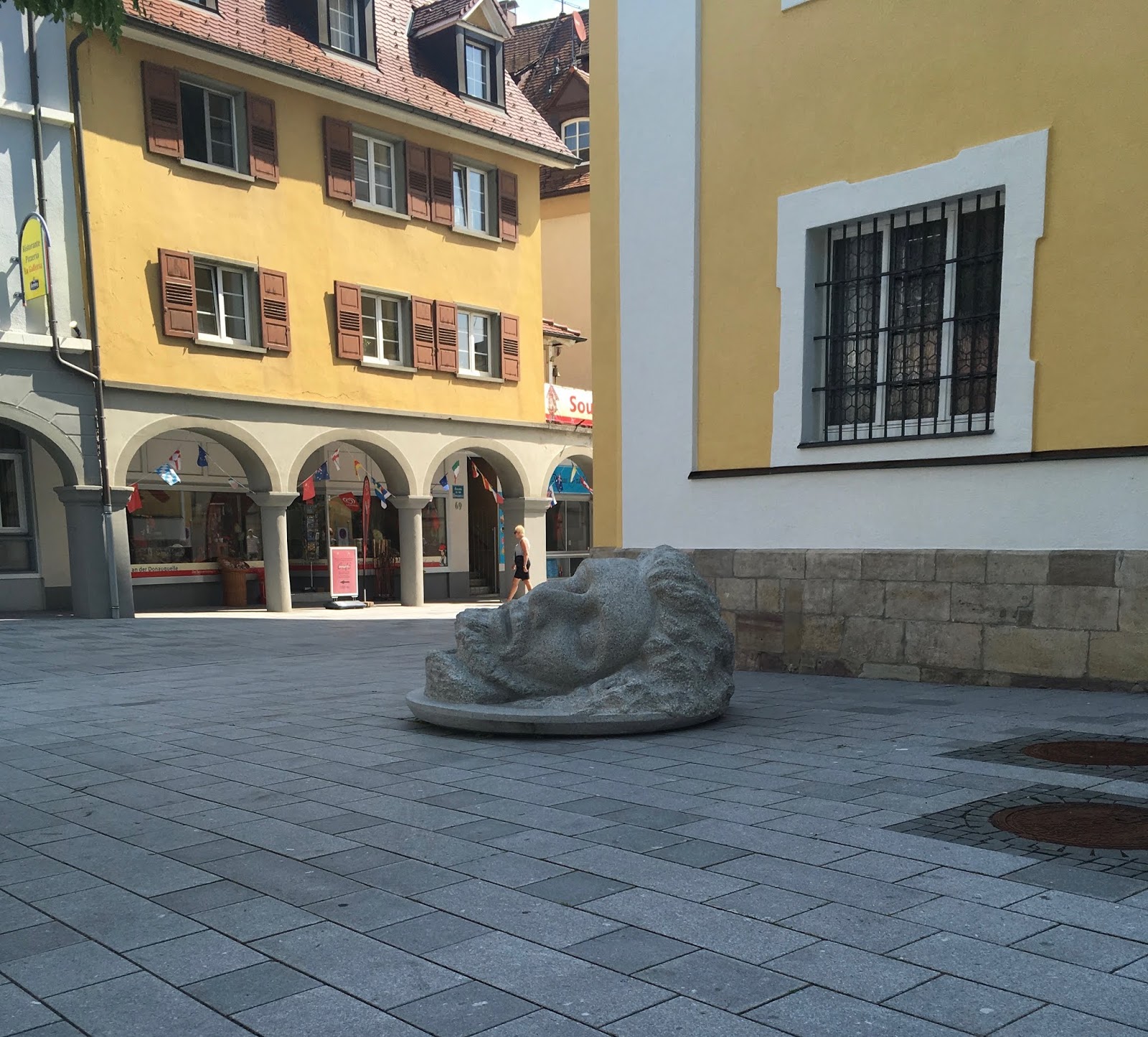
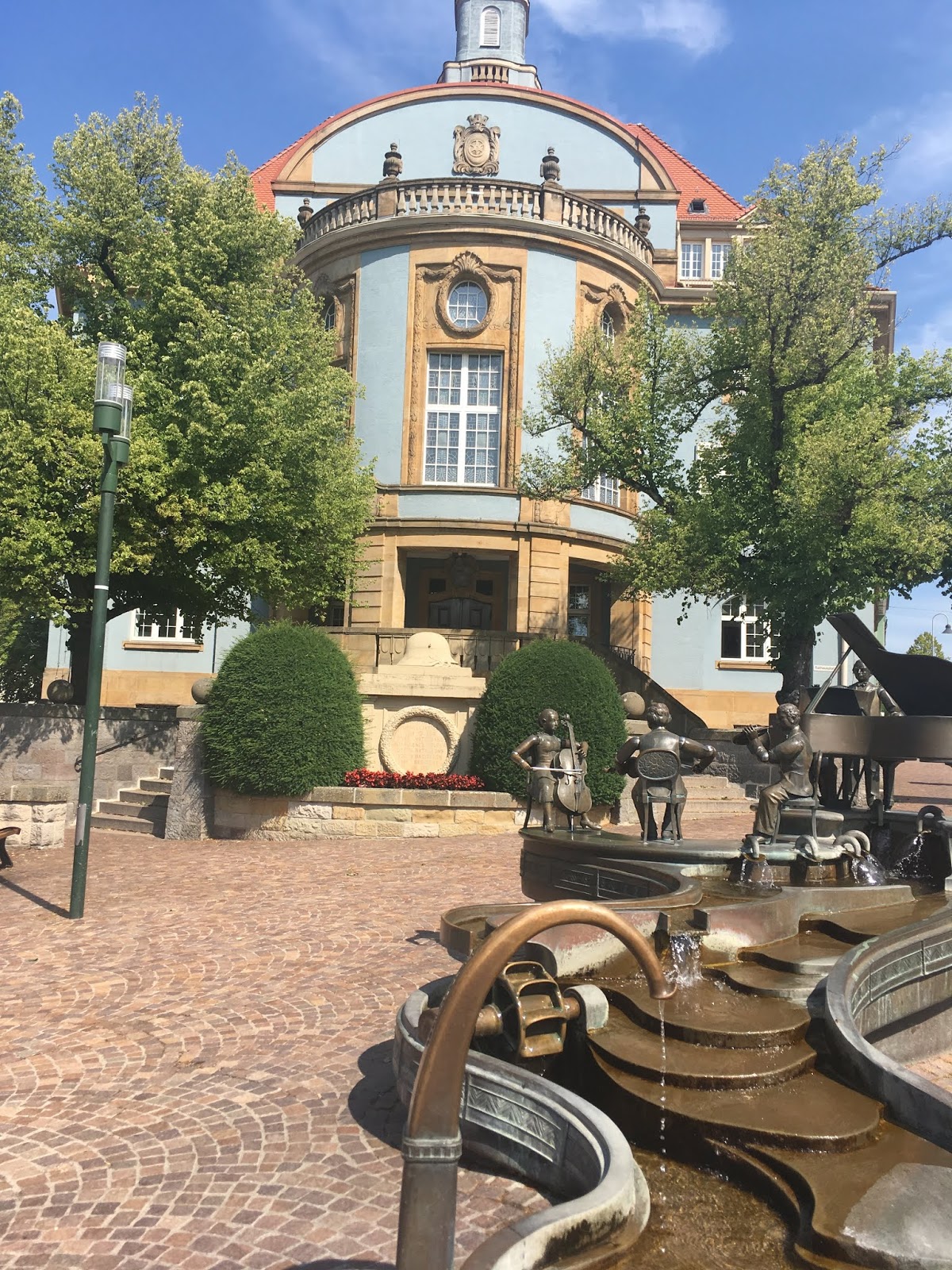
Donaueschingen was a draw though even without it’s claim to fame as the birthplace of the Danube. It was the hardest German city name to pronounce for us, had nice public art and buildings


It is the home of Furstenberg brewery (beer not very good) and the home of the Furstenberg family whose lands make up the huge city park.
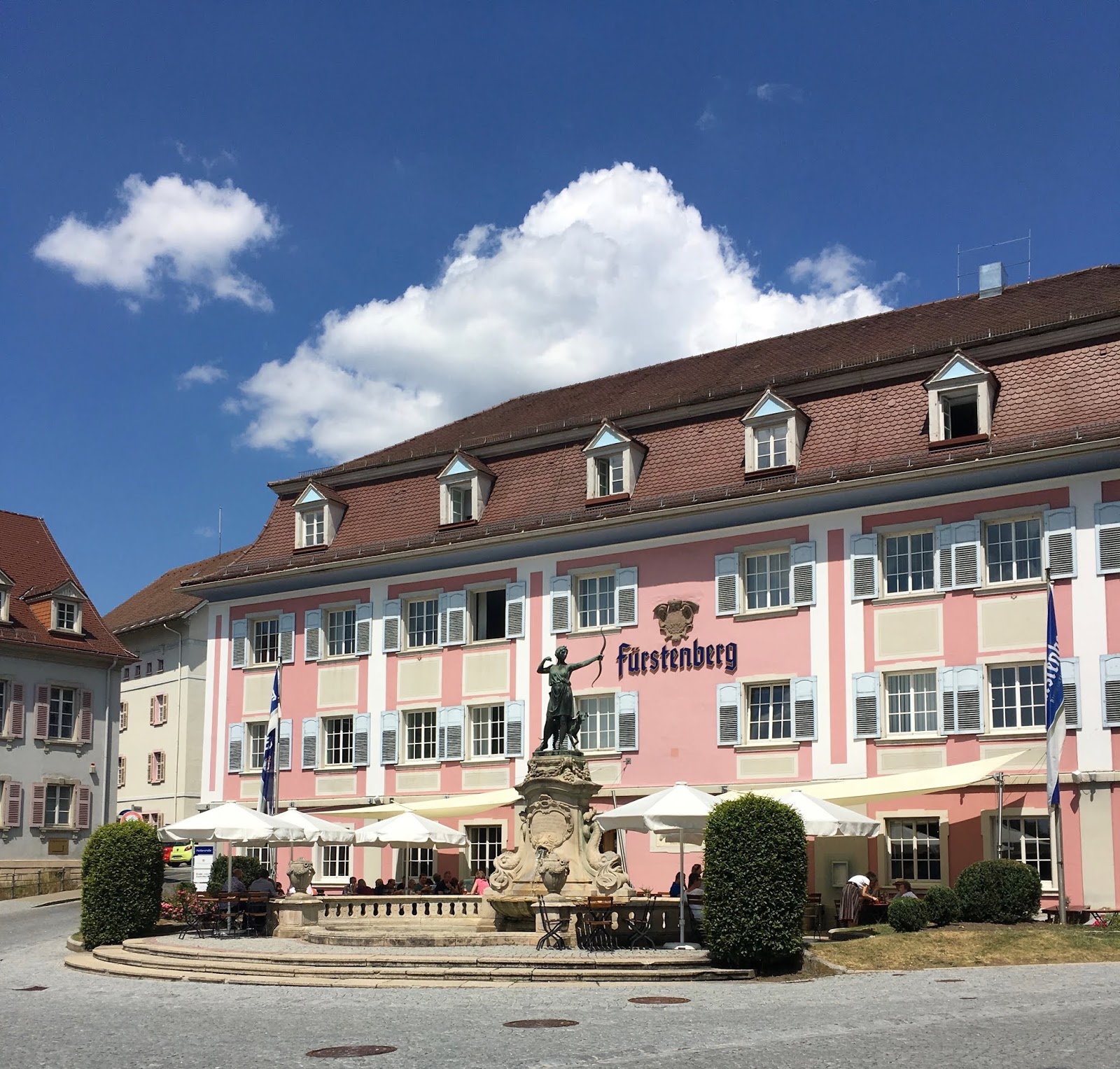
Roman goddess Diana in front of the Furstenberg Hotel (so yes, now combines to form a Diane von Furstenburg moment, actually she did marry into this family, her wrap dresses much better then the beer)
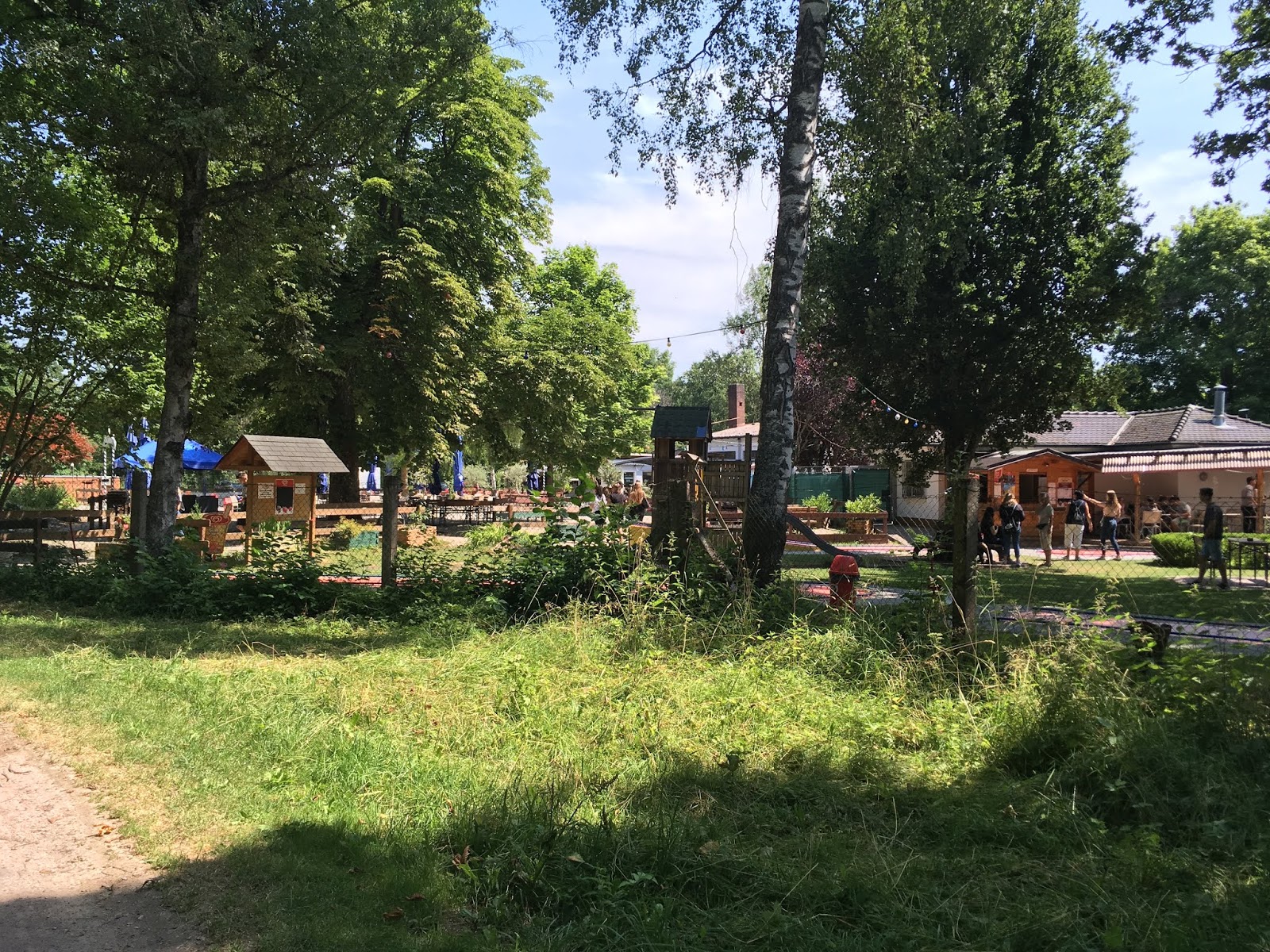
City mini-golf -beergarden in the Furstenberg park

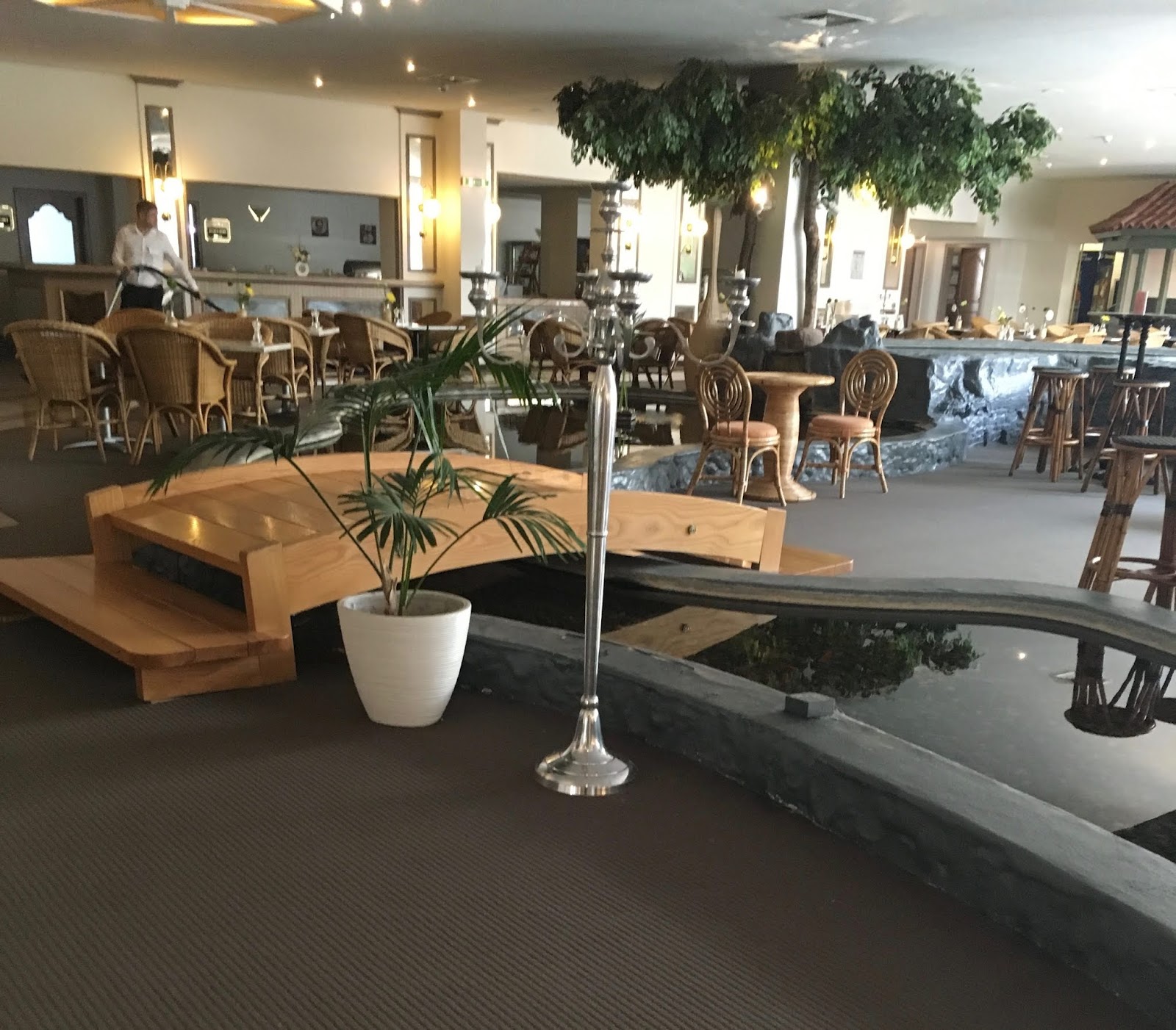
We stayed in a hotel that really tried to match the ambiance of the city with gummy bears on the sheets and an incongruent Japanese inspired bridge to nowhere

 
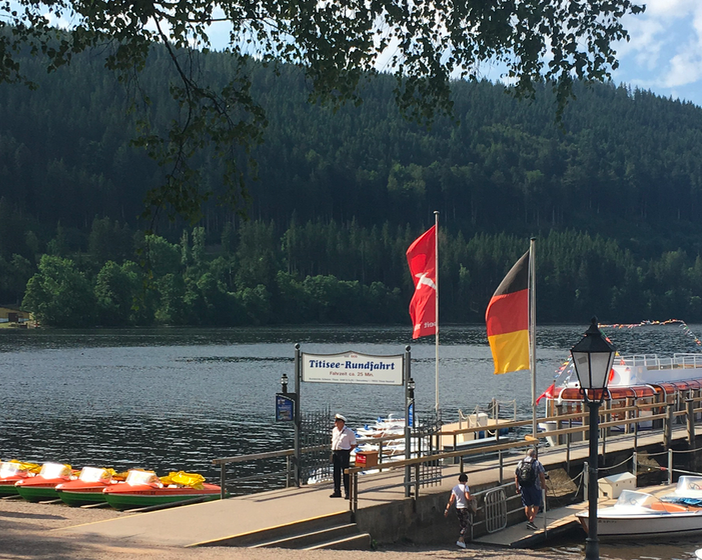
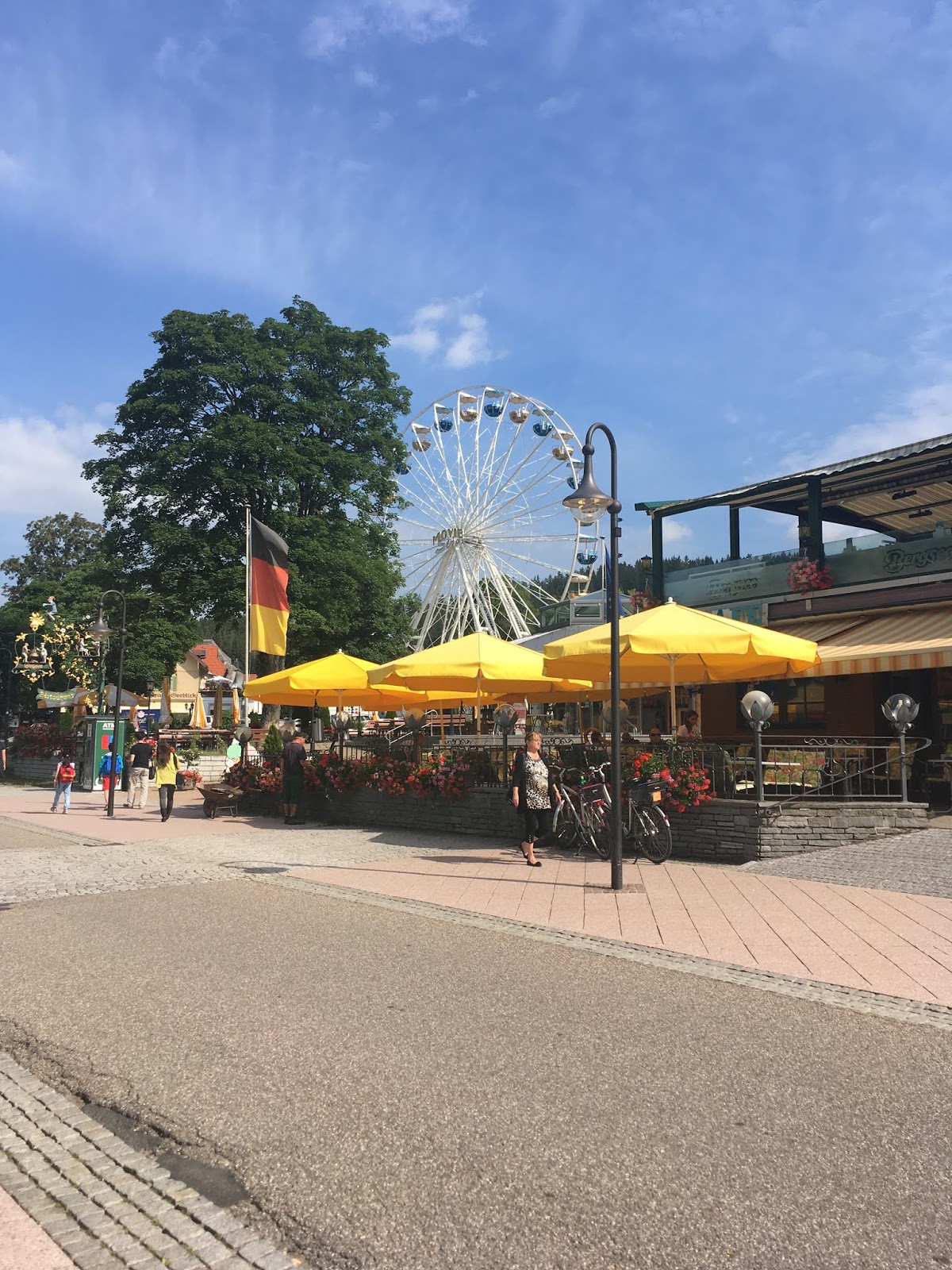
Titisee (sadly, not pronounced as it looks) was a quick one hour stop to peek at the touristy town and the lake.  We declined the rundfahrt (watch it, its just German for tour, we love German).


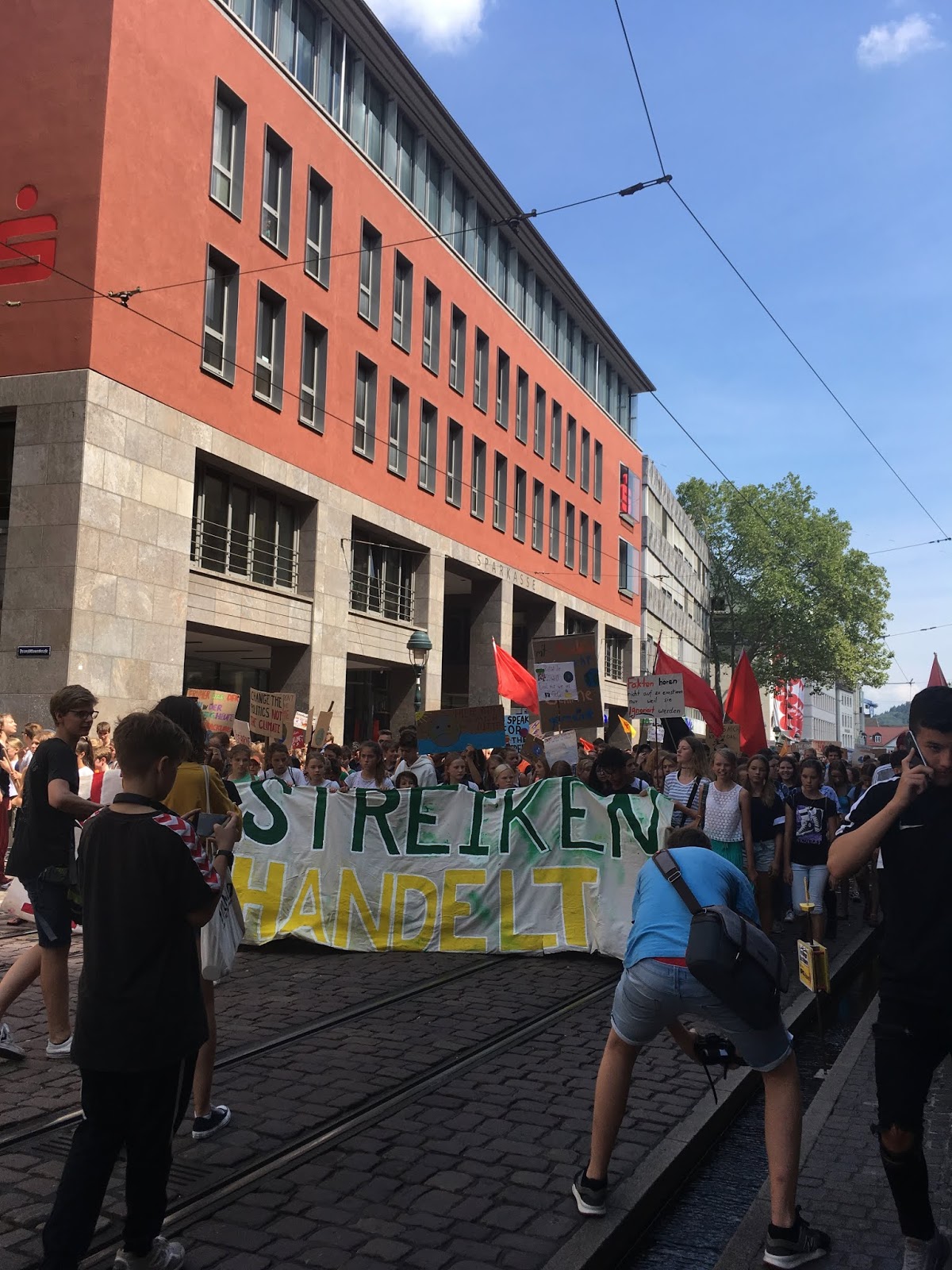
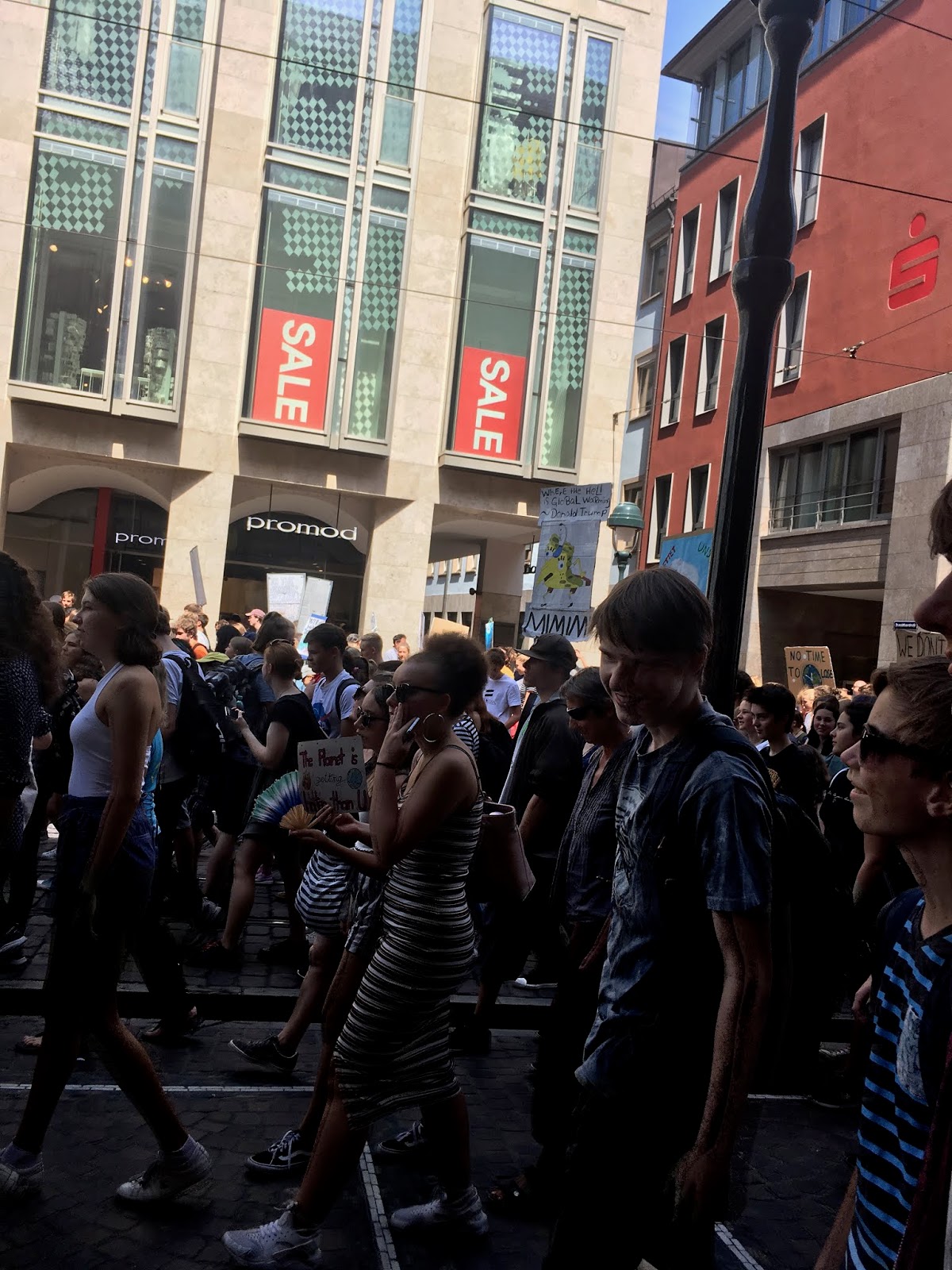
Freiburg im Breisgau was the highlight of our Black Forest Rundfahrt.  Right away, we loved it and wanted to move there.  A college town known for its emphasis on environmental sustainability. We immediately fell into a climate change protest march and were invited to join in.  


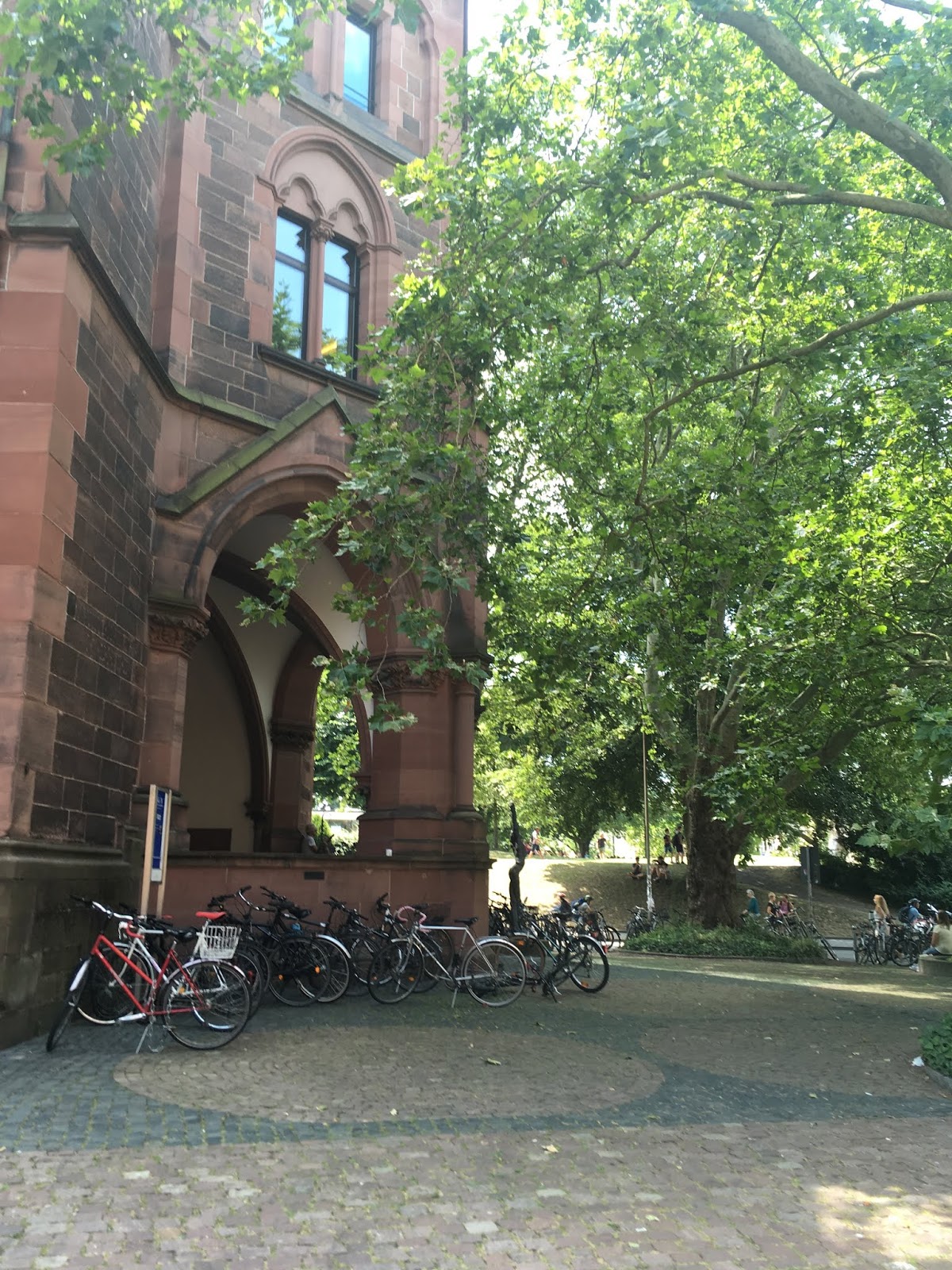
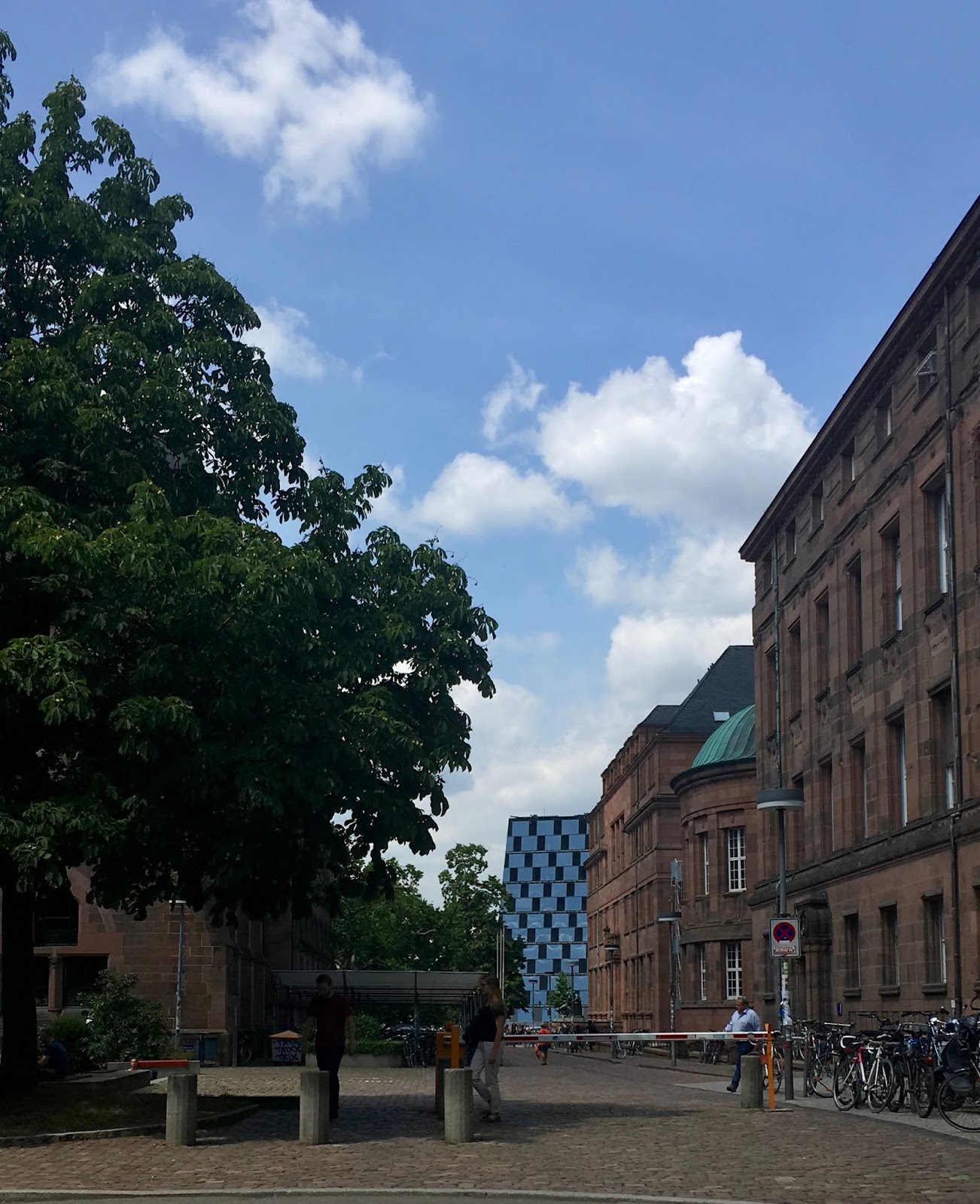
The college, located in the beautiful old town area was vibrant and hippy-esque, kinda felt like Berkeley.

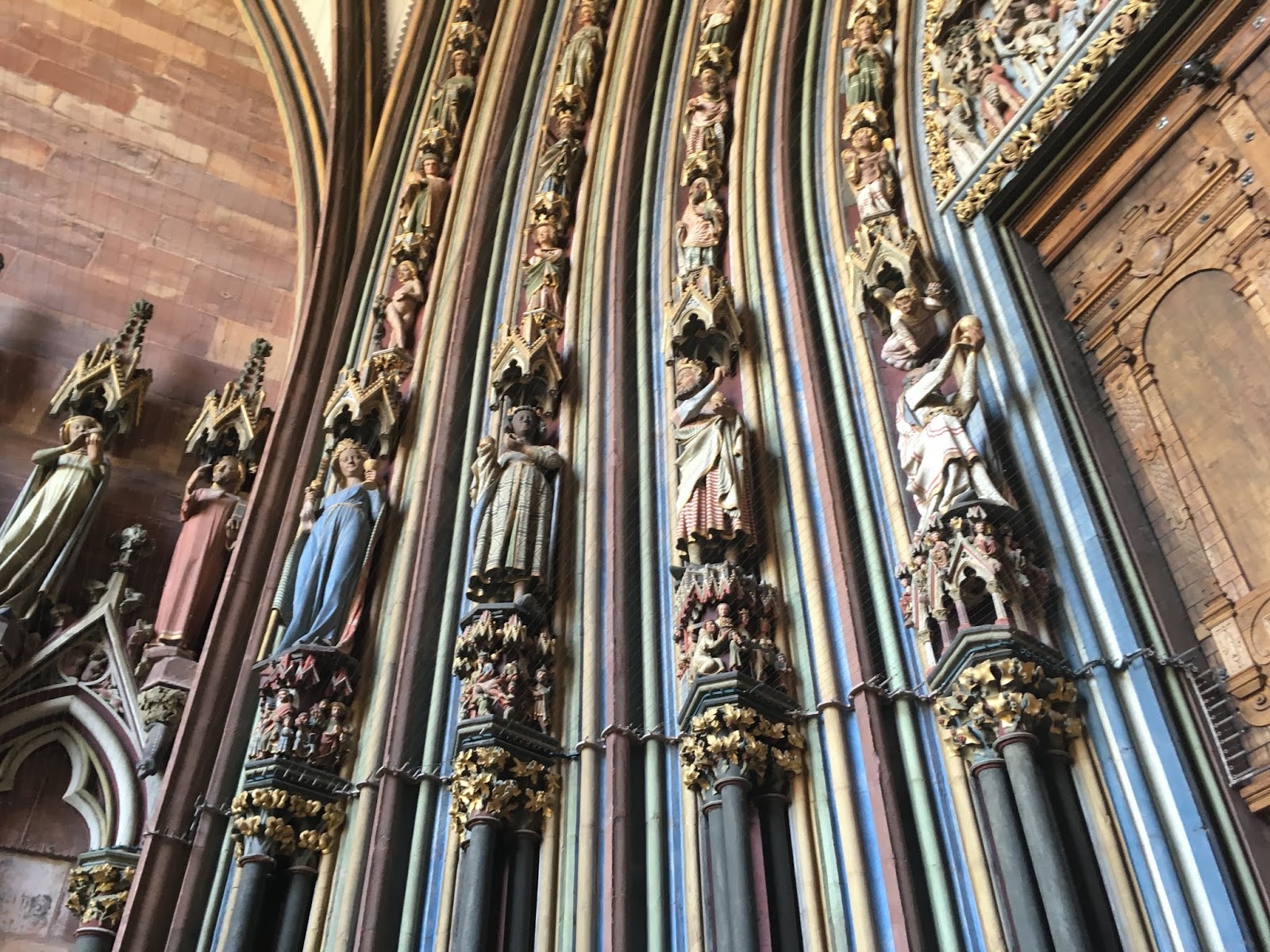
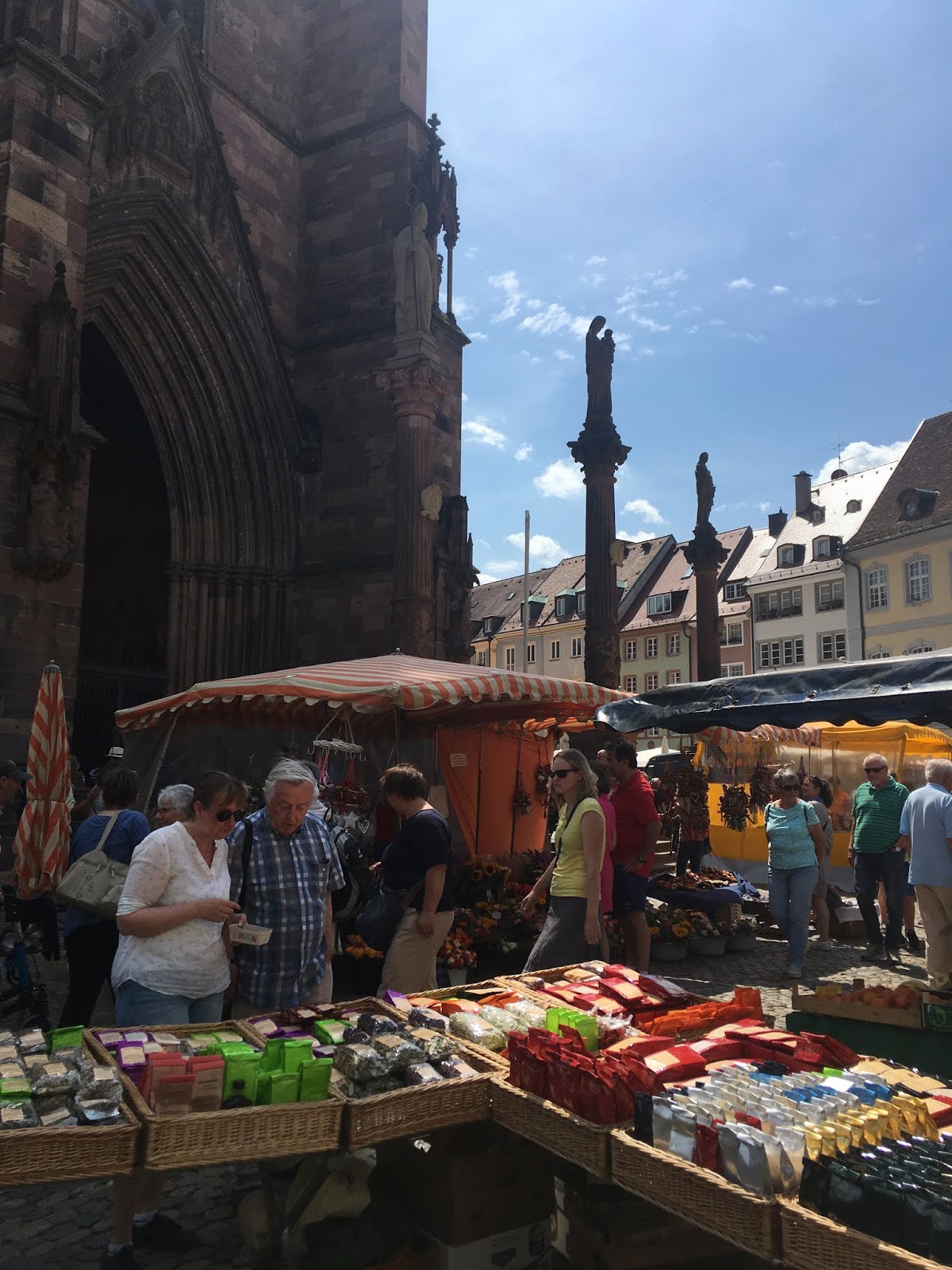
The center piece of the town was the majestic Cathedral which also happen to have a wonderful diverse, popular farmer’s market occurring in the surrounding square.    

 
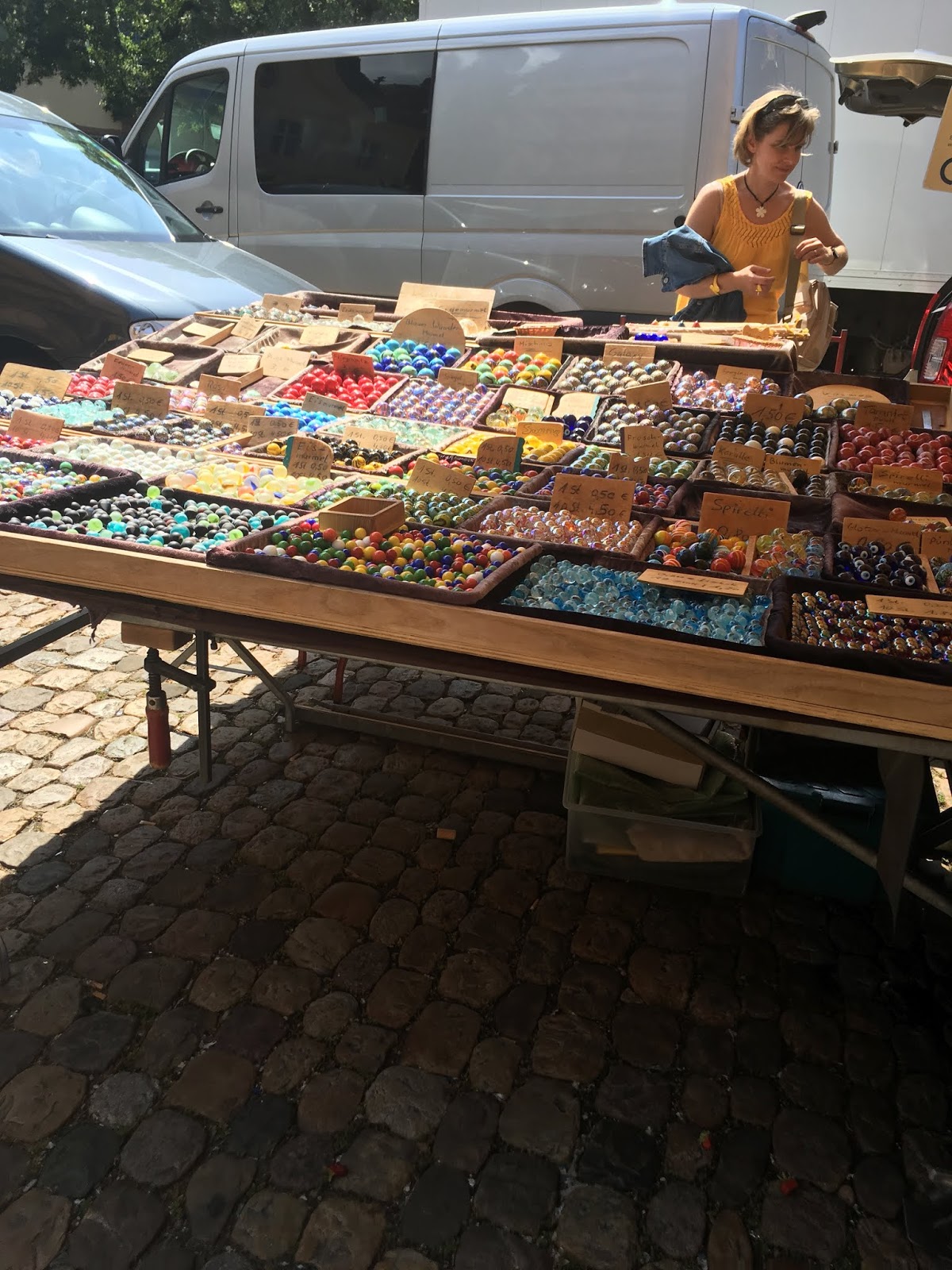
they even had a marbles stand

Just total good vibes and while it had everything a good German town has, it had it in troves

beautiful Starbucks buildings
 
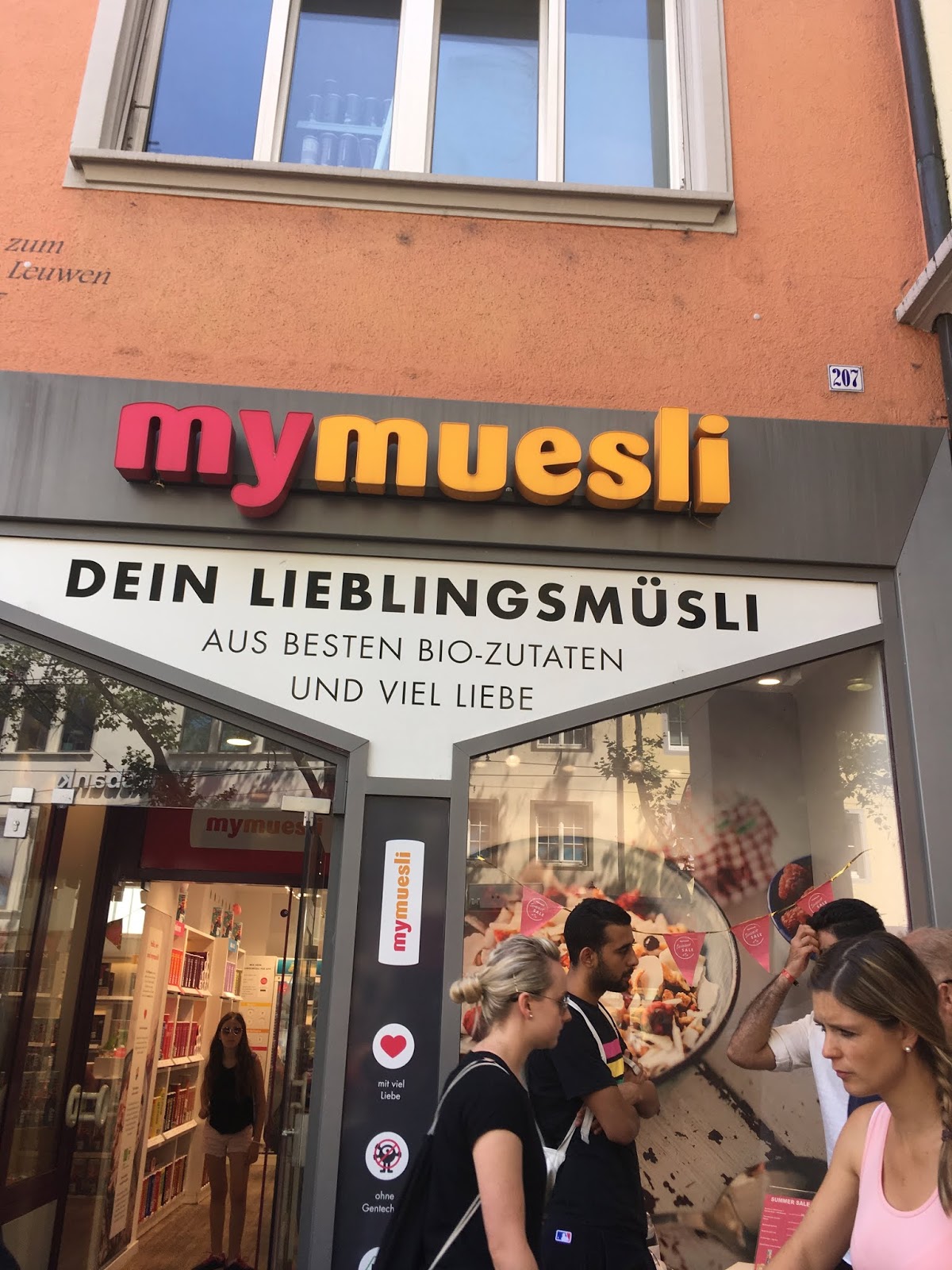
uniquely German stores
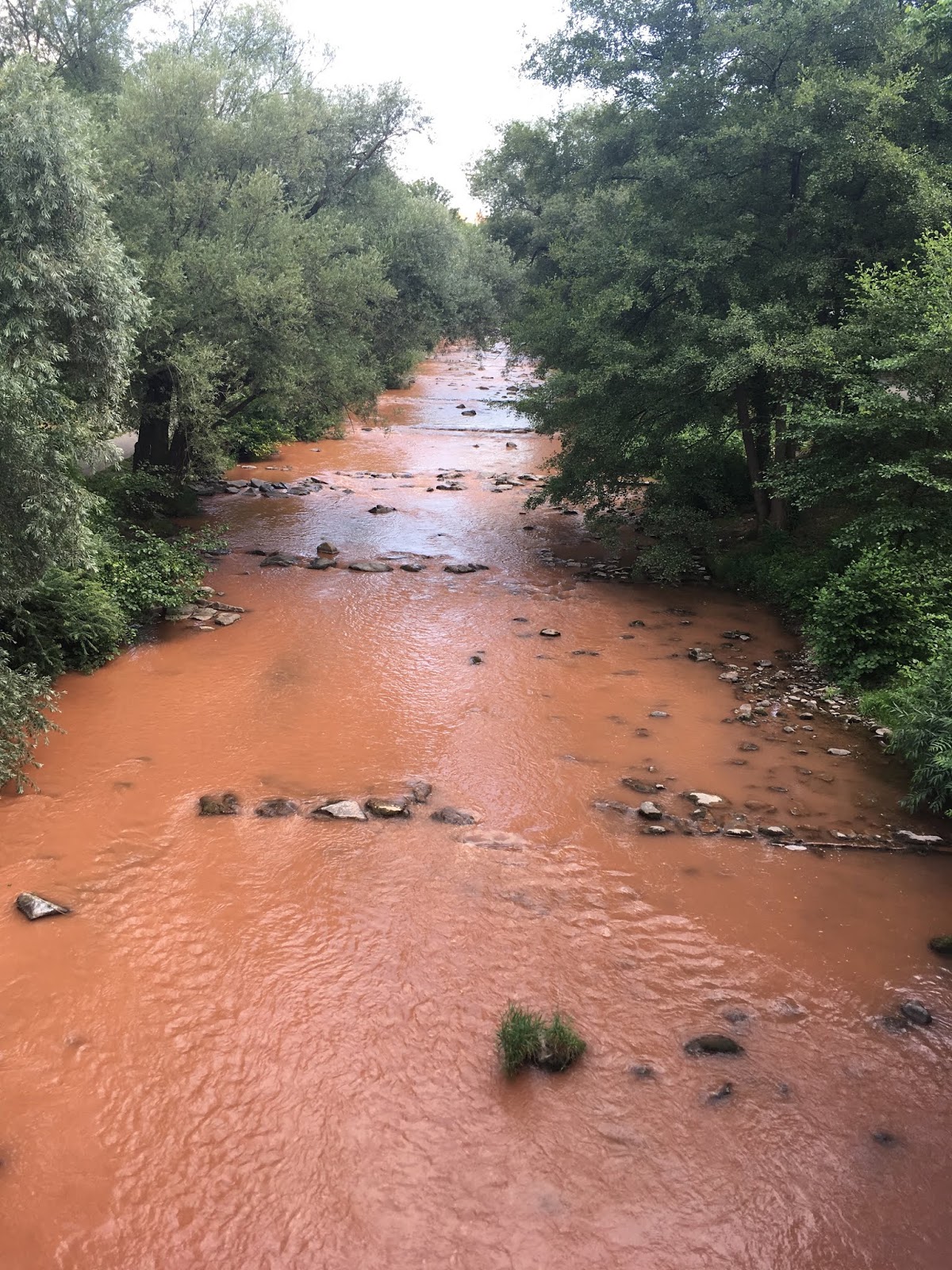
River Dreisam through town, not sure why it was red
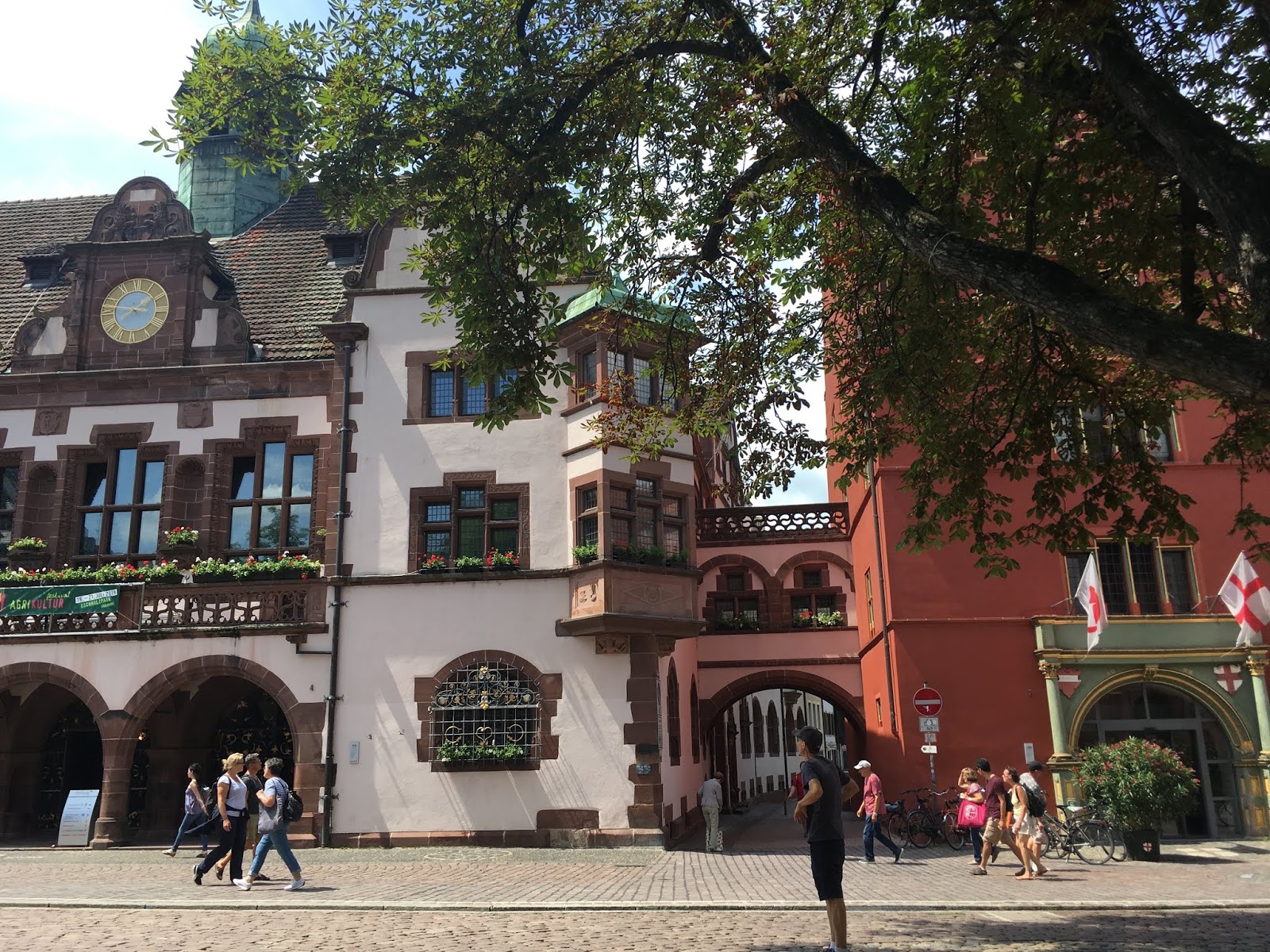
Geranium filled window boxes on beautiful buildings
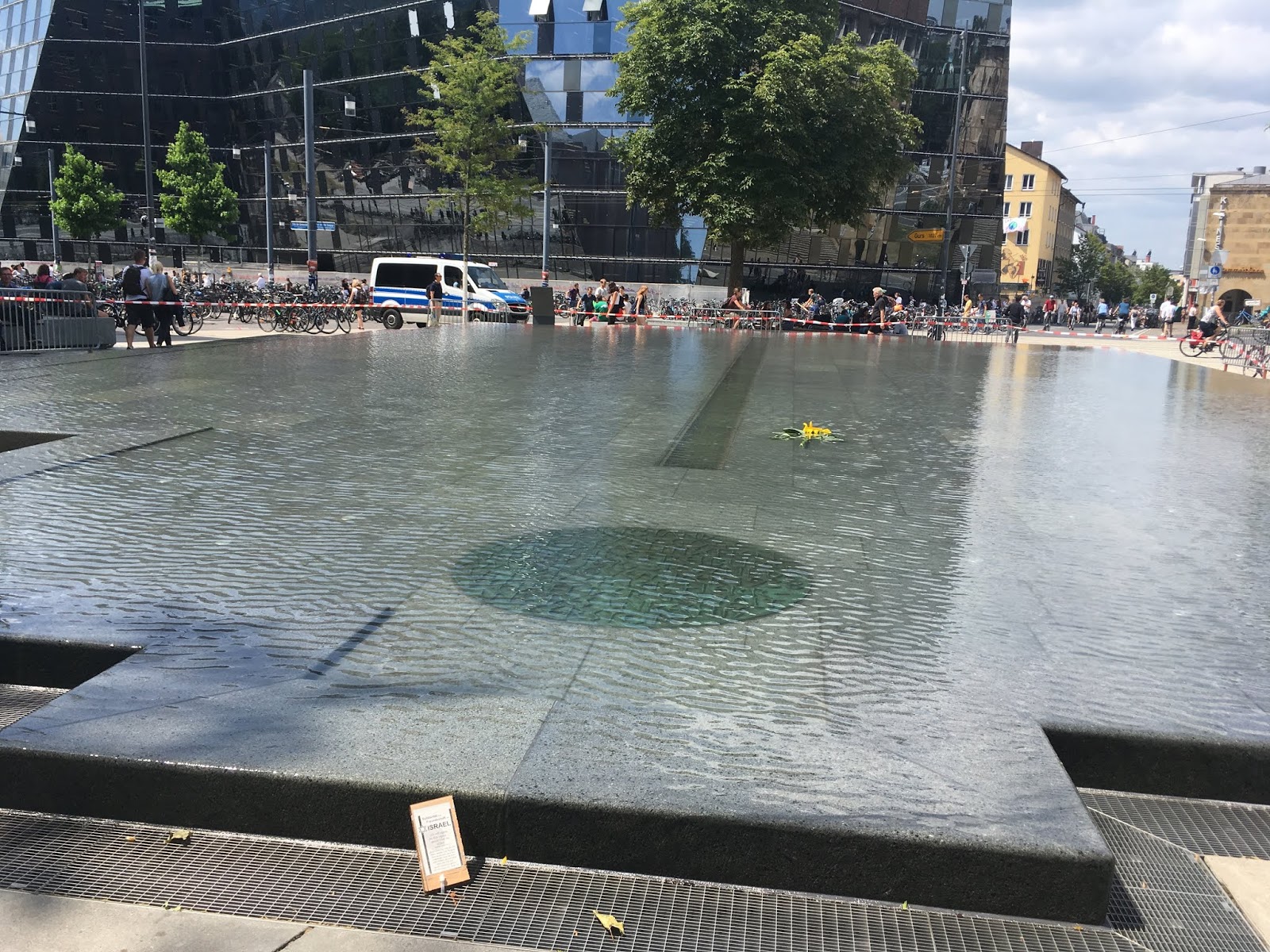
Memorial to destroyed synagogues-a fountain placed in the footprint of the synagogue destroyed on Kristallnacht
(very striking )
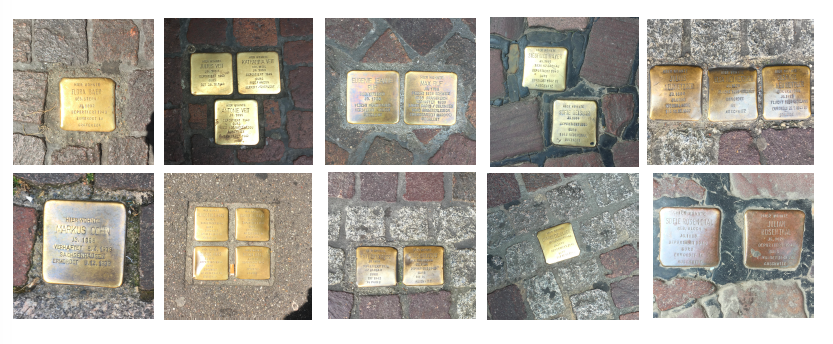
Stolpersteine every few feet throughout the city
(https://thechosenfugue.blogspot.com/2019/01/they-do-make-you-stumble.html )

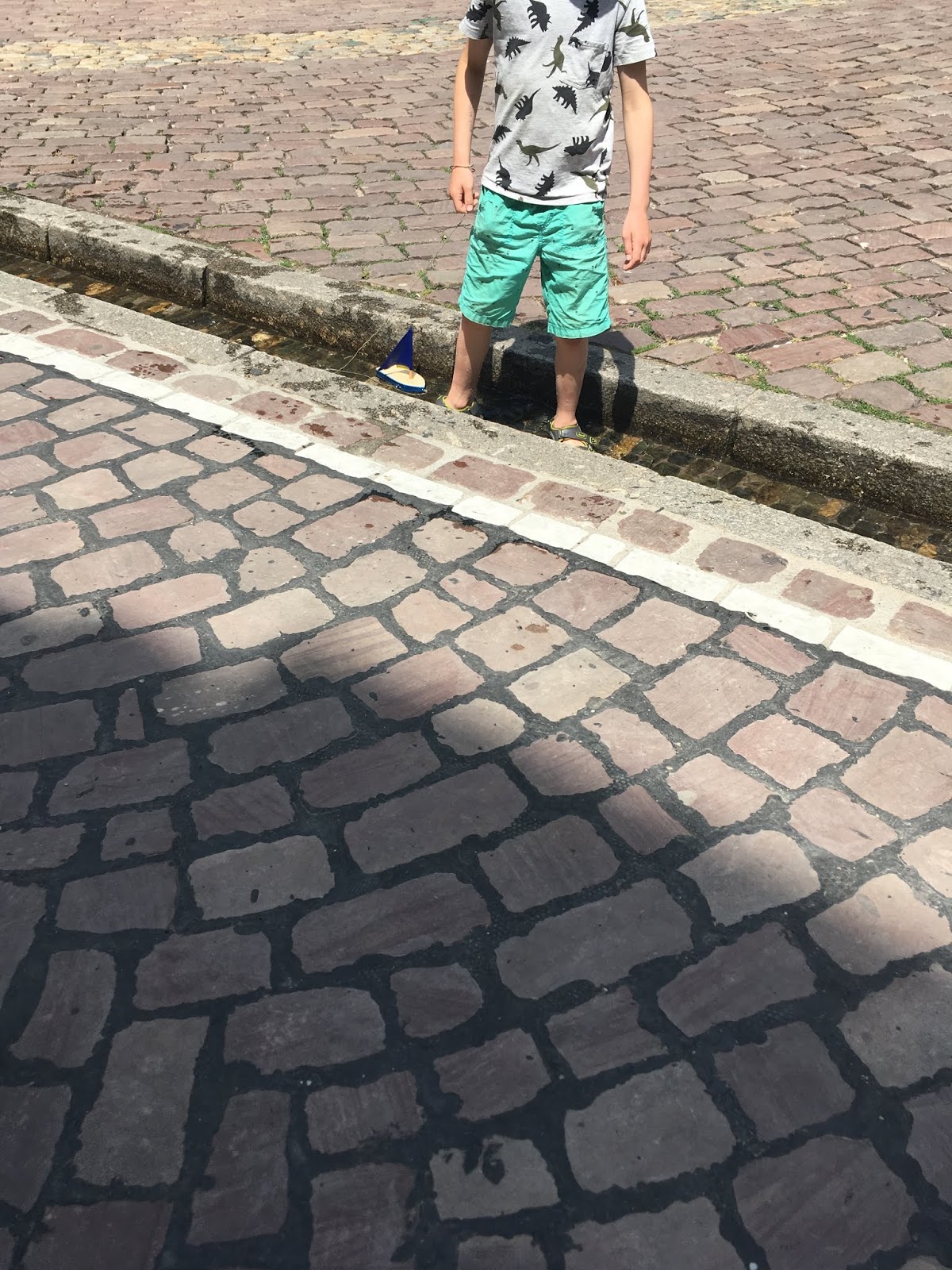
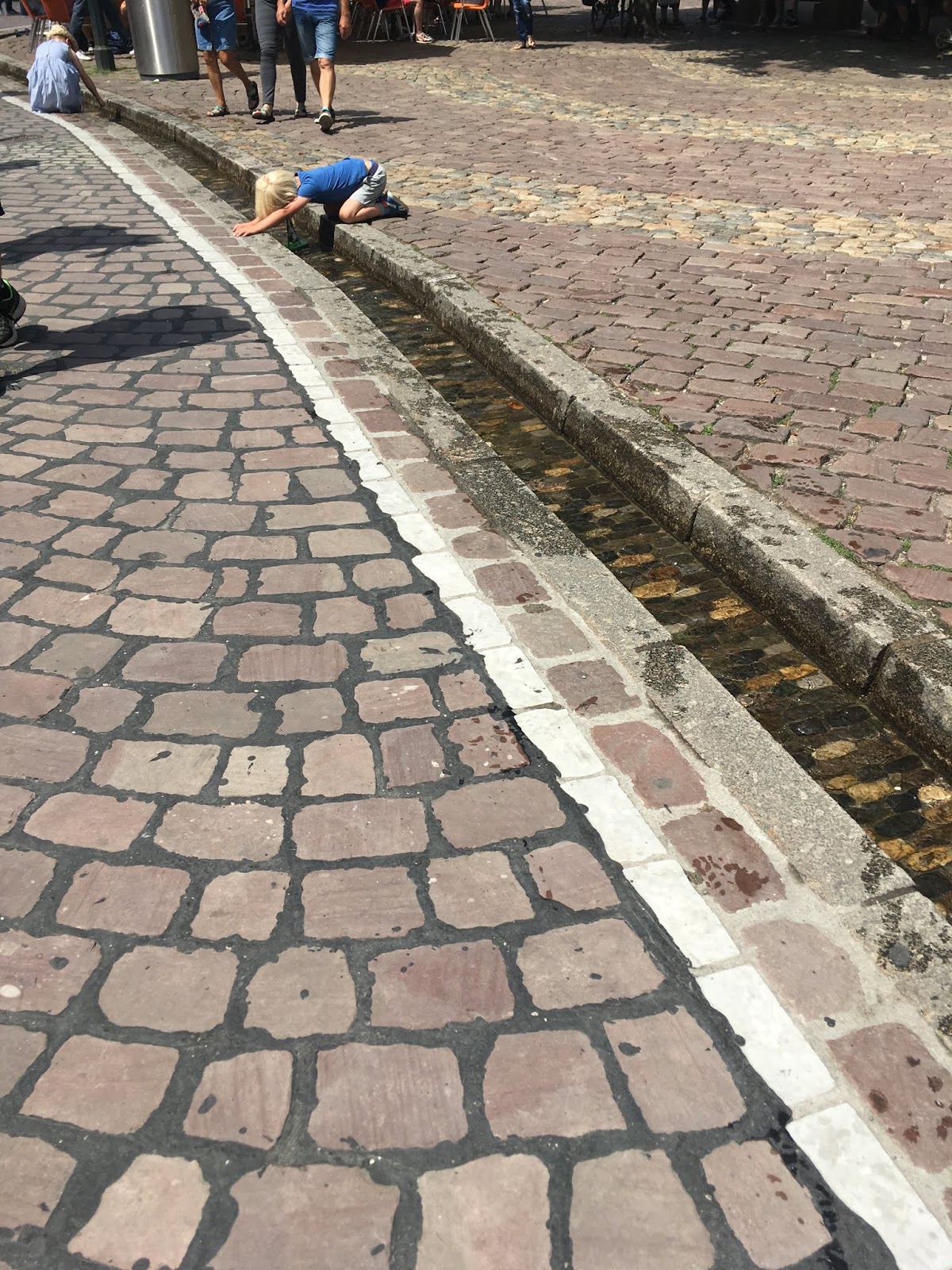
Freiburg had it\’s own quirky  twists; little streams flowing through gutters called Bachle used for cooling and fun, small wooden boats for sale throughout town ( special editions issued each year),


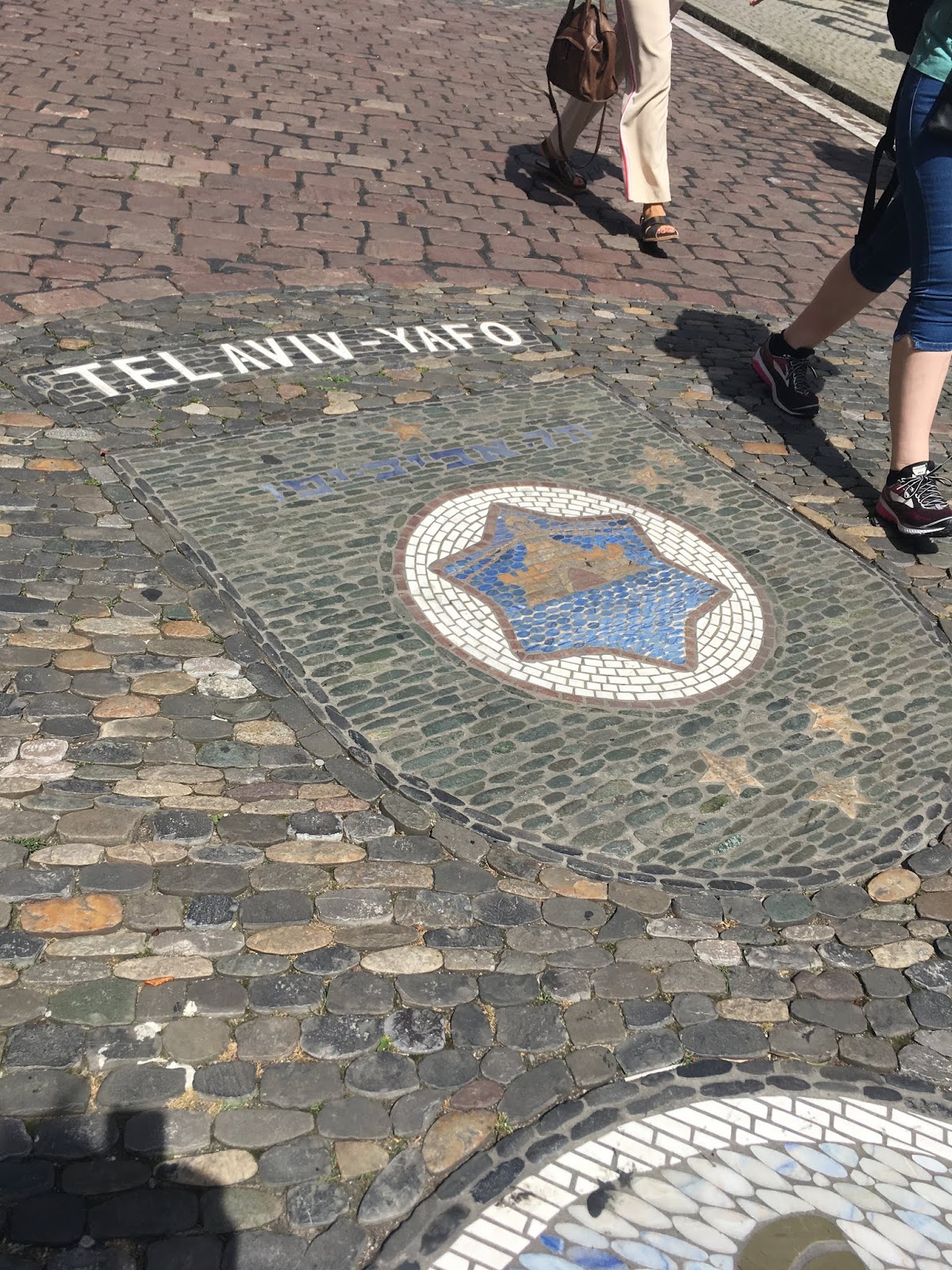
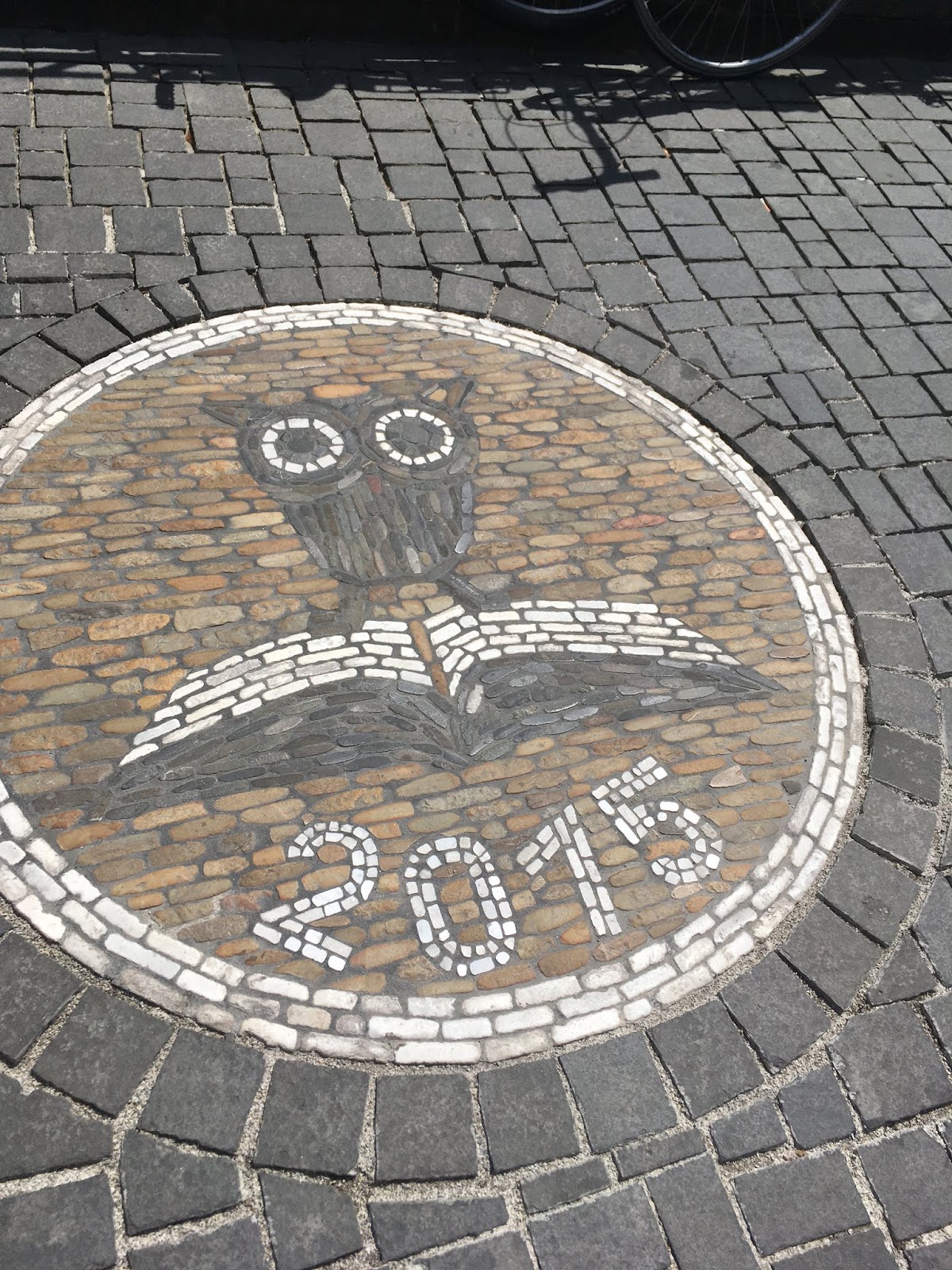
street cobblestone mosaics identifying a type of store or honoring someone/something (sister city)


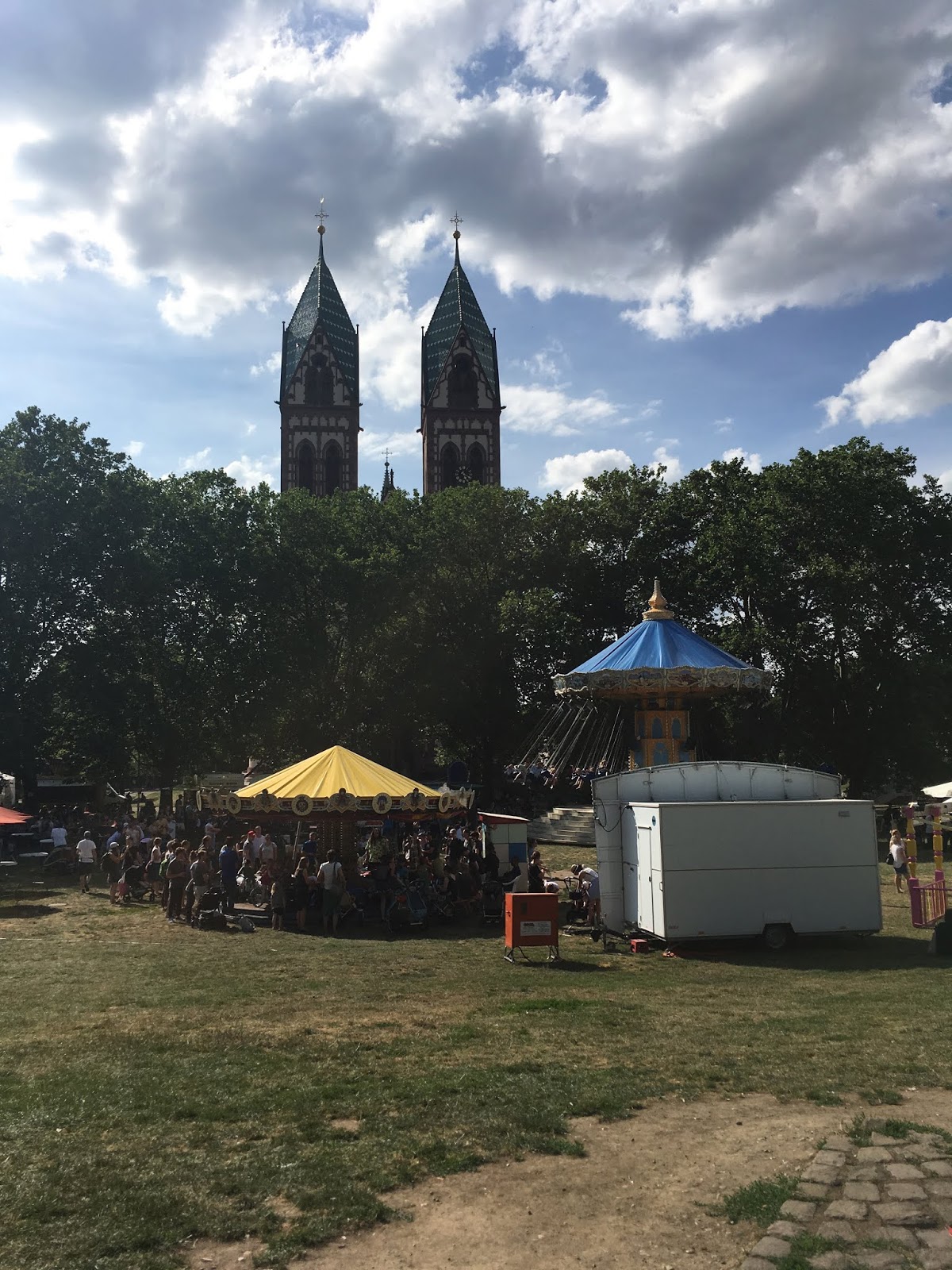
Summer carnival in front of the church.
 

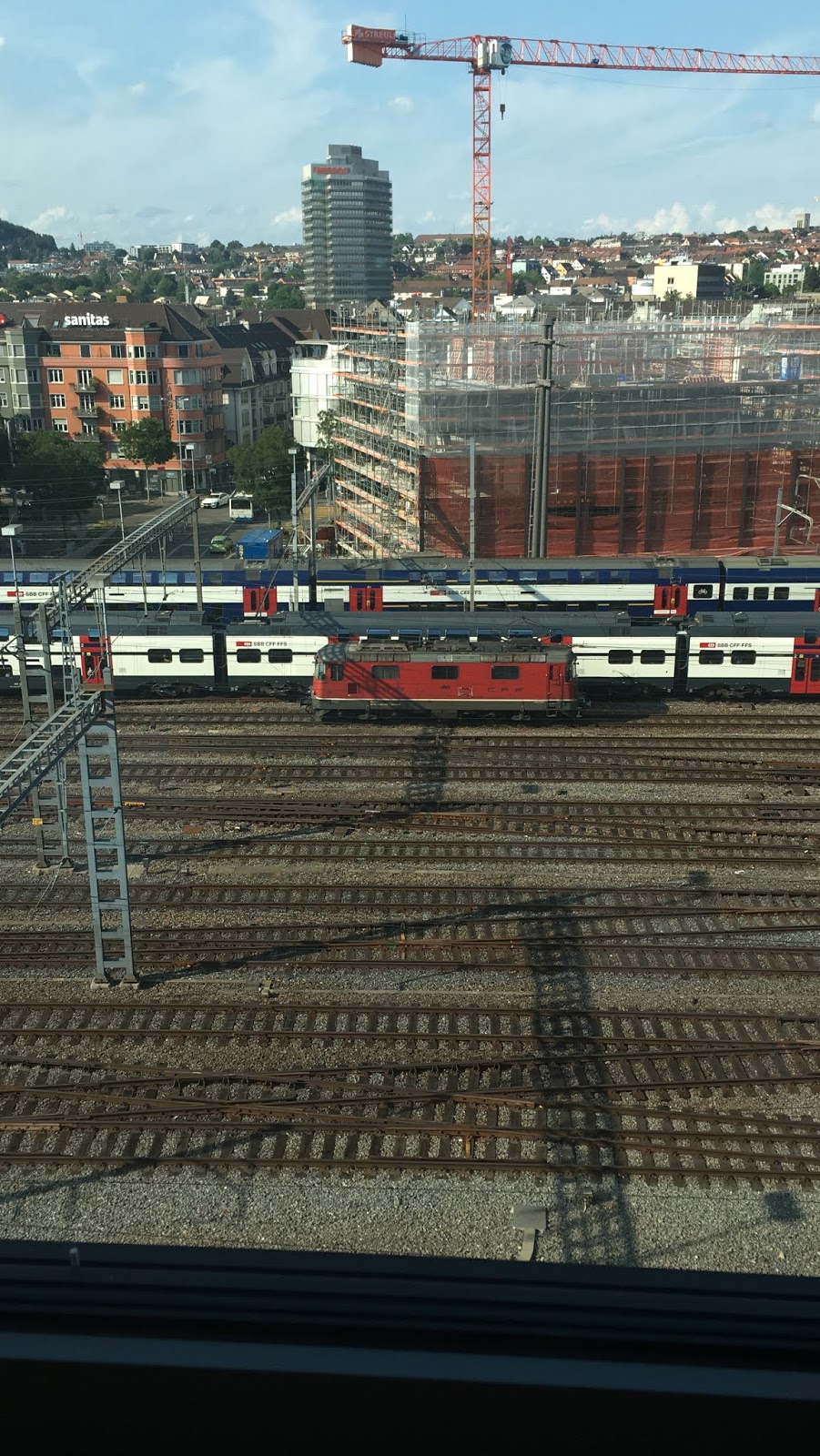
We wrapped up our blitz through the forest in Zurich to meet up with A, W and I plus Finn for two days although most of it was spent hanging in the hotel room with a feverish pink-eyed little girl. But thankfully we had a window that overlooked the train station for some pretty exciting afternoons  

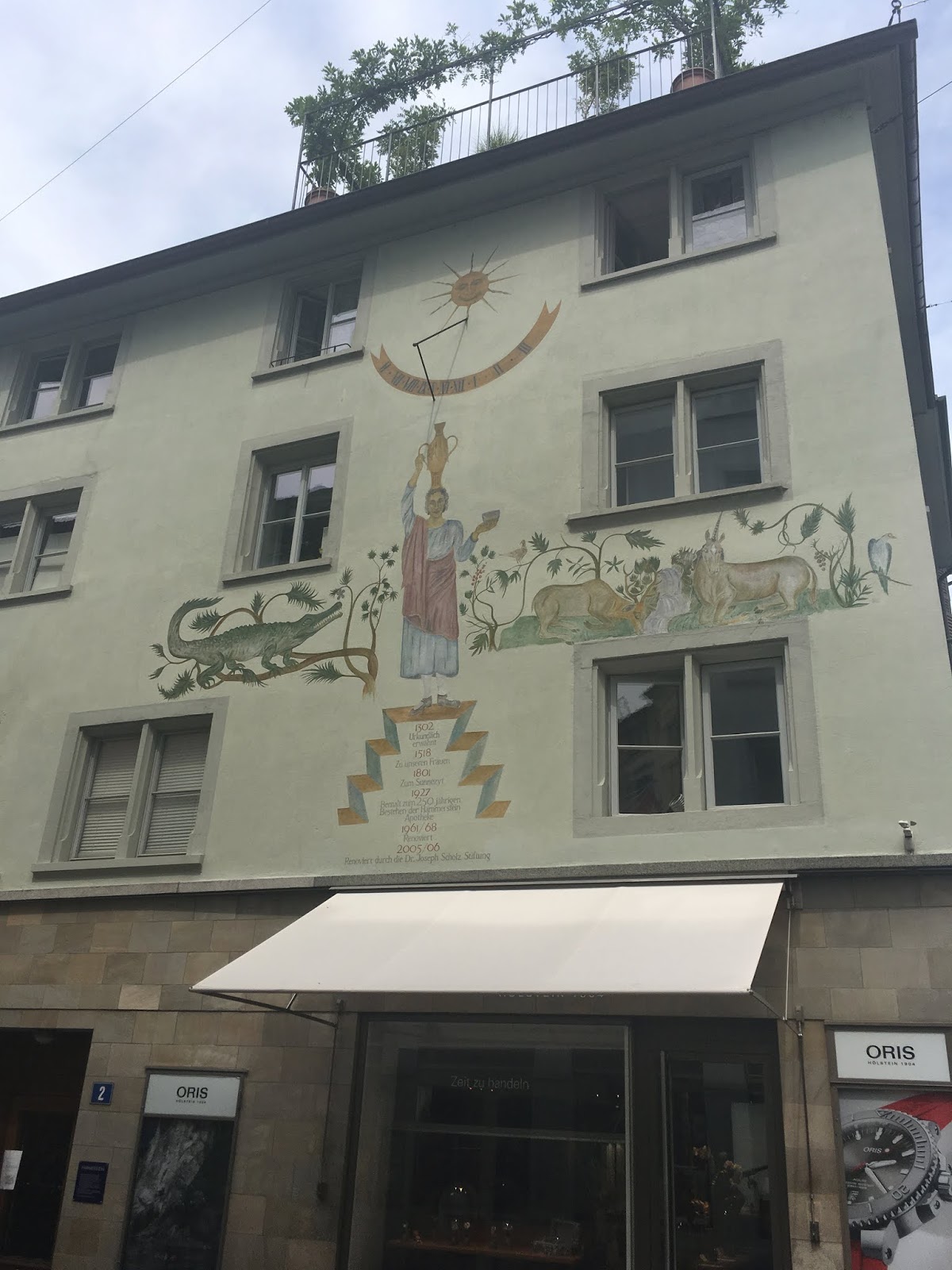
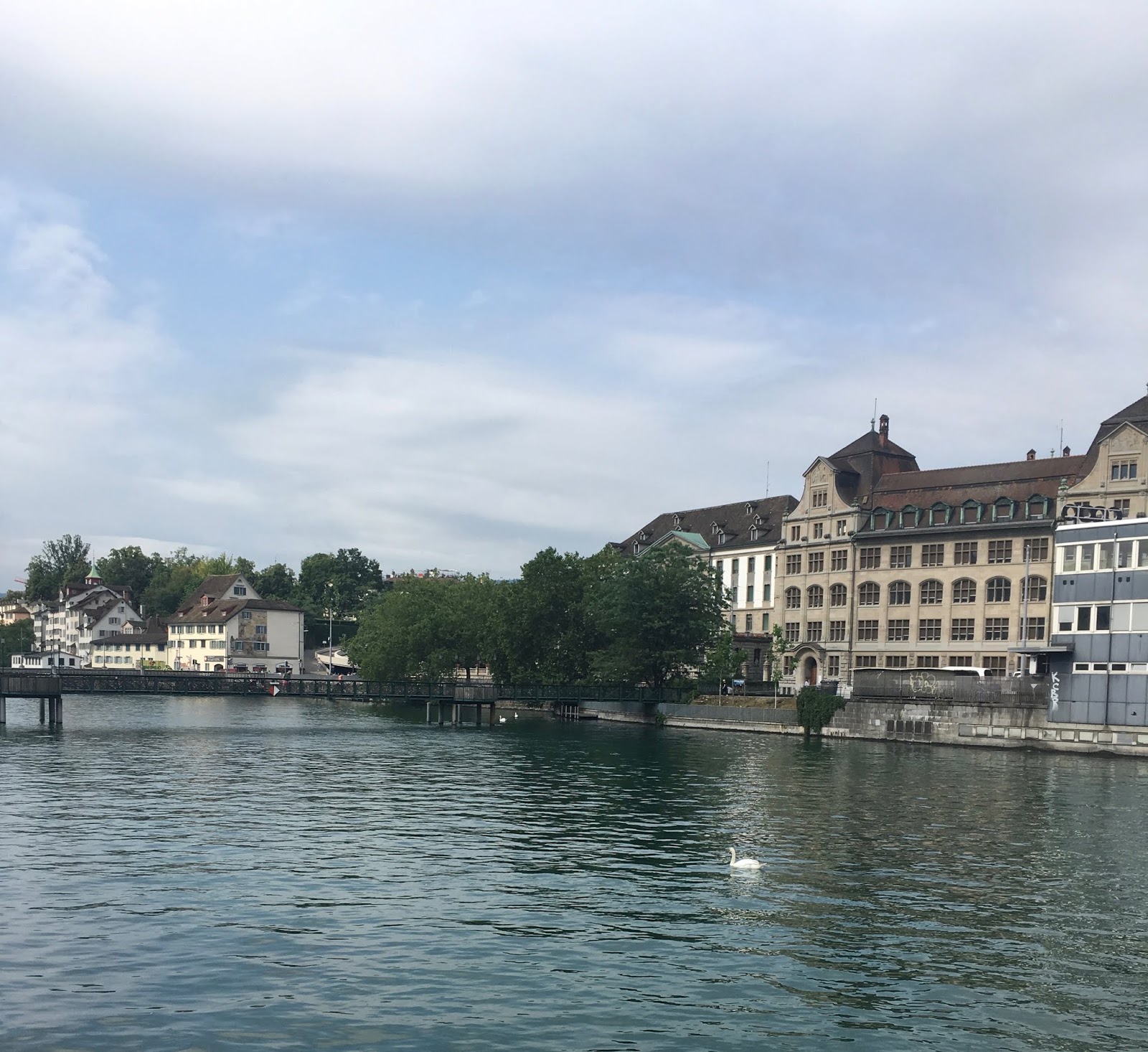
Can”t say much about Zurich since our walkabout was limited to a few streets but it was pleasant and rather neutral, just like Switzerland
 

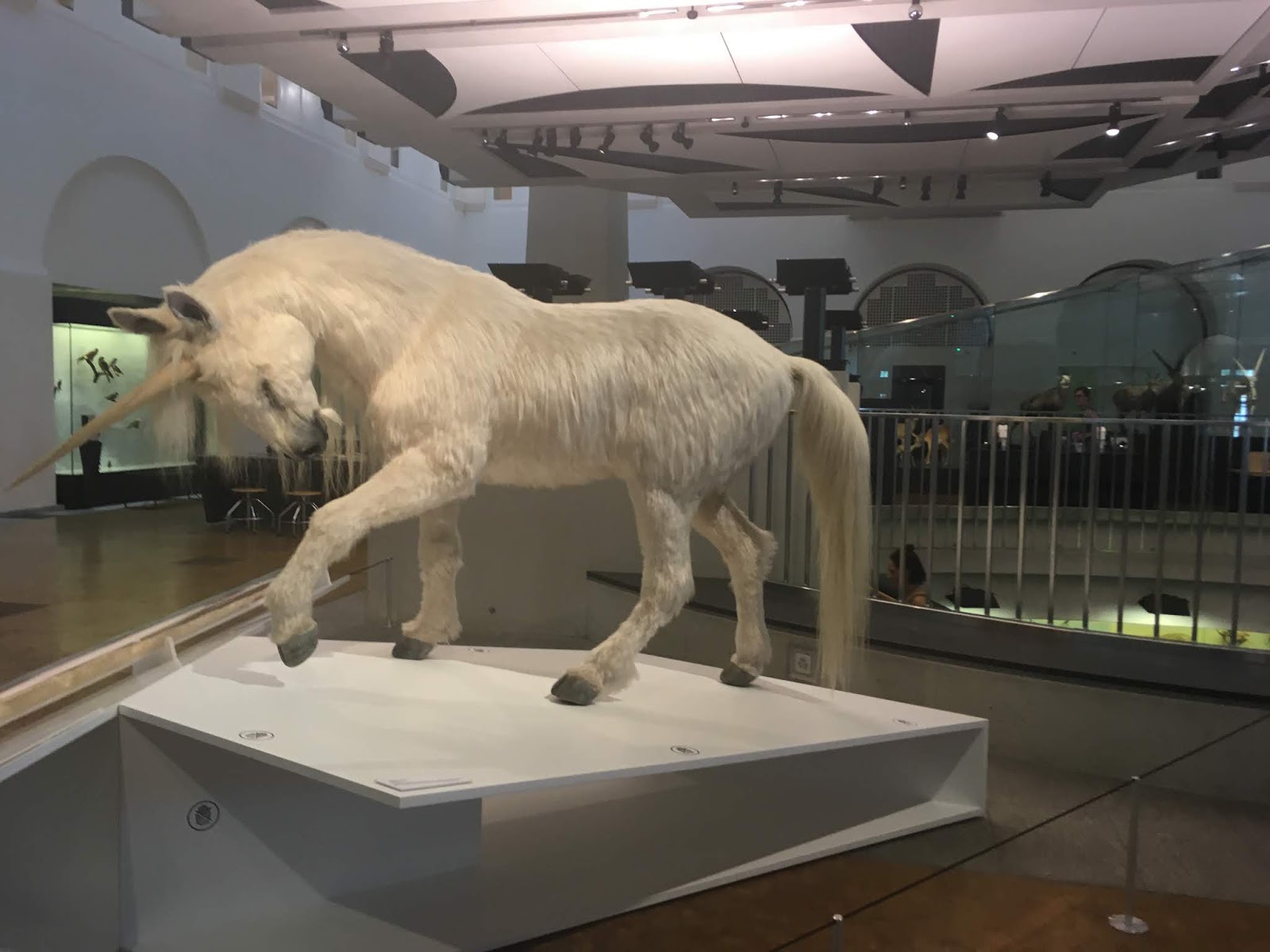
 but we did get to meet a unicorn. 

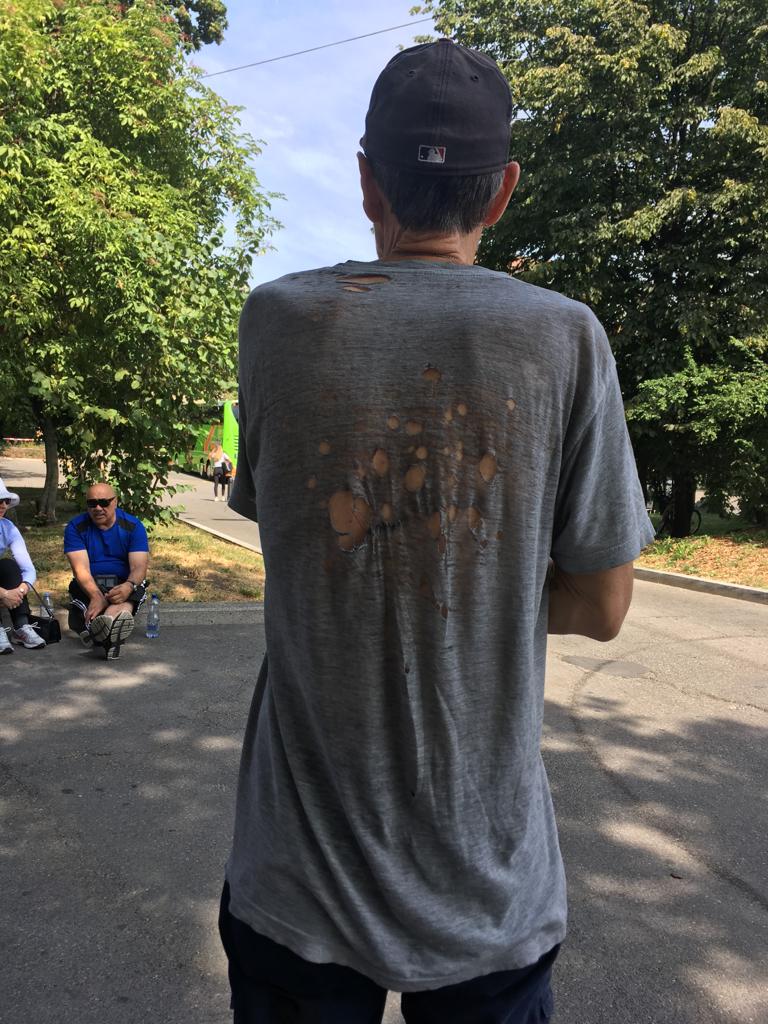
Zurich 7/22/19. Swiss Cheese shirt fulfills it’s dream of seeing Switzerland before it expires. RIP

This week’s photo of topless old man looking out window contemplating his life…Robe time, so move along, nothing to Titisee here


The Budapest Marathon

Last minute stop in Budapest as we traveled from Romania back to Germany.
Typically, we are able to speed see all a city’s sites in a day or so as they are often within blocks of the town square where we try to stay. Considering we don’t shop and rarely restaurant, this is not usually a problembut our sprinter mentality failed us here due to the sprawl of Budapest.   Our day and a half in Budapest was a long distance affair as we walked a marathon plus (12.5 miles the first day and 14.3 the second). 

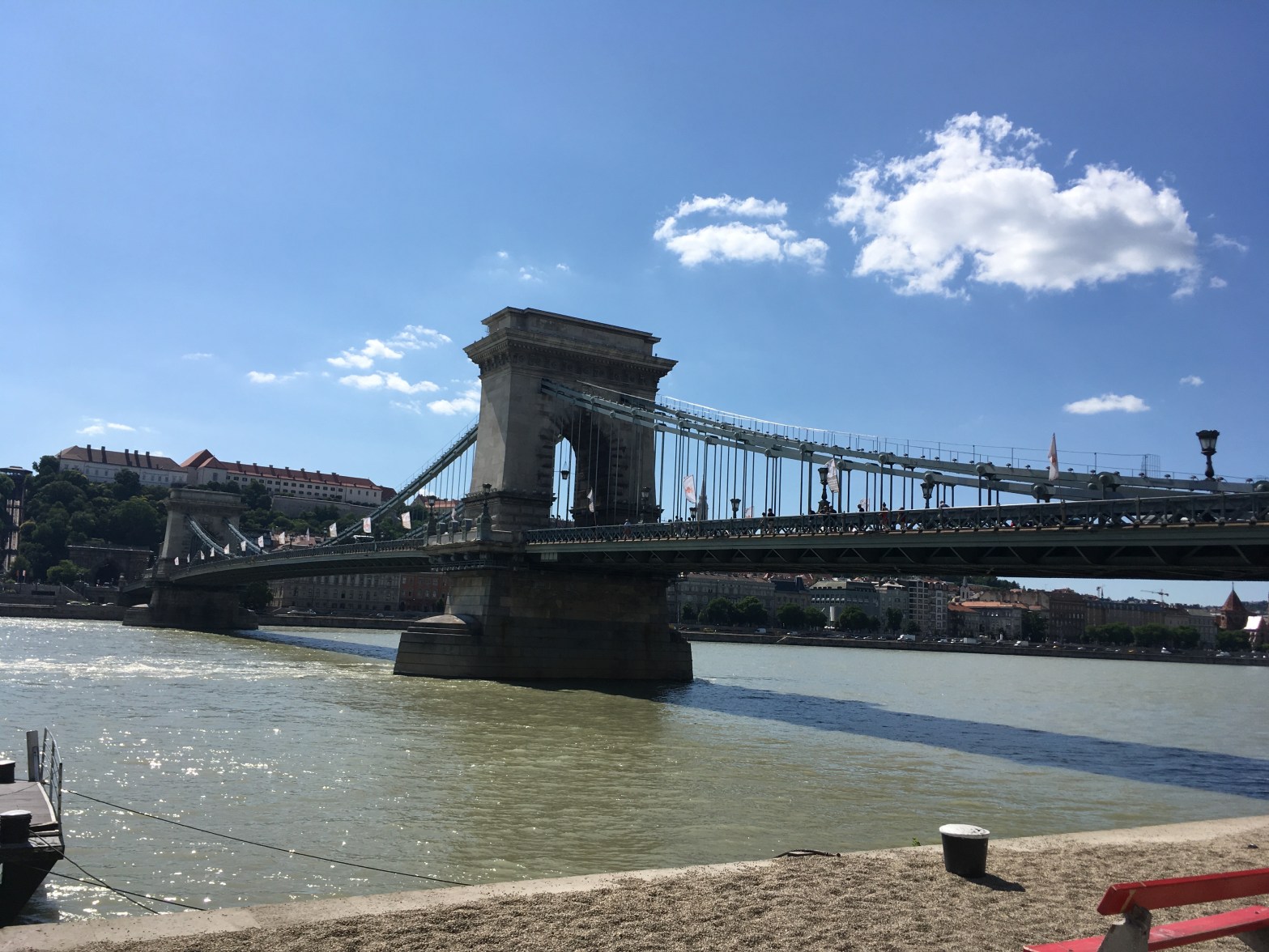
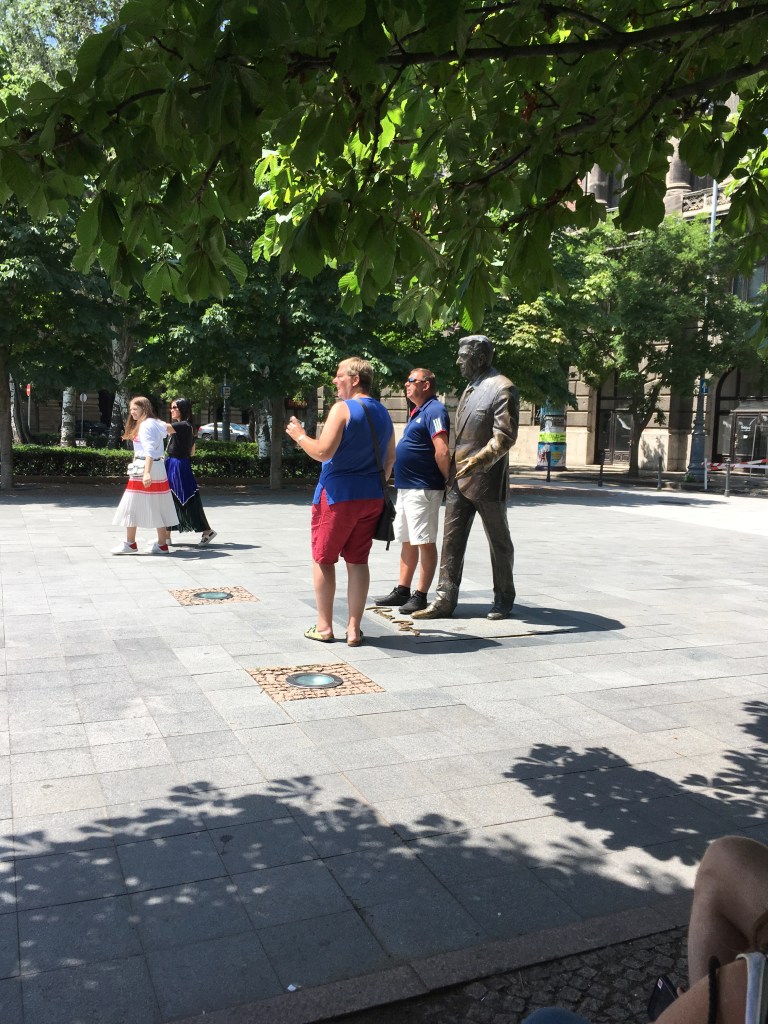
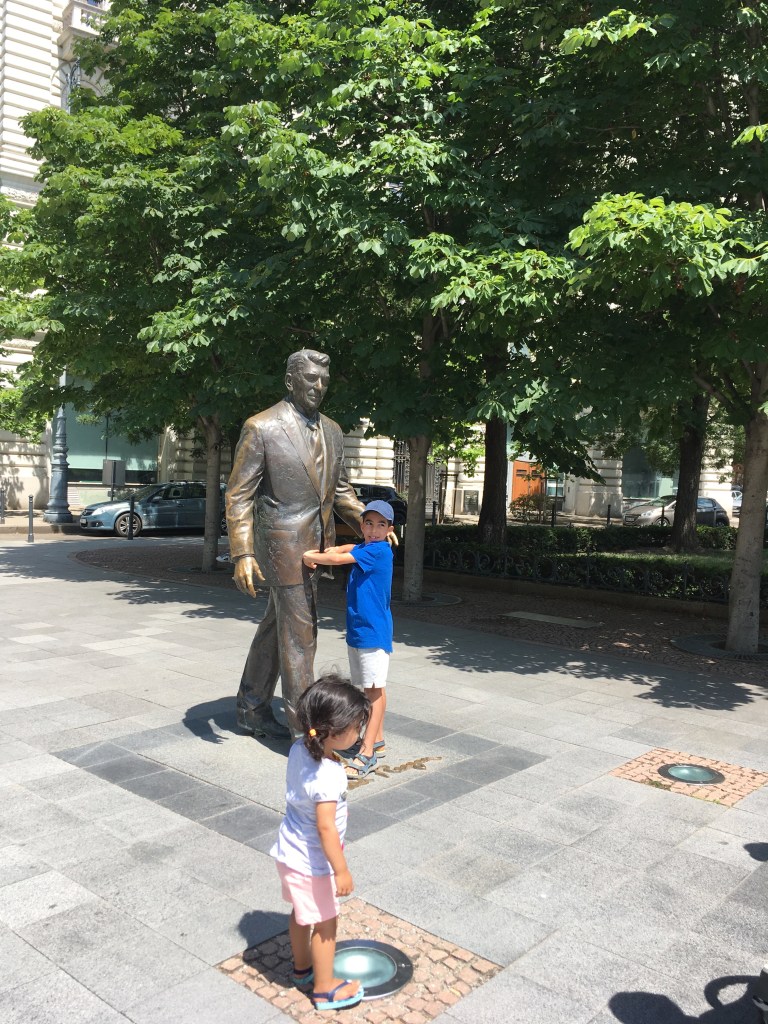
Most of the famous landmarks are on the Pest side where we stayed, and we saw them all, even Ronald Reagan.

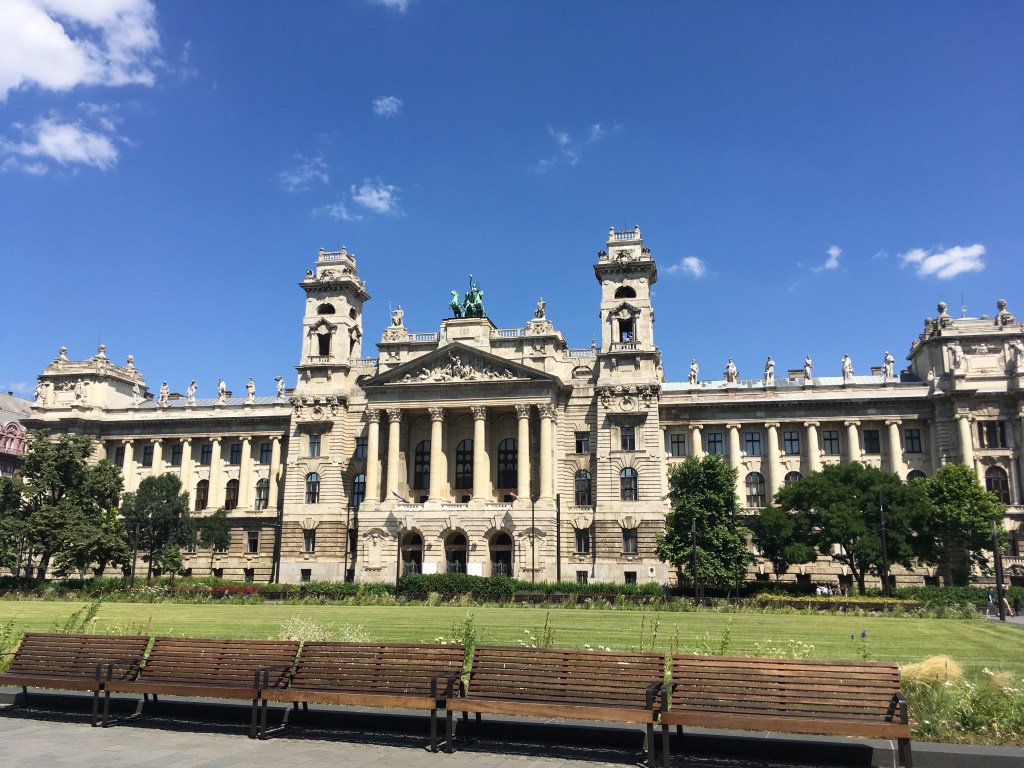
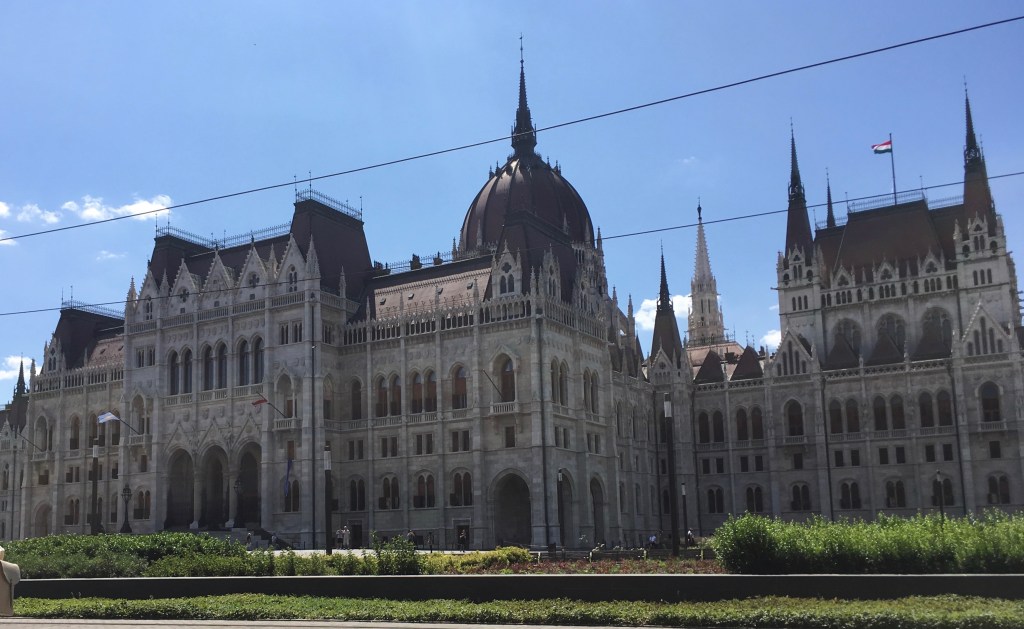
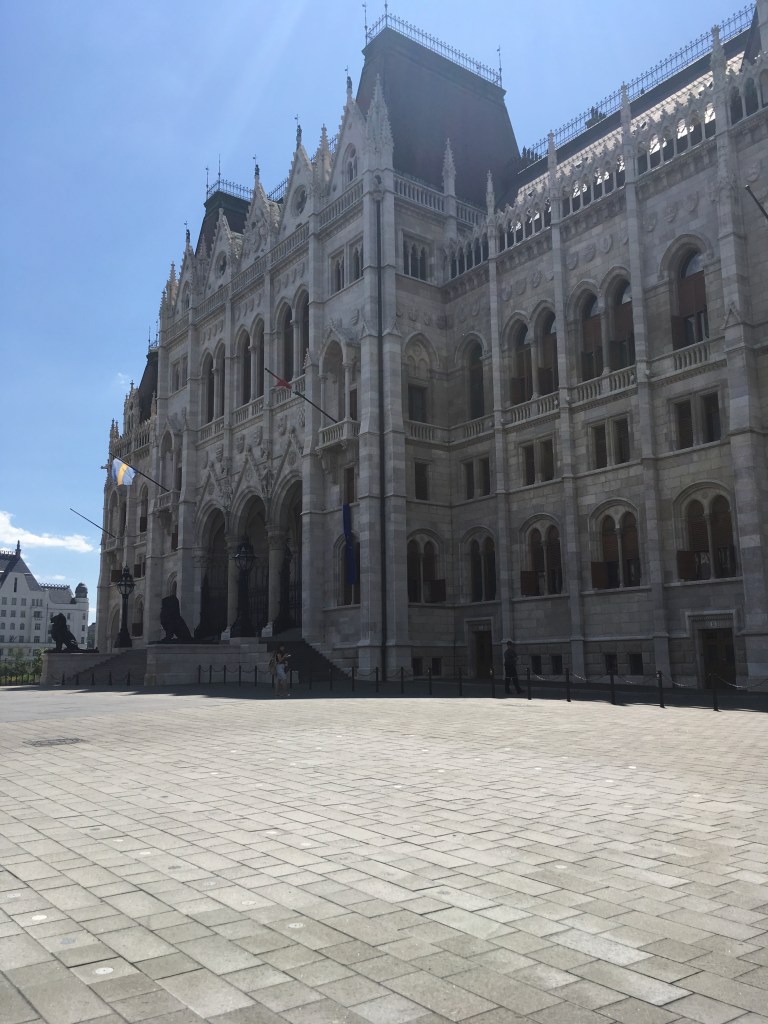
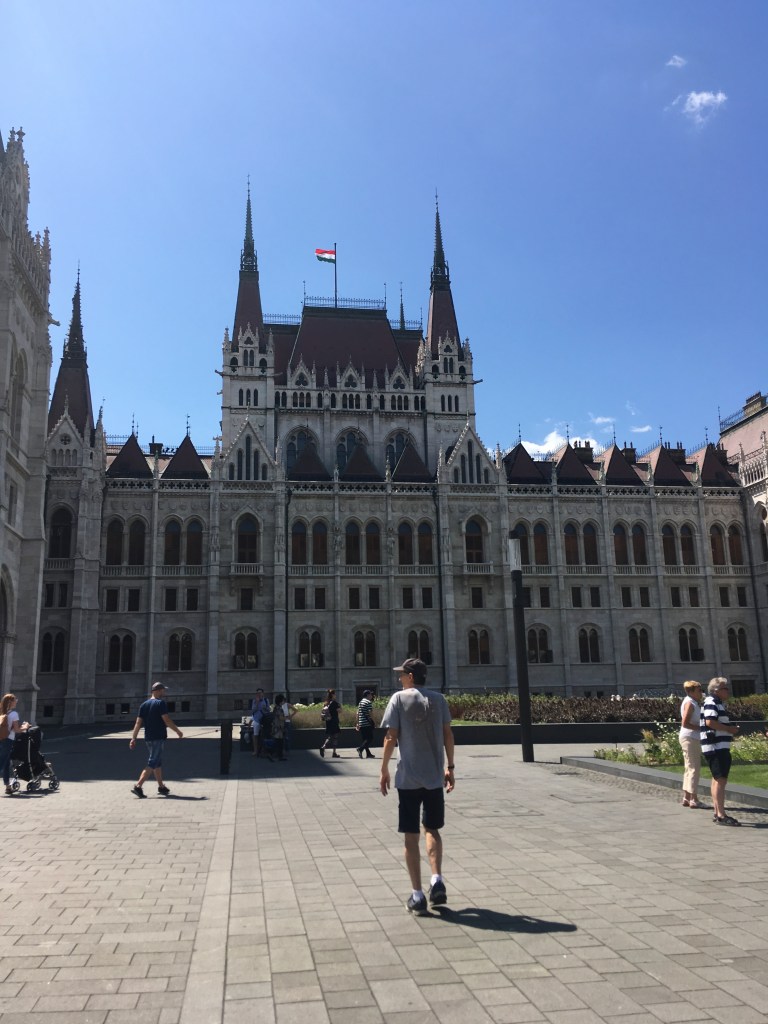
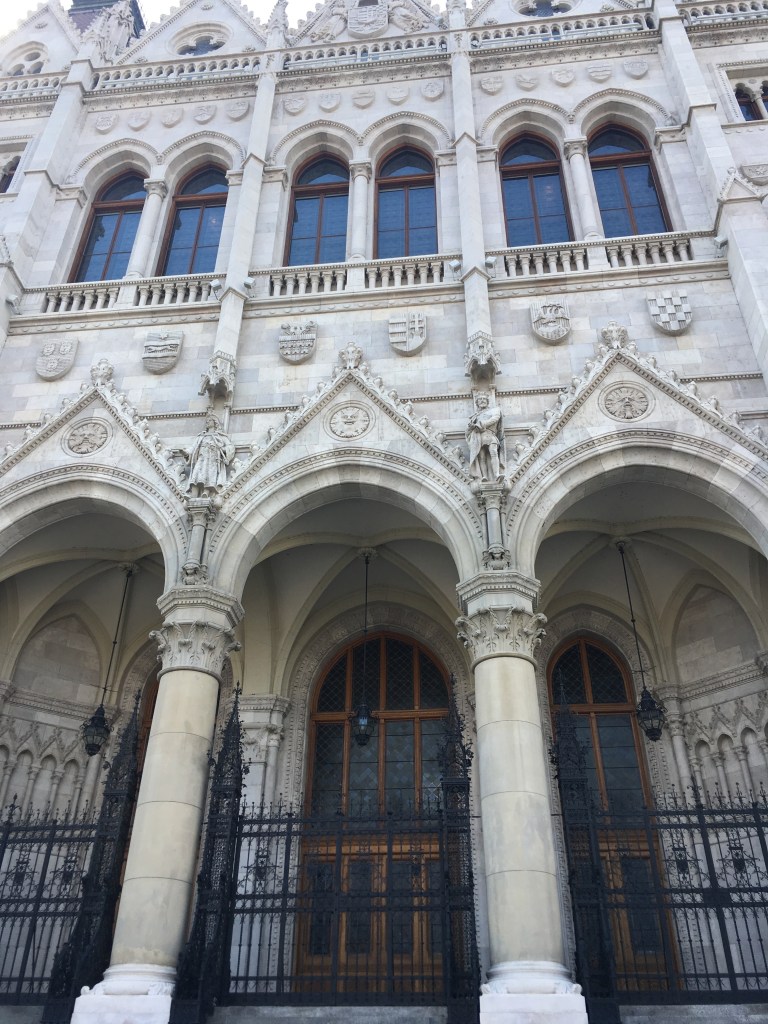
We went for the big ones and along the way saw the small ones. The biggest was the Parliament, so big it needed a bunch of pictures (with Nick included for comparison)

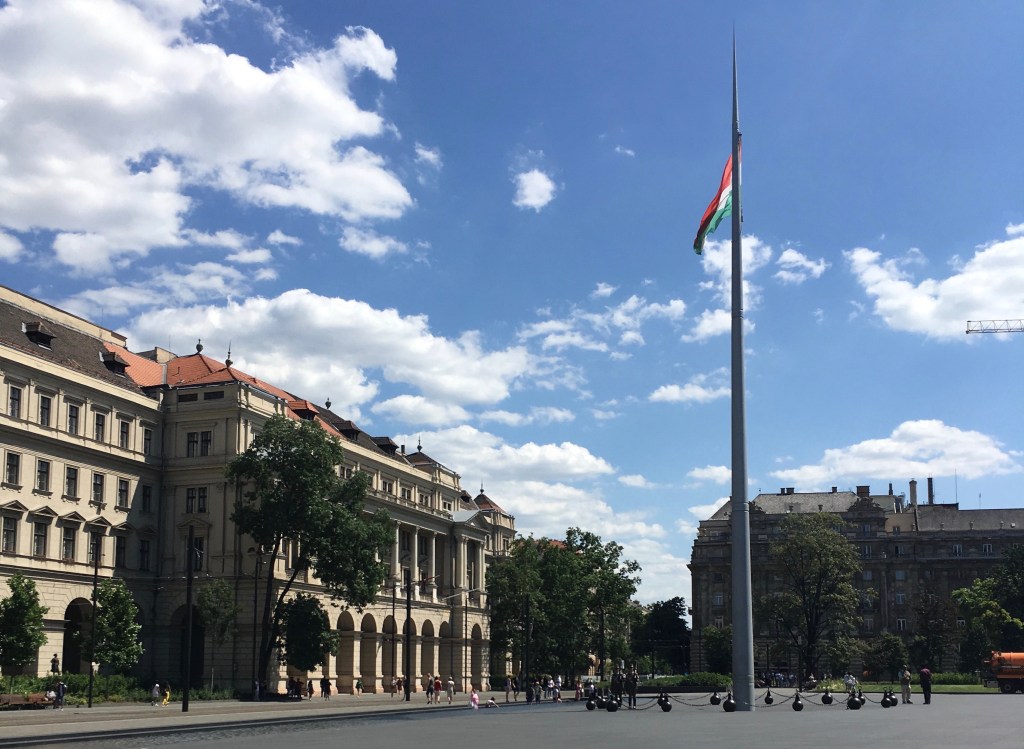
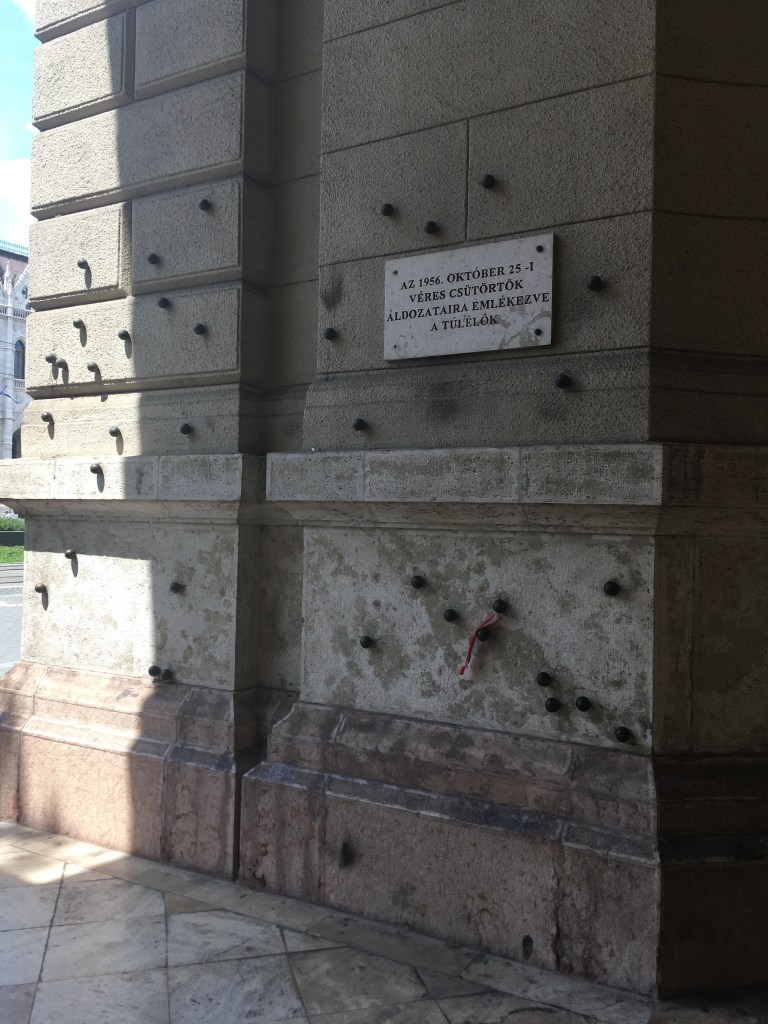
Kossuth square in front of the Parliament was the main site for Hungary’s attempt at revolution in 1956.  Equally bloody as Romania’s (2500 died), but ultimately (after 19 days) unsuccessful.   https://chosenfugue.wordpress.com/2019/07/12/timisoara-the-revolution-will-not-be-televised/

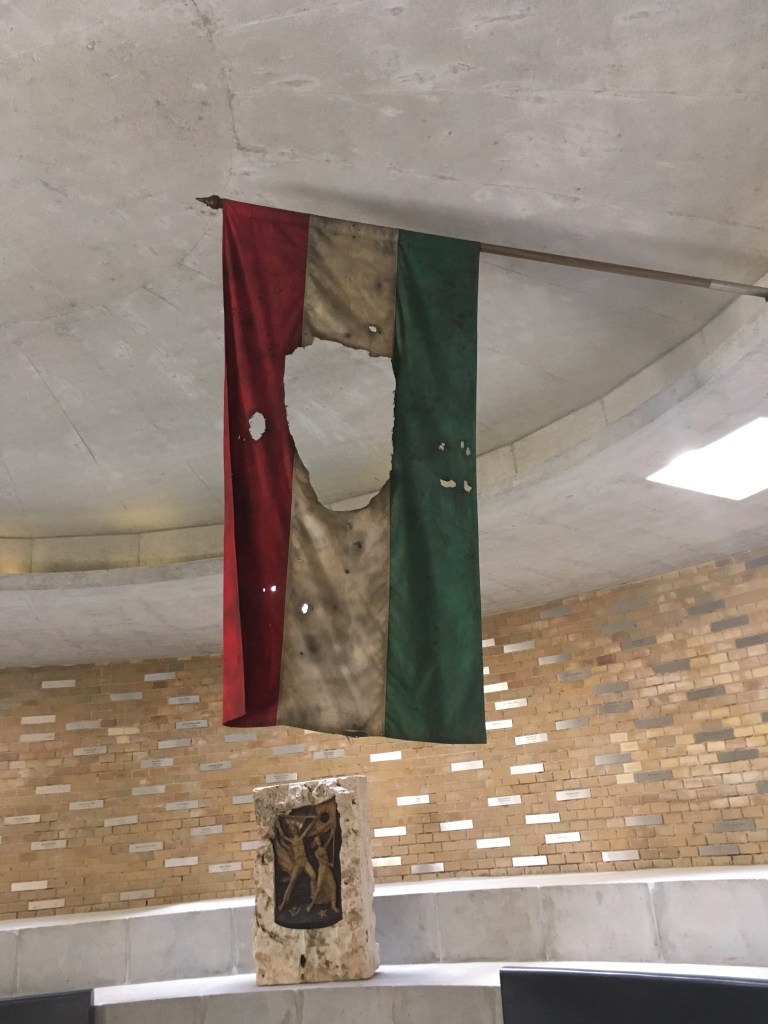
Hungary had to wait another 33 years before the removal of its totalitarian government, although unfortunately it seems to be back again. Their memorial museum was built in tunnels beneath Kossuth square, the square where the worse violence occurred. Here we were again, within our first few miles of walking through Budapest, seeing the bullet holes, visiting the memorial museums, contemplating how governments can attack their own people and feeling the futility.  

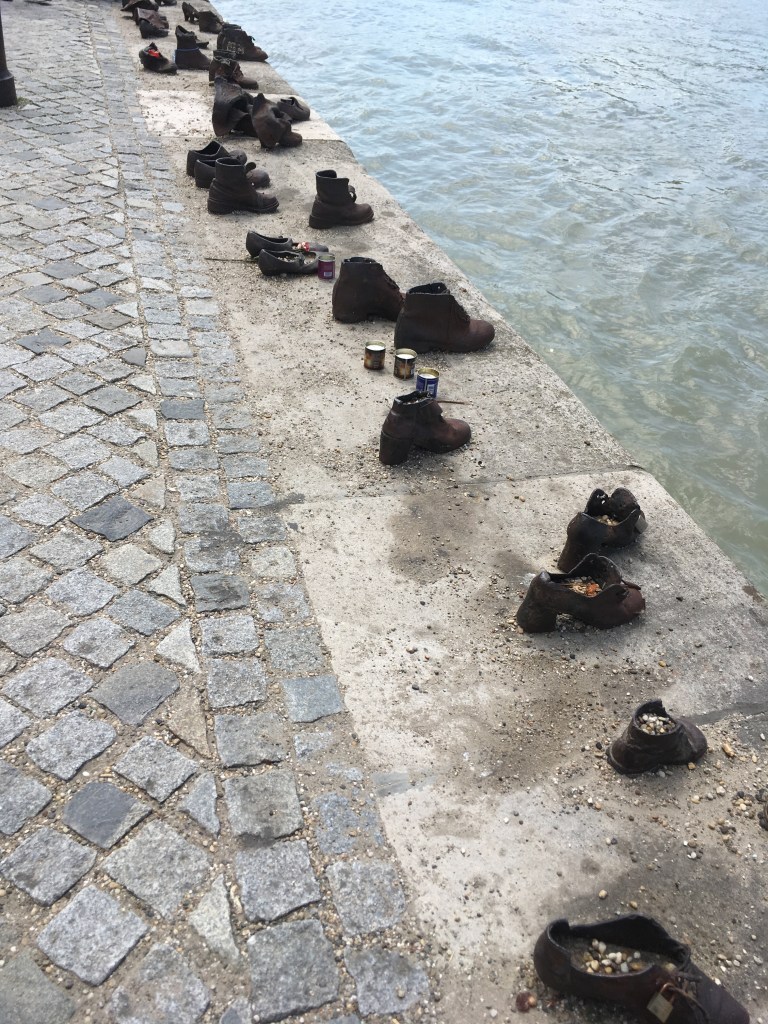
As also seen in Romania, some of the memorials are truly heart felt, many are overwhelming. Shoes on the Danube, another memorial to people murdered by their own military. https://en.wikipedia.org/wiki/Shoes_on_the_Danube_Bank

Shoes Along the Danube, a memorial to Jews killed by the Hungarian Arrow Cross militia between 1944-45. 
People were shot on the edge of Danube,  to fall in and  be washed away

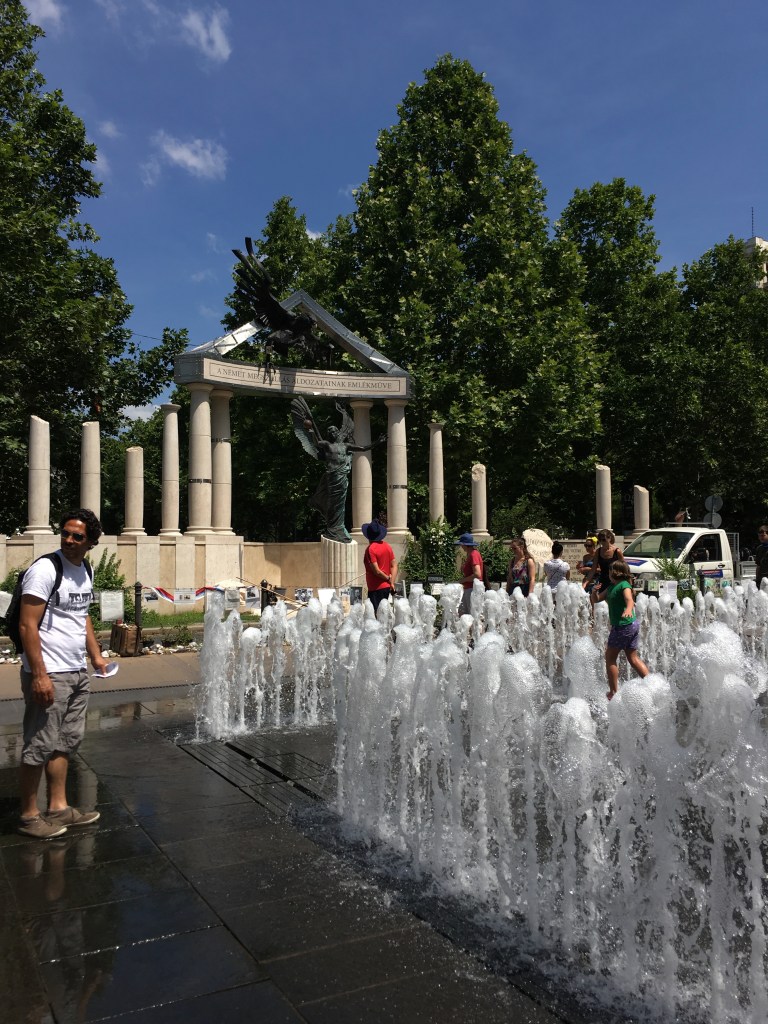
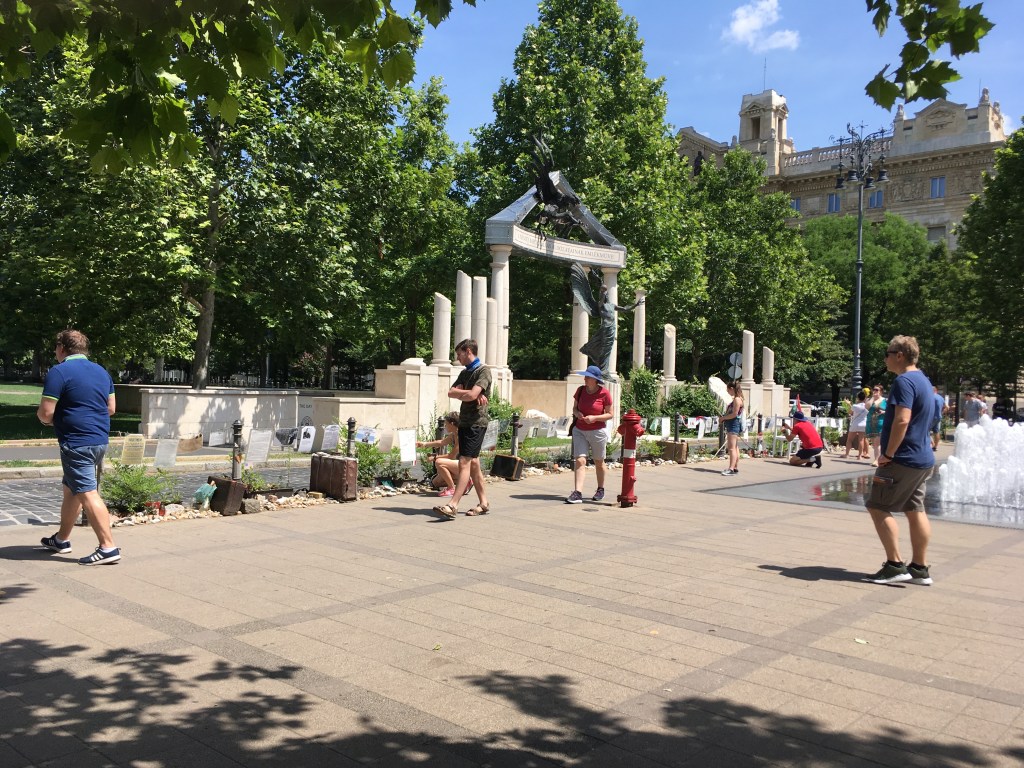
To provide a contrast to the Shoes on the Danube memorial to people killed by their own government just solely for existing, in 2014 the new Far Right government tried to add to the Budapest travelers “must see list” with it’s own monument to “victims of the German Occupation”. Unfortunately, the victim in this case (Hungary) was one of the perpetrators of the “occupation” since they invited Germany in and willingly implemented their policies (see the Shoes on the Danube above).  Despite rather large and loud protests from their people, the government installed the monument in the middle of the night.  

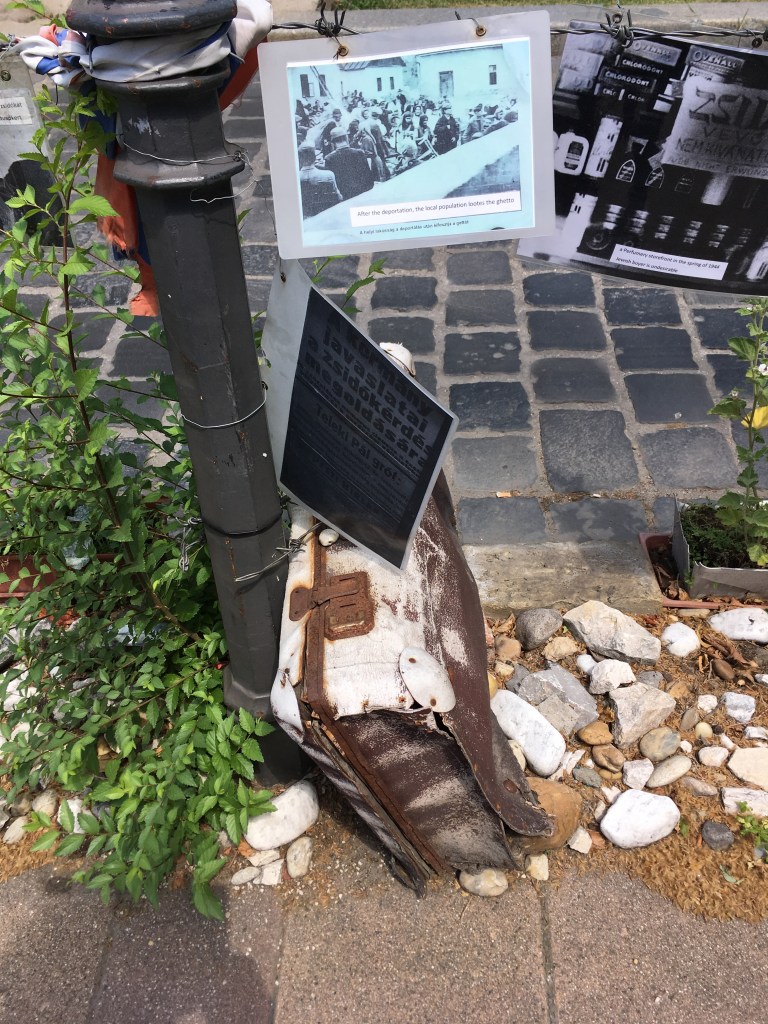
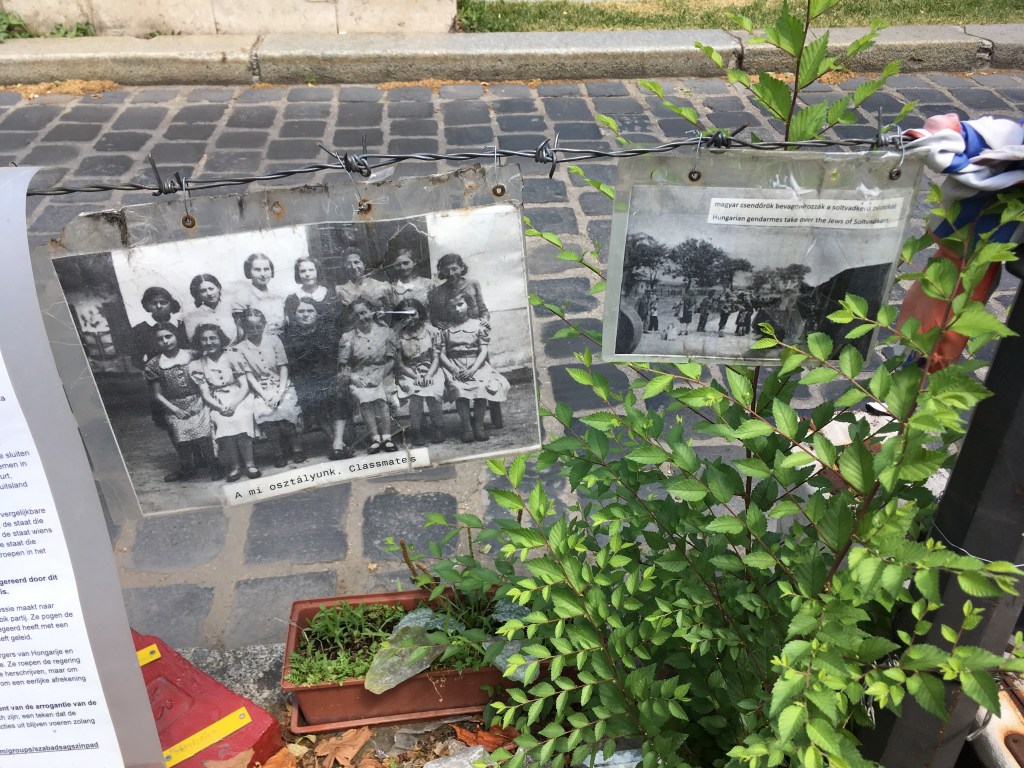
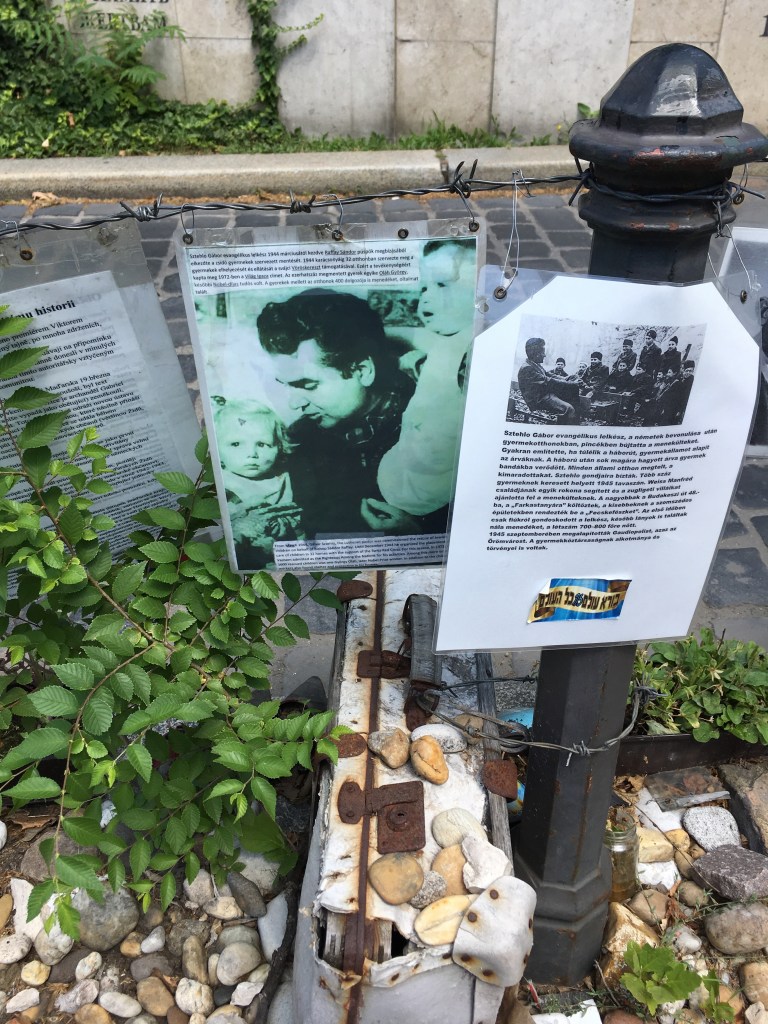
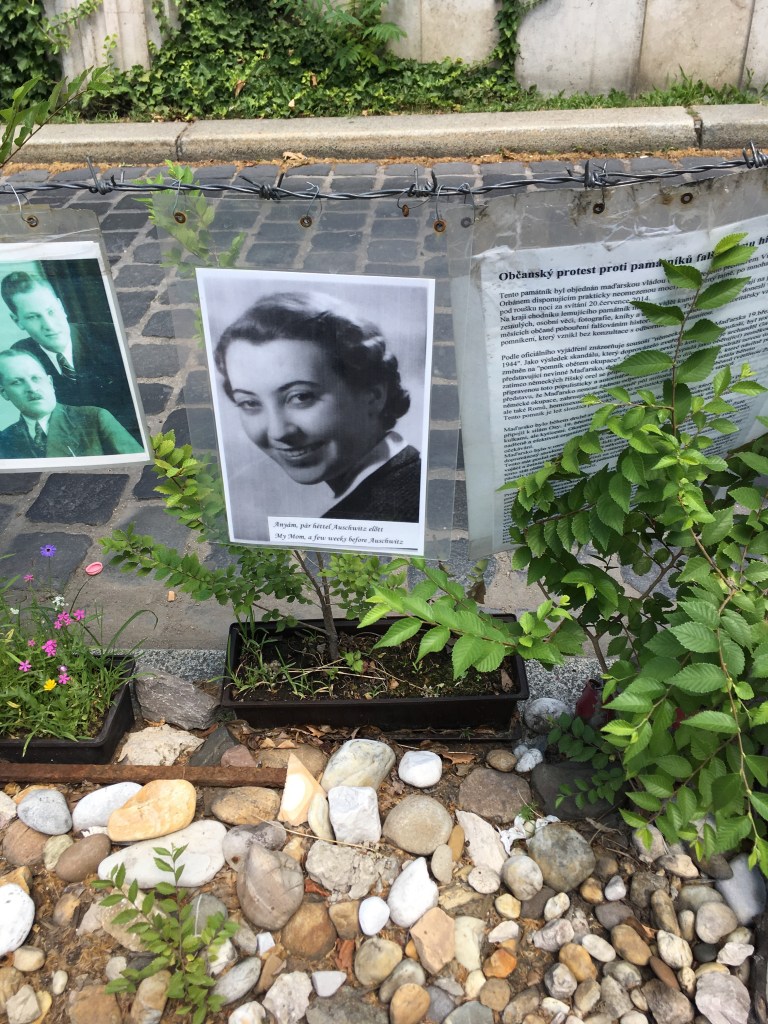
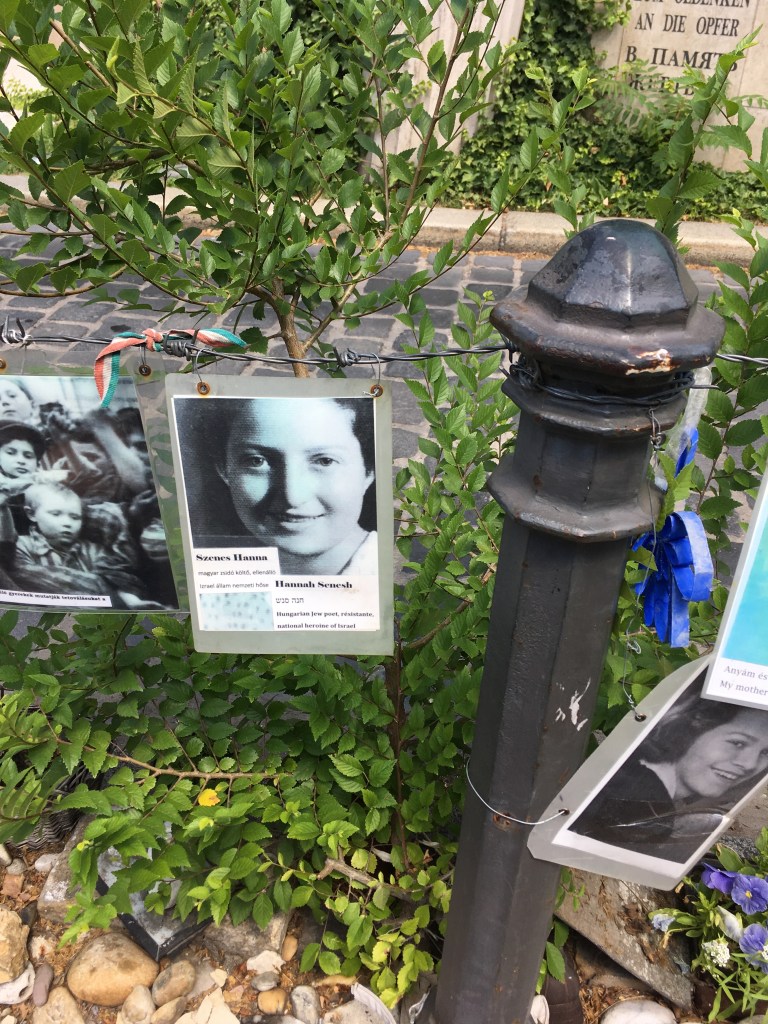
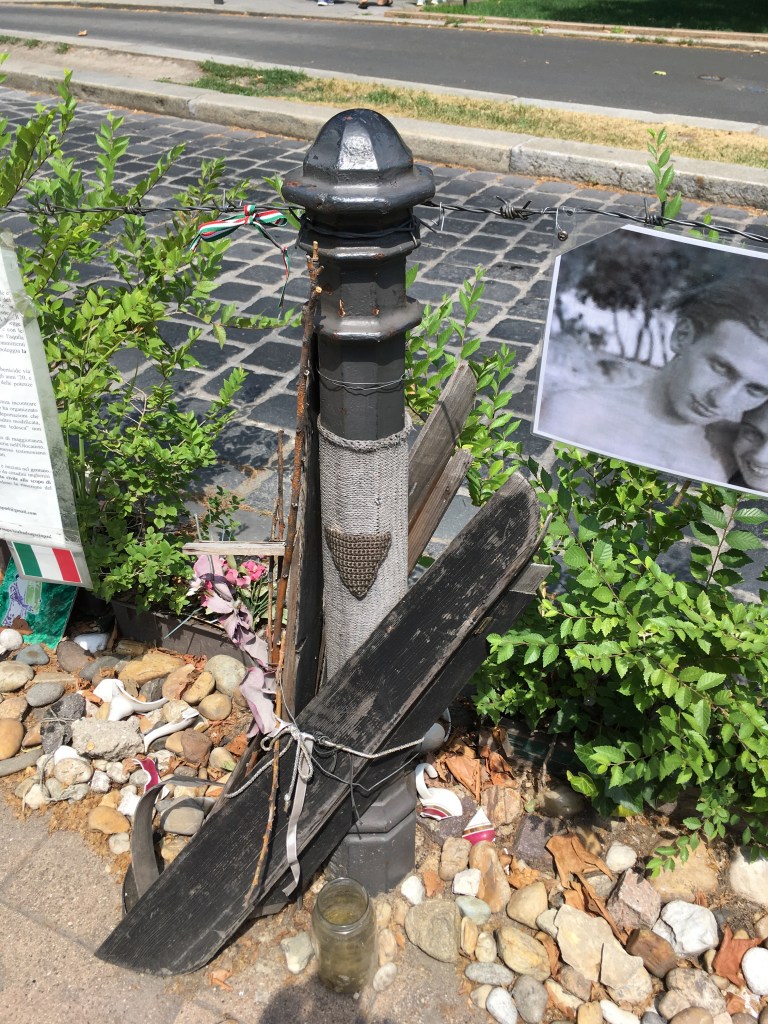
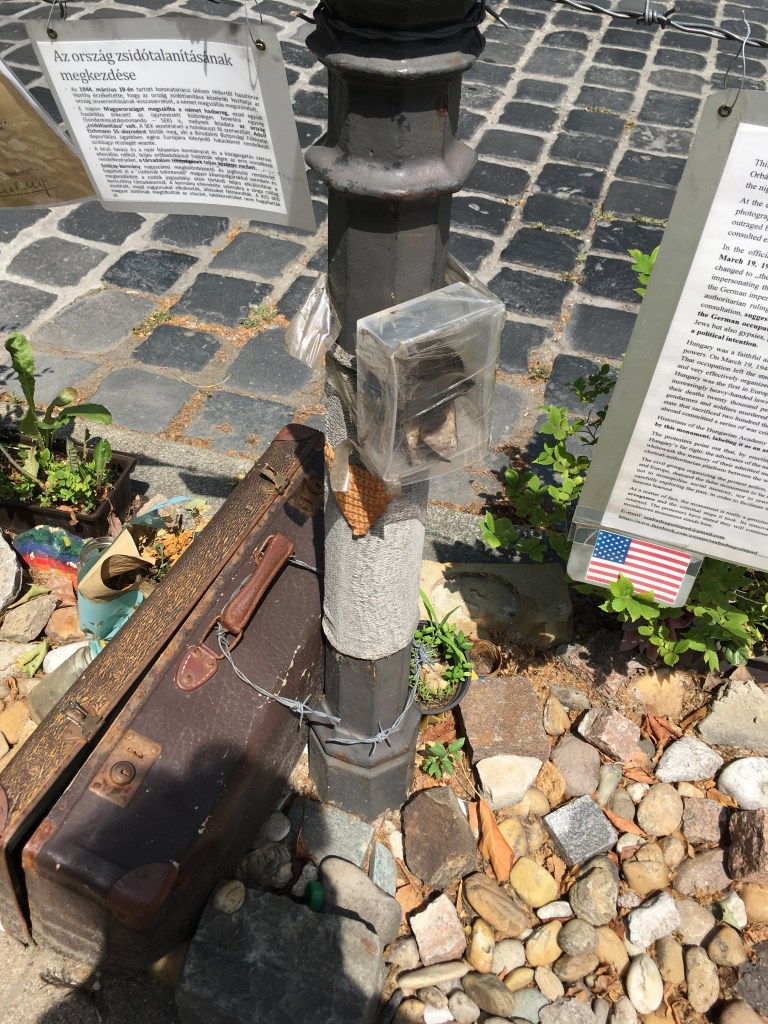
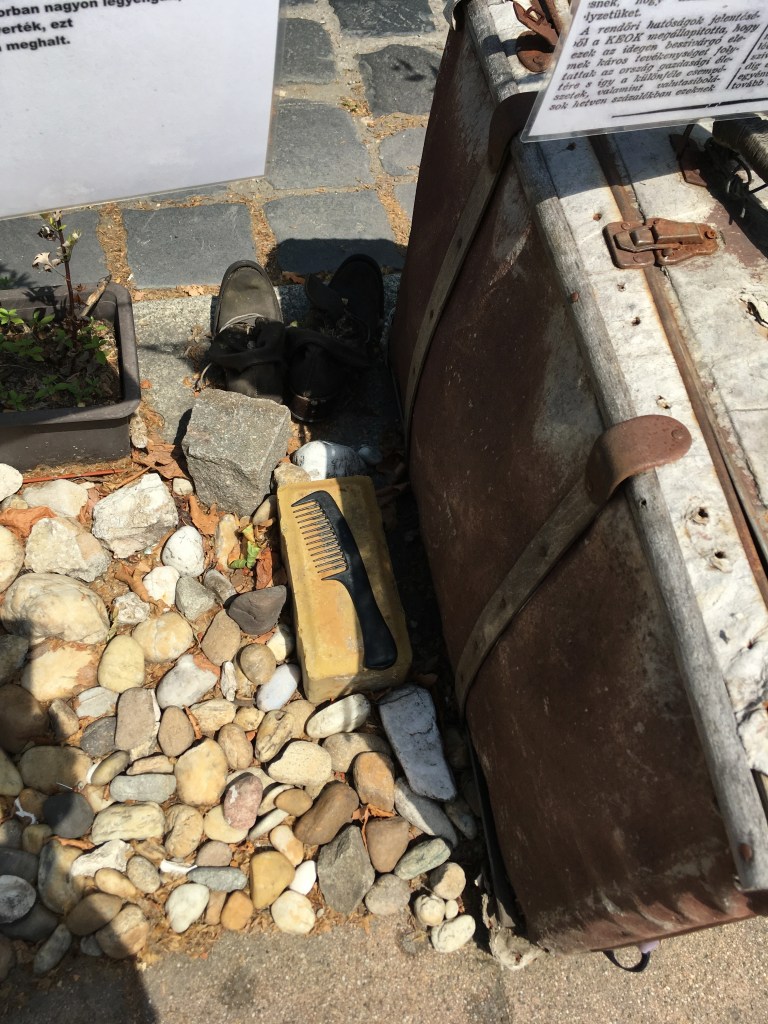
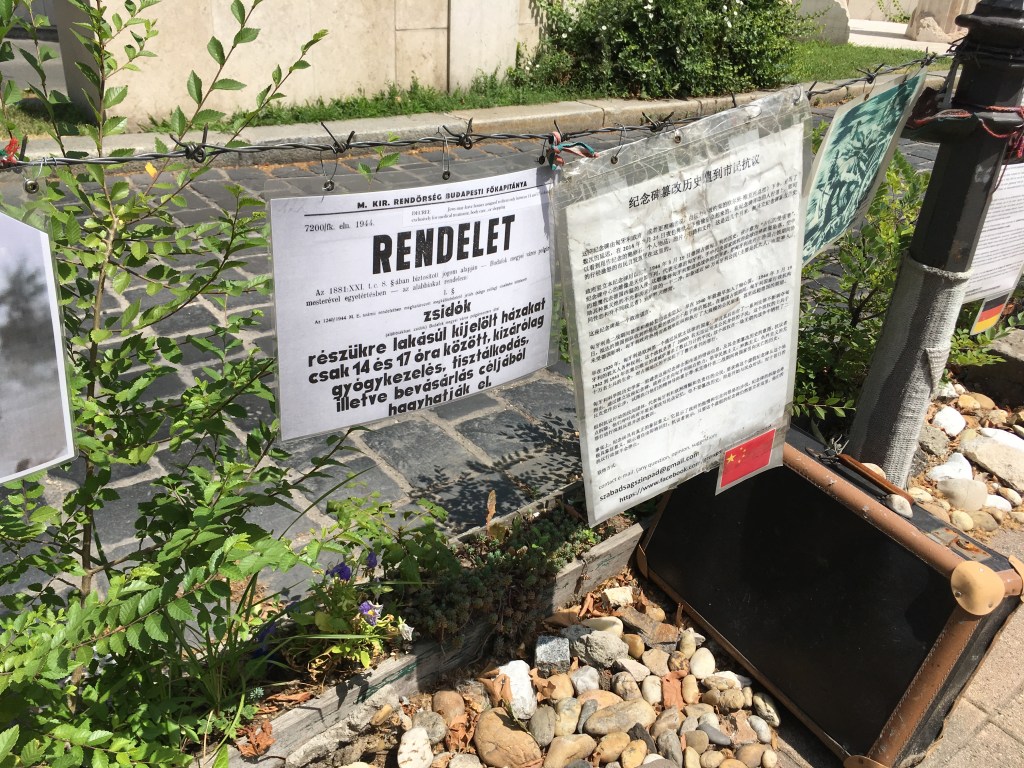
The Hungarians, again, decided to take things into their own hands, and a spontaneous memorial to the actual victims of the German occupation- Jews, Roma, Catholics, gays, disabled and anti-fascists- was created, right in front of the Government’s atrocity.   The memorial contained personal stories and possessions placed by survivors and victim’s families and friends; sprinkled with rocks- left by people paying their respects. 

As with other DYI memorials, this one was incredibly touching, one of the most impactful memorials we have experienced, it was not just seen, it was experienced. 
Because of these two polarizing memorials, Liberty Square, which also contains the Reagan statue, is the most police-protected spot in Budapest. 

Budapest seems to do everything big; monuments and beautiful buildings. Since Budapest was a center of the Austro-Hungarian empire, there were a lot of beautiful buildings and monuments to the empire’s history. The monuments all seemed to be named after Budapest streets.

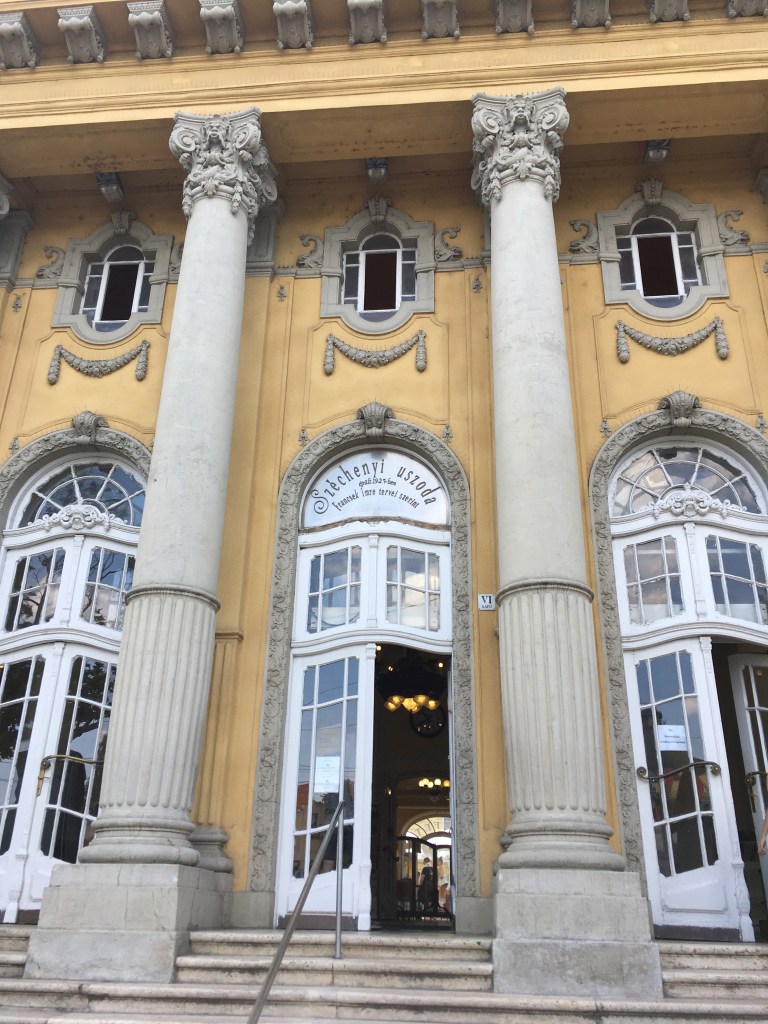
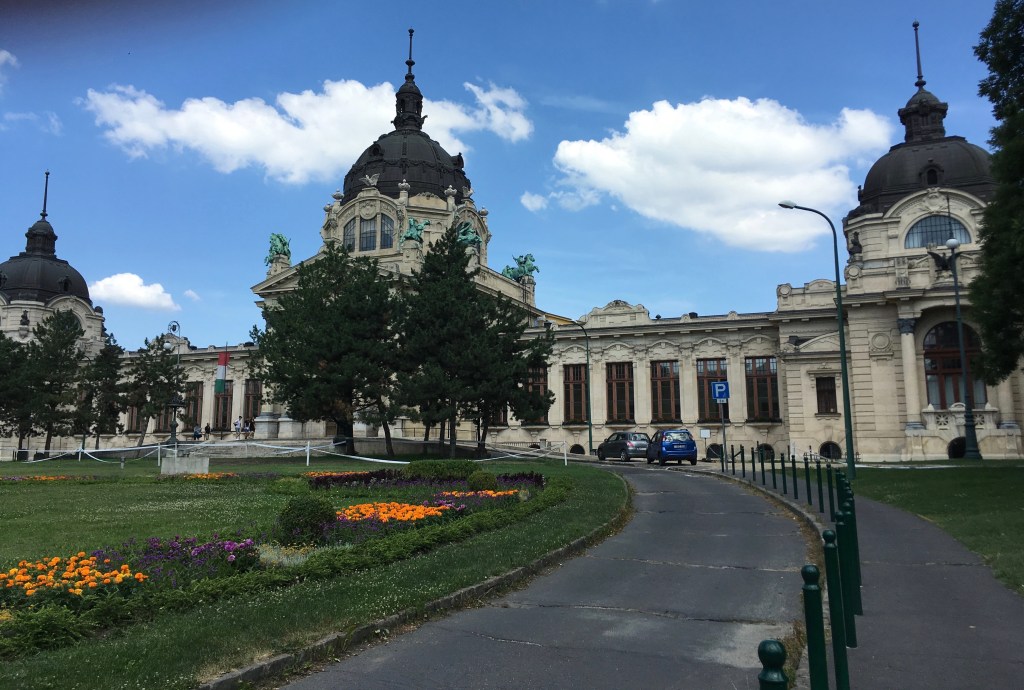
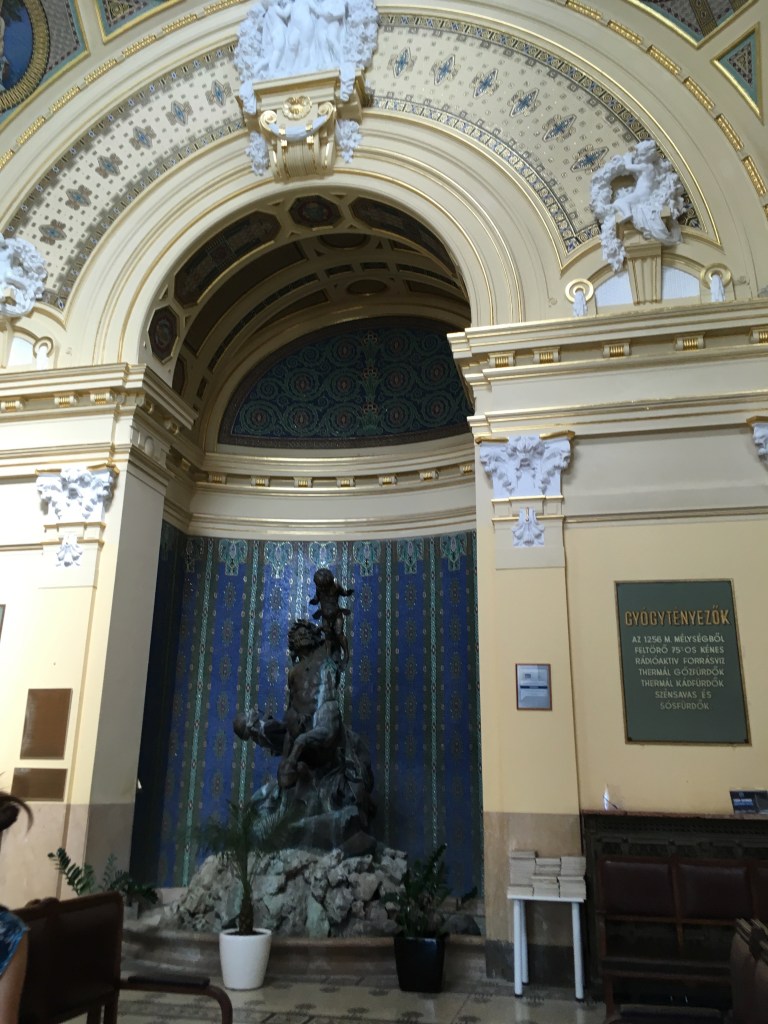
Unlike many other European cities of similar vintage, Budapest is not an old walled city but around mile 20 we did hit the (proverbial and literal) wall when we tried to visit the famous Szechenyi public baths in the massive City Park.  We thought the baths were open-air allowing us see them without going in, but it was completely enclosed in a lovely building.  We were able to partially peek thru a window, but weren’t terribly interested in sitting in hot water anyway as it was 90 plus degrees out, not appealing.  

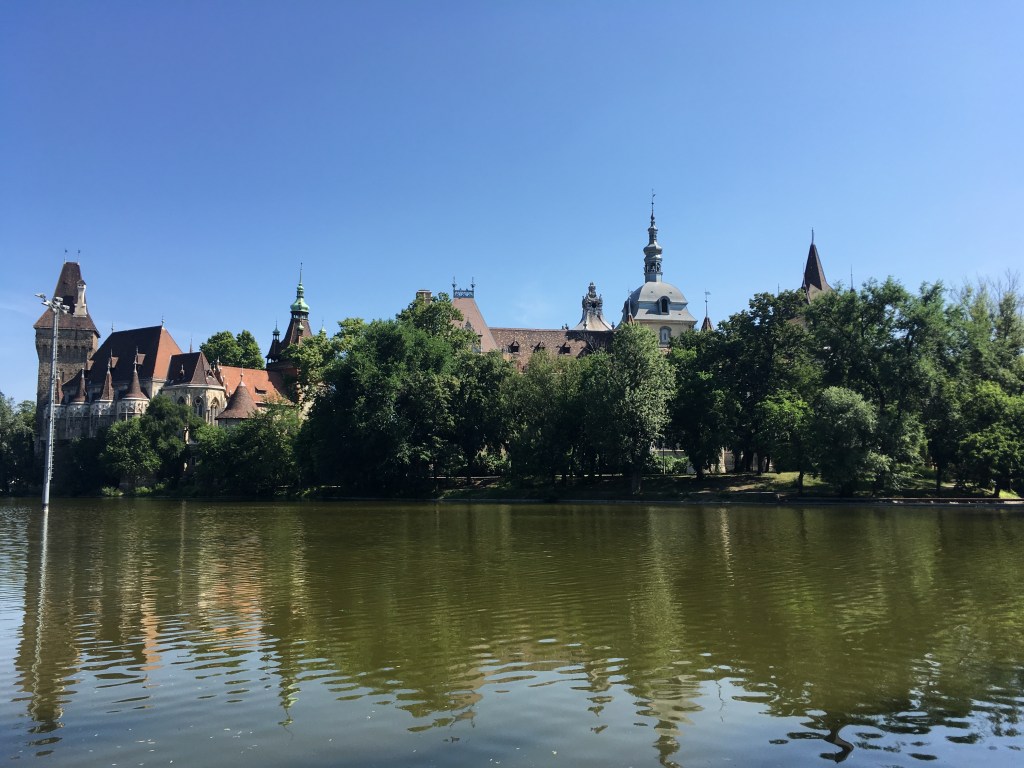
Also in the City park with  Vajdahunyad castle, built in 1896 to celebrate 1000 years since the Hungarian conquest of the Carpathian basin. The castle was built out of cardboard and wood to showcase Hungarian castles built in different styles- Romanesque, Gothic, Renaissance, and Baroque. It became so popular that it was rebuilt from stone and brick between 1904 and 1908.

By the end of the marathon everyone’s legs felt like stone

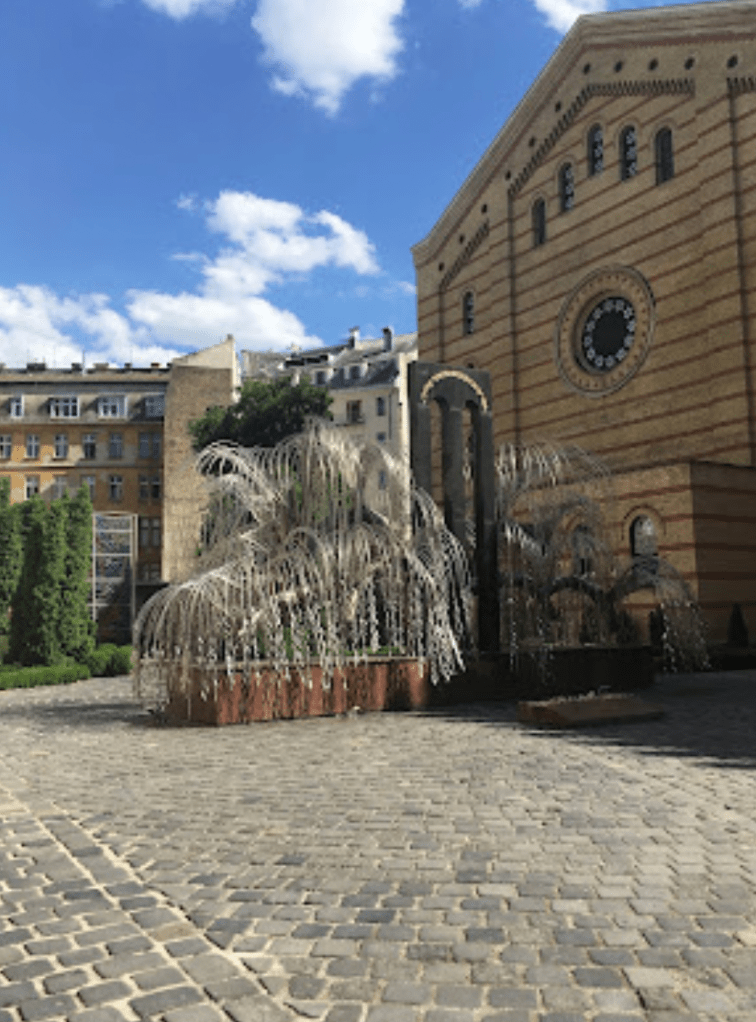
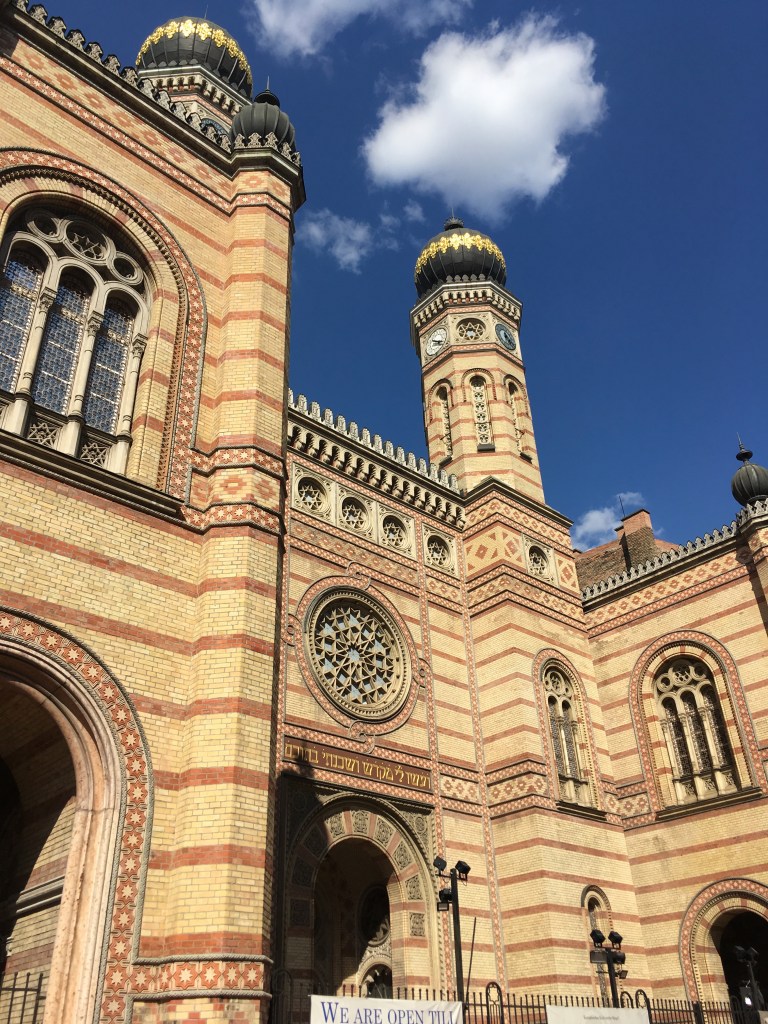
After we hit the main sights during the day,  we uncharacteristically ventured out at night. First stop was the former Jewish quarter, and it  was truly a quarter as  25% of Budapest was Jewish (in early1900’s Budapest was nicknamed Judapest). It is now reformed as block after block of “ruin” bars, hip clubs and bars filled with hen and stag parties on weekends.

Considering Budapest’s  history of a large Jewish population plus the miles covered it was not surprising to have added to the Stolpersteines we have stumbled upon https://chosenfugue.wordpress.com/2019/01/07/they-do-make-you-stumble/

We just kept walking,

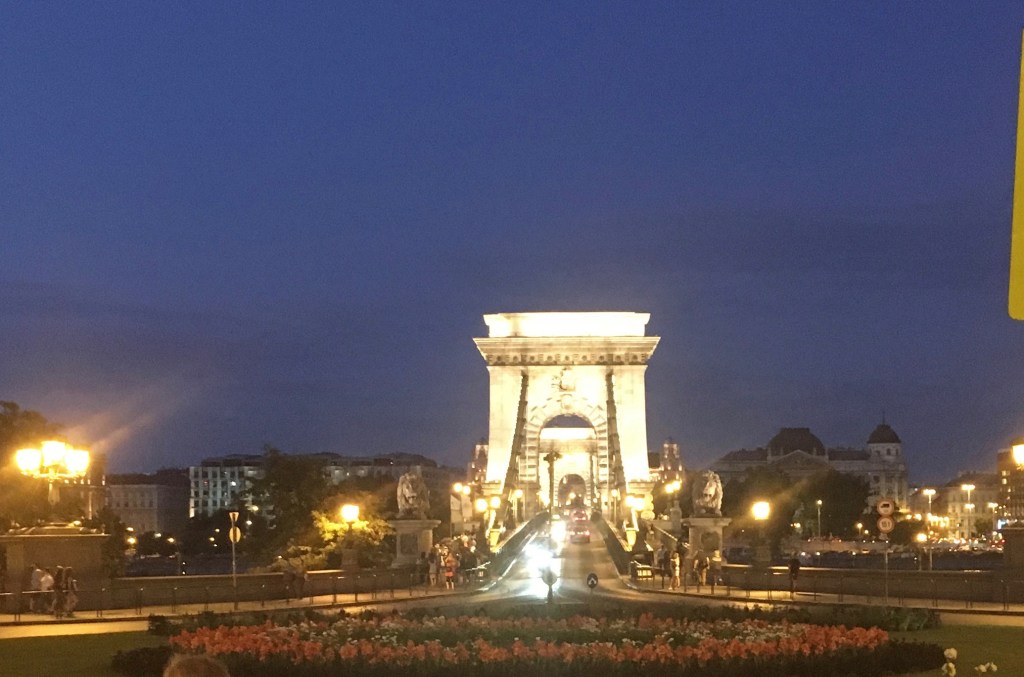
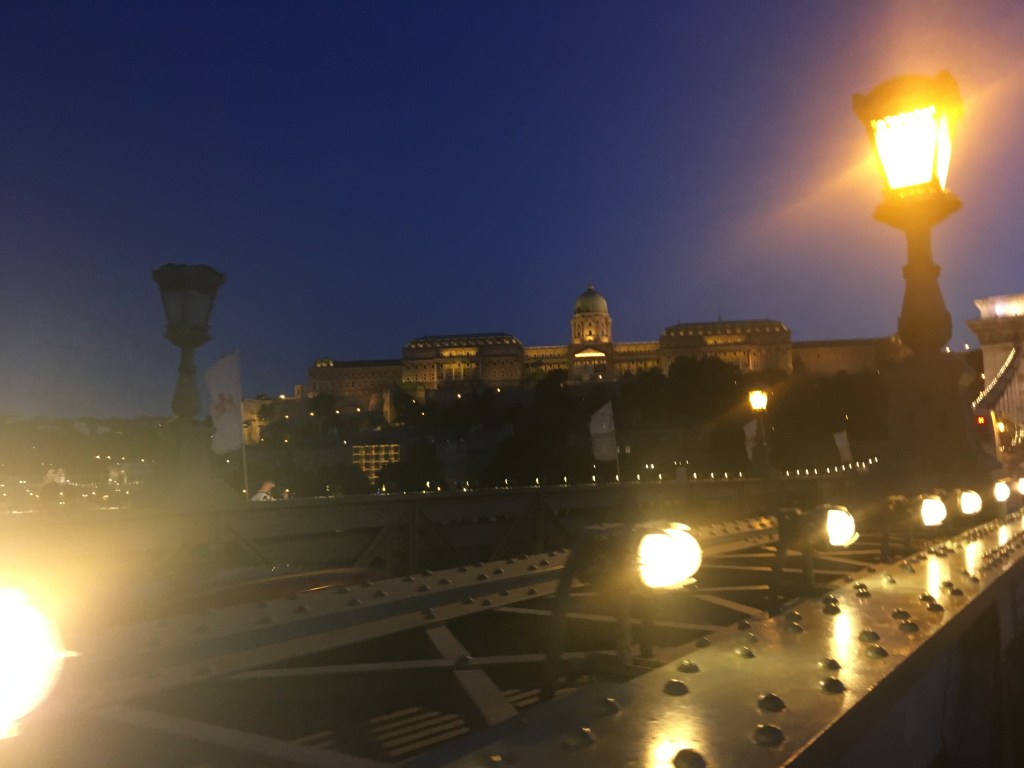
crossing the bridge from Pest and ending the night in Buda. 

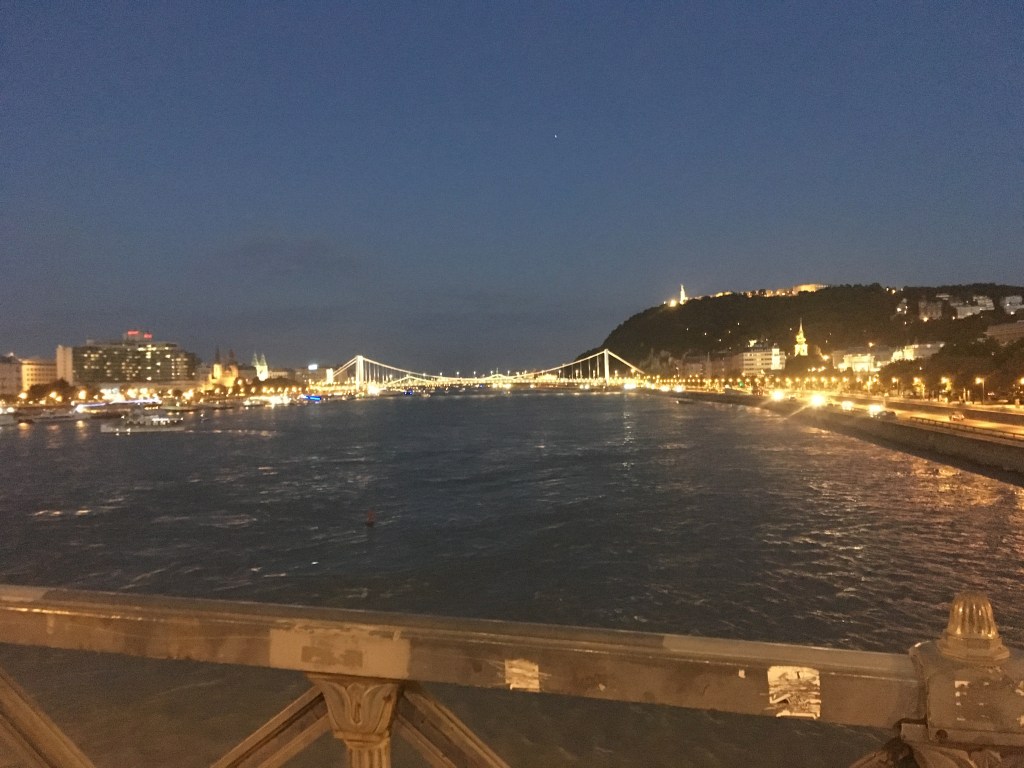
Looking south, Buda on the right, Pest on the left

It was easy to feel very old world leaving our Air BnB

riding away from our Budapest Marathon.

Timisoara, the Revolution will not be televised

Out of Transylvania on to  our last stop Timisoara in the Banat, another area in Romania ( like most of European History) with a succession of rulers and mix of cultures this time with a bit more Hungarian and Serbian tossed in.  

What drew us to Timisoara was that this was where the 1989 Revolution began and we were curious to learn more.  The Romanian Revolution of 1989 was part of a wave of  change culminating in the end of communist control in Central and Eastern Europe. The economically weakened USSR lead by the fairly tolerant Soviet leader Gorbachov combined with civil unrest and union strikes provided the catalyst for a dismantling of the soviet block. The domino effect began in Poland with Lech Walesa\’s Solidarity party gaining control of the government in June 1989. The success in Poland was followed by Hungary, East Germany (Berlin Wall came down November 9.1989),  Bulgaria, Czechoslovakia and finally, Romania.   Only Romania’s overthrow was violent bloody and deadly.  So, after almost a year of travel with constant reminders of our historical ignorance, we decided to seize the opportunity to learn more about the Romanian revolution in Timisoara, the city where it began.

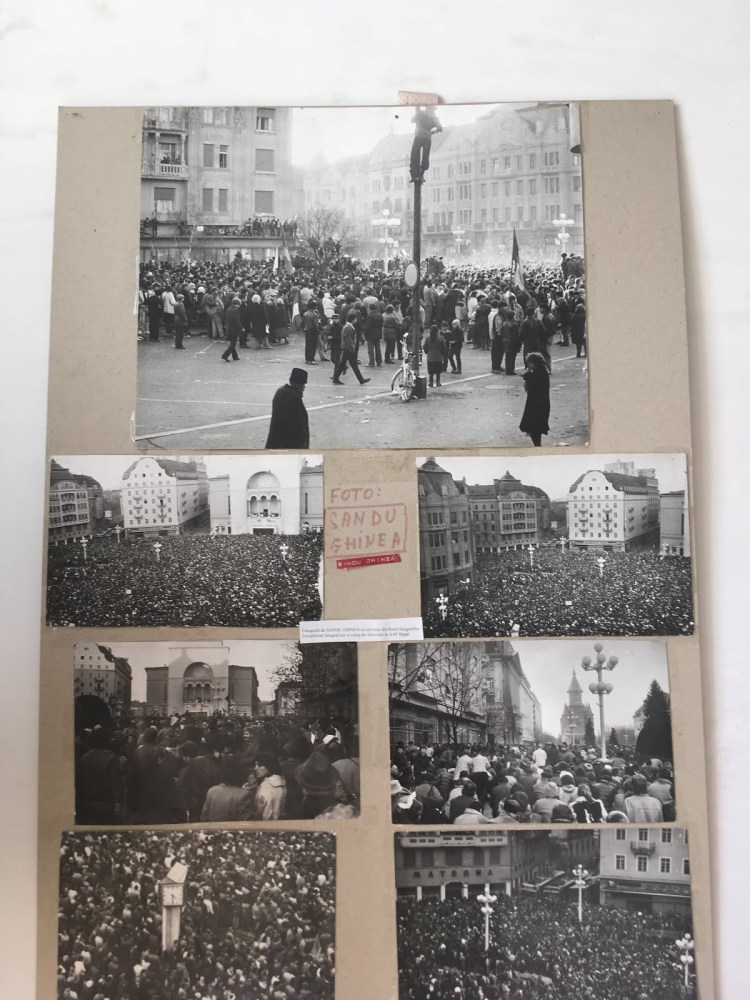
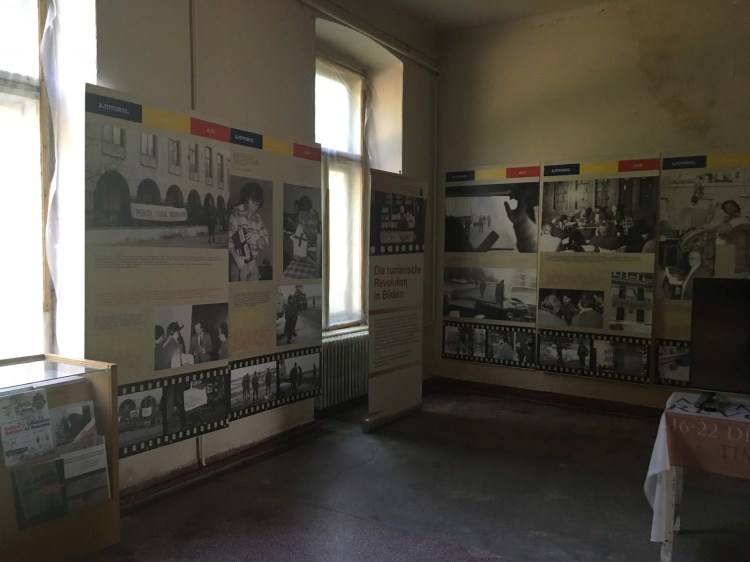
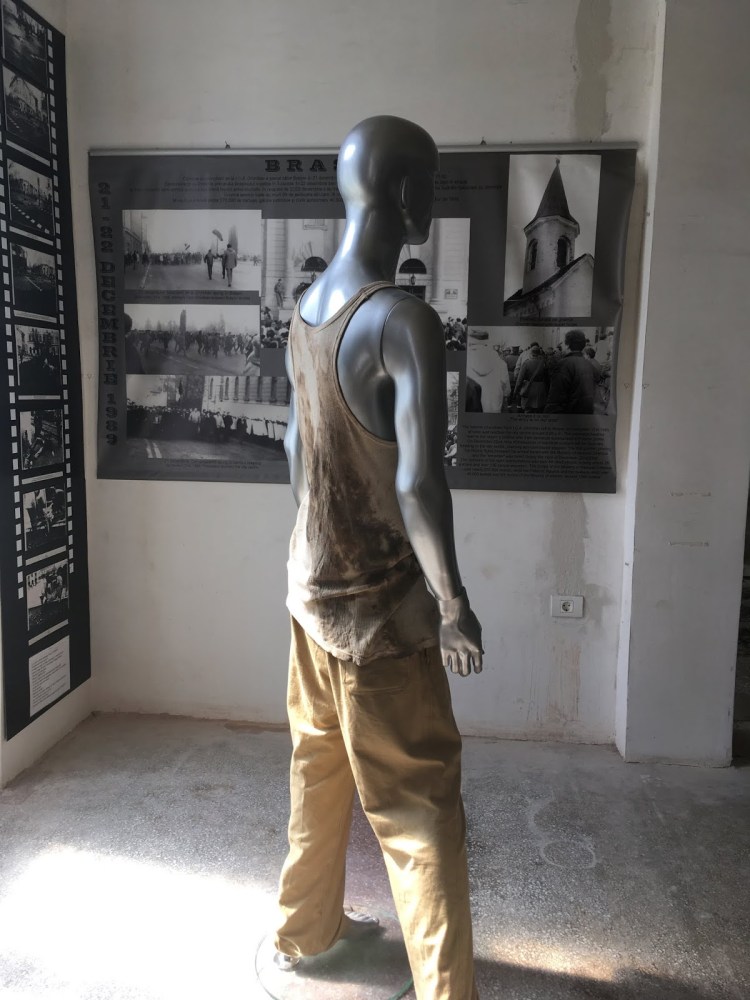
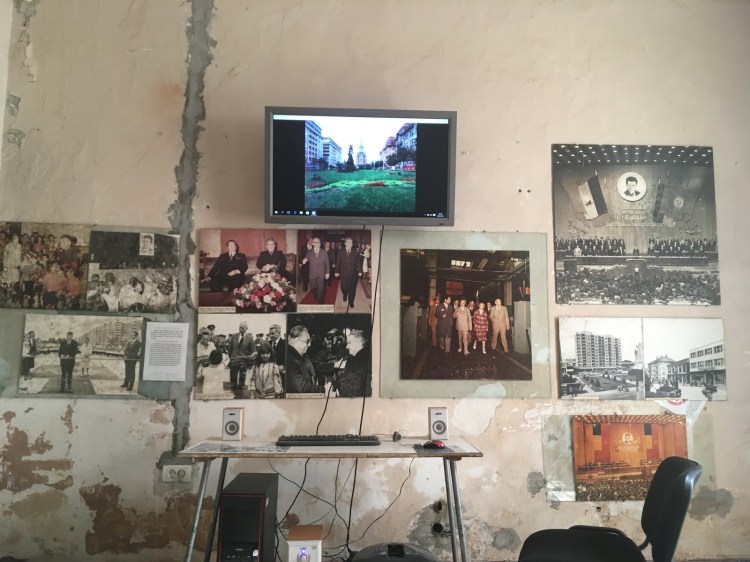
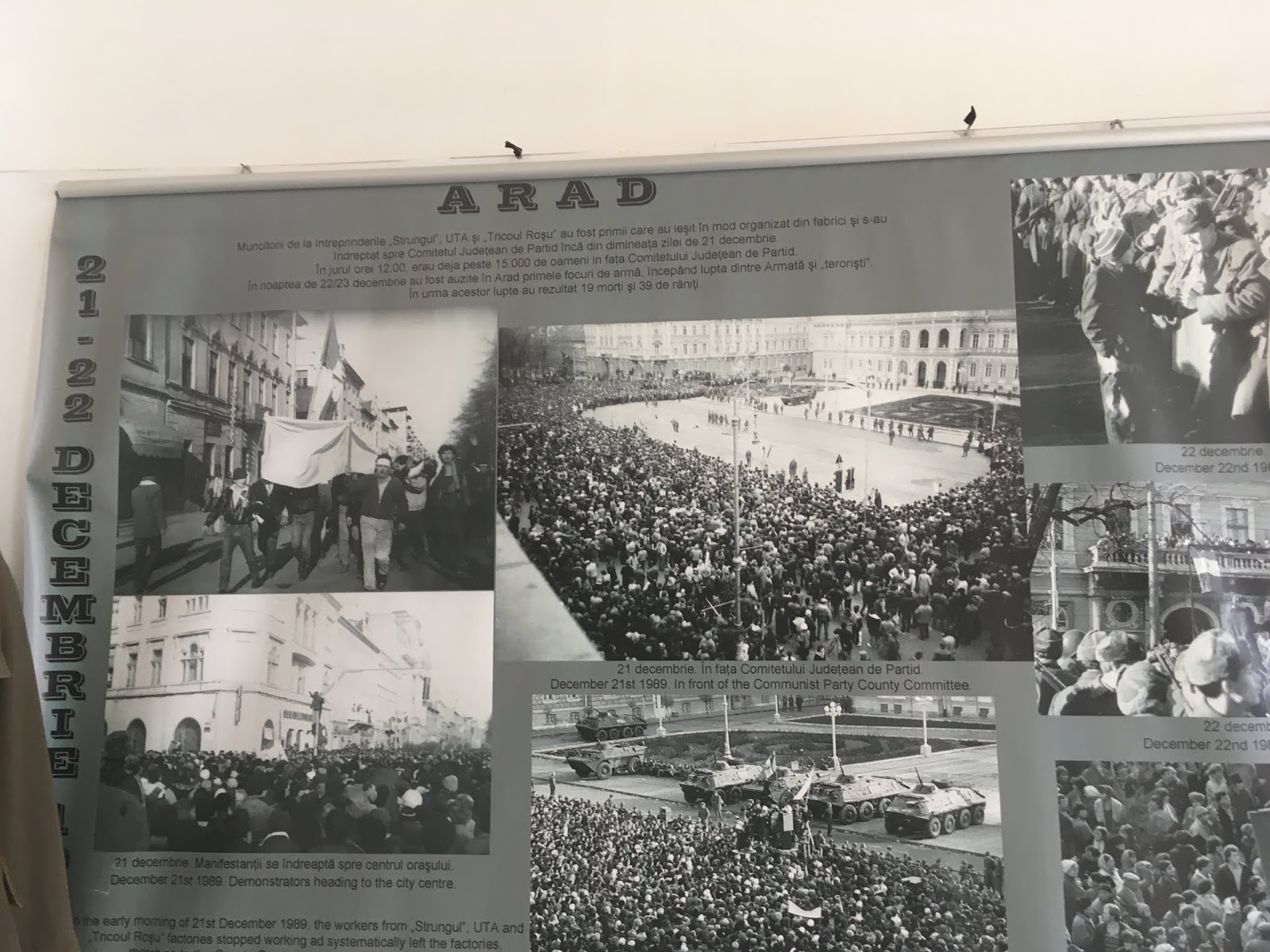
Our education regarding the revolution began with a visit to a very heart-felt museum. Exhibits looked like a tragic 5th grade science fair with homemade posters- black & white photographs glued onto cardboard, hand written descriptions and red embossed labels.

There was such an immediacy; it was raw emotion.  Family photos of dead loved ones (as young as one month old).  Blood stained clothes. Clothes with bullet holes.  

Along with the immensely personal exhibits, there was a 30 minute (VHS ?) documentary of the rebellion in Timisoara.   

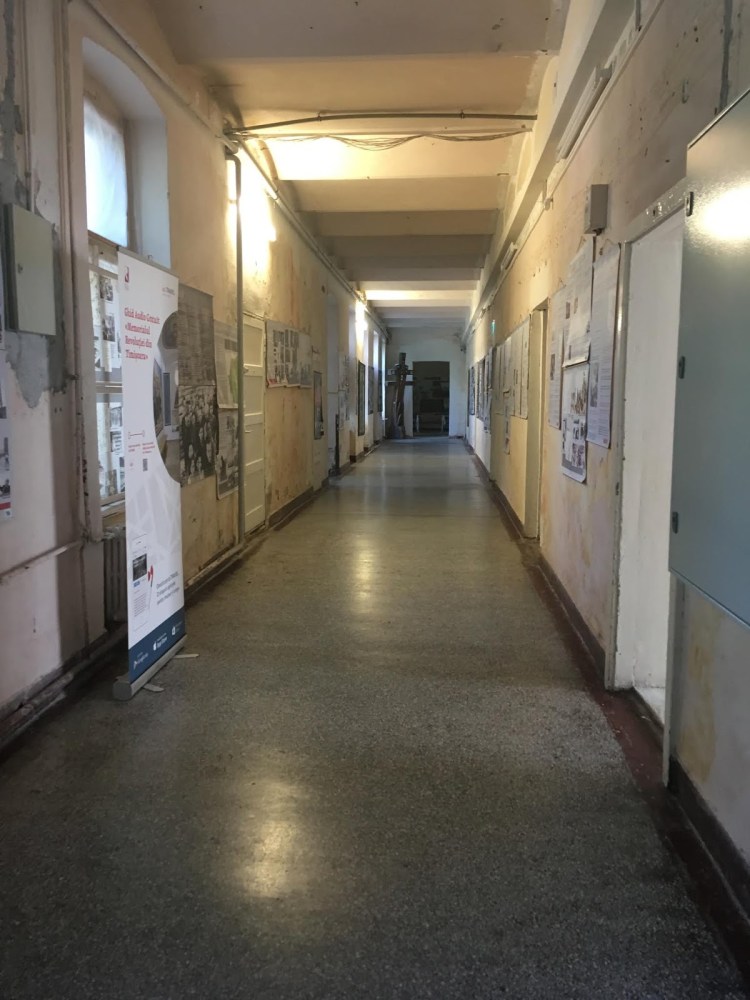
And, to place these events of 1989 in the context of world history, a timeline covered the previous 100 years-WW1, WW2, moon landing, rebellions in other Eastern Block countries, etc was presented in posters lining the hallway.

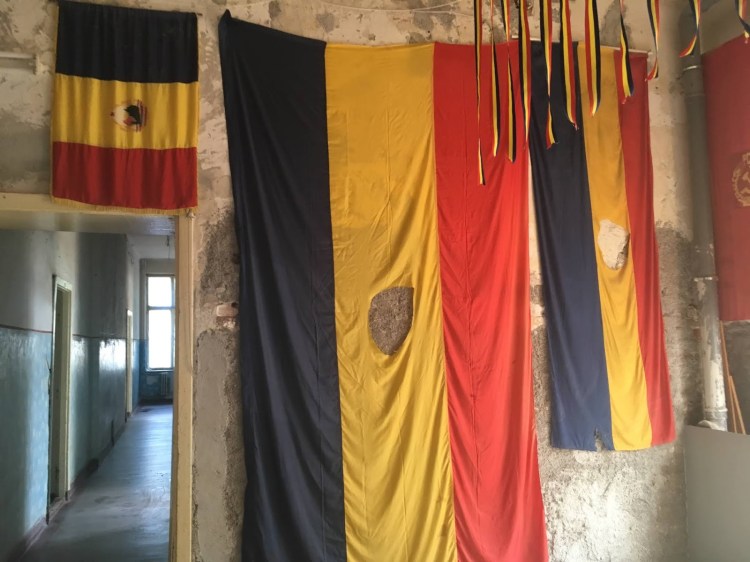
Clear in these pictures is the decay and condition of the building.  It was hard not to compare to museums with remarkable architecture and appropriate maintenance that did not have half of the emotional impact this museum did. 

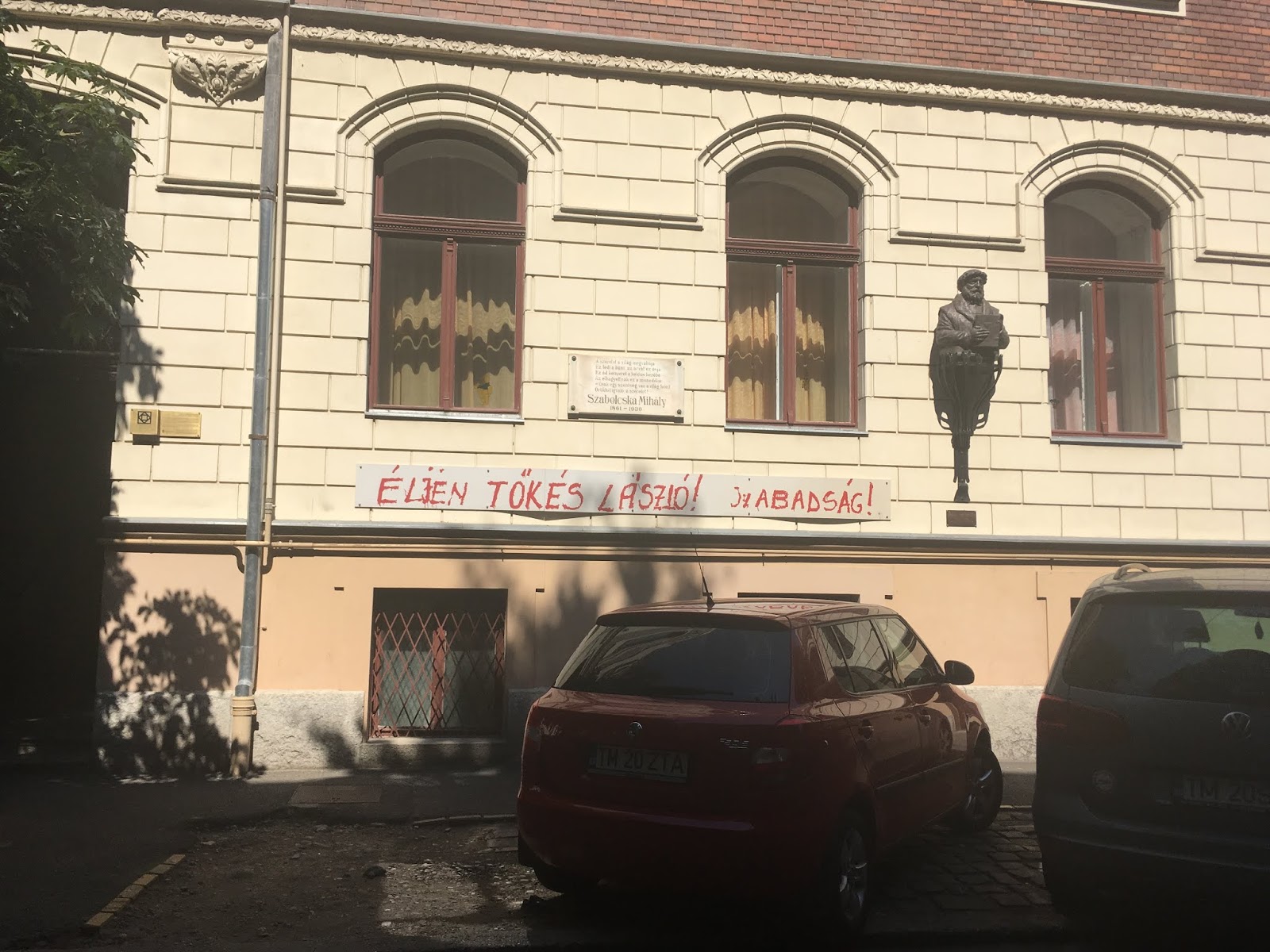
The revolution began on December 16 1989 innocently enough with a public protest in support of an outspoken Hungarian pastor, Laszlo Tokes, whom the government wanted to evict  from his church.  Parishioners gathered around his home to try to protect him and his family from eviction.

Passerby joined in and by evening the growing crowd started chanting anti-communist slogans including “down with Ceausecu\”.  The next day, this organic uprising resulted in almost the entire town protesting in the main squares.  The military was called in.  Word of mouth spread the unrest to other cities (all media was controlled by the government and phone lines had been blocked coming out of Timisoara) and by December 21, 1989  the protests erupted in almost every city in Romania. with unrest spreading throughout the country.


Ceausecu tried to squelch the uprising with a speech from the Palace Square in Bucharest- promising an increase in the minimum wage. But, the crowd of over 100,000 quickly turned against him chanting \”Ti-mi-soa-ra\”, \”down with Ceausecu\”.  
(watch the very short video here where he realizes the crowd is against him, for the very first time and very last time https://deadstate.org/watch-the-exact-moment-when-a-brutal-dictator-realizes-the-crowd-has-turned-against-him/ )

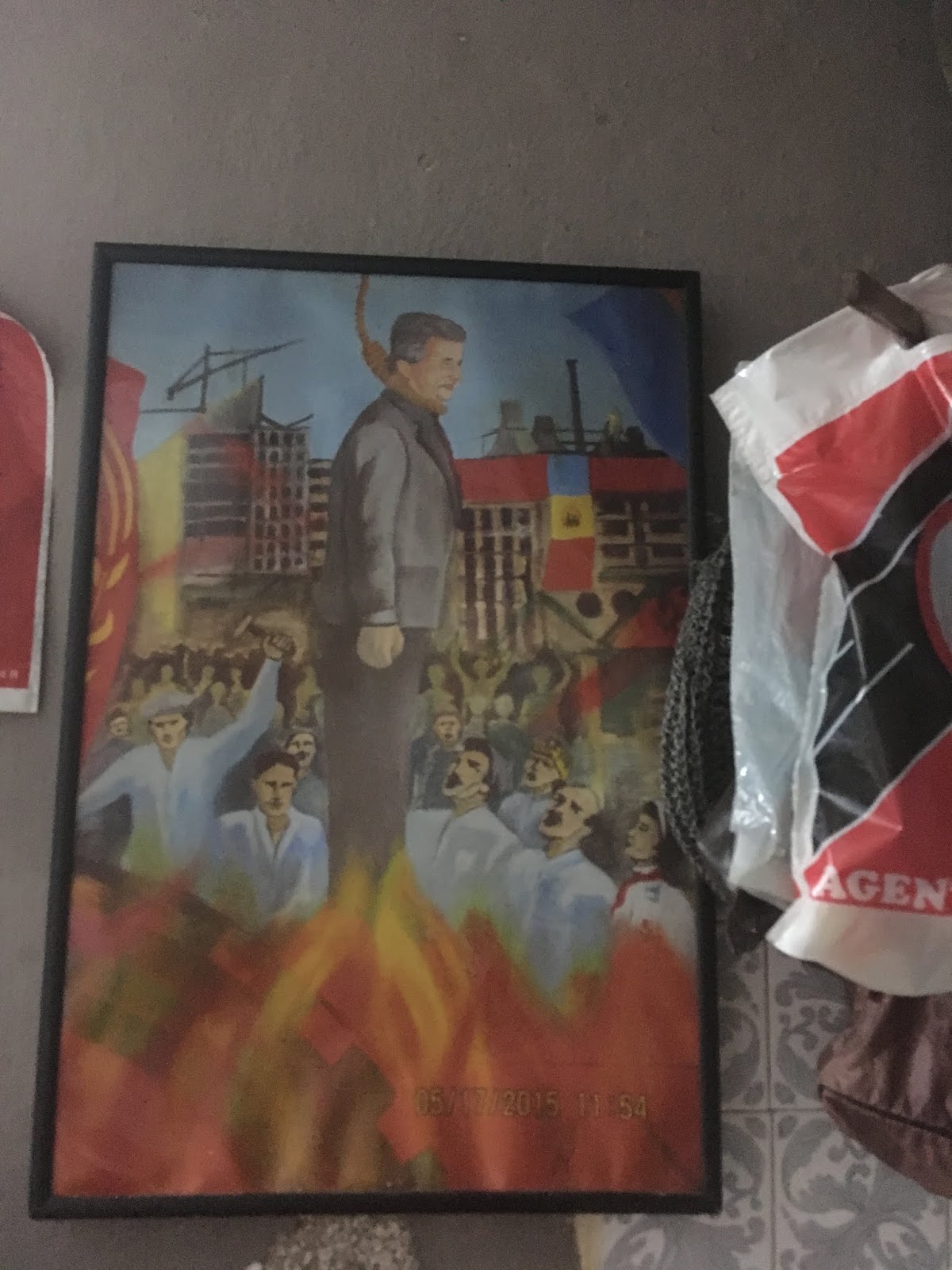
Rioting disrupted his speech requiring he and his wife, Elena, to escape by helicopter. They were both caught the next day arrested, tried and shot dead by a firing squad on Christmas Day just 10 days after the initial events in Timisoara.  And, communist control of Romania was over, but with a heavy toll, close to 2000 died, thousands injured during the protests and the confusion following the fall of the government.  Discussion with the museum curator (very intimate museum) who was 20 at the time of the uprising and living in Timisoara, said she didn’t believe it was really happening. Mass confusion and fear prevailed, there was no media (tv completely blocked), everyone relied on word of mouth, rumors were rampant no one was sure who to trust (with good reason). And when the end did come, no one could believe it was really Ceausecu who was killed.  Later we walked the sites to Pastor Tokes building and church, to the main squares where the riots and killings took place, now looking very different but with bullet holes remaining in the buildings.   


Walking anywhere in the city, we saw the many memorials to all the martyrs/heroes of the day 

At the cemetery commemorating those who died and were buried and those whose bodies were never recovered (burned by the government in a rushed attempt to cover up the rebellion).  Feeling of sadness and anger remained.

We looked back at our visit to Bucharest to try and recreate the events there and picture Ceaucescu on the balcony of the enormous Palace surrounded by a huge square filled with thousands of angry disillusioned citizens ready to revolt. https://thechosenfugue.blogspot.com/2019/07/bucaresti.html

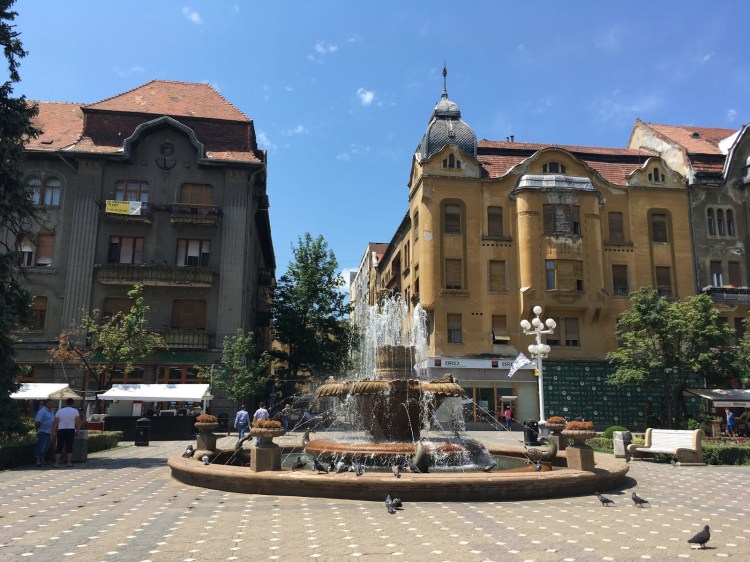
Timisoara, beyond it’s role in the revolution, was great in it’s own right.  It checked off all the boxes expected of a historic-Ottomon-Habsburg-Austo-Hungarian European mid-sized city. 

 park lined River (Bega)
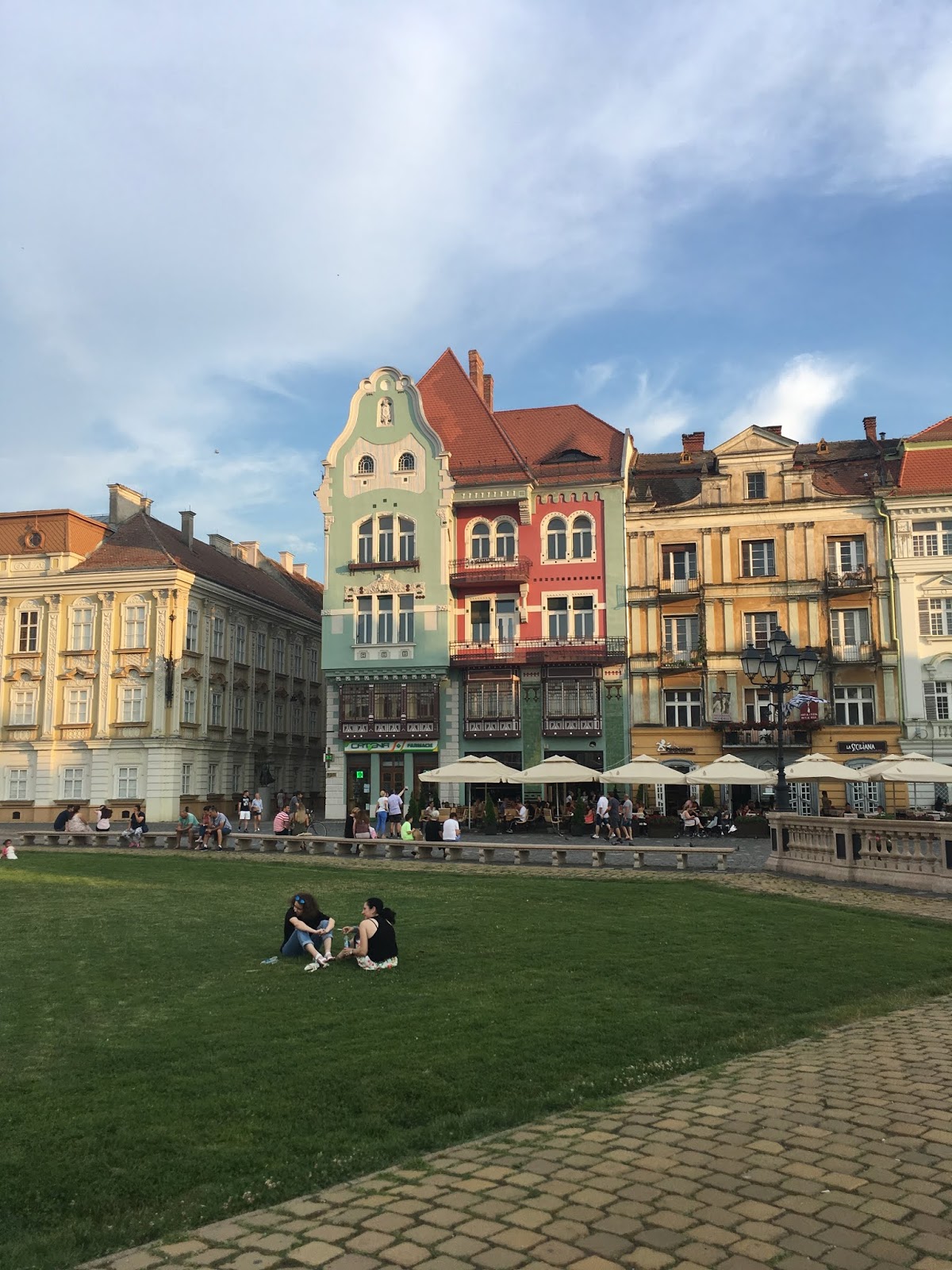
Beautiful buildings
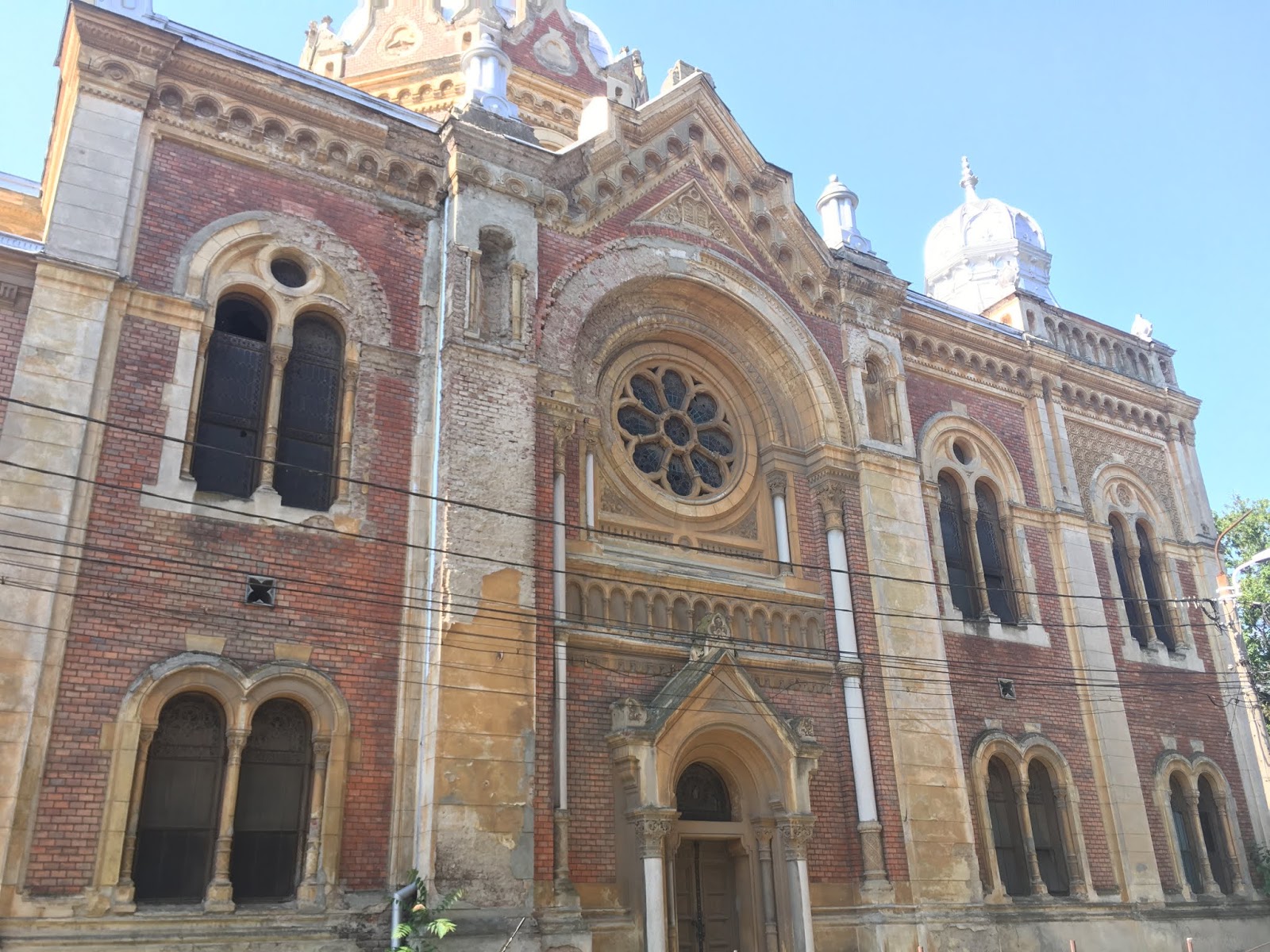
Empty synagogues

But there was a different vibe here. Like most European cities- history was celebrated and on display  but in Timisoara it was with a slightly different more non-traditional approach, it felt like it was moving on and looking to recreate itself, like it probably has done many times before.

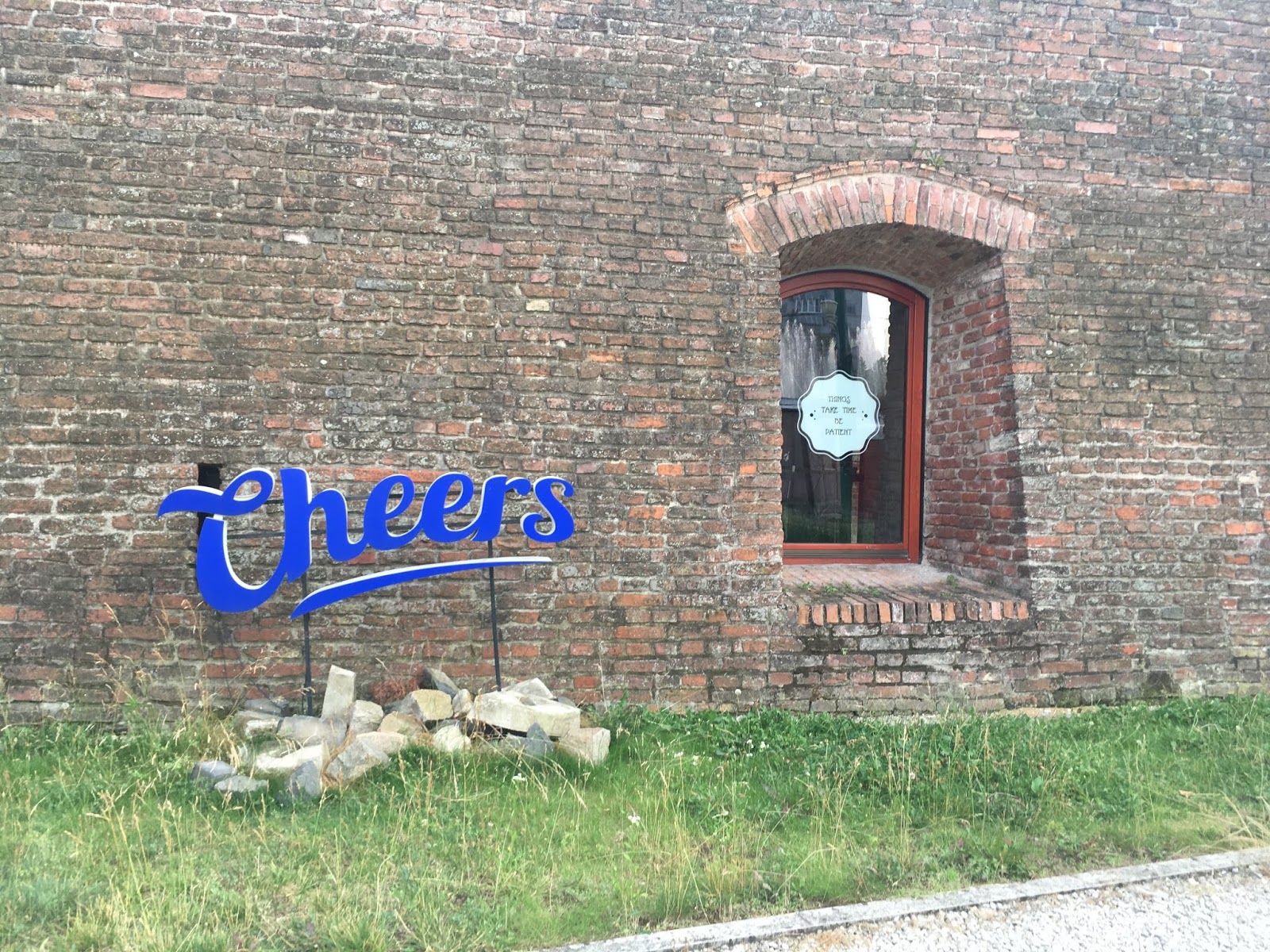
A Cheers bar-gotta start somewhere
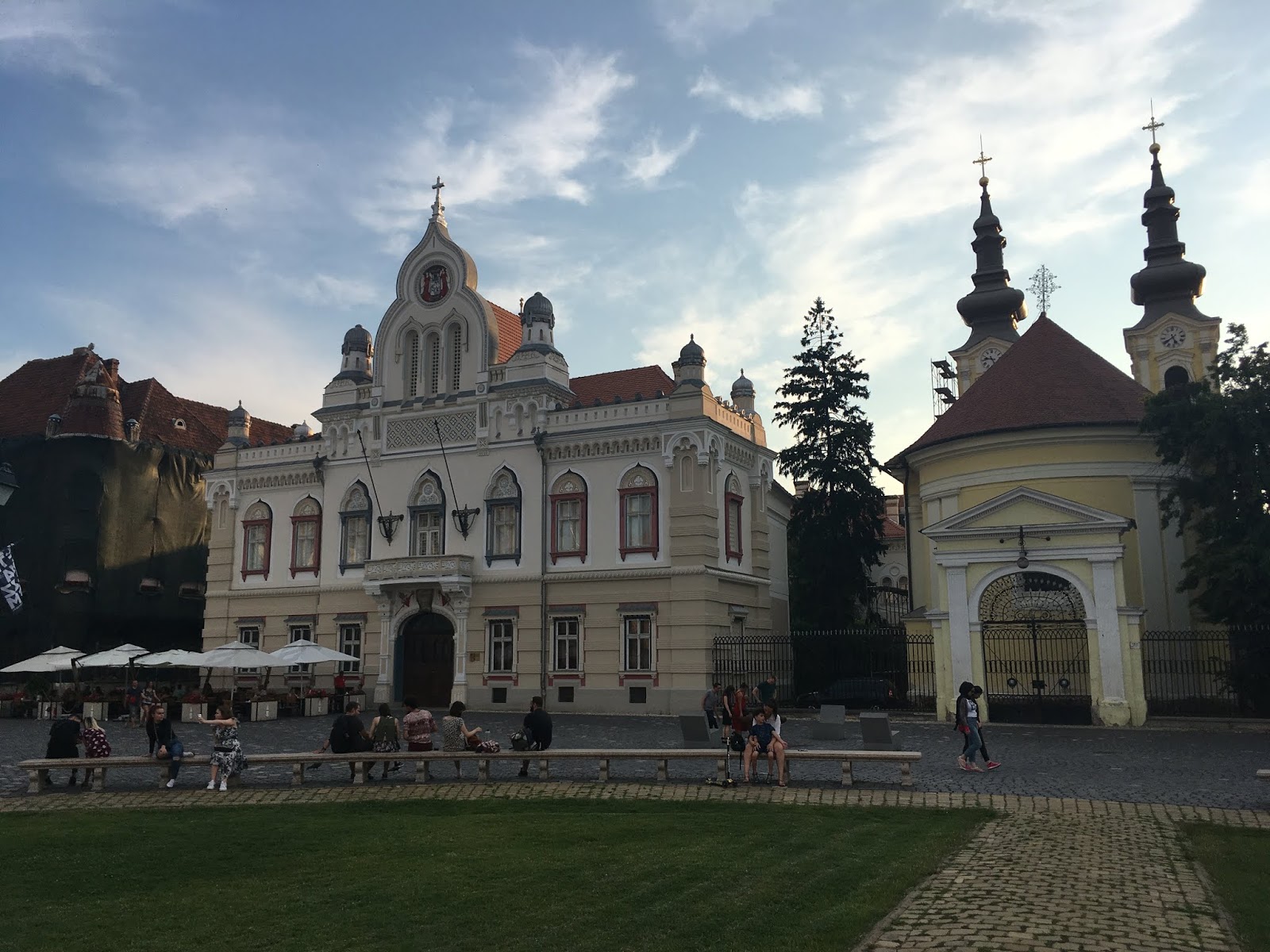
Church with an attached cafe, Our Lady of Perpetual Mimosas (?)
Empty synagogue looking to now be a restaurant
Thoughtful graffiti
Luring travelers with the iconic shot for every travel photo blog or an homage to winter in Eugene

We toasted Timisoara, Romania and the revolution with local craft beers at a Bar with the Museum of the Communist Consumer in it’s basement, kind of a History within a Hipster Bar/ DIY museum.  (much better than the Cheers bar)


This week’s picture of topless old man looking out window contemplating his life…Perfect family vacation

A Taste of Three Transylvania Towns

It’s understandable that vampires have chosen to spend their eternal lives in Transylvania, as it is one of the most beautiful areas (countryside and cities) we have visited.  While our visit to Transylvania was short-lived it definitely got in our blood.

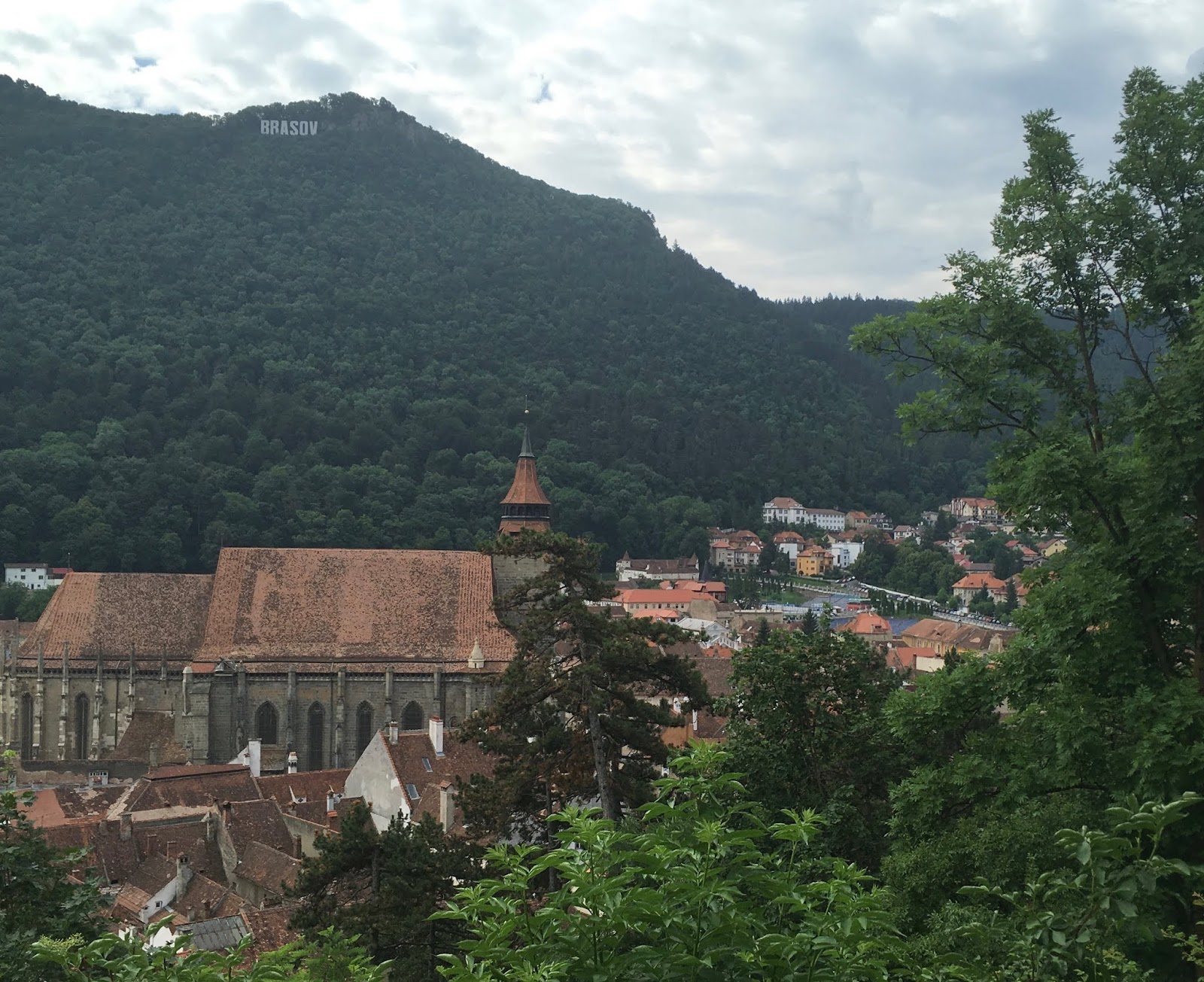
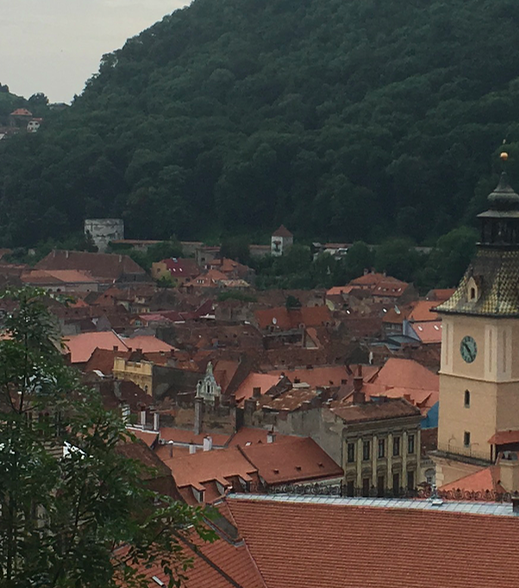
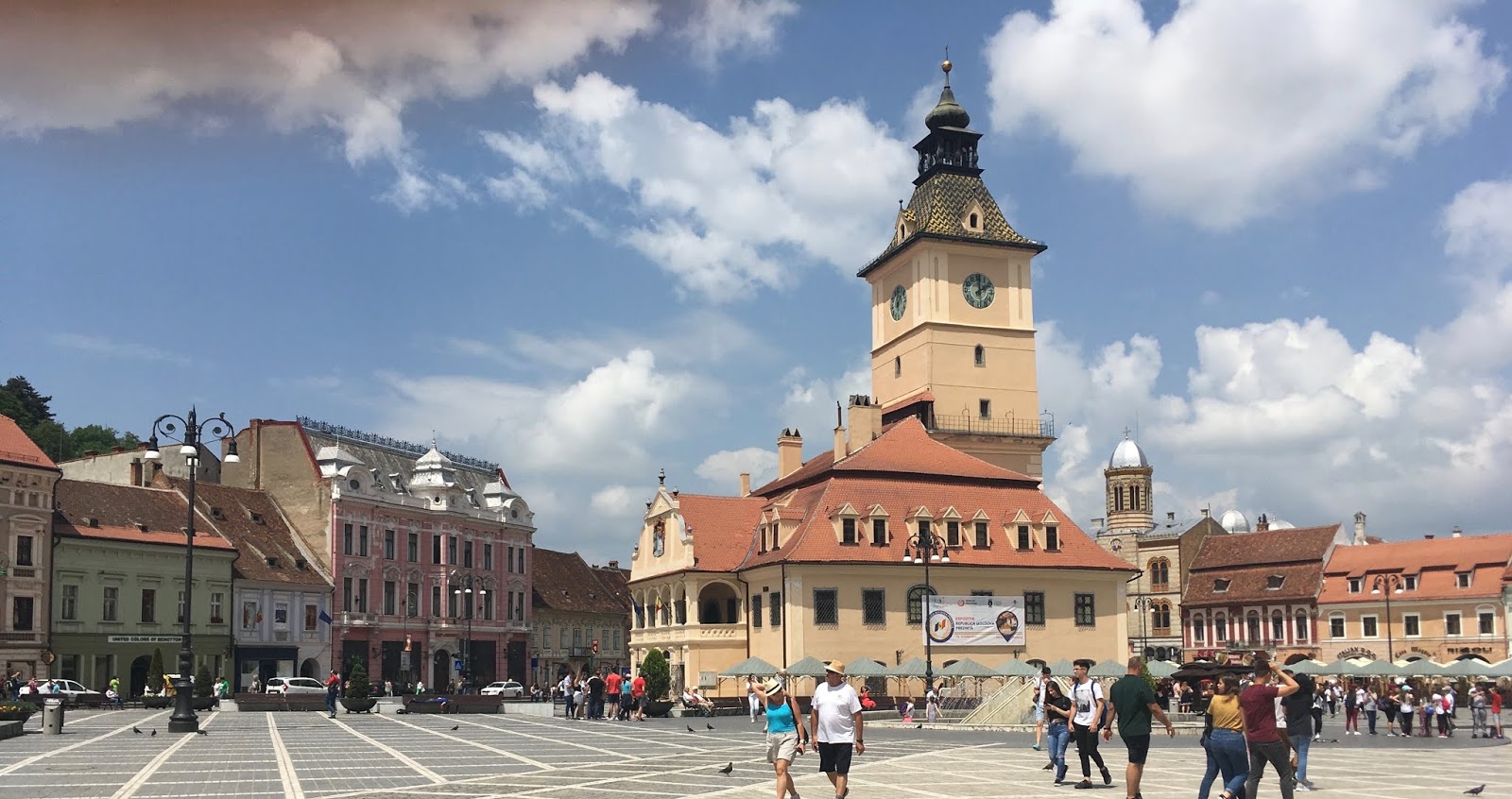
Our first stop, Brasov, had it’s own “Hollywood sign”, and deservedly so, as it looked like a movie set, the picture perfect walled old city.  

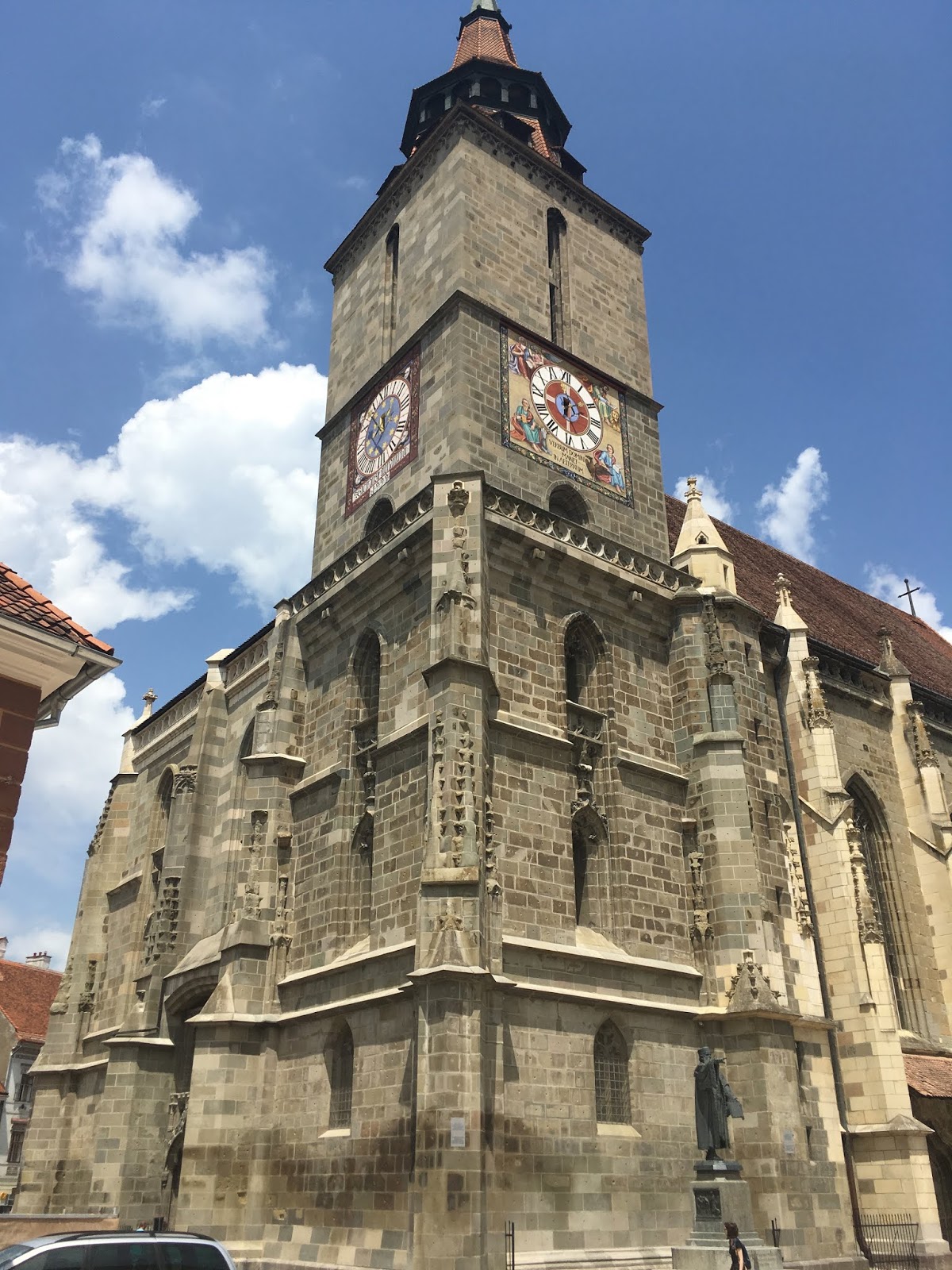
The iconic centerpiece of the town is  St Mary’s church  nicknamed the Black Church, although it is gray, due to discoloration from a fire in 1689 during the Great Turkish War. 


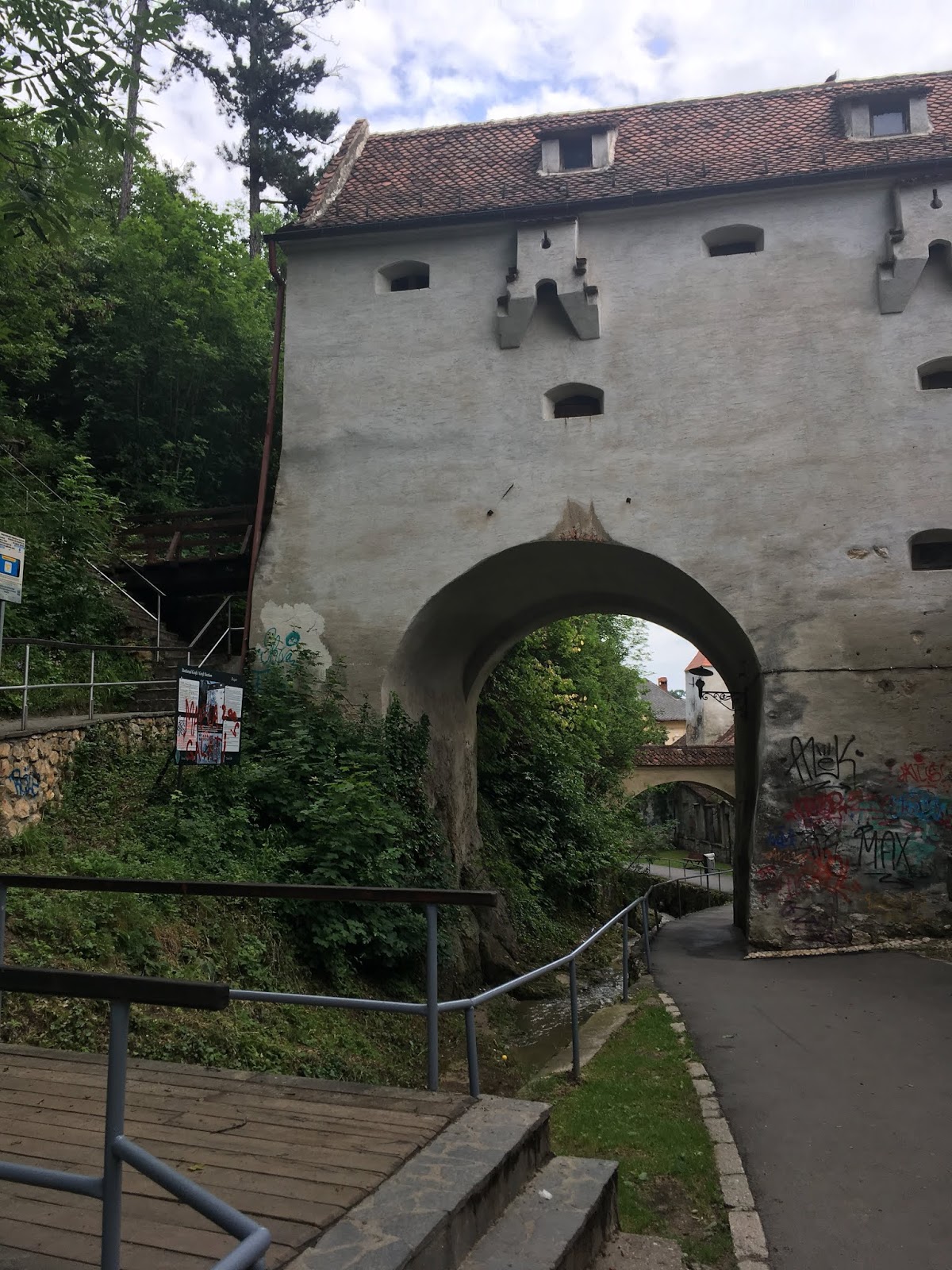
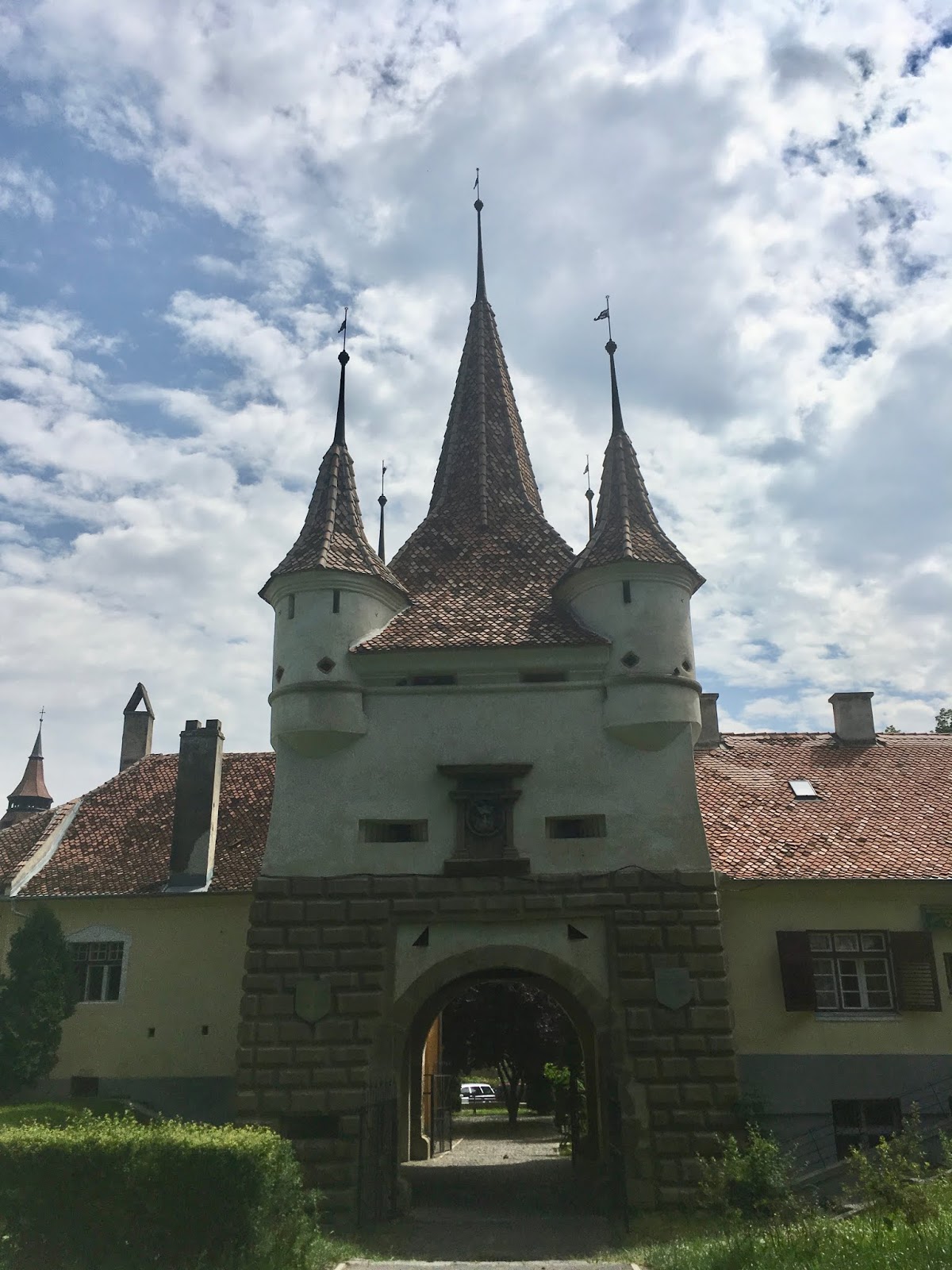
The walls included seven towers and gates, and as was customary at the time, each was built, guarded and maintained by different guilds-Tanner’s, Draper’s, Weavers etc. 

The wall with two of the towers just below the hill

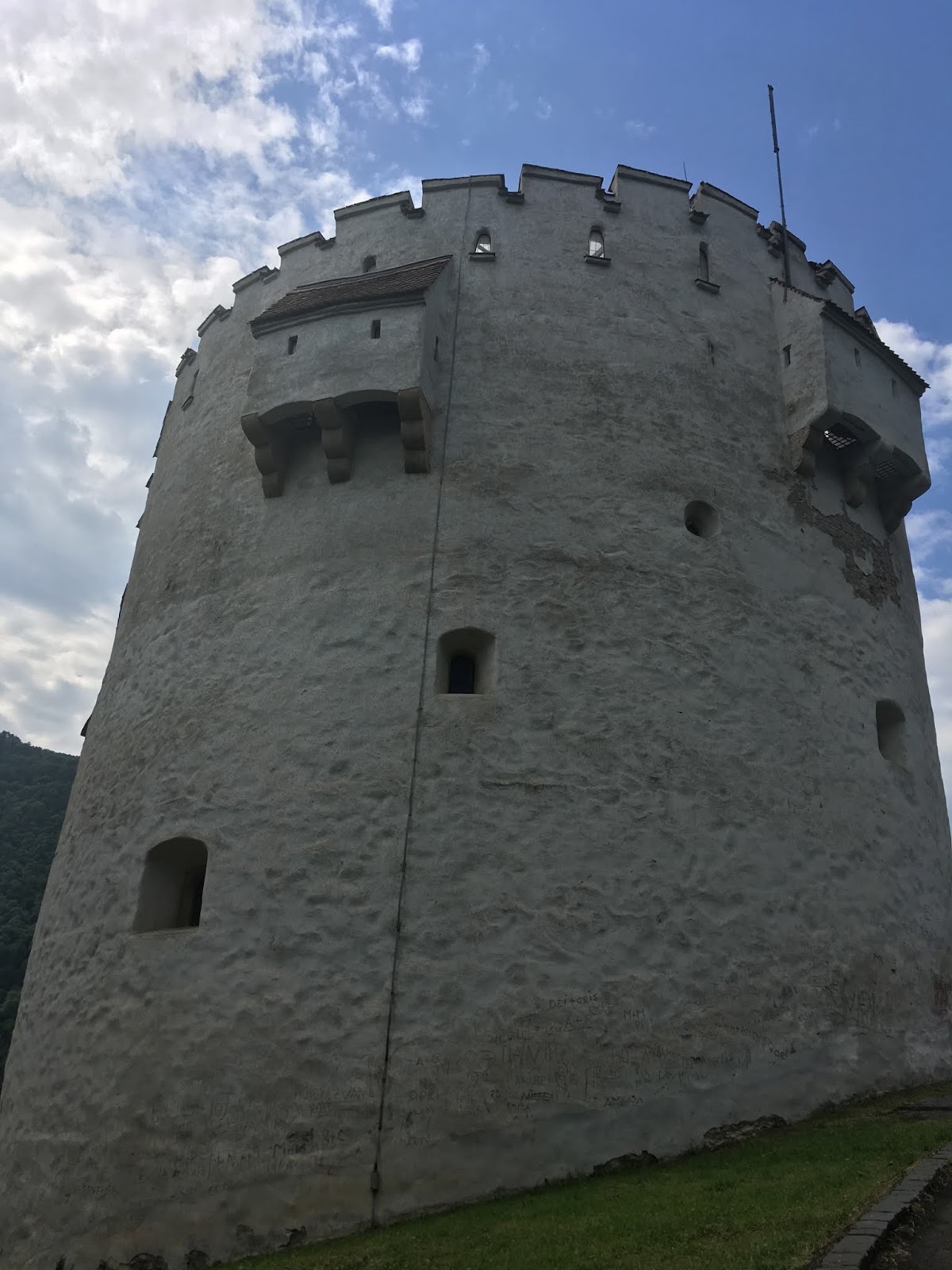
One tower is called the Black Tower, which is actually white.  So, Brasov apparently is colorblind as a bat.  The walled city was impressive, but like every walled city we’ve visited, so much effort to build but doesn\’t work as we easily got in.
Due to its location, Transylvania’s convoluted heritage includes Romanian, German (Saxon), Hungarian and even some Bulgarian roots which maybe explains our airbnb’s incongruent name, 
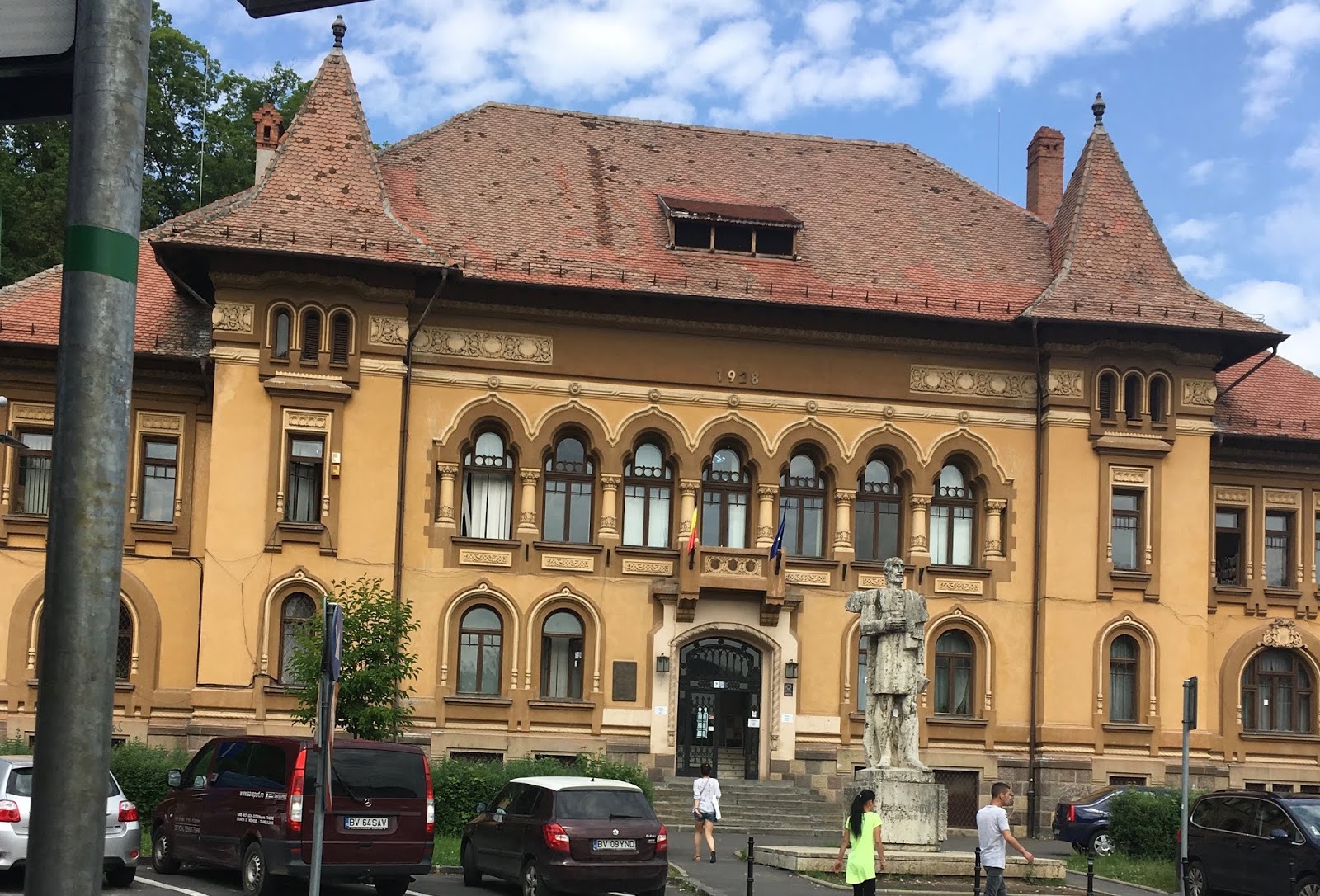
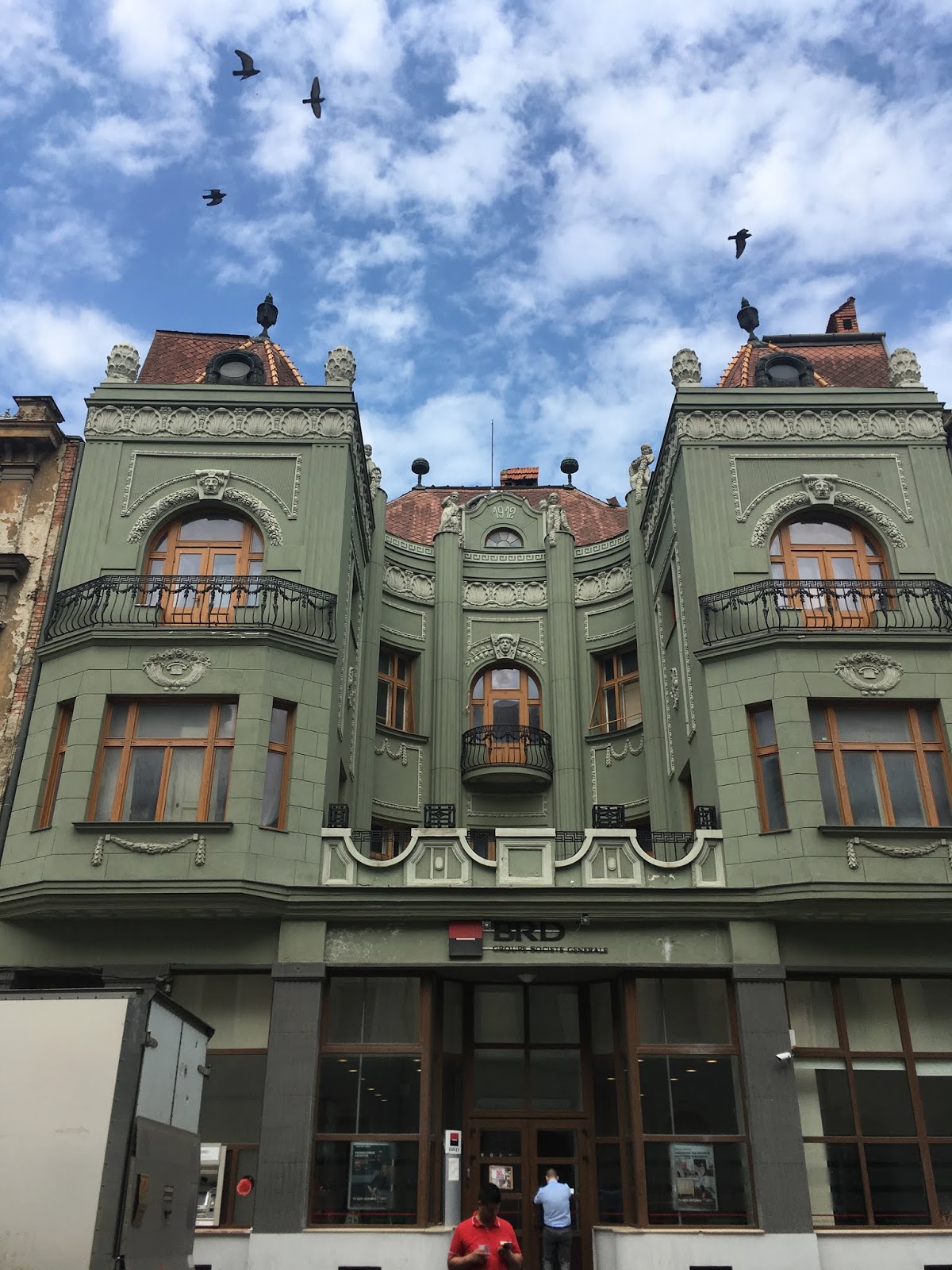
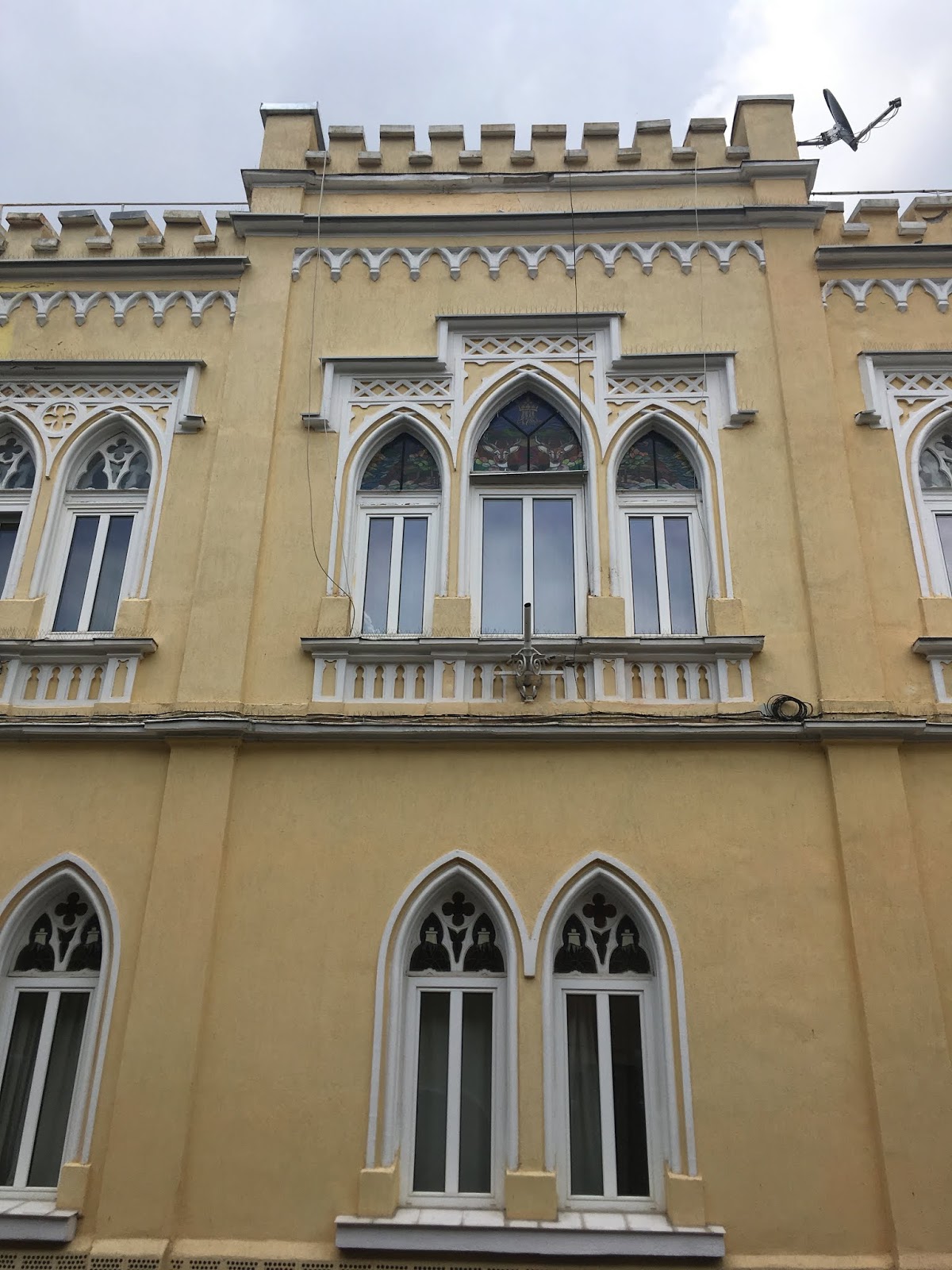
The Roberta Long Suite.  This history has led to a distinct blend of architecture and culture.  
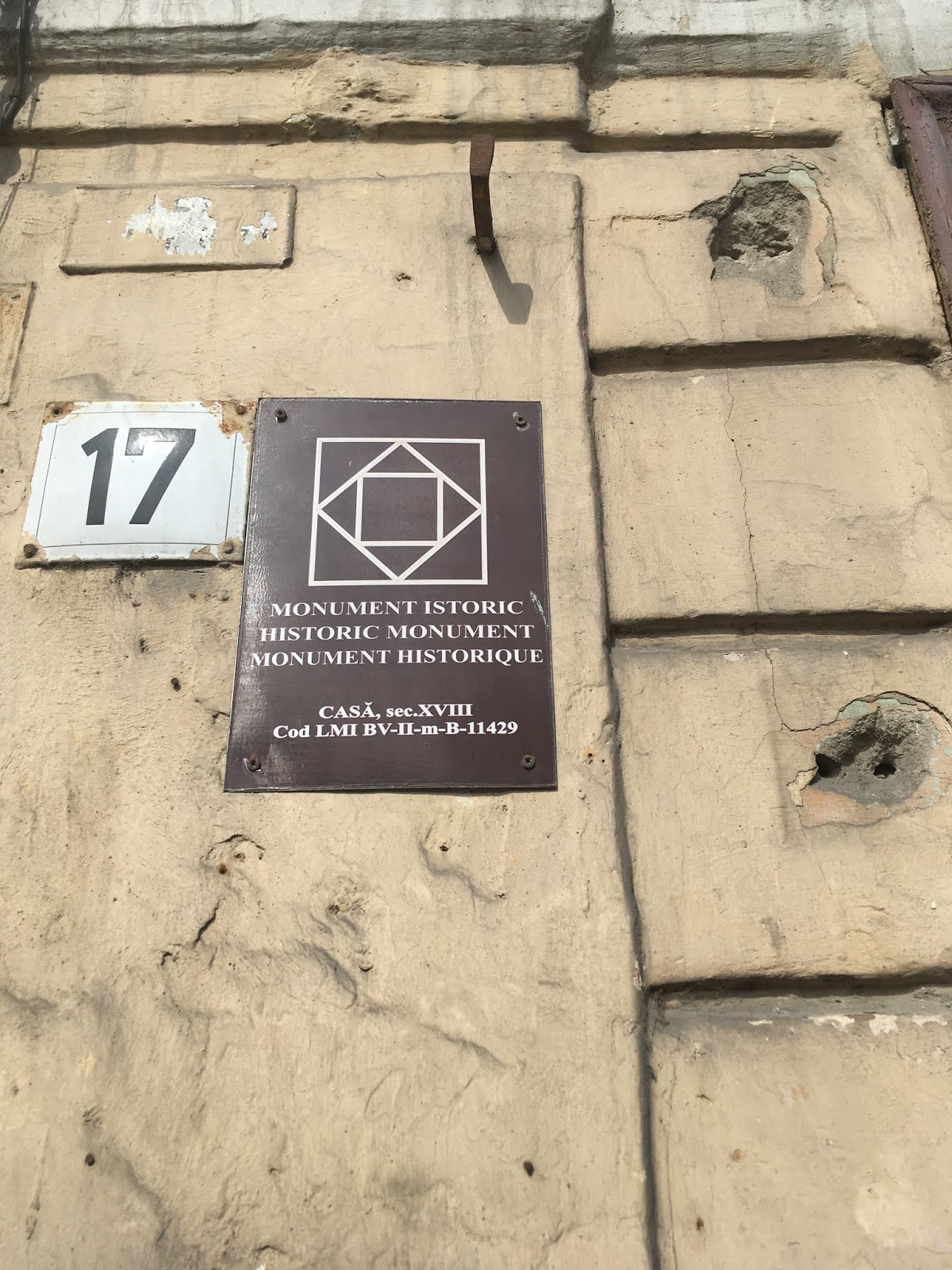
We knew that all of the buildings were special as almost every single building had a historic marker, although the marker did not identify what the building was, it\’s age or why it was significant.


Brasov’s location was also a perfect base for traveling in the area so we took a day trip to Sighisoara.  
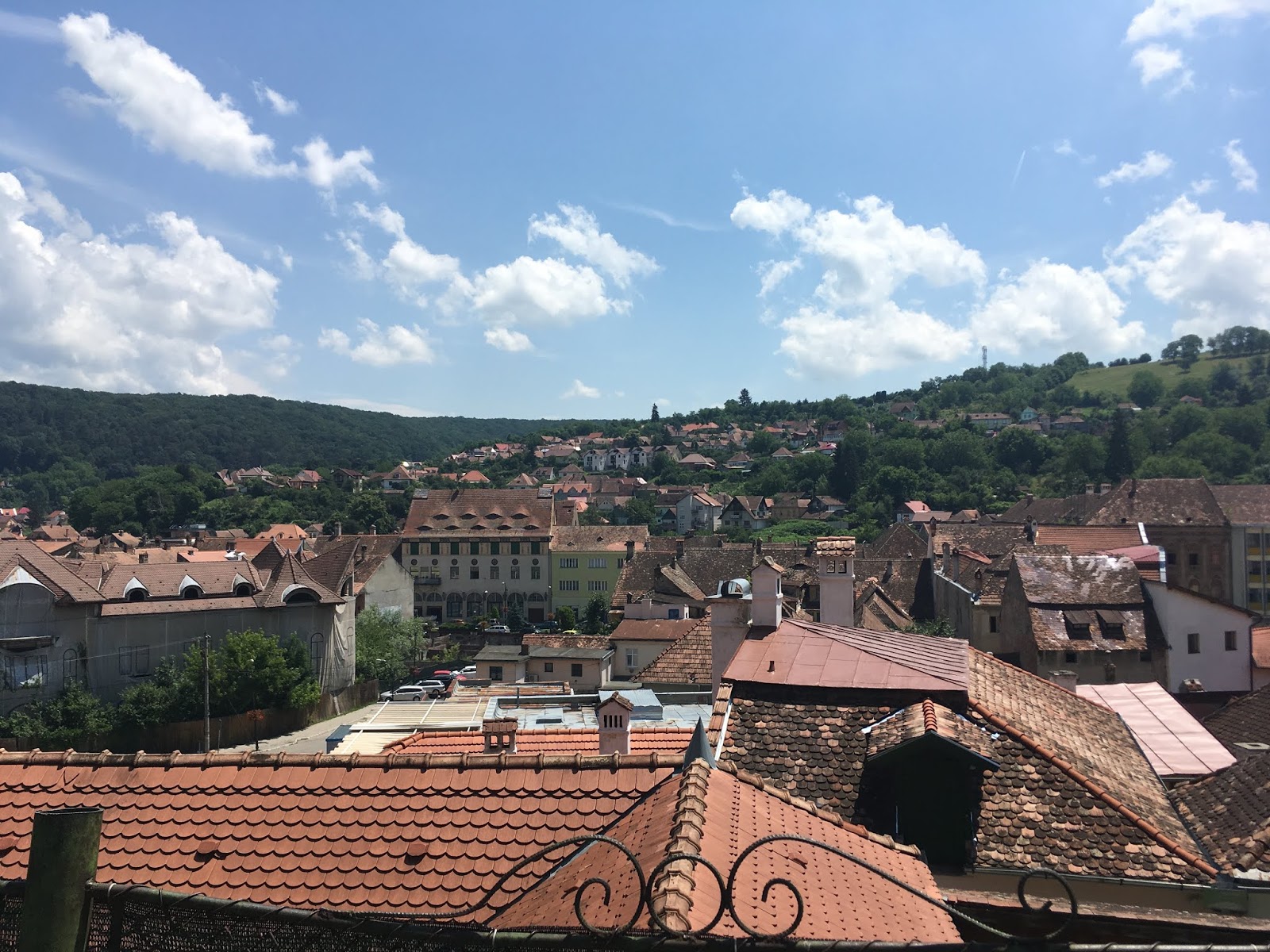
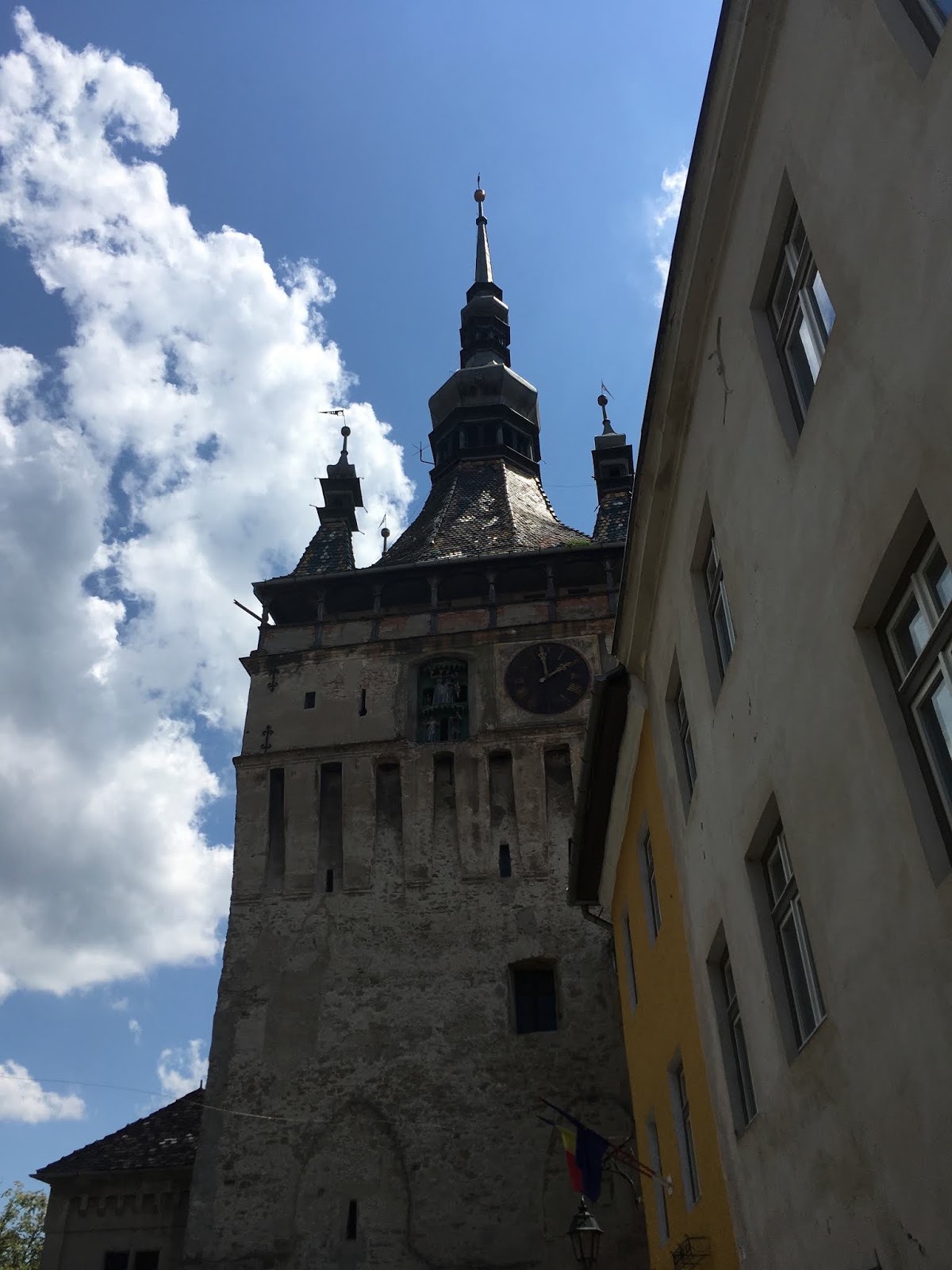
It was very enjoyable despite some record heat and humidity.   It felt like the sun was always directly over our head because we never saw our shadows (!). It was a smaller, less well maintained version of Brasov, with some unique  attractions including the birthplace of the gruesome and real Dracula (Vlad the Impaler)  which was an interesting contrast to our visit to Whitby, England where the writer Bram Stoker was inspired to create the gothic and romanticized Dracula. (https://thechosenfugue.blogspot.com/2018/10/scarborough-fair-moor-or-less.html).  
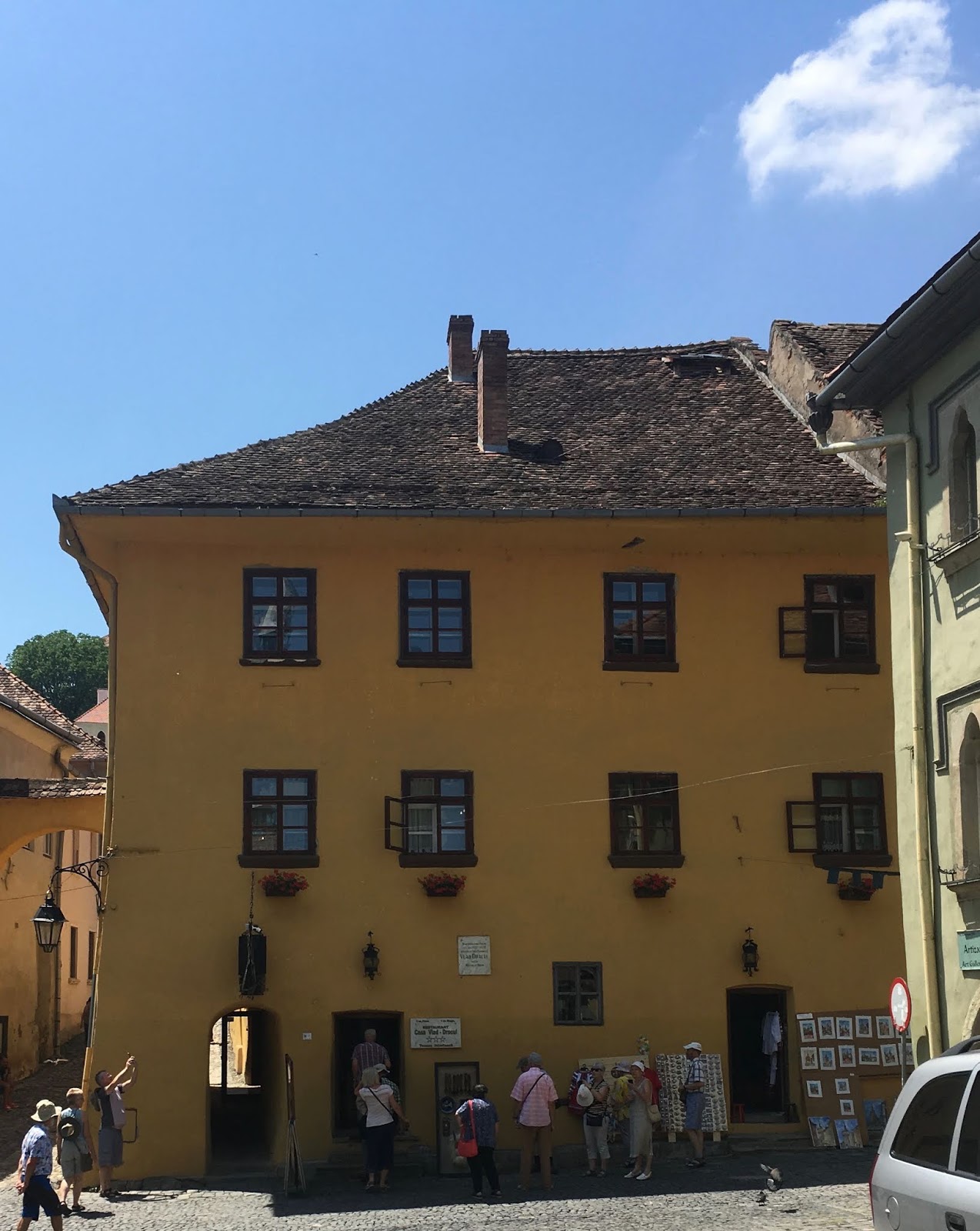
Dracula\’s house and neighborhood 
The famous hilltop Dracula\’s castle (Bran Castle), another major tourist highlight is located in Bran about 15 miles southwest (as the bat flies) of Brasov.  We didn’t go. 
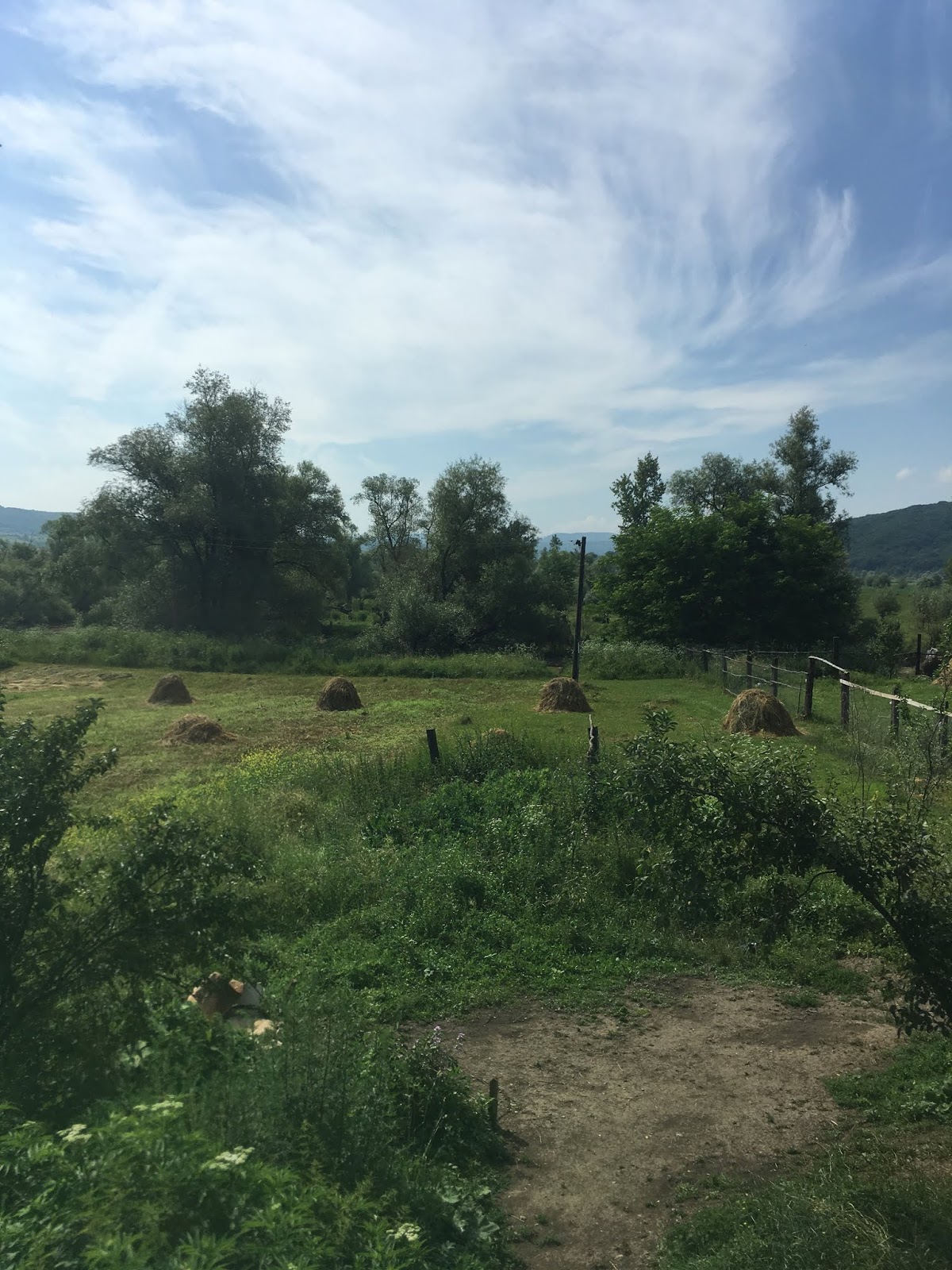
The train ride through the Carpathian foothills between Brasov and Sighisoara was very pleasant.
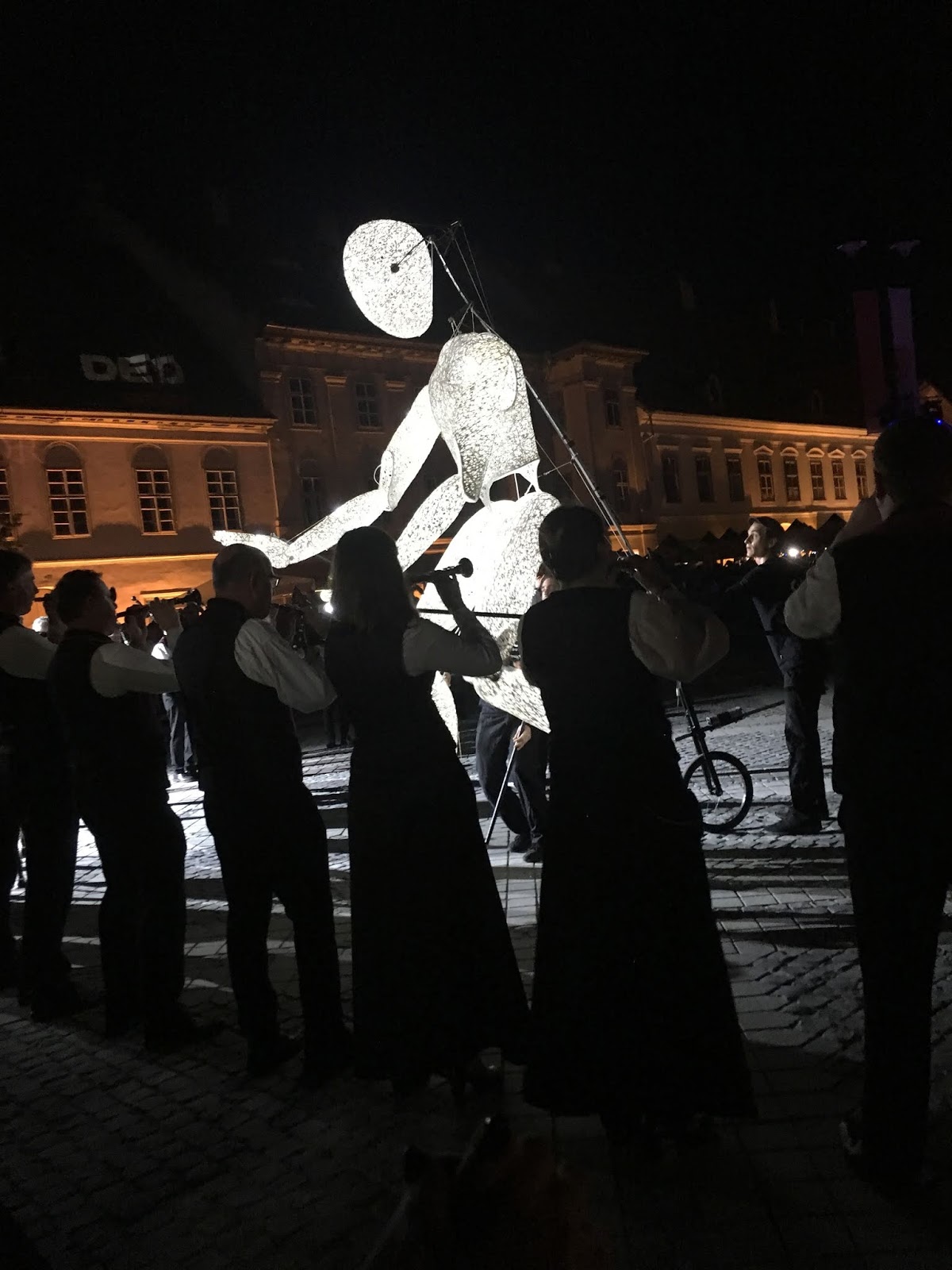
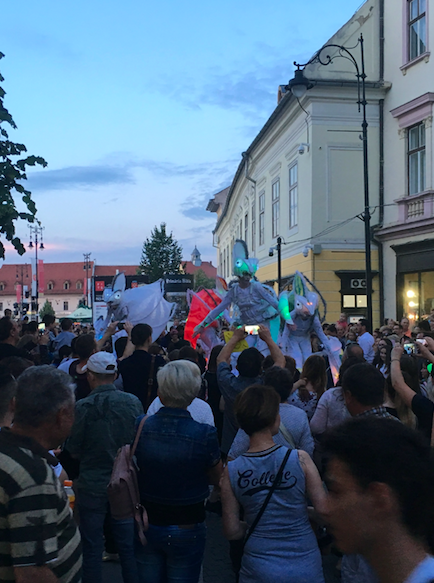
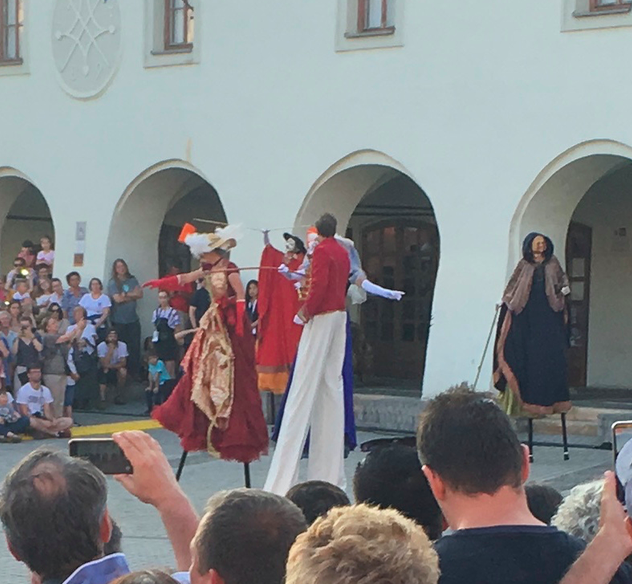
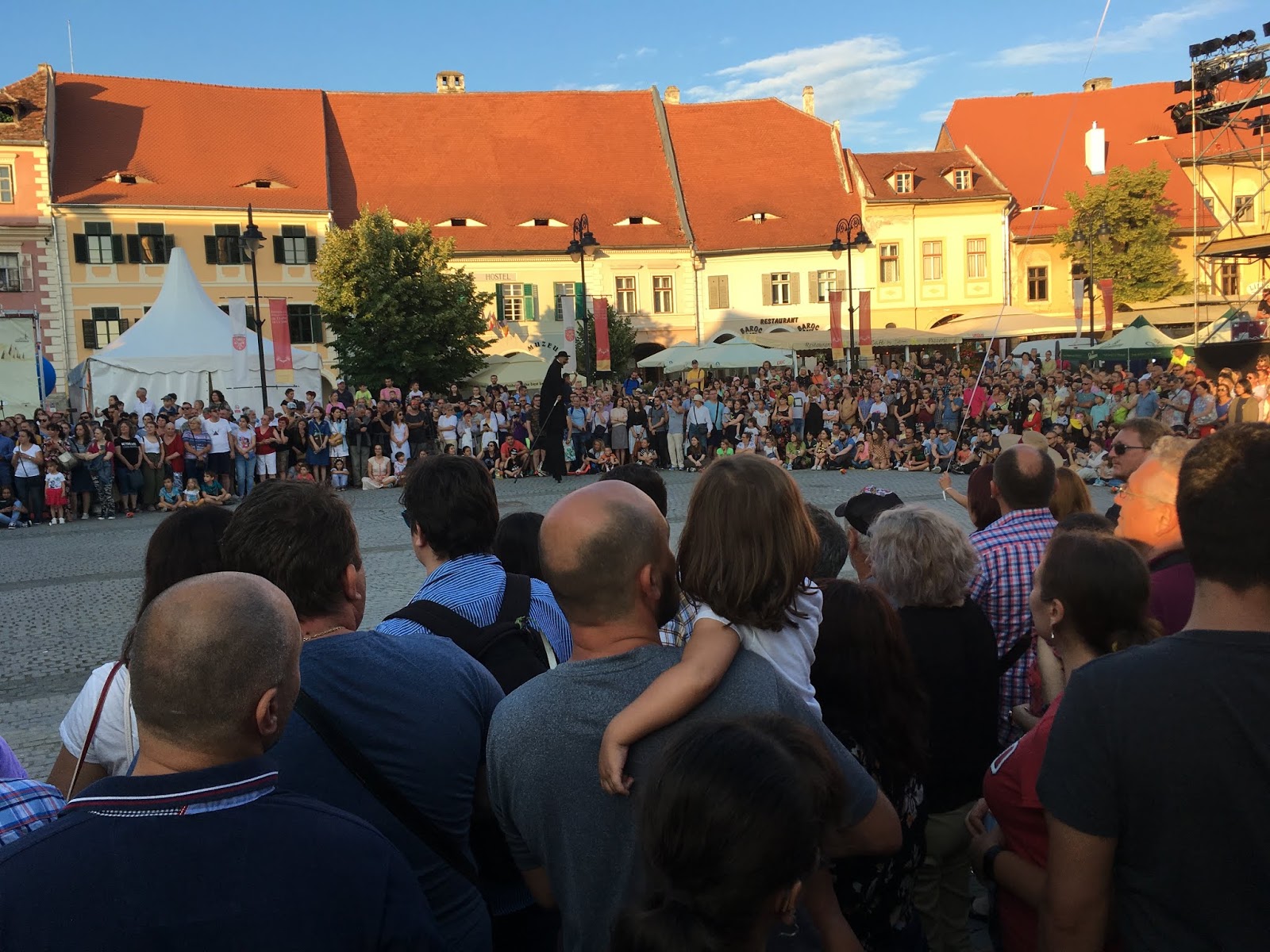
In Sibiu we serendipitously stumbled on the last two nights of a crazy 10 day international theater festival.  Each evening there were open air performances in the exquisitely charming squares and malls which were packed with people and ice cream stands. 
French marching bands with bagpipes, Italian faux-military bands, and Spanish samba dancers dancing with Dundu the giant of light from Germany. Stilts were well-represented by giant glowing chameleons from Germany and waltzing dancers from Italy. 


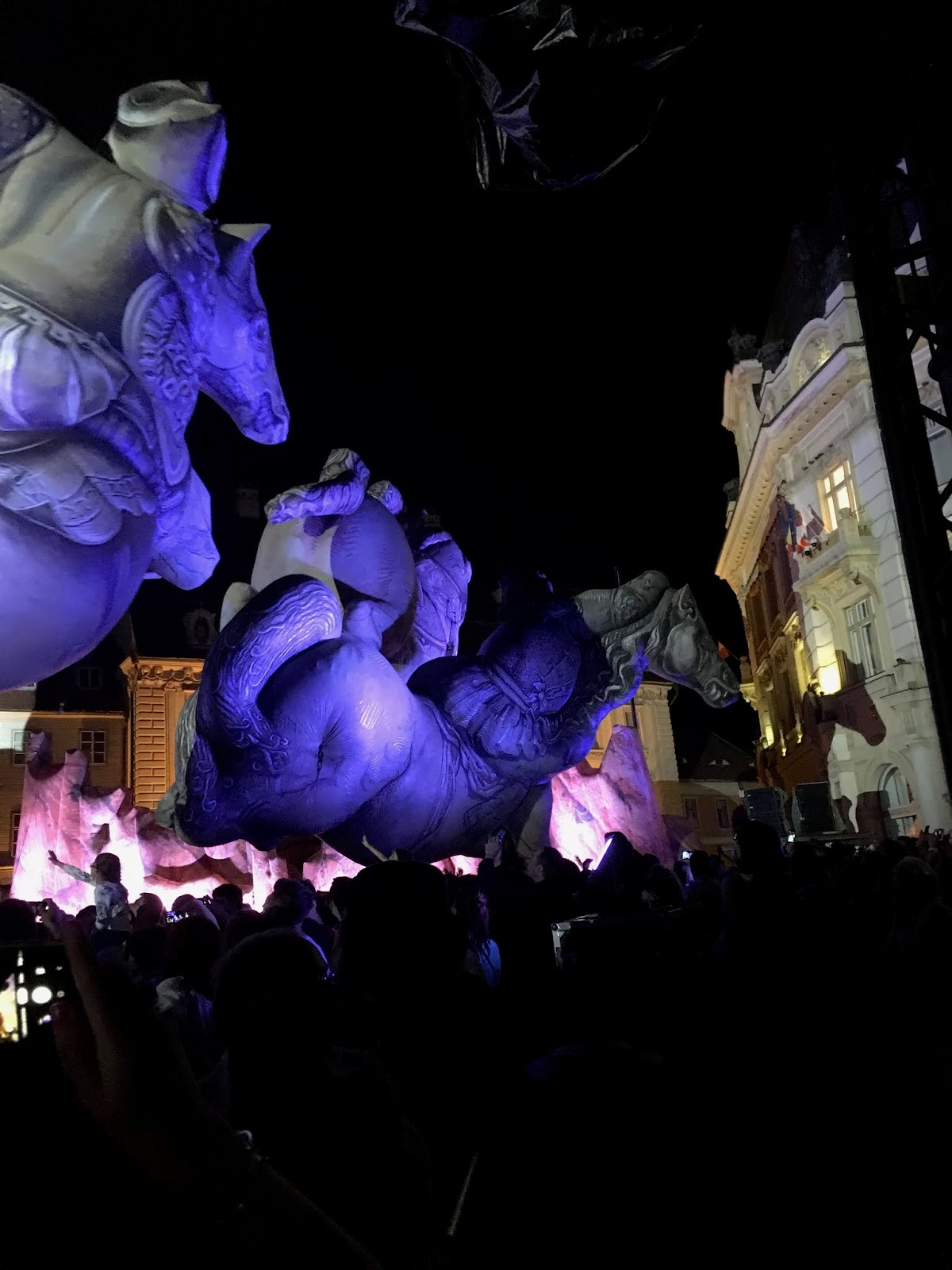
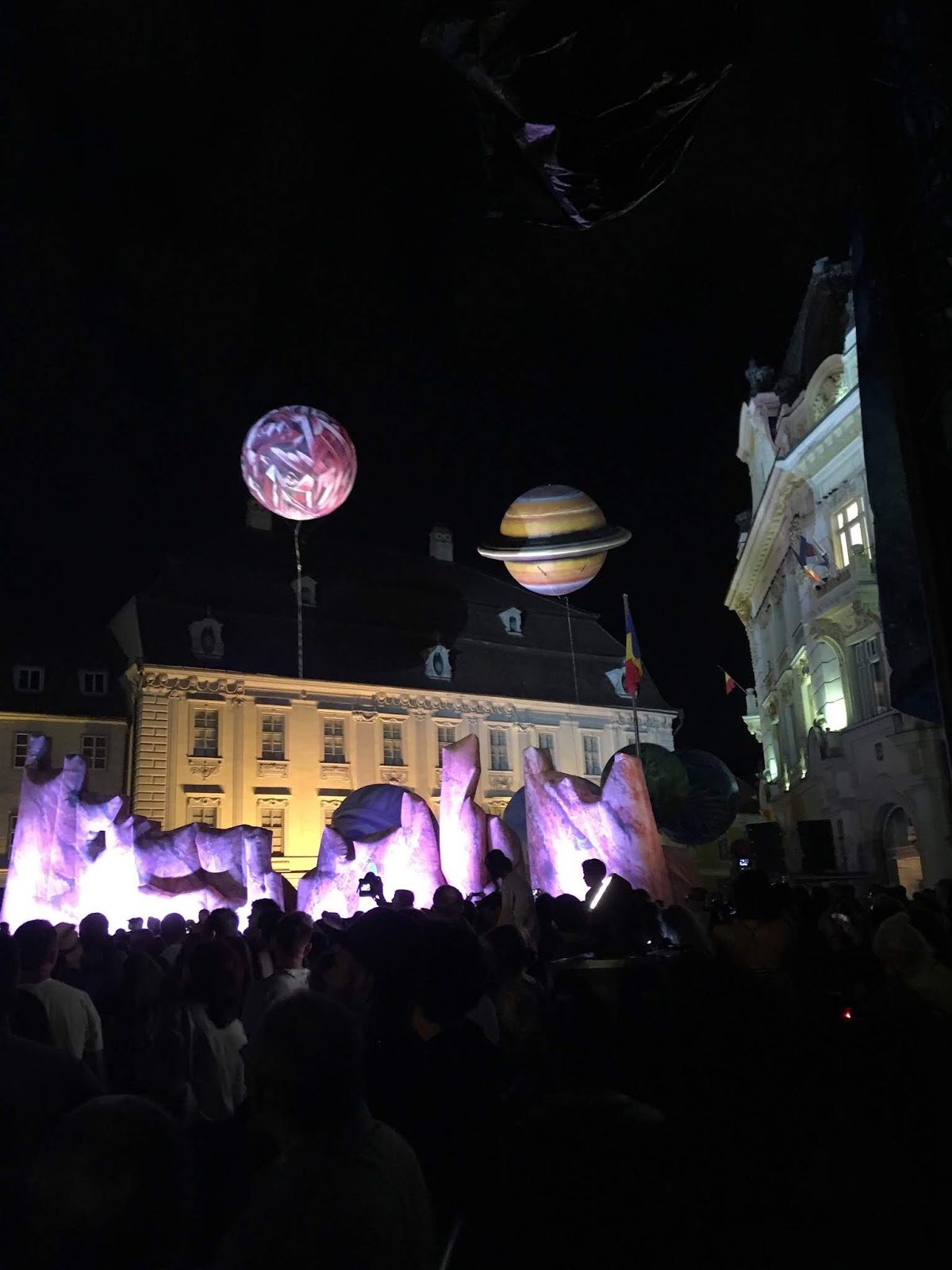
The finale from Italy was a hyper Thanksgiving Day like parade of balloons and music celebrating Leonardo Da Vinci, capped off with  fireworks to end the festival.

These were our first  stay-out-very-late nights, but of course, in Transylvania we should have realized the party doesn’t get started until after the sun goes down.

In addition to the festival, there was Sibiu itself.

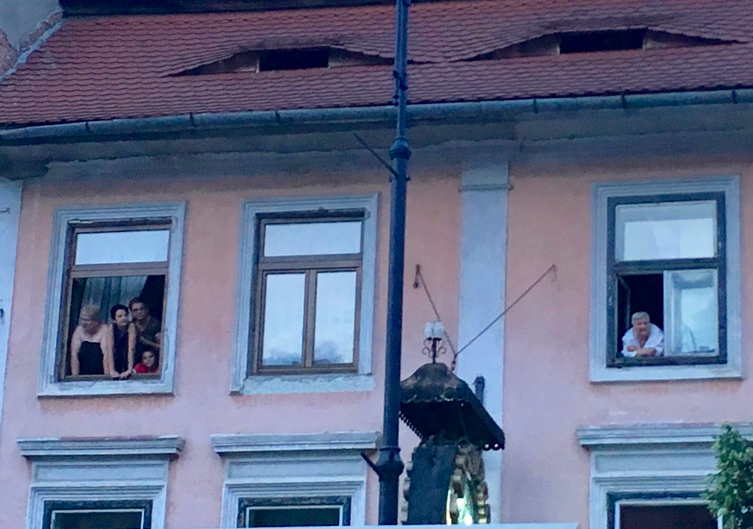
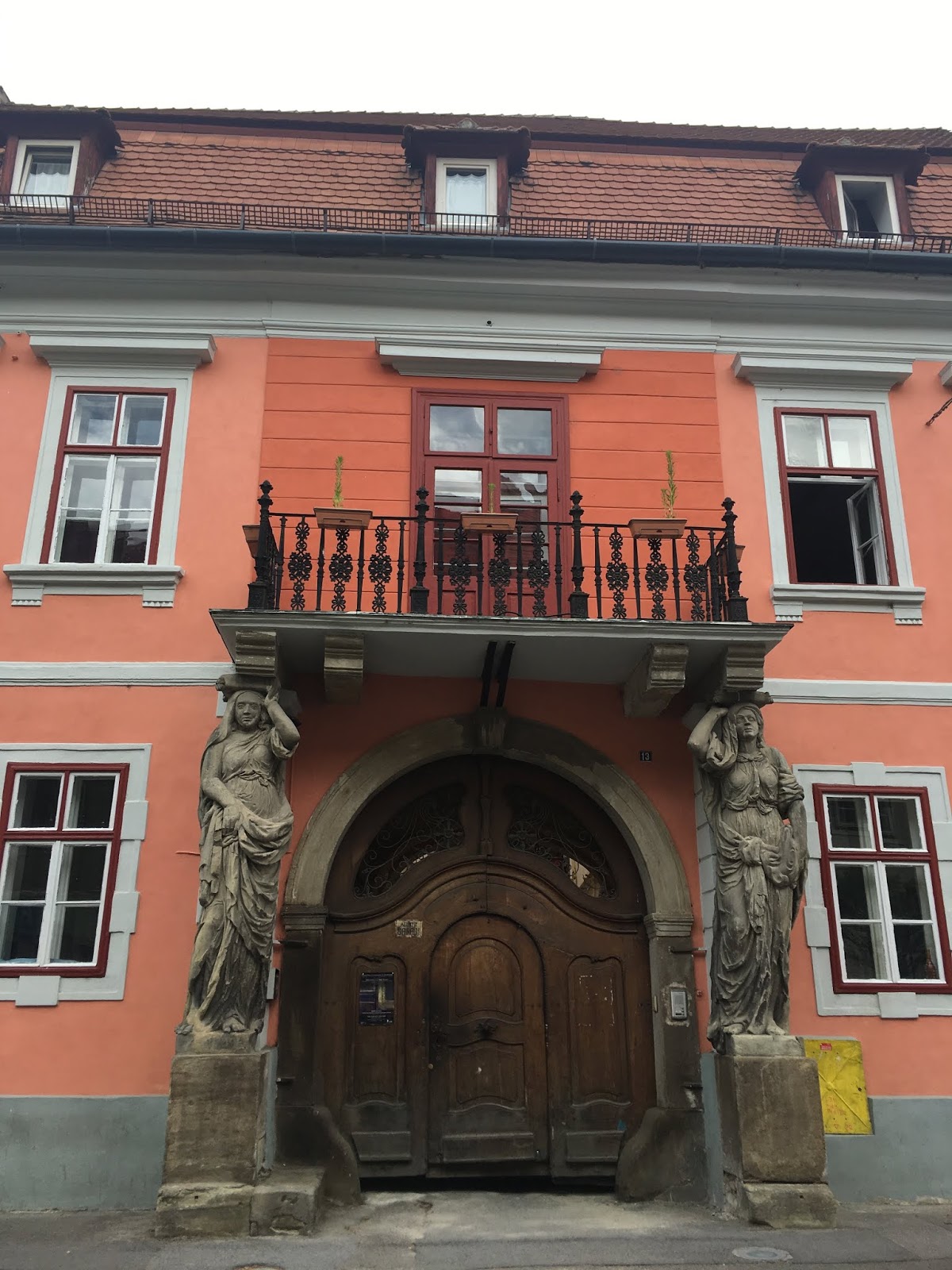
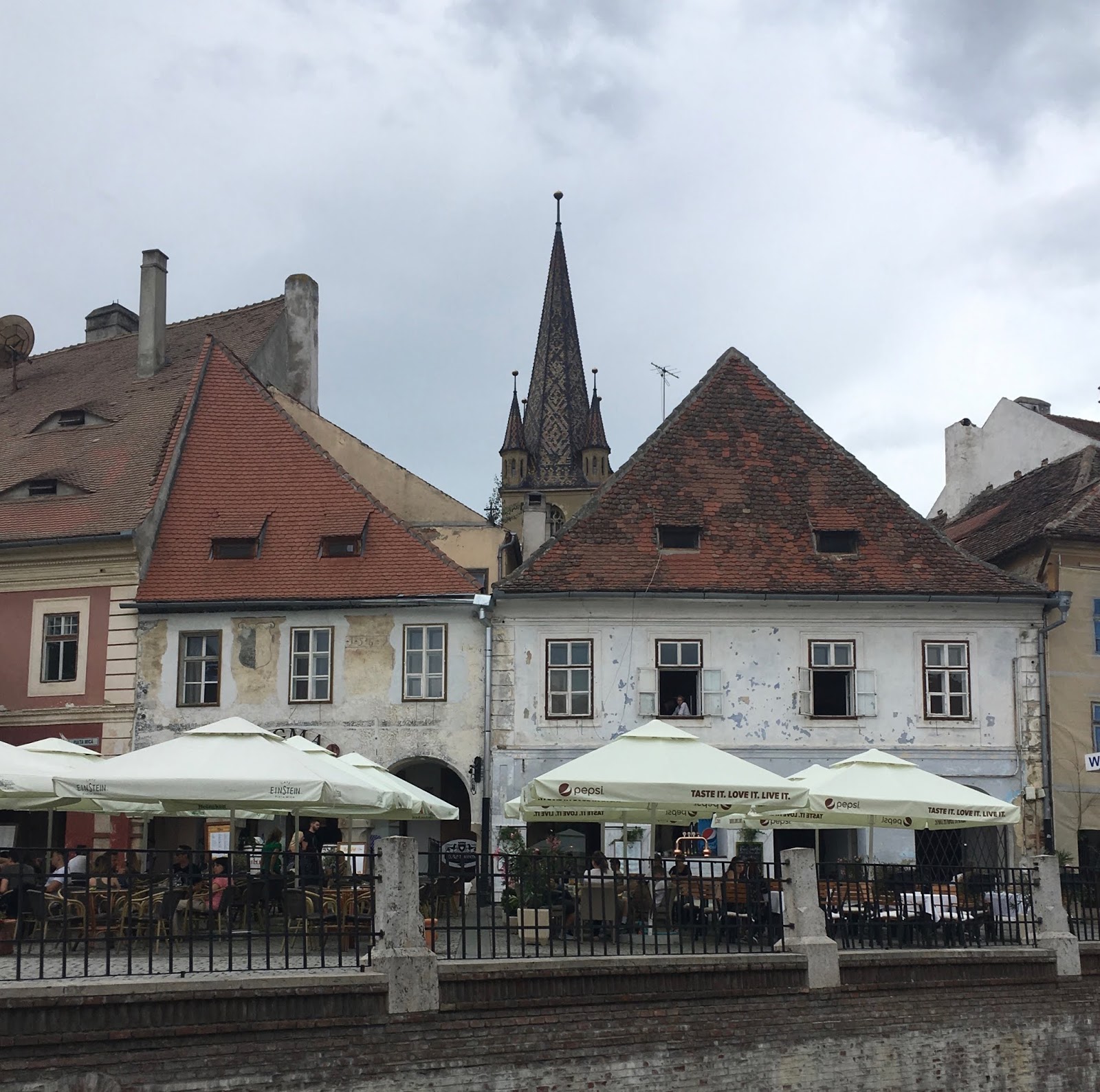
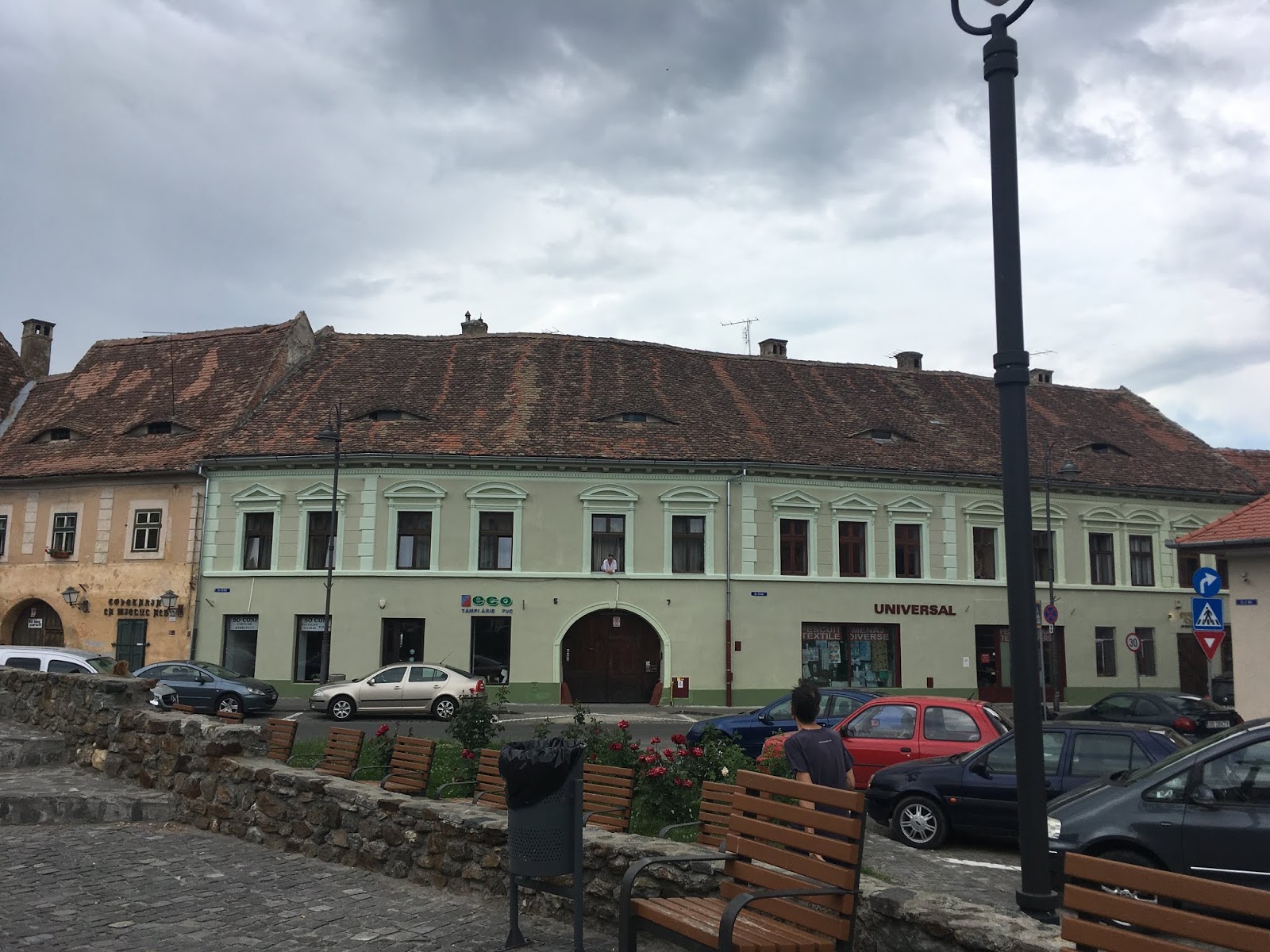
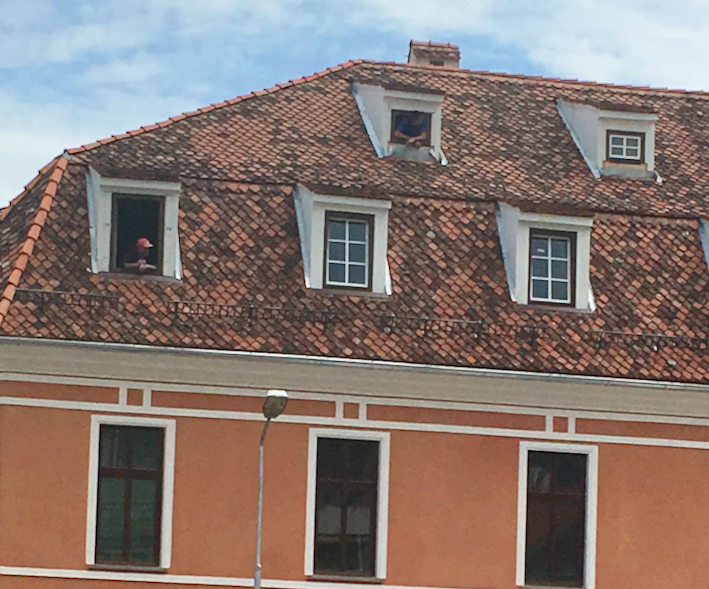
There was so much to see that it is understandable that the houses of Sibiu have eyes, and wanted to watch as well.

The joke used to be it was Communist Dictator Ceausescu spying on everyone.

We made a last minute stop at the local blood bank and then off to our final Romanian destination.

This week\’s photo of topless old man looking out window contemplating his life…Doubleheader