Bucaresti

(this was in the old word-press format, sorry it looks pretty bad)

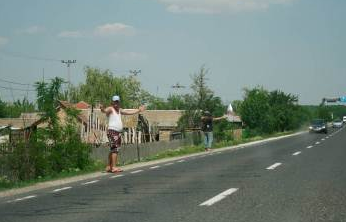
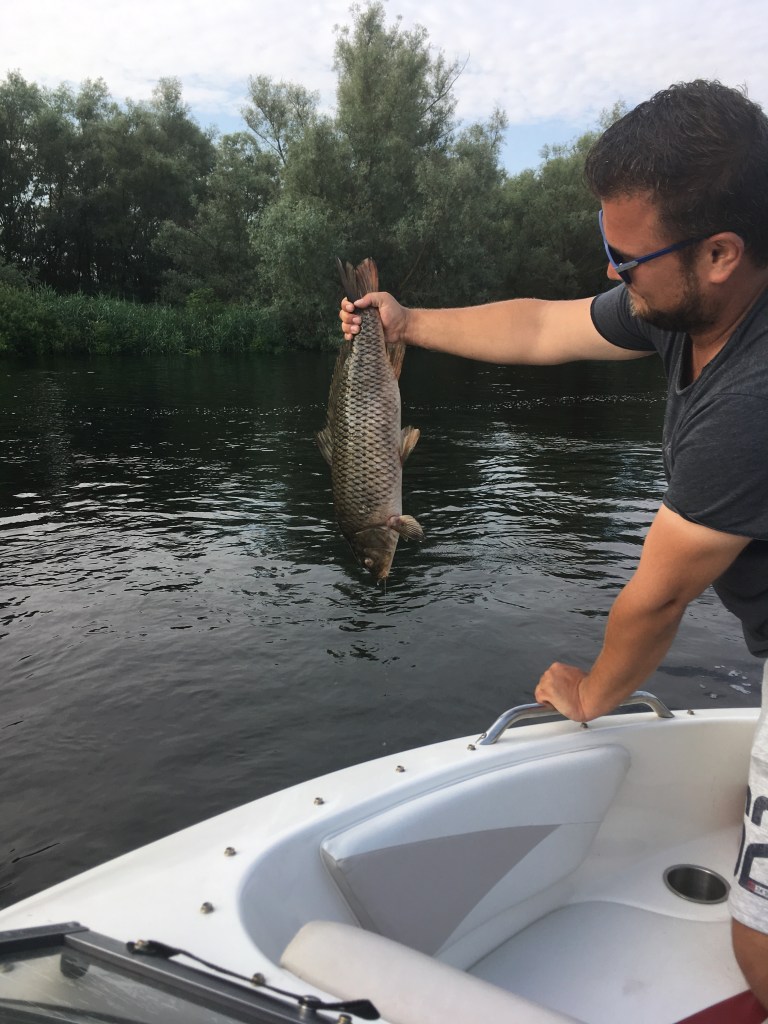
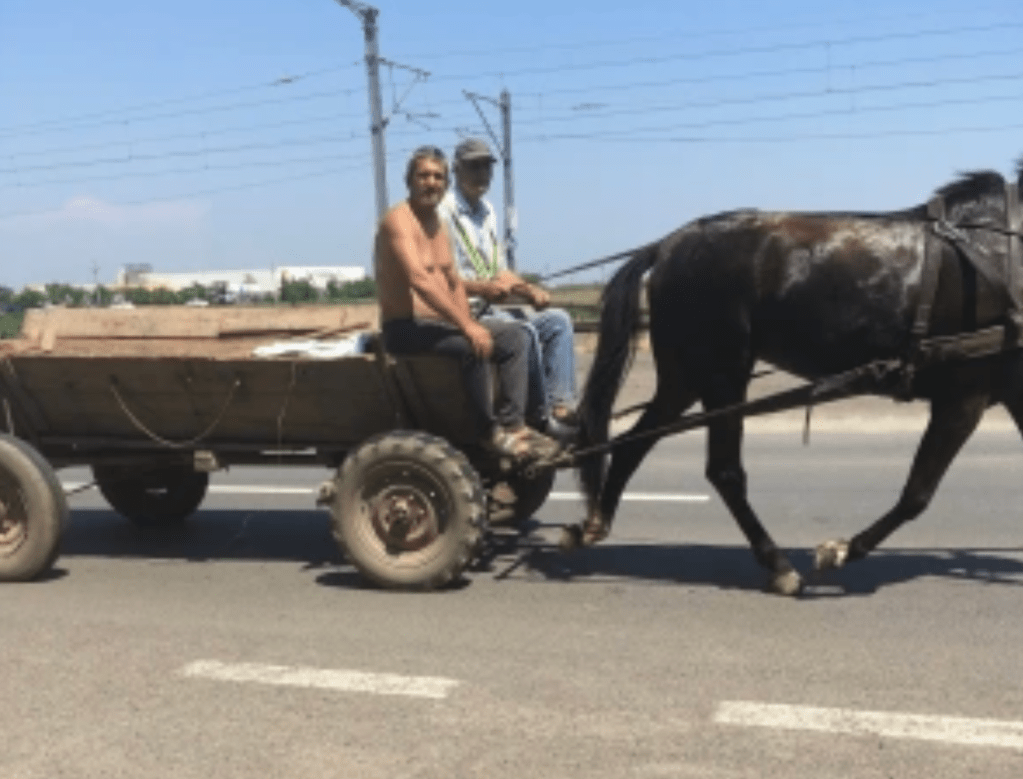
We headed out of Tulcea to Bucharest on what we thought would be an uneventful 5 hour mini-bus ride.  However, we were soon fascinated by the local life.  The main road initially paralleled the Danube and it was dotted with fisherman standing by the side of the road like hitchhikers (fishikers?). No they were not looking to carpool, rather they were dangling fresh fish for sale from their fish filled  styrofoam coolers or trunks of their cars.  The type of fish they were selling roadside?  Our guess was turn-pike.
Prior to our visit, everything we read about Bucharest was rather dismissive, recommending just a half day visit would suffice. Compared to what we read, our experience was very different. We spent 2 days, and wished we had stayed longer especially after learning more about the Romanian Revolution of 1989.  Bucharest was simultaneously beautiful, ugly, downtrodden, inspiring and frightening.

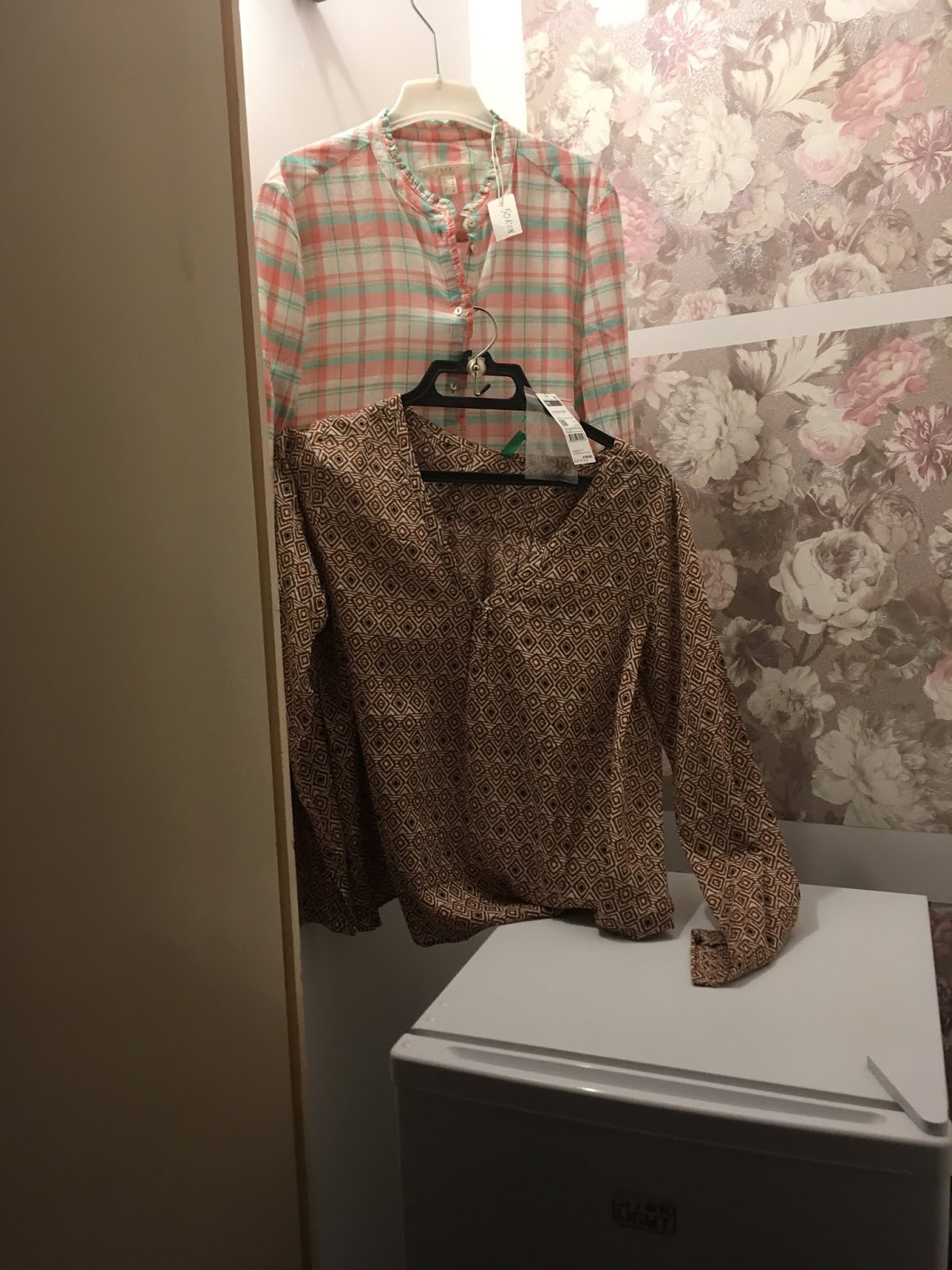
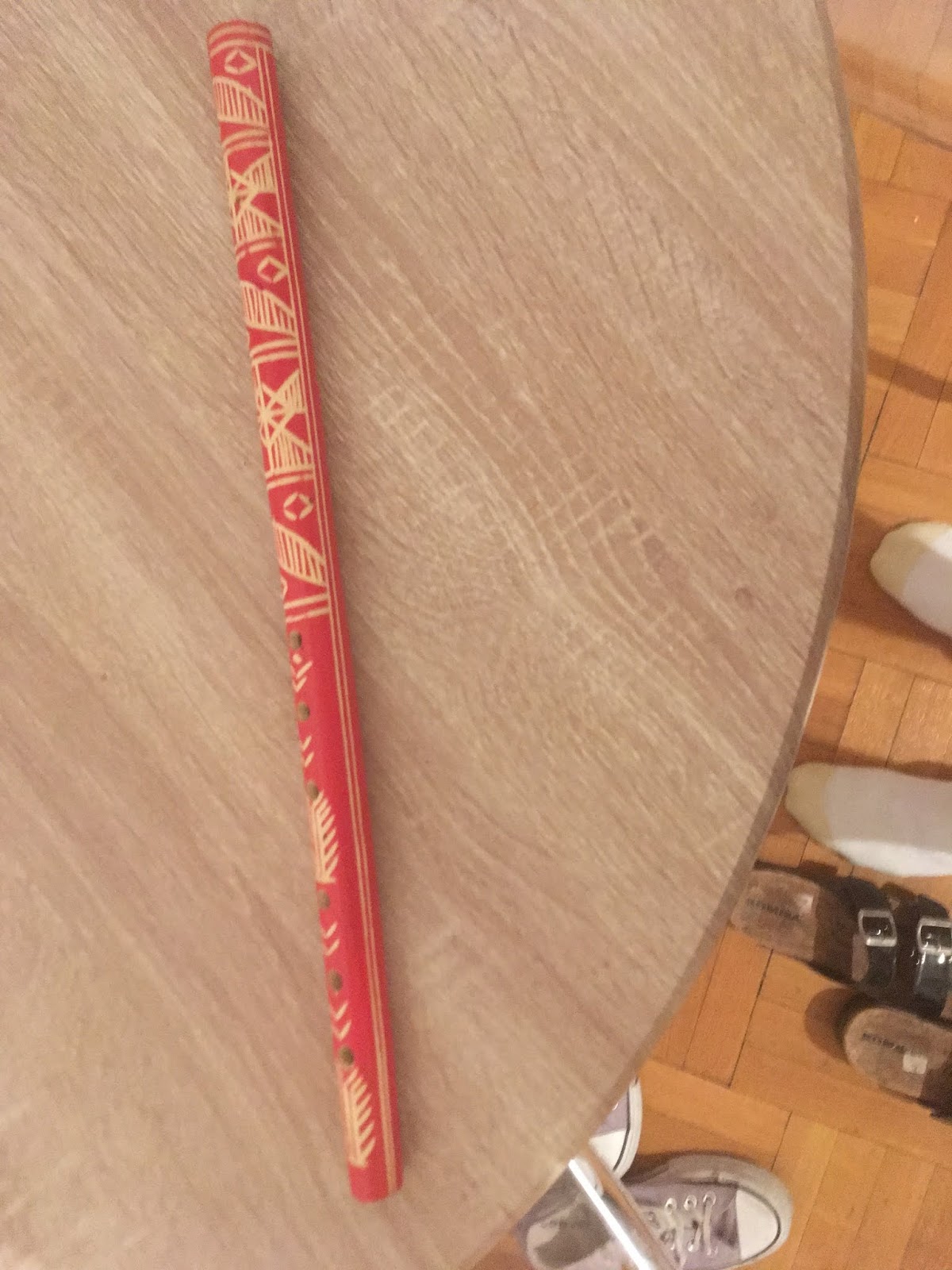
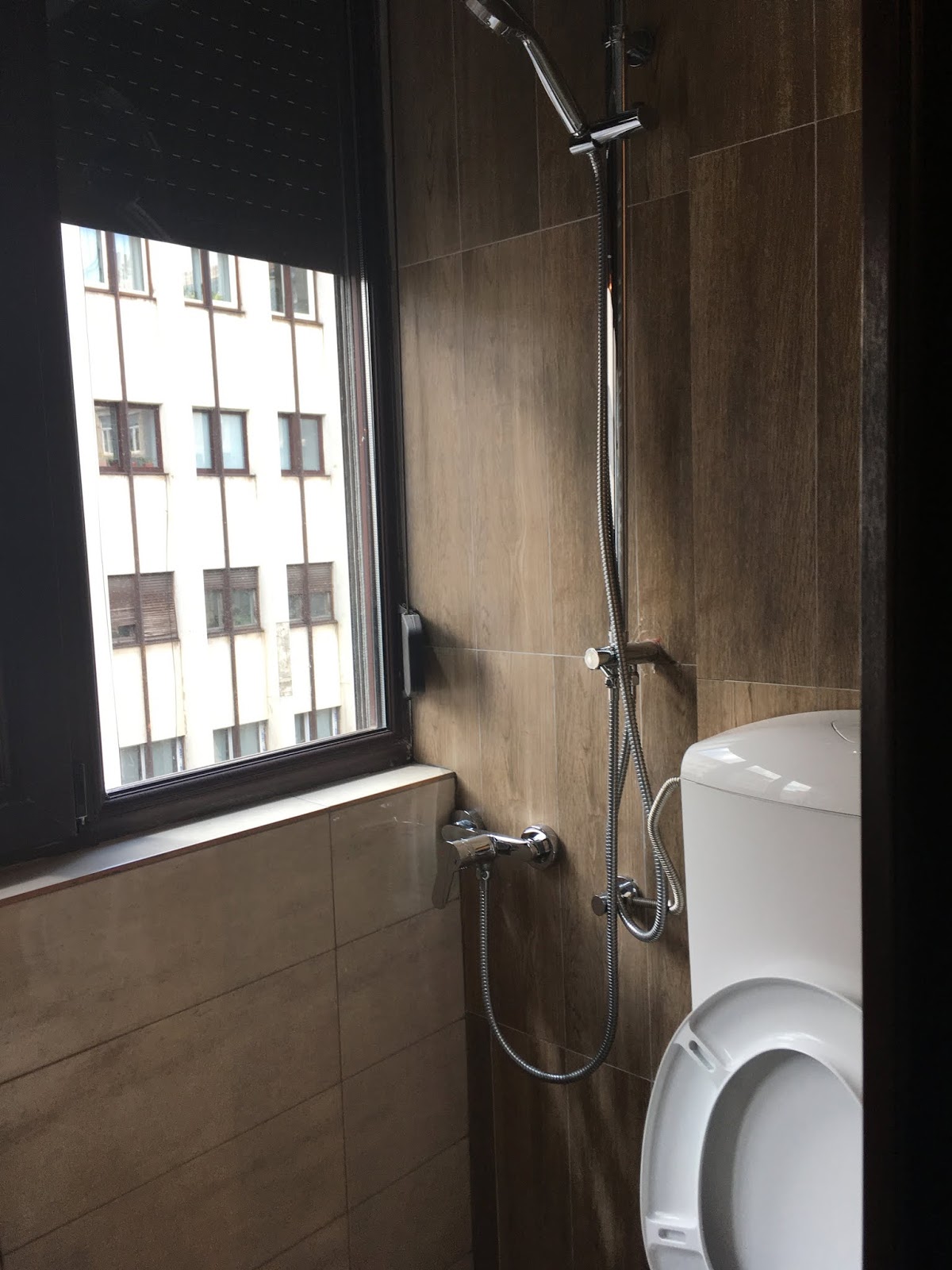
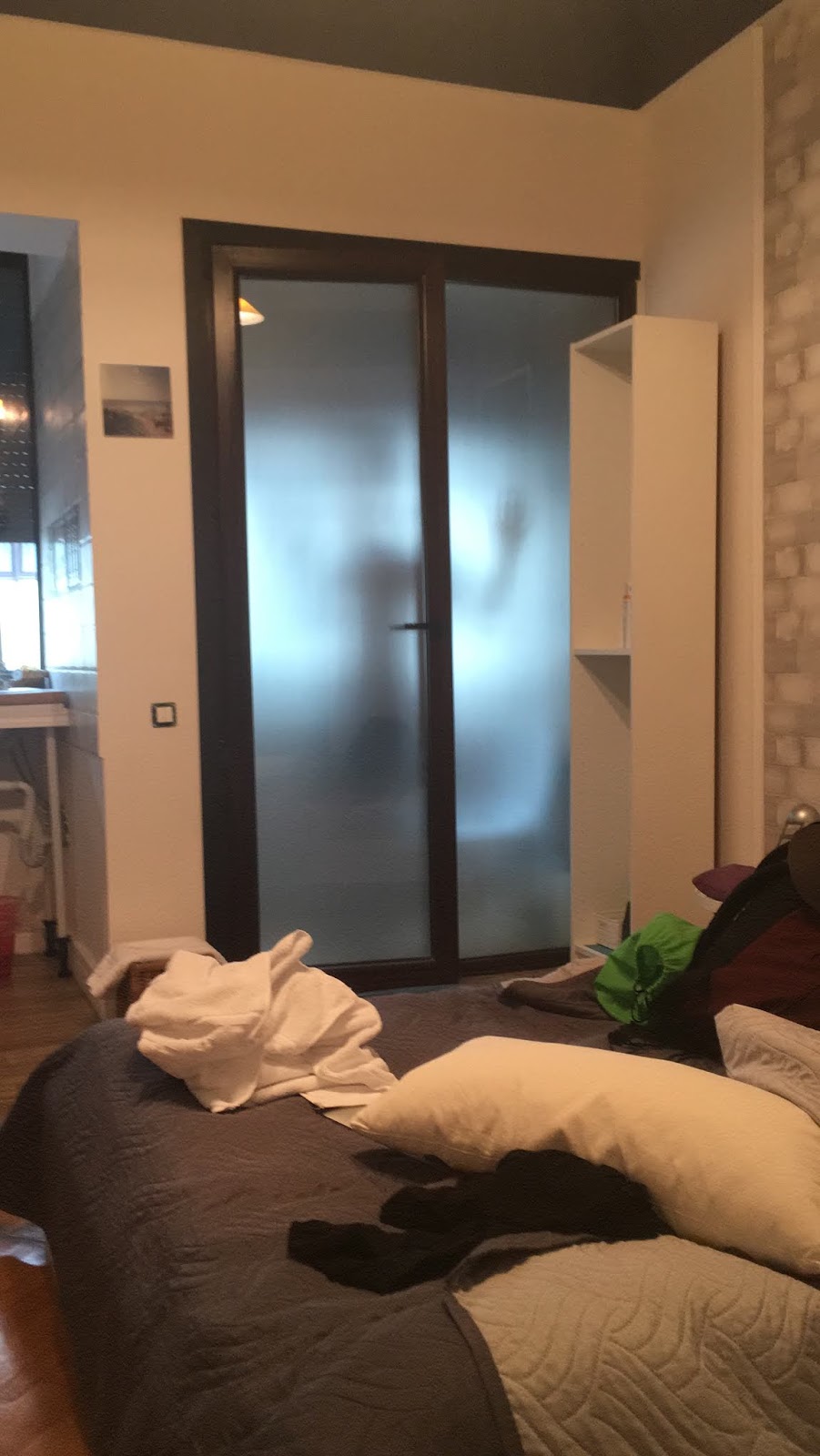
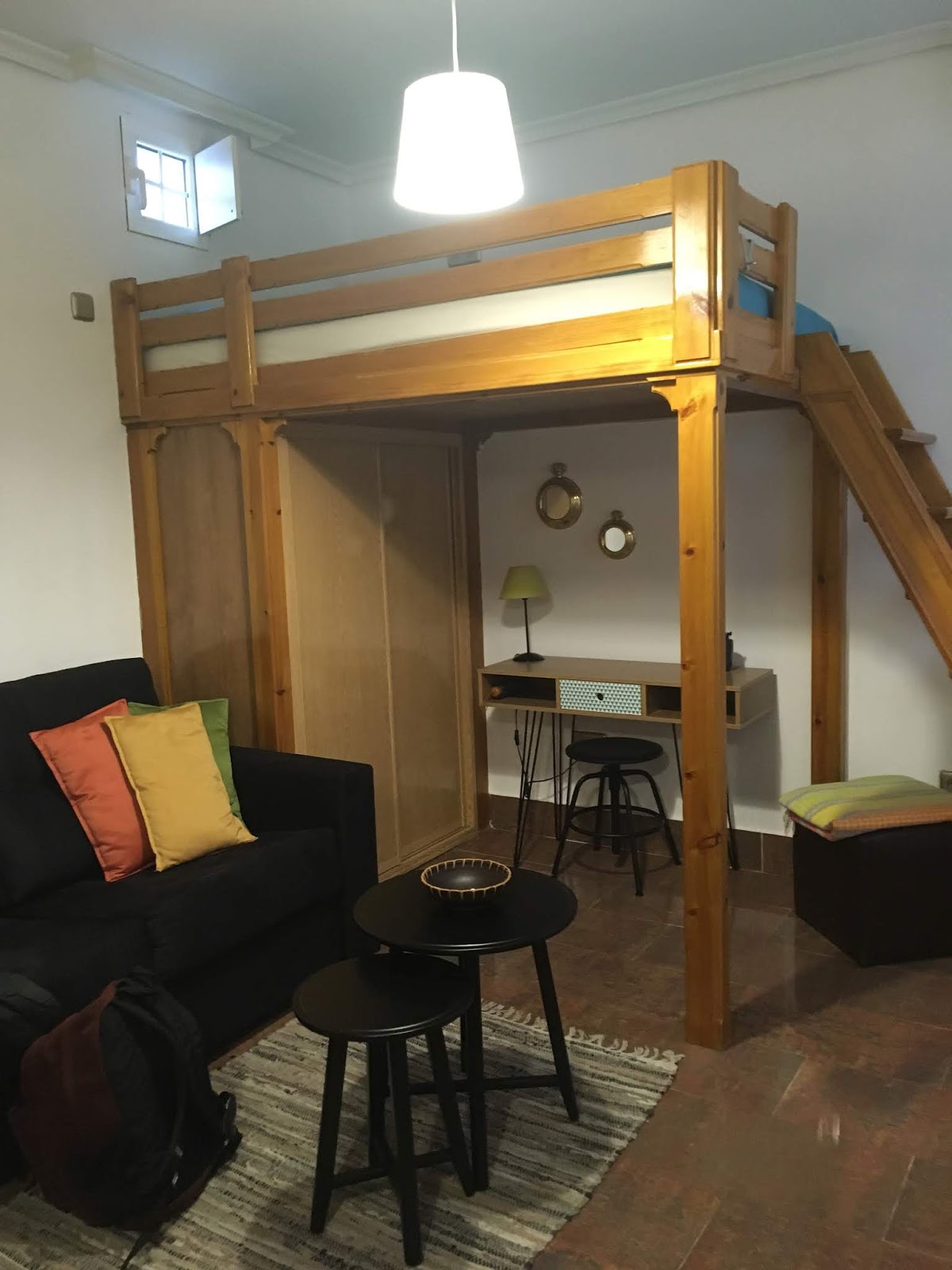
We were initially amused by the items found in our airbnb but it really foreshadowed what we would later learn and helped us to better understand Bucharest and Romania under the dictator Ceausescu and the struggles to a more Western economy post 1989 revolution.
A flute? Celebrating the folk art history of Romania. We didn’t play it. Shirts for sale in the refrigerator closet? Romania transitioning to the market economy and capitalism. We didn\’t buy either.
See-thru bathroom inside and out-reflecting Communist Romania\’s history of extensive civilian spying.  We showered in the dark (actually the shades did go down).
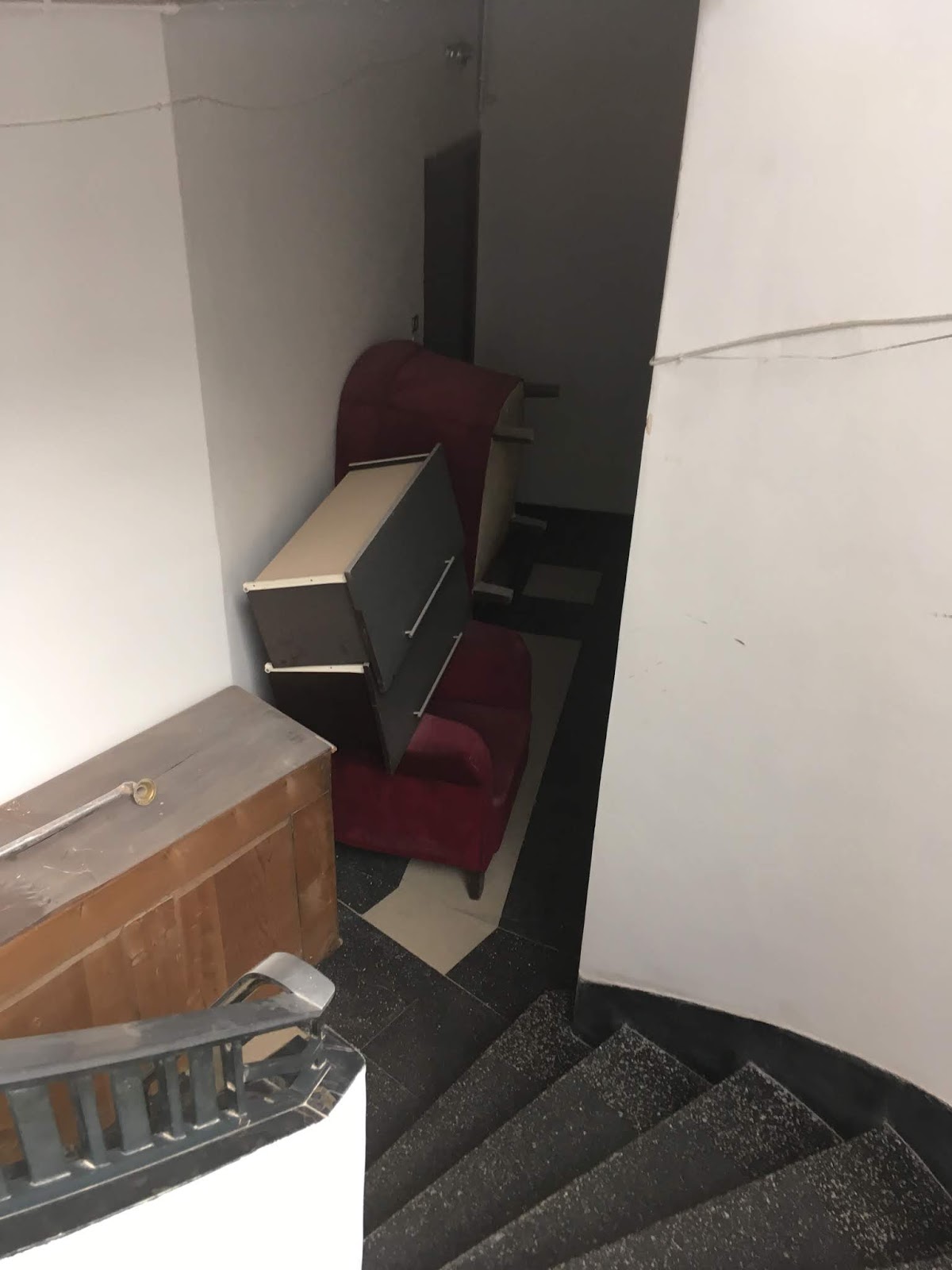
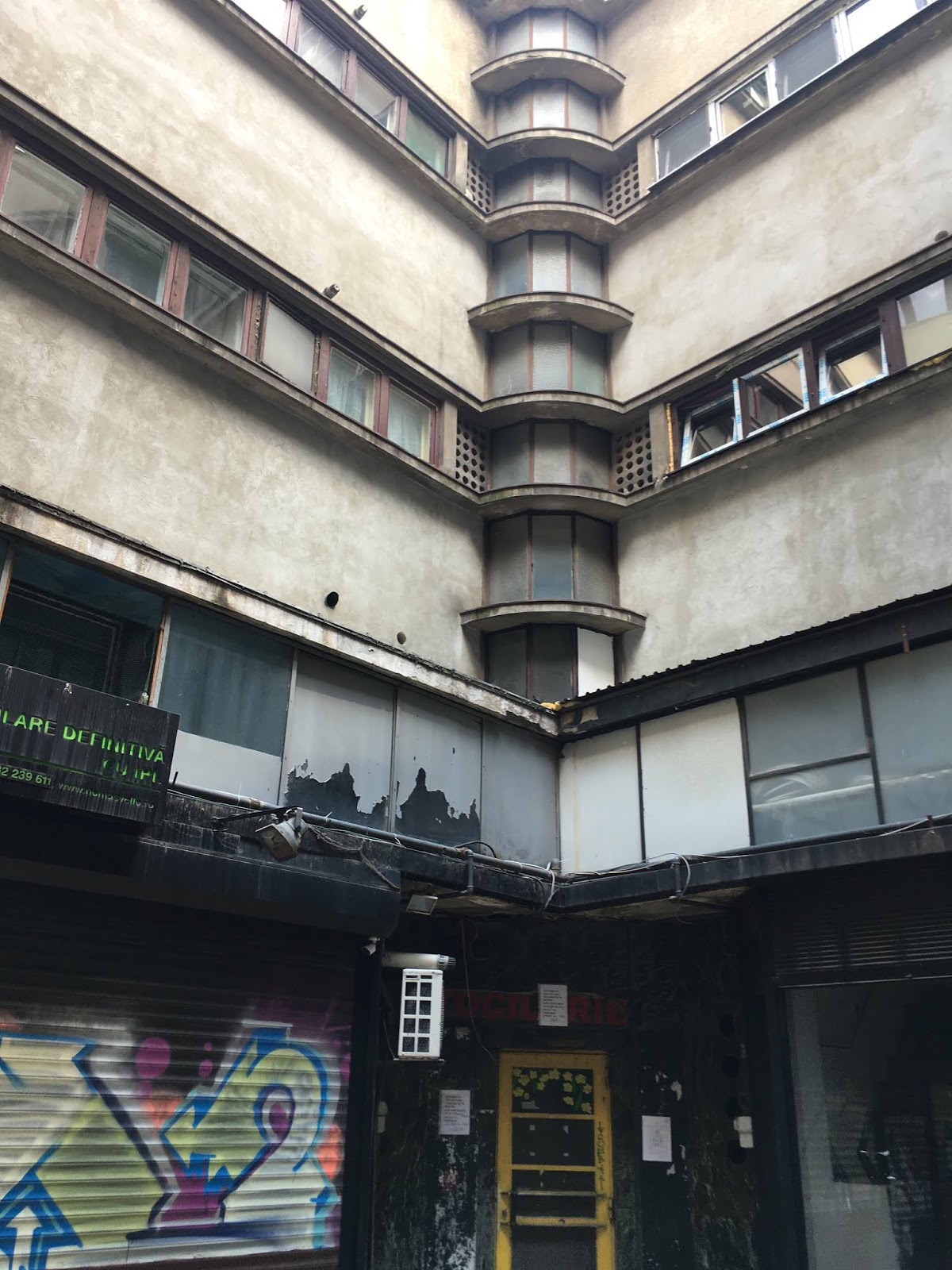
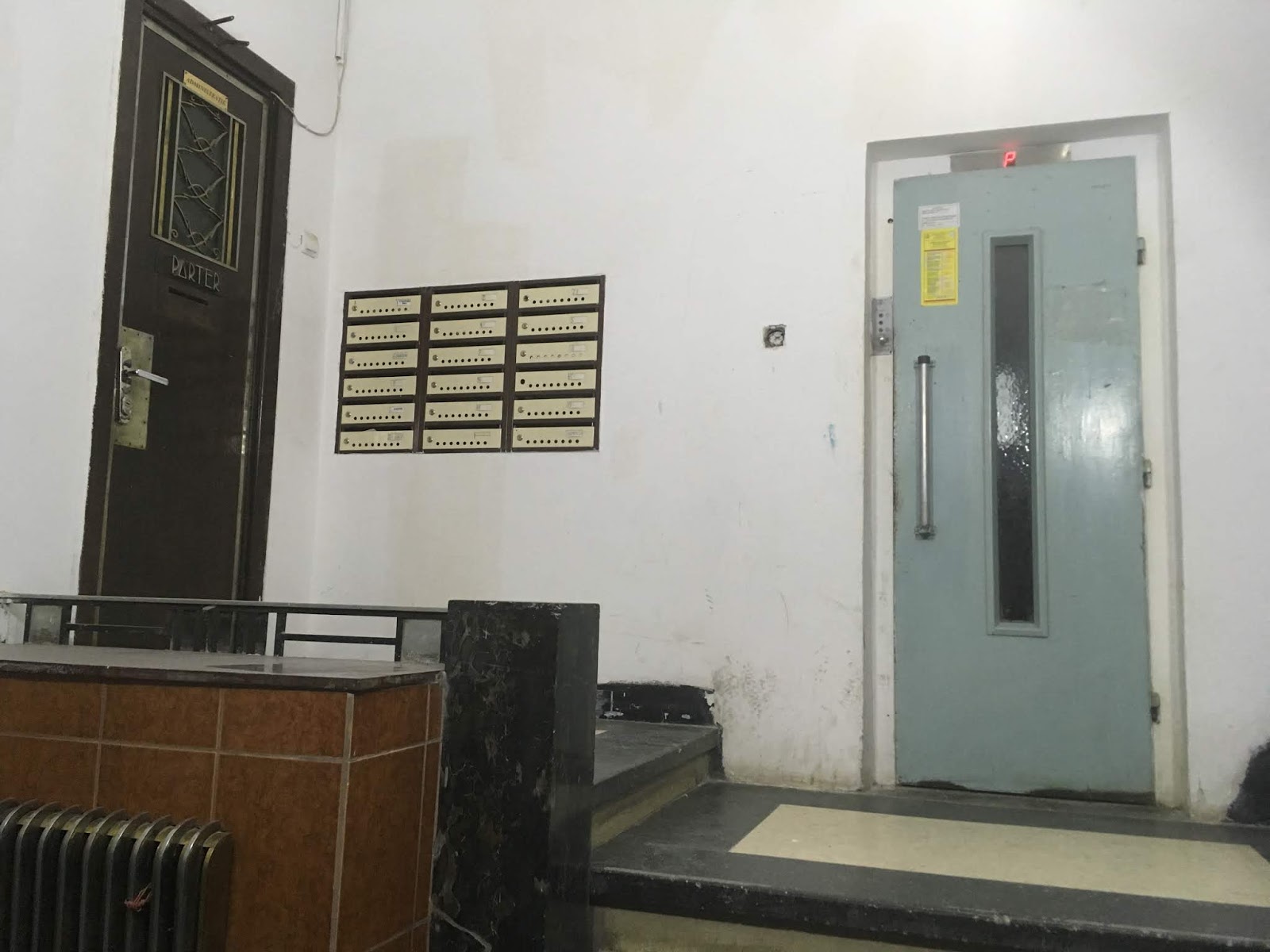
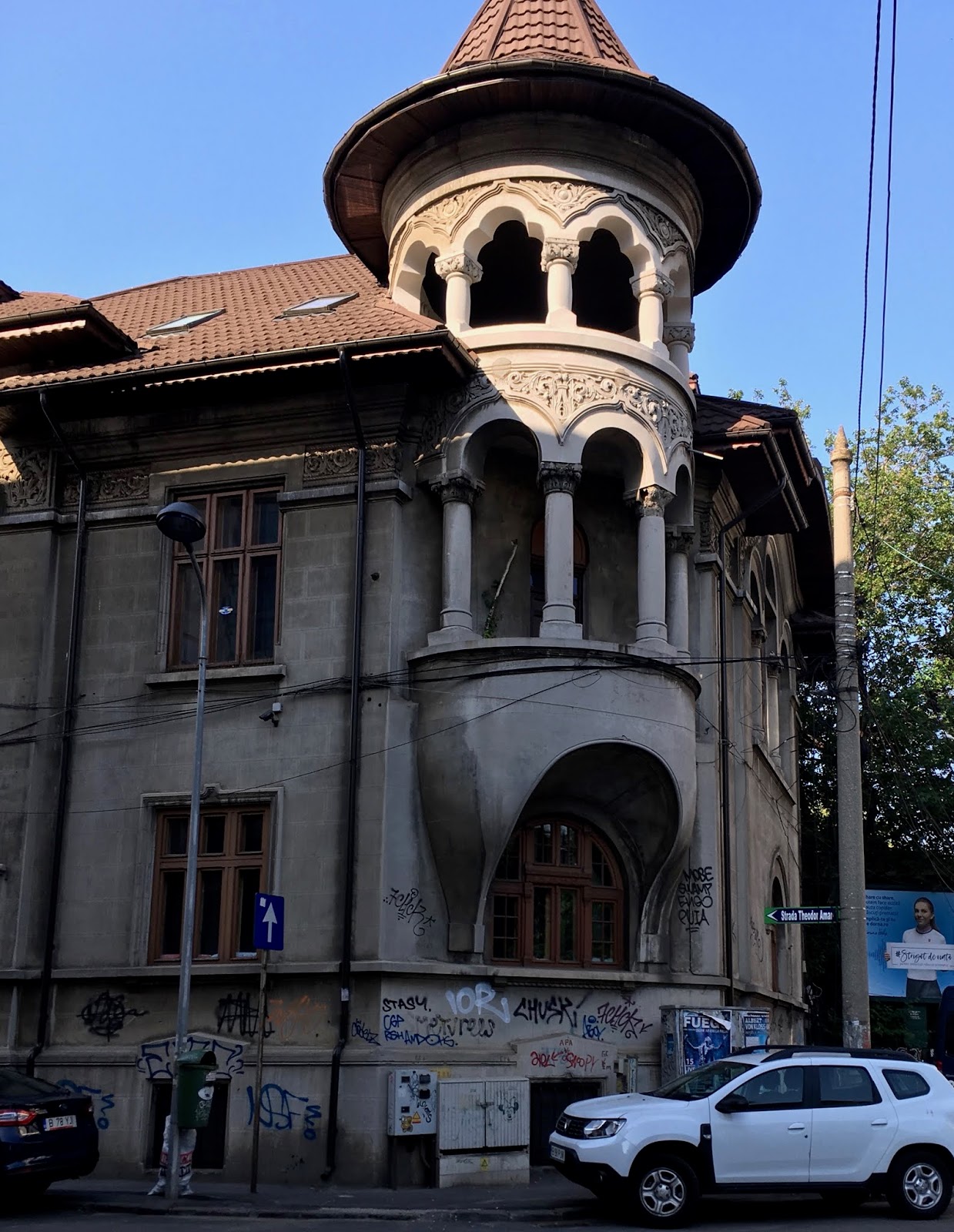
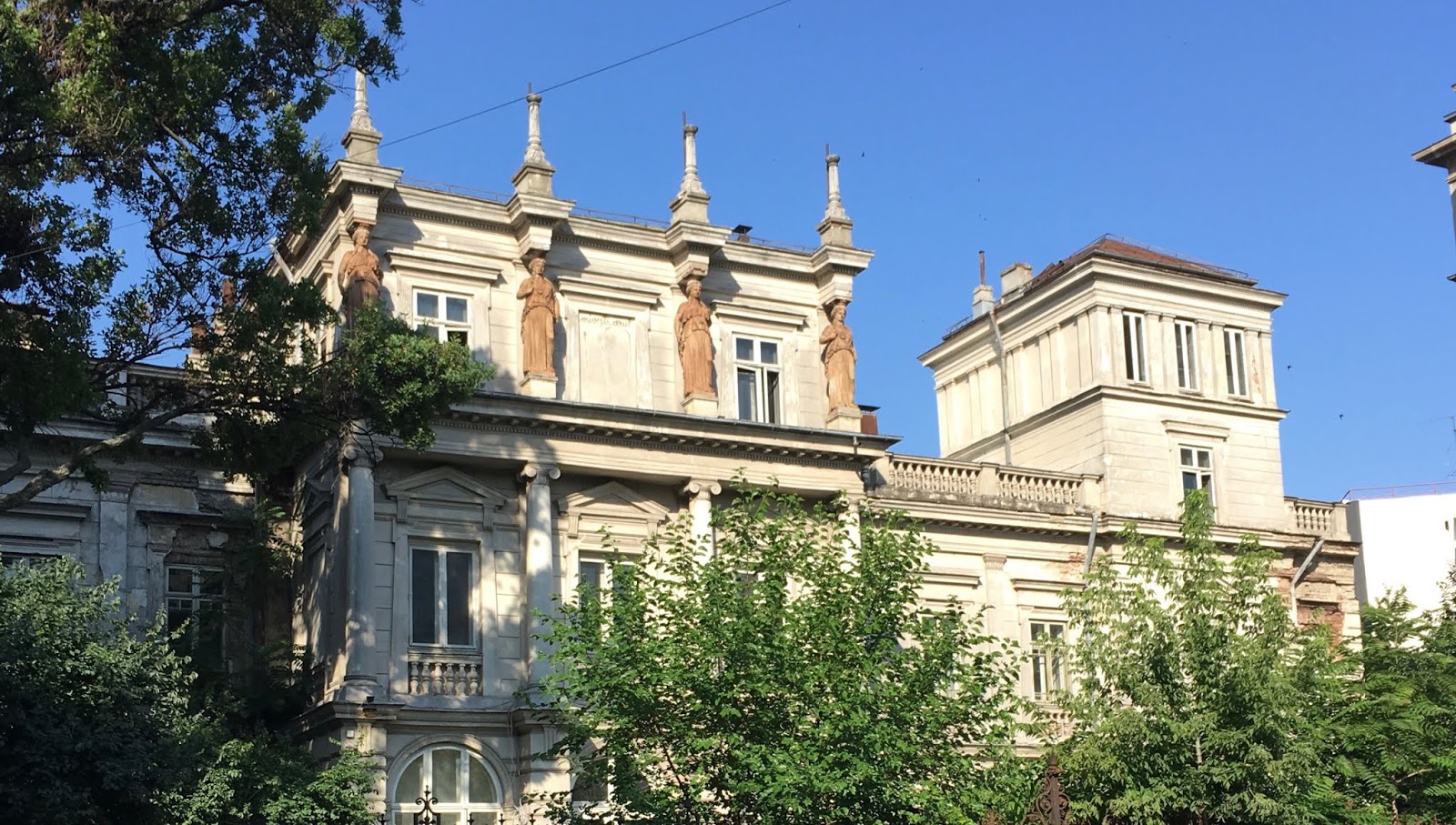
Hybridized architecture, buildings in flux, in need of renovation. We admired the building while avoiding construction debris in the stairwell up to our flat.
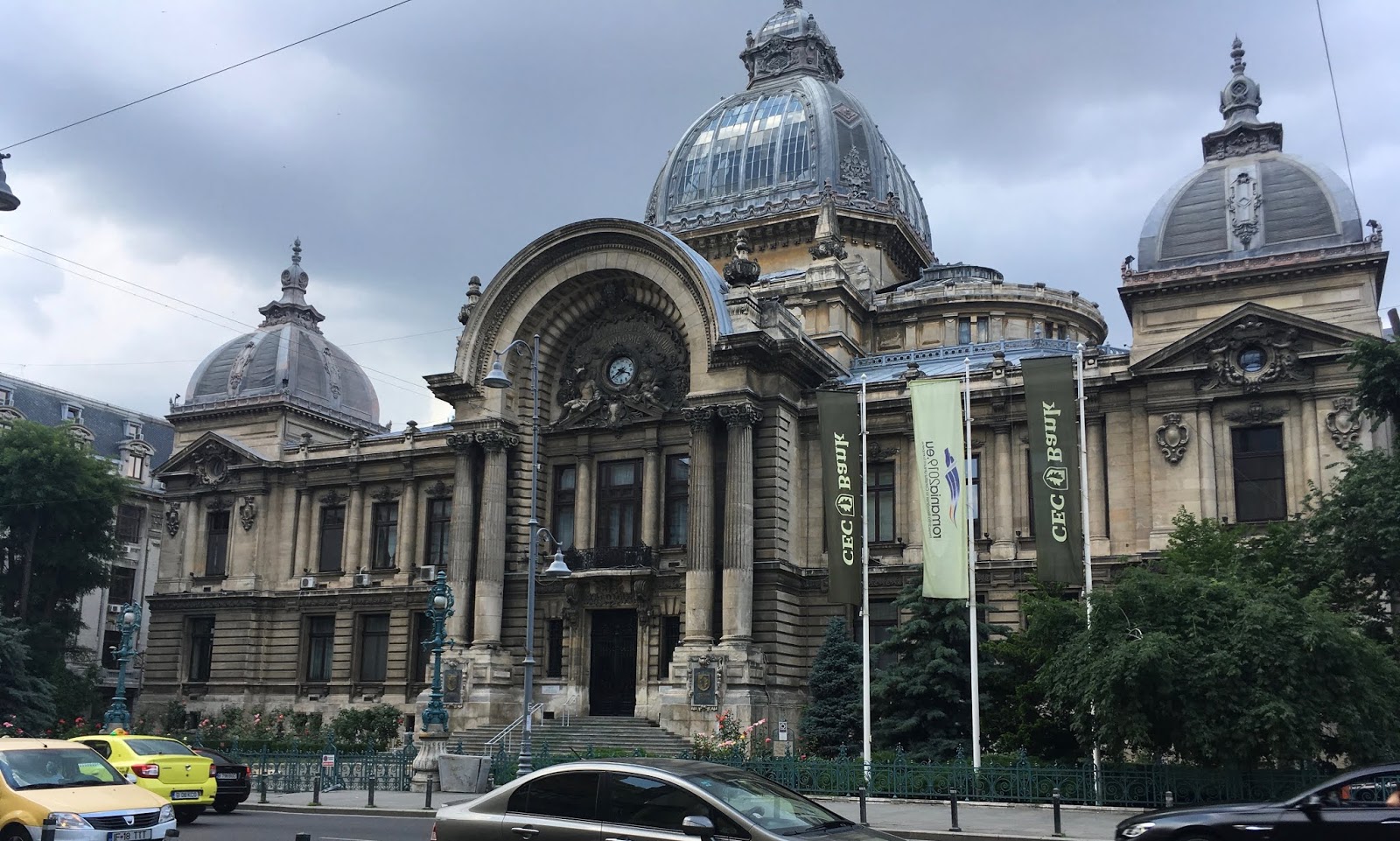
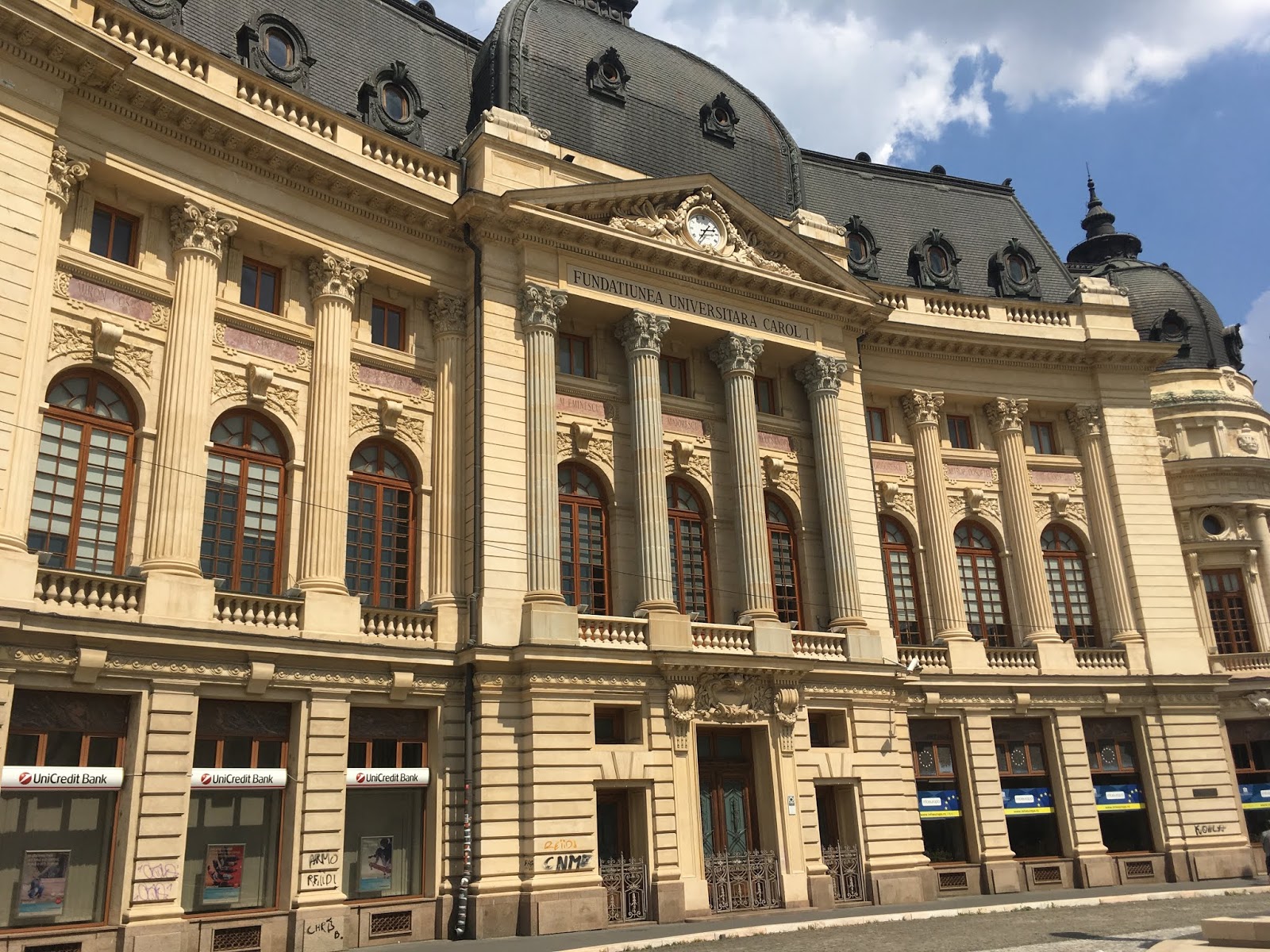
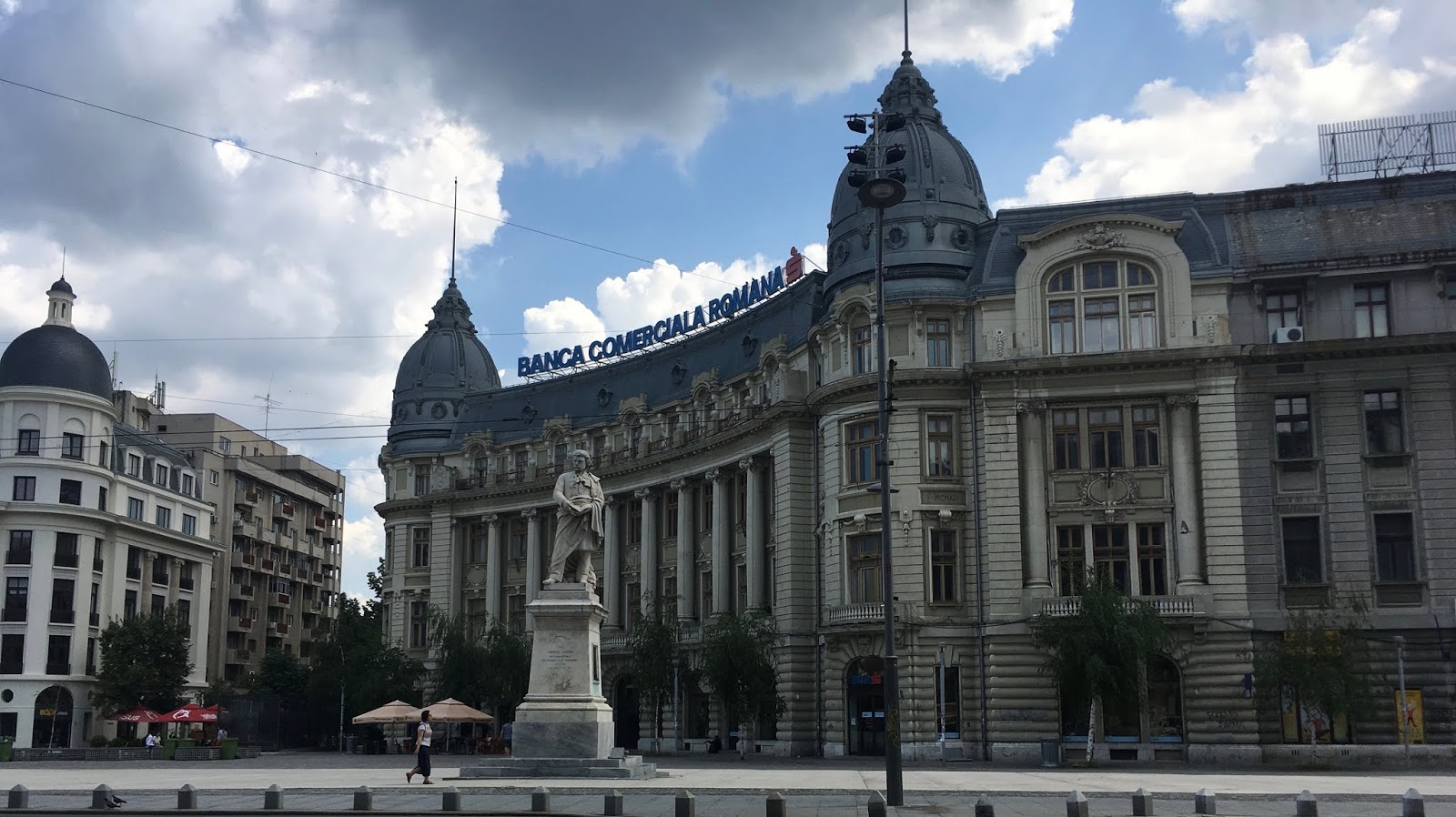
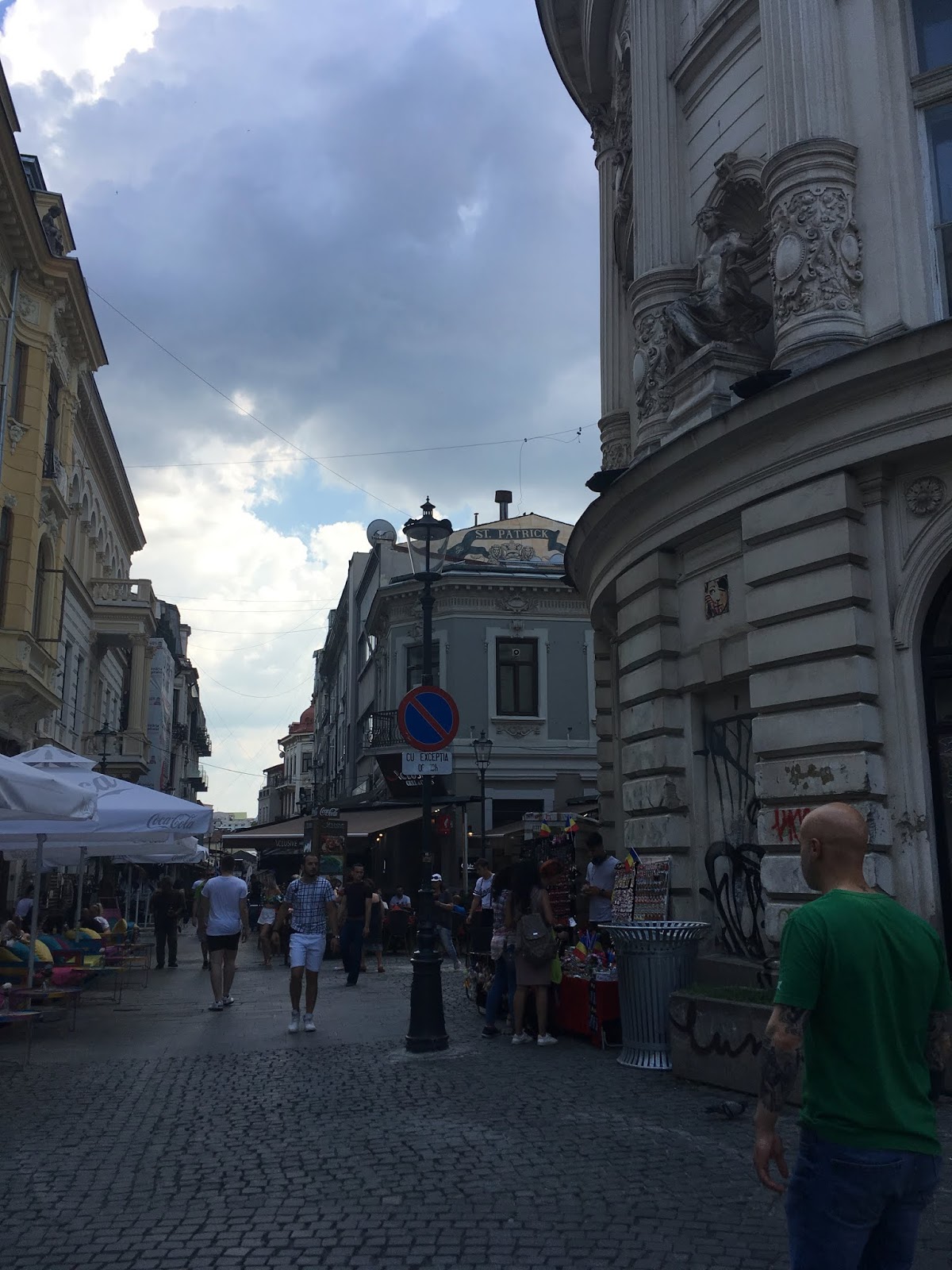
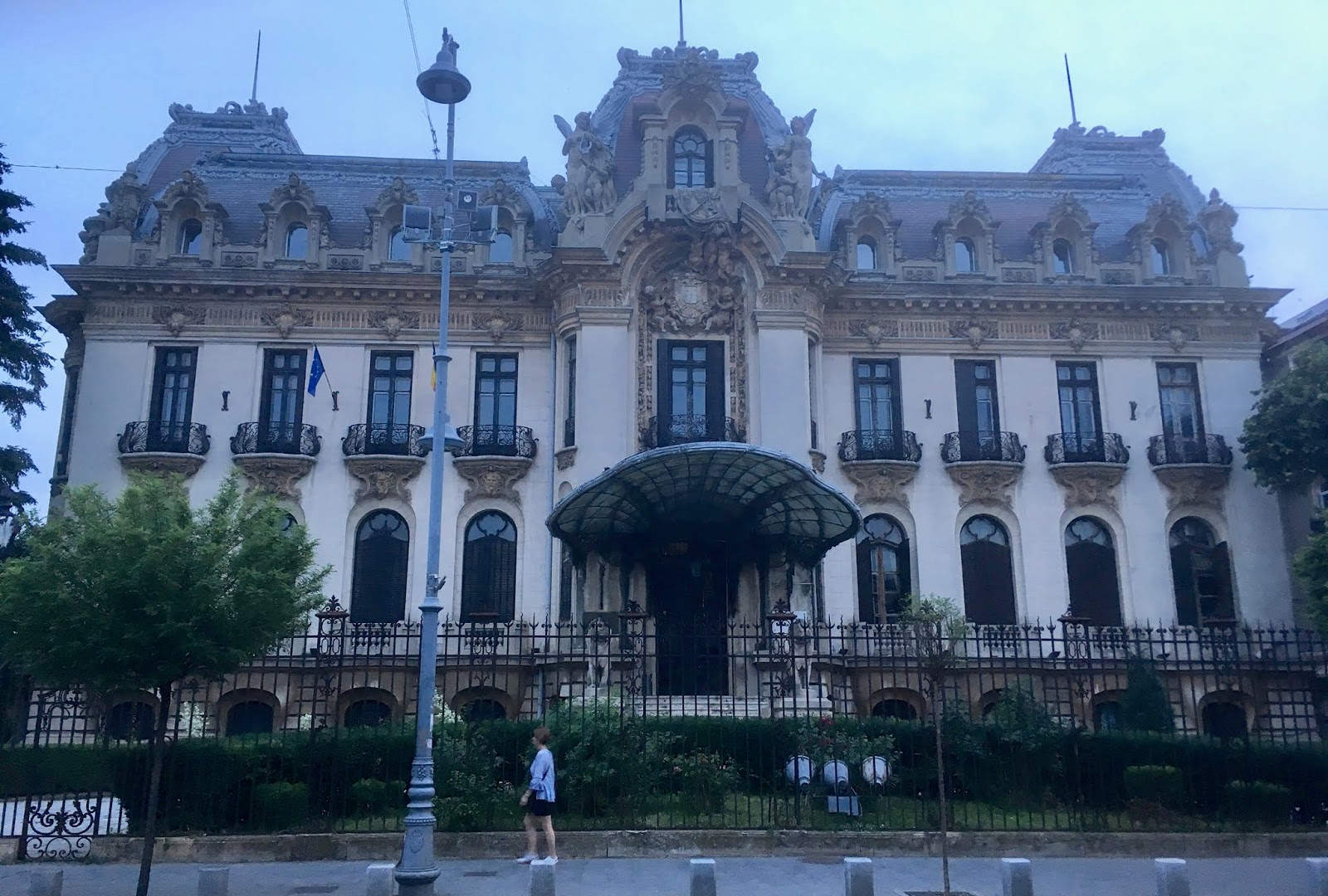
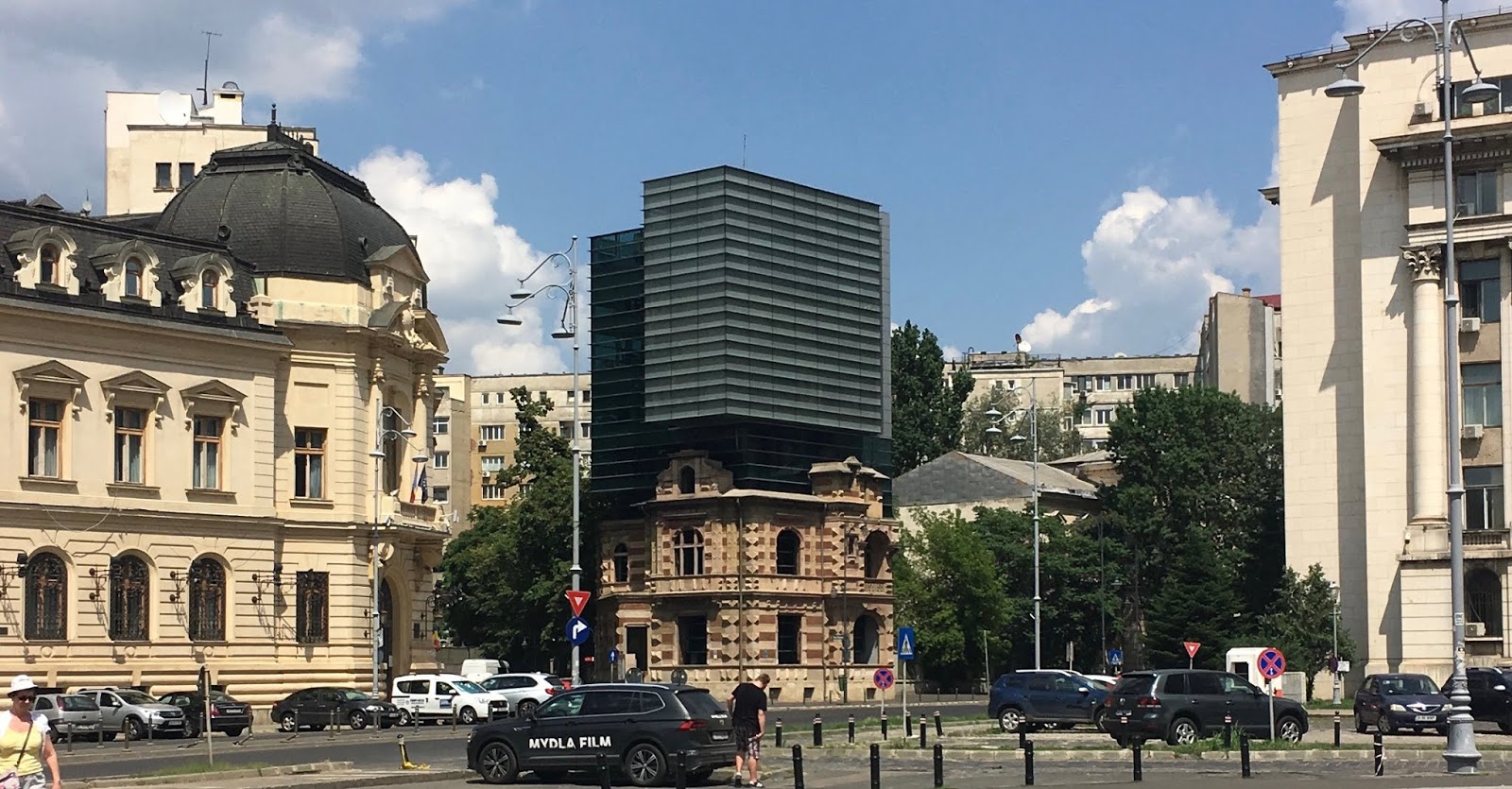
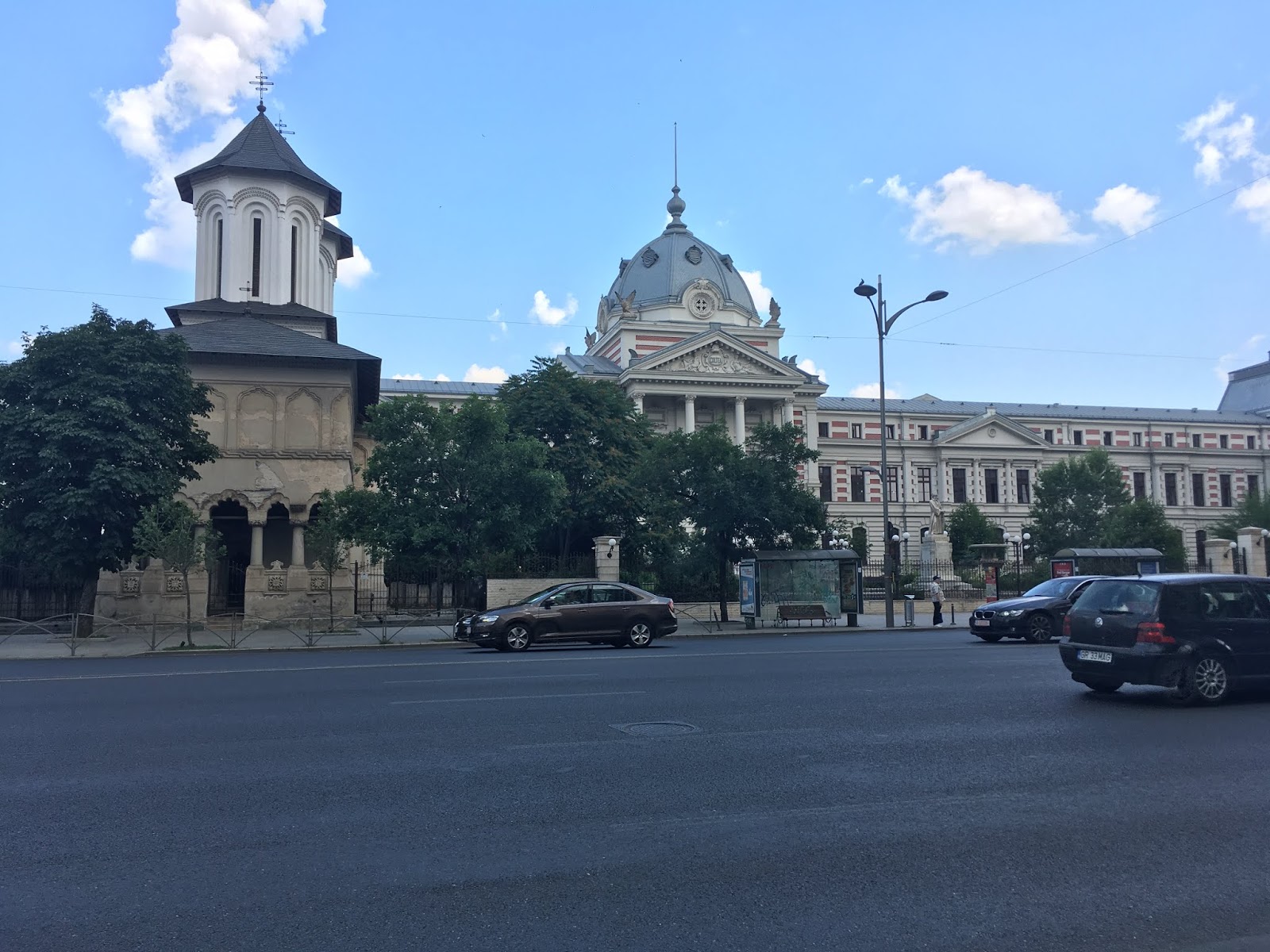
Bucharest, like so many of the cities with beautiful, massive buildings, benefited from the building boom initiated in the mid 1800s  by  the Austria-Hungarian Empire (which was kind of a continuation of the Hapsburg Monarchy which was kind of a continuation of the Roman Empire).  When Romania became it’s own country in 1918, it wanted to create a magnificent European capital to house it’s growing population (population had tripled) resulting in a city with a mishmash of  old buildings of baroque, art nouveau, secessionist and quasi-byzantine styles. 
 
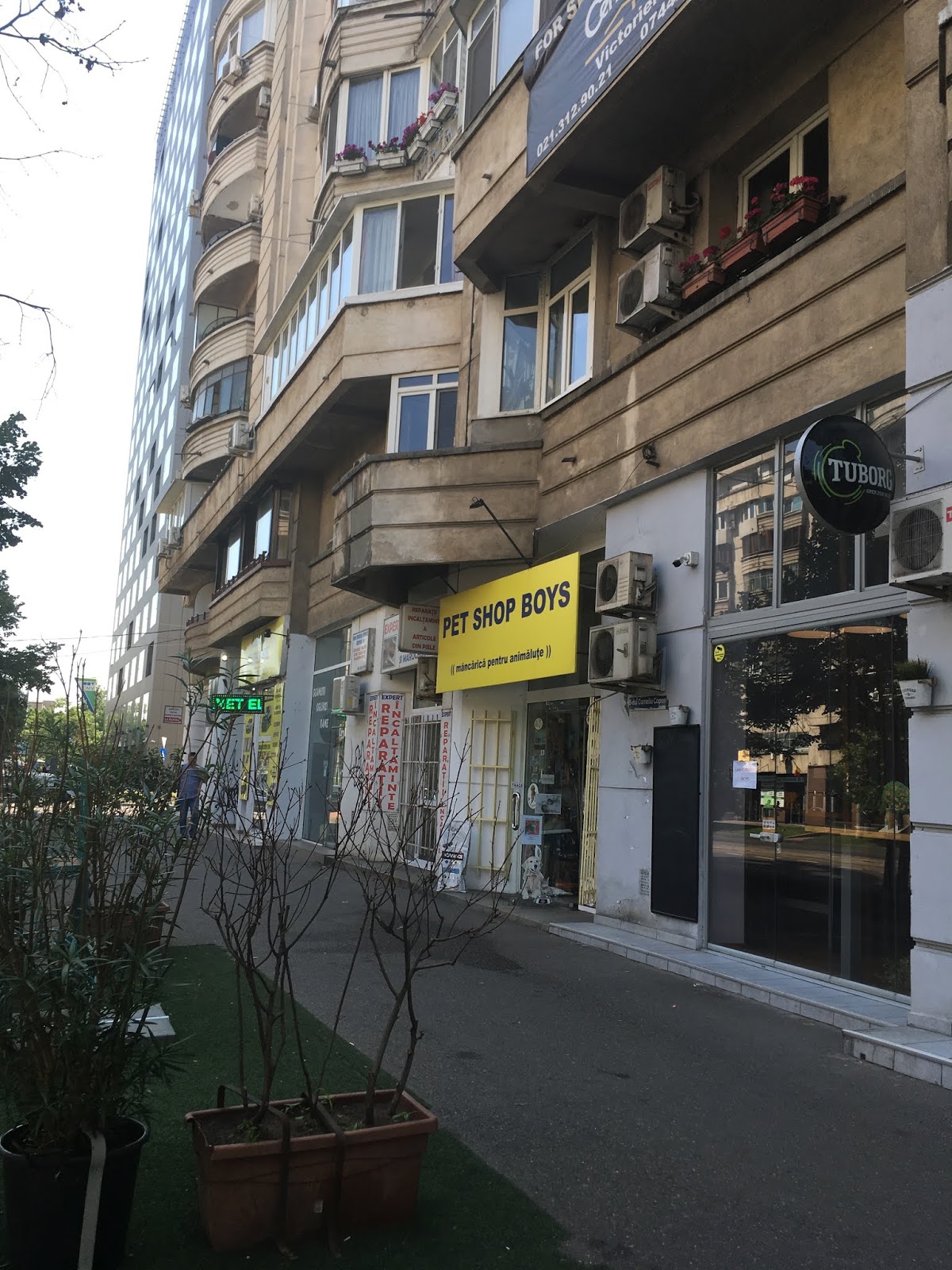
Seems like a lot of the renovated buildings now house a bank, Starbucks or a McDonald\’s
 
After WW2, and the rise of communist government, the type of buildings changed dramatically as a weird hybrid was created with classic features (columns, porticos)  integrated into 3-4 story brick buildings built around courtyards to house the people rushing into Bucharest from the countryside (where in 1948 80% had no electricity or running waters in their homes)
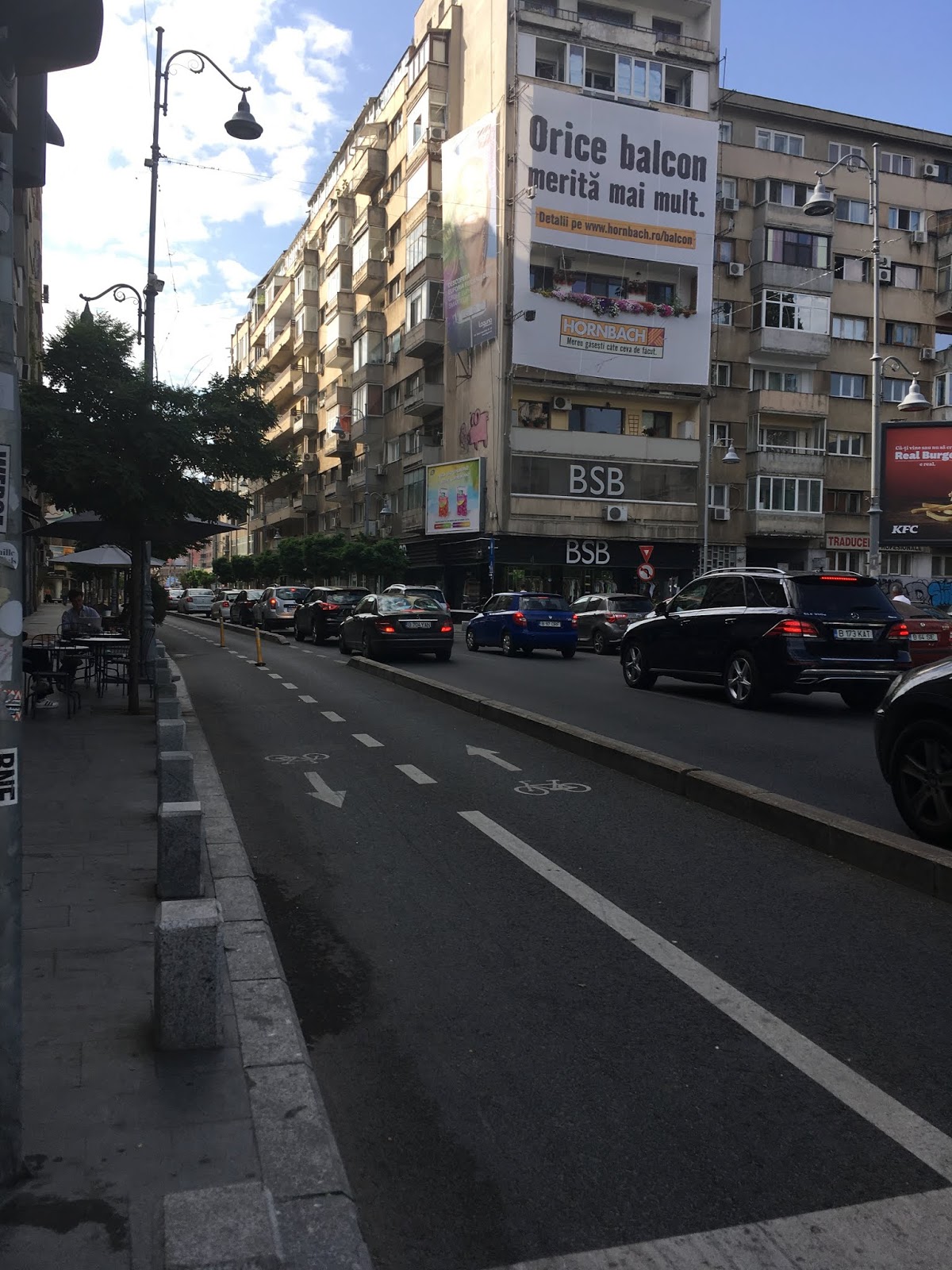
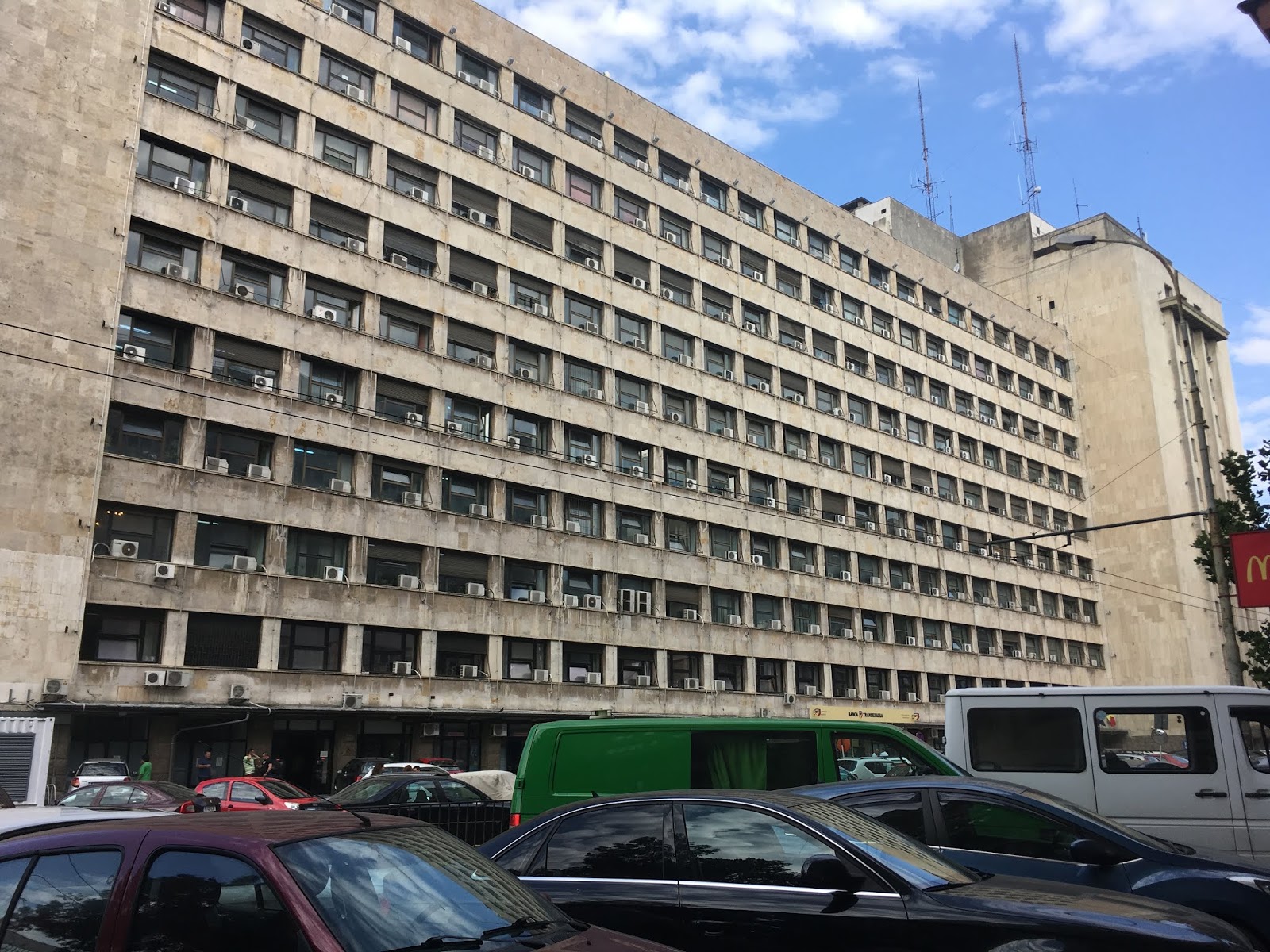
In 1965, Nicolae Ceausescu came to power and he had his own ideas about what a city should look like- essentially no green, just massive, concrete and crowded- kind of like commercial chicken coops for people.  
More 80\’s music love


Ceausescu was initially popular both at home and in the West as he challenged Soviet authority by ending Romania’s active participation in the Warsaw Pact, refusing to take part in the 1968 invasion of Czechoslovakia, and easing press censorship.  Romania was one of the few Communist countries to participate in the 1984 Summer Olympics in Los Angeles when most of the Eastern bloc countries boycotted the event.
However, after a visit to North Korea and China in 1971 when he saw how their leaders, Kim Il-sung and Mao, used  totalitarian rule he became obsessed with creating a similar situation in Romania.   He returned and began similar control of all branches of the government and the citizens
Control of the media, ubiquitous secret police spying on civilians,  pro-Ceausecu propaganda plus his megalomania effectively destroyed Romania.
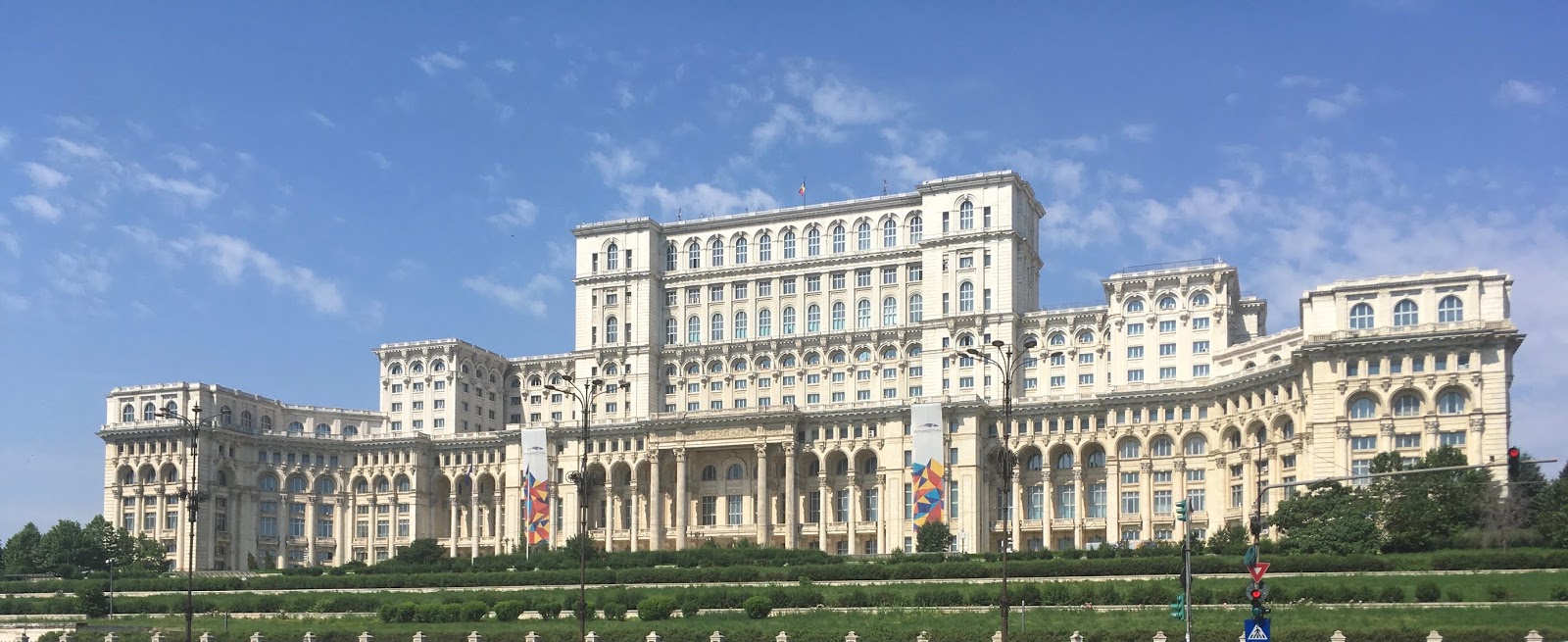
Ceausescu , inspired by how Kim designed PyongYang became  very involved in urban planning and a devastating earthquake in 1977 provided an excuse for him to destroy a large portion of the historic city center to build his dream (or nightmare);  The People\’s Palace,  the heaviest building in the world,
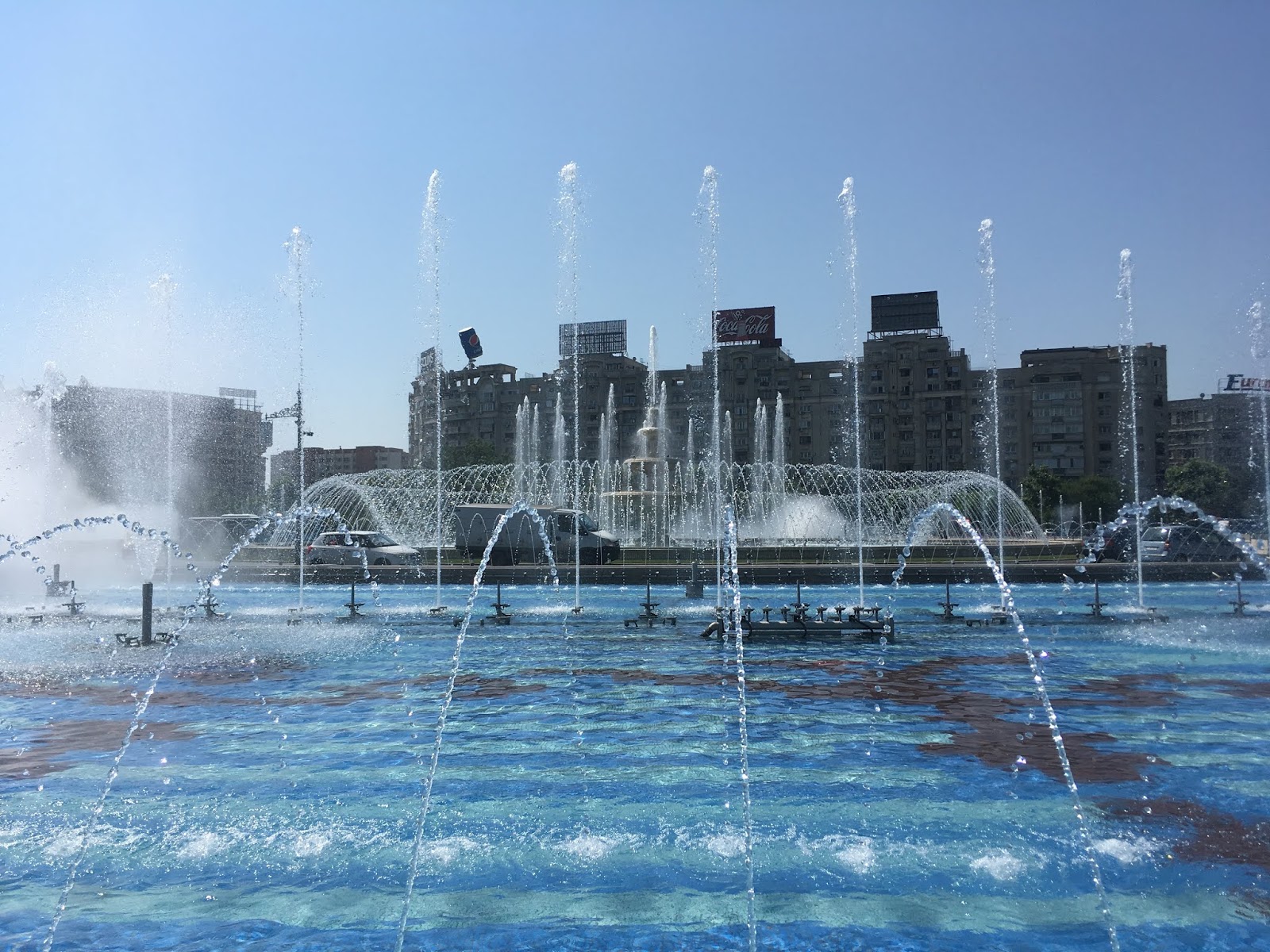
with surrounding grandiose apartments, promenade culminating in an extravaganza of fountains (Bulgarians must envy).   
 
He bulldozed one fifth of the old city displacing 50,000 people. (A side note is that he made many dogs homeless which caused a dangerous feral dog problem that lasted for many years).  
In 2019, the city’s buildings are both falling apart and being restored; some effectively combine old and new, 
while others just sit sadly, such a waste but clearly not a priority in a poor country with many needs.
 
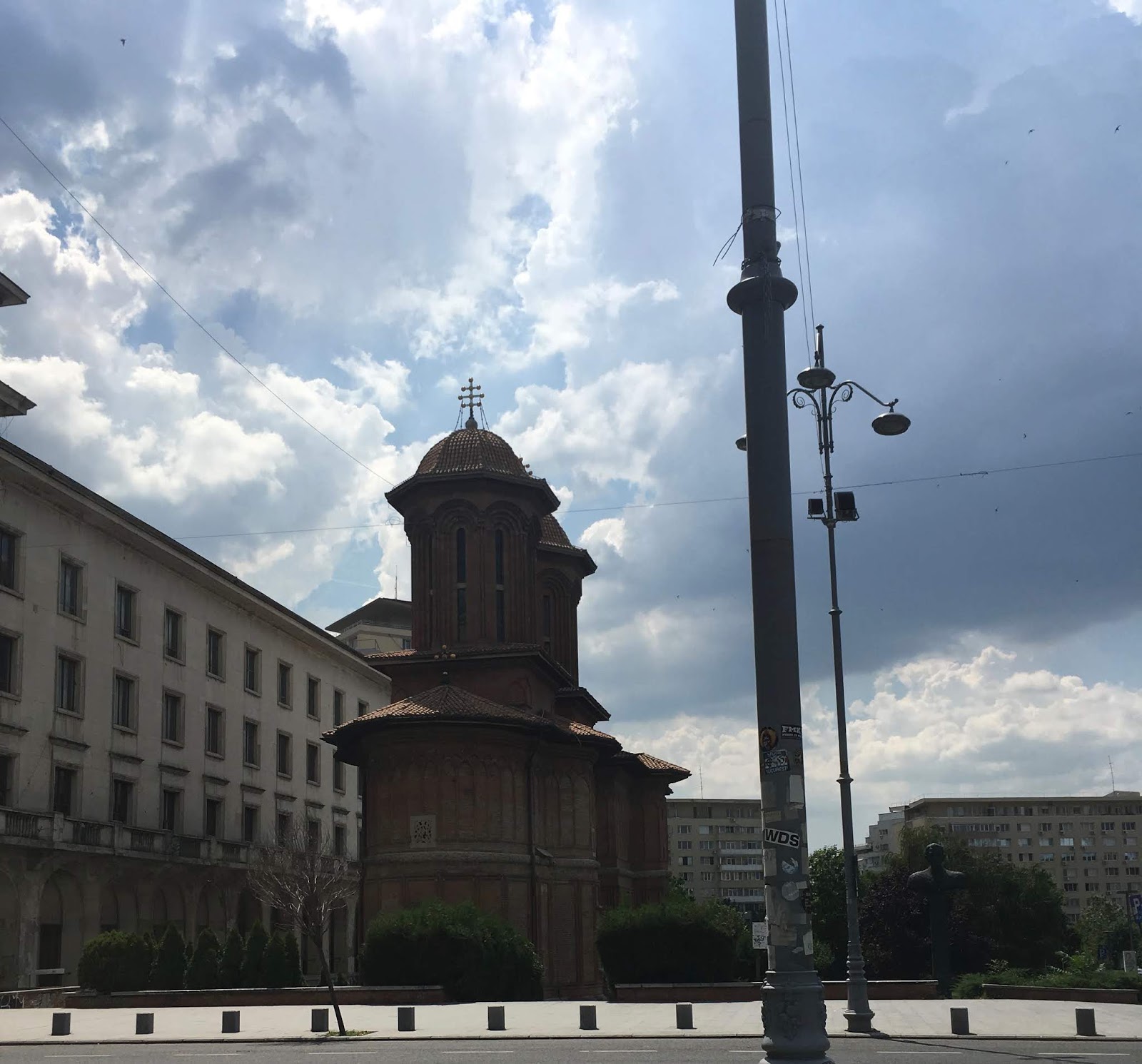
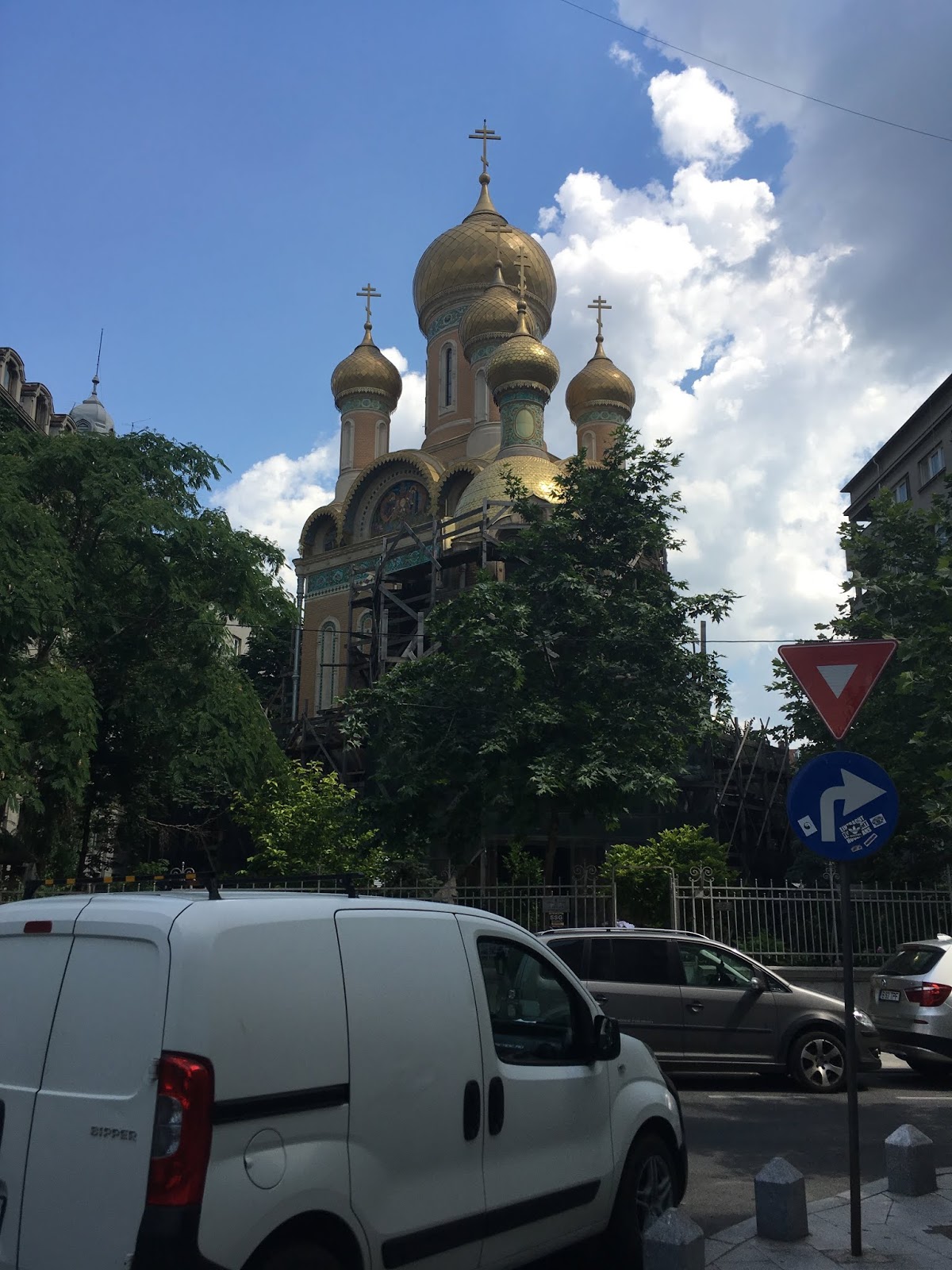
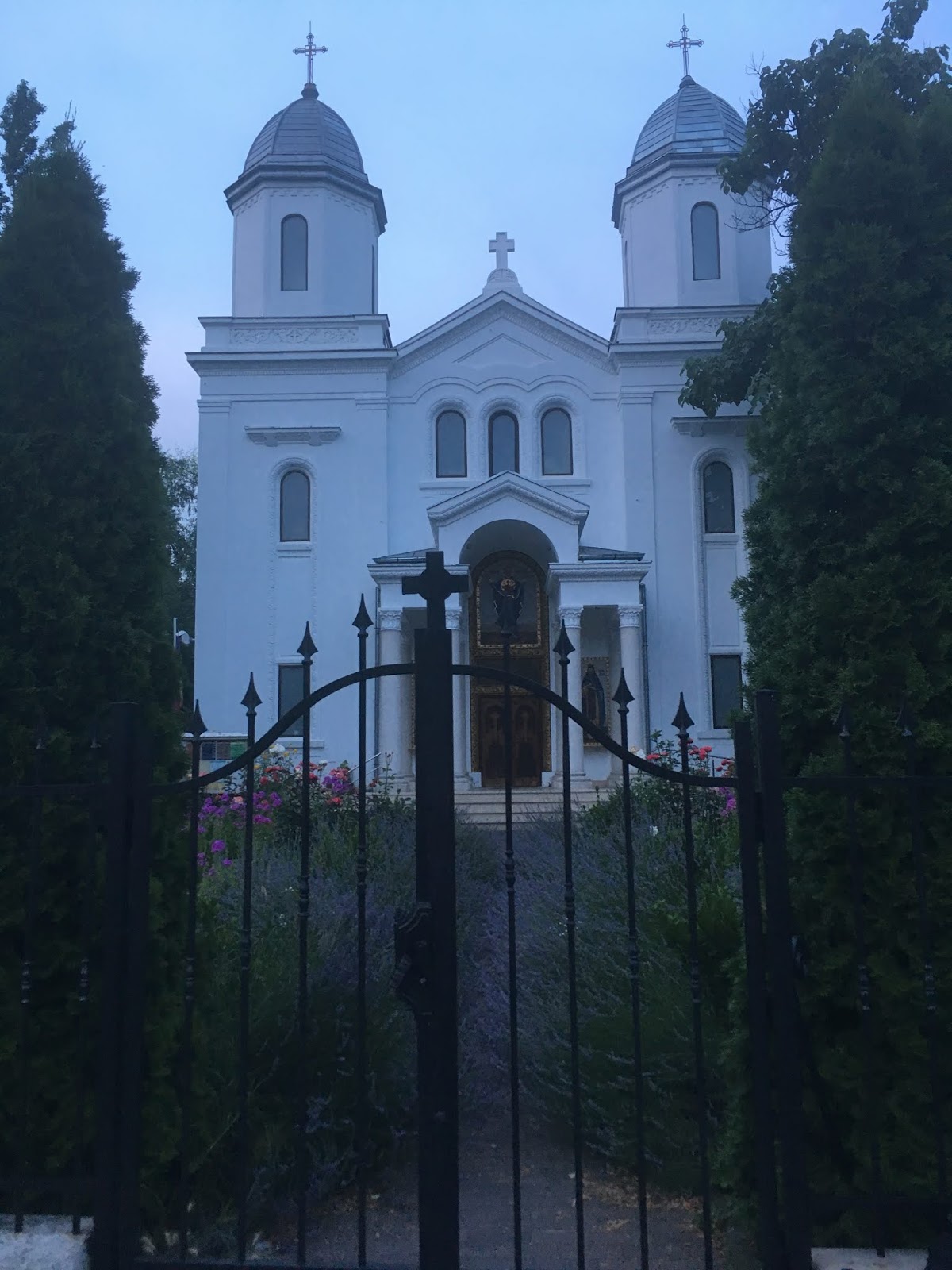
Despite years of communism and neglect,  many churches survived and are pretty much everywhere you look. 
Thirty years after communism, Romania is still experiencing growing pains.  
Governments subsequent to the revolution are still trying to find their place in the world.  Like Bulgaria, like Serbia, like Croatia, like Cyprus these countries  still need to address the cumulative sins of the last thirty years (corruption, genocide) in order to join the Schengen area of greater Europe.
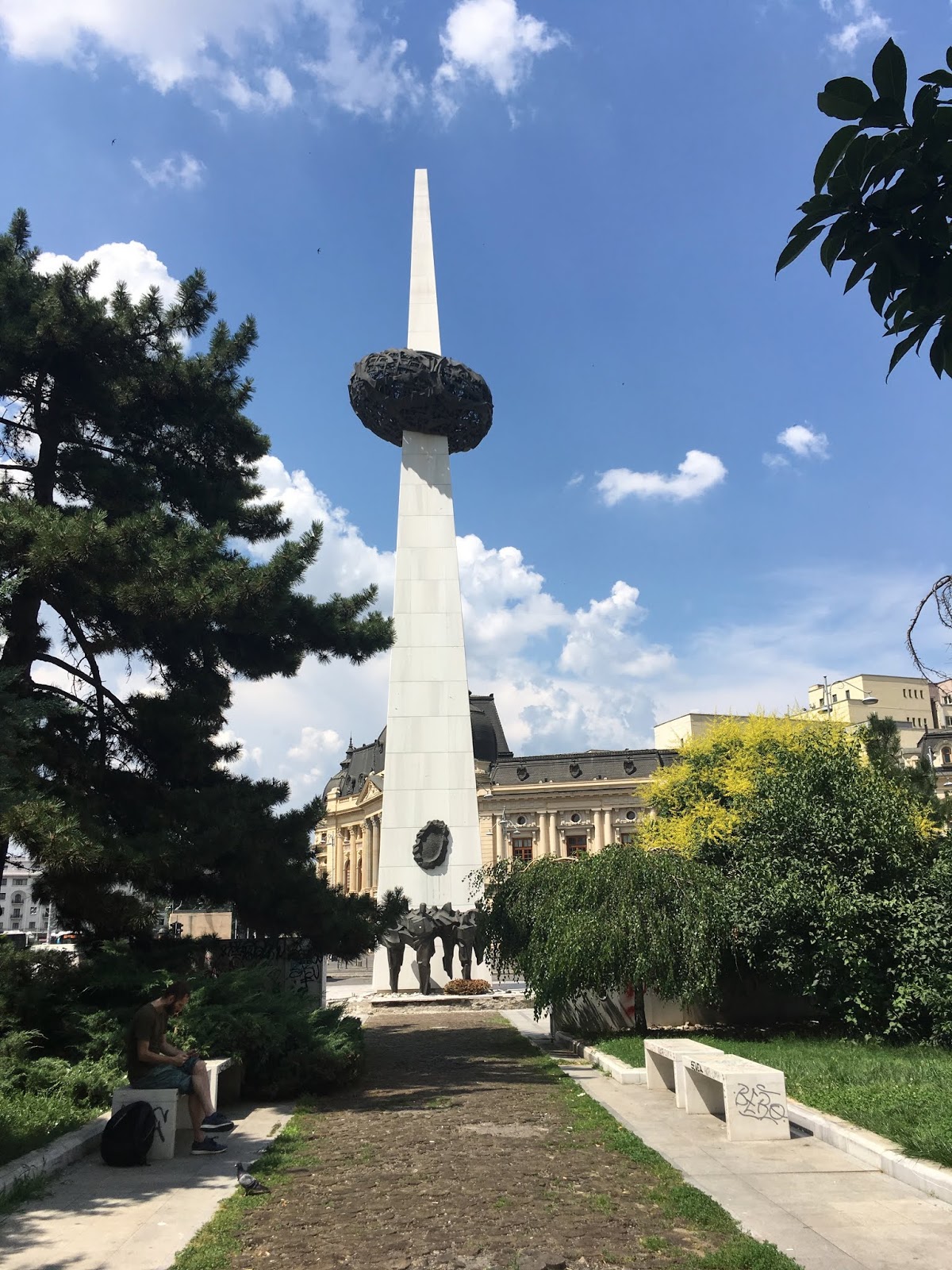
Memorial to those killed in 1989 Rebellion, often referred to as the toothpick with the olive
 

Delta takes flight

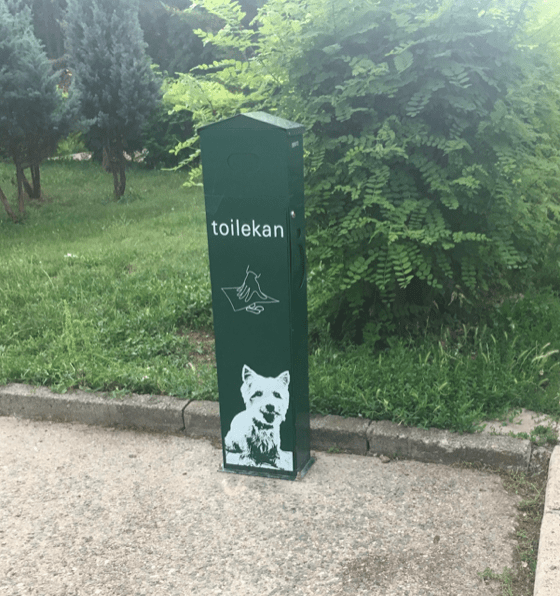
Our stop in Constanta,  Romania was just like a ship passing in the night since we just stayed about 14 hours as we were catching an early train to Tulcea, Romania    Our exposure to the town limited to walking along the  same 2.9 km between the  bus/train station and our place. We had enough time to learn that the town really seemed to like The Hobbit and Lord of the Rings as these were everywhere. (toilekan=Tokien in Romanian?

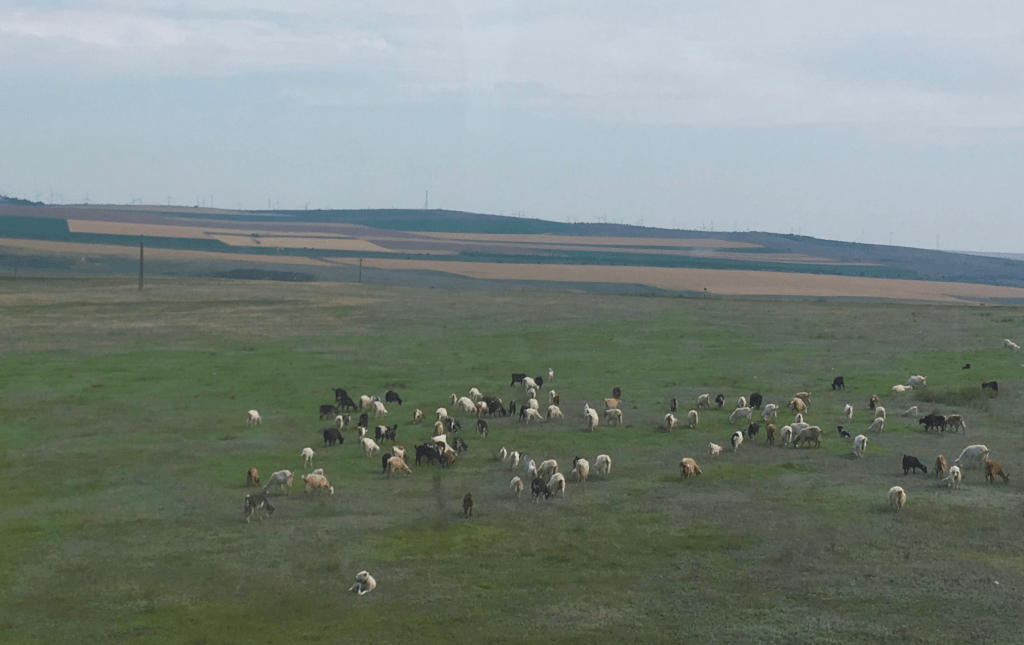
The train left the city passing seemingly endless fields of wheat and sunflowers. Romania is still a primarily agrarian country with 45% of the population living in rural areas.  We also saw lots of herds of sheep, cows and goats with everyone having an actual shepherd and dog overseeing the flock.

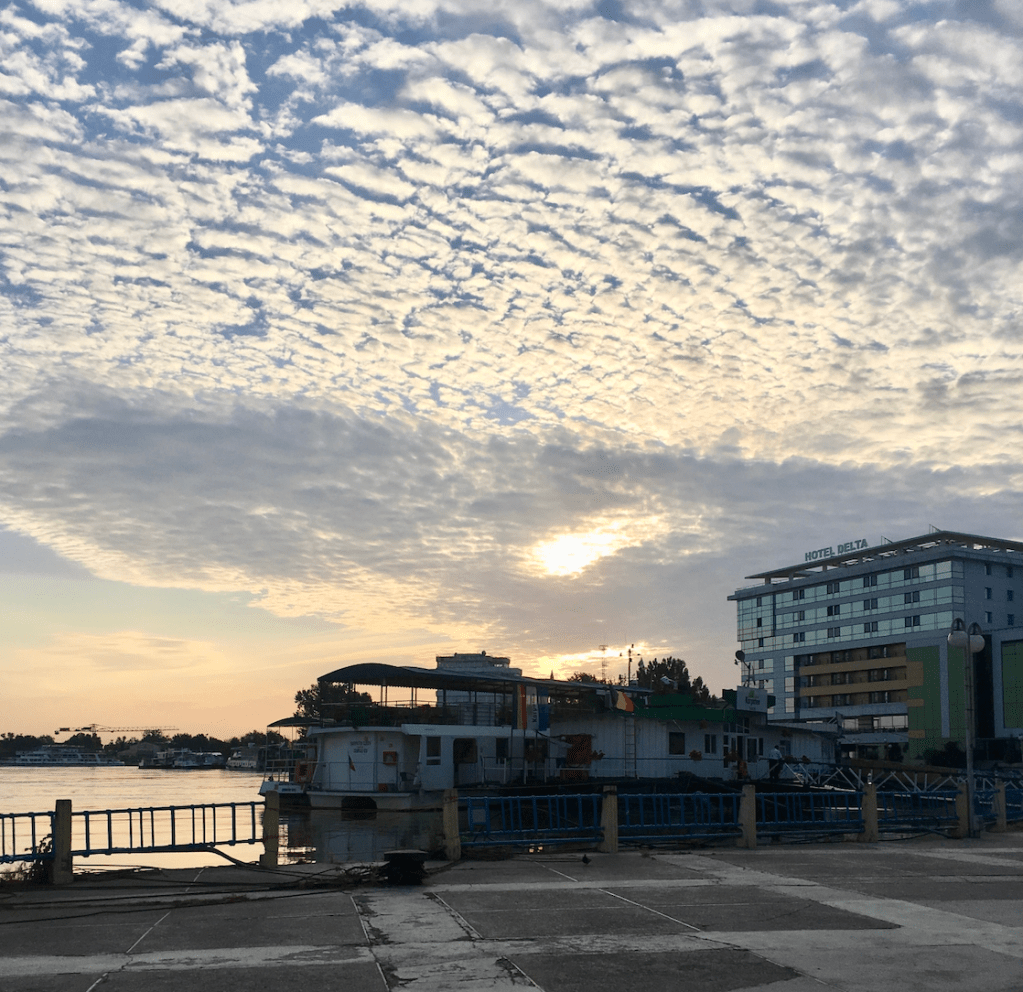
Our visit to Tulcea, the entrance to the Danube Delta,  was first a “oh, maybe we should go there” which quickly transformed into a highly anticipated stop  s we read more and more about it. Black to Black: The Danube River, Europe’s second longest river (after the Volga), begins in the Black Forest , flowing south east for 1770 miles  through 10 countries (more than any other river in the world) before ending at the Black Sea in northern Romania into a complex extensive Delta.

The Delta is a huge wetland, minimally developed, with three main water channels and a marshy forest (Letea).  Over 350 species of birds live here, some year round, others migrate through.  An unexpected pleasure during the year of traveling has been seeing wild birds. Birds seen from trains, buses and when walking through fields and parks and along rivers and seashores. Flushing pheasants and quail in UK https://chosenfugue.wordpress.com/2018/10/27/scarborough-fair-moor-or-less/,  surprising a bunch of guinea fowl in Cyprus, https://chosenfugue.wordpress.com/2019/01/27/paphos-the-redemption-of-cyprus/ observing flamingos in salt water lakes of Cyprus, bonding with seagulls in Burgas, passing wild turkeys in Santa Rosa and watching the distinct Saar pigeons on a square in Saarbrucken.  In Bulgaria and Romania we have been seeing storks (and stork nests)  through bus and train windows. 

Most of the bird  encounters have been serendipitous, but this time we were going on guided tour in a boat! So we were pretty excited. Our Delta tour began at a little after 6 am (Delta Dawn) with just us and our guide Carmen, who learned English from watching Cartoon Network, with his favorite show being Yogi Bear.  He was very animated.

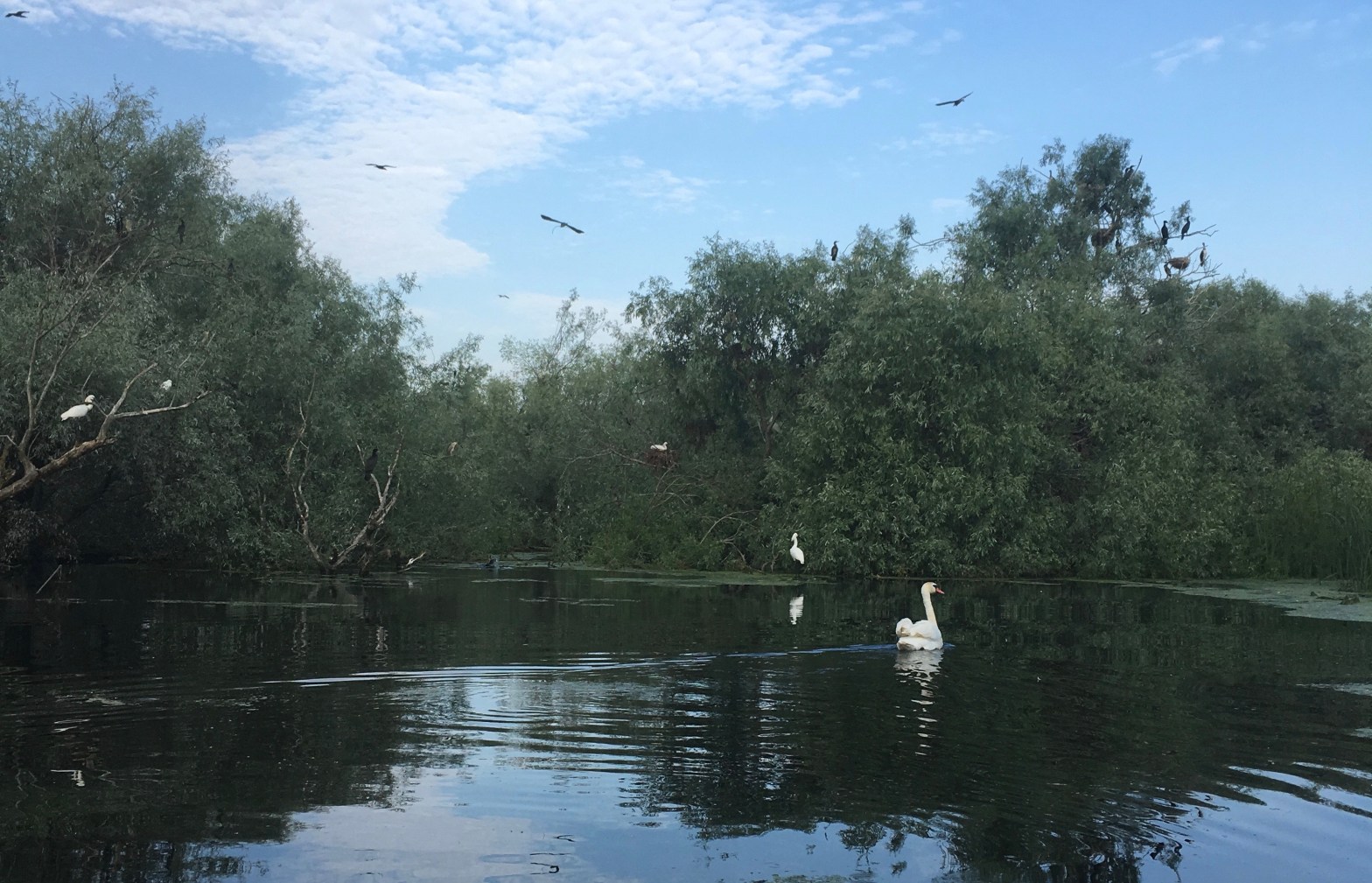
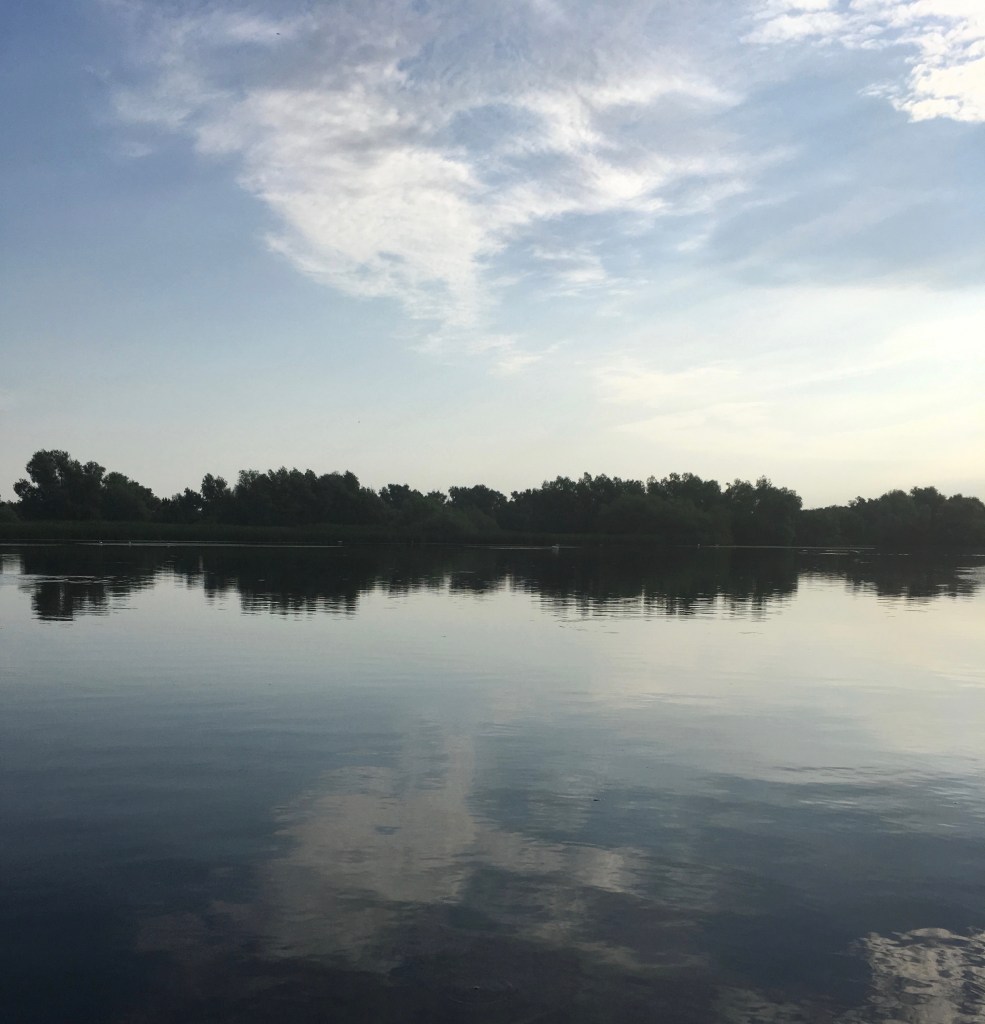
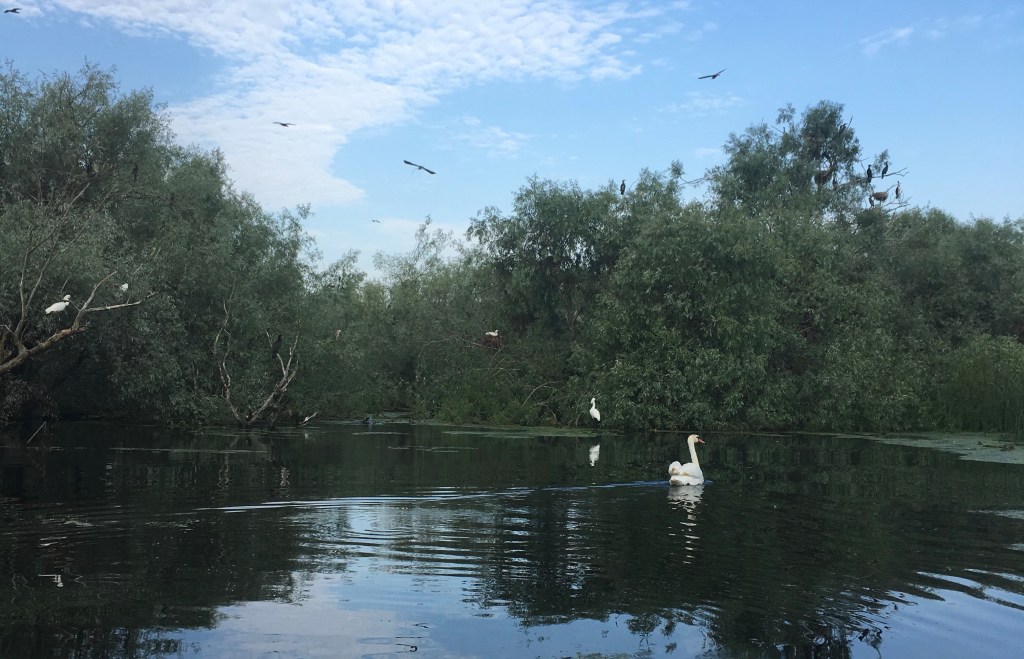
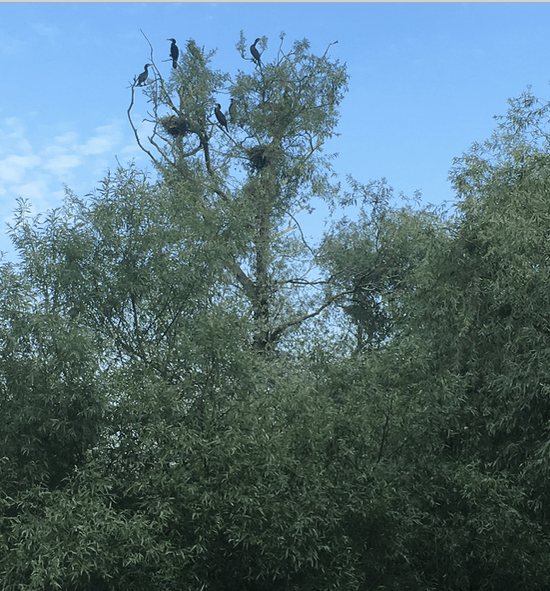
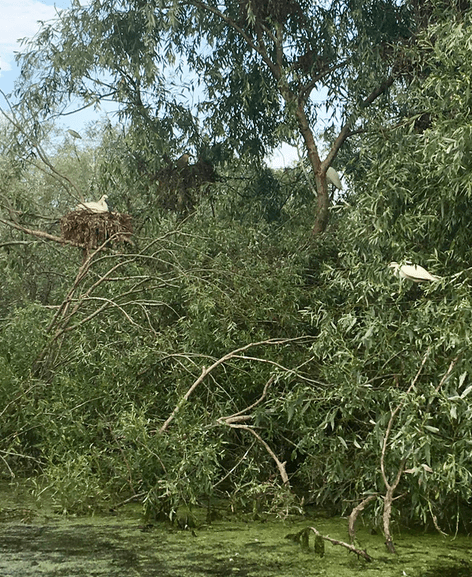
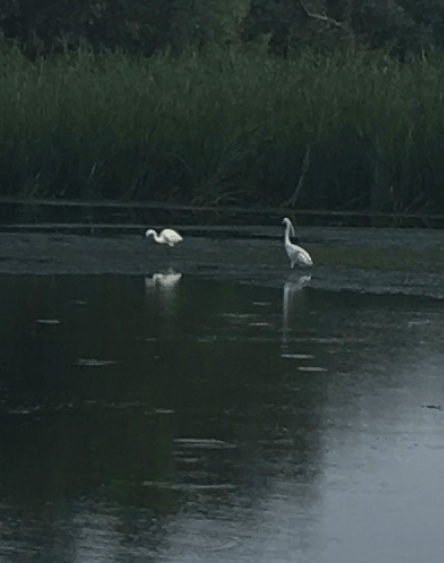
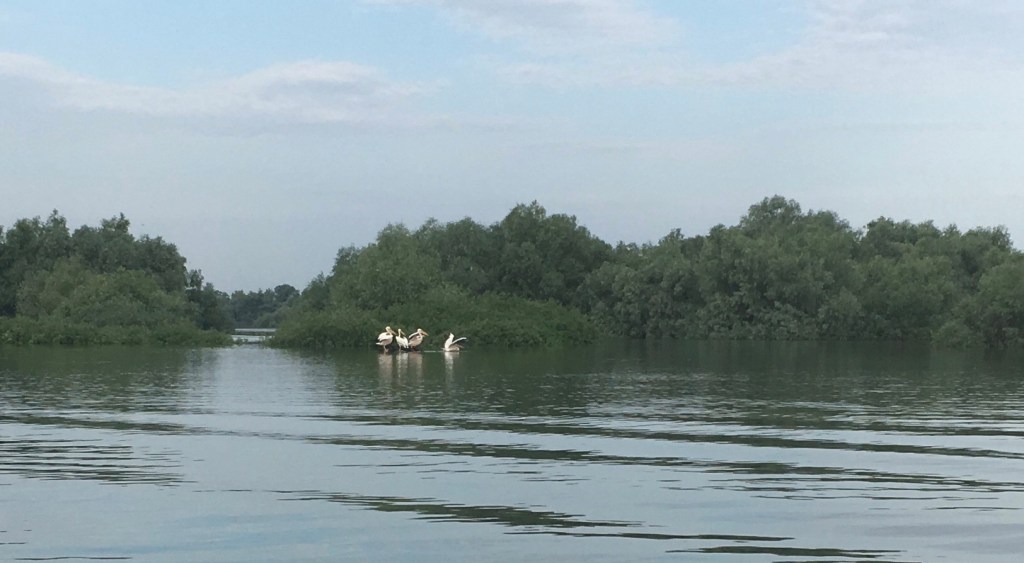
Pictures do not do justice to the serenity and beauty.  We were able to see kingfisher, ibis, pelicans, mute swans (with babies), ducks, 4 species of herons, 2 species of cormorants, spoonbill, egrets, and an eagle.  This picture, which kind of looks fake but isn’t,  has almost all of these, with more many pics capturing this pretty wonderful morning.

pelicans

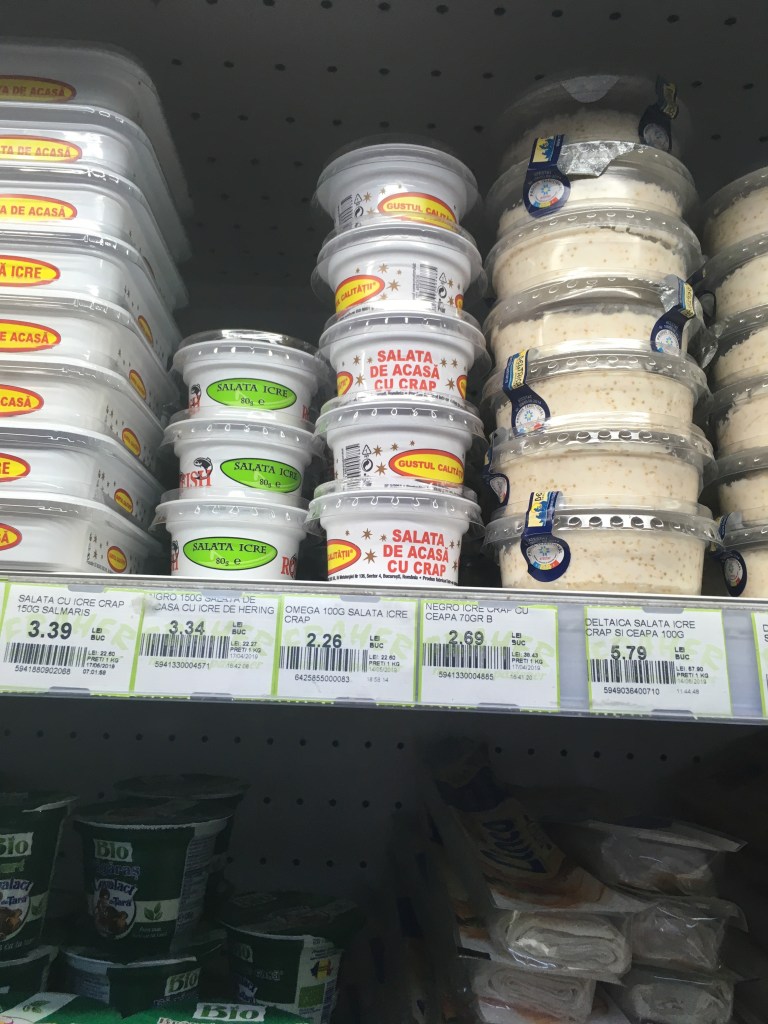
It was a really incredible morning, so  we went to the market after, and not wanting to eat the same old

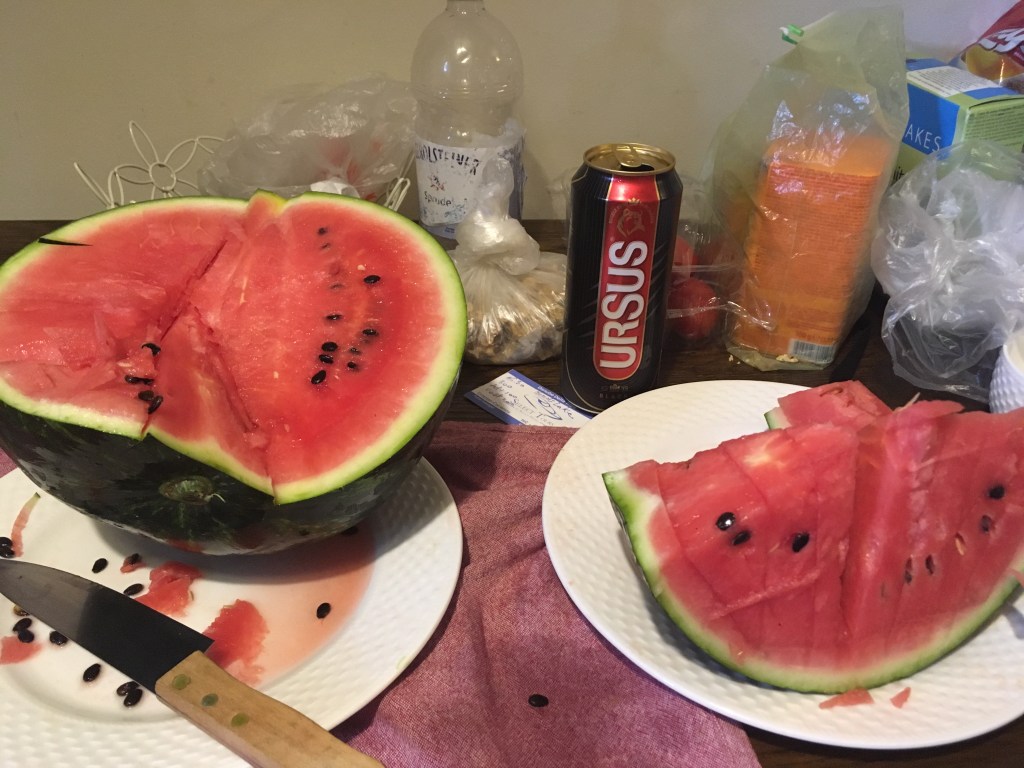
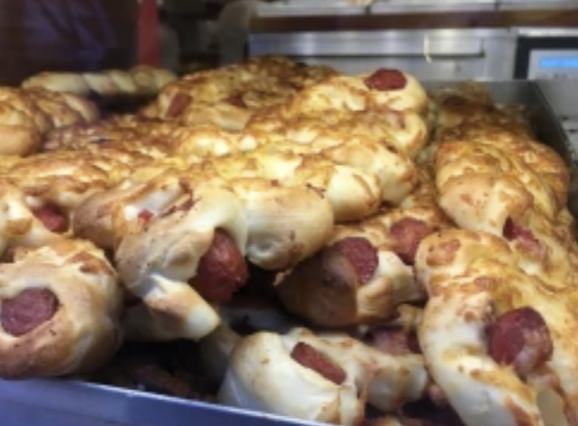
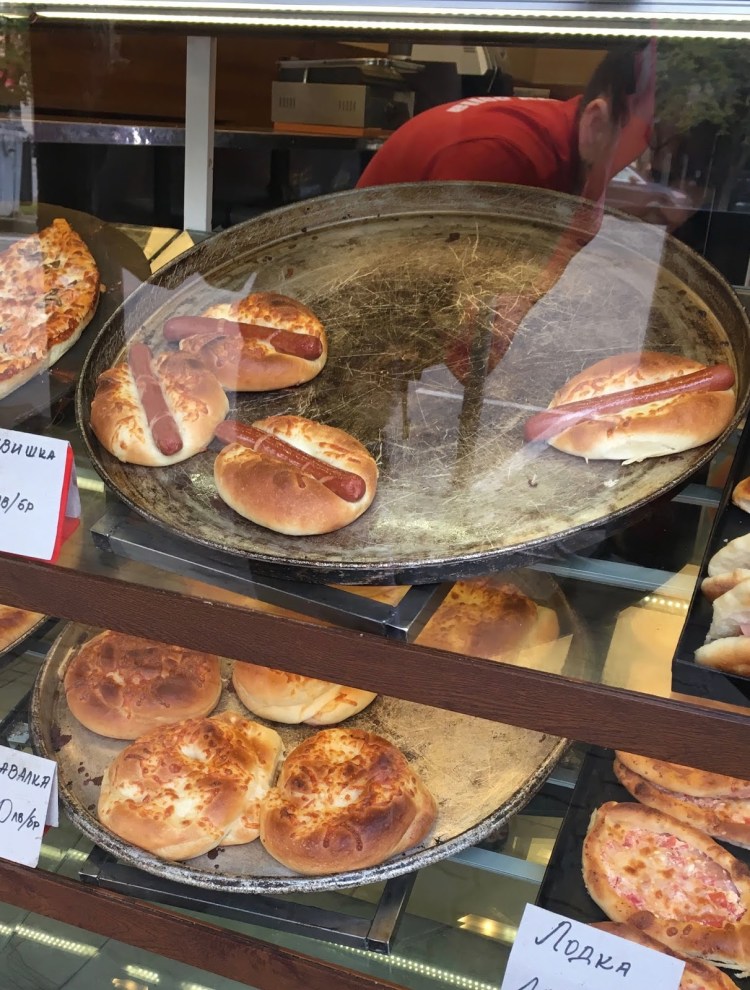
We opted for a farmer’s market visit for some watermelons (and beer) but not the pastry hot dogs.

This week’s photo of topless old man looking out window contemplating his life: Romanian beer run.

Into the Cyrillic, Part 2: The Black Sea

(this was done with the old WordPress format and looks really bad, sorry)
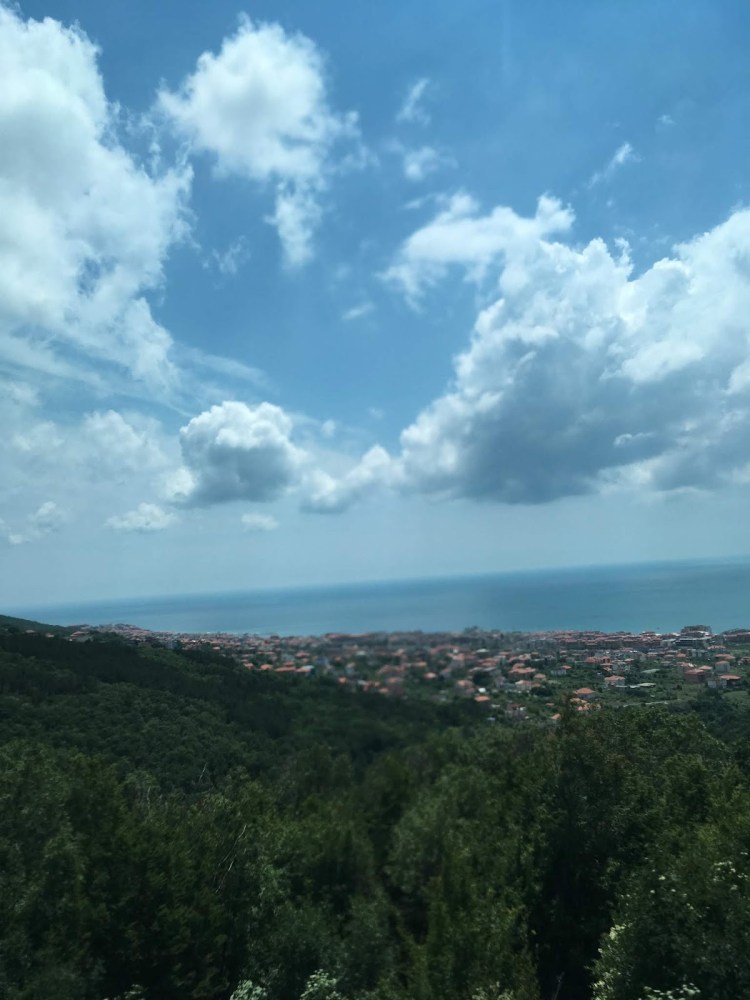
Over the mountains (and appropriately, Metallica’s “Fade to Black”” blasting from the bus driver’s sound system), the Black Sea came into view and we began our 10 days of traveling along almost the entire Eastern European coast of the Black Sea, from Sozopol, Bulgaria in the the south and ending up at Danube Delta in Tulcea, Romania.
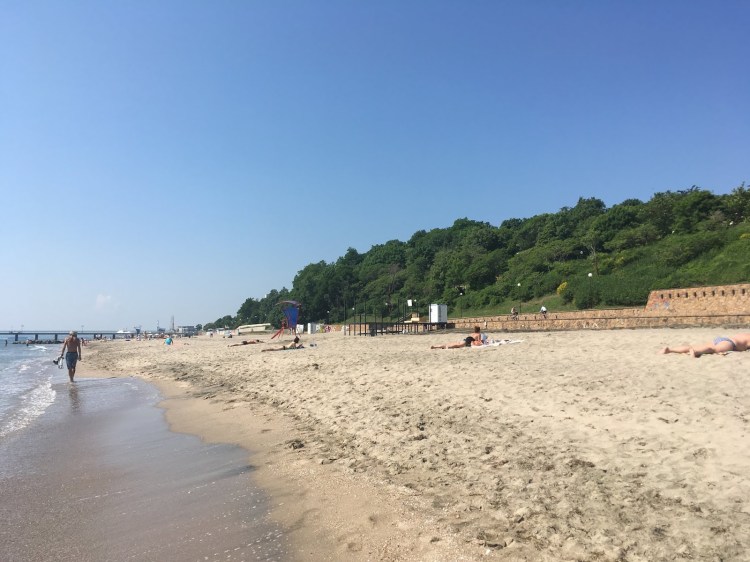
The Black Sea is a popular summer vacation spot for neighboring Ukrainians, Romanians, Moldovans, Turks, and the English, who seem to like to go to any beach especially if it’s inexpensive (a lot of expat retirees).  Large resort cities with silly names, Sunny Beach and Golden Sands,  attract the young party crowds.  Ancient ruins stand beside modern hotels sharing space on picturesque shorelines.
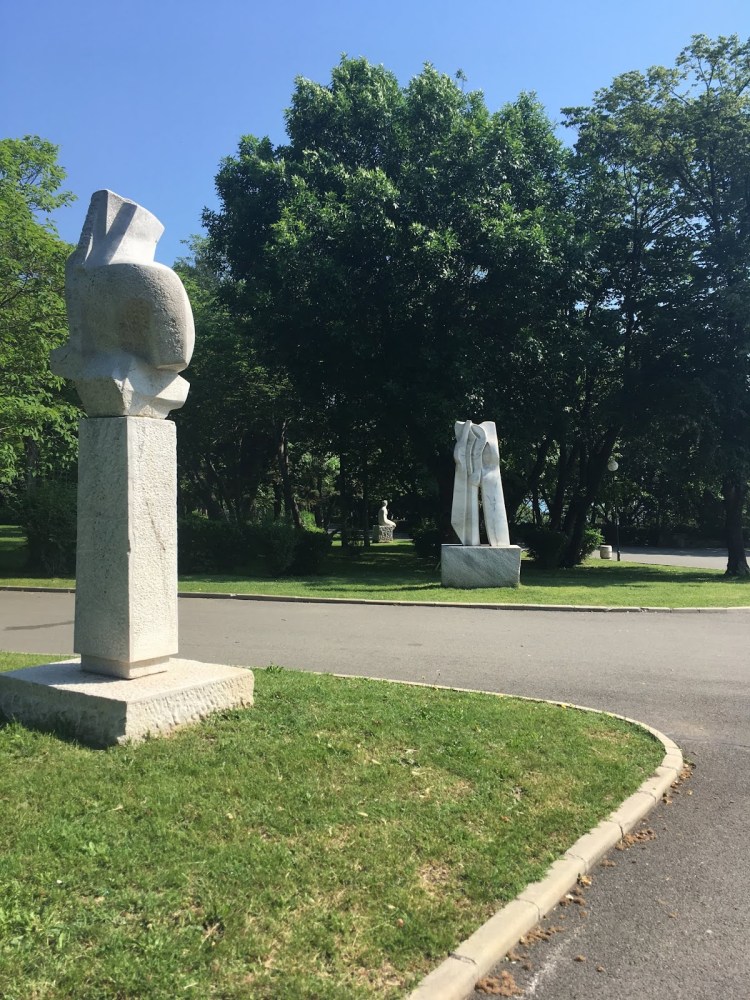
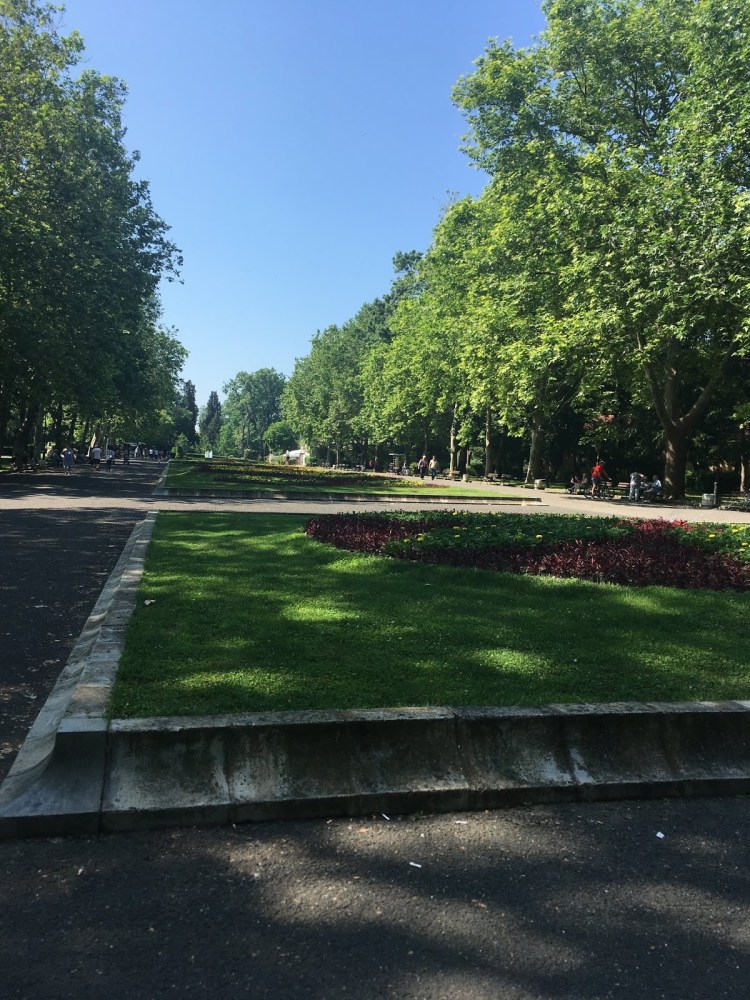
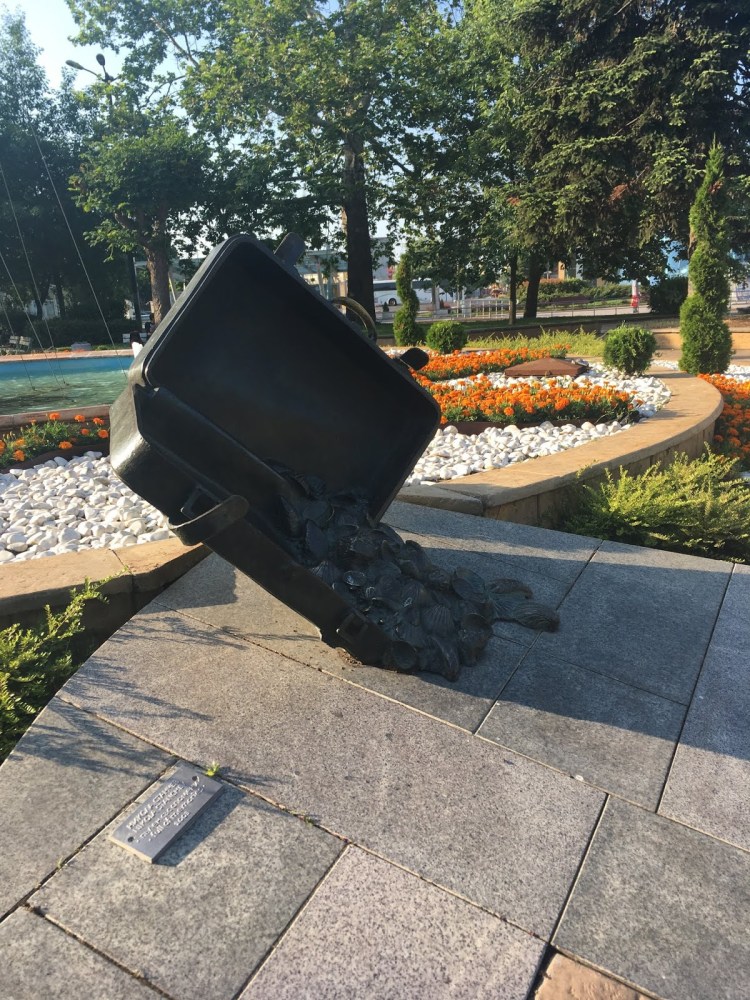
Our first stop along the Black Sea Coast was Burgas, Bulgaria, the country’s 4th largest city.   The city tourist map had 60+ attractions to visit. The first five were great; churches, statues and the wonderful Sea Garden. The Sea Garden (attraction #1) had miles of walking paths winding through formal gardens, wooded areas, playgrounds, carnival rides and amphitheaters- all hugging the beach.
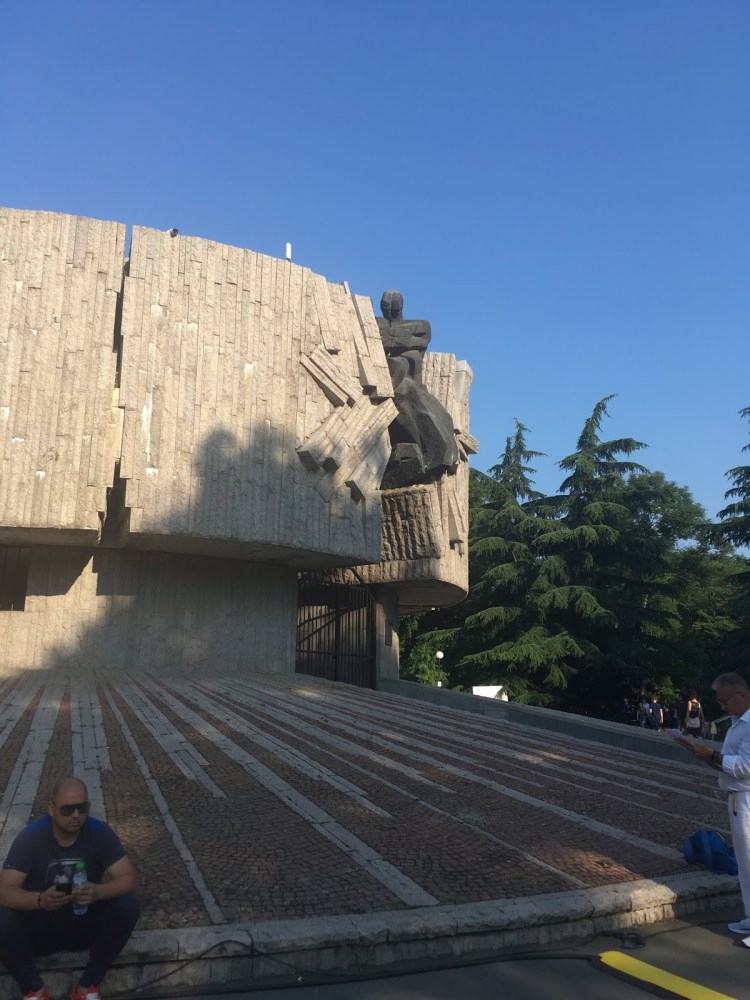
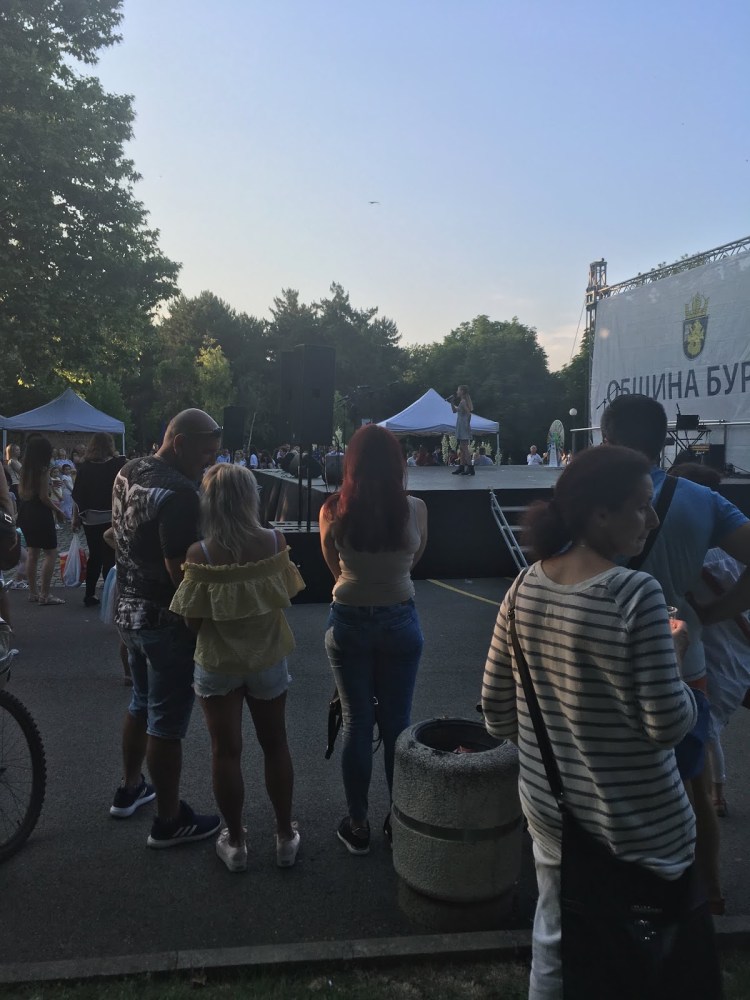
 In front of the the Sea Garden’s Pantheon monument (#8)  we stumbled upon a talent contest.
The first contestant was too much American Idol- both in song and dress- but the second contestant brought tears to our eyes singing Leonard Cohen’s Hallelujah in Bulgarian.
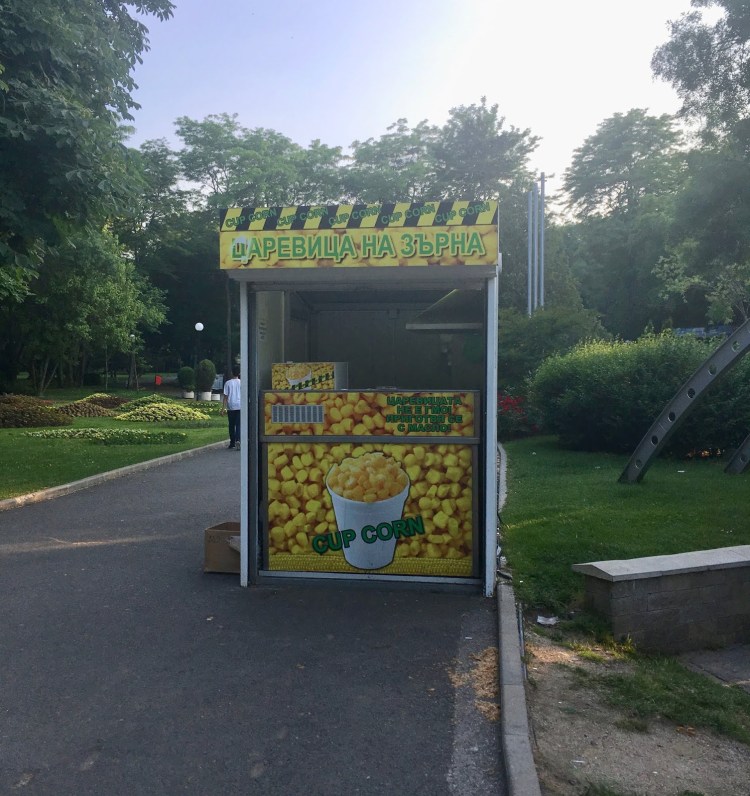
Every night we joined the city inhabitants, strolling through the gardens, topping the night off with refreshing cup corn,
declining other options (is a hot dog a sandwich or a pastry?)

We continued to work our way through the attraction list but they soon got sadder and goofier with  Burgas’s desperation for attention and recognition as a renown beach town began to show; # 9 clock tower,
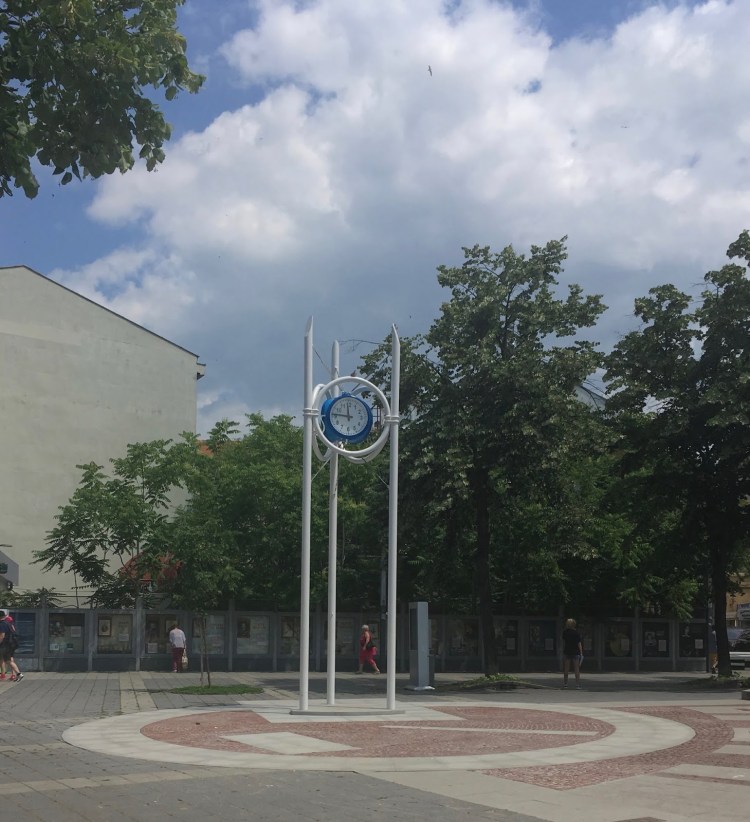
# 23 Train Depot Monument (kinda cool)

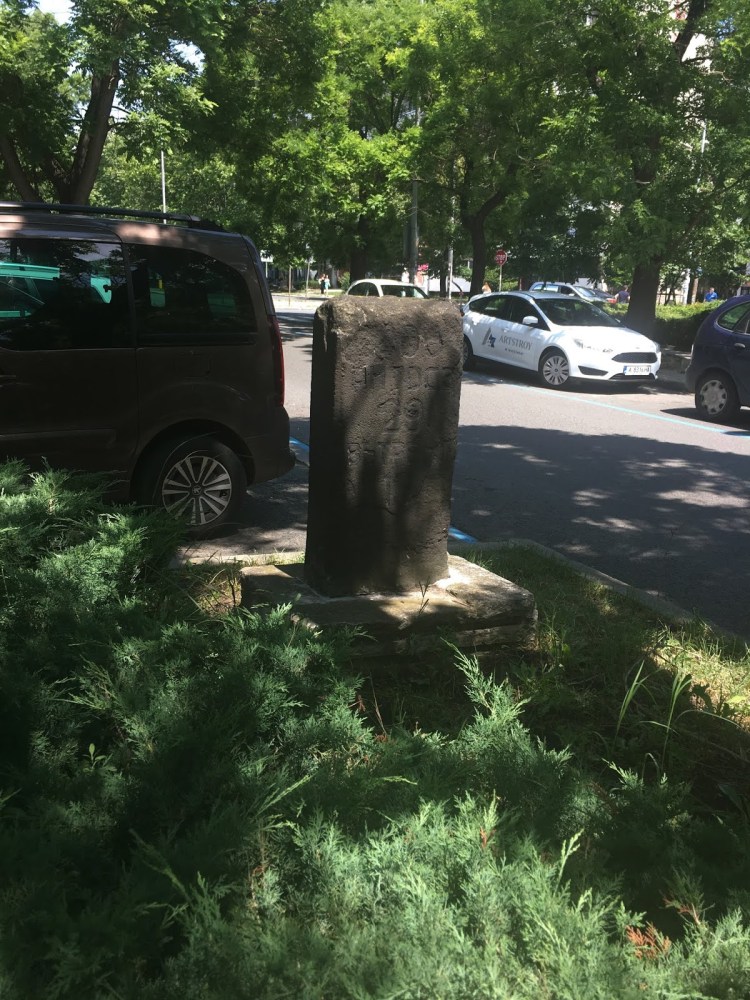
#35 Kilometer marker- of what? to? from?

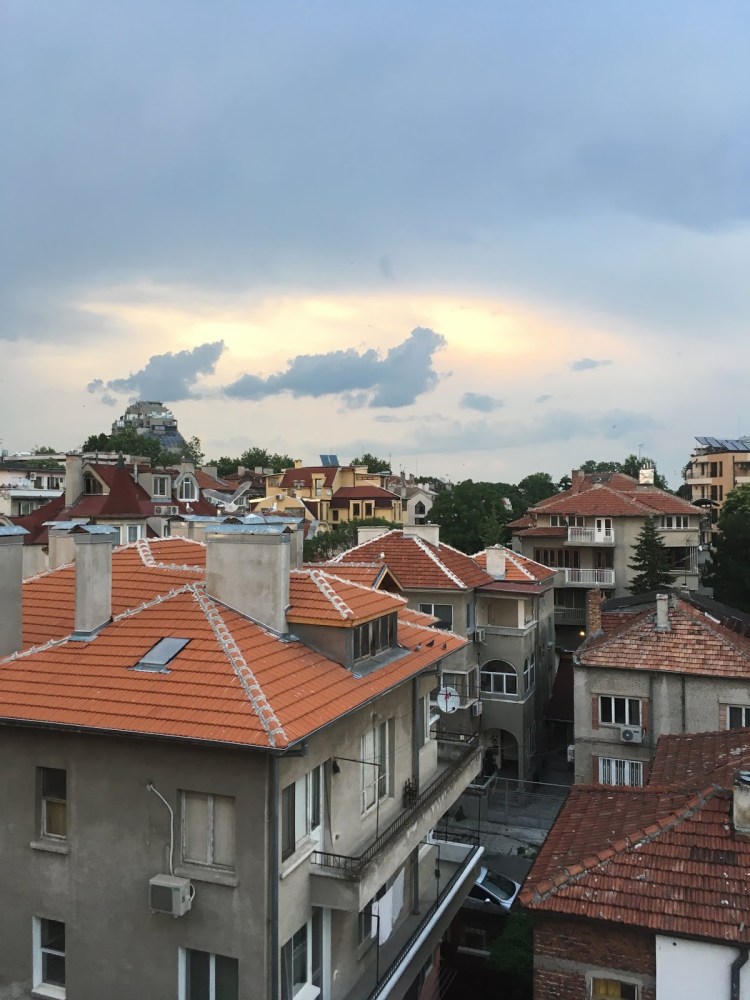
The list kept us busy, but the real entertainment was at  our 5th floor penthouse.  Every night we watched fireworks   over the port.  They would occur at random times and random intervals from 30 seconds to 5 minutes of fireworks. We have no idea why.
We realized later that our penthouse was actually the Alfred Hitchcock suite because of the birds.  Starting at  5 am, a flock-of-seagulls alarm clock went off with loud shrieks, followed by an all day symphony of  squawking, building up to a crescendo at dusk of mainly seagulls with swallow, sparrow, pigeon and bat sections, contributing, as well.   With birds swooping everywhere, we had to practice our ducks whenever we stepped out on the balcony.  The added excitement was seeing baby seagulls for the first time. 
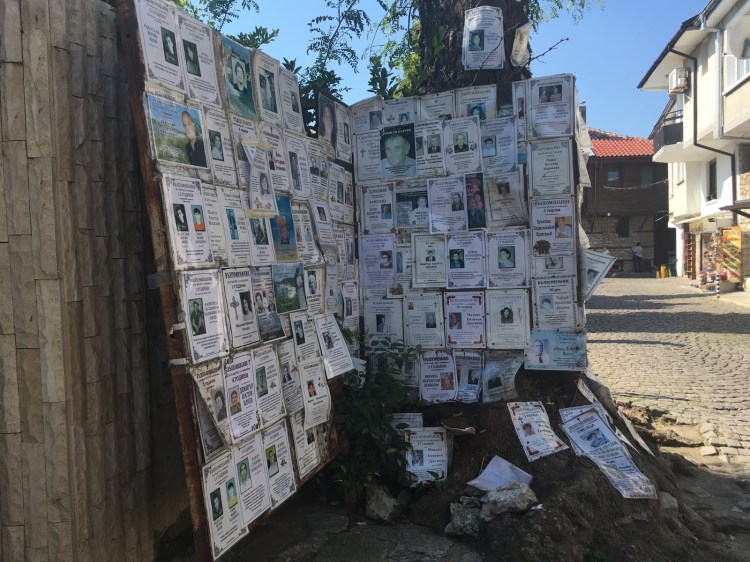
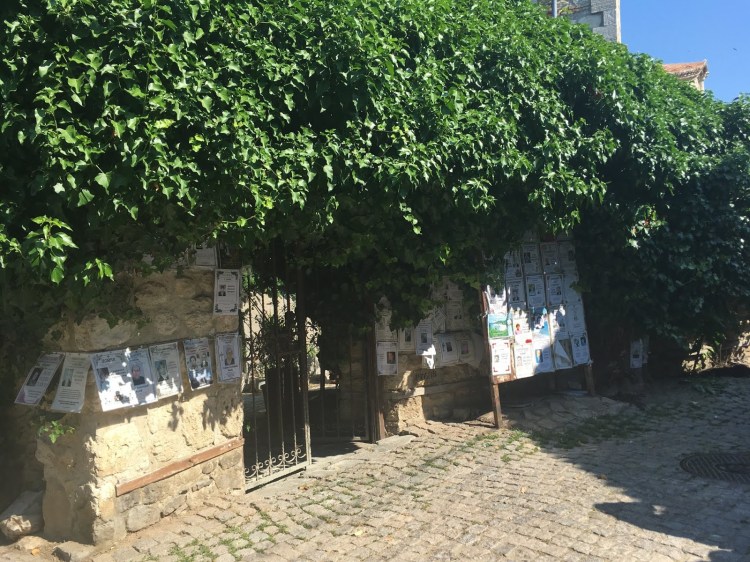
Burgas was a great location for day trips since we were early-birds and we had exhausted the 60+ attractions the first afternoon;  Nesebar, 45 minutes north by bus and Sozopol 30 minutes south. We got to Nesebar early and like home, we enjoyed our morning coffee while reading the obits.  Can’t be sure but we attribute the high death rate to the cobblestone streets and the resulting head injuries.

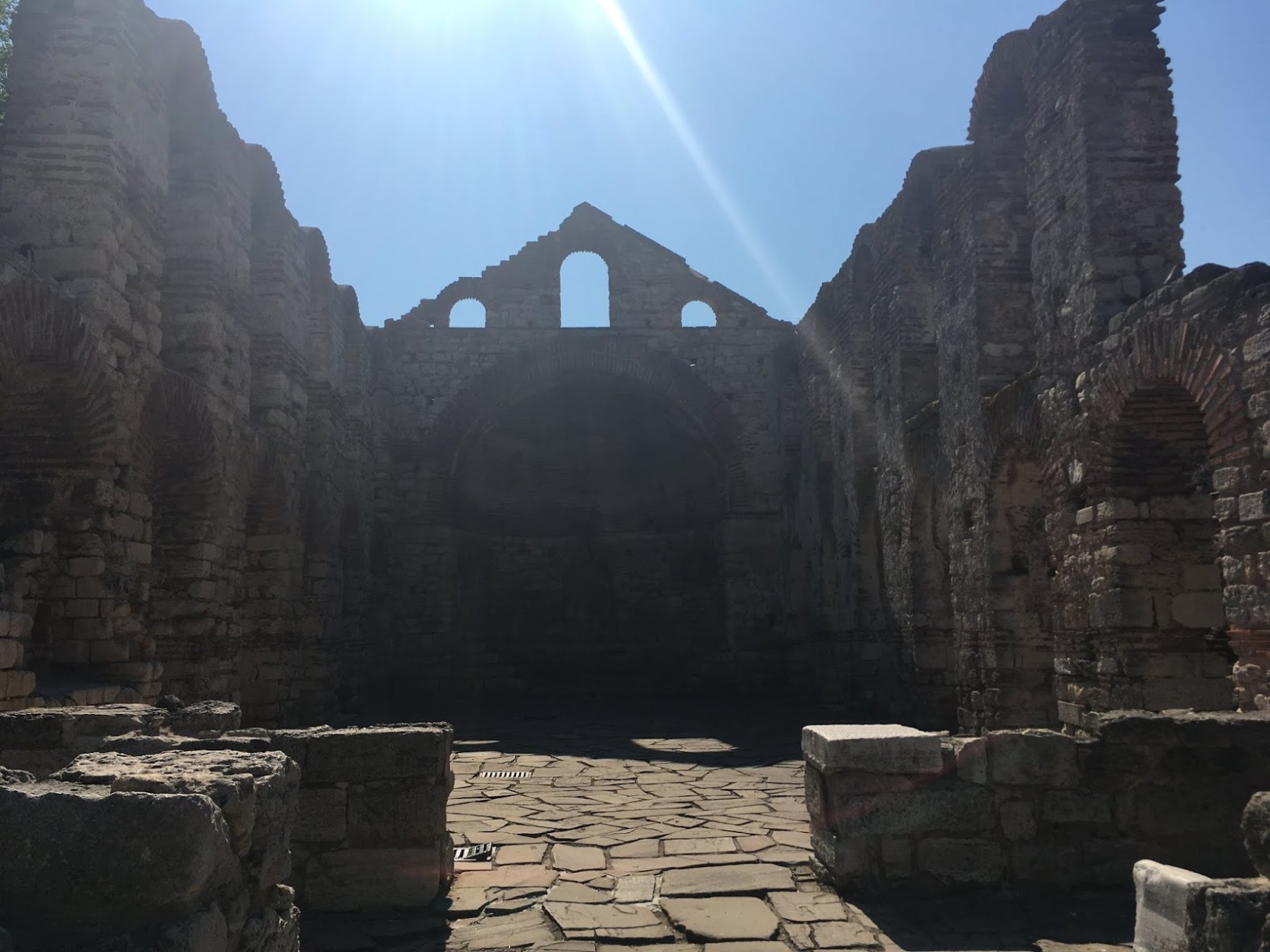
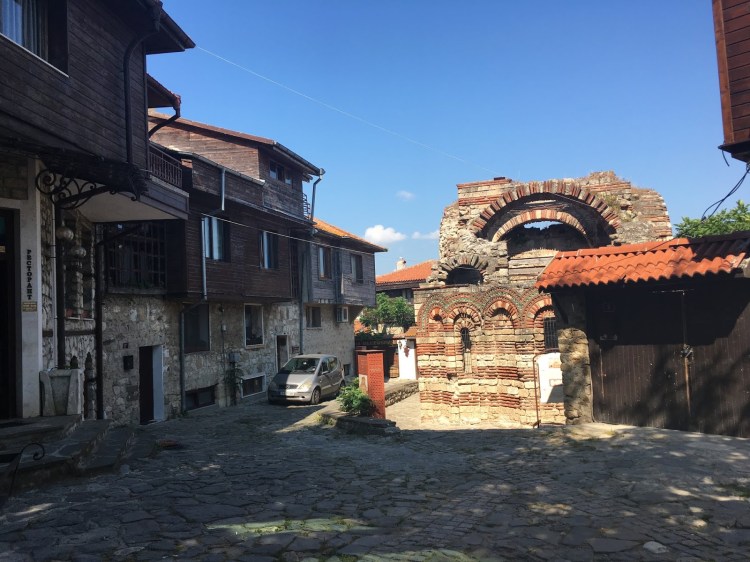
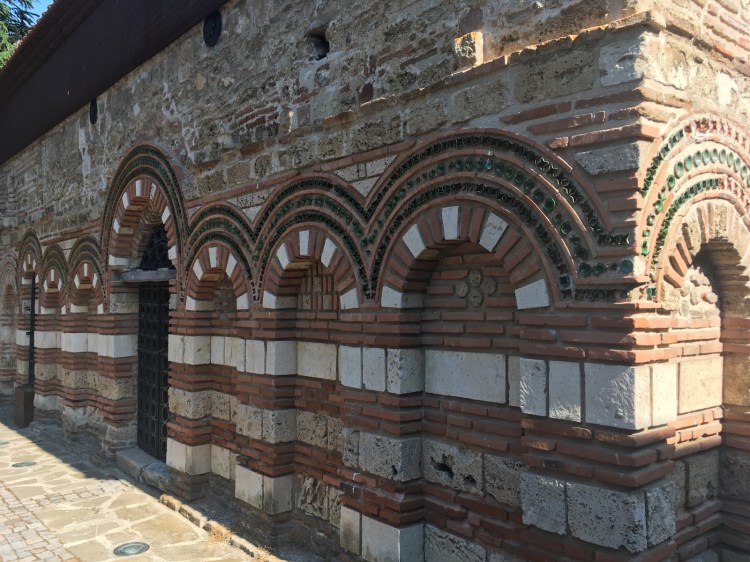
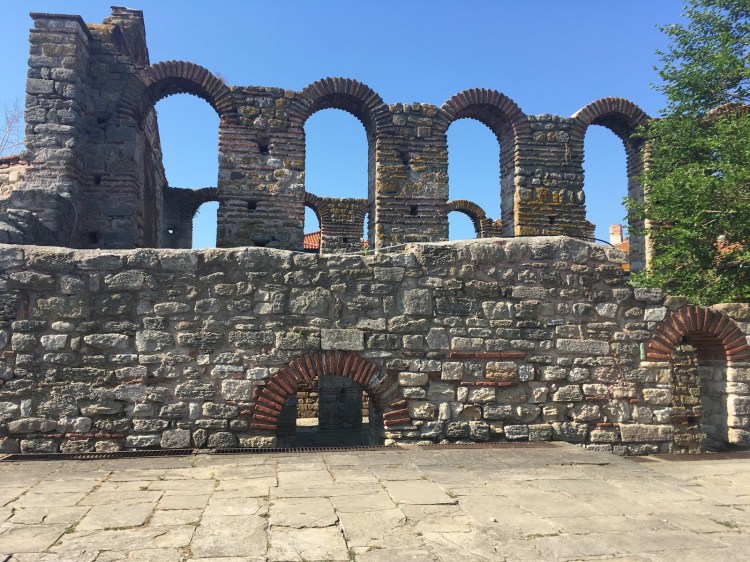
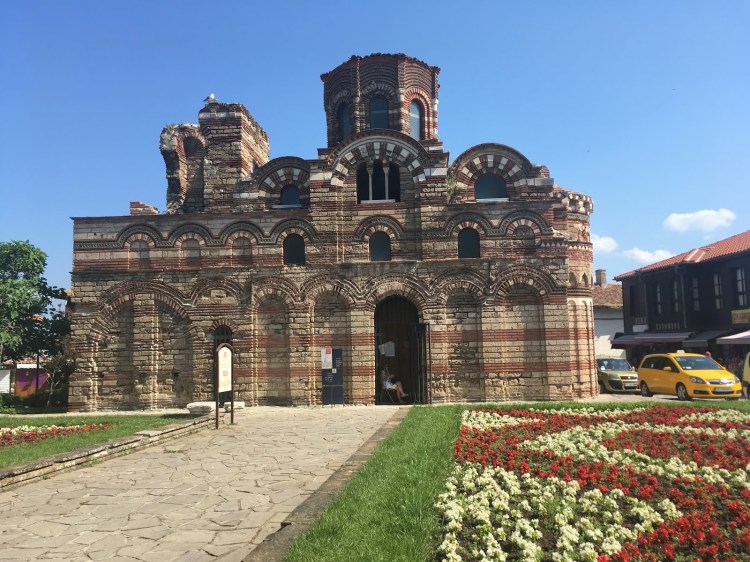
The old city of Nesebar has been described as a city-museum following a line of forty churches (or ruins of) dating from the 5th century to the 19th century with the Black Sea backdrop.
We walked back to our bus in the new town part of Nesebar following a line of forty souvenir shops.
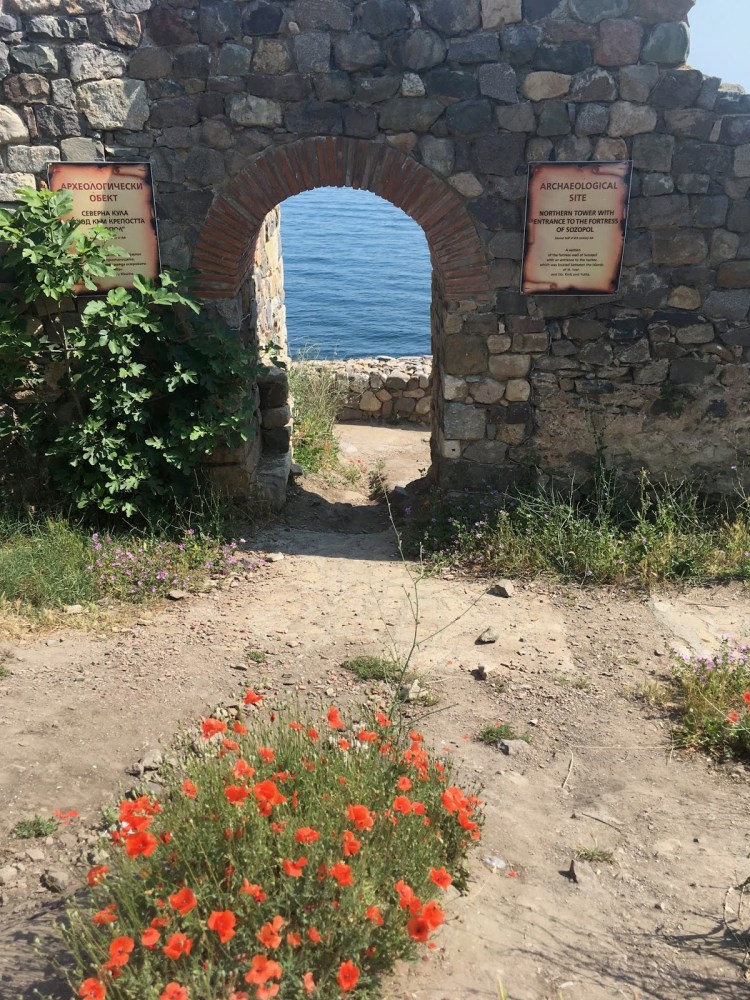
We have become such efficient travelers that we were able to complete our other day trip to Sozopol  in an hour.  In this ancient city, we followed a line of forty cafes, each with the exact same menu poster,  only the restaurant names were changed  (Mexicano? tempting but um, no. )
Again with a beautiful Black Sea backdrop
Sozopol done in record time.
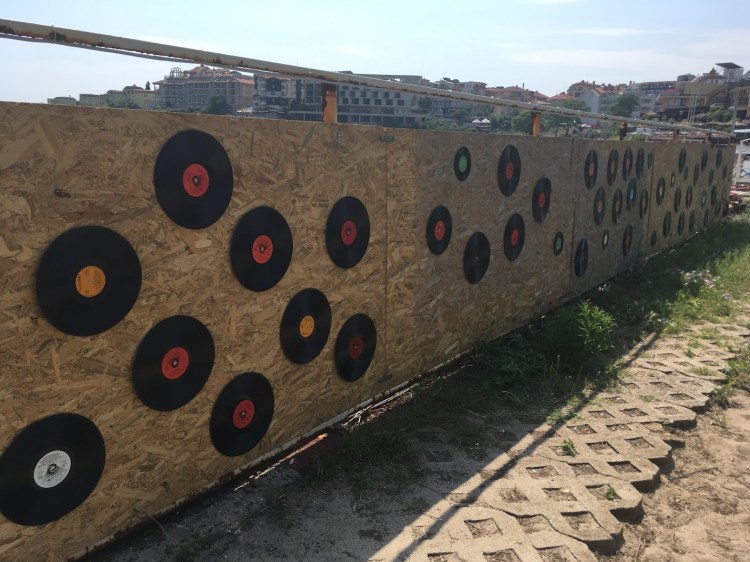
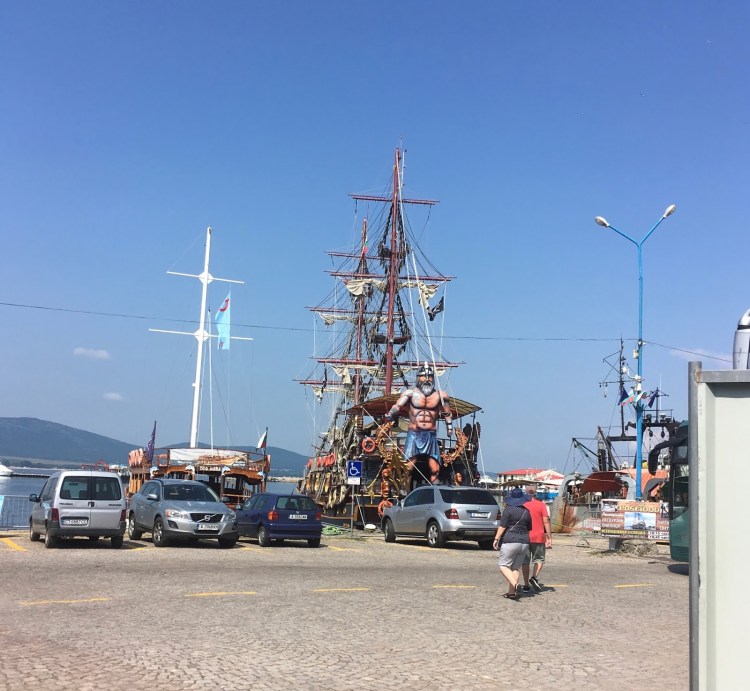
Sozopol’s ancient attraction was the colossal statue (12 meters high) of Apollo, which, in a fit of Roman jealously was carted off to Rome in 72 AD  and later destroyed. Modern visitors need not be disappointed.
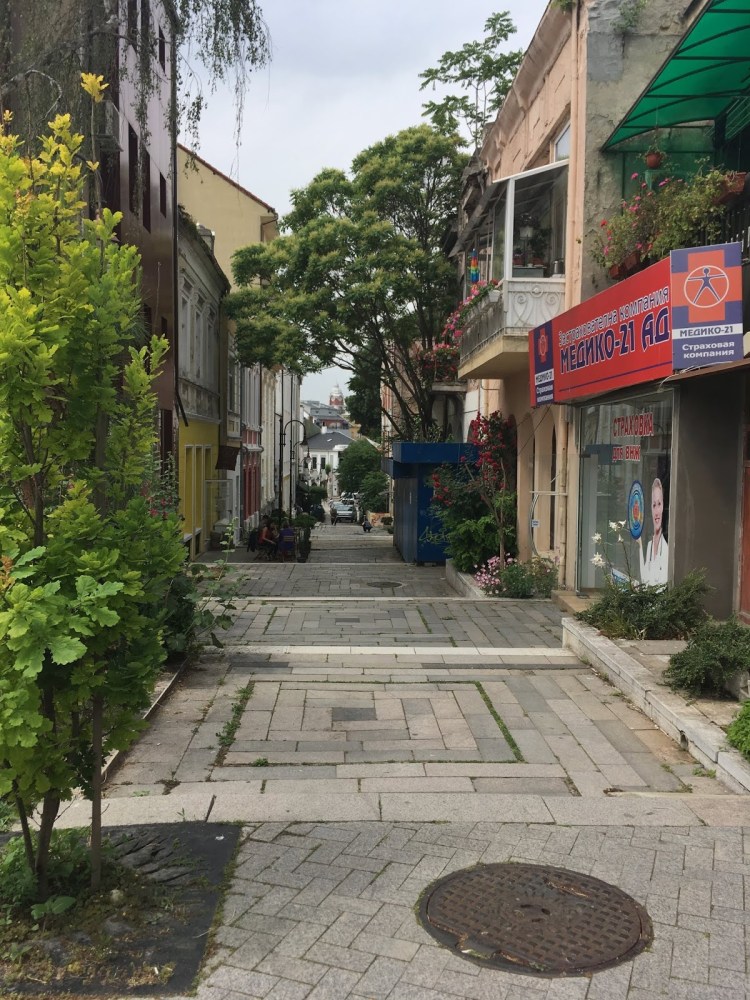
In Varna, at the northern end of Bulgaria’s Black Sea coast, there was a bit of Burgas deja vu.
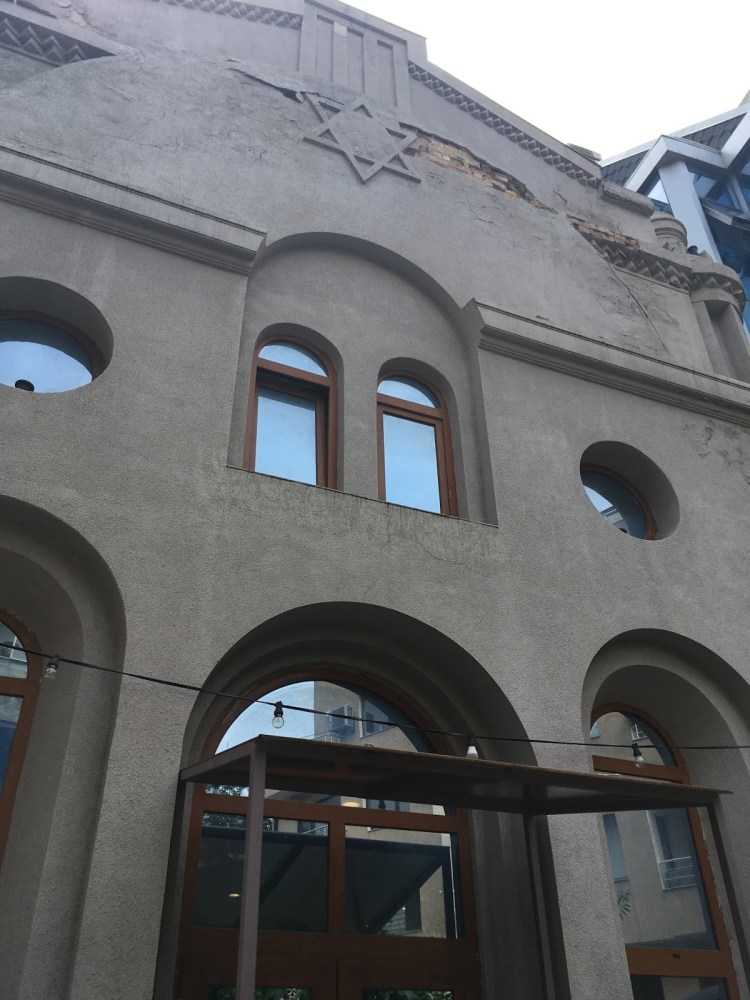
Again, we checked off the Bulgarian bingo card- beautiful buildings in need of repair, beautiful buildings that had been repaired, synagogues no longer in use ) this one was repurposed as a roof top law office ( the rent keeps a symbolic synagogue open)
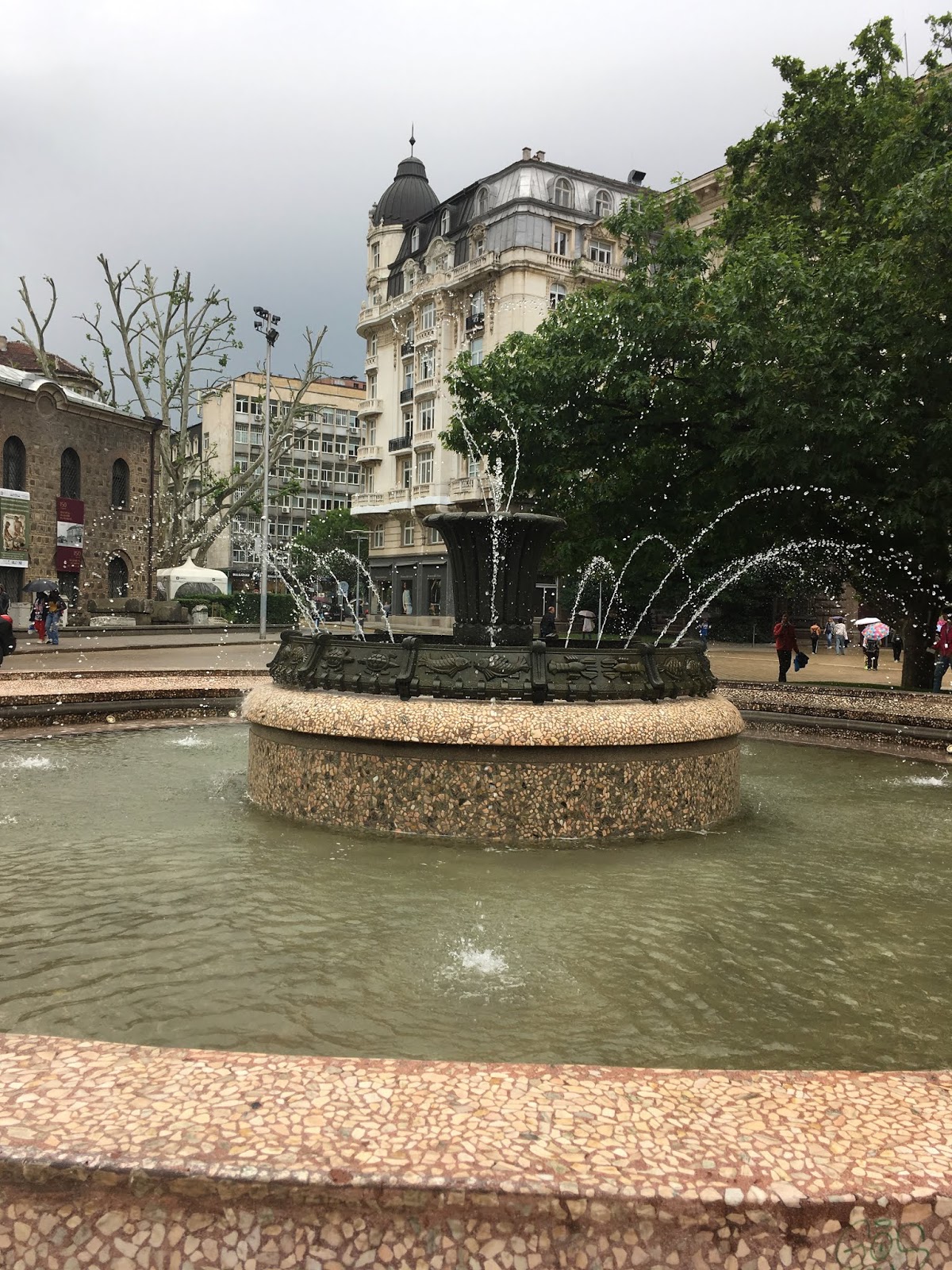
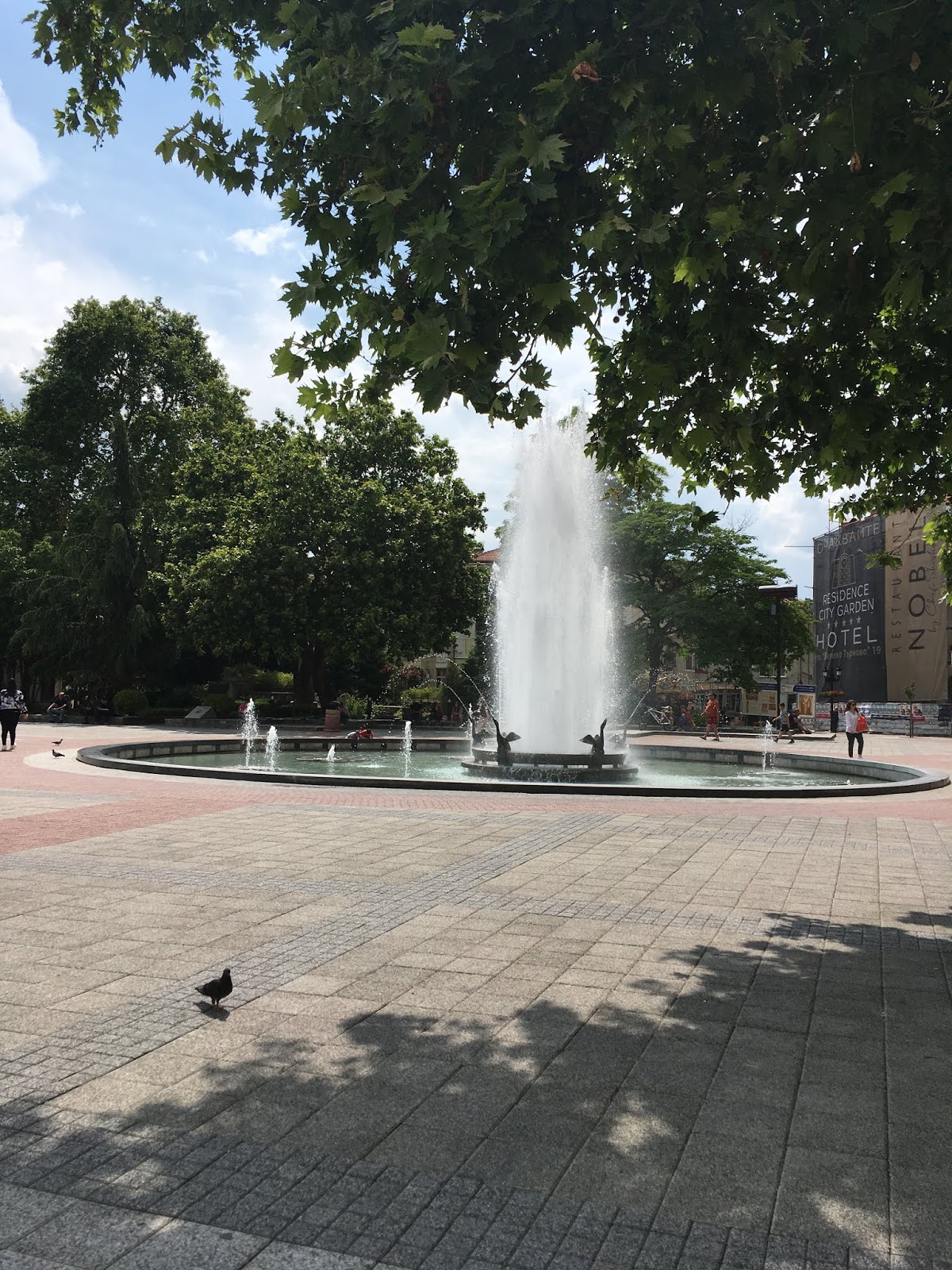
and of course, fountains and
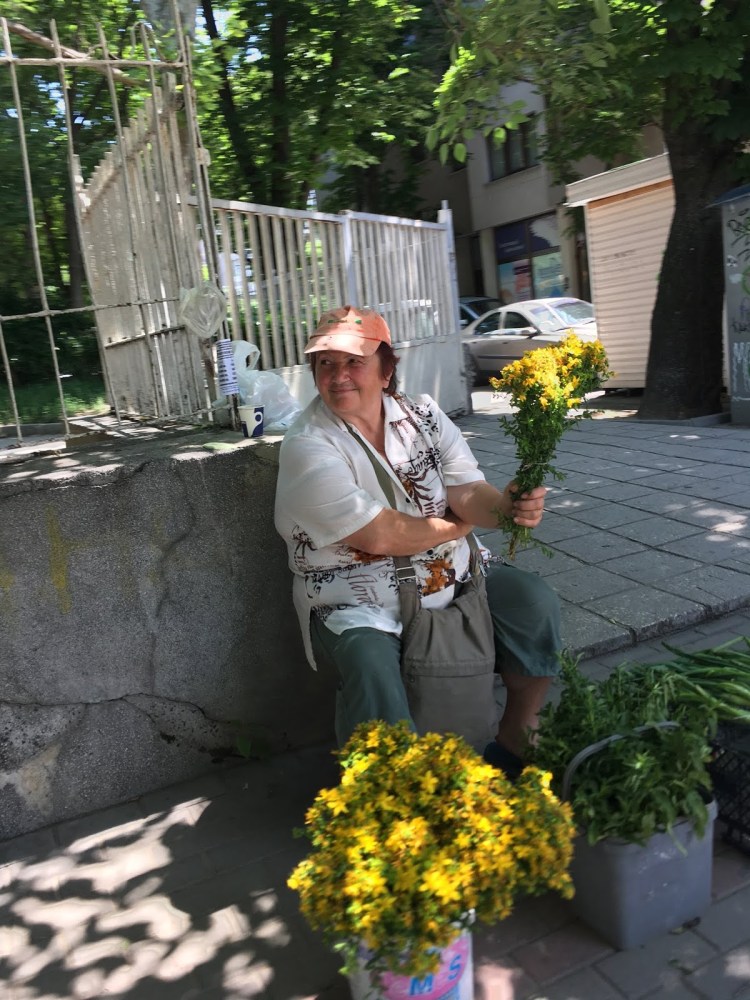
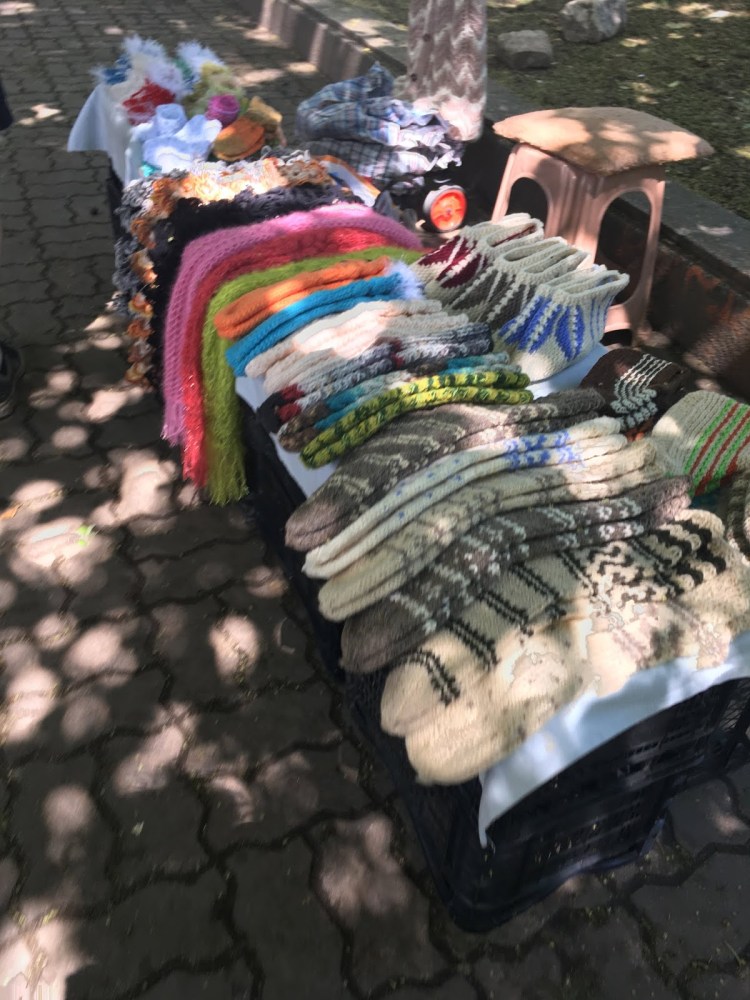
Street vendors selling wildflowers and home made goods.
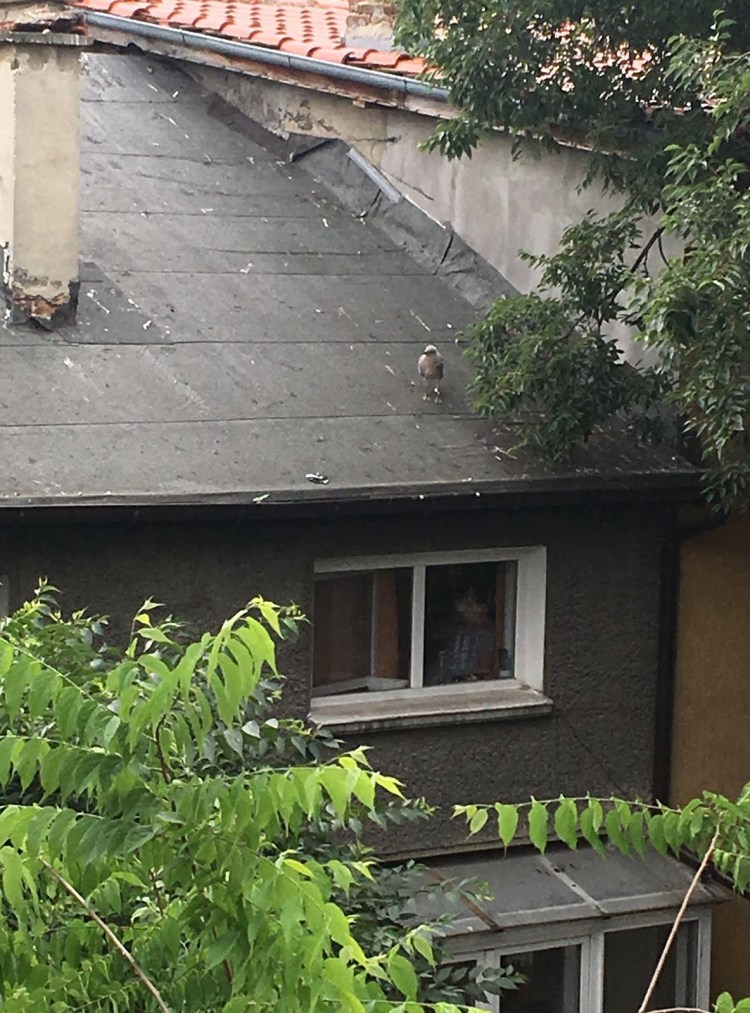
There were also seagulls seen from our window (including babies) plus an old lady across the way who literally did not move for three days. (barely seen in photo below)
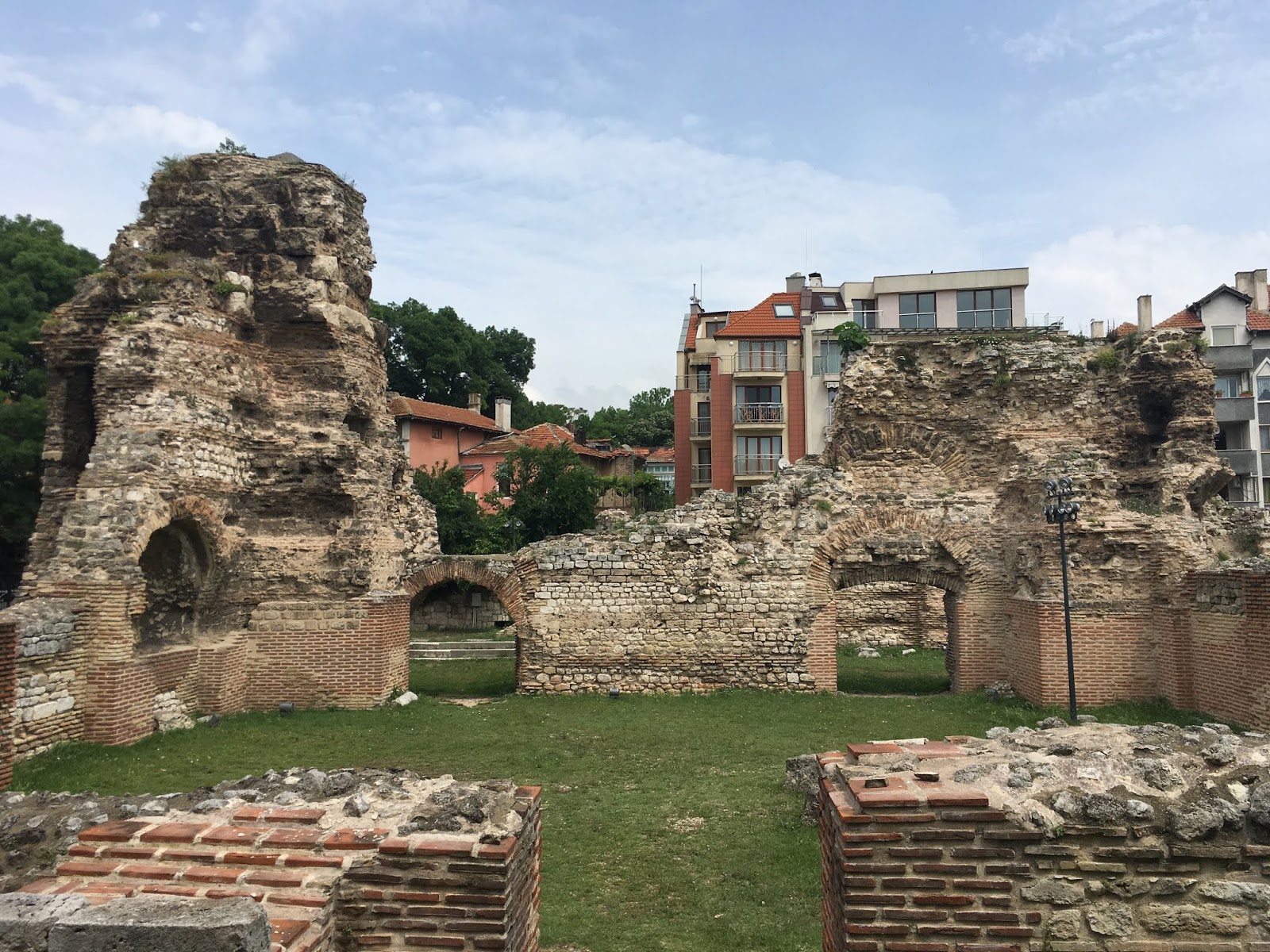
Like Nesebar and Sozopol, there were Roman ruins and like Trier, Germany and Paphos, Cyprus there were Roman baths (2nd Century).  Seeing the exact same bath floor plan that we have seen in these vastly different areas separated by hundreds of miles illustrates the vastness and consistency of the Roman Empire.
Apparently, the goal of the Roman Empire was to build a chain of spas, advancing Nick’s theory regarding the decline of the Empire- epidemic of nail fungus from the salon portion of the  spas.
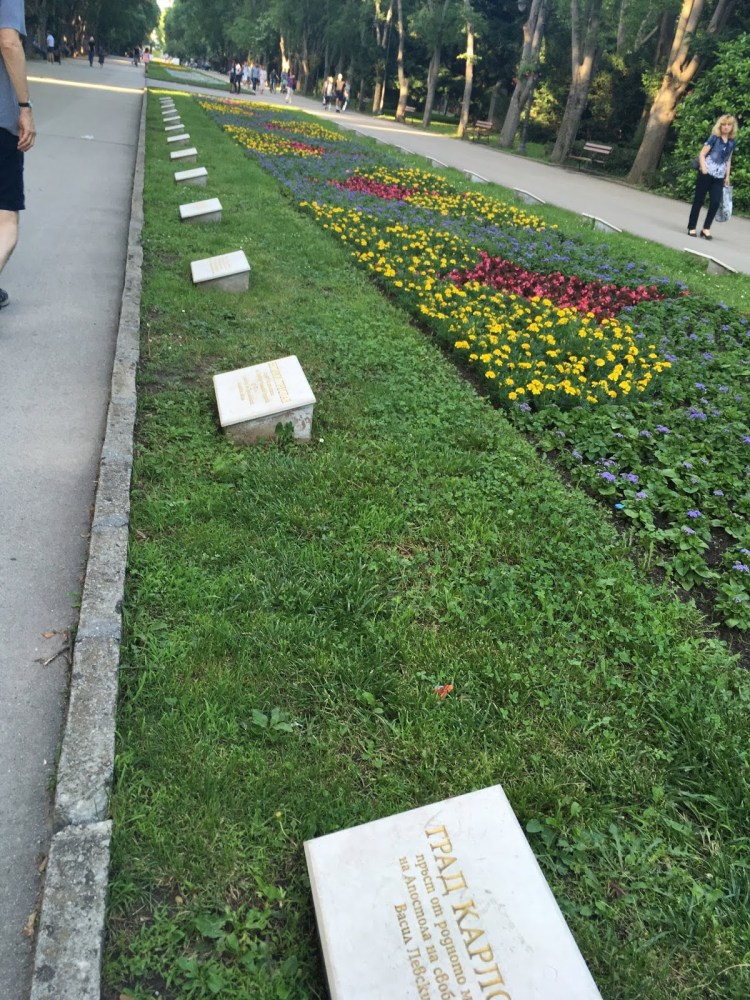
Varna also had a great Sea Garden, although with some significant differences.  While Burgas’s Sea Garden was a sculpture garden,  Varna’s sea garden was more of a monument garden with nationalist messaging, primarily military with a strong Soviet influence.  There was a main promenade with statures of Bulgarian heroes and a formal garden with samples of dirt from monasteries and battlegrounds throughout Bulgaria.
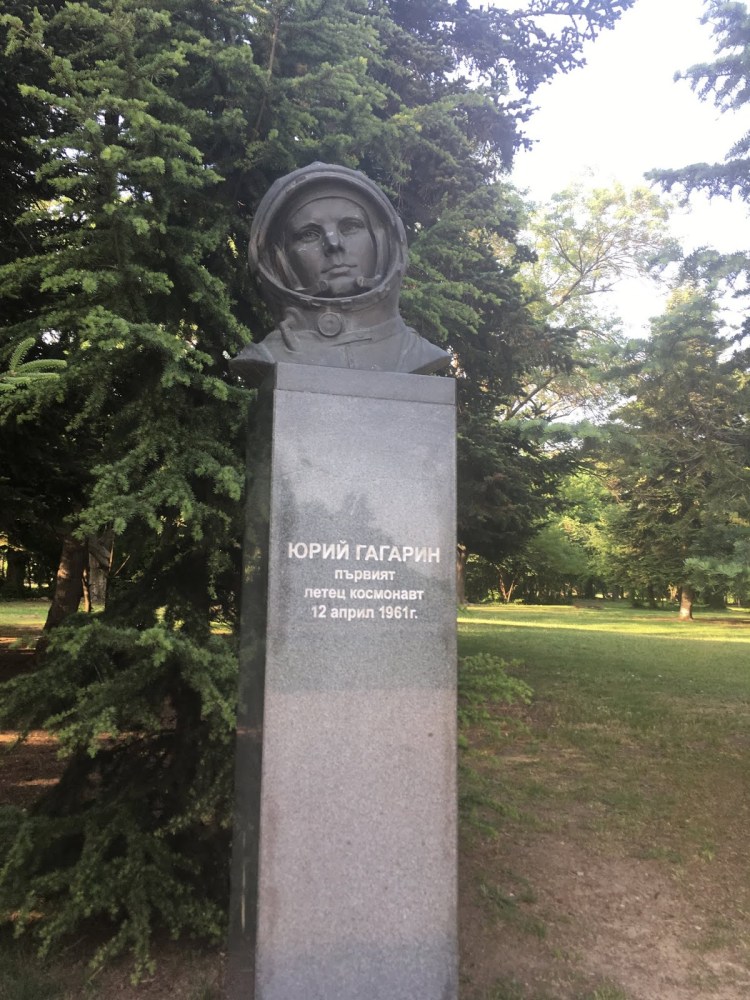
Plus the avenue of cosmonauts (2 were Bulgarian) with the highlight being the bust of Yuri Gagarin the first cosmonaut in space.
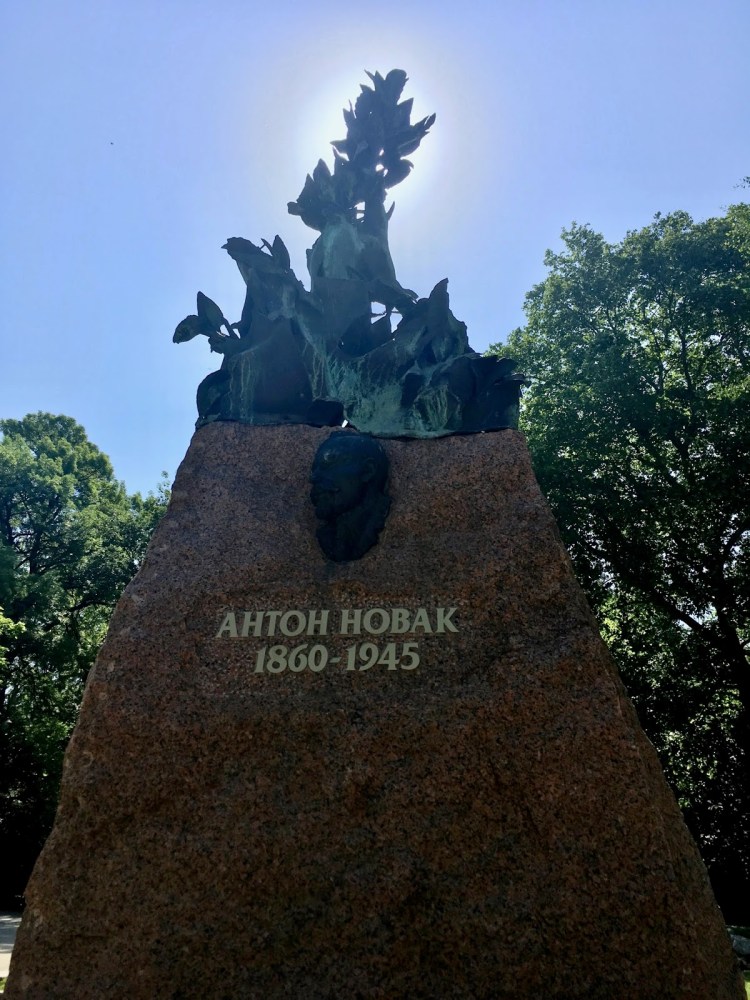
There was a dolphinarium, observatory (weirdly named after Nicolaus Copernicus -Polish native- who as far as we know had no relationship to Bulgaria) and an outdoor museum of mothballed Soviet planes, tanks and boats. Of course since this was Bulgaria there were more fountains. We spent the majority of one day searching the Sea Garden for the monument to Anton Novak, the designer of the Sea Garden, no actual relation to Patricia just a landscaping spiritual relation.
In Cyrillic for Anton Novak
We spent the better part of the rest of our time in Varna being concerned about and planning our departure.  We had been very impressed with the efficiency of Bulgarian buses (in addition to the soundtracks and mullets) but the bus to our next destination, Constanta, Romania was a Romanian bus and the same standards did not apply. So, for three consecutive afternoons, Varna became our city of anxiety.
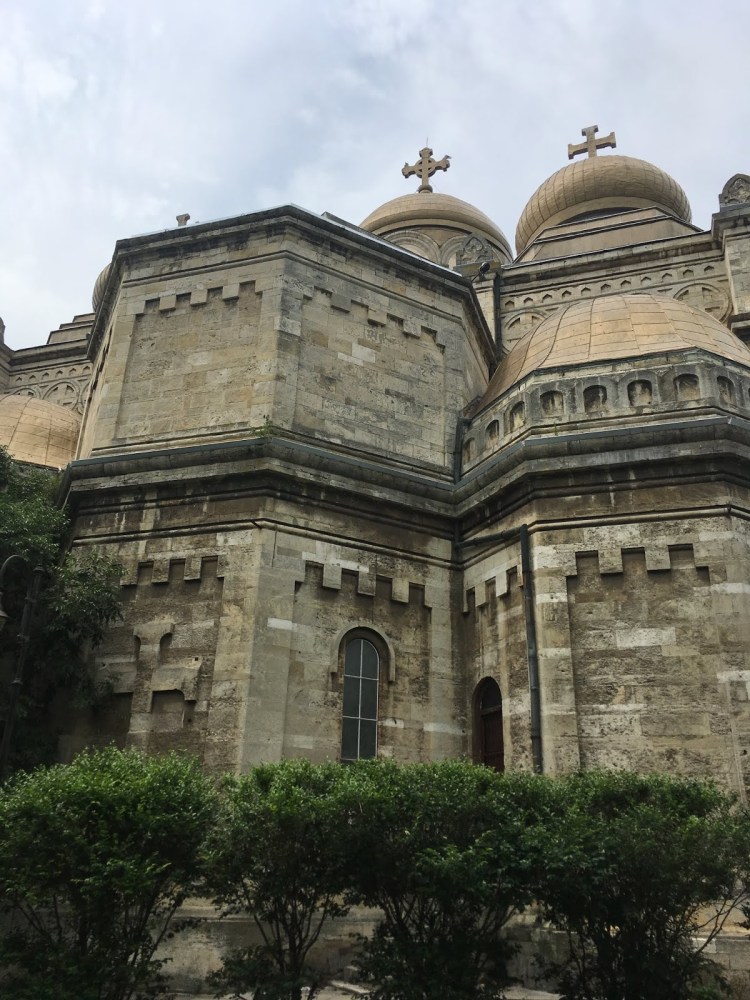
The unmarked mini-bus did not leave from the bus station, rather it left from the taxi lanes in front of the main church

No signs, posted schedules or ticket office. Departure time was communicated through a game of Romanian telephone- from the tourist office worker to ice cream vendor to a revolving cast of taxi-cab drivers, who we got to know well as they constantly approached us to offer a ride.  The departure time varied from 12 to 2, the mini- bus was different each day, and  the fare varied depending on the currency and who we asked (Romanian Lei, Bulgarian Leu or Euro-all with an unequal exchange rate).

How do we know all of this? We had two days of  practice runs and by the third day (our actual departure) we were able to recognize our driver (and he recognized us, the anxious Americans) . We did enjoy the church.
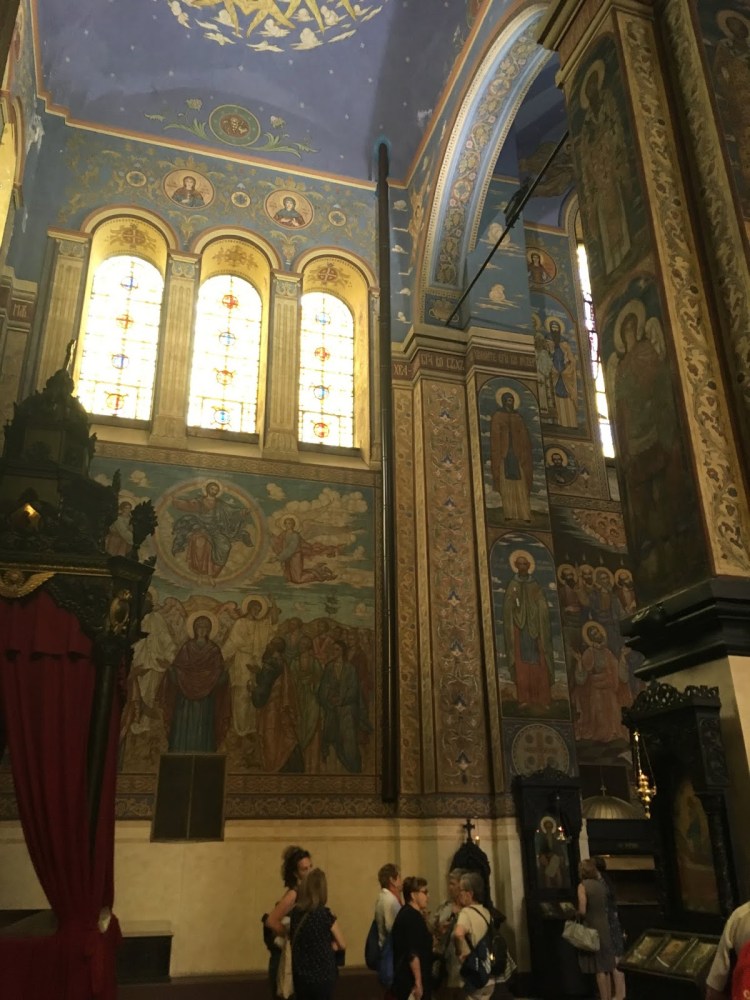
Our obsessive preparations paid off with a new bus experience.  The Romanian driver stopped in Golden Sands, just south of the Romanian border, we were the only passengers at the time and the driver went to buy board shorts and a tank top.  New passengers eventually joined along the way and included a Englishman from Manchester who liked to drink and live dangerously by not booking his lodging ahead of time.  He was dropped off randomly on the outskirts of Mangalia, Romania and was pointed towards the beach and bar.  In addition, three older Romanian women became fellow passengers, with one who turned out to have lived blocks from us in LA at one time. Small world (Burgas attraction #31).

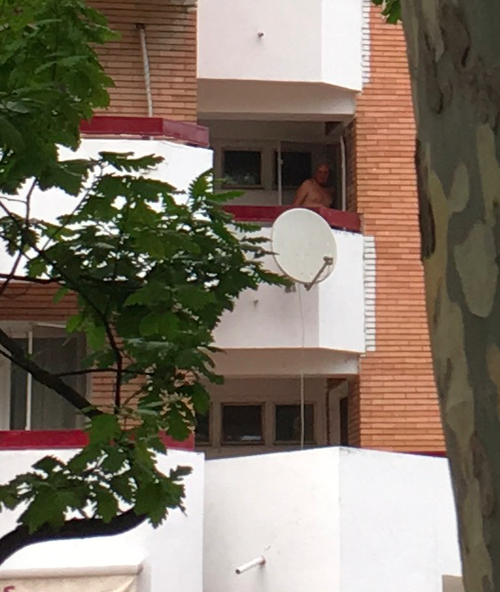
This week’s photo of  topless old man looking out window contemplating his life (Burgas attraction #57)
Into the Cyrillic Part 1: Bulgaria Interior

This post was done in the old Word-Press format, sorry, it looks really bad.

Since liberation from communism in 1989, Bulgaria has had 30 bumpy years, due to post communist bureaucratic corruption, which has inhibited development and impeded recovery.  Bulgaria has the “award” of being the most corrupt country in the European Union.  Although part of the EU, Bulgaria has not been  allowed to become part of the Schengen zone, because they have not resolved government misconduct   https://thechosenfugue.blogspot.com/2018/10/schengen.html   They hope to obtain Schengen status by this fall. (Update: as of January 2026, they are part of Schengen)
 We’ve taken advantage of their malfeasance.  Our visit was prompted by our need to gain more non-Schengen time.  Bulgaria might also win an award for most potential; amazingly beautiful countryside, unique historical sites and the underrated Black Sea coast (both under and over developed). We started off in Sofia, the capitol of Bulgaria, seeing two other interior cities (Plovdiv and Veliko Tarnova) before venturing to the Black Sea coast. 


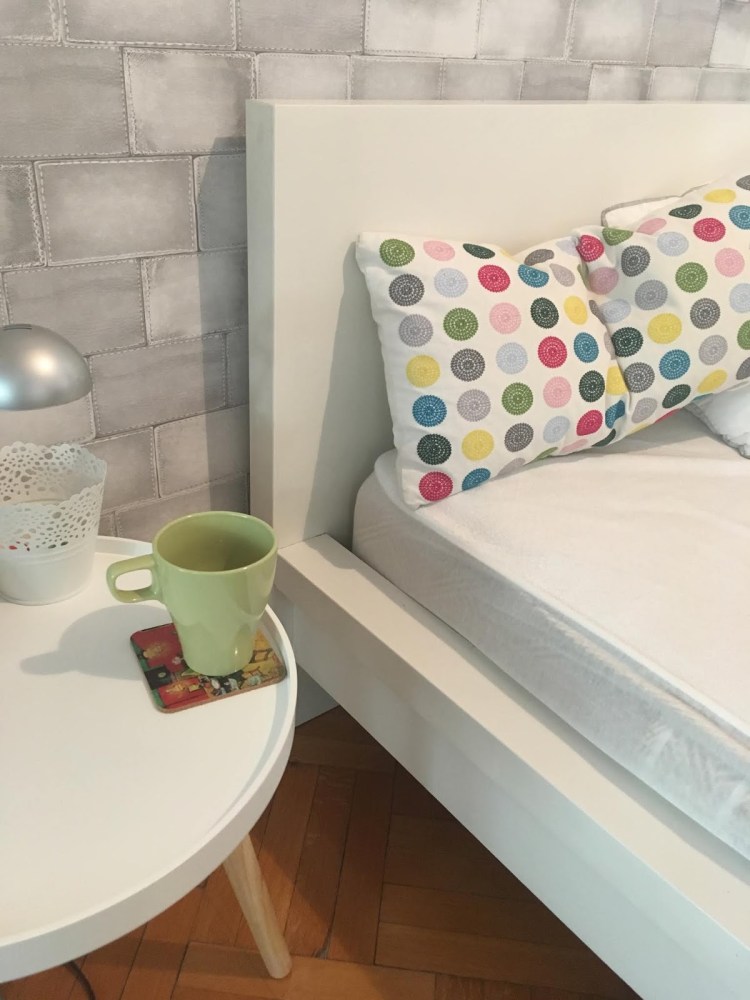
Bulgaria presented some challenges from the start. Pretty much the only thing we had heard was watch out for scamming cab drivers.  Since our Ryan Air flight came in just before midnight, after the subway had stopped, we had no choice. Of course we had a super nice cab driver who even waited to make sure we managed to find our way into our apartment (a series of lock-box keys and fobs made it a bit time consuming).  We made it in and realized we were not in Kansas anymore.   In some respects all of our lodgings have looked the same, all stocked with IKEA dishes and furniture, apparently the Fargik cup and the Malm bed are the Esperanto of home furnishings. Fargik cup comes in turquoise, white, blue and green; have used them all. 

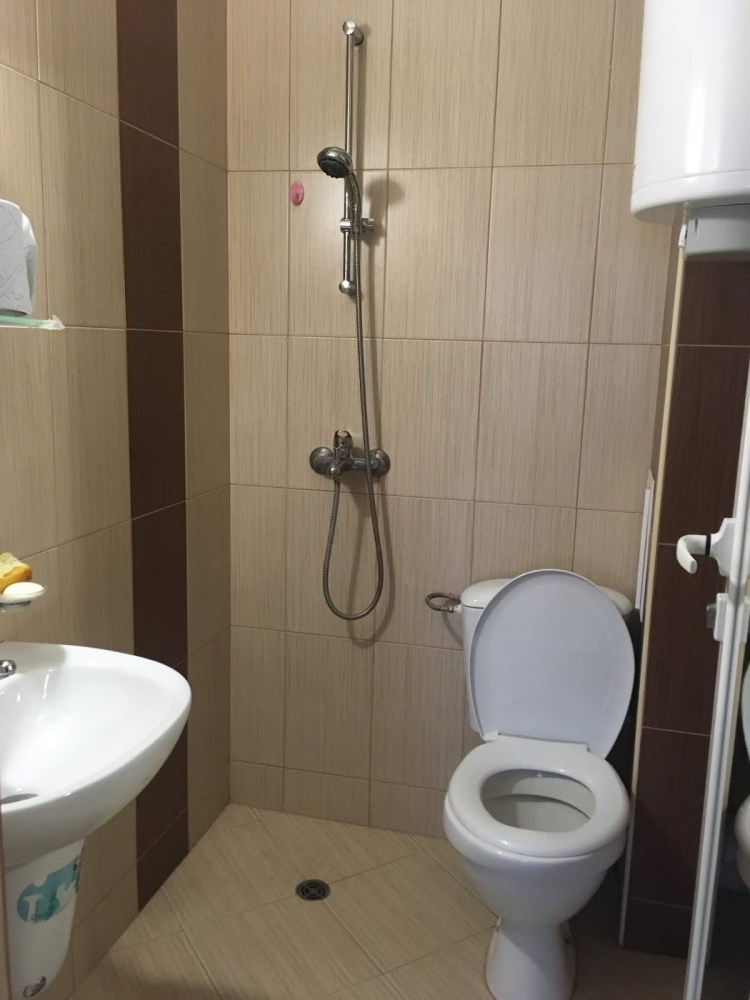
But, Bulgaria was an exception with some new twists. If you like to pee in the shower, Bulgaria is your country.


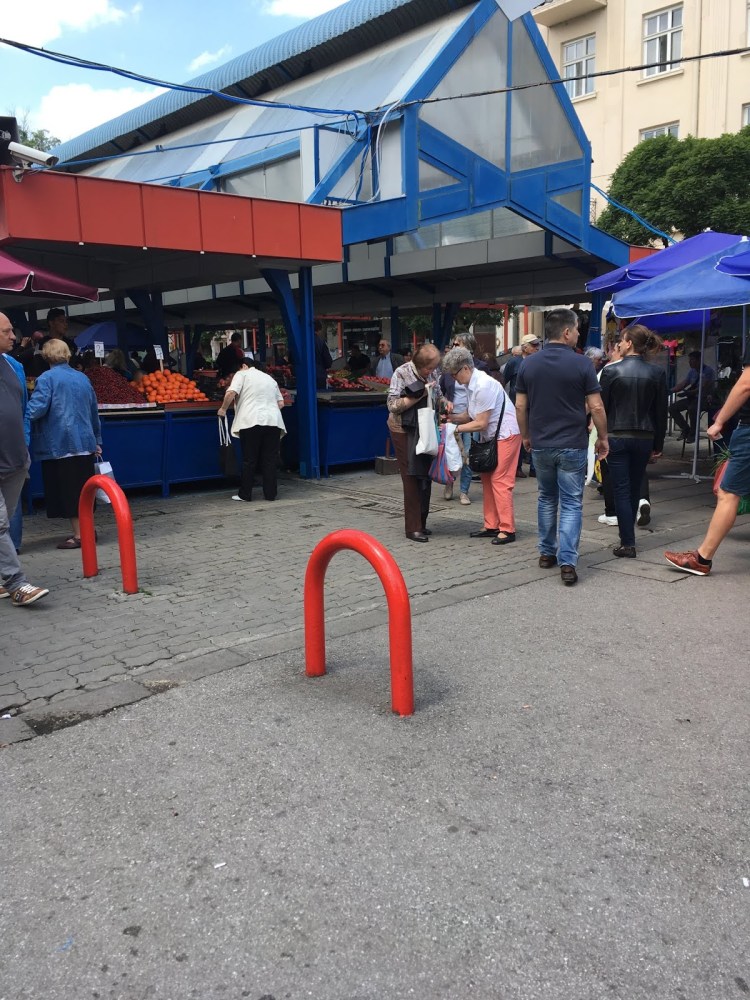
Our apartment was right above the “Women’s Market”.  

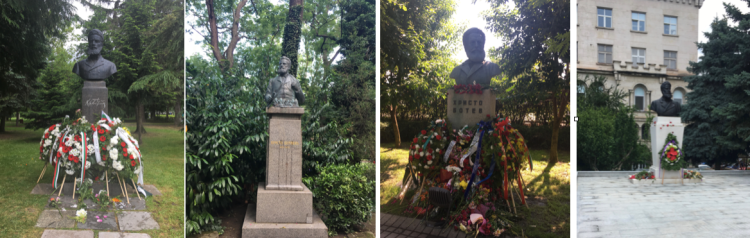
While shopping we  experienced an air raid signal followed by 2 minutes of silence as it was June 2, the day that honors Hristo Botev, poet, journalist and revolutionary who was killed in battle on June 2, 1989.  His presence was in virtually every city we visited in Bulgaria.
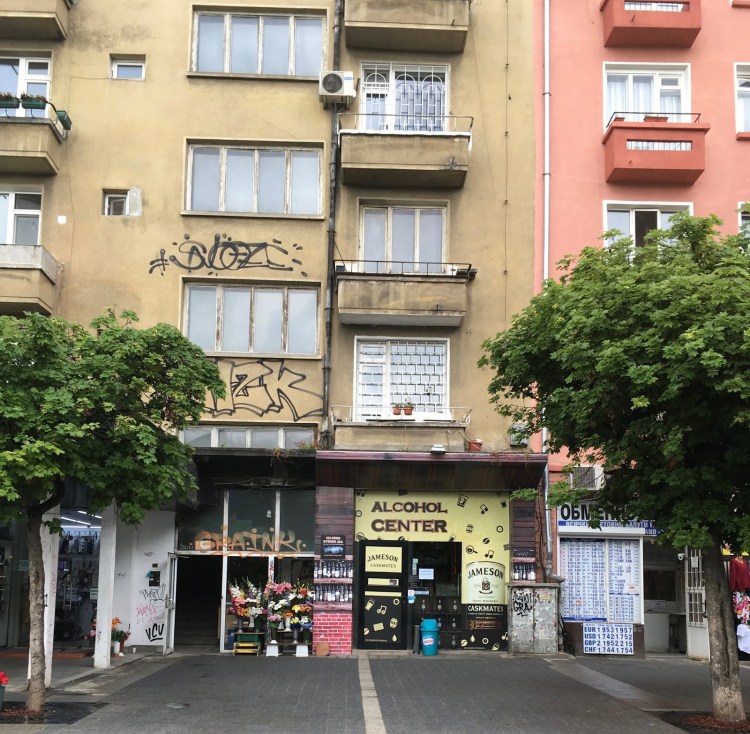
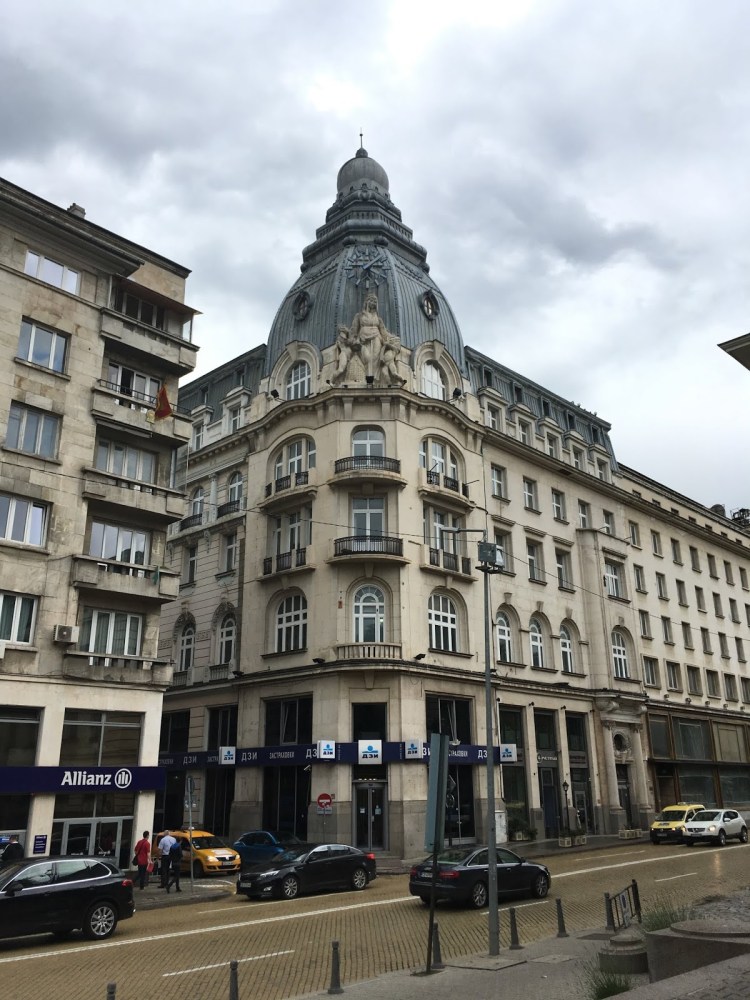
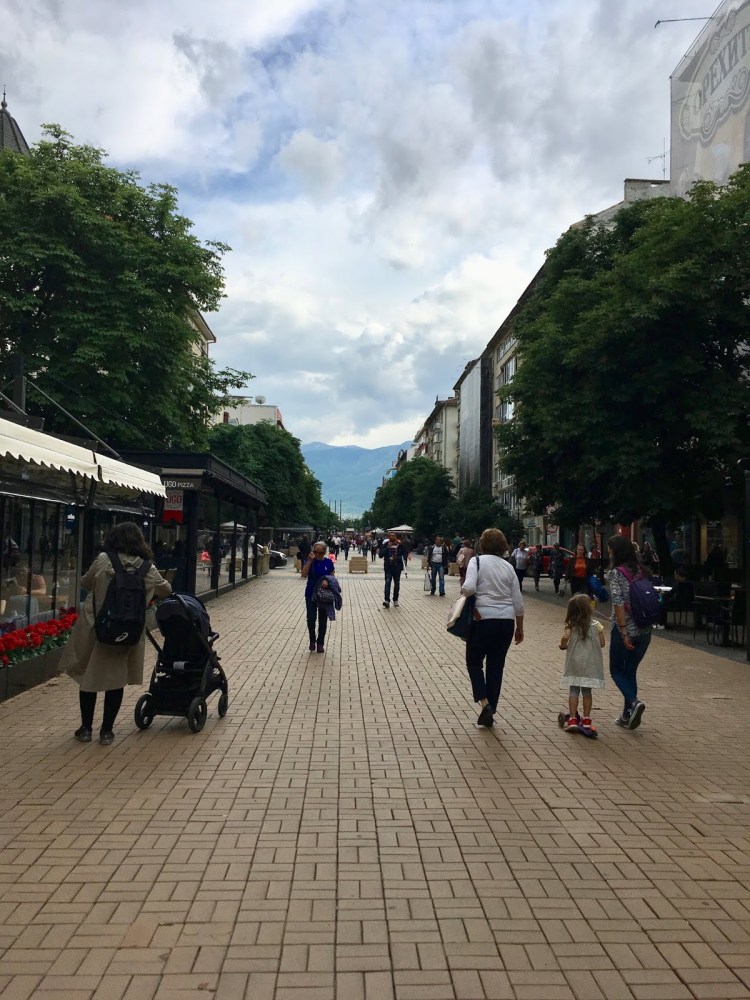
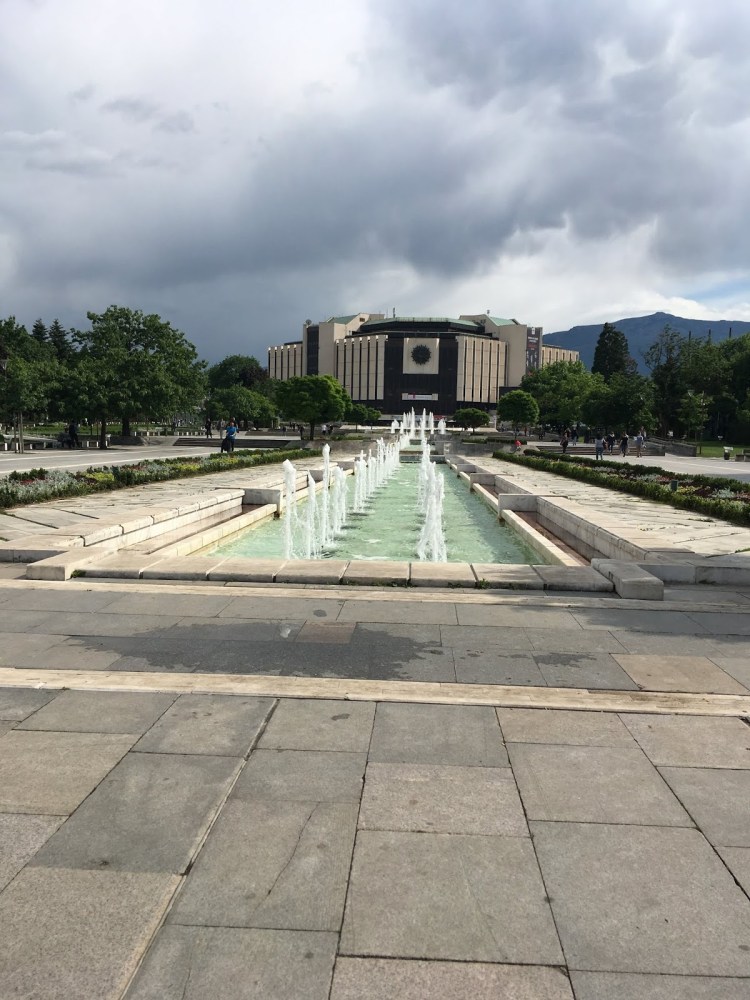
The cliché is that former Soviet bloc cities are drab and bleak.  Sofia is that cliché. 

 It didn’t help that we walked around it during booming torrential thundershowers which made it difficult to tell where the grey buildings ended and the grey skies began.

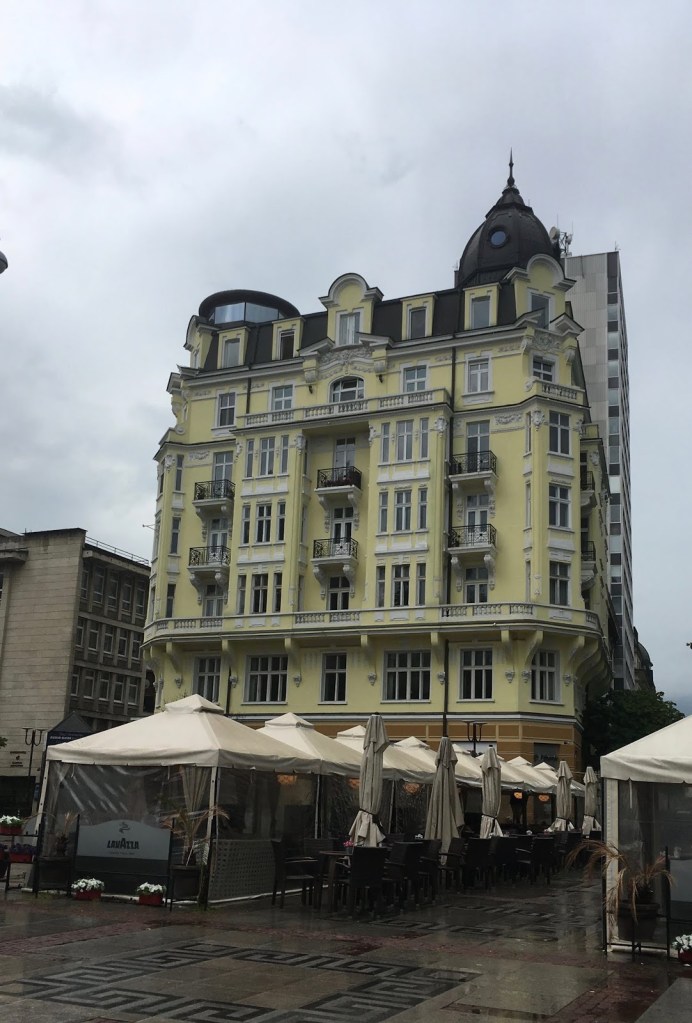
Sofia did have some lovely buildings, parks, statues and squares but we had to walk through kilometers of forgettable blah to reach them. We could not even find a Lidl market (https://www.washingtonpost.com/news/business/wp/2017/06/15/what-is-lidl-5-things-the-german-grocer-is-bringing-to-america/?utm_term=.fd5f39fa51f8 )

 
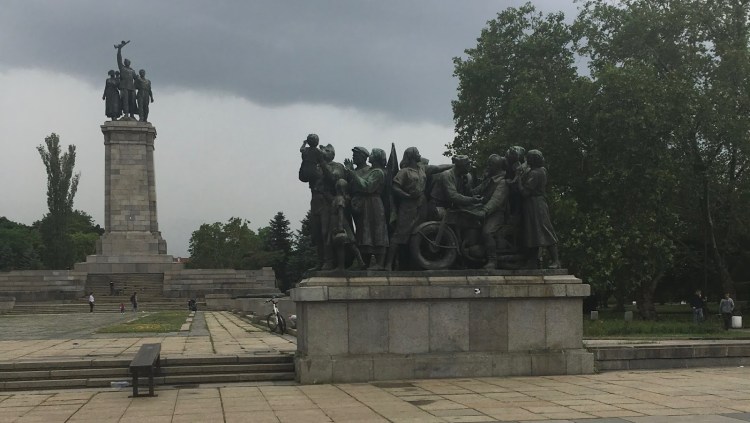
see variations here https://www.atlasobscura.com/places/monument-to-the-soviet-army
 
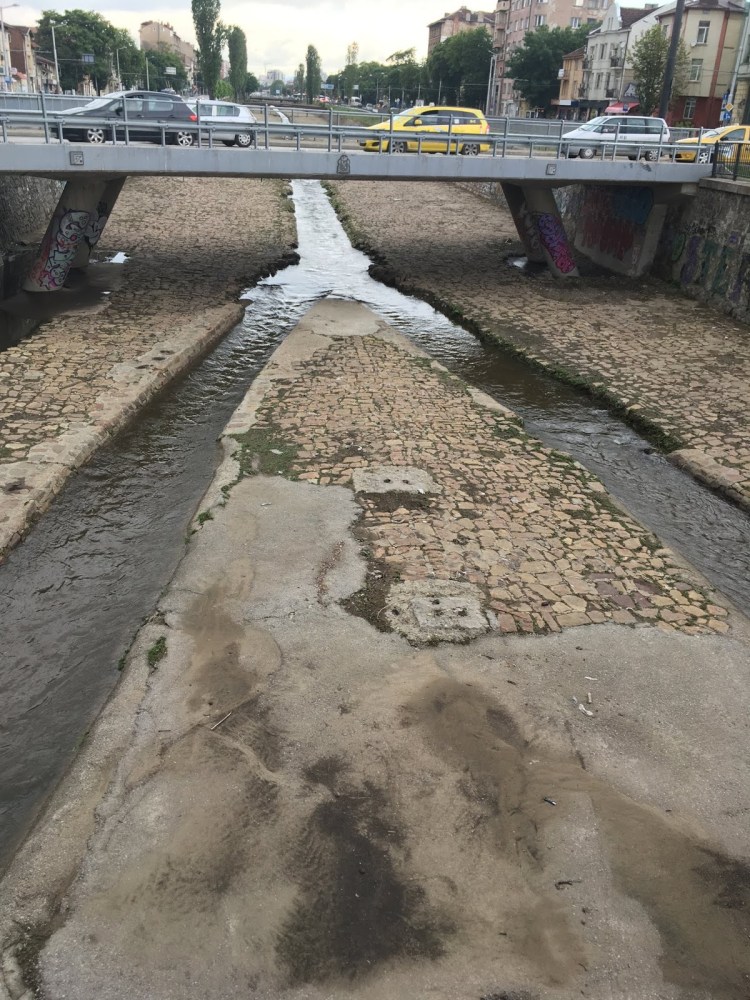
LA river’s sister river?


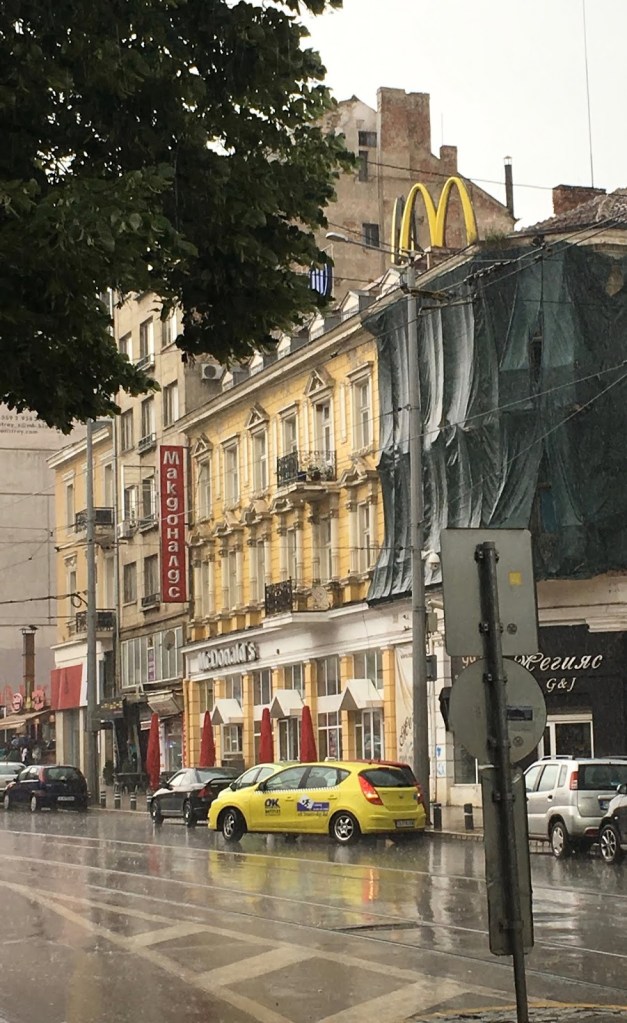
That is how you spell McDonalds in Cyrillic

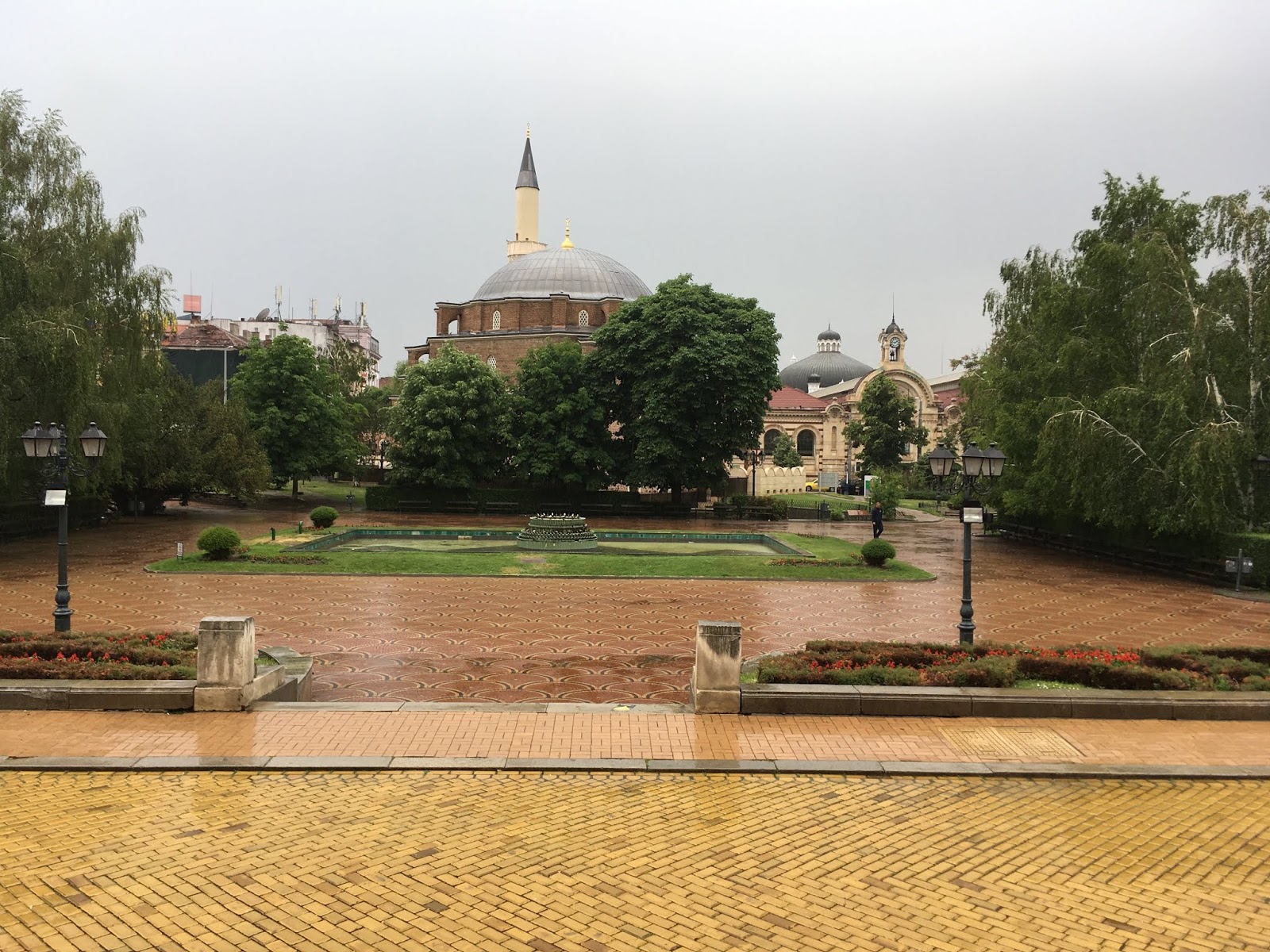
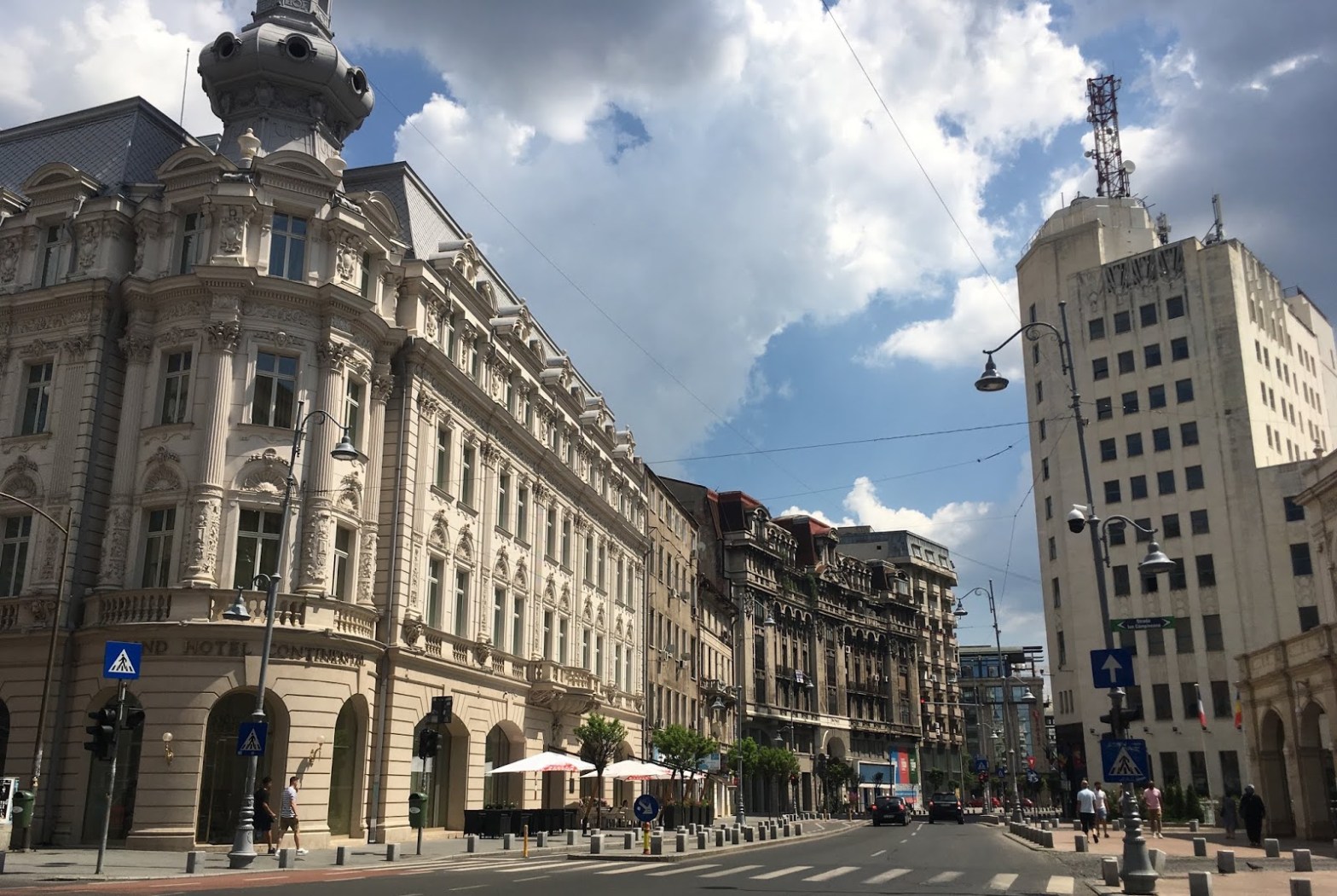
To confirm we were not in Kansas, Sofia downtown was paved with yellow brick roads.

The yellow roads help tourists go from spot to spot, leading us through the nicest areas.
Neighborhoods felt distinctly non-distinct and in need of attention and piles of money for repairs.  At least in the general area of the city center where we primarily were, we didn’t encounter extreme poverty but we did not get a sense that people were thriving. 
The average monthly income in Bulgaria is about $600/month but the cost of living is low.
 
Forty years later, Nick’s year of college Russian finally paid off, as he was able to read bus destinations and street names in Cyrillic to cut our time getting lost in half. Each day as we explored Sofia , the initial harshness softened and we warmed up to Sofia.  We appreciated  its quirks which we realized were not specific to Sofia as we found many of them throughout Bulgaria.
 
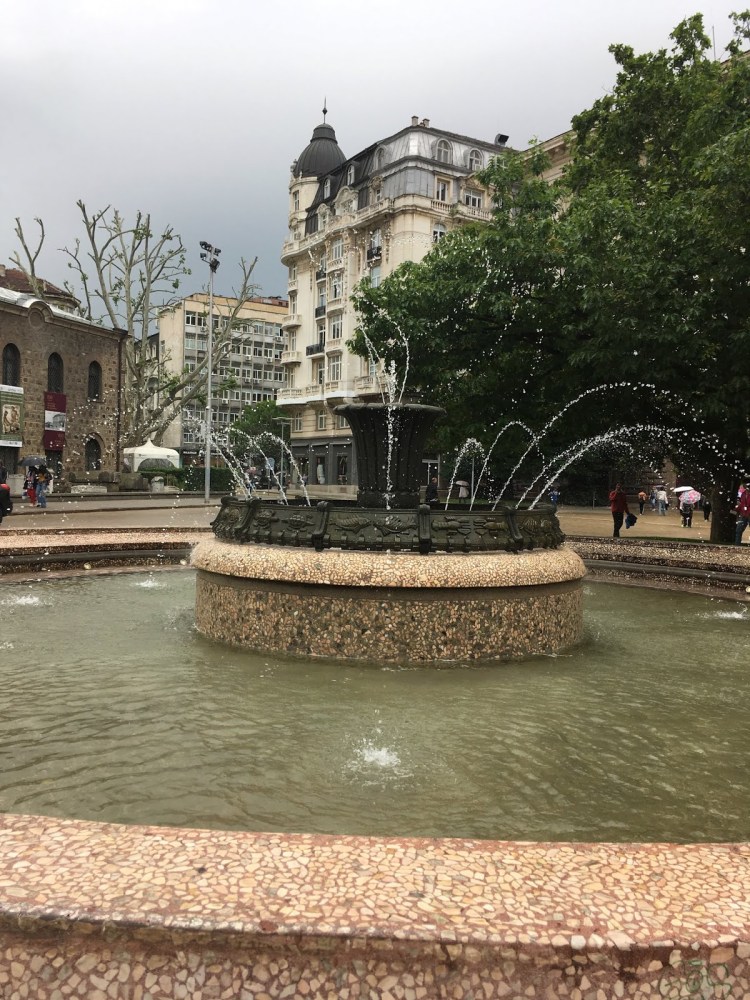
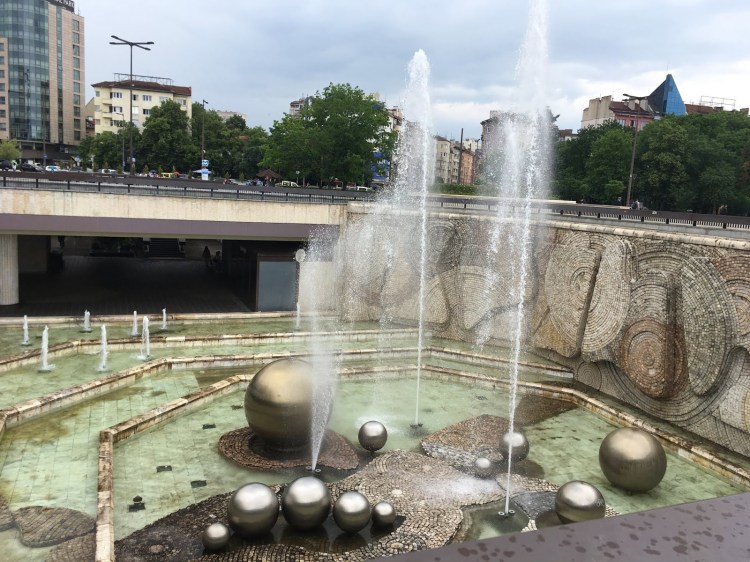
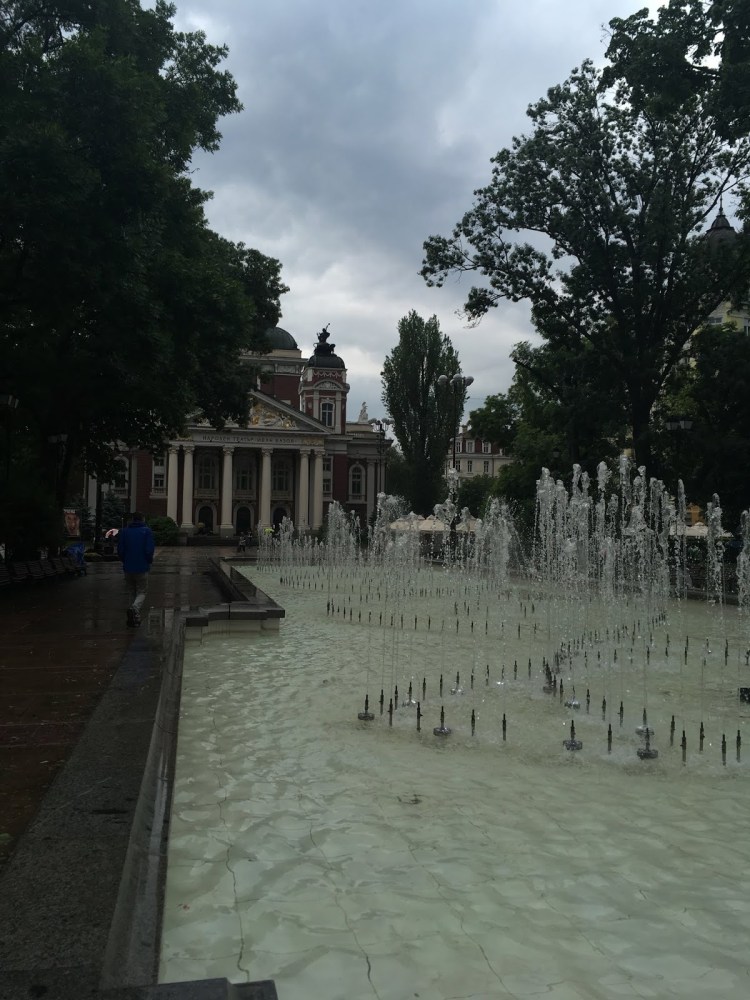
This included a love of fountains.
 

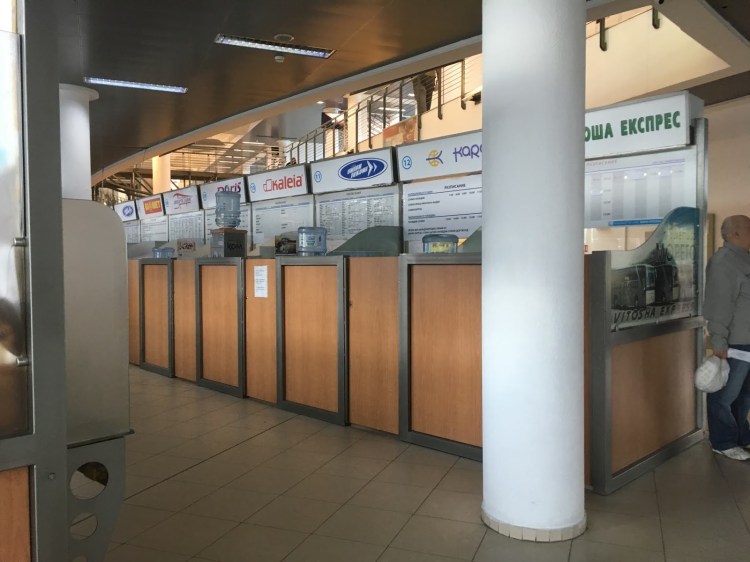
A love of fountains extends to water fountains in the bus station

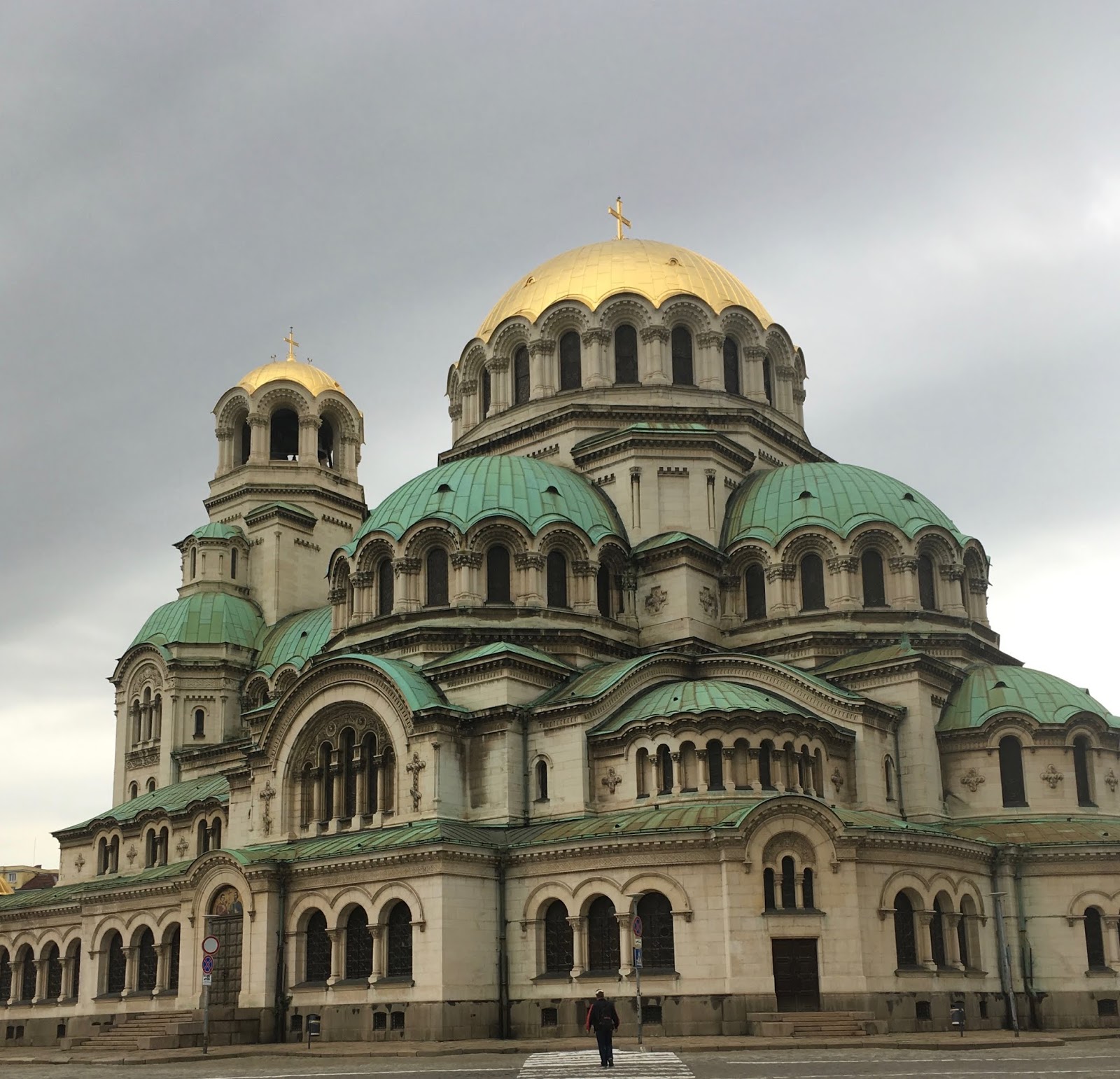
There were a huge variety of Orthodox churches, ranging from studio-apartment sized to resort-sized Cathedrals.   Most of the saint-centric churches were full of gold-leaf icons with large chandeliers, but occasionally you came upon stunning interiors with unique frescos.
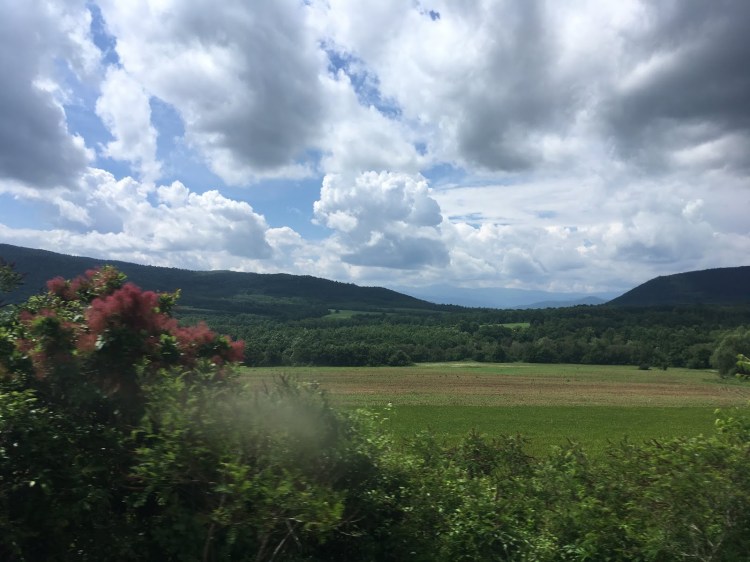
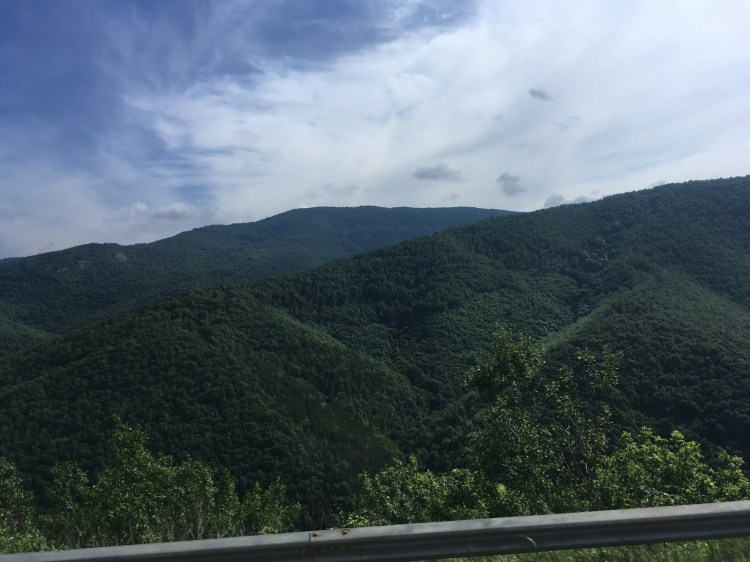
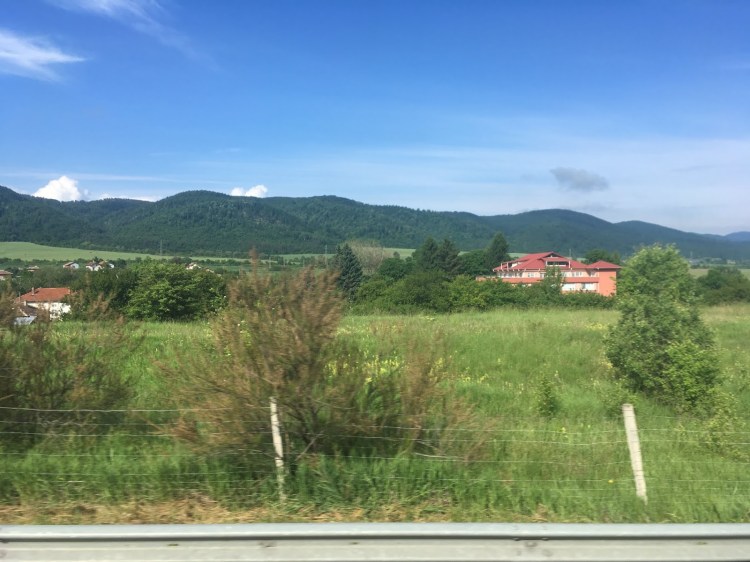
A day trip to Plovdiv was a surprising introduction to the beauty of the countryside of Bulgaria. 


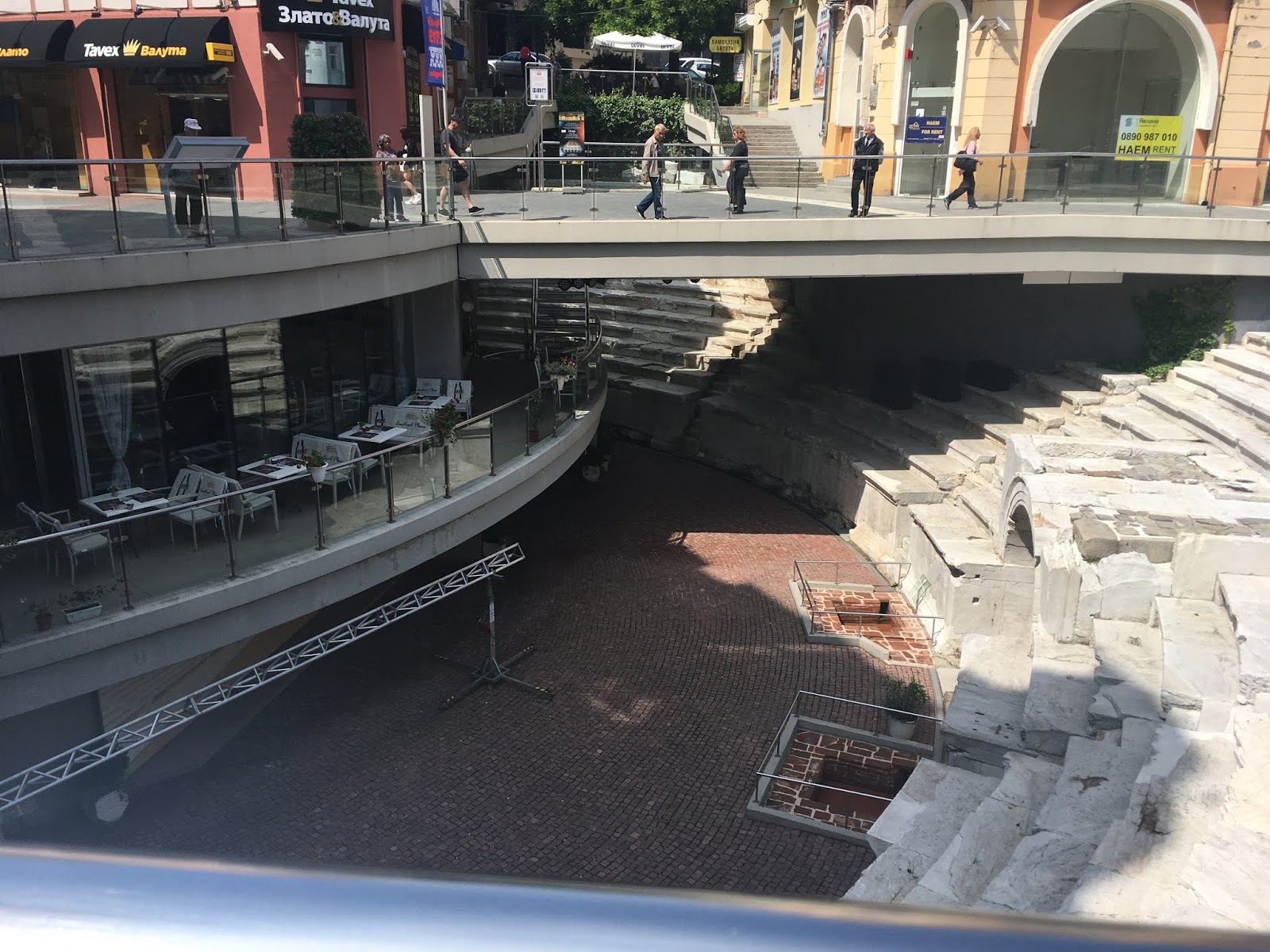
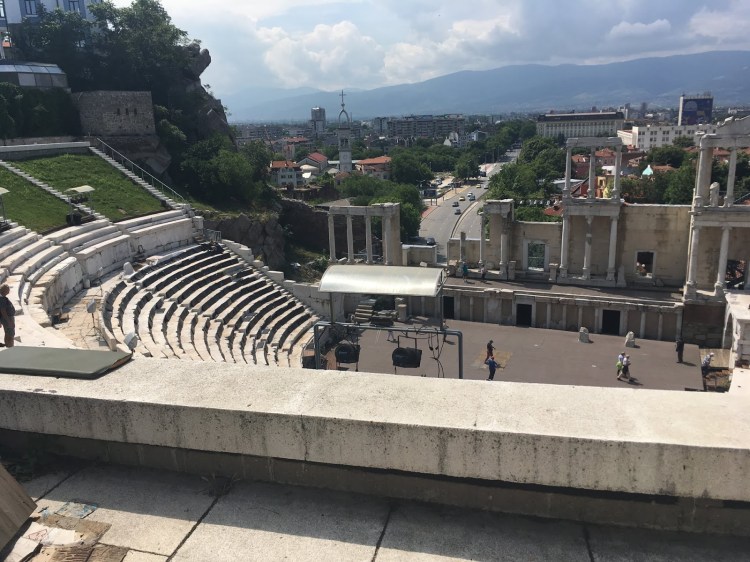
Plovdiv is a very old city, originally called Pillippopolis and  founded in 4 BCE   It was a tableau of Bulgarian history- Roman and Thracian ruins, Medieval churches, Ottoman mosque, with an ancient amphitheater still in use, plus more fountains-in the square and in the park.

Combine dining, shopping and ancient stadium viewing
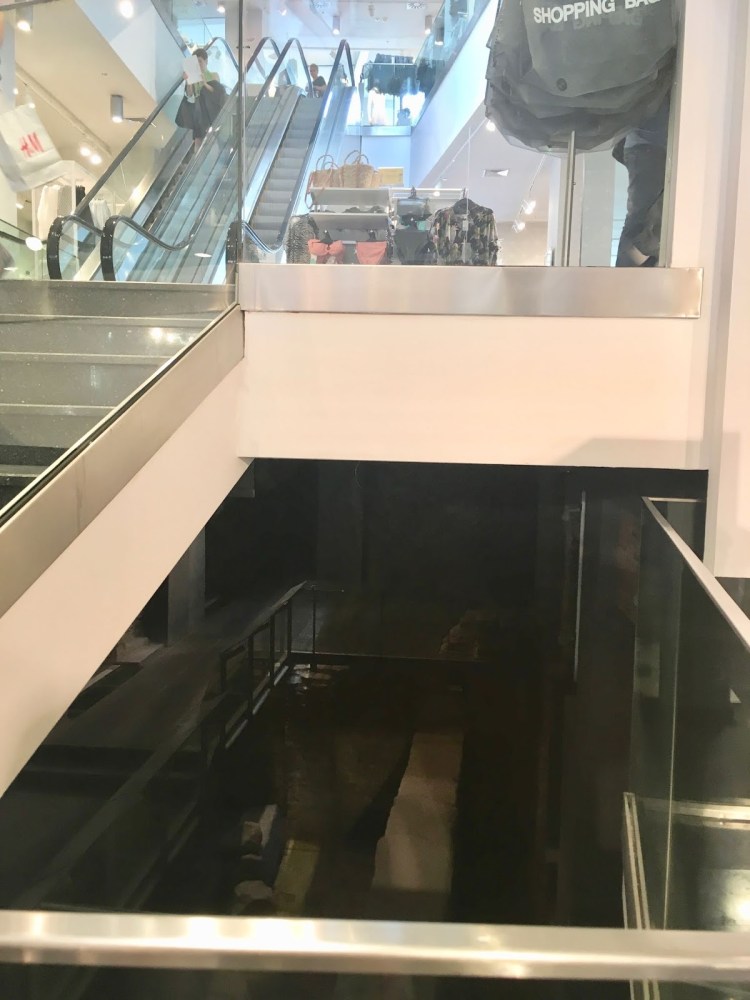
H&M was built over ruins, you can view them between the bathing suits and underwear
Roman theater, originally seated 6,000 still used

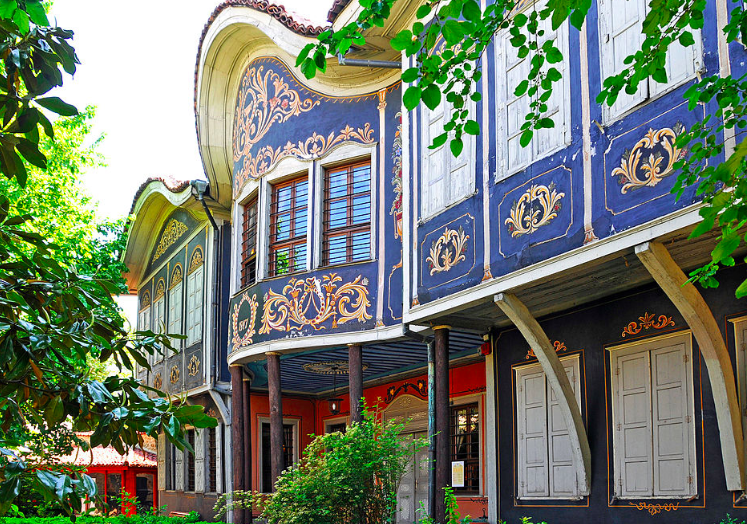
One area was pretty much preserved as it was in the mid 1800’s, full of wealthy merchant houses, uneven streets, ancient Roman ruins and medieval churches.  These pictures are from Wiki commons-Patricia was so concentrated on not tripping- pictures were not taken.

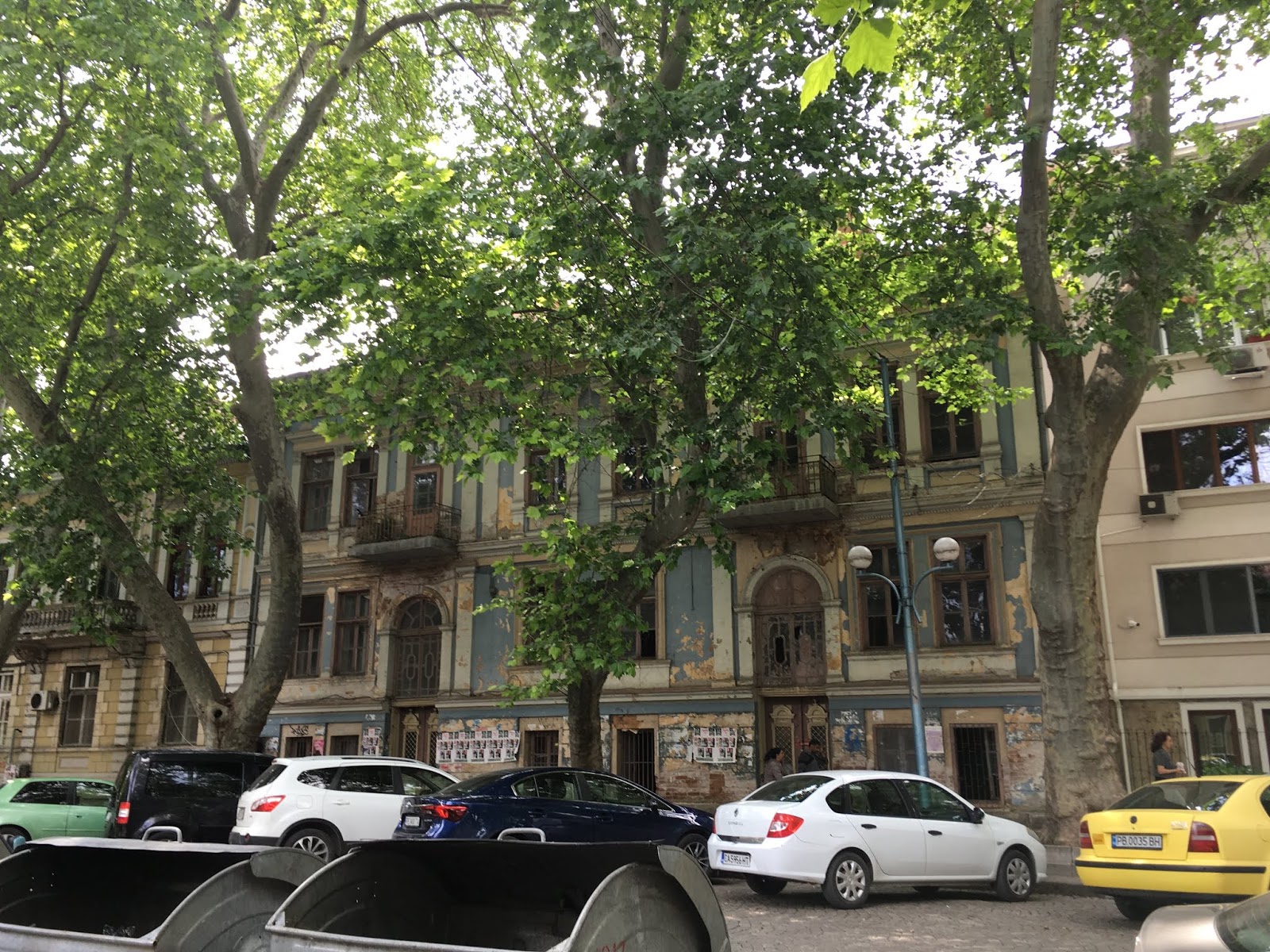
Walking back to the bus station, leaving the very nice tourist and pedestrian areas, the common theme of soviet-style utilitarian buildings next to beautiful buildings – peeling paint- chipping plaster returned, although this time obscured by the trees.

After our few days in Bulgaria, it felt like even the most modern areas were stuck in the eighties, so heavy metal would be the soundtrack of choice. Sure enough, as we headed out of Sofia, our bus driver treated us to three hours of eighties heavy metal.  Later on our trip in Varna, another bus driver carried the eighties torch with a perfect mullet.

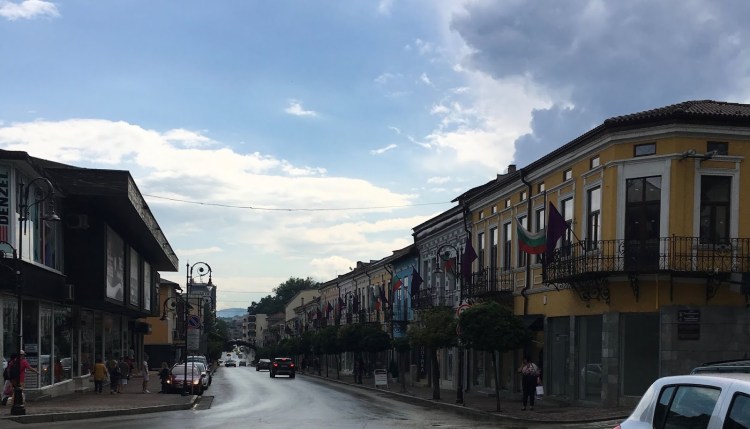
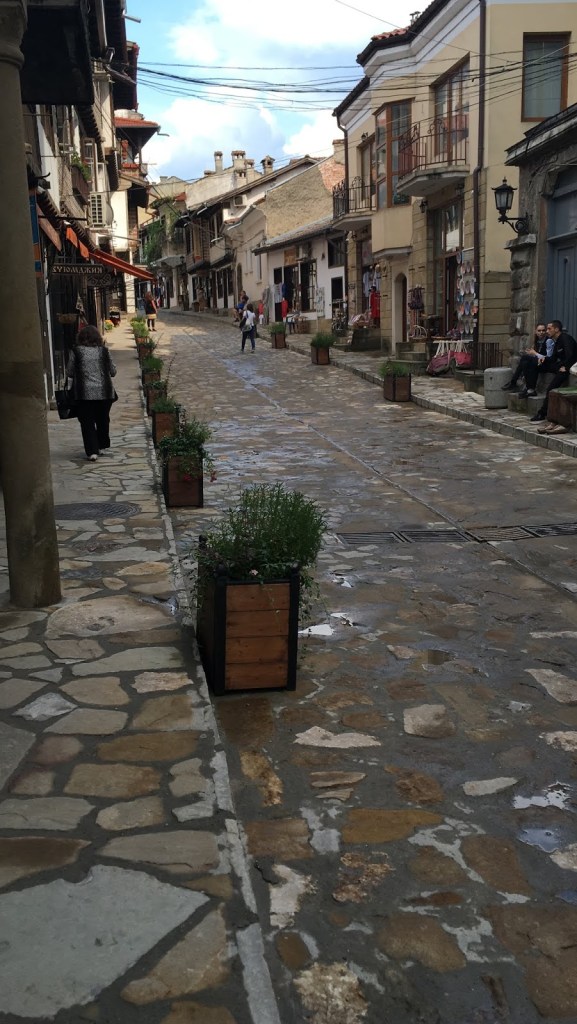
The heavy metal lovin’ bus driver (Simpson’s Otto Mann’s relative?) took us to Veliko Tarnova, the capital of the second Bulgarian Empire (1185-1396) and where the third Bulgarian Empire was formed in 1878 after liberation from the Ottomans (more relatives?) . Veliko Tarnova was immediately very different and wonderful. We walked from the bus station through the lovely town center.


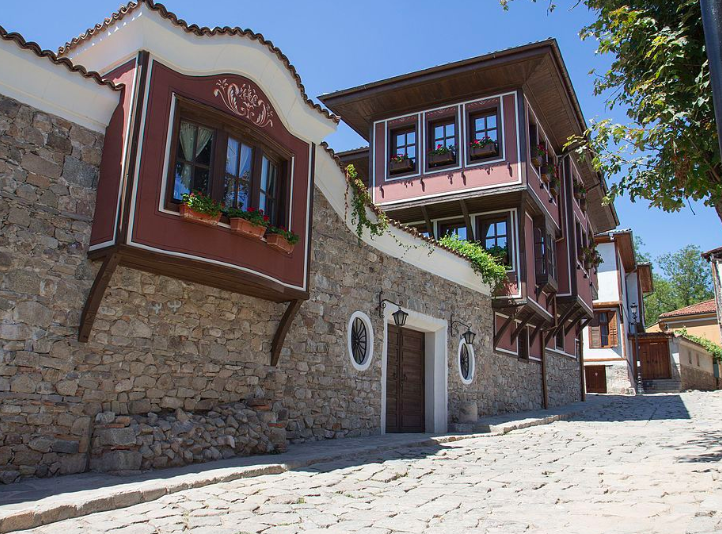
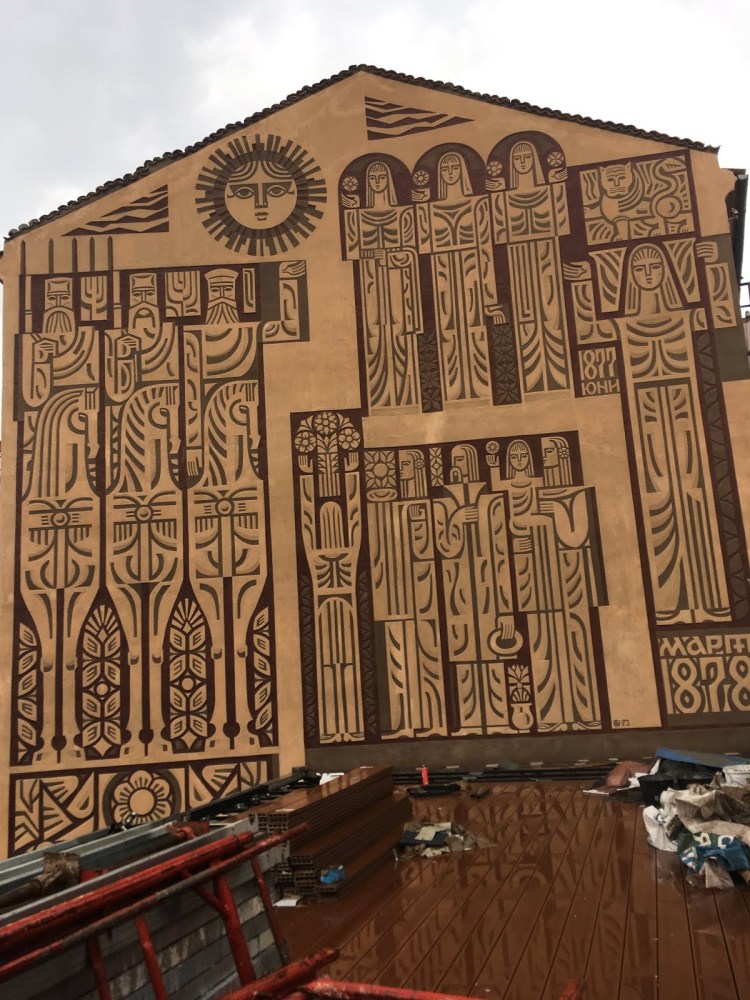
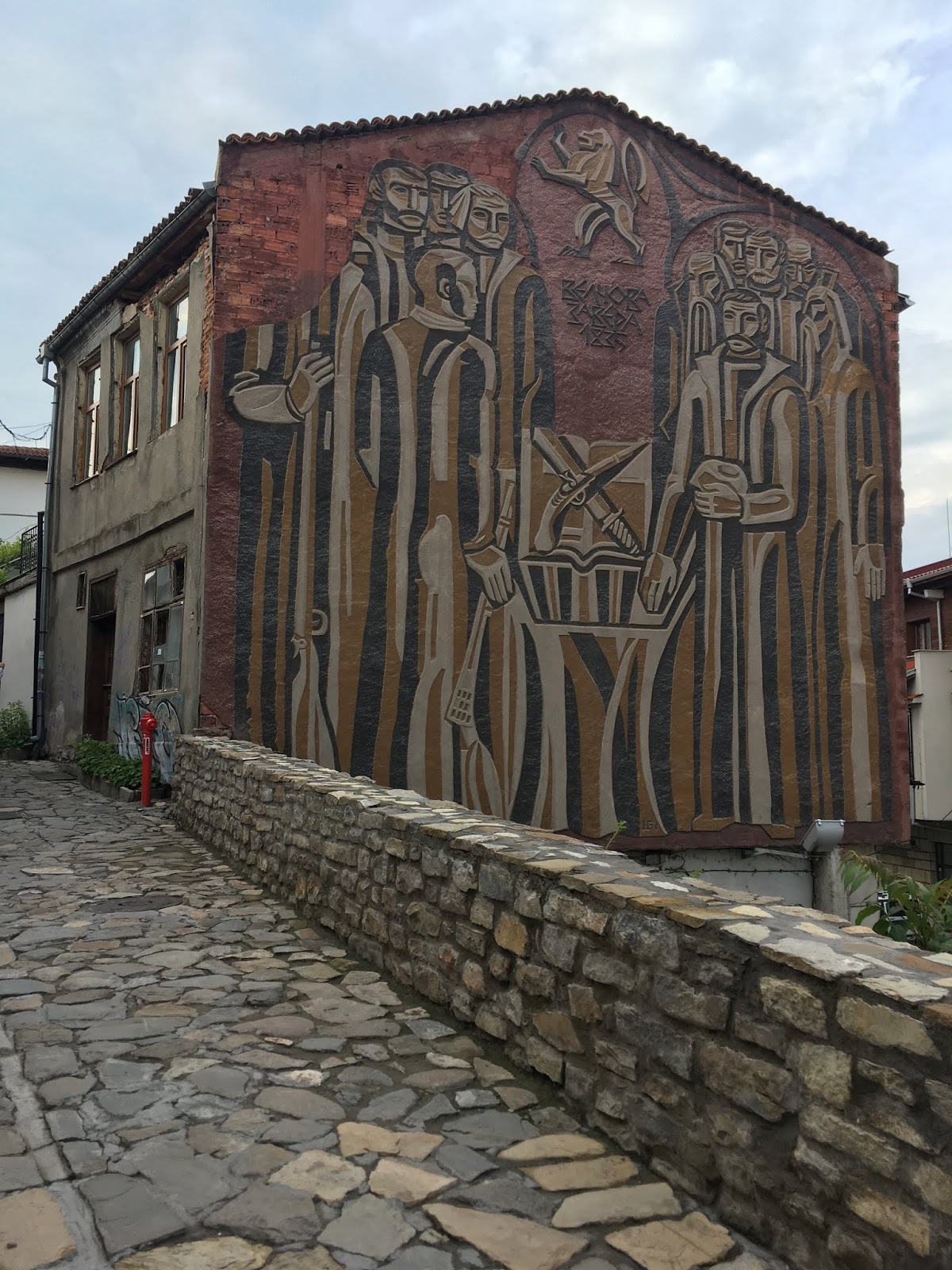
Then past very unique Bulgarian style murals, leading into an older part of town

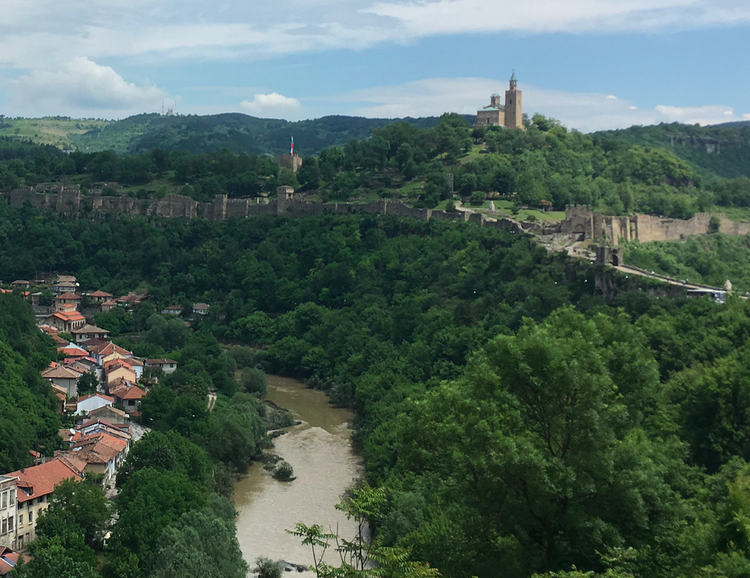
At the edge of town, as you turn the corner … The Tsarevets comes in view.
 
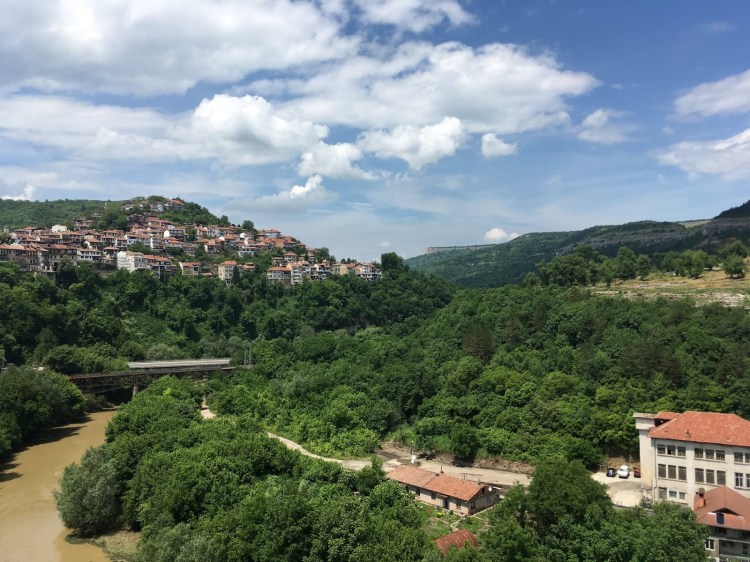
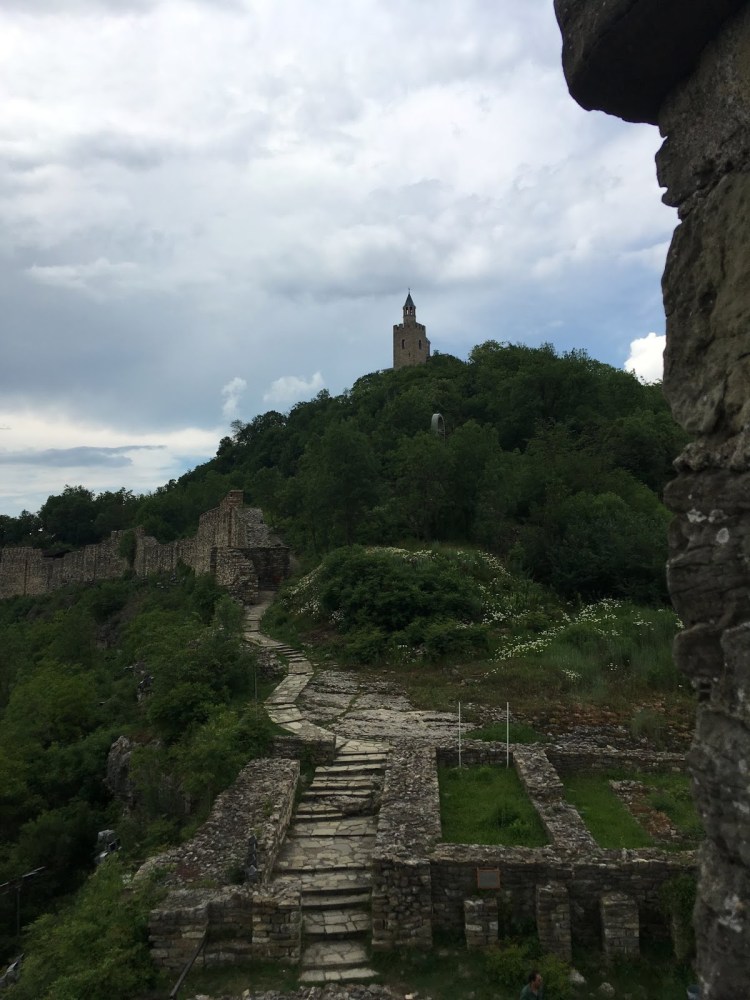
Our pictures do not do justice to how incredibly striking it was, both the view of Tsarevets and the views from Tsarevets, once we walked up.
 
The Tsarevets was a fortified, walled village and home to the ruling Tsars, kind of like a Bulgarian Winterfell (Game of Thrones reference).
 
 
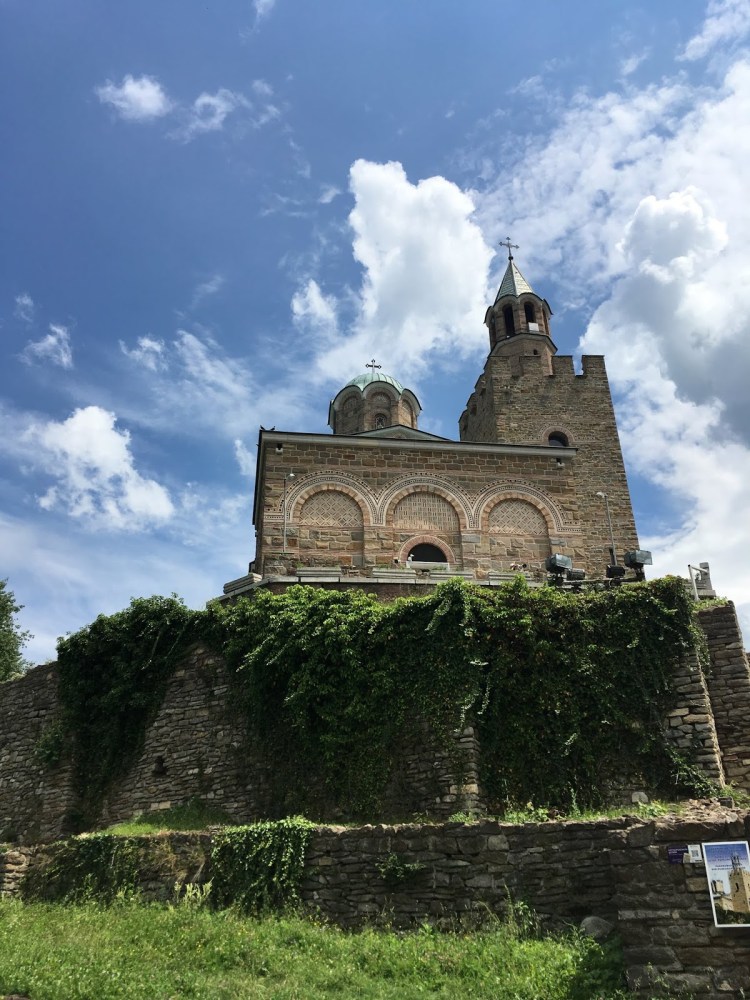
Tsaravets was built from 1185 and 1393 but the church has a newer bent.
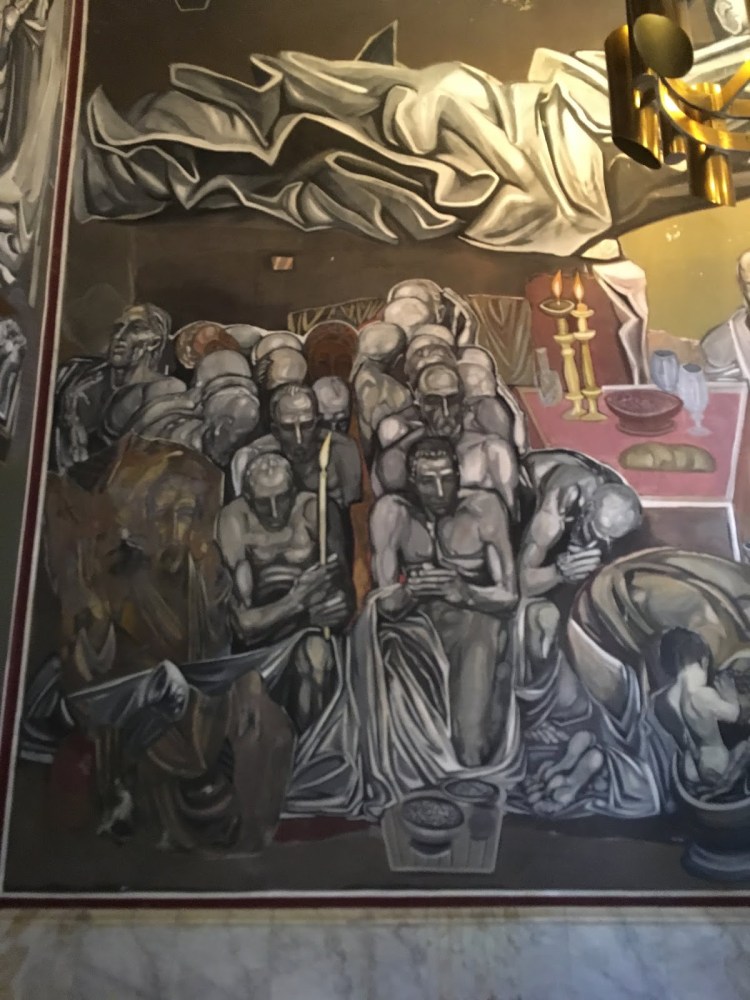
 The church was reconstructed (1978-1985, during communism)  with shocking, graphic, unique paintings with a very different take on how to paint pictures of saints. Not everyone appreciated the paintings, the church has never been reconsecrated and is not considered a house of worship.
Because we stayed just one night,  in a hotel and did not have a kitchen, we actually went to a restaurant to have some classic Bulgarian food. Served with a great view.
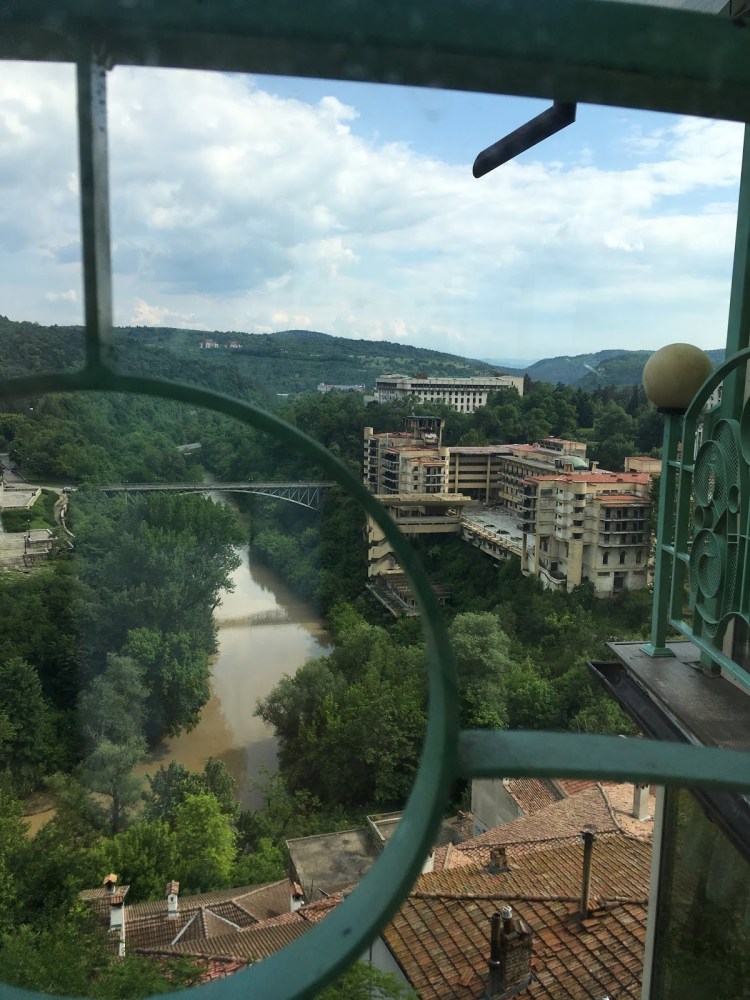
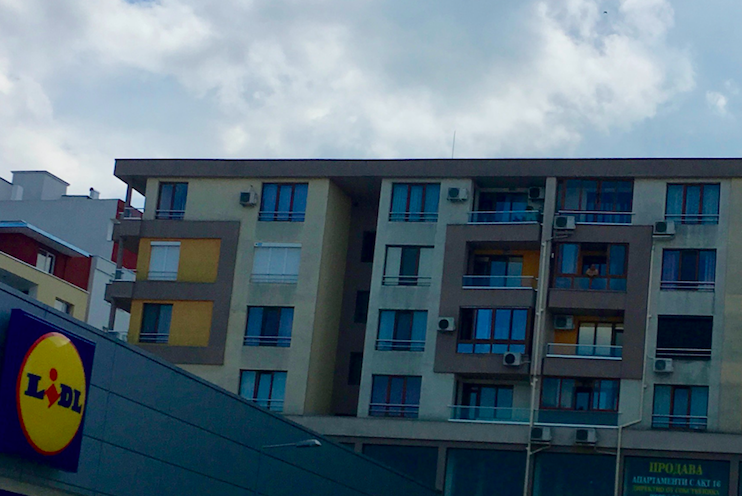
Veliko Tarnova is probably one of the most interesting and memorable places we have seen, it is surprising (and a shame) it is not better known and visited.


This week’s photo of  topless old man looking out window contemplating his life..”I’m the Tsar of my Lidl kingdom.”


Portugal Pops the Cork

  NOTE: This was imported from the older format and looks really bad. Sorry. We’ve had buses stop to get gas a few times, randomly stop for cigarette/bathroom breaks or to drop off or pick up someone in the middle of nowhere, but our trip out of Santiago de Compostela to Porto had a first – a stop for the bus to get an automated bus wash while we sat in the bus, waiting.


The  upside and downside of traveling is obviously the unknown. You get to experience the surprise bus wash, but everyday is a crap shoot.  Simple actions usually done without consideration can turn into a hurdle.  Making the mistake of drinking lots of tea in the morning then going on our usual walking tour of the area can be painful when you can’t find a restroom.  (The joys of owning a 1958 model bladder.)

We usually don\’t know the language, how to get around, what’s safe to eat, when we can do laundry or how our lodging will be.   We have to blindly book, days to weeks in advance.  We have learned that the pictures online aren’t always representative of the area or the quality of the apartment.  

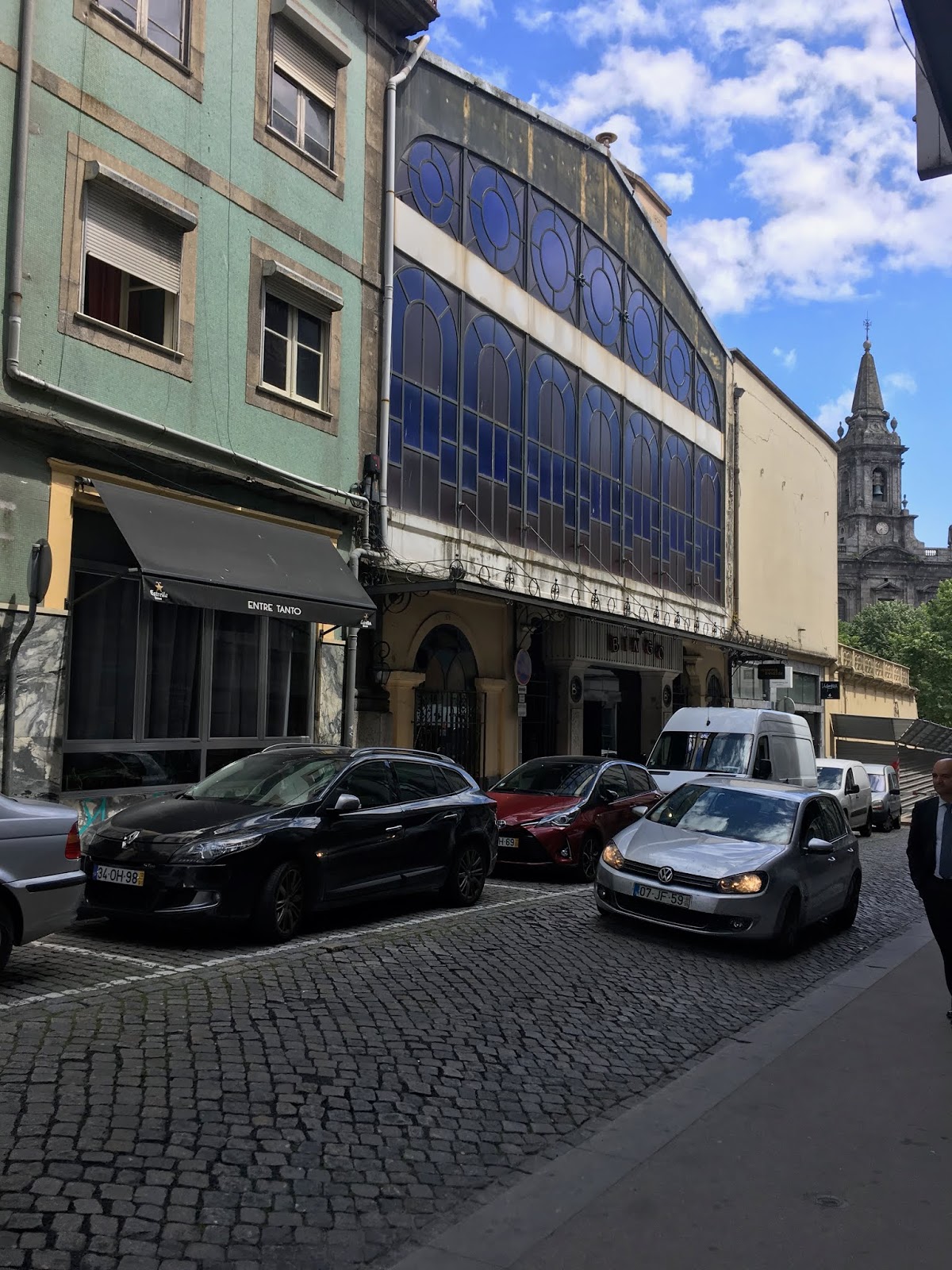
Bookings.com listings have a number of \”bait and switch\” listings (more so then Air B&B or Hotels.com).  In Porto, we had our third experience (the first two in Cyprus). We met our host at the apartment we chose on a very picturesque street across from a Bingo hall only to be driven to a a street across from a highway over-pass.  The apartment was not bad except that the shower flooded the entire tiny apartment each time you showered (cork pipes? yes, the apartment was that small), requiring a 10:30 pm visit from a plumber. While this did not need to color our time in Porto, it did.  Since  in our present homeless state, where we stay is our \”home\”  so our lodging seems to have a greater influence perhaps then it should (especially for Patricia).

 
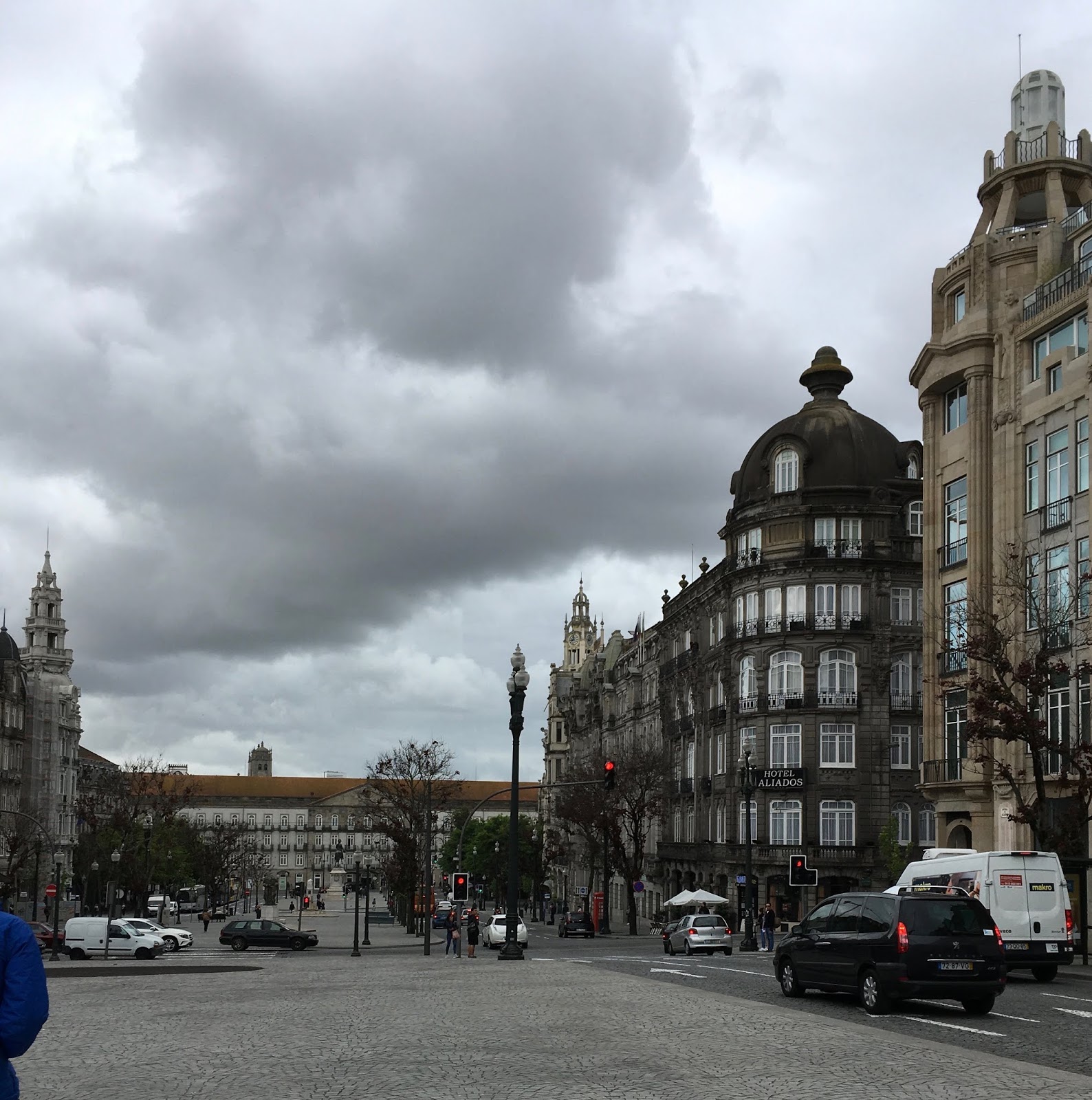
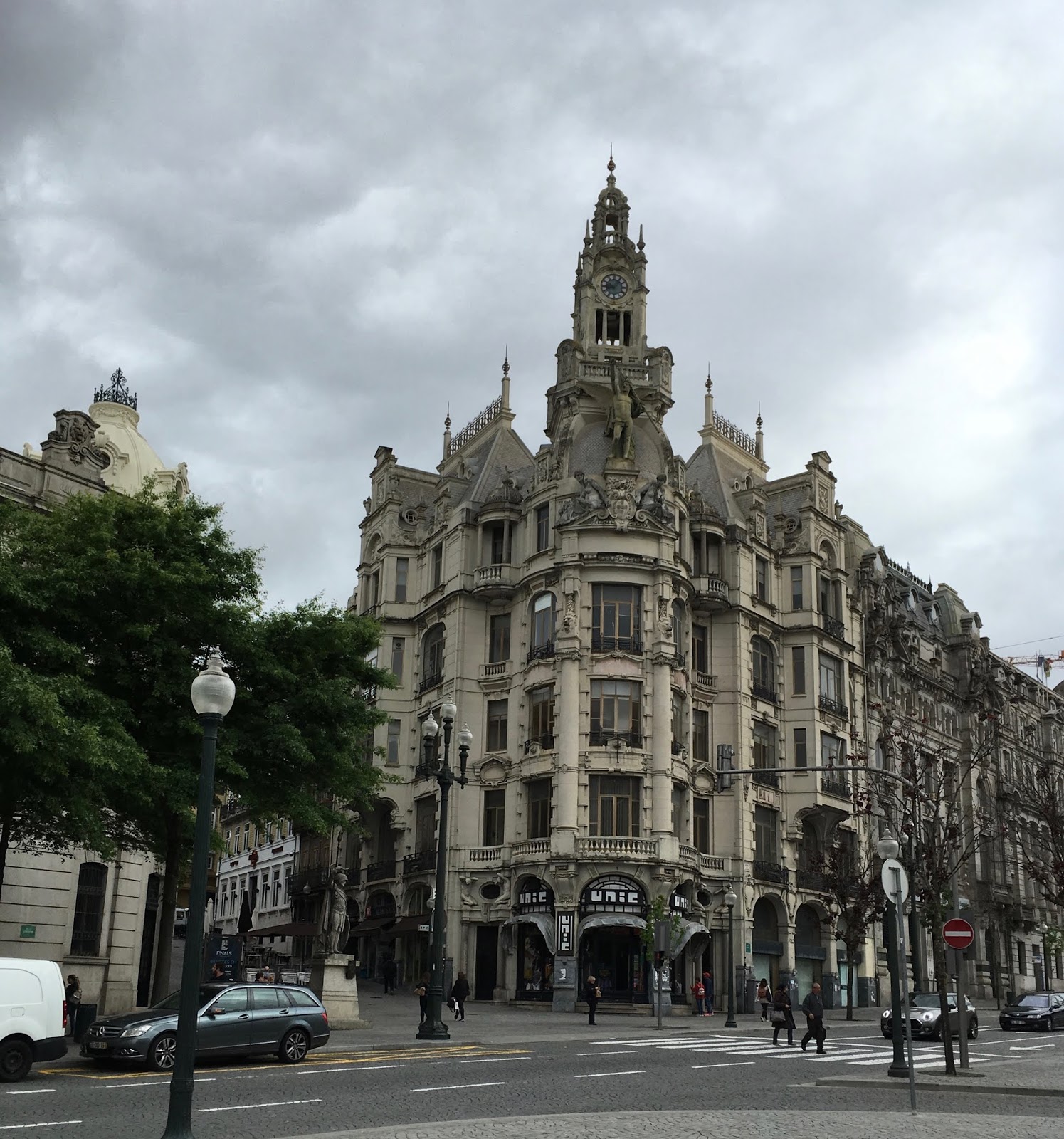
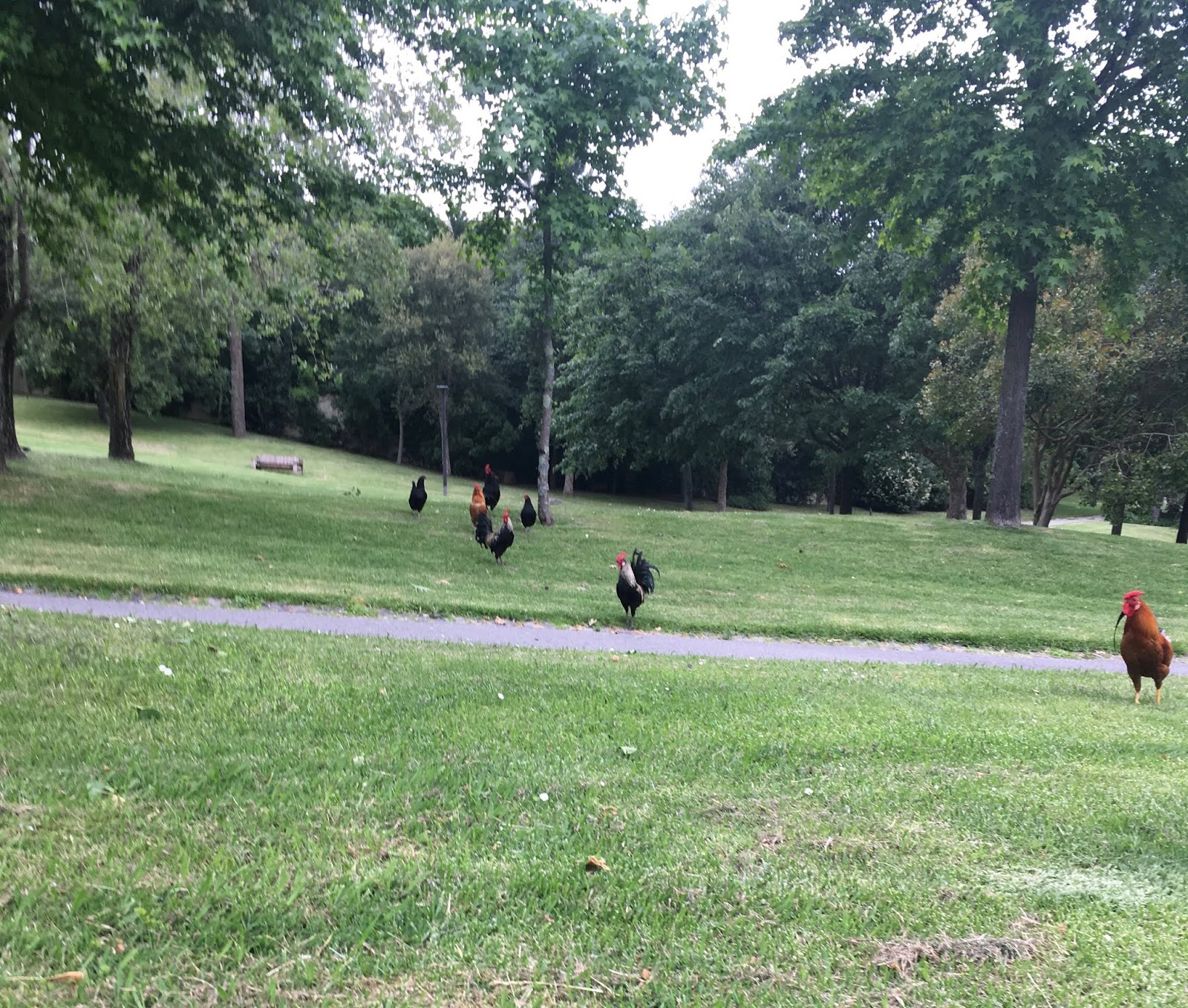
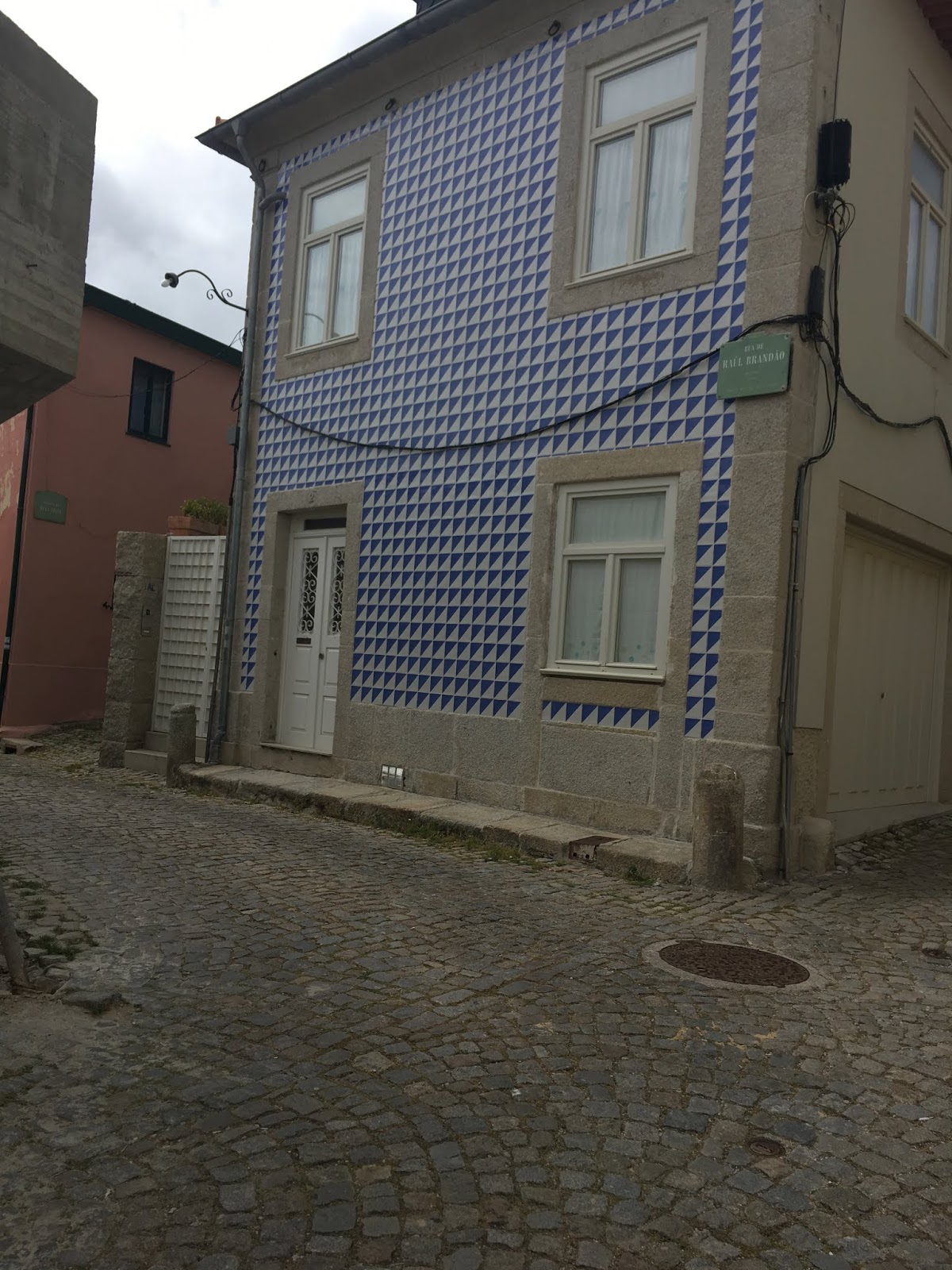
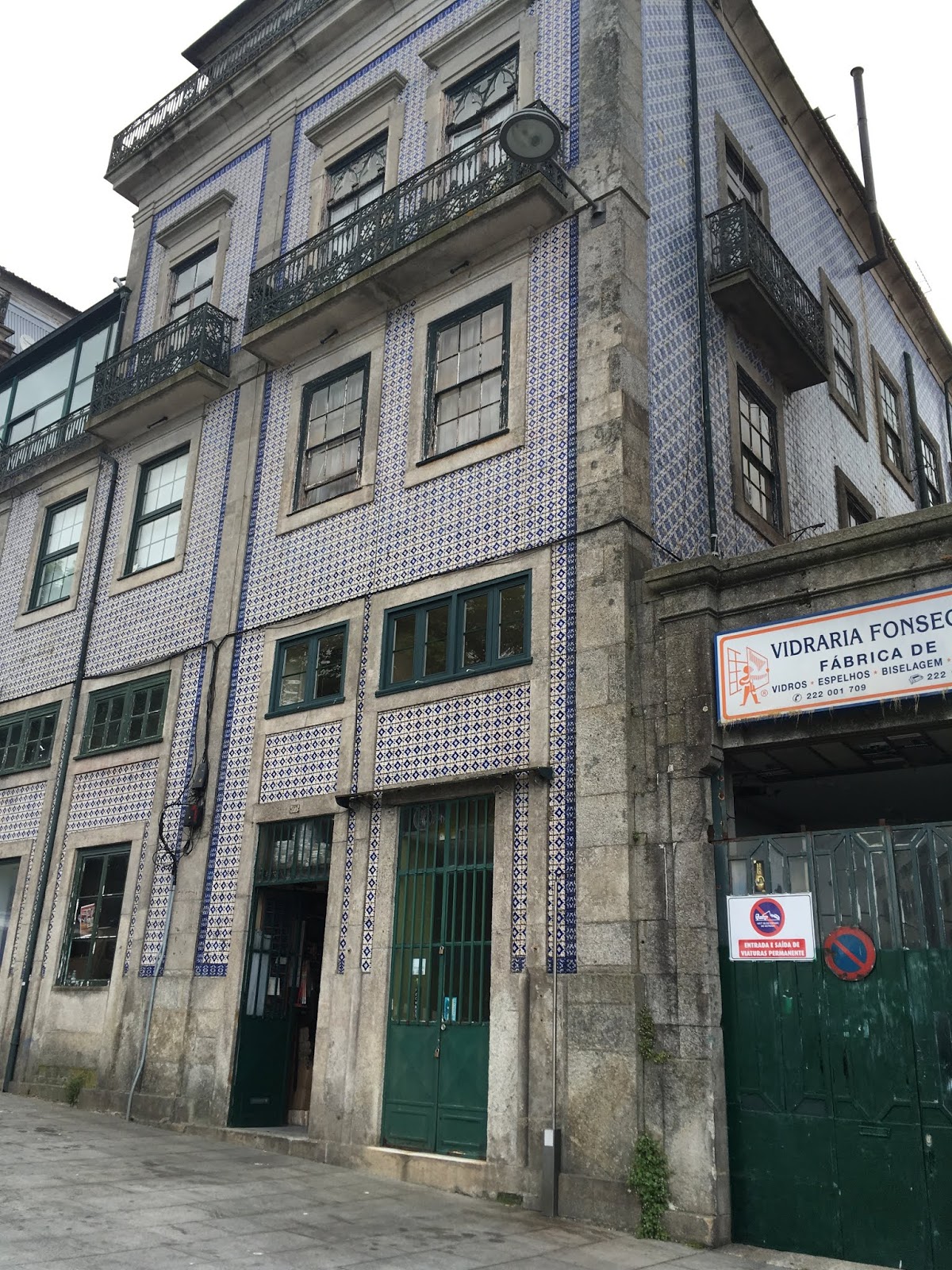
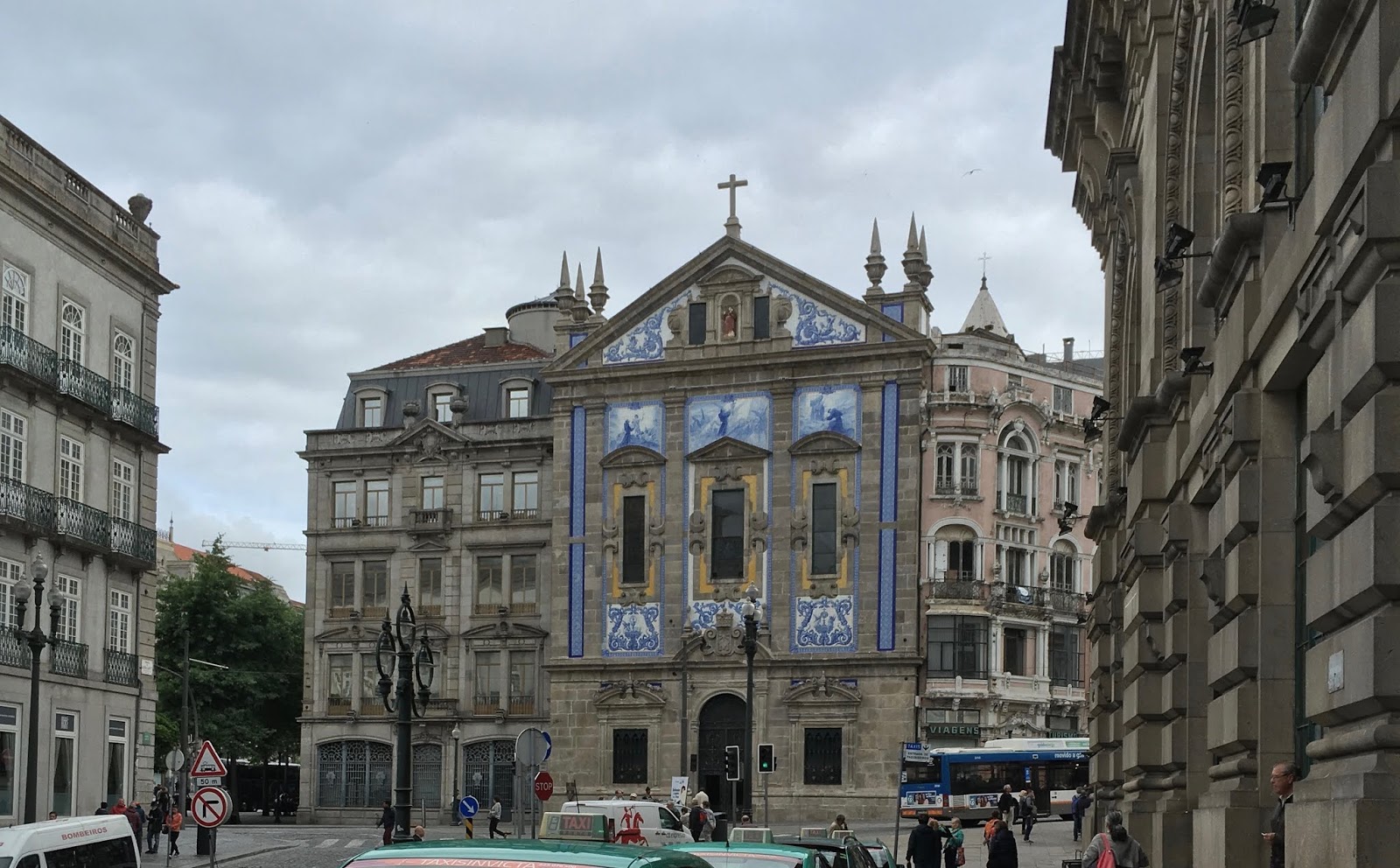
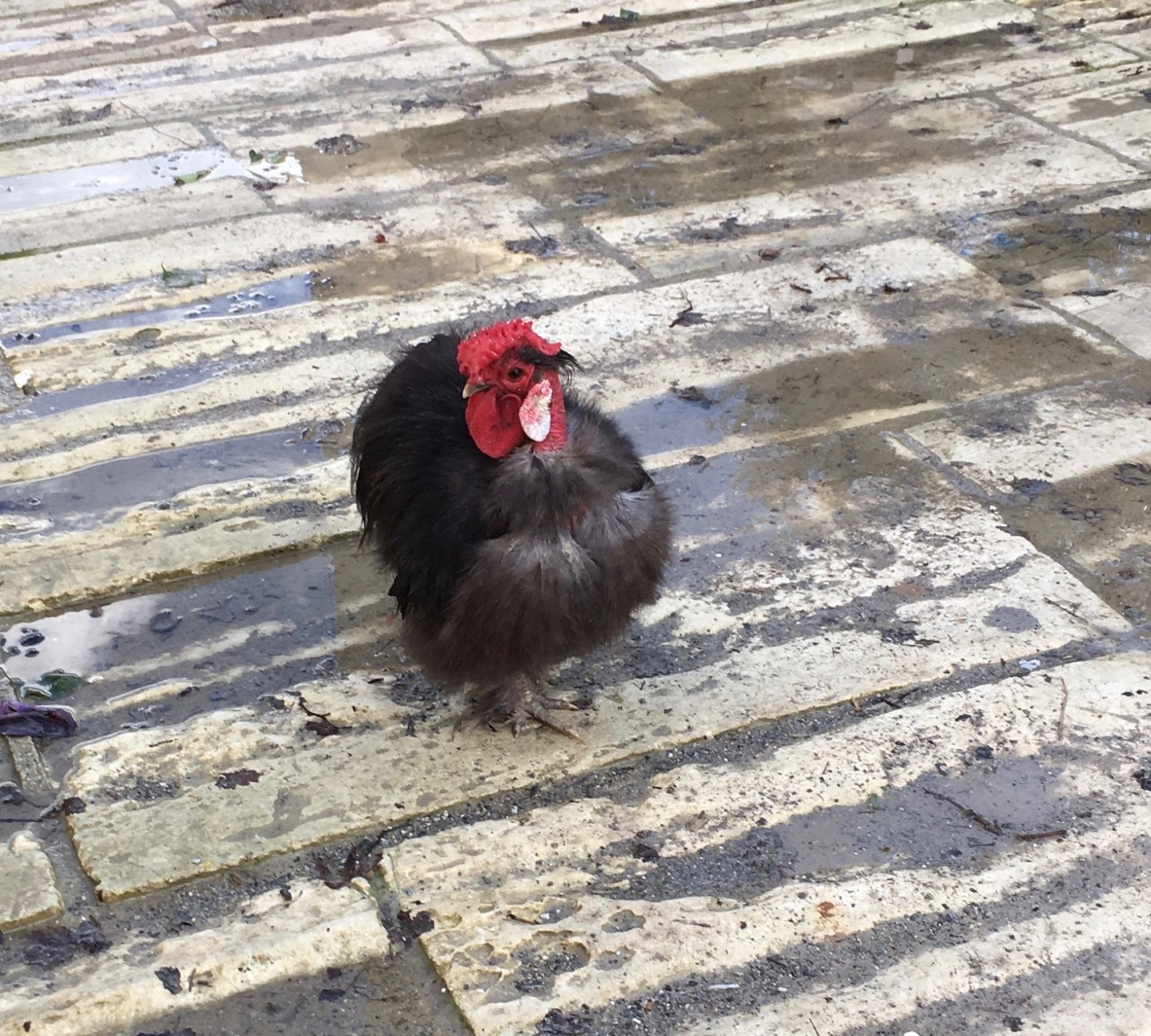
But we did recover and walked out to where the Douro river meets the Atlantic, wandering through big squares bordered by grand buildings, large parks with wild chickens and splendid tile buildings.  


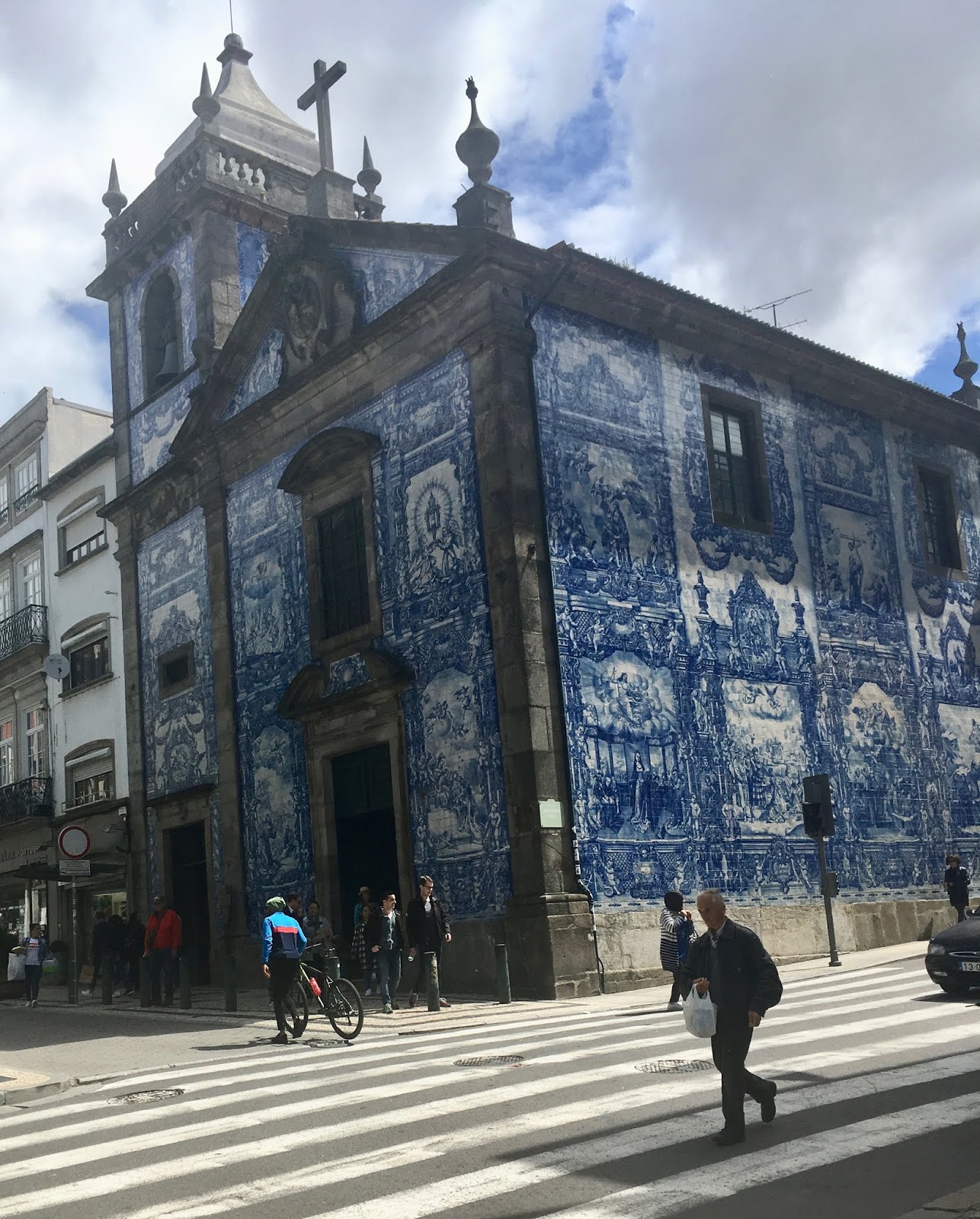
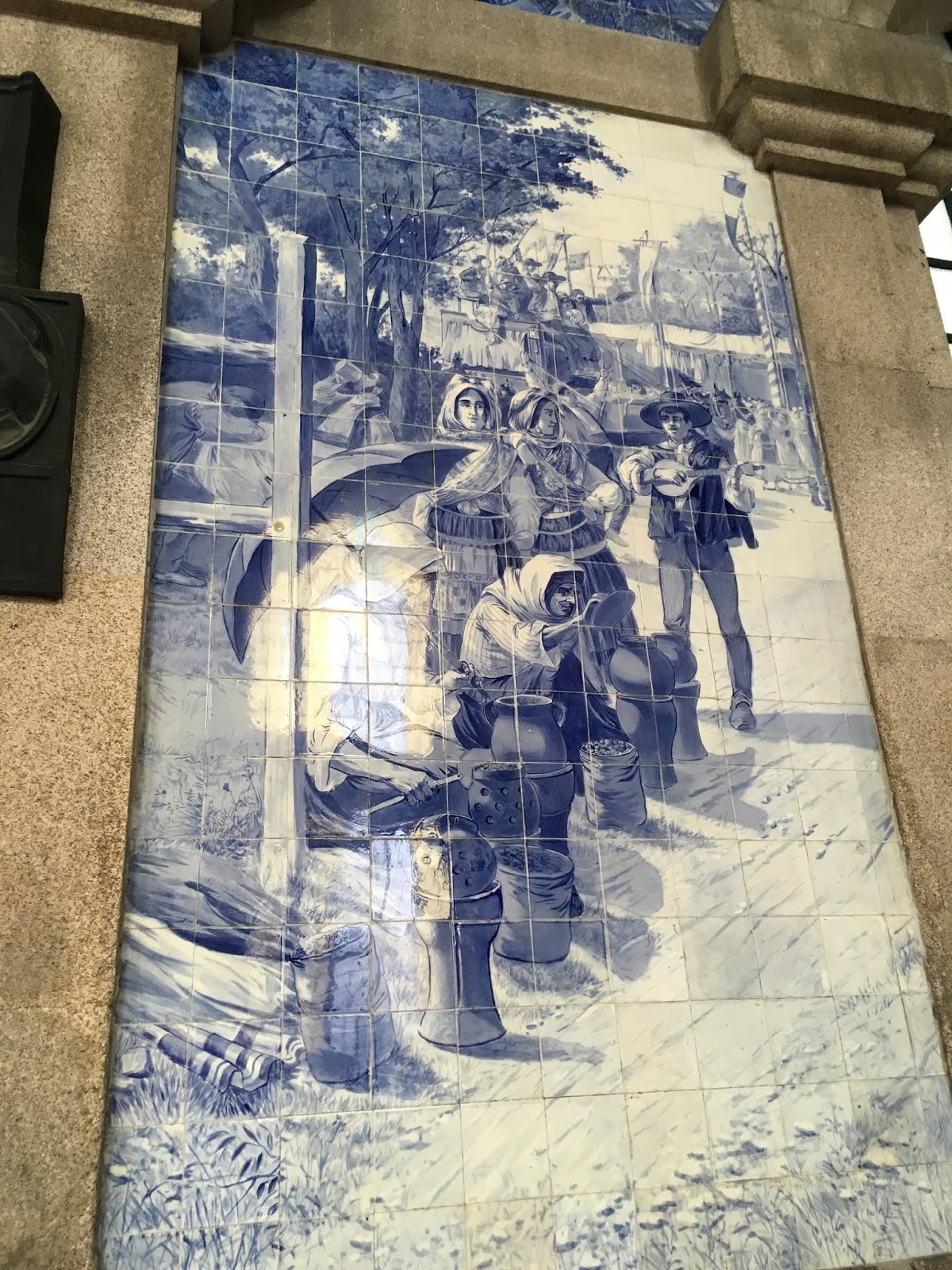
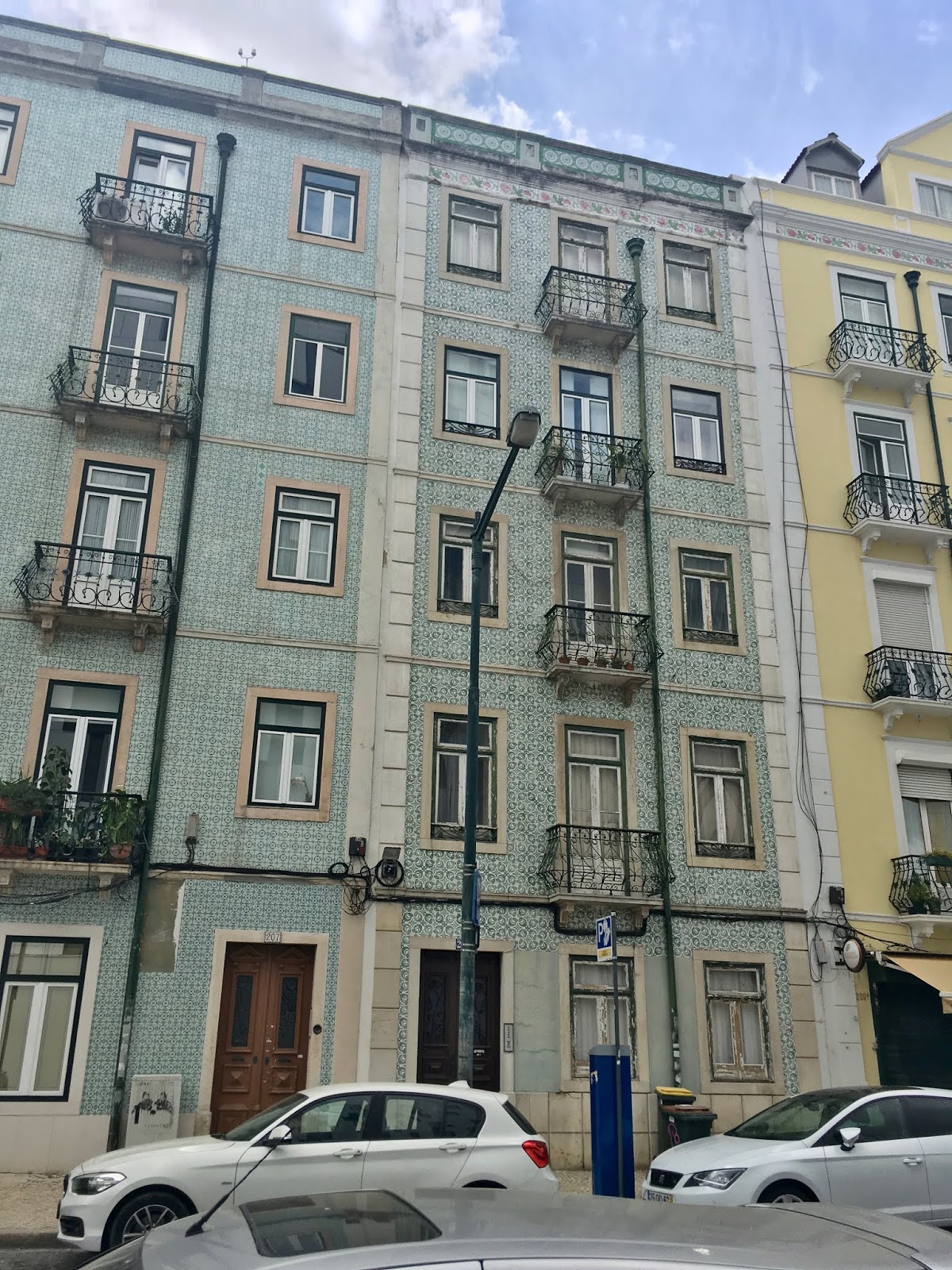
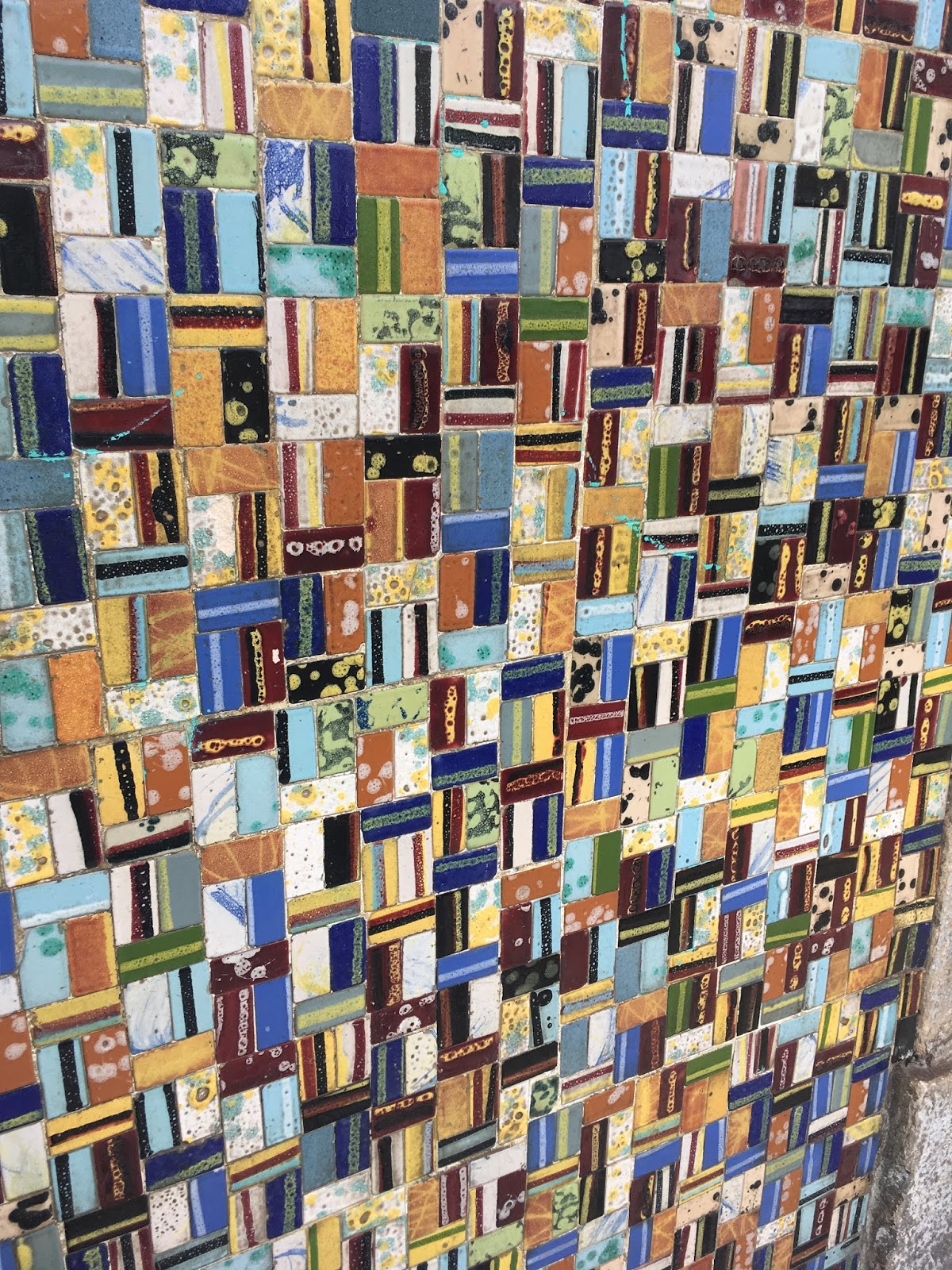
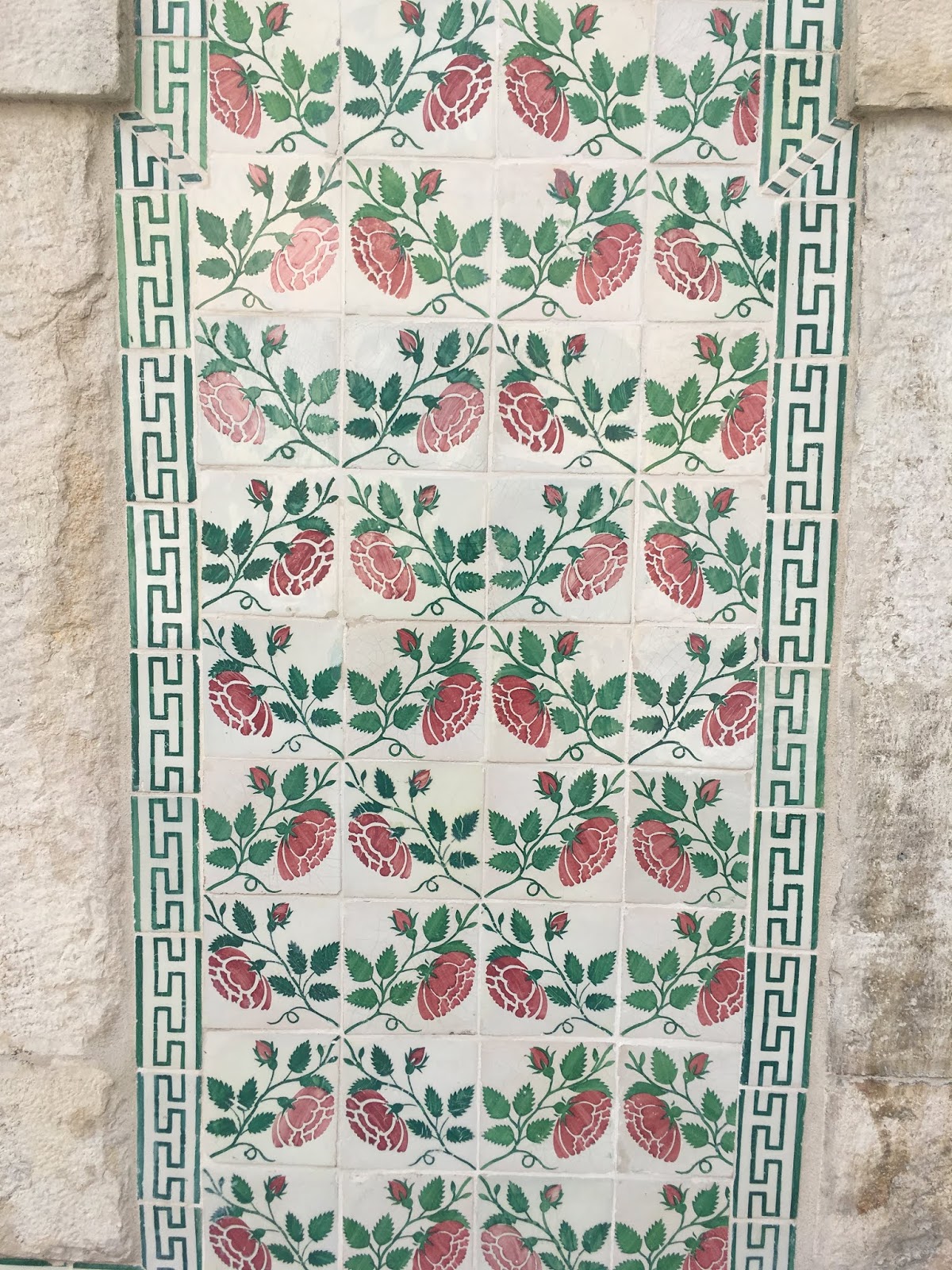
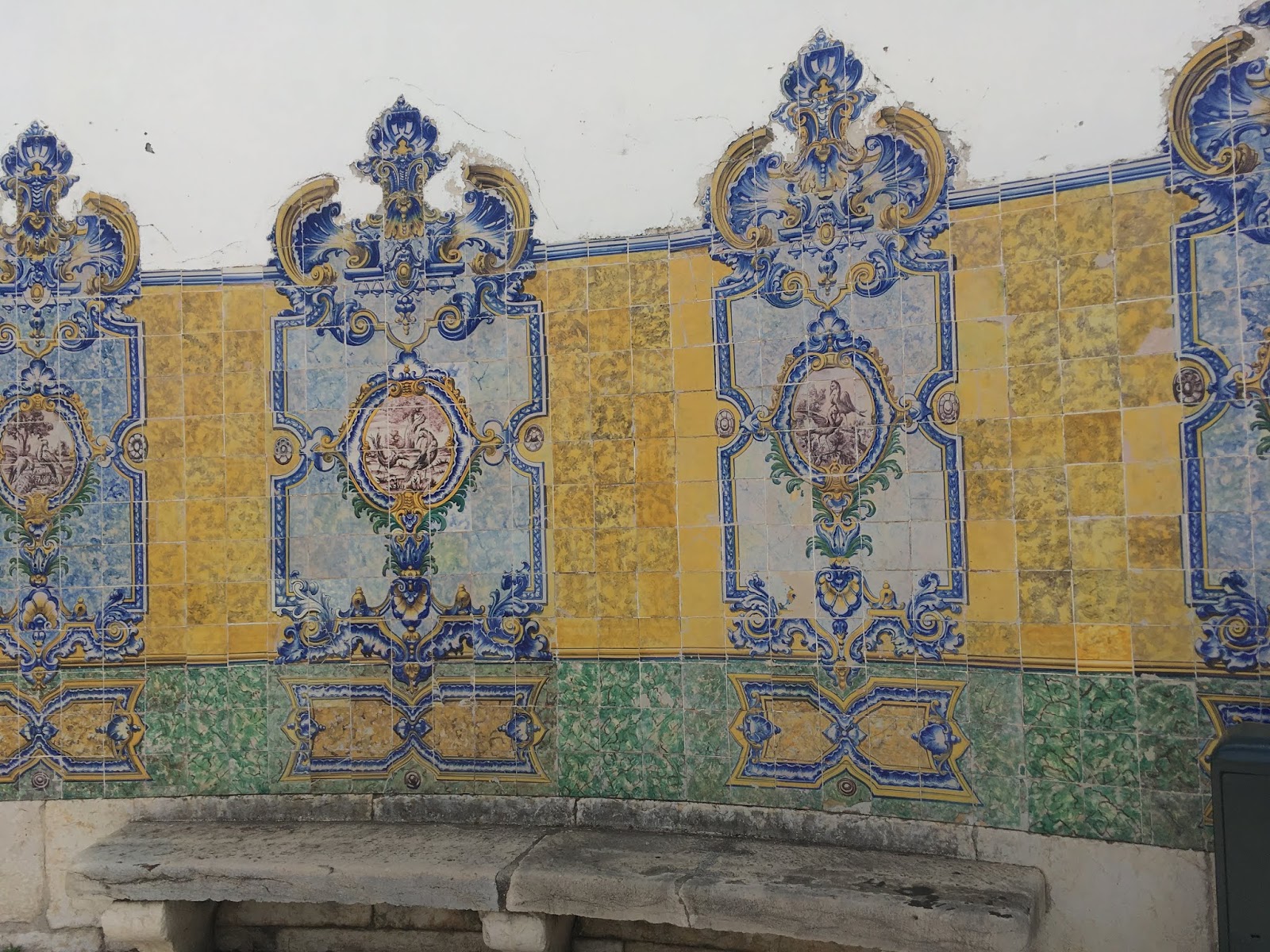
Walking through any Portuguese town feels like entering a magnificent tile showroom. Many of the old tile houses are  being re-tiled with subway tiles.

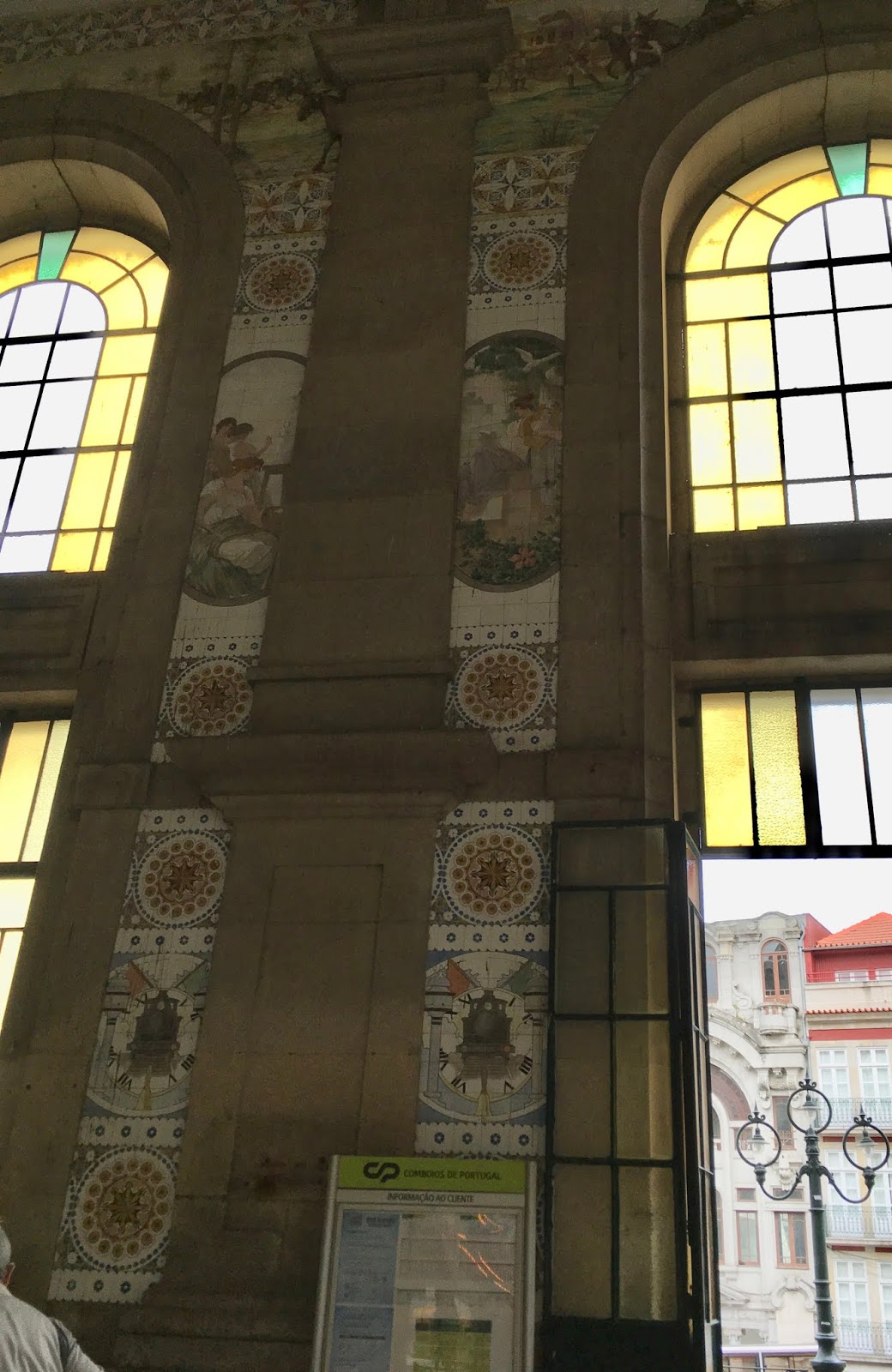
Amazing tile inside some of the buildings as well, this is one of the train stations.

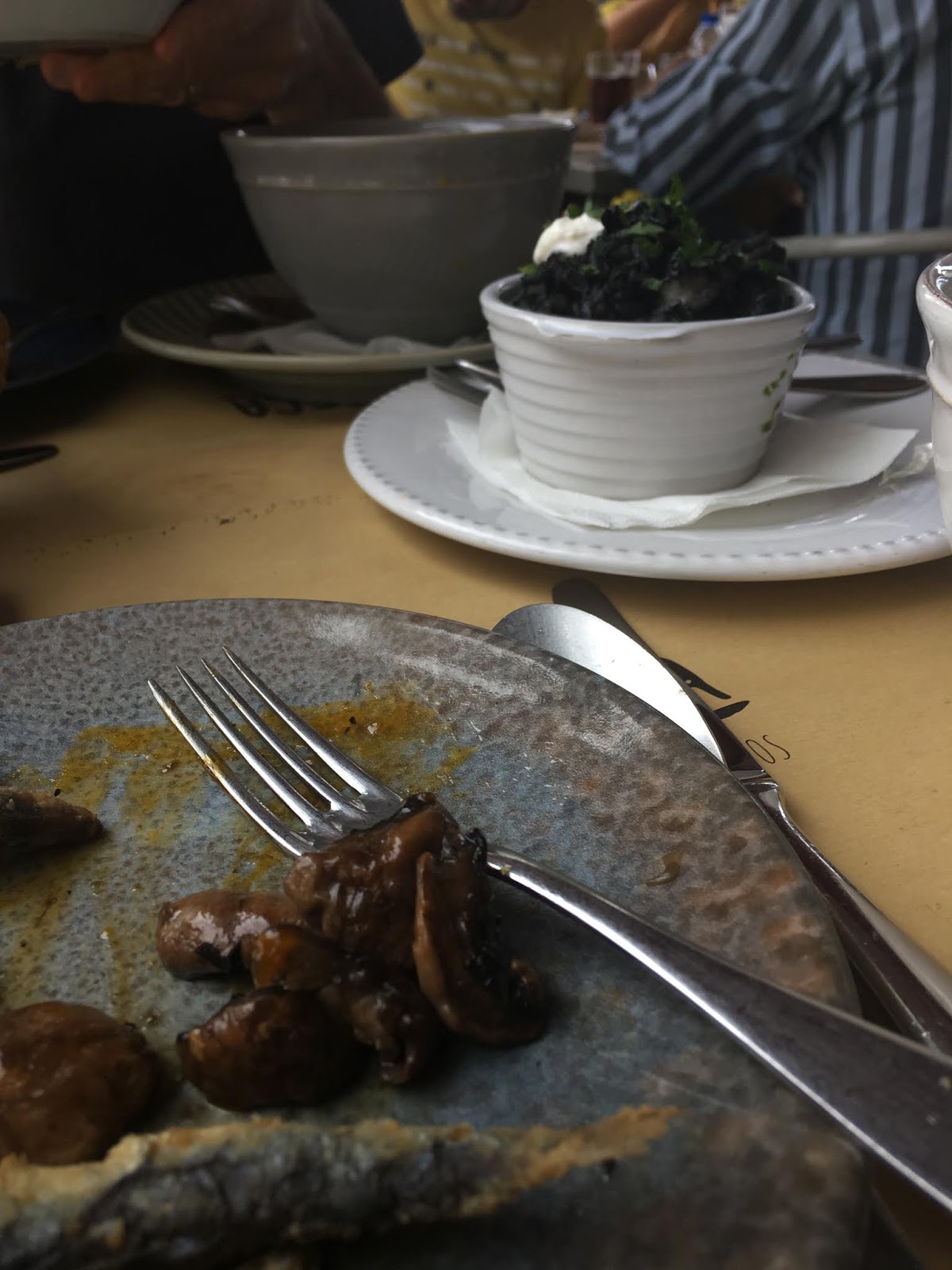
We ended our walk with  our first Portuguese meal; legendary sardines, sautéed mushrooms and black risotto with squid which we finished before the ink dried.
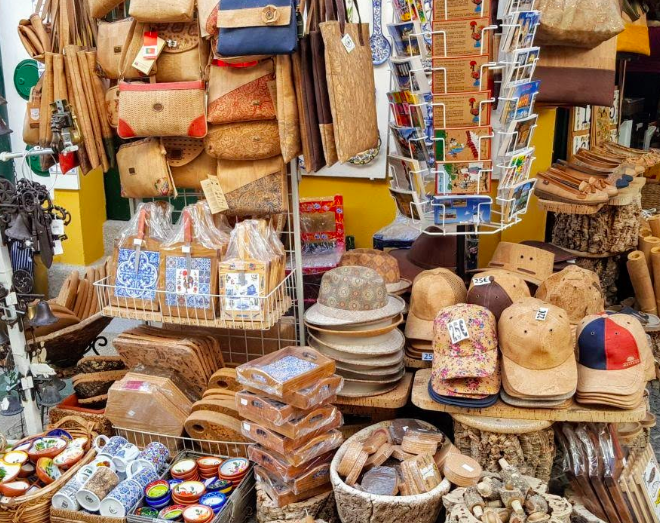
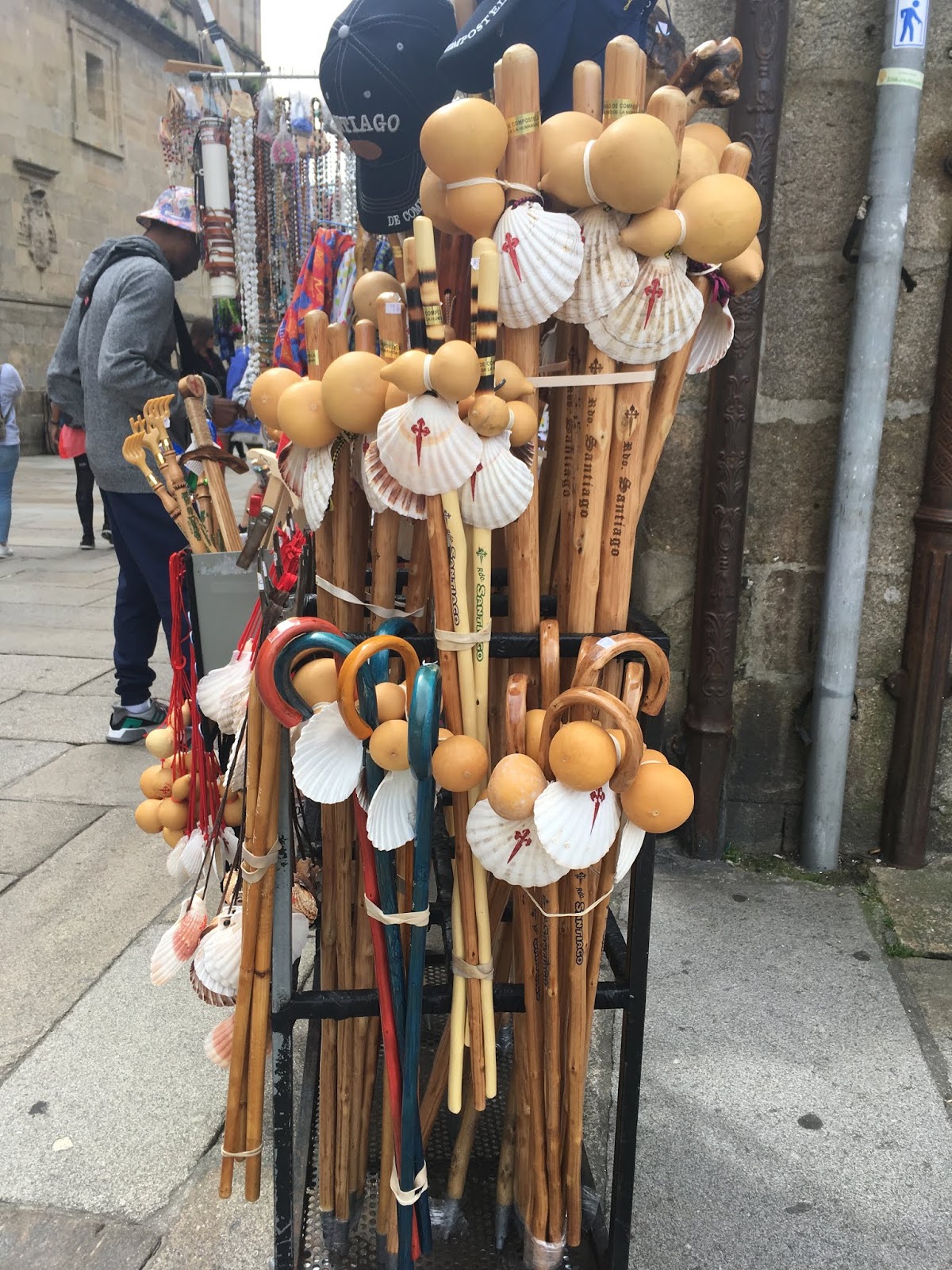
One thing we have noticed everywhere we have gone, is the themed souvenir.  In Santiago de Compostela, it was a seashell everything since the shell is the symbol of the Camino.  Ireland has it\’s sheep and Guinness, Cyprus had Aphrodite and Portugal has everything made of cork
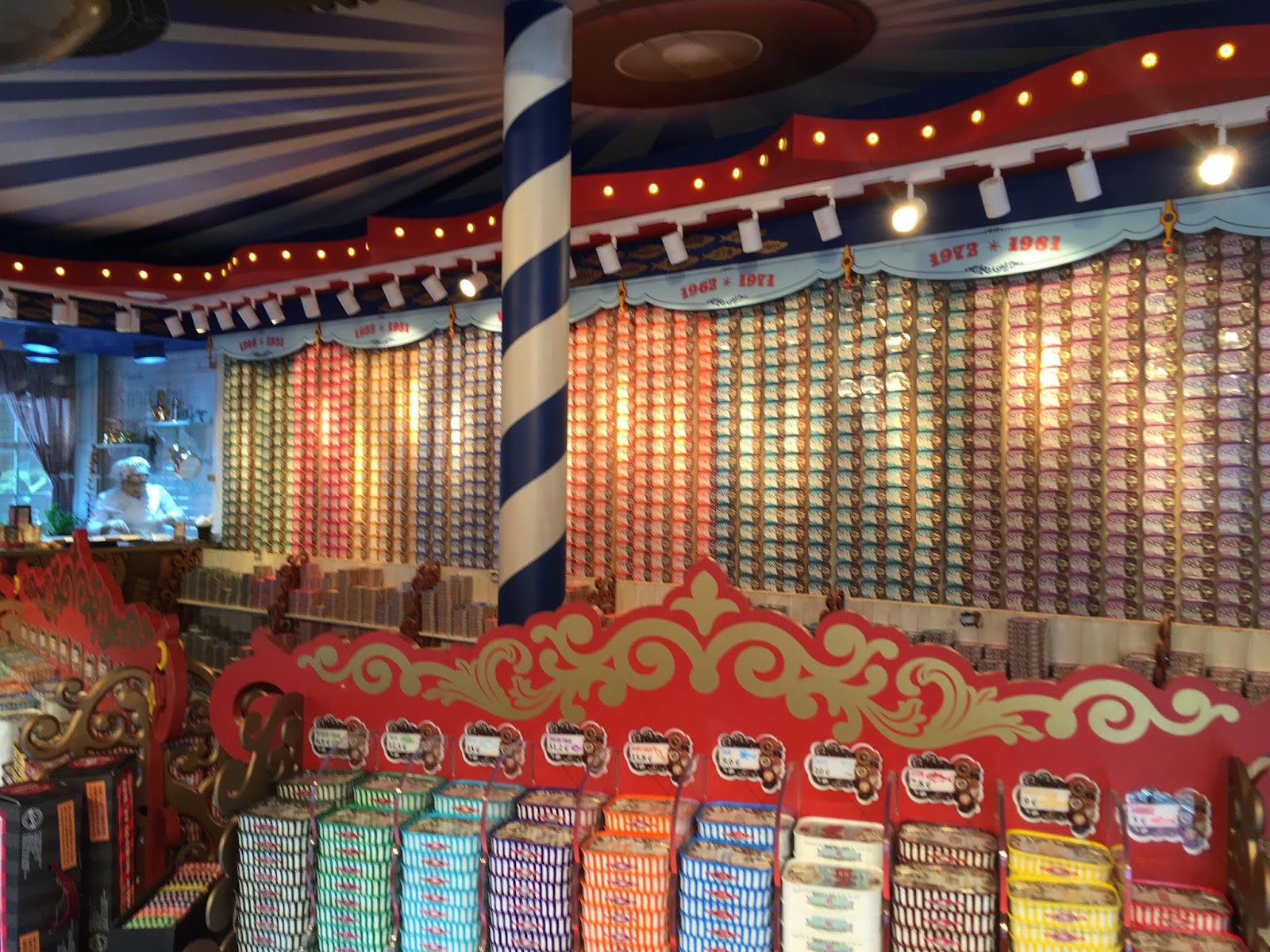
and … Sardines.
On to Lisbon we were finally able to complete our quest to finish the Game Of Thrones final season.  Our viewing sites covered most of the Westeros Hemisphere, as we watched the first episode in Portland, the second in New York, the third (amazon prime online) and forth in Saarbrucken, and finally the last two on itunes in Lisbon staying up until 2 am to finish.  The most memorable viewing was number 4 as we watched it on the University of Saarland campus in the computer science department with 15-20 computer science international students/fans.  We thoroughly enjoyed that the feed kept needing computer attention and that no one interacted with each other. 
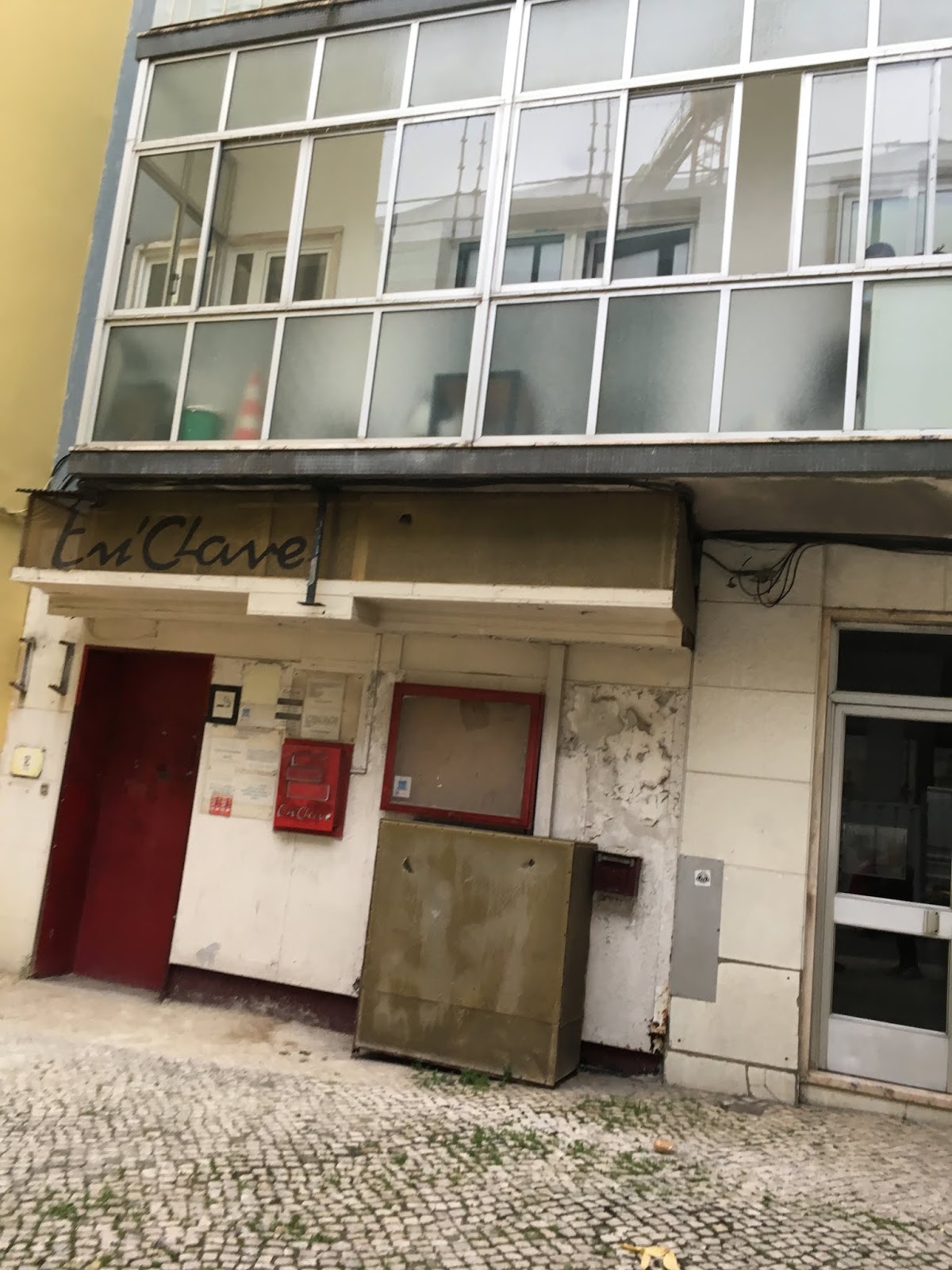
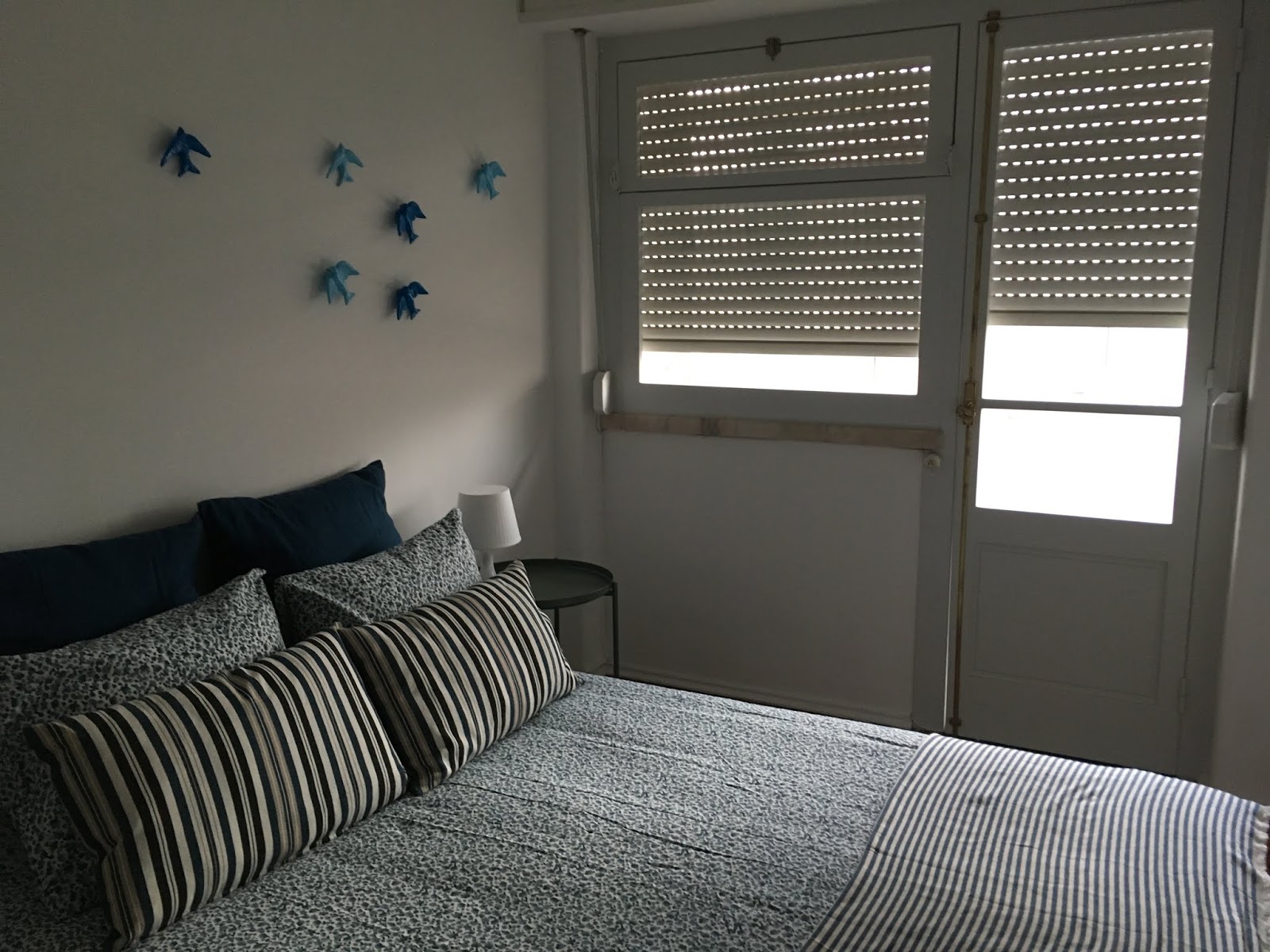
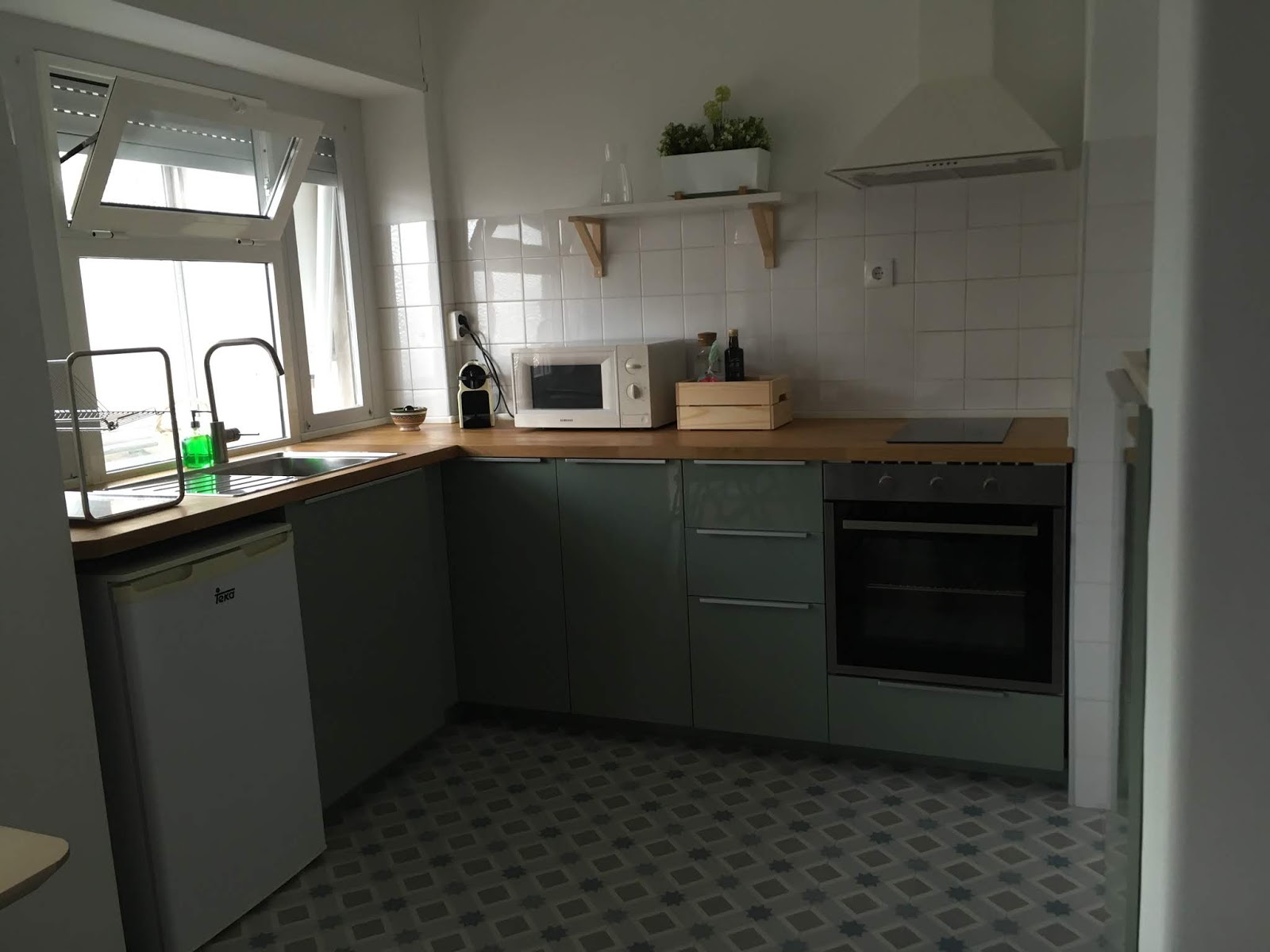
This time we took another risk on our accommodations in Lisbon, no reviews, we were the first guests and although the front did not look promising, it was one of the nicest we had stayed in. A day and a half of a broken refrigerator (thermostat) requiring yet another repairman visit did not diminish our enthusiasm and it got points for good internet to finish GOT.
 
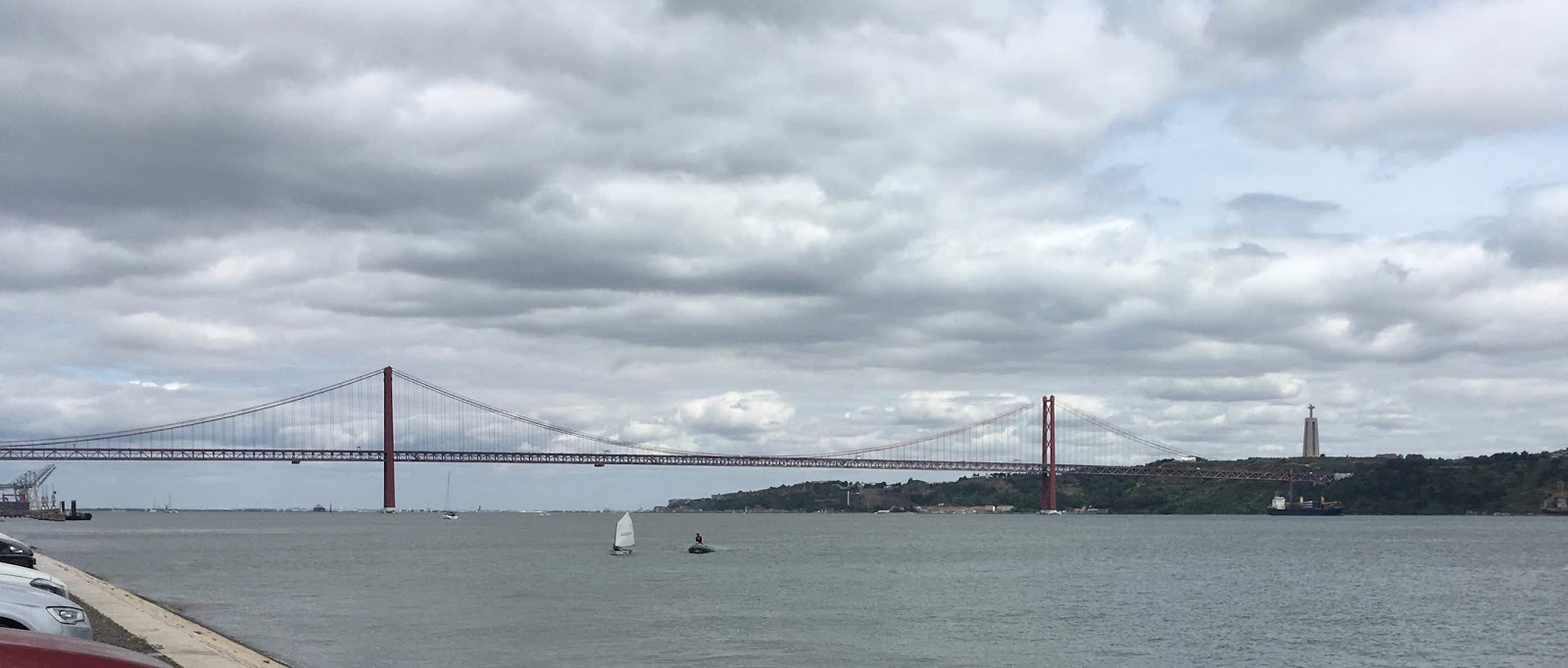
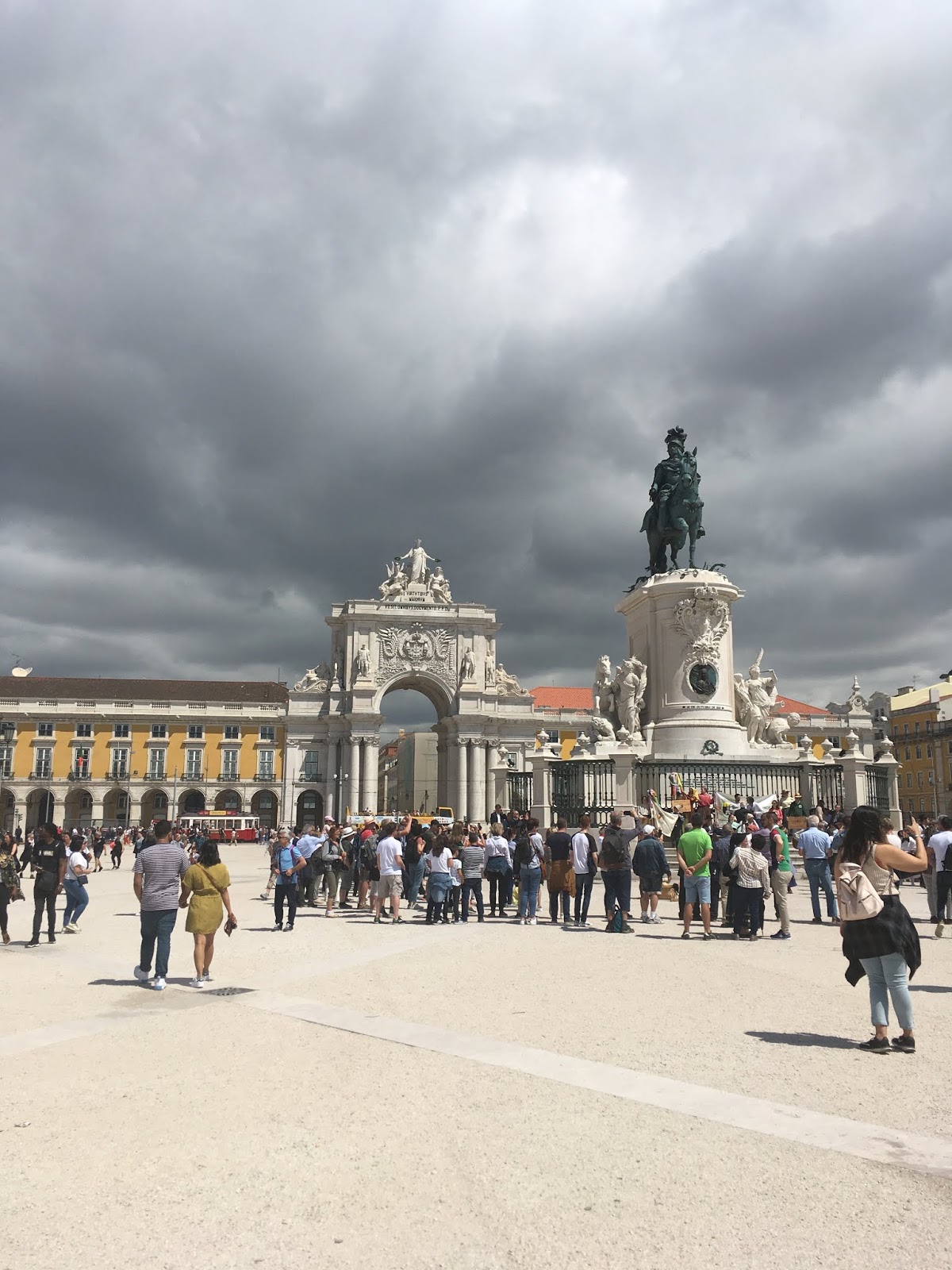
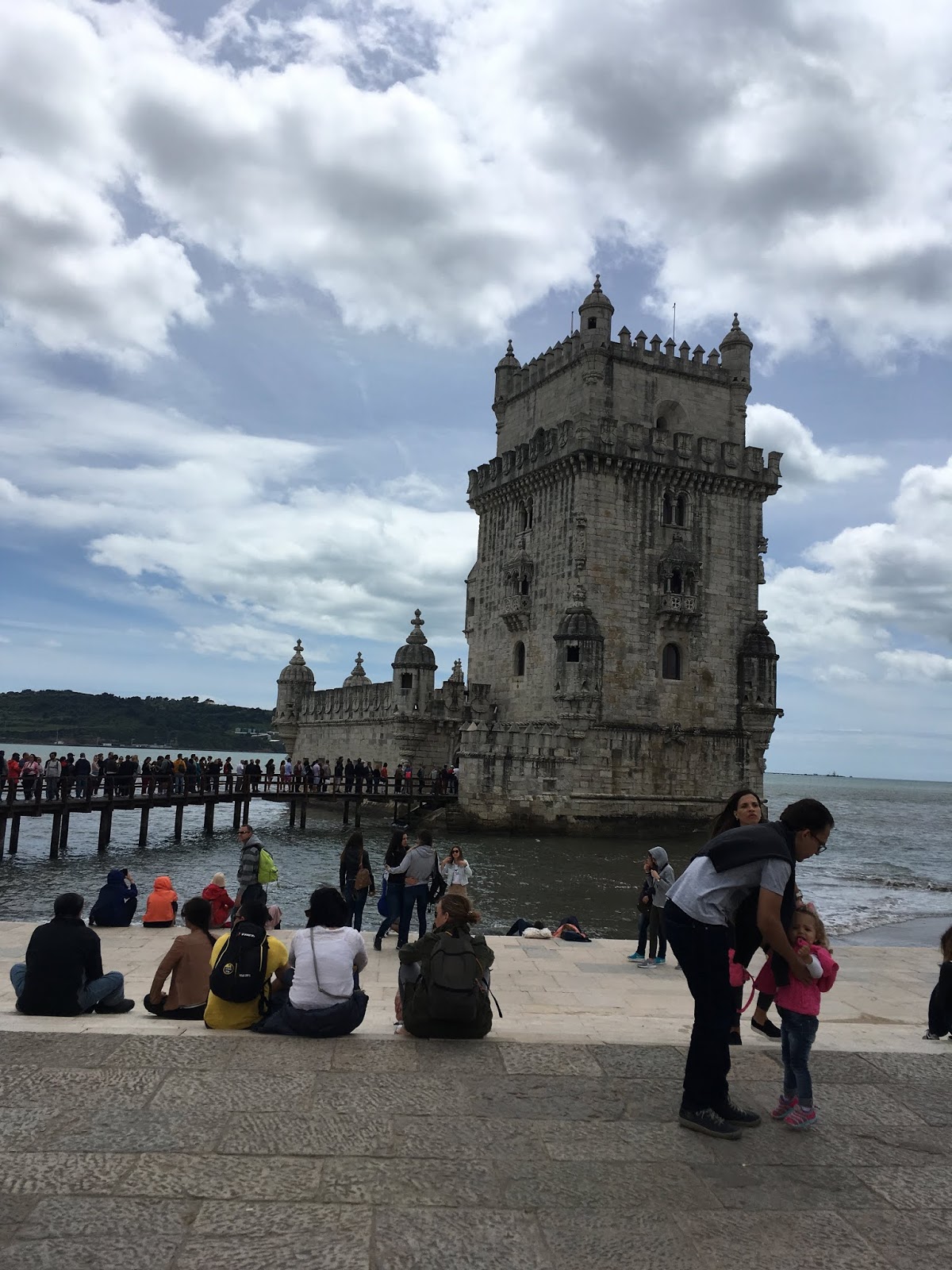
Lisbon looked like San Francisco but with Los Angeles\’s foliage. There is almost an exact replica of the Golden Gate Bridge (actually built by the company that constructed  the Oakland Bay Bridge-so even they liked GG Bridge better than their own) spanning the Tagus river just before it empties into the Atlantic Ocean.
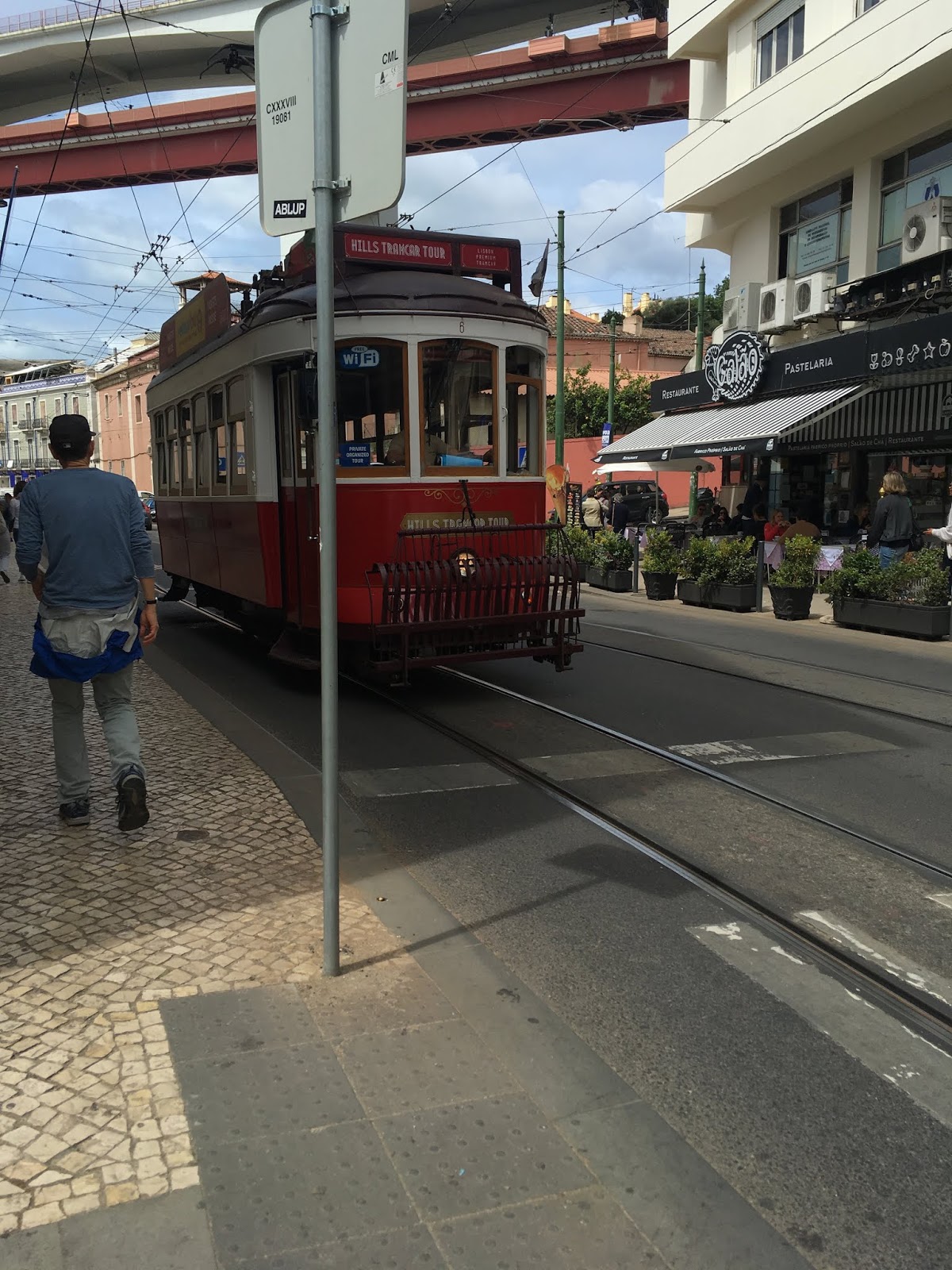
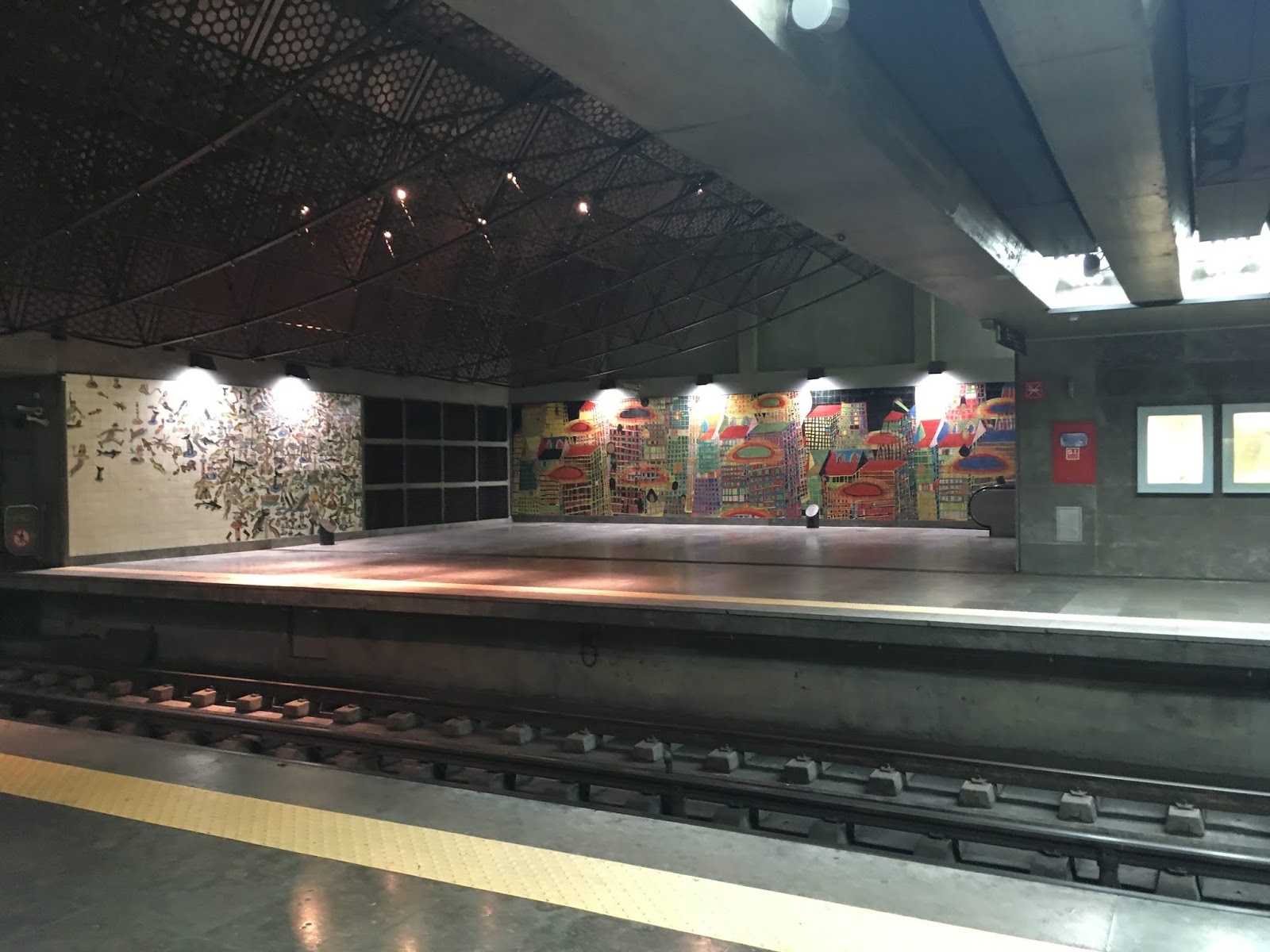
There were cable cars and a MUNI like tram line (probably also locally hated).   Lisbon also has steep hills and we traversed every hill without seemingly the corresponding downhill.  Lisbon however (sorry BART) had an excellent, clean, easy-to-use (even for non-native speakers), and very extensive subway system.  


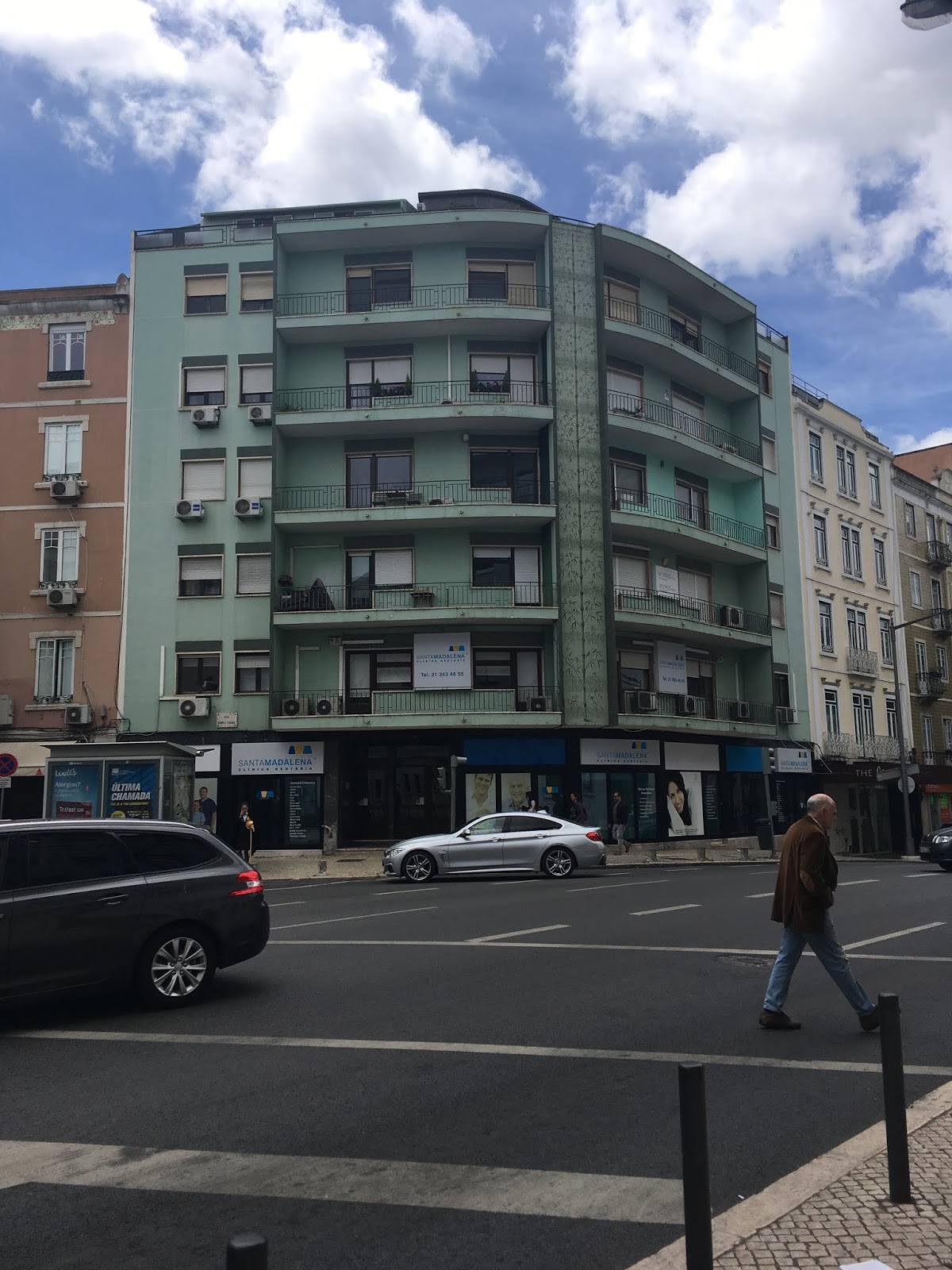
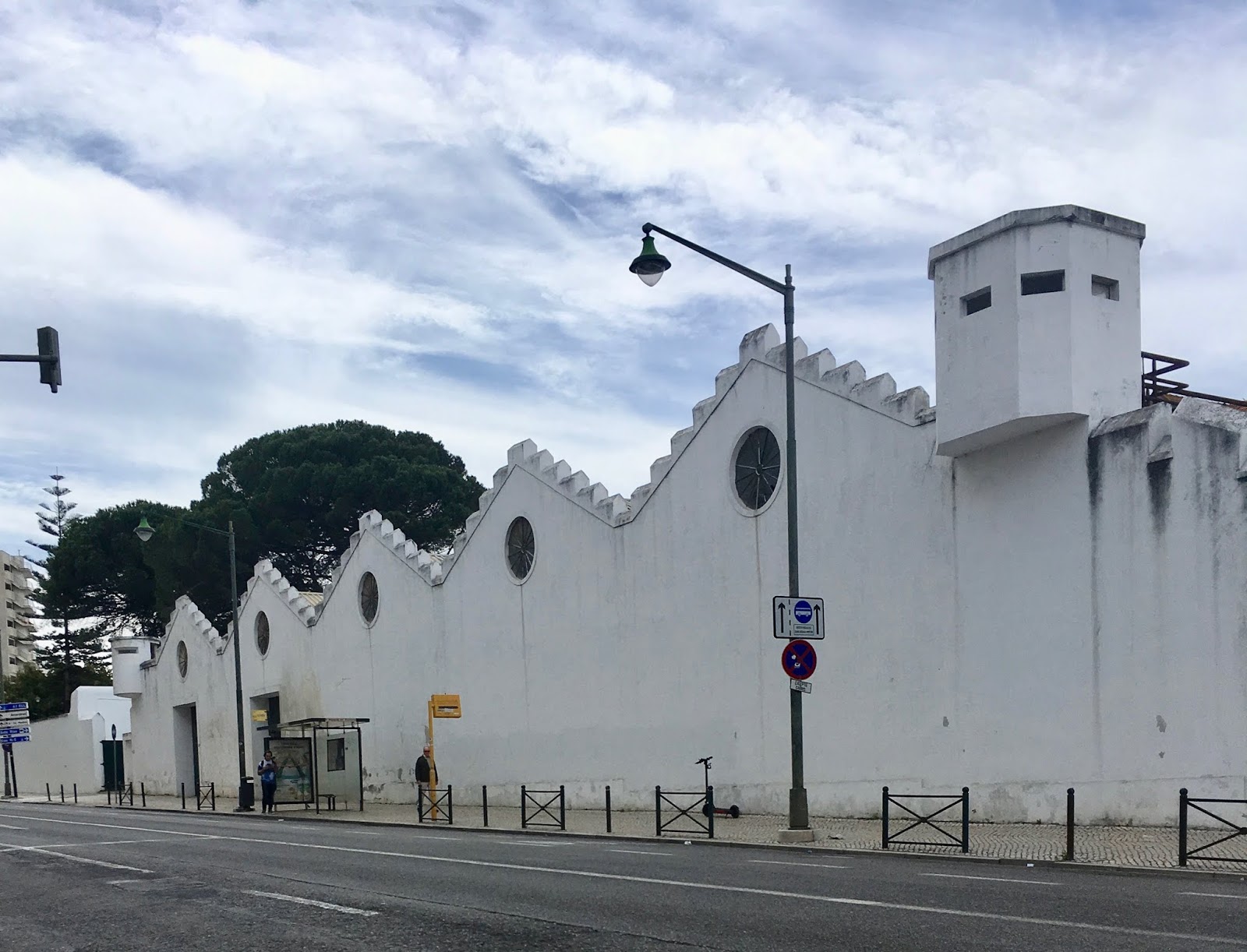
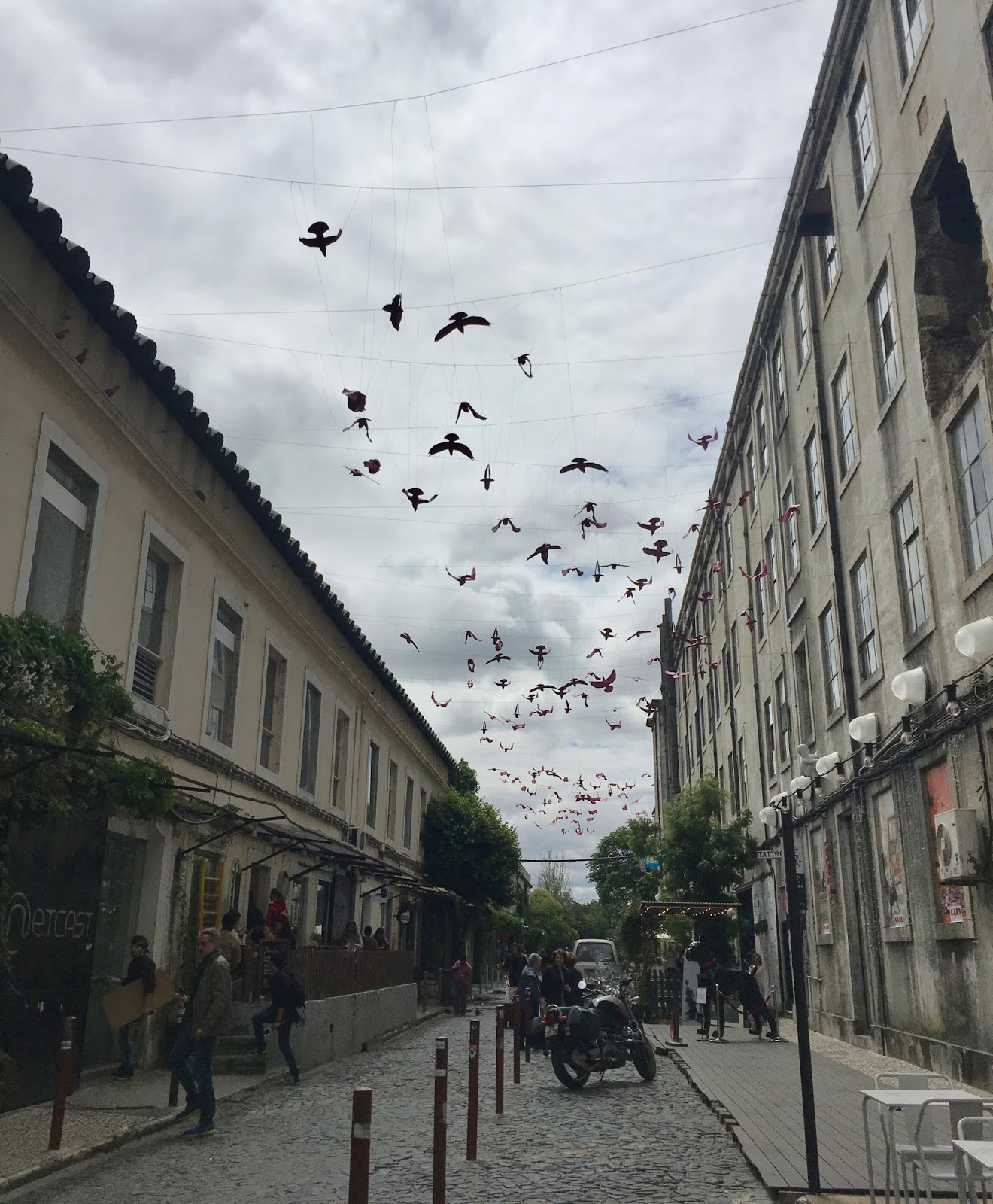
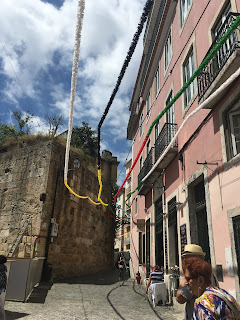
In Lisbon, the city felt vibrant just like San Francisco. We started to see the summer tourist season crowds form, but it was worth it, plus the neighborhood we stayed in was just outside of the tourist area. While at some level it is convenient to stay in the thick of things, but that can limit how you experience the city. If you have to get somewhere, you have to walk through somewhere.  Walking different routes to see the sites led us past  big, glorious buildings around open squares, side streets  lined with buildings ranging from shabby chic (a generous description sometimes) to breath-taking beauties.  Buildings from almost every century, within blocks of each other.

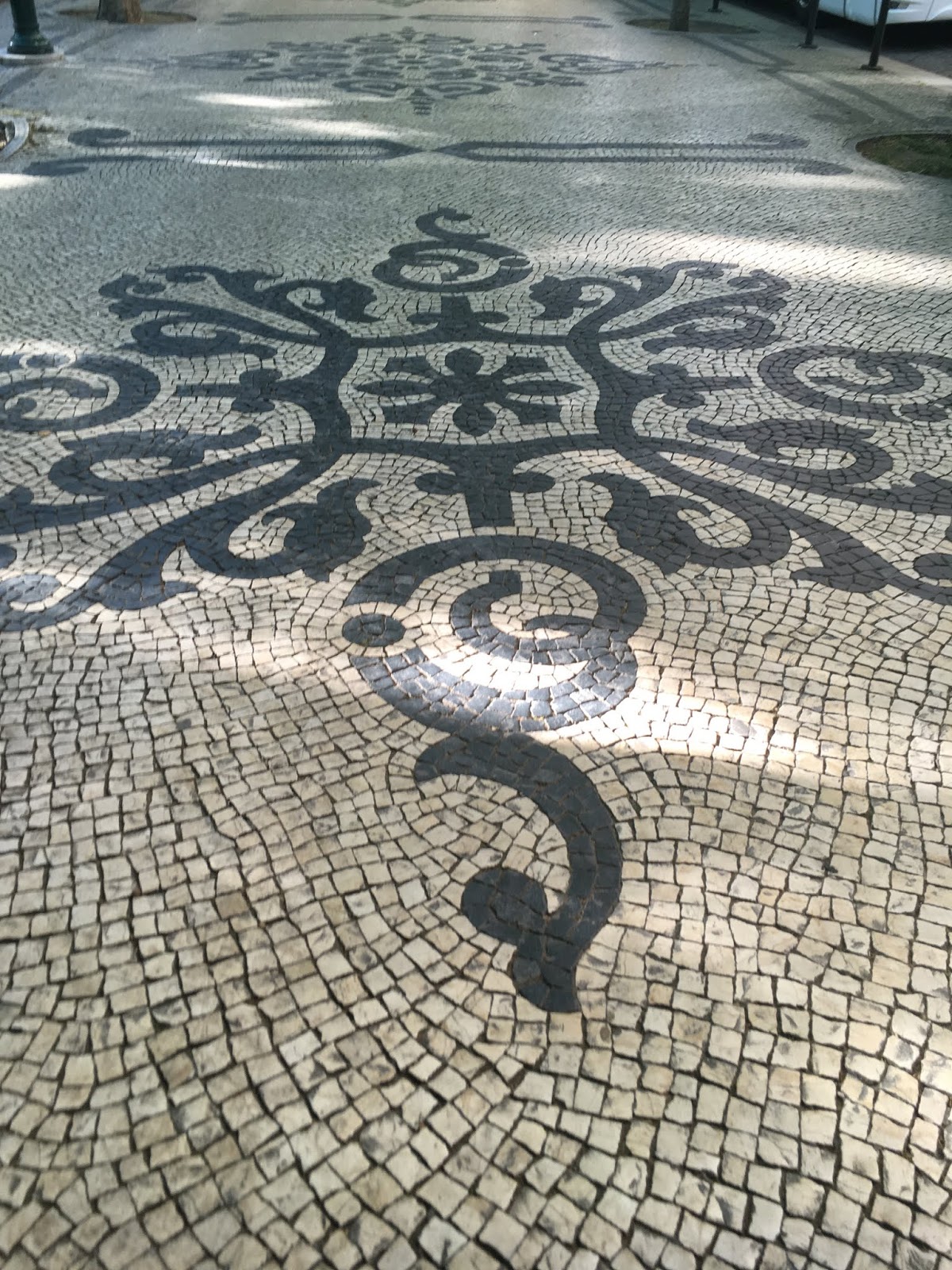
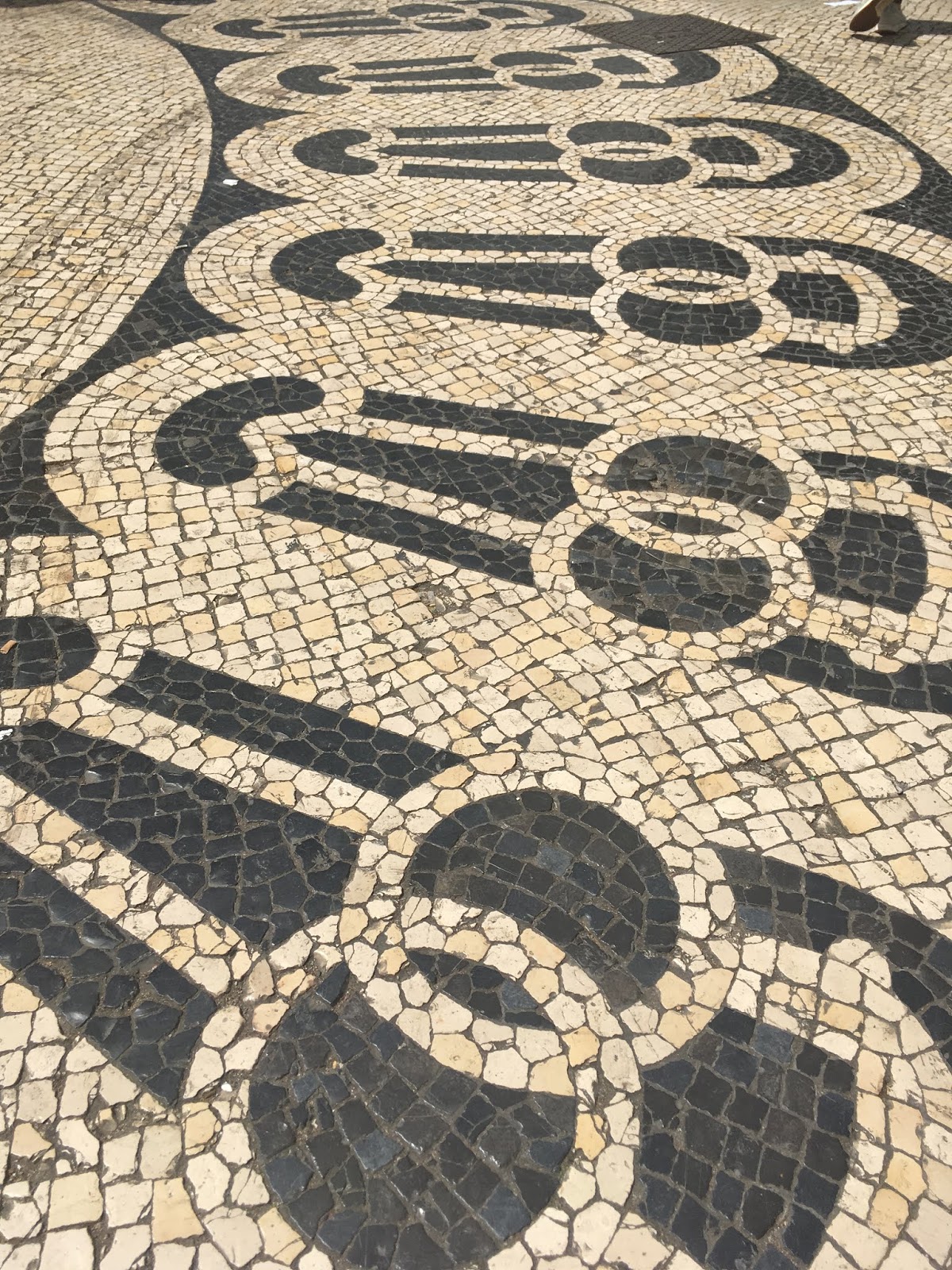
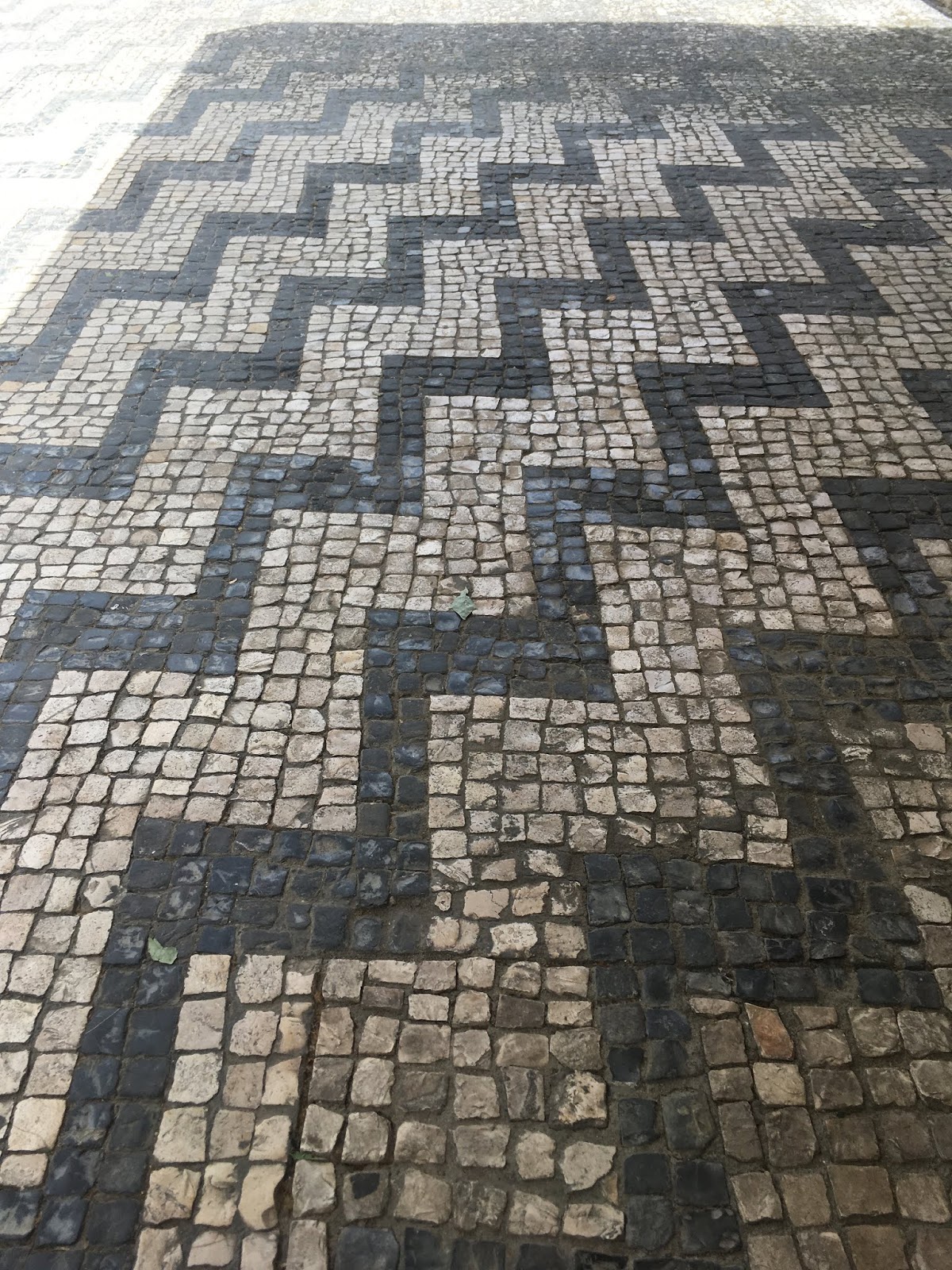
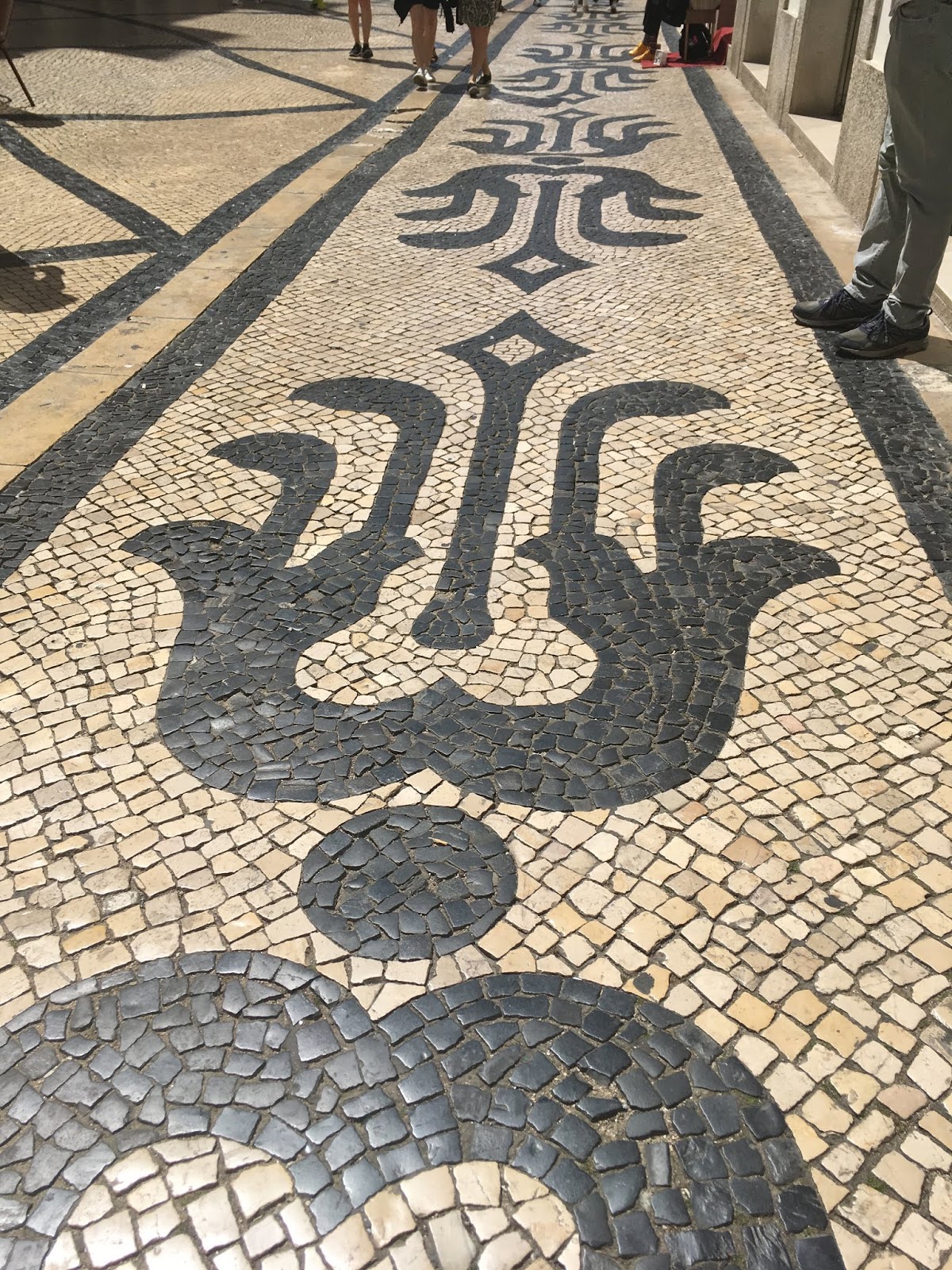
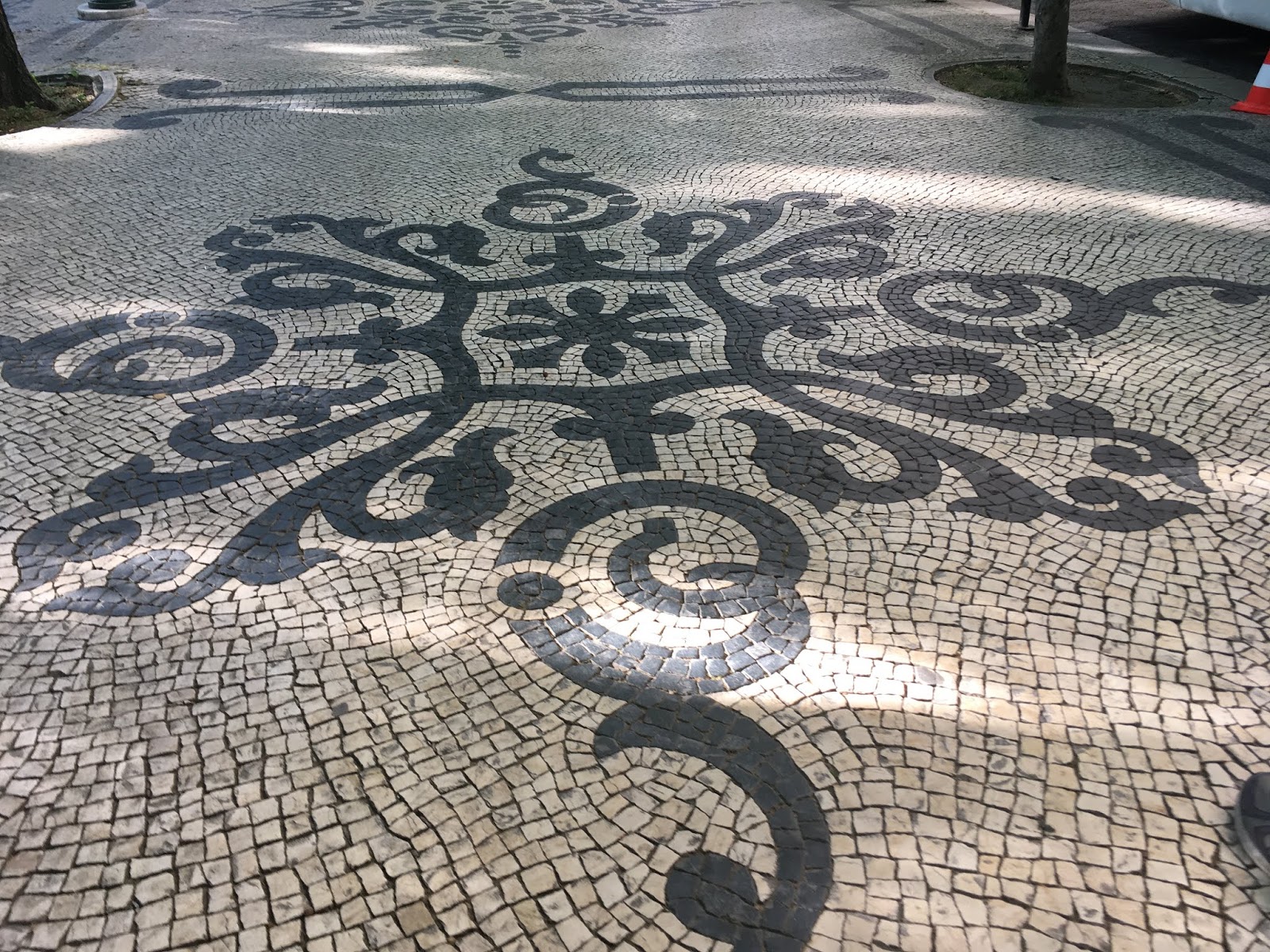
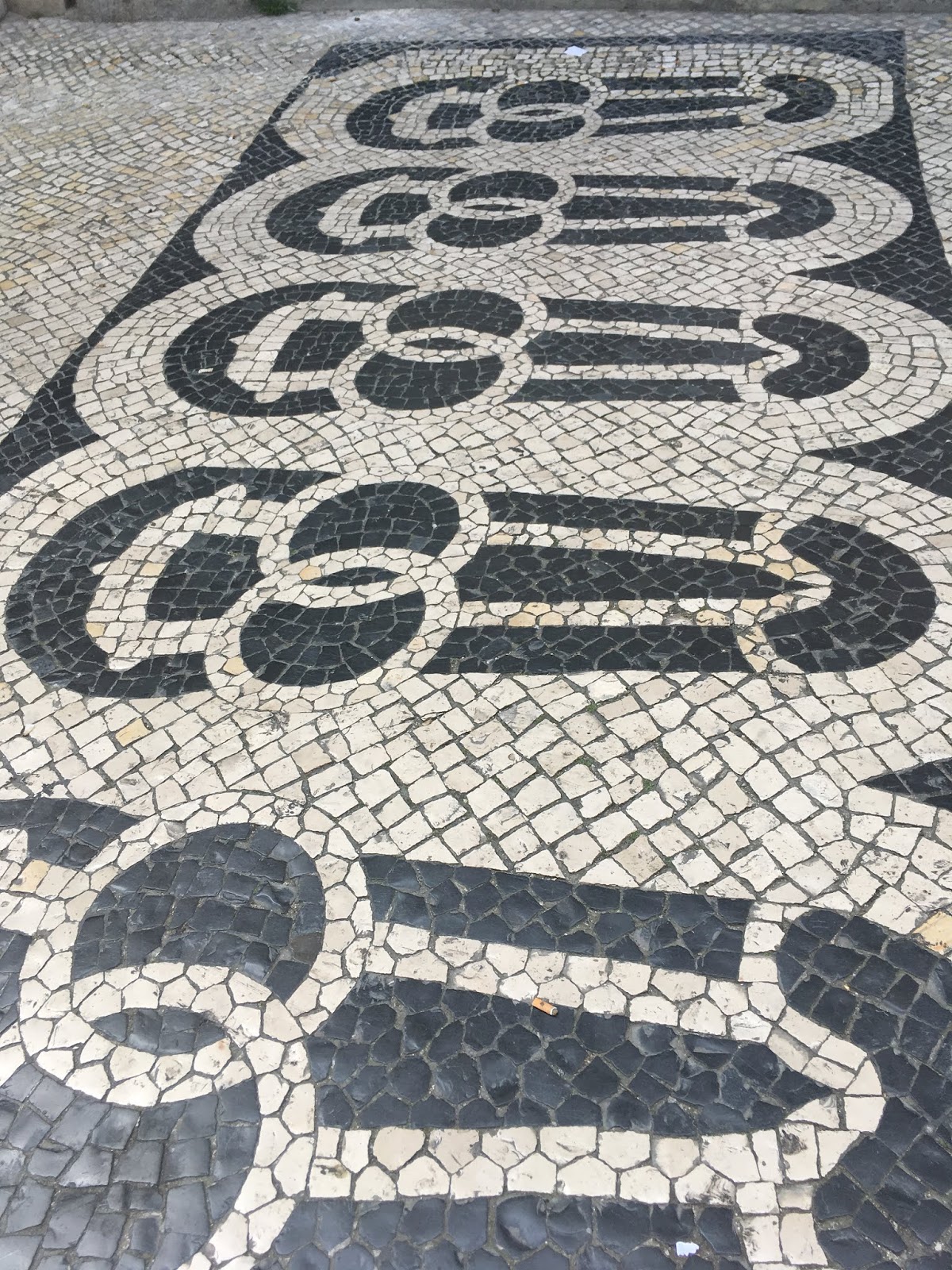
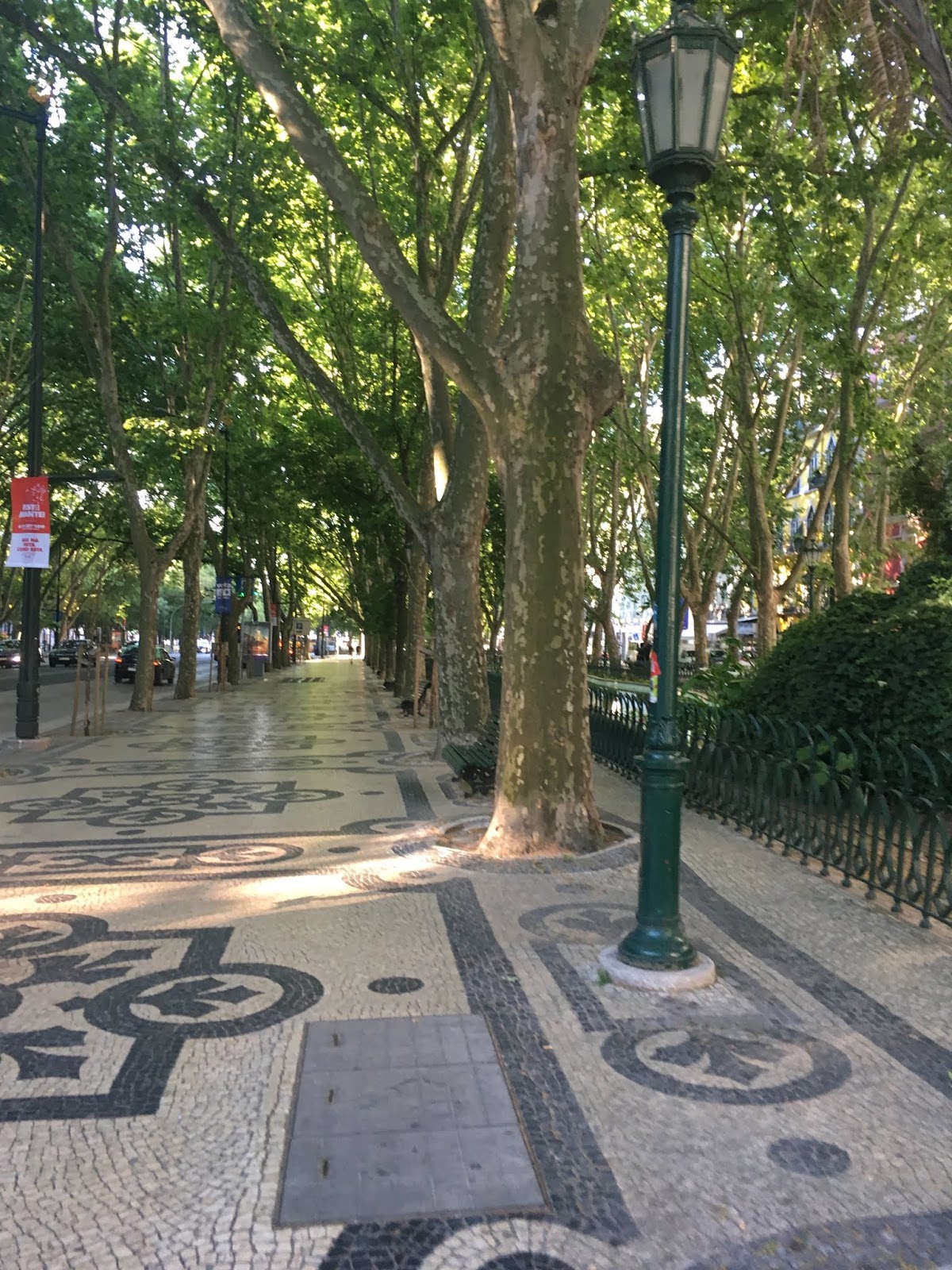
We marveled at Lisbon\’s sidewalks, along busy streets and serene urban pathways.

and continued viewing of spectacular tile.

We wandered through very distinct neighborhoods

Called the Brooklyn of Lisboa

    
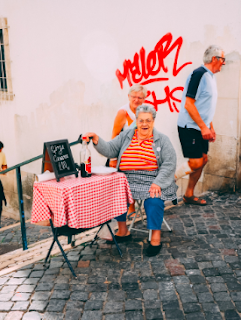
In the Alfama section, old women selling cherry liqueur shots for 1 Euro just like a lemonade stand (disclosure, took pic from internet, did not want to ask an old lady if we could take her picture).

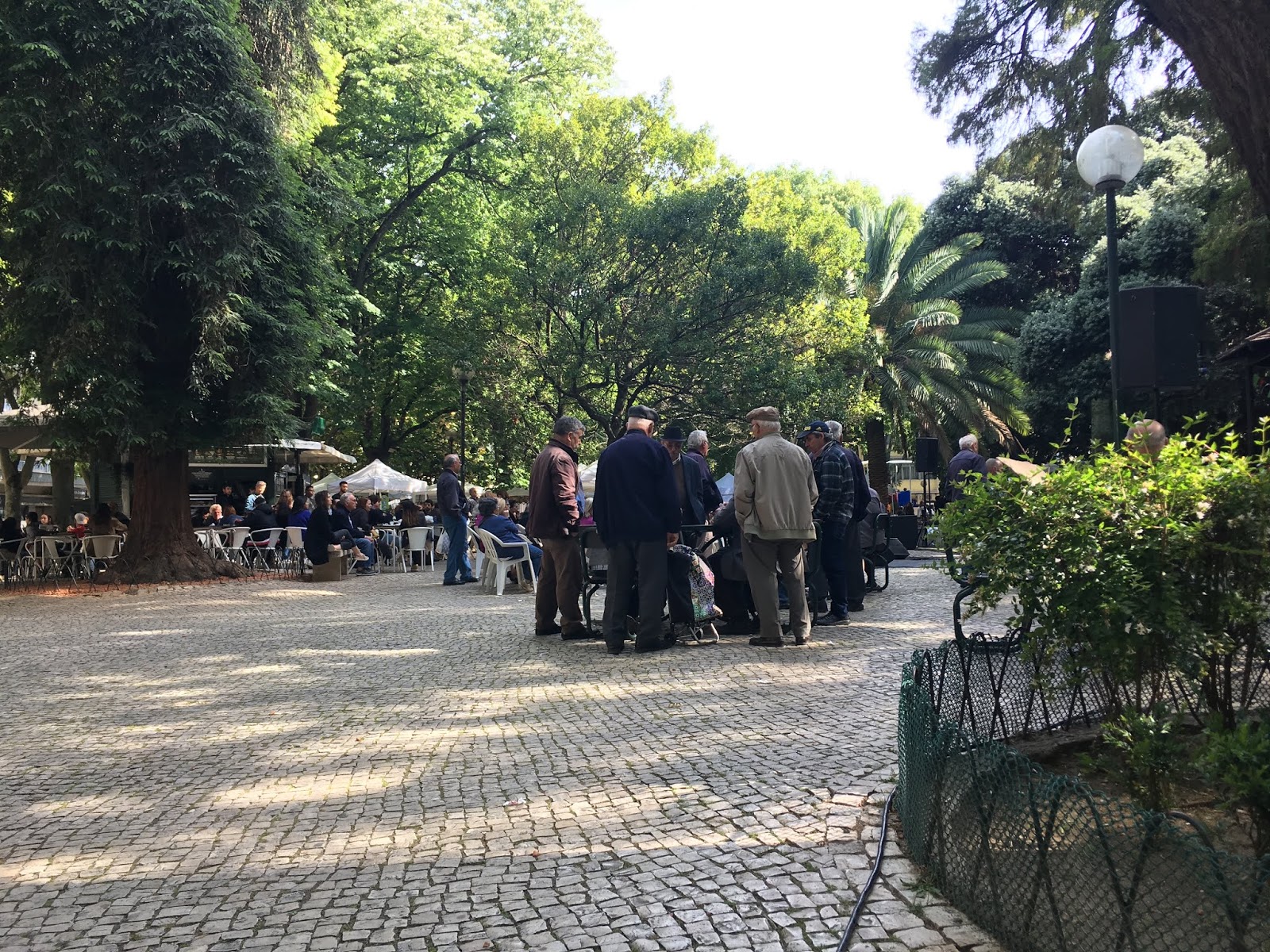
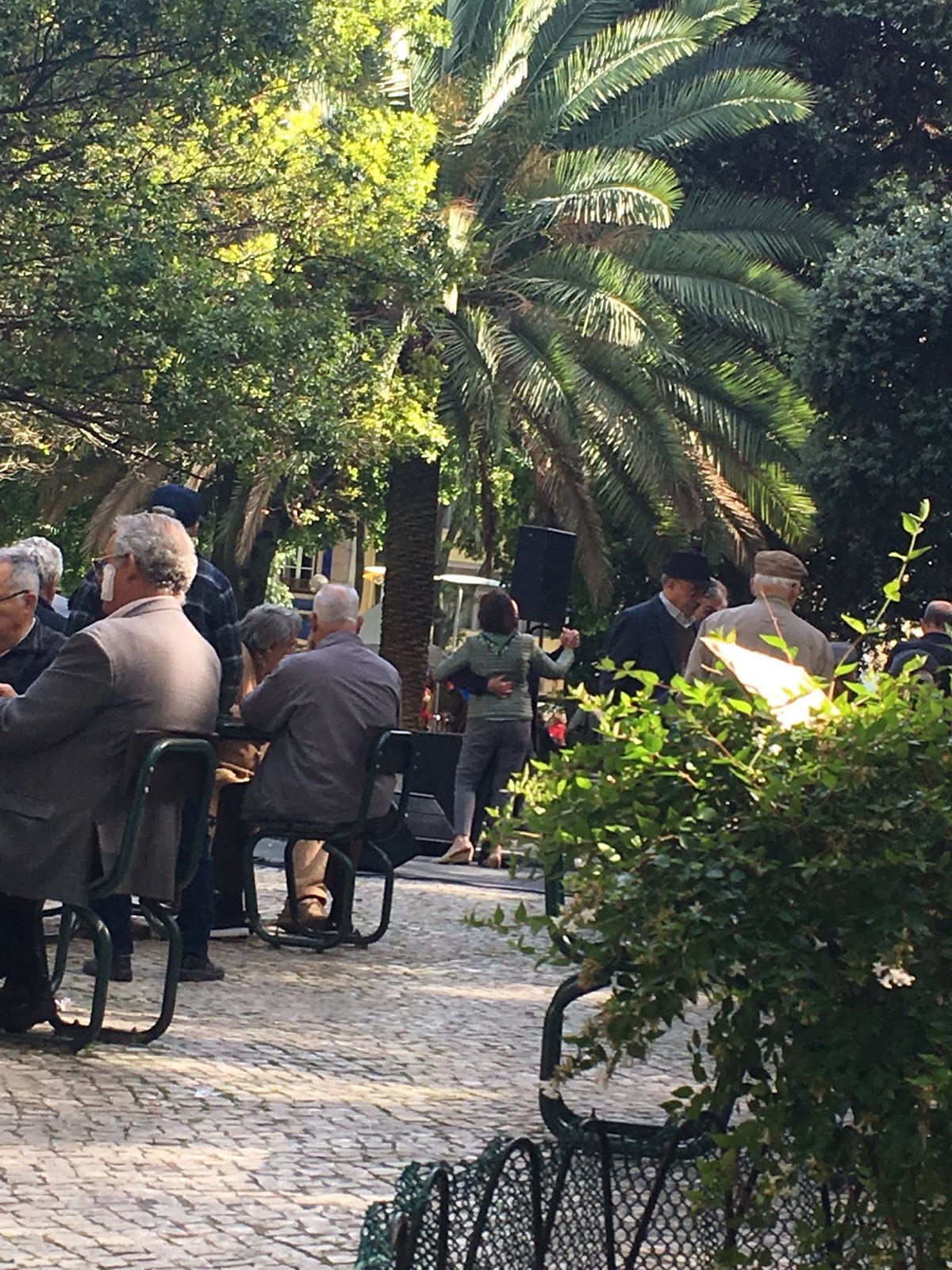
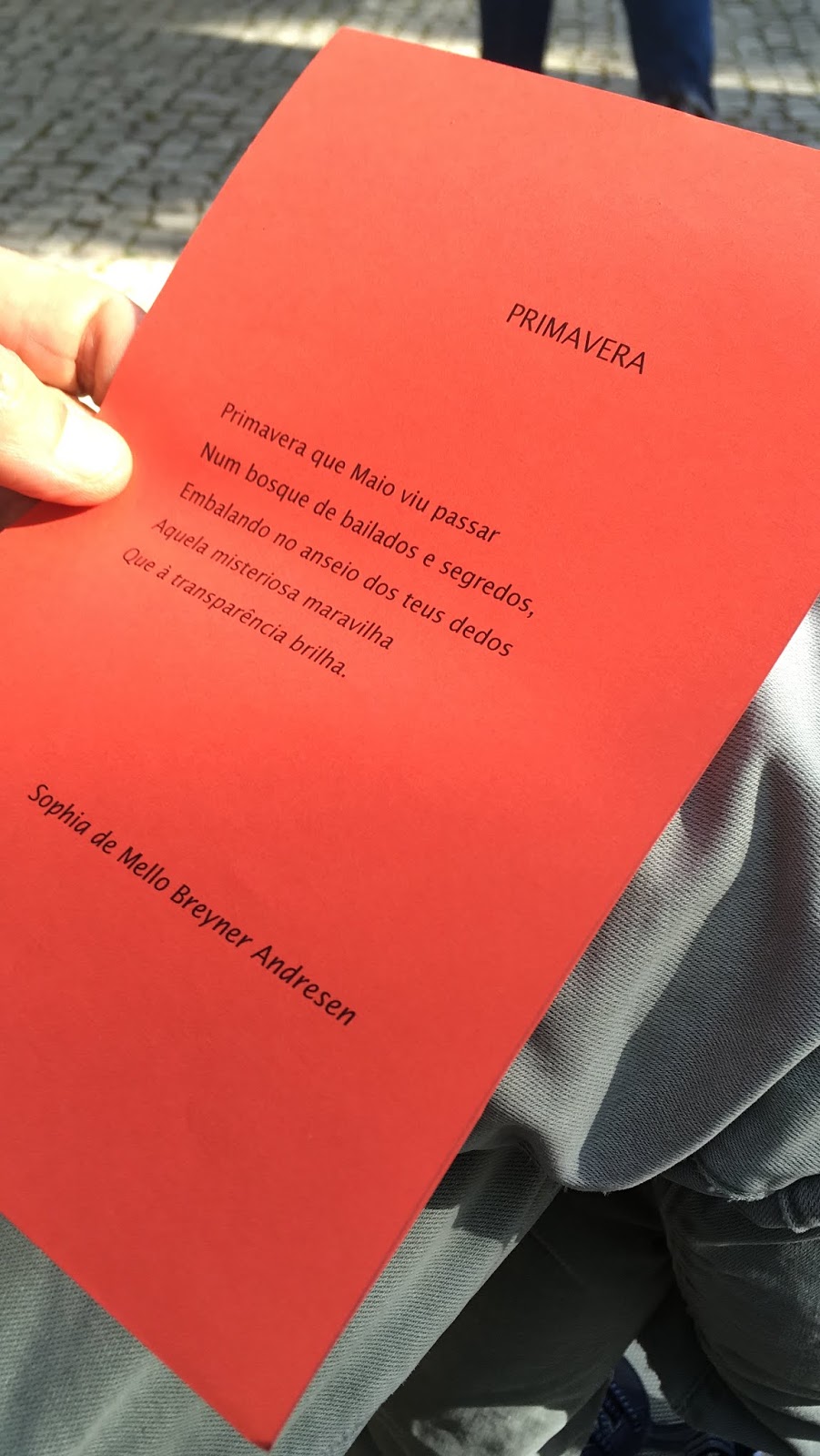
and found the square in our neighborhood where we stumbled on a poetry reading followed by first an elderly couple dancing, who were joined by others in the audience and then joined by a bunch of graduates dancing in their graduation gowns.

Ubiquitous old men at tables in the park
Dancing after poetry reading
A poem we were given

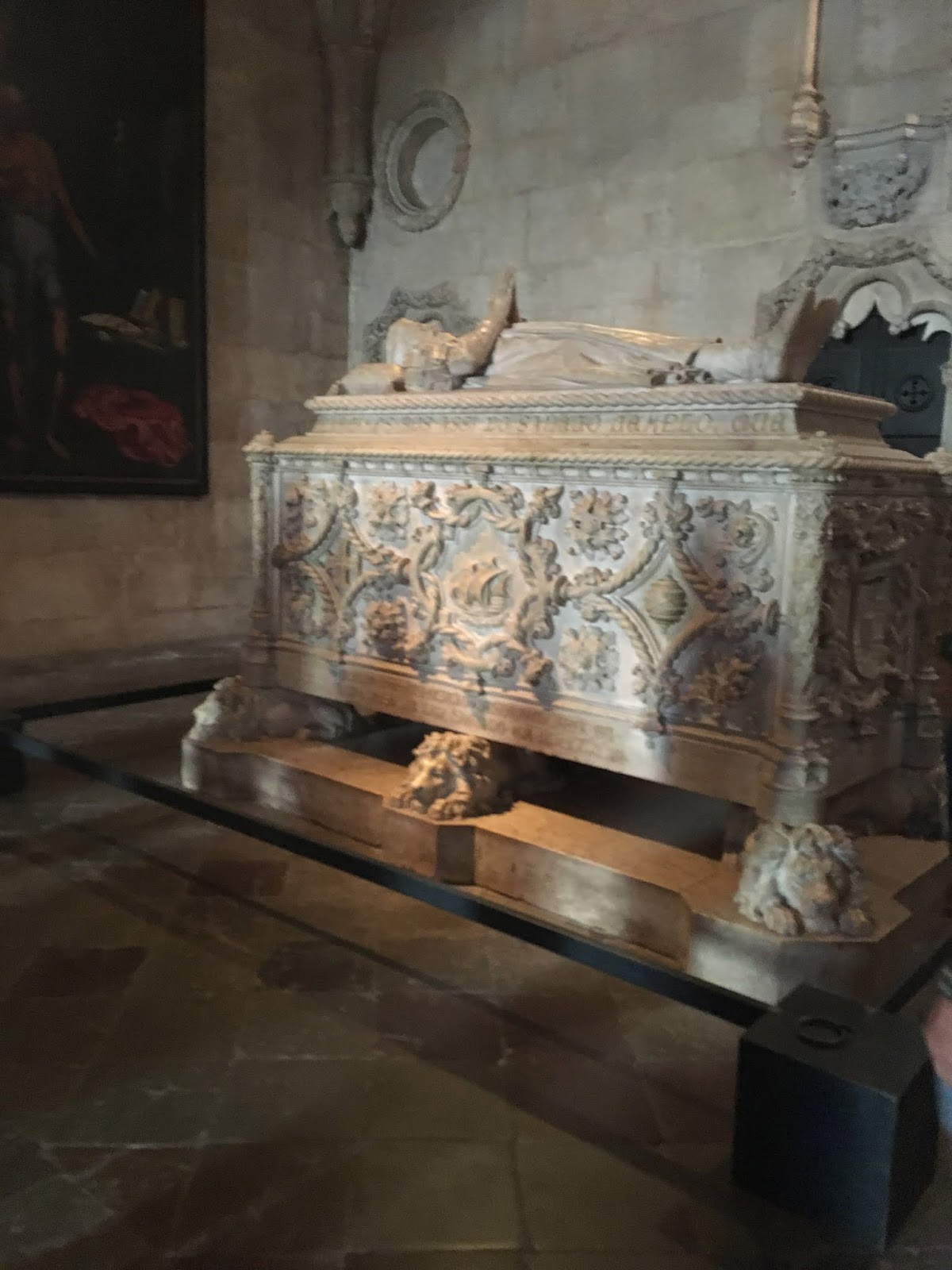
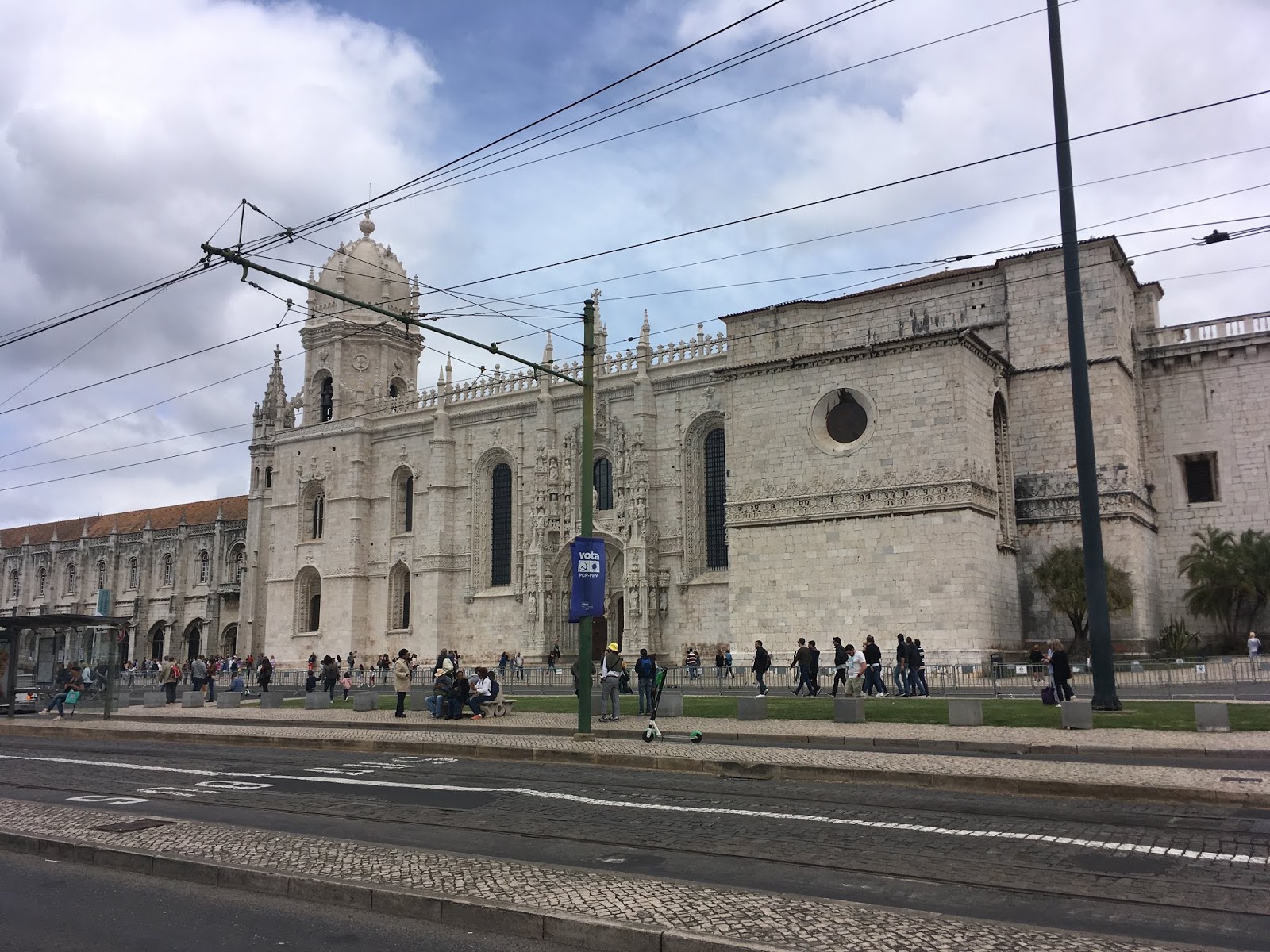
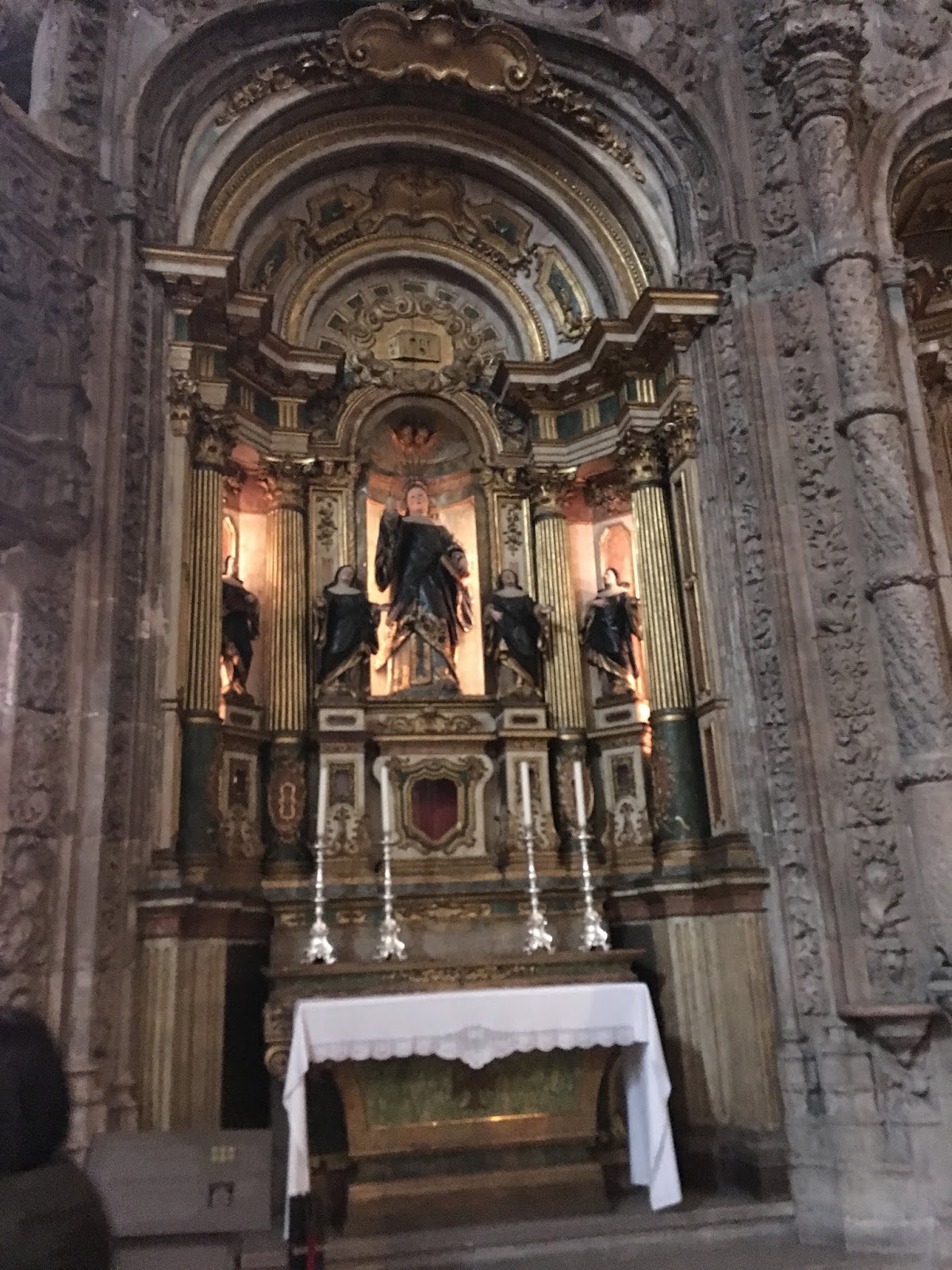
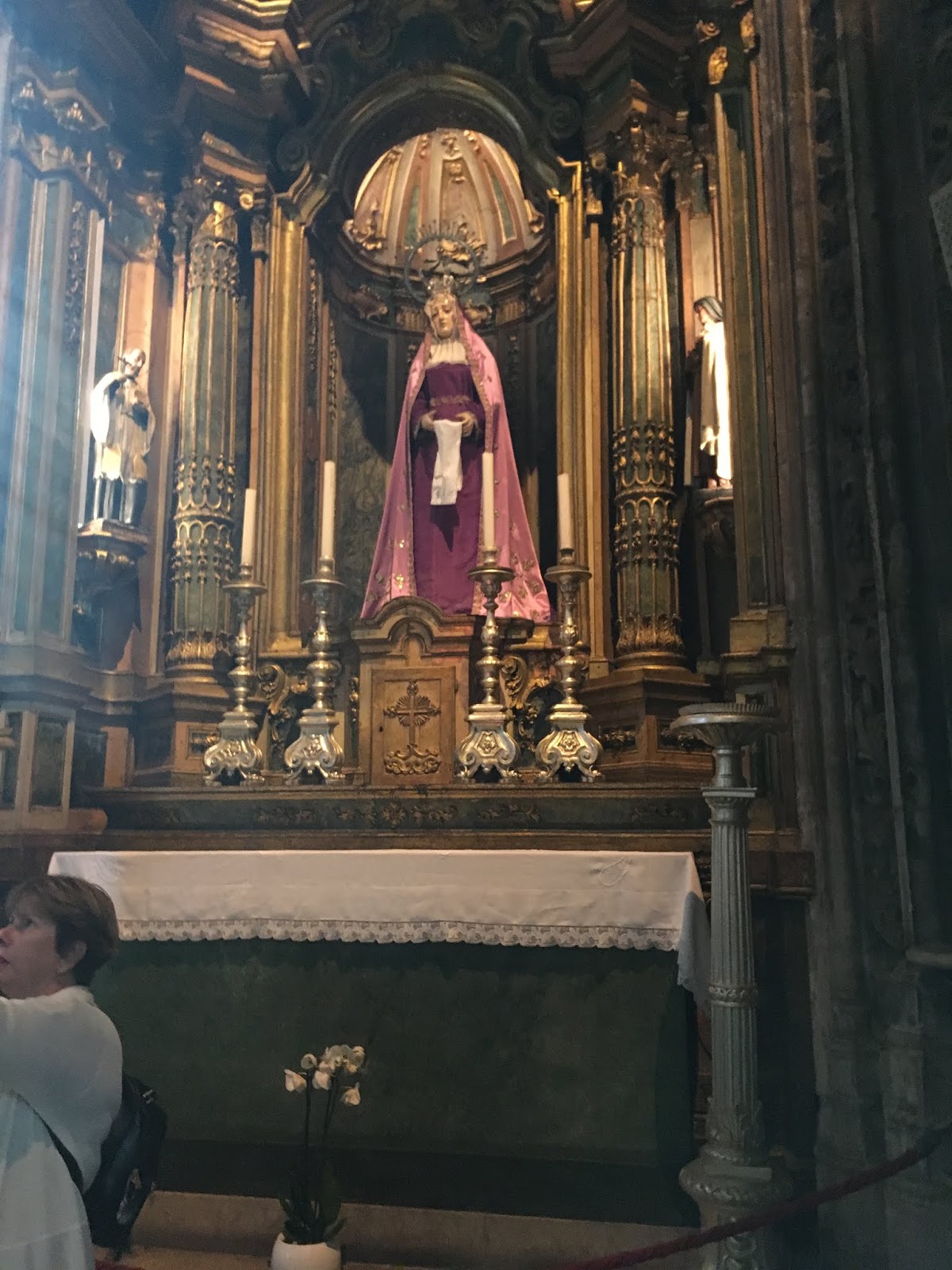
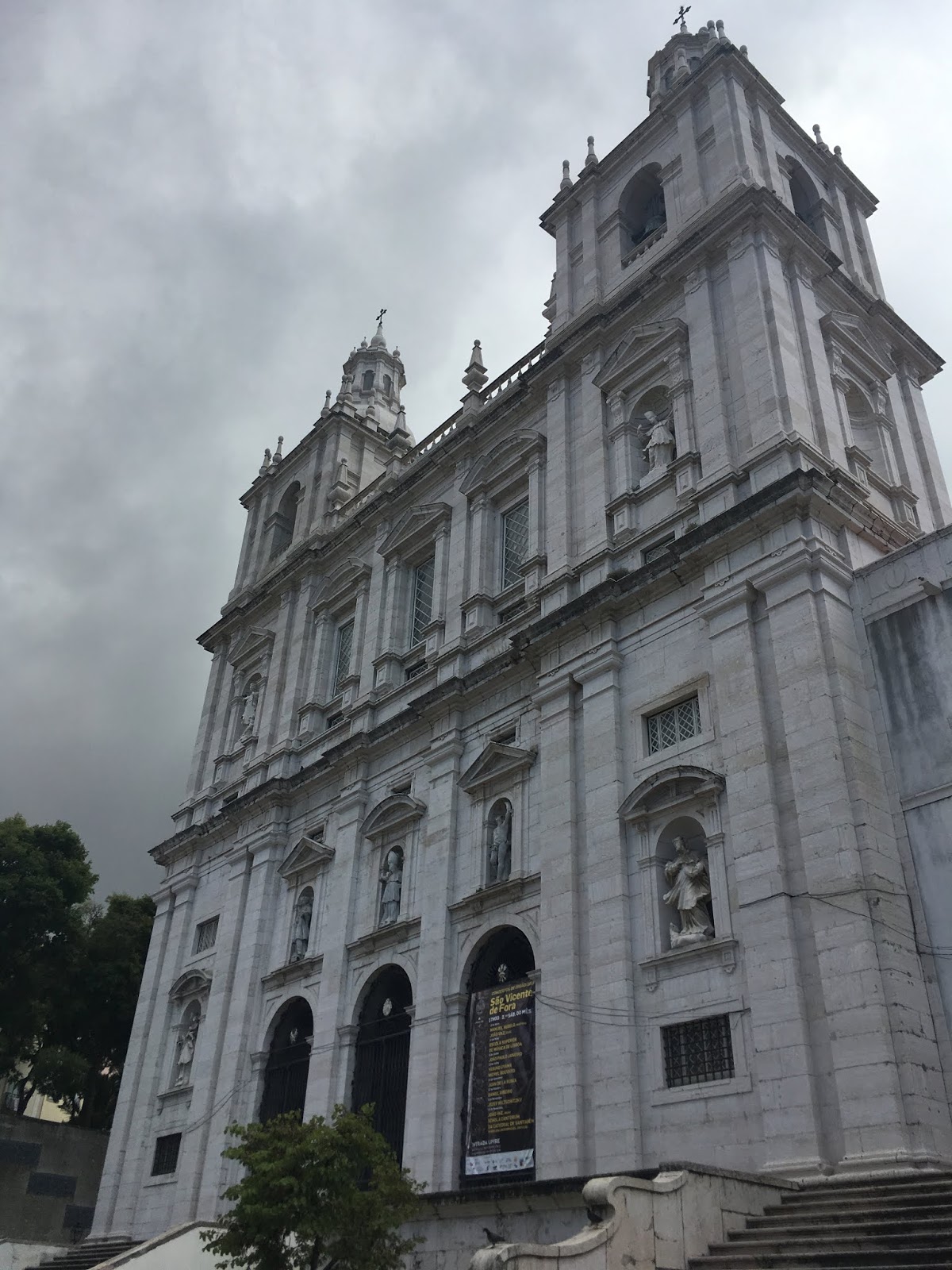
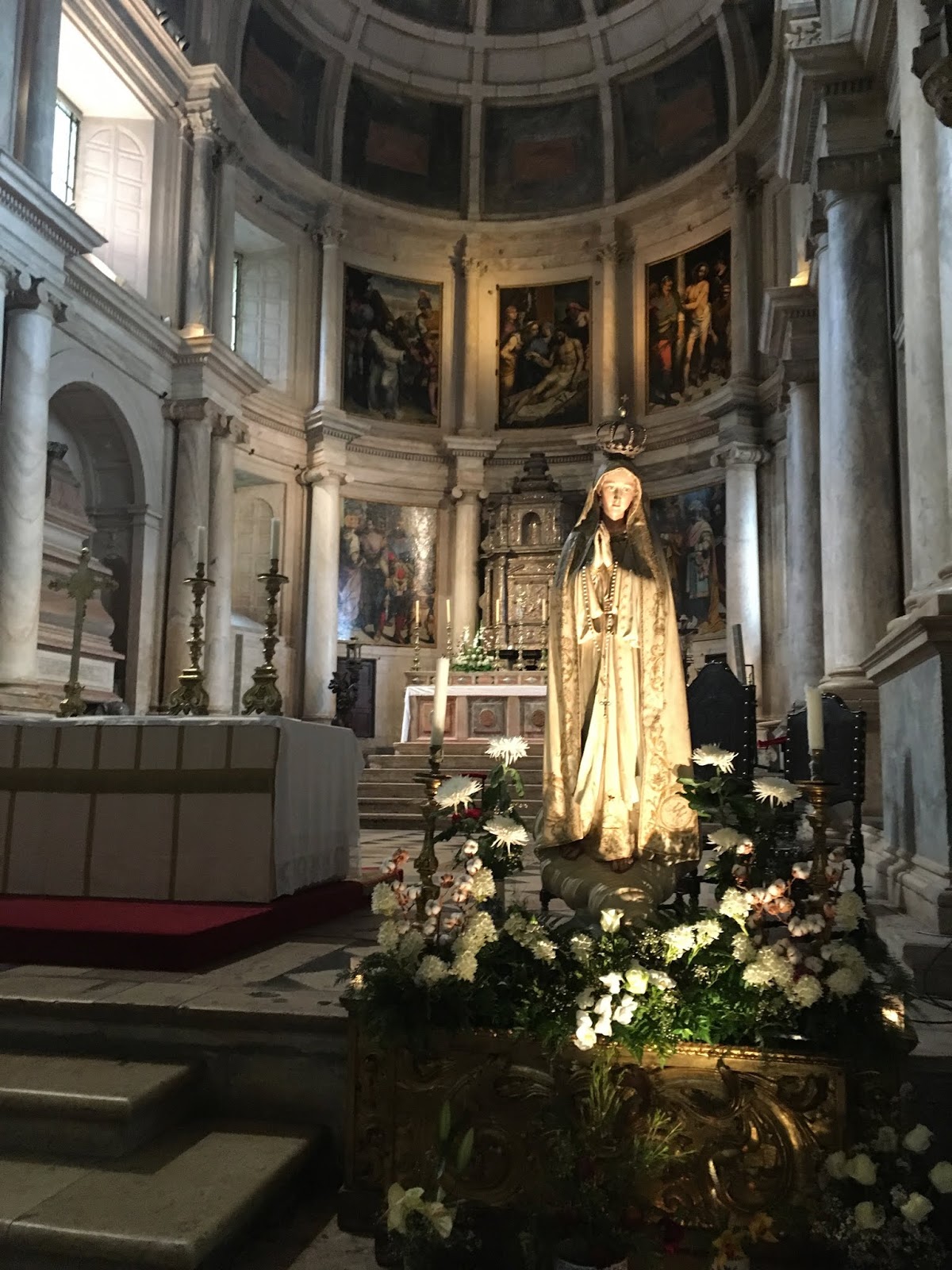
Usually, we find, that a lot of the standard tourist attractions are over-hyped which often leaves us underwhelmed after visiting but not so in Lisbon. The tourist attractions were actually attractions. Tomb of Vasco de Gamma! Monasteries! Churches! Museums!

                                                                                
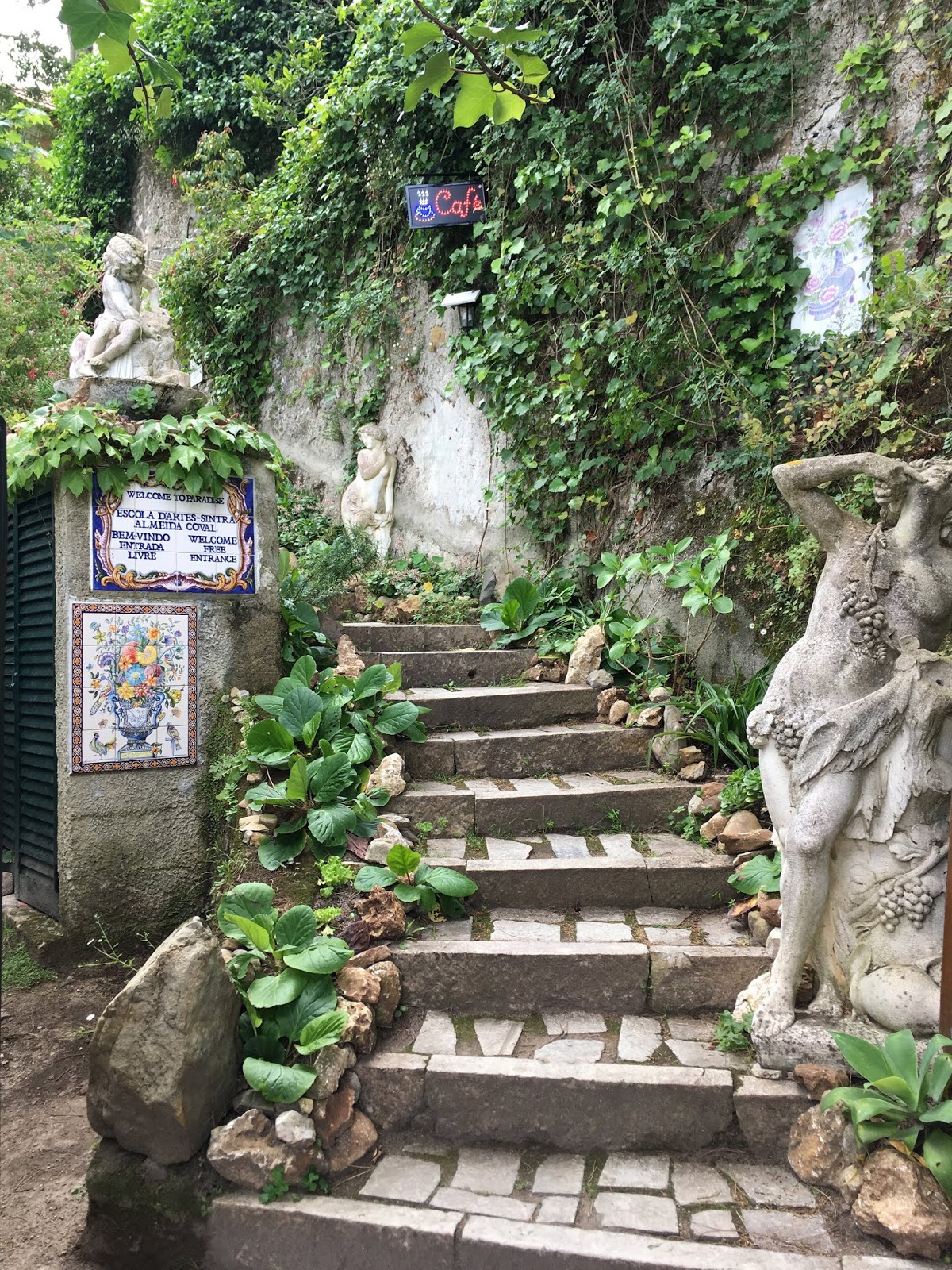
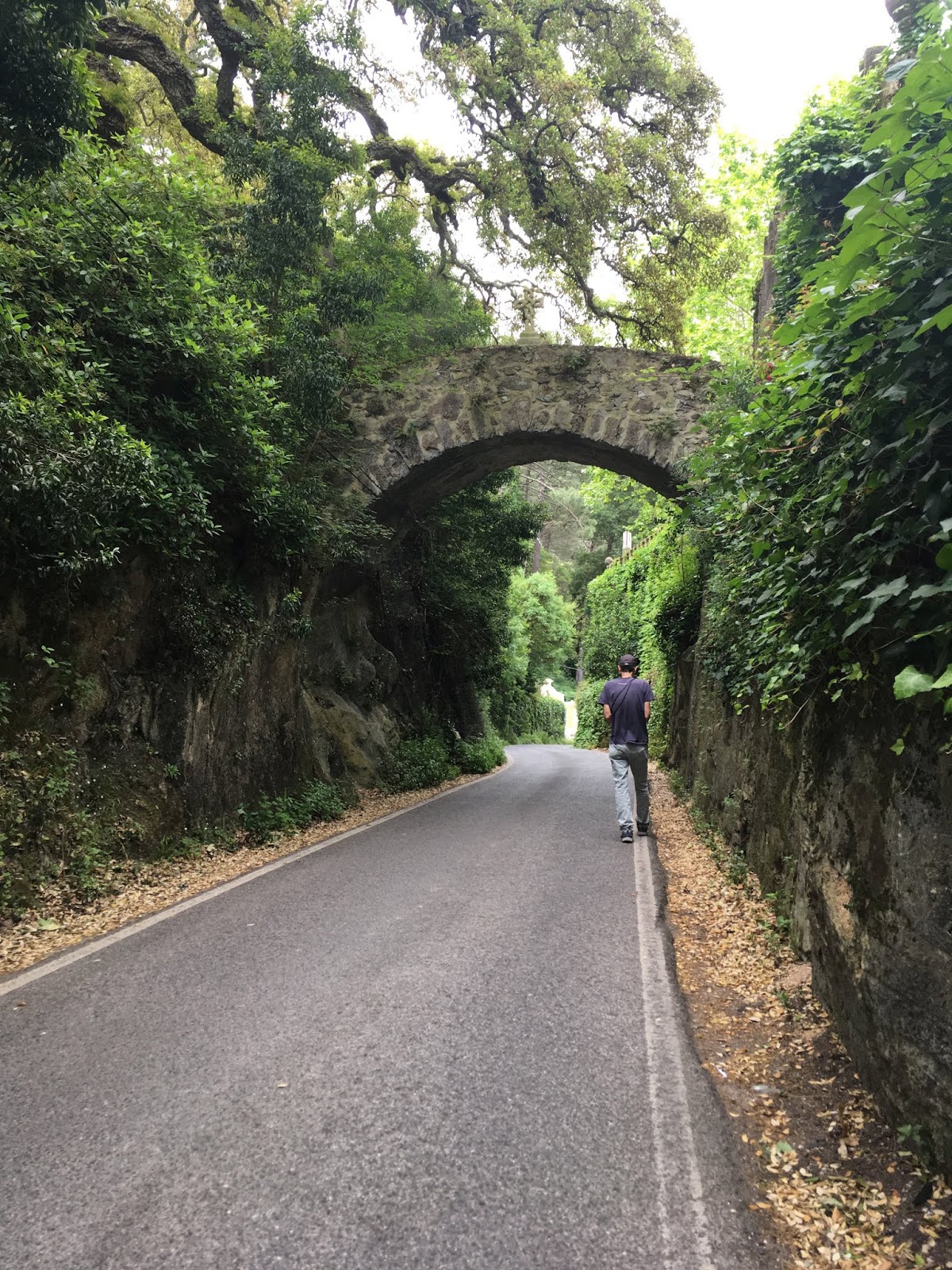
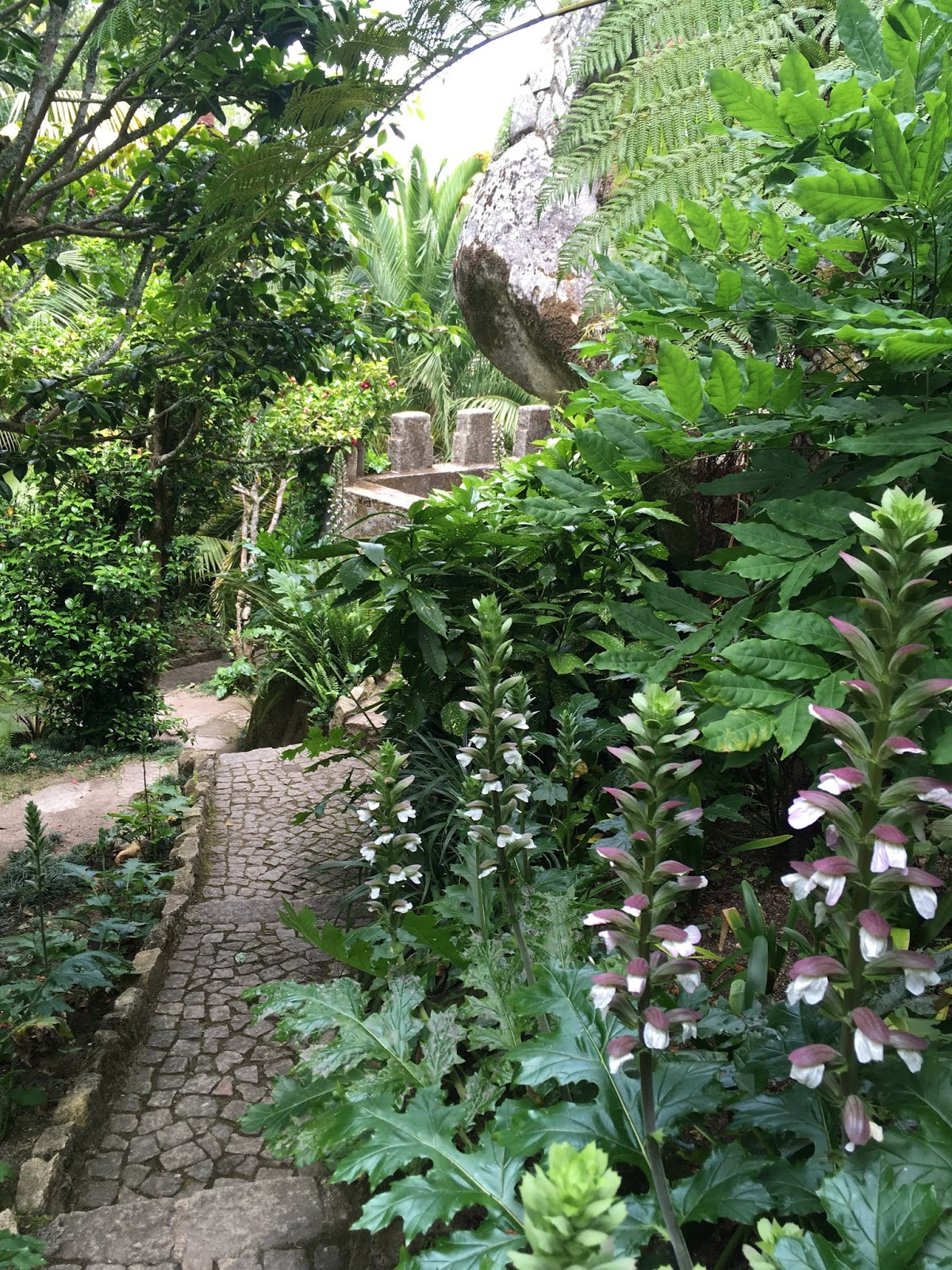
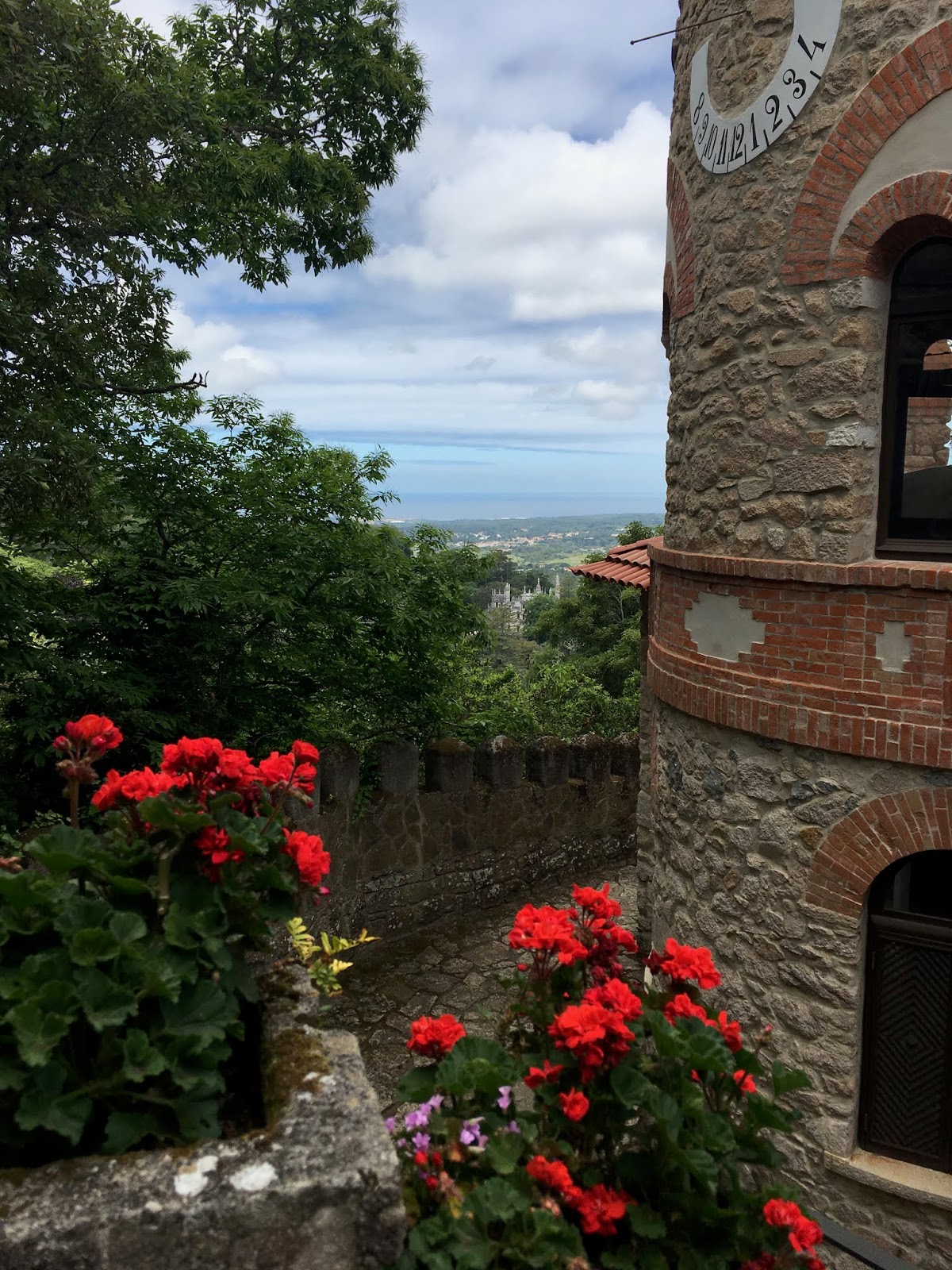
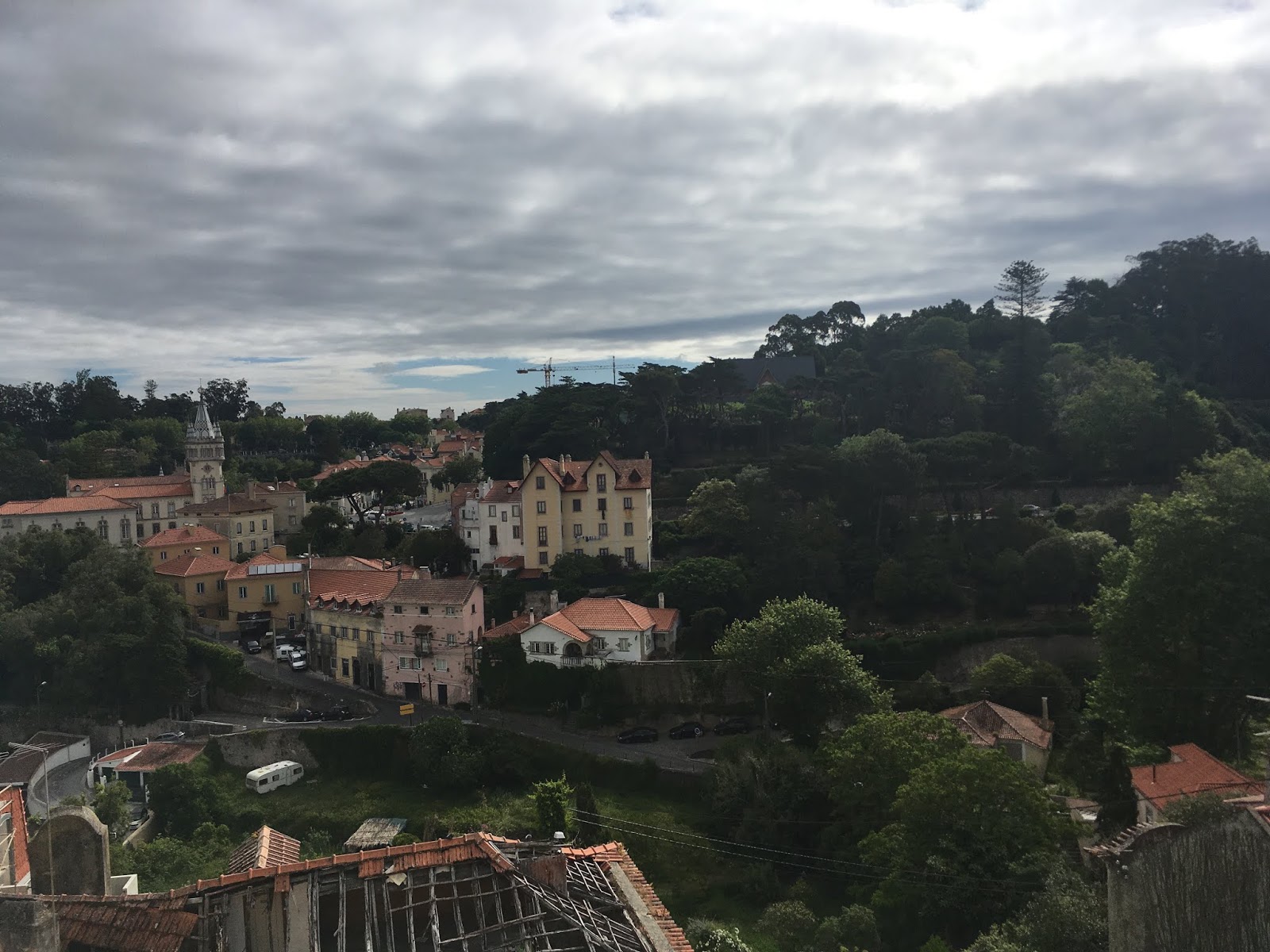
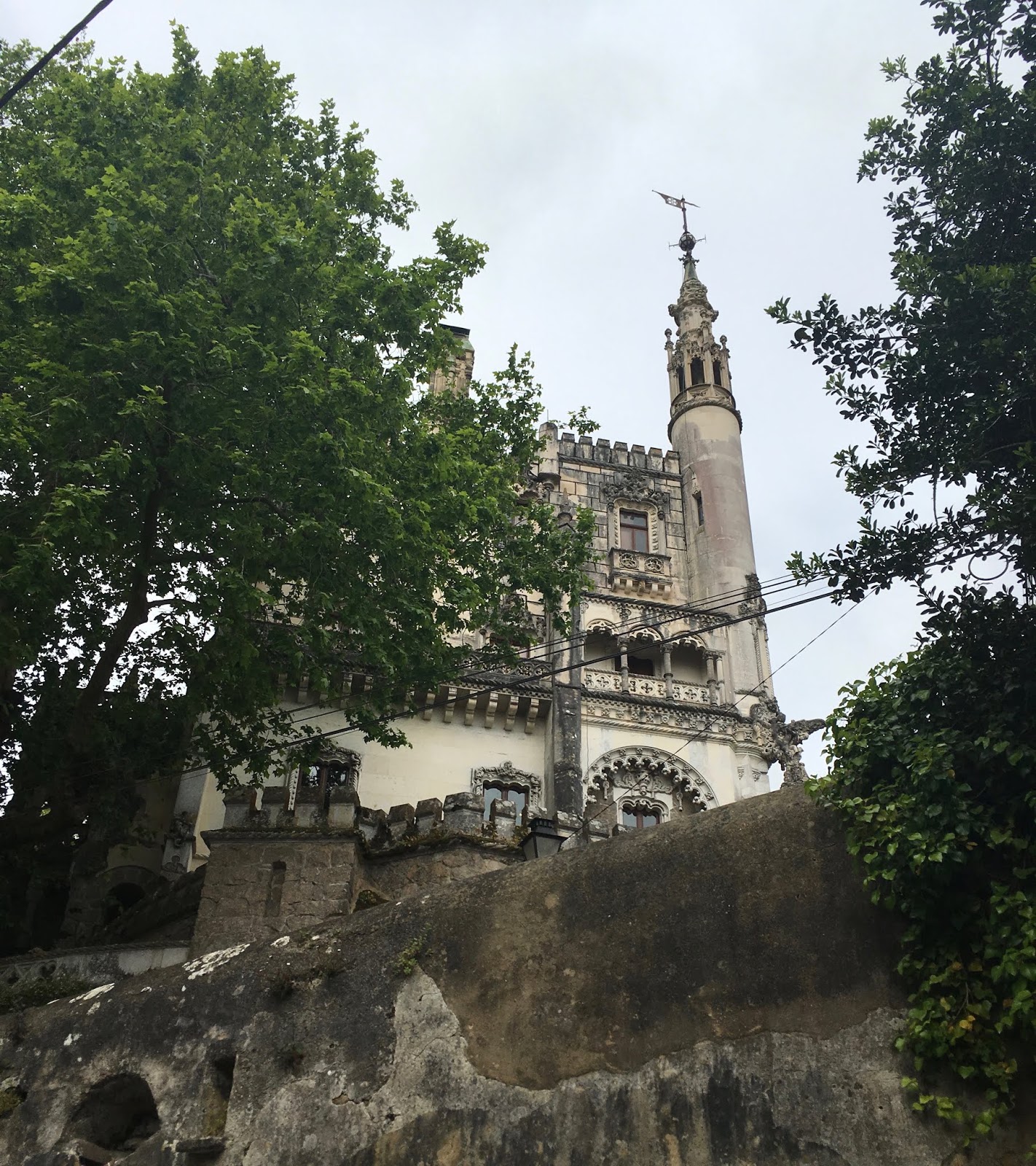
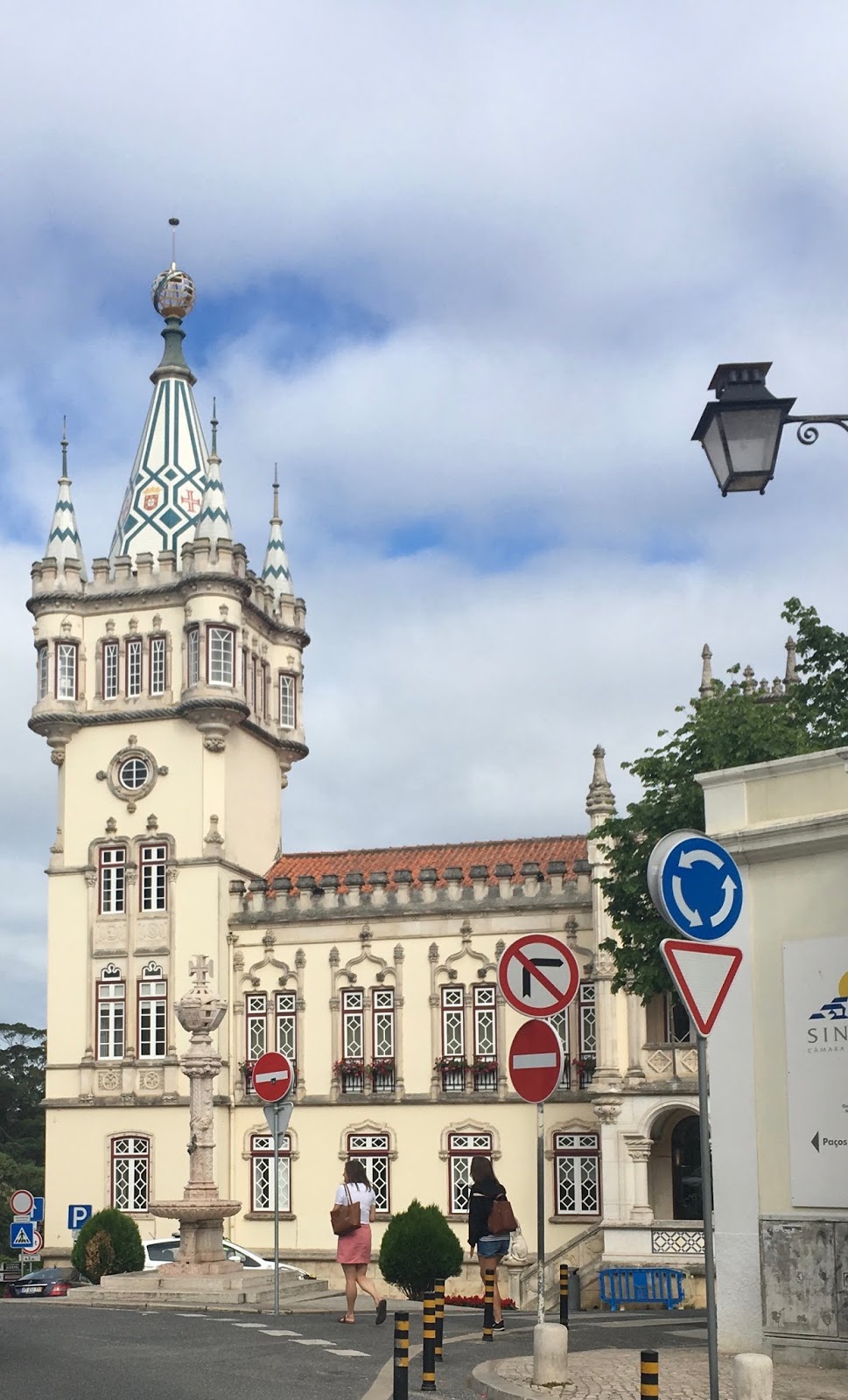
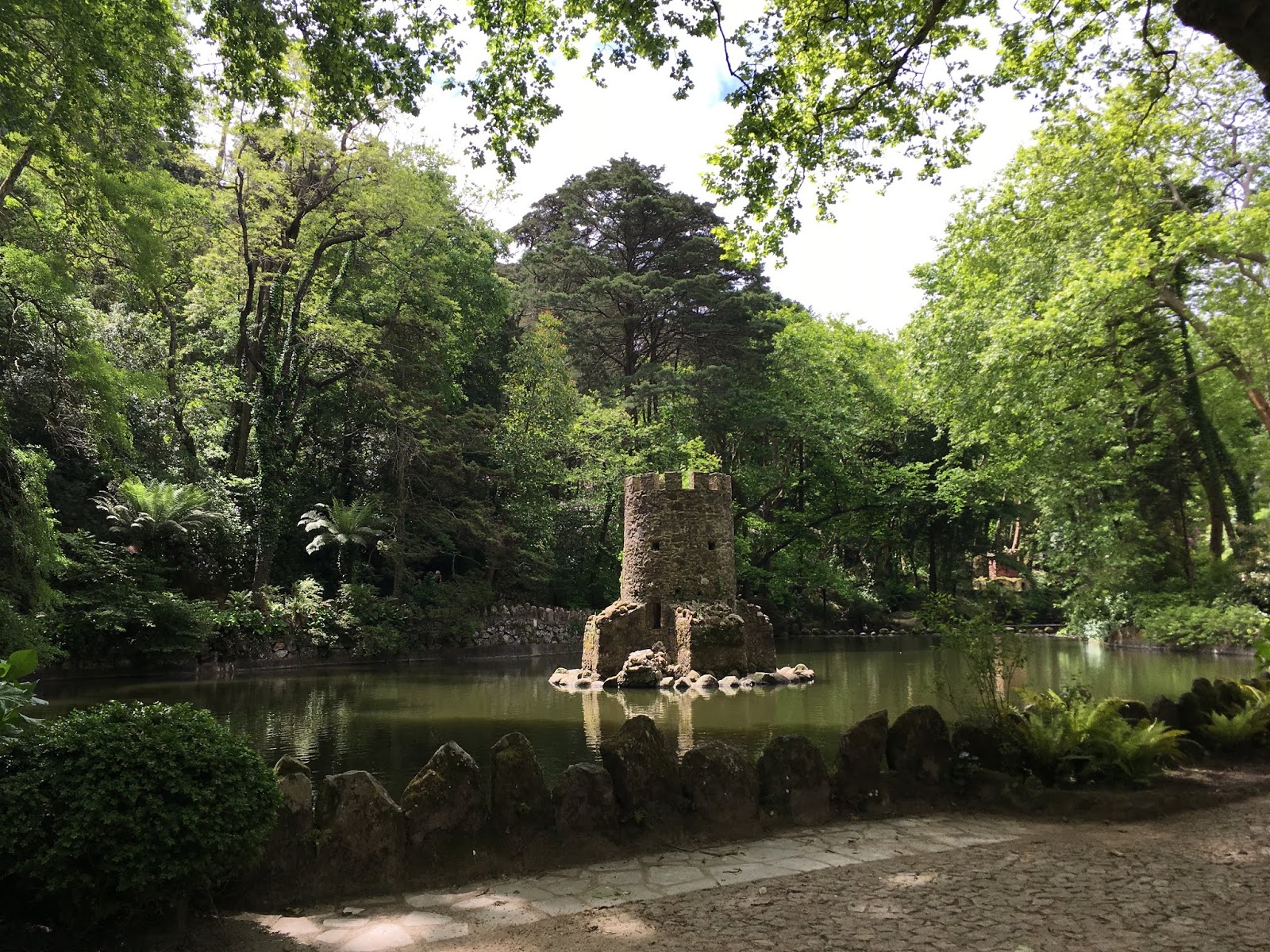
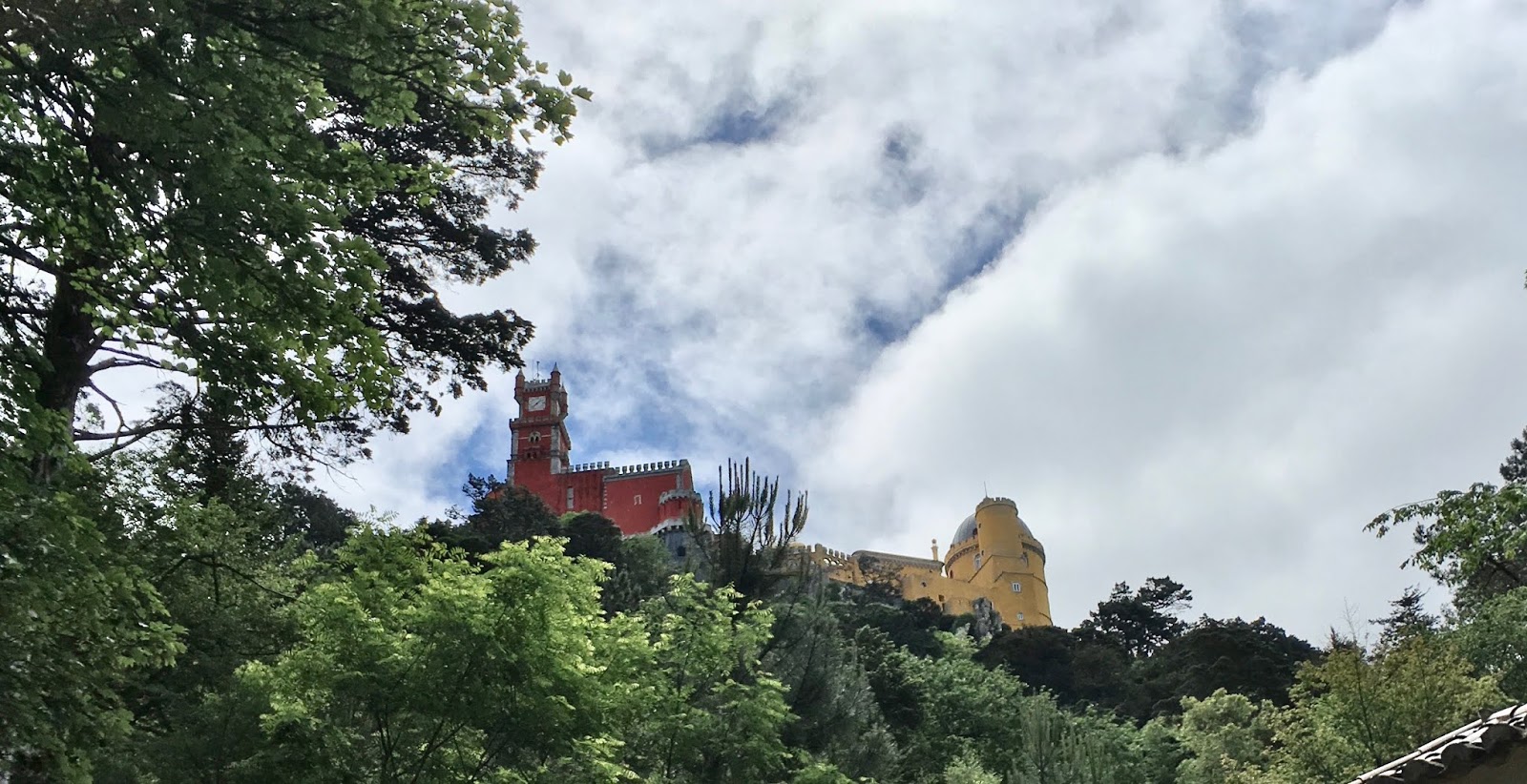
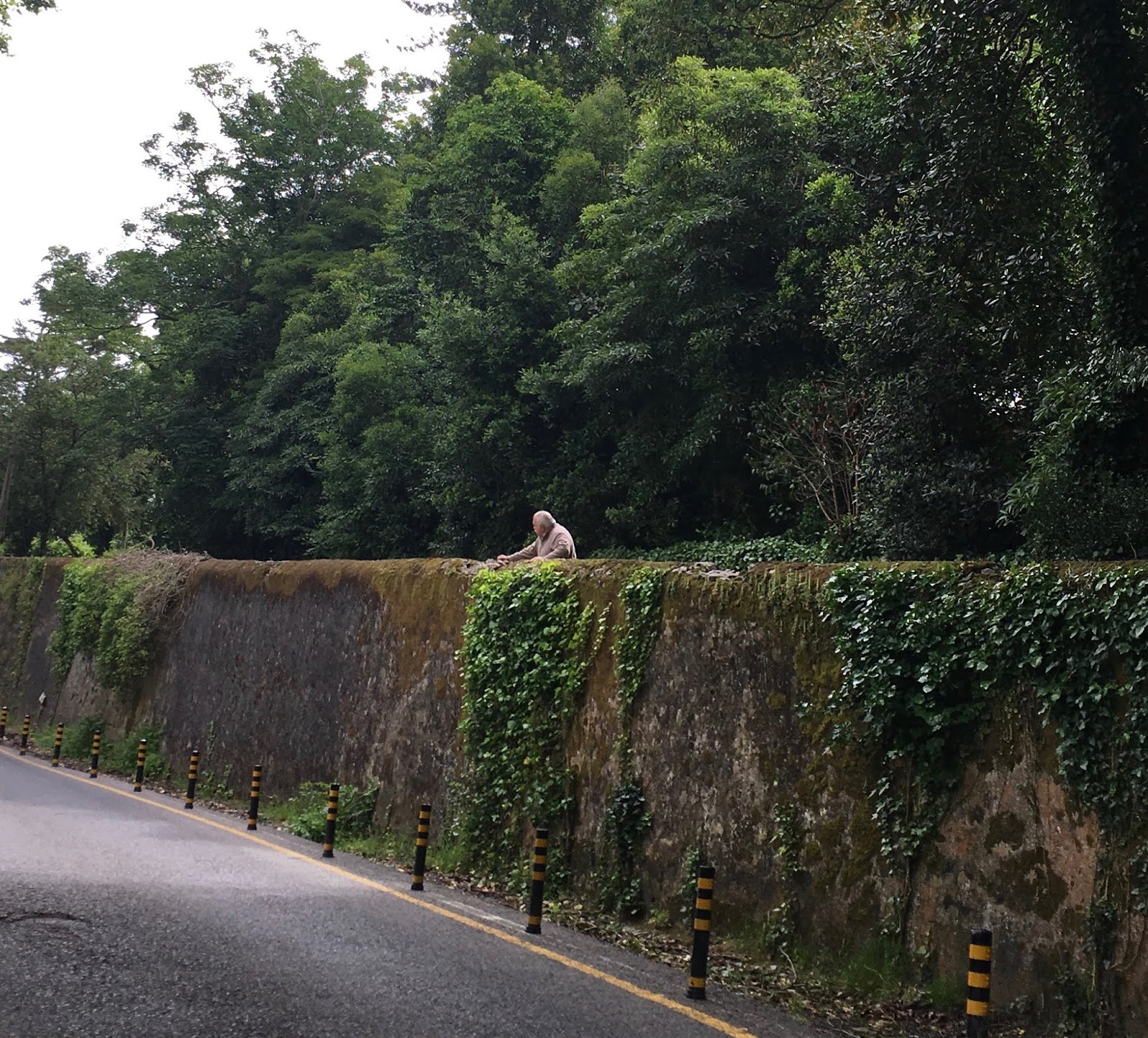
If Lisbon was not special enough, so were the surrounding areas. We first went to Sintra, a town with medieval ruins and 19th century vacation estates and palaces built by the Royals, each with their own hunting grounds and gardens.   It really felt like a magical place.

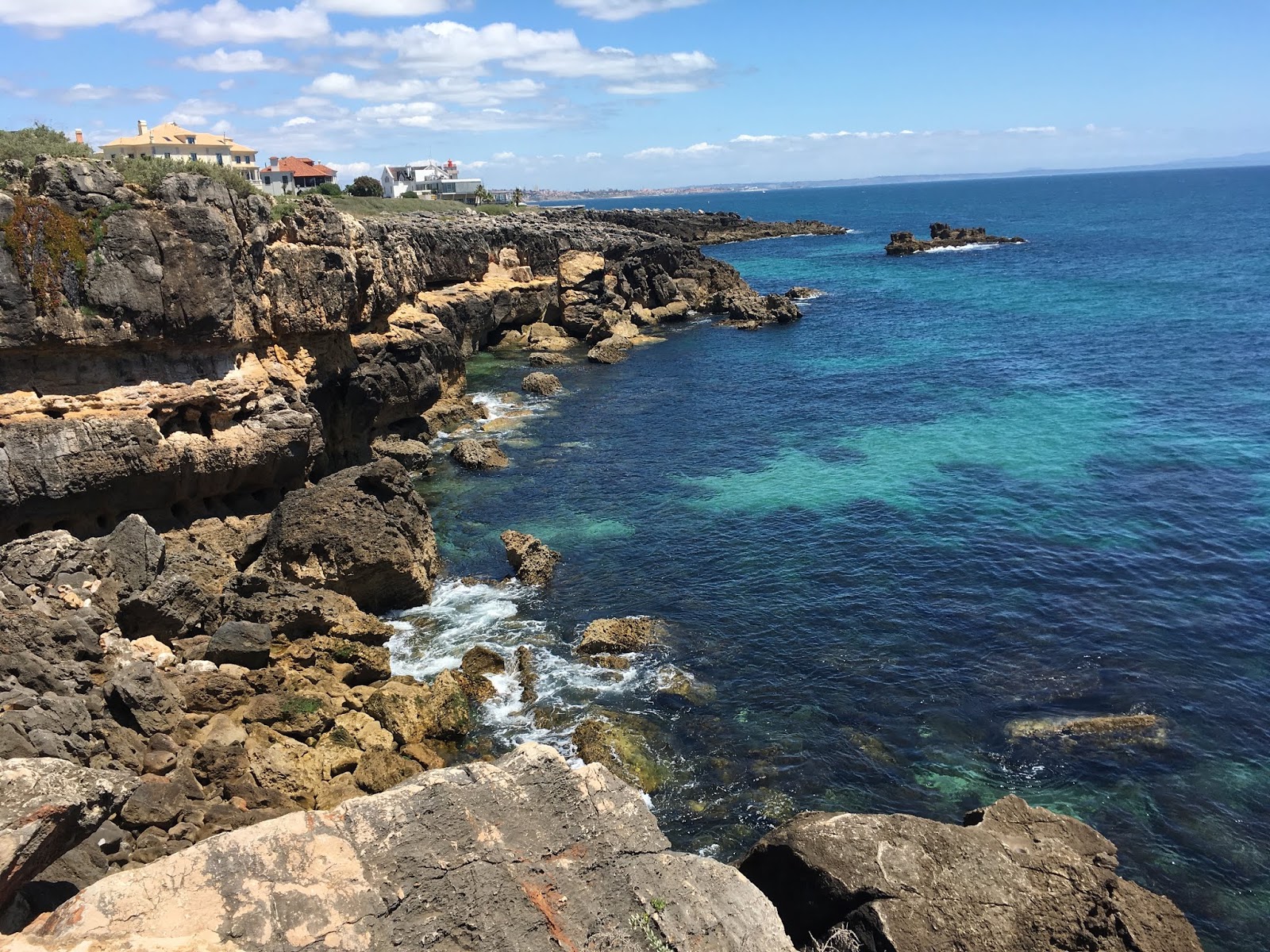
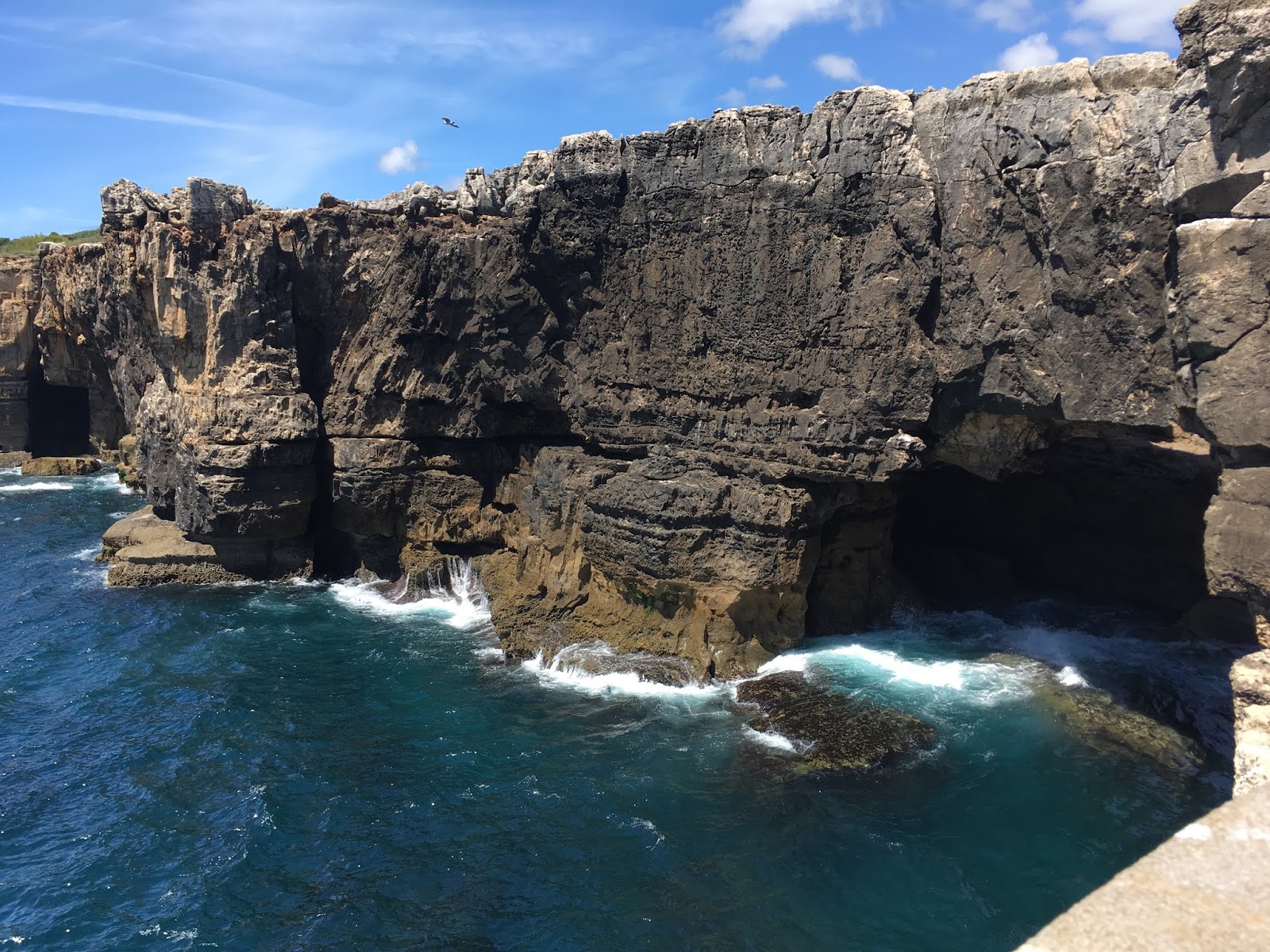
We also went to nearby Cascais, a touristy beach town but with a very dramatic shoreline.

This week\’s photo of  topless old man looking out window contemplating his life …\”Damn, the pavement is always grayer on the other side of the fence.\”


Walk This Way

(Old Word-Press format so it looks pretty bad, sorry)

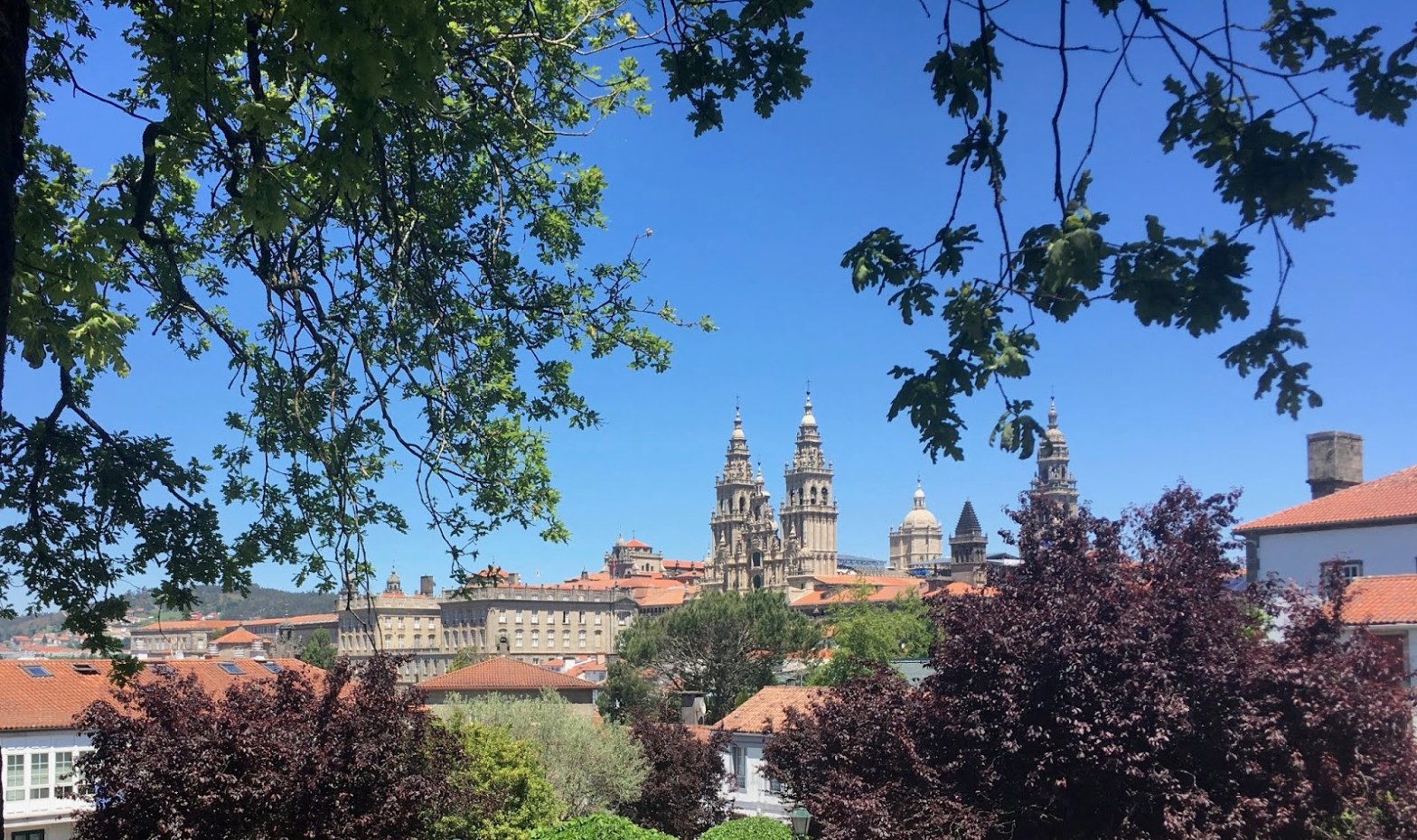
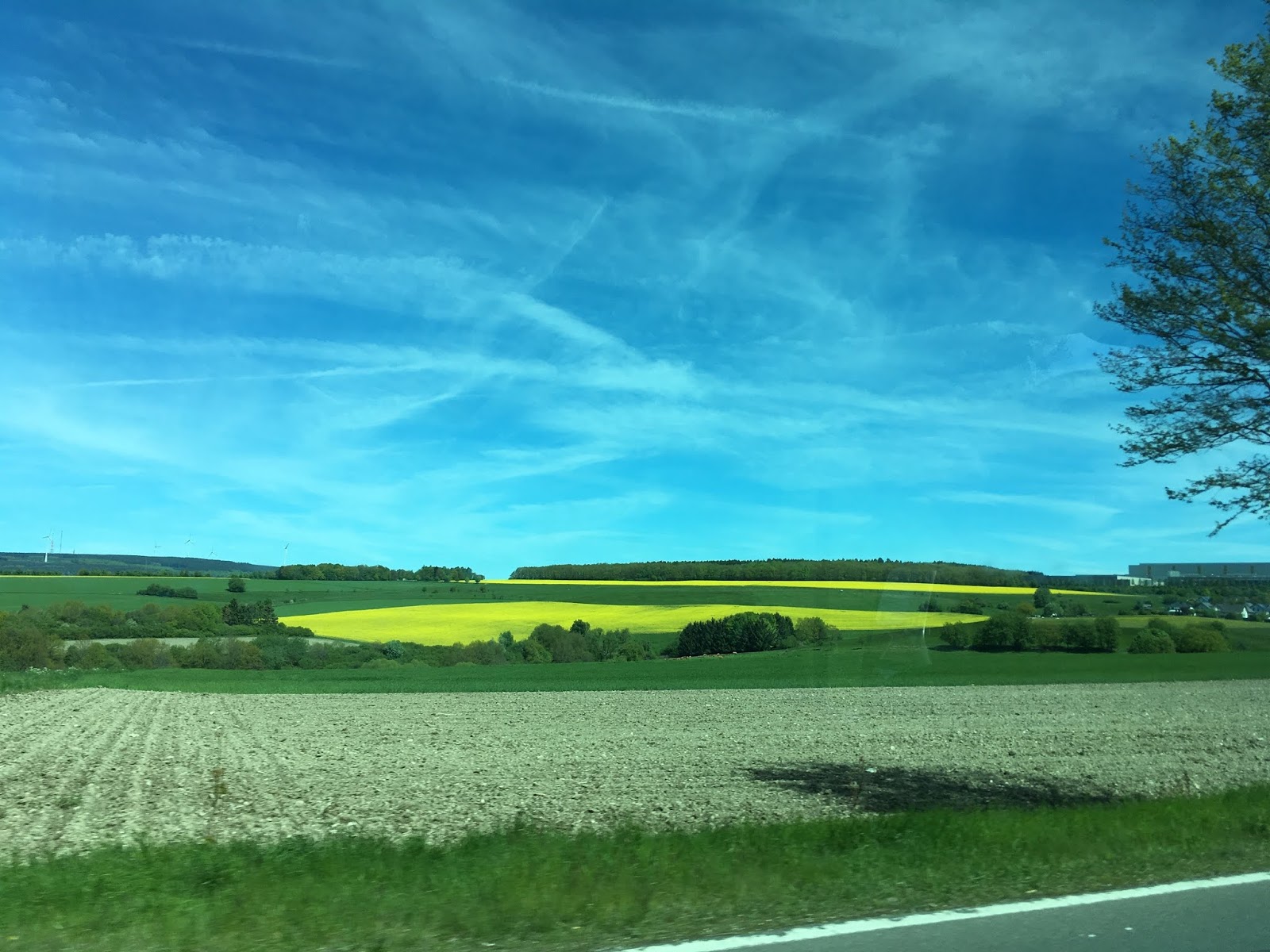
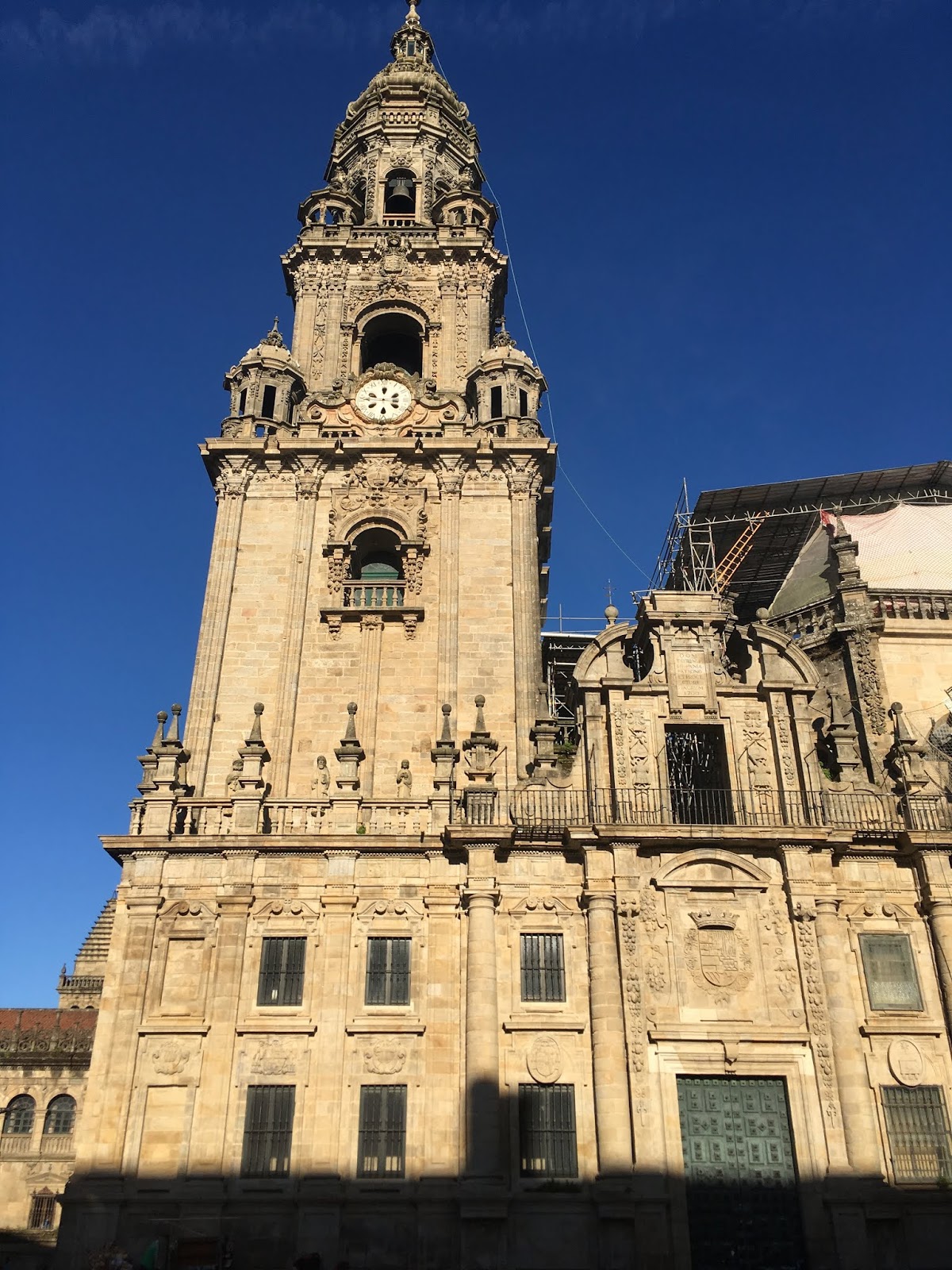
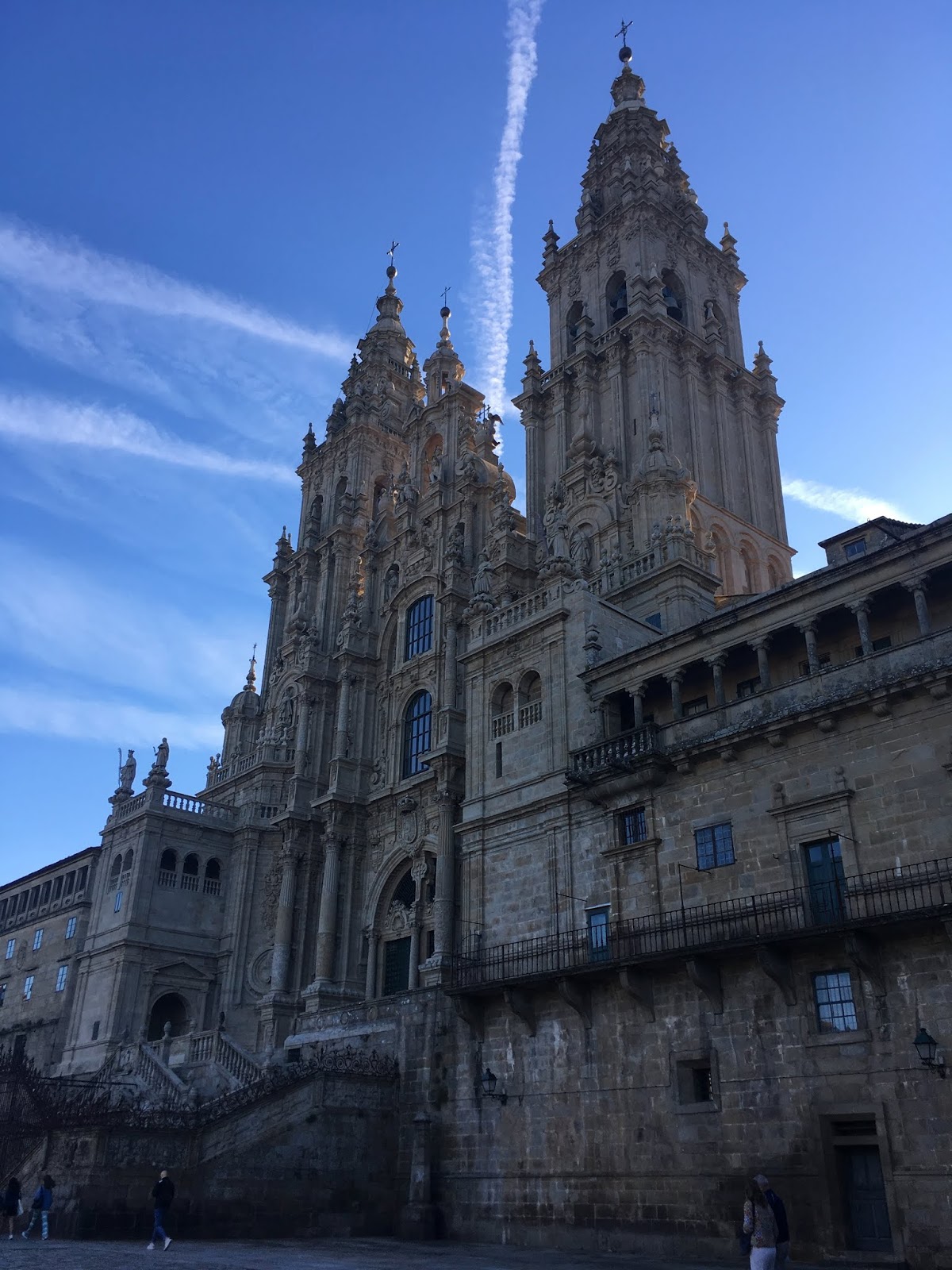
We left Saarbrucken, not via Luxembourg City but out of the smaller of Frankfurt’s two airports, Frankfurt Hahn.  Took a mini-bus from Saarbrucken through acres of mustard fields.  Of course, Frankfurt was surrounded by mustard.  We started our Iberian Peninsula trip at the finish line-Santiago de Compostela in northwest Spain.  It is the famous endpoint city of millions of pilgrims since the 814 AD. The Camino de Santiago or the Way of Saint James http://santiago-compostela.net/ is a network of hiking trails covering hundreds of miles through Portugal, Spain and France.  The goal for pilgrims, once the city is reached is the Cathedral of Santiago de Compostela where the remains of apostle Saint James are kept.  Once inside the traveler gives the statue of St. James a sweaty hug from behind.  We entered the church walked up the altar steps allowing access to St. James from behind, then walked down the other side.  Not knowing the tradition, we gave him a pat on the back “good job Jimmy, time to hit the showers.”


The streets are packed with pilgrims, almost all with walking sticks clanging the cobblestone sidewalks (Compostela may mean walking sticks in Spanish, but our Spanish isn’t as good as we had hoped, as everyone responded to our Spanish with perfect English.  Our Spanish was better understood in Portugal). 
Anyone with a backpack and/or walking sticks was warmly greeted with a “bien camino”.  We got a few.  People with Chopsticks got a “bien comido”. 
 

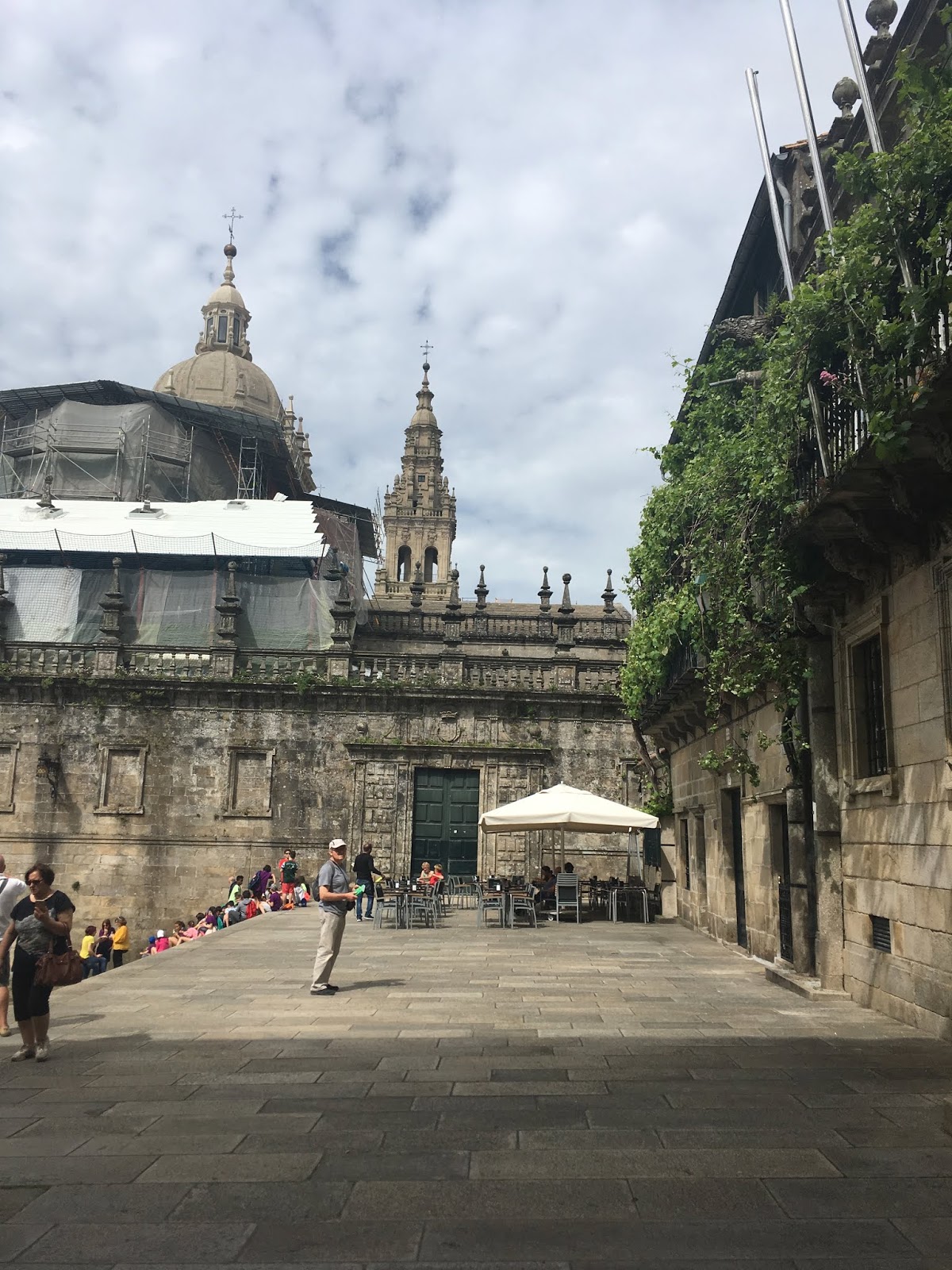
The Cathedral was spectacular as was the town.   

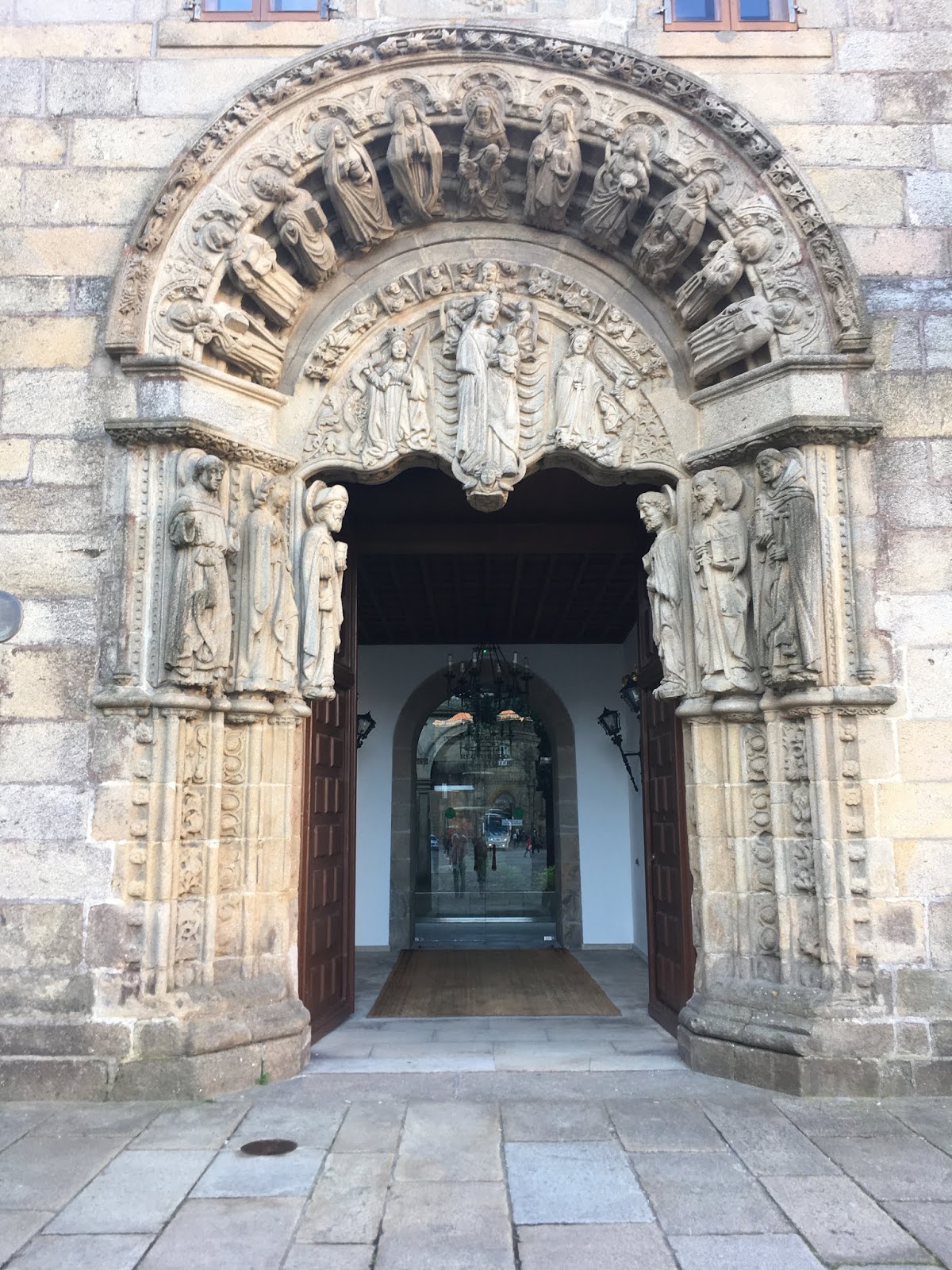
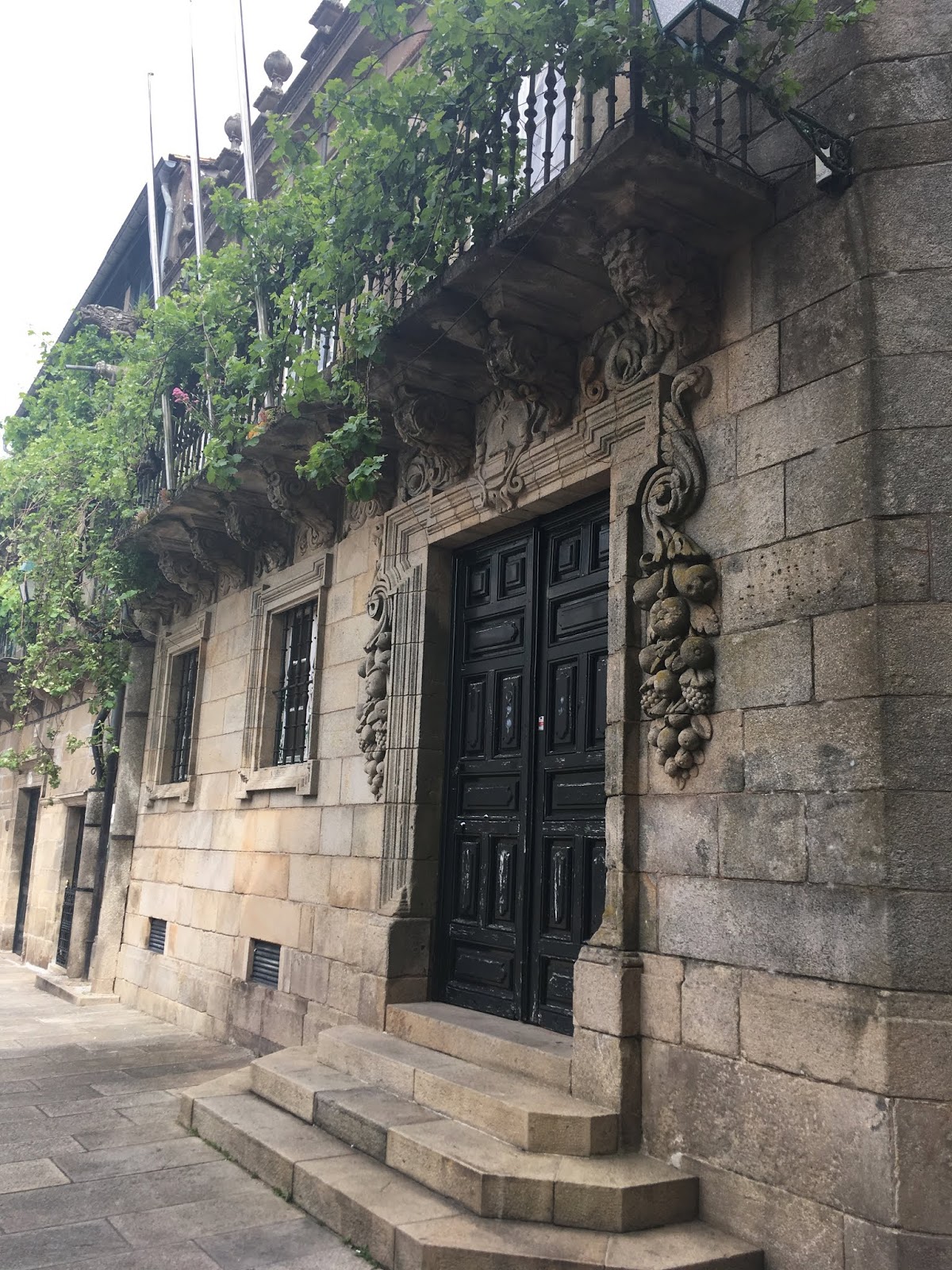
There was a charming old town with staggeringly beautiful buildings, 

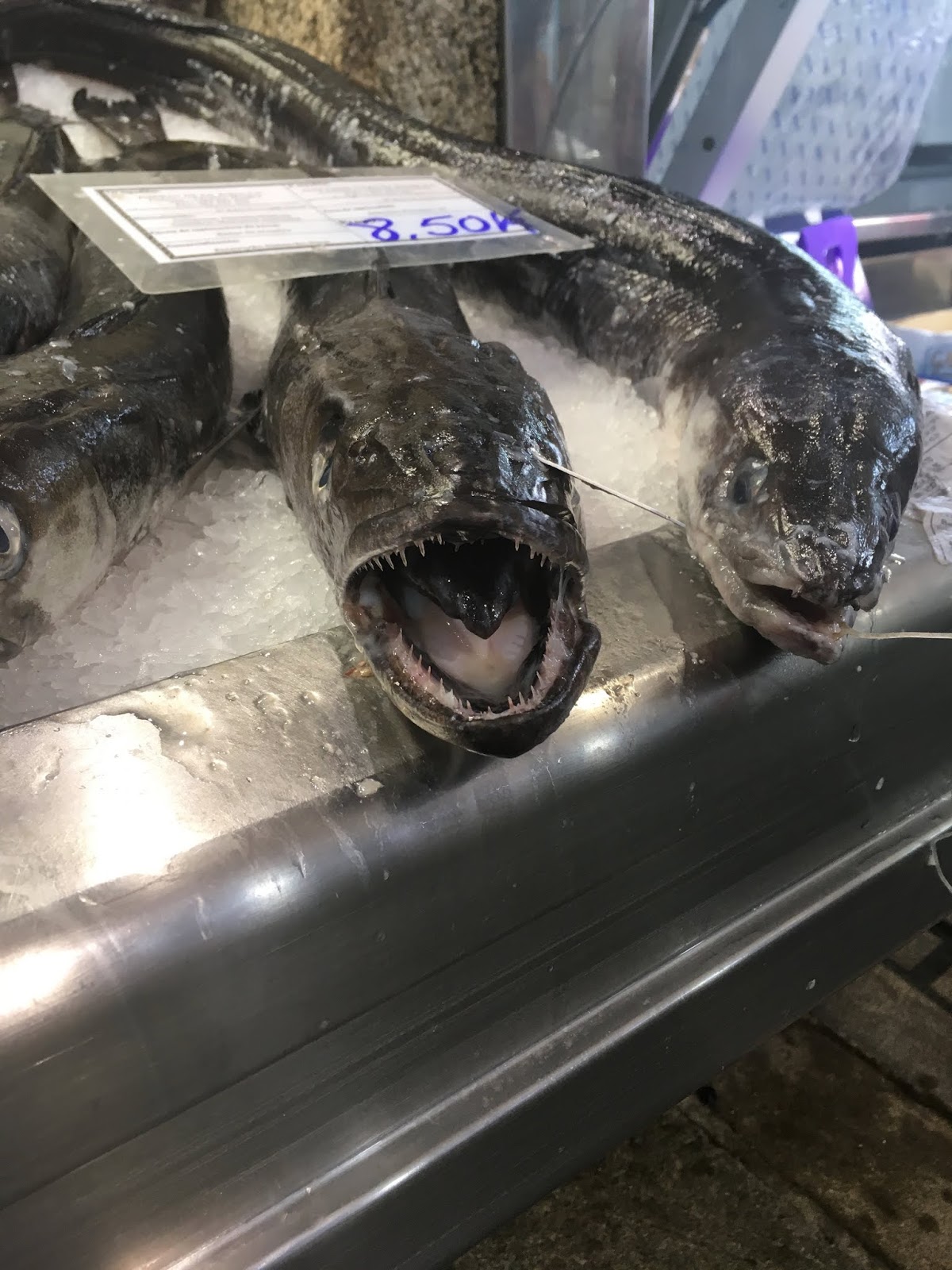
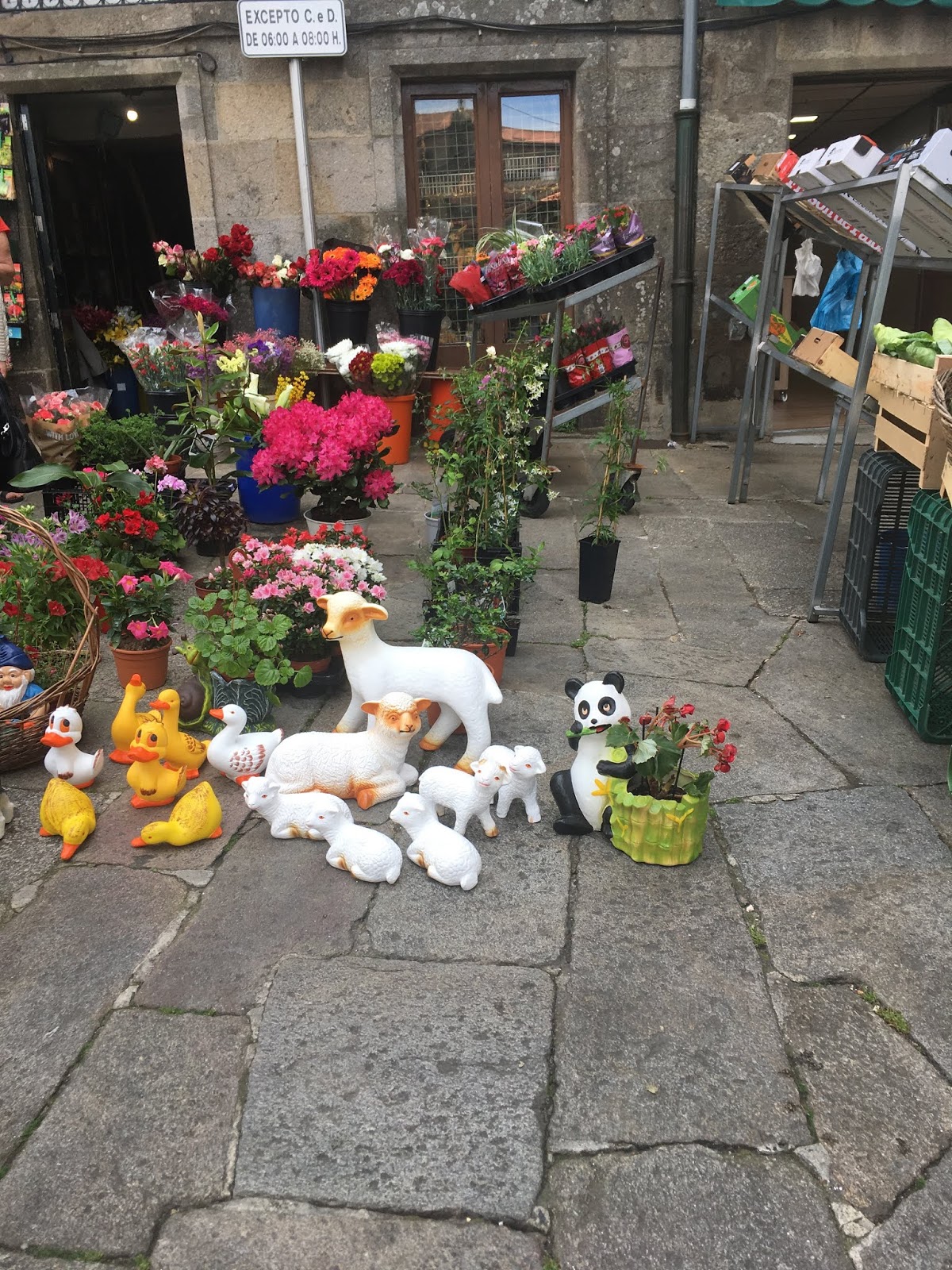
fresh meat-fish-vegetable-fruit-flower market,


plus a nice “new” town as well.

asked the hard questions.

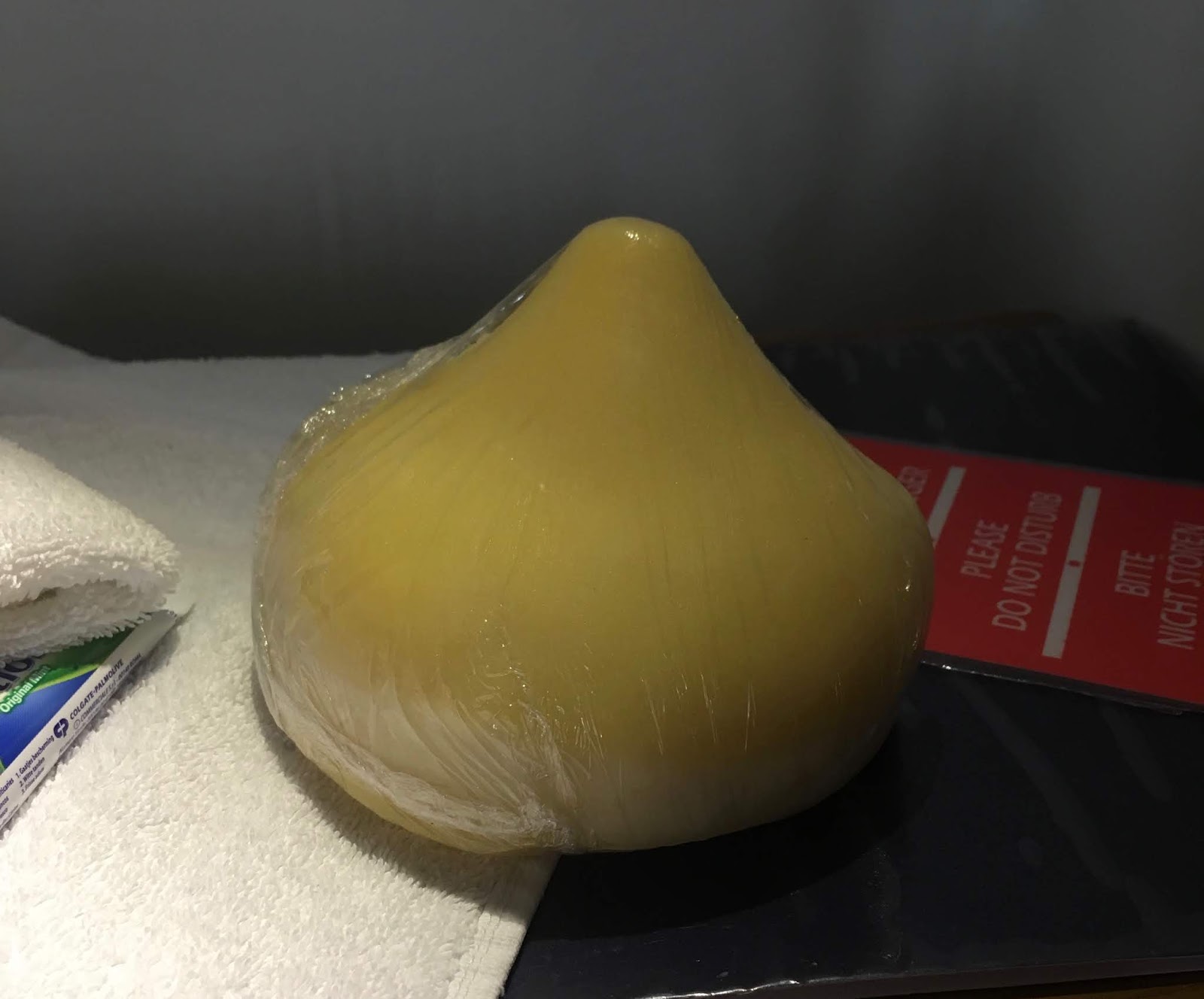
We enjoyed local cuisine (avoiding the fresh fish) particularly the tortillas, which are a kind of baked omelette, but the one with tuna was weird. The area is also famous for it’s breast shaped cheese (Tetilla). We bought one and nursed it for a few days.


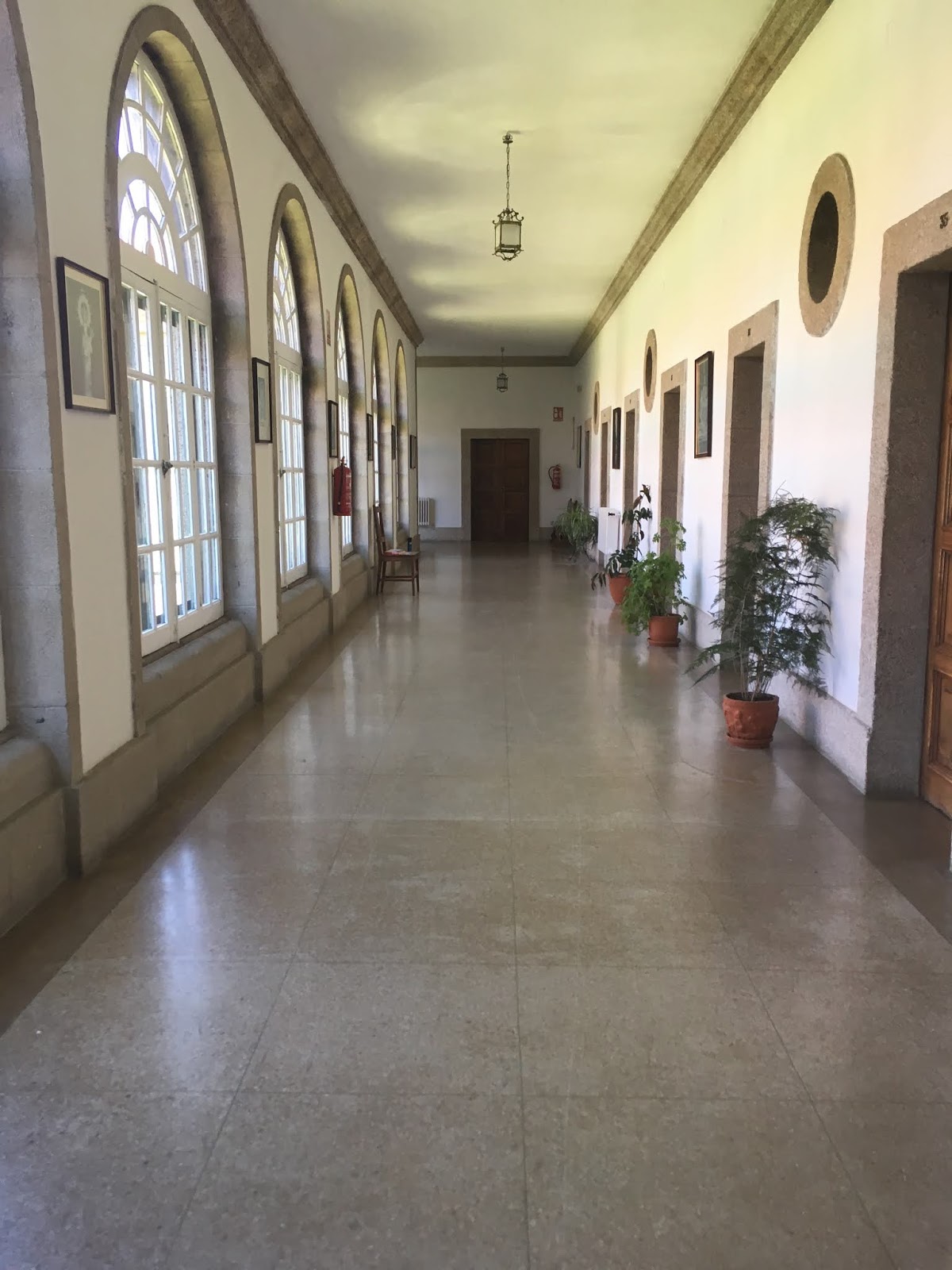
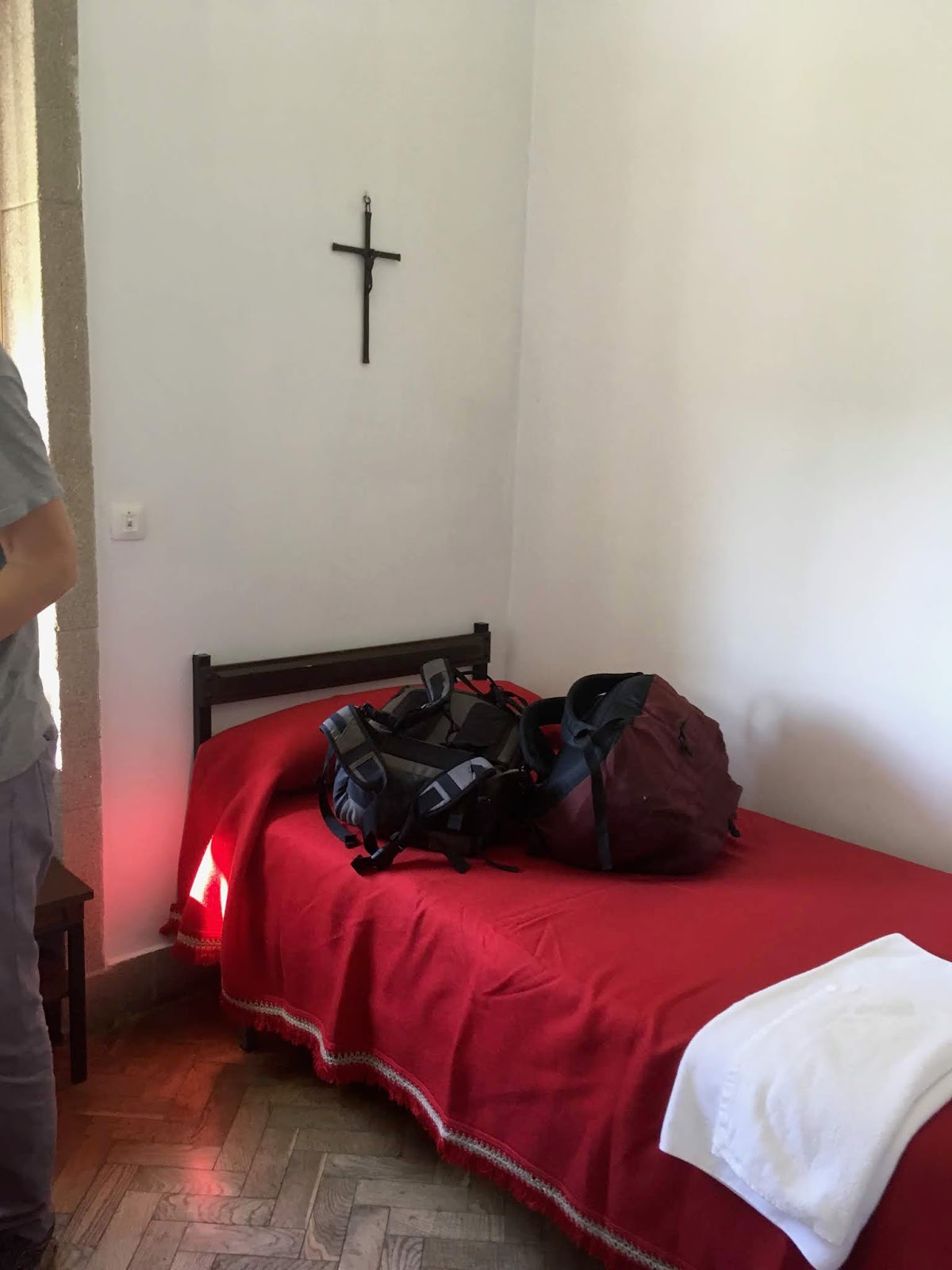
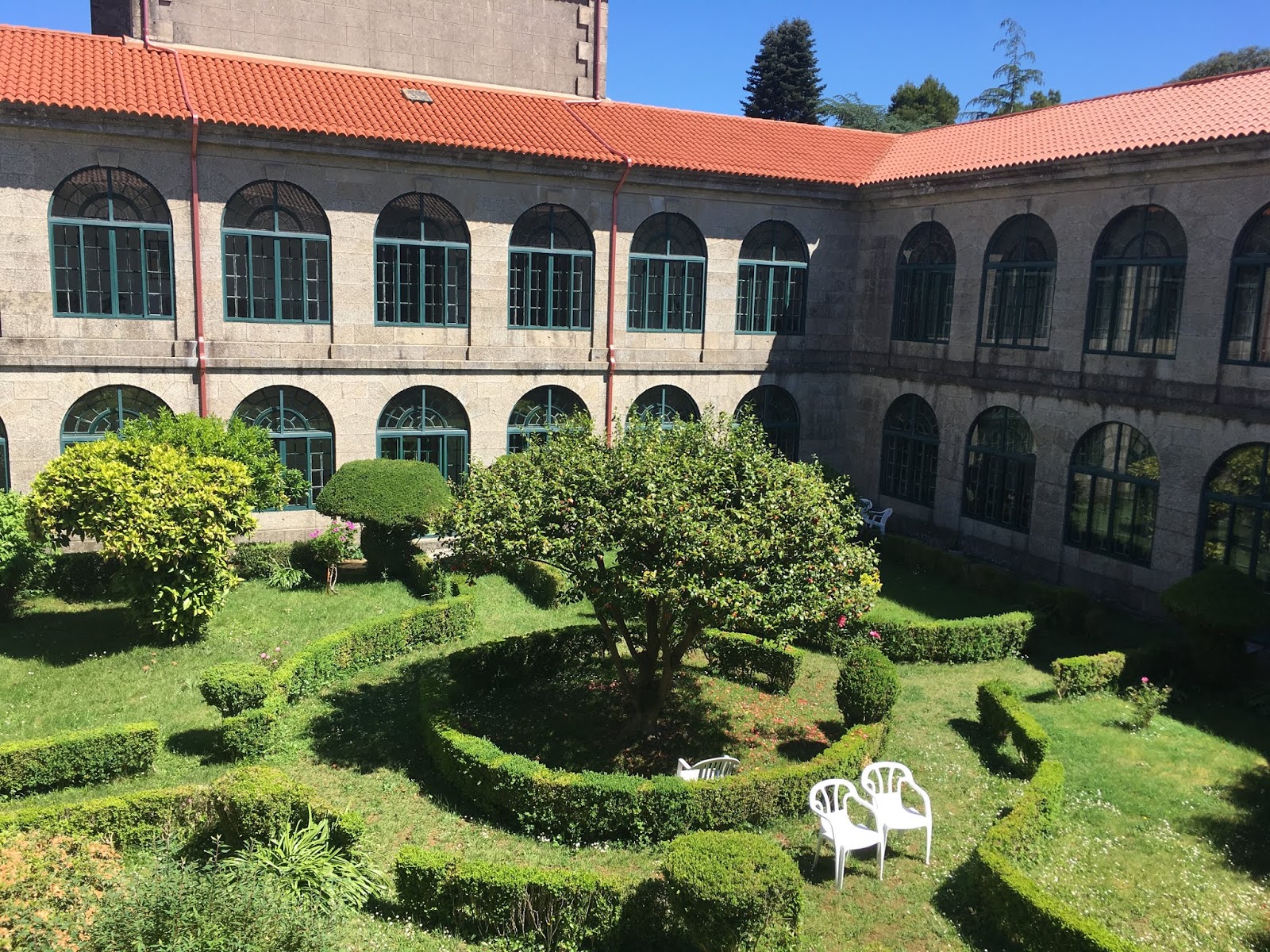
Our religious themed visit was capped by staying at a former convent.  “Bien hermana”.


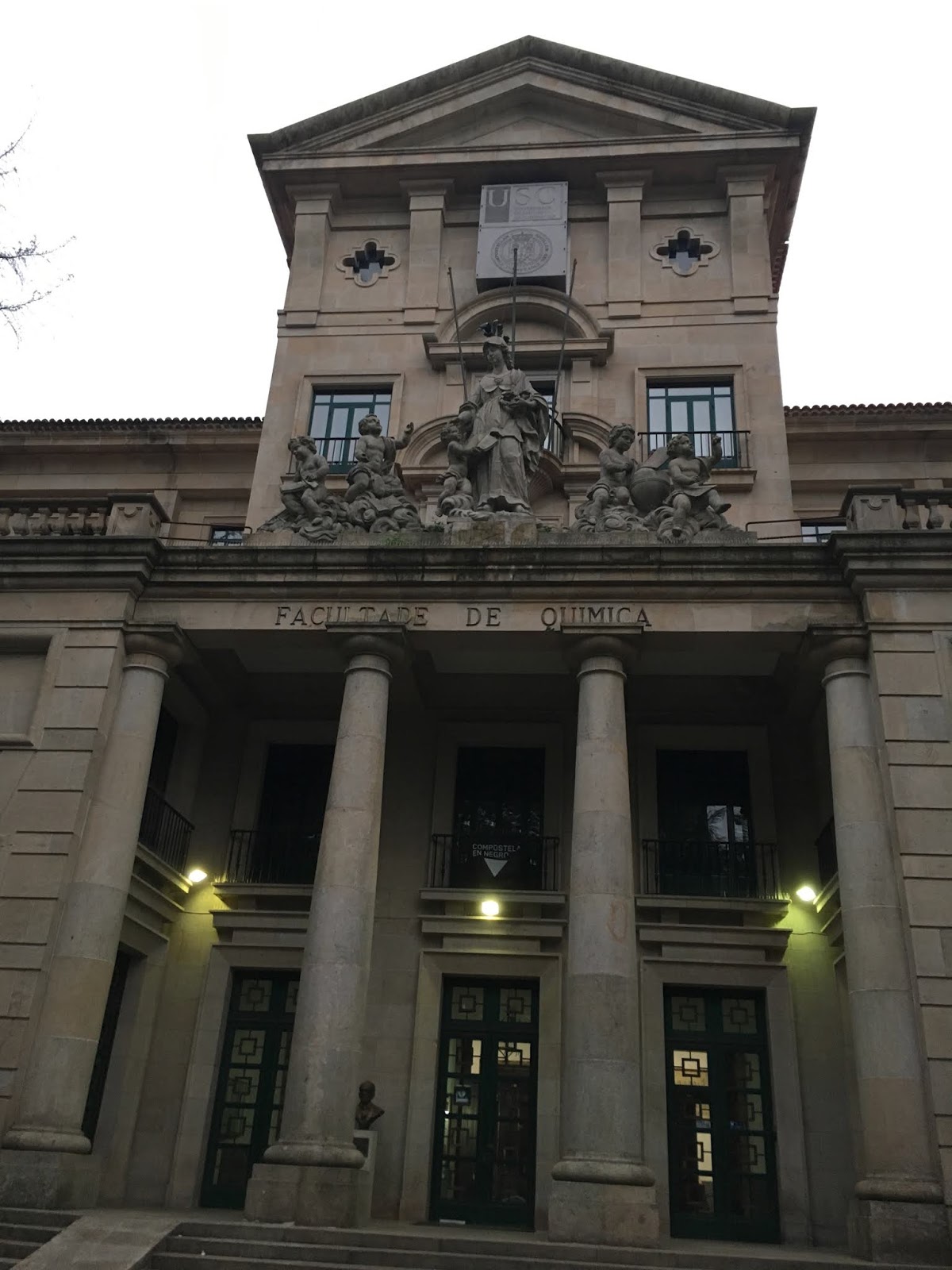
The convent was located on the USC campus (Fight on Pilgrims?), this USC had a very nice chemistry building. 


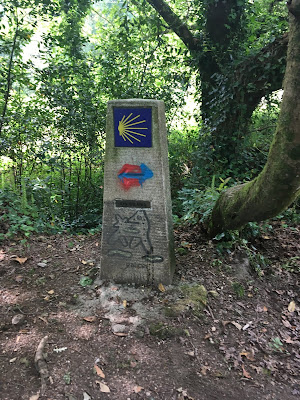
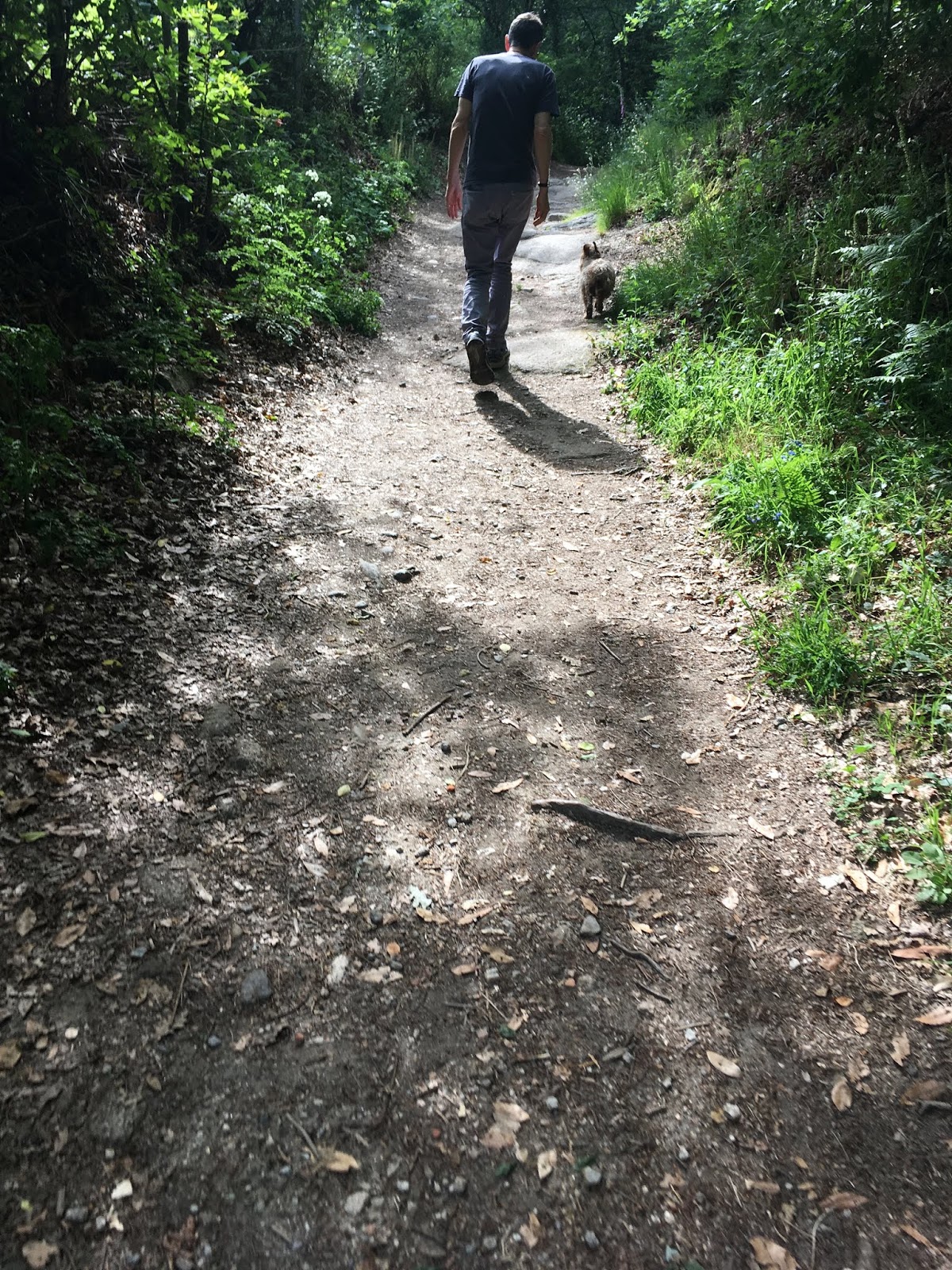
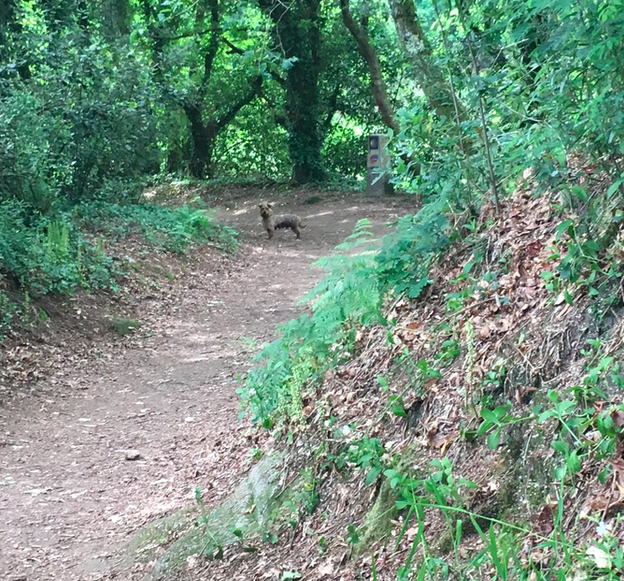
The convent was close to one of the camino paths so we decided to earn our \”bien camino\” by walking a bit on the path south towards Porto, Portugal.  After about 200 meters, a Toto-like dog randomly darted in front of us and urged us to follow which we did for another couple 100 meters.  Not sure if the dog made it to Porto but we did, by bus the next day.


There is more then one city in Germany?

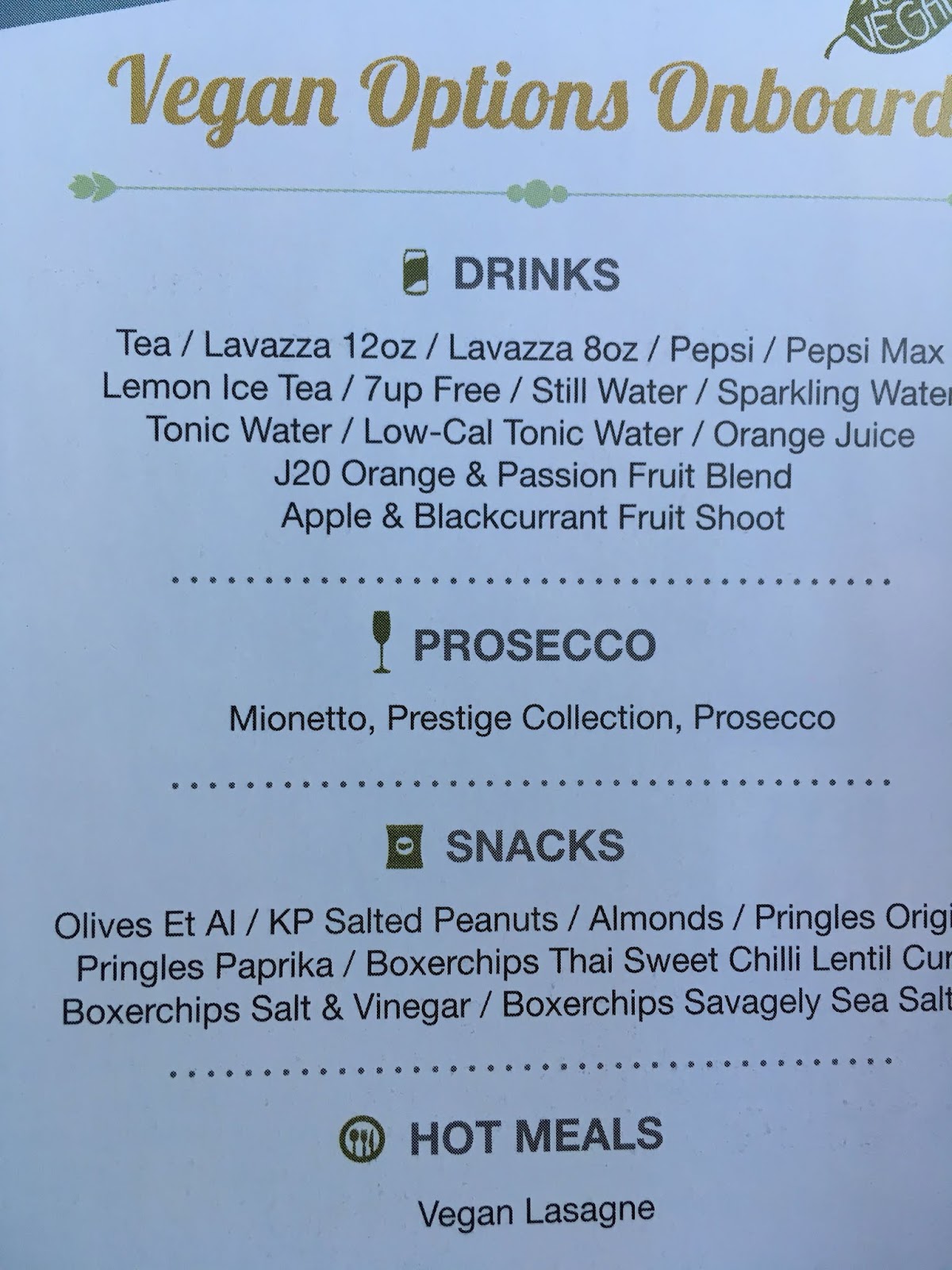
Saarbrucken is in the middle of nowhere, which means, in Europe,  it’s only 1-2 hours from everything  This gives us multiple airport and airline options to get back to it.  We recently have been using Ryan Air the super discount airlines that we love and hate.  Their slogan should be “you pay literally nothing so we treat you  like nothing”. Ryan Air is like if the 99 cents store had wings.  But they do have vegan Prosecco.
Paris, Frankfurt, Stuttgart, Basel and Luxembourg City are all close options, somehow though we almost always land or need to pass through Luxembourg City on our way from anywhere to Saarbrucken.  We’ve gone through it 4 times, and even though Luxembourg is famously small, we have somehow only managed to see about 2 of it’s 10 blocks.  Our plan this trip was to get in earlier to Luxembourg wander around a few hours until we caught the one hour afternoon bus to Saarbrucken.  However, Luxembourg City greeted us with a biting wind, so eager to return to Saarbrucken with our suitcase packed with grandchild toys we opted for an earlier bus.
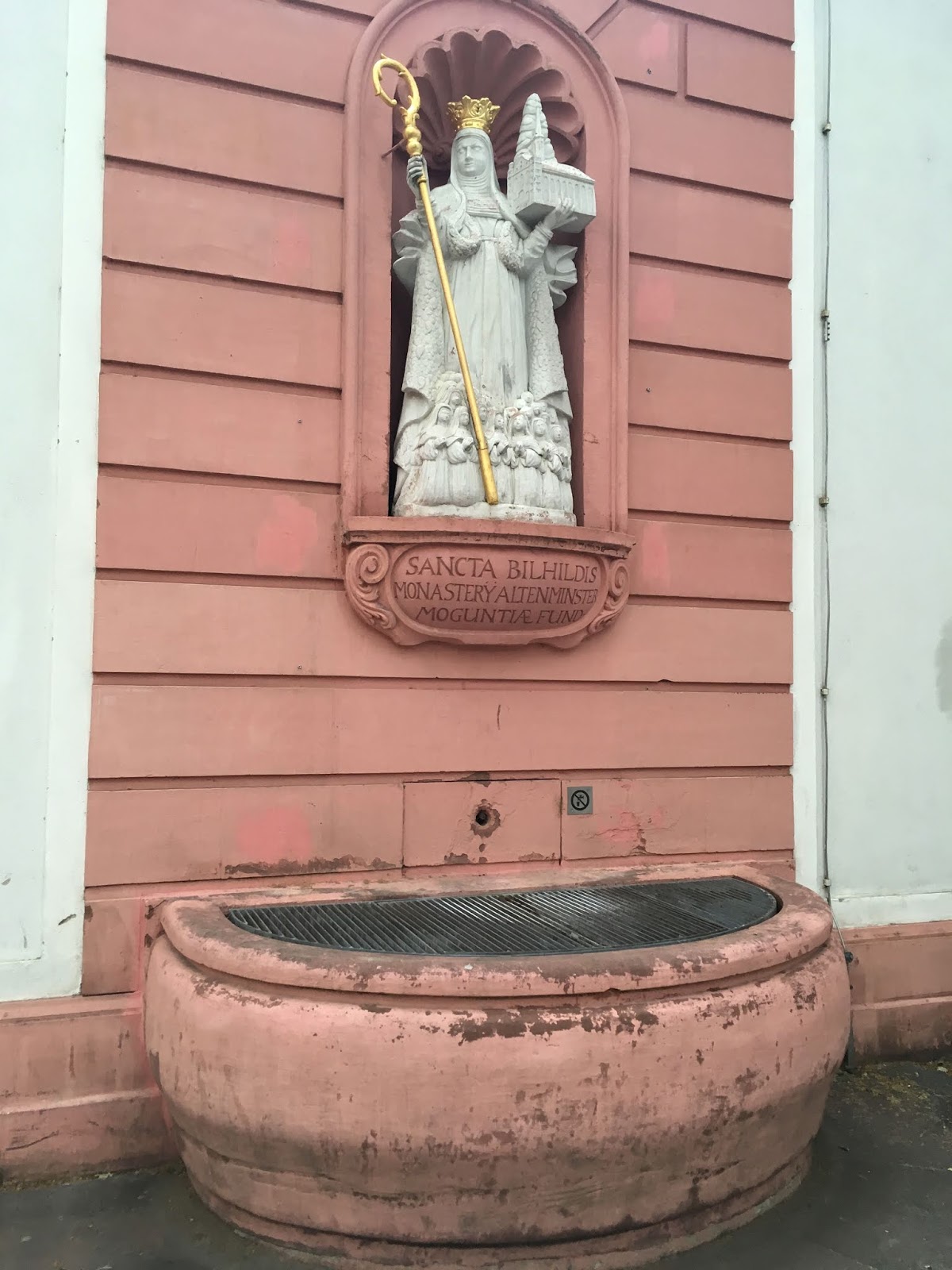
We have been basically homeless for 7 months.  Going to Saarbrucken almost felt like going home since we’ve spent so much time there, but we have done so at the expense of  seeing more of Germany.  We decided to try to squeeze in 3 other German cities in one day-Heidelberg, Mainz and Worms.

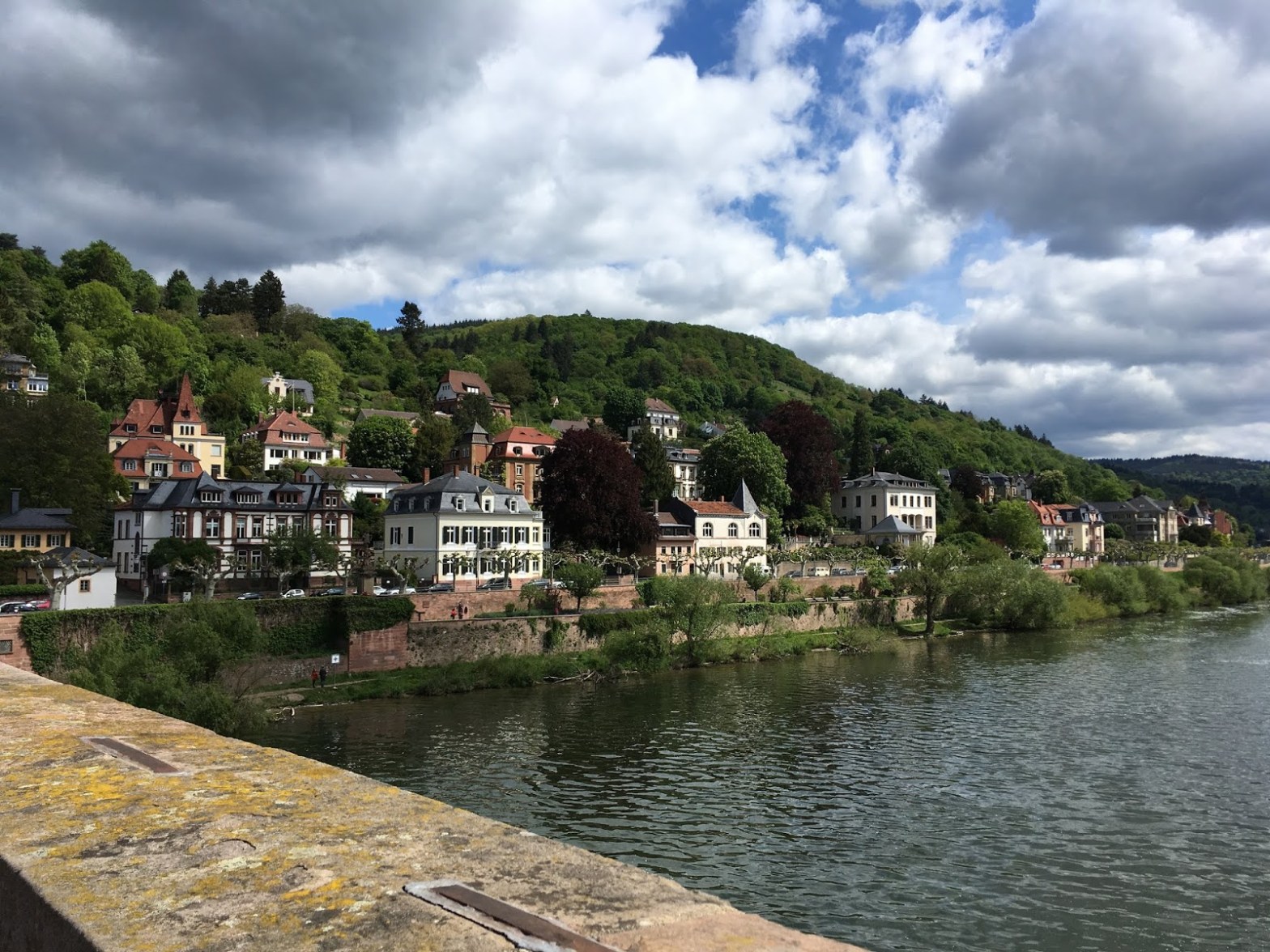
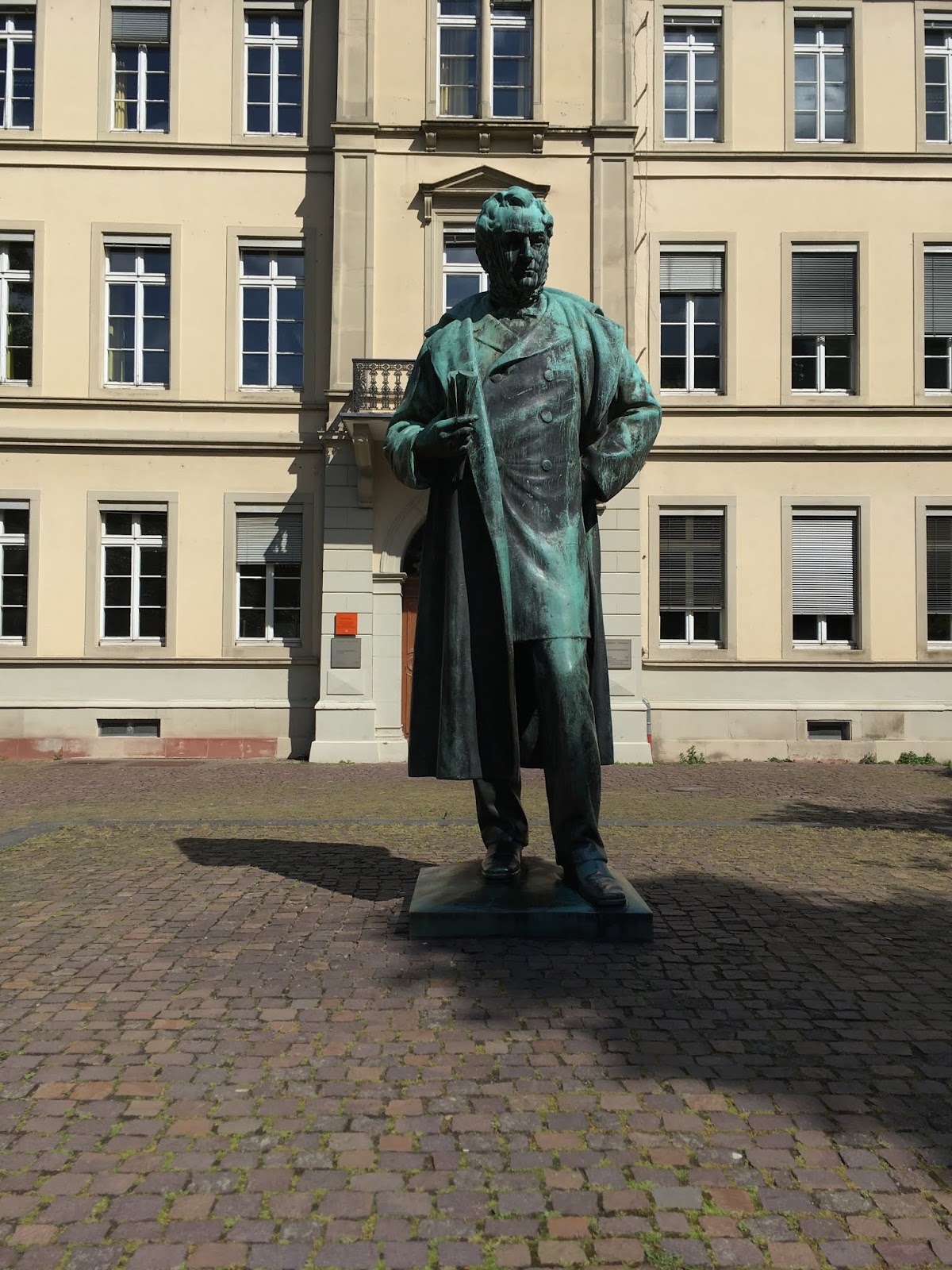
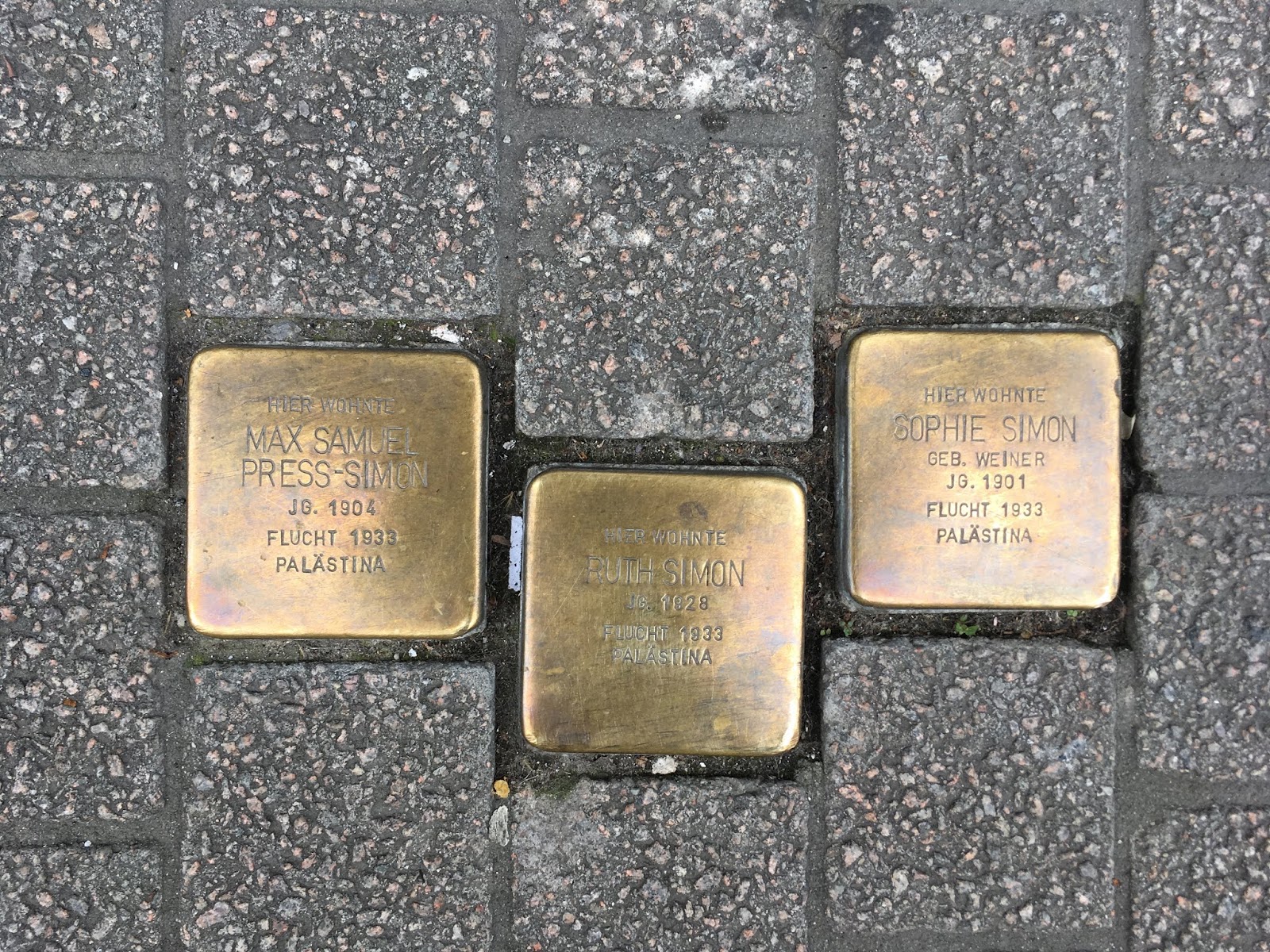
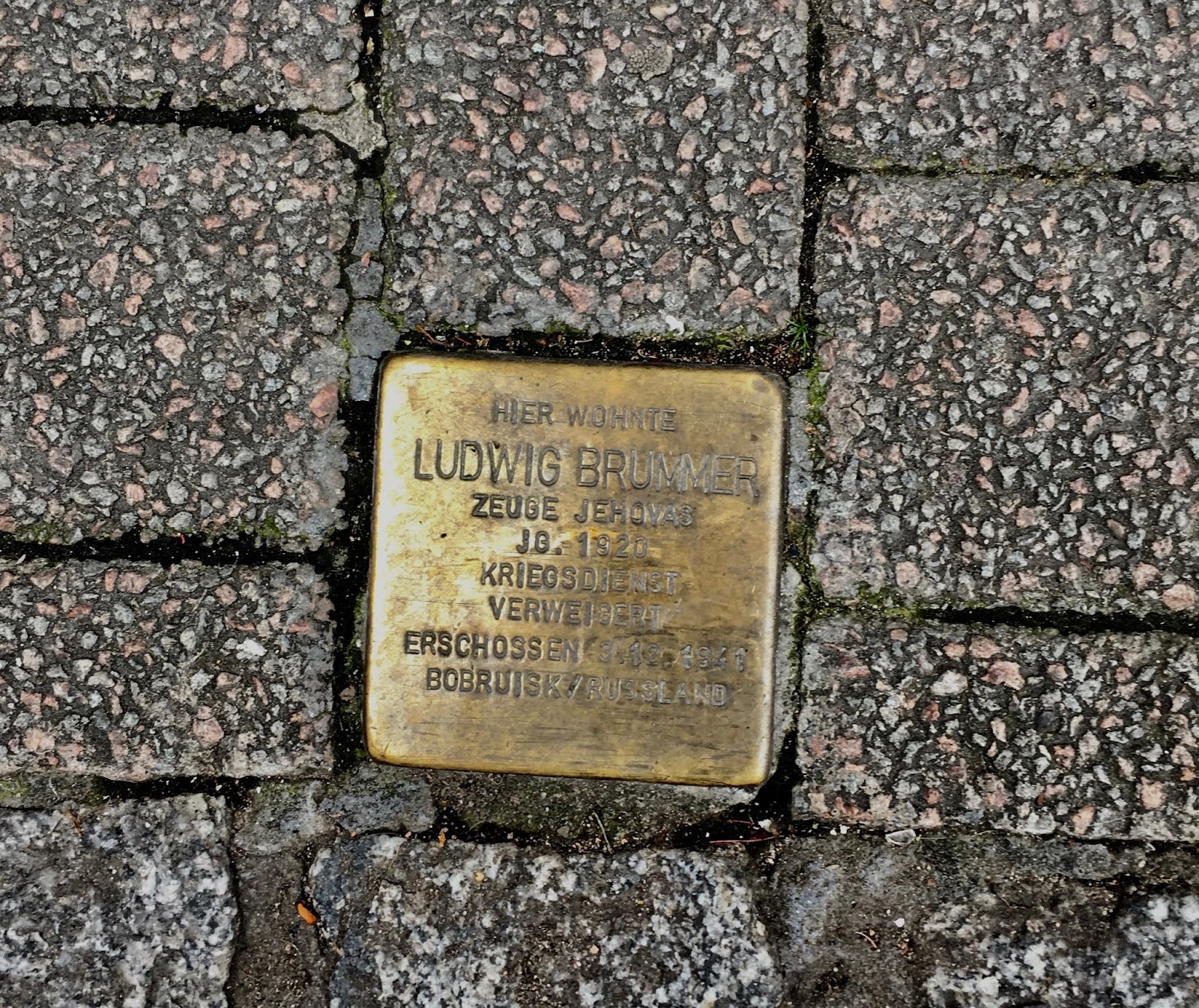
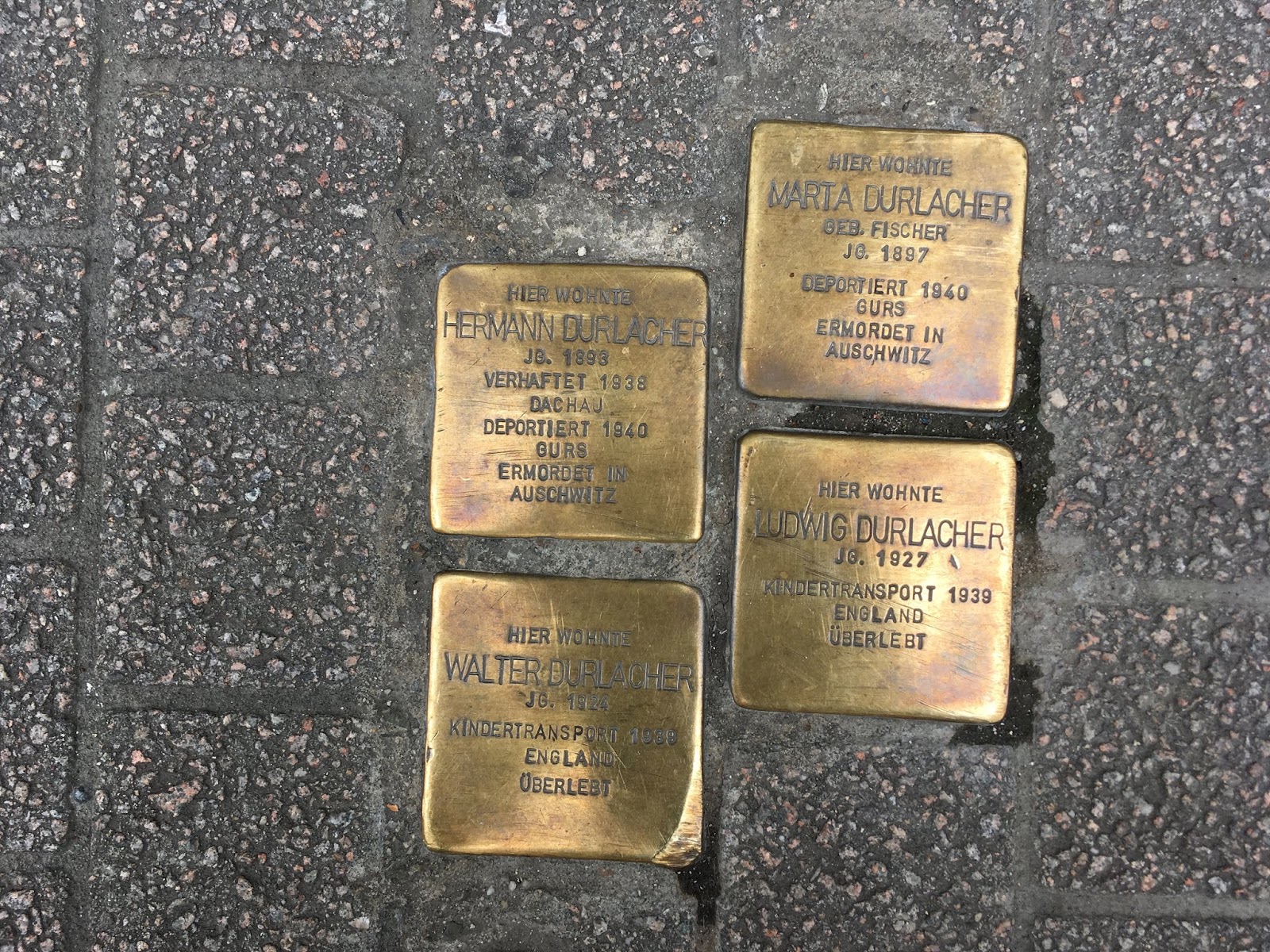
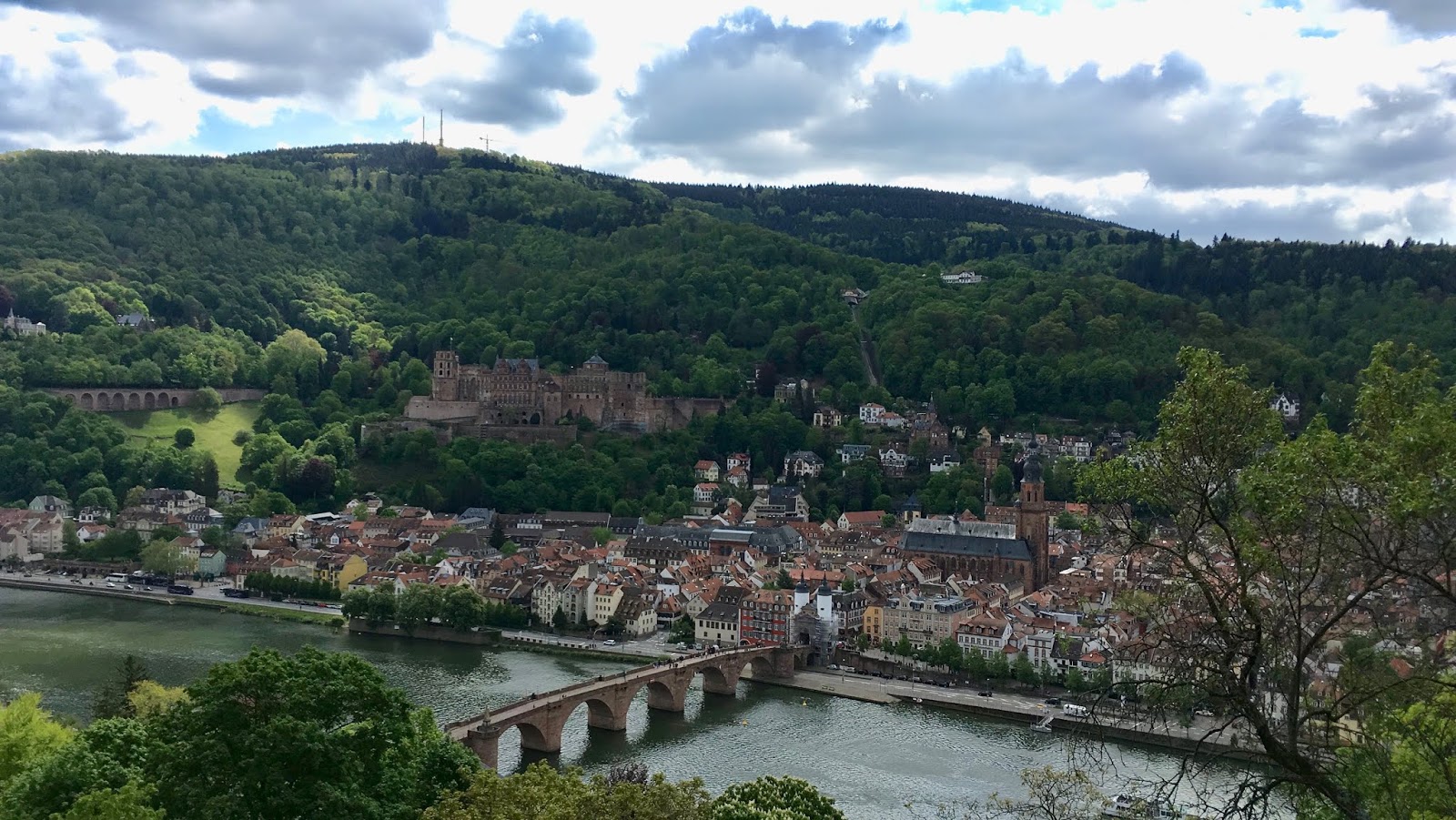
Heidelberg lies in a narrow valley with the lovely named Neckar River splitting the picturesque city like opening a ripe fruit. Lush green forested hills holding the old city of half timbered buildings, a castle ruin on the sloping hill overlooking the idyllic town, a world class university; history with every step including a lovely statue of Robert Bunsen, creator of the Bunsen burner. Almost overlooked amongst all this beauty were some particularly disturbing Stolpersteins .(https://thechosenfugue.blogspot.com/2019/01/they-do-make-you-stumble.html

Emigrated to Palestine
 
Jehovah’s Witness executed for refusing to fight
  
Parents died in Auschwitz, children went to UK in Kinder Transport

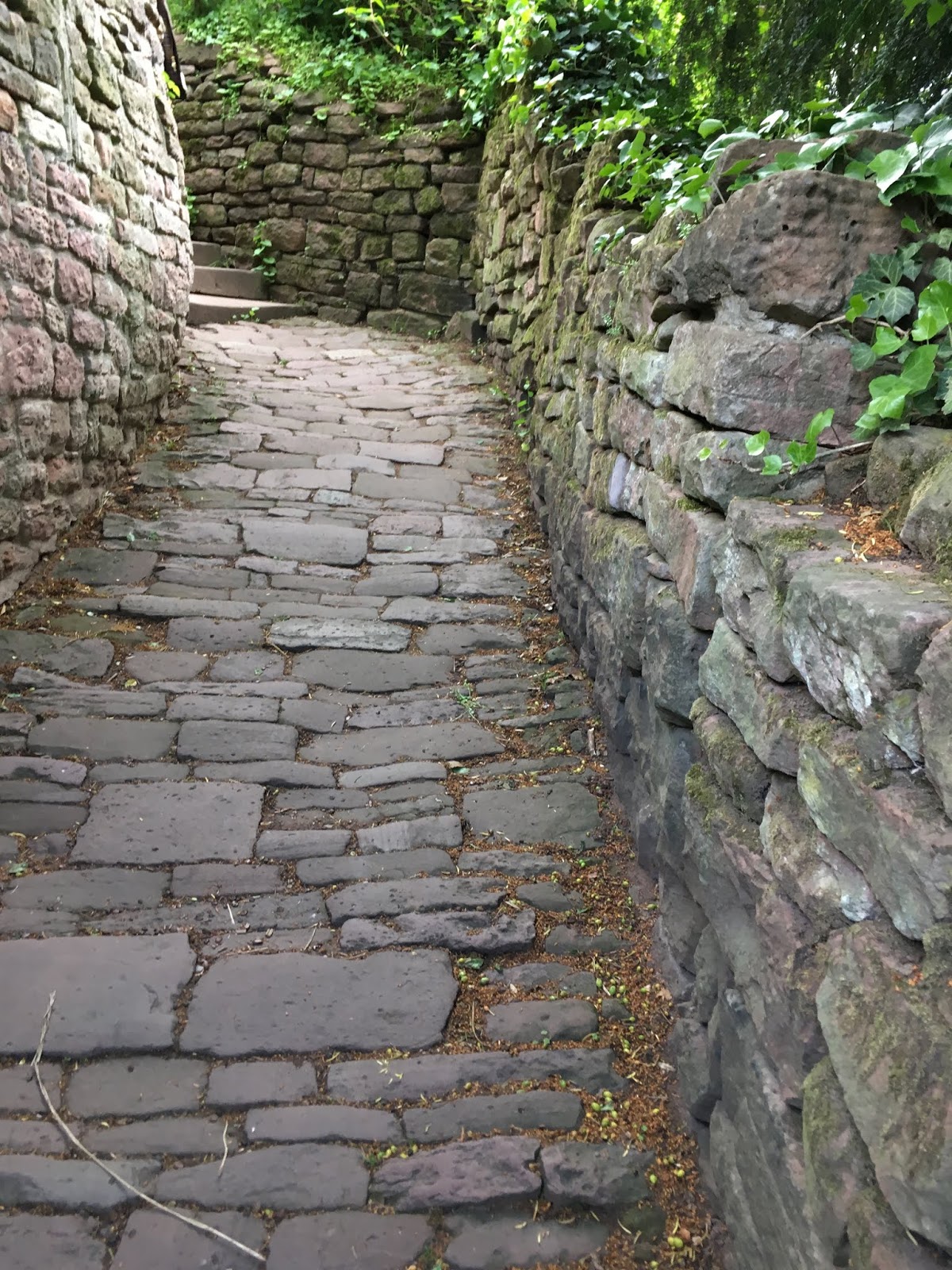
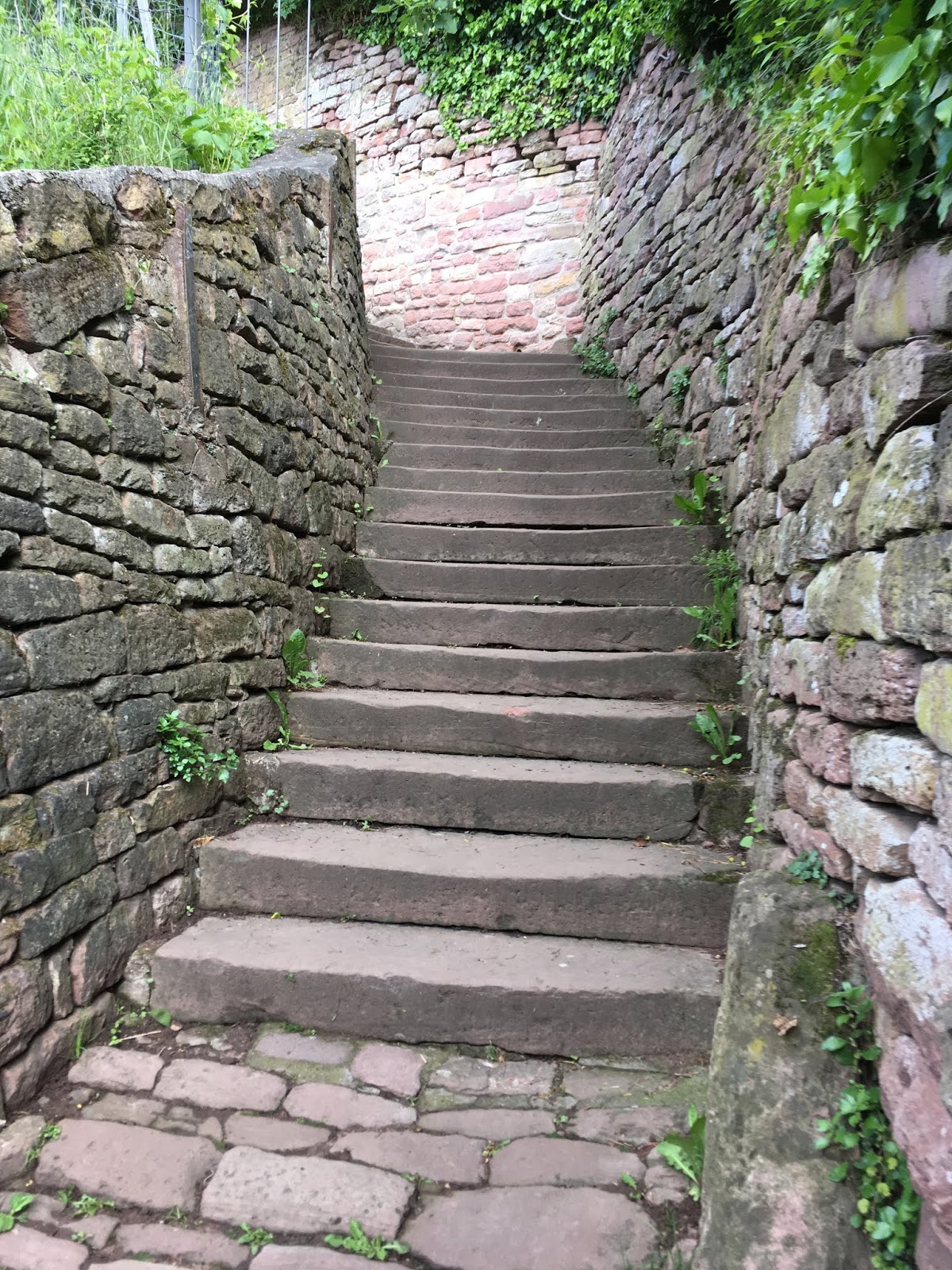
We crossed the Nektar river and climbed up the hill along a very steep, old cobblestone trail to reach  the Philosopher’s Path, named after the many poets and academics inspired by walking along the path.  
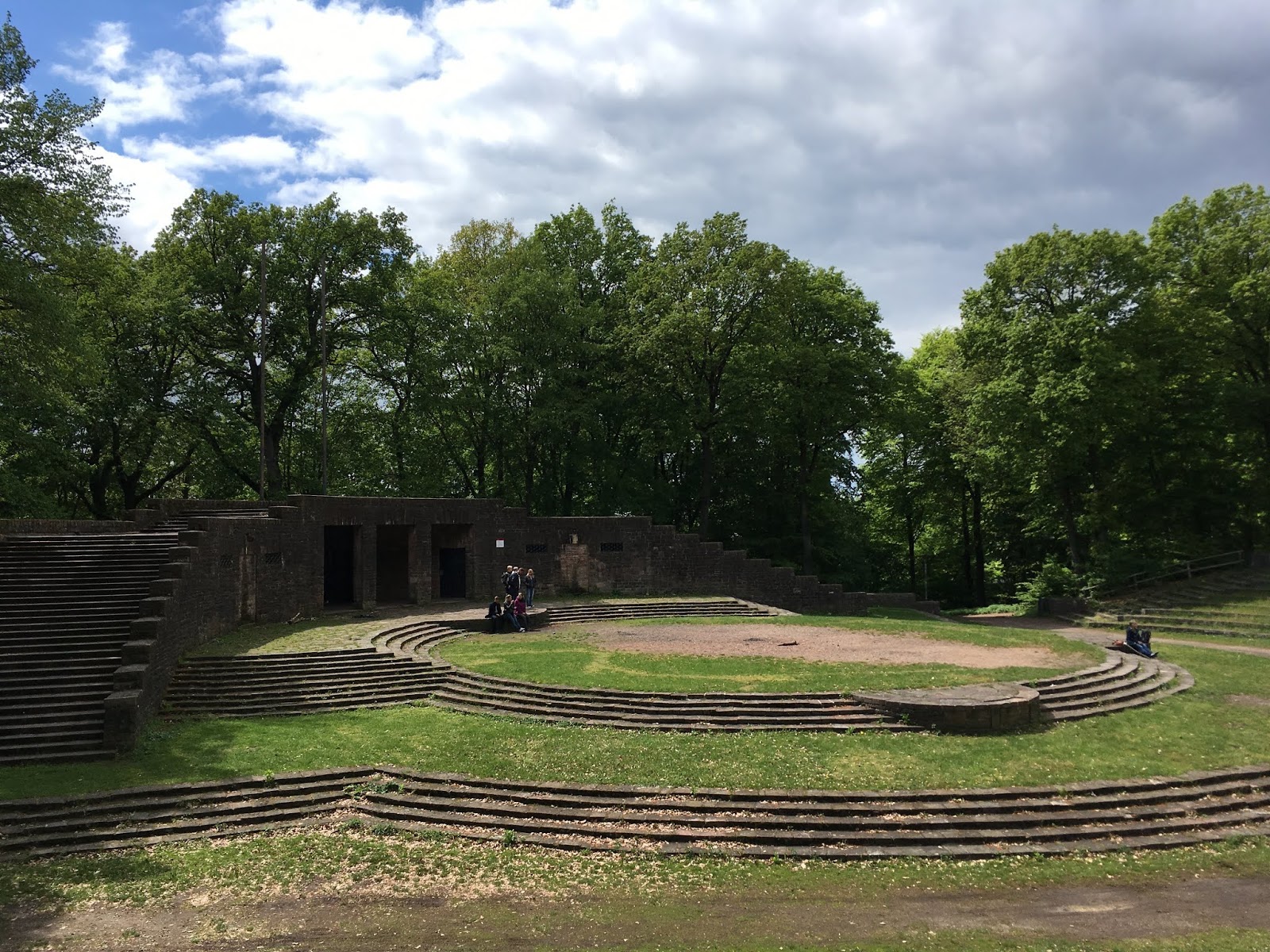
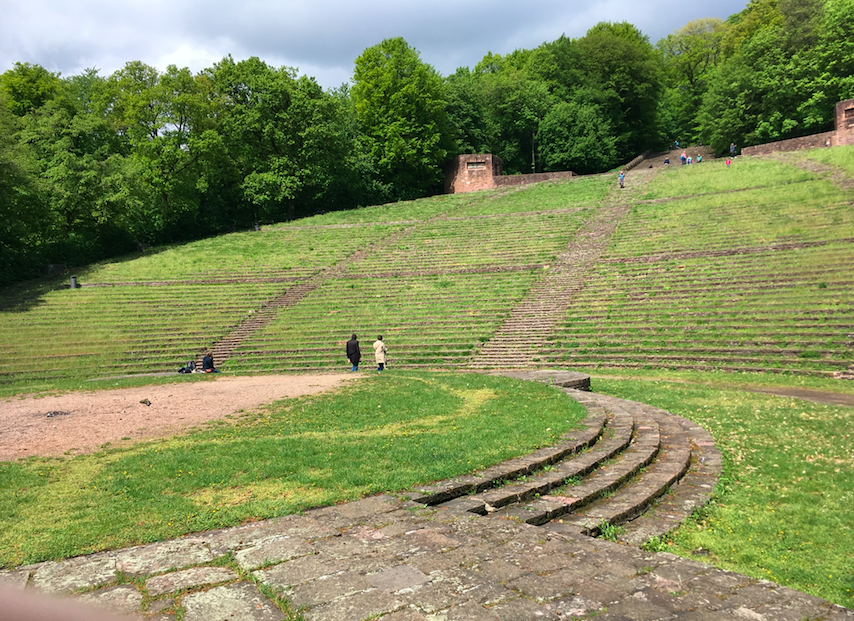
 We were treated to a great view of Heidelburg, and then went in search of Thingstatte, an open air amphitheater which was inaugurated with a Nazi propaganda speech by Joseph Goebbels at its opening in 1935.
We followed signs, used Google maps, and walked in multiple Philosophical circles looking for the Thingstatte for 90 minutes, finally asking someone and 30 minutes later finding it.
Origin of the expression “I can’t find the thingamajig”?
frighteningly, not unrealistic to envision a Trunp rally here.

As we wandered back to the town, this time in just 20 minutes rather then 90 minutes, you

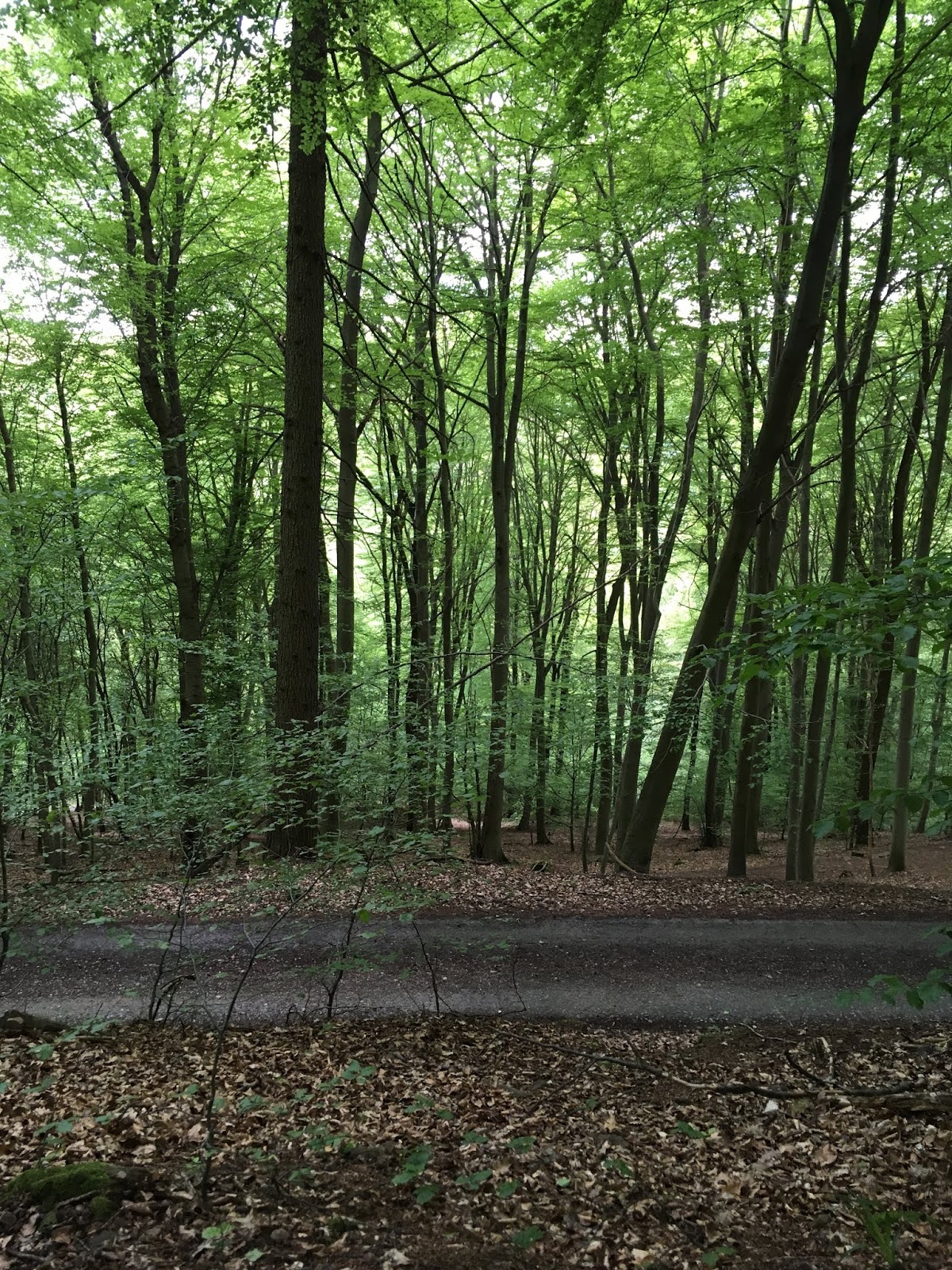
could feel the ghosts in the forest stillness.
Heidelberg was stunning, but after seeing the numerous Stopelsteins, the Thingstatte and then later reading that the area was a stronghold of the Nazi party with a third of the teaching staff at the university forced out for political or racial reasons immediately after Hitler came to power, Heidelberg felt somewhat uncomfortable.  It is hard to align the beautiful, serene present with the tainted past in Germany (as well as many other locations in Europe).
Our navigation skills continued to mirror our struggle to find the Thingstatte, as we left Heidelburg hoping to continue our explorations.  Our anticipated 30 minute tram ride back to the main train station required two bus transfers due to construction on the tram tracks.  We made it to Mainz long enough to meander for an hour, but ended up on the wrong train thwarting our chance to catch Worms. We will eventually make it to Worms, most likely via Luxembourg City.    


Iberian Groundhog’s Days

It\’s embarrassing how we sound like a drunken Rick Steves in our praise of this peninsula, but every morning we saw our shadow and it was another day of blissful experiences in Spain and Portugal, earlier posts here https://thechosenfugue.blogspot.com/2019/06/walk-this-way.html and  https://thechosenfugue.blogspot.com/search/label/Lisbon

We rolled into Madrid early with the sunrise on a red eye bus from Lisbon surprisingly refreshed (Nick) and not cranky (Patricia) and ready to explore. We popped on the incredible subway system-clean, efficient, extensive, self explanatory with detailed maps, upcoming trains/stations announced in digital displays.  All wonderful, just like Lisbon.  Madrid made an immediate impact and we tried to hit the ground running.
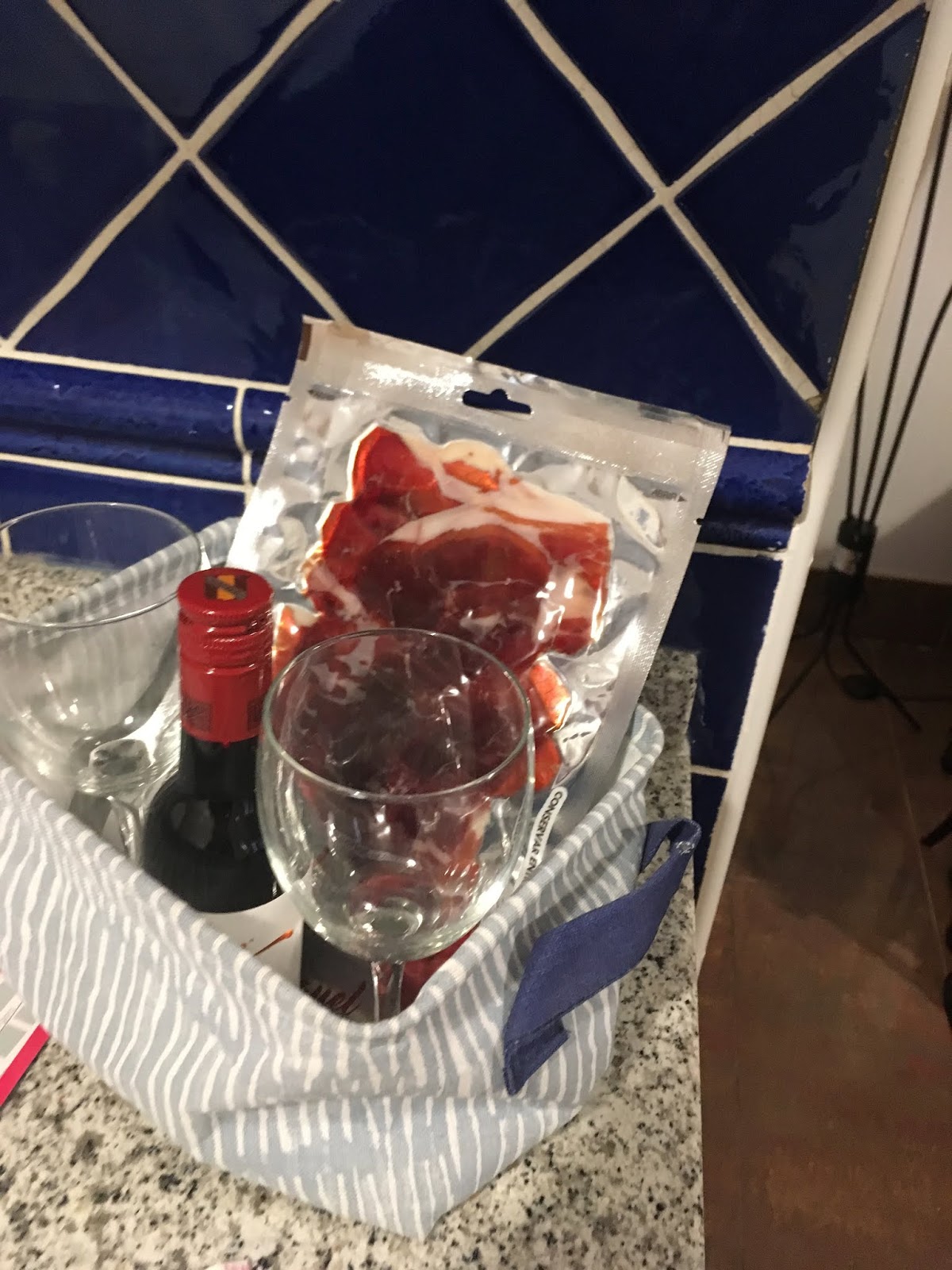
Our airbnb loft had complimentary red wine and ham, our first time receiving wine despite often seeing people reporting receiving it in Air B&B review (but, at the price range we hunt for with our lodging, even a bottle of Ripple would be unexpected). We left the ham. 
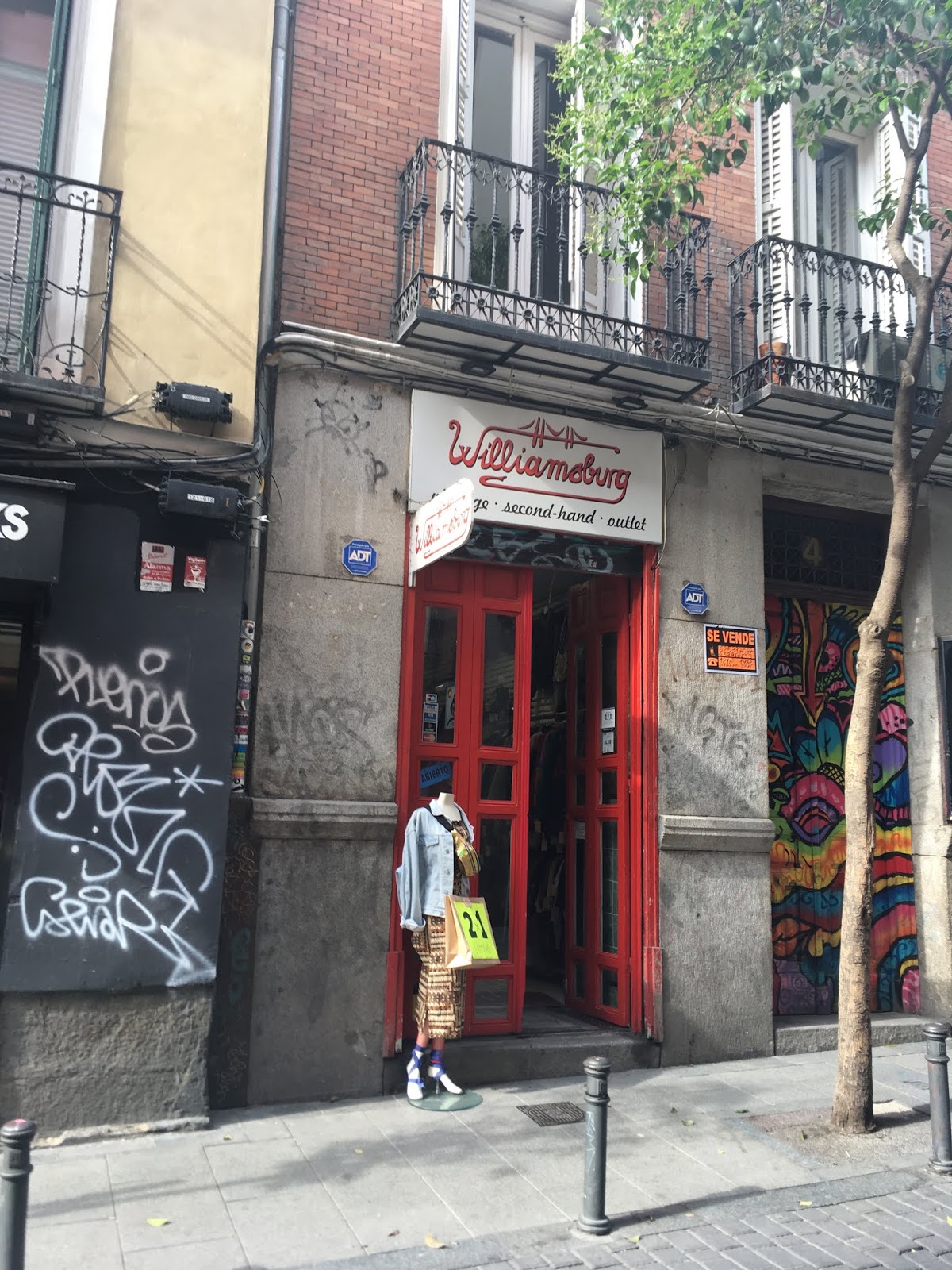
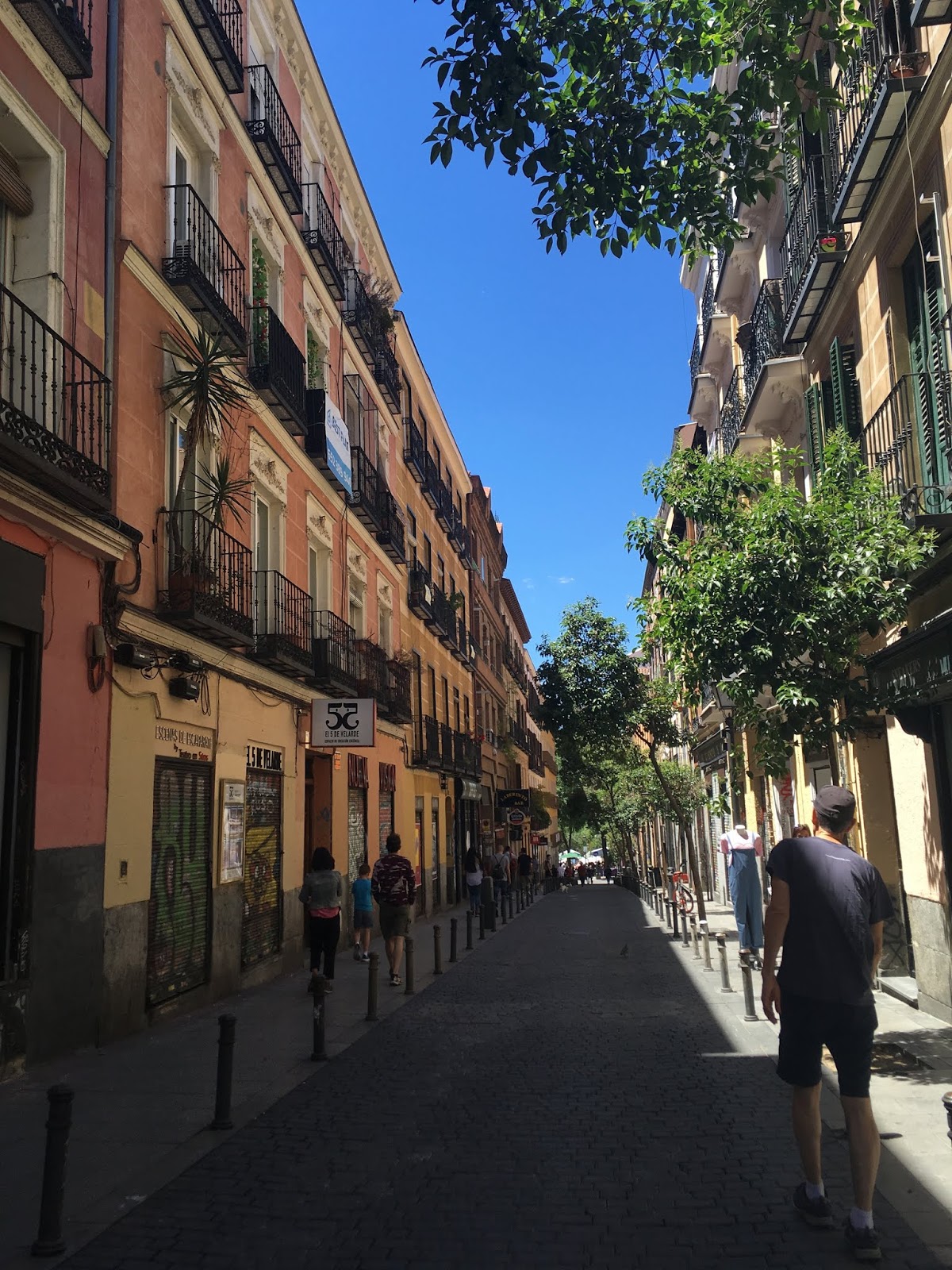
Unknowingly, we were situated in the hip area of town or do we just bring it with us?
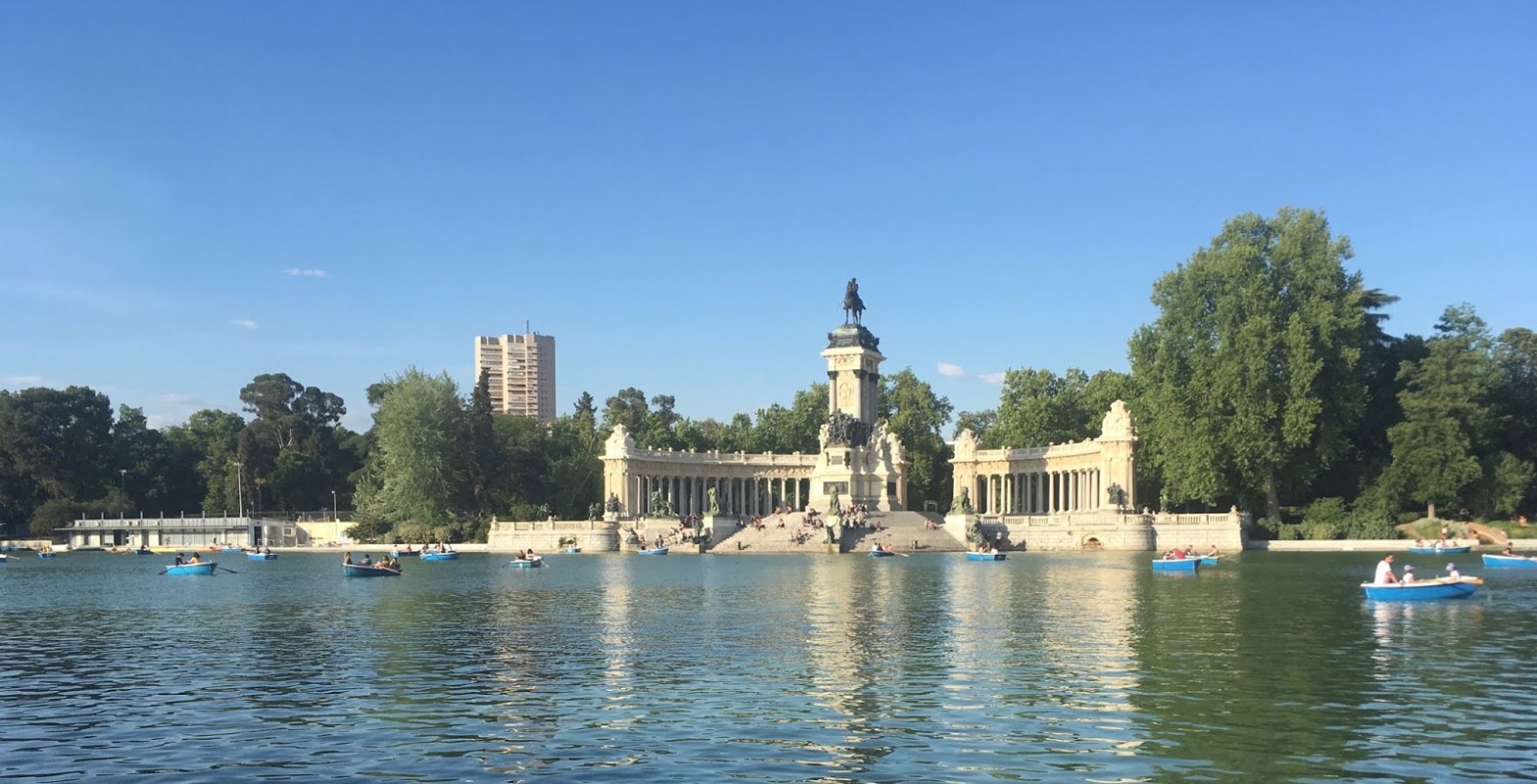
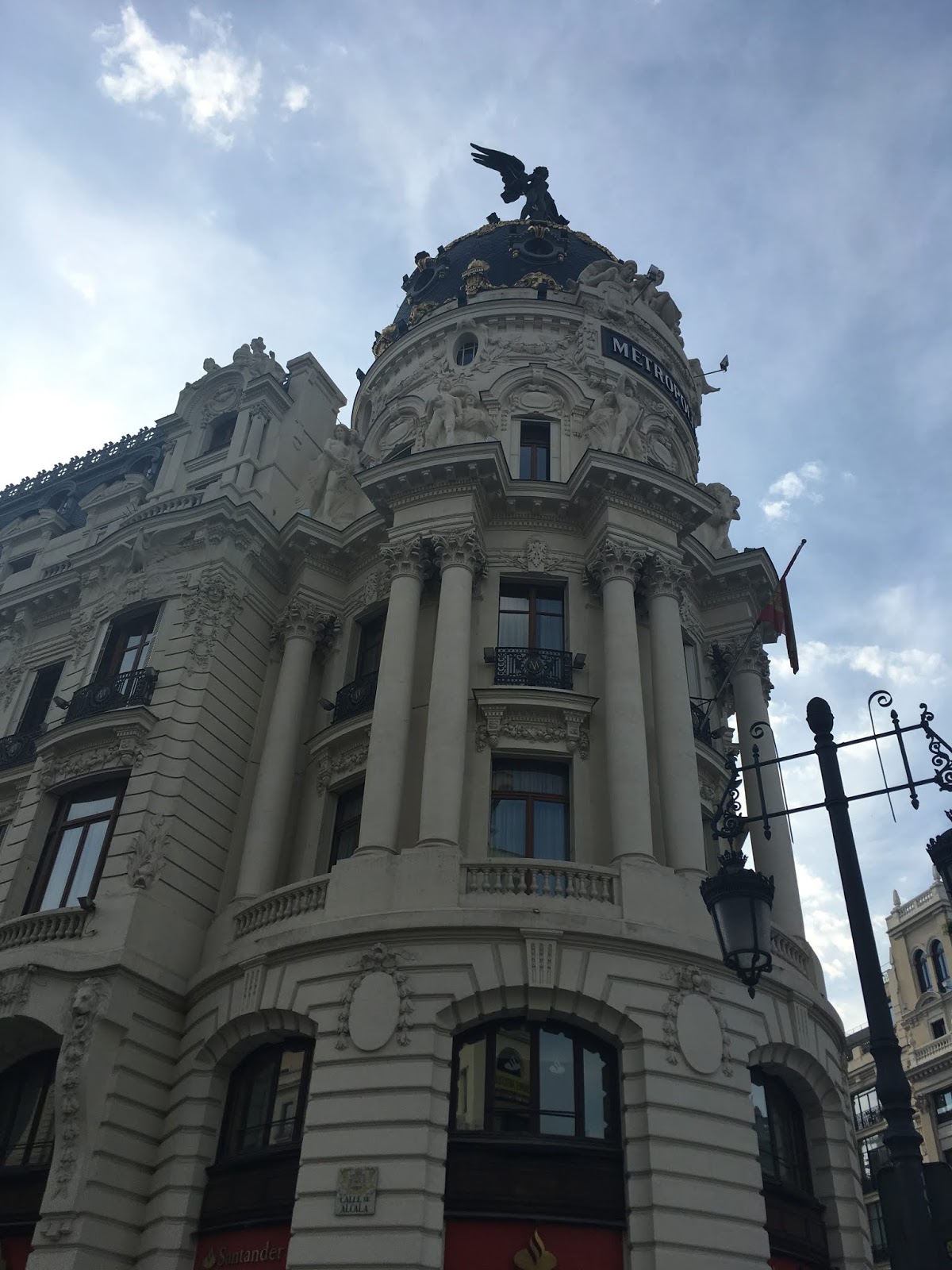
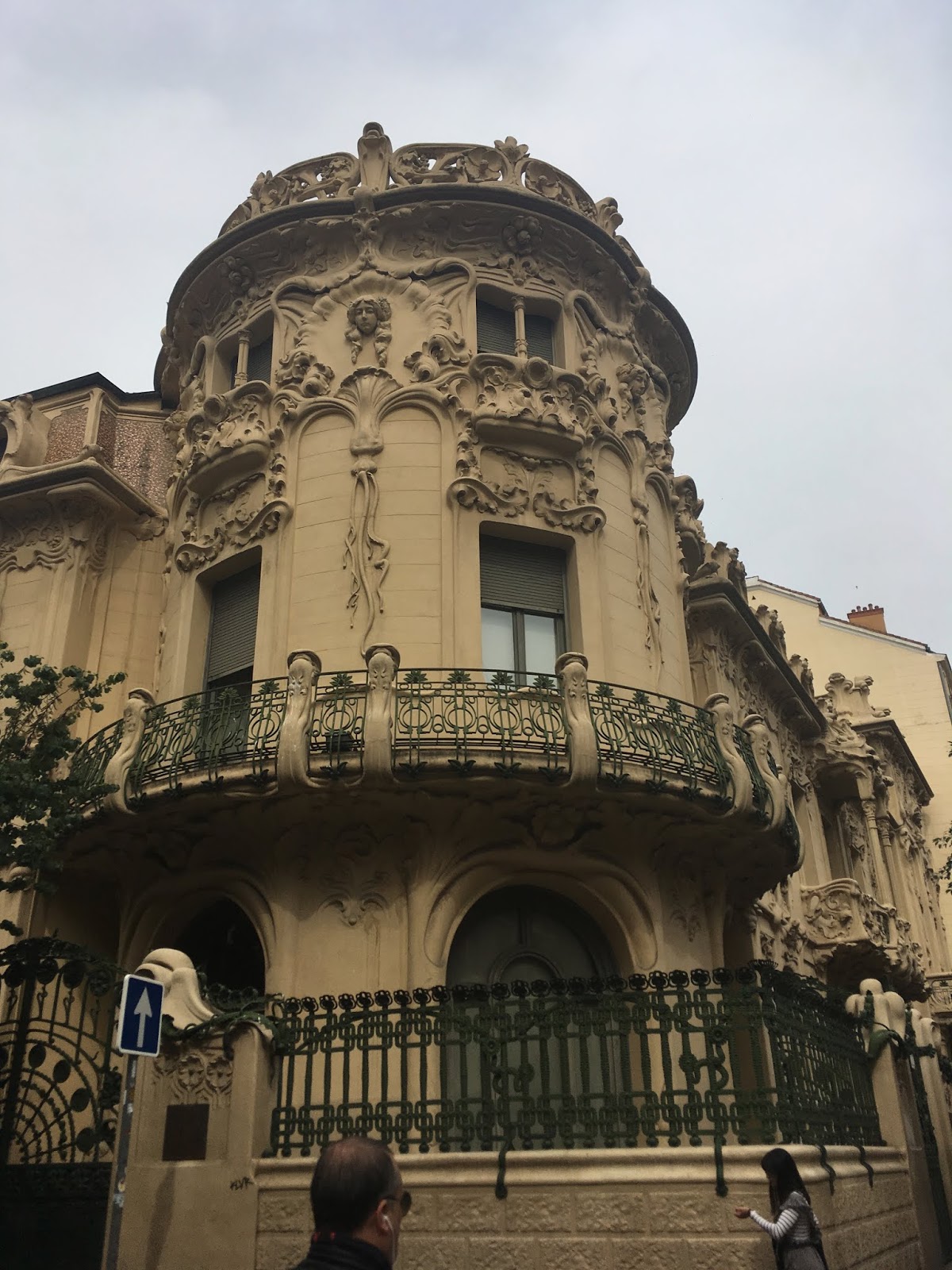
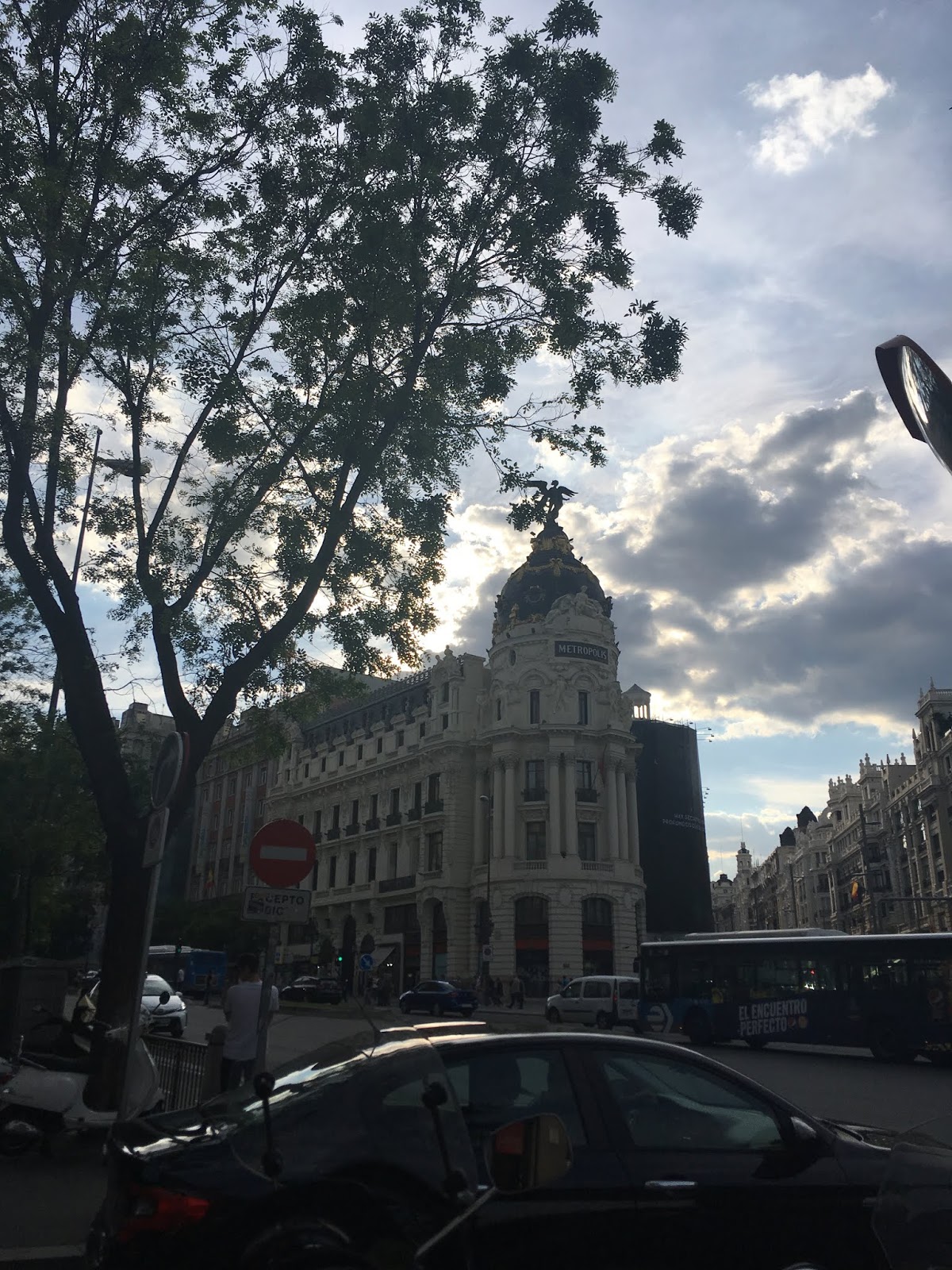
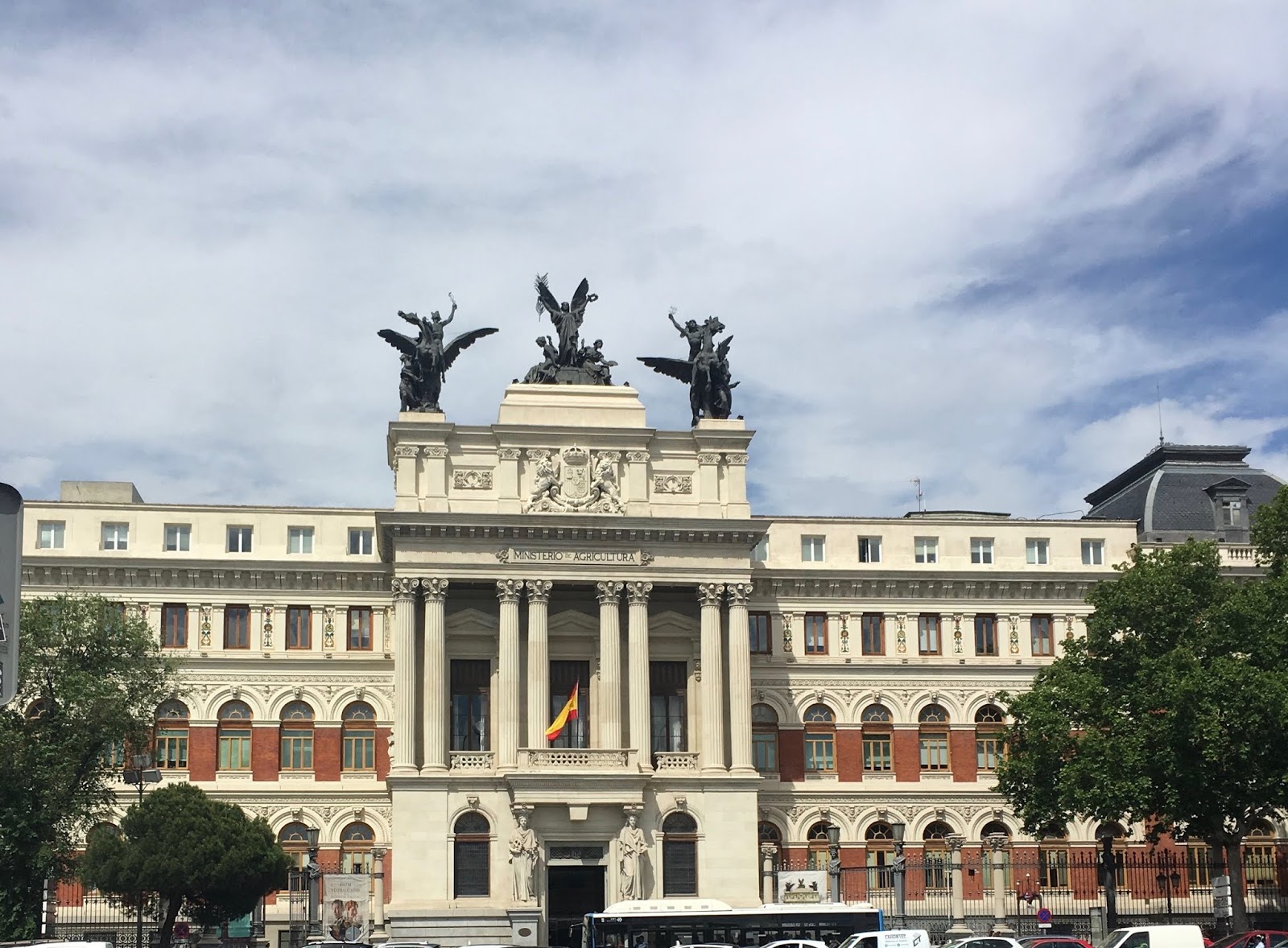
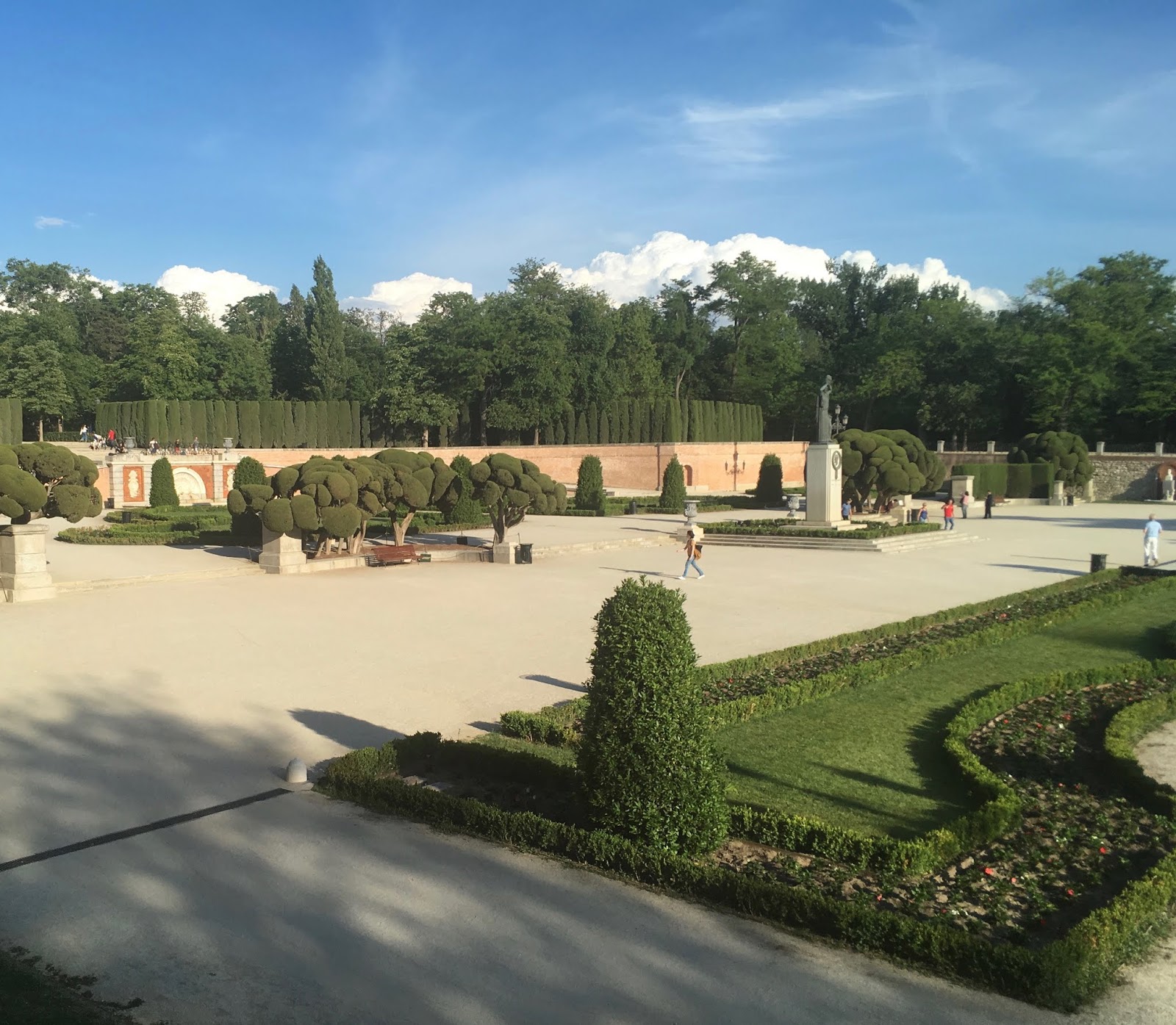
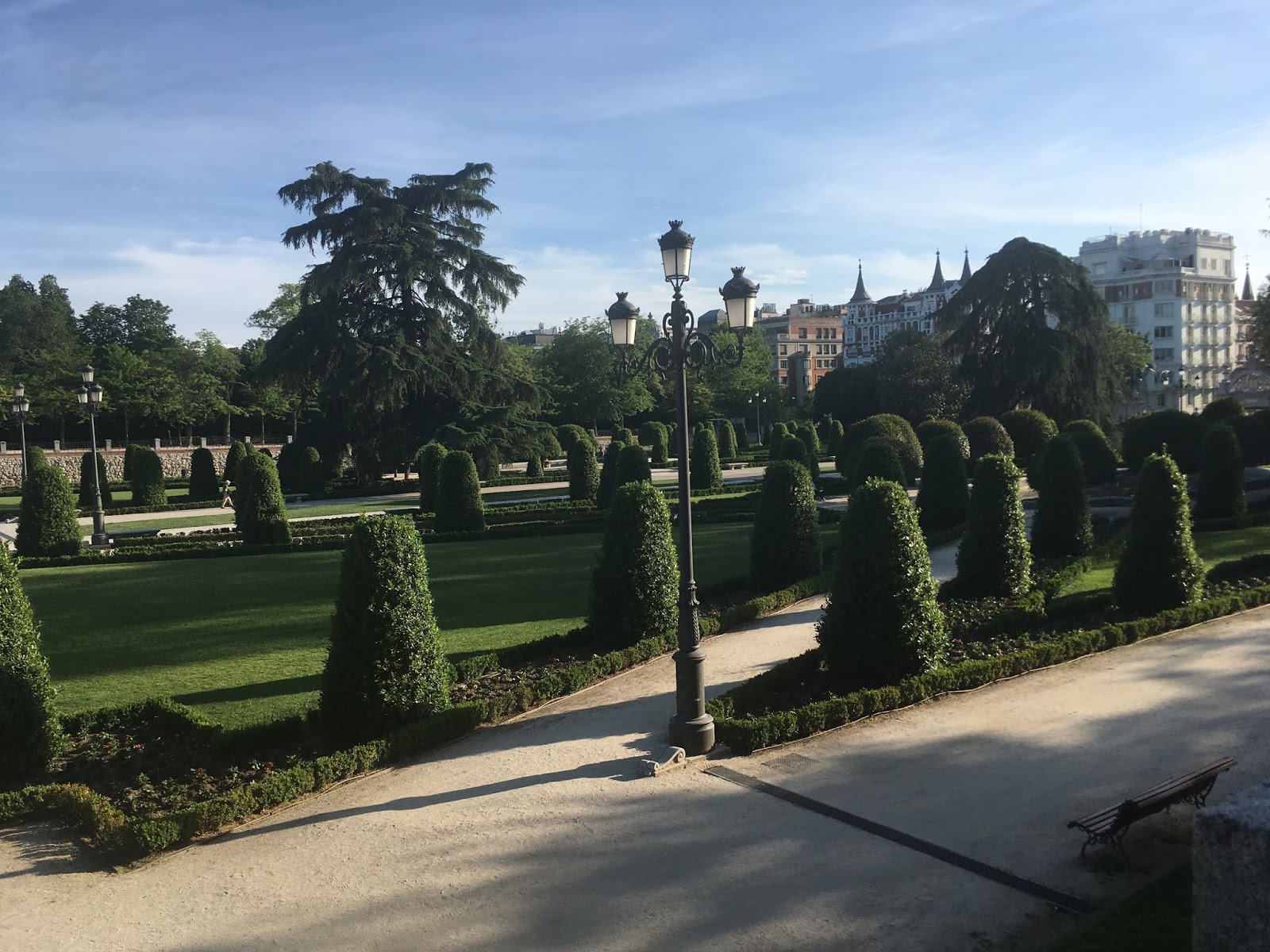
But, every neighborhood that we walked through in Madrid was vibrant, bubbling with activity. As in almost every other city- fabulous varied architecture but this city just felt even grander; Royal Palace, Retiro Park, all  just very pleasing, but more noticeable was just the general feel of the city was electric with a positive energy;

 
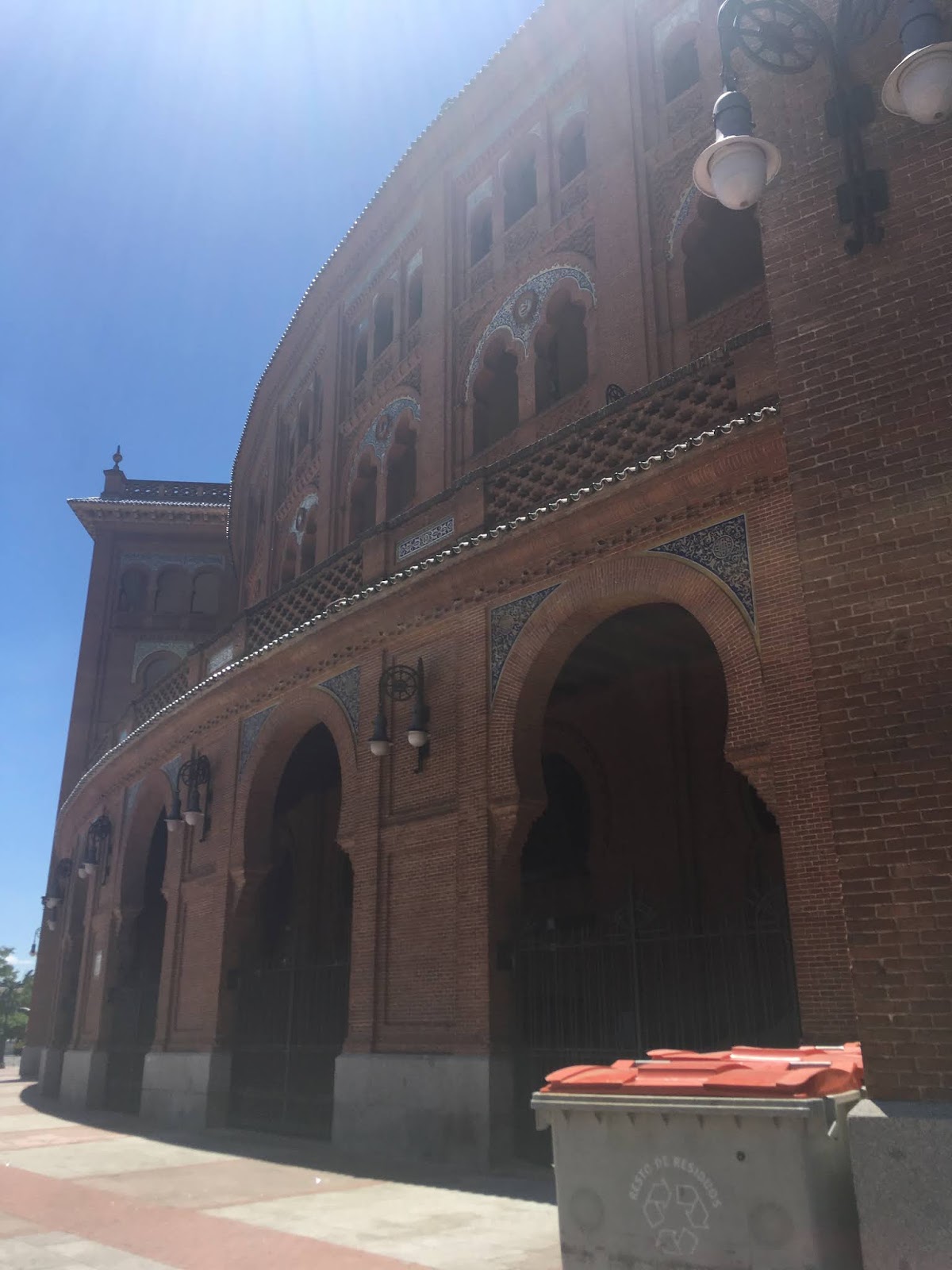
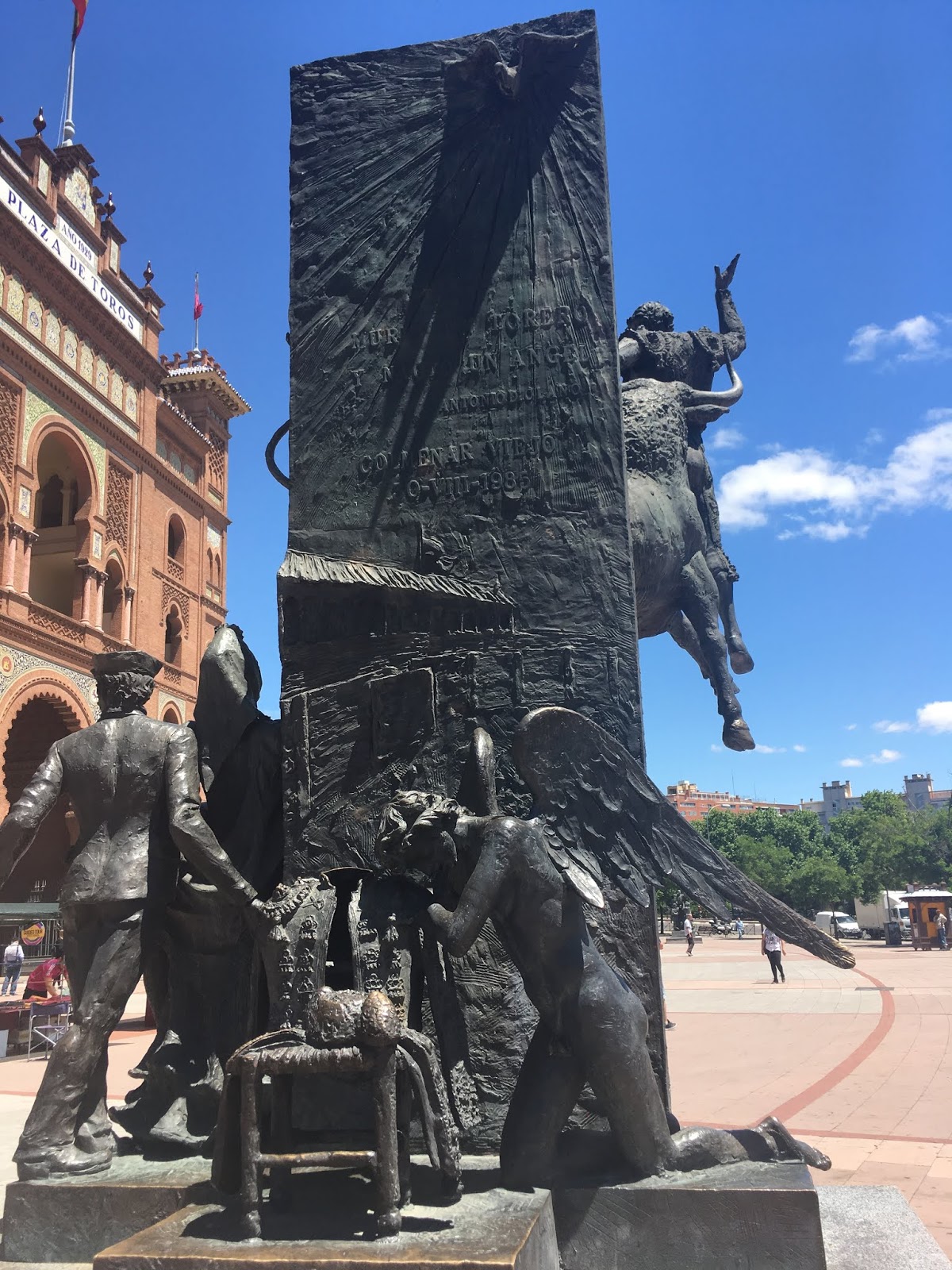
except maybe the bullfighting ring which although visually attractive, was still kind of creepy. 
We may have suffered slight museum overdose cramming 3 impressive, massive  museums (Prado, Reina  Sofia, and Thyssen) into two days. The Madrid museums had broad collections from all eras-ancient, medieval, renaissance, modern and contemporary plus from all of Europe (and US) but they really showcased  Spanish artists. We left with a far richer appreciation of El Greco, Goya, Velasquez, Picasso (in particular, his Spain’s national tragic treasure wall sized painting “Guernica”), Gris, Miro, etc. but we were a little numb and nauseous at the end, there’s only so many paintings of St. Sebastian with arrows in his side over the centuries that you can take in two days .  
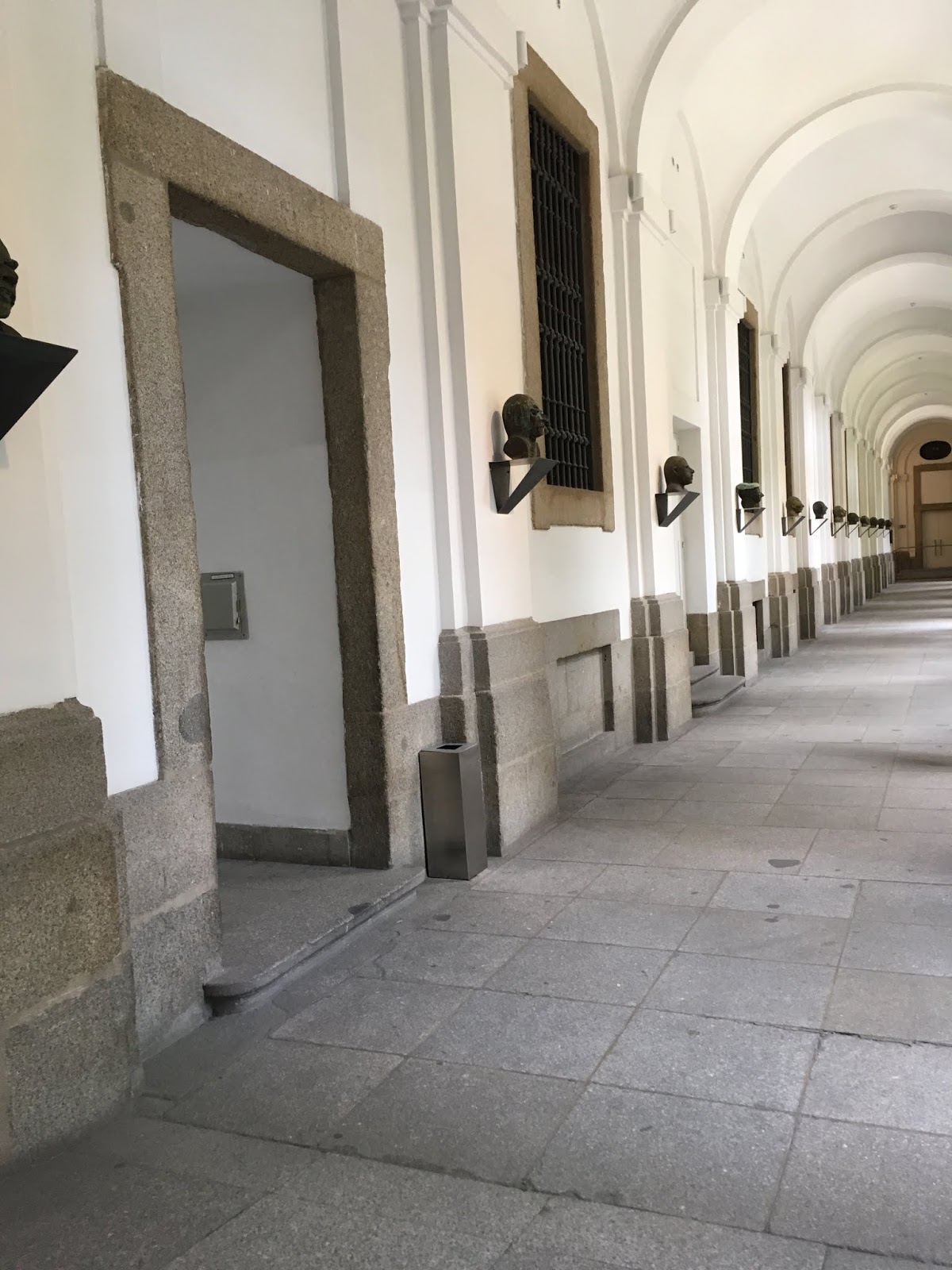
We successfully weaned ourselves from the museum art with park sculptures and street art.


Madrid was clean, well cared for and just stunning. Walking through the many museums and neighborhoods made you think about the historic wealth of Spain, the building up and then falling down of empires (starting to hit too close to home). We felt like we just skimmed the surface and we will be back. 
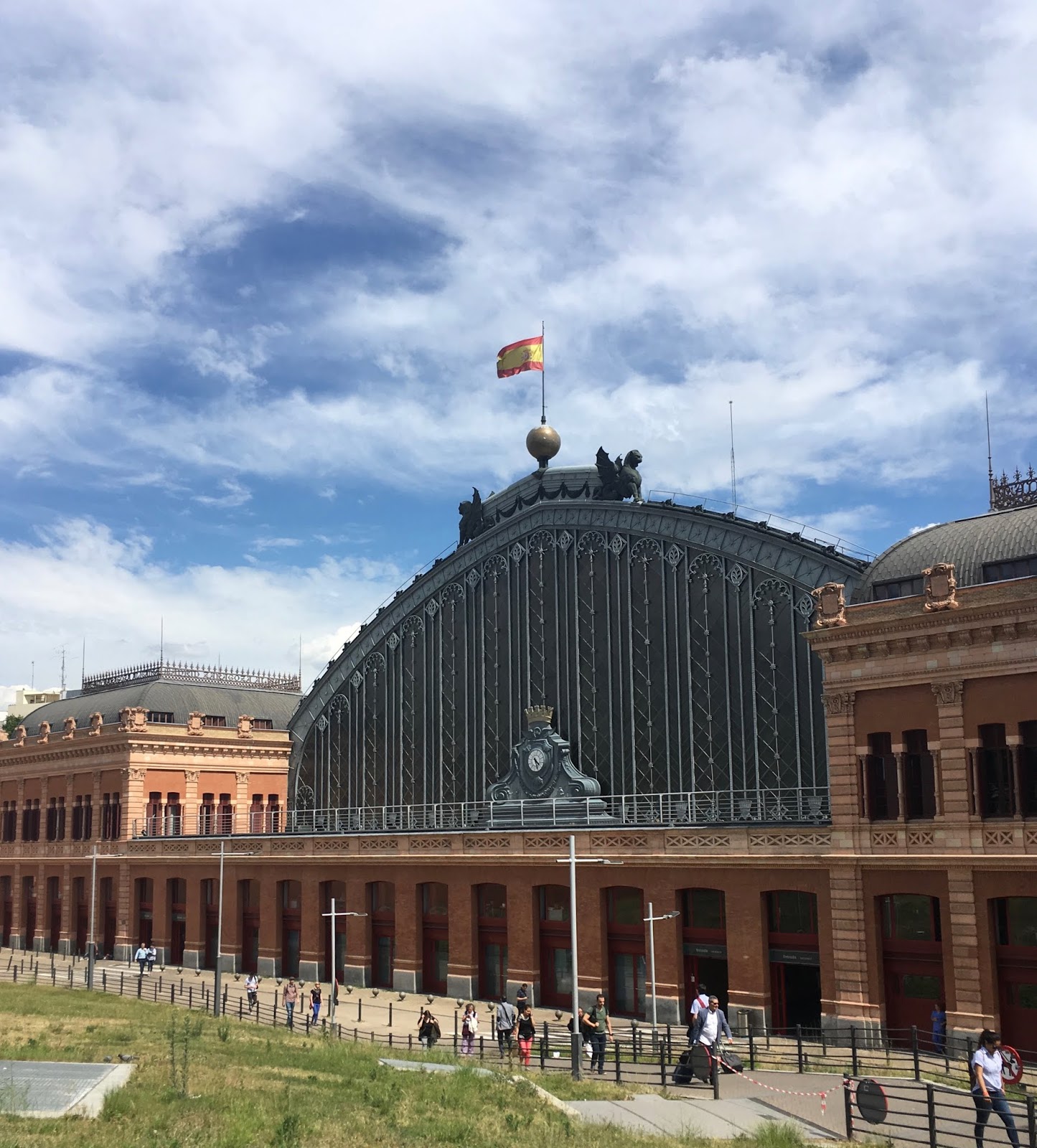
Atocha- Bus-Train Station
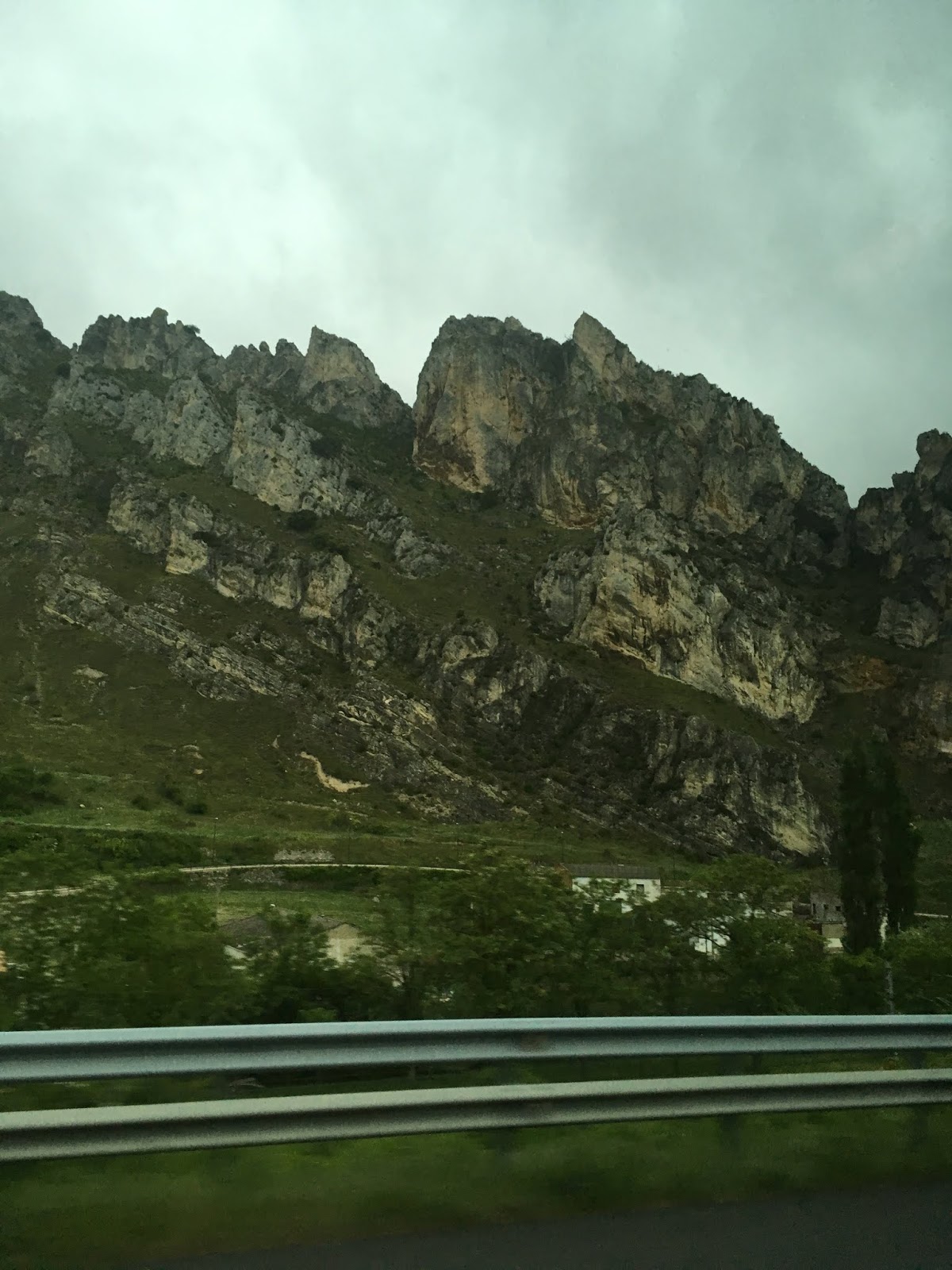
Our bus ride to San Sebastian (Donostia to the Basque) may have been our most memorable. The foothills along the edge of the Pyrenees was the most stunning scenery from a bus or train, yet.  Landscape intense enough to have us look up from our bus tv’s. Our bizarre media options included episodes of “House” and Power Puff Girls in Spanish, as well as dubbed Woody Allen’s Coney Island movie “Wonder Wheel” (bad in any language).
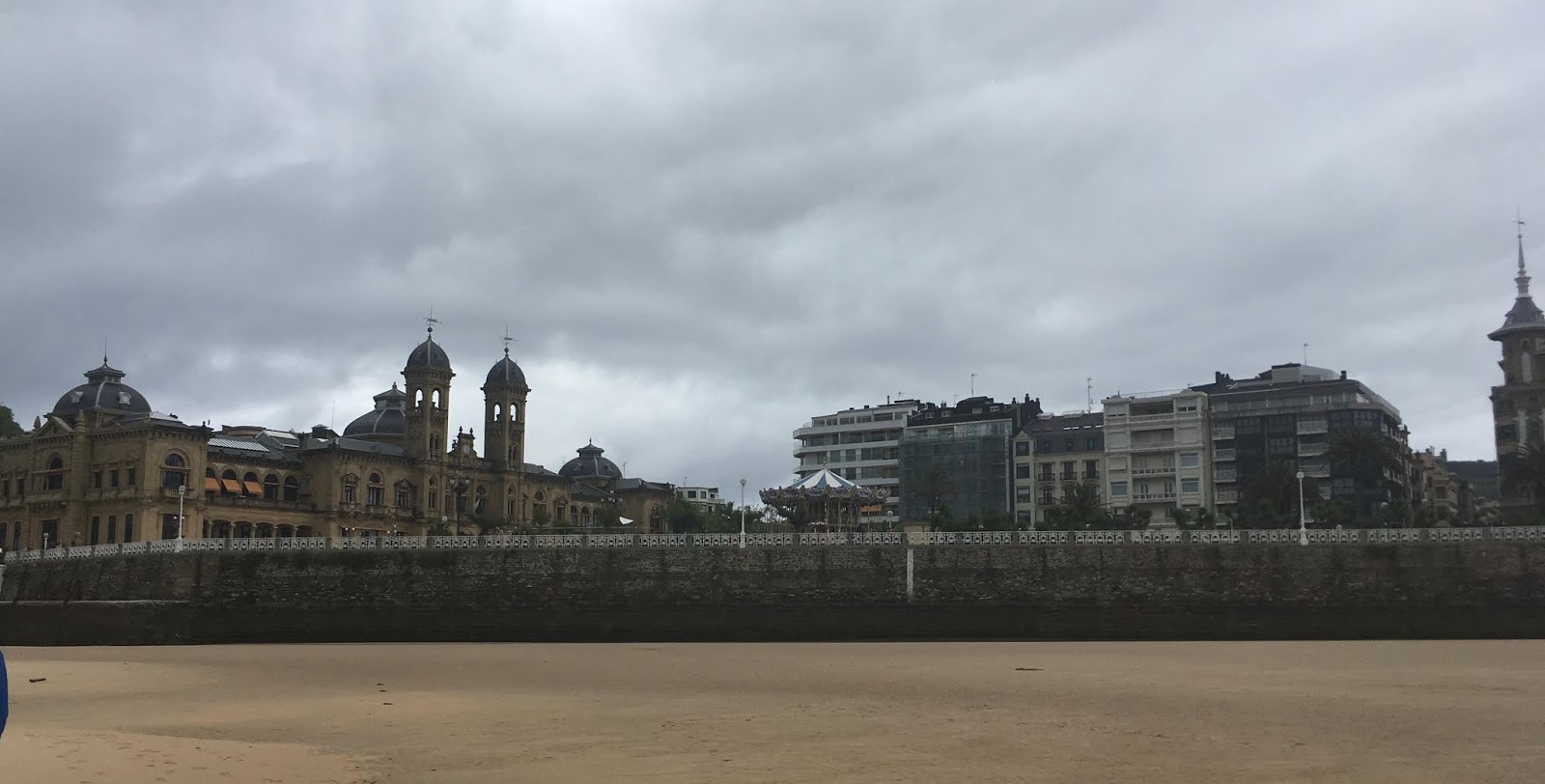
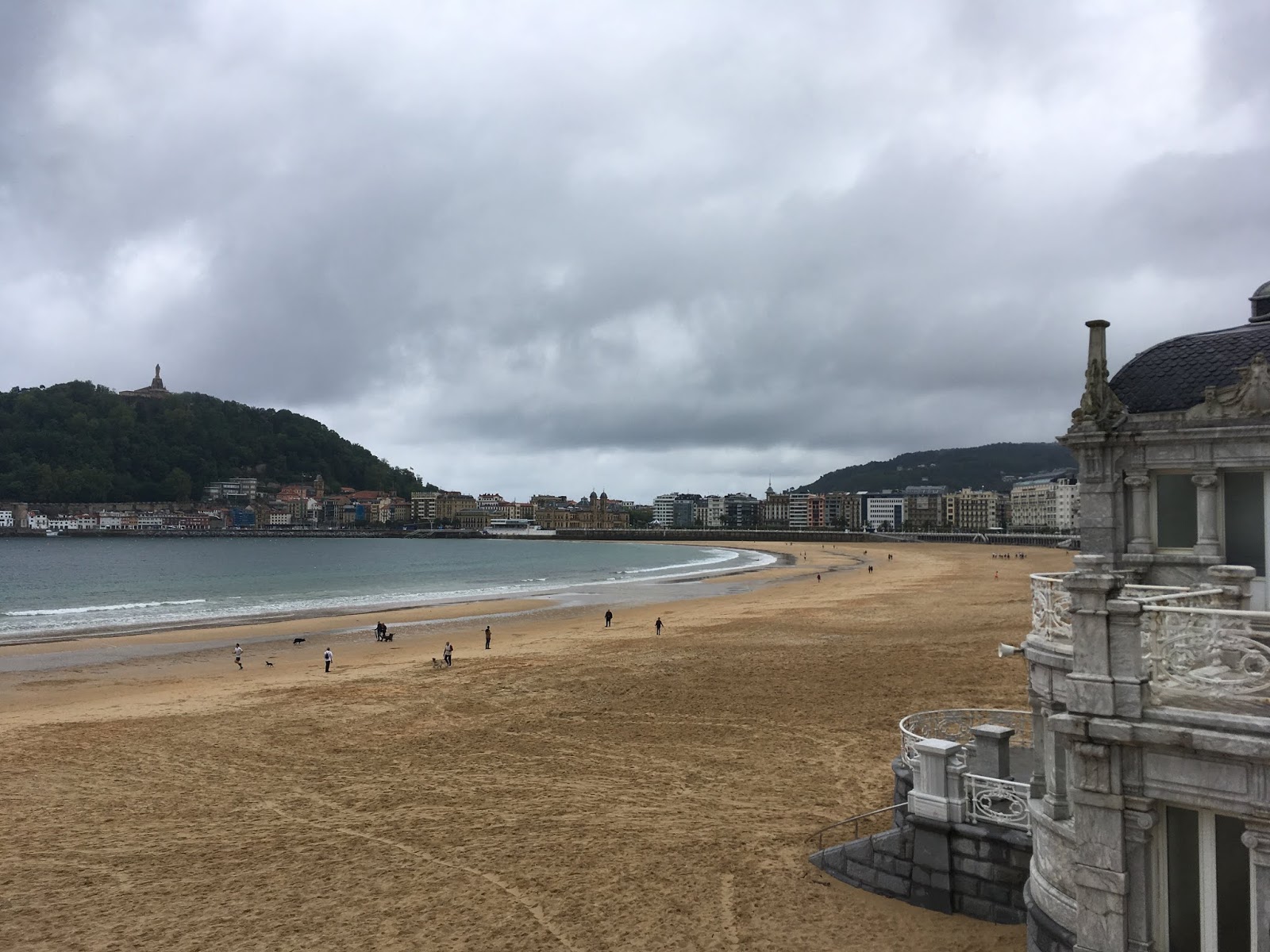
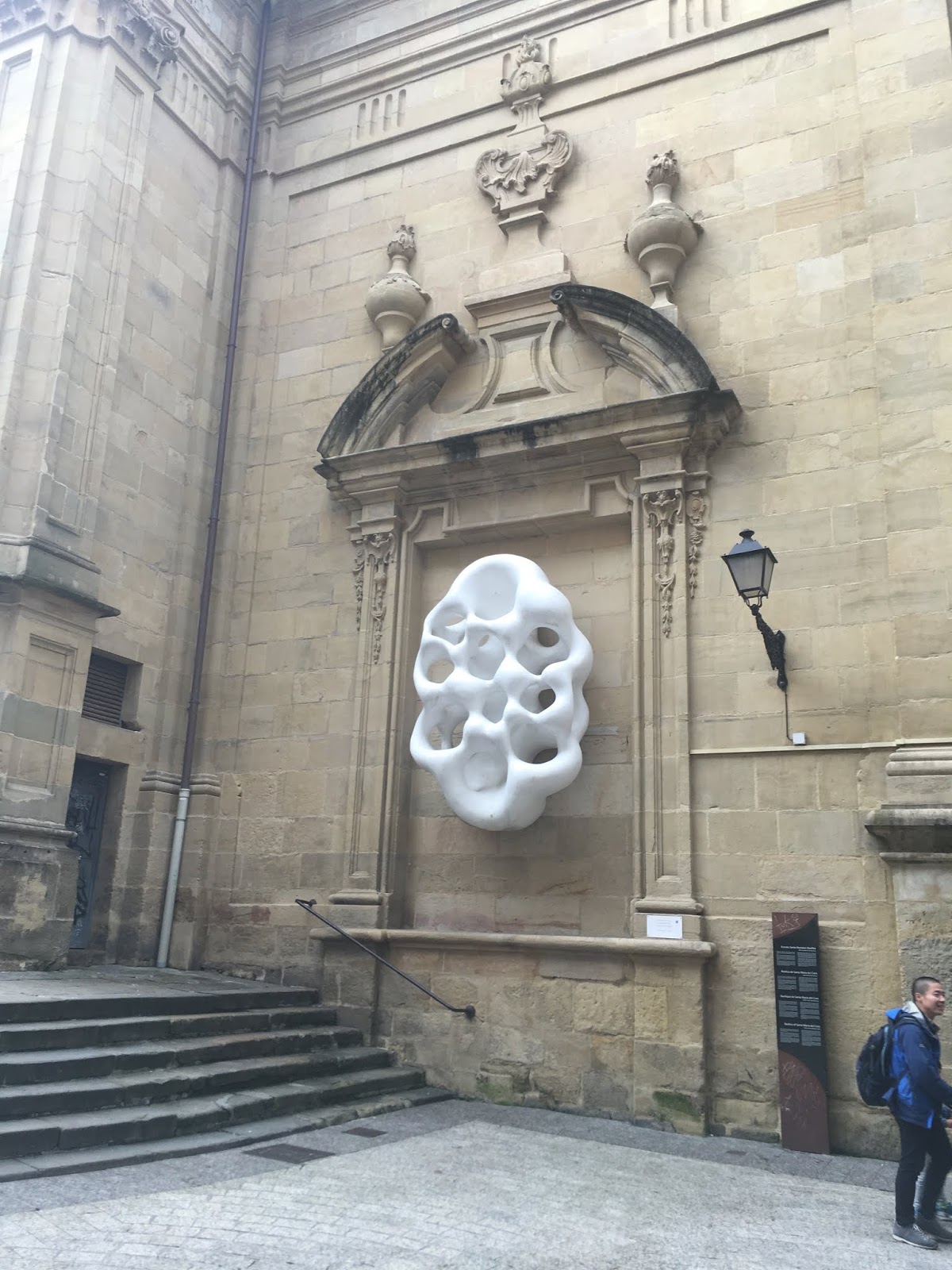
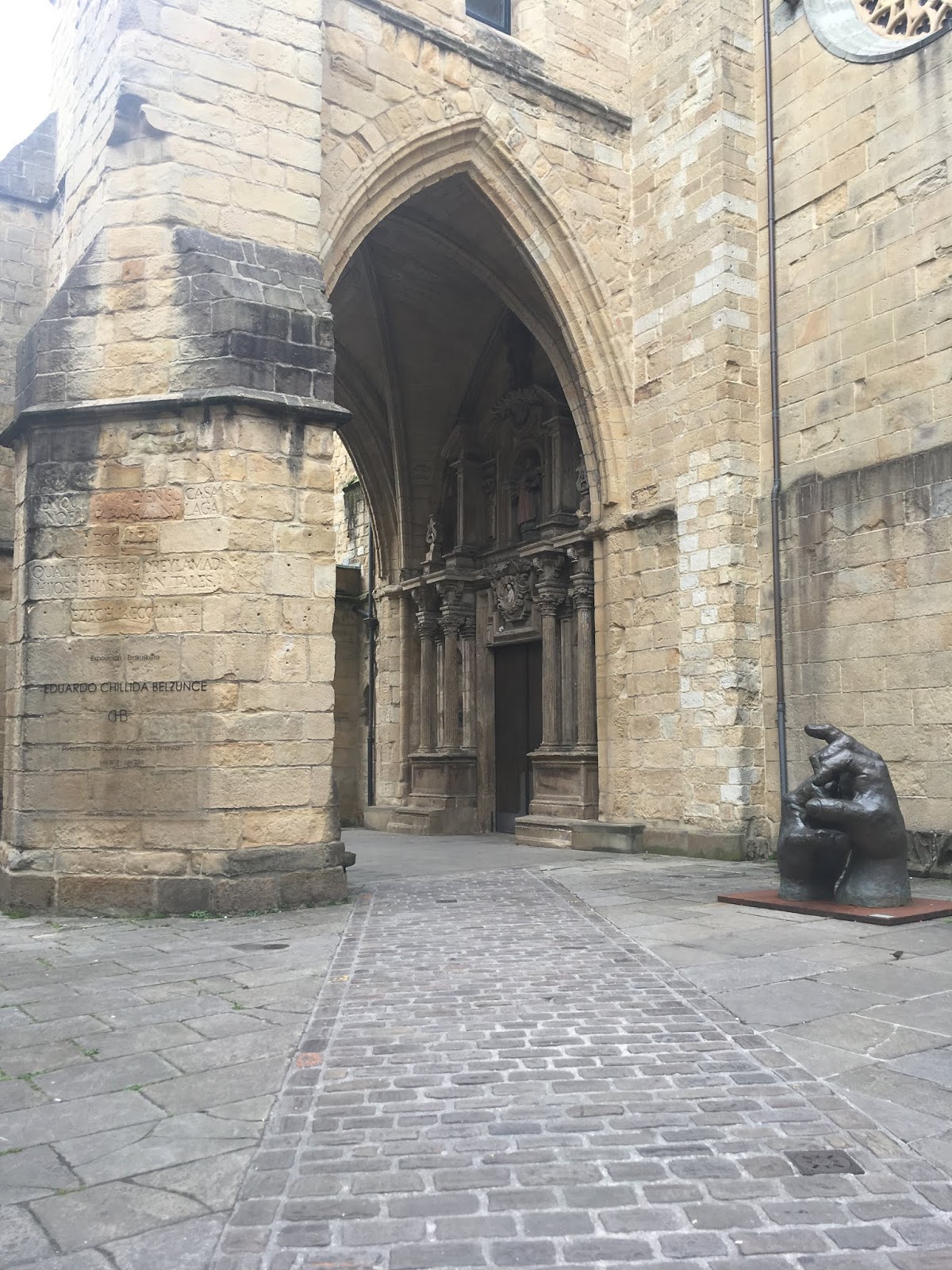
San Sebastian was probably our most highly anticipated site, as we consistently heard it was the most beautiful place in the world from a number of people with distinctly different tastes.  It  had everything we usually like; a Victorian seaside resort (our favorite kind), beach, medieval churches (combined with contemporary art), 


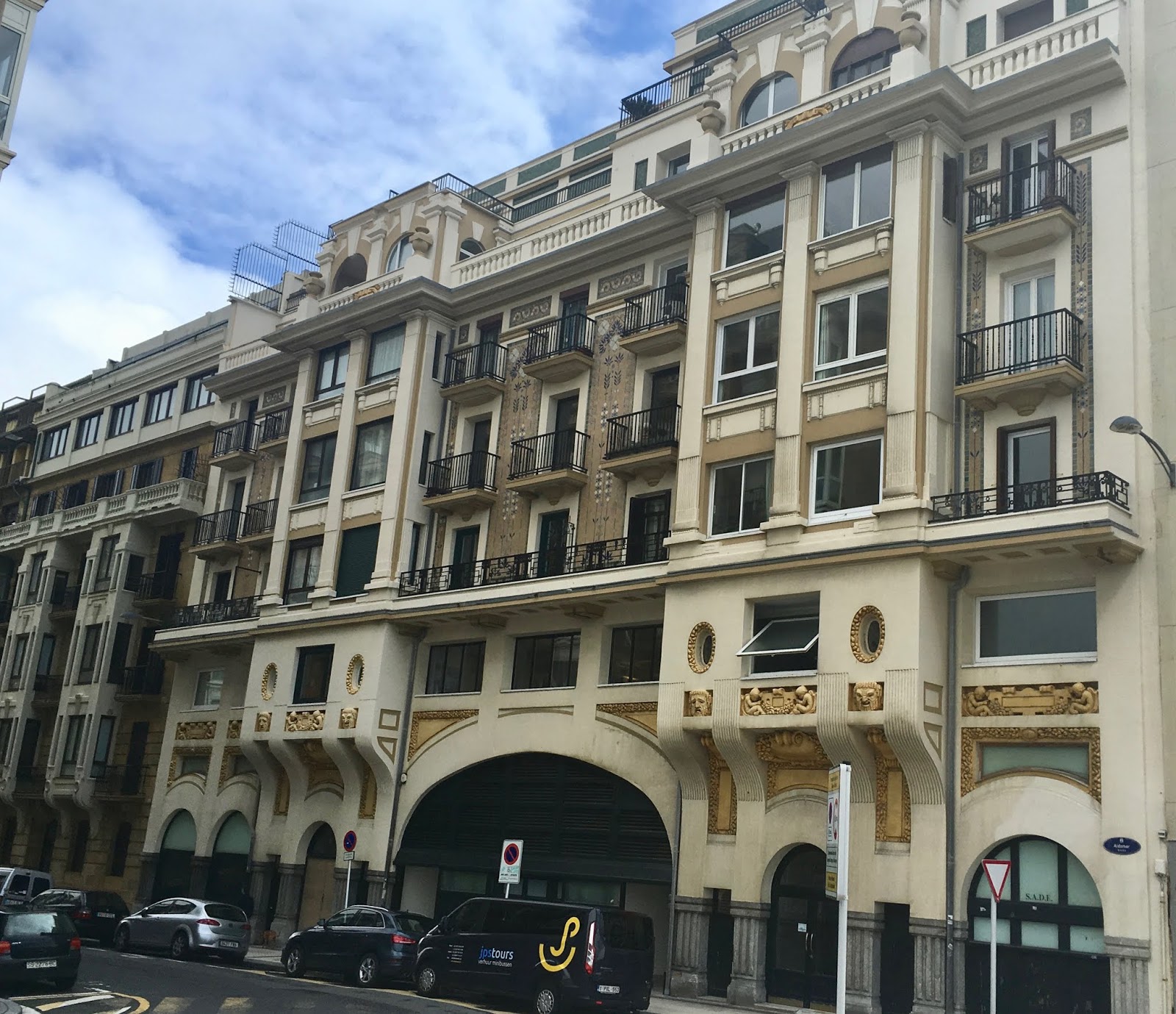
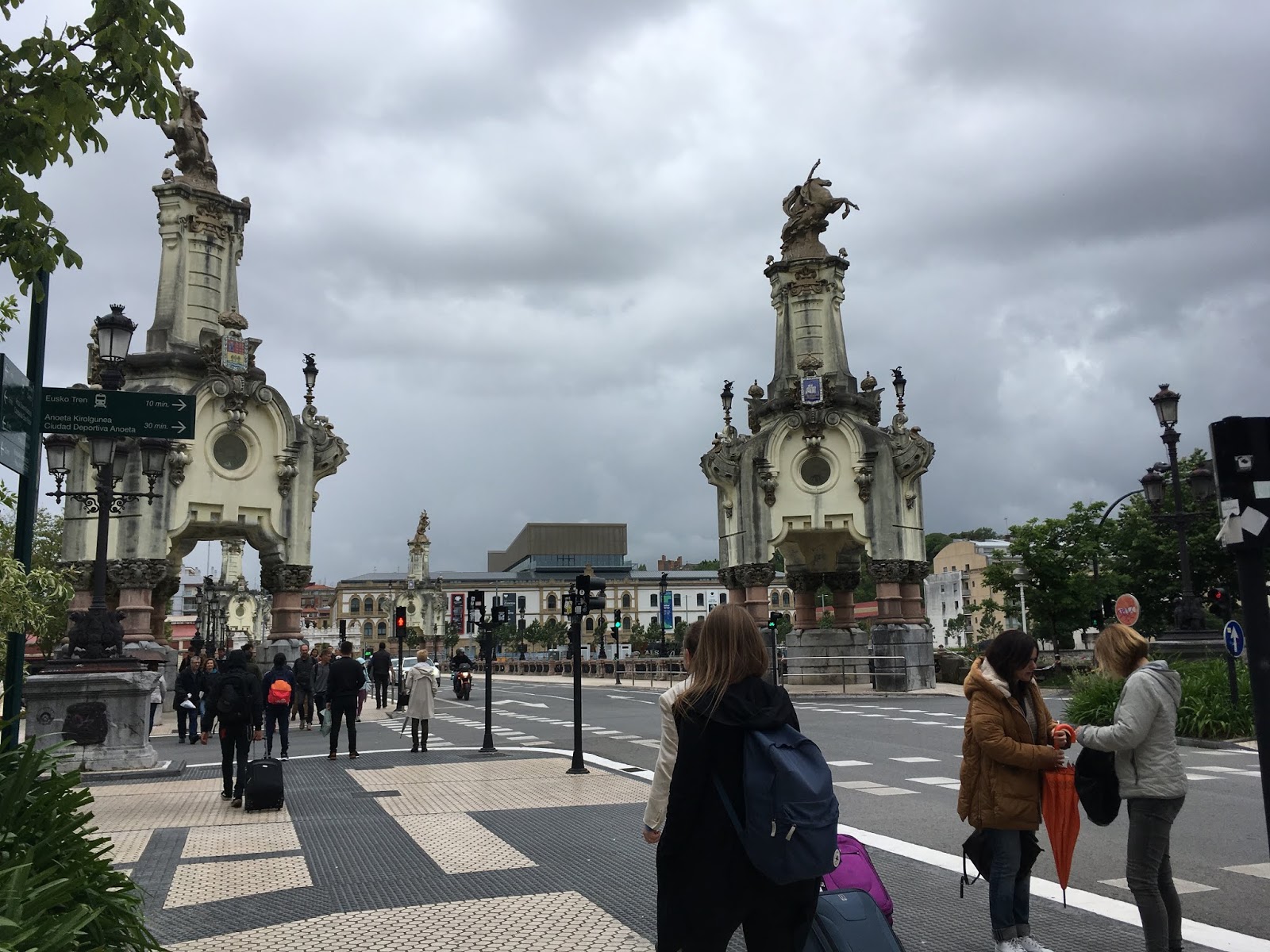
plus beautiful buildings and bridges


San Sebastian/Donostia is in the Basque Region of Spain, with a mix of both French and Spanish influence, the end result is it’s own unique flavor.
Unfortunately, it also had it’s fair share of tragic history, old and recent-burned down in 1489, 1839 and the Basque area was a frequent target of long time Spanish ruler Generalisimo Franco-e.g. bombing of Guernica.  BTW Generalisimo Franco is still dead!


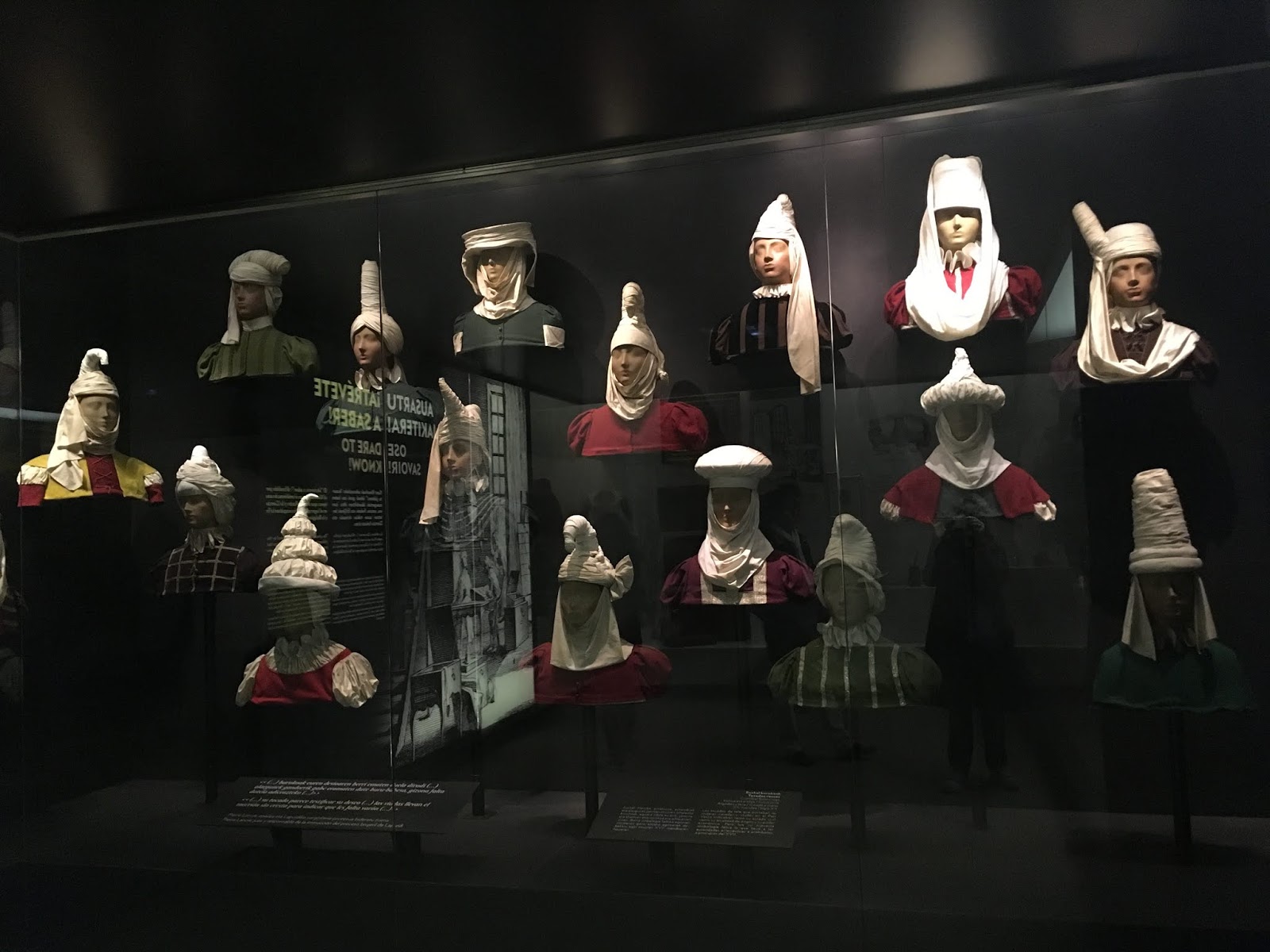
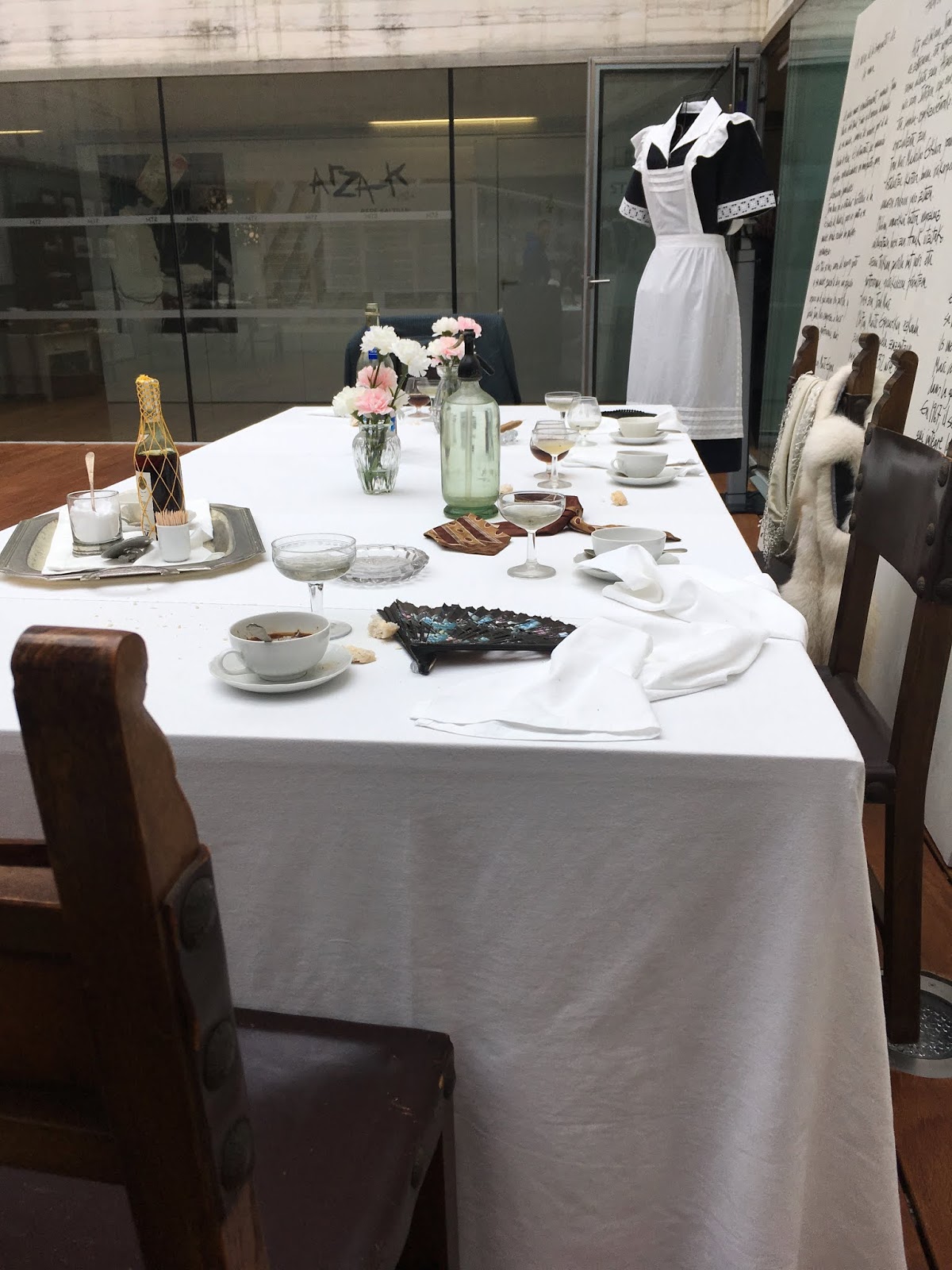
We enjoyed the local museum detailing Basque history that included a special exhibit (an entire floor) on a local chef and restaurant. 
 
Our high expectations may have influenced our impression, while it was extremely nice, it was not unforgettable, jaw dropping or breathtaking as say Dubrovnik, Croatia or Trier, Germany or even Zagreb, Croatia (which was former Soviet sexy ugly). It didn’t have the historically /ancient fascination of Paphos, Crete, or the great personality of Bristol, England but it wasn\’t just another very pretty city on the coast. 
It was really pleasant, just, maybe slightly overhyped. What\’s the expression?- date San Sebastian, marry Madrid, actually would date and marry Madrid, and be good friends with San Sebastian.
 
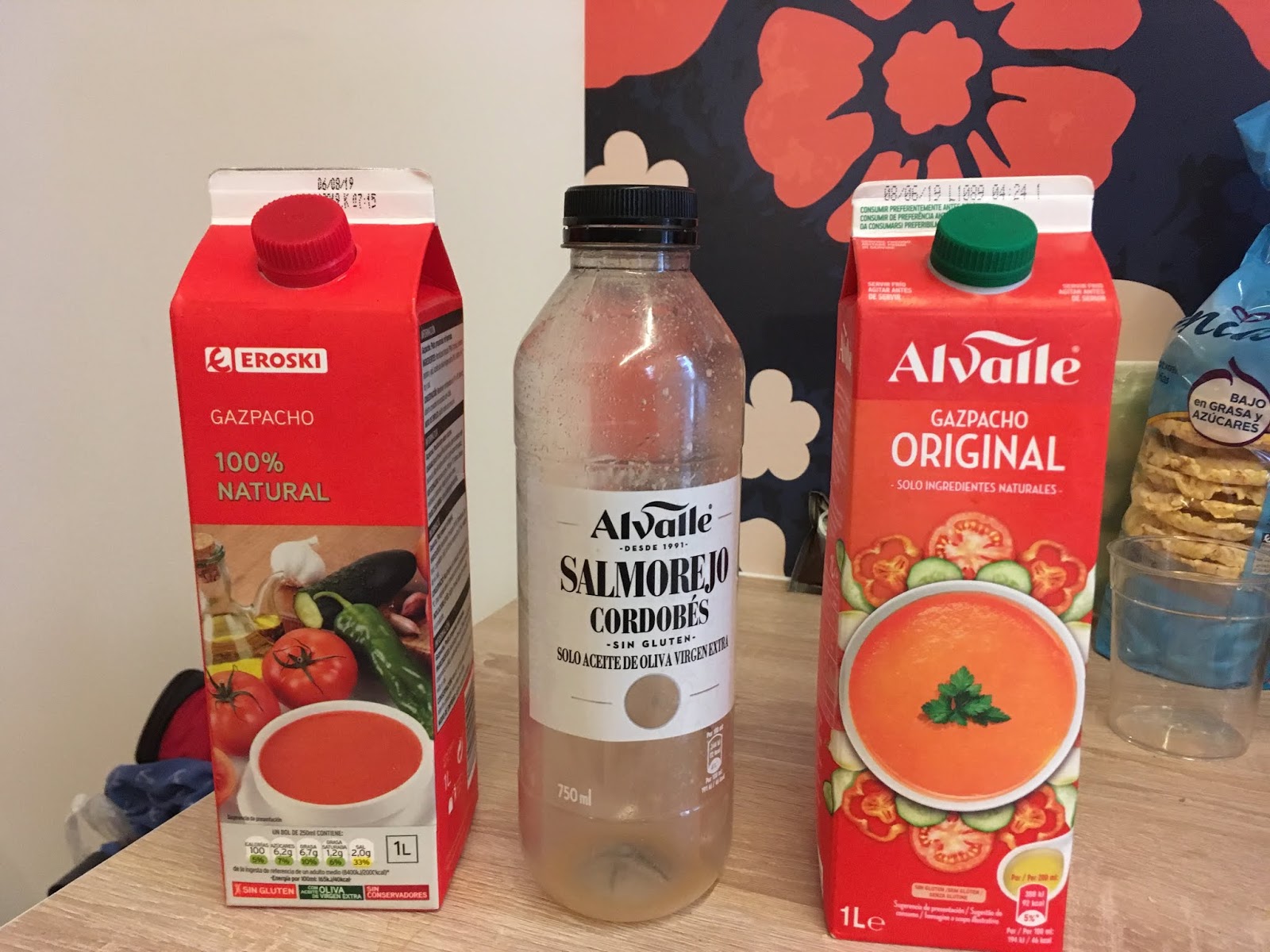
In San Sebastian though, the true highlight was discovering  Supermarket Gazpacho in a box or bottle.  It became our major sustenance through the rest of our Spanish travels.
 
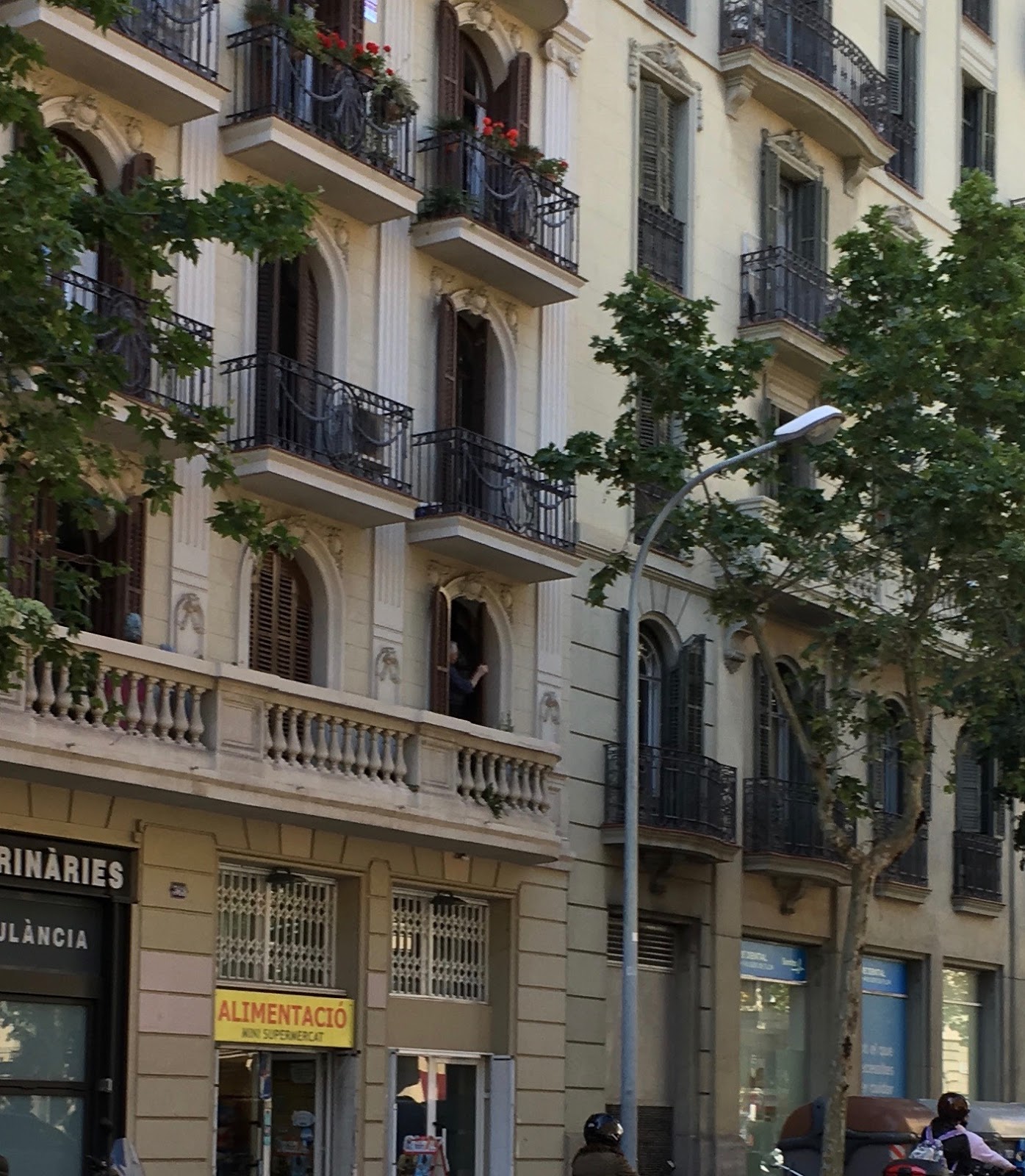
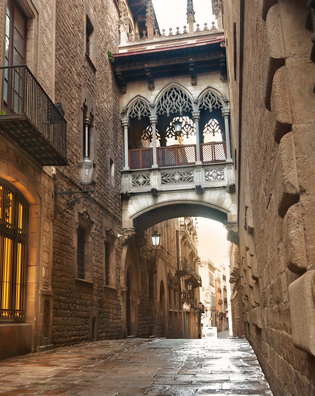
Barcelona was similar to Madrid with distinct, nice neighborhoods to walk around, but while Madrid was consistently beautiful, Barcelona’s neighborhoods were more inconsistent. The Plaza Catylonia, Piesag Gracia and Gotic areas were impressive, but they definitely were more touristy feeling and crowded.


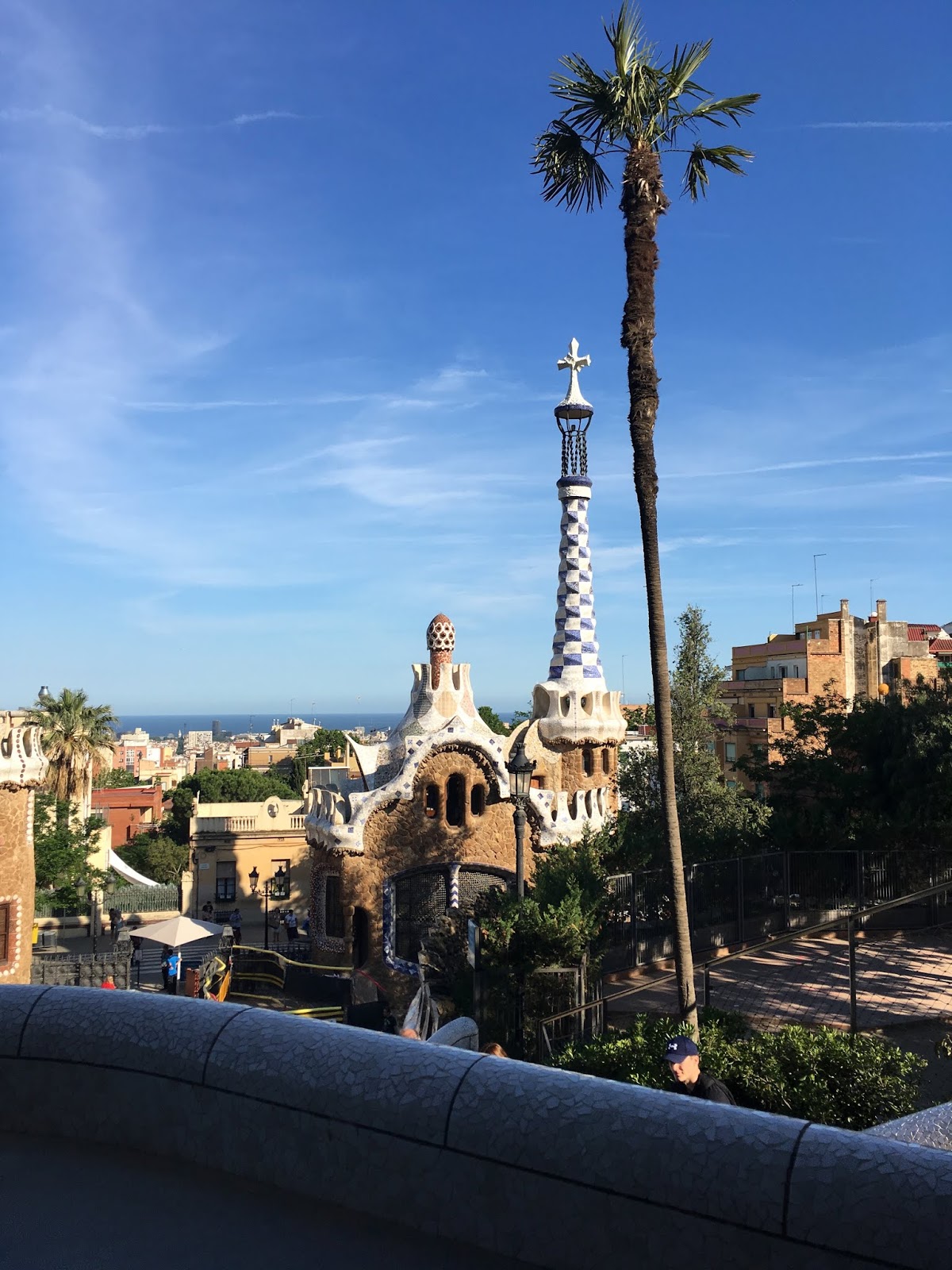
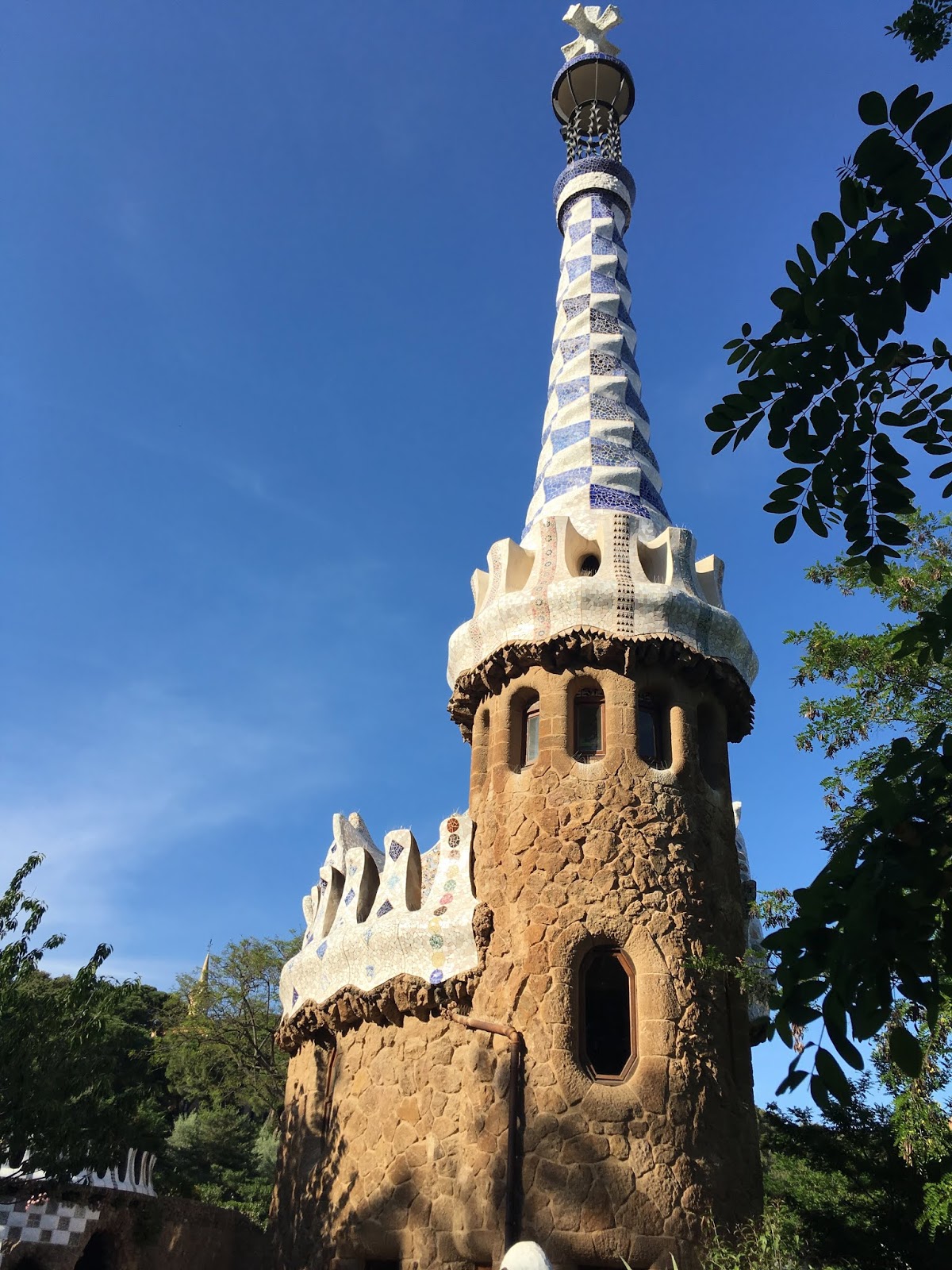
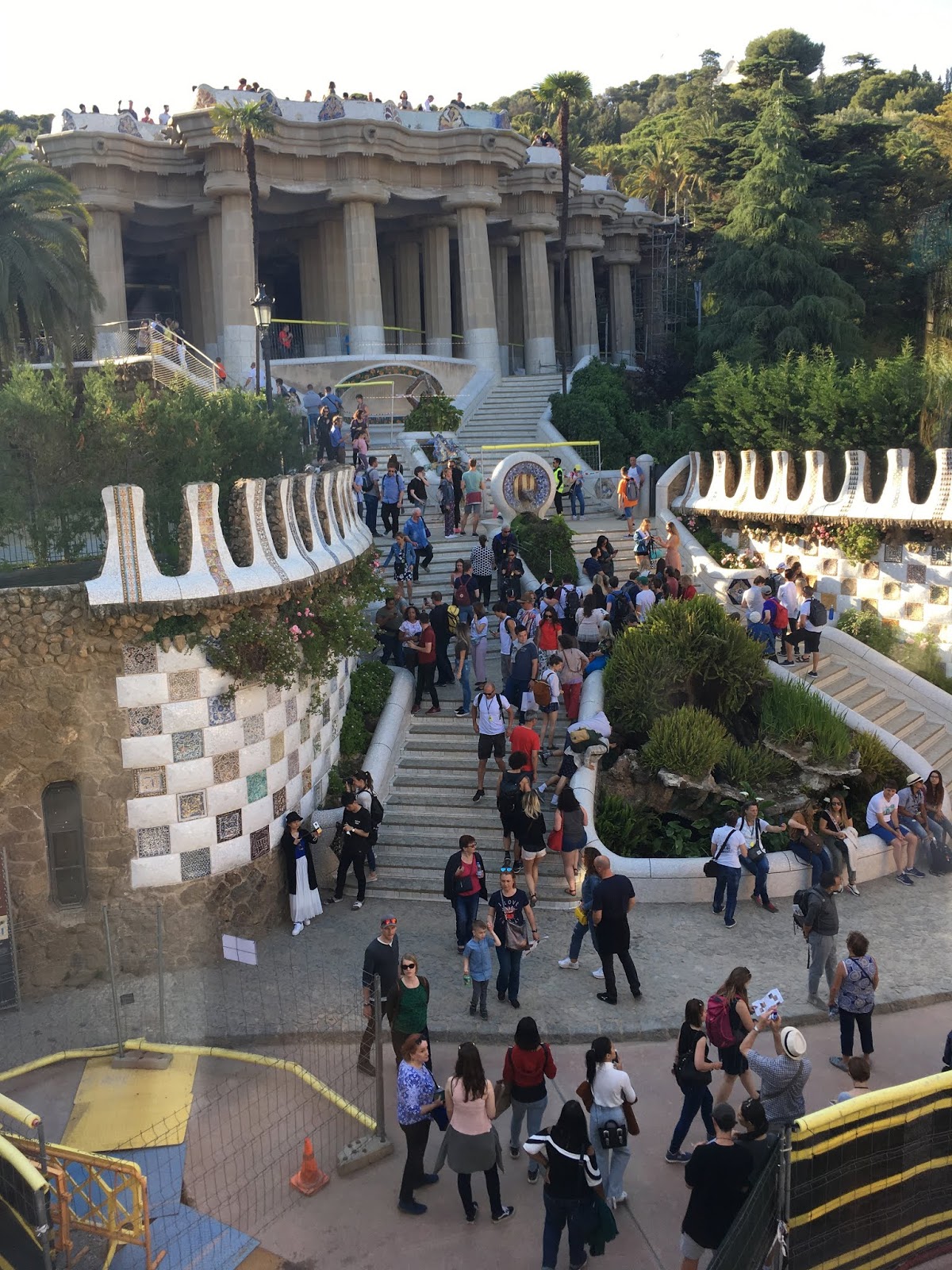
Can’t talk about Barcelona without talking about Gaudi and perhaps his influence and uniqueness contributes to the appeal of Barcelona.  We went to Park Guell, famed as the park with the tiled salamander benches and fountains, but which actually was a planned development similar to Los Angeles\’s Valencia, San Francisco\’s Park Merced or Portland\’s Ladd’s Addition. It  was pretty amazing and original especially when you consider that it was  devised in 1900, but ultimately it was a commercial failure and only two of the planned 60 residences were ever built.  Today, the park is one of Spain\’s most visited tourist sites.  Note: the word gaudy is not derived from Gaudi despite what some may have expressed (but not us, we loved it!)

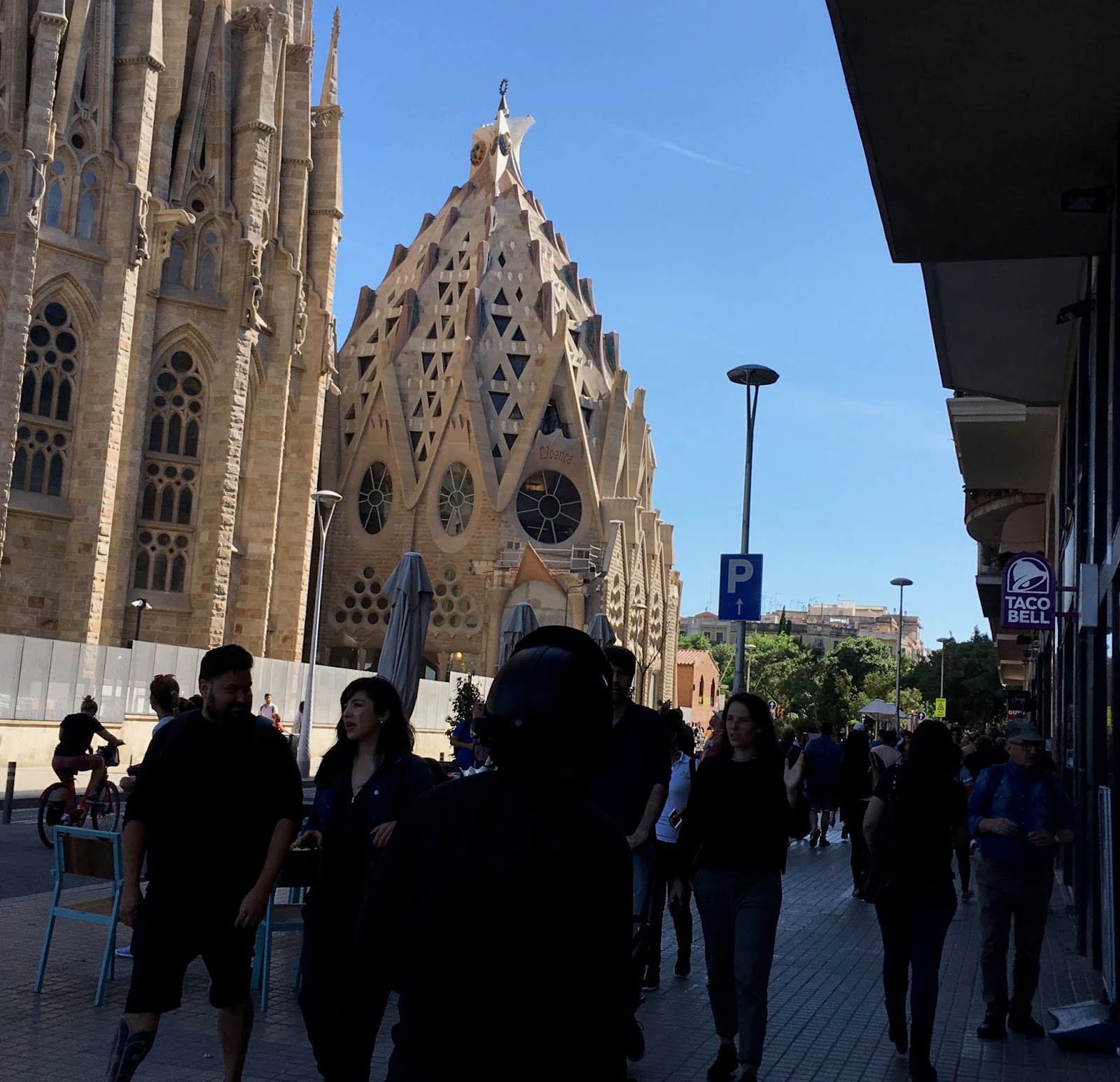
We,  along with countless other tourists, stared in awe at Gaudi’s masterwork- Sagrada Familia with the backdrop of Taco Bell/KFC/Burger King and McDonalds.

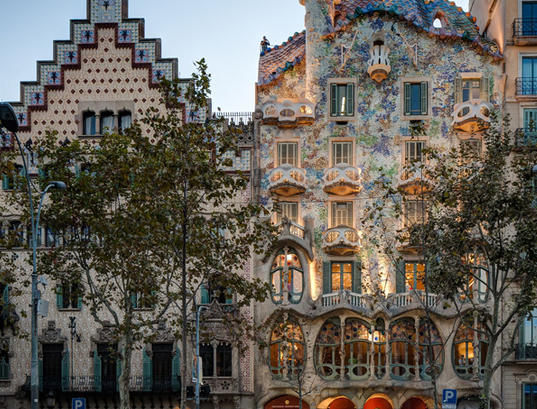
Gaudi\’s park, church and few buildings scattered through the city were wonderful to see,  kind of Flintstones meets Candyland, but again big crowds diluted the ability to relax and enjoy.

Greets you right when you get off the subway
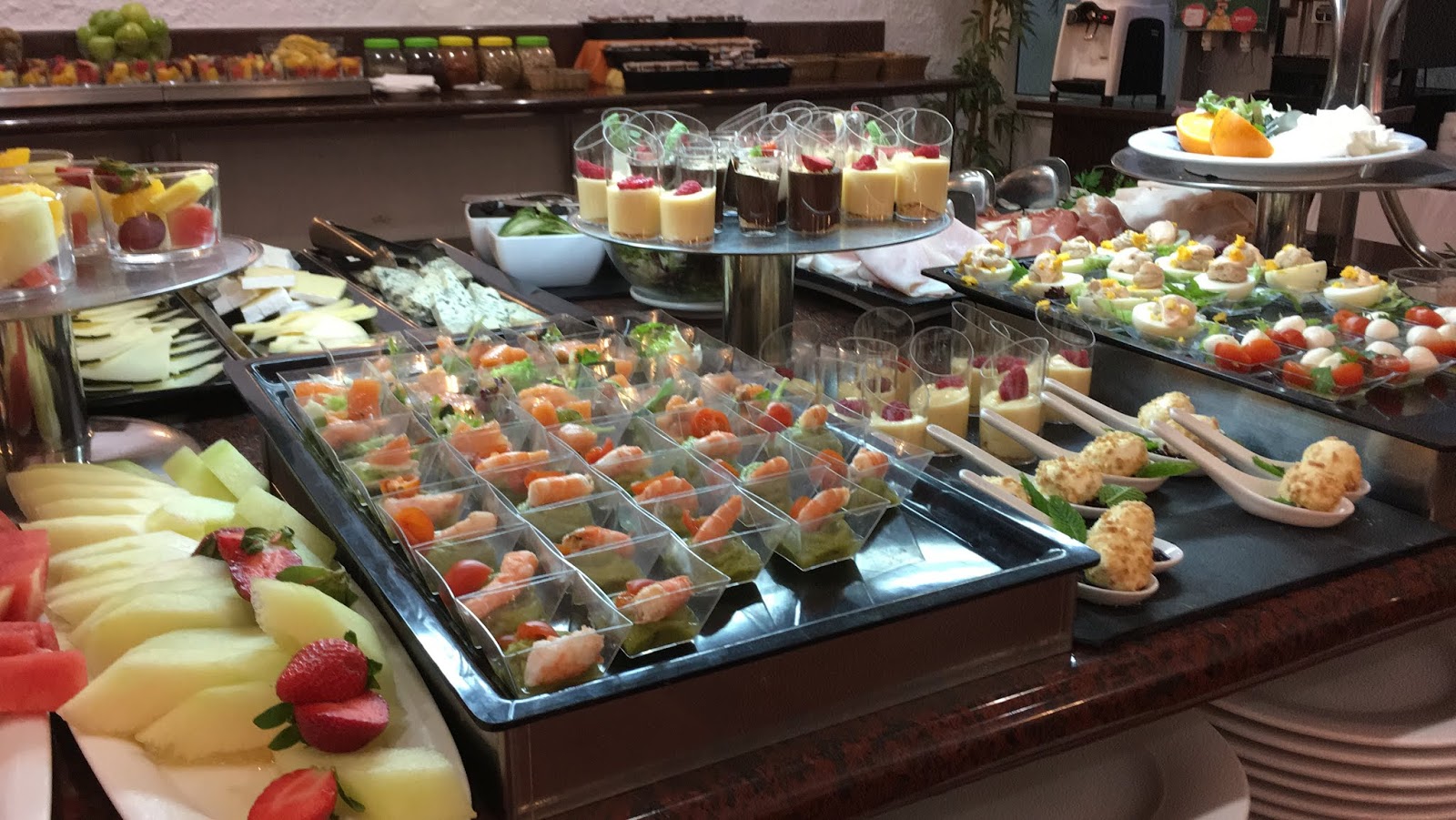
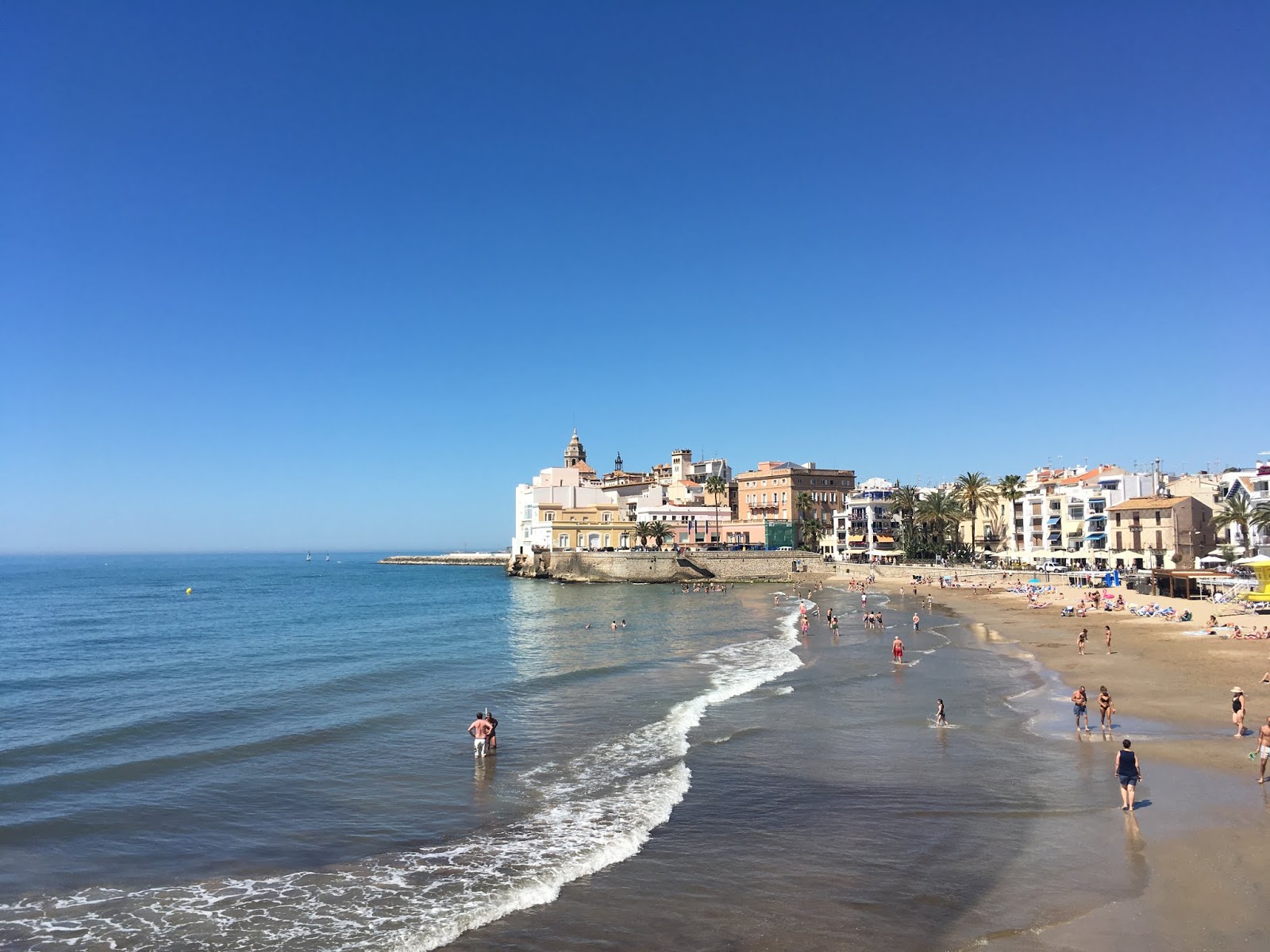
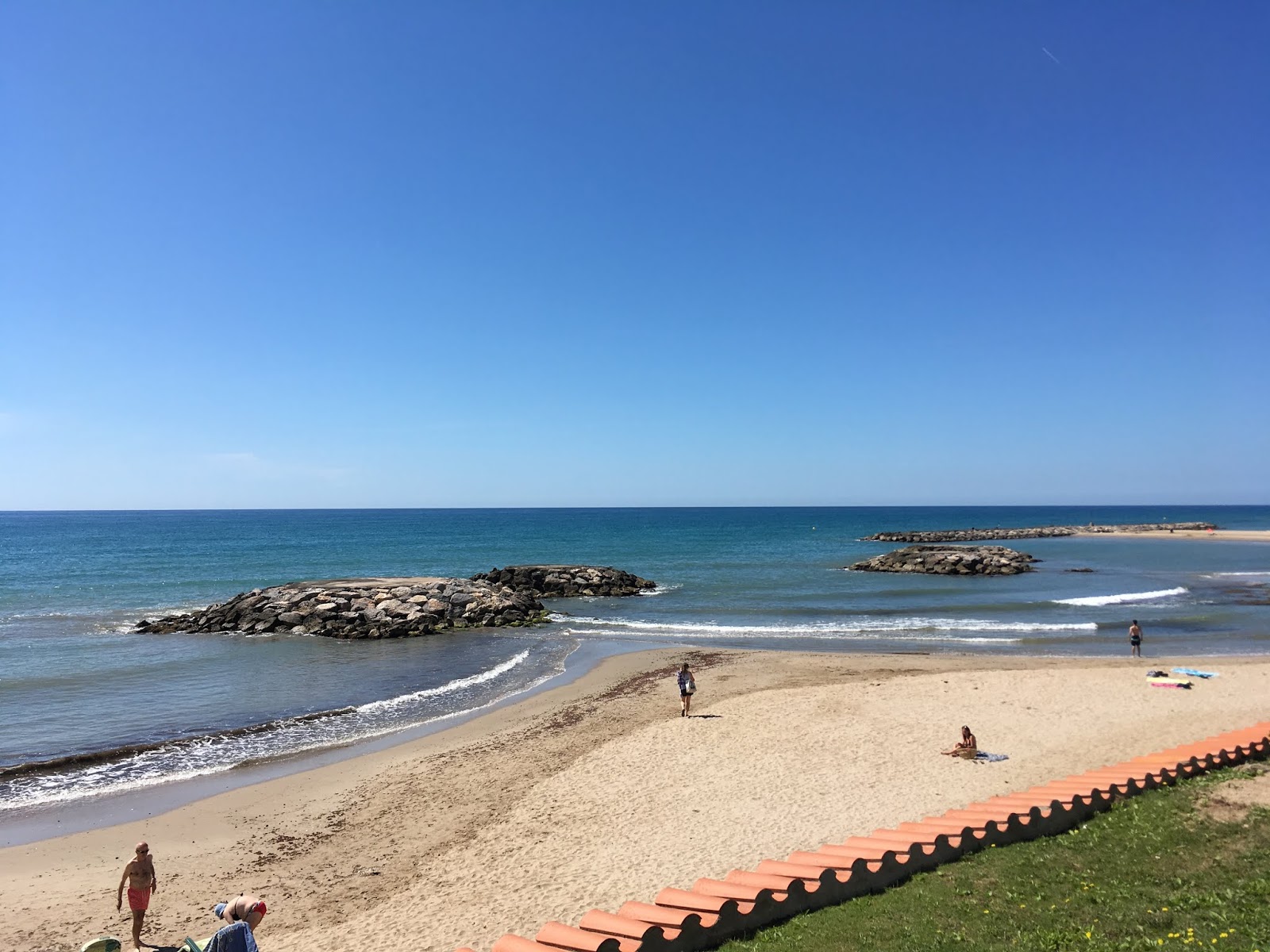
Fortunately (because it was so expensive to stay in Barcelona) we actually stayed about 30 miles south of Barcelona  in Sitges easily accessed by commuter train (again great public transit system).  We  blindly chose to stay at a hotel, a rarity for us,  but it was a great find, right on the beach, nice pedestrian old town center, and most importantly the best breakfast buffet ever! It even had gazpacho.

This was just one table, there were 4 more plus 3 different coffee machines and unlimited Mimosas

The town was hopping because it was the start of almost 2 weeks of Pride Festivities and Sitges is apparently the gay capitol of Spain so everyone was in a party mood. The beaches filled up with international partiers,  and way too many pale skinned Brits turning gazpacho colored, (painful to see as a dermatologist).

It’s hard not to compare cities, especially in the same country.  The  cities we saw in Spain, were each uniquely wonderful.


Like meeting people, when coming to a new city you get a gut feeling and a first impression. What creates the feeling of a city? The old monuments? The stately buildings? The peeling paint? The crowded cafes?  How does entering at a nondescript bus station on the edge of town compare to arriving at a fin-de-siecle elegant train station in the heart of the city influence your view? 

Some of Spain\’s cities were love at first sight while we left others with an emerging appreciation. Unfortunately because of the Schengen Visa rules  https://thechosenfugue.blogspot.com/search/label/Schengen, we could only stay long enough to just have a Spain appetizer.  Looking forward to coming back for a full Spanish meal. 

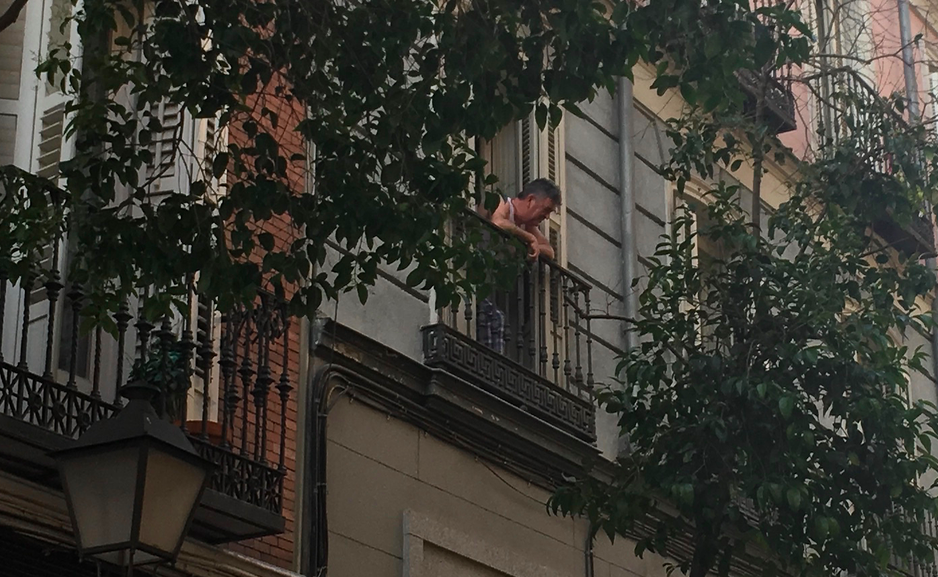
This week\’s photo of  topless old man looking out window contemplating his life \”I just finished off a whole carton of regret.\” 


Dog-Days of Winter

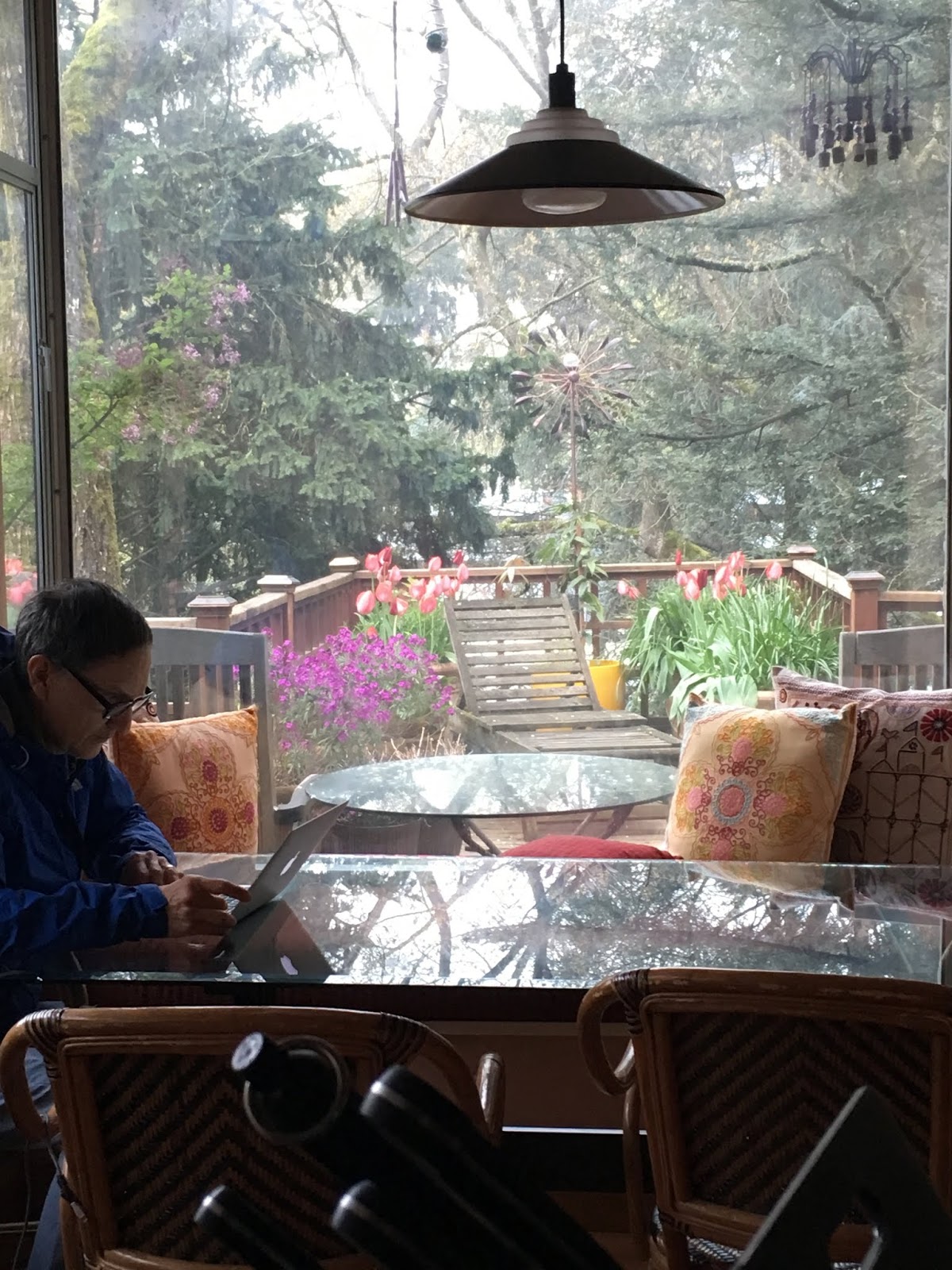
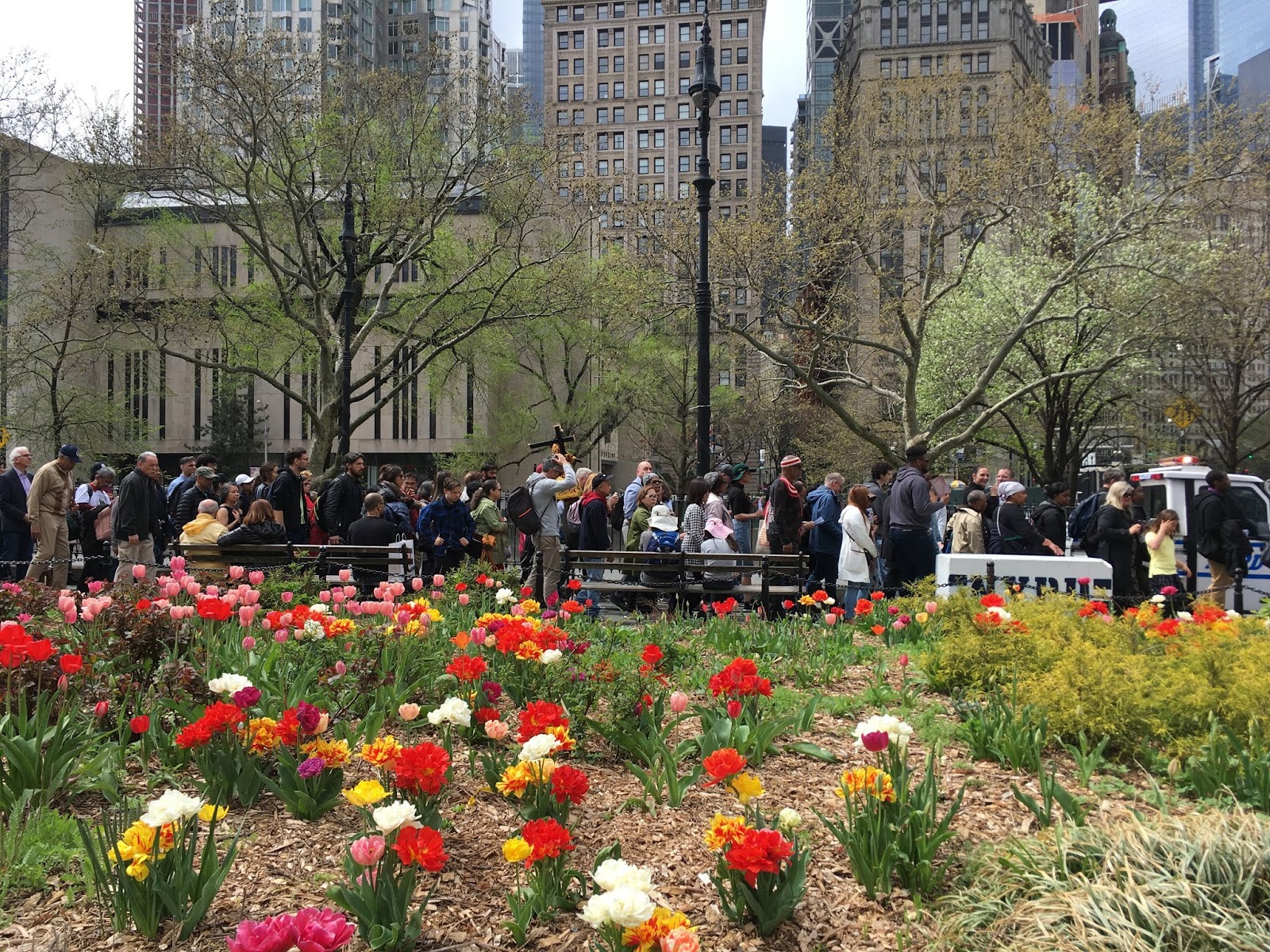
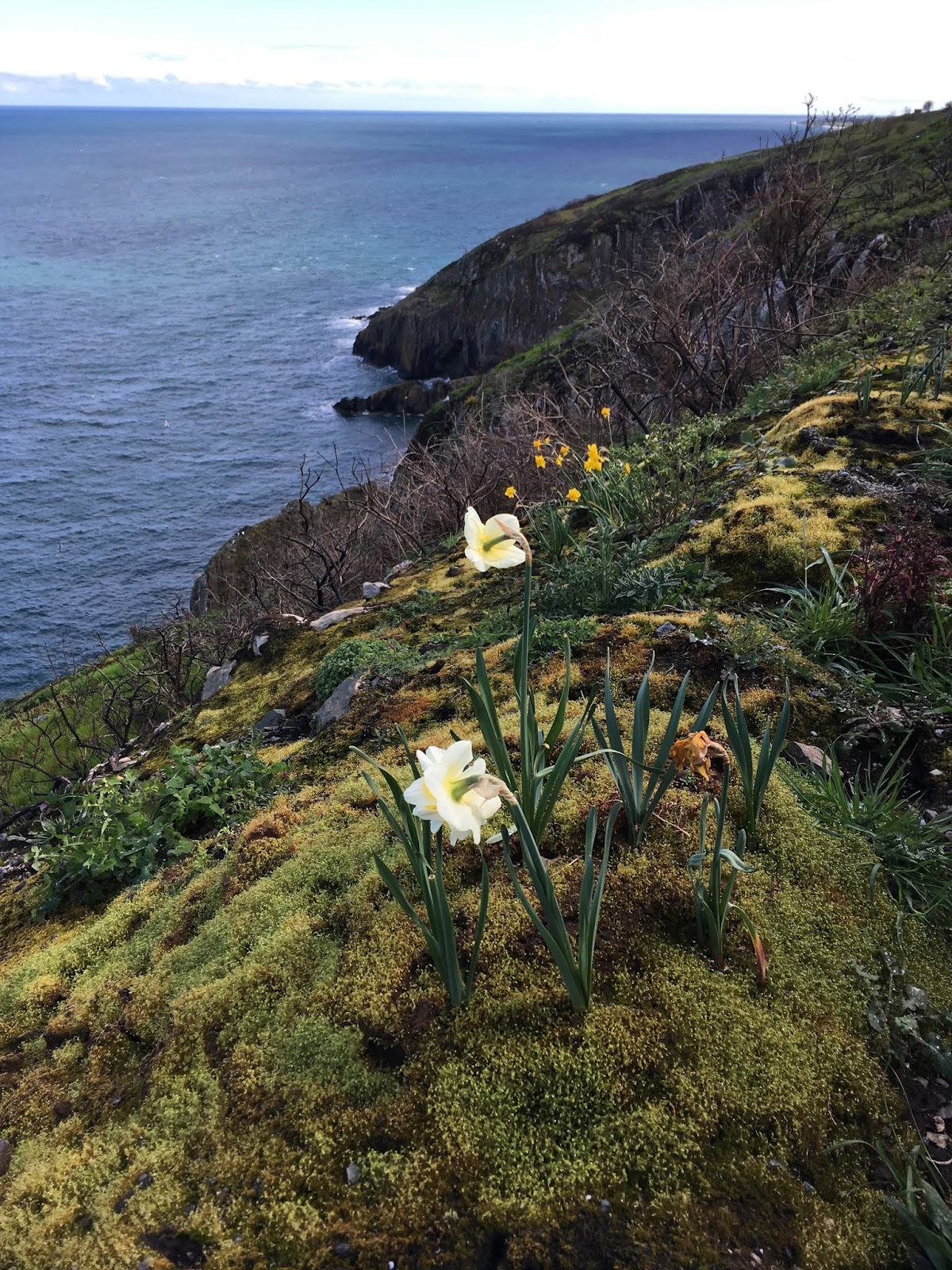
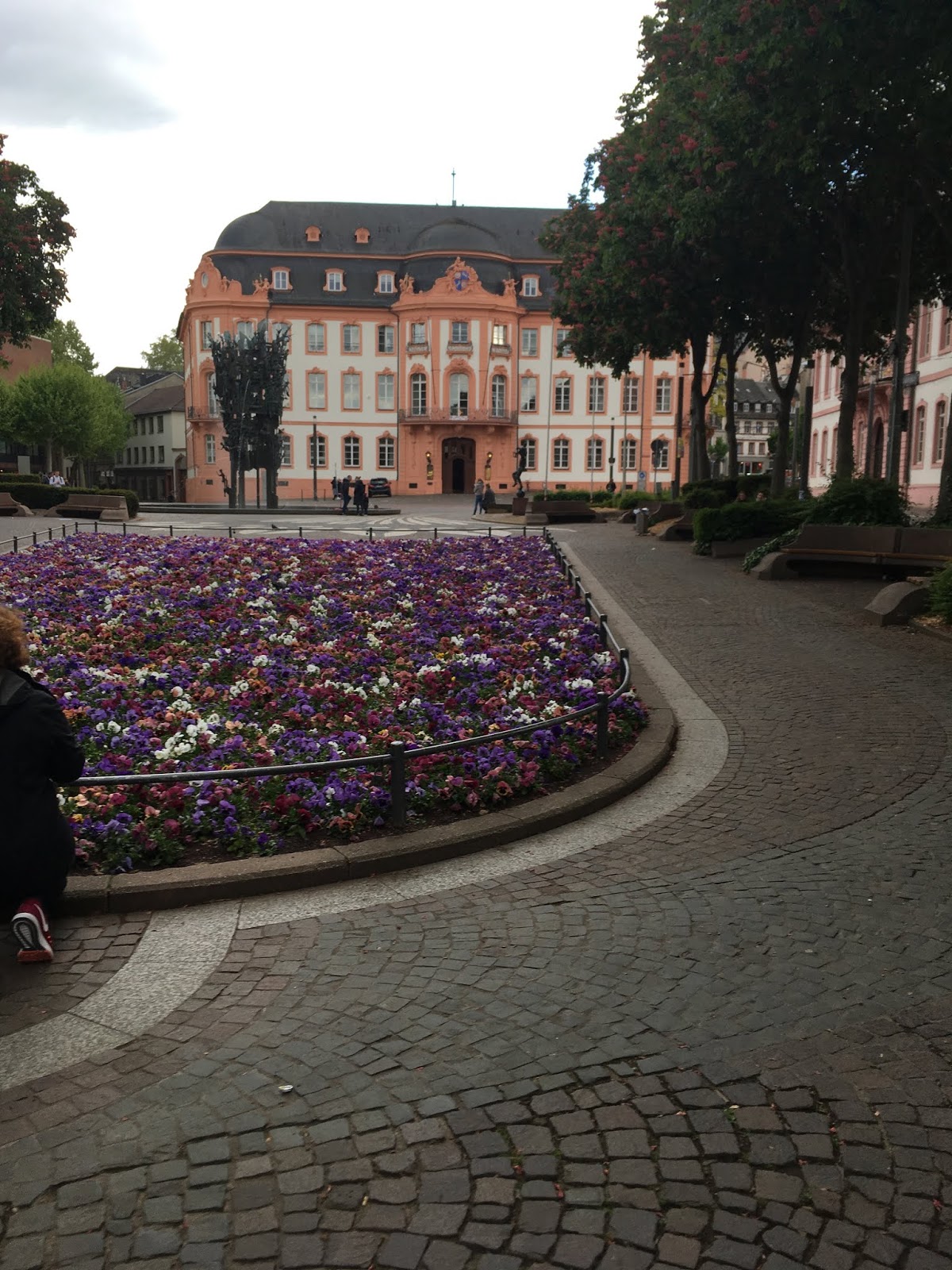
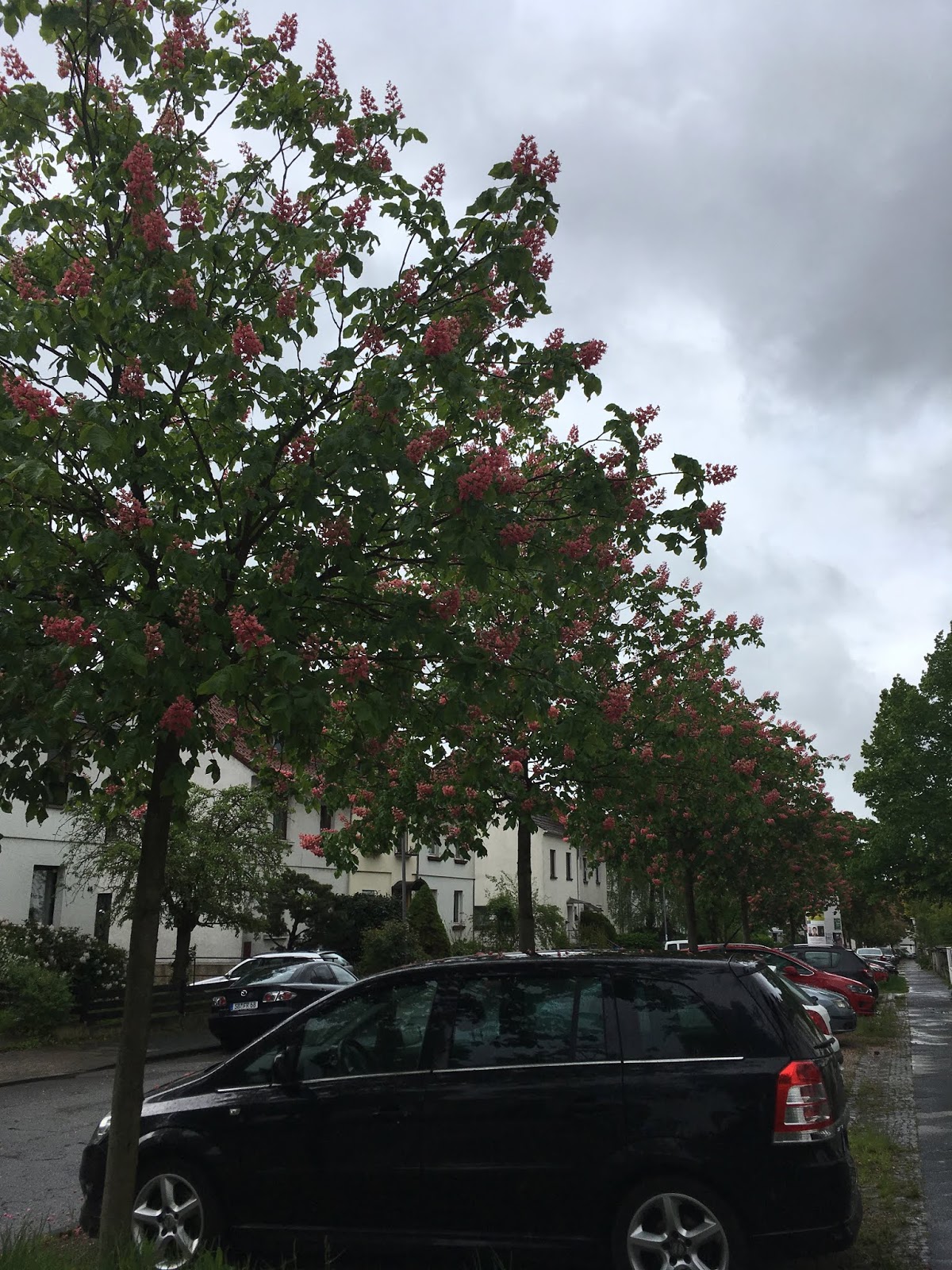
Spring is here and flowers are everywhere.
Beverly Hills
Mendocino
Eugene
Portland
 New York
Bray, Ireland
Mainz, Germany
Saarbrucken, Germany
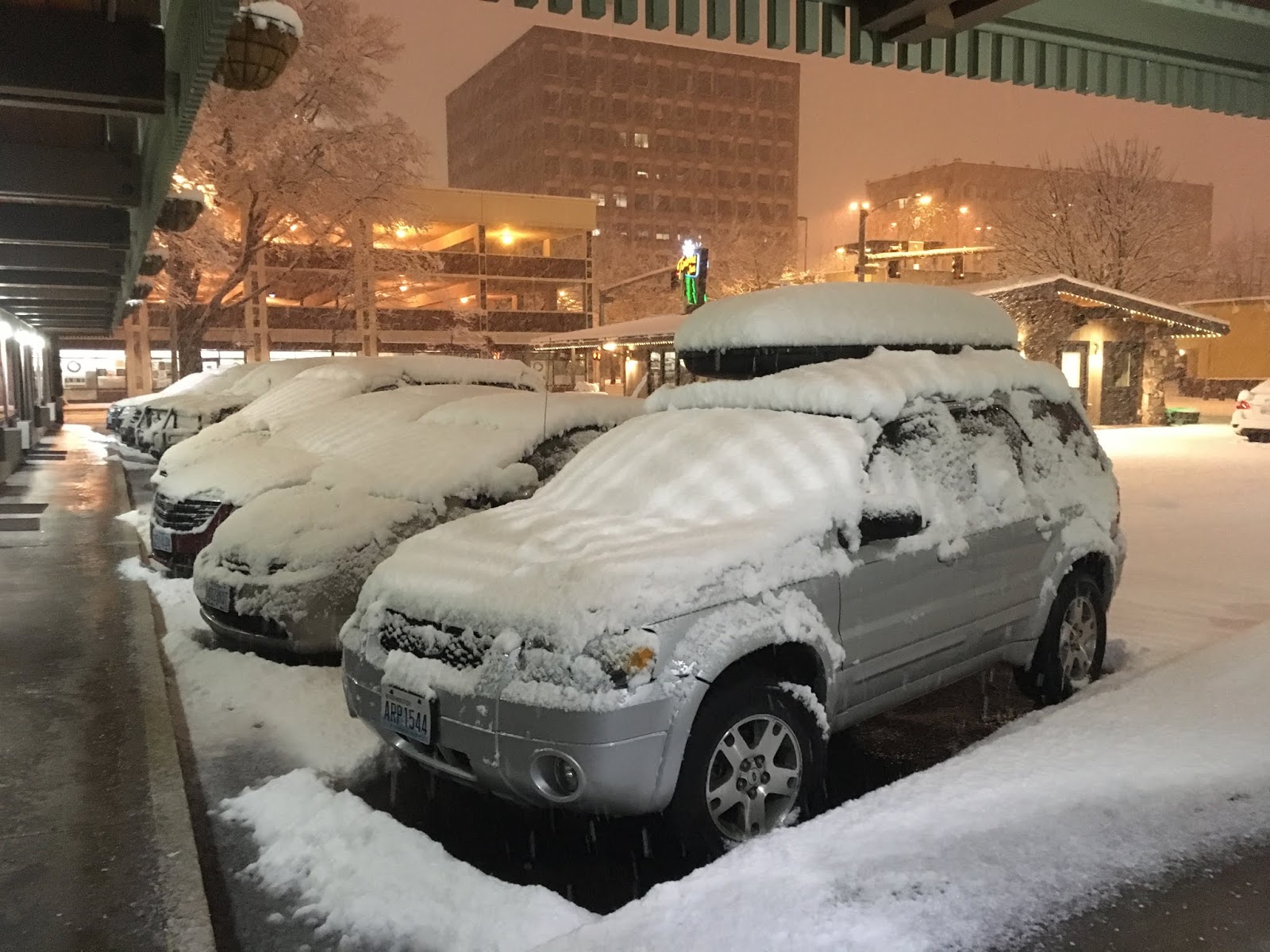
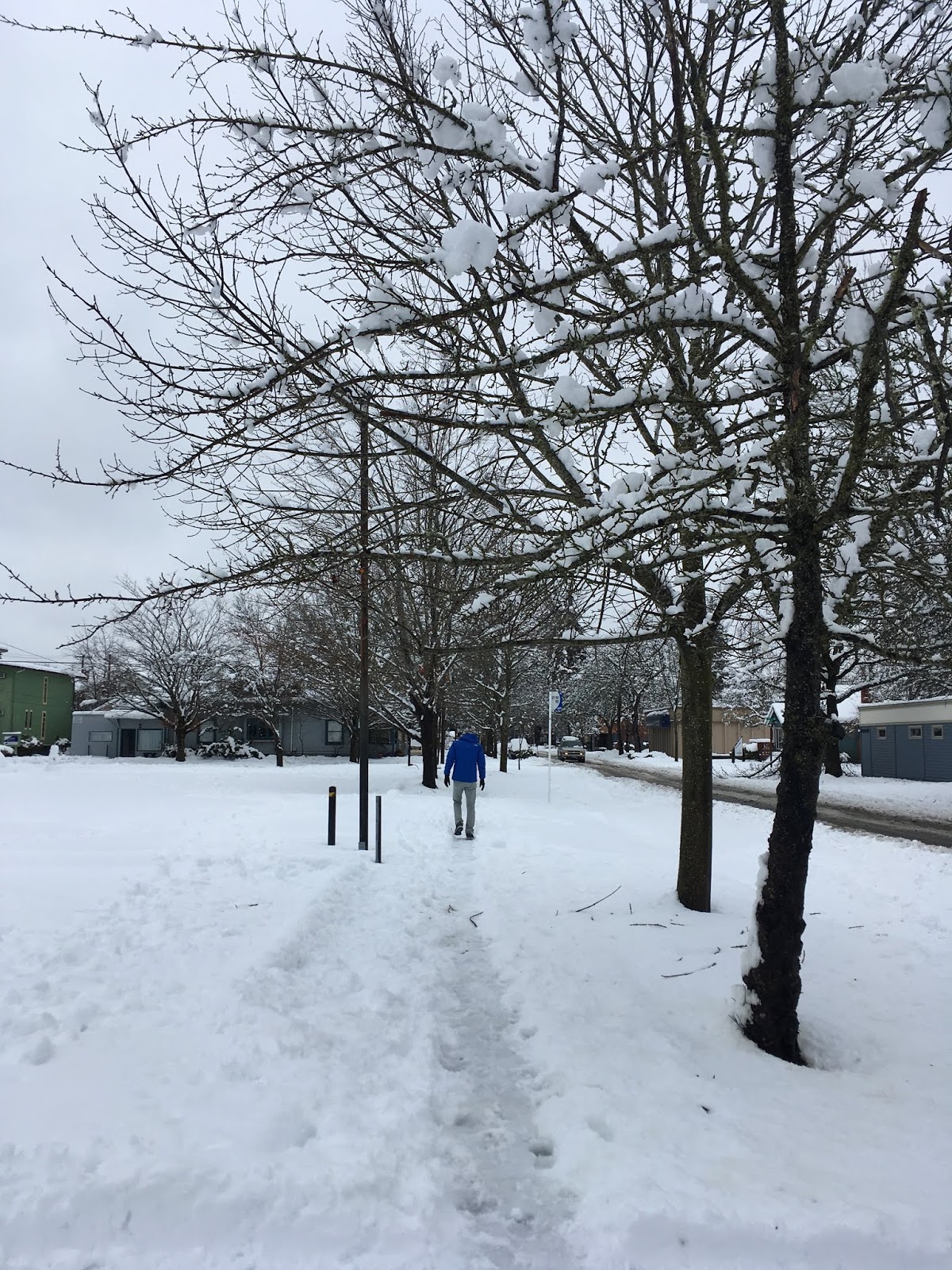
We spent most of the winter hibernating in the U.S..  We left Europe to escape the cold only to fall into a foot and a half of snow in Eugene with the worst storm in 100 yrs, snowing us in for 4 days.
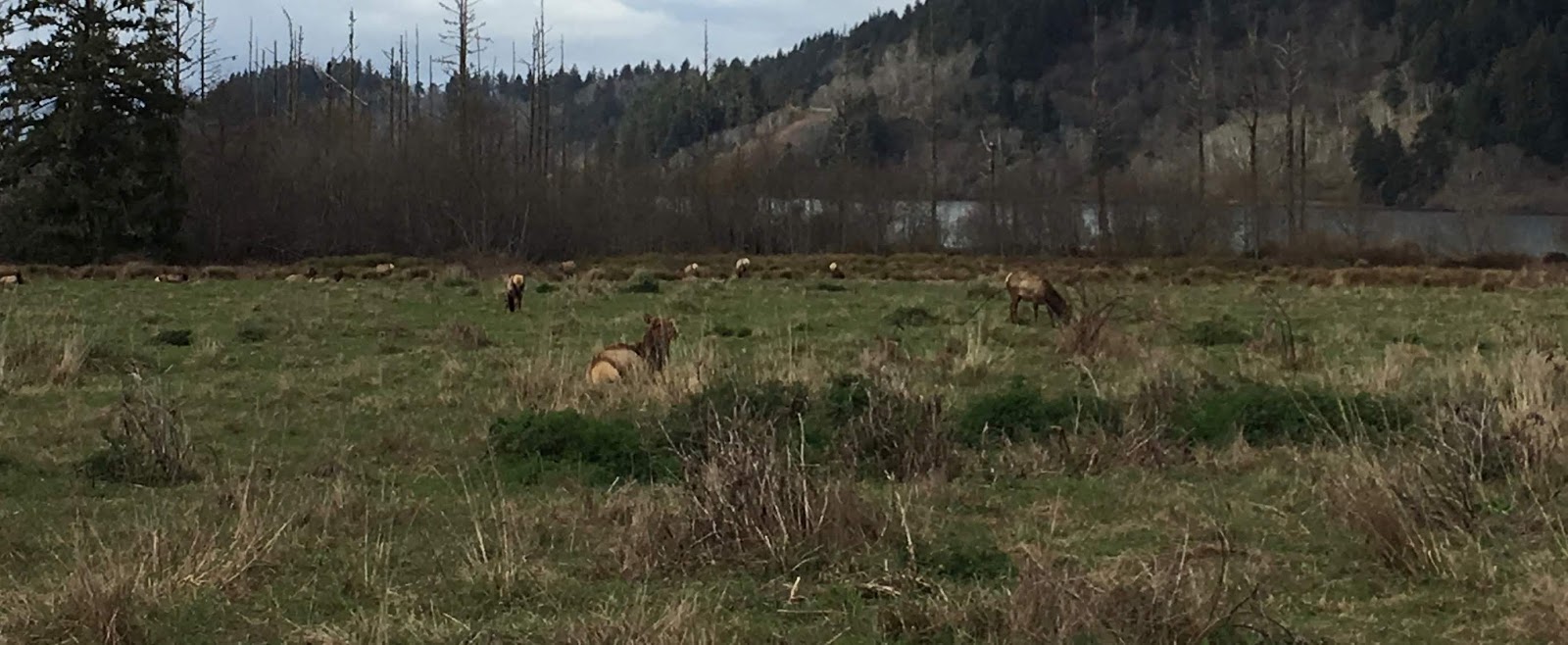
We spent 60 non-Schengen days in the US, driving over three thousand miles (from Portland to Pasadena and back amongst other parts of CA), doing our taxes-no tax break for us either, and shopping for shoes.  Driving, taxes and shopping-the classic American vacation.  Along the way we saw friends, family, a roaming herd of elk (near Eureka),

and millions of migrating painted lady butterflies (in LA) https://www.accuweather.com/en/weather-news/photos-swarm-of-painted-lady-butterflies-fill-the-sky-in-california-during-migration/70007734, plus millions of shoe stores (but only got one pair),
and many Trader Joe’s but only TJ disappointed, which was somewhat unsettling.  After 6 months on the road, speaking to maybe only 10 other people, 4 of which were German supermarket checkers who did not understand us…it was wonderful to see and share stories with family and friends. Added bonus was much needed pet therapy.

 
The weather in California agreed with us.  Oh, Golden State!  But our stops in NYC and Ireland (like Eugene) suffered from lingering winter chill which continued on with our return to Saarbrucken.
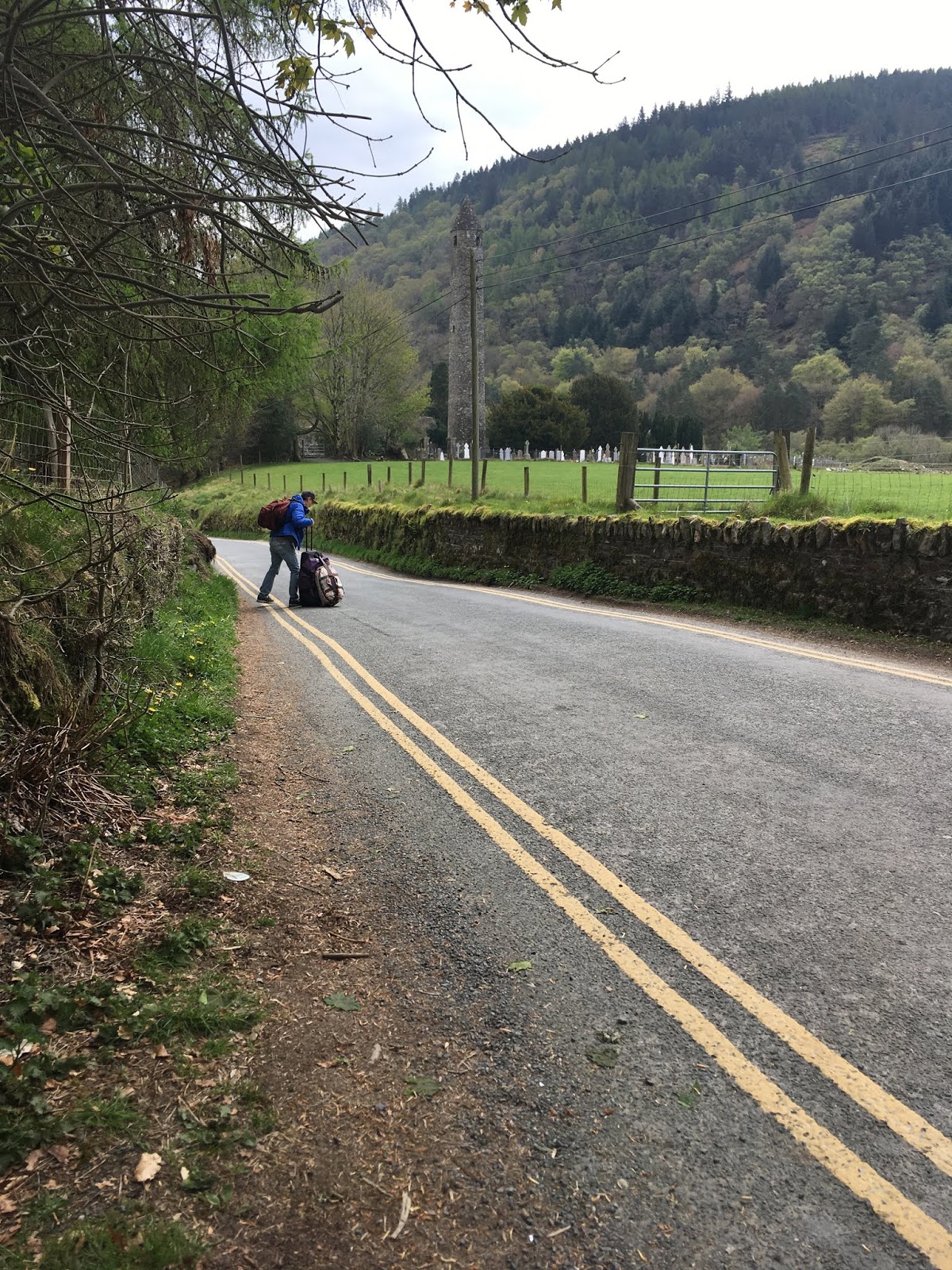
Despite the wind, rain and cold we still enjoyed Ireland.  We started with hiking in Glendalough in the southeast Wicklow mountains to regain our walking legs and then went on to Bray to regain our affinity for the freezing North Sea and Irish sea beach boardwalks.  
 
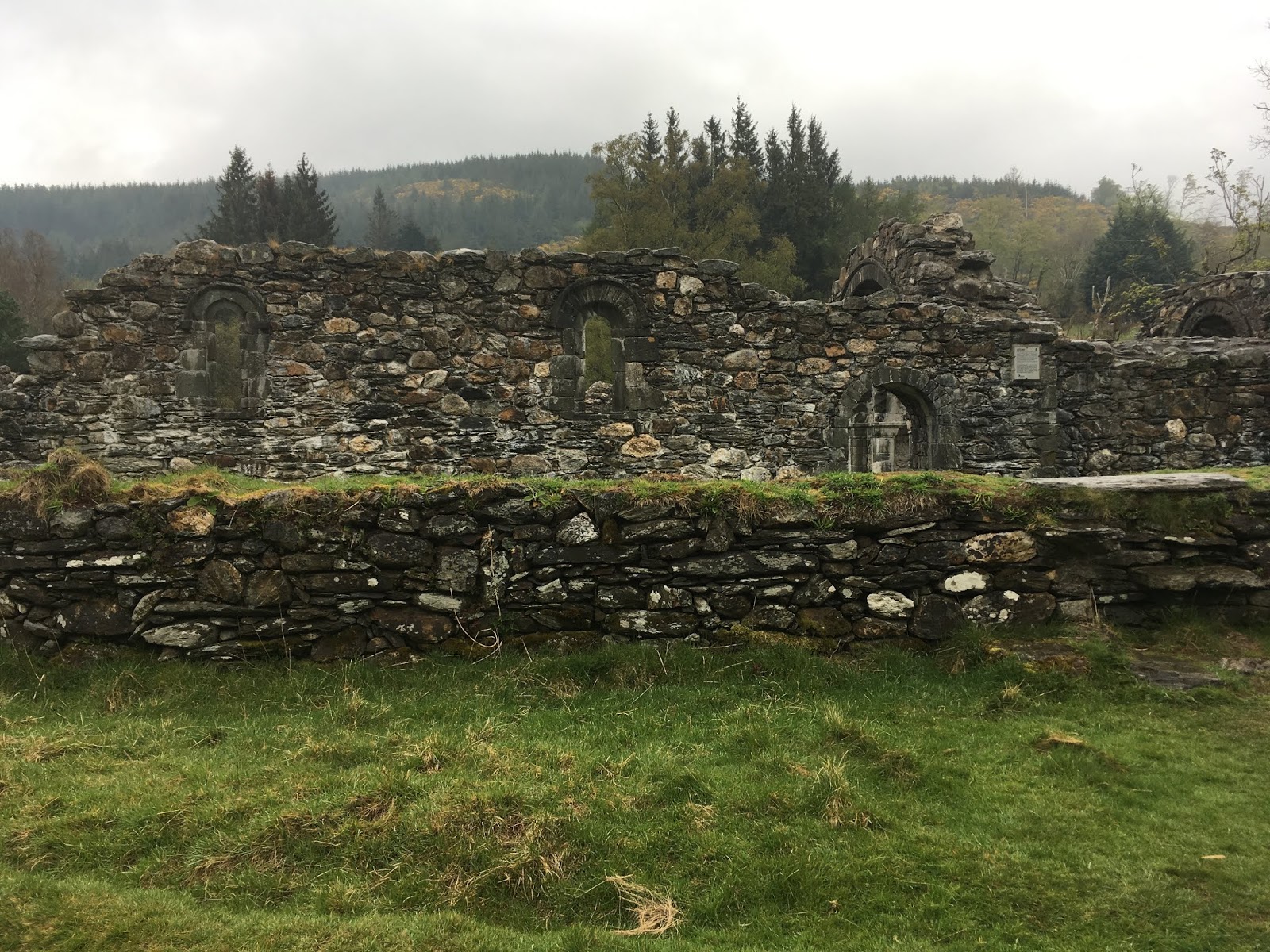
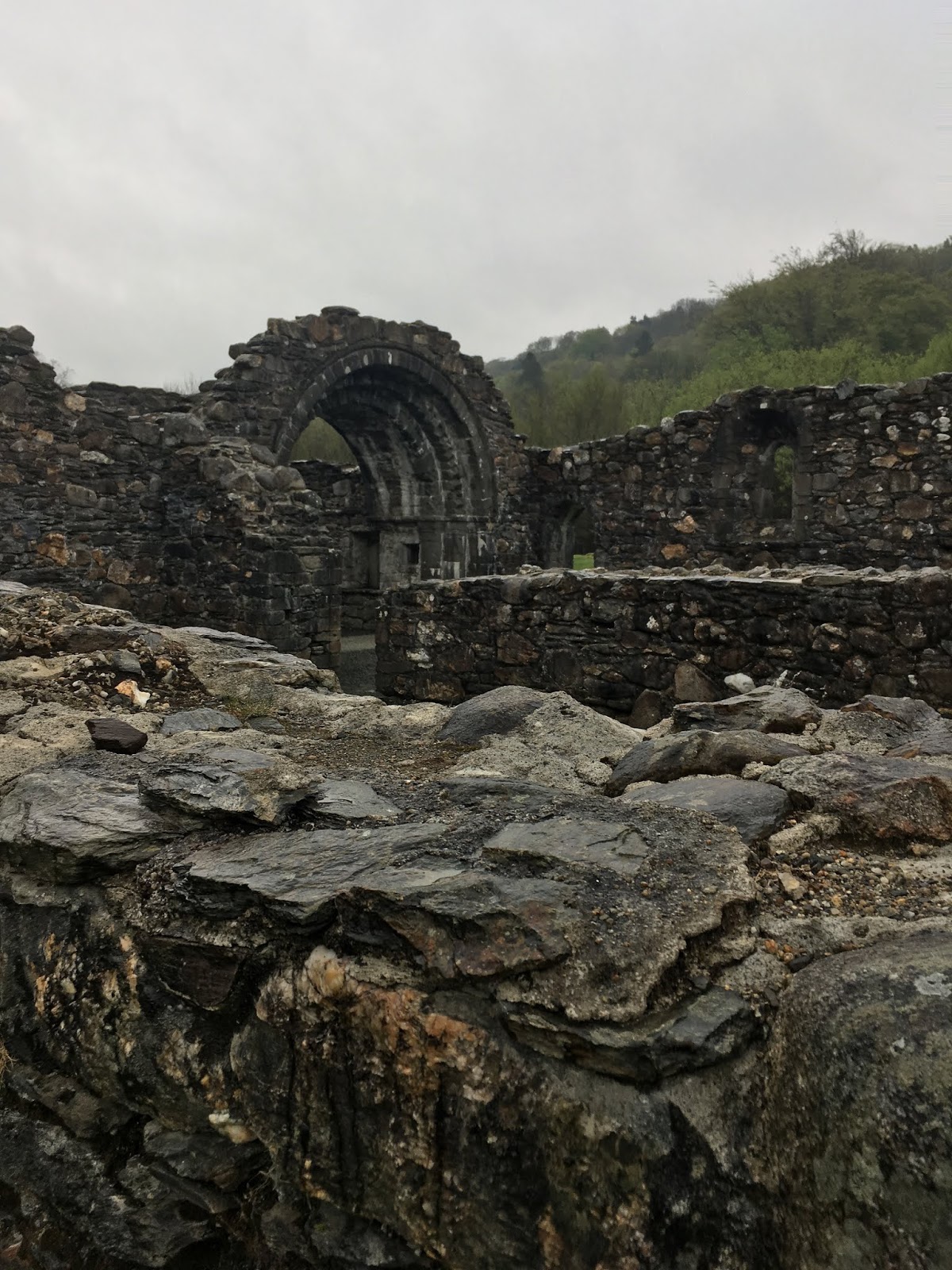
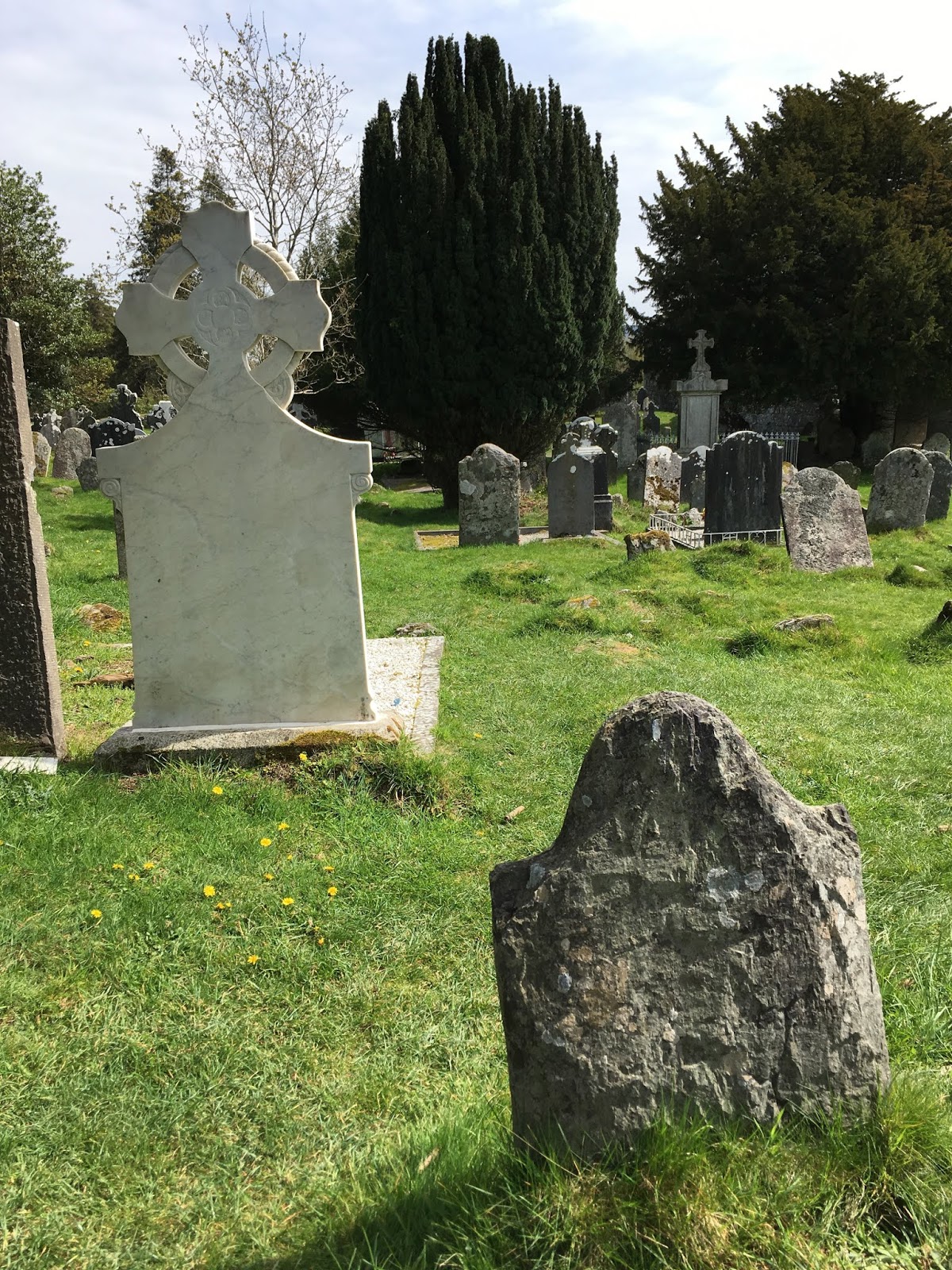
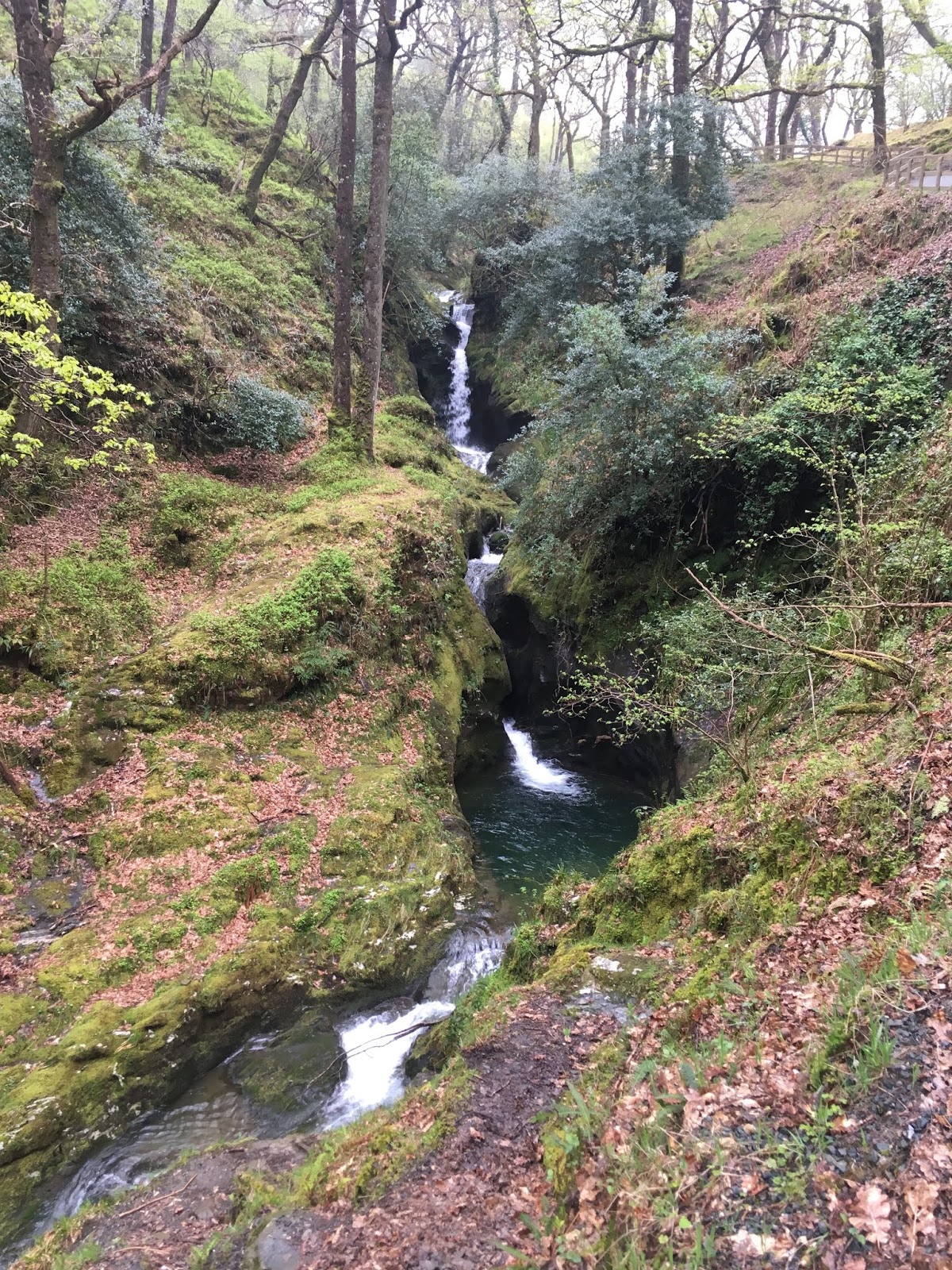
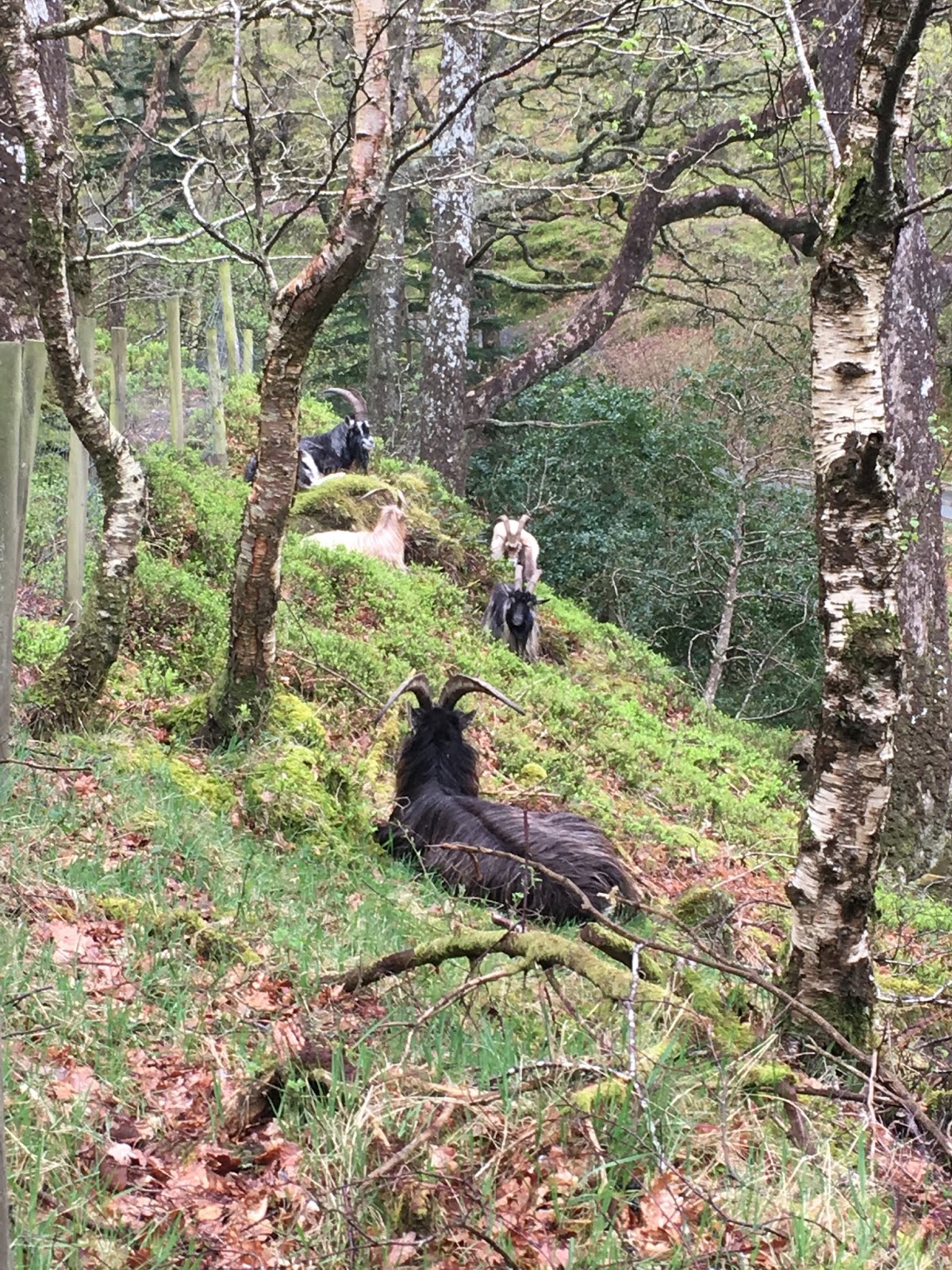
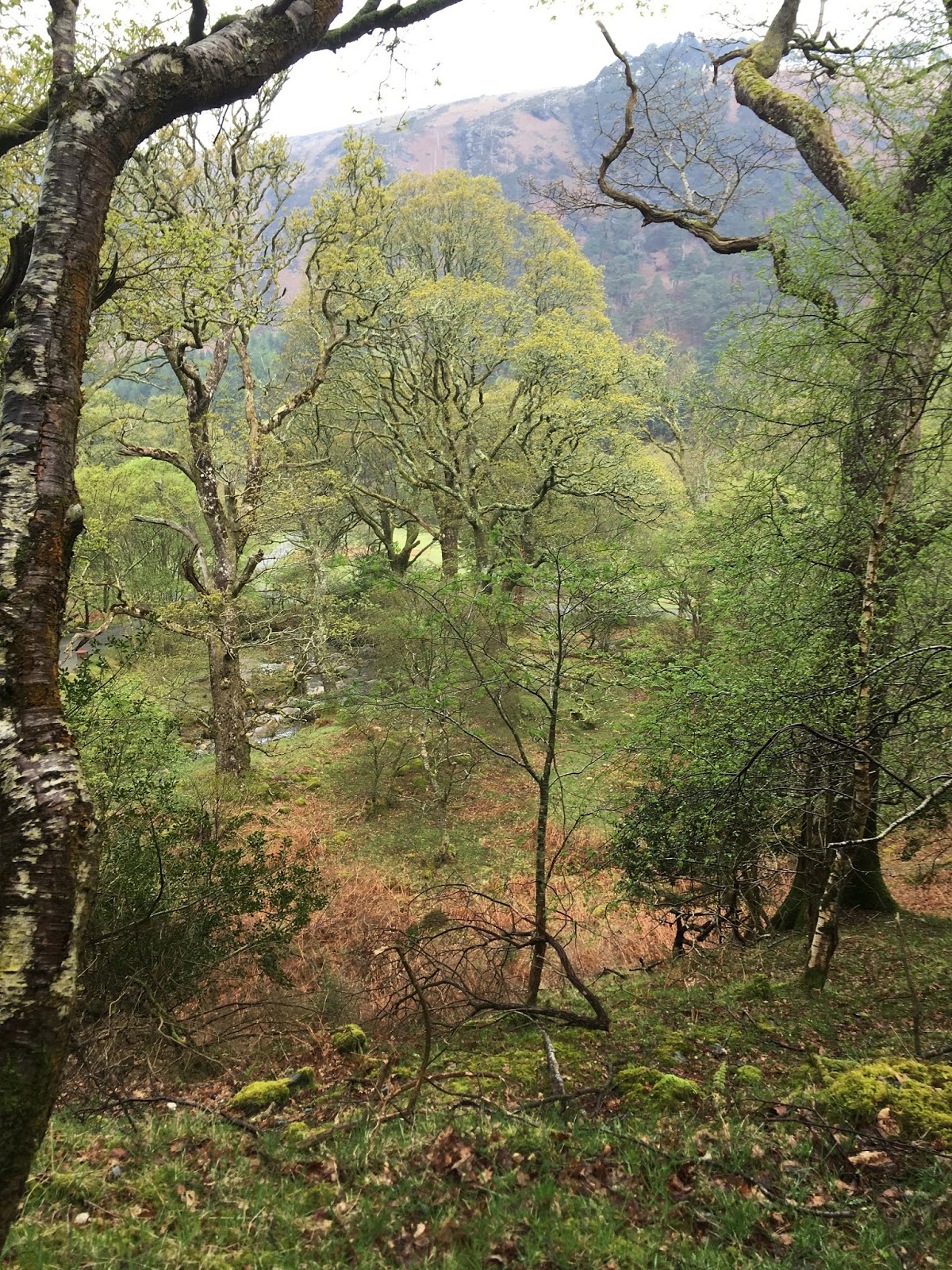
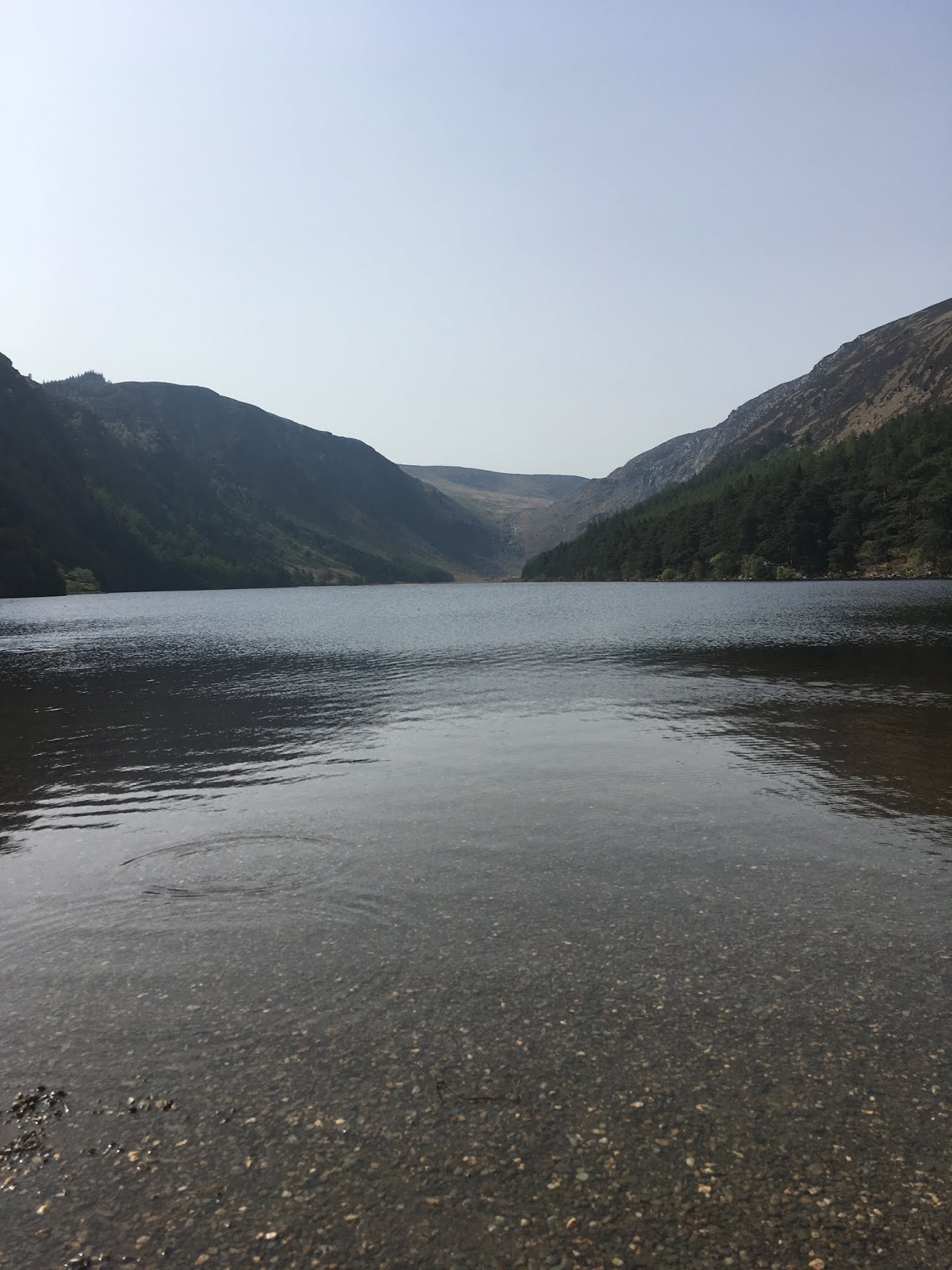
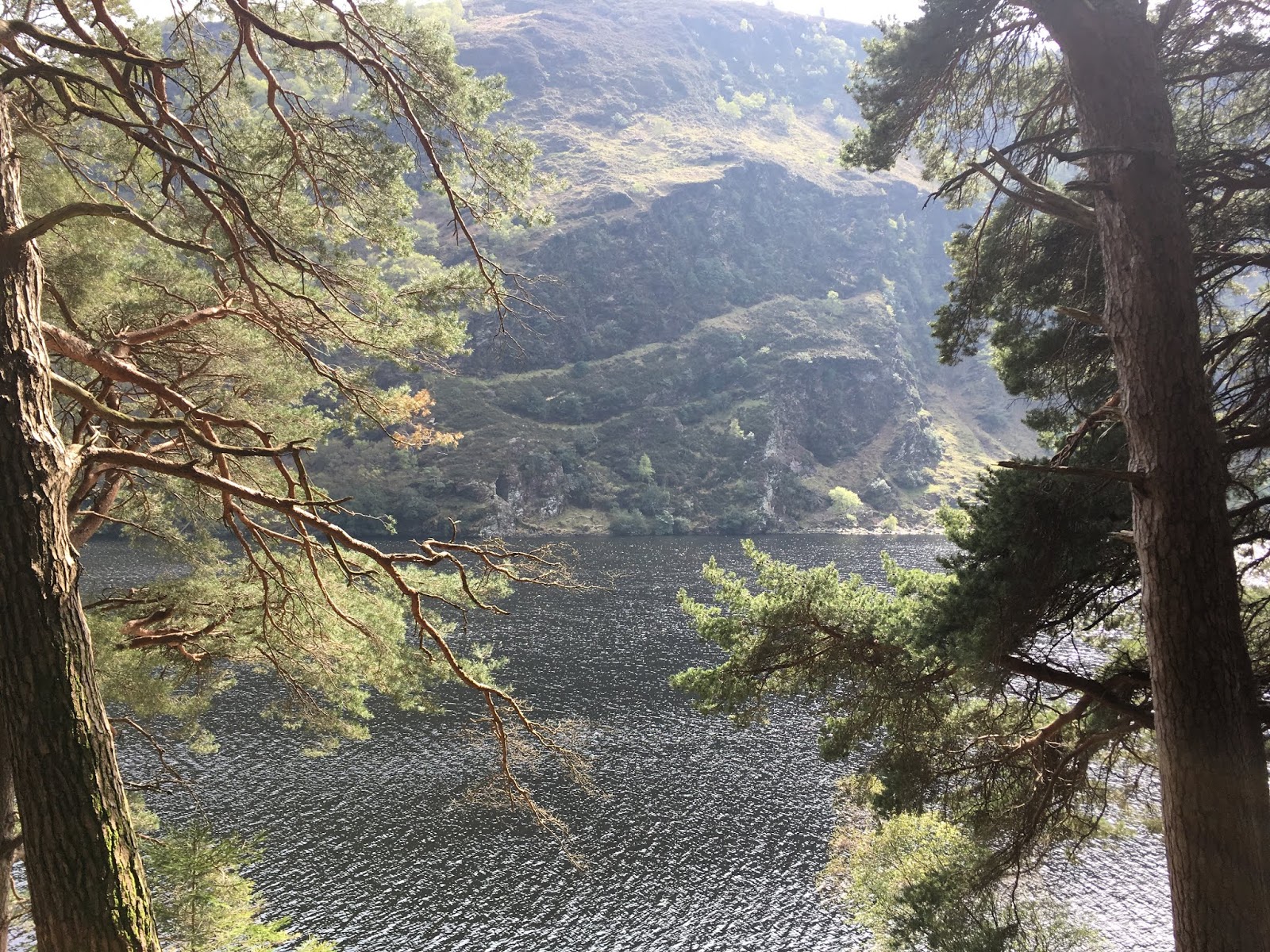
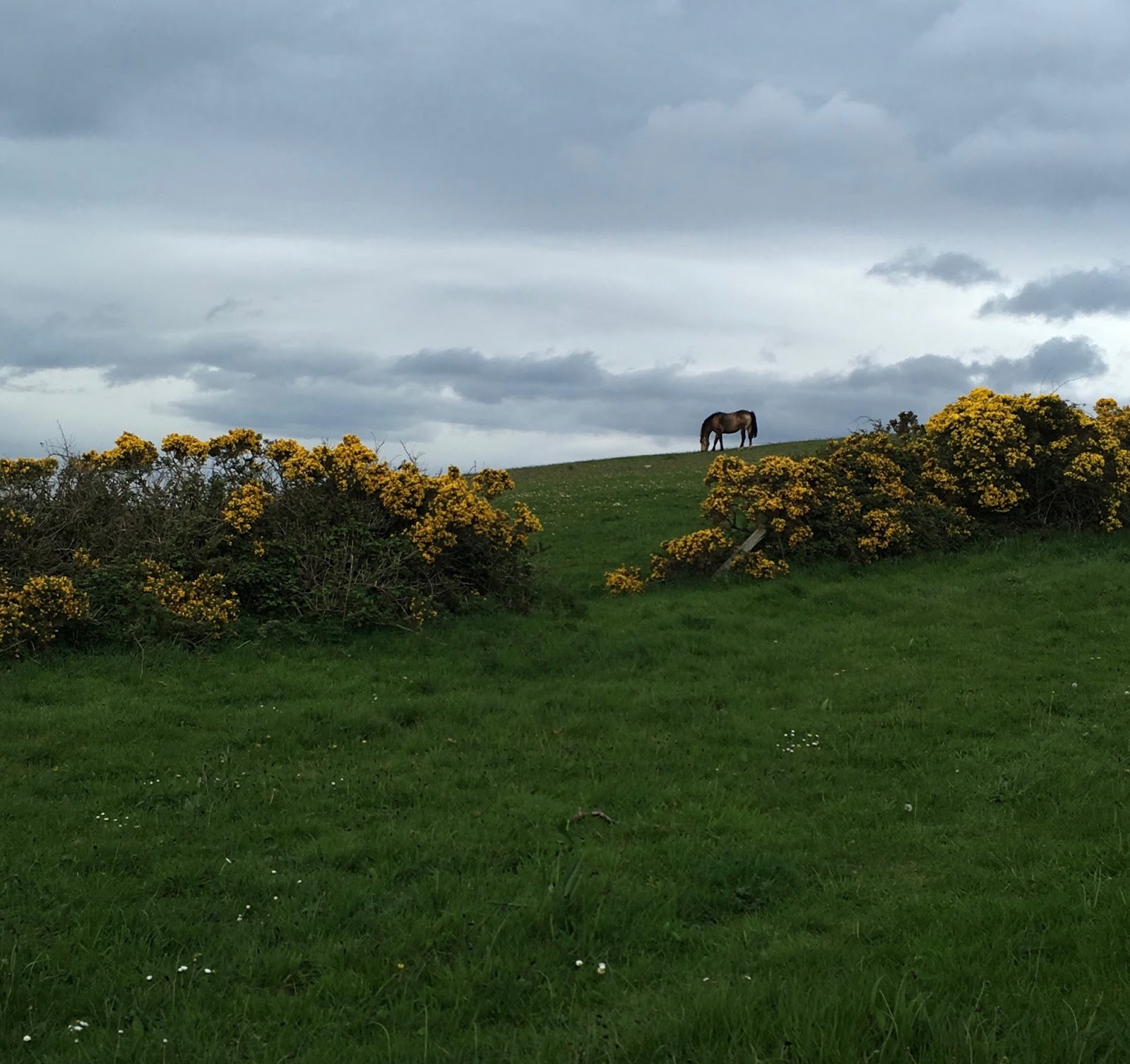
Glendalough was a place of iconic Irish beauty; ruins, lakes, forests, sheep, horses, goats and green fields.

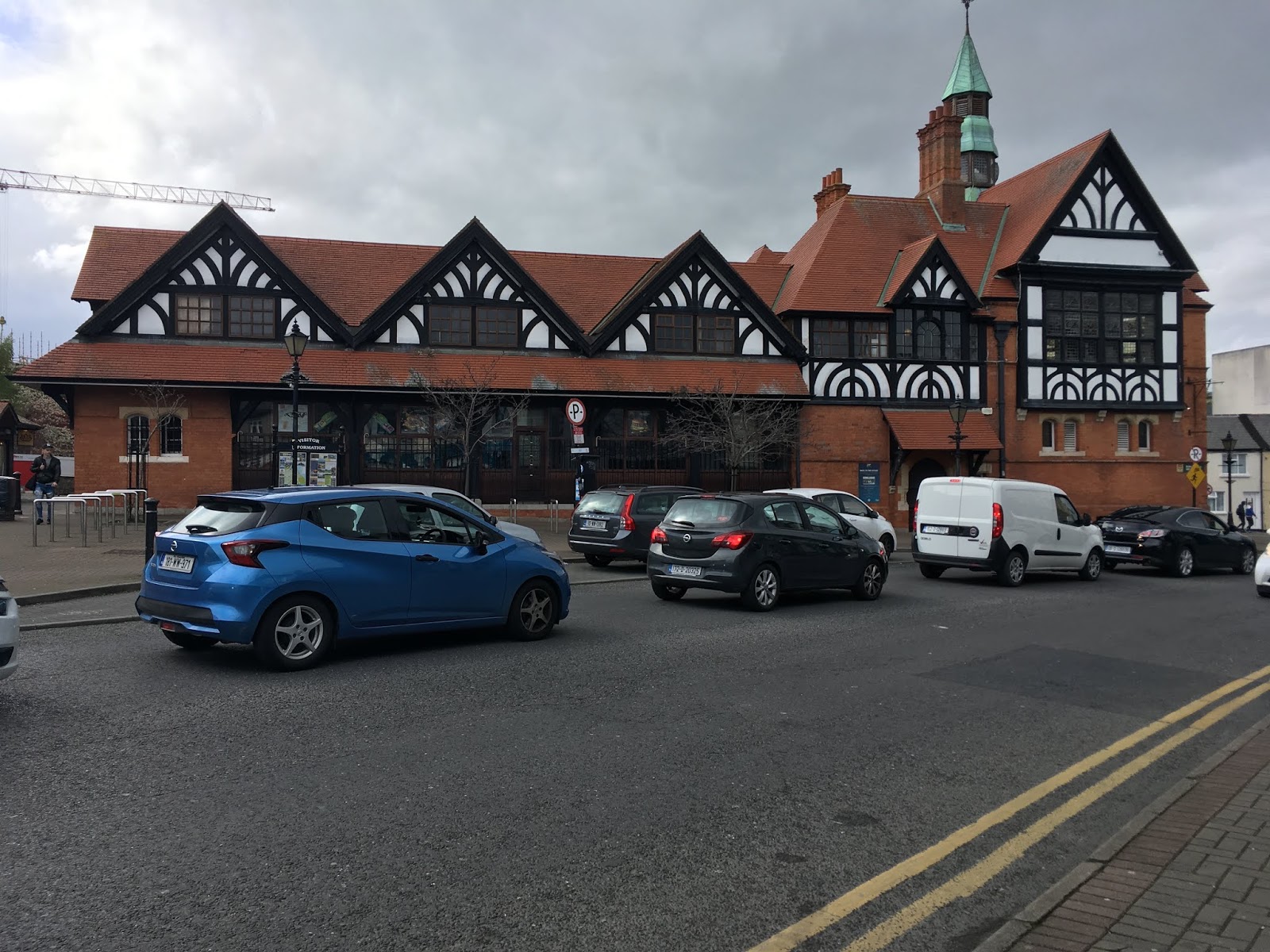
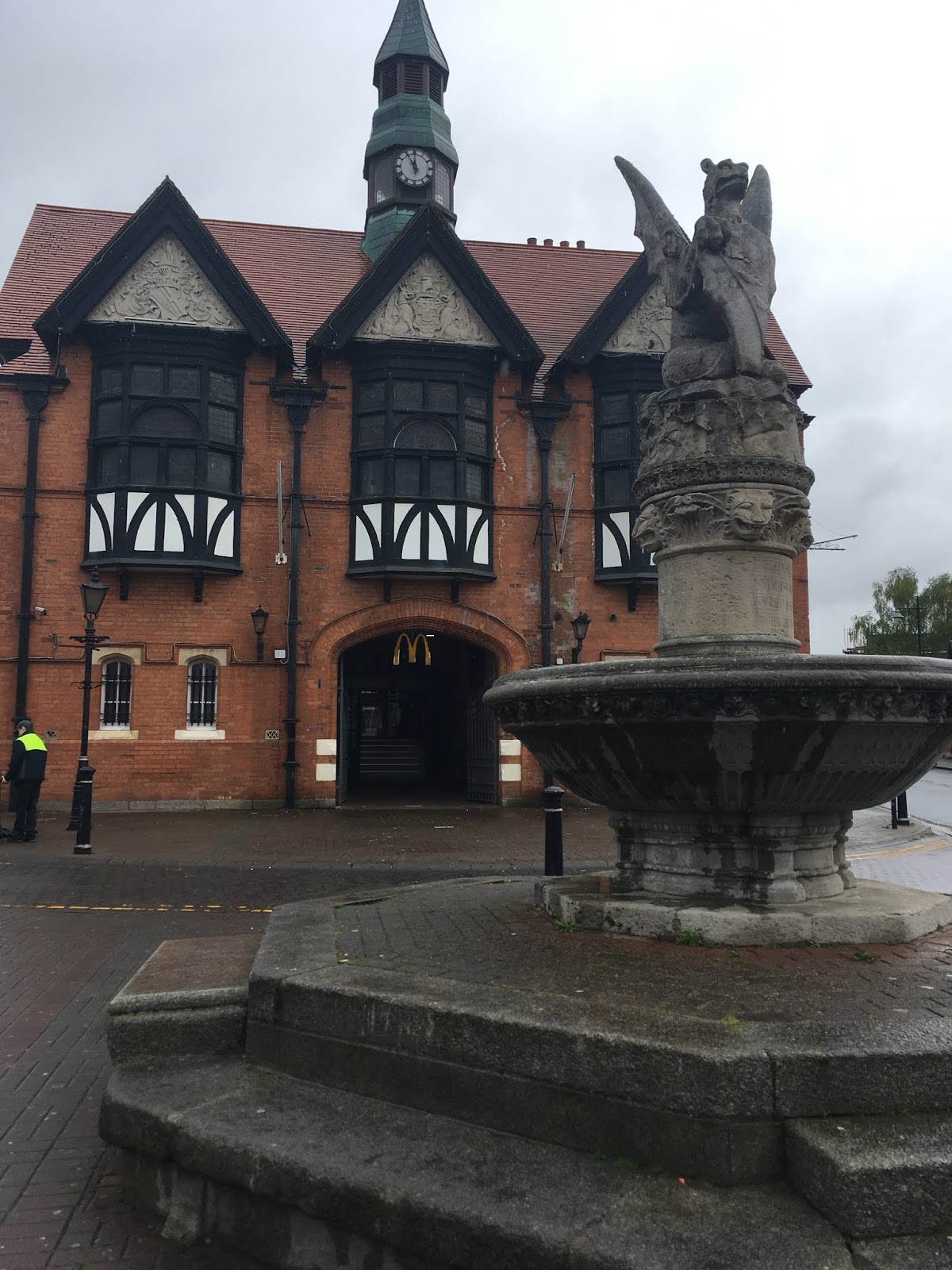
Dublin-adjacent Bray also delivered a solid, Irish experience with their own urban charm-a gorgeous McDonald\’s (no we did not eat there),

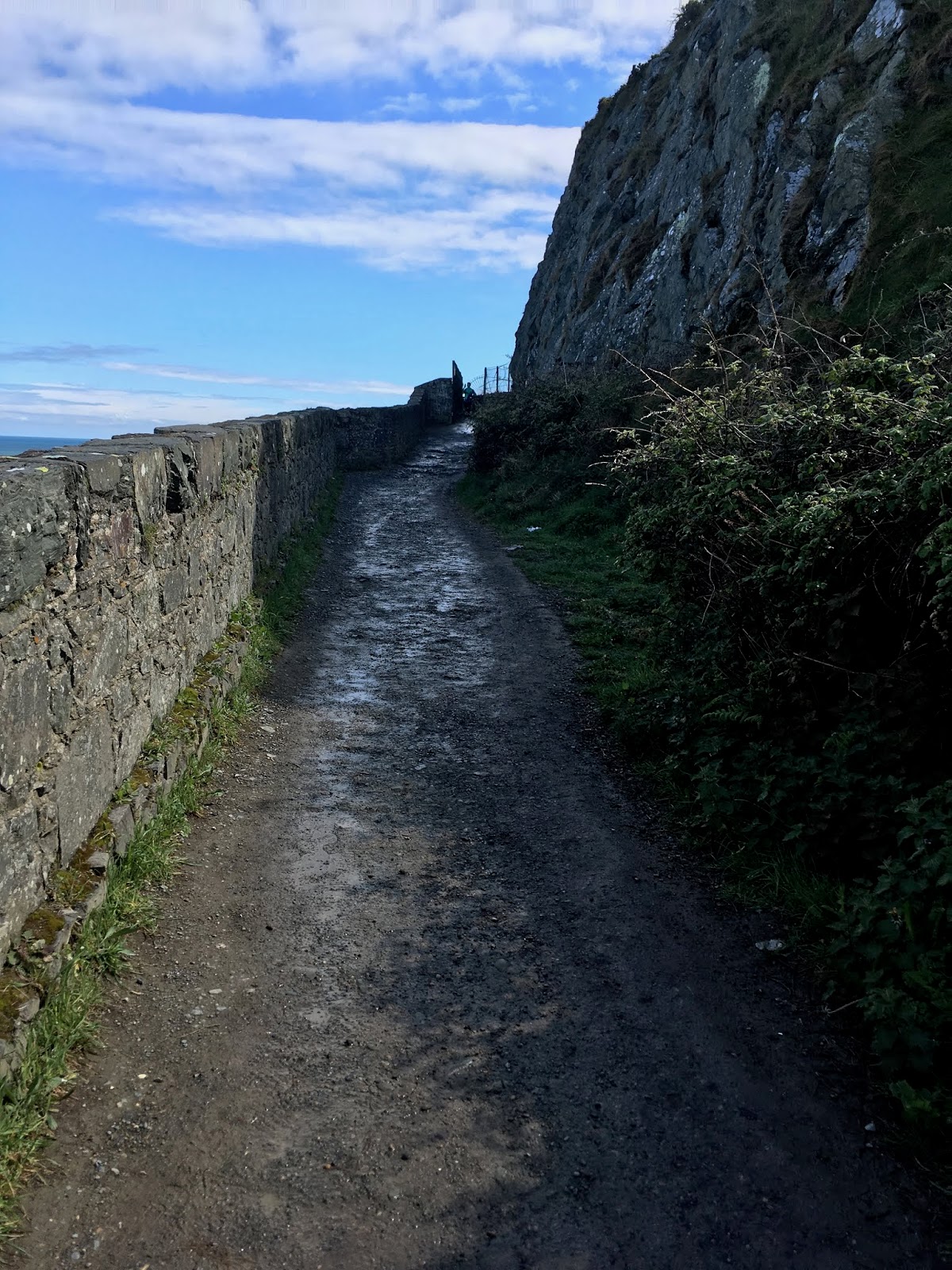
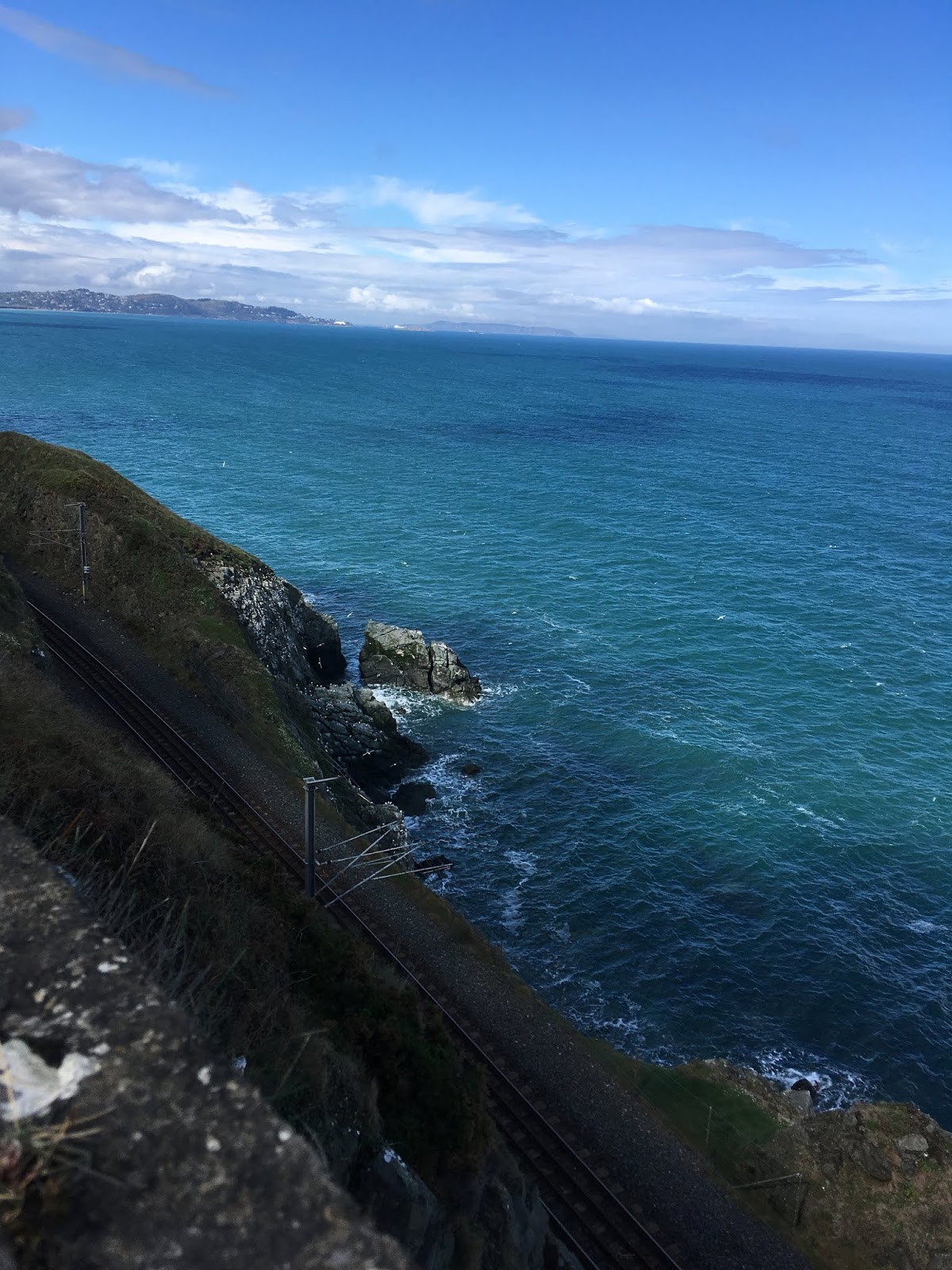
and seaside walks with  more ridiculously perfect landscape.


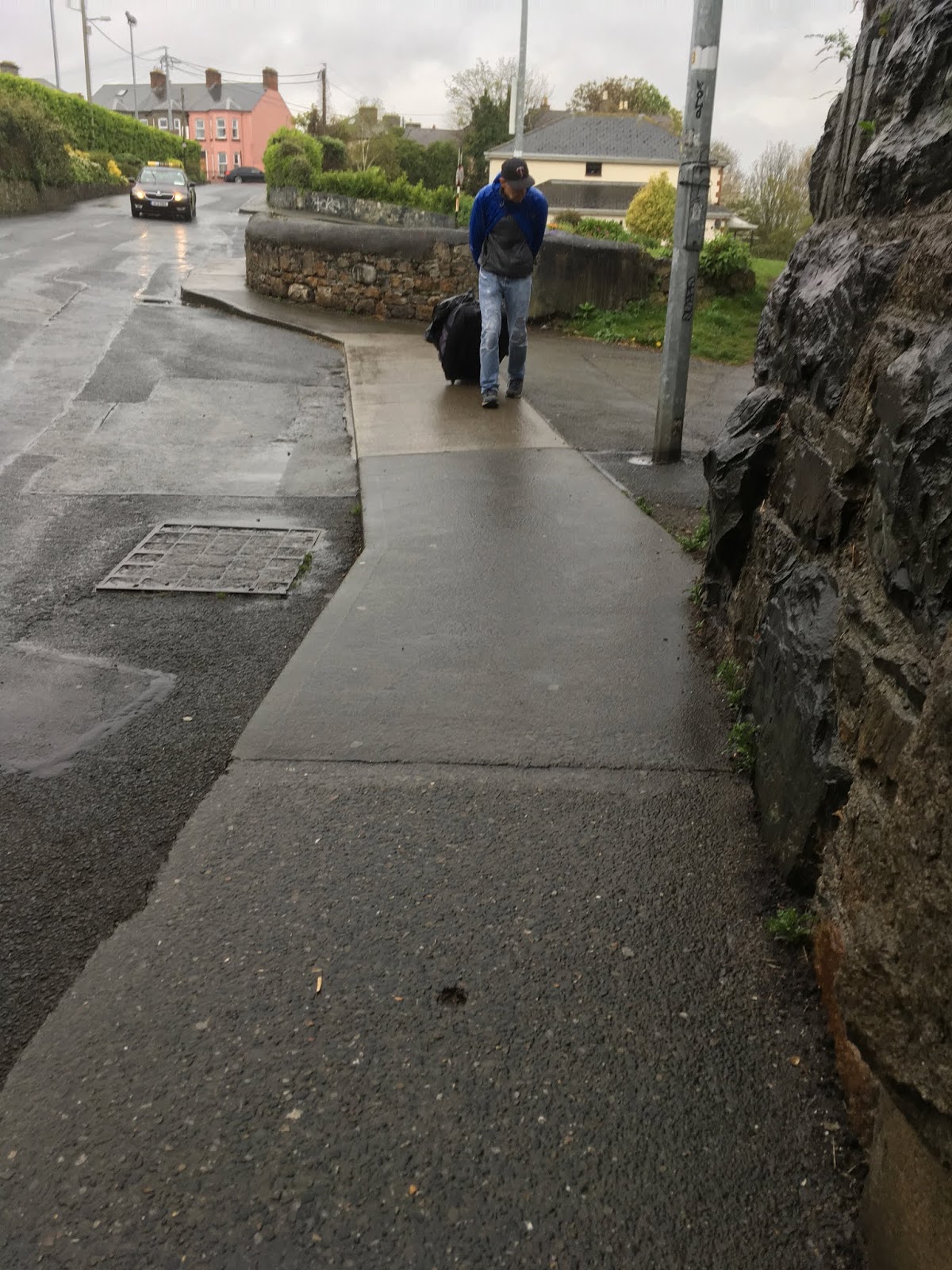
We were somewhat preoccupied during the Ireland trip as our main focus was transporting luggage, then getting our luggage under the Ryanair weight limits. This  required us, in 3 days, to eat over a kilo and a half (3 lbs) of the 6 kilos (13 lbs) of peanut butter we had “muled” over from the U.S. to bring to Germany for our Canadian-made-organic-peanut-butter loving ex-pat daughter.  Tired of peanut butter, Patricia really just wanted a jacket potato, but we never found one.  Apparently, Ireland was in the midst of the Jacket Potato Famine of 2019. 


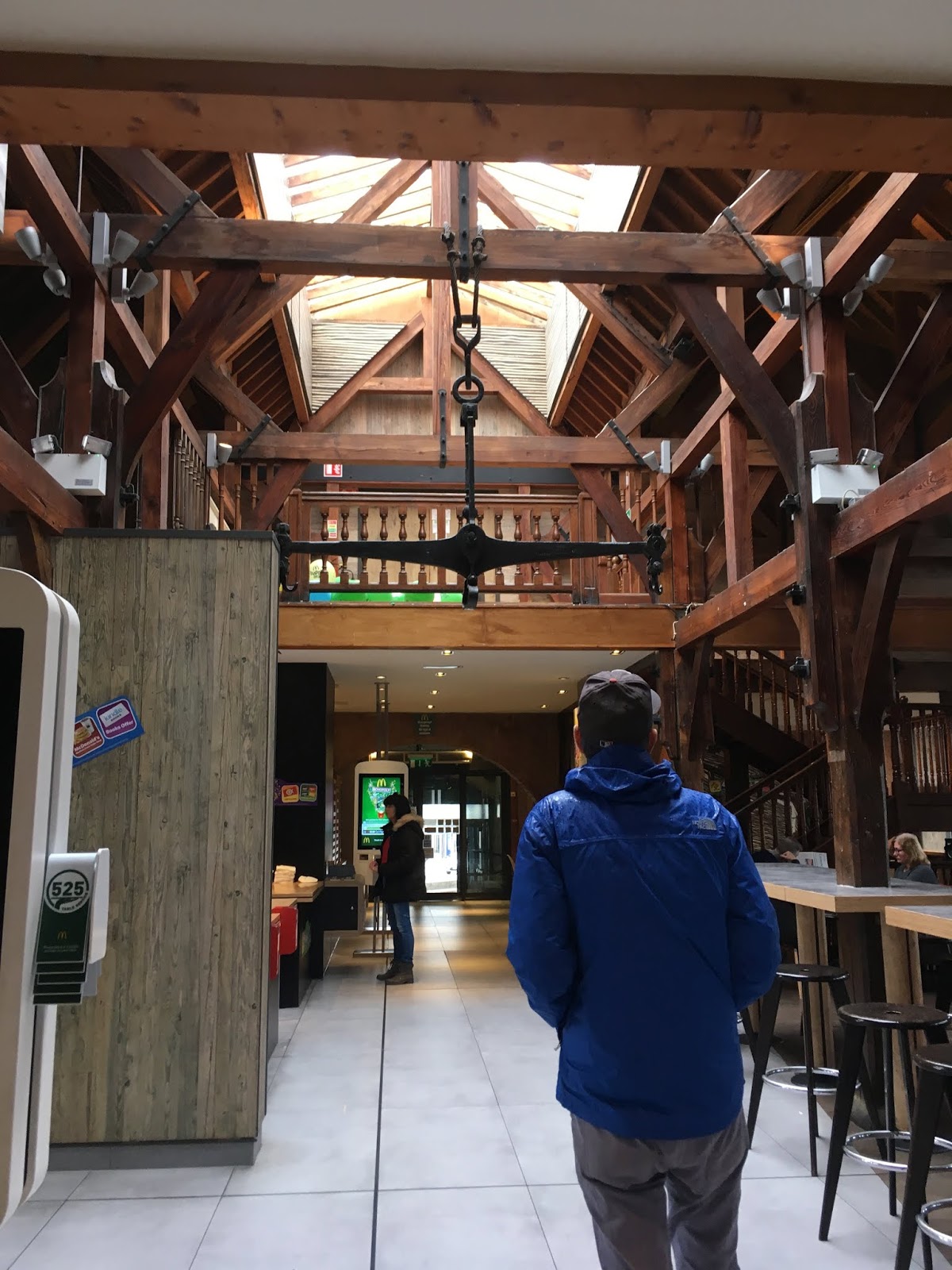
The view from our 4-star McDonald\’s booth


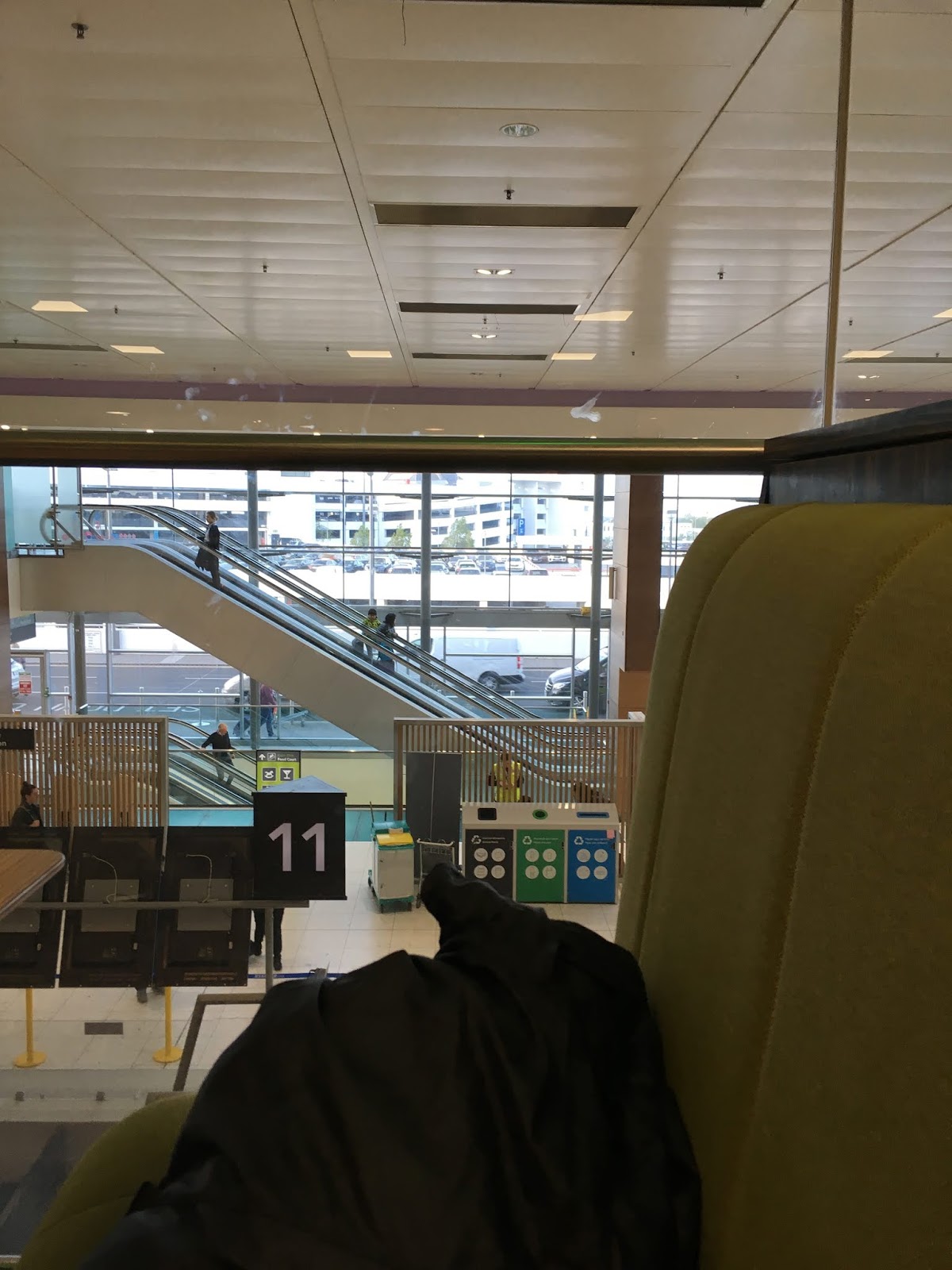
After frantically shedding items in our bags at the Dublin airport,  we just barely passed the weight requirements (actually to the exact allowable 20.6 kg) by wearing multiple layers of clothes, but the layers came in handy as the extra clothing kept us warm as we slept at the cold airport (in a food court McDonalds restaurant booth) to catch our 6 am flight.  

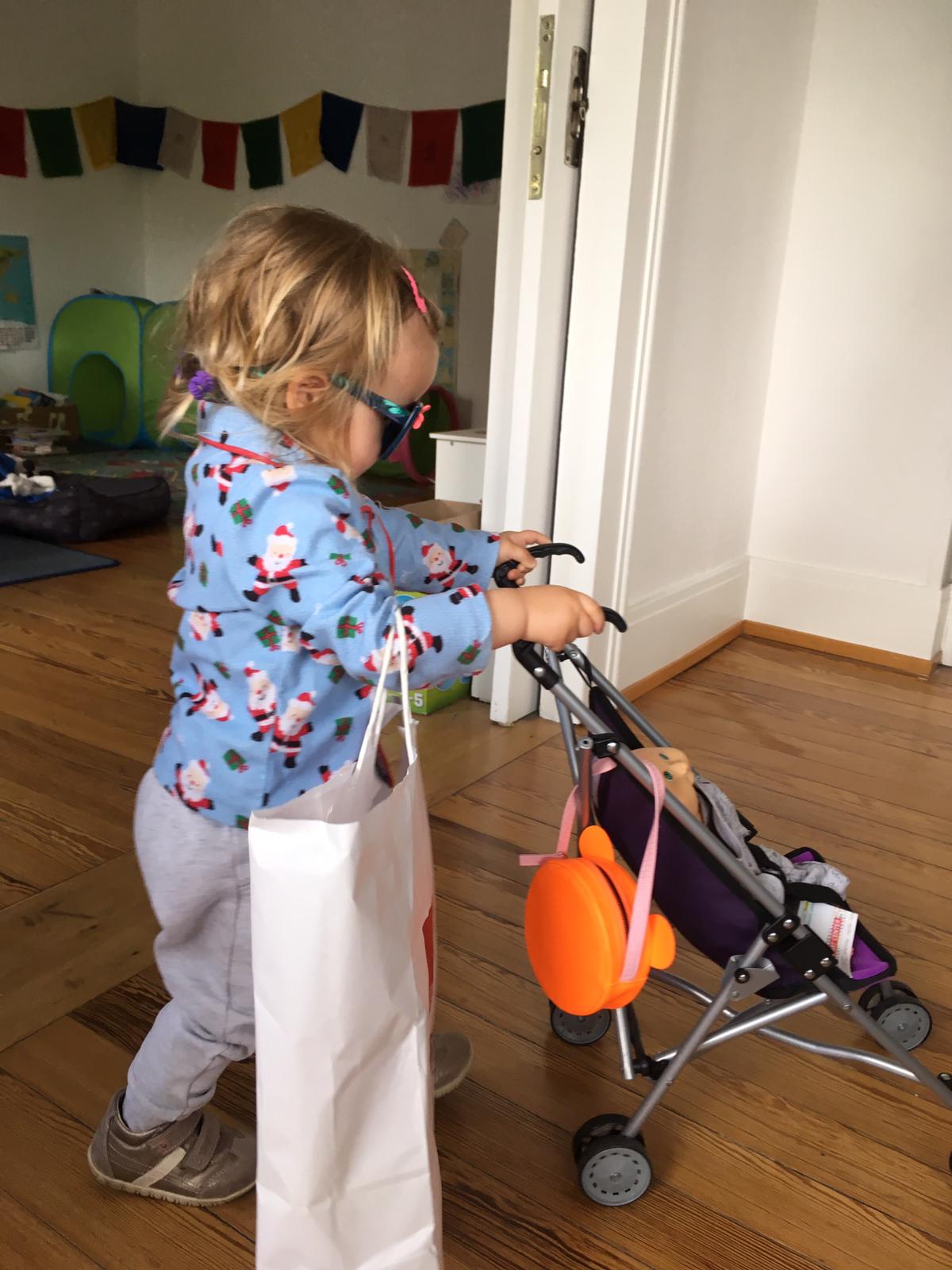
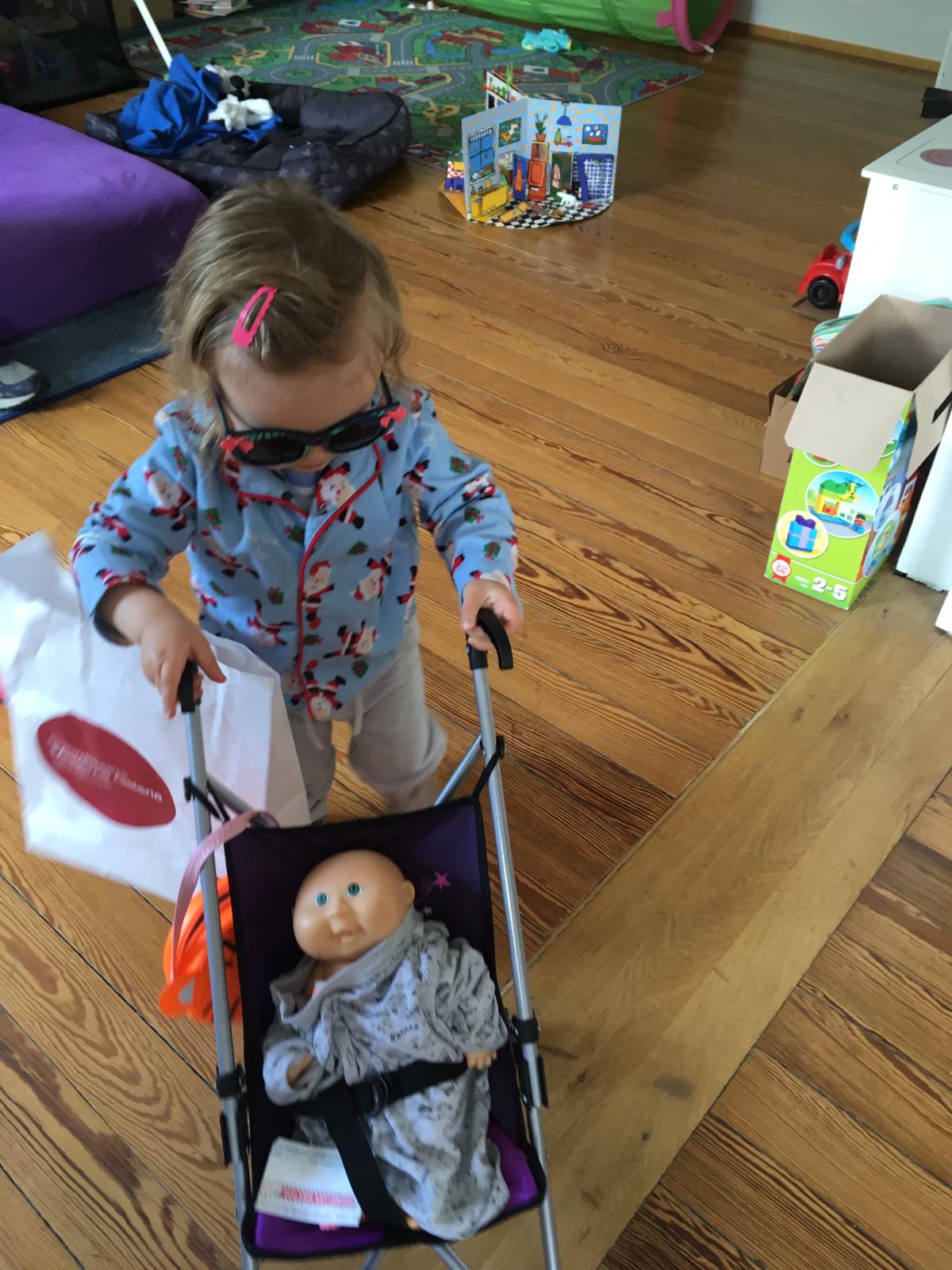
The remaining 10 pounds of organic peanut butter, as well as clothes, “heirloom” toys, books, and dolls for the almost 24 month old and a tortilla press (seriously) were greatly appreciated.

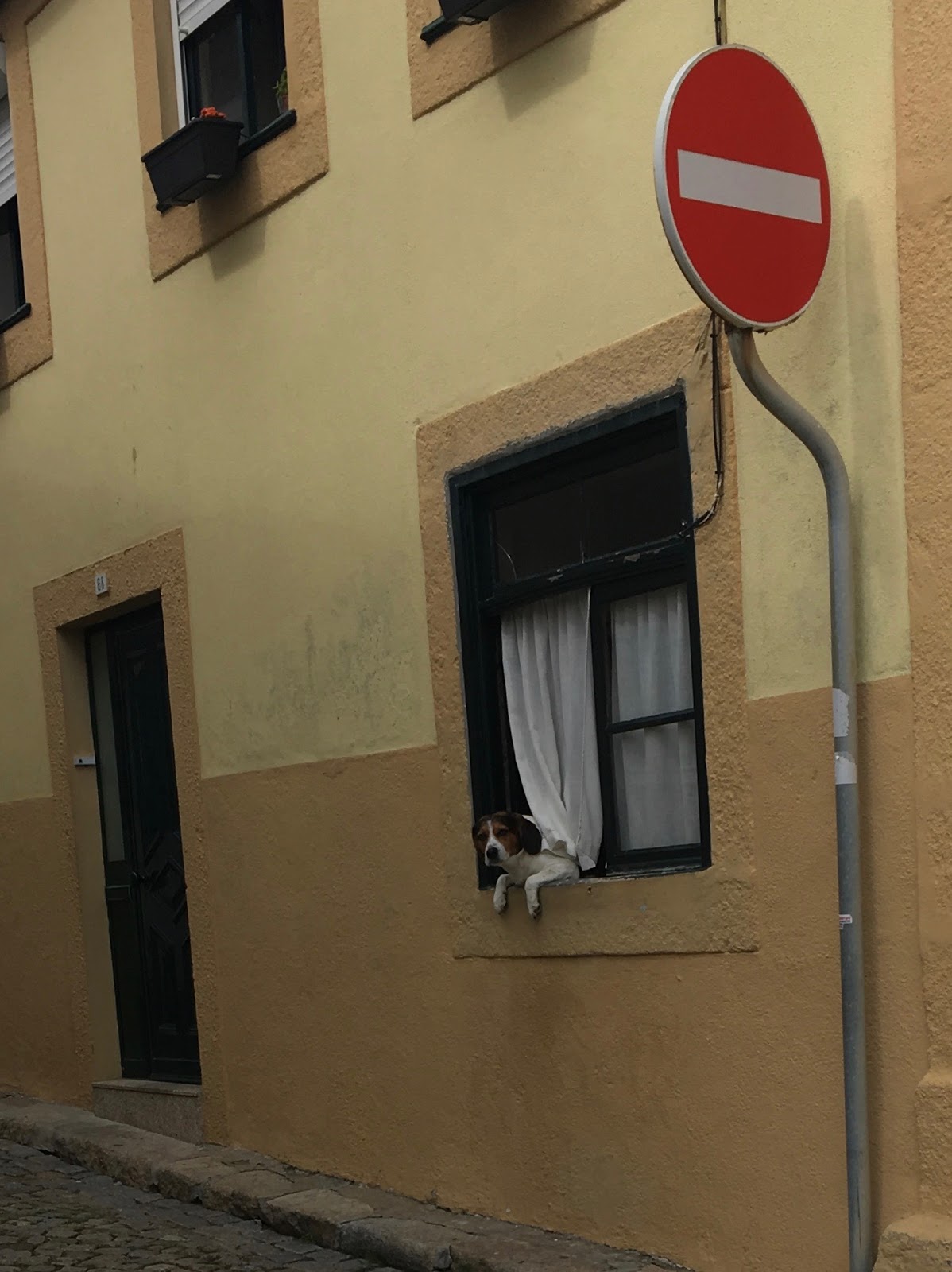
After two weeks in Saarbrucken to catch up with the granddaughter, neighborhood dog walkers, grocery clerks and again get denied visa extension by the German government  (had they heard about our peanut butter smuggling?), we hit the road for the Iberian peninsula.This week’s picture of topless old man’s best friend looking out the window contemplating his life.


Birds and the Bees

Birds and the Bees

One thing we have been pretty surprised with are the animals, or lack of,  that we have seen. Even though most of our travels so far have been during fall and winter, we figured we would still see plenty of birds and bugs but that has not consistently been the case.   Surprisingly, the  fewest animals/birds/bugs have been in the warmer areas- Croatia and Cyprus.  Although, the day we were commenting on how few bugs we had been seeing,  a spider the size of a Yorkshire Terrier’s head showed up on Nick’s shoulder https://www.whatsthatbug.com/2010/10/30/wolf-spider-from-cyprus/

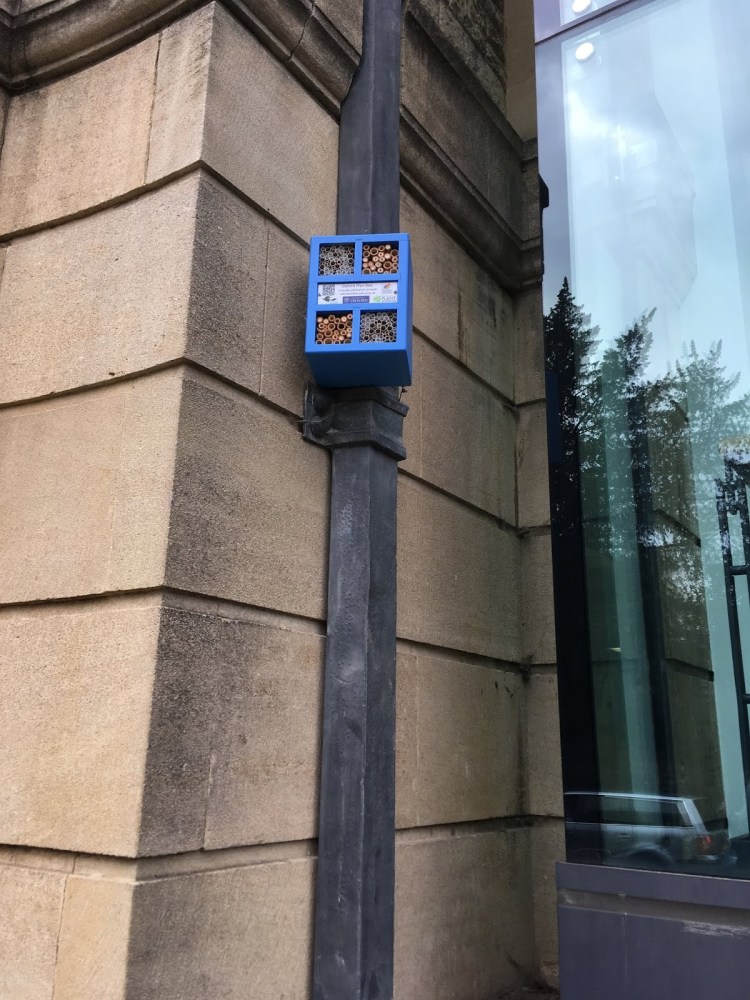
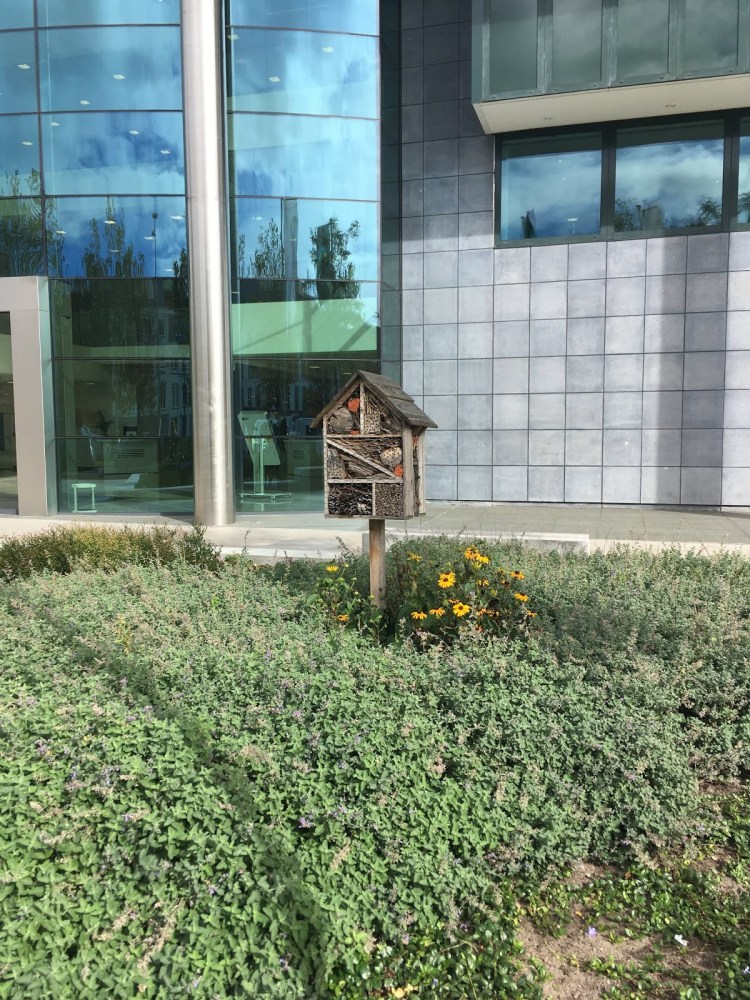
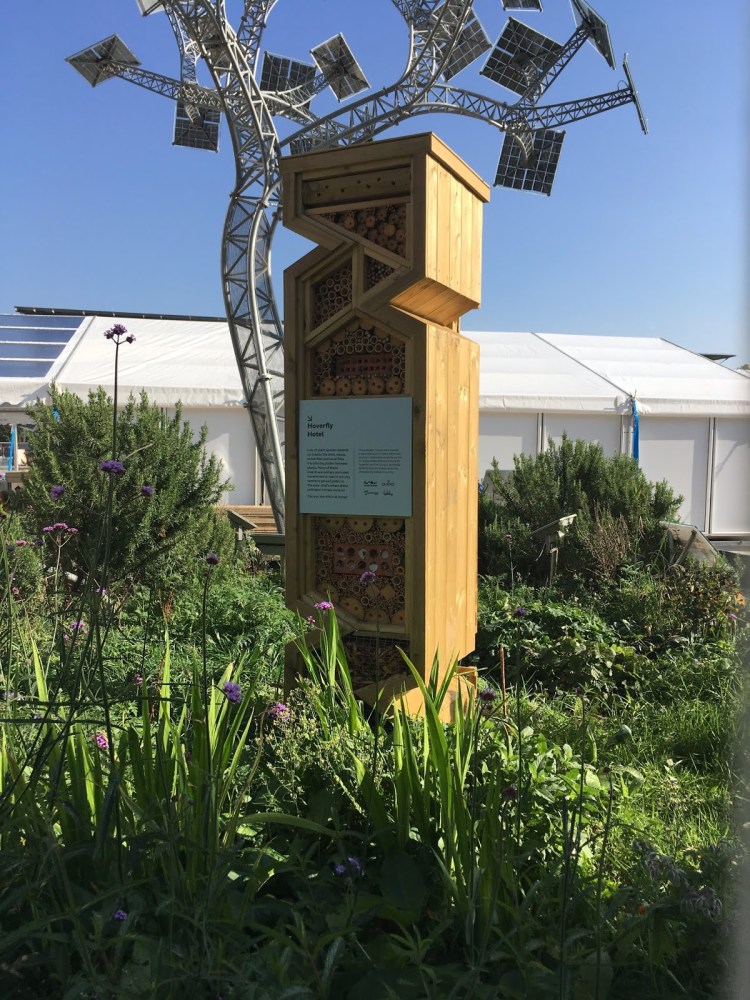
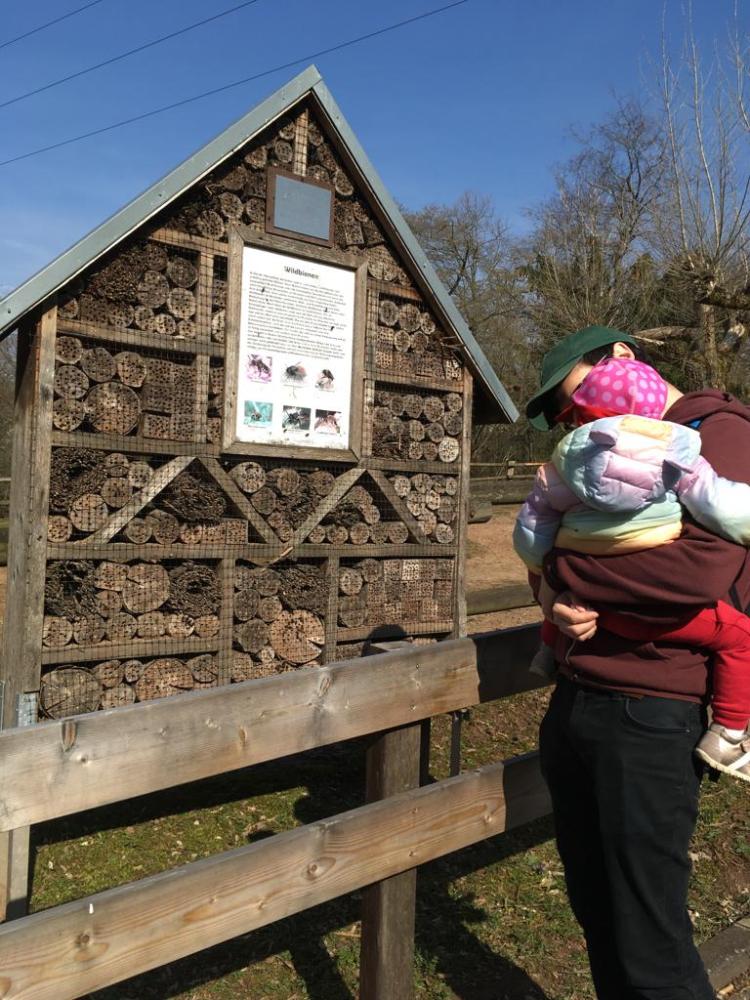
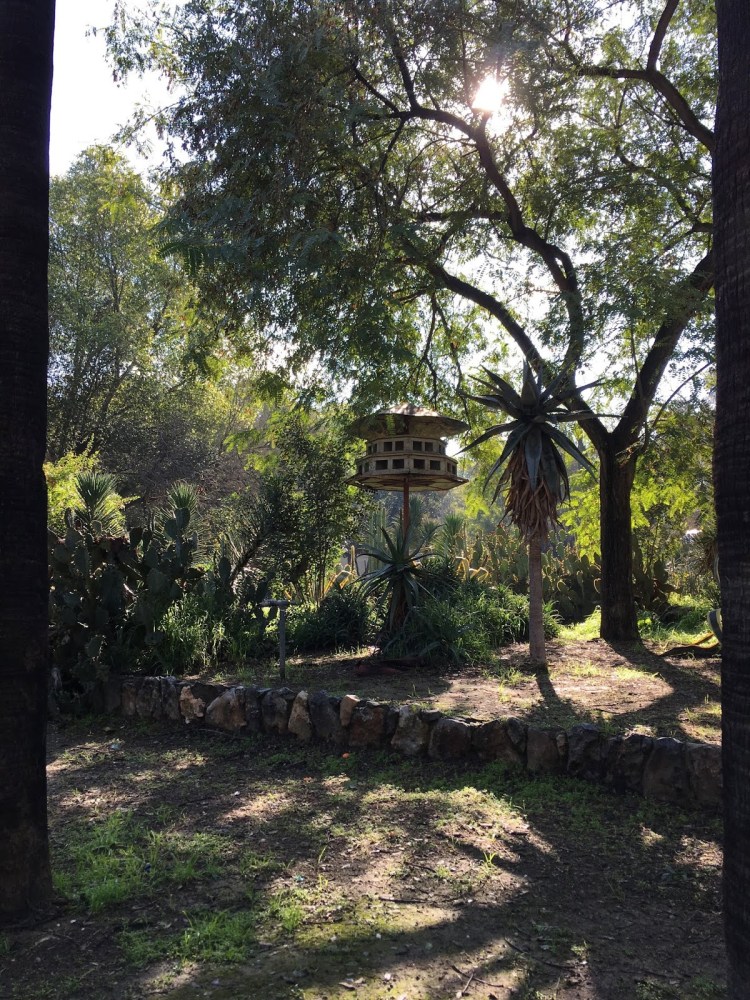
Despite the lack of insects, Europe in general seemed to be very hospitable to bugs as indicated by the bee houses we saw just about everywhere, from the Hague to Saarbrücken to Luxembourg  to Trogir, Croatia to Bristol & Oxford UK to Limassol, Cyprus.

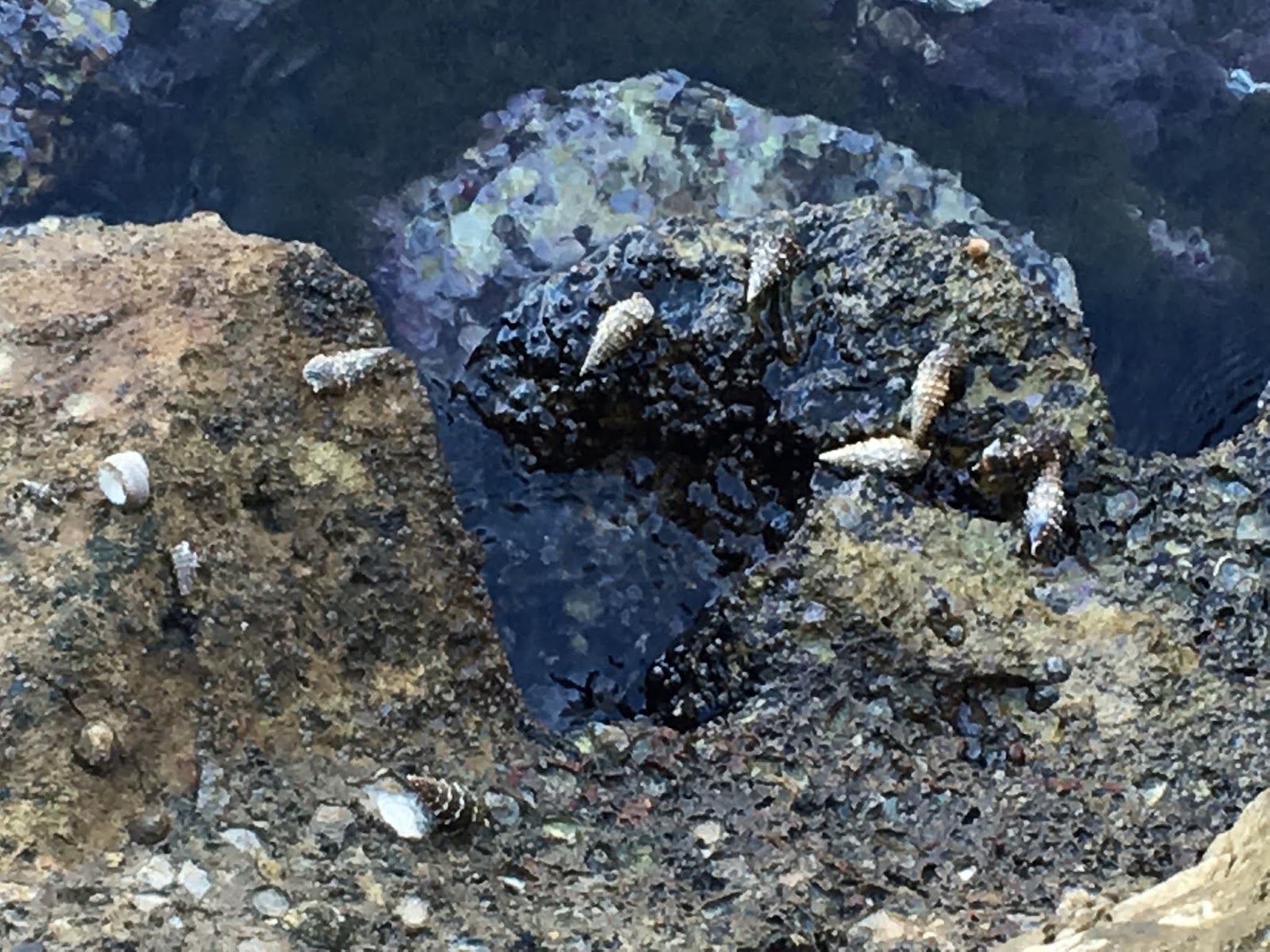
We did see snails, although in places we typically do not see them in.  in the water in Cavtat, Croatia

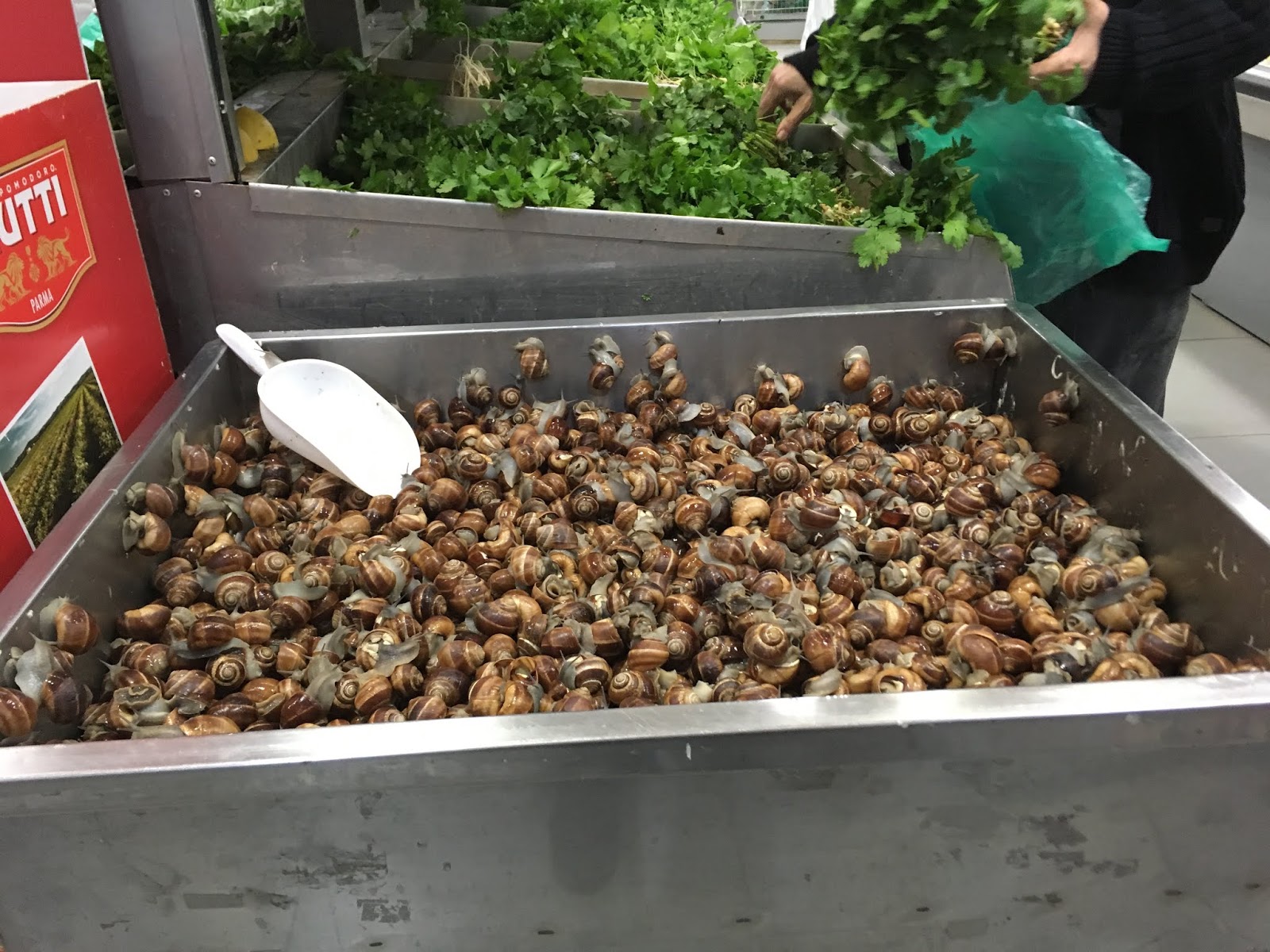
In the produce section in the market in Paphos, Cyprus (no we did not buy them.)

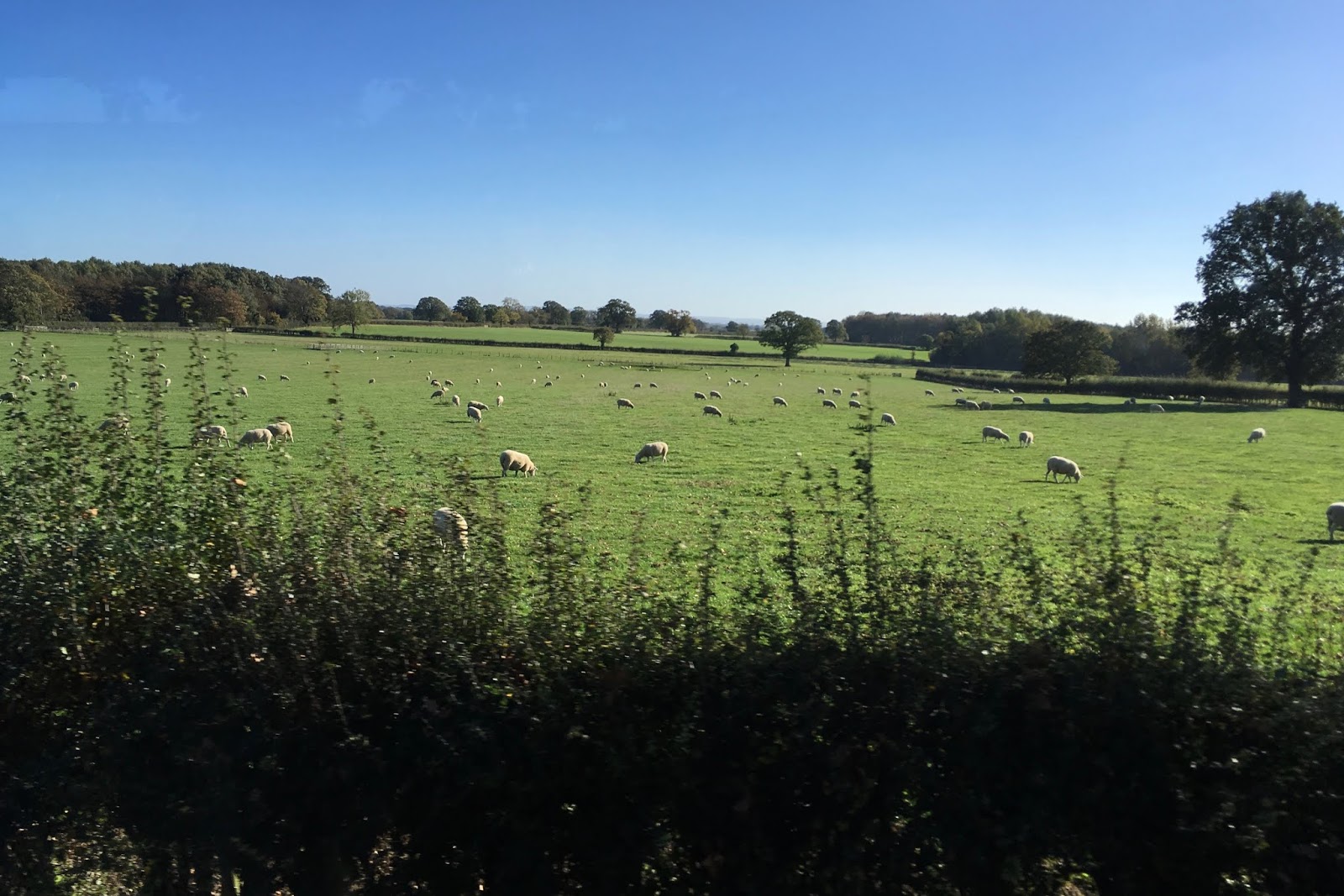
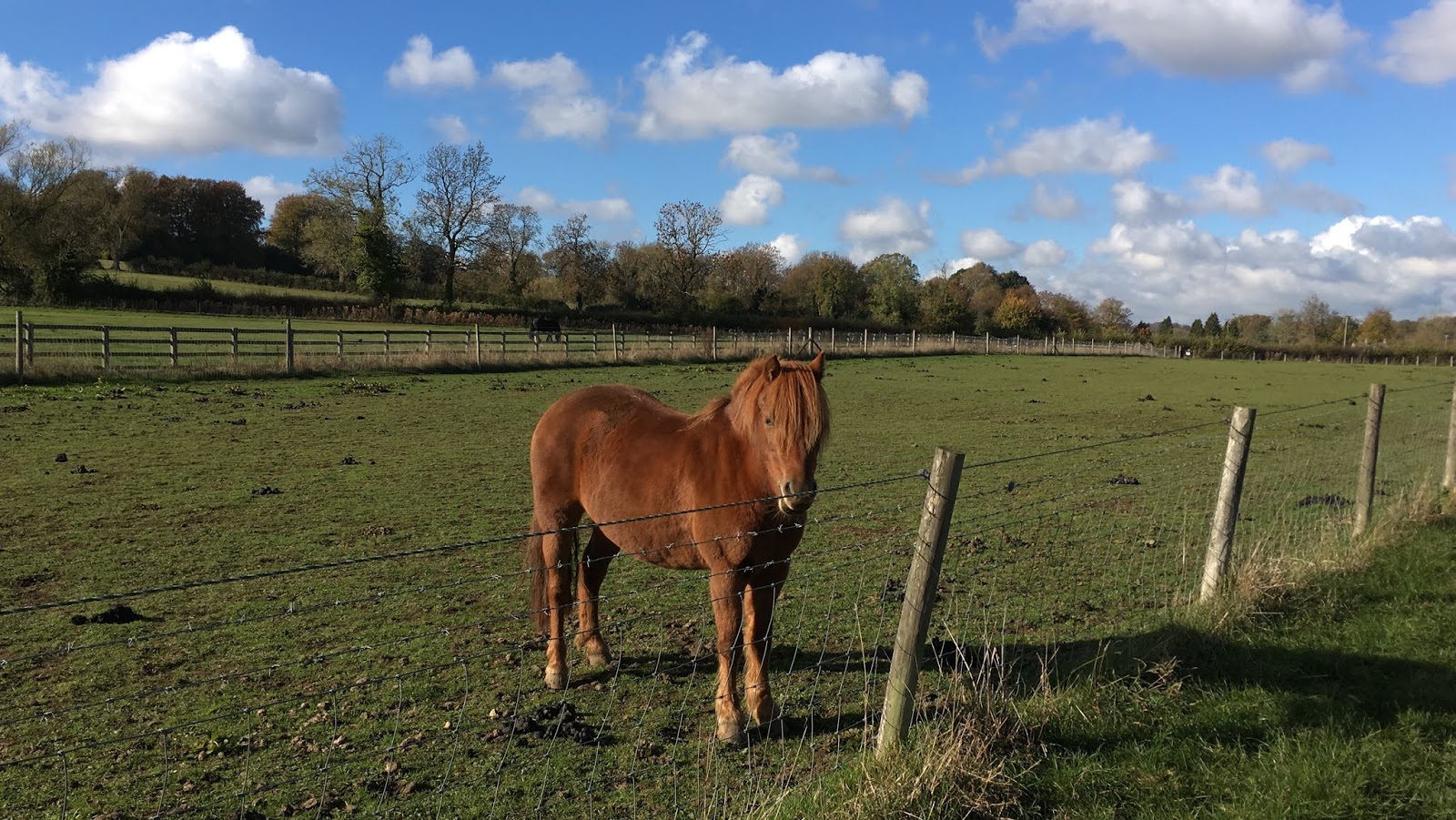
Most of the animals we saw were domestic like sheep, goats or horses and birds.

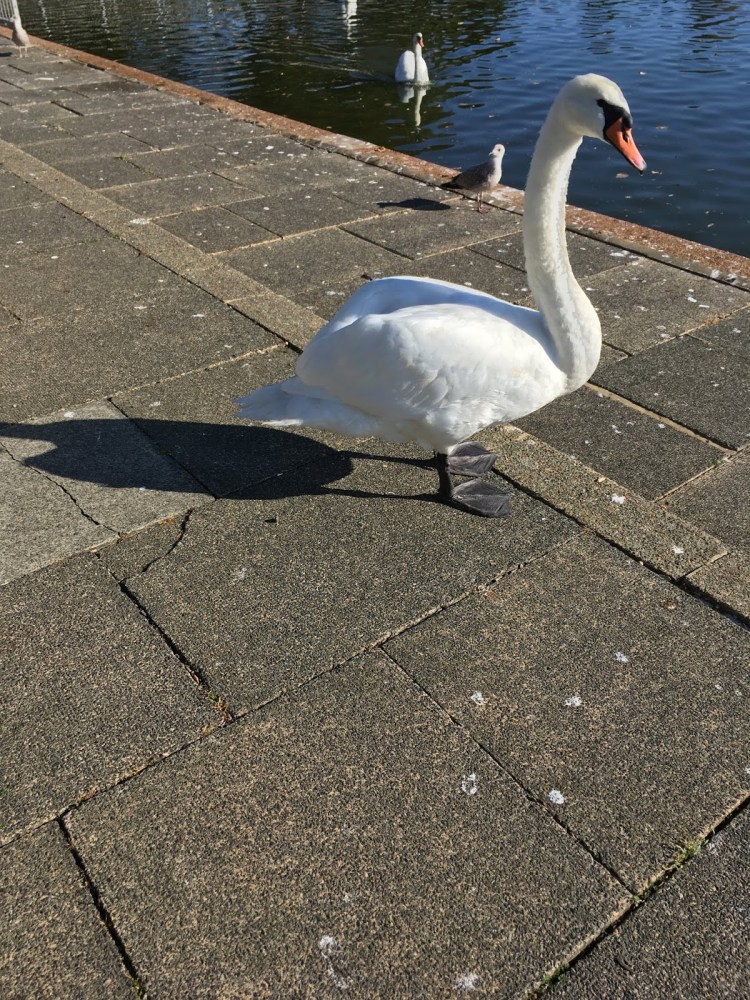
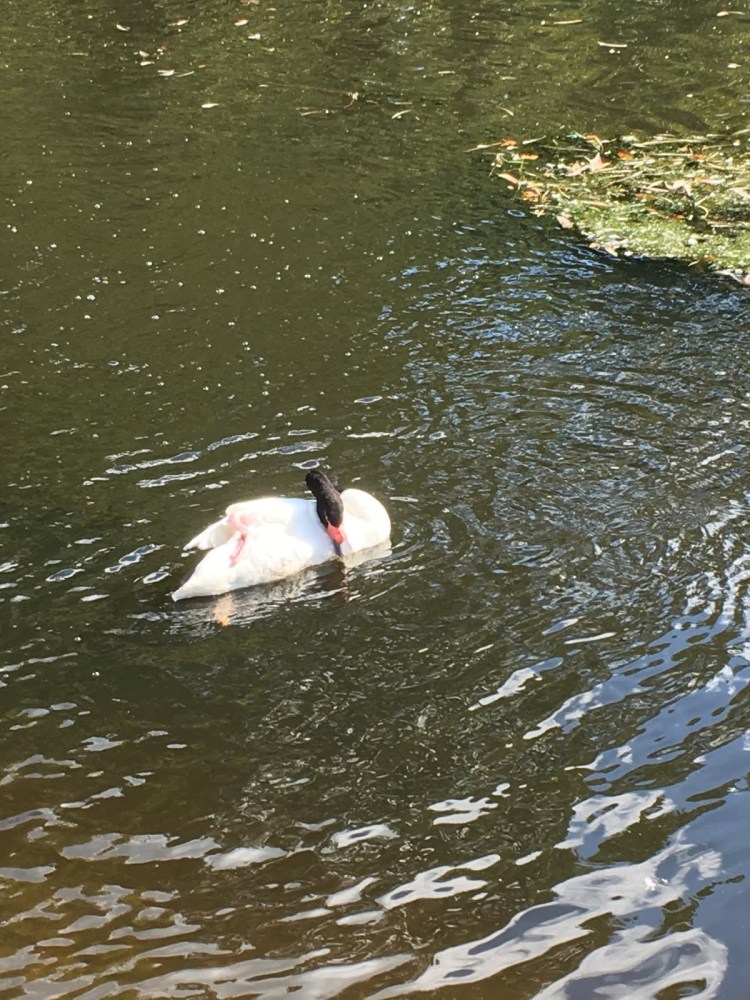
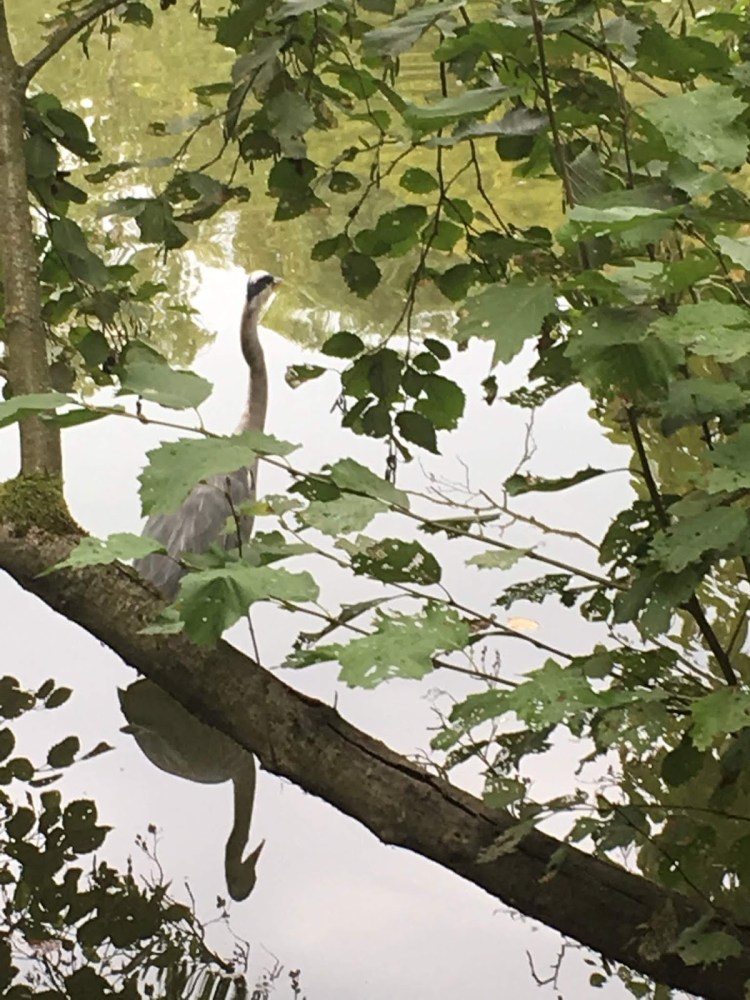
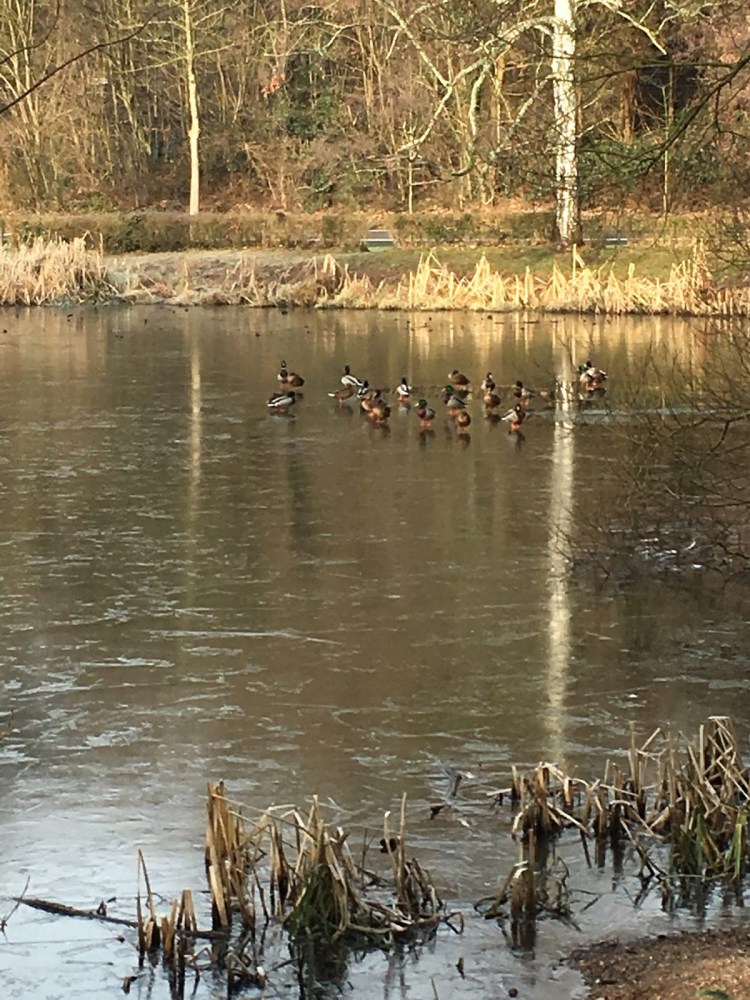
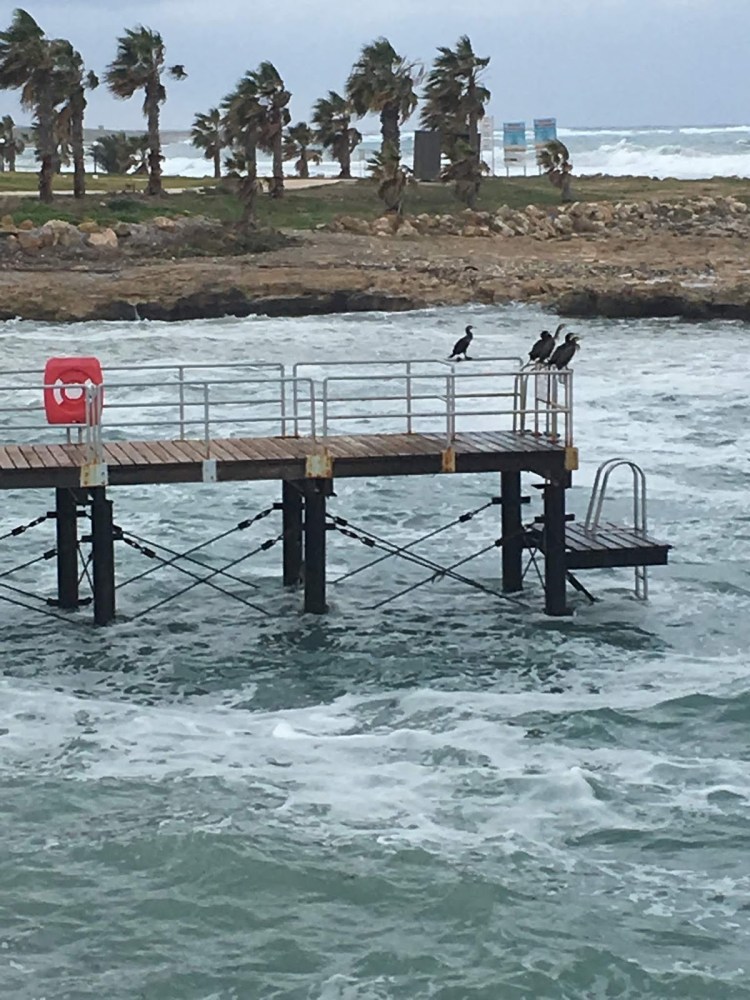
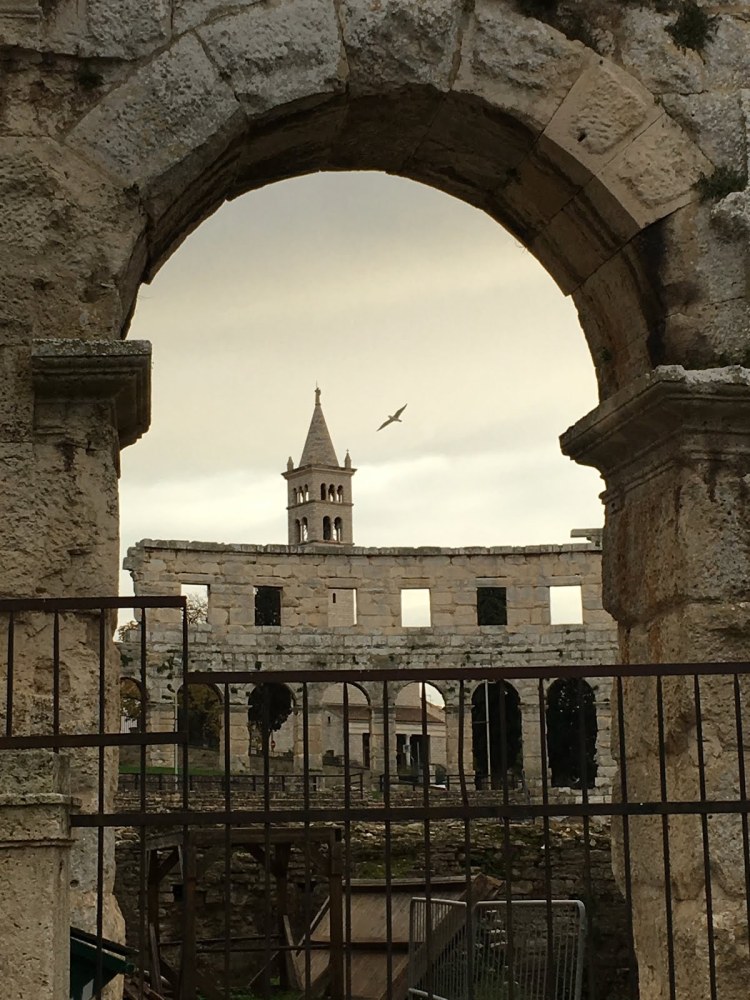
The most birds we saw were ones we almost did not see, the pheasants, grouse and other game birds hidden in the fields in Yorkshire and the Cotswolds.  The other birds, were primarily ones on the water

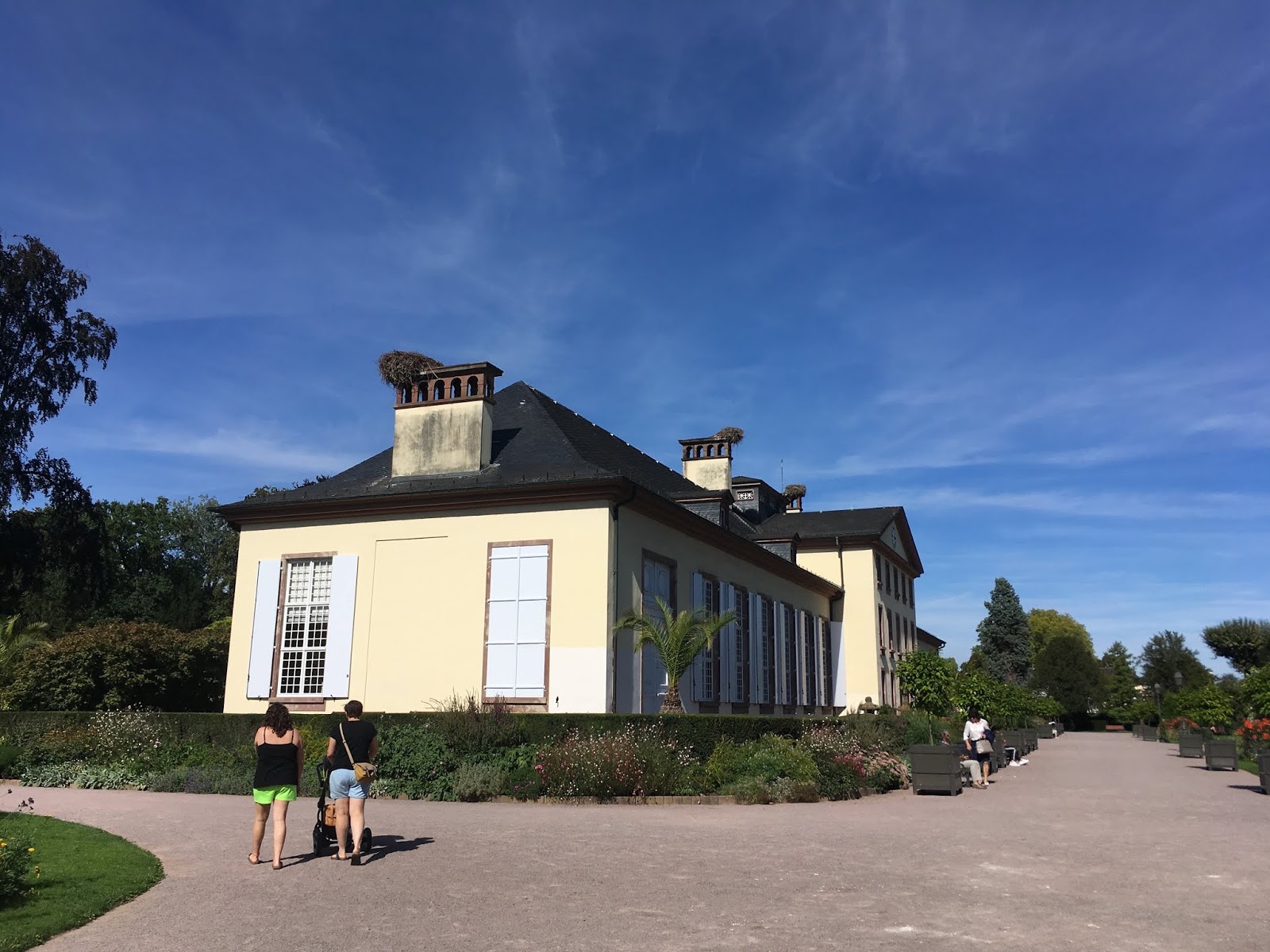
We are eager to return to Strasbourg in the spring to see the storks who will return to these chimney top nests.

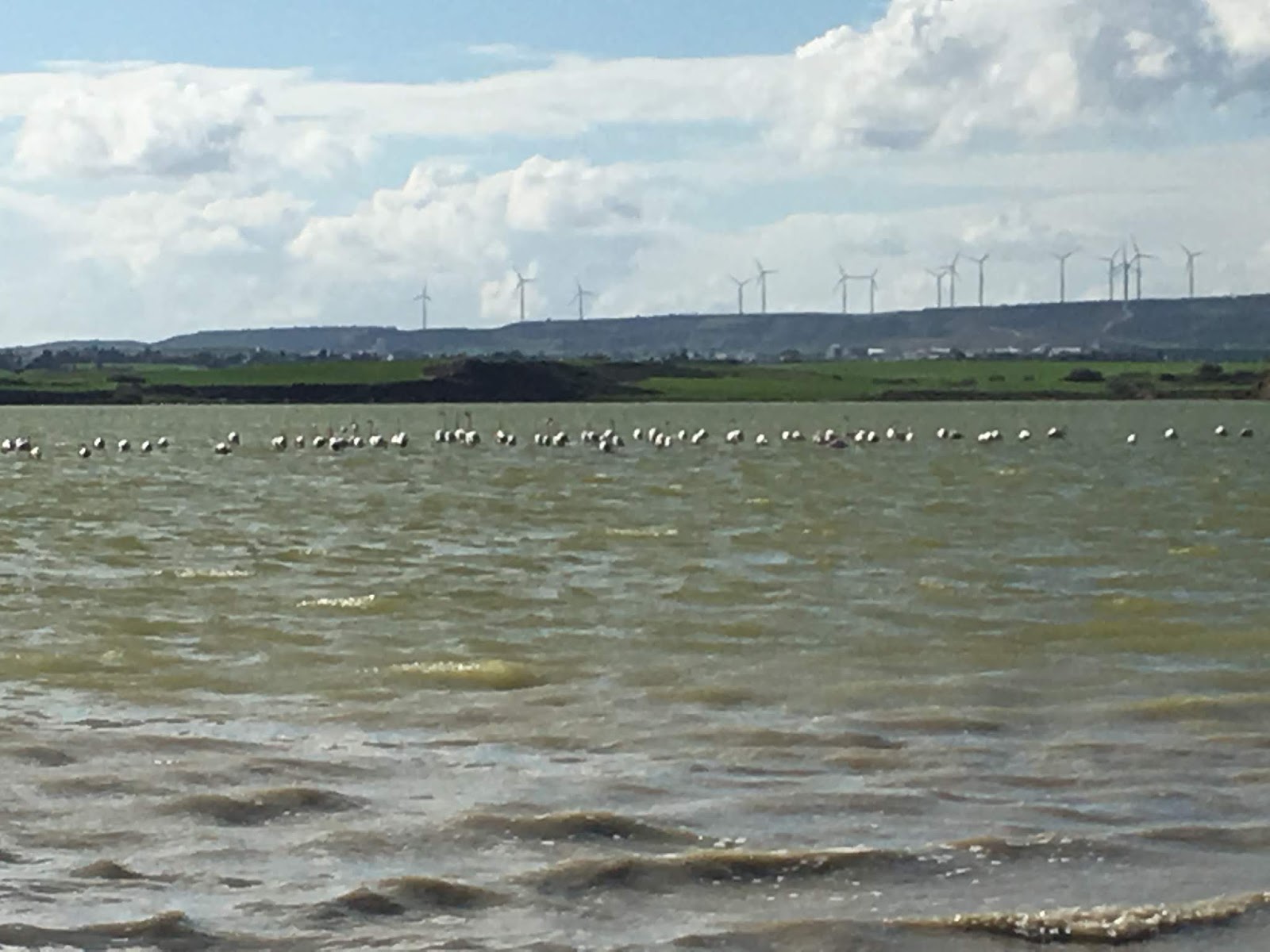
Although Cyprus did not have many birds, they did have the flamingos.

Continue reading “Birds and the Bees”